

#cryptoregulation
cryptoregulation
17.1M views
49,010 Discussing
Hot
Latest
·
--
$BNB news for Brazil: Binance users there are moving to locally regulated entities, and today is the deadline 🇧🇷
What's changing under the Central Bank of Brazil's new crypto rules:
• 8 services ended for Brazilian users on Oct 27, including Loans, Margin, Launchpool, Megadrop and HODLer Airdrops
• 22 tokens are no longer tradable for Brazilian customers, including Verge, Decred, Zilliqa, Ontology and Storj. Holders can still keep or withdraw them
• Eligible accounts move to Binance's licensed Brazilian entities by Oct 29
• Users who don't accept the migration have to withdraw and close their accounts
The bigger picture: Brazil is one of the largest crypto markets in Latin America. Like Europe with MiCA, it is now requiring exchanges to operate through local, licensed companies.
If you're in Brazil, check your Binance app notifications and finish the migration steps so your account isn't interrupted.
Is local licensing good for users, or does it just limit what they can access? 👇
#Brazil #CryptoRegulation #CryptoNews
$BNB news for Brazil: Binance users there are moving to locally regulated entities, and today is the deadline 🇧🇷
What's changing under the Central Bank of Brazil's new crypto rules:
• 8 services ended for Brazilian users on Oct 27, including Loans, Margin, Launchpool, Megadrop and HODLer Airdrops
• 22 tokens are no longer tradable for Brazilian customers, including Verge, Decred, Zilliqa, Ontology and Storj. Holders can still keep or withdraw them
• Eligible accounts move to Binance's licensed Brazilian entities by Oct 29
• Users who don't accept the migration have to withdraw and close their accounts
The bigger picture: Brazil is one of the largest crypto markets in Latin America. Like Europe with MiCA, it is now requiring exchanges to operate through local, licensed companies.
If you're in Brazil, check your Binance app notifications and finish the migration steps so your account isn't interrupted.
Is local licensing good for users, or does it just limit what they can access? 👇
#Brazil #CryptoRegulation #CryptoNews
What's changing under the Central Bank of Brazil's new crypto rules:
• 8 services ended for Brazilian users on Oct 27, including Loans, Margin, Launchpool, Megadrop and HODLer Airdrops
• 22 tokens are no longer tradable for Brazilian customers, including Verge, Decred, Zilliqa, Ontology and Storj. Holders can still keep or withdraw them
• Eligible accounts move to Binance's licensed Brazilian entities by Oct 29
• Users who don't accept the migration have to withdraw and close their accounts
The bigger picture: Brazil is one of the largest crypto markets in Latin America. Like Europe with MiCA, it is now requiring exchanges to operate through local, licensed companies.
If you're in Brazil, check your Binance app notifications and finish the migration steps so your account isn't interrupted.
Is local licensing good for users, or does it just limit what they can access? 👇
#Brazil #CryptoRegulation #CryptoNews
1.7k

·
--
Article
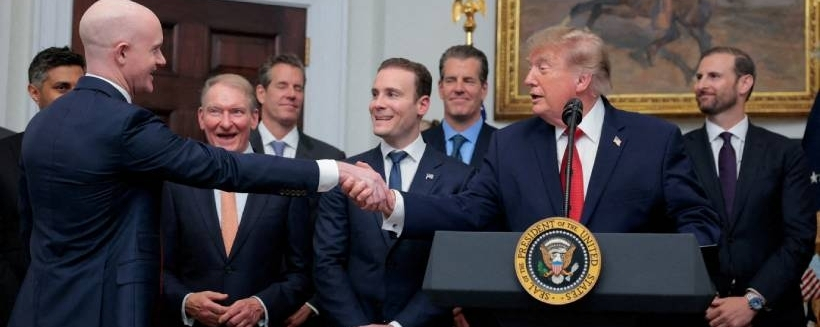
🇺🇸 CRYPTO INDUSTRY SPENDS $176 MILLION TO INFLUENCE US MIDTERM ELECTIONSThe cryptocurrency industry is making a major political move in the United States, spending approximately $176 million across more than 100 midterm election races to strengthen its influence in Congress, according to Reuters.
The strategy aims to build bipartisan support for crypto friendly policies and protect the industry's long term interests, even beyond President Donald Trump's current term.
A major player is Fairshake, the industry's leading super political action committee (Super PAC), which, together with its affiliated groups, has spent around $150.8 million during this election cycle. Major industry backers include Coinbase, Ripple, and venture capital firm Andreessen Horowitz.
The industry's political spending is closely connected to its push for clearer cryptocurrency regulations. While the GENIUS Act established a federal framework for stablecoins in 2025, the proposed CLARITY Act, which aims to define regulatory oversight of digital assets, remains stalled in the Senate.
Supporters argue that clearer rules could encourage innovation and provide greater certainty for crypto businesses. Critics, however, question whether large political expenditures give wealthy companies excessive influence over policymaking.
With the November 3 midterm elections approaching, the outcome could shape the future of US crypto regulation and influence the industry's relationship with lawmakers for years to come.
What do you think? Will this massive political spending help crypto adoption, or raise concerns about corporate influence?
#CryptoNews #bitcoin #CryptoRegulation #BinanceSquare #blockchain
$BTC
{future}(BTCUSDT)
$ETH
{future}(ETHUSDT)
$BNB
{future}(BNBUSDT)
🇺🇸 CRYPTO INDUSTRY SPENDS $176 MILLION TO INFLUENCE US MIDTERM ELECTIONS
The cryptocurrency industry is making a major political move in the United States, spending approximately $176 million across more than 100 midterm election races to strengthen its influence in Congress, according to Reuters.
The strategy aims to build bipartisan support for crypto friendly policies and protect the industry's long term interests, even beyond President Donald Trump's current term.
A major player is Fairshake, the industry's leading super political action committee (Super PAC), which, together with its affiliated groups, has spent around $150.8 million during this election cycle. Major industry backers include Coinbase, Ripple, and venture capital firm Andreessen Horowitz.
The industry's political spending is closely connected to its push for clearer cryptocurrency regulations. While the GENIUS Act established a federal framework for stablecoins in 2025, the proposed CLARITY Act, which aims to define regulatory oversight of digital assets, remains stalled in the Senate.
Supporters argue that clearer rules could encourage innovation and provide greater certainty for crypto businesses. Critics, however, question whether large political expenditures give wealthy companies excessive influence over policymaking.
With the November 3 midterm elections approaching, the outcome could shape the future of US crypto regulation and influence the industry's relationship with lawmakers for years to come.
What do you think? Will this massive political spending help crypto adoption, or raise concerns about corporate influence?
#CryptoNews #bitcoin #CryptoRegulation #BinanceSquare #blockchain
$BTC
$ETH
$BNB
The strategy aims to build bipartisan support for crypto friendly policies and protect the industry's long term interests, even beyond President Donald Trump's current term.
A major player is Fairshake, the industry's leading super political action committee (Super PAC), which, together with its affiliated groups, has spent around $150.8 million during this election cycle. Major industry backers include Coinbase, Ripple, and venture capital firm Andreessen Horowitz.
The industry's political spending is closely connected to its push for clearer cryptocurrency regulations. While the GENIUS Act established a federal framework for stablecoins in 2025, the proposed CLARITY Act, which aims to define regulatory oversight of digital assets, remains stalled in the Senate.
Supporters argue that clearer rules could encourage innovation and provide greater certainty for crypto businesses. Critics, however, question whether large political expenditures give wealthy companies excessive influence over policymaking.
With the November 3 midterm elections approaching, the outcome could shape the future of US crypto regulation and influence the industry's relationship with lawmakers for years to come.
What do you think? Will this massive political spending help crypto adoption, or raise concerns about corporate influence?
#CryptoNews #bitcoin #CryptoRegulation #BinanceSquare #blockchain
$BTC
$ETH
$BNB
89

·
--
#据报韩国考虑第四次推迟加密税
The “fourth delay” isn’t good news—it’s South Korea waiting for the US
South Korea’s crypto tax is being delayed again, possibly for the fourth time—from 2027 to 2029. The 22% tax rate and 2.5 million won tax-free allowance haven’t changed; what has changed is when the tax will take effect.
On the surface, it looks like South Korea simply “isn’t ready.” But the deeper reason lies with the US: the OECD’s Crypto-Asset Reporting Framework (CARF) requires countries to exchange transaction data. South Korea will start exchanging data in 2027, but the US won’t join until 2029. If South Korea goes ahead with the tax in 2027, it won’t have access to US data. The National Tax Service would be left relentlessly pursuing Korean investors using domestic exchanges, while people using overseas platforms or self-custody would be left alone. That wouldn’t be taxation—it would be punishing the honest.
So the Blue House’s logic is: if the data doesn’t line up, don’t collect the tax. Delaying it until 2029 is essentially a way of waiting for a complete global tax-data system. In the short term, this is positive for market sentiment, but don’t mistake “afraid to collect” for “won’t collect.” The 22% tax is still there; the countdown has just been slowed by another two years. $NVDAB $TSMB $MSFTB
#SouthKoreaCrypto #CryptoRegulation #BinanceSquare
{future}(NVDAUSDT)
{web3_wallet_create}(560xc6bff31bbfa84d3c05ad61d8ec47be8b31517777)
#据报韩国考虑第四次推迟加密税
The “fourth delay” isn’t good news—it’s South Korea waiting for the US
South Korea’s crypto tax is being delayed again, possibly for the fourth time—from 2027 to 2029. The 22% tax rate and 2.5 million won tax-free allowance haven’t changed; what has changed is when the tax will take effect.
On the surface, it looks like South Korea simply “isn’t ready.” But the deeper reason lies with the US: the OECD’s Crypto-Asset Reporting Framework (CARF) requires countries to exchange transaction data. South Korea will start exchanging data in 2027, but the US won’t join until 2029. If South Korea goes ahead with the tax in 2027, it won’t have access to US data. The National Tax Service would be left relentlessly pursuing Korean investors using domestic exchanges, while people using overseas platforms or self-custody would be left alone. That wouldn’t be taxation—it would be punishing the honest.
So the Blue House’s logic is: if the data doesn’t line up, don’t collect the tax. Delaying it until 2029 is essentially a way of waiting for a complete global tax-data system. In the short term, this is positive for market sentiment, but don’t mistake “afraid to collect” for “won’t collect.” The 22% tax is still there; the countdown has just been slowed by another two years. $NVDAB $TSMB $MSFTB
#SouthKoreaCrypto #CryptoRegulation #BinanceSquare
The “fourth delay” isn’t good news—it’s South Korea waiting for the US
South Korea’s crypto tax is being delayed again, possibly for the fourth time—from 2027 to 2029. The 22% tax rate and 2.5 million won tax-free allowance haven’t changed; what has changed is when the tax will take effect.
On the surface, it looks like South Korea simply “isn’t ready.” But the deeper reason lies with the US: the OECD’s Crypto-Asset Reporting Framework (CARF) requires countries to exchange transaction data. South Korea will start exchanging data in 2027, but the US won’t join until 2029. If South Korea goes ahead with the tax in 2027, it won’t have access to US data. The National Tax Service would be left relentlessly pursuing Korean investors using domestic exchanges, while people using overseas platforms or self-custody would be left alone. That wouldn’t be taxation—it would be punishing the honest.
So the Blue House’s logic is: if the data doesn’t line up, don’t collect the tax. Delaying it until 2029 is essentially a way of waiting for a complete global tax-data system. In the short term, this is positive for market sentiment, but don’t mistake “afraid to collect” for “won’t collect.” The 22% tax is still there; the countdown has just been slowed by another two years. $NVDAB $TSMB $MSFTB
#SouthKoreaCrypto #CryptoRegulation #BinanceSquare
王小神:
税率和免税额没变,只是开征时间往后推。与其把第四次推迟当利好,不如看美国CARF数据交换什么时候真正落地。
7
5
3.7k

·
--
🚨 Treasury Secretary Bessent frames crypto as a strategic asset to defend the USD’s global dominance. He notes that clear regulatory action from the SEC and CFTC could replace the stalled Clarity Act, potentially curbing "debanking" practices.
XRP stands to benefit from clearer regulatory frameworks and a more favorable stance on digital assets from U.S. leadership.
#CryptoRegulation
$XRP #TradingSignal #CryptoAnalysis
🚨 Treasury Secretary Bessent frames crypto as a strategic asset to defend the USD’s global dominance. He notes that clear regulatory action from the SEC and CFTC could replace the stalled Clarity Act, potentially curbing "debanking" practices.
XRP stands to benefit from clearer regulatory frameworks and a more favorable stance on digital assets from U.S. leadership.
#CryptoRegulation
$XRP #TradingSignal #CryptoAnalysis
XRP stands to benefit from clearer regulatory frameworks and a more favorable stance on digital assets from U.S. leadership.
#CryptoRegulation
$XRP #TradingSignal #CryptoAnalysis
·
--
🚨 Ripple secures final US trust bank approval despite traditional banking objections. The OCC granted final approval for Ripple National Trust Bank to manage RLUSD reserves, signaling deeper institutional integration for XRP.
💡 Market implication: Regulatory clarity may accelerate XRP adoption in on-chain finance, potentially tightening supply on exchanges.
💭 Will this approval drive sustained XRP accumulation or trigger a short-term sell-the-news reaction? #CryptoRegulation
$XRP #TradingSignal #CryptoAnalysis
🚨 Ripple secures final US trust bank approval despite traditional banking objections. The OCC granted final approval for Ripple National Trust Bank to manage RLUSD reserves, signaling deeper institutional integration for XRP.
💡 Market implication: Regulatory clarity may accelerate XRP adoption in on-chain finance, potentially tightening supply on exchanges.
💭 Will this approval drive sustained XRP accumulation or trigger a short-term sell-the-news reaction? #CryptoRegulation
$XRP #TradingSignal #CryptoAnalysis
💡 Market implication: Regulatory clarity may accelerate XRP adoption in on-chain finance, potentially tightening supply on exchanges.
💭 Will this approval drive sustained XRP accumulation or trigger a short-term sell-the-news reaction? #CryptoRegulation
$XRP #TradingSignal #CryptoAnalysis
1

🚨 CRYPTO WEEK: A MAJOR MOMENT FOR U.S. CRYPTO REGULATION! 🇺🇸
Three key bills are shaping the debate over crypto’s future:
✅ GENIUS Act Rules for payment stablecoins
✅ CLARITY Act Defines crypto market oversight between the SEC and CFTC
✅ Anti-CBDC Act Seeks to restrict a U.S. central bank digital currency
Could these proposals reshape the U.S. crypto industry and influence global regulation?
#Crypto #Bitcoin #CryptoRegulation #Stablecoins #blockchaineconomy
🚨 CRYPTO WEEK: A MAJOR MOMENT FOR U.S. CRYPTO REGULATION! 🇺🇸
Three key bills are shaping the debate over crypto’s future:
✅ GENIUS Act Rules for payment stablecoins
✅ CLARITY Act Defines crypto market oversight between the SEC and CFTC
✅ Anti-CBDC Act Seeks to restrict a U.S. central bank digital currency
Could these proposals reshape the U.S. crypto industry and influence global regulation?
#Crypto #Bitcoin #CryptoRegulation #Stablecoins #blockchaineconomy
Three key bills are shaping the debate over crypto’s future:
✅ GENIUS Act Rules for payment stablecoins
✅ CLARITY Act Defines crypto market oversight between the SEC and CFTC
✅ Anti-CBDC Act Seeks to restrict a U.S. central bank digital currency
Could these proposals reshape the U.S. crypto industry and influence global regulation?
#Crypto #Bitcoin #CryptoRegulation #Stablecoins #blockchaineconomy
1

·
--
🇰🇷 South Korea’s Crypto Tax Headlines: What Was Actually Confirmed?
A headline can spread quickly, but the official response matters just as much.
On October 26, South Korea’s Ministry of Finance and Economy clarified that it had not considered imposing the education tax on digital asset exchanges. The statement followed reports suggesting the tax could become relevant if exchanges were reclassified as financial businesses.
So, for now, this specific tax proposal should not be presented as a confirmed government policy.
The wider question remains: if crypto exchanges are eventually classified as financial businesses, how should existing tax rules apply to them?
For anyone following crypto regulation, the key lesson is simple: separate official statements from media reports and possible future scenarios.
What makes more sense to you: adapting existing financial tax rules for crypto exchanges, or creating a separate framework?
#CryptoRegulation #SouthKorea #CryptoPolicy
🇰🇷 South Korea’s Crypto Tax Headlines: What Was Actually Confirmed?
A headline can spread quickly, but the official response matters just as much.
On October 26, South Korea’s Ministry of Finance and Economy clarified that it had not considered imposing the education tax on digital asset exchanges. The statement followed reports suggesting the tax could become relevant if exchanges were reclassified as financial businesses.
So, for now, this specific tax proposal should not be presented as a confirmed government policy.
The wider question remains: if crypto exchanges are eventually classified as financial businesses, how should existing tax rules apply to them?
For anyone following crypto regulation, the key lesson is simple: separate official statements from media reports and possible future scenarios.
What makes more sense to you: adapting existing financial tax rules for crypto exchanges, or creating a separate framework?
#CryptoRegulation #SouthKorea #CryptoPolicy
A headline can spread quickly, but the official response matters just as much.
On October 26, South Korea’s Ministry of Finance and Economy clarified that it had not considered imposing the education tax on digital asset exchanges. The statement followed reports suggesting the tax could become relevant if exchanges were reclassified as financial businesses.
So, for now, this specific tax proposal should not be presented as a confirmed government policy.
The wider question remains: if crypto exchanges are eventually classified as financial businesses, how should existing tax rules apply to them?
For anyone following crypto regulation, the key lesson is simple: separate official statements from media reports and possible future scenarios.
What makes more sense to you: adapting existing financial tax rules for crypto exchanges, or creating a separate framework?
#CryptoRegulation #SouthKorea #CryptoPolicy

1
1

·
--
CRYPTO POWER MOVES IN U.S. POLITICS 🇺🇸
The crypto industry has spent around $176M across 100+ U.S. midterm races as it pushes for policies favorable to digital assets. 🪙
The stalled CLARITY Act remains a major focus for the industry.
#crypto #bitcoin #TRUMP #USPolitics #CryptoRegulation
CRYPTO POWER MOVES IN U.S. POLITICS 🇺🇸
The crypto industry has spent around $176M across 100+ U.S. midterm races as it pushes for policies favorable to digital assets. 🪙
The stalled CLARITY Act remains a major focus for the industry.
#crypto #bitcoin #TRUMP #USPolitics #CryptoRegulation
The crypto industry has spent around $176M across 100+ U.S. midterm races as it pushes for policies favorable to digital assets. 🪙
The stalled CLARITY Act remains a major focus for the industry.
#crypto #bitcoin #TRUMP #USPolitics #CryptoRegulation

99
·
--
Regulatory news is back in focus. Ripple reportedly received final OCC approval for a national trust bank. If true, it adds to the "clarity premium" for compliant assets. Clearer rules could bring more institutional money into crypto. 📈
#XRP #Ripple #CryptoRegulation
Regulatory news is back in focus. Ripple reportedly received final OCC approval for a national trust bank. If true, it adds to the "clarity premium" for compliant assets. Clearer rules could bring more institutional money into crypto. 📈
#XRP #Ripple #CryptoRegulation
#XRP #Ripple #CryptoRegulation
1
178

·
--
Binance cuts 22 assets ahead of Brazil license deadline; compliance costs may raise the barrier to market access
The exchange is making a proactive contraction to signal goodwill to regulators. Binance is removing 22 crypto assets for Brazilian users ahead of Friday’s deadline as it seeks a Brazilian crypto license, and it hopes talks with Brazil’s central bank will allow some of the delisted assets to be relisted later.
The key point is not the delisting itself, but the timing. A concentrated cleanup of compliance-facing offerings ahead of a deadline is standard practice when an exchange is confronted with a clear regulatory red line: first satisfy the entry requirements, then try to regain room to operate. According to Cointelegraph, Binance hopes communication with Brazil’s central bank will enable it to relist some assets, suggesting this is a strategic concession rather than a long-term exit.
From a funding-flow perspective, delistings near a deadline mean a short-term tightening of capital access. When an exchange narrows the set of tradable assets to meet regulatory requirements, local investors’ allocation channels are temporarily reduced, and the liquidity and trading routes for some assets face pressure during the transition. However, Brazil’s local market size is limited, so the actual impact on broader liquidity conditions may be modest.
What is more noteworthy is the rise in compliance costs. To enter different jurisdictions, exchanges must continuously meet local requirements around localization, custody, disclosure, and more; these costs ultimately feed into product design and user access. The near-deadline delisting reflects a choice in capital-routing under regulatory pressure — the exchange must find a balance between access and freedom.
How might the market react? In the short term, the direct impact on the Brazilian market is limited, and the move is more symbolic. In the medium term, if the license is approved, the delisted assets may reappear in front of local users and capital could flow back. But if negotiations stall, compliance barriers could become more permanent, raising the entry costs for other exchanges.
A counterpoint is that this delisting is a technical adjustment tied closely to Binance’s Brazil licensing process, and is essentially a one-off event. Brazil’s local liquidity accounts for a relatively small share of global activity, so clearing 22 assets may not trigger a cross-market chain reaction.
What should be watched next? The key is Binance’s negotiations with Brazil’s central bank and whether the delisted assets are relisted after the license is granted. If you are tracking the affected assets, the more important trading decision is to wait for regulatory clarity rather than overreact to a near-deadline delisting.
#Binance #CryptoRegulation
The above is information compiled and personally analyzed, and does not constitute investment advice.
I will continue to update as policy details become clearer.
Binance cuts 22 assets ahead of Brazil license deadline; compliance costs may raise the barrier to market access
The exchange is making a proactive contraction to signal goodwill to regulators. Binance is removing 22 crypto assets for Brazilian users ahead of Friday’s deadline as it seeks a Brazilian crypto license, and it hopes talks with Brazil’s central bank will allow some of the delisted assets to be relisted later.
The key point is not the delisting itself, but the timing. A concentrated cleanup of compliance-facing offerings ahead of a deadline is standard practice when an exchange is confronted with a clear regulatory red line: first satisfy the entry requirements, then try to regain room to operate. According to Cointelegraph, Binance hopes communication with Brazil’s central bank will enable it to relist some assets, suggesting this is a strategic concession rather than a long-term exit.
From a funding-flow perspective, delistings near a deadline mean a short-term tightening of capital access. When an exchange narrows the set of tradable assets to meet regulatory requirements, local investors’ allocation channels are temporarily reduced, and the liquidity and trading routes for some assets face pressure during the transition. However, Brazil’s local market size is limited, so the actual impact on broader liquidity conditions may be modest.
What is more noteworthy is the rise in compliance costs. To enter different jurisdictions, exchanges must continuously meet local requirements around localization, custody, disclosure, and more; these costs ultimately feed into product design and user access. The near-deadline delisting reflects a choice in capital-routing under regulatory pressure — the exchange must find a balance between access and freedom.
How might the market react? In the short term, the direct impact on the Brazilian market is limited, and the move is more symbolic. In the medium term, if the license is approved, the delisted assets may reappear in front of local users and capital could flow back. But if negotiations stall, compliance barriers could become more permanent, raising the entry costs for other exchanges.
A counterpoint is that this delisting is a technical adjustment tied closely to Binance’s Brazil licensing process, and is essentially a one-off event. Brazil’s local liquidity accounts for a relatively small share of global activity, so clearing 22 assets may not trigger a cross-market chain reaction.
What should be watched next? The key is Binance’s negotiations with Brazil’s central bank and whether the delisted assets are relisted after the license is granted. If you are tracking the affected assets, the more important trading decision is to wait for regulatory clarity rather than overreact to a near-deadline delisting.
#Binance #CryptoRegulation
The above is information compiled and personally analyzed, and does not constitute investment advice.
I will continue to update as policy details become clearer.
The exchange is making a proactive contraction to signal goodwill to regulators. Binance is removing 22 crypto assets for Brazilian users ahead of Friday’s deadline as it seeks a Brazilian crypto license, and it hopes talks with Brazil’s central bank will allow some of the delisted assets to be relisted later.
The key point is not the delisting itself, but the timing. A concentrated cleanup of compliance-facing offerings ahead of a deadline is standard practice when an exchange is confronted with a clear regulatory red line: first satisfy the entry requirements, then try to regain room to operate. According to Cointelegraph, Binance hopes communication with Brazil’s central bank will enable it to relist some assets, suggesting this is a strategic concession rather than a long-term exit.
From a funding-flow perspective, delistings near a deadline mean a short-term tightening of capital access. When an exchange narrows the set of tradable assets to meet regulatory requirements, local investors’ allocation channels are temporarily reduced, and the liquidity and trading routes for some assets face pressure during the transition. However, Brazil’s local market size is limited, so the actual impact on broader liquidity conditions may be modest.
What is more noteworthy is the rise in compliance costs. To enter different jurisdictions, exchanges must continuously meet local requirements around localization, custody, disclosure, and more; these costs ultimately feed into product design and user access. The near-deadline delisting reflects a choice in capital-routing under regulatory pressure — the exchange must find a balance between access and freedom.
How might the market react? In the short term, the direct impact on the Brazilian market is limited, and the move is more symbolic. In the medium term, if the license is approved, the delisted assets may reappear in front of local users and capital could flow back. But if negotiations stall, compliance barriers could become more permanent, raising the entry costs for other exchanges.
A counterpoint is that this delisting is a technical adjustment tied closely to Binance’s Brazil licensing process, and is essentially a one-off event. Brazil’s local liquidity accounts for a relatively small share of global activity, so clearing 22 assets may not trigger a cross-market chain reaction.
What should be watched next? The key is Binance’s negotiations with Brazil’s central bank and whether the delisted assets are relisted after the license is granted. If you are tracking the affected assets, the more important trading decision is to wait for regulatory clarity rather than overreact to a near-deadline delisting.
#Binance #CryptoRegulation
The above is information compiled and personally analyzed, and does not constitute investment advice.
I will continue to update as policy details become clearer.
3

·
--
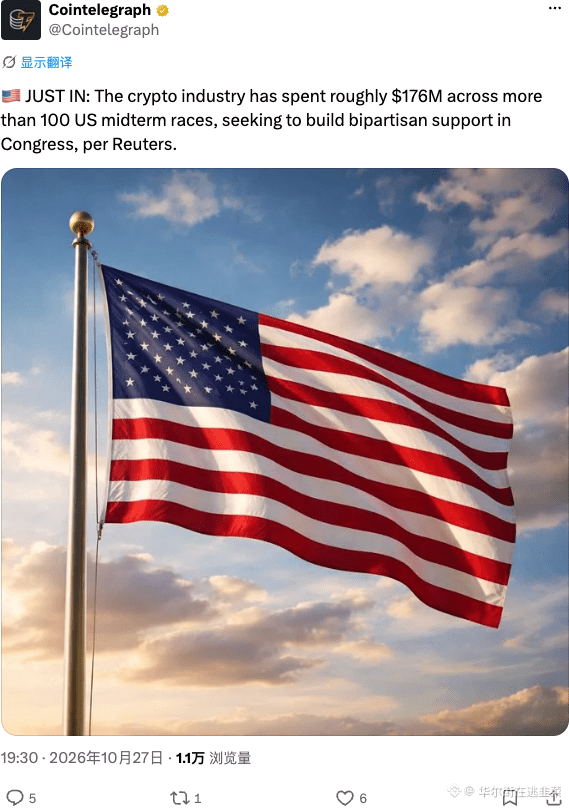
According to Reuters, the crypto industry spent about $176 million across more than 100 midterm election races to win bipartisan support in Congress.
Pouring $176 million into over 100 races may or may not buy regulatory certainty. This looks less like buying support and more like offering regulators a pledge of allegiance. If all they get in the end is empty promises, retail investors could get fleeced again. 🤡
$POLITICS #USMidterms #CryptoRegulation
According to Reuters, the crypto industry spent about $176 million across more than 100 midterm election races to win bipartisan support in Congress.
Pouring $176 million into over 100 races may or may not buy regulatory certainty. This looks less like buying support and more like offering regulators a pledge of allegiance. If all they get in the end is empty promises, retail investors could get fleeced again. 🤡
$POLITICS #USMidterms #CryptoRegulation
Pouring $176 million into over 100 races may or may not buy regulatory certainty. This looks less like buying support and more like offering regulators a pledge of allegiance. If all they get in the end is empty promises, retail investors could get fleeced again. 🤡
$POLITICS #USMidterms #CryptoRegulation
4
·
--
Binance races to secure Brazilian license, delists 22 assets before deadline; access to funds may shrink
Brazil’s regulatory window is closing, and Binance’s choice is to delist assets in exchange for market access. What is truly worth watching is how the financial threshold for exchanges entering the Brazilian market is being redefined.
According to Cointelegraph, Binance submitted its application for a Brazilian crypto license ahead of Friday’s deadline, while delisting 22 crypto assets for Brazilian users. The exchange hopes that talks with Brazil’s central bank will allow it to relist some of the assets, but the outcome remains uncertain.
Viewed through the lens of capital flows and macro trends, this move has implications beyond a single market. Brazil is one of Latin America’s largest crypto markets, with substantial user numbers and trading volumes, and a license is essentially a key to market access. Delisting 22 assets just before the deadline may mean Binance needs to realign its products with the central bank’s list of approved assets to secure permission to continue operating. In other words, the outcome of regulatory negotiations will determine which assets remain available to Brazilian users.
It is important to distinguish this market-access negotiation at the exchange level from a systemic capital event. Based on the information currently available, both the delistings and any potential relistings are limited to Brazil, a single jurisdiction, and their impact on capital flows across the global crypto market is likely to be limited. This reflects an exchange negotiating terms with a central bank, not a shift in the direction of global liquidity.
There is currently no clear basis for predicting how the market will react. If negotiations go smoothly and some assets are relisted, this could strengthen expectations of Binance’s long-term presence in Latin America. If the application is rejected or stringent conditions are imposed, the range of tradable assets available locally could shrink. Either way, the impact on capital flows is likely to remain relatively localized.
The countervailing factors are also clear. Whether the license is approved depends entirely on further negotiations with the central bank, with the risk of rejection or additional conditions. Submitting an application does not mean regulators have implicitly approved it. Moreover, changes to market access in a single country may not translate into capital being reallocated across markets.
What to watch next: first, whether the central bank grants approval and what conditions it attaches; second, whether the 22 delisted assets are included on a list of assets eligible for relisting, and on what timeline; and third, whether this market-access negotiation becomes a precedent for other exchanges in Latin America. For traders, the more important step is to wait for confirmation of the regulatory outcome rather than price in changes to market access in a single jurisdiction prematurely.
#Binance #Brazil #CryptoRegulation
The above is an informational summary and personal analysis, not investment advice.
I will continue to provide updates as further policy details become clear.
Binance races to secure Brazilian license, delists 22 assets before deadline; access to funds may shrink
Brazil’s regulatory window is closing, and Binance’s choice is to delist assets in exchange for market access. What is truly worth watching is how the financial threshold for exchanges entering the Brazilian market is being redefined.
According to Cointelegraph, Binance submitted its application for a Brazilian crypto license ahead of Friday’s deadline, while delisting 22 crypto assets for Brazilian users. The exchange hopes that talks with Brazil’s central bank will allow it to relist some of the assets, but the outcome remains uncertain.
Viewed through the lens of capital flows and macro trends, this move has implications beyond a single market. Brazil is one of Latin America’s largest crypto markets, with substantial user numbers and trading volumes, and a license is essentially a key to market access. Delisting 22 assets just before the deadline may mean Binance needs to realign its products with the central bank’s list of approved assets to secure permission to continue operating. In other words, the outcome of regulatory negotiations will determine which assets remain available to Brazilian users.
It is important to distinguish this market-access negotiation at the exchange level from a systemic capital event. Based on the information currently available, both the delistings and any potential relistings are limited to Brazil, a single jurisdiction, and their impact on capital flows across the global crypto market is likely to be limited. This reflects an exchange negotiating terms with a central bank, not a shift in the direction of global liquidity.
There is currently no clear basis for predicting how the market will react. If negotiations go smoothly and some assets are relisted, this could strengthen expectations of Binance’s long-term presence in Latin America. If the application is rejected or stringent conditions are imposed, the range of tradable assets available locally could shrink. Either way, the impact on capital flows is likely to remain relatively localized.
The countervailing factors are also clear. Whether the license is approved depends entirely on further negotiations with the central bank, with the risk of rejection or additional conditions. Submitting an application does not mean regulators have implicitly approved it. Moreover, changes to market access in a single country may not translate into capital being reallocated across markets.
What to watch next: first, whether the central bank grants approval and what conditions it attaches; second, whether the 22 delisted assets are included on a list of assets eligible for relisting, and on what timeline; and third, whether this market-access negotiation becomes a precedent for other exchanges in Latin America. For traders, the more important step is to wait for confirmation of the regulatory outcome rather than price in changes to market access in a single jurisdiction prematurely.
#Binance #Brazil #CryptoRegulation
The above is an informational summary and personal analysis, not investment advice.
I will continue to provide updates as further policy details become clear.
Brazil’s regulatory window is closing, and Binance’s choice is to delist assets in exchange for market access. What is truly worth watching is how the financial threshold for exchanges entering the Brazilian market is being redefined.
According to Cointelegraph, Binance submitted its application for a Brazilian crypto license ahead of Friday’s deadline, while delisting 22 crypto assets for Brazilian users. The exchange hopes that talks with Brazil’s central bank will allow it to relist some of the assets, but the outcome remains uncertain.
Viewed through the lens of capital flows and macro trends, this move has implications beyond a single market. Brazil is one of Latin America’s largest crypto markets, with substantial user numbers and trading volumes, and a license is essentially a key to market access. Delisting 22 assets just before the deadline may mean Binance needs to realign its products with the central bank’s list of approved assets to secure permission to continue operating. In other words, the outcome of regulatory negotiations will determine which assets remain available to Brazilian users.
It is important to distinguish this market-access negotiation at the exchange level from a systemic capital event. Based on the information currently available, both the delistings and any potential relistings are limited to Brazil, a single jurisdiction, and their impact on capital flows across the global crypto market is likely to be limited. This reflects an exchange negotiating terms with a central bank, not a shift in the direction of global liquidity.
There is currently no clear basis for predicting how the market will react. If negotiations go smoothly and some assets are relisted, this could strengthen expectations of Binance’s long-term presence in Latin America. If the application is rejected or stringent conditions are imposed, the range of tradable assets available locally could shrink. Either way, the impact on capital flows is likely to remain relatively localized.
The countervailing factors are also clear. Whether the license is approved depends entirely on further negotiations with the central bank, with the risk of rejection or additional conditions. Submitting an application does not mean regulators have implicitly approved it. Moreover, changes to market access in a single country may not translate into capital being reallocated across markets.
What to watch next: first, whether the central bank grants approval and what conditions it attaches; second, whether the 22 delisted assets are included on a list of assets eligible for relisting, and on what timeline; and third, whether this market-access negotiation becomes a precedent for other exchanges in Latin America. For traders, the more important step is to wait for confirmation of the regulatory outcome rather than price in changes to market access in a single jurisdiction prematurely.
#Binance #Brazil #CryptoRegulation
The above is an informational summary and personal analysis, not investment advice.
I will continue to provide updates as further policy details become clear.
3
🚨 CRYPTO REGULATION: 3 BIG U.S. BILLS TO WATCH 🇺🇸
Crypto policy is evolving and these proposals could shape the industry's future.
✅ GENIUS Act — Rules for payment stablecoins
✅ CLARITY Act — A proposed framework to define digital asset oversight between the SEC and CFTC.
✅ Anti-CBDC Act — Seeks to restrict the Federal Reserve from issuing a central bank digital currency directly to individuals.
Why it matters: Clearer rules could influence exchanges stablecoins institutional adoption and the wider crypto market.
Follow legislative updates closely—each bill has its own status and implications.
#CryptoNews #GENIUSActP #CLARITYAct #bitcoin #CryptoRegulation
🚨 CRYPTO REGULATION: 3 BIG U.S. BILLS TO WATCH 🇺🇸
Crypto policy is evolving and these proposals could shape the industry's future.
✅ GENIUS Act — Rules for payment stablecoins
✅ CLARITY Act — A proposed framework to define digital asset oversight between the SEC and CFTC.
✅ Anti-CBDC Act — Seeks to restrict the Federal Reserve from issuing a central bank digital currency directly to individuals.
Why it matters: Clearer rules could influence exchanges stablecoins institutional adoption and the wider crypto market.
Follow legislative updates closely—each bill has its own status and implications.
#CryptoNews #GENIUSActP #CLARITYAct #bitcoin #CryptoRegulation
Crypto policy is evolving and these proposals could shape the industry's future.
✅ GENIUS Act — Rules for payment stablecoins
✅ CLARITY Act — A proposed framework to define digital asset oversight between the SEC and CFTC.
✅ Anti-CBDC Act — Seeks to restrict the Federal Reserve from issuing a central bank digital currency directly to individuals.
Why it matters: Clearer rules could influence exchanges stablecoins institutional adoption and the wider crypto market.
Follow legislative updates closely—each bill has its own status and implications.
#CryptoNews #GENIUSActP #CLARITYAct #bitcoin #CryptoRegulation
41

·
--
Binance users in Brazil just got a major update. 👀
8 services restricted. 22 tokens removed from the local trading board.
All because of new regulatory rules.
Crypto is global, but the rules are different in every country. 🌍
Do you think more countries will follow this approach?
#Binance #CryptoNews #CryptoRegulation
Binance users in Brazil just got a major update. 👀
8 services restricted. 22 tokens removed from the local trading board.
All because of new regulatory rules.
Crypto is global, but the rules are different in every country. 🌍
Do you think more countries will follow this approach?
#Binance #CryptoNews #CryptoRegulation
8 services restricted. 22 tokens removed from the local trading board.
All because of new regulatory rules.
Crypto is global, but the rules are different in every country. 🌍
Do you think more countries will follow this approach?
#Binance #CryptoNews #CryptoRegulation
58
🚨 BREAKING: RIPPLE’S REGULATORY MILESTONE
Ripple reportedly receives final U.S. regulatory approval to establish a national trust bank.
Why it matters:
Could strengthen Ripple’s institutional presence.
Adds momentum to crypto’s regulatory progress.
Puts the spotlight on $XRP and the broader digital asset sector.
Is this another step toward greater institutional adoption of crypto?
#Ripple #xrp #CryptoNewss #CryptoRegulation #blockchain
🚨 BREAKING: RIPPLE’S REGULATORY MILESTONE
Ripple reportedly receives final U.S. regulatory approval to establish a national trust bank.
Why it matters:
Could strengthen Ripple’s institutional presence.
Adds momentum to crypto’s regulatory progress.
Puts the spotlight on $XRP and the broader digital asset sector.
Is this another step toward greater institutional adoption of crypto?
#Ripple #xrp #CryptoNewss #CryptoRegulation #blockchain
Ripple reportedly receives final U.S. regulatory approval to establish a national trust bank.
Why it matters:
Could strengthen Ripple’s institutional presence.
Adds momentum to crypto’s regulatory progress.
Puts the spotlight on $XRP and the broader digital asset sector.
Is this another step toward greater institutional adoption of crypto?
#Ripple #xrp #CryptoNewss #CryptoRegulation #blockchain
113

·
--
South Korea weighs education tax on crypto exchanges, potentially costing Upbit ~10.2B won and Bithumb ~3.2B won annually if reclassified as financial businesses.
The Digital Asset Basic Act could bring exchanges under the same 0.5–1% revenue-based tax as banks, regardless of profitability.
Will this accelerate exchange consolidation or push trading offshore?
#SouthKorea #CryptoRegulation $BTC
South Korea weighs education tax on crypto exchanges, potentially costing Upbit ~10.2B won and Bithumb ~3.2B won annually if reclassified as financial businesses.
The Digital Asset Basic Act could bring exchanges under the same 0.5–1% revenue-based tax as banks, regardless of profitability.
Will this accelerate exchange consolidation or push trading offshore?
#SouthKorea #CryptoRegulation $BTC
The Digital Asset Basic Act could bring exchanges under the same 0.5–1% revenue-based tax as banks, regardless of profitability.
Will this accelerate exchange consolidation or push trading offshore?
#SouthKorea #CryptoRegulation $BTC

Bismillah-Khan-0123:
Next BTC up
Or Down today
1
1
128
·
--
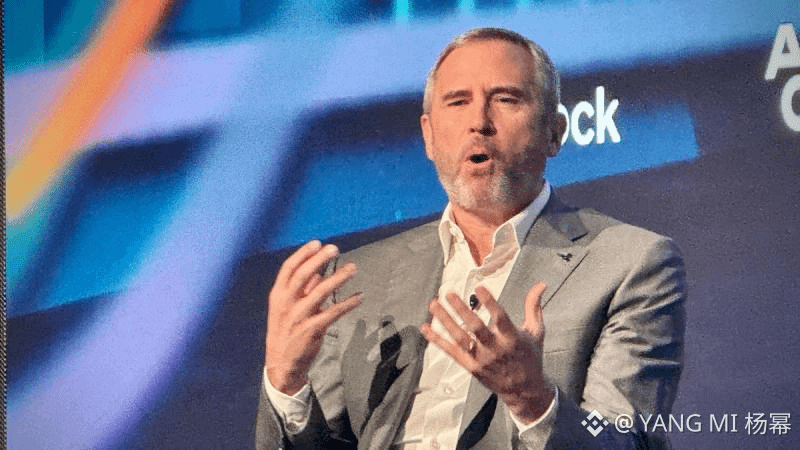
OCC approves Ripple's national trust bank charter
Ripple National Trust Bank (RNTB) receives final regulatory go-ahead from the Office of the Comptroller of the Currency. CEO Brad Garlinghouse announced the milestone on X.
This marks the first major crypto firm to secure a full U.S. national trust bank charter.
#Ripple #CryptoRegulation
OCC approves Ripple's national trust bank charter
Ripple National Trust Bank (RNTB) receives final regulatory go-ahead from the Office of the Comptroller of the Currency. CEO Brad Garlinghouse announced the milestone on X.
This marks the first major crypto firm to secure a full U.S. national trust bank charter.
#Ripple #CryptoRegulation
Ripple National Trust Bank (RNTB) receives final regulatory go-ahead from the Office of the Comptroller of the Currency. CEO Brad Garlinghouse announced the milestone on X.
This marks the first major crypto firm to secure a full U.S. national trust bank charter.
#Ripple #CryptoRegulation
221

🚀 $BTC $SOL $BNB SET TO POWER COMMUNITY BANK STABLECOIN RUSH 🟢
📊 The OCC’s new GENIUS Act is handing community banks a direct line to digital payments, turning local rails into on‑chain highways. 🦈 With $SOL ’s ultra‑low fees and $BNB ’s global reach, banks can mint stablecoins that compete with mega‑players while $BTC stays the ultimate hedge against censorship. ⚡️
💡 This regulatory tilt creates a fresh liquidity corridor: small‑town lenders become smart‑money conduits, feeding stablecoin demand straight into high‑throughput networks. 🤔 How will this reshape the balance of power between legacy finance and crypto ecosystems? 👇
⚠️ Not financial advice. Always manage your risk. 🛡️
🏷️ #BTC #Stablecoins #Banking #CryptoRegulation
🔥 🚀
🚀 $BTC $SOL $BNB SET TO POWER COMMUNITY BANK STABLECOIN RUSH 🟢
📊 The OCC’s new GENIUS Act is handing community banks a direct line to digital payments, turning local rails into on‑chain highways. 🦈 With $SOL ’s ultra‑low fees and $BNB ’s global reach, banks can mint stablecoins that compete with mega‑players while $BTC stays the ultimate hedge against censorship. ⚡️
💡 This regulatory tilt creates a fresh liquidity corridor: small‑town lenders become smart‑money conduits, feeding stablecoin demand straight into high‑throughput networks. 🤔 How will this reshape the balance of power between legacy finance and crypto ecosystems? 👇
⚠️ Not financial advice. Always manage your risk. 🛡️
🏷️ #BTC #Stablecoins #Banking #CryptoRegulation
🔥 🚀
📊 The OCC’s new GENIUS Act is handing community banks a direct line to digital payments, turning local rails into on‑chain highways. 🦈 With $SOL ’s ultra‑low fees and $BNB ’s global reach, banks can mint stablecoins that compete with mega‑players while $BTC stays the ultimate hedge against censorship. ⚡️
💡 This regulatory tilt creates a fresh liquidity corridor: small‑town lenders become smart‑money conduits, feeding stablecoin demand straight into high‑throughput networks. 🤔 How will this reshape the balance of power between legacy finance and crypto ecosystems? 👇
⚠️ Not financial advice. Always manage your risk. 🛡️
🏷️ #BTC #Stablecoins #Banking #CryptoRegulation
🔥 🚀

10

🇰🇷 SOUTH KOREA'S CRYPTO TAX DEBATE!
South Korea is considering whether crypto exchanges should face an education tax if they're reclassified as financial businesses. ⚖️ The proposal could affect exchange costs, fee structures, and the wider digital-asset industry. This is still under discussion—not a finalized tax rule.
{future}(BTCUSDT)
#SouthKorea #CryptoRegulation #Bitcoin #CryptoNews
🇰🇷 SOUTH KOREA'S CRYPTO TAX DEBATE!
South Korea is considering whether crypto exchanges should face an education tax if they're reclassified as financial businesses. ⚖️ The proposal could affect exchange costs, fee structures, and the wider digital-asset industry. This is still under discussion—not a finalized tax rule.
#SouthKorea #CryptoRegulation #Bitcoin #CryptoNews
South Korea is considering whether crypto exchanges should face an education tax if they're reclassified as financial businesses. ⚖️ The proposal could affect exchange costs, fee structures, and the wider digital-asset industry. This is still under discussion—not a finalized tax rule.
#SouthKorea #CryptoRegulation #Bitcoin #CryptoNews
1
55

·
--
Bullish
🇰🇷 South Korea Considers Education Tax on Crypto Exchanges
South Korea is considering extending its education tax to cryptocurrency exchanges as regulators explore bringing them into the formal financial sector under the proposed Digital Asset Basic Act.
According to Seoul Economic Daily, applying existing financial-sector tax rates to 2025 revenue figures could mean an estimated ₩10.2 billion for Dunamu (Upbit’s operator) and ₩3.2 billion for Bithumb. These are illustrative estimates, not confirmed tax bills.
The potential tax could affect exchange operating costs, trading-fee strategies and competition. However, the final impact will depend on the legislation, tax treatment and whether changes to VAT on trading fees offset some of the burden.
Important: This is a proposal under consideration, not a finalized new tax. The outcome could influence South Korea’s crypto exchange industry and regulatory landscape.
What do you think — should crypto exchanges pay the same education tax as traditional financial institutions?
#SouthKorea #CryptoRegulation #Binance
#SouthKoreaConsidersEducationTaxOnCryptoExchanges
#biancesequre
$BTC
{spot}(BTCUSDT)
$BNB
{spot}(BNBUSDT)
$XRP
{spot}(XRPUSDT)
🇰🇷 South Korea Considers Education Tax on Crypto Exchanges
South Korea is considering extending its education tax to cryptocurrency exchanges as regulators explore bringing them into the formal financial sector under the proposed Digital Asset Basic Act.
According to Seoul Economic Daily, applying existing financial-sector tax rates to 2025 revenue figures could mean an estimated ₩10.2 billion for Dunamu (Upbit’s operator) and ₩3.2 billion for Bithumb. These are illustrative estimates, not confirmed tax bills.
The potential tax could affect exchange operating costs, trading-fee strategies and competition. However, the final impact will depend on the legislation, tax treatment and whether changes to VAT on trading fees offset some of the burden.
Important: This is a proposal under consideration, not a finalized new tax. The outcome could influence South Korea’s crypto exchange industry and regulatory landscape.
What do you think — should crypto exchanges pay the same education tax as traditional financial institutions?
#SouthKorea #CryptoRegulation #Binance
#SouthKoreaConsidersEducationTaxOnCryptoExchanges
#biancesequre
$BTC
$BNB
$XRP
South Korea is considering extending its education tax to cryptocurrency exchanges as regulators explore bringing them into the formal financial sector under the proposed Digital Asset Basic Act.
According to Seoul Economic Daily, applying existing financial-sector tax rates to 2025 revenue figures could mean an estimated ₩10.2 billion for Dunamu (Upbit’s operator) and ₩3.2 billion for Bithumb. These are illustrative estimates, not confirmed tax bills.
The potential tax could affect exchange operating costs, trading-fee strategies and competition. However, the final impact will depend on the legislation, tax treatment and whether changes to VAT on trading fees offset some of the burden.
Important: This is a proposal under consideration, not a finalized new tax. The outcome could influence South Korea’s crypto exchange industry and regulatory landscape.
What do you think — should crypto exchanges pay the same education tax as traditional financial institutions?
#SouthKorea #CryptoRegulation #Binance
#SouthKoreaConsidersEducationTaxOnCryptoExchanges
#biancesequre
$BTC
$BNB
$XRP

80
Log in to explore more content
Join global crypto users on Binance Square
⚡️ Get latest and useful information about crypto.
💬 Trusted by the world’s largest crypto exchange.
👍 Discover real insights from verified creators.
Email / Phone number
Trending Topics
1
#CanMicrosoftDeliverOnAI
100,198 views
815 Discussing
2
#CanGoogleDefindItsCore
47,772 views
591 Discussing
3
#FOMCWatch
9.1M views
28,036 Discussing
4
#EthereumDropsBelow$2300
11,510 views
161 Discussing
5
#BitcoinSlipsBelow$80KAgain
32,179 views
126 Discussing
6
#ThailandLaunchesWORPTStablecoinToQRPaymentApp
66,735 views
821 Discussing
7
#StrategySkipsBitcoinPurchasesSpends$205MOnSTRCBuybacks
12,542 views
99 Discussing
8
#BitmineAdds10452ETH
114,309 views
1,233 Discussing
9
#SouthKoreaConsidersEducationTaxOnCryptoExchanges
70,771 views
861 Discussing
10
#OCCUrgesCommunityBanksToEnterStablecoinPayments
46,203 views
612 Discussing