
#api
api
59,803 views
245 Discussing
Hot
Latest

SOLANA PUSHES 80M TXNS DAILY — NOW THE API LAYER BECOMES THE BOTTLENECK. $EDEN $ACE $AKE IN FOCUS ⚡
Solana moves like a runaway freight train — 80M+ transactions hammering the rails every single day. But the real battleground isn't the chain itself; it's the API layer. That's the choke point where momentum meets friction, and right now everyone's watching who can hold the line ⚡
$EDEN , $ACE , and $AKE are suddenly under the microscope. If their infrastructure can keep data flowing at Solana's velocity, they become the unsung heroes of this narrative. If they crack under pressure, the whole trade flips faster than a panic sell 📊
The market is pricing the unknown right now. Which API stack absorbs this scale first — the battle-tested veterans or the fresh challengers? 🔥
⚠️ Not financial advice. Always manage your risk. 🛡️
🏷️ $EDEN #Solana #API #Infrastructure #Crypto
🔥⚡
Solana moves like a runaway freight train — 80M+ transactions hammering the rails every single day. But the real battleground isn't the chain itself; it's the API layer. That's the choke point where momentum meets friction, and right now everyone's watching who can hold the line ⚡
$EDEN , $ACE , and $AKE are suddenly under the microscope. If their infrastructure can keep data flowing at Solana's velocity, they become the unsung heroes of this narrative. If they crack under pressure, the whole trade flips faster than a panic sell 📊
The market is pricing the unknown right now. Which API stack absorbs this scale first — the battle-tested veterans or the fresh challengers? 🔥
⚠️ Not financial advice. Always manage your risk. 🛡️
🏷️ $EDEN #Solana #API #Infrastructure #Crypto
🔥⚡

DeepSeek V4 Pro has been officially released. The app, web, and API have all been fully updated in sync. To try the new model, open the app or switch to the “Expert Mode” on the web version—you can use it directly. The API model name remains unchanged.
This time, the API pricing mechanism change is especially worth noting. DeepSeek has introduced peak/off-peak pricing for the first time: during peak hours (Beijing time 9:00–12:00 and 14:00–18:00), charges apply at the standard rate; during off-peak hours, the price is cut in half—effectively giving a 50% discount for non-peak usage scenarios. The new pricing takes effect at 0:00 on August 17, 2026.
For users running quant trading or batch jobs, calling at off-peak times can save a substantial amount of cost. For individual developers, running inference tasks in the evening and early morning offers noticeably better cost-effectiveness.
Interestingly, the release notification for DeepSeek-V4-Pro-0813 had previously been withdrawn, and the silent rollout was pulled down in under 24 hours. Now it has been re-released under the name “official version.” Whether this move was driven by technical issues or a strategy adjustment is worth watching.
#DeepSeek #AI #API
This time, the API pricing mechanism change is especially worth noting. DeepSeek has introduced peak/off-peak pricing for the first time: during peak hours (Beijing time 9:00–12:00 and 14:00–18:00), charges apply at the standard rate; during off-peak hours, the price is cut in half—effectively giving a 50% discount for non-peak usage scenarios. The new pricing takes effect at 0:00 on August 17, 2026.
For users running quant trading or batch jobs, calling at off-peak times can save a substantial amount of cost. For individual developers, running inference tasks in the evening and early morning offers noticeably better cost-effectiveness.
Interestingly, the release notification for DeepSeek-V4-Pro-0813 had previously been withdrawn, and the silent rollout was pulled down in under 24 hours. Now it has been re-released under the name “official version.” Whether this move was driven by technical issues or a strategy adjustment is worth watching.
#DeepSeek #AI #API
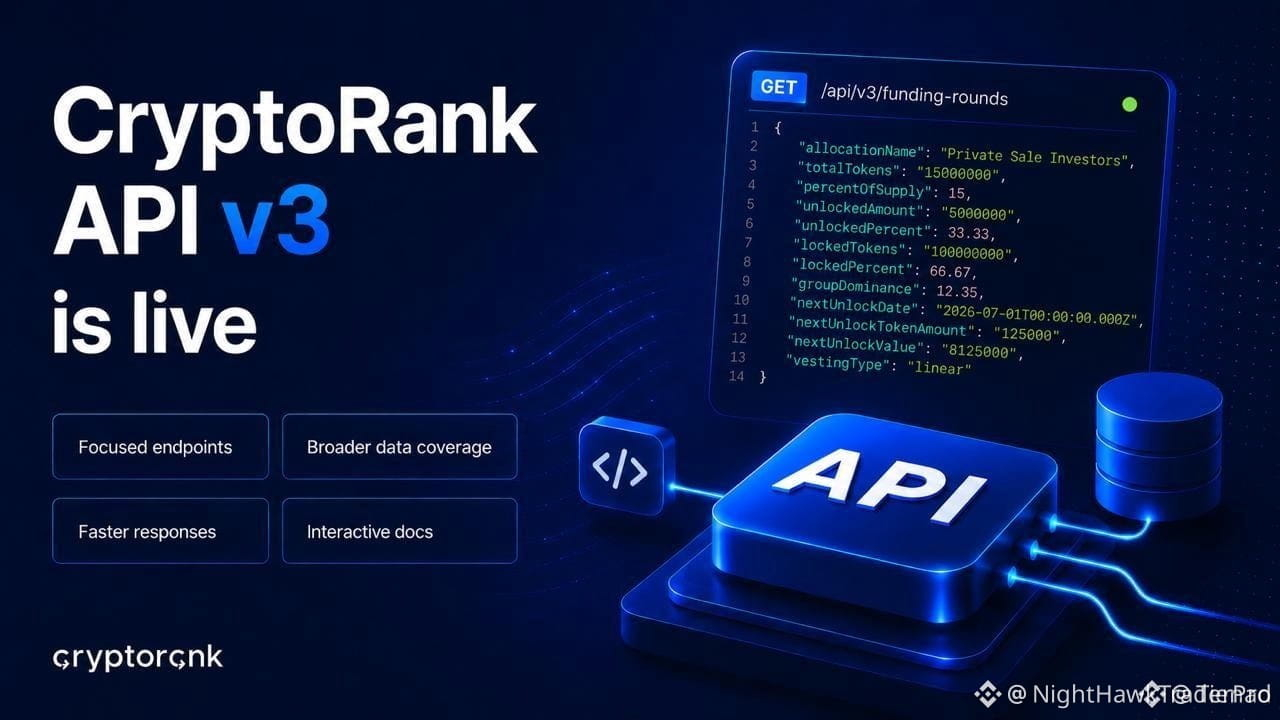
$NFP GETS A DATA BOOST WITH CRYPTORANK API V3 🔥
CryptoRank just dropped API v3 — faster endpoints, broader coverage, and the kind of efficiency that attracts serious capital. This is the infrastructure layer that smart money watches before they move.
Lower latency means tighter spreads on data-driven plays, and tokens like $NFP and $ZBT often lead when the info flow improves. The community's already voting on impact — are you buying the upgrade or waiting for confirmation?
Not financial advice. Always manage your risk.
#NFP #ZBT #CryptoNews #API #Bullish
🔥
CryptoRank just dropped API v3 — faster endpoints, broader coverage, and the kind of efficiency that attracts serious capital. This is the infrastructure layer that smart money watches before they move.
Lower latency means tighter spreads on data-driven plays, and tokens like $NFP and $ZBT often lead when the info flow improves. The community's already voting on impact — are you buying the upgrade or waiting for confirmation?
Not financial advice. Always manage your risk.
#NFP #ZBT #CryptoNews #API #Bullish
🔥

just thinking about how easy it is to plug crypto into apps these days. ngl one api call and you can handle wallets payments or whatever on the backend. no more crazy setups or months of dev work.
feels like the barriers are basically gone for $btc $eth and $sol projects especially. ser this changes everything for builders who wanna go full onchain. wagmi if you start experimenting now.
#CryptoDev #Web3 #Blockchain #API
feels like the barriers are basically gone for $btc $eth and $sol projects especially. ser this changes everything for builders who wanna go full onchain. wagmi if you start experimenting now.
#CryptoDev #Web3 #Blockchain #API

Ever wondered what happens after you click "Pay"? 🤔
Think of an API like the ordering system in a restaurant.
🍽️ You place an order.
👨🍳 The kitchen prepares it.
📲 The system connects both sides and brings the result back.
Crypto payments work the same way.
When a user clicks Pay, the API sends the request, processes the transaction, confirms the payment, and returns the result—all within seconds.
That's why APIs matter.
They aren't just code.
They're the invisible infrastructure powering every smooth payment experience.
With UPay Business API, developers can integrate:
• Crypto Pay-In
• Payment confirmation
• Settlement
• Payment status updates
…without building the entire payment infrastructure from scratch.
The best payment experience is the one users never have to think about. 💚
#Crypto #API #Web3 #CryptoPayments #Fintech
Think of an API like the ordering system in a restaurant.
🍽️ You place an order.
👨🍳 The kitchen prepares it.
📲 The system connects both sides and brings the result back.
Crypto payments work the same way.
When a user clicks Pay, the API sends the request, processes the transaction, confirms the payment, and returns the result—all within seconds.
That's why APIs matter.
They aren't just code.
They're the invisible infrastructure powering every smooth payment experience.
With UPay Business API, developers can integrate:
• Crypto Pay-In
• Payment confirmation
• Settlement
• Payment status updates
…without building the entire payment infrastructure from scratch.
The best payment experience is the one users never have to think about. 💚
#Crypto #API #Web3 #CryptoPayments #Fintech



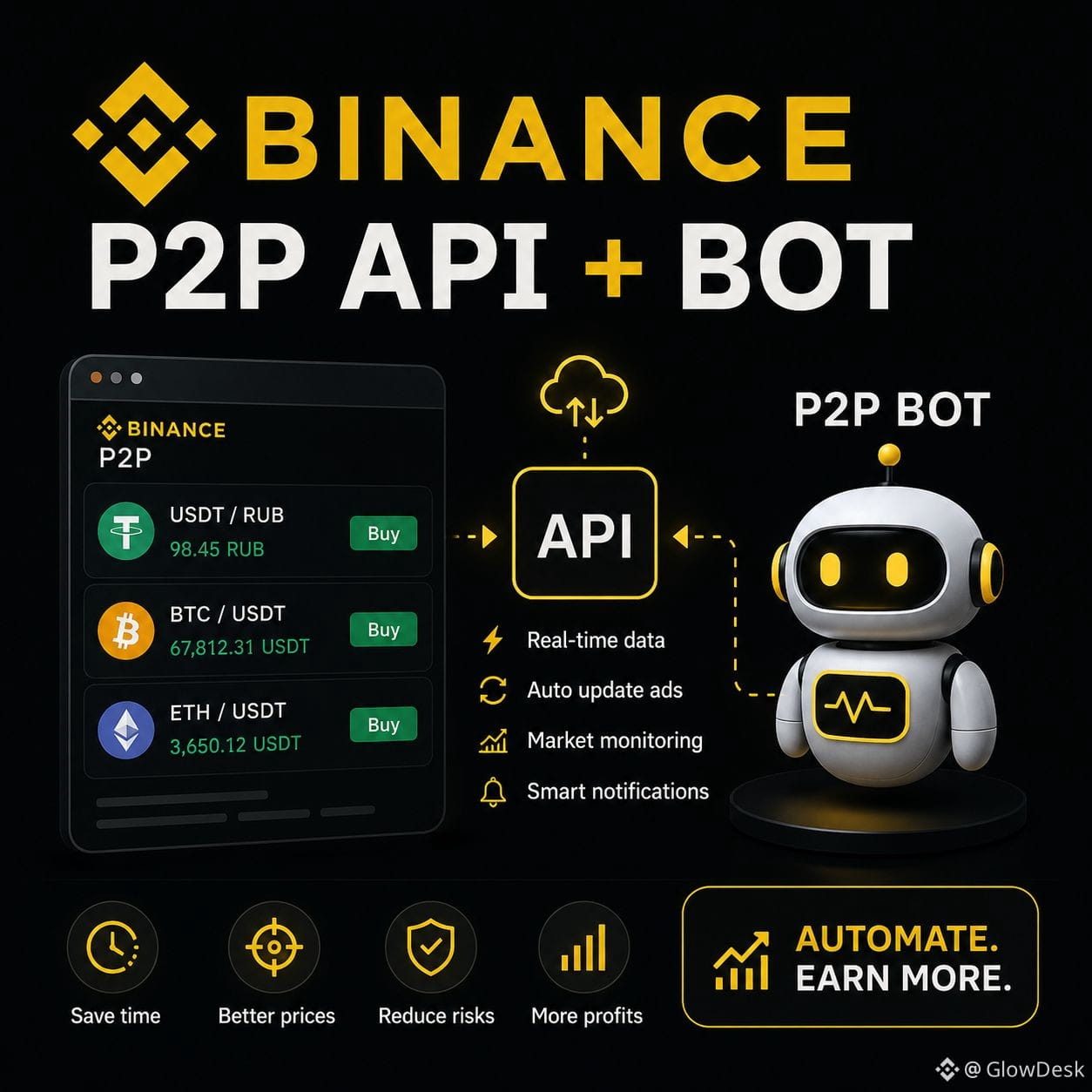
🟢 P2P Merchants, are you using P2P API or are you still manually updating your listings? 👀
For those out of the loop — P2P API allows you to automate part of the routine processes when dealing with P2P.
What does this mean in practice:
⚡ Quick price updates in your listings.
📊 Access to real-time market data.
🔄 Automatic response to competitors' price changes.
⏳ Time savings on constant monitoring.
The more active the market, the harder it is to keep track of all the changes manually. Especially when prices can change multiple times within an hour.
That's why many merchants are gradually transitioning to automation and working through API.
🤖 By the way, data through P2P API can be connected to PricePulseBot to gain even more capabilities for market monitoring and tracking price changes in one place.
Technology doesn’t replace experience, but it definitely helps to use it more effectively.
Are you using P2P API or are you still fully manual? 👇
#P2PTrading #API
For those out of the loop — P2P API allows you to automate part of the routine processes when dealing with P2P.
What does this mean in practice:
⚡ Quick price updates in your listings.
📊 Access to real-time market data.
🔄 Automatic response to competitors' price changes.
⏳ Time savings on constant monitoring.
The more active the market, the harder it is to keep track of all the changes manually. Especially when prices can change multiple times within an hour.
That's why many merchants are gradually transitioning to automation and working through API.
🤖 By the way, data through P2P API can be connected to PricePulseBot to gain even more capabilities for market monitoring and tracking price changes in one place.
Technology doesn’t replace experience, but it definitely helps to use it more effectively.
Are you using P2P API or are you still fully manual? 👇
#P2PTrading #API

📈 Trump Media sells Truth Social data to Wall Street traders via new API
Trump Media has launched a new application programming interface (API) for its Truth Social platform, enabling ultra-fast access to posts for trading companies on Wall Street. The update targets algorithmic traders looking for early information that could affect the market, raising questions about the transparency of information and its impact on stock trading.
━━━━━━━━━━━━━━
📊 Impact: 📊 Medium
🏷️ OTHER
#TrumpMedia #TruthSocial #WallStreet #MarketData #API
🔗 Source: https://cryptobriefing.com/trump-media-truth-api-trading-firms/
Trump Media has launched a new application programming interface (API) for its Truth Social platform, enabling ultra-fast access to posts for trading companies on Wall Street. The update targets algorithmic traders looking for early information that could affect the market, raising questions about the transparency of information and its impact on stock trading.
━━━━━━━━━━━━━━
📊 Impact: 📊 Medium
🏷️ OTHER
#TrumpMedia #TruthSocial #WallStreet #MarketData #API
🔗 Source: https://cryptobriefing.com/trump-media-truth-api-trading-firms/



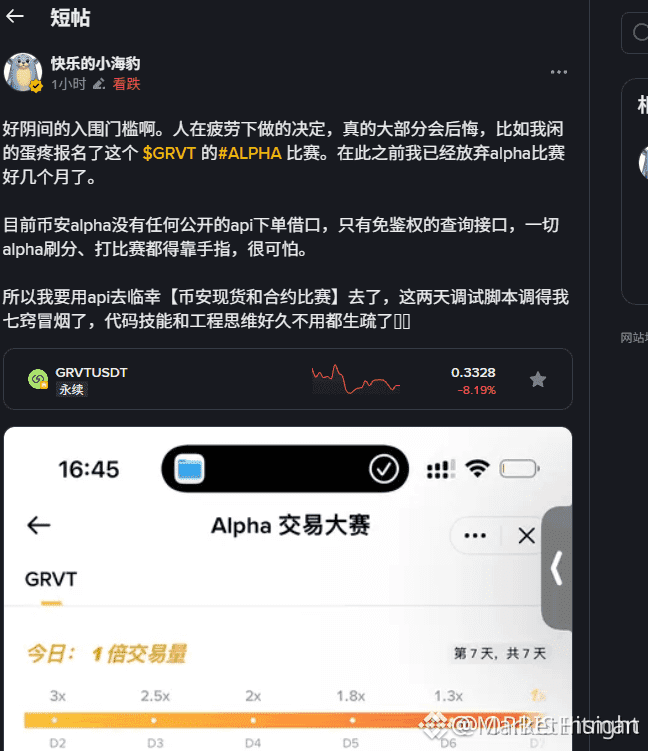
🚨 $GRVT LEADERBOARD: THE API THAT PROMISED AUTOMATION BUT DELIVERS FINGER CRAMPS! 💥
The GRVT competition is a sleepless arena where everyone expected API automation to be their unfair advantage. But the tape tells a different story — smooth data on the surface, frantic manual clicking the moment orders need to fill. 📊
The code hasn't even executed before the manual order matches first. That's not trading, that's a stamina test. ⚡ The leaderboard grinders are burning midnight oil and calluses alike, fighting for every point. While they're buried in the trenches, the real question is whether pure speed wins this race — or if strategy will separate the sharp from the desperate. 💬
⚠️ Not financial advice. Always manage your risk. 🛡️
🏷️ #GRVT #TradingCompetition #API #Crypto #BinanceSquare
🔥 ⚡
The GRVT competition is a sleepless arena where everyone expected API automation to be their unfair advantage. But the tape tells a different story — smooth data on the surface, frantic manual clicking the moment orders need to fill. 📊
The code hasn't even executed before the manual order matches first. That's not trading, that's a stamina test. ⚡ The leaderboard grinders are burning midnight oil and calluses alike, fighting for every point. While they're buried in the trenches, the real question is whether pure speed wins this race — or if strategy will separate the sharp from the desperate. 💬
⚠️ Not financial advice. Always manage your risk. 🛡️
🏷️ #GRVT #TradingCompetition #API #Crypto #BinanceSquare
🔥 ⚡

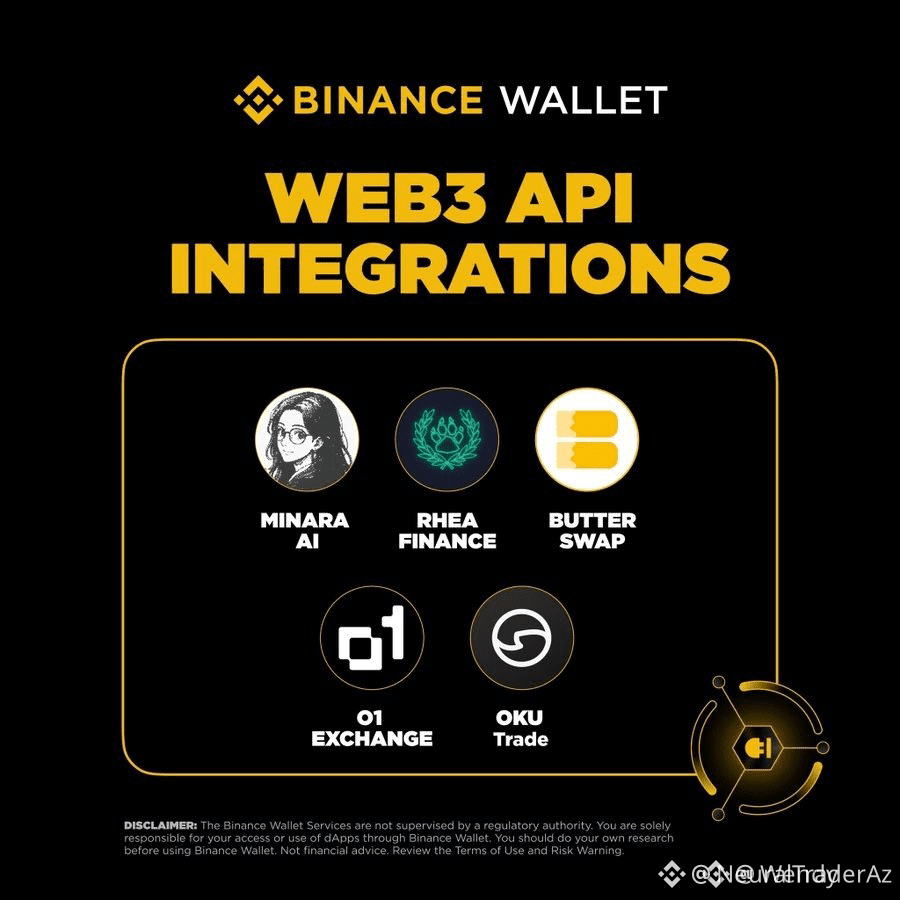
🛠️ BINANCE WEB3 API ADOPTION ACCELERATES AS FIVE NEW PROJECTS JOIN THE ECOSYSTEM 🚀
The developer narrative just got a whole lot more interesting. Minara AI, RHEA Finance, ButterSwap, o1 exchange, and OKU Trade are now building directly on the Binance Web3 API infrastructure. 📥 This is the kind of quiet accumulation in the builder layer that layer-one narratives love to see.
What these teams get is a unified stack for real-time on-chain data, token swaps with competitive execution, and aggregated DEX liquidity. 📊 For end users, that translates into better pricing and smoother trading flows across wallets, DeFi protocols, and AI-powered applications. The infrastructure layer is thickening, and that compounds over time. 💡
The question is: which Web3 sector benefits most from this kind of unified tooling — DeFi, AI, or the wallet experience itself? 💬
⚠️ Not financial advice. Always manage your risk. 🛡️
🏷️ #Binance #Web3 #API #DeFi #Crypto
🛠️ 🚀
The developer narrative just got a whole lot more interesting. Minara AI, RHEA Finance, ButterSwap, o1 exchange, and OKU Trade are now building directly on the Binance Web3 API infrastructure. 📥 This is the kind of quiet accumulation in the builder layer that layer-one narratives love to see.
What these teams get is a unified stack for real-time on-chain data, token swaps with competitive execution, and aggregated DEX liquidity. 📊 For end users, that translates into better pricing and smoother trading flows across wallets, DeFi protocols, and AI-powered applications. The infrastructure layer is thickening, and that compounds over time. 💡
The question is: which Web3 sector benefits most from this kind of unified tooling — DeFi, AI, or the wallet experience itself? 💬
⚠️ Not financial advice. Always manage your risk. 🛡️
🏷️ #Binance #Web3 #API #DeFi #Crypto
🛠️ 🚀


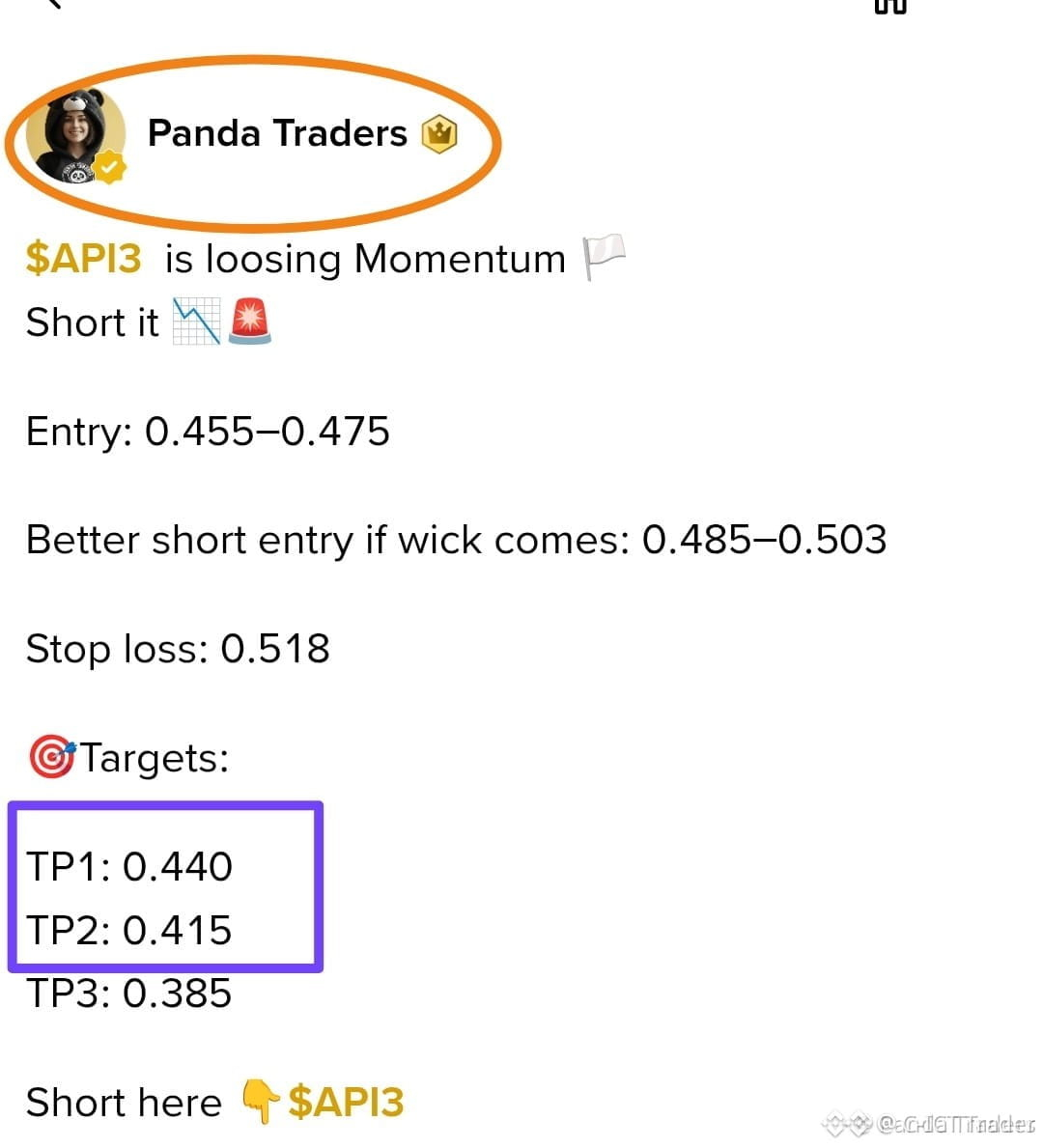
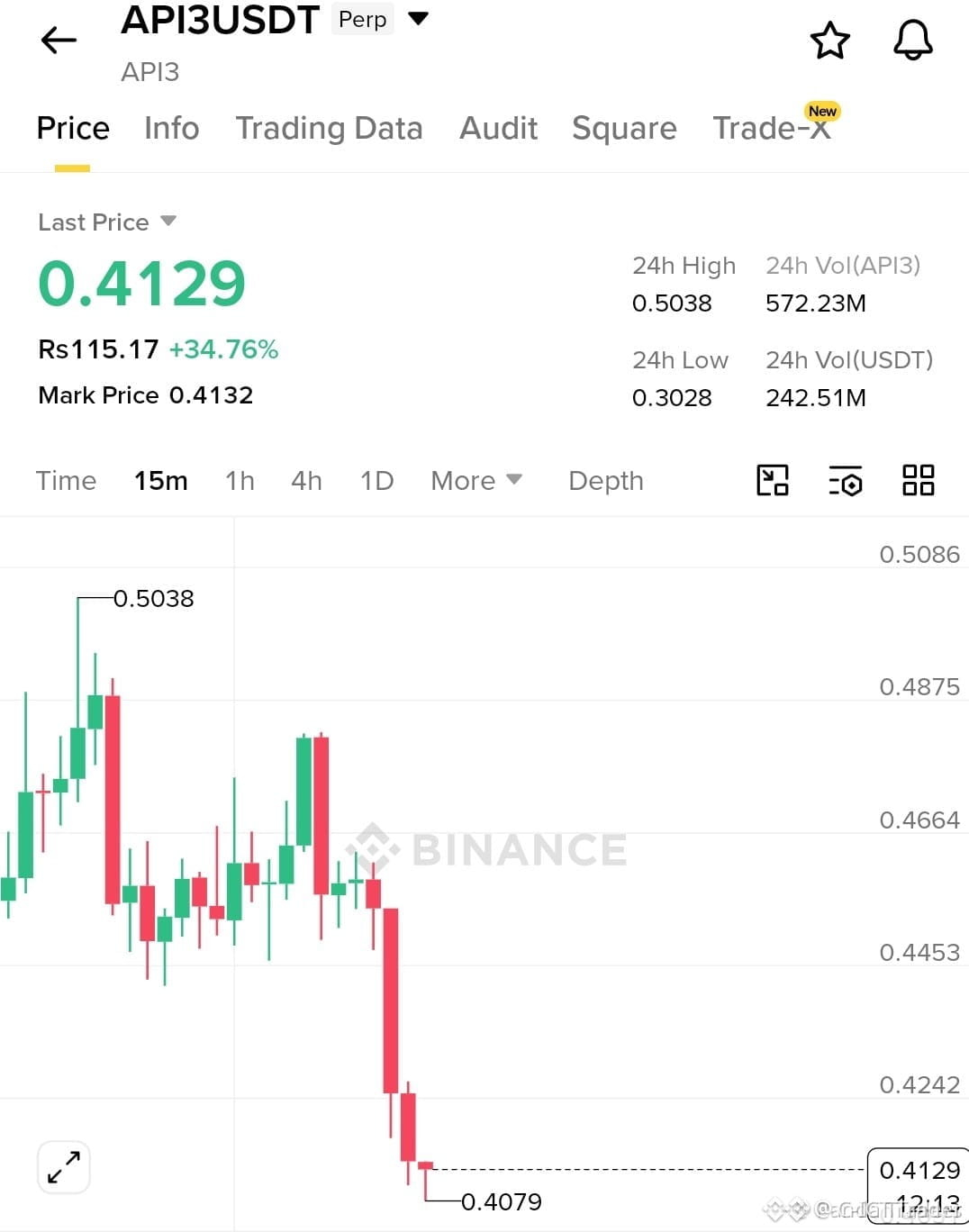
$API3 is breaking down fast after the second target print 🔻
The tape looks like profit-taking is taking over while bids fade and liquidity thins out. That kind of move usually tells you larger players are unloading into strength, while late buyers get forced to chase the slide. The clean read here is simple: the market is breathing out, not building a base yet.
Not financial advice. Manage your risk and protect your capital.
#API #Crypto #Altcoins #DeFi #Trading
✌️
The tape looks like profit-taking is taking over while bids fade and liquidity thins out. That kind of move usually tells you larger players are unloading into strength, while late buyers get forced to chase the slide. The clean read here is simple: the market is breathing out, not building a base yet.
Not financial advice. Manage your risk and protect your capital.
#API #Crypto #Altcoins #DeFi #Trading
✌️


#openledger $OPEN
I cloned OpenLedger's newly open-sourced backend this morning and had the dev server running in under ten minutes, which honestly surprised me given how much setup most crypto infrastructure projects require.
Looking through the repository, the framework already includes Express.js, PostgreSQL integration through Sequelize, wallet-based authentication, six dedicated #API endpoints, application management, chat history, and a clean structure across routes, controllers, middleware, and models. For most developers, that foundation alone saves days of boilerplate work before any real product building starts.
One detail that stayed in my mind is how complete the application flow already is. Wallet-linked ownership, branding assets, prompt management, multi-network configuration, and chat initialization are all handled. It doesn't feel like a demo release. It feels like usable infrastructure. $MEME
I keep seeing projects announce future AI agents and decentralized tools. What makes this different is that it moves the conversation from announcements to execution. A developer could take this today and start building a research tool, trading assistant, or something completely unexpected without touching the backend from scratch.
The #OpenCode challenge makes more sense viewed from that angle. It's not a content campaign. It's a live test of whether smaller barriers actually attract builders.
Ecosystems aren't defined by what teams announce. They're defined by the niche products the community builds afterward. Attracting builders who turn this into products people actually use is what determines whether OpenLedger grows beyond its current narrative.
@OpenLedger $OPEN #OpenLedger
I cloned OpenLedger's newly open-sourced backend this morning and had the dev server running in under ten minutes, which honestly surprised me given how much setup most crypto infrastructure projects require.
Looking through the repository, the framework already includes Express.js, PostgreSQL integration through Sequelize, wallet-based authentication, six dedicated #API endpoints, application management, chat history, and a clean structure across routes, controllers, middleware, and models. For most developers, that foundation alone saves days of boilerplate work before any real product building starts.
One detail that stayed in my mind is how complete the application flow already is. Wallet-linked ownership, branding assets, prompt management, multi-network configuration, and chat initialization are all handled. It doesn't feel like a demo release. It feels like usable infrastructure. $MEME
I keep seeing projects announce future AI agents and decentralized tools. What makes this different is that it moves the conversation from announcements to execution. A developer could take this today and start building a research tool, trading assistant, or something completely unexpected without touching the backend from scratch.
The #OpenCode challenge makes more sense viewed from that angle. It's not a content campaign. It's a live test of whether smaller barriers actually attract builders.
Ecosystems aren't defined by what teams announce. They're defined by the niche products the community builds afterward. Attracting builders who turn this into products people actually use is what determines whether OpenLedger grows beyond its current narrative.
@OpenLedger $OPEN #OpenLedger


API Keys: Trade Access Only
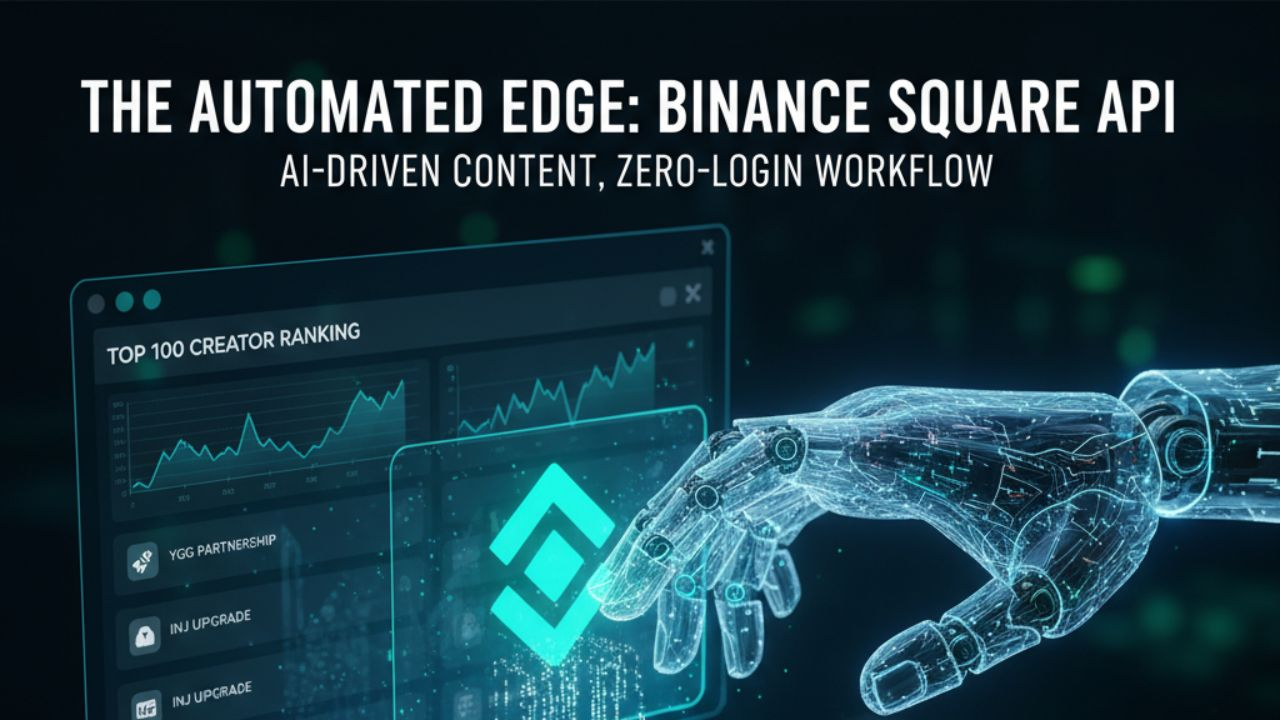
🔐 A trading bot does not need withdrawal access.
It only needs trading access: read balance, read positions, place orders, manage orders.
No withdrawal rights
⚙️ API keys for bots should be created strictly without withdrawal permissions. A bot should not be able to move funds out of the exchange.
Transfers should also stay disabled unless you clearly understand why they are needed.
Separate keys
📍 Do not use one API key for everything.
One bot — one key. One strategy — one controlled access point.
If something goes wrong, you disable one key instead of rebuilding the whole setup.
For larger balances, subaccounts are cleaner. Keep the main funds separate and give the bot only the capital it needs to trade.
IP whitelist
🧱 If the exchange allows IP restrictions, use them.
The key should work only from the server where the bot is running. Even if the key leaks, the attack surface is smaller.
Crypto Resources workflow
In Crypto Resources, the normal setup is simple: trade-only API key, no withdrawal rights, limited permissions, IP whitelist when possible, controlled capital, then bot connection.
Spot Bot and ST-Bot are execution tools.
Security starts before the first trade.
No withdrawal rights.
Limited access.
Separate keys.
Controlled capital.
#API #SecurityFirst
🔐 A trading bot does not need withdrawal access.
It only needs trading access: read balance, read positions, place orders, manage orders.
No withdrawal rights
⚙️ API keys for bots should be created strictly without withdrawal permissions. A bot should not be able to move funds out of the exchange.
Transfers should also stay disabled unless you clearly understand why they are needed.
Separate keys
📍 Do not use one API key for everything.
One bot — one key. One strategy — one controlled access point.
If something goes wrong, you disable one key instead of rebuilding the whole setup.
For larger balances, subaccounts are cleaner. Keep the main funds separate and give the bot only the capital it needs to trade.
IP whitelist
🧱 If the exchange allows IP restrictions, use them.
The key should work only from the server where the bot is running. Even if the key leaks, the attack surface is smaller.
Crypto Resources workflow
In Crypto Resources, the normal setup is simple: trade-only API key, no withdrawal rights, limited permissions, IP whitelist when possible, controlled capital, then bot connection.
Spot Bot and ST-Bot are execution tools.
Security starts before the first trade.
No withdrawal rights.
Limited access.
Separate keys.
Controlled capital.
#API #SecurityFirst

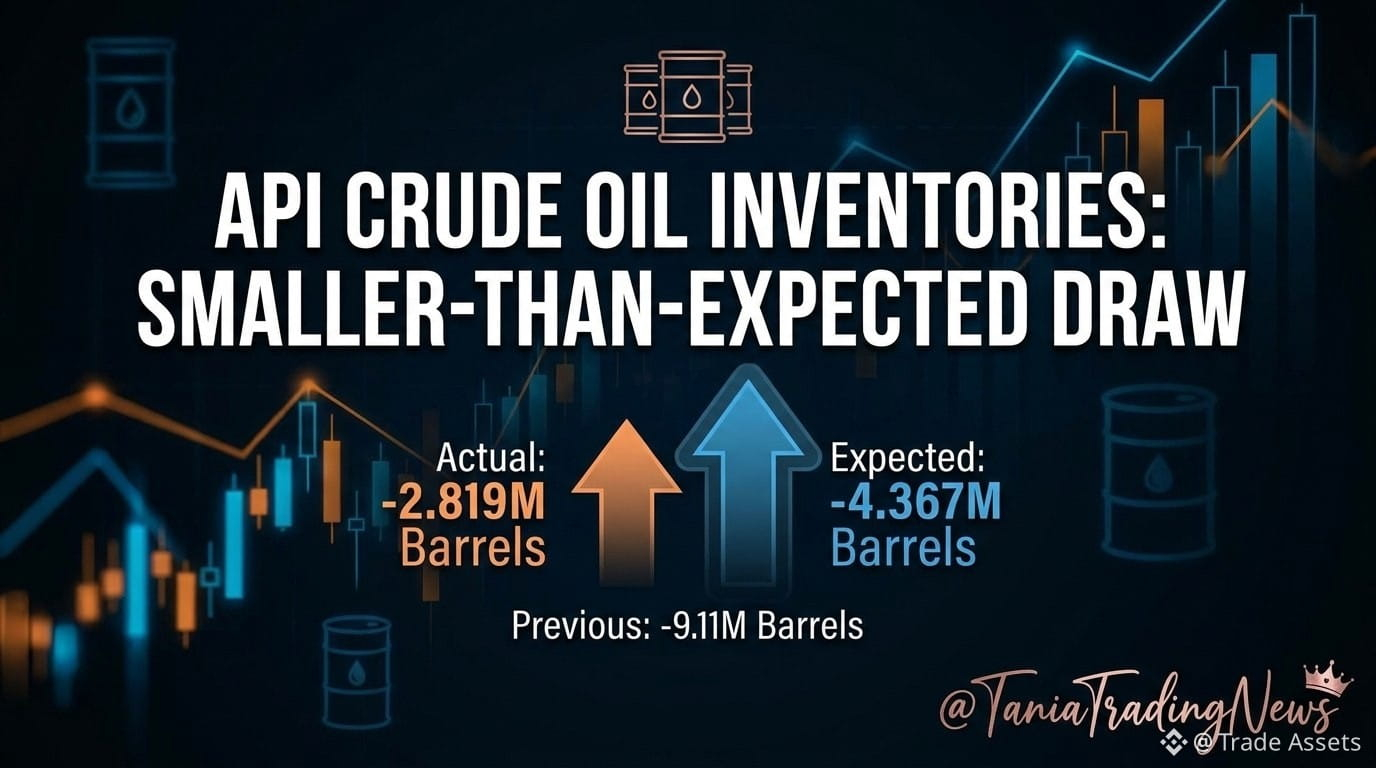
🛢️ Oil Market Update: Big inventory draw, what is expected to happen to prices?
According to the latest report released by the American Petroleum Institute (API), US refined oil inventories have seen a significant decline in the week ending April 17.
Key points from the report:
Big draw: Stocks have recorded an unexpected decline of 4.59 million barrels.
Expectations vs. Reality: The market had expected a decline of only 2.5 million barrels, meaning that the decline is much higher than expectations.
Previous record: This was also the result of a decline of 3.363 million barrels seen last week, indicating that the balance of supply and demand in the market is changing rapidly.
Market Impact:
Such a large and sustained decline in oil inventories usually signals a bullish trend in the market. When supply is tight and demand is strong, it can put upward pressure on oil prices in the global market.
This is an important signal for investors and traders that volatility in the energy sector may be in store in the coming days. 📈
Follow me for more market analysis and important updates!
$CL $BAS $RAVE
#OilMarket #EnergyNews #API #crudeoil #MarketAnalysis #BinanceSquare
According to the latest report released by the American Petroleum Institute (API), US refined oil inventories have seen a significant decline in the week ending April 17.
Key points from the report:
Big draw: Stocks have recorded an unexpected decline of 4.59 million barrels.
Expectations vs. Reality: The market had expected a decline of only 2.5 million barrels, meaning that the decline is much higher than expectations.
Previous record: This was also the result of a decline of 3.363 million barrels seen last week, indicating that the balance of supply and demand in the market is changing rapidly.
Market Impact:
Such a large and sustained decline in oil inventories usually signals a bullish trend in the market. When supply is tight and demand is strong, it can put upward pressure on oil prices in the global market.
This is an important signal for investors and traders that volatility in the energy sector may be in store in the coming days. 📈
Follow me for more market analysis and important updates!
$CL $BAS $RAVE
#OilMarket #EnergyNews #API #crudeoil #MarketAnalysis #BinanceSquare

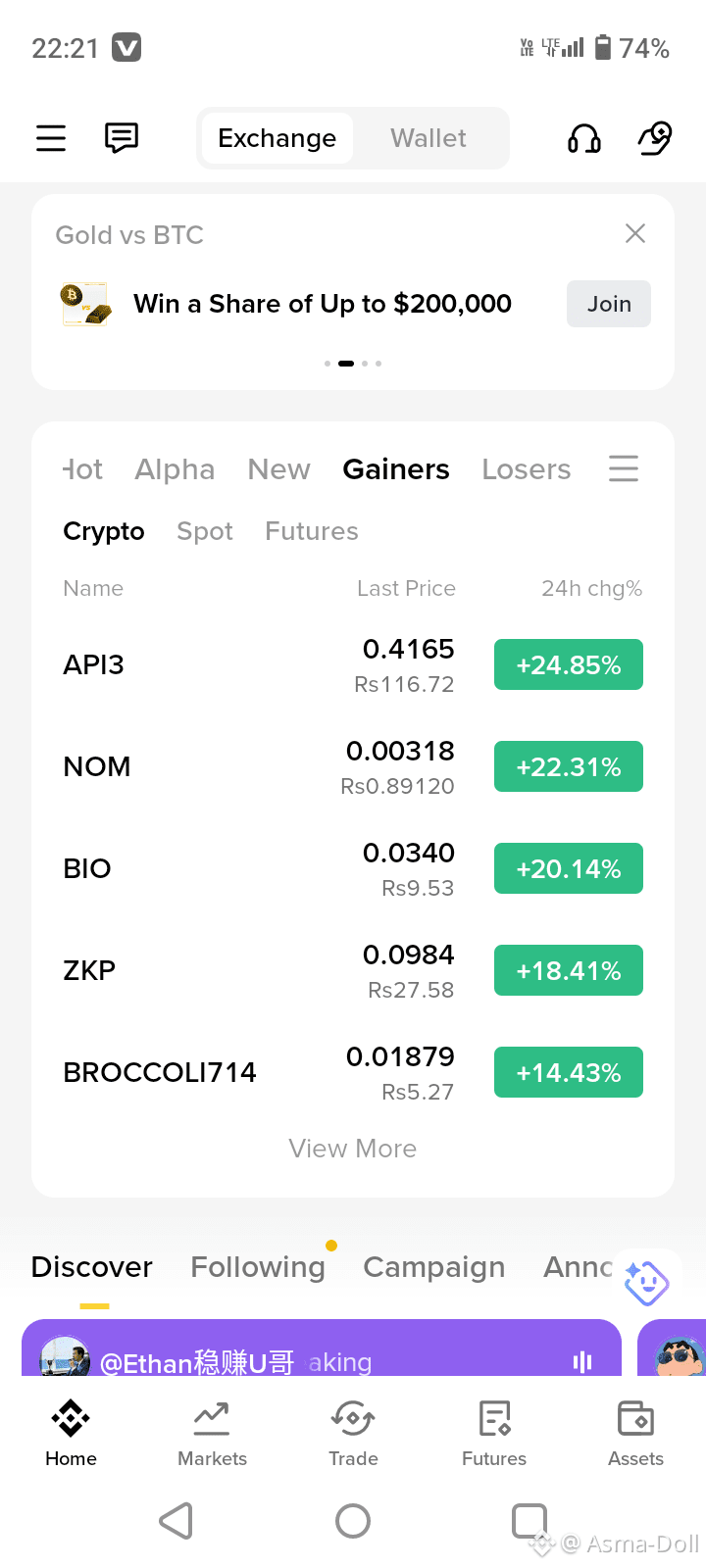
These are the top gainers of the day
trade here $API3
$NOM
$BIO
#API #NOM #BIO #Binance #cryptotrader
trade here $API3
$NOM
$BIO
#API #NOM #BIO #Binance #cryptotrader
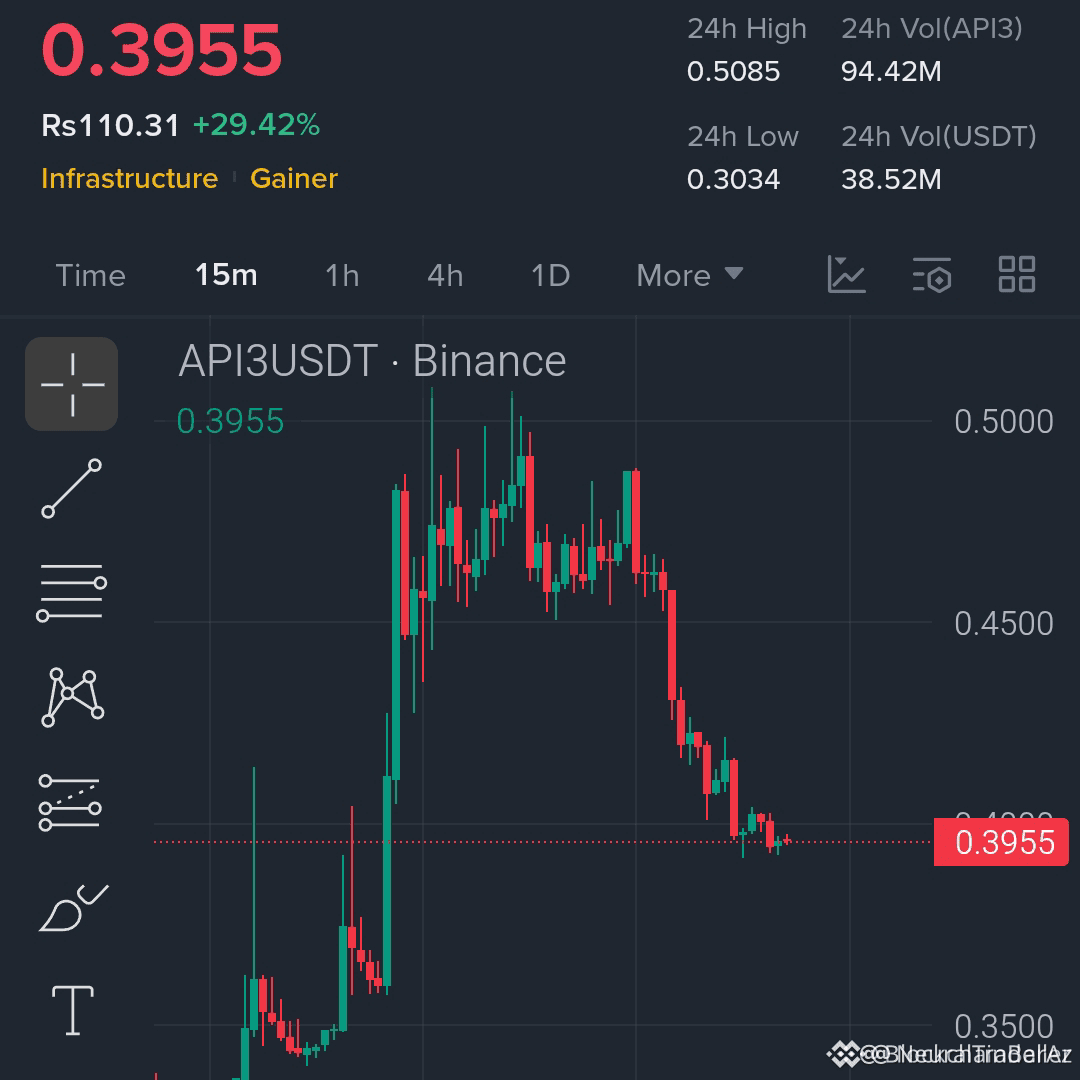
$API3 is losing steam after the rejection ↘
Entry: 0.392 – 0.405 🔥
Target: 0.370 / 0.350 / 0.320 🚀
Stop Loss: 0.430 🛑
The bounce faded fast, and that usually tells you the bid isn’t absorbing size the way it should. If whales are still active, they’re likely leaning on liquidity above while sellers keep pressing into weaker pockets below. When momentum breaks like this, price tends to breathe lower until fresh demand steps in.
Not financial advice. Manage your risk and protect your capital.
#API #Crypto #Altcoins #Trading #AltcoinSeason
⚡
Entry: 0.392 – 0.405 🔥
Target: 0.370 / 0.350 / 0.320 🚀
Stop Loss: 0.430 🛑
The bounce faded fast, and that usually tells you the bid isn’t absorbing size the way it should. If whales are still active, they’re likely leaning on liquidity above while sellers keep pressing into weaker pockets below. When momentum breaks like this, price tends to breathe lower until fresh demand steps in.
Not financial advice. Manage your risk and protect your capital.
#API #Crypto #Altcoins #Trading #AltcoinSeason
⚡
Log in to explore more content