
Xaif-Crypto
8.3k Posts

Xaif-Crypto
Report
Block User
X @Xaif-Crypto | CQ verified analyst | Investor | Trader | In Cryptos since 2017 | BINANCE Creator | Youtuber
Open Trade

XRP Holder
Occasional Trader
3.6 Years
293 Following
9.3K+ Followers
11.1K Liked
Posts
Portfolio
All
Quotes
Videos
PINNED
·
--
First time experienced this so much tiltttt.
Im done with trading. 🥹
First time experienced this so much tiltttt.
Im done with trading. 🥹
Im done with trading. 🥹

120
23
325
333.9k
·
--
Ripple’s acquisition of Palisade expands its GSmart AI suite, aiming to close governance gaps in enterprise financial management and strengthen digital asset capabilities. This move positions Ripple to offer more integrated solutions for institutional users.
$XRP
Ripple’s acquisition of Palisade expands its GSmart AI suite, aiming to close governance gaps in enterprise financial management and strengthen digital asset capabilities. This move positions Ripple to offer more integrated solutions for institutional users.
$XRP
$XRP
11
·
--
MoneyGram has introduced the first stablecoin‑backed Visa card in Colombia, enabling users to spend digital assets directly in everyday transactions. This move signals growing institutional acceptance of stablecoins as a practical payment medium in emerging markets.
$XRP
MoneyGram has introduced the first stablecoin‑backed Visa card in Colombia, enabling users to spend digital assets directly in everyday transactions. This move signals growing institutional acceptance of stablecoins as a practical payment medium in emerging markets.
$XRP
$XRP
47
·
--
Charles Schwab’s money fund now holds $4.8 million in an XRP ETF, indicating growing institutional interest. Despite this, XRP’s price fell 5 % in the same period.
$XRP
Charles Schwab’s money fund now holds $4.8 million in an XRP ETF, indicating growing institutional interest. Despite this, XRP’s price fell 5 % in the same period.
$XRP
$XRP
20
·
--
Researchers have cut the quantum resource benchmark for a critical operation in Bitcoin and Ethereum by half, indicating that quantum attacks could become more feasible sooner than previously thought. This development underscores the urgency for blockchain protocols to accelerate quantum‑resistant upgrades.
$BTC
Researchers have cut the quantum resource benchmark for a critical operation in Bitcoin and Ethereum by half, indicating that quantum attacks could become more feasible sooner than previously thought. This development underscores the urgency for blockchain protocols to accelerate quantum‑resistant upgrades.
$BTC
$BTC

27
·
--
Mastercard and Busha have partnered to enable secure, streamlined digital asset transfers in Nigeria, offering a regulated framework for users to move XRP and other tokens. This move expands institutional access to the Nigerian market and supports broader adoption of digital currencies.
$XRP
Mastercard and Busha have partnered to enable secure, streamlined digital asset transfers in Nigeria, offering a regulated framework for users to move XRP and other tokens. This move expands institutional access to the Nigerian market and supports broader adoption of digital currencies.
$XRP
$XRP
9
·
--
Canada has opened XRP‑ETF options for U.S. markets, allowing major banks to trade through regulated wrappers. This expands institutional access to XRP and signals growing acceptance of the asset in regulated markets.
$ADA
Canada has opened XRP‑ETF options for U.S. markets, allowing major banks to trade through regulated wrappers. This expands institutional access to XRP and signals growing acceptance of the asset in regulated markets.
$ADA
$ADA
39
·
--
Retirees have filed a lawsuit against a fund tied to the public Dogecoin miner Z Squared, alleging mismanagement of retirement assets. The case highlights the risks investors face when allocating funds to cryptocurrency mining operations.
$DOGE
Retirees have filed a lawsuit against a fund tied to the public Dogecoin miner Z Squared, alleging mismanagement of retirement assets. The case highlights the risks investors face when allocating funds to cryptocurrency mining operations.
$DOGE
$DOGE
18
·
--
Bitwise has acquired $107 million of Solana over a 20‑day period, adding a significant institutional stake to the network. This move signals continued confidence in Solana’s infrastructure and its role in the broader crypto ecosystem.
$SOL
Bitwise has acquired $107 million of Solana over a 20‑day period, adding a significant institutional stake to the network. This move signals continued confidence in Solana’s infrastructure and its role in the broader crypto ecosystem.
$SOL
$SOL
27
·
--
Mastercard and Busha have partnered to enable secure, streamlined digital asset transfers in Nigeria, offering a regulated framework for users to move XRP and other tokens. This move expands institutional access to the Nigerian market and supports broader adoption of digital currencies.
$XRP
Mastercard and Busha have partnered to enable secure, streamlined digital asset transfers in Nigeria, offering a regulated framework for users to move XRP and other tokens. This move expands institutional access to the Nigerian market and supports broader adoption of digital currencies.
$XRP
$XRP
9
·
--
Crypto investors increasingly use offshore trusts to mitigate regulatory scrutiny and custody risks, a trend that could reshape how institutional holders manage digital assets. This shift highlights growing concerns over compliance and security in the evolving crypto landscape.
$XRP
Crypto investors increasingly use offshore trusts to mitigate regulatory scrutiny and custody risks, a trend that could reshape how institutional holders manage digital assets. This shift highlights growing concerns over compliance and security in the evolving crypto landscape.
$XRP
$XRP
35
·
--
67 million crypto holders are urging the Senate to consider their views before voting on the CLARITY Act, as Ripple’s chief legal officer calls for a meeting to discuss the bill’s impact on the XRP ecosystem. This move highlights growing institutional engagement in shaping regulatory outcomes.
$XRP
67 million crypto holders are urging the Senate to consider their views before voting on the CLARITY Act, as Ripple’s chief legal officer calls for a meeting to discuss the bill’s impact on the XRP ecosystem. This move highlights growing institutional engagement in shaping regulatory outcomes.
$XRP
$XRP
63
·
--
Ripple’s Treasury introduces the first governed AI for enterprise treasury, a move that could streamline risk management and compliance for institutional users. The partnership with Bitso to launch an MXN‑backed stablecoin on the XRPL expands Ripple’s cross‑border payment capabilities into the Mexican market.
$XRP
Ripple’s Treasury introduces the first governed AI for enterprise treasury, a move that could streamline risk management and compliance for institutional users. The partnership with Bitso to launch an MXN‑backed stablecoin on the XRPL expands Ripple’s cross‑border payment capabilities into the Mexican market.
$XRP
$XRP
31
·
--
Ant International, Visa and Mastercard are collaborating to create a “Know‑Your‑Agent” framework that will standardise the verification of payment agents, aiming to reduce fraud and improve regulatory compliance in cross‑border transactions. This initiative could streamline agent onboarding and enhance trust in digital payment ecosystems.
$XRP
Ant International, Visa and Mastercard are collaborating to create a “Know‑Your‑Agent” framework that will standardise the verification of payment agents, aiming to reduce fraud and improve regulatory compliance in cross‑border transactions. This initiative could streamline agent onboarding and enhance trust in digital payment ecosystems.
$XRP
$XRP
32
·
--
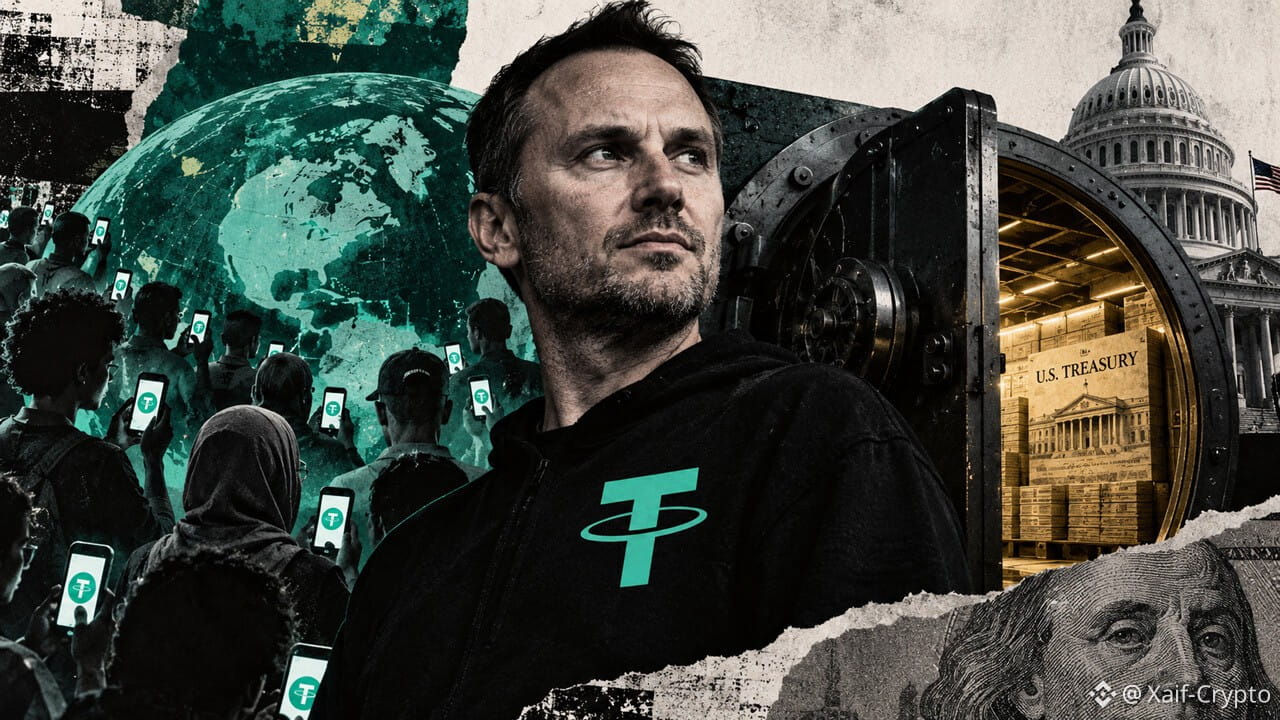
Paolo Ardoino notes that 650 million people now hold U.S. debt in a decentralized form, yet Tether remains the dominant issuer of Treasury-backed stablecoins, underscoring the continued influence of centralized custodians in the market.
$ETH
Paolo Ardoino notes that 650 million people now hold U.S. debt in a decentralized form, yet Tether remains the dominant issuer of Treasury-backed stablecoins, underscoring the continued influence of centralized custodians in the market.
$ETH
$ETH
8
·
--
Verified
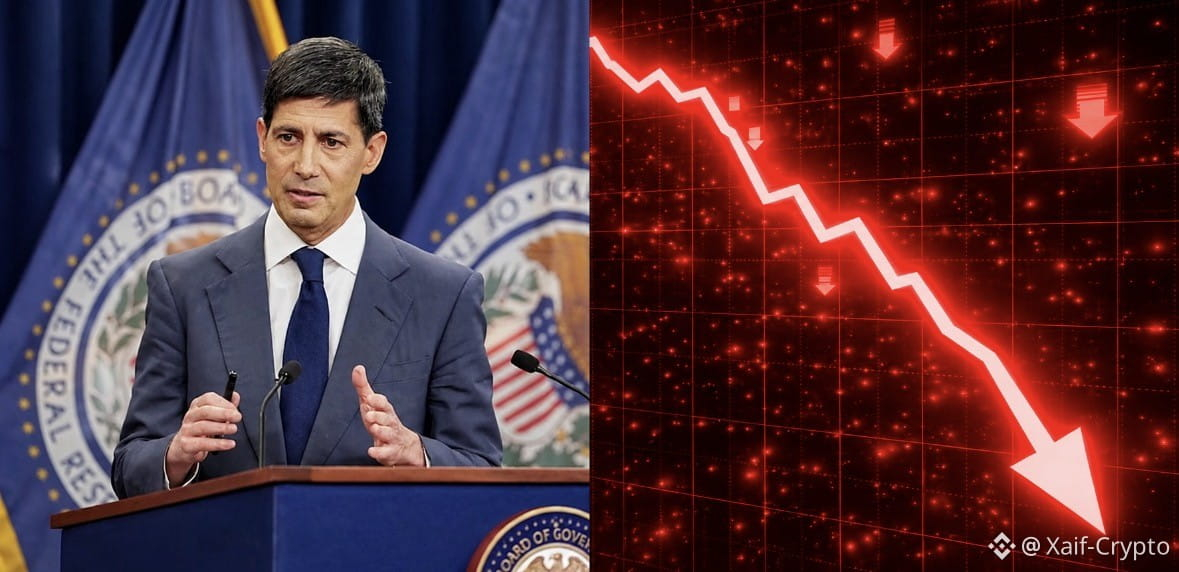
THE FED IS MOVING TOWARDS A RATE HIKE NOW.
Just now, US PPI data was released, and it came in at 5.4% vs 5.3% expected.
At the same time, oil broke above $100, which means more pressure on inflation.
On the other hand, the job data was good, and it leaves the Fed with just one choice.
Hike rates and bring down the inflation.
If the Fed waits more, it'll have to do aggressive hikes like 2022, which will crush the markets.
THE FED IS MOVING TOWARDS A RATE HIKE NOW.
Just now, US PPI data was released, and it came in at 5.4% vs 5.3% expected.
At the same time, oil broke above $100, which means more pressure on inflation.
On the other hand, the job data was good, and it leaves the Fed with just one choice.
Hike rates and bring down the inflation.
If the Fed waits more, it'll have to do aggressive hikes like 2022, which will crush the markets.
Just now, US PPI data was released, and it came in at 5.4% vs 5.3% expected.
At the same time, oil broke above $100, which means more pressure on inflation.
On the other hand, the job data was good, and it leaves the Fed with just one choice.
Hike rates and bring down the inflation.
If the Fed waits more, it'll have to do aggressive hikes like 2022, which will crush the markets.
23
·
--
Mastercard and Busha have partnered to enable secure and streamlined digital asset transfers in Nigeria, offering a regulated framework for local users. This move expands institutional access to XRP and other digital assets within the country’s growing fintech ecosystem.
$XRP
Mastercard and Busha have partnered to enable secure and streamlined digital asset transfers in Nigeria, offering a regulated framework for local users. This move expands institutional access to XRP and other digital assets within the country’s growing fintech ecosystem.
$XRP
$XRP
61
·
--
Bitcoin ETFs lost $167 million after the strongest three‑week inflow run of 2026, indicating a shift in investor sentiment and potentially affecting liquidity in the spot Bitcoin market. This reversal may influence future ETF performance and institutional allocation strategies.
$BTC
Bitcoin ETFs lost $167 million after the strongest three‑week inflow run of 2026, indicating a shift in investor sentiment and potentially affecting liquidity in the spot Bitcoin market. This reversal may influence future ETF performance and institutional allocation strategies.
$BTC
$BTC
57
·
--
Treasury Secretary Janet Bessent has called for swift passage of the CLARITY Act after the Senate returned the bill, emphasizing the need for clear regulatory guidance for digital asset firms. The legislation aims to define compliance obligations and reduce uncertainty in the industry.
$XRP
Treasury Secretary Janet Bessent has called for swift passage of the CLARITY Act after the Senate returned the bill, emphasizing the need for clear regulatory guidance for digital asset firms. The legislation aims to define compliance obligations and reduce uncertainty in the industry.
$XRP
$XRP
323
·
--
Modern Treasury has launched non‑custodial stablecoin wallets, enabling users to hold and transact stablecoins without a third‑party custodian. This move supports greater control and security for institutional payment flows.
$XRP
Modern Treasury has launched non‑custodial stablecoin wallets, enabling users to hold and transact stablecoins without a third‑party custodian. This move supports greater control and security for institutional payment flows.
$XRP
$XRP
22
Log in to explore more content
Join global crypto users on Binance Square
⚡️ Get latest and useful information about crypto.
💬 Trusted by the world’s largest crypto exchange.
👍 Discover real insights from verified creators.
Email / Phone number
Trending Topics
USAugustPPIRisesLessThanExpected
39,134 views
716 Discussing
🚨 US AUG PPI: Rises LESS Than Expected! Bullish for Crypto? 🚀
PPI +0.4% MoM as expected, but CORE PPI only +0.2% vs +0.3% expected - cooling!
What it means:
• Wholesale inflation softer than feared
• Fed rate hike chance now 62% - but dovish signals coming
• Core PCE revisions expected downward - bullish
• BTC usually pumps on softer PPI
Fed meeting Sep 15-16 - Market now expects pause, not hike?
Is this the green light for Q4 rally?
#Bitcoin #PPI #Fed #CryptoNews #BTC#usaugustppiriseslessthanexpected
True News
·1 Likes
·1.3k views
SECApprovesNasdaqTexasCommodityTrustRule
23,308 views
519 Discussing
ECBRaisesRatesSecondTimeTo2.5%
20,930 views
378 Discussing