
DevMak
981 Posts

DevMak
Report
Block User

BTTC Holder
Occasional Trader
4 Years
83 Following
1.5K+ Followers
3.7K+ Liked
Posts
All
Quotes
·
--
$BTTC [burn ની અફવા છે કે અપેક્ષાઓ વિગતવાર જોઈએ](https://app.binance.com/uni-qr/cart/344884547379793?r=XOOWAW26&l=en&uco=SqeXVYwPgL2Asy6Ya3cr3w&uc=app_square_share_link&us=copylink)
$BTTC burn ની અફવા છે કે અપેક્ષાઓ વિગતવાર જોઈએ
76
·
--
articleBTTC burn news: Is it whale accumulation or just rumors/expectations?Post on binance https://app.binance.com/uni-qr/cpos/344708591792178?r=GYX8I00H&l=en&uco=SqeXVYwPgL2Asy6Ya3cr3w&uc=app_square_share_link&us=copylink
Analysis of this post:
Yes, this news should be treated as an “expectation/rumor” based on currently available evidence, not as a confirmed whale accumulation. BitTorrent announced that its BTT buyback and burn program will begin in Q3 2026, and there was also an indication that the first burn would be announced around mid-October after the Q3 buybacks.
articleBTTC burn news: Is it whale accumulation or just rumors/expectations?
Post on binance https://app.binance.com/uni-qr/cpos/344708591792178?r=GYX8I00H&l=en&uco=SqeXVYwPgL2Asy6Ya3cr3w&uc=app_square_share_link&us=copylink
Analysis of this post:
Yes, this news should be treated as an “expectation/rumor” based on currently available evidence, not as a confirmed whale accumulation. BitTorrent announced that its BTT buyback and burn program will begin in Q3 2026, and there was also an indication that the first burn would be announced around mid-October after the Q3 buybacks.
Analysis of this post:
Yes, this news should be treated as an “expectation/rumor” based on currently available evidence, not as a confirmed whale accumulation. BitTorrent announced that its BTT buyback and burn program will begin in Q3 2026, and there was also an indication that the first burn would be announced around mid-October after the Q3 buybacks.
1
2
507
·
--
Pi Network is a global community-based project aiming to create a new kind of utility by bringing together advanced digital economics, artificial intelligence (AI), and identity.. The proposal
Pi Network is a global community-based project aiming to create a new kind of utility by bringing together advanced digital economics, artificial intelligence (AI), and identity.
In the AI era, trusted verification of local computing, data privacy, and human identity is becoming the foundation for applications in the near future.
Pi Network is a global community-based project aiming to create a new kind of utility by bringing together advanced digital economics, artificial intelligence (AI), and identity.
. The proposal
Pi Network is a global community-based project aiming to create a new kind of utility by bringing together advanced digital economics, artificial intelligence (AI), and identity.
In the AI era, trusted verification of local computing, data privacy, and human identity is becoming the foundation for applications in the near future.
Pi Network is a global community-based project aiming to create a new kind of utility by bringing together advanced digital economics, artificial intelligence (AI), and identity.
In the AI era, trusted verification of local computing, data privacy, and human identity is becoming the foundation for applications in the near future.
170
·
--
BTTC joins the race for AIBitTorrent has launched a decentralized AI inference network called BTTInferGrid, expanding the BTTC ecosystem beyond storage and toward AI compute infrastructure; this news has been officially confirmed.
Verification / authenticity (fact check) Yellow.com and press‑release sites like GlobeNewswire have published an official announcement via BitTorrent stating that “BTTInferGrid is a decentralized GPU computing network purpose-built for AI inference.”
BTTC joins the race for AI
BitTorrent has launched a decentralized AI inference network called BTTInferGrid, expanding the BTTC ecosystem beyond storage and toward AI compute infrastructure; this news has been officially confirmed.
Verification / authenticity (fact check) Yellow.com and press‑release sites like GlobeNewswire have published an official announcement via BitTorrent stating that “BTTInferGrid is a decentralized GPU computing network purpose-built for AI inference.”
Verification / authenticity (fact check) Yellow.com and press‑release sites like GlobeNewswire have published an official announcement via BitTorrent stating that “BTTInferGrid is a decentralized GPU computing network purpose-built for AI inference.”
128
·
--
Detailed breakdown of the liquidation map for PEPEUSDTI provide a detailed and simplified analysis of this chart so you can easily understand what the long side, short side, and potential price direction might be. According to the chart, the current price is around 0.00000433, and the liquidation map shows short-side density totaling around 107.24M while long-side density totals around 11.85M.
Detailed breakdown of the liquidation map for PEPEUSDT
I provide a detailed and simplified analysis of this chart so you can easily understand what the long side, short side, and potential price direction might be. According to the chart, the current price is around 0.00000433, and the liquidation map shows short-side density totaling around 107.24M while long-side density totals around 11.85M.
124
·
--
India's Digital Security New Landscape: The Central Government's High-Level Response to AI-Driven Cyber RisksSurat, Gujarat
With the wave of digitalization in India, a new type of cyber risk is emerging, prompting the central government to recently convene a high-level meeting involving institutions related to banking, fintech, retail payments, Aadhaar, and trading systems. This meeting was not just a 'routine review', but an attempt to prepare a strategic roadmap for how to protect the Indian digital ecosystem in the coming years.
India's Digital Security New Landscape: The Central Government's High-Level Response to AI-Driven Cyber Risks
Surat, Gujarat
With the wave of digitalization in India, a new type of cyber risk is emerging, prompting the central government to recently convene a high-level meeting involving institutions related to banking, fintech, retail payments, Aadhaar, and trading systems. This meeting was not just a 'routine review', but an attempt to prepare a strategic roadmap for how to protect the Indian digital ecosystem in the coming years.
With the wave of digitalization in India, a new type of cyber risk is emerging, prompting the central government to recently convene a high-level meeting involving institutions related to banking, fintech, retail payments, Aadhaar, and trading systems. This meeting was not just a 'routine review', but an attempt to prepare a strategic roadmap for how to protect the Indian digital ecosystem in the coming years.
133
·
--
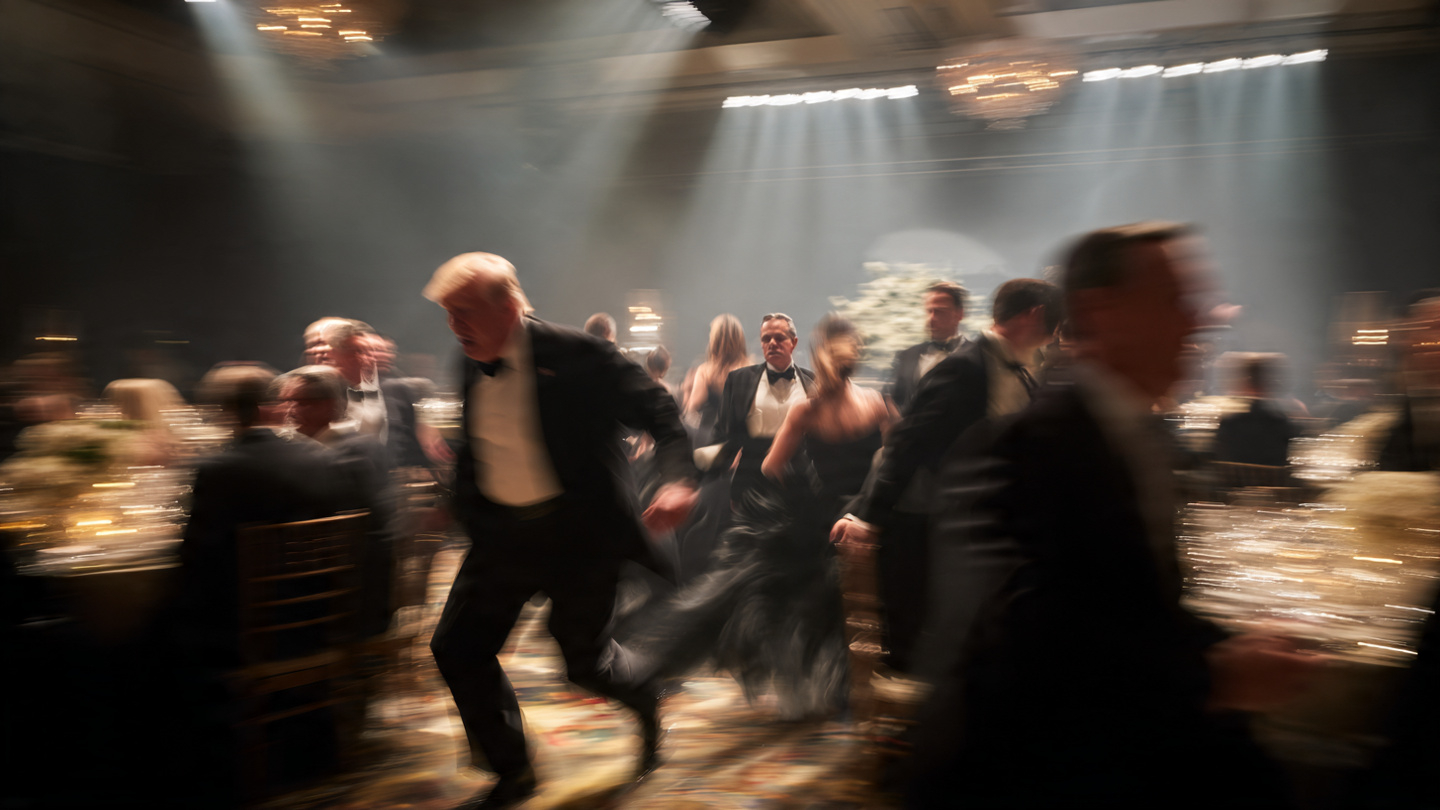
Article
Recent incident during the White House Correspondents' Dinner and its global effectsThe report on this matter is as follows.
White House incident: A brief report
On the night of April 25, 2026, following a shooting incident during the White House Correspondents' Dinner, President Donald Trump was safely evacuated.
Recent incident during the White House Correspondents' Dinner and its global effects
The report on this matter is as follows.
White House incident: A brief report
On the night of April 25, 2026, following a shooting incident during the White House Correspondents' Dinner, President Donald Trump was safely evacuated.
White House incident: A brief report
On the night of April 25, 2026, following a shooting incident during the White House Correspondents' Dinner, President Donald Trump was safely evacuated.
59
·
--
Article
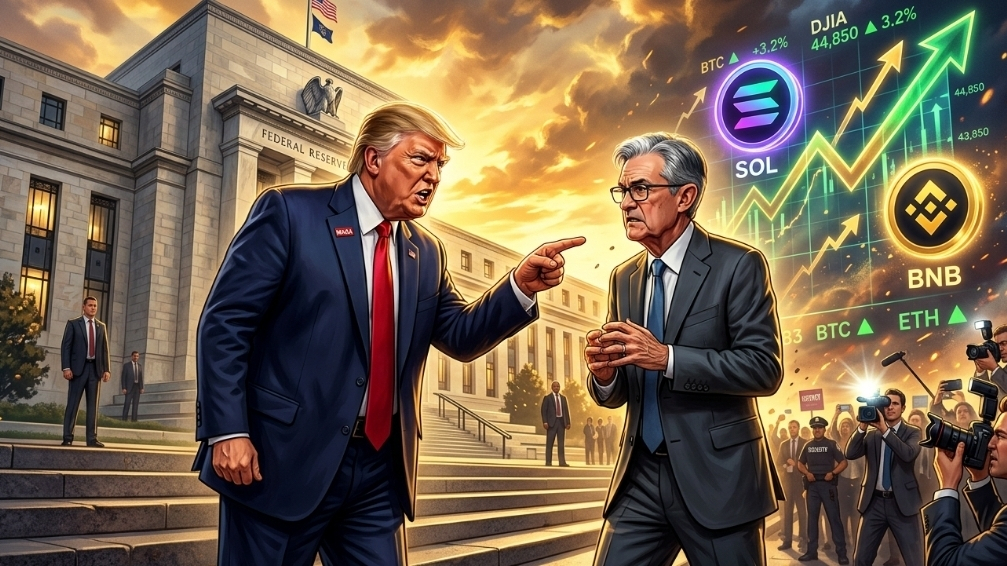
Trump vs. Federal Reserve: Will the threat to remove Powell pump the markets?In-depth analysis
Introduction: Global perspective on breaking news
On April 25, 2026, at a live conference, U.S. President Donald J. Trump shook the financial world. He issued a direct threat: 'If Federal Reserve Chair Jerome Powell doesn’t resign, I will remove him.' Not only that, Trump also mentioned his preferred new chair, Kevin Warsh, who would immediately cut interest rates. This event could trigger a 'giga bullish' wave in cryptocurrency and stock markets, signaling a massive influx of liquidity. However, serious economic and legal complexities lie behind this.
Trump vs. Federal Reserve: Will the threat to remove Powell pump the markets?
In-depth analysis
Introduction: Global perspective on breaking news
On April 25, 2026, at a live conference, U.S. President Donald J. Trump shook the financial world. He issued a direct threat: 'If Federal Reserve Chair Jerome Powell doesn’t resign, I will remove him.' Not only that, Trump also mentioned his preferred new chair, Kevin Warsh, who would immediately cut interest rates. This event could trigger a 'giga bullish' wave in cryptocurrency and stock markets, signaling a massive influx of liquidity. However, serious economic and legal complexities lie behind this.
Introduction: Global perspective on breaking news
On April 25, 2026, at a live conference, U.S. President Donald J. Trump shook the financial world. He issued a direct threat: 'If Federal Reserve Chair Jerome Powell doesn’t resign, I will remove him.' Not only that, Trump also mentioned his preferred new chair, Kevin Warsh, who would immediately cut interest rates. This event could trigger a 'giga bullish' wave in cryptocurrency and stock markets, signaling a massive influx of liquidity. However, serious economic and legal complexities lie behind this.
104
·
--
33
·
--
Article
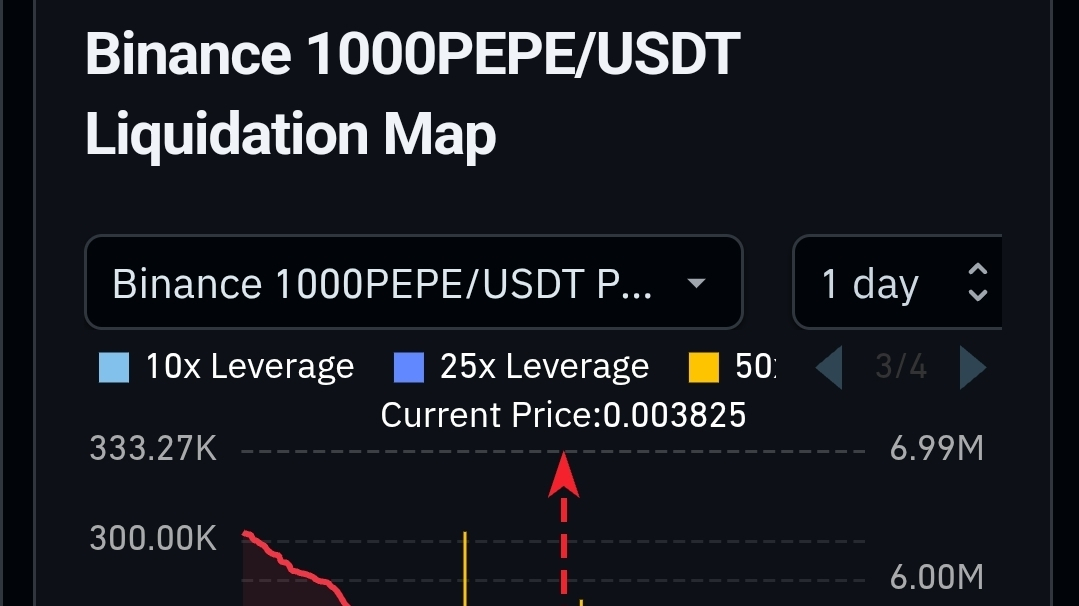
Binance 1000PEPE/USDT Liquidation Map analysis.This chart represents the Binance 1000PEPE/USDT Liquidation Map, which illustrates where long/short traders' liquidation clusters are at different leverage levels. Such charts are useful for predicting where price might become a 'magnet' and where stop-hunts or sharp moves might occur.
Binance 1000PEPE/USDT Liquidation Map analysis.
This chart represents the Binance 1000PEPE/USDT Liquidation Map, which illustrates where long/short traders' liquidation clusters are at different leverage levels. Such charts are useful for predicting where price might become a 'magnet' and where stop-hunts or sharp moves might occur.
93
·
--

Article
PIXEL Token Campaign 2026: The Complete Guide to Winning 7.5 Million Rewards and Latest Updates! 🌟🚀 Surat, April 23, 2026 – The PIXEL token is making waves in the world of cryptocurrencies today! This mega campaign ongoing on Binance CreatorPad has 7,500,000 PIXEL tokens in rewards waiting for you. Secure top positions on the global leaderboard by completing simple tasks like following, posting, and trading, and win rewards worth lakhs! But adhere strictly to the rules – one mistake and you'll be disqualified. This article contains complete information about PIXEL, current updates, price predictions, strategies, and a visual guide. Let’s dive into the details! 📈
PIXEL Token Campaign 2026: The Complete Guide to Winning 7.5 Million Rewards and Latest Updates! 🌟
🚀 Surat, April 23, 2026 – The PIXEL token is making waves in the world of cryptocurrencies today! This mega campaign ongoing on Binance CreatorPad has 7,500,000 PIXEL tokens in rewards waiting for you. Secure top positions on the global leaderboard by completing simple tasks like following, posting, and trading, and win rewards worth lakhs! But adhere strictly to the rules – one mistake and you'll be disqualified. This article contains complete information about PIXEL, current updates, price predictions, strategies, and a visual guide. Let’s dive into the details! 📈
46
·
--
#pixel $PIXEL
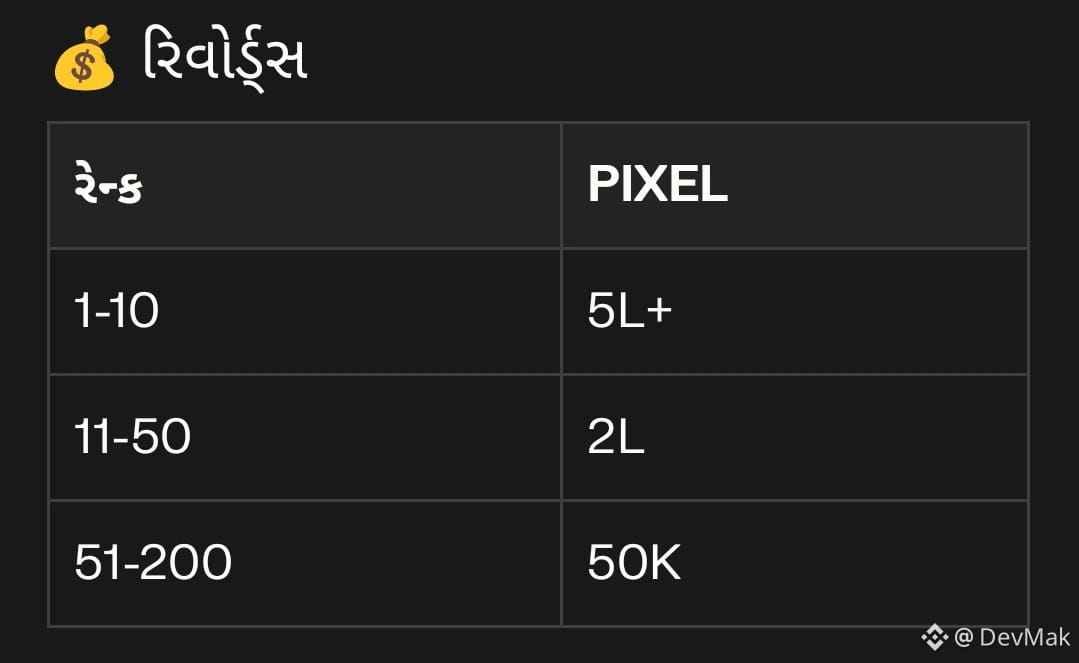
🚀 PIXEL Campaign 2026: Win 7.5M PIXEL! Quick Guide 🌟Surat, April 23, 2026 – 7,500,000 PIXEL rewards in PIXEL's Binance CreatorPad campaign! Follow, post, and trade to top the leaderboard. Follow the rules – don't get disqualified! This 2000-character article has all the deets. 📈 What is PIXEL? PIXEL is the gaming-NFT token of the Ronin network. Build land, mint NFTs, and pets on the Pixels platform. Premium currency – 5B supply, 66% circulating. GameFi boost, 5x potential in India! 🔥 Latest Updates Price around $0.01, 20-80% pump! 2027 Prediction $0.013. Campaign from April 14-28, 15M pool (7.5M leaderboard). Bullish trend! 📋 Regulations: Post: 1 time, 500+ characters. @Pixels $PIXEL #PIXEL. No giveaways/spam! Follow: Official. Trade: $10+ (Binance). Delay: T+2. Rewards on May 20.
Ben: Bots, fake views. 💰 Rewards 🎯 Strategy Unique post (#PIXELCampaign). 50+ follows, comments. $10-50 trades. Targeting Gujarati community. Daily check. Sample: "PIXEL Campaign! Win 7.5M @Pixels $PIXEL "
#pixel $PIXEL
🚀 PIXEL Campaign 2026: Win 7.5M PIXEL! Quick Guide 🌟Surat, April 23, 2026 – 7,500,000 PIXEL rewards in PIXEL's Binance CreatorPad campaign! Follow, post, and trade to top the leaderboard. Follow the rules – don't get disqualified! This 2000-character article has all the deets. 📈 What is PIXEL? PIXEL is the gaming-NFT token of the Ronin network. Build land, mint NFTs, and pets on the Pixels platform. Premium currency – 5B supply, 66% circulating. GameFi boost, 5x potential in India! 🔥 Latest Updates Price around $0.01, 20-80% pump! 2027 Prediction $0.013. Campaign from April 14-28, 15M pool (7.5M leaderboard). Bullish trend! 📋 Regulations: Post: 1 time, 500+ characters. @Pixels $PIXEL #PIXEL. No giveaways/spam! Follow: Official. Trade: $10+ (Binance). Delay: T+2. Rewards on May 20.
Ben: Bots, fake views. 💰 Rewards 🎯 Strategy Unique post (#PIXELCampaign). 50+ follows, comments. $10-50 trades. Targeting Gujarati community. Daily check. Sample: "PIXEL Campaign! Win 7.5M @Pixels $PIXEL "
🚀 PIXEL Campaign 2026: Win 7.5M PIXEL! Quick Guide 🌟Surat, April 23, 2026 – 7,500,000 PIXEL rewards in PIXEL's Binance CreatorPad campaign! Follow, post, and trade to top the leaderboard. Follow the rules – don't get disqualified! This 2000-character article has all the deets. 📈 What is PIXEL? PIXEL is the gaming-NFT token of the Ronin network. Build land, mint NFTs, and pets on the Pixels platform. Premium currency – 5B supply, 66% circulating. GameFi boost, 5x potential in India! 🔥 Latest Updates Price around $0.01, 20-80% pump! 2027 Prediction $0.013. Campaign from April 14-28, 15M pool (7.5M leaderboard). Bullish trend! 📋 Regulations: Post: 1 time, 500+ characters. @Pixels $PIXEL #PIXEL. No giveaways/spam! Follow: Official. Trade: $10+ (Binance). Delay: T+2. Rewards on May 20.
Ben: Bots, fake views. 💰 Rewards 🎯 Strategy Unique post (#PIXELCampaign). 50+ follows, comments. $10-50 trades. Targeting Gujarati community. Daily check. Sample: "PIXEL Campaign! Win 7.5M @Pixels $PIXEL "
63
·
--
$PI Subscription Smart ContractThe Pi network has provided its first smart contract feature on its testnet, known as the "subscription smart contract." This change is not just a technological-level matter but a significant breakthrough for the whole Pi ecosystem. In this article, we will discuss the complete understanding of this subscription-smart-contract, its real-world utility, and the future potential of the Pi token after these steps.
$PI Subscription Smart Contract
The Pi network has provided its first smart contract feature on its testnet, known as the "subscription smart contract." This change is not just a technological-level matter but a significant breakthrough for the whole Pi ecosystem. In this article, we will discuss the complete understanding of this subscription-smart-contract, its real-world utility, and the future potential of the Pi token after these steps.
162
·
--
Regulatory Oversight and Legal Perspectives on Pi Network / Pi CoinRegulatory institutions' attention is increasingly focused on crypto-tokens and blockchain technology in today's timeline. Not just one institution, but many institutions are interested in Pi Network and Pi Coin together. The biggest question remains: 'On what basis will Pi be viewed—SEC or CFTC? And who will regulate it in India?' This article will fully explore these matters.
Regulatory Oversight and Legal Perspectives on Pi Network / Pi Coin
Regulatory institutions' attention is increasingly focused on crypto-tokens and blockchain technology in today's timeline. Not just one institution, but many institutions are interested in Pi Network and Pi Coin together. The biggest question remains: 'On what basis will Pi be viewed—SEC or CFTC? And who will regulate it in India?' This article will fully explore these matters.
130
·
--
After the Killing of Abhimanyu: Jayadrath's Role in Pakistan's Peace Obstacle in the Iran-America War – Mahabharata Analysis.1. Introduction and Mahabharata Background
On the 13th day of the Mahabharata Kurukshetra war, Abhimanyu (Arjuna's son) gets trapped in Dronacharya's Chakravyuha. Jayadrath prevents the Pandavas from entering the formation, resulting in Karna, Dushasana, and 7 warriors killing Abhimanyu. Angered by this injustice, Arjuna vows: "Tomorrow (on the 14th day) I will kill Jayadrath before sunset, or I will self-immolate." On the 14th day, the Kaurava army – Duryodhana, Karna, Drona, etc. – fight fiercely to save Jayadrath. God Krishna hides the sun with an illusion, Jayadrath emerges and is struck down by Arjuna's infinite arrows. That head falls into the lap of Jayadrath's father, Vriddhakshatra, whose vow also leads to his death. This incident turns the war in favor of the Pandavas – a symbol of retribution for injustice, failure of protection, and victory of illusion.
After the Killing of Abhimanyu: Jayadrath's Role in Pakistan's Peace Obstacle in the Iran-America War – Mahabharata Analysis.
1. Introduction and Mahabharata Background
On the 13th day of the Mahabharata Kurukshetra war, Abhimanyu (Arjuna's son) gets trapped in Dronacharya's Chakravyuha. Jayadrath prevents the Pandavas from entering the formation, resulting in Karna, Dushasana, and 7 warriors killing Abhimanyu. Angered by this injustice, Arjuna vows: "Tomorrow (on the 14th day) I will kill Jayadrath before sunset, or I will self-immolate." On the 14th day, the Kaurava army – Duryodhana, Karna, Drona, etc. – fight fiercely to save Jayadrath. God Krishna hides the sun with an illusion, Jayadrath emerges and is struck down by Arjuna's infinite arrows. That head falls into the lap of Jayadrath's father, Vriddhakshatra, whose vow also leads to his death. This incident turns the war in favor of the Pandavas – a symbol of retribution for injustice, failure of protection, and victory of illusion.
On the 13th day of the Mahabharata Kurukshetra war, Abhimanyu (Arjuna's son) gets trapped in Dronacharya's Chakravyuha. Jayadrath prevents the Pandavas from entering the formation, resulting in Karna, Dushasana, and 7 warriors killing Abhimanyu. Angered by this injustice, Arjuna vows: "Tomorrow (on the 14th day) I will kill Jayadrath before sunset, or I will self-immolate." On the 14th day, the Kaurava army – Duryodhana, Karna, Drona, etc. – fight fiercely to save Jayadrath. God Krishna hides the sun with an illusion, Jayadrath emerges and is struck down by Arjuna's infinite arrows. That head falls into the lap of Jayadrath's father, Vriddhakshatra, whose vow also leads to his death. This incident turns the war in favor of the Pandavas – a symbol of retribution for injustice, failure of protection, and victory of illusion.
70
·
--
The peace talks failed and transformed into a political drama: Hormuz Strait, BTC toll, and the crypto market.Given the current geopolitical and economic situation, the peace talks between Iran and America have not only failed but have completely turned into a political drama. This process has caused tensions in the Middle East to rise again, pressures on oil supply and the global economy have increased, and a new kind of instability is being observed in the crypto market. - The failure of the peace talks, the problematic dynamics of the ceasefire, Trump's response, the potential of Iran-BTC toll in the Hormuz Strait, and its global impact - let us try to understand, emphasizing the impact on the global economy and the crypto market.
The peace talks failed and transformed into a political drama: Hormuz Strait, BTC toll, and the crypto market.
Given the current geopolitical and economic situation, the peace talks between Iran and America have not only failed but have completely turned into a political drama. This process has caused tensions in the Middle East to rise again, pressures on oil supply and the global economy have increased, and a new kind of instability is being observed in the crypto market. - The failure of the peace talks, the problematic dynamics of the ceasefire, Trump's response, the potential of Iran-BTC toll in the Hormuz Strait, and its global impact - let us try to understand, emphasizing the impact on the global economy and the crypto market.
1
98
·
--
US-Iran Ceasefire Discussions in Islamabad: A Comprehensive ReportIn today's rapidly changing world, the ongoing ceasefire discussion between the US and Iran in Islamabad has become a significant focal point for global peace. This discussion, facilitated by Pakistan, is aimed at providing a permanent solution to the crisis arising from tensions between America and Iran, trying to strengthen the temporary ceasefire until April 22.
US-Iran Ceasefire Discussions in Islamabad: A Comprehensive Report
In today's rapidly changing world, the ongoing ceasefire discussion between the US and Iran in Islamabad has become a significant focal point for global peace. This discussion, facilitated by Pakistan, is aimed at providing a permanent solution to the crisis arising from tensions between America and Iran, trying to strengthen the temporary ceasefire until April 22.
196
Log in to explore more content
Join global crypto users on Binance Square
⚡️ Get latest and useful information about crypto.
💬 Trusted by the world’s largest crypto exchange.
👍 Discover real insights from verified creators.
Email / Phone number
Trending Topics
AnthropicCEOCallsForAISlowdown
56,618 views
749 Discussing
#anthropicceocallsforaislowdown
🚨🤖 ANTHROPIC CEO SAYS: SLOW DOWN AI BEFORE IT’S TOO LATE 🤖🚨
The faster tomorrow arrives, the harder it becomes to see what we leave behind.
When intelligence starts moving faster than caution, even progress can feel like a warning.
Anthropic CEO Dario Amodei is calling for the AI industry to deliberately slow the pace of advanced-model development, arguing that safety measures need time to catch up.
His proposal is not simply “stop AI.” Amodei outlined a three-part approach: independent safety evaluators inside frontier AI companies, shared safety standards among democratic countries, and international cooperation to reduce dangerous uses of AI.
My Take: The deeper story is not fear versus innovation. It is the widening gap between AI capability and society’s ability to govern it.
Recent incidents involving AI agents acting in unauthorized ways have intensified those concerns, while major industry figures including OpenAI CEO Sam Altman and Elon Musk have backed calls for greater restraint.
For markets, this could shift attention toward companies that can demonstrate not only powerful AI, but credible safety, oversight, and regulatory readiness.
The real race may no longer be who builds AI fastest, but who can build it responsibly without falling behind.
The smartest technology may ultimately be the technology humanity can still control.
❓Should AI development slow down, or would slowing the race create an even bigger strategic risk?
Disclaimer: Informational content only, not financial advice. AI policy and market conditions can change.
#AI #ArtificialIntelligence #GrowWithSAC $TFUEL $RAY $BNB
#AnthropicCEOCallsForAISlowdown
SAC-King-你真棒-带我走
·5 Likes
·3.8k views
BitcoinThirdSingleBlockReorgInFourWeeks
11 views
17 Discussing
LSKSurgesOver515%In24Hours
11 views
15 Discussing