
冷冷i
82 Posts

冷冷i
Open Trade
Frequent Trader
2.1 Years
214 Following
20.1K+ Followers
1.6K+ Liked
Posts
Portfolio
All
Live

@MidnightNetwork is not a project that relies on the concept of 'privacy revolution' to hold on. Many designs are directly written into the operational details: 6 seconds block time, P2P discovery and state gossip, integration with Cardano Partnerchain components. This set of combinations makes it more like a chain that seriously builds infrastructure, rather than just hanging ZK proofs on a promotional page and calling it a day.
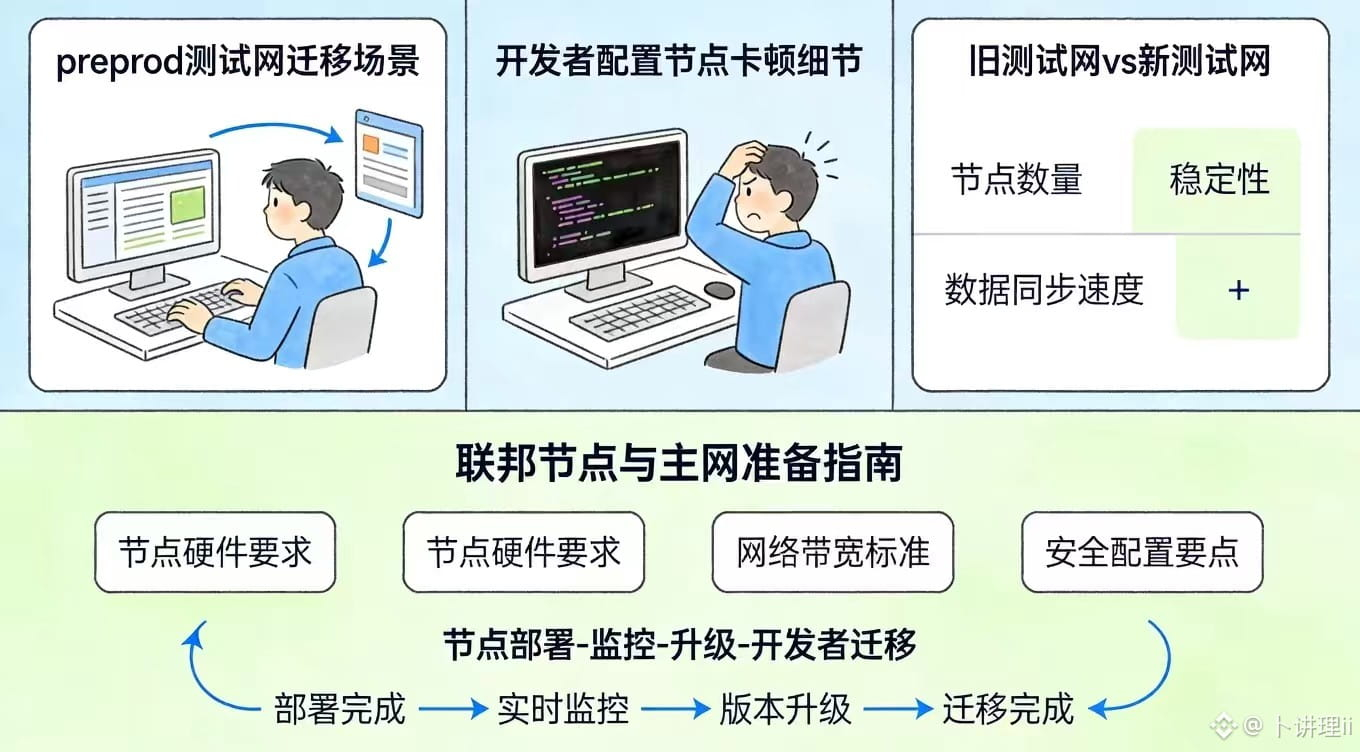
Getting started with running nodes, the main threshold is in the combination dependencies: Docker is just the starting point, db-sync + PostgreSQL are permanent companions, P2P ports need to be open, and RPC exposes 9944. System requirements are real — the mainnet recommends 32GB+ memory, 4-core CPU, 320GB+ SSD.
The full mode only retains the history of the last 256 blocks, saving disk space and effort; the archive mode opens full historical data, allowing for backtracking indexing, but the storage pressure is evident. This is more honest than some projects that loudly shout 'decentralization' without practical layered operations, with costs laid out on the table.
I know a Cardano SPO who tested nodes for Midnight on the testnet at the end of last year. He said it was very stable under low load, ZK proof latency was controllable, but simulating high concurrency made db-sync and federated node coordination a bit challenging: 'It's not that the technology is lacking, but the communication overhead between trusted nodes is significantly higher than in a purely decentralized model. If we don’t quickly bring community SPOs in, institutional partners, no matter how strong, will only be starters; to truly handle large traffic, we still have to rely on distributed nodes.'
Recently, the pace has been very tight: on March 11, NIGHT went live on Binance spot (USDT/USDC/BNB/TRY pairs + Seed tag); from March 13 to April 3, there will be a 90M NIGHT spot event; on March 16, Super Earn will add more incentives. The hot topics are full, but I'm more concerned about whether RPC stability, index synchronization, and monitoring dashboards can hold up — these hard metrics are more decisive for reputation than telling privacy stories. Overall difficulty is above average: having Cardano experience makes things much easier; complete newcomers may need a week to familiarize themselves with dependencies and ports.
The opportunity is that infrastructure takes the lead, the trouble is that you really have to treat it as a chain that needs maintenance.
$NIGHT #night
Getting started with running nodes, the main threshold is in the combination dependencies: Docker is just the starting point, db-sync + PostgreSQL are permanent companions, P2P ports need to be open, and RPC exposes 9944. System requirements are real — the mainnet recommends 32GB+ memory, 4-core CPU, 320GB+ SSD.
The full mode only retains the history of the last 256 blocks, saving disk space and effort; the archive mode opens full historical data, allowing for backtracking indexing, but the storage pressure is evident. This is more honest than some projects that loudly shout 'decentralization' without practical layered operations, with costs laid out on the table.
I know a Cardano SPO who tested nodes for Midnight on the testnet at the end of last year. He said it was very stable under low load, ZK proof latency was controllable, but simulating high concurrency made db-sync and federated node coordination a bit challenging: 'It's not that the technology is lacking, but the communication overhead between trusted nodes is significantly higher than in a purely decentralized model. If we don’t quickly bring community SPOs in, institutional partners, no matter how strong, will only be starters; to truly handle large traffic, we still have to rely on distributed nodes.'
Recently, the pace has been very tight: on March 11, NIGHT went live on Binance spot (USDT/USDC/BNB/TRY pairs + Seed tag); from March 13 to April 3, there will be a 90M NIGHT spot event; on March 16, Super Earn will add more incentives. The hot topics are full, but I'm more concerned about whether RPC stability, index synchronization, and monitoring dashboards can hold up — these hard metrics are more decisive for reputation than telling privacy stories. Overall difficulty is above average: having Cardano experience makes things much easier; complete newcomers may need a week to familiarize themselves with dependencies and ports.
The opportunity is that infrastructure takes the lead, the trouble is that you really have to treat it as a chain that needs maintenance.
$NIGHT #night
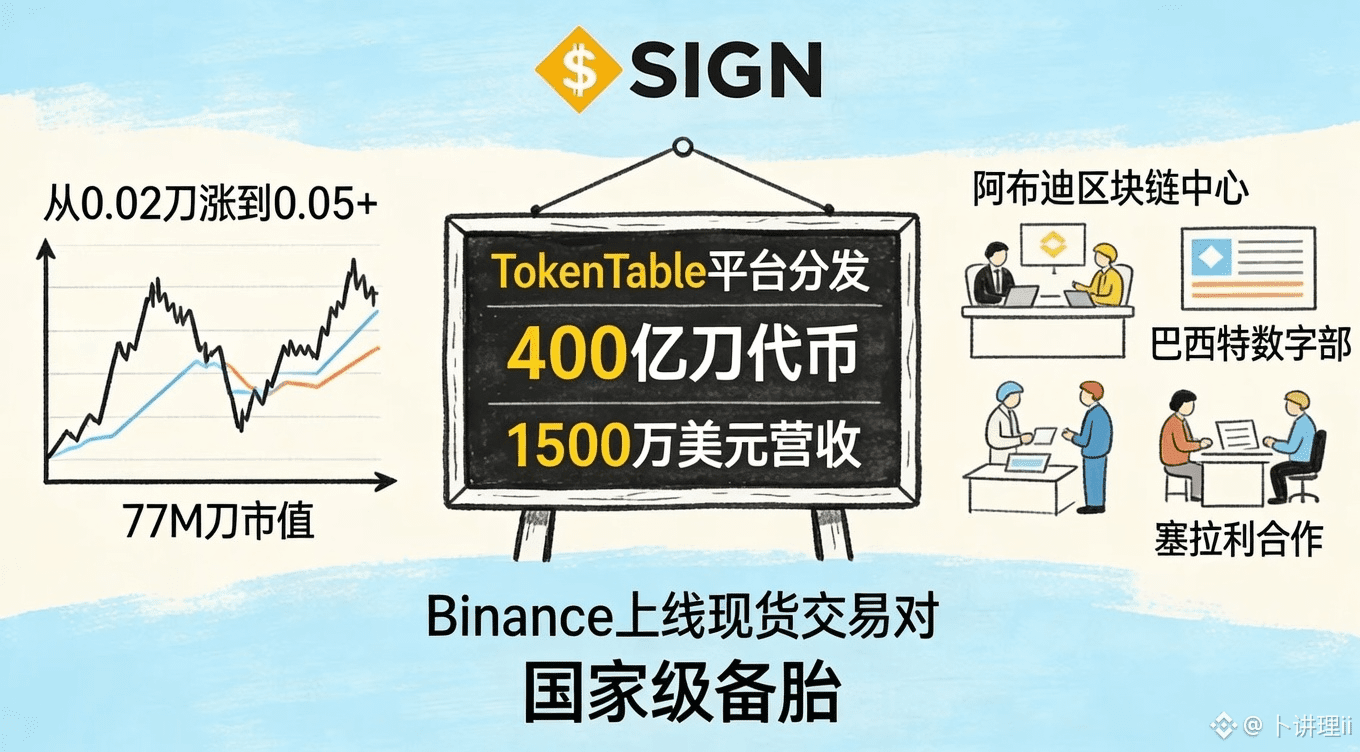
Recently browsing X, I saw @SignOfficial 's $SIGN jump directly from $0.02 to over $0.05, doubling in a week, with a market cap of around $77M. Someone in my circle shouted, "Geopolitical buff fully charged," and my first reaction was: another coin boosted by Middle Eastern news? But digging deeper, I found that Sign is not purely a meme; it focuses on "digital sovereignty infrastructure."
In simple terms, it's about providing on-chain trust layers for countries/institutions: identity verification, cross-chain credentials, asset confirmation, financial backup. The TokenTable platform really distributed $40 billion worth of tokens in 2024 and earned $15 million in revenue, which is quite rare in crypto for a project with "real income."
In early March, with the tense situation in the Middle East and the instability of traditional systems, Sign's narrative suddenly struck a chord: sovereign partners like the Abu Dhabi Blockchain Center, Pakistan's Digital Ministry, and Sierra Leone may sound distant, but the logic is straightforward— in turbulent regions, sovereign credit is more important than technology. Binance listed spot trading (USDT/USDC/BNB/TRY) on March 11, with 69% circulation, and combined with geopolitical FOMO, the price soared. I'm not all in, but I think Sign is different from privacy chains like Midnight; it feels more like a "national-level backup," relying on news catalysts in the short term and on partnerships in the medium to long term. Short-term volatility is high, but in the long term, it looks at real revenue and sovereign cooperation fulfillment.
If you also come across $SIGN , don't just look at the K-line; first, see what it's actually doing in Abu Dhabi and Pakistan. #sign地缘政治基建 $SIGN
In simple terms, it's about providing on-chain trust layers for countries/institutions: identity verification, cross-chain credentials, asset confirmation, financial backup. The TokenTable platform really distributed $40 billion worth of tokens in 2024 and earned $15 million in revenue, which is quite rare in crypto for a project with "real income."
In early March, with the tense situation in the Middle East and the instability of traditional systems, Sign's narrative suddenly struck a chord: sovereign partners like the Abu Dhabi Blockchain Center, Pakistan's Digital Ministry, and Sierra Leone may sound distant, but the logic is straightforward— in turbulent regions, sovereign credit is more important than technology. Binance listed spot trading (USDT/USDC/BNB/TRY) on March 11, with 69% circulation, and combined with geopolitical FOMO, the price soared. I'm not all in, but I think Sign is different from privacy chains like Midnight; it feels more like a "national-level backup," relying on news catalysts in the short term and on partnerships in the medium to long term. Short-term volatility is high, but in the long term, it looks at real revenue and sovereign cooperation fulfillment.
If you also come across $SIGN , don't just look at the K-line; first, see what it's actually doing in Abu Dhabi and Pakistan. #sign地缘政治基建 $SIGN


I have recently been staring at the on-chain browser, and the more I look, the colder my back feels. The current Web3 is actually like a live-streaming studio, seemingly enjoying the freedom of decentralization, but in reality, every asset transfer and every trading habit is clearly watched by countless eyes and automated robots. This kind of "full transparency" is not only a nightmare for large players but also the root cause of ordinary players being precisely hunted.
So I have been pondering the proposition raised by @MidnightNetwork : In the physical world, there are blinds to adjust light and darkness, why is the digital world forced to run naked instead?
What impresses me most about this project is not how powerful its ZK technology is, but rather its "centrist" philosophy. Unlike some old-fashioned privacy coins that engage in absolute dark stealth, it has created a set of "smart filters". Through zero-knowledge proofs, users can decide for themselves: who can view my complete transaction history and who can only see my compliance proof. The feeling of having the privacy switch in one's own hands is true sovereignty.
Speaking of NIGHT, I suggest everyone step out of the logic of short-term speculation. In a mature commercial civilization, privacy has never been free; it is, in fact, the highest cost. When you sign a commercial agreement on-chain or conduct a large reallocation, what NIGHT pays is not just Gas, but also an insurance premium to avoid being monitored. This token, which has a real payment logic, is far superior to those projects that only sell land in the metaverse.
To be honest, if Web3 can never solve the problem of this "full transparency prison", it will forever only be a casino for a minority. What we truly need are infrastructures like Midnight that install locks and blinds on this wild land.
I just looked at their latest technological progress, and such a privacy protocol that can make traditional big companies willing to run nodes is very likely to be the "infrastructure-level" opportunity in the next cycle. Don't always look for opportunities in low-end circles; projects like $NIGHT that truly respect user dignity and delve into underlying needs are worth our time to study.
What do you think? If we completely lose privacy on-chain, do cryptocurrencies still have a future? #night $NIGHT
So I have been pondering the proposition raised by @MidnightNetwork : In the physical world, there are blinds to adjust light and darkness, why is the digital world forced to run naked instead?
What impresses me most about this project is not how powerful its ZK technology is, but rather its "centrist" philosophy. Unlike some old-fashioned privacy coins that engage in absolute dark stealth, it has created a set of "smart filters". Through zero-knowledge proofs, users can decide for themselves: who can view my complete transaction history and who can only see my compliance proof. The feeling of having the privacy switch in one's own hands is true sovereignty.
Speaking of NIGHT, I suggest everyone step out of the logic of short-term speculation. In a mature commercial civilization, privacy has never been free; it is, in fact, the highest cost. When you sign a commercial agreement on-chain or conduct a large reallocation, what NIGHT pays is not just Gas, but also an insurance premium to avoid being monitored. This token, which has a real payment logic, is far superior to those projects that only sell land in the metaverse.
To be honest, if Web3 can never solve the problem of this "full transparency prison", it will forever only be a casino for a minority. What we truly need are infrastructures like Midnight that install locks and blinds on this wild land.
I just looked at their latest technological progress, and such a privacy protocol that can make traditional big companies willing to run nodes is very likely to be the "infrastructure-level" opportunity in the next cycle. Don't always look for opportunities in low-end circles; projects like $NIGHT that truly respect user dignity and delve into underlying needs are worth our time to study.
What do you think? If we completely lose privacy on-chain, do cryptocurrencies still have a future? #night $NIGHT

The most expensive cost on-chain has never been Gas, but rather your assets and trading intentions being completely exposed in front of everyone. Just like the previous $50 million transaction involving AAVE faced a squeeze, many initially thought it was a hacker attack, but in essence, it was merely a personal operational oversight that resulted in massive losses—this is itself an unavoidable price under the old DeFi architecture.
Your orders, transaction paths, and funding volumes are almost fully exposed on-chain; once captured, they can be pre-priced by bots, hunted layer by layer, and harvested accurately. The so-called free market is often just a targeted hunt built on public information flow.
It is precisely for this reason that the value of the @MidnightNetwork network becomes particularly critical. What it offers is not simple anonymity but rational and controllable privacy: users can prove their compliance, the authenticity of their assets, and the validity of their transactions without having to fully disclose their identity information, position status, and transaction details. Relying on dual-state ledgers and zero-knowledge proof technology, it truly achieves a balance between verifiability and privacy protection.
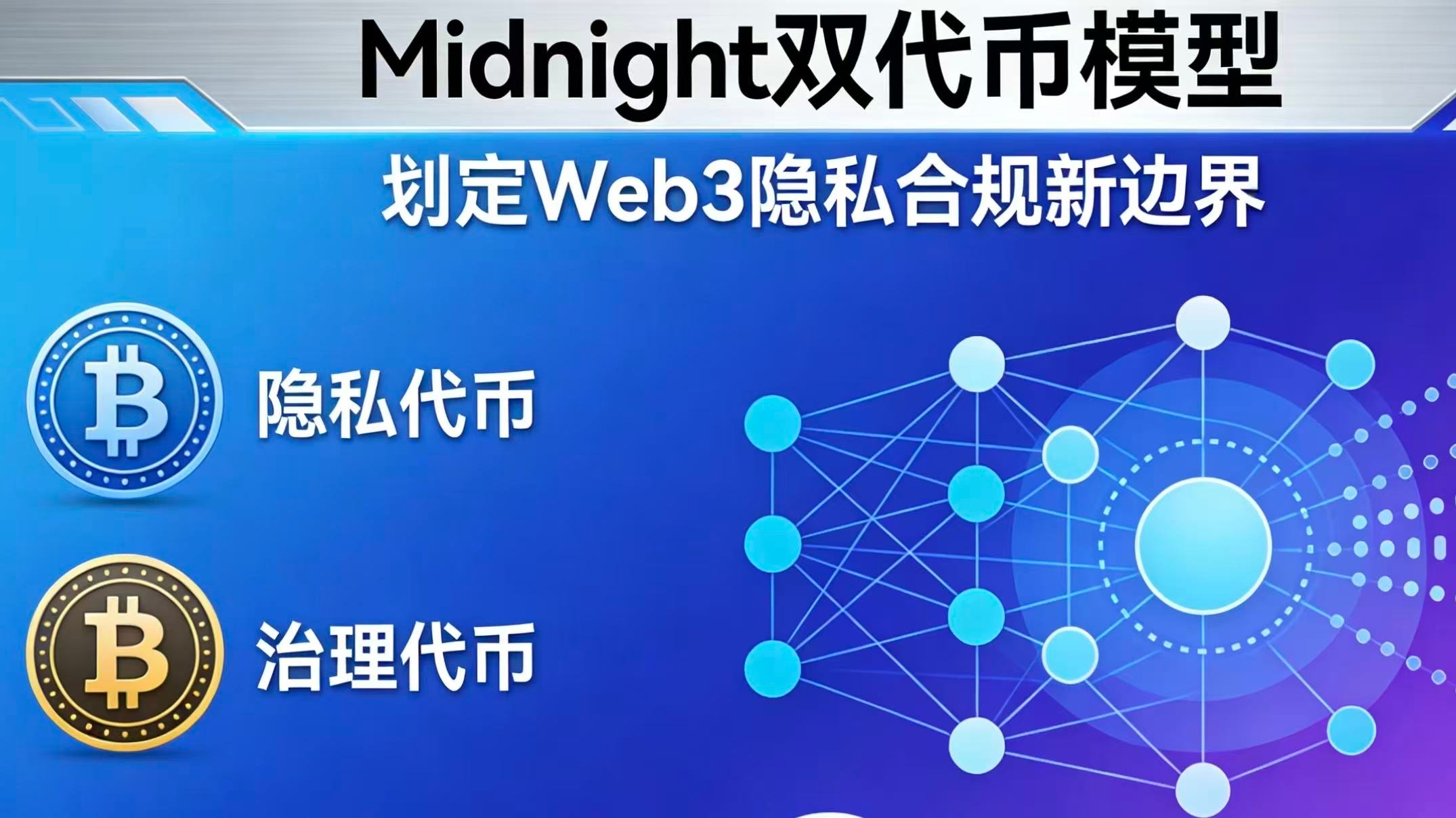
More importantly, Midnight does not merely stay at the conceptual narrative. Institutional-level DeFi, large-scale on-chain transactions, RWA asset tokenization, on-chain identity management, medical data applications, and inter-company collaboration—all scenarios that need to go on-chain while avoiding information leakage are its core battlegrounds. The dual-token design of NIGHT and DUST separates token value from usage costs, allowing privacy computing to truly have the potential for scalable commercial implementation.
The incident involving AAVE has clearly confirmed: for Web3 to move towards mature commercialization, privacy protection is a hurdle that must be crossed. Midnight is not just an ordinary privacy public chain; rather, it resembles a privacy operating system aimed at the future of Web3. #night $NIGHT
Your orders, transaction paths, and funding volumes are almost fully exposed on-chain; once captured, they can be pre-priced by bots, hunted layer by layer, and harvested accurately. The so-called free market is often just a targeted hunt built on public information flow.
It is precisely for this reason that the value of the @MidnightNetwork network becomes particularly critical. What it offers is not simple anonymity but rational and controllable privacy: users can prove their compliance, the authenticity of their assets, and the validity of their transactions without having to fully disclose their identity information, position status, and transaction details. Relying on dual-state ledgers and zero-knowledge proof technology, it truly achieves a balance between verifiability and privacy protection.
More importantly, Midnight does not merely stay at the conceptual narrative. Institutional-level DeFi, large-scale on-chain transactions, RWA asset tokenization, on-chain identity management, medical data applications, and inter-company collaboration—all scenarios that need to go on-chain while avoiding information leakage are its core battlegrounds. The dual-token design of NIGHT and DUST separates token value from usage costs, allowing privacy computing to truly have the potential for scalable commercial implementation.
The incident involving AAVE has clearly confirmed: for Web3 to move towards mature commercialization, privacy protection is a hurdle that must be crossed. Midnight is not just an ordinary privacy public chain; rather, it resembles a privacy operating system aimed at the future of Web3. #night $NIGHT

The story told by @MidnightNetwork has never been about the slogan "Privacy is Cool", but rather a more realistic and essential demand: on-chain applications need to be user-friendly and practical, but users must not have to give up all their personal information.
Many applications, during qualification verification, risk control, and compliance review, tend to require users to submit large amounts of personal information. However, this data ultimately either remains publicly available on the chain or is retained by the platform, leading users to gradually lose ownership and control over their data.
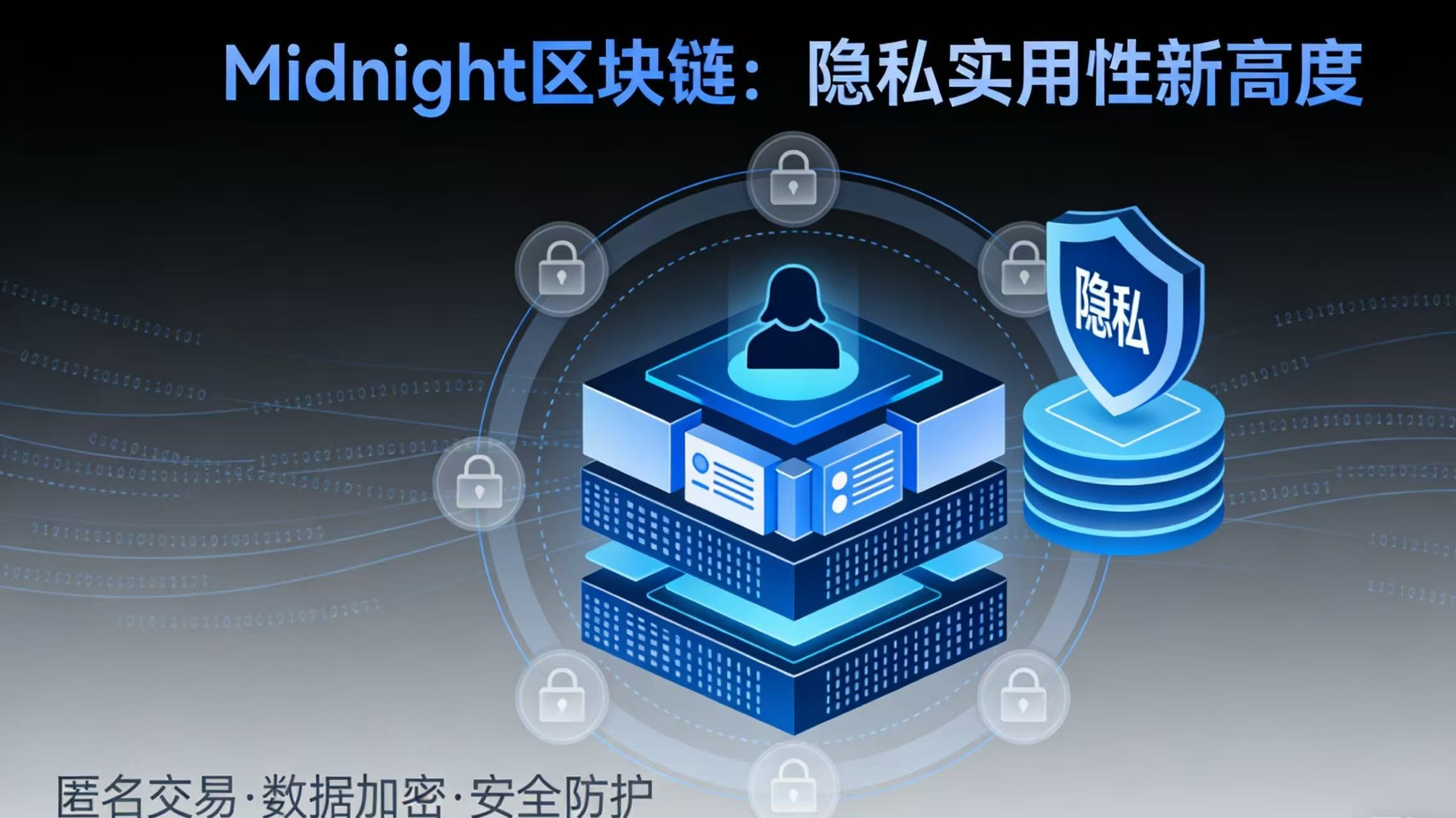
Midnight has reconstructed the verification logic using zero-knowledge proofs (ZK): it can directly prove that "the conclusion is valid" without disclosing any original data, ensuring that the on-chain functionality is practical while genuinely returning data security and ownership to the users.
The value of $NIGHT must be deeply bound to this core logic; otherwise, it is just an empty symbol without support.
To provide ZK-related capabilities sustainably over the long term, there must be real operating costs and resource supply demands. NIGHT should integrate the complete link of "usage → settlement", allowing the actual use of the network to generate corresponding real demands;
At the same time, the rules and parameters of the privacy system need to be continuously iterated upon and optimized. NIGHT must also take on governance and execution functions to ensure that the network can continuously upgrade, correct itself in a timely manner, and achieve stable long-term operation.
To determine whether Midnight and #night possess long-term value, focusing on these three points is sufficient: whether developer integration is smooth enough, whether users can complete operations with less exposure of information, and whether NIGHT's value support comes from actual use rather than empty slogans.
Many applications, during qualification verification, risk control, and compliance review, tend to require users to submit large amounts of personal information. However, this data ultimately either remains publicly available on the chain or is retained by the platform, leading users to gradually lose ownership and control over their data.
Midnight has reconstructed the verification logic using zero-knowledge proofs (ZK): it can directly prove that "the conclusion is valid" without disclosing any original data, ensuring that the on-chain functionality is practical while genuinely returning data security and ownership to the users.
The value of $NIGHT must be deeply bound to this core logic; otherwise, it is just an empty symbol without support.
To provide ZK-related capabilities sustainably over the long term, there must be real operating costs and resource supply demands. NIGHT should integrate the complete link of "usage → settlement", allowing the actual use of the network to generate corresponding real demands;
At the same time, the rules and parameters of the privacy system need to be continuously iterated upon and optimized. NIGHT must also take on governance and execution functions to ensure that the network can continuously upgrade, correct itself in a timely manner, and achieve stable long-term operation.
To determine whether Midnight and #night possess long-term value, focusing on these three points is sufficient: whether developer integration is smooth enough, whether users can complete operations with less exposure of information, and whether NIGHT's value support comes from actual use rather than empty slogans.
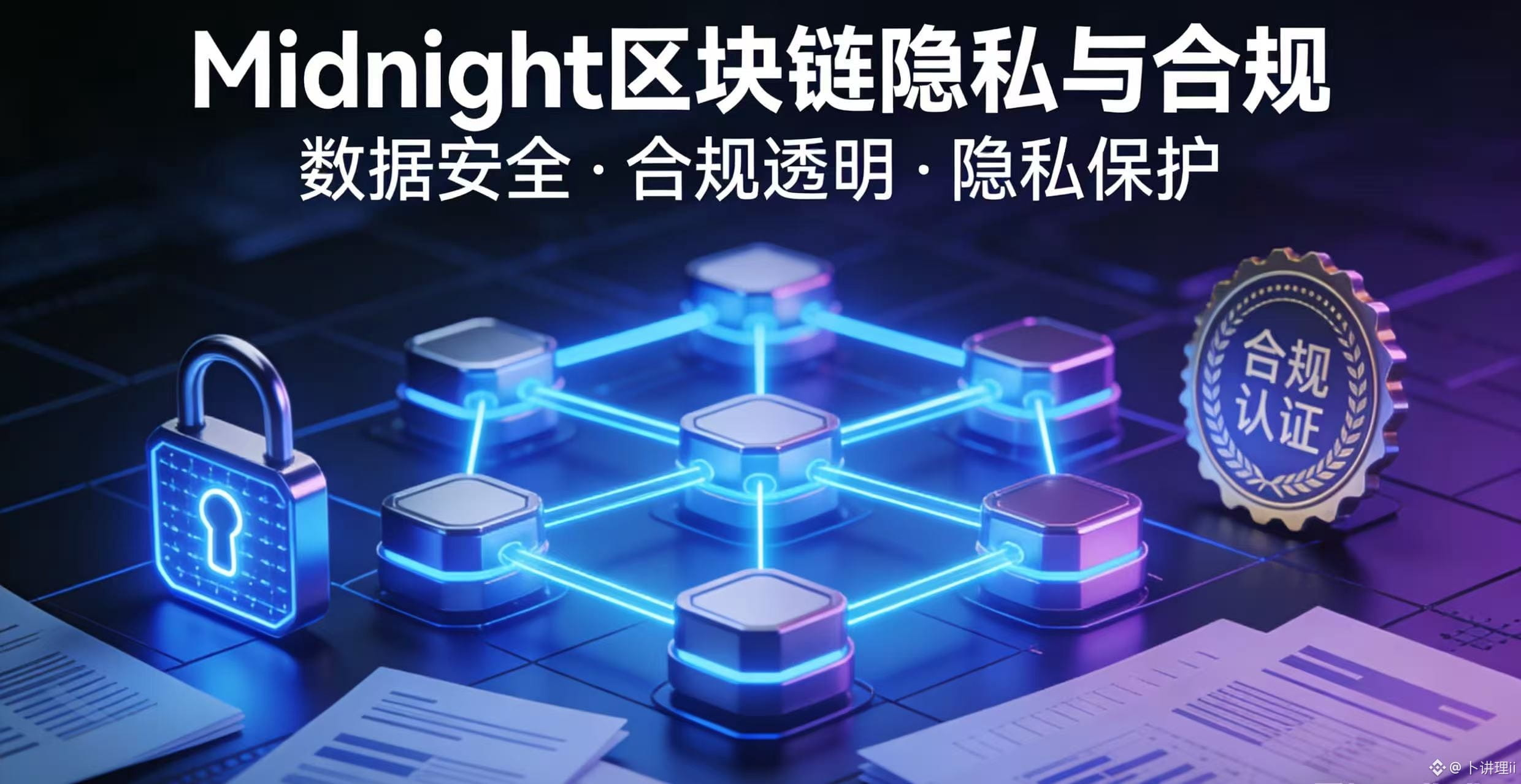
I am now more willing to see @MidnightNetwork as a set of "compliant and usable privacy infrastructure" rather than treating it like an anonymous coin to speculate on. The current core contradiction of $NIGHT is actually very clear: on one side, the mainnet is getting closer, and the official time window is basically around the end of March 2026; on the other side, the rhythm of phased release and receipt keeps the market always hanging over the issue of "selling pressure from the next round of unlocking".
Let me put my judgment on the data layer bluntly: based on the public quotation on 2026-03-15, the price of $NIGHT is approximately around 0.0508 USD, with a 24-hour trading volume of about 137 million USD, a circulating supply of approximately 16.61 billion coins, a maximum supply of 24 billion coins, and a market capitalization fluctuating between 840 million and 860 million USD, with slight differences across platforms, but the overall scale is basically consistent. This indicates that it is no longer a niche token, but it is also far from a scale that can easily explode across the entire network; to continue to rise, what is needed is solid on-chain use cases and real data support, rather than just shouting slogans.
What I personally focus on is actually very simple and pragmatic: after the mainnet goes live, can the DApp ecosystem produce real on-the-ground scenarios where "privacy or selective disclosure is a must", such as compliant DeFi, identity and risk control, and inter-enterprise data collaboration? If there is no real demand to support these, even if the narrative is gorgeous, it can easily fall into an awkward cycle—everyone talks about privacy value before unlocking, and after unlocking, everyone only cares about selling.
Brothers, don't get me wrong, I'm not here to call for a buy. What I truly care about is whether it can turn the concept of "privacy" from a verbal celebration in a small circle into a basic function that ordinary users can use without feeling it. I only look at the data, only wait for on-the-ground verification, and do not chase emotions. #night
Let me put my judgment on the data layer bluntly: based on the public quotation on 2026-03-15, the price of $NIGHT is approximately around 0.0508 USD, with a 24-hour trading volume of about 137 million USD, a circulating supply of approximately 16.61 billion coins, a maximum supply of 24 billion coins, and a market capitalization fluctuating between 840 million and 860 million USD, with slight differences across platforms, but the overall scale is basically consistent. This indicates that it is no longer a niche token, but it is also far from a scale that can easily explode across the entire network; to continue to rise, what is needed is solid on-chain use cases and real data support, rather than just shouting slogans.
What I personally focus on is actually very simple and pragmatic: after the mainnet goes live, can the DApp ecosystem produce real on-the-ground scenarios where "privacy or selective disclosure is a must", such as compliant DeFi, identity and risk control, and inter-enterprise data collaboration? If there is no real demand to support these, even if the narrative is gorgeous, it can easily fall into an awkward cycle—everyone talks about privacy value before unlocking, and after unlocking, everyone only cares about selling.
Brothers, don't get me wrong, I'm not here to call for a buy. What I truly care about is whether it can turn the concept of "privacy" from a verbal celebration in a small circle into a basic function that ordinary users can use without feeling it. I only look at the data, only wait for on-the-ground verification, and do not chase emotions. #night
@MidnightNetwork NIGHT's core highlight is its direct approach to the long-standing awkward situation in the privacy sector: either complete transparency with no privacy at all or excessive anonymity wandering in the gray area, making compliance difficult.
It proposes the concept of "rational privacy," which is quite striking—transactions are by default kept confidential, but in necessary scenarios like audits, information can be selectively disclosed without having to reveal all assets and details.
The economic model adopts a dual-token design: NIGHT serves as the main currency for staking and governance, with a fixed total supply, truly embodying core value; DUST, on the other hand, is merely a consumable for transaction fees and cannot be traded, only gradually produced through holding NIGHT, fundamentally eliminating the possibility of Gas fees being speculated on, while also erasing traces of transaction metadata.
Technically, it not only employs zero-knowledge proofs but also builds a dual-ledger structure, with a public ledger responsible for consensus and private data managed by users themselves; the development language is TypeScript, which is very friendly to ordinary developers, allowing them to quickly get started without delving into obscure cryptography.
In terms of ecosystem, it directly relies on Cardano, with traditional giants like Google Cloud and Vodafone serving as validation nodes right from its launch, ensuring substantial credibility.
Half of the token supply is directly airdropped to ADA holders, avoiding the typical VC monopoly tactics.
In summary, NIGHT's goal is not to create an anonymous coin exclusive to geeks but to find a balance between compliance and privacy, allowing more legitimate projects and institutions to use it with confidence. #night $NIGHT
It proposes the concept of "rational privacy," which is quite striking—transactions are by default kept confidential, but in necessary scenarios like audits, information can be selectively disclosed without having to reveal all assets and details.
The economic model adopts a dual-token design: NIGHT serves as the main currency for staking and governance, with a fixed total supply, truly embodying core value; DUST, on the other hand, is merely a consumable for transaction fees and cannot be traded, only gradually produced through holding NIGHT, fundamentally eliminating the possibility of Gas fees being speculated on, while also erasing traces of transaction metadata.
Technically, it not only employs zero-knowledge proofs but also builds a dual-ledger structure, with a public ledger responsible for consensus and private data managed by users themselves; the development language is TypeScript, which is very friendly to ordinary developers, allowing them to quickly get started without delving into obscure cryptography.
In terms of ecosystem, it directly relies on Cardano, with traditional giants like Google Cloud and Vodafone serving as validation nodes right from its launch, ensuring substantial credibility.
Half of the token supply is directly airdropped to ADA holders, avoiding the typical VC monopoly tactics.
In summary, NIGHT's goal is not to create an anonymous coin exclusive to geeks but to find a balance between compliance and privacy, allowing more legitimate projects and institutions to use it with confidence. #night $NIGHT
@MidnightNetwork (MidnightNtwrk, Cardano privacy partner chain) has been very active in the last month (from February 13, 2026, to March 13, 2026), with the main line being the countdown to the mainnet launch locked at the end of March (likely March 26 in the final week), Binance's launch catalyzing a liquidity explosion, developers/ecosystem preparing for acceleration, privacy applications continuing demos, and the project transitioning from testnet to production-ready, with $NIGHT exposure and adoption rates soaring.
#night Core Progress Summary:
1: Mainnet launch confirmed: Charles Hoskinson announced at Consensus Hong Kong 2026 (mid-February) that the Midnight mainnet will be launched in the last week of March, as a Cardano privacy partner chain, using ZK proofs to achieve programmable data protection (anonymity/confidentiality/complete privacy + selective disclosure). A federated validator set is in place: industry giants like Google Cloud, Blockdaemon, MoneyGram, eToro, Vodafone Pairpoint, and Telegram are providing initial nodes, with a plan for decentralization later. The Midnight City privacy simulation platform is online, supporting large-scale ZK testing.
2: Binance fully online (highlight on March 11): Binance announced $NIGHT as the 61st project for HODLer Airdrops (BNB holder airdrop), launching spot trading (USDT/BNB pairs, etc.) at 15:30 UTC on the same day. This is the first Cardano native token to land on the Binance main site, with a rapid increase in the number of holding addresses and a market cap nearing $940M+. The official team and community celebrated enthusiastically, enhancing global liquidity and visibility.
3: Developer ecosystem sprint: In early March, the "Mainnet Preparation Guide" was released to guide the migration of dApps: Midnight Academy learning ZK tools, GitHub tag "midnightntwrk", Preprod deployment, tNIGHT testing. A Fireside Dev Hang live stream was held to share tutorials. Emphasis was placed on correctly attributing contributions to avoid omissions in mainnet statistics.
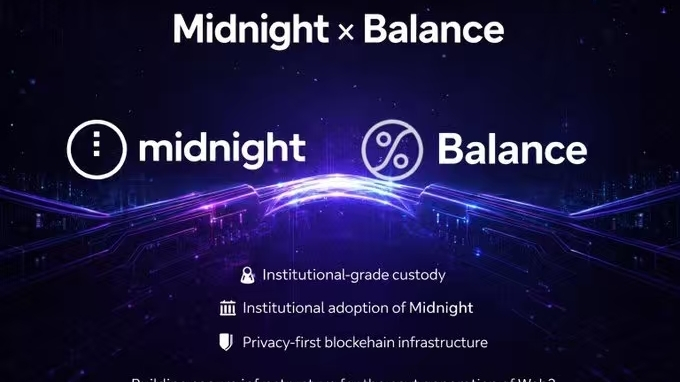
4: Privacy applications and partner showcases: @BodegaCardano released the first privacy prediction market demo for Midnight (ZK protection + USDCx). @pulseonmidnight UI went live, @AlphaTONCapital Vera Report (Telegram anonymous report + ZK evidence). Custodians like @balance_canada announced institutional-level NIGHT support. Cardano stake pools (such as Stake with Pride) are preparing for dual-chain validation, rewarding ADA + $NIGHT .
5: Community narrative strengthening: The official team has repeatedly reminded about the risks of public chains, promoting that "privacy is essential." Testnet data remains strong, and Glacier Drop continues distribution. Media coverage intensively reports on the mainnet's "late March" window.
#night Core Progress Summary:
1: Mainnet launch confirmed: Charles Hoskinson announced at Consensus Hong Kong 2026 (mid-February) that the Midnight mainnet will be launched in the last week of March, as a Cardano privacy partner chain, using ZK proofs to achieve programmable data protection (anonymity/confidentiality/complete privacy + selective disclosure). A federated validator set is in place: industry giants like Google Cloud, Blockdaemon, MoneyGram, eToro, Vodafone Pairpoint, and Telegram are providing initial nodes, with a plan for decentralization later. The Midnight City privacy simulation platform is online, supporting large-scale ZK testing.
2: Binance fully online (highlight on March 11): Binance announced $NIGHT as the 61st project for HODLer Airdrops (BNB holder airdrop), launching spot trading (USDT/BNB pairs, etc.) at 15:30 UTC on the same day. This is the first Cardano native token to land on the Binance main site, with a rapid increase in the number of holding addresses and a market cap nearing $940M+. The official team and community celebrated enthusiastically, enhancing global liquidity and visibility.
3: Developer ecosystem sprint: In early March, the "Mainnet Preparation Guide" was released to guide the migration of dApps: Midnight Academy learning ZK tools, GitHub tag "midnightntwrk", Preprod deployment, tNIGHT testing. A Fireside Dev Hang live stream was held to share tutorials. Emphasis was placed on correctly attributing contributions to avoid omissions in mainnet statistics.
4: Privacy applications and partner showcases: @BodegaCardano released the first privacy prediction market demo for Midnight (ZK protection + USDCx). @pulseonmidnight UI went live, @AlphaTONCapital Vera Report (Telegram anonymous report + ZK evidence). Custodians like @balance_canada announced institutional-level NIGHT support. Cardano stake pools (such as Stake with Pride) are preparing for dual-chain validation, rewarding ADA + $NIGHT .
5: Community narrative strengthening: The official team has repeatedly reminded about the risks of public chains, promoting that "privacy is essential." Testnet data remains strong, and Glacier Drop continues distribution. Media coverage intensively reports on the mainnet's "late March" window.
@MidnightNetwork is a pretty cool privacy project in the Cardano ecosystem, led by a team from Charles Hoskinson (the founder of Cardano). It is positioned as a 'fourth-generation blockchain,' with the core selling point being rational privacy—not just hiding everything, but allowing you to flexibly choose: which data is publicly verified and which is kept private.
In simple terms, previously, doing things on the blockchain, such as transactions and identities, were easily visible, and you always had to choose between privacy and practicality.
Midnight solves this pain point with zero-knowledge proof (ZK) technology, allowing you to prove that 'things are correct' without exposing details. For example, in sensitive scenarios like payments, medical records, and business contracts, it can both comply with regulations and protect privacy, and it supports developers in easily writing smart contracts using a Compact language similar to TypeScript, without delving into complex cryptography.
It has two tokens: $NIGHT T is the public governance and value token (with a total supply of 24 billion, already launched on Cardano and traded on exchanges like Binance), and the other is DUST, used to pay network fees, carrying some privacy attributes. Midnight is a partner chain to Cardano, allowing for interoperability, and in the future, Cardano's Stake Pool can also help verify its security. The project has now progressed to the mainnet stage, with many DeFi, identity, and stablecoin projects being built on top of it.
#night feels like it is not aiming to replace Cardano, but rather to add a 'privacy extension' to the entire ecosystem, allowing Web3 to truly step into the world of real business and institutions without sacrificing the essence of decentralization.
In simple terms, previously, doing things on the blockchain, such as transactions and identities, were easily visible, and you always had to choose between privacy and practicality.
Midnight solves this pain point with zero-knowledge proof (ZK) technology, allowing you to prove that 'things are correct' without exposing details. For example, in sensitive scenarios like payments, medical records, and business contracts, it can both comply with regulations and protect privacy, and it supports developers in easily writing smart contracts using a Compact language similar to TypeScript, without delving into complex cryptography.
It has two tokens: $NIGHT T is the public governance and value token (with a total supply of 24 billion, already launched on Cardano and traded on exchanges like Binance), and the other is DUST, used to pay network fees, carrying some privacy attributes. Midnight is a partner chain to Cardano, allowing for interoperability, and in the future, Cardano's Stake Pool can also help verify its security. The project has now progressed to the mainnet stage, with many DeFi, identity, and stablecoin projects being built on top of it.
#night feels like it is not aiming to replace Cardano, but rather to add a 'privacy extension' to the entire ecosystem, allowing Web3 to truly step into the world of real business and institutions without sacrificing the essence of decentralization.

Log in to explore more content