

Jacky 傑克_JBitLog 幣誌
100 Posts

Jacky 傑克_JBitLog 幣誌
Report
Block User
🔍 用白話講幣圈,讓你從「觀望」到「開始」
📘 60秒陪你搞懂加密貨幣
💼 行銷打工人 aka JBitLog 幣誌創辦人
🔏 新手不踩雷指南、合作或問題聯繫👇
1 Following
33 Followers
39 Liked
Posts
Verified
Article
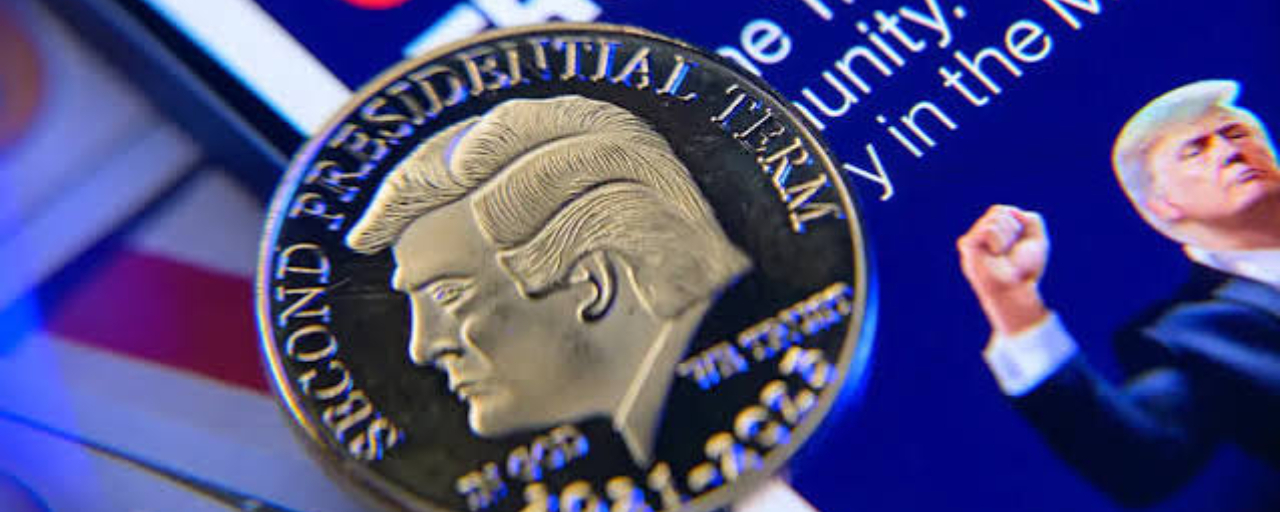
【Trump Is Hosting Another Meme Coin Dinner—Does Holding Coins Longer Improve Your Chances of Attending?】Trump officially announced that a dinner will be held on November 22 at Trump National Golf Club in Virginia. Seats are reserved for the top 185 investors holding the “Trump Coin” (TRUMP).
The top 29 holders can also attend a VIP reception with Trump, while the top 4 whales will receive an 18K gold Trump watch. But no matter how many Trump coins you hold, you still won’t be able to meet the president privately.
This ranking system takes into account not only the amount held, but also a separate “time-weighted score”: the number of coins held multiplied by how long they’ve been held. The more you buy and the longer you hold, the higher you’ll rank. The list of eligible participants is expected to be finalized on November 12.
【Trump Is Hosting Another Meme Coin Dinner—Does Holding Coins Longer Improve Your Chances of Attending?】
Trump officially announced that a dinner will be held on November 22 at Trump National Golf Club in Virginia. Seats are reserved for the top 185 investors holding the “Trump Coin” (TRUMP).
The top 29 holders can also attend a VIP reception with Trump, while the top 4 whales will receive an 18K gold Trump watch. But no matter how many Trump coins you hold, you still won’t be able to meet the president privately.
This ranking system takes into account not only the amount held, but also a separate “time-weighted score”: the number of coins held multiplied by how long they’ve been held. The more you buy and the longer you hold, the higher you’ll rank. The list of eligible participants is expected to be finalized on November 12.
The top 29 holders can also attend a VIP reception with Trump, while the top 4 whales will receive an 18K gold Trump watch. But no matter how many Trump coins you hold, you still won’t be able to meet the president privately.
This ranking system takes into account not only the amount held, but also a separate “time-weighted score”: the number of coins held multiplied by how long they’ve been held. The more you buy and the longer you hold, the higher you’ll rank. The list of eligible participants is expected to be finalized on November 12.
1
492
Article
【You watch rate-hike and rate-cut odds every day when you invest—but are they really just prices reflecting other people’s bets?】Taiwan stocks surged to a record high right at the opening today, while TSMC also hit a new all-time high. Bitcoin returned to around $86,000. The market generally believes that the likelihood of a Fed rate hike in October has fallen sharply. The reason: the U.S. Bureau of Labor Statistics (BLS) reported on October 2 that nonfarm payrolls increased by just 29,000 in September, while the unemployment rate rose to 4.2%.
When job opportunities become scarcer, the Fed has one less reason to keep raising rates. If that narrative holds, then the question is: what exactly are the “odds” of a rate hike?
Four media outlets, four different probability figures:
【You watch rate-hike and rate-cut odds every day when you invest—but are they really just prices reflecting other people’s bets?】
Taiwan stocks surged to a record high right at the opening today, while TSMC also hit a new all-time high. Bitcoin returned to around $86,000. The market generally believes that the likelihood of a Fed rate hike in October has fallen sharply. The reason: the U.S. Bureau of Labor Statistics (BLS) reported on October 2 that nonfarm payrolls increased by just 29,000 in September, while the unemployment rate rose to 4.2%.
When job opportunities become scarcer, the Fed has one less reason to keep raising rates. If that narrative holds, then the question is: what exactly are the “odds” of a rate hike?
Four media outlets, four different probability figures:
When job opportunities become scarcer, the Fed has one less reason to keep raising rates. If that narrative holds, then the question is: what exactly are the “odds” of a rate hike?
Four media outlets, four different probability figures:
83
Article
【After the hacker incident, Bitget will reopen withdrawals for all coin types, but the missing money is still unaccounted for?】Bitget CEO Gracy Chen said in an X post on September 30 that all tokens will have withdrawals restored on October 2—that is, tomorrow.
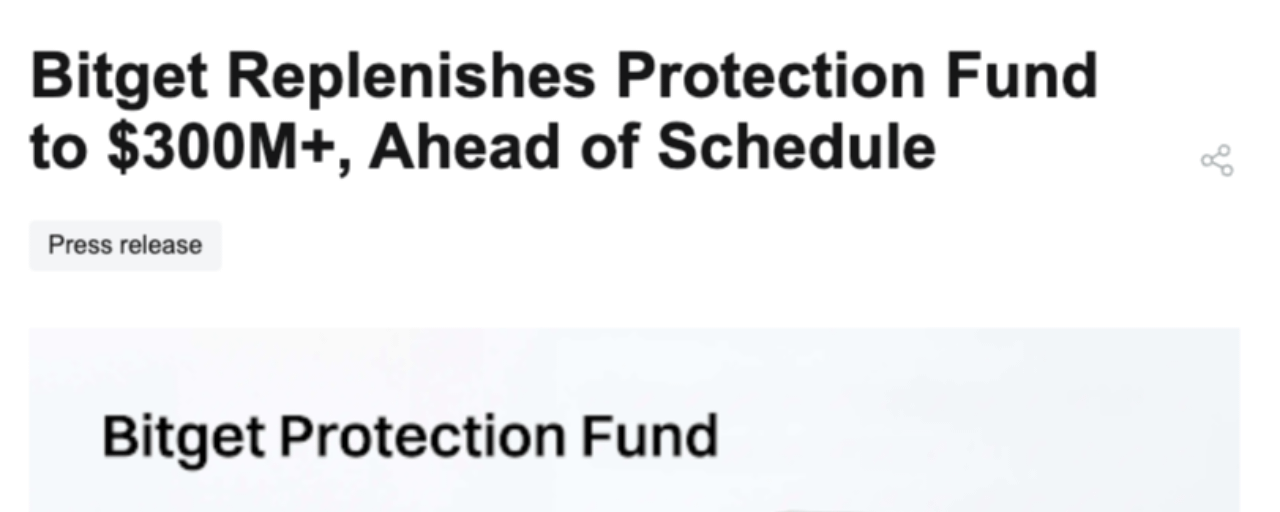
At the same time, the official press release said the protection fund has been replenished to $309 million, which is about NT$9.9 billion. This fulfills its commitment made just on September 28—“at least $300 million within one week”—and it achieved it by September 30.
Meanwhile, according to Bitget’s latest proof of reserves, among the 19 assets included in the snapshot, the reserve ratios are all above 100%.
But what needs to be clarified is:
The proof of reserves confirms that the platform actually has the coins in the users' accounts.
【After the hacker incident, Bitget will reopen withdrawals for all coin types, but the missing money is still unaccounted for?】
Bitget CEO Gracy Chen said in an X post on September 30 that all tokens will have withdrawals restored on October 2—that is, tomorrow.
At the same time, the official press release said the protection fund has been replenished to $309 million, which is about NT$9.9 billion. This fulfills its commitment made just on September 28—“at least $300 million within one week”—and it achieved it by September 30.
Meanwhile, according to Bitget’s latest proof of reserves, among the 19 assets included in the snapshot, the reserve ratios are all above 100%.
But what needs to be clarified is:
The proof of reserves confirms that the platform actually has the coins in the users' accounts.
At the same time, the official press release said the protection fund has been replenished to $309 million, which is about NT$9.9 billion. This fulfills its commitment made just on September 28—“at least $300 million within one week”—and it achieved it by September 30.
Meanwhile, according to Bitget’s latest proof of reserves, among the 19 assets included in the snapshot, the reserve ratios are all above 100%.
But what needs to be clarified is:
The proof of reserves confirms that the platform actually has the coins in the users' accounts.
210

Article
【If you exchange currency in Taiwan for more than NT$30,000 starting in October, you’ll have to provide personal information—would you still want to trade through a Taiwan exchange?】The FSC announced on August 4 its plan to promote the “Travel Rule” for virtual assets. In the first phase, it is expected to take effect in October of 115 (i.e., starting tomorrow). If the value being transferred exceeds NT$30,000 and the sender is an individual, the platform will be required to obtain your date of birth and residential address; if the sender is a company, it will need to obtain the official identification number and the address of its place of incorporation/registration.
This information-collection approach, which the Financial Supervisory Commission (FSC) refers to as a “cap-strengthening type” mechanism, was established by referencing the FATF’s (Financial Action Task Force) revised Recommendation 16.
【If you exchange currency in Taiwan for more than NT$30,000 starting in October, you’ll have to provide personal information—would you still want to trade through a Taiwan exchange?】
The FSC announced on August 4 its plan to promote the “Travel Rule” for virtual assets. In the first phase, it is expected to take effect in October of 115 (i.e., starting tomorrow). If the value being transferred exceeds NT$30,000 and the sender is an individual, the platform will be required to obtain your date of birth and residential address; if the sender is a company, it will need to obtain the official identification number and the address of its place of incorporation/registration.
This information-collection approach, which the Financial Supervisory Commission (FSC) refers to as a “cap-strengthening type” mechanism, was established by referencing the FATF’s (Financial Action Task Force) revised Recommendation 16.
This information-collection approach, which the Financial Supervisory Commission (FSC) refers to as a “cap-strengthening type” mechanism, was established by referencing the FATF’s (Financial Action Task Force) revised Recommendation 16.
185

Article
[California, U.S. Bans Officials from Issuing Meme Coins; the Governor Directly Calls Out Trump—But What About the Nearly 990,000 Wallets That Lost Money?]California Governor Gavin Newsom signed Assembly Bill 2409 (AB 2409) into law in the United States on September 27, banning California public officials from issuing meme coins—i.e., cryptocurrencies with no real use, whose prices are propped up purely by hype.
In a press release from his state government, he also directly named the “TRUMP” coin issued by U.S. President Trump, saying: “No official should profit from their position.”
According to data compiled by on-chain analytics firm Nansen through the end of June this year, there are 1.48 million wallets that have bought TRUMP coins. Of these, 988,905 exited at a loss, for a total loss of $3.81 billion—equivalent to roughly NT$120 billion. Meanwhile, the price of TRUMP coins is down about 97% from its peak.
[California, U.S. Bans Officials from Issuing Meme Coins; the Governor Directly Calls Out Trump—But What About the Nearly 990,000 Wallets That Lost Money?]
California Governor Gavin Newsom signed Assembly Bill 2409 (AB 2409) into law in the United States on September 27, banning California public officials from issuing meme coins—i.e., cryptocurrencies with no real use, whose prices are propped up purely by hype.
In a press release from his state government, he also directly named the “TRUMP” coin issued by U.S. President Trump, saying: “No official should profit from their position.”
According to data compiled by on-chain analytics firm Nansen through the end of June this year, there are 1.48 million wallets that have bought TRUMP coins. Of these, 988,905 exited at a loss, for a total loss of $3.81 billion—equivalent to roughly NT$120 billion. Meanwhile, the price of TRUMP coins is down about 97% from its peak.
In a press release from his state government, he also directly named the “TRUMP” coin issued by U.S. President Trump, saying: “No official should profit from their position.”
According to data compiled by on-chain analytics firm Nansen through the end of June this year, there are 1.48 million wallets that have bought TRUMP coins. Of these, 988,905 exited at a loss, for a total loss of $3.81 billion—equivalent to roughly NT$120 billion. Meanwhile, the price of TRUMP coins is down about 97% from its peak.
3
11
12.1k
Article
【Analysis of Bitget Hacked Case: NT$12.4 Billion — Official Says Users’ Assets Were Not Shorted a Cent, But Withdrawals Still Have to Wait Until October?】Top exchange Bitget was hacked at 2:31 a.m. on September 25, Taipei time. As of the time of writing on September 27, Bitget’s official funds-tracking page shows the actual amount stolen as $391.22 million, which converts to approximately NT$12.4 billion.
This number is slightly higher than the $387.5 million announced by the official on September 25. The difference is that the tracking page additionally includes stolen assets on three chains: ALGO, TIA, and ATOM. And as the official published on the 26th a timetable for the resumption of withdrawals, this incident has finally come to a preliminary close.
The official processing timeline is as follows (Taipei time):
【Analysis of Bitget Hacked Case: NT$12.4 Billion — Official Says Users’ Assets Were Not Shorted a Cent, But Withdrawals Still Have to Wait Until October?】
Top exchange Bitget was hacked at 2:31 a.m. on September 25, Taipei time. As of the time of writing on September 27, Bitget’s official funds-tracking page shows the actual amount stolen as $391.22 million, which converts to approximately NT$12.4 billion.
This number is slightly higher than the $387.5 million announced by the official on September 25. The difference is that the tracking page additionally includes stolen assets on three chains: ALGO, TIA, and ATOM. And as the official published on the 26th a timetable for the resumption of withdrawals, this incident has finally come to a preliminary close.
The official processing timeline is as follows (Taipei time):
This number is slightly higher than the $387.5 million announced by the official on September 25. The difference is that the tracking page additionally includes stolen assets on three chains: ALGO, TIA, and ATOM. And as the official published on the 26th a timetable for the resumption of withdrawals, this incident has finally come to a preliminary close.
The official processing timeline is as follows (Taipei time):
2
2
3
5.4k
Article
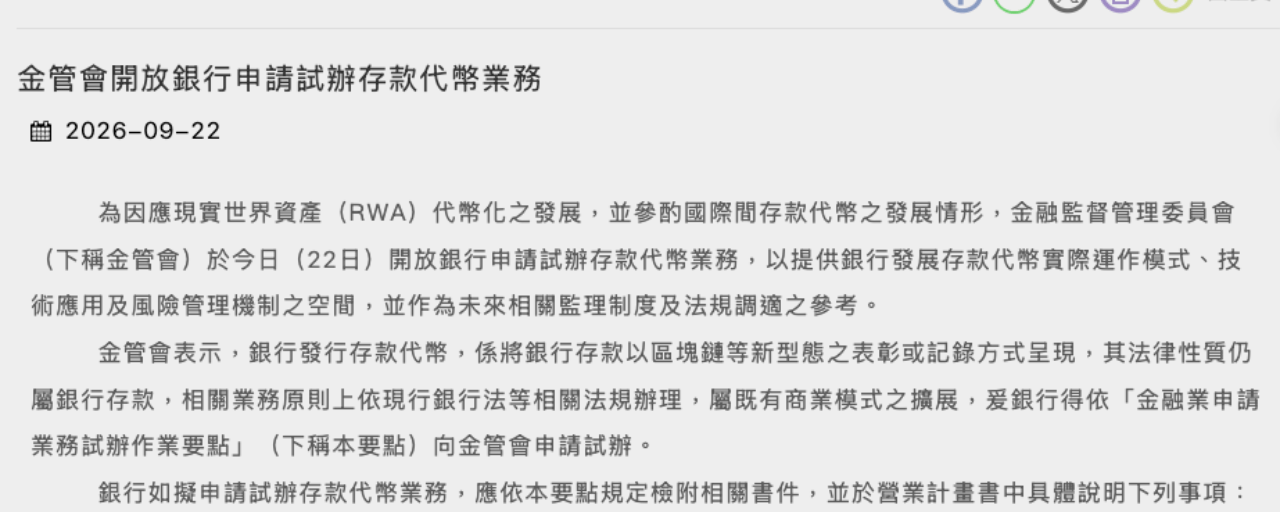
【Deposits in Taiwan’s banks are about to be put on-chain! But why does the Financial Supervisory Commission keep emphasizing that it’s ‘completely different from stablecoins’?】The Financial Supervisory Commission announced on September 22 that it will open up to all banks the opportunity to apply for a pilot program for “deposit tokens,” allowing banks to record and transfer deposits using blockchain. The press release also states: “Its legal nature still belongs to bank deposits,” so there’s no need to wait for a new law—banks can apply under the existing Banking Act.
As for this round of openings, it actually started with Taishin Bank taking the lead in expressing its position. At a press conference, Tong Zheng-zhang, Director of the Financial Supervisory Commission’s Banking Bureau, revealed that Taishin Bank first proposed its idea through the FSC’s “regulatory consultation” sessions, but by the 22nd, Taishin and other banks still had not formally submitted their applications.
【Deposits in Taiwan’s banks are about to be put on-chain! But why does the Financial Supervisory Commission keep emphasizing that it’s ‘completely different from stablecoins’?】
The Financial Supervisory Commission announced on September 22 that it will open up to all banks the opportunity to apply for a pilot program for “deposit tokens,” allowing banks to record and transfer deposits using blockchain. The press release also states: “Its legal nature still belongs to bank deposits,” so there’s no need to wait for a new law—banks can apply under the existing Banking Act.
As for this round of openings, it actually started with Taishin Bank taking the lead in expressing its position. At a press conference, Tong Zheng-zhang, Director of the Financial Supervisory Commission’s Banking Bureau, revealed that Taishin Bank first proposed its idea through the FSC’s “regulatory consultation” sessions, but by the 22nd, Taishin and other banks still had not formally submitted their applications.
As for this round of openings, it actually started with Taishin Bank taking the lead in expressing its position. At a press conference, Tong Zheng-zhang, Director of the Financial Supervisory Commission’s Banking Bureau, revealed that Taishin Bank first proposed its idea through the FSC’s “regulatory consultation” sessions, but by the 22nd, Taishin and other banks still had not formally submitted their applications.
567

Article
【Did Musk’s announcement that X posts directly link to exchange order pages aim to satisfy “FOMO kids”?】On September 15, Musk’s social platform X announced that codes similar to $BTC in posts are clickable—tapping them brings up a price chart and related discussions. Next to that, there is also a “Trade” button; pressing it directly links to order pages on five partner platforms, including Coinbase and Kraken. It has already gone live in the United States. Kraken said that when U.S. users click on the code of any crypto asset, they will be directed to Kraken.
X product engineering director Mridul Singhai said this is to shorten the distance between the “code on the timeline” and “the market itself.” In other words, from seeing a post to jumping into the exchange’s order page, there are only two clicks in between.
【Did Musk’s announcement that X posts directly link to exchange order pages aim to satisfy “FOMO kids”?】
On September 15, Musk’s social platform X announced that codes similar to $BTC in posts are clickable—tapping them brings up a price chart and related discussions. Next to that, there is also a “Trade” button; pressing it directly links to order pages on five partner platforms, including Coinbase and Kraken. It has already gone live in the United States. Kraken said that when U.S. users click on the code of any crypto asset, they will be directed to Kraken.
X product engineering director Mridul Singhai said this is to shorten the distance between the “code on the timeline” and “the market itself.” In other words, from seeing a post to jumping into the exchange’s order page, there are only two clicks in between.
X product engineering director Mridul Singhai said this is to shorten the distance between the “code on the timeline” and “the market itself.” In other words, from seeing a post to jumping into the exchange’s order page, there are only two clicks in between.
177

Article
【Still watching YouTube to learn investing? A crypto trading “mentor” who claims “no orders without charts, no selling in the open” has been identified by police as the leader of the fraud ring】The Criminal Police Bureau announced a fake investment case on September 16. The leader of the fraud was a 34-year-old man surnamed Xie. He runs a channel called “Trading Coin Course” on YouTube and X, where he uploads videos in the capacity of a “mentor” and analyzes cryptocurrency and investment knowledge.
Moreover, his bio on his X account also says “8 years of experience, one-on-one private coach,” and “Hundreds of students’ testimonials—no orders without charts, no selling in the open.”
After gaining the victims’ trust, he used persuasive tactics to get them to use an investment app called “Hengfeng” to buy Tether coins (commonly known as U). He made them believe they were buying coins through normal channels, only to find out that both the money and the coins went into accounts and wallets controlled by the fraud ring’s people-head companies.
【Still watching YouTube to learn investing? A crypto trading “mentor” who claims “no orders without charts, no selling in the open” has been identified by police as the leader of the fraud ring】
The Criminal Police Bureau announced a fake investment case on September 16. The leader of the fraud was a 34-year-old man surnamed Xie. He runs a channel called “Trading Coin Course” on YouTube and X, where he uploads videos in the capacity of a “mentor” and analyzes cryptocurrency and investment knowledge.
Moreover, his bio on his X account also says “8 years of experience, one-on-one private coach,” and “Hundreds of students’ testimonials—no orders without charts, no selling in the open.”
After gaining the victims’ trust, he used persuasive tactics to get them to use an investment app called “Hengfeng” to buy Tether coins (commonly known as U). He made them believe they were buying coins through normal channels, only to find out that both the money and the coins went into accounts and wallets controlled by the fraud ring’s people-head companies.
Moreover, his bio on his X account also says “8 years of experience, one-on-one private coach,” and “Hundreds of students’ testimonials—no orders without charts, no selling in the open.”
After gaining the victims’ trust, he used persuasive tactics to get them to use an investment app called “Hengfeng” to buy Tether coins (commonly known as U). He made them believe they were buying coins through normal channels, only to find out that both the money and the coins went into accounts and wallets controlled by the fraud ring’s people-head companies.
344

Article
【NTU Securities Research Club’s first class line stretched all the way onto the road—these young “crazy investors” probably haven’t seen a real market crash yet?】On September 16 at 7:00 p.m., NTU Securities Research Club held its first club meeting of the semester. The line stretched from the corridor of the Bo’ai Teaching Building all the way to the road beside the grassy area. A 14-second video of the queue was posted on Threads at around 12:00 a.m. on the 17th, and by that afternoon it had already racked up 124,000 views.
The reason it gets lined up like this is because the club’s announcement clearly states that they only accept the first 200 people whose payment is successful, and that you must pay in person at the first class meeting—first come, first served. The theme of that class is "Fundamental Analysis Investing and Stock-Picking Strategies." The speaker is the former club president, aka Xueren from the investment fan page "Xueren’s Investment Summer."
【NTU Securities Research Club’s first class line stretched all the way onto the road—these young “crazy investors” probably haven’t seen a real market crash yet?】
On September 16 at 7:00 p.m., NTU Securities Research Club held its first club meeting of the semester. The line stretched from the corridor of the Bo’ai Teaching Building all the way to the road beside the grassy area. A 14-second video of the queue was posted on Threads at around 12:00 a.m. on the 17th, and by that afternoon it had already racked up 124,000 views.
The reason it gets lined up like this is because the club’s announcement clearly states that they only accept the first 200 people whose payment is successful, and that you must pay in person at the first class meeting—first come, first served. The theme of that class is "Fundamental Analysis Investing and Stock-Picking Strategies." The speaker is the former club president, aka Xueren from the investment fan page "Xueren’s Investment Summer."
The reason it gets lined up like this is because the club’s announcement clearly states that they only accept the first 200 people whose payment is successful, and that you must pay in person at the first class meeting—first come, first served. The theme of that class is "Fundamental Analysis Investing and Stock-Picking Strategies." The speaker is the former club president, aka Xueren from the investment fan page "Xueren’s Investment Summer."
184

Article
[Bitcoin dropped by nearly 5% in two days, but when the Fed announced a rate hike, why did the coin price move up?]At 2:19 a.m. Taipei time on September 16, the U.S. Senate held the 234th vote on the (Digital Assets Market Clarity Act) (Clarity Act, abbreviated as (CLARITY Act)). The result was 49 votes in favor, 50 against, and 1 person abstained (did not vote).
Additional clarification: this vote didn’t decide whether the bill would pass or fail—it decided whether to bring it up for discussion. The Senate’s rules require reaching 60 votes first, so this time the discussion didn’t even begin.
All Democratic senators voted against; in addition, four Republican senators crossed party lines. The main reason it stalled is that the Democrats demanded adding a restriction clause on “profits from the president and their family’s cryptocurrency business,” causing the two parties to be unable to reach an agreement.
[Bitcoin dropped by nearly 5% in two days, but when the Fed announced a rate hike, why did the coin price move up?]
At 2:19 a.m. Taipei time on September 16, the U.S. Senate held the 234th vote on the (Digital Assets Market Clarity Act) (Clarity Act, abbreviated as (CLARITY Act)). The result was 49 votes in favor, 50 against, and 1 person abstained (did not vote).
Additional clarification: this vote didn’t decide whether the bill would pass or fail—it decided whether to bring it up for discussion. The Senate’s rules require reaching 60 votes first, so this time the discussion didn’t even begin.
All Democratic senators voted against; in addition, four Republican senators crossed party lines. The main reason it stalled is that the Democrats demanded adding a restriction clause on “profits from the president and their family’s cryptocurrency business,” causing the two parties to be unable to reach an agreement.
Additional clarification: this vote didn’t decide whether the bill would pass or fail—it decided whether to bring it up for discussion. The Senate’s rules require reaching 60 votes first, so this time the discussion didn’t even begin.
All Democratic senators voted against; in addition, four Republican senators crossed party lines. The main reason it stalled is that the Democrats demanded adding a restriction clause on “profits from the president and their family’s cryptocurrency business,” causing the two parties to be unable to reach an agreement.
1.5k
Article
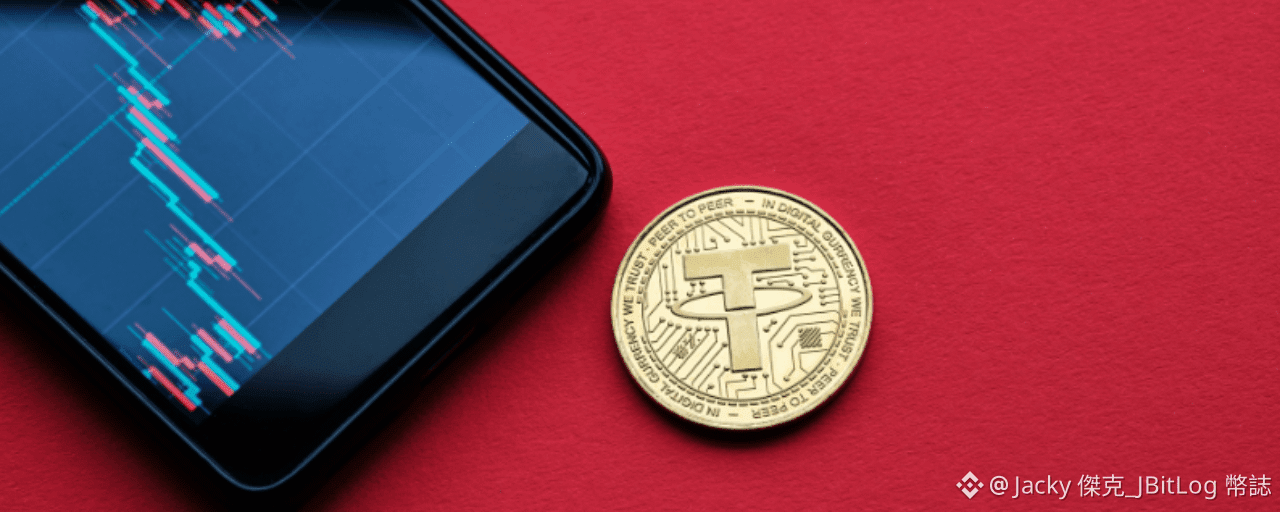
【Tether coin once again carries a bad reputation! Were the fake investment ads you saw actually handled by a legitimate marketing company behind the scenes?】The Tainan City Criminal Police Detachment and the Criminal Investigation Bureau’s Investigation Unit 8 announced on September 15 a case. A digital marketing technology company registered in Tainan in 2023 produced fake investment ads for a fraud group and ran them on Facebook.
Police investigation identified 36 victims, with total financial losses exceeding NT$55.54 million. One victim alone lost as much as NT$11.39 million. Meanwhile, the company charged the fraud group service fees of more than NT$28 million. Prosecutors and police initially estimated that its illegal gains were close to NT$83.54 million.
Besides the marketing company registered in Tainan, the main suspect also set up a shell advertising technology company overseas. In total, 13 people were transferred to the Tainan District Prosecutors’ Office. The main suspect surnamed Li, 36 years old, along with three ad runners, were among the four people detained.
【Tether coin once again carries a bad reputation! Were the fake investment ads you saw actually handled by a legitimate marketing company behind the scenes?】
The Tainan City Criminal Police Detachment and the Criminal Investigation Bureau’s Investigation Unit 8 announced on September 15 a case. A digital marketing technology company registered in Tainan in 2023 produced fake investment ads for a fraud group and ran them on Facebook.
Police investigation identified 36 victims, with total financial losses exceeding NT$55.54 million. One victim alone lost as much as NT$11.39 million. Meanwhile, the company charged the fraud group service fees of more than NT$28 million. Prosecutors and police initially estimated that its illegal gains were close to NT$83.54 million.
Besides the marketing company registered in Tainan, the main suspect also set up a shell advertising technology company overseas. In total, 13 people were transferred to the Tainan District Prosecutors’ Office. The main suspect surnamed Li, 36 years old, along with three ad runners, were among the four people detained.
Police investigation identified 36 victims, with total financial losses exceeding NT$55.54 million. One victim alone lost as much as NT$11.39 million. Meanwhile, the company charged the fraud group service fees of more than NT$28 million. Prosecutors and police initially estimated that its illegal gains were close to NT$83.54 million.
Besides the marketing company registered in Tainan, the main suspect also set up a shell advertising technology company overseas. In total, 13 people were transferred to the Tainan District Prosecutors’ Office. The main suspect surnamed Li, 36 years old, along with three ad runners, were among the four people detained.
7

Article
[Follow-up on the UK online banking giant's data leak! Hackers deliver a hard message: Will they publish customers' personal data every day before the company pays the price?]British digital bank Revolut admitted an internal oversight on September 12, which resulted in customers' identity documents and complete Bitcoin transaction records being sent entirely to a criminal gang.
However, starting from September 13, copies of these customers' passports and driver's licenses, as well as the selfie of the hand-held ID used for KYC, were gradually posted on X and Telegram.
According to reports from CryptoTimes and FinanceFeeds, the attackers also left a line: As payment for Revolut leaking customers' data, every day more and more will be released.
Among the victims currently identified are:
[Follow-up on the UK online banking giant's data leak! Hackers deliver a hard message: Will they publish customers' personal data every day before the company pays the price?]
British digital bank Revolut admitted an internal oversight on September 12, which resulted in customers' identity documents and complete Bitcoin transaction records being sent entirely to a criminal gang.
However, starting from September 13, copies of these customers' passports and driver's licenses, as well as the selfie of the hand-held ID used for KYC, were gradually posted on X and Telegram.
According to reports from CryptoTimes and FinanceFeeds, the attackers also left a line: As payment for Revolut leaking customers' data, every day more and more will be released.
Among the victims currently identified are:
However, starting from September 13, copies of these customers' passports and driver's licenses, as well as the selfie of the hand-held ID used for KYC, were gradually posted on X and Telegram.
According to reports from CryptoTimes and FinanceFeeds, the attackers also left a line: As payment for Revolut leaking customers' data, every day more and more will be released.
Among the victims currently identified are:
123

Article
【Former girlfriend of the FTX mastermind switches to charity—making amends! If you’re a victim, do you pay?】A U.S. charitable donation platform called Manifund. On September 11, U.S. time, its founder Austin Chen posted an announcement that former Alameda Research CEO Caroline Ellison has officially joined his team.
Additional information: Alameda Research is a related-party trading company of the cryptocurrency exchange FTX. FTX collapsed in November 2022. Its founder, Sam Bankman-Fried, was sentenced in March 2024 to 25 years in prison for misappropriating customers’ funds, and he is still incarcerated.
And Ellison’s main responsibilities are: developing Manifund’s fundraising platform, and researching how to deliver charitable money effectively to the right places.
【Former girlfriend of the FTX mastermind switches to charity—making amends! If you’re a victim, do you pay?】
A U.S. charitable donation platform called Manifund. On September 11, U.S. time, its founder Austin Chen posted an announcement that former Alameda Research CEO Caroline Ellison has officially joined his team.
Additional information: Alameda Research is a related-party trading company of the cryptocurrency exchange FTX. FTX collapsed in November 2022. Its founder, Sam Bankman-Fried, was sentenced in March 2024 to 25 years in prison for misappropriating customers’ funds, and he is still incarcerated.
And Ellison’s main responsibilities are: developing Manifund’s fundraising platform, and researching how to deliver charitable money effectively to the right places.
Additional information: Alameda Research is a related-party trading company of the cryptocurrency exchange FTX. FTX collapsed in November 2022. Its founder, Sam Bankman-Fried, was sentenced in March 2024 to 25 years in prison for misappropriating customers’ funds, and he is still incarcerated.
And Ellison’s main responsibilities are: developing Manifund’s fundraising platform, and researching how to deliver charitable money effectively to the right places.
2
188

Article
【Thought KYC was protecting you? A fake government email in the UK caused countless people’s privacy and assets to be drained completely!】UK digital banking giant Revolut admitted on September 12 that an email disguised as a government agency bypassed its internal verification process, resulting in some customers’ identity documents and complete Bitcoin transaction records being handed over to scammers.
According to user notification emails obtained from CoinDesk, this email appeared on the evening of Friday, September 11. The sender impersonated a legitimate government agency, and all attached credentials and files passed Revolut’s internal checks.
And the leaked list included:
A passport or driver’s license, as well as the selfie photo used for KYC.
【Thought KYC was protecting you? A fake government email in the UK caused countless people’s privacy and assets to be drained completely!】
UK digital banking giant Revolut admitted on September 12 that an email disguised as a government agency bypassed its internal verification process, resulting in some customers’ identity documents and complete Bitcoin transaction records being handed over to scammers.
According to user notification emails obtained from CoinDesk, this email appeared on the evening of Friday, September 11. The sender impersonated a legitimate government agency, and all attached credentials and files passed Revolut’s internal checks.
And the leaked list included:
A passport or driver’s license, as well as the selfie photo used for KYC.
According to user notification emails obtained from CoinDesk, this email appeared on the evening of Friday, September 11. The sender impersonated a legitimate government agency, and all attached credentials and files passed Revolut’s internal checks.
And the leaked list included:
A passport or driver’s license, as well as the selfie photo used for KYC.
162

Article
【The U.S. moves to sanction a Chinese scam platform, but Taiwan also has a similar case?】On September 9, the U.S. Department of the Treasury added a Chinese platform called Xinbi Guarantee (New Taiwan Dollar Guarantee) to its sanctions list, deeming it a transnational criminal organization.
The business this platform does is guarantee transactions—acting as an intermediary that holds funds for both the buyer and the seller. But of the two parties it serves, one side is the operators of scam syndicate areas in Southeast Asia, while the other side is merchants who sell money-laundering channels and the tools used for committing the crimes to them.
And the items listed on this platform are completely different from ordinary online shopping.
What the scam gang wants is a shell bank account, leaked lists of personal data, payment channels that can receive money, and services that convert stolen funds into currency and send them out of the country. But in these kinds of transactions, neither side trusts the other. Pay first and you’re afraid you won’t get the goods; ship first and you’re afraid you won’t get paid. And if something goes wrong, neither side can report it to the police.
【The U.S. moves to sanction a Chinese scam platform, but Taiwan also has a similar case?】
On September 9, the U.S. Department of the Treasury added a Chinese platform called Xinbi Guarantee (New Taiwan Dollar Guarantee) to its sanctions list, deeming it a transnational criminal organization.
The business this platform does is guarantee transactions—acting as an intermediary that holds funds for both the buyer and the seller. But of the two parties it serves, one side is the operators of scam syndicate areas in Southeast Asia, while the other side is merchants who sell money-laundering channels and the tools used for committing the crimes to them.
And the items listed on this platform are completely different from ordinary online shopping.
What the scam gang wants is a shell bank account, leaked lists of personal data, payment channels that can receive money, and services that convert stolen funds into currency and send them out of the country. But in these kinds of transactions, neither side trusts the other. Pay first and you’re afraid you won’t get the goods; ship first and you’re afraid you won’t get paid. And if something goes wrong, neither side can report it to the police.
The business this platform does is guarantee transactions—acting as an intermediary that holds funds for both the buyer and the seller. But of the two parties it serves, one side is the operators of scam syndicate areas in Southeast Asia, while the other side is merchants who sell money-laundering channels and the tools used for committing the crimes to them.
And the items listed on this platform are completely different from ordinary online shopping.
What the scam gang wants is a shell bank account, leaked lists of personal data, payment channels that can receive money, and services that convert stolen funds into currency and send them out of the country. But in these kinds of transactions, neither side trusts the other. Pay first and you’re afraid you won’t get the goods; ship first and you’re afraid you won’t get paid. And if something goes wrong, neither side can report it to the police.
204
Article
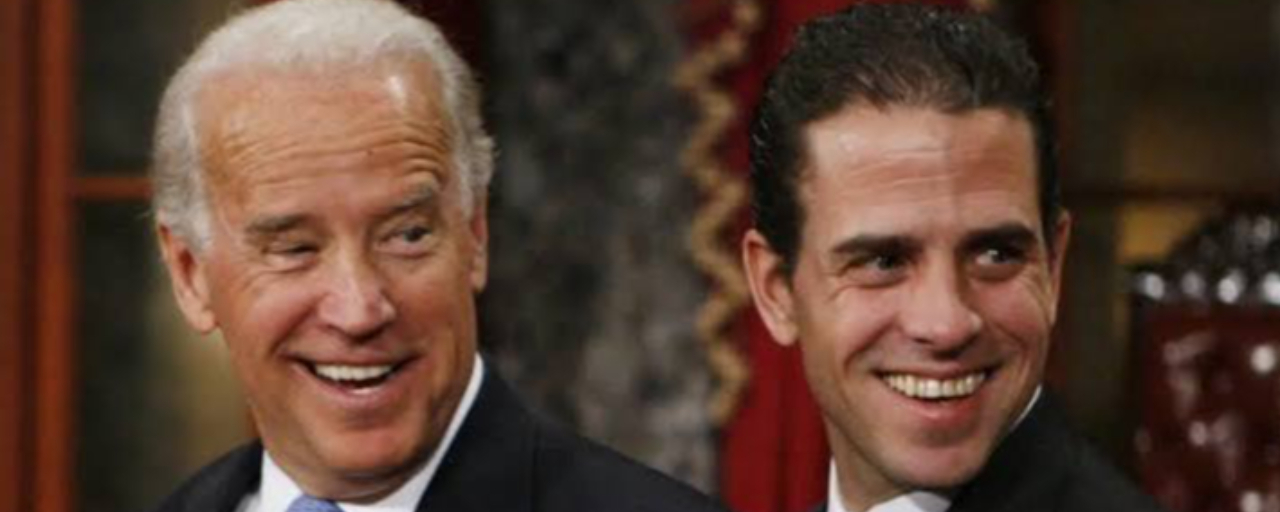
[The former U.S. president’s son releases a “laptop” meme coin—how did the airdrop list include investors who lost big buying Trump coins?]Hunter Biden, the son of former U.S. President Biden, posted on X on September 7, U.S. time, a token ticker, $LAPTOP, along with a date: “September 9.” He also paired it with a 31-second clip of a Fox News anchor discussing laptops.
That laptop is the same one whose contents leaked before the 2020 U.S. presidential election and which has been embroiled in controversy ever since. Now he plans to use its name to launch a meme coin—an “irrelevant” cryptocurrency with no real use, whose price is propped up purely by hype and talk.
According to a report by The Wall Street Journal, the coin has a total supply of 1 billion units and is issued on the Base chain. It was released by Coinbase as an Ethereum Layer 2 network.
[The former U.S. president’s son releases a “laptop” meme coin—how did the airdrop list include investors who lost big buying Trump coins?]
Hunter Biden, the son of former U.S. President Biden, posted on X on September 7, U.S. time, a token ticker, $LAPTOP, along with a date: “September 9.” He also paired it with a 31-second clip of a Fox News anchor discussing laptops.
That laptop is the same one whose contents leaked before the 2020 U.S. presidential election and which has been embroiled in controversy ever since. Now he plans to use its name to launch a meme coin—an “irrelevant” cryptocurrency with no real use, whose price is propped up purely by hype and talk.
According to a report by The Wall Street Journal, the coin has a total supply of 1 billion units and is issued on the Base chain. It was released by Coinbase as an Ethereum Layer 2 network.
That laptop is the same one whose contents leaked before the 2020 U.S. presidential election and which has been embroiled in controversy ever since. Now he plans to use its name to launch a meme coin—an “irrelevant” cryptocurrency with no real use, whose price is propped up purely by hype and talk.
According to a report by The Wall Street Journal, the coin has a total supply of 1 billion units and is issued on the Base chain. It was released by Coinbase as an Ethereum Layer 2 network.
296

Article
【By simply liking a meme coin, Musk drove it to $82 million—was the real culprit actually his girlfriend?】In the early morning of September 5 (Taipei time), a meme coin called SLINK (a cryptocurrency with no real use case—its price is propped up purely by attention) saw its market cap jump from $500,000 to $82 million within half an hour on Robinhood Chain. After 45 minutes, it nearly fell back to where it started.
But this is not simply a case of a sudden surge or crash.
According to crypto media reporter Eric of ForesightNews, the trader first gained access to the X account of Shivon Zilis, Neuralink’s Operations and Special Projects Director. She rarely deals with cryptocurrencies, yet she is the mother of several of Musk’s children, and her account has hundreds of thousands of followers.
【By simply liking a meme coin, Musk drove it to $82 million—was the real culprit actually his girlfriend?】
In the early morning of September 5 (Taipei time), a meme coin called SLINK (a cryptocurrency with no real use case—its price is propped up purely by attention) saw its market cap jump from $500,000 to $82 million within half an hour on Robinhood Chain. After 45 minutes, it nearly fell back to where it started.
But this is not simply a case of a sudden surge or crash.
According to crypto media reporter Eric of ForesightNews, the trader first gained access to the X account of Shivon Zilis, Neuralink’s Operations and Special Projects Director. She rarely deals with cryptocurrencies, yet she is the mother of several of Musk’s children, and her account has hundreds of thousands of followers.
But this is not simply a case of a sudden surge or crash.
According to crypto media reporter Eric of ForesightNews, the trader first gained access to the X account of Shivon Zilis, Neuralink’s Operations and Special Projects Director. She rarely deals with cryptocurrencies, yet she is the mother of several of Musk’s children, and her account has hundreds of thousands of followers.
250

Article
[190 U.S. stocks moved onto the blockchain; U.S. cinema CEO angrily blasts unauthorized move — are the ‘on-chain stocks’ you bought really stocks?]Adam Aron, chairman and CEO of the U.S. cinema chain AMC, posted on X on September 4 Taiwan time, saying that he discovered Robinhood had turned AMC stock, along with the stock of more than 190 other U.S. companies, into tokens that can be traded on the blockchain, without AMC being asked at any point.
He used six negative adjectives in one breath, including three of them: “contemptible, outrageous, disgusting” — despicable, outrageous, and revolting. He stressed that AMC has nothing to do with this matter and would absolutely not endorse it, and that outside securities lawyers have already been brought in.
[190 U.S. stocks moved onto the blockchain; U.S. cinema CEO angrily blasts unauthorized move — are the ‘on-chain stocks’ you bought really stocks?]
Adam Aron, chairman and CEO of the U.S. cinema chain AMC, posted on X on September 4 Taiwan time, saying that he discovered Robinhood had turned AMC stock, along with the stock of more than 190 other U.S. companies, into tokens that can be traded on the blockchain, without AMC being asked at any point.
He used six negative adjectives in one breath, including three of them: “contemptible, outrageous, disgusting” — despicable, outrageous, and revolting. He stressed that AMC has nothing to do with this matter and would absolutely not endorse it, and that outside securities lawyers have already been brought in.
He used six negative adjectives in one breath, including three of them: “contemptible, outrageous, disgusting” — despicable, outrageous, and revolting. He stressed that AMC has nothing to do with this matter and would absolutely not endorse it, and that outside securities lawyers have already been brought in.
111
Article
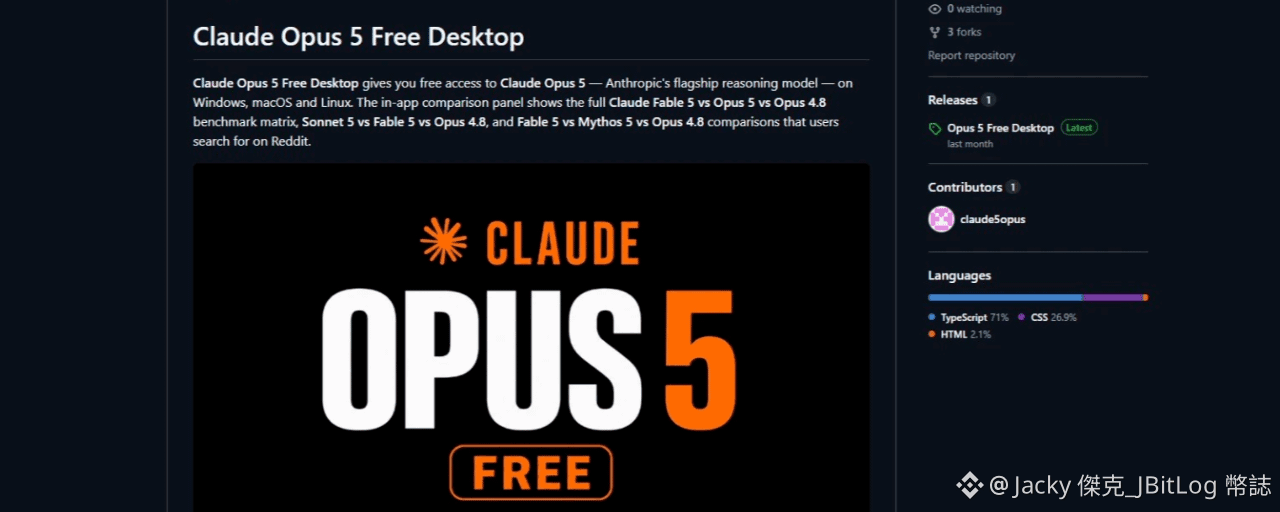
【A "free version of Claude Opus 5" has appeared online, but could greedy people end up having their crypto assets drained?】On September 1, cybersecurity company Morphisec released a report pointing out that someone had created a project on the code hosting platform GitHub called "Claude-Opus-5-Free-Desktop," claiming to allow free use of the paid AI model Claude Opus 5.
The download file it provided was called ClaudeOpus5-desktop.zip, about 101 MB in size. The page also included screenshots and a performance comparison table, making it look just like a normal open-source project.
After the downloader clicks and runs it, no window pops up on the screen. What it actually installs is a Windows credential-stealing program called RevStealer.
【A "free version of Claude Opus 5" has appeared online, but could greedy people end up having their crypto assets drained?】
On September 1, cybersecurity company Morphisec released a report pointing out that someone had created a project on the code hosting platform GitHub called "Claude-Opus-5-Free-Desktop," claiming to allow free use of the paid AI model Claude Opus 5.
The download file it provided was called ClaudeOpus5-desktop.zip, about 101 MB in size. The page also included screenshots and a performance comparison table, making it look just like a normal open-source project.
After the downloader clicks and runs it, no window pops up on the screen. What it actually installs is a Windows credential-stealing program called RevStealer.
The download file it provided was called ClaudeOpus5-desktop.zip, about 101 MB in size. The page also included screenshots and a performance comparison table, making it look just like a normal open-source project.
After the downloader clicks and runs it, no window pops up on the screen. What it actually installs is a Windows credential-stealing program called RevStealer.
131
Log in to explore more content
Join global crypto users on Binance Square
⚡️ Get latest and useful information about crypto.
💬 Trusted by the world’s largest crypto exchange.
👍 Discover real insights from verified creators.
Email / Phone number
Trending Topics
BinanceLaunchesBinanceIntelligence
100,939 views
1,092 Discussing
🚨 BINANCE JUST PUT AI DIRECTLY INSIDE THE EXCHANGE — AND THIS COULD CHANGE HOW RETAIL TRADES.
Binance has officially launched Binance Intelligence, a new AI layer built into the Binance ecosystem. It combines three products:
Binance AI for everyday users,
Binance AI Pro for automated trading workflows,
and Agent OS for developers building financial agents.
The part traders should care about?
Binance AI can surface market briefs, smart alerts, PnL recaps and personalized information, while AI Pro is designed to turn a plain-English trading idea into a visual strategy workflow.
That means the next phase of exchange competition may not be:
lowest fees vs deepest liquidity.
It could be:
who gives traders the best AI execution layer.
If Binance Intelligence actually drives heavier user activity, automated strategies and higher trading frequency, watch $BNB first.
AI adoption ↑
→ Binance engagement ↑
→ trading activity ↑
→ ecosystem narrative strengthens.
The catalyst I’d watch now:
global rollout + AI Pro launch + measurable user adoption.
Because once AI stops just telling you what the market is doing…
…and starts helping build the trade itself?
That’s when this gets much bigger than another chatbot. 👀
#binancelaunchesbinanceintelligence #EvernorthXRPTreasuryCompletesSPACMerger #ADAGains10%Above$0.27 #ETHUp70%InQ3ButLiquidityFalls #EthStakingExitQueueHits2026High
KimHotbae
·31 Likes
·36.9k views
StriveBuys2000BTCFor$169M
2,927 views
49 Discussing
EvernorthXRPTreasuryCompletesSPACMerger
68,562 views
730 Discussing