

Jackson Liam
20k Posts

Jackson Liam
 Square Verified+
Report
Block User
Blockchain Storyteller • Exposing hidden gems • https://x.com/JACKSON_LIAM99
Open Trade
Occasional Trader
2 Years
78 Following
43.4K+ Followers
54.2K+ Liked
Posts
Portfolio
All
Quotes
Videos
Live
·
--
Bullish
🚨 BNB Chain is about to make a serious move.
CZ has confirmed plans for a brand-new high-speed Layer 1 that will run alongside BNB Smart Chain — not replace it.
And here’s the interesting part: there won’t be a new token.
BNB stays at the center.
The new EVM-compatible chain is designed for speed, with a target of 200ms blocks and around 20ms transaction pre-confirmations. That could make it especially useful for high-frequency trading, real-time payments, AI agents and other applications where every millisecond matters.
The network is also planned to connect with BNB Smart Chain through a native bridge, while BNB continues to handle gas, staking and governance.
CZ summed up the idea in one simple line:
“Multiple chains, one coins.”
The tech roadmap goes even further, with plans for:
⚡ Native account abstraction
⚡ Ultra-fast transaction pre-confirmations
⚡ Multi-lane reserved capacity
⚡ Onchain shielded privacy pools
⚡ Sub-second finality
⚡ EVM compatibility
An internal multi-validator devnet is already running, although the project is still under development and subject to changes. The public testnet is targeted for late 2026, with the mainnet planned for early 2027.
This is bigger than simply launching another chain.
BNB Chain is basically building a faster lane for applications that need near-instant execution — while keeping BNB as the common asset across the ecosystem.
Multiple chains. One BNB. One ecosystem.
Now the real question is: how much of this speed can BNB Chain actually deliver once it hits mainnet? 👀
@CZ
🚨 BNB Chain is about to make a serious move.
CZ has confirmed plans for a brand-new high-speed Layer 1 that will run alongside BNB Smart Chain — not replace it.
And here’s the interesting part: there won’t be a new token.
BNB stays at the center.
The new EVM-compatible chain is designed for speed, with a target of 200ms blocks and around 20ms transaction pre-confirmations. That could make it especially useful for high-frequency trading, real-time payments, AI agents and other applications where every millisecond matters.
The network is also planned to connect with BNB Smart Chain through a native bridge, while BNB continues to handle gas, staking and governance.
CZ summed up the idea in one simple line:
“Multiple chains, one coins.”
The tech roadmap goes even further, with plans for:
⚡ Native account abstraction
⚡ Ultra-fast transaction pre-confirmations
⚡ Multi-lane reserved capacity
⚡ Onchain shielded privacy pools
⚡ Sub-second finality
⚡ EVM compatibility
An internal multi-validator devnet is already running, although the project is still under development and subject to changes. The public testnet is targeted for late 2026, with the mainnet planned for early 2027.
This is bigger than simply launching another chain.
BNB Chain is basically building a faster lane for applications that need near-instant execution — while keeping BNB as the common asset across the ecosystem.
Multiple chains. One BNB. One ecosystem.
Now the real question is: how much of this speed can BNB Chain actually deliver once it hits mainnet? 👀
@CZ
CZ has confirmed plans for a brand-new high-speed Layer 1 that will run alongside BNB Smart Chain — not replace it.
And here’s the interesting part: there won’t be a new token.
BNB stays at the center.
The new EVM-compatible chain is designed for speed, with a target of 200ms blocks and around 20ms transaction pre-confirmations. That could make it especially useful for high-frequency trading, real-time payments, AI agents and other applications where every millisecond matters.
The network is also planned to connect with BNB Smart Chain through a native bridge, while BNB continues to handle gas, staking and governance.
CZ summed up the idea in one simple line:
“Multiple chains, one coins.”
The tech roadmap goes even further, with plans for:
⚡ Native account abstraction
⚡ Ultra-fast transaction pre-confirmations
⚡ Multi-lane reserved capacity
⚡ Onchain shielded privacy pools
⚡ Sub-second finality
⚡ EVM compatibility
An internal multi-validator devnet is already running, although the project is still under development and subject to changes. The public testnet is targeted for late 2026, with the mainnet planned for early 2027.
This is bigger than simply launching another chain.
BNB Chain is basically building a faster lane for applications that need near-instant execution — while keeping BNB as the common asset across the ecosystem.
Multiple chains. One BNB. One ecosystem.
Now the real question is: how much of this speed can BNB Chain actually deliver once it hits mainnet? 👀
@CZ


88
·
--
Bullish
🇺🇸 BREAKING: The U.S. Treasury is stepping back into the bond market.
The Treasury is scheduled to conduct another buyback operation tomorrow, October 27, targeting long-term U.S. government debt.
The move could involve $4 billion or more in Treasury securities, with the focus on bonds maturing in roughly 20 to 30 years.
Why does this matter?
The government buying back its own bonds can help improve liquidity in the Treasury market and manage its debt portfolio. But with U.S. borrowing costs and long-term yields still under heavy attention, markets will be watching this move closely.
And here’s the bigger picture:
The U.S. national debt has now crossed $40 trillion, while interest costs and long-term borrowing pressures remain major concerns for investors.
So this isn’t just another routine bond-market headline.
Treasury buybacks, rising yields, huge government debt and upcoming decisions on future borrowing are all coming together at a very important moment for global markets.
One thing is clear:
The U.S. bond market is becoming impossible to ignore. 👀🇺🇸
🇺🇸 BREAKING: The U.S. Treasury is stepping back into the bond market.
The Treasury is scheduled to conduct another buyback operation tomorrow, October 27, targeting long-term U.S. government debt.
The move could involve $4 billion or more in Treasury securities, with the focus on bonds maturing in roughly 20 to 30 years.
Why does this matter?
The government buying back its own bonds can help improve liquidity in the Treasury market and manage its debt portfolio. But with U.S. borrowing costs and long-term yields still under heavy attention, markets will be watching this move closely.
And here’s the bigger picture:
The U.S. national debt has now crossed $40 trillion, while interest costs and long-term borrowing pressures remain major concerns for investors.
So this isn’t just another routine bond-market headline.
Treasury buybacks, rising yields, huge government debt and upcoming decisions on future borrowing are all coming together at a very important moment for global markets.
One thing is clear:
The U.S. bond market is becoming impossible to ignore. 👀🇺🇸
The Treasury is scheduled to conduct another buyback operation tomorrow, October 27, targeting long-term U.S. government debt.
The move could involve $4 billion or more in Treasury securities, with the focus on bonds maturing in roughly 20 to 30 years.
Why does this matter?
The government buying back its own bonds can help improve liquidity in the Treasury market and manage its debt portfolio. But with U.S. borrowing costs and long-term yields still under heavy attention, markets will be watching this move closely.
And here’s the bigger picture:
The U.S. national debt has now crossed $40 trillion, while interest costs and long-term borrowing pressures remain major concerns for investors.
So this isn’t just another routine bond-market headline.
Treasury buybacks, rising yields, huge government debt and upcoming decisions on future borrowing are all coming together at a very important moment for global markets.
One thing is clear:
The U.S. bond market is becoming impossible to ignore. 👀🇺🇸

TLTETF+0.41%
179
·
--
Bullish
🚨 JUST IN: $117 MILLION in crypto long positions have been liquidated over the past 24 hours.
That’s a serious hit for traders who were betting on prices to keep moving higher.
When leveraged longs get liquidated, it usually means the market moved against overly bullish positions and traders were forced out. And when liquidations start piling up, volatility can increase fast.
The big question now is simple:
Was this just a leverage flush… or is the market preparing for another bigger move?
Crypto can turn in minutes. Traders are watching Bitcoin and the wider market closely right now.
Stay sharp. One move can change everything.
🚨 JUST IN: $117 MILLION in crypto long positions have been liquidated over the past 24 hours.
That’s a serious hit for traders who were betting on prices to keep moving higher.
When leveraged longs get liquidated, it usually means the market moved against overly bullish positions and traders were forced out. And when liquidations start piling up, volatility can increase fast.
The big question now is simple:
Was this just a leverage flush… or is the market preparing for another bigger move?
Crypto can turn in minutes. Traders are watching Bitcoin and the wider market closely right now.
Stay sharp. One move can change everything.
That’s a serious hit for traders who were betting on prices to keep moving higher.
When leveraged longs get liquidated, it usually means the market moved against overly bullish positions and traders were forced out. And when liquidations start piling up, volatility can increase fast.
The big question now is simple:
Was this just a leverage flush… or is the market preparing for another bigger move?
Crypto can turn in minutes. Traders are watching Bitcoin and the wider market closely right now.
Stay sharp. One move can change everything.
388
·
--
Bullish
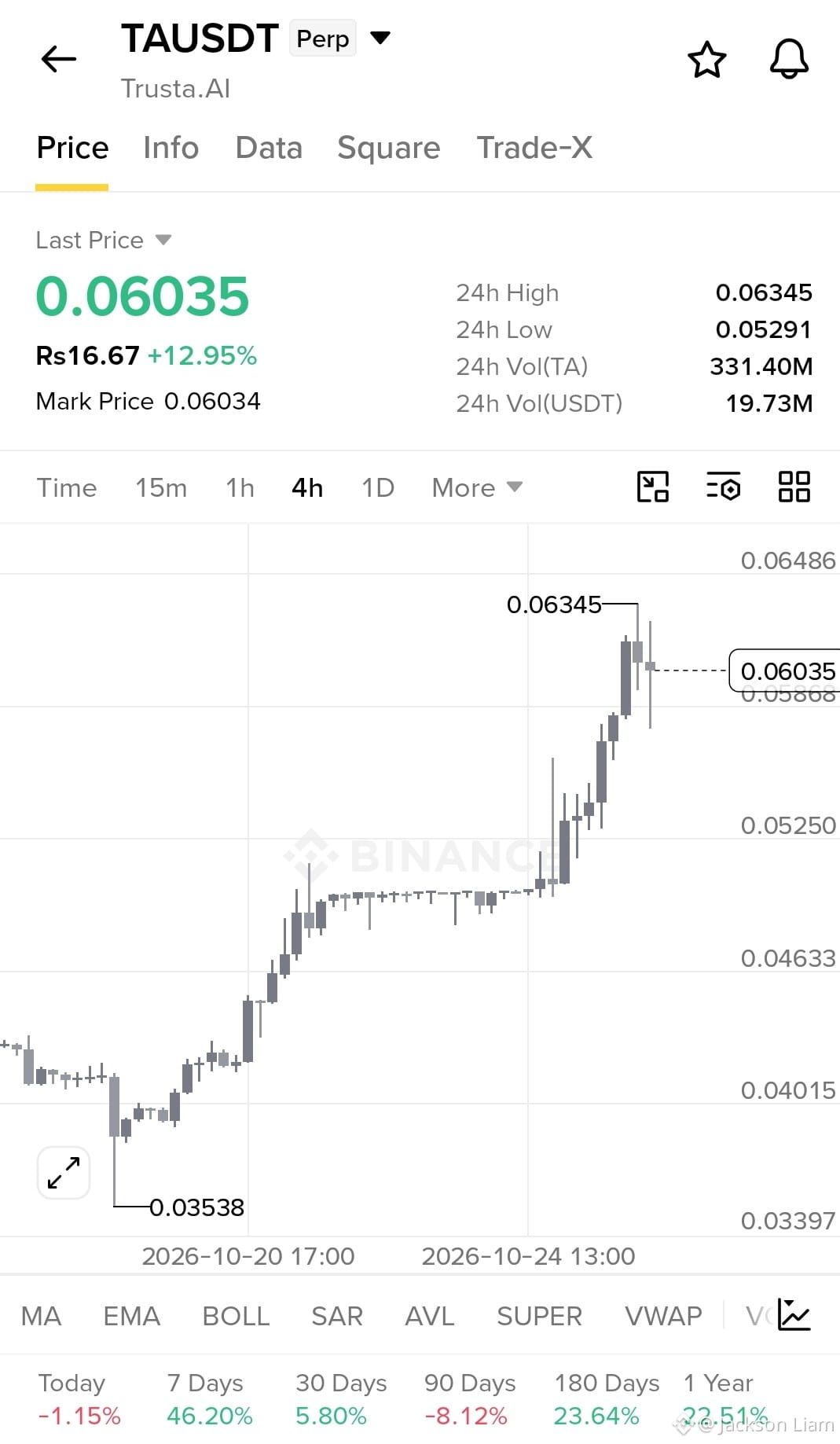
$TA
Buy Zone: 0.0578–0.0600
TP1: 0.0635
TP2: 0.0685
TP3: 0.0740
SL: 0.0548
EP: 0.0590
TP: 0.0635 / 0.0685 / 0.0740
SL: 0.0548
Strong 4H breakout with momentum. Price is cooling near the highs, so a clean retest of the buy zone gives the better setup. Above 0.0635, continuation can accelerate.
{future}(TAUSDT)
$TA
Buy Zone: 0.0578–0.0600
TP1: 0.0635
TP2: 0.0685
TP3: 0.0740
SL: 0.0548
EP: 0.0590
TP: 0.0635 / 0.0685 / 0.0740
SL: 0.0548
Strong 4H breakout with momentum. Price is cooling near the highs, so a clean retest of the buy zone gives the better setup. Above 0.0635, continuation can accelerate.
Buy Zone: 0.0578–0.0600
TP1: 0.0635
TP2: 0.0685
TP3: 0.0740
SL: 0.0548
EP: 0.0590
TP: 0.0635 / 0.0685 / 0.0740
SL: 0.0548
Strong 4H breakout with momentum. Price is cooling near the highs, so a clean retest of the buy zone gives the better setup. Above 0.0635, continuation can accelerate.
197
·
--
Bullish
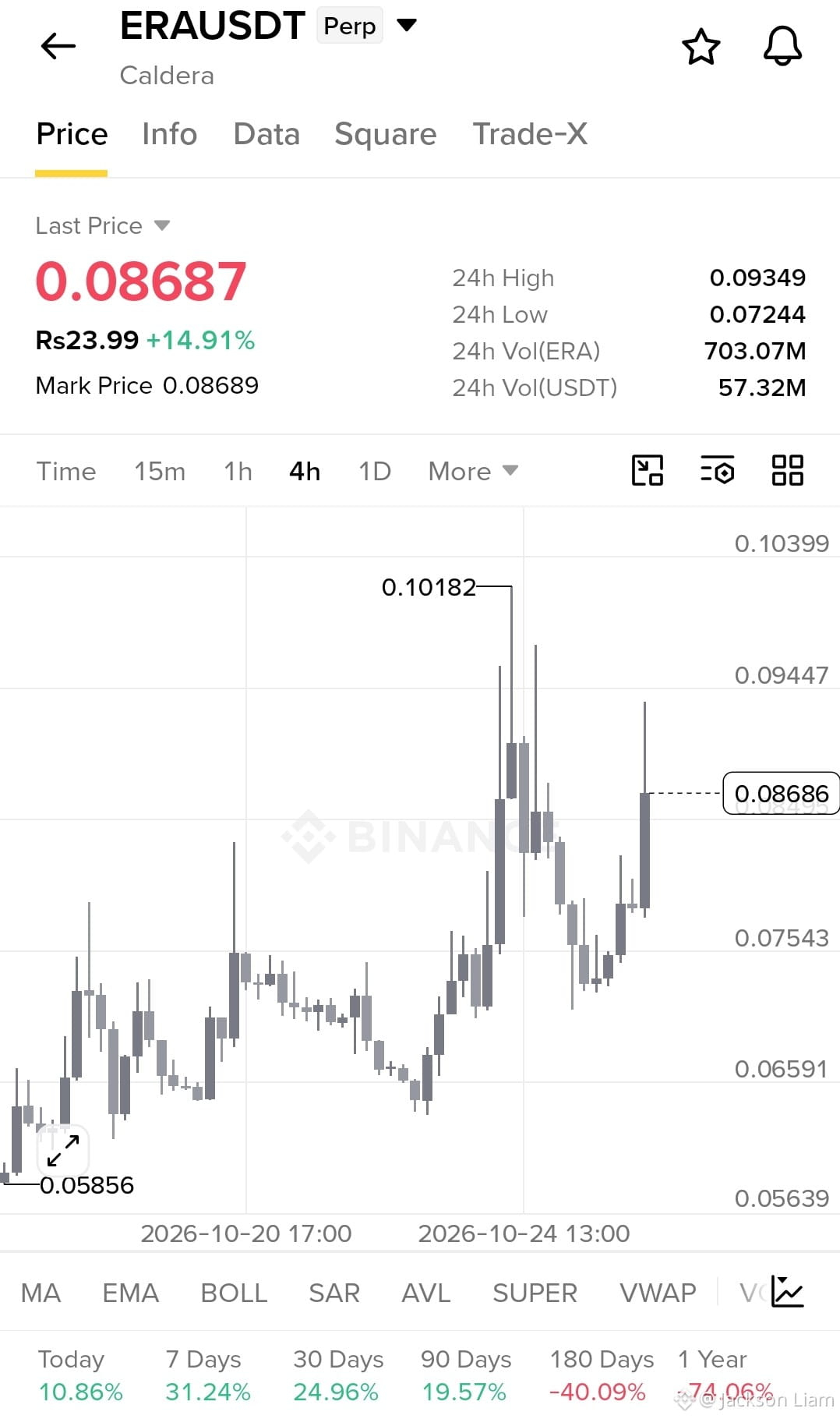
$ERA
Buy Zone: 0.0830–0.0860
TP1: 0.0945
TP2: 0.1018
TP3: 0.1100
SL: 0.0790
EP: 0.0850
TP: 0.0945 / 0.1018 / 0.1100
SL: 0.0790
Momentum is back after reclaiming 0.0754. A clean hold above 0.0860 can open the way toward the previous 0.1018 high.
{spot}(ERAUSDT)
$ERA
Buy Zone: 0.0830–0.0860
TP1: 0.0945
TP2: 0.1018
TP3: 0.1100
SL: 0.0790
EP: 0.0850
TP: 0.0945 / 0.1018 / 0.1100
SL: 0.0790
Momentum is back after reclaiming 0.0754. A clean hold above 0.0860 can open the way toward the previous 0.1018 high.
Buy Zone: 0.0830–0.0860
TP1: 0.0945
TP2: 0.1018
TP3: 0.1100
SL: 0.0790
EP: 0.0850
TP: 0.0945 / 0.1018 / 0.1100
SL: 0.0790
Momentum is back after reclaiming 0.0754. A clean hold above 0.0860 can open the way toward the previous 0.1018 high.
242
·
--
Bullish
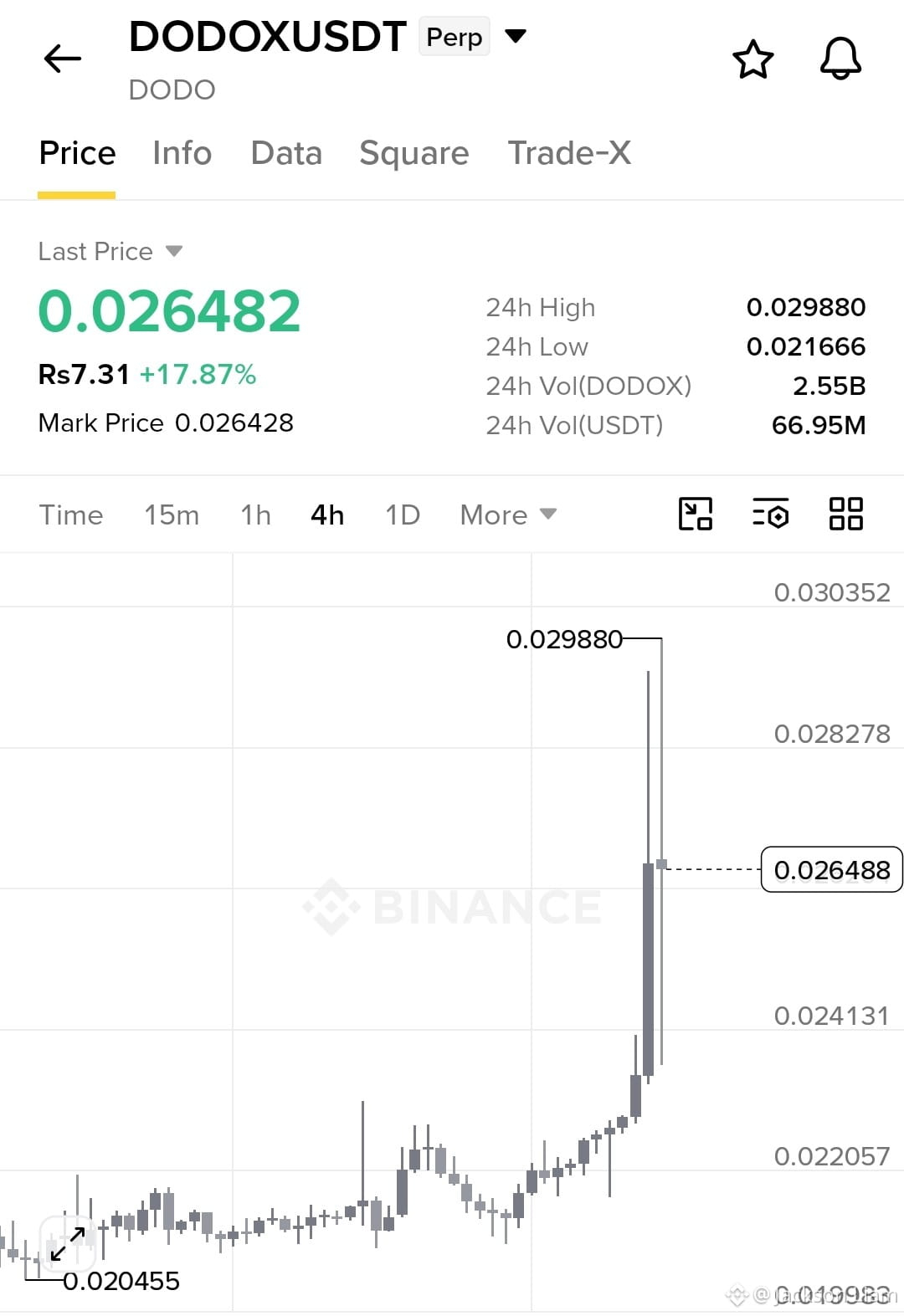
$DODO
Buy Zone: 0.0250–0.0262
TP1: 0.0283
TP2: 0.0304
TP3: 0.0330
SL: 0.0238
EP: 0.0258
TP: 0.0283 / 0.0304 / 0.0330
SL: 0.0238
Strong breakout, but the 0.02988 spike shows rejection. Best entry is a pullback into the buy zone, not chasing the candle.
{spot}(DODOUSDT)
$DODO
Buy Zone: 0.0250–0.0262
TP1: 0.0283
TP2: 0.0304
TP3: 0.0330
SL: 0.0238
EP: 0.0258
TP: 0.0283 / 0.0304 / 0.0330
SL: 0.0238
Strong breakout, but the 0.02988 spike shows rejection. Best entry is a pullback into the buy zone, not chasing the candle.
Buy Zone: 0.0250–0.0262
TP1: 0.0283
TP2: 0.0304
TP3: 0.0330
SL: 0.0238
EP: 0.0258
TP: 0.0283 / 0.0304 / 0.0330
SL: 0.0238
Strong breakout, but the 0.02988 spike shows rejection. Best entry is a pullback into the buy zone, not chasing the candle.
1
186
·
--
Bullish
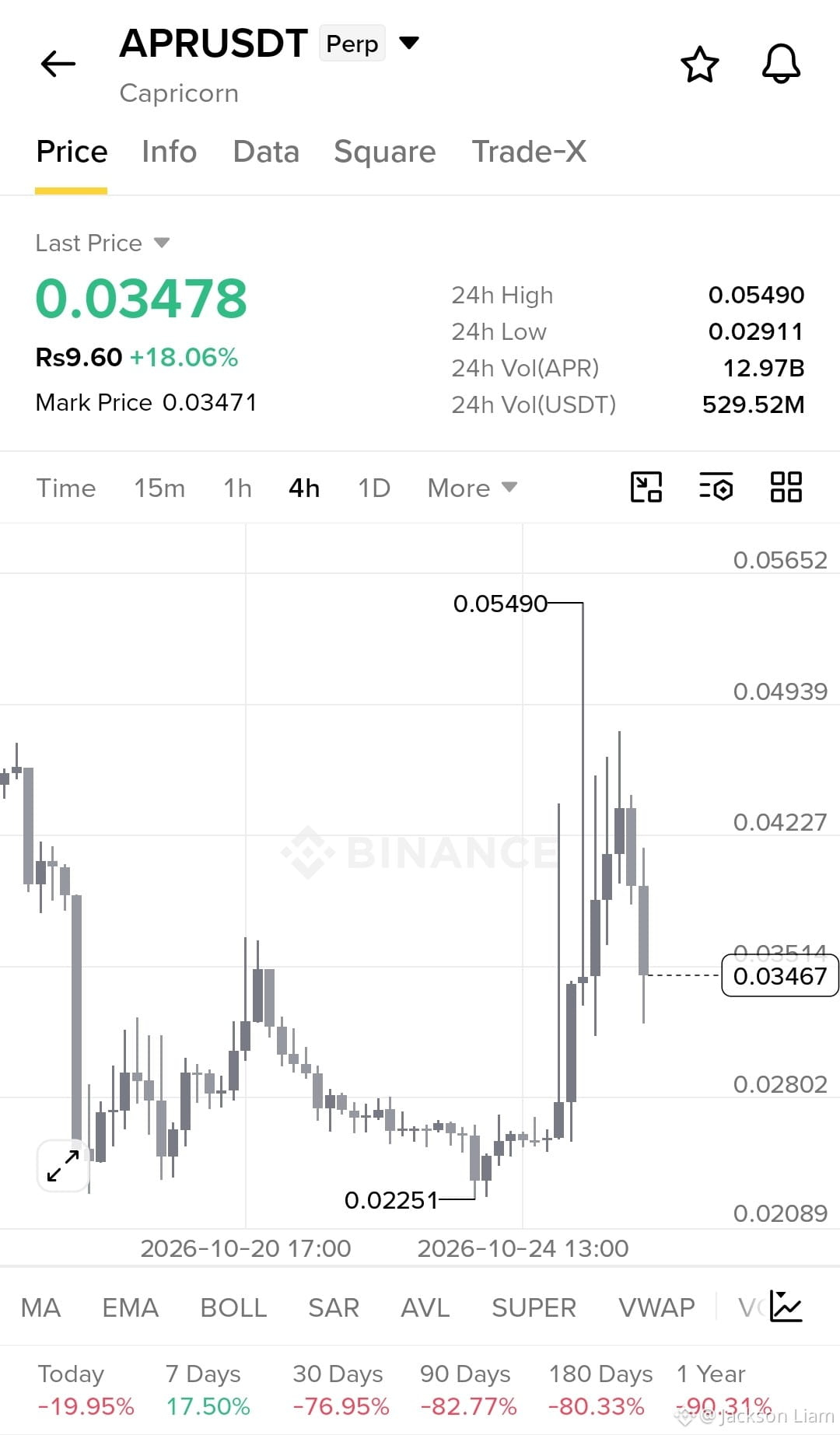
$APR
Buy Zone: 0.0325–0.0345
TP1: 0.0380
TP2: 0.0425
TP3: 0.0490
SL: 0.0290
EP: 0.0335
TP: 0.0380 / 0.0425 / 0.0490
SL: 0.0290
Breakout momentum is strong, but price is pulling back from 0.05490. Best setup is a controlled retest of the buy zone, not chasing the spike.
{future}(APRUSDT)
#DowDrops653Points #SouthKoreaPlansToRegulateStablecoinsUnderFXLaw #ElectrumFixesHighRiskExploitInVersionsBefore4.8.3 #SouthKoreaDelaysCryptoIncomeTax #USQ3GDPAndSeptemberPCEDueNextWeek
$APR
Buy Zone: 0.0325–0.0345
TP1: 0.0380
TP2: 0.0425
TP3: 0.0490
SL: 0.0290
EP: 0.0335
TP: 0.0380 / 0.0425 / 0.0490
SL: 0.0290
Breakout momentum is strong, but price is pulling back from 0.05490. Best setup is a controlled retest of the buy zone, not chasing the spike.
#DowDrops653Points #SouthKoreaPlansToRegulateStablecoinsUnderFXLaw #ElectrumFixesHighRiskExploitInVersionsBefore4.8.3 #SouthKoreaDelaysCryptoIncomeTax #USQ3GDPAndSeptemberPCEDueNextWeek
Buy Zone: 0.0325–0.0345
TP1: 0.0380
TP2: 0.0425
TP3: 0.0490
SL: 0.0290
EP: 0.0335
TP: 0.0380 / 0.0425 / 0.0490
SL: 0.0290
Breakout momentum is strong, but price is pulling back from 0.05490. Best setup is a controlled retest of the buy zone, not chasing the spike.
#DowDrops653Points #SouthKoreaPlansToRegulateStablecoinsUnderFXLaw #ElectrumFixesHighRiskExploitInVersionsBefore4.8.3 #SouthKoreaDelaysCryptoIncomeTax #USQ3GDPAndSeptemberPCEDueNextWeek
330
·
--
Bullish
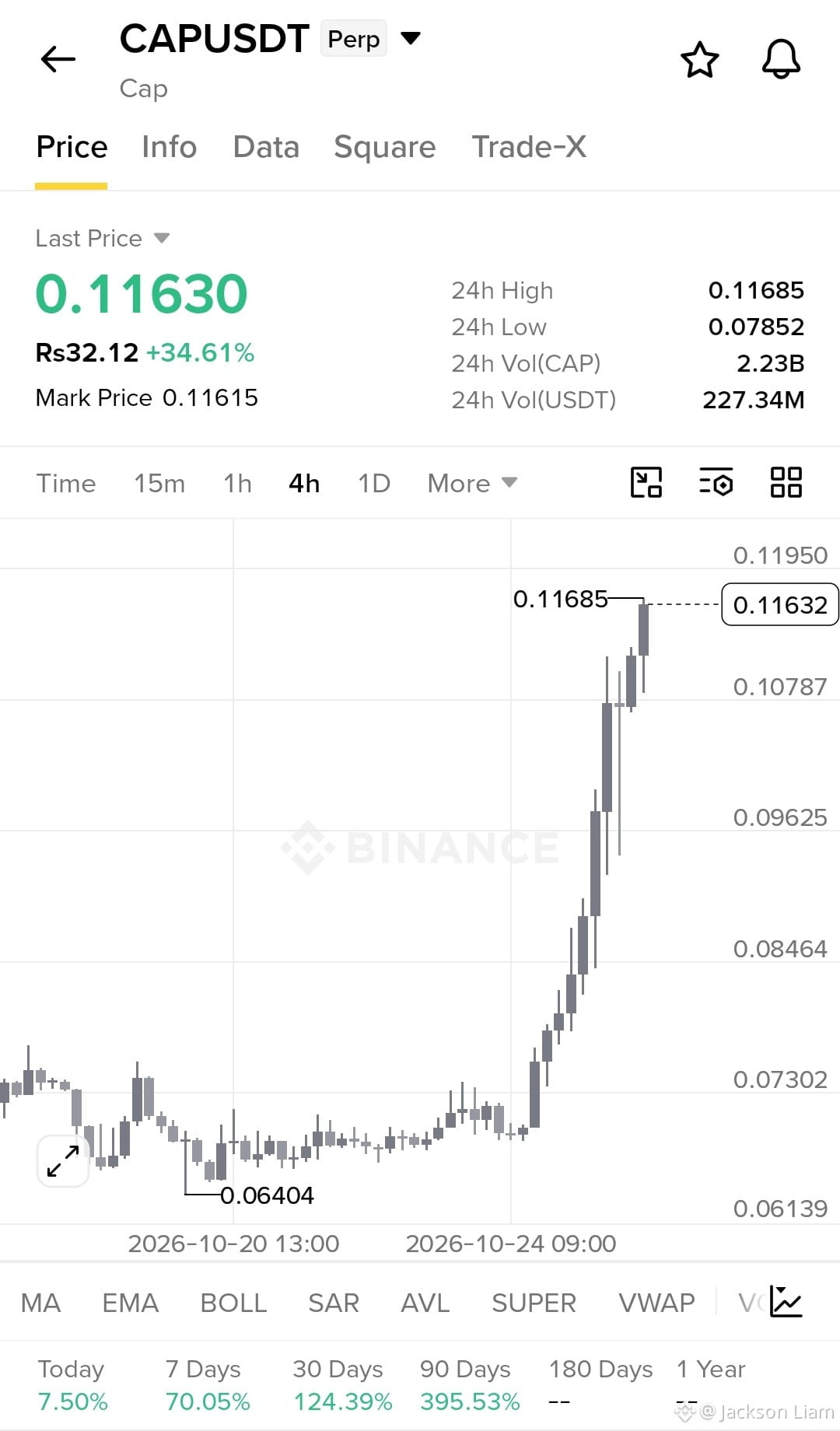
$CAP
Buy Zone: 0.1080–0.1130
TP1: 0.1195
TP2: 0.1250
TP3: 0.1320
SL: 0.1030
EP: 0.1100
TP: 0.1195 / 0.1250 / 0.1320
SL: 0.1030
Strong breakout with momentum. Wait for a pullback into the buy zone rather than chasing the spike. Invalidation below 0.1030.
let's go$CAP
{future}(CAPUSDT)
#BinancePick #EarningsSeason #SouthKoreaDelaysCryptoIncomeTax #DowDrops653Points #ElectrumFixesHighRiskExploitInVersionsBefore4.8.3
$CAP
Buy Zone: 0.1080–0.1130
TP1: 0.1195
TP2: 0.1250
TP3: 0.1320
SL: 0.1030
EP: 0.1100
TP: 0.1195 / 0.1250 / 0.1320
SL: 0.1030
Strong breakout with momentum. Wait for a pullback into the buy zone rather than chasing the spike. Invalidation below 0.1030.
let's go$CAP
#BinancePick #EarningsSeason #SouthKoreaDelaysCryptoIncomeTax #DowDrops653Points #ElectrumFixesHighRiskExploitInVersionsBefore4.8.3
Buy Zone: 0.1080–0.1130
TP1: 0.1195
TP2: 0.1250
TP3: 0.1320
SL: 0.1030
EP: 0.1100
TP: 0.1195 / 0.1250 / 0.1320
SL: 0.1030
Strong breakout with momentum. Wait for a pullback into the buy zone rather than chasing the spike. Invalidation below 0.1030.
let's go$CAP
#BinancePick #EarningsSeason #SouthKoreaDelaysCryptoIncomeTax #DowDrops653Points #ElectrumFixesHighRiskExploitInVersionsBefore4.8.3
337
·
--
Bullish
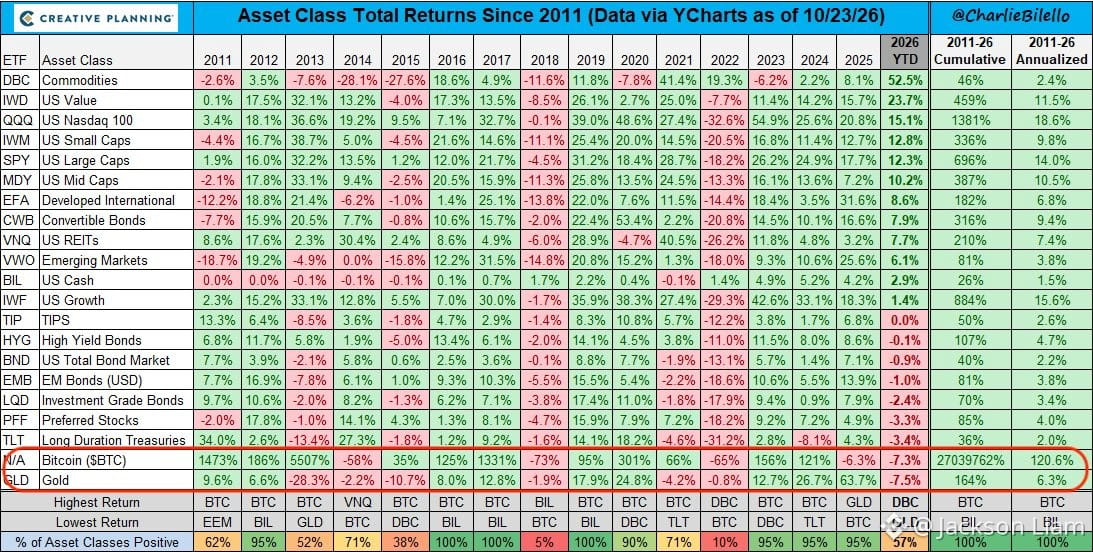
🚨 THIS IS A VERY STRANGE YEAR FOR BITCOIN AND GOLD.
$BTC is down 7.3% in 2026.
$XAU is down 7.5%.
That makes them the TWO WORST-performing major asset classes so far this year.
And according to Chief Market Strategist Charlie Bilello of Creative Planning, this is a historic first.
What makes it even more surprising is their long-term record.
Since 2011, Bitcoin has delivered the highest annualized return among the tracked major assets, at an incredible 120.6%.
Gold, meanwhile, has returned about 6.3% annually over the same period.
Gold also had a huge run in 2025, surging 63.7%.
Now both Bitcoin and gold have suddenly moved in the opposite direction.
While stocks, bonds and even cash are outperforming them in 2026, two of the most talked-about stores of value are sitting at the bottom of the table.
The bigger question now:
Is this just a painful pause after years of strong performance…
or are Bitcoin and gold entering a completely different market cycle?
Either way, 2026 is turning into a year neither Bitcoin nor gold investors expected.
🚨 THIS IS A VERY STRANGE YEAR FOR BITCOIN AND GOLD.
$BTC is down 7.3% in 2026.
$XAU is down 7.5%.
That makes them the TWO WORST-performing major asset classes so far this year.
And according to Chief Market Strategist Charlie Bilello of Creative Planning, this is a historic first.
What makes it even more surprising is their long-term record.
Since 2011, Bitcoin has delivered the highest annualized return among the tracked major assets, at an incredible 120.6%.
Gold, meanwhile, has returned about 6.3% annually over the same period.
Gold also had a huge run in 2025, surging 63.7%.
Now both Bitcoin and gold have suddenly moved in the opposite direction.
While stocks, bonds and even cash are outperforming them in 2026, two of the most talked-about stores of value are sitting at the bottom of the table.
The bigger question now:
Is this just a painful pause after years of strong performance…
or are Bitcoin and gold entering a completely different market cycle?
Either way, 2026 is turning into a year neither Bitcoin nor gold investors expected.
$BTC is down 7.3% in 2026.
$XAU is down 7.5%.
That makes them the TWO WORST-performing major asset classes so far this year.
And according to Chief Market Strategist Charlie Bilello of Creative Planning, this is a historic first.
What makes it even more surprising is their long-term record.
Since 2011, Bitcoin has delivered the highest annualized return among the tracked major assets, at an incredible 120.6%.
Gold, meanwhile, has returned about 6.3% annually over the same period.
Gold also had a huge run in 2025, surging 63.7%.
Now both Bitcoin and gold have suddenly moved in the opposite direction.
While stocks, bonds and even cash are outperforming them in 2026, two of the most talked-about stores of value are sitting at the bottom of the table.
The bigger question now:
Is this just a painful pause after years of strong performance…
or are Bitcoin and gold entering a completely different market cycle?
Either way, 2026 is turning into a year neither Bitcoin nor gold investors expected.
379
·
--
Bullish
🇺🇸 JUST IN: The CLARITY Act is turning into a major political fight in Washington.
Senator Cynthia Lummis says Democrats voted against the very crypto rules they had pushed for to protect retail investors.
According to Lummis, Democrats asked for two changes:
• Cut the annual Regulation Crypto fundraising cap from $75 million to $50 million
• Add a $200 million lifetime limit
Lummis says Republicans agreed to both demands and added them to the CLARITY Act.
But when the bill reached a key Senate procedural vote on September 15, it failed.
Now the big question is simple:
If these changes were requested to protect retail investors, why did the bill still fail?
The crypto industry is watching closely.
And for everyday investors, the fight over the CLARITY Act could have a much bigger impact than just another political battle in Washington.
🇺🇸 JUST IN: The CLARITY Act is turning into a major political fight in Washington.
Senator Cynthia Lummis says Democrats voted against the very crypto rules they had pushed for to protect retail investors.
According to Lummis, Democrats asked for two changes:
• Cut the annual Regulation Crypto fundraising cap from $75 million to $50 million
• Add a $200 million lifetime limit
Lummis says Republicans agreed to both demands and added them to the CLARITY Act.
But when the bill reached a key Senate procedural vote on September 15, it failed.
Now the big question is simple:
If these changes were requested to protect retail investors, why did the bill still fail?
The crypto industry is watching closely.
And for everyday investors, the fight over the CLARITY Act could have a much bigger impact than just another political battle in Washington.
Senator Cynthia Lummis says Democrats voted against the very crypto rules they had pushed for to protect retail investors.
According to Lummis, Democrats asked for two changes:
• Cut the annual Regulation Crypto fundraising cap from $75 million to $50 million
• Add a $200 million lifetime limit
Lummis says Republicans agreed to both demands and added them to the CLARITY Act.
But when the bill reached a key Senate procedural vote on September 15, it failed.
Now the big question is simple:
If these changes were requested to protect retail investors, why did the bill still fail?
The crypto industry is watching closely.
And for everyday investors, the fight over the CLARITY Act could have a much bigger impact than just another political battle in Washington.


2
1
231
·
--
Bullish
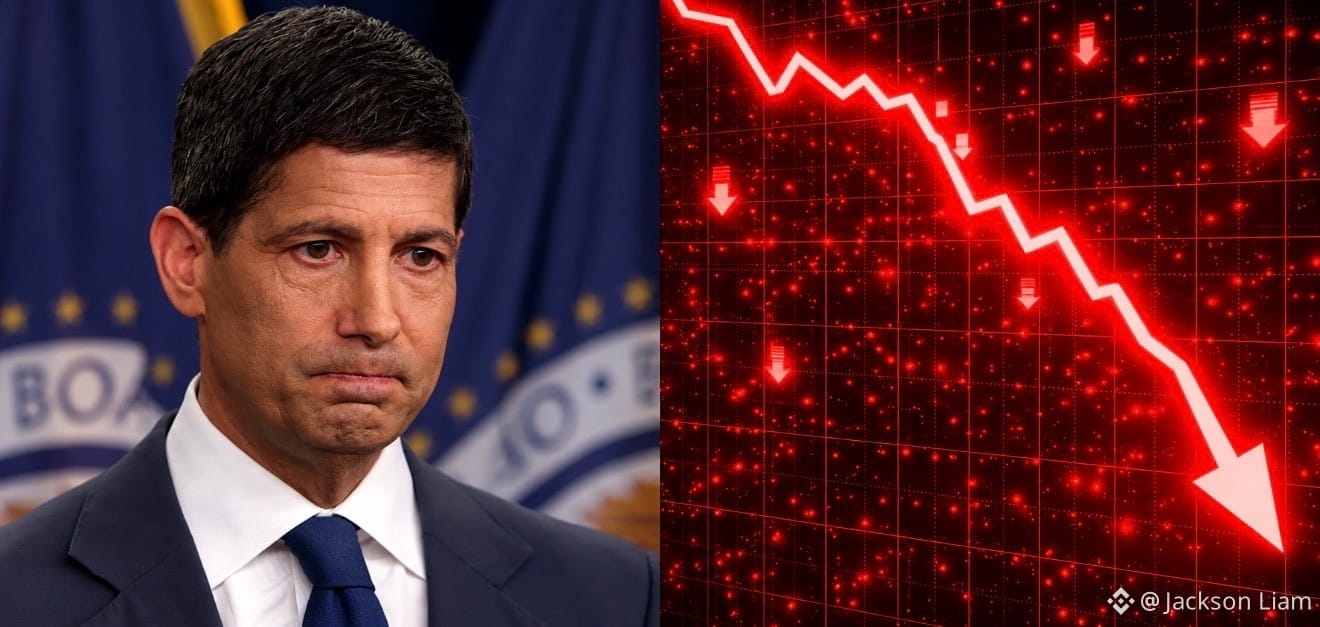
Kevin Warsh is walking into the FOMC meeting at one of the worst possible times.
The Fed meets on Wednesday, and honestly, there may be no easy way out.
Inflation is heating up again. CPI and PPI both came in hotter than expected, while core inflation is also moving higher.
Then there’s the U.S.-Iran war, which is pushing energy prices up and adding even more pressure to inflation.
But at the same time, the economy is starting to look weaker.
The housing market is struggling. Borrowing costs are still painfully high. Companies are cutting jobs.
So the Fed is stuck between two ugly problems:
🔥 Inflation is rising.
📉 The economy is weakening.
And every possible move comes with a risk.
If the Fed stays too relaxed on inflation, bond yields could rise as investors start worrying that inflation is getting out of control.
If the Fed turns hawkish, stocks and crypto could take a hit as markets price in higher rates and tighter financial conditions.
And if the Fed signals rate cuts, investors may ask the obvious question:
“Why is the Fed easing when inflation is still rising?”
That’s the real danger here.
The Fed needs inflation to cool without doing more damage to an already fragile economy.
But right now, we’re seeing inflation move higher while economic conditions are getting weaker.
That’s the ugly combination called stagflation.
And markets absolutely hate it.
One hawkish comment from Warsh could send stocks tumbling.
A dovish surprise could create a completely different problem — investors may fear that the Fed is falling behind the inflation curve, pushing bond yields higher.
Either way, Wednesday could get very interesting.
The Fed isn't just trying to make a rate decision.
It’s trying to convince markets that it still has control.
If that confidence breaks, this FOMC meeting could turn into one of the most volatile moments for global markets in a long time.
Kevin Warsh is walking into the FOMC meeting at one of the worst possible times.
The Fed meets on Wednesday, and honestly, there may be no easy way out.
Inflation is heating up again. CPI and PPI both came in hotter than expected, while core inflation is also moving higher.
Then there’s the U.S.-Iran war, which is pushing energy prices up and adding even more pressure to inflation.
But at the same time, the economy is starting to look weaker.
The housing market is struggling. Borrowing costs are still painfully high. Companies are cutting jobs.
So the Fed is stuck between two ugly problems:
🔥 Inflation is rising.
📉 The economy is weakening.
And every possible move comes with a risk.
If the Fed stays too relaxed on inflation, bond yields could rise as investors start worrying that inflation is getting out of control.
If the Fed turns hawkish, stocks and crypto could take a hit as markets price in higher rates and tighter financial conditions.
And if the Fed signals rate cuts, investors may ask the obvious question:
“Why is the Fed easing when inflation is still rising?”
That’s the real danger here.
The Fed needs inflation to cool without doing more damage to an already fragile economy.
But right now, we’re seeing inflation move higher while economic conditions are getting weaker.
That’s the ugly combination called stagflation.
And markets absolutely hate it.
One hawkish comment from Warsh could send stocks tumbling.
A dovish surprise could create a completely different problem — investors may fear that the Fed is falling behind the inflation curve, pushing bond yields higher.
Either way, Wednesday could get very interesting.
The Fed isn't just trying to make a rate decision.
It’s trying to convince markets that it still has control.
If that confidence breaks, this FOMC meeting could turn into one of the most volatile moments for global markets in a long time.
The Fed meets on Wednesday, and honestly, there may be no easy way out.
Inflation is heating up again. CPI and PPI both came in hotter than expected, while core inflation is also moving higher.
Then there’s the U.S.-Iran war, which is pushing energy prices up and adding even more pressure to inflation.
But at the same time, the economy is starting to look weaker.
The housing market is struggling. Borrowing costs are still painfully high. Companies are cutting jobs.
So the Fed is stuck between two ugly problems:
🔥 Inflation is rising.
📉 The economy is weakening.
And every possible move comes with a risk.
If the Fed stays too relaxed on inflation, bond yields could rise as investors start worrying that inflation is getting out of control.
If the Fed turns hawkish, stocks and crypto could take a hit as markets price in higher rates and tighter financial conditions.
And if the Fed signals rate cuts, investors may ask the obvious question:
“Why is the Fed easing when inflation is still rising?”
That’s the real danger here.
The Fed needs inflation to cool without doing more damage to an already fragile economy.
But right now, we’re seeing inflation move higher while economic conditions are getting weaker.
That’s the ugly combination called stagflation.
And markets absolutely hate it.
One hawkish comment from Warsh could send stocks tumbling.
A dovish surprise could create a completely different problem — investors may fear that the Fed is falling behind the inflation curve, pushing bond yields higher.
Either way, Wednesday could get very interesting.
The Fed isn't just trying to make a rate decision.
It’s trying to convince markets that it still has control.
If that confidence breaks, this FOMC meeting could turn into one of the most volatile moments for global markets in a long time.
4
319
·
--
Bullish
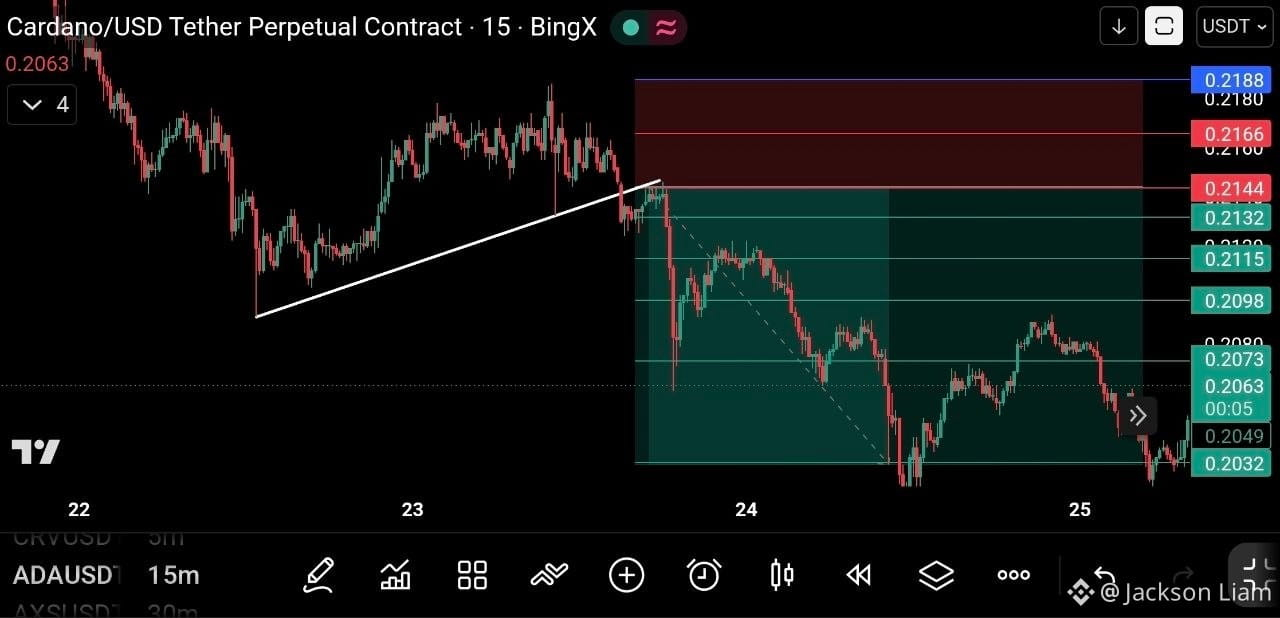
$ADA perpetual chart. From the structure shown:
Trend: Bearish after the rising trendline was broken.
Current price: around $0.2063.
Resistance: $0.2073 → $0.2098 → $0.2115 → $0.2132–$0.2144.
Support: $0.2049 → $0.2032.
Price is currently below the major resistance zone, so the chart favors sell-the-rally rather than chasing longs.
A clean reclaim of $0.2098–$0.2115 would weaken the bearish setup.
A break and 15m close below $0.2032 could open the way for further downside.
The marked setup on your chart appears to be a short, with entry around $0.2144 and the target zone near $0.2032. That trade has already moved substantially in the intended direction.
If you're still in the position, $0.2073 and $0.2098 are the key levels I'd watch for a bounce/reversal.
let's go🥂
$ADA perpetual chart. From the structure shown:
Trend: Bearish after the rising trendline was broken.
Current price: around $0.2063.
Resistance: $0.2073 → $0.2098 → $0.2115 → $0.2132–$0.2144.
Support: $0.2049 → $0.2032.
Price is currently below the major resistance zone, so the chart favors sell-the-rally rather than chasing longs.
A clean reclaim of $0.2098–$0.2115 would weaken the bearish setup.
A break and 15m close below $0.2032 could open the way for further downside.
The marked setup on your chart appears to be a short, with entry around $0.2144 and the target zone near $0.2032. That trade has already moved substantially in the intended direction.
If you're still in the position, $0.2073 and $0.2098 are the key levels I'd watch for a bounce/reversal.
let's go🥂
Trend: Bearish after the rising trendline was broken.
Current price: around $0.2063.
Resistance: $0.2073 → $0.2098 → $0.2115 → $0.2132–$0.2144.
Support: $0.2049 → $0.2032.
Price is currently below the major resistance zone, so the chart favors sell-the-rally rather than chasing longs.
A clean reclaim of $0.2098–$0.2115 would weaken the bearish setup.
A break and 15m close below $0.2032 could open the way for further downside.
The marked setup on your chart appears to be a short, with entry around $0.2144 and the target zone near $0.2032. That trade has already moved substantially in the intended direction.
If you're still in the position, $0.2073 and $0.2098 are the key levels I'd watch for a bounce/reversal.
let's go🥂
501
·
--
Bullish
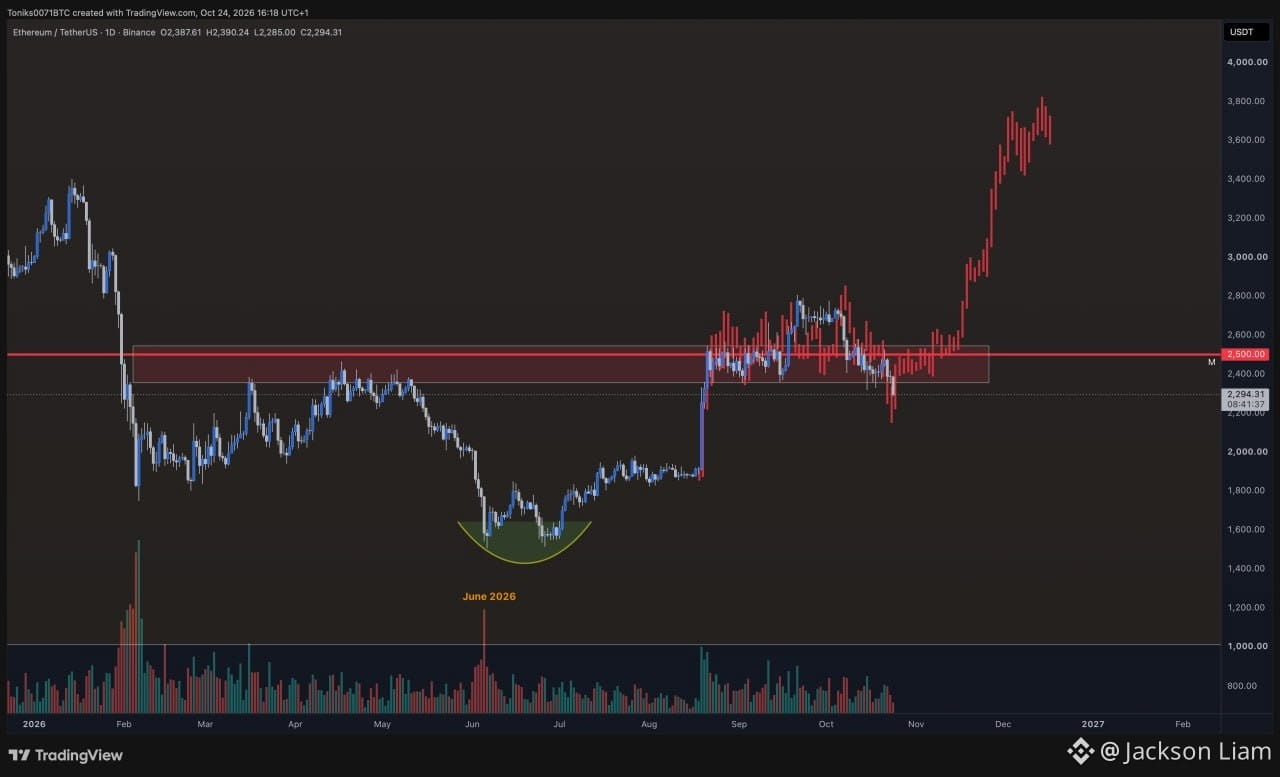
$ETH on the 1D timeframe, with a major breakout structure around the $2,500 area.
What the chart is showing
$2,500 is the key historical resistance/support zone. ETH spent a long period consolidating around roughly $2,350–$2,600 before breaking out.
The June 2026 rounded-bottom structure around $1,500–$1,900 suggests a larger accumulation phase.
ETH then pushed strongly through the $2,500 resistance, followed by consolidation/retesting.
The subsequent rally toward $3,600–$3,800 indicates that the breakout was significant.
The current candles at the right side show consolidation near the highs, rather than an obvious breakdown.
The important level
The red horizontal line at $2,500 is the major level to watch.
If ETH were to revisit it and hold above it, the chart would essentially be showing:
Accumulation → breakout → retest → continuation
That would make $2,500 a potentially important long-term support zone.
If ETH loses the broader $2,350–$2,400 area, however, the breakout structure would become much less convincing.
My read
The higher-timeframe structure is bullish, but the chart is already substantially extended from the breakout zone. I wouldn't interpret the move as “ETH must keep going straight up.” After a move from ~$2,500 toward ~$3,700+, a period of consolidation or pullback would be completely normal.
The cleanest bullish confirmation would be a successful hold above the breakout zone followed by a new higher high.
#ETH #BinancePick #EarningsSeason #SouthKoreaDelaysCryptoIncomeTax #DowDrops653Points
$ETH on the 1D timeframe, with a major breakout structure around the $2,500 area.
What the chart is showing
$2,500 is the key historical resistance/support zone. ETH spent a long period consolidating around roughly $2,350–$2,600 before breaking out.
The June 2026 rounded-bottom structure around $1,500–$1,900 suggests a larger accumulation phase.
ETH then pushed strongly through the $2,500 resistance, followed by consolidation/retesting.
The subsequent rally toward $3,600–$3,800 indicates that the breakout was significant.
The current candles at the right side show consolidation near the highs, rather than an obvious breakdown.
The important level
The red horizontal line at $2,500 is the major level to watch.
If ETH were to revisit it and hold above it, the chart would essentially be showing:
Accumulation → breakout → retest → continuation
That would make $2,500 a potentially important long-term support zone.
If ETH loses the broader $2,350–$2,400 area, however, the breakout structure would become much less convincing.
My read
The higher-timeframe structure is bullish, but the chart is already substantially extended from the breakout zone. I wouldn't interpret the move as “ETH must keep going straight up.” After a move from ~$2,500 toward ~$3,700+, a period of consolidation or pullback would be completely normal.
The cleanest bullish confirmation would be a successful hold above the breakout zone followed by a new higher high.
#ETH #BinancePick #EarningsSeason #SouthKoreaDelaysCryptoIncomeTax #DowDrops653Points
What the chart is showing
$2,500 is the key historical resistance/support zone. ETH spent a long period consolidating around roughly $2,350–$2,600 before breaking out.
The June 2026 rounded-bottom structure around $1,500–$1,900 suggests a larger accumulation phase.
ETH then pushed strongly through the $2,500 resistance, followed by consolidation/retesting.
The subsequent rally toward $3,600–$3,800 indicates that the breakout was significant.
The current candles at the right side show consolidation near the highs, rather than an obvious breakdown.
The important level
The red horizontal line at $2,500 is the major level to watch.
If ETH were to revisit it and hold above it, the chart would essentially be showing:
Accumulation → breakout → retest → continuation
That would make $2,500 a potentially important long-term support zone.
If ETH loses the broader $2,350–$2,400 area, however, the breakout structure would become much less convincing.
My read
The higher-timeframe structure is bullish, but the chart is already substantially extended from the breakout zone. I wouldn't interpret the move as “ETH must keep going straight up.” After a move from ~$2,500 toward ~$3,700+, a period of consolidation or pullback would be completely normal.
The cleanest bullish confirmation would be a successful hold above the breakout zone followed by a new higher high.
#ETH #BinancePick #EarningsSeason #SouthKoreaDelaysCryptoIncomeTax #DowDrops653Points
243
·
--
Bullish
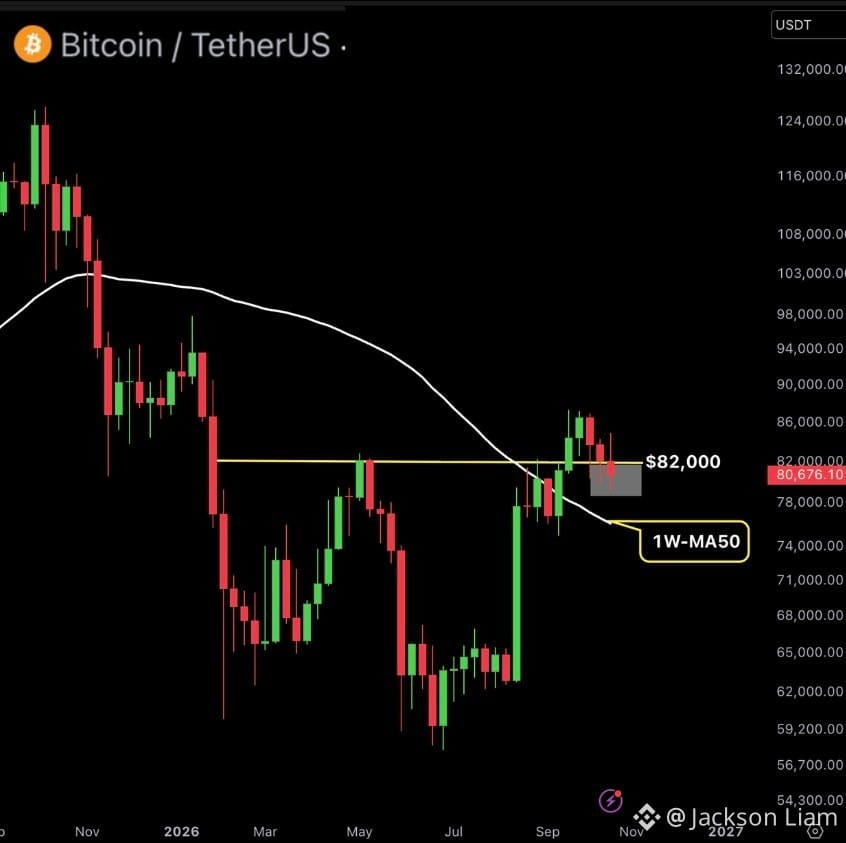
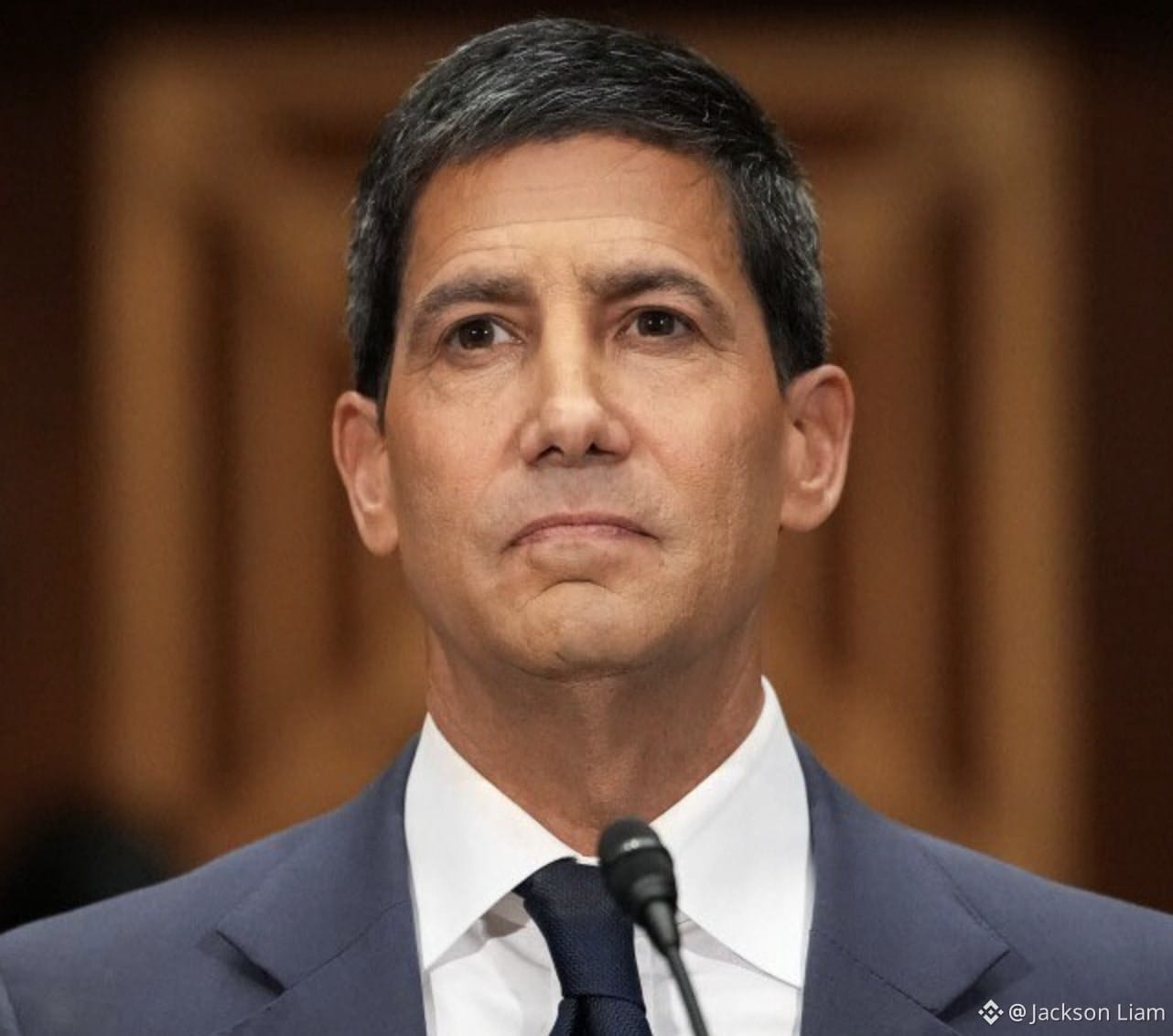
🚨 CRYPTO COULD BE HEADING INTO A WILD WEEK
Bitcoin has been holding up surprisingly well despite the pressure across global markets.
But strength alone isn’t enough. We need confirmation.
A weekly close above $82K and the 1W 50MA would be a strong signal that bulls are taking control and could give the market a fresh boost.
But next week has plenty of potential catalysts 👇
📅 Oct 28 — FOMC Decision
The Fed is expected to hold rates, but the real focus will be on the comments.
Any signal about the path of future rates could quickly move Bitcoin and other risk assets.
📅 Oct 29 — U.S. PCE Inflation + GDP
This could be one of the biggest volatility days.
If GDP stays strong while inflation continues to cool, markets could take it as a positive signal for Bitcoin.
But hotter-than-expected inflation could push rate-cut expectations further away and put pressure on crypto.
📅 Oct 30 — Japan Unemployment + BOJ Watch
The BOJ is expected to keep rates steady, but a surprise move could strengthen the yen and shake global markets.
That kind of risk-off move could hit crypto hard, especially if leverage is high.
And there’s one more thing traders can’t ignore…
🇺🇸 The U.S. midterm elections are just around the corner.
Historically, Bitcoin has seen corrections around midterm periods, so volatility could remain elevated as we get closer.
The setup is simple:
Bitcoin needs to prove it can reclaim and hold the key levels.
If bulls succeed, the next move could be fast.
If the $82K breakout fails, we could see another sharp pullback.
Either way, the next few days could get VERY interesting. ⚡️
Stay alert. The market may not give us much time to react.
🚨 CRYPTO COULD BE HEADING INTO A WILD WEEK
Bitcoin has been holding up surprisingly well despite the pressure across global markets.
But strength alone isn’t enough. We need confirmation.
A weekly close above $82K and the 1W 50MA would be a strong signal that bulls are taking control and could give the market a fresh boost.
But next week has plenty of potential catalysts 👇
📅 Oct 28 — FOMC Decision
The Fed is expected to hold rates, but the real focus will be on the comments.
Any signal about the path of future rates could quickly move Bitcoin and other risk assets.
📅 Oct 29 — U.S. PCE Inflation + GDP
This could be one of the biggest volatility days.
If GDP stays strong while inflation continues to cool, markets could take it as a positive signal for Bitcoin.
But hotter-than-expected inflation could push rate-cut expectations further away and put pressure on crypto.
📅 Oct 30 — Japan Unemployment + BOJ Watch
The BOJ is expected to keep rates steady, but a surprise move could strengthen the yen and shake global markets.
That kind of risk-off move could hit crypto hard, especially if leverage is high.
And there’s one more thing traders can’t ignore…
🇺🇸 The U.S. midterm elections are just around the corner.
Historically, Bitcoin has seen corrections around midterm periods, so volatility could remain elevated as we get closer.
The setup is simple:
Bitcoin needs to prove it can reclaim and hold the key levels.
If bulls succeed, the next move could be fast.
If the $82K breakout fails, we could see another sharp pullback.
Either way, the next few days could get VERY interesting. ⚡️
Stay alert. The market may not give us much time to react.
Bitcoin has been holding up surprisingly well despite the pressure across global markets.
But strength alone isn’t enough. We need confirmation.
A weekly close above $82K and the 1W 50MA would be a strong signal that bulls are taking control and could give the market a fresh boost.
But next week has plenty of potential catalysts 👇
📅 Oct 28 — FOMC Decision
The Fed is expected to hold rates, but the real focus will be on the comments.
Any signal about the path of future rates could quickly move Bitcoin and other risk assets.
📅 Oct 29 — U.S. PCE Inflation + GDP
This could be one of the biggest volatility days.
If GDP stays strong while inflation continues to cool, markets could take it as a positive signal for Bitcoin.
But hotter-than-expected inflation could push rate-cut expectations further away and put pressure on crypto.
📅 Oct 30 — Japan Unemployment + BOJ Watch
The BOJ is expected to keep rates steady, but a surprise move could strengthen the yen and shake global markets.
That kind of risk-off move could hit crypto hard, especially if leverage is high.
And there’s one more thing traders can’t ignore…
🇺🇸 The U.S. midterm elections are just around the corner.
Historically, Bitcoin has seen corrections around midterm periods, so volatility could remain elevated as we get closer.
The setup is simple:
Bitcoin needs to prove it can reclaim and hold the key levels.
If bulls succeed, the next move could be fast.
If the $82K breakout fails, we could see another sharp pullback.
Either way, the next few days could get VERY interesting. ⚡️
Stay alert. The market may not give us much time to react.
212
·
--
Bullish
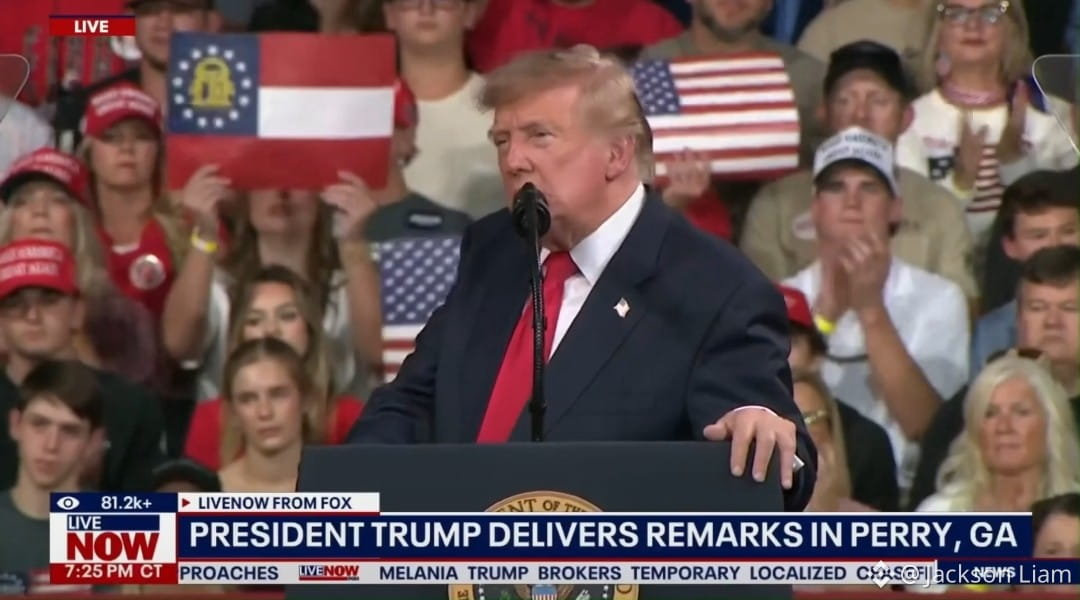
🇺🇸 Trump says the US is making a “freaking fortune” from the oil price surge.
His claim: the US is making “hundreds of billions of dollars” because of what’s happening in the Middle East.
The numbers are hard to ignore:
Brent crude before the Iran war: $72
Brent crude now: $117
That’s a jump of more than 60%.
Oil prices are surging, money is moving, and the Middle East is once again shaking global markets.
The big question now:
Is this a huge win for the US economy, or is $117 oil going to hurt consumers around the world?
#BinancePick #EarningsSeason #DowDrops653Points #MarketsPriceJust10%ChanceOfFedHikeNextWeek #USConsumerSentimentHoldsAtSecondLowestOnRecord
🇺🇸 Trump says the US is making a “freaking fortune” from the oil price surge.
His claim: the US is making “hundreds of billions of dollars” because of what’s happening in the Middle East.
The numbers are hard to ignore:
Brent crude before the Iran war: $72
Brent crude now: $117
That’s a jump of more than 60%.
Oil prices are surging, money is moving, and the Middle East is once again shaking global markets.
The big question now:
Is this a huge win for the US economy, or is $117 oil going to hurt consumers around the world?
#BinancePick #EarningsSeason #DowDrops653Points #MarketsPriceJust10%ChanceOfFedHikeNextWeek #USConsumerSentimentHoldsAtSecondLowestOnRecord
His claim: the US is making “hundreds of billions of dollars” because of what’s happening in the Middle East.
The numbers are hard to ignore:
Brent crude before the Iran war: $72
Brent crude now: $117
That’s a jump of more than 60%.
Oil prices are surging, money is moving, and the Middle East is once again shaking global markets.
The big question now:
Is this a huge win for the US economy, or is $117 oil going to hurt consumers around the world?
#BinancePick #EarningsSeason #DowDrops653Points #MarketsPriceJust10%ChanceOfFedHikeNextWeek #USConsumerSentimentHoldsAtSecondLowestOnRecord
1
279
·
--
Bullish
JCT
BREAKOUT MODE — momentum is strong.
Buy Zone: 0.00660 – 0.00700
TP1: 0.00745
TP2: 0.00820
TP3: 0.00900
EP: 0.00660 – 0.00700
TP: 0.00745 / 0.00820 / 0.00900
SL: 0.00620
Hold the zone. Let the breakout confirm.
Let's go $JCT
{future}(JCTUSDT)
$APR
{future}(APRUSDT)
$CAP
{future}(CAPUSDT)
JCT
BREAKOUT MODE — momentum is strong.
Buy Zone: 0.00660 – 0.00700
TP1: 0.00745
TP2: 0.00820
TP3: 0.00900
EP: 0.00660 – 0.00700
TP: 0.00745 / 0.00820 / 0.00900
SL: 0.00620
Hold the zone. Let the breakout confirm.
Let's go $JCT
$APR
$CAP
BREAKOUT MODE — momentum is strong.
Buy Zone: 0.00660 – 0.00700
TP1: 0.00745
TP2: 0.00820
TP3: 0.00900
EP: 0.00660 – 0.00700
TP: 0.00745 / 0.00820 / 0.00900
SL: 0.00620
Hold the zone. Let the breakout confirm.
Let's go $JCT
$APR
$CAP
🔥 Bullish continuation
🚀 New ATH
📉 Breakdown
📈 Slow consolidation
31 min(s) left
3
1
3.3k
·
--
Bullish
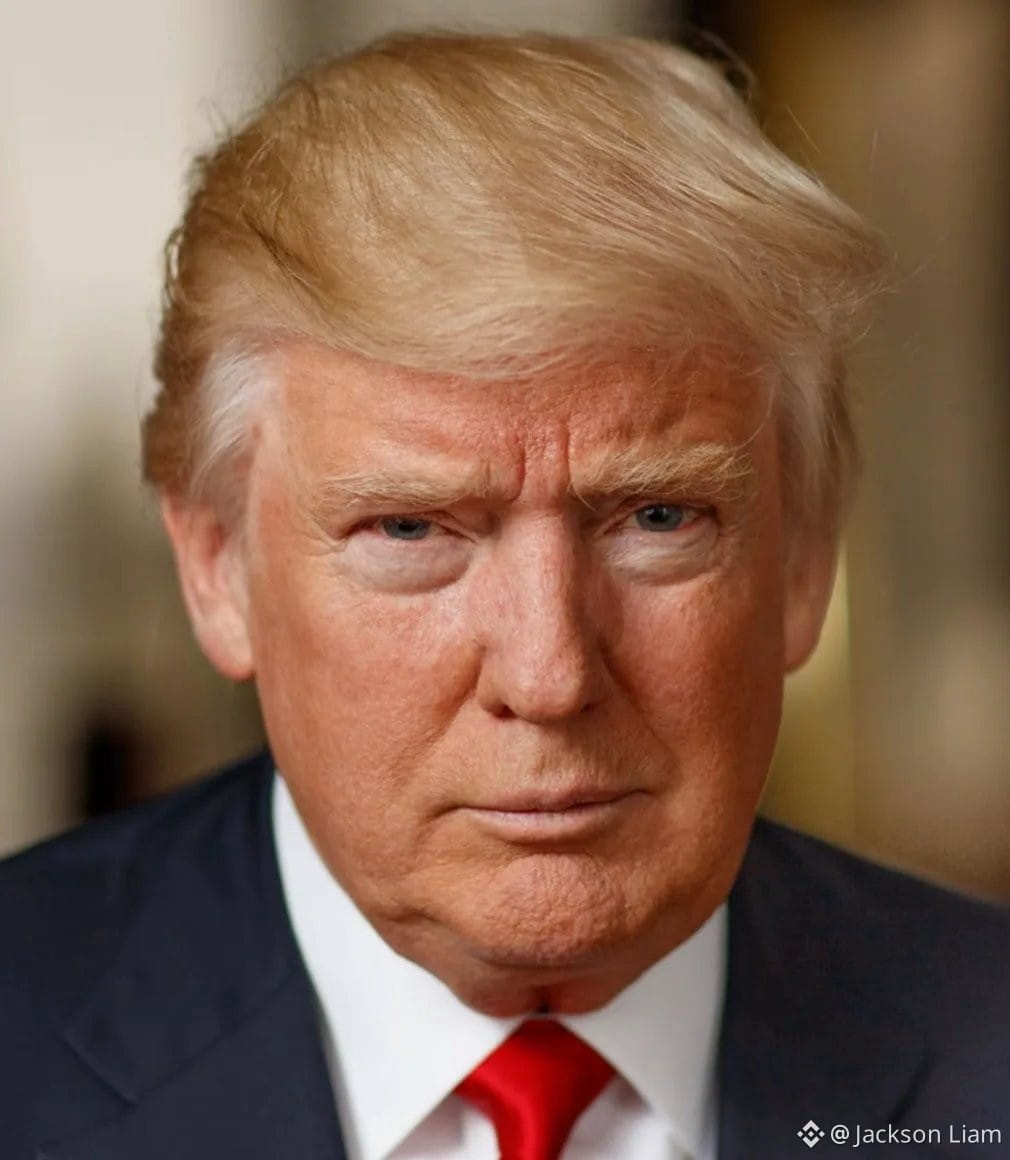
🚨 BREAKING: Audi is bringing its first-ever U.S. factory to Georgia.
President Trump announced the major investment as Audi plans to put around $4.2 billion into a new manufacturing plant near Macon, Georgia.
And the numbers are huge:
🏭 First Audi manufacturing plant in the U.S.
💰 About $4.2 billion investment
👷 Around 4,500 new jobs
🚙 Up to 200,000 vehicles produced every year
📍 Peach County, near Macon
🔧 Production expected to begin in the early 2030s
Audi says the plant will focus on its biggest and most premium SUVs, including the Q7, Q8 and Q9.
For Georgia, this is more than just another factory. It means thousands of new jobs, a bigger automotive supply chain and a major new presence for one of the world's best-known luxury car brands.
Audi is betting big on American customers — and Georgia is about to become a very important part of that story.
This is a massive move for Audi, Georgia and U.S. auto manufacturing. 🚘🇺🇸
🚨 BREAKING: Audi is bringing its first-ever U.S. factory to Georgia.
President Trump announced the major investment as Audi plans to put around $4.2 billion into a new manufacturing plant near Macon, Georgia.
And the numbers are huge:
🏭 First Audi manufacturing plant in the U.S.
💰 About $4.2 billion investment
👷 Around 4,500 new jobs
🚙 Up to 200,000 vehicles produced every year
📍 Peach County, near Macon
🔧 Production expected to begin in the early 2030s
Audi says the plant will focus on its biggest and most premium SUVs, including the Q7, Q8 and Q9.
For Georgia, this is more than just another factory. It means thousands of new jobs, a bigger automotive supply chain and a major new presence for one of the world's best-known luxury car brands.
Audi is betting big on American customers — and Georgia is about to become a very important part of that story.
This is a massive move for Audi, Georgia and U.S. auto manufacturing. 🚘🇺🇸
President Trump announced the major investment as Audi plans to put around $4.2 billion into a new manufacturing plant near Macon, Georgia.
And the numbers are huge:
🏭 First Audi manufacturing plant in the U.S.
💰 About $4.2 billion investment
👷 Around 4,500 new jobs
🚙 Up to 200,000 vehicles produced every year
📍 Peach County, near Macon
🔧 Production expected to begin in the early 2030s
Audi says the plant will focus on its biggest and most premium SUVs, including the Q7, Q8 and Q9.
For Georgia, this is more than just another factory. It means thousands of new jobs, a bigger automotive supply chain and a major new presence for one of the world's best-known luxury car brands.
Audi is betting big on American customers — and Georgia is about to become a very important part of that story.
This is a massive move for Audi, Georgia and U.S. auto manufacturing. 🚘🇺🇸

1.1k
·
--
Bullish
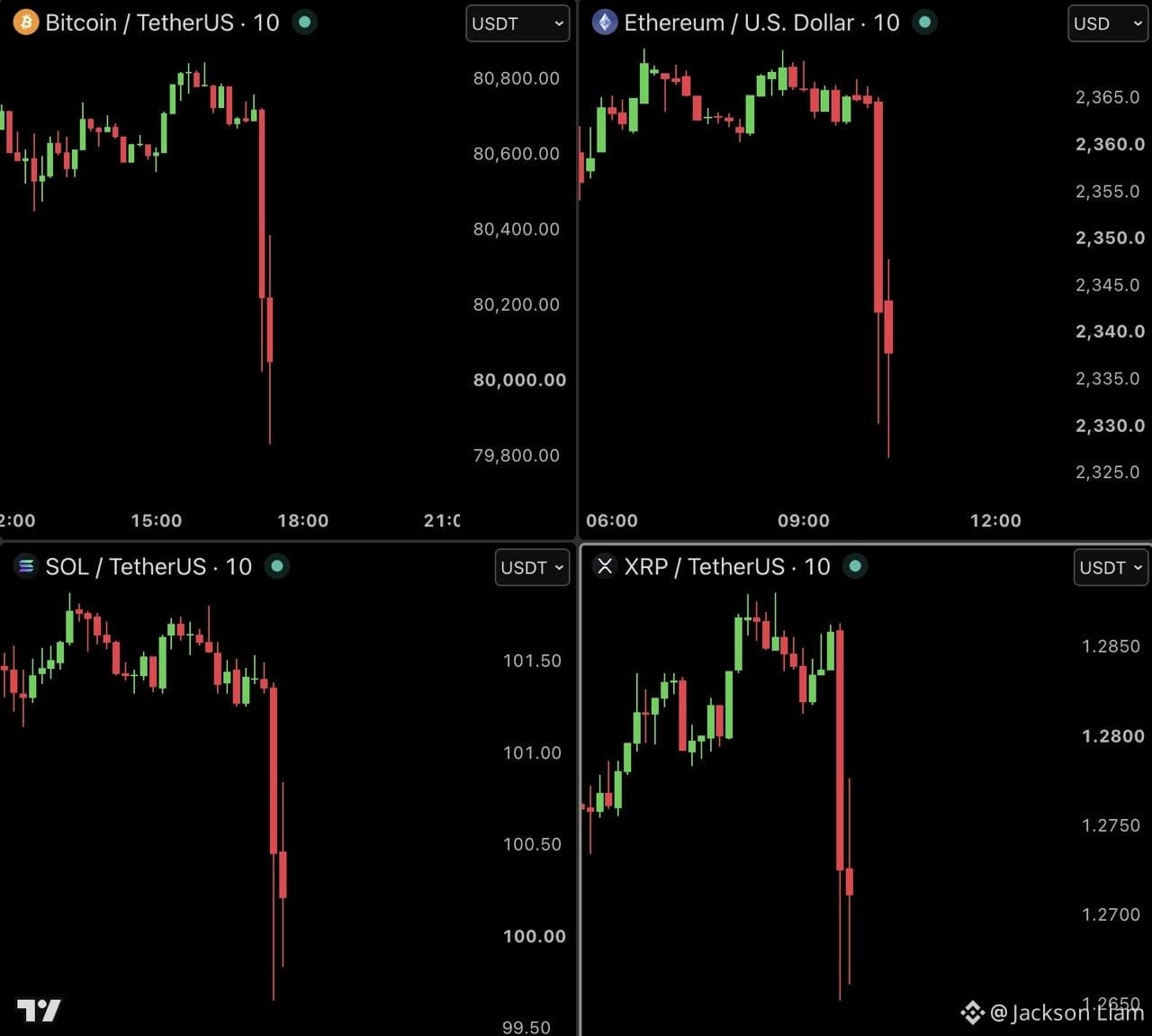
🚨 THIS MARKET JUST GOT UGLY 🚨
#Bitcoin just slipped below $80,000.
#Ethereum fell under $2,350.
#SOL dropped below $100.
#XRP went under $1.30.
And then came the real pain…
More than $220 MILLION in long positions were wiped out in just 15 minutes.
Leverage got absolutely crushed.
The sell-off is coming as tensions around the U.S. and Iran are heating up, with reports of U.S. personnel being evacuated from parts of the Middle East amid warnings of possible Iranian attacks.
Crypto traders were already nervous.
Then the headlines hit.
And the market basically said: “Get me out.”
BTC breaking below $80K is a big psychological moment, while ETH, SOL and XRP are getting dragged down with the rest of the market.
The scary part is how quickly it happened.
One minute traders were betting on a bounce.
The next minute, those leveraged longs were being force-closed.
That creates even more selling pressure… which can trigger more liquidations… which can push prices even lower.
Classic crypto domino effect.
October really said:
“Forget Uptober.”
We’re officially in FUCKTOBER. 💀
The next few moves could be wild.
Buckle up. This market is not playing around.
#EarningsSeason
$ORDER
{future}(ORDERUSDT)
$BMT
{spot}(BMTUSDT)
$JCT
{future}(JCTUSDT)
🚨 THIS MARKET JUST GOT UGLY 🚨
#Bitcoin just slipped below $80,000.
#Ethereum fell under $2,350.
#SOL dropped below $100.
#XRP went under $1.30.
And then came the real pain…
More than $220 MILLION in long positions were wiped out in just 15 minutes.
Leverage got absolutely crushed.
The sell-off is coming as tensions around the U.S. and Iran are heating up, with reports of U.S. personnel being evacuated from parts of the Middle East amid warnings of possible Iranian attacks.
Crypto traders were already nervous.
Then the headlines hit.
And the market basically said: “Get me out.”
BTC breaking below $80K is a big psychological moment, while ETH, SOL and XRP are getting dragged down with the rest of the market.
The scary part is how quickly it happened.
One minute traders were betting on a bounce.
The next minute, those leveraged longs were being force-closed.
That creates even more selling pressure… which can trigger more liquidations… which can push prices even lower.
Classic crypto domino effect.
October really said:
“Forget Uptober.”
We’re officially in FUCKTOBER. 💀
The next few moves could be wild.
Buckle up. This market is not playing around.
#EarningsSeason
$ORDER
$BMT
$JCT
#Bitcoin just slipped below $80,000.
#Ethereum fell under $2,350.
#SOL dropped below $100.
#XRP went under $1.30.
And then came the real pain…
More than $220 MILLION in long positions were wiped out in just 15 minutes.
Leverage got absolutely crushed.
The sell-off is coming as tensions around the U.S. and Iran are heating up, with reports of U.S. personnel being evacuated from parts of the Middle East amid warnings of possible Iranian attacks.
Crypto traders were already nervous.
Then the headlines hit.
And the market basically said: “Get me out.”
BTC breaking below $80K is a big psychological moment, while ETH, SOL and XRP are getting dragged down with the rest of the market.
The scary part is how quickly it happened.
One minute traders were betting on a bounce.
The next minute, those leveraged longs were being force-closed.
That creates even more selling pressure… which can trigger more liquidations… which can push prices even lower.
Classic crypto domino effect.
October really said:
“Forget Uptober.”
We’re officially in FUCKTOBER. 💀
The next few moves could be wild.
Buckle up. This market is not playing around.
#EarningsSeason
$ORDER
$BMT
$JCT
312
·
--
Bullish
Qafila: A million reasons to be part of the journey. ✨
Some campaigns are about one big moment. Qafila feels more like a journey — one where every milestone adds something new.
With $1M in total rewards, Binance MENAT is bringing its community together through different activities and challenges. Depending on your market and eligibility, you can explore opportunities across trading, Earn, referrals, and more.
What I like most is the idea behind it: progress doesn’t have to happen alone. You can learn, participate, take on challenges, and celebrate the journey alongside the wider community. 🤝
So, if you’re curious about Qafila, take a look at the activities available in your market and see where your journey takes you.
The campaign runs from 20 October to 30 November 2026.
Activities, eligibility and rewards vary by market. Digital asset prices are subject to high market risk and price volatility. This is not financial advice. Please check the official Qafila campaign page for full details and Terms & Conditions.
#Qafila #Binance
Qafila: A million reasons to be part of the journey. ✨
Some campaigns are about one big moment. Qafila feels more like a journey — one where every milestone adds something new.
With $1M in total rewards, Binance MENAT is bringing its community together through different activities and challenges. Depending on your market and eligibility, you can explore opportunities across trading, Earn, referrals, and more.
What I like most is the idea behind it: progress doesn’t have to happen alone. You can learn, participate, take on challenges, and celebrate the journey alongside the wider community. 🤝
So, if you’re curious about Qafila, take a look at the activities available in your market and see where your journey takes you.
The campaign runs from 20 October to 30 November 2026.
Activities, eligibility and rewards vary by market. Digital asset prices are subject to high market risk and price volatility. This is not financial advice. Please check the official Qafila campaign page for full details and Terms & Conditions.
#Qafila #Binance
Some campaigns are about one big moment. Qafila feels more like a journey — one where every milestone adds something new.
With $1M in total rewards, Binance MENAT is bringing its community together through different activities and challenges. Depending on your market and eligibility, you can explore opportunities across trading, Earn, referrals, and more.
What I like most is the idea behind it: progress doesn’t have to happen alone. You can learn, participate, take on challenges, and celebrate the journey alongside the wider community. 🤝
So, if you’re curious about Qafila, take a look at the activities available in your market and see where your journey takes you.
The campaign runs from 20 October to 30 November 2026.
Activities, eligibility and rewards vary by market. Digital asset prices are subject to high market risk and price volatility. This is not financial advice. Please check the official Qafila campaign page for full details and Terms & Conditions.
#Qafila #Binance

1
1
1k
·
--
Bullish
🚨 Hyperliquid could be heading toward a much bigger U.S. story.
Hyperliquid founder Jeff Yan told Bloomberg that the goal should be to regulate the firms operating markets on the network — not treat the blockchain itself like a traditional exchange.
That distinction could be huge.
If regulators take this approach, firms running markets on Hyperliquid could have to meet regulatory requirements while the underlying blockchain remains outside the traditional exchange model.
And that could eventually open the door for Wall Street to access Hyperliquid in a more regulated way.
But there’s still an important line users need to understand.
Yan confirmed that Americans using VPNs to access Hyperliquid are violating the platform’s terms.
So this isn’t a green light for U.S. users just yet.
The bigger question is whether regulators, especially the CFTC, can create a clear framework for onchain trading.
If that clarity comes, Hyperliquid could become one of the most interesting bridges between crypto-native markets and traditional finance.
The next chapter may depend less on the blockchain itself — and more on how regulators decide to treat the businesses building markets on top of it.
🚨 Hyperliquid could be heading toward a much bigger U.S. story.
Hyperliquid founder Jeff Yan told Bloomberg that the goal should be to regulate the firms operating markets on the network — not treat the blockchain itself like a traditional exchange.
That distinction could be huge.
If regulators take this approach, firms running markets on Hyperliquid could have to meet regulatory requirements while the underlying blockchain remains outside the traditional exchange model.
And that could eventually open the door for Wall Street to access Hyperliquid in a more regulated way.
But there’s still an important line users need to understand.
Yan confirmed that Americans using VPNs to access Hyperliquid are violating the platform’s terms.
So this isn’t a green light for U.S. users just yet.
The bigger question is whether regulators, especially the CFTC, can create a clear framework for onchain trading.
If that clarity comes, Hyperliquid could become one of the most interesting bridges between crypto-native markets and traditional finance.
The next chapter may depend less on the blockchain itself — and more on how regulators decide to treat the businesses building markets on top of it.
Hyperliquid founder Jeff Yan told Bloomberg that the goal should be to regulate the firms operating markets on the network — not treat the blockchain itself like a traditional exchange.
That distinction could be huge.
If regulators take this approach, firms running markets on Hyperliquid could have to meet regulatory requirements while the underlying blockchain remains outside the traditional exchange model.
And that could eventually open the door for Wall Street to access Hyperliquid in a more regulated way.
But there’s still an important line users need to understand.
Yan confirmed that Americans using VPNs to access Hyperliquid are violating the platform’s terms.
So this isn’t a green light for U.S. users just yet.
The bigger question is whether regulators, especially the CFTC, can create a clear framework for onchain trading.
If that clarity comes, Hyperliquid could become one of the most interesting bridges between crypto-native markets and traditional finance.
The next chapter may depend less on the blockchain itself — and more on how regulators decide to treat the businesses building markets on top of it.


1
641
Log in to explore more content
Join global crypto users on Binance Square
⚡️ Get latest and useful information about crypto.
💬 Trusted by the world’s largest crypto exchange.
👍 Discover real insights from verified creators.
Email / Phone number
Trending Topics
BinancePick
2.5M views
137,927 Discussing
Join #EarningsSeason: Predict Earnings on Binance Pick, Share Your Take on Binance Square!
Binance Square Official
·400 Likes
·337.1k views
EarningsSeason
4.9M views
23,915 Discussing
ElectrumWalletBugLetRogueServersStealFunds
2,613 views
137 Discussing