“My Thoughts on the Relationship Between the Buffett Indicator and the Current U.S. Stock Market”
Since early June, the Nasdaq’s highest consecutive drawdown has reached a total of roughly 8.5% (June 3–June 9). Perhaps recently, most U.S. stock market watchers have noticed a truly unsettling indicator—the “Buffett indicator,” i.e., the ratio of the total market value of U.S. equities to U.S. GDP. In 2026, it surged to an astonishing 234% at its peak. What does 234% mean? On the eve of the burst of the 2000 dot-com bubble, this indicator was only about 140%. At the peak of the frenzied 2021 bull market, it was still only around 200%. Back then, the old Buffett himself said: “When this indicator approaches 200%, you’re playing with fire.” Now the fire has already burned up to 234%. And so, across the market, voices began to warn that the century-scale disaster in 2000—when tech stocks fell by 80%—might be about to repeat. But is history really that simple, just a matter of “memorizing and repeating”? Today, I’d like to stand from a completely different dimension and break down what is arguably the biggest global financial game of 2026. We’ll find that those who blindly short U.S. stocks and cling to dogma may, from the very beginning, have misread the “exam questions.” In machine learning, there’s a term called “overfitting.” It means a student, while studying, treats typos and coincidences from past exam questions as absolute truths; then, when facing entirely new questions in the real test, they instantly fail. Today’s market analysis has fallen into serious “overfitting.” They see the Buffett indicator setting a new high and see tech stocks adjusting, and then they simply memorize the 2000 “answers,” shouting “the wolf is coming.” But what they ignore is that the underlying core drivers of the 2026 exam paper have already changed. The 2000 dot-com bubble was a frenzy of “water without a source.” Back then, as long as a company’s name included a “.com,” even if it didn’t have a decent product and had losses year after year, its valuation could still be bid up into the sky. That was pure air inflated by PowerPoint decks and emotion.
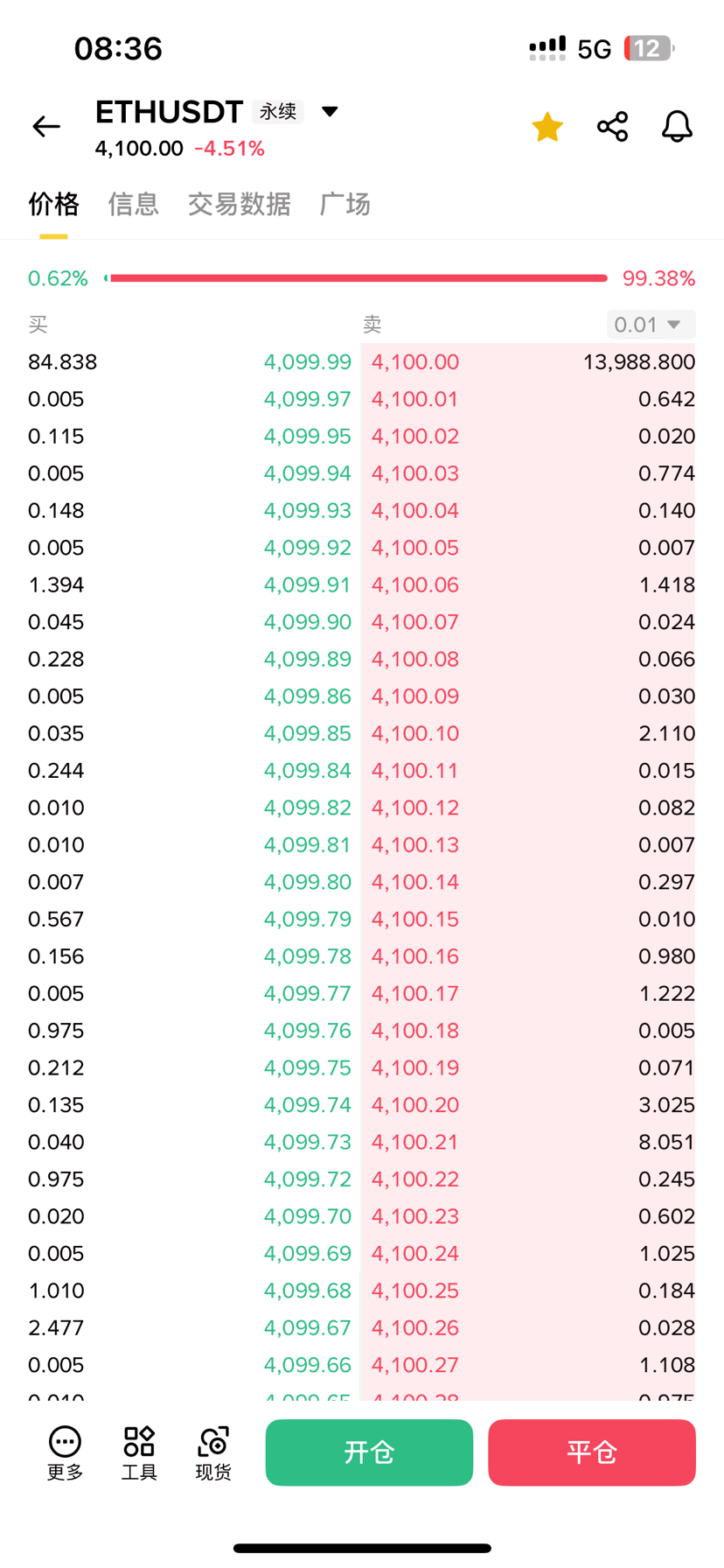
For us locals, just shorting on Binance is a no-brainer; it's pretty much over now. The market's been tanking, so stop pretending to be strong. I've already put my life savings into Binance. #币安人生
Don't start watching this and that when $币安人生 isn't pumping; the longer you wait, the more scattered your trades become, and you'll have a harder time figuring out what the whales are up to. Domestic projects are often just pump-and-dump air coins 🈳. I've shorted 20000u with 1x leverage, anyway, 1 is a resistance level that protects me from getting liquidated.