
ABOGODY
38 Posts
ABOGODY
Report
Block User
16 Following
21 Followers
30 Liked
Posts
All
Quotes
·
--
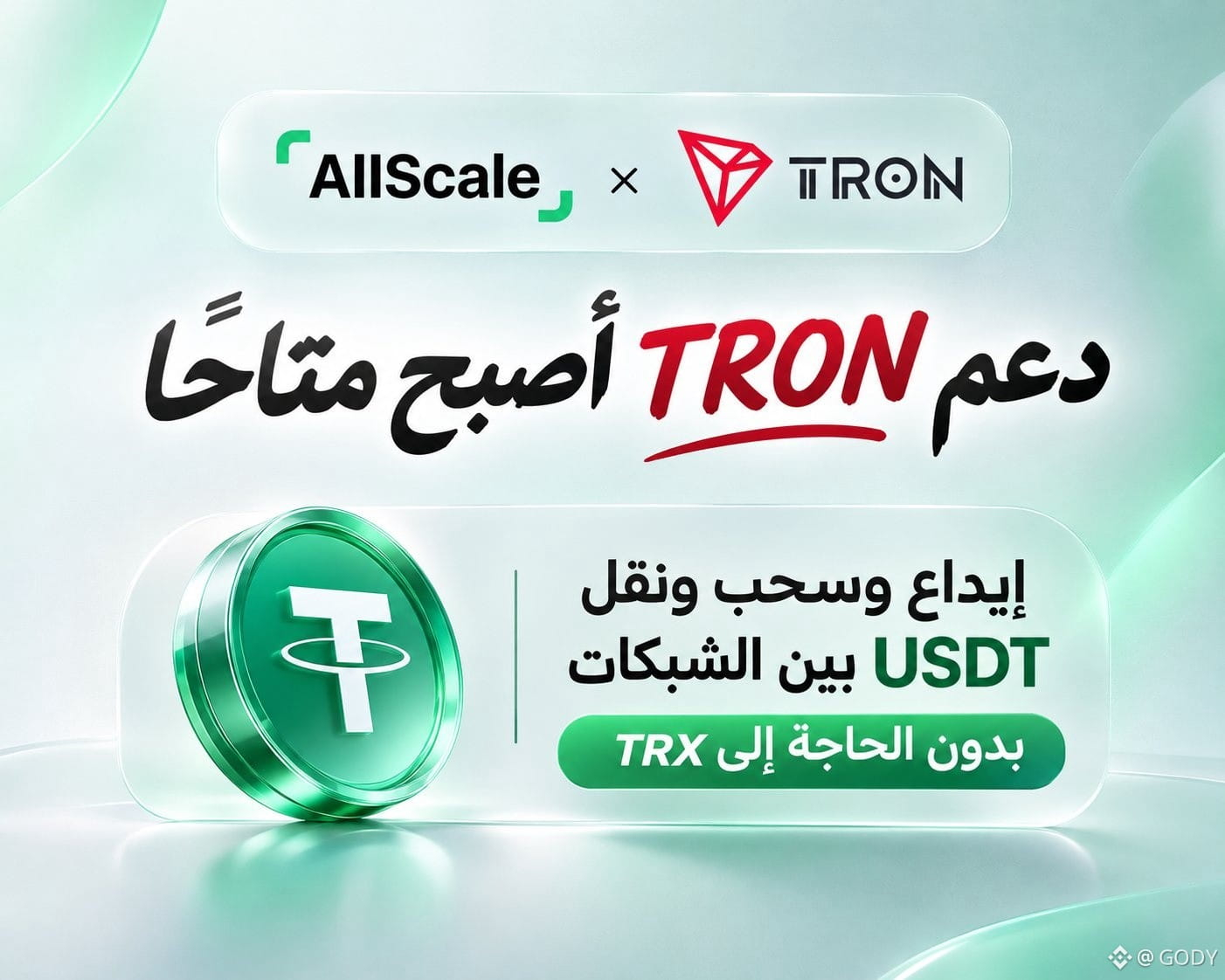
🔻 TRON takes a new step toward making USDT transfers between networks easier
TRON network support is now available on @allscaleio, making it easier to deposit, withdraw, and transfer USDT across networks—without needing to own TRX.
Here are all the important details and figures 👇
🔹 TRON support is now available
You can now deposit and withdraw USDT directly on the TRON network using AllScale, and transfer stablecoins between several networks.
🔹 From TRON to other networks
USDT can be transferred between TRON, Ethereum, Base, BNB Chain, and more, making it easier to move liquidity between different networks.
🔹 TRON at the heart of the stablecoin market
More than half of all USDT, and around 33% of all stablecoins in circulation, are on the TRON network, operated by @trondao.
🔹 No need for TRX
What stands out is that depositing, withdrawing, and transferring USDT through AllScale doesn’t require owning TRX to pay network fees, removing one obstacle for new users.
🔹 My personal take
I think this is more significant than just adding a new network. The easier it becomes to move stablecoins between networks, the easier it is to access the liquidity on TRON—especially given the large amount of USDT on the network.
#TRON #TGF #TRONGLOBALFRIENDS
@JustinSun @TRONDAO
🔻 TRON takes a new step toward making USDT transfers between networks easier
TRON network support is now available on @allscaleio, making it easier to deposit, withdraw, and transfer USDT across networks—without needing to own TRX.
Here are all the important details and figures 👇
🔹 TRON support is now available
You can now deposit and withdraw USDT directly on the TRON network using AllScale, and transfer stablecoins between several networks.
🔹 From TRON to other networks
USDT can be transferred between TRON, Ethereum, Base, BNB Chain, and more, making it easier to move liquidity between different networks.
🔹 TRON at the heart of the stablecoin market
More than half of all USDT, and around 33% of all stablecoins in circulation, are on the TRON network, operated by @trondao.
🔹 No need for TRX
What stands out is that depositing, withdrawing, and transferring USDT through AllScale doesn’t require owning TRX to pay network fees, removing one obstacle for new users.
🔹 My personal take
I think this is more significant than just adding a new network. The easier it becomes to move stablecoins between networks, the easier it is to access the liquidity on TRON—especially given the large amount of USDT on the network.
#TRON #TGF #TRONGLOBALFRIENDS
@Justin Sun孙宇晨 @TRON DAO
86
·
--
🐳🔻 TRON Diaries | TRON Diaries 🔻🐳
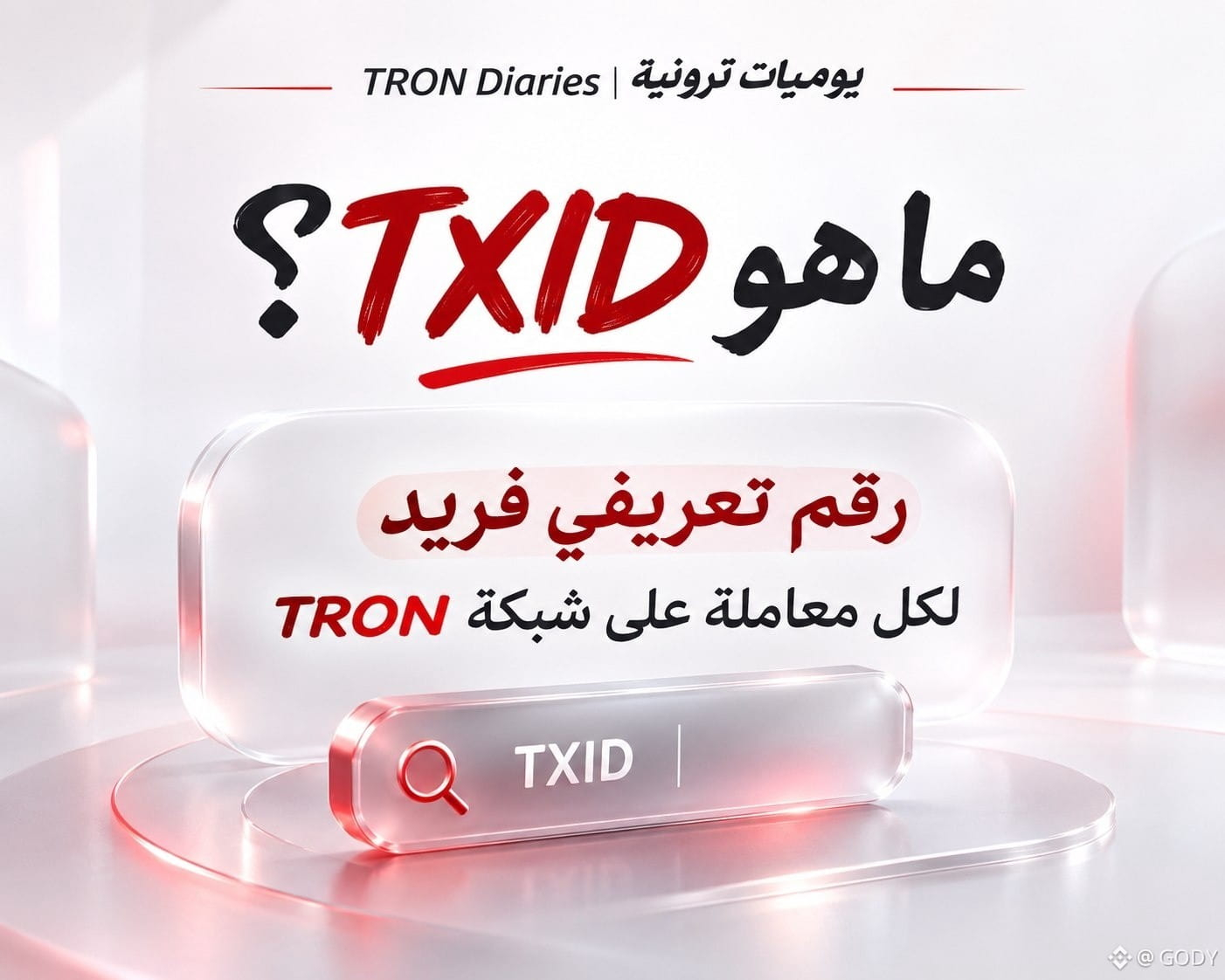
🔻 What does TXID mean on the TRON network?
Imagine you sent USDT on the TRON network, and the transaction was completed.
Now, what if you want to make sure it actually arrived, find out which block it was recorded in, or view its details?
That’s where TXID comes in.
📌 The basic idea:
A TXID is a unique identifier for every transaction made on the TRON network.
In other words, every transaction has its own identity, which you can use to look up its details on the blockchain.
📌 So, what can I find out using a TXID?
When you search for a TXID using tools like TRONSCAN, you can see:
🔹 The transaction status
🔹 The block it was recorded in
🔹 The sender’s address
🔹 The recipient’s address
🔹 The transaction amount
🔹 The resources and fees used
📌 So, why is TXID important?
Because it gives you a direct way to verify a transaction instead of relying on a simple “Sent” message.
So, if someone tells you:
“I sent you USDT.”
You can ask them for the TXID and check the transaction yourself on the blockchain.
💡 I think TXID is one of the simplest and most important things every crypto user should understand.
It lets you move from simply trusting what an app or wallet says to verifying the data on the blockchain yourself.
And that’s exactly the kind of detail I like to share in:
TRON Diaries | TRON Diaries 🐳🔻
#TRON #TGF #TRONGlobalFriends
@JustinSun @TRONDAO
🐳🔻 TRON Diaries | TRON Diaries 🔻🐳
🔻 What does TXID mean on the TRON network?
Imagine you sent USDT on the TRON network, and the transaction was completed.
Now, what if you want to make sure it actually arrived, find out which block it was recorded in, or view its details?
That’s where TXID comes in.
📌 The basic idea:
A TXID is a unique identifier for every transaction made on the TRON network.
In other words, every transaction has its own identity, which you can use to look up its details on the blockchain.
📌 So, what can I find out using a TXID?
When you search for a TXID using tools like TRONSCAN, you can see:
🔹 The transaction status
🔹 The block it was recorded in
🔹 The sender’s address
🔹 The recipient’s address
🔹 The transaction amount
🔹 The resources and fees used
📌 So, why is TXID important?
Because it gives you a direct way to verify a transaction instead of relying on a simple “Sent” message.
So, if someone tells you:
“I sent you USDT.”
You can ask them for the TXID and check the transaction yourself on the blockchain.
💡 I think TXID is one of the simplest and most important things every crypto user should understand.
It lets you move from simply trusting what an app or wallet says to verifying the data on the blockchain yourself.
And that’s exactly the kind of detail I like to share in:
TRON Diaries | TRON Diaries 🐳🔻
#TRON #TGF #TRONGlobalFriends
@Justin Sun孙宇晨 @TRON DAO
50
·
--
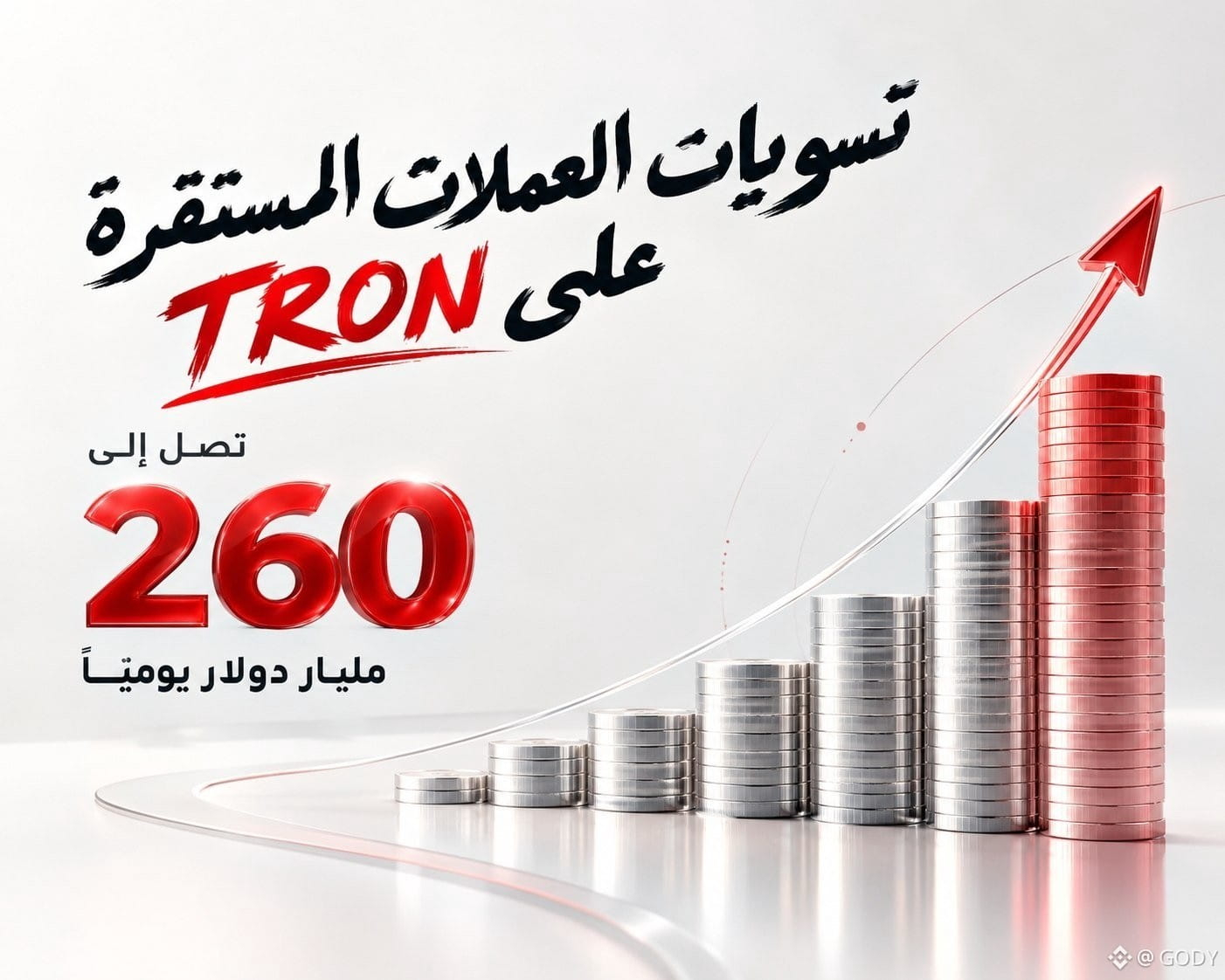
📢 $260 billion a day on TRON—and that figure tells a much bigger story than just transaction volume.
Since 2019, stablecoin settlement activity on TRON has continued to expand year after year, until the network reached around $260 billion a day by the end of September 2026.
This isn’t just rapid growth that appeared out of nowhere; it’s the result of a long-term expansion in the use of stablecoins to transfer and settle value.
Here are the details 👇
━━━━━━━━━━━━━━
🔹 From $90 billion to hundreds of billions
━━━━━━━━━━━━━━
In the first quarter of 2019, total transfer volume was around $90 billion.
That marked the beginning of a major expansion, and settlement volumes climbed significantly over the years:
• 2021: an increase of around $257 billion
• 2022: around $296 billion
• 2023: around $222 billion
• 2024: around $413 billion
• 2025: around $500 billion
• 2026: around $300 billion
The important point here is that we’re not talking about just one exceptional year.
Growth continued over several consecutive years.
And this is where TRON’s significance becomes clear.
Rising settlement volumes mean the network isn’t used only to process individual transactions; it has become a channel for moving and settling enormous amounts of value.
#TRON #TGF #TRONGLOBALFRIENDS
@TRONDAO @JustinSun
📢 $260 billion a day on TRON—and that figure tells a much bigger story than just transaction volume.
Since 2019, stablecoin settlement activity on TRON has continued to expand year after year, until the network reached around $260 billion a day by the end of September 2026.
This isn’t just rapid growth that appeared out of nowhere; it’s the result of a long-term expansion in the use of stablecoins to transfer and settle value.
Here are the details 👇
━━━━━━━━━━━━━━
🔹 From $90 billion to hundreds of billions
━━━━━━━━━━━━━━
In the first quarter of 2019, total transfer volume was around $90 billion.
That marked the beginning of a major expansion, and settlement volumes climbed significantly over the years:
• 2021: an increase of around $257 billion
• 2022: around $296 billion
• 2023: around $222 billion
• 2024: around $413 billion
• 2025: around $500 billion
• 2026: around $300 billion
The important point here is that we’re not talking about just one exceptional year.
Growth continued over several consecutive years.
And this is where TRON’s significance becomes clear.
Rising settlement volumes mean the network isn’t used only to process individual transactions; it has become a channel for moving and settling enormous amounts of value.
#TRON #TGF #TRONGLOBALFRIENDS
@TRON DAO @Justin Sun孙宇晨
83
·
--
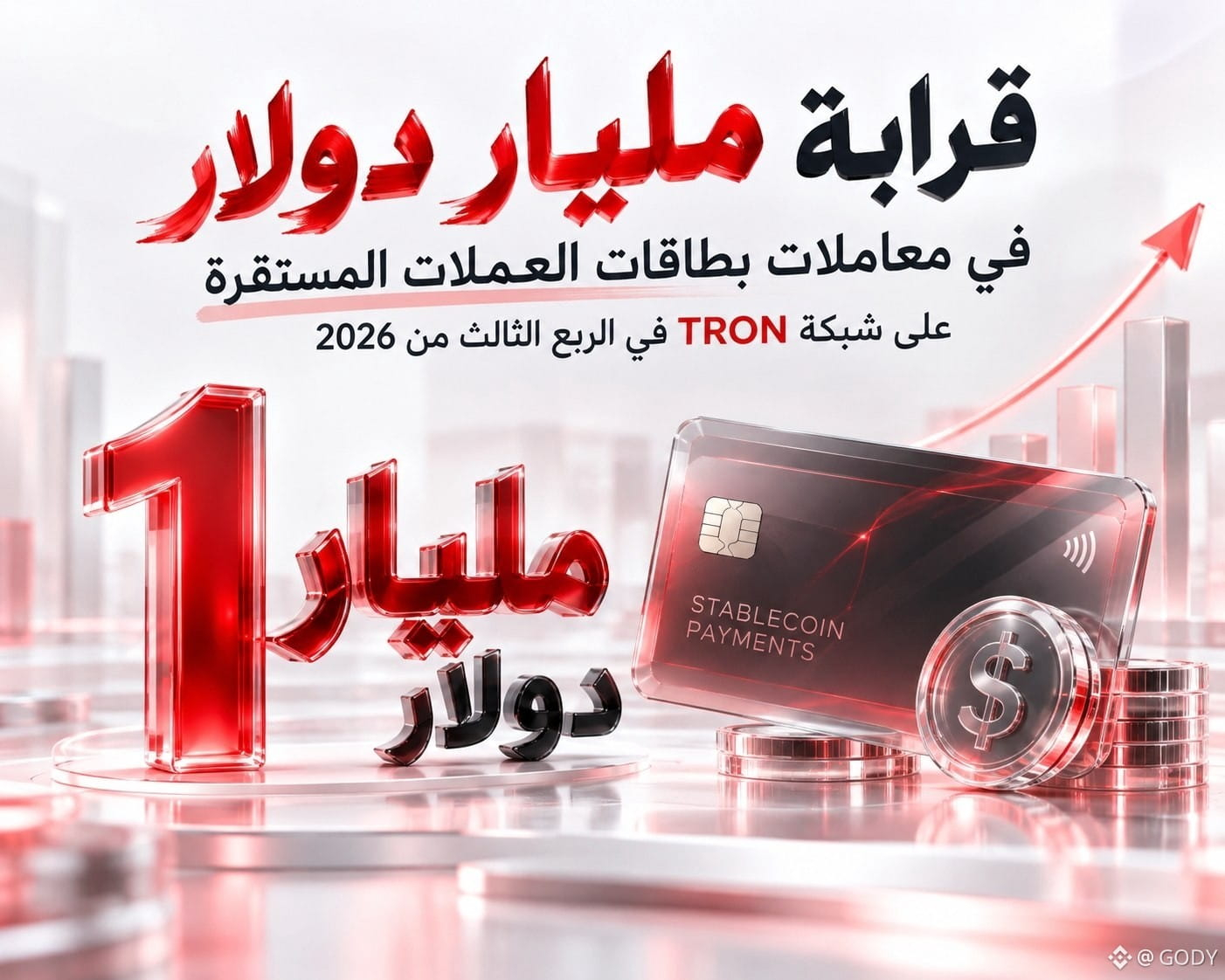
💳 Nearly $1 billion flowed through stablecoin cards on TRON in just 3 months!
TRON topped the stablecoin card transaction volume charts in Q3 2026, accounting for 23.2% of total transaction volume, with growth of 12.4% compared to Q2, according to data from @CryptoRank_io.
👈 We’ve gathered all the key details and figures for you below 👇
💰 Nearly $1 billion in a single quarter
Total stablecoin card transaction volume on TRON in Q3 reached around $1 billion, reflecting the expanding use of stablecoins for everyday payments.
🥇 TRON takes the lead
The TRON network accounted for 23.2% of total stablecoin card transaction volume, making it one of the leading networks in this sector.
📈 Continued growth
TRON’s share of this volume rose by 12.4% compared to Q2 2026, indicating continued growth in stablecoin payment activity on the network.
💳 What are stablecoin cards?
These are cards that let users spend stablecoins—digital currencies designed to maintain a relatively stable value—on real-world purchases and payments.
#TRON #TGF #TRONGLOBALFRIENDS
@JustinSun @TRONDAO
💳 Nearly $1 billion flowed through stablecoin cards on TRON in just 3 months!
TRON topped the stablecoin card transaction volume charts in Q3 2026, accounting for 23.2% of total transaction volume, with growth of 12.4% compared to Q2, according to data from @CryptoRank_io.
👈 We’ve gathered all the key details and figures for you below 👇
💰 Nearly $1 billion in a single quarter
Total stablecoin card transaction volume on TRON in Q3 reached around $1 billion, reflecting the expanding use of stablecoins for everyday payments.
🥇 TRON takes the lead
The TRON network accounted for 23.2% of total stablecoin card transaction volume, making it one of the leading networks in this sector.
📈 Continued growth
TRON’s share of this volume rose by 12.4% compared to Q2 2026, indicating continued growth in stablecoin payment activity on the network.
💳 What are stablecoin cards?
These are cards that let users spend stablecoins—digital currencies designed to maintain a relatively stable value—on real-world purchases and payments.
#TRON #TGF #TRONGLOBALFRIENDS
@Justin Sun孙宇晨 @TRON DAO
155
·
--
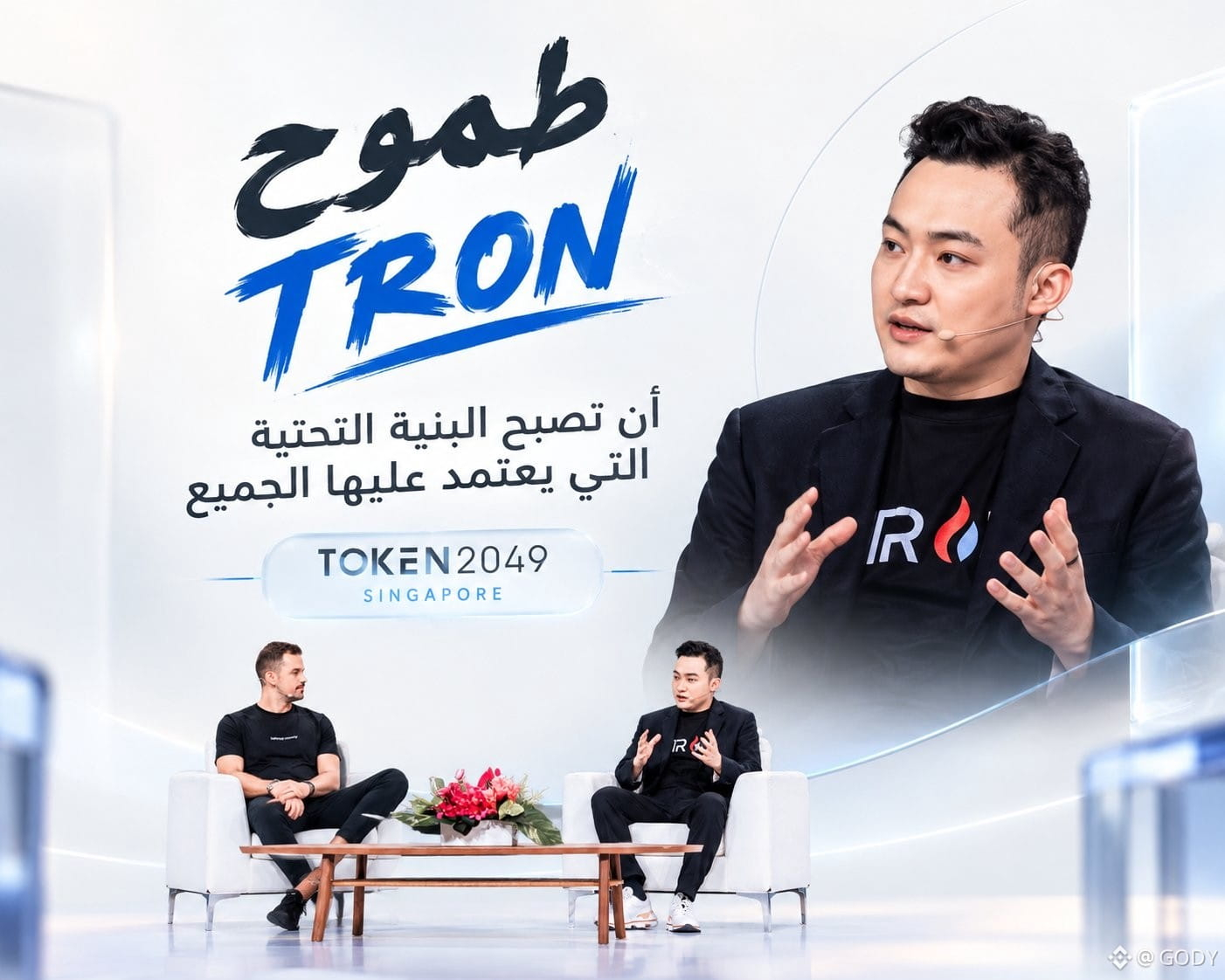
🔥 TRON’s ambition: to become the infrastructure everyone relies on without even noticing
@justinsuntron says his ambition is for @trondao to become an essential part of digital infrastructure, so users rely on it without even having to think about its existence.
He shared these remarks at #TOKEN2049, focusing on the growing role of stablecoins and AI agents in shaping what TRON needs to build next.
I’ve gathered all the details and key insights for you below 👇
🔹 TRON in the background
The goal isn’t just for people to use TRON directly, but for the network to become a layer that works behind apps and services, providing infrastructure without being the interface users see.
🔹 Stablecoins are changing how blockchain is used
Stablecoins are digital assets designed to maintain a relatively stable value. They’ve become one of the most prominent uses of blockchain for payments, transfers, and settling funds.
🔹 AI enters the picture
AI agents are systems capable of performing tasks and taking actions based on specific goals.
As these agents evolve, blockchain could become part of the infrastructure they rely on to carry out digital operations automatically.
#TRON #TGF #TRONGLOBALFRIENDS
@TRONDAO @JustinSun
🔥 TRON’s ambition: to become the infrastructure everyone relies on without even noticing
@justinsuntron says his ambition is for @trondao to become an essential part of digital infrastructure, so users rely on it without even having to think about its existence.
He shared these remarks at #TOKEN2049, focusing on the growing role of stablecoins and AI agents in shaping what TRON needs to build next.
I’ve gathered all the details and key insights for you below 👇
🔹 TRON in the background
The goal isn’t just for people to use TRON directly, but for the network to become a layer that works behind apps and services, providing infrastructure without being the interface users see.
🔹 Stablecoins are changing how blockchain is used
Stablecoins are digital assets designed to maintain a relatively stable value. They’ve become one of the most prominent uses of blockchain for payments, transfers, and settling funds.
🔹 AI enters the picture
AI agents are systems capable of performing tasks and taking actions based on specific goals.
As these agents evolve, blockchain could become part of the infrastructure they rely on to carry out digital operations automatically.
#TRON #TGF #TRONGLOBALFRIENDS
@TRON DAO @Justin Sun孙宇晨
3
154
·
--
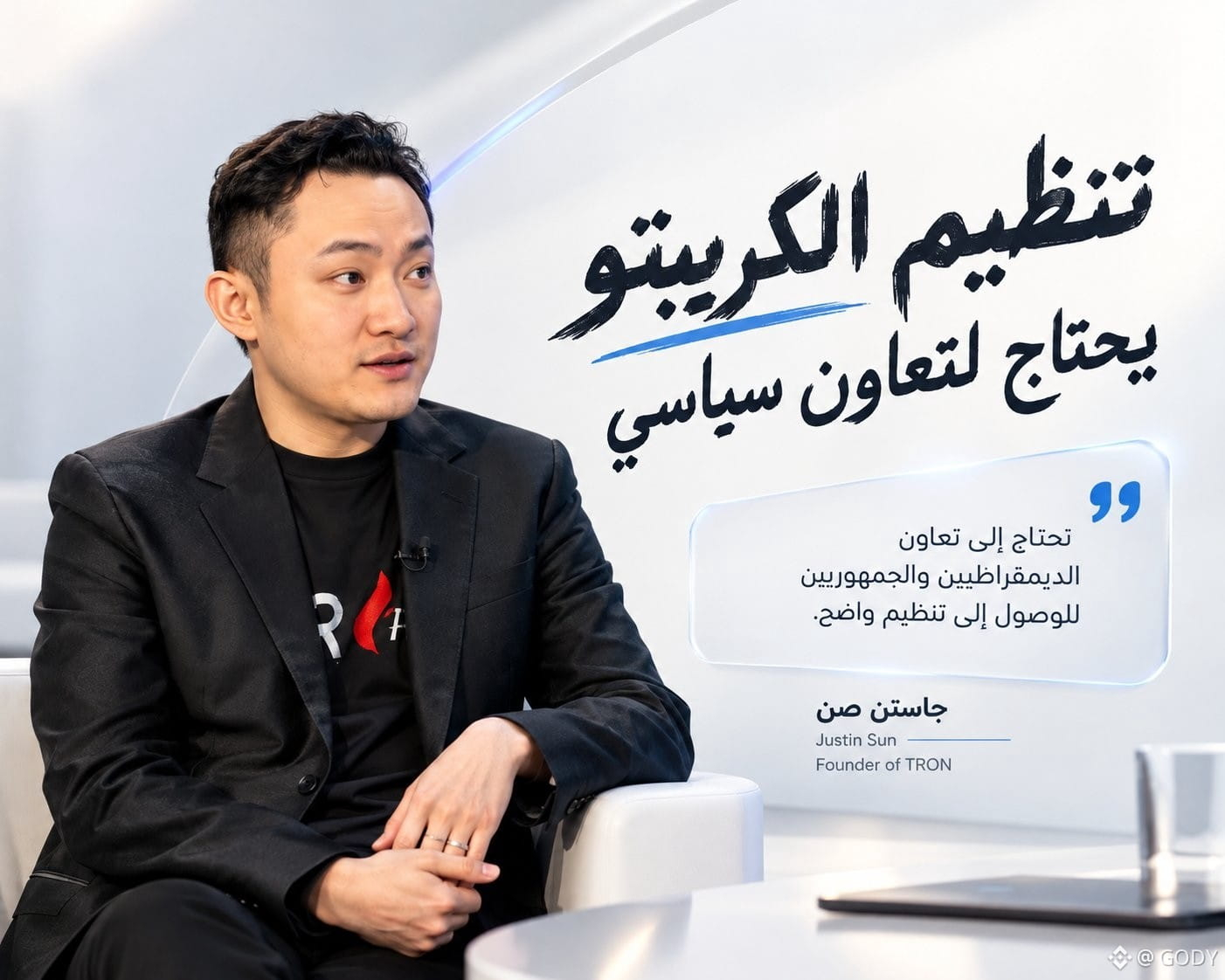
🔥 Justin Sun: Crypto regulation requires cooperation between Democrats and Republicans
Speaking with Cointelegraph, Justin Sun emphasized that his position on cryptocurrency regulation transcends party divisions, highlighting the importance of cooperation between Democrats and Republicans to establish a clear regulatory framework.
👈 I’ve gathered all the important details for you below 👇
🏛️ Cooperation instead of division
Sun believes that regulating the crypto sector requires cooperation from both sides, rather than turning the issue into one associated with a single political party.
📜 Why is regulation important?
Clear rules can help companies and projects understand the legal requirements they must follow, instead of operating amid uncertainty.
🌐 Crypto knows no borders
Cryptocurrencies and the blockchain sector have become a global industry, so regulatory decisions in the United States can have a broader impact on the market and the sector as a whole.
📈 The market is watching legislation
Any developments in U.S. crypto-related laws are closely monitored by investors, companies, and platforms, because clear rules could influence how institutions engage with the sector.
#TRON #TGF #TRONGLOBALFRIENDS
@TRONDAO @JustinSun
🔥 Justin Sun: Crypto regulation requires cooperation between Democrats and Republicans
Speaking with Cointelegraph, Justin Sun emphasized that his position on cryptocurrency regulation transcends party divisions, highlighting the importance of cooperation between Democrats and Republicans to establish a clear regulatory framework.
👈 I’ve gathered all the important details for you below 👇
🏛️ Cooperation instead of division
Sun believes that regulating the crypto sector requires cooperation from both sides, rather than turning the issue into one associated with a single political party.
📜 Why is regulation important?
Clear rules can help companies and projects understand the legal requirements they must follow, instead of operating amid uncertainty.
🌐 Crypto knows no borders
Cryptocurrencies and the blockchain sector have become a global industry, so regulatory decisions in the United States can have a broader impact on the market and the sector as a whole.
📈 The market is watching legislation
Any developments in U.S. crypto-related laws are closely monitored by investors, companies, and platforms, because clear rules could influence how institutions engage with the sector.
#TRON #TGF #TRONGLOBALFRIENDS
@TRON DAO @Justin Sun孙宇晨
1
717
·
--
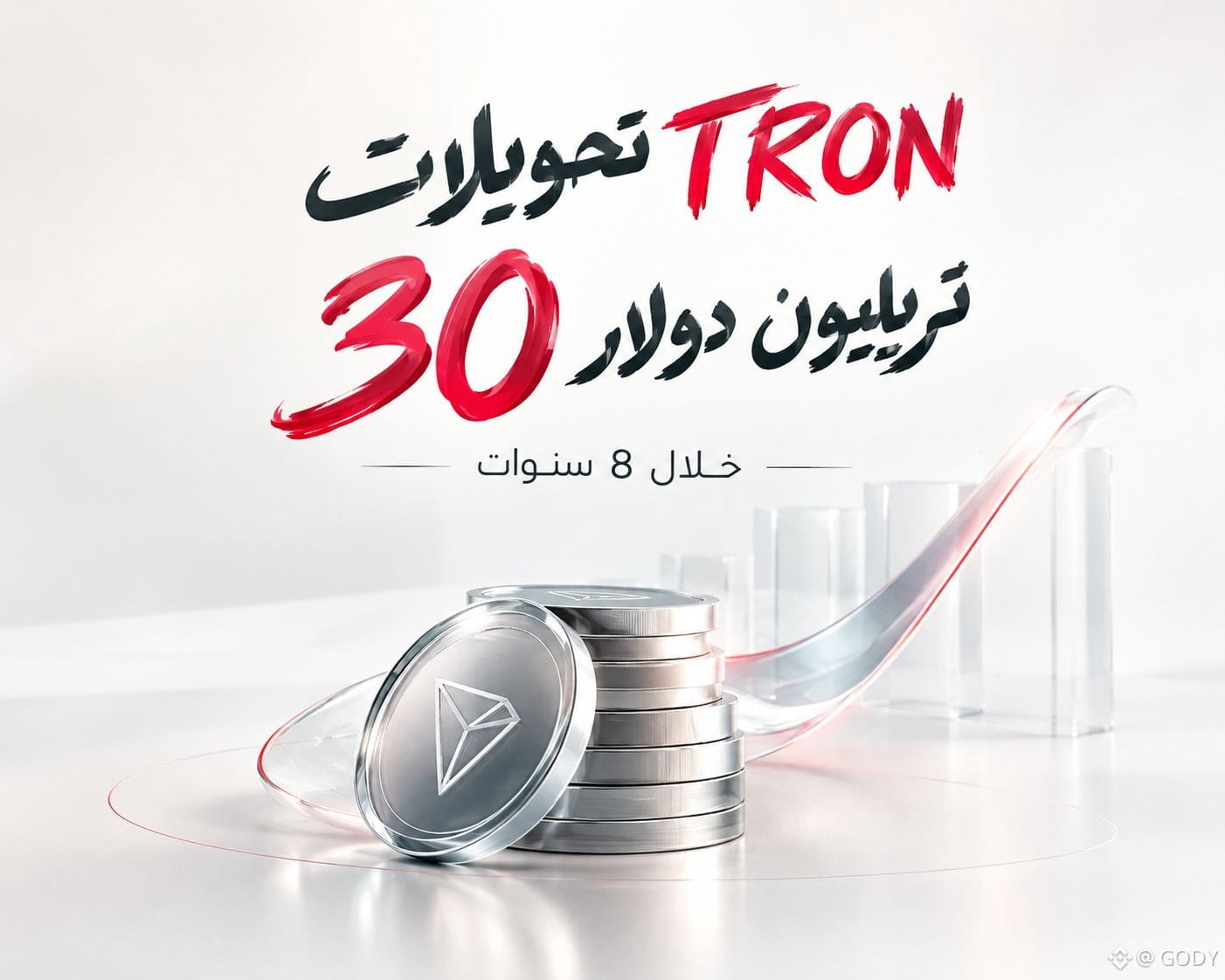
🚨 $30 Trillion moved on TRON in 8 years!
But this number doesn’t mean that TRON produced a $30 trillion economy.
According to TRON DAO, the network reached about $30 trillion in cumulative transfer volume, with more than 400 million accounts.
📌 What’s important to understand is the difference:
GDP measures the value of goods and services produced, while Transfer Volume measures the value of assets that moved through the network.
So comparing it to a country’s economy is meant to illustrate the scale of the number, not to equate the two indicators.
💡 More importantly, TRON has become an infrastructure for transferring and settling digital value—especially with stablecoins like USDT, used in payments, transfers, trading, and DeFi.
However, $30 trillion doesn’t mean $30 trillion of new economic value, because the same assets can move more than once.
🔥 For me, the importance of the number isn’t only about its size, but in the most important question:
Why do people and businesses use the network to move value in the first place?
After 8 years, the $30 trillion and more than 400 million accounts provide a clear picture of the scale of the infrastructure adopted on TRON.
#TRON #TGF #TRONGLOBALFRIENDS
@TRONDAO @JustinSun
🚨 $30 Trillion moved on TRON in 8 years!
But this number doesn’t mean that TRON produced a $30 trillion economy.
According to TRON DAO, the network reached about $30 trillion in cumulative transfer volume, with more than 400 million accounts.
📌 What’s important to understand is the difference:
GDP measures the value of goods and services produced, while Transfer Volume measures the value of assets that moved through the network.
So comparing it to a country’s economy is meant to illustrate the scale of the number, not to equate the two indicators.
💡 More importantly, TRON has become an infrastructure for transferring and settling digital value—especially with stablecoins like USDT, used in payments, transfers, trading, and DeFi.
However, $30 trillion doesn’t mean $30 trillion of new economic value, because the same assets can move more than once.
🔥 For me, the importance of the number isn’t only about its size, but in the most important question:
Why do people and businesses use the network to move value in the first place?
After 8 years, the $30 trillion and more than 400 million accounts provide a clear picture of the scale of the infrastructure adopted on TRON.
#TRON #TGF #TRONGLOBALFRIENDS
@TRON DAO @Justin Sun孙宇晨
126
·
--
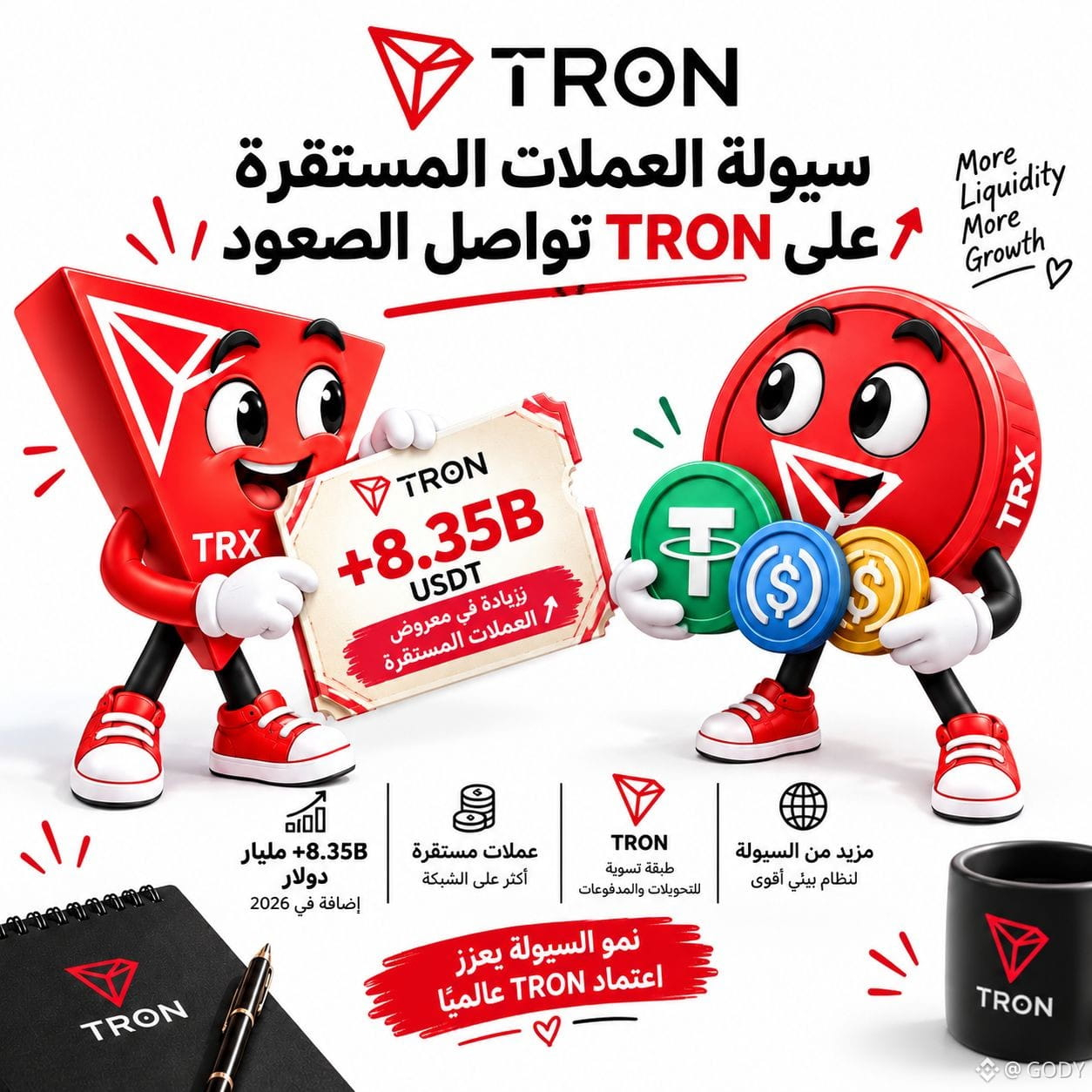
📢 Liquidity of stablecoins on TRON continues to rise 🚀
📝 The TRON network added more than $8.35 billion to the stablecoin supply during 2026, according to data from @CryptoRank_io.
⬇️ Here are the details
━━━━━━━━━━━━━━
💰 An additional $8.35 billion
━━━━━━━━━━━━━━
During 2026, the stablecoin supply on the TRON network increased by more than $8.35 billion, signaling that capital continues to flow into the network.
━━━━━━━━━━━━━━
🌐 What does this mean?
━━━━━━━━━━━━━━
Stablecoins are digital assets designed to maintain a stable value, often pegged to the US dollar.
An increase in supply means there is more liquidity available for transfers, trading, and use in decentralized finance.
━━━━━━━━━━━━━━
📊 Why TRON?
━━━━━━━━━━━━━━
TRON has become one of the main networks used for stablecoin transfers, especially with the widespread presence of USDT on it.
This makes the growth in supply an important indicator when tracking activity and liquidity within the ecosystem.
━━━━━━━━━━━━━━
🔄 Liquidity moves constantly
━━━━━━━━━━━━━━
An increase in supply does not necessarily mean that all of this money will immediately translate into trading activity, but it reflects an expansion in the ability to use stablecoins within the network
#TRON #TGF #TRONGLOBALFRIENDS
@TRONDAO @JustinSun
📢 Liquidity of stablecoins on TRON continues to rise 🚀
📝 The TRON network added more than $8.35 billion to the stablecoin supply during 2026, according to data from @CryptoRank_io.
⬇️ Here are the details
━━━━━━━━━━━━━━
💰 An additional $8.35 billion
━━━━━━━━━━━━━━
During 2026, the stablecoin supply on the TRON network increased by more than $8.35 billion, signaling that capital continues to flow into the network.
━━━━━━━━━━━━━━
🌐 What does this mean?
━━━━━━━━━━━━━━
Stablecoins are digital assets designed to maintain a stable value, often pegged to the US dollar.
An increase in supply means there is more liquidity available for transfers, trading, and use in decentralized finance.
━━━━━━━━━━━━━━
📊 Why TRON?
━━━━━━━━━━━━━━
TRON has become one of the main networks used for stablecoin transfers, especially with the widespread presence of USDT on it.
This makes the growth in supply an important indicator when tracking activity and liquidity within the ecosystem.
━━━━━━━━━━━━━━
🔄 Liquidity moves constantly
━━━━━━━━━━━━━━
An increase in supply does not necessarily mean that all of this money will immediately translate into trading activity, but it reflects an expansion in the ability to use stablecoins within the network
#TRON #TGF #TRONGLOBALFRIENDS
@TRON DAO @Justin Sun孙宇晨
141
·
--
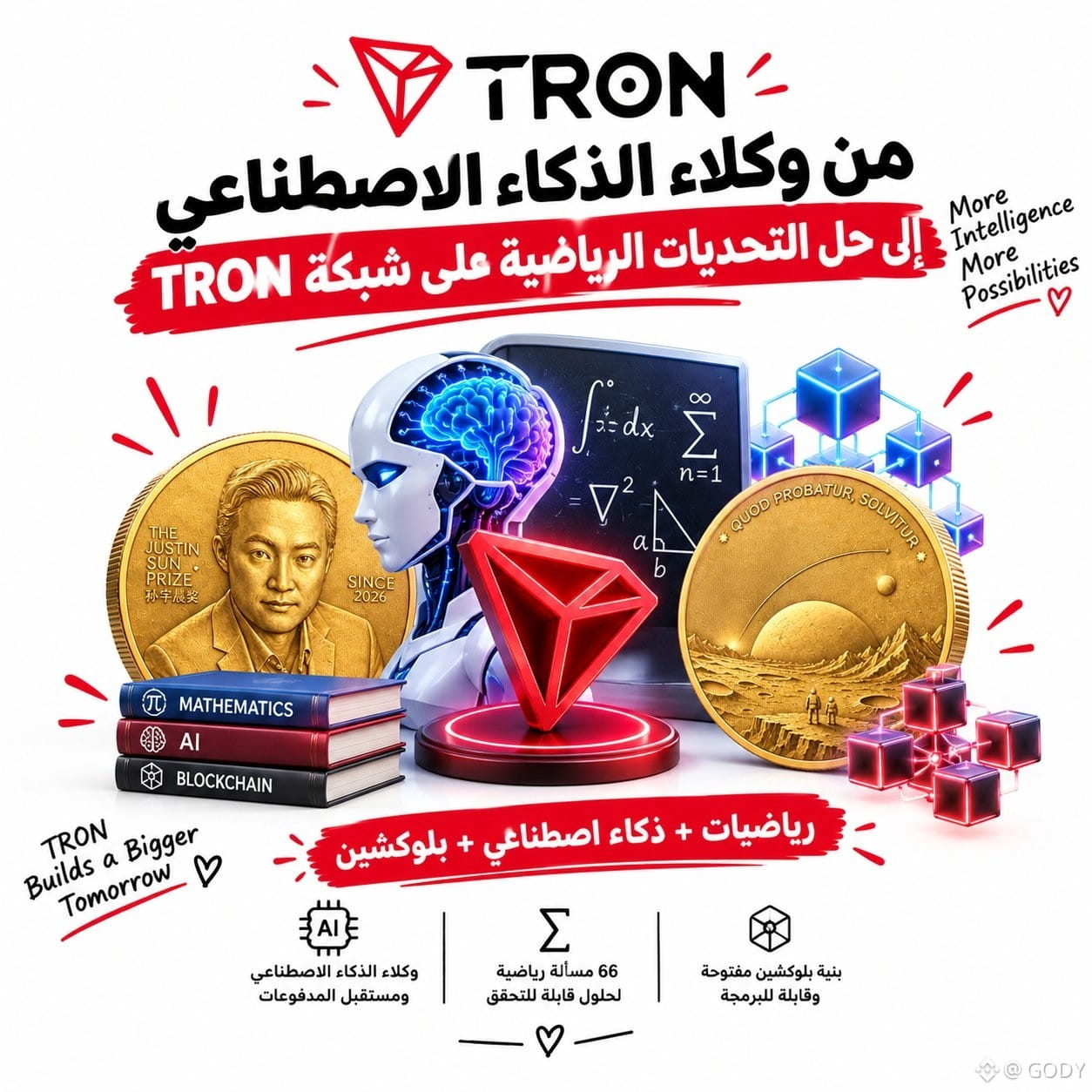
🚨 Artificial intelligence doesn’t just think—it’s also preparing to execute payments too
As AI agents evolve, software is shifting from simply answering questions to systems capable of carrying out complete tasks independently. This is where the importance of programmable financial infrastructure provided by blockchain networks like TRON comes in.
👈 I gathered every detail and important idea for you under 👇
💳 An AI agent is a program that can automatically carry out a set of tasks based on specific goals. With stablecoins, these agents can use blockchains to send and receive payments without needing human intervention at every step.
🧠 66 math problems open a new door
The Justin Sun Prize presents 66 math problems, focusing on solutions and verifiable proofs. The idea goes beyond mathematics itself, because it touches the future of AI’s ability to think and solve problems in a way that can be proven and verified.
🔗 From solving problems to executing transactions
Linking math, AI, and blockchain may seem indirect, but there’s one common thread between them all: verifiability.
AI produces the solution, mathematics helps prove it, and blockchain can provide an environment to execute transactions and record them in a verifiable way.
#TRON #TGF #TRONGLOBALFRIENDS
@TRONDAO @JustinSun
🚨 Artificial intelligence doesn’t just think—it’s also preparing to execute payments too
As AI agents evolve, software is shifting from simply answering questions to systems capable of carrying out complete tasks independently. This is where the importance of programmable financial infrastructure provided by blockchain networks like TRON comes in.
👈 I gathered every detail and important idea for you under 👇
💳 An AI agent is a program that can automatically carry out a set of tasks based on specific goals. With stablecoins, these agents can use blockchains to send and receive payments without needing human intervention at every step.
🧠 66 math problems open a new door
The Justin Sun Prize presents 66 math problems, focusing on solutions and verifiable proofs. The idea goes beyond mathematics itself, because it touches the future of AI’s ability to think and solve problems in a way that can be proven and verified.
🔗 From solving problems to executing transactions
Linking math, AI, and blockchain may seem indirect, but there’s one common thread between them all: verifiability.
AI produces the solution, mathematics helps prove it, and blockchain can provide an environment to execute transactions and record them in a verifiable way.
#TRON #TGF #TRONGLOBALFRIENDS
@TRON DAO @Justin Sun孙宇晨
1
117
·
--
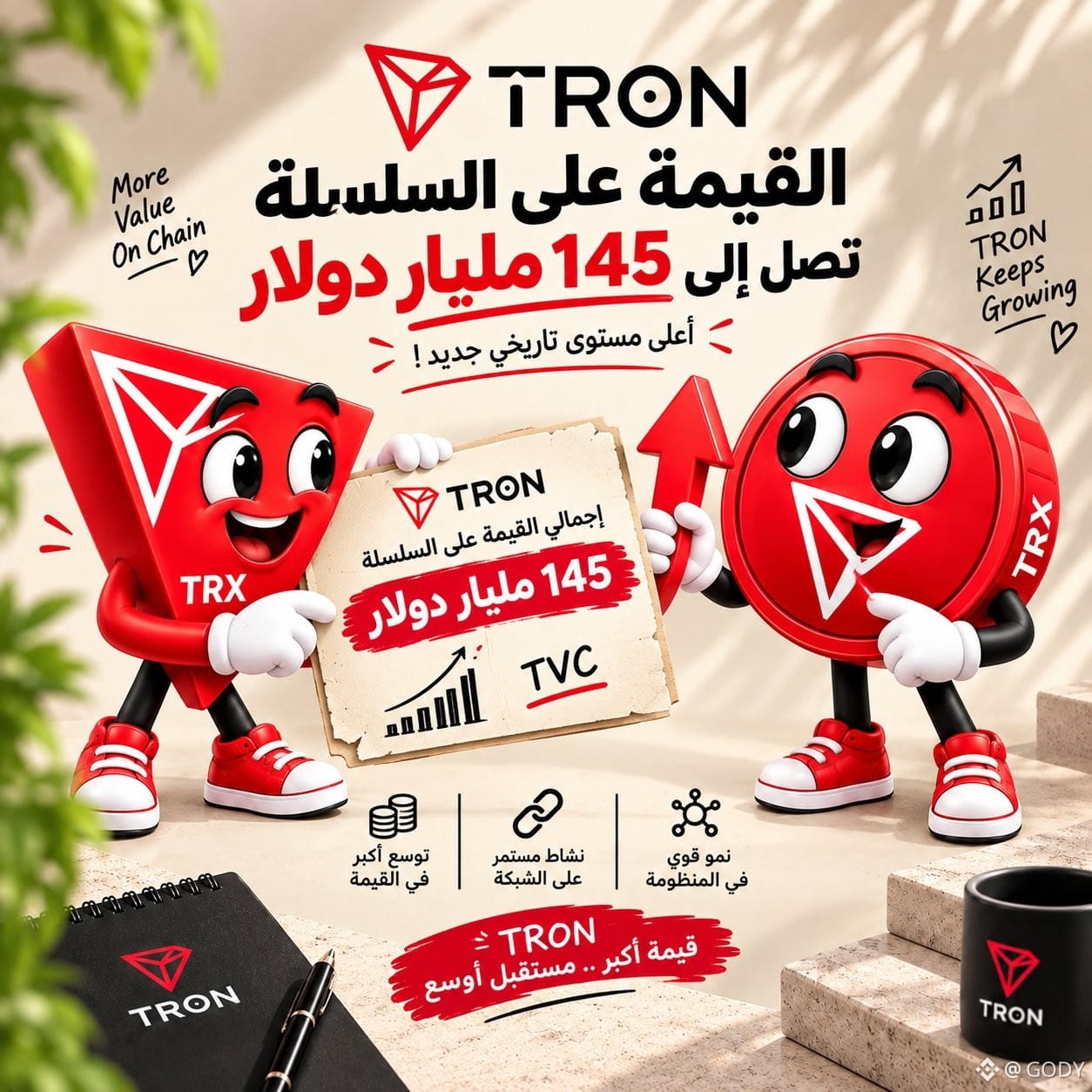
🌟 TRON Network sets a new all-time record for value on the
chain! 🚀
On September 15, the value of assets on the TRON network reached $145 billion, setting a new all-time high.
👉 All the important details and figures I gathered for you are below 👇
🔹 $145 billion on TRON
The total value on the chain, or TVC, reached a record high of $145 billion.
🔹 What does TVC mean?
It’s a metric that reflects the total value of assets and the economic value present on a blockchain network—not just daily trading volume.
🔹 A new historical peak
Reaching this level means the value within the TRON ecosystem has hit its highest point since the network’s launch.
🔹 Activity within the ecosystem continues
This figure highlights the scale of the value being held and used across the TRON network.
✍️ My personal opinion
I think TVC reaching $145 billion is important because it provides a different picture than just TRX price movement.
The number reflects the amount of value present on the network, giving us an additional indicator to understand how much economic activity is growing within the TRON ecosystem
#TRON #TGF #TRONGLOBALFRIENDS
@JustinSun @TRONDAO
🌟 TRON Network sets a new all-time record for value on the
chain! 🚀
On September 15, the value of assets on the TRON network reached $145 billion, setting a new all-time high.
👉 All the important details and figures I gathered for you are below 👇
🔹 $145 billion on TRON
The total value on the chain, or TVC, reached a record high of $145 billion.
🔹 What does TVC mean?
It’s a metric that reflects the total value of assets and the economic value present on a blockchain network—not just daily trading volume.
🔹 A new historical peak
Reaching this level means the value within the TRON ecosystem has hit its highest point since the network’s launch.
🔹 Activity within the ecosystem continues
This figure highlights the scale of the value being held and used across the TRON network.
✍️ My personal opinion
I think TVC reaching $145 billion is important because it provides a different picture than just TRX price movement.
The number reflects the amount of value present on the network, giving us an additional indicator to understand how much economic activity is growing within the TRON ecosystem
#TRON #TGF #TRONGLOBALFRIENDS
@Justin Sun孙宇晨 @TRON DAO
430
·
--
📢 TRON becomes easier with Trust Wallet 🚀
📝 A new feature brings Trust Wallet users closer to the TRON ecosystem by allowing them to rent Energy from Tronify, making it easier to interact with decentralized applications.
⬇️ Here are the details
━━━━━━━━━━━━━━
⚡ Rent Energy with ease
━━━━━━━━━━━━━━
The Tronify Energy Rental service is now available to Trust Wallet users, giving them a simpler way to obtain the Energy needed to interact with smart contracts on the TRON network.
━━━━━━━━━━━━━━
🔋 What is Energy?
━━━━━━━━━━━━━━
Energy is a resource on the TRON network that is used when interacting with smart contracts, such as transactions from decentralized applications.
Instead of locking additional amounts of TRX to get it, users can rent Energy when needed.
━━━━━━━━━━━━━━
🚀 A smoother experience
━━━━━━━━━━━━━━
This integration reduces complexity for users and makes it easier to access TRON applications.
⚡ More flexibility in using TRX
⚡ Easier interaction with decentralized applications
⚡ Simpler network resource management
⚡ A better Web3 experience
#TRON #TGF #TRONGLOBALFRIENDS
@JustinSun @TRONDAO
📢 TRON becomes easier with Trust Wallet 🚀
📝 A new feature brings Trust Wallet users closer to the TRON ecosystem by allowing them to rent Energy from Tronify, making it easier to interact with decentralized applications.
⬇️ Here are the details
━━━━━━━━━━━━━━
⚡ Rent Energy with ease
━━━━━━━━━━━━━━
The Tronify Energy Rental service is now available to Trust Wallet users, giving them a simpler way to obtain the Energy needed to interact with smart contracts on the TRON network.
━━━━━━━━━━━━━━
🔋 What is Energy?
━━━━━━━━━━━━━━
Energy is a resource on the TRON network that is used when interacting with smart contracts, such as transactions from decentralized applications.
Instead of locking additional amounts of TRX to get it, users can rent Energy when needed.
━━━━━━━━━━━━━━
🚀 A smoother experience
━━━━━━━━━━━━━━
This integration reduces complexity for users and makes it easier to access TRON applications.
⚡ More flexibility in using TRX
⚡ Easier interaction with decentralized applications
⚡ Simpler network resource management
⚡ A better Web3 experience
#TRON #TGF #TRONGLOBALFRIENDS
@Justin Sun孙宇晨 @TRON DAO

350
·
--
Partly True
📢 BTT enters the Binance.US platform and opens a wider door to the American market 🚀
📝 A new step for $BTT, as it is now available for deposits on Binance.US, paving the way to start trading the BTTC/USDT pair tomorrow.
What’s striking here is that the ticker will appear on the platform under the name BTTC.
⬇️ Here are the details
━━━━━━━━━━━━━━
Listing on Binance.US
━━━━━━━━━━━━━━
Binance.US announced the listing of BTT, with deposits officially opened for users.
This means the coin is now closer to a larger segment of traders within the U.S. market.
━━━━━━━━━━━━━━
When does trading start?
━━━━━━━━━━━━━━
Deposits are available now, while trading for the BTTC/USDT pair is set to begin tomorrow.
This trading pair means you can buy and sell BTTC using the stablecoin USDT.
━━━━━━━━━━━━━━
Why does the ticker appear as BTTC?
━━━━━━━━━━━━━━
This is an important point for users.
On Binance.US, the BTT ticker will appear under the name BTTC, so it’s important to pay attention to the trading ticker when searching for the coin within the platform.
━━━━━━━━━━━━━━
What does the step mean for the BitTorrent ecosystem?
━━━━━━━━━━━━━━
The listing is not only about liquidity and trading.
Having BTT on a platform serving the American market expands access to the coin, giving the BitTorrent and BTTC ecosystem a stronger presence among new users and traders.
#TGF #TRON #TRONGLOBALFRIENDS
@JustinSun @TRONDAO
📢 BTT enters the Binance.US platform and opens a wider door to the American market 🚀
📝 A new step for $BTT, as it is now available for deposits on Binance.US, paving the way to start trading the BTTC/USDT pair tomorrow.
What’s striking here is that the ticker will appear on the platform under the name BTTC.
⬇️ Here are the details
━━━━━━━━━━━━━━
Listing on Binance.US
━━━━━━━━━━━━━━
Binance.US announced the listing of BTT, with deposits officially opened for users.
This means the coin is now closer to a larger segment of traders within the U.S. market.
━━━━━━━━━━━━━━
When does trading start?
━━━━━━━━━━━━━━
Deposits are available now, while trading for the BTTC/USDT pair is set to begin tomorrow.
This trading pair means you can buy and sell BTTC using the stablecoin USDT.
━━━━━━━━━━━━━━
Why does the ticker appear as BTTC?
━━━━━━━━━━━━━━
This is an important point for users.
On Binance.US, the BTT ticker will appear under the name BTTC, so it’s important to pay attention to the trading ticker when searching for the coin within the platform.
━━━━━━━━━━━━━━
What does the step mean for the BitTorrent ecosystem?
━━━━━━━━━━━━━━
The listing is not only about liquidity and trading.
Having BTT on a platform serving the American market expands access to the coin, giving the BitTorrent and BTTC ecosystem a stronger presence among new users and traders.
#TGF #TRON #TRONGLOBALFRIENDS
@Justin Sun孙宇晨 @TRON DAO

1
5
1.4k
·
--
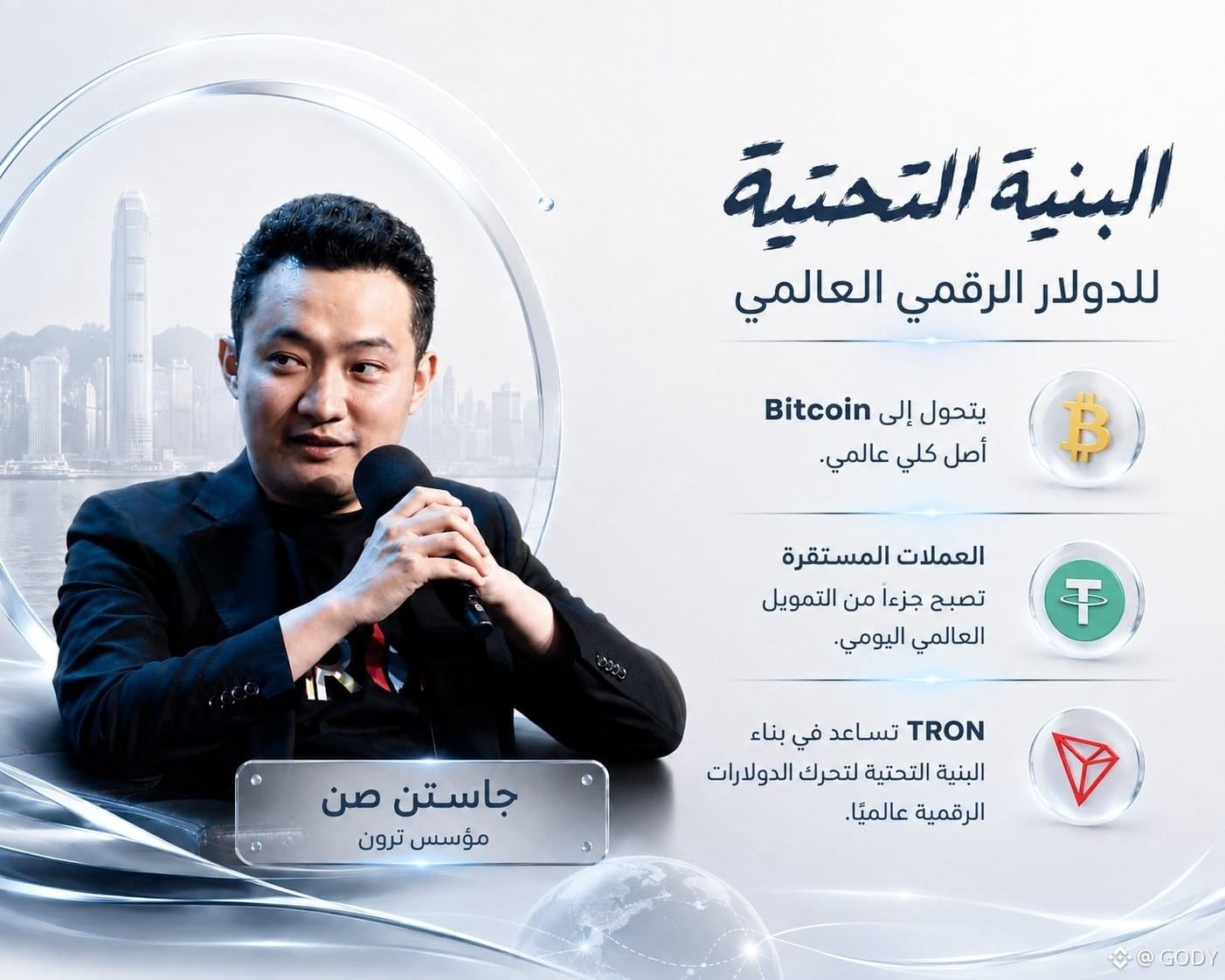
📢 Justin Sun draws attention to an important point in Bitcoin Asia 🇭🇰
The financial future won’t be only about Bitcoin… or only about stablecoins.
The real battle will be over the infrastructure that will allow value to move globally. 🌍
₿ Bitcoin is gradually becoming a global asset present in macroeconomics and institutions.
💵 Stablecoins are evolving from just a trading tool into a means for payments, settlement, and transferring liquidity across borders.
🔴 That’s where the importance of networks like TRON becomes clear—they can play a role in moving these assets quickly and efficiently at a global scale.
The next phase may not be just: who owns the assets?
But: on which network will these assets move?
#TGF #TRON #TRONGlobalFriends
@TRONDAO @JustinSun
📢 Justin Sun draws attention to an important point in Bitcoin Asia 🇭🇰
The financial future won’t be only about Bitcoin… or only about stablecoins.
The real battle will be over the infrastructure that will allow value to move globally. 🌍
₿ Bitcoin is gradually becoming a global asset present in macroeconomics and institutions.
💵 Stablecoins are evolving from just a trading tool into a means for payments, settlement, and transferring liquidity across borders.
🔴 That’s where the importance of networks like TRON becomes clear—they can play a role in moving these assets quickly and efficiently at a global scale.
The next phase may not be just: who owns the assets?
But: on which network will these assets move?
#TGF #TRON #TRONGlobalFriends
@TRON DAO @Justin Sun孙宇晨
133
·
--
📢 TRON’s network doesn’t wait for the quantum computing era—it’s preparing for it now 🔐⚡
Justin Sun: TRON aims to complete a quantum-resistant computing upgrade before the end of the year, in a step intended to strengthen the network’s long-term security.
⬇️ Here are the details
🔐 A new threat is approaching the blockchain
Quantum computing may represent a future challenge for the traditional encryption systems that blockchain networks rely on to protect transactions and assets.
Although this threat is not widely practical today, technological progress makes early preparation important.
🛡️ TRON chooses to prepare instead of waiting
According to what Justin Sun announced, TRON targets finishing an upgrade that will make its infrastructure more resistant to threats related to quantum computing before the end of the year.
The idea is simply to develop a security layer before advanced quantum computing capabilities become a real challenge.
🌐 Why this matters for TRON?
TRON is no longer just a digital currency transfer network—it has become an infrastructure backbone for stablecoins, payments, decentralized finance, and smart contracts.
With the growth in the volume of assets and transactions, the strength of cryptographic infrastructure becomes a key part of the network’s ability to grow and endure.
#TRON #TGF #TRONGlobalFriends
@TRONDAO @JustinSun
📢 TRON’s network doesn’t wait for the quantum computing era—it’s preparing for it now 🔐⚡
Justin Sun: TRON aims to complete a quantum-resistant computing upgrade before the end of the year, in a step intended to strengthen the network’s long-term security.
⬇️ Here are the details
🔐 A new threat is approaching the blockchain
Quantum computing may represent a future challenge for the traditional encryption systems that blockchain networks rely on to protect transactions and assets.
Although this threat is not widely practical today, technological progress makes early preparation important.
🛡️ TRON chooses to prepare instead of waiting
According to what Justin Sun announced, TRON targets finishing an upgrade that will make its infrastructure more resistant to threats related to quantum computing before the end of the year.
The idea is simply to develop a security layer before advanced quantum computing capabilities become a real challenge.
🌐 Why this matters for TRON?
TRON is no longer just a digital currency transfer network—it has become an infrastructure backbone for stablecoins, payments, decentralized finance, and smart contracts.
With the growth in the volume of assets and transactions, the strength of cryptographic infrastructure becomes a key part of the network’s ability to grow and endure.
#TRON #TGF #TRONGlobalFriends
@TRON DAO @Justin Sun孙宇晨

128
·
--
🚨 Justin Sun achieves an important legal victory in the World Liberty Financial case
In a significant development, a federal judge in California rejected an attempt to move all of Justin Sun’s claims to private arbitration, and also refused to keep the documents out of public view.
⚖️ This means that the claims filed by Sun in his personal capacity will continue in court, while the parties will have to determine which claims, if any, may be subject to arbitration.
💰 The case involves an investment of nearly $45 million in $WLFI tokens, along with claims for damages that could reach hundreds of millions.
The dispute also includes issues related to the powers tied to the tokens, as well as questions Sun raised about USD1, borrowing, and the ability to satisfy any potential financial judgment.
✍️ My opinion:
I believe this ruling is a positive step for Sun, but it’s not the end of the battle. What matters most now is what the upcoming proceedings will reveal, and what can actually be proven in court.
#TRON #TGF #TRONGLOBALFRIENDS
@TRONDAO
@JustinSun
🚨 Justin Sun achieves an important legal victory in the World Liberty Financial case
In a significant development, a federal judge in California rejected an attempt to move all of Justin Sun’s claims to private arbitration, and also refused to keep the documents out of public view.
⚖️ This means that the claims filed by Sun in his personal capacity will continue in court, while the parties will have to determine which claims, if any, may be subject to arbitration.
💰 The case involves an investment of nearly $45 million in $WLFI tokens, along with claims for damages that could reach hundreds of millions.
The dispute also includes issues related to the powers tied to the tokens, as well as questions Sun raised about USD1, borrowing, and the ability to satisfy any potential financial judgment.
✍️ My opinion:
I believe this ruling is a positive step for Sun, but it’s not the end of the battle. What matters most now is what the upcoming proceedings will reveal, and what can actually be proven in court.
#TRON #TGF #TRONGLOBALFRIENDS
@TRON DAO
@Justin Sun孙宇晨

334
·
--
1/
📊 Not every month sees this number of influential announcements within a single ecosystem, but July 2026 was different for <0>#TRON </0> as updates affecting custody, trading, transfers, and infrastructure came together at the same time—changing how people view the network
The first news came from Anchorage, which expanded its support for the TRON network by adding staking for the TRX asset, along with TRC20 asset custody services. This kind of news is not only relevant to the average user; it also opens up broader options for organizations that rely on institutional custody solutions
Next, the momentum shifted to trading platforms, with Backpack Exchange announcing spot trading and perpetual contract listings for TRX—an important step that gives traders additional ways to access the asset through different products that fit their needs
At the same time, Bitnomial announced the listing of TRX futures contracts on a regulated U.S. platform under CFTC oversight, adding a new channel for trading within a well-known regulatory framework
Then came Eco’s announcement, which added support for <0>#TRON </0> within its unified stablecoin network. This allows users to deposit stablecoins into TRON applications in seconds, with a smoother experience and less complexity
And the news didn’t stop there. Cross-network transfers also became available on ston fi, helping stablecoins move more easily between different networks
#TRON #TGF #TRONGLOBALFRIENDS
@TRONDAO @JustinSun
1/
📊 Not every month sees this number of influential announcements within a single ecosystem, but July 2026 was different for <0>#TRON </0> as updates affecting custody, trading, transfers, and infrastructure came together at the same time—changing how people view the network
The first news came from Anchorage, which expanded its support for the TRON network by adding staking for the TRX asset, along with TRC20 asset custody services. This kind of news is not only relevant to the average user; it also opens up broader options for organizations that rely on institutional custody solutions
Next, the momentum shifted to trading platforms, with Backpack Exchange announcing spot trading and perpetual contract listings for TRX—an important step that gives traders additional ways to access the asset through different products that fit their needs
At the same time, Bitnomial announced the listing of TRX futures contracts on a regulated U.S. platform under CFTC oversight, adding a new channel for trading within a well-known regulatory framework
Then came Eco’s announcement, which added support for <0>#TRON </0> within its unified stablecoin network. This allows users to deposit stablecoins into TRON applications in seconds, with a smoother experience and less complexity
And the news didn’t stop there. Cross-network transfers also became available on ston fi, helping stablecoins move more easily between different networks
#TRON #TGF #TRONGLOBALFRIENDS
@TRON DAO @Justin Sun孙宇晨

95
·
--
👀 Can you tell that blockchain started entering your life without you noticing?
Imagine you’re a student and you need to pay a subscription for a service you use all the time.
Instead of getting stuck in complex procedures, you use #USDT via #TRON and complete the payment.
That’s it. ✅
And here’s the idea.
The user doesn’t want a lesson in blockchain.
They don’t want to know how the network works behind the scenes.
They just want: speed, reasonable fees, global usability, a simple experience
And that’s what makes use cases like Jiwon’s experience on #UQUID important.
Because it places stablecoins exactly where they should be:
Inside everyday usage—not only inside wallets.
So the question now:
Will daily payments be one of the biggest gateways for new users to enter Web3?
#TRON #TGF
#TRONGLOBALFRIENDS
@TRONDAO @JustinSun
👀 Can you tell that blockchain started entering your life without you noticing?
Imagine you’re a student and you need to pay a subscription for a service you use all the time.
Instead of getting stuck in complex procedures, you use #USDT via #TRON and complete the payment.
That’s it. ✅
And here’s the idea.
The user doesn’t want a lesson in blockchain.
They don’t want to know how the network works behind the scenes.
They just want: speed, reasonable fees, global usability, a simple experience
And that’s what makes use cases like Jiwon’s experience on #UQUID important.
Because it places stablecoins exactly where they should be:
Inside everyday usage—not only inside wallets.
So the question now:
Will daily payments be one of the biggest gateways for new users to enter Web3?
#TRON #TGF
#TRONGLOBALFRIENDS
@TRON DAO @Justin Sun孙宇晨

103
·
--
When analyzing network data, especially the TRON network,
I don’t start by looking at the size of transfers.
I begin by trying to connect each metric to the others.
In the TRON network,
The supply exceeded 90.2 billion USDT.
Active addresses reached 32.59 million.
Then came the natural conclusion.
More than $717 billion in transfer volume during July.
Each metric supports the reading of the other metric.
That’s why the data looks more valuable when read as a connected series, rather than as separate numbers.
#TRON #TRONGLOBALFRIENDS #TGF
@TRONDAO @JustinSun
When analyzing network data, especially the TRON network,
I don’t start by looking at the size of transfers.
I begin by trying to connect each metric to the others.
In the TRON network,
The supply exceeded 90.2 billion USDT.
Active addresses reached 32.59 million.
Then came the natural conclusion.
More than $717 billion in transfer volume during July.
Each metric supports the reading of the other metric.
That’s why the data looks more valuable when read as a connected series, rather than as separate numbers.
#TRON #TRONGLOBALFRIENDS #TGF
@TRON DAO @Justin Sun孙宇晨

123
·
--
The quantum threat isn’t fully present today, but ignoring it could be the biggest mistake any blockchain network makes ⚡️
As quantum computing evolves, today’s encryption methods may face new challenges in the future. That’s why getting ready now has become an important part of building a strong and secure infrastructure.
And this is where @trondao comes in 👀
Through the Nile Testnet, TRON has started testing quantum-resistant signatures using ML-DSA-44, a post-quantum cryptography standard unified by NIST.
And the most important part is that this isn’t just an experiment at the transaction level.
TRON is exploring post-quantum protection across different parts of the network—from block production and P2P communications to verifying signatures inside smart contracts and core network infrastructure components.
That means the goal isn’t just to add a new layer of protection, but to test how well the entire network can handle a different era of security threats.
The smartest security step is not to wait for the problem to happen before you start looking for a solution.
Test early
Develop early
And build the infrastructure before the threat becomes reality 🚀
Quantum computing may still be in the development stage, but preparation for it has already begun.
TRON isn’t waiting for the future to deal with it
TRON is testing today to be ready for tomorrow 🛡️⚡️
#TRON
#TGF
#TRONGlobalFriends
@TRONDAO @JustinSun
The quantum threat isn’t fully present today, but ignoring it could be the biggest mistake any blockchain network makes ⚡️
As quantum computing evolves, today’s encryption methods may face new challenges in the future. That’s why getting ready now has become an important part of building a strong and secure infrastructure.
And this is where @trondao comes in 👀
Through the Nile Testnet, TRON has started testing quantum-resistant signatures using ML-DSA-44, a post-quantum cryptography standard unified by NIST.
And the most important part is that this isn’t just an experiment at the transaction level.
TRON is exploring post-quantum protection across different parts of the network—from block production and P2P communications to verifying signatures inside smart contracts and core network infrastructure components.
That means the goal isn’t just to add a new layer of protection, but to test how well the entire network can handle a different era of security threats.
The smartest security step is not to wait for the problem to happen before you start looking for a solution.
Test early
Develop early
And build the infrastructure before the threat becomes reality 🚀
Quantum computing may still be in the development stage, but preparation for it has already begun.
TRON isn’t waiting for the future to deal with it
TRON is testing today to be ready for tomorrow 🛡️⚡️
#TRON
#TGF
#TRONGlobalFriends
@TRON DAO @Justin Sun孙宇晨

107
·
--
/ ⛓️
When I look at the chain data, I don’t start with a total of $161.5 billion.
I start with the most important question: how did liquidity move inside the network, and what do usage patterns reveal about real activity. This is where the reading begins that doesn’t show up in the headlines. Keep reading to discover the full picture 👇
On-chain data doesn’t care about the noise—it focuses on the actual movement of assets.
And when TRC20-USDT transfers account for 98.2% of total transfers, that means most activity over the week was concentrated around this asset on the network.
Recording a day when transfers surpassed $30.4 billion isn’t enough by itself to judge the market.
But when compared to the total activity of the week, it can be considered a sign of a significant increase in network usage during that period.
From an analytical perspective, transfer volumes help measure the network’s operational activity, while they alone don’t reflect the number of users or their motivations. That’s why they are always read together with other indicators to get a more balanced view of #TRON.
Reading on-chain data doesn’t rely on a single number, but on the relationship between numbers and network behavior. And when these indicators keep repeating consistently, they give the analyst a deeper understanding of how activity evolves #TRON beyond the daily noise.
#TRON #TGF #TRONGLOBALFRIENDS
@TRONDAO @JustinSun
/ ⛓️
When I look at the chain data, I don’t start with a total of $161.5 billion.
I start with the most important question: how did liquidity move inside the network, and what do usage patterns reveal about real activity. This is where the reading begins that doesn’t show up in the headlines. Keep reading to discover the full picture 👇
On-chain data doesn’t care about the noise—it focuses on the actual movement of assets.
And when TRC20-USDT transfers account for 98.2% of total transfers, that means most activity over the week was concentrated around this asset on the network.
Recording a day when transfers surpassed $30.4 billion isn’t enough by itself to judge the market.
But when compared to the total activity of the week, it can be considered a sign of a significant increase in network usage during that period.
From an analytical perspective, transfer volumes help measure the network’s operational activity, while they alone don’t reflect the number of users or their motivations. That’s why they are always read together with other indicators to get a more balanced view of #TRON.
Reading on-chain data doesn’t rely on a single number, but on the relationship between numbers and network behavior. And when these indicators keep repeating consistently, they give the analyst a deeper understanding of how activity evolves #TRON beyond the daily noise.
#TRON #TGF #TRONGLOBALFRIENDS
@TRON DAO @Justin Sun孙宇晨

93
Log in to explore more content
Join global crypto users on Binance Square
⚡️ Get latest and useful information about crypto.
💬 Trusted by the world’s largest crypto exchange.
👍 Discover real insights from verified creators.
Email / Phone number
Trending Topics
EvolveAtBinanceBlockchainWeek
1.9M views
18,373 Discussing
Binance Blockchain Week is officially underway! 🌍
On November 28–29, whether you’re in Bangkok or joining from afar, tune in to the livestreams and join the conversation on Binance Square!
Here’s what’s in store 👇
📺 Watch the main stage live
Tune in throughout both days as industry speakers share their perspectives on this year’s theme, “Evolve” From technological innovation to real-world applications, explore what’s next for crypto.
⚔️ Watch two trading competitions
The Aster Open Qualifier and the Binance Trading Master Tournament will both be streamed live. Tune in to follow the traders in action.
🏆 Watch The Blockchain 100 Awards Ceremony
The Blockchain 100 list was selected by the community. Join us in celebrating the creators and the ideas they share!
💬 Join the community conversation
Use #EvolveAtBinanceBlockchainWeek in a post with a photo to share what you’re looking forward to, your views on the industry, or your favorite moments from the event.
The event page is now live! Subscribe to all livestreams with one click so you don’t miss a moment 👏
Binance Blockchain Week
·495 Likes
·668.1k views
BitcoinETFsExtendOutflowStreakToEightDays
15,919 views
271 Discussing
ColdcardFlawLeadsToTheftOfAtLeast1789BTC
70,024 views
657 Discussing