
Bitcoin Latinoamérica
9.1k Posts

Bitcoin Latinoamérica
Report
Block User
Análisis y noticias sobre cripto, acciones y mercados globales. Contenido claro y confiable en español para toda la región!
10 Following
1.3K+ Followers
7.0K+ Liked
Posts
All
Quotes
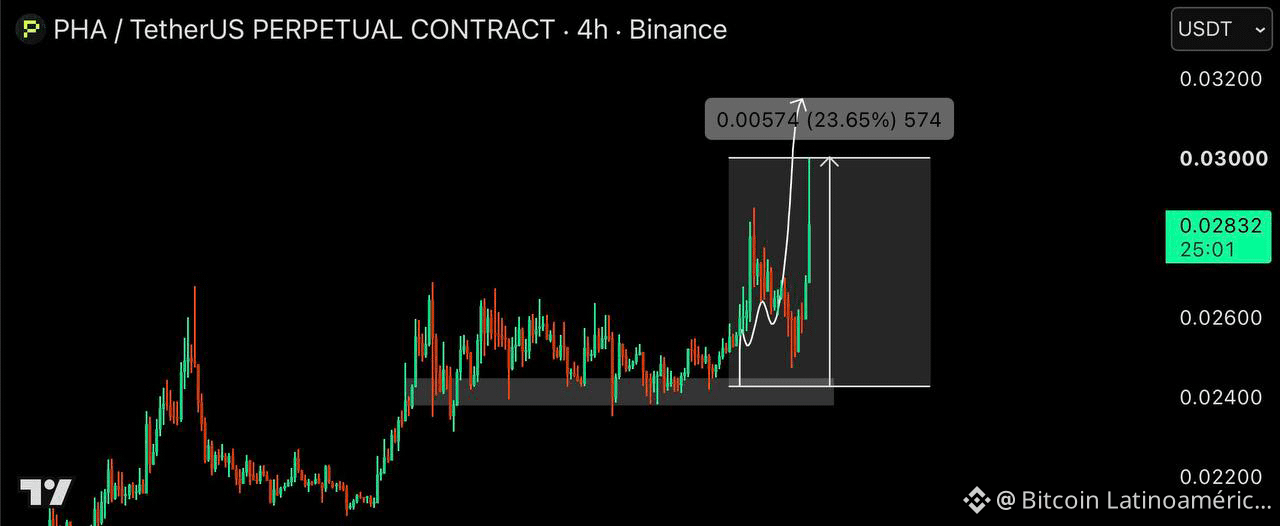
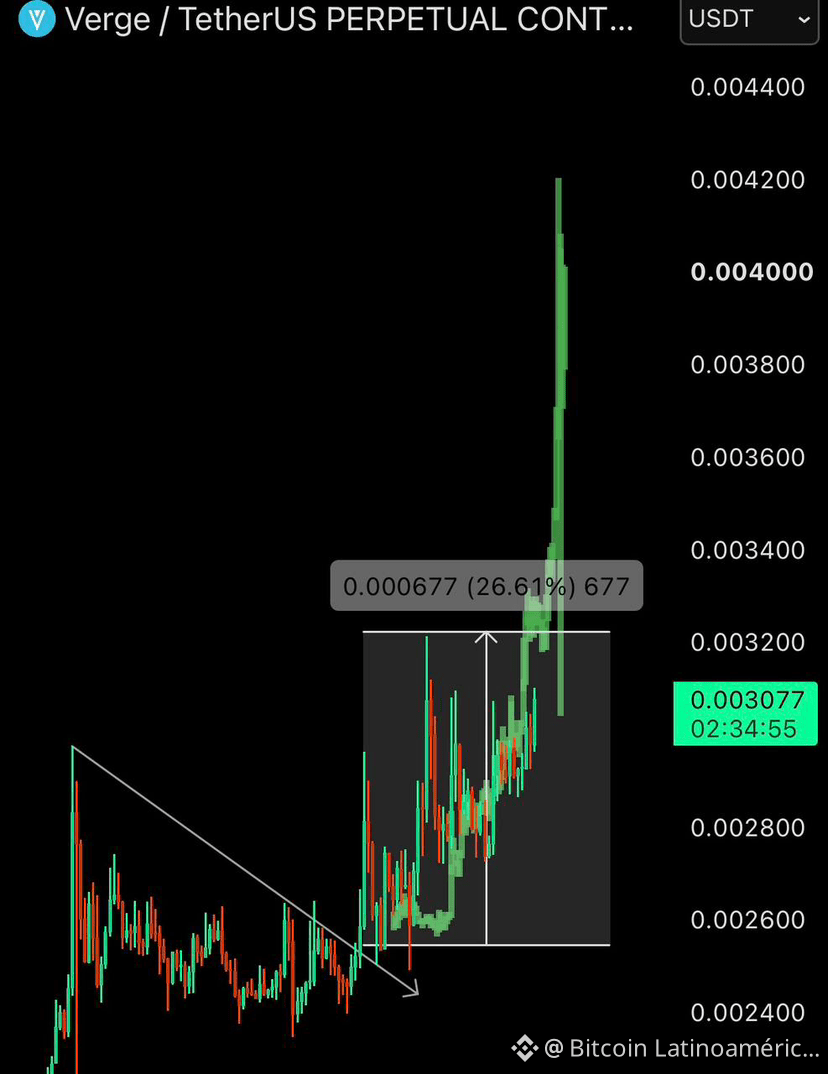
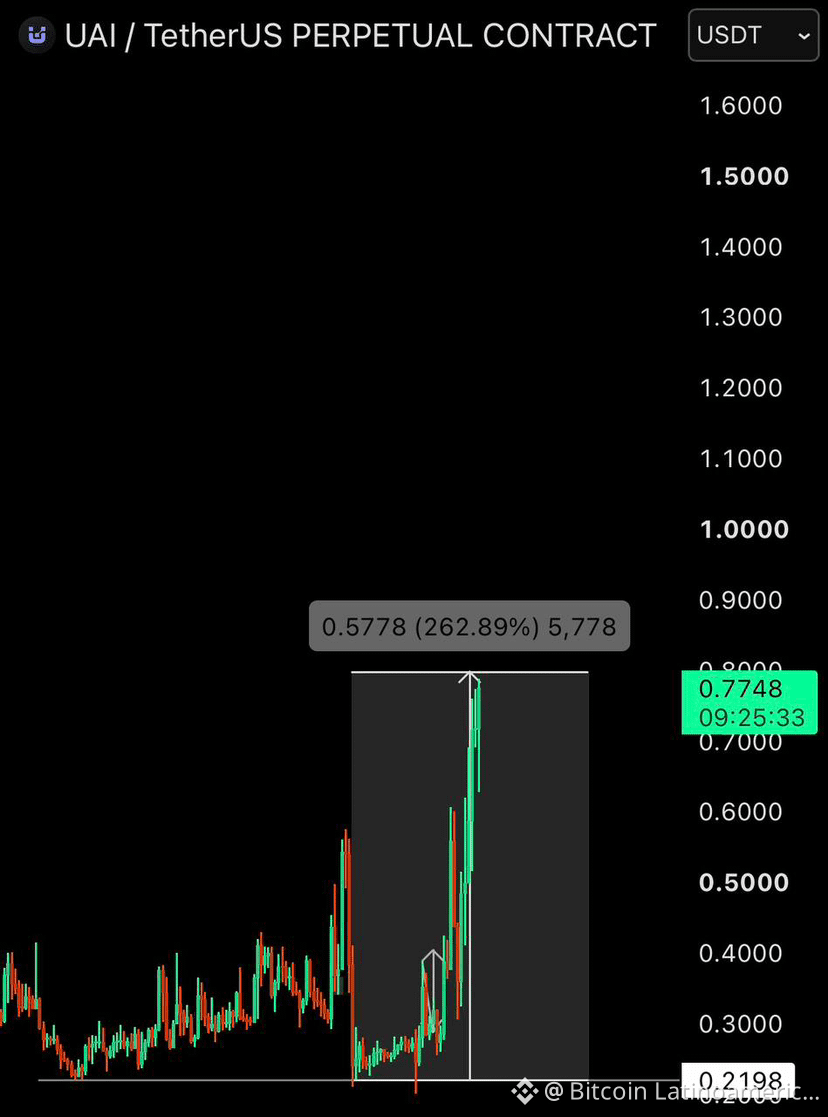
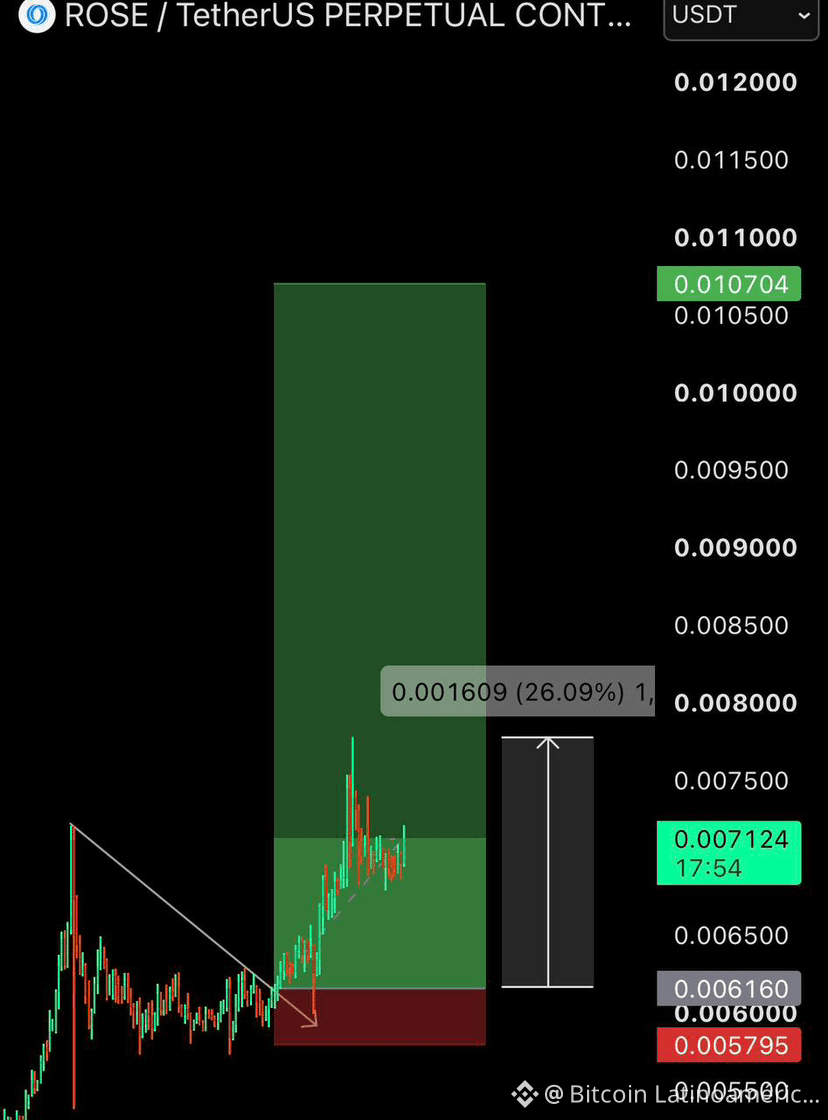
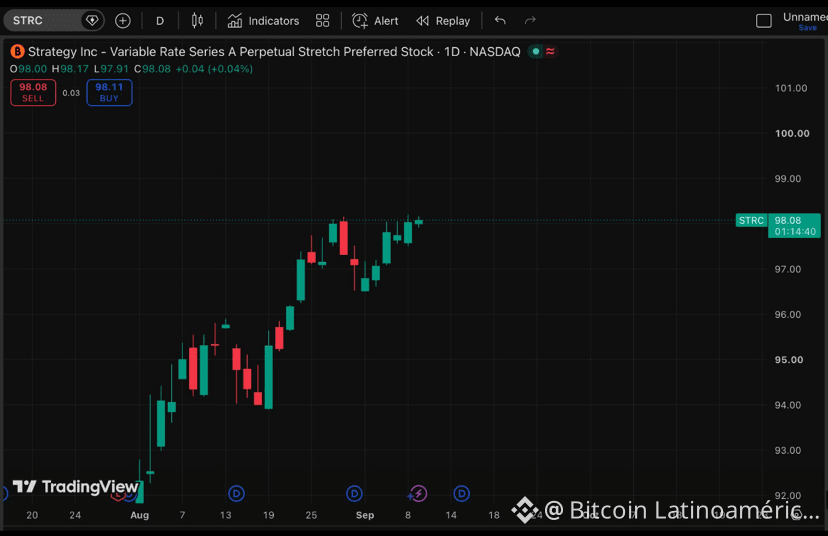
Strategy repurchased yesterday $176M of its preferred shares $STRC .
· $STRC ya is trading at $98 only 2% below Peg 1:100.
· It increased its buyback program from $1B to $2B, which generates more demand and confidence in the stock.
· Its cash reserves are already at $6.5B, which gives it almost 4 years of debt repayment to preferred shareholders.
{future}(STRCUSDT)
Strategy repurchased yesterday $176M of its preferred shares $STRC .
· $STRC ya is trading at $98 only 2% below Peg 1:100.
· It increased its buyback program from $1B to $2B, which generates more demand and confidence in the stock.
· Its cash reserves are already at $6.5B, which gives it almost 4 years of debt repayment to preferred shareholders.
· $STRC ya is trading at $98 only 2% below Peg 1:100.
· It increased its buyback program from $1B to $2B, which generates more demand and confidence in the stock.
· Its cash reserves are already at $6.5B, which gives it almost 4 years of debt repayment to preferred shareholders.
1
24
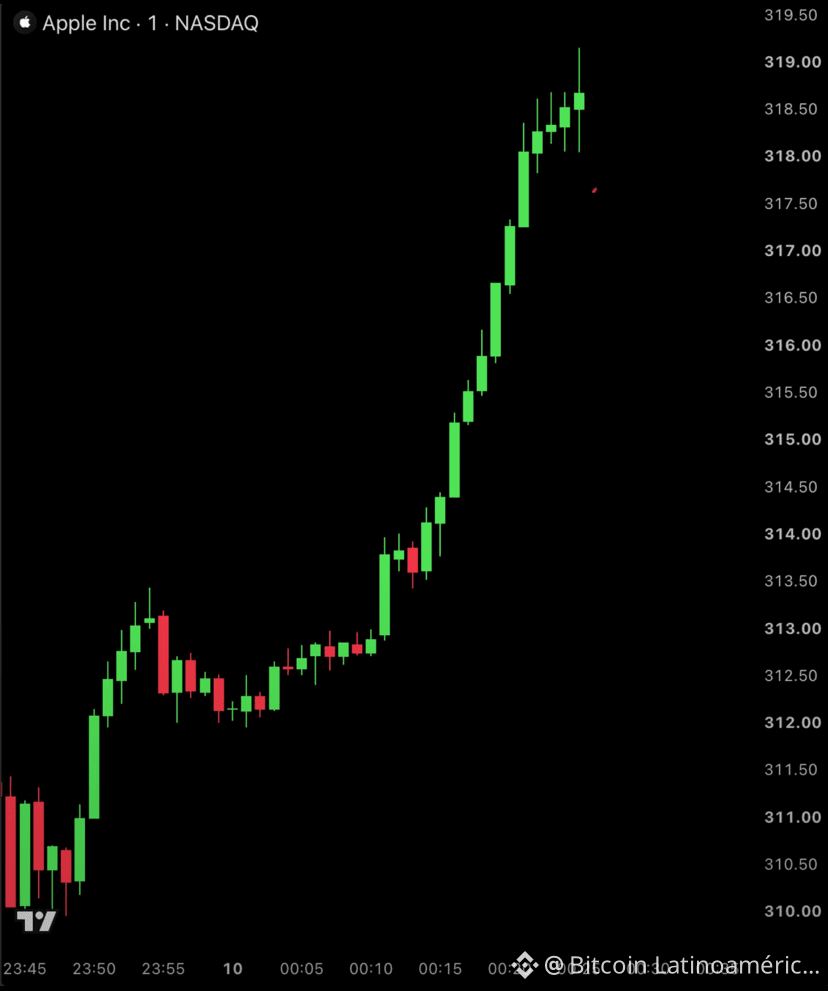
URGENT: $AAPL increase by 2.9% in the last 40 minutes while the launch event for its first foldable iPhone Duo concludes.
{future}(AAPLUSDT)
URGENT: $AAPL increase by 2.9% in the last 40 minutes while the launch event for its first foldable iPhone Duo concludes.

1
1
68
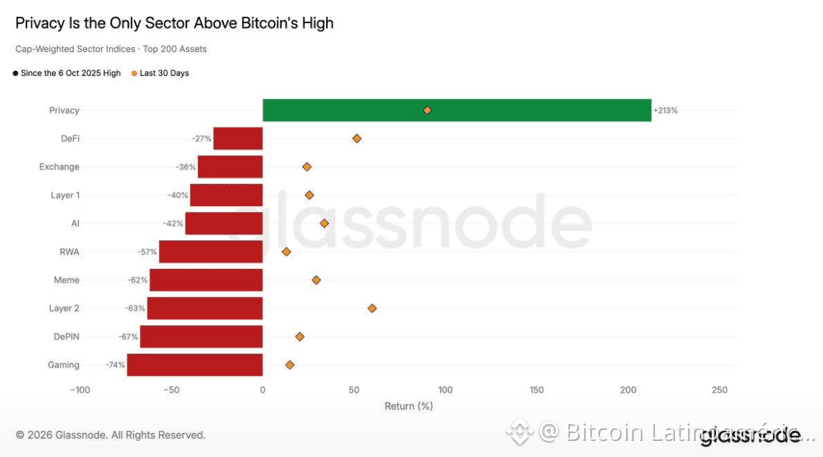
Privacy Coins are the only crypto narrative whose market cap is above that of October 2025. (+213 since then)
Privacy Coins are the only crypto narrative whose market cap is above that of October 2025. (+213 since then)
1
51
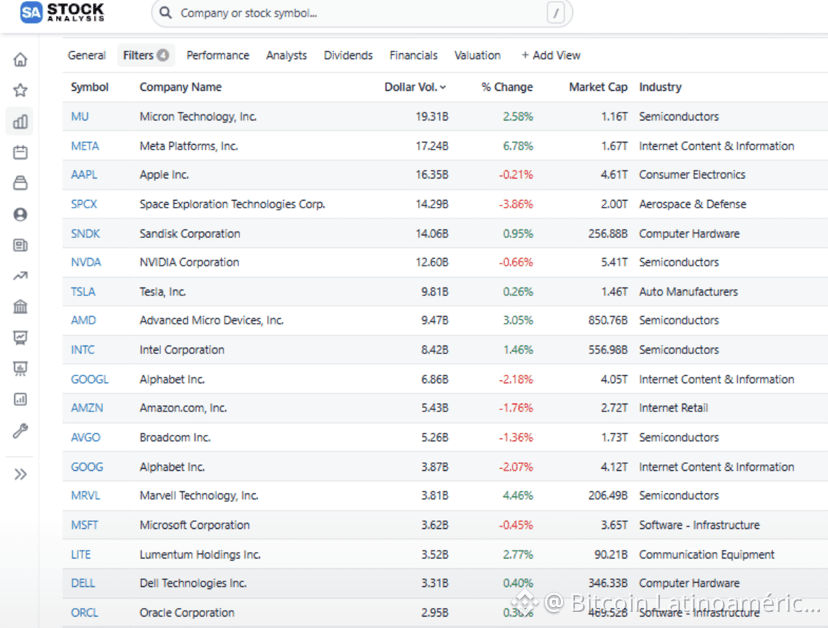
These are the actions that have moved the most money today.
1. $MU 19.31B | +2.56% 🟢
2. $META 17.24B | +6.78% 🟢
3. $AAPL 16.35B | -0.21% 🔴
{future}(MUUSDT)
{future}(METAUSDT)
{future}(AAPLUSDT)
These are the actions that have moved the most money today.
1. $MU 19.31B | +2.56% 🟢
2. $META 17.24B | +6.78% 🟢
3. $AAPL 16.35B | -0.21% 🔴
1. $MU 19.31B | +2.56% 🟢
2. $META 17.24B | +6.78% 🟢
3. $AAPL 16.35B | -0.21% 🔴
2
1
112
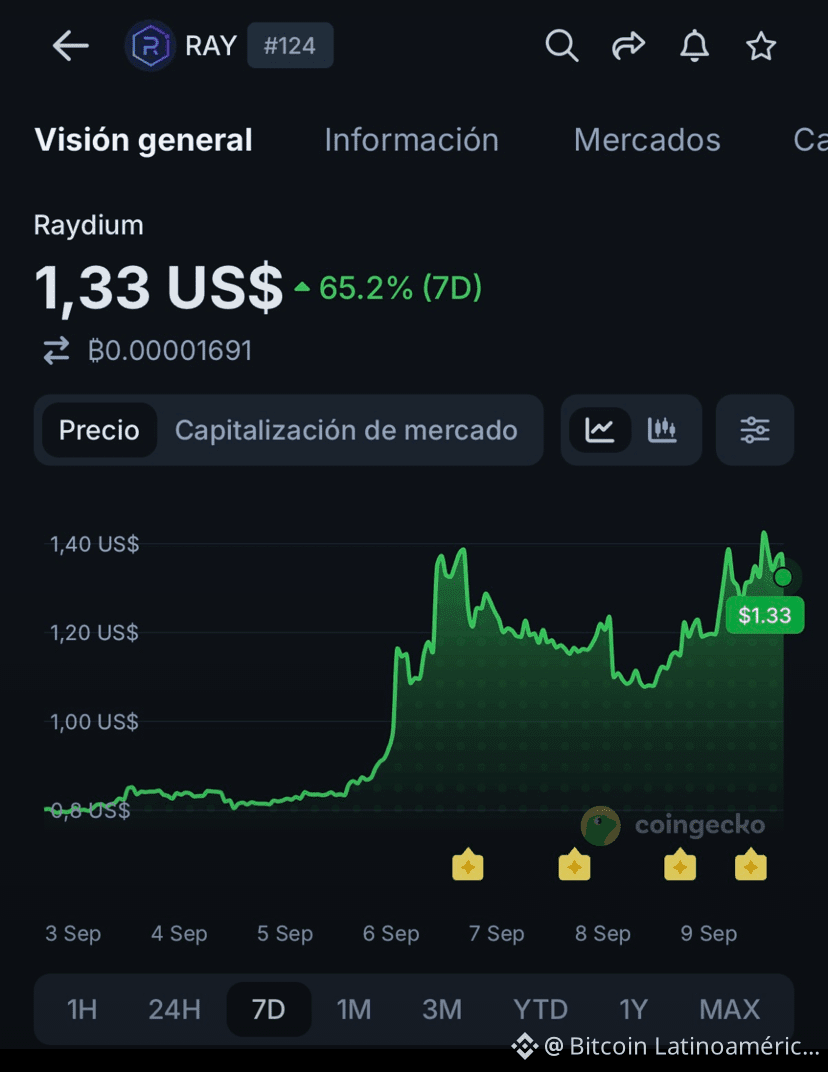
$RAY is up 65% this week.
· The use of Stonk Fun skyrocketed where they launched thousands of memecoins and all the fees are paid in $RAY .
· Raiduim made repurchases of $RAY for $640,000 in one day. (Highest in 19 months.)
· More use of the DEX and returns of more than $2.3M in the month according to DefiLlama.
{spot}(RAYUSDT)
$RAY is up 65% this week.
· The use of Stonk Fun skyrocketed where they launched thousands of memecoins and all the fees are paid in $RAY .
· Raiduim made repurchases of $RAY for $640,000 in one day. (Highest in 19 months.)
· More use of the DEX and returns of more than $2.3M in the month according to DefiLlama.
· The use of Stonk Fun skyrocketed where they launched thousands of memecoins and all the fees are paid in $RAY .
· Raiduim made repurchases of $RAY for $640,000 in one day. (Highest in 19 months.)
· More use of the DEX and returns of more than $2.3M in the month according to DefiLlama.
1
75
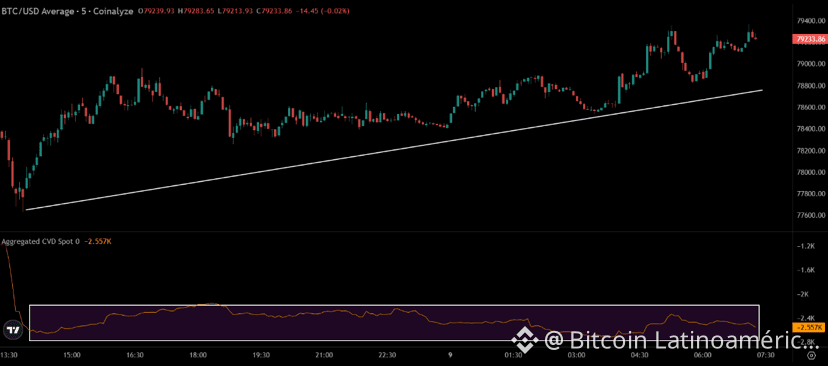
There is currently no spot demand for $BTC .
The shorts are being closed, which is driving this rally.
{future}(BTCUSDT)
There is currently no spot demand for $BTC .
The shorts are being closed, which is driving this rally.
The shorts are being closed, which is driving this rally.
1
105
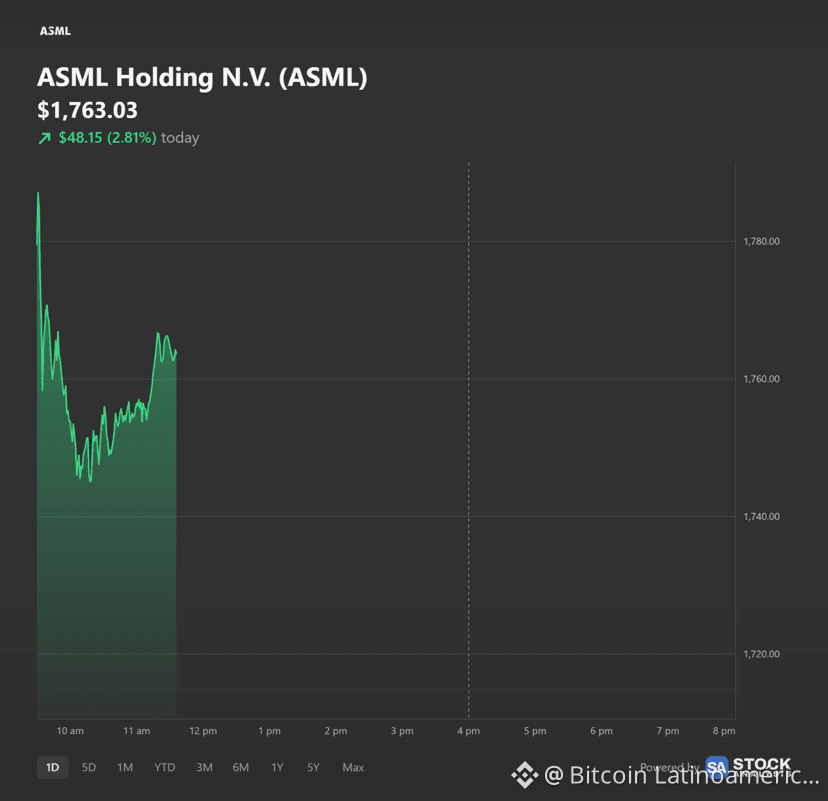
Attention 🚨: ASML secures contracts for its chips.
$ASML secured agreements with Intel ( $INTC ), Taiwan Semiconductor ( $TSM ) and Samsung (KRX:005930) for its latest chip production technology.
The stock is up today ~3%.
{future}(ASMLUSDT)
{future}(INTCUSDT)
{future}(TSMUSDT)
Attention 🚨: ASML secures contracts for its chips.
$ASML secured agreements with Intel ( $INTC ), Taiwan Semiconductor ( $TSM ) and Samsung (KRX:005930) for its latest chip production technology.
The stock is up today ~3%.
$ASML secured agreements with Intel ( $INTC ), Taiwan Semiconductor ( $TSM ) and Samsung (KRX:005930) for its latest chip production technology.
The stock is up today ~3%.
2
94
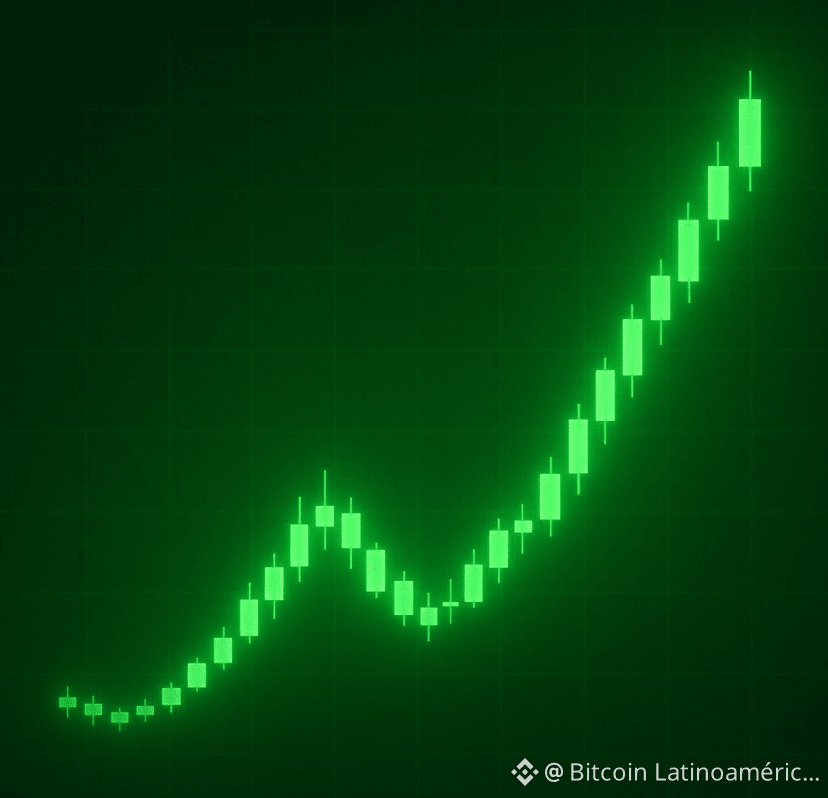
LATEST NEWS: $XRP becomes the highest-performing cryptocurrency among the top 10 over the last 7 days, despite the market pullback.
{future}(XRPUSDT)
LATEST NEWS: $XRP becomes the highest-performing cryptocurrency among the top 10 over the last 7 days, despite the market pullback.
1
3
106
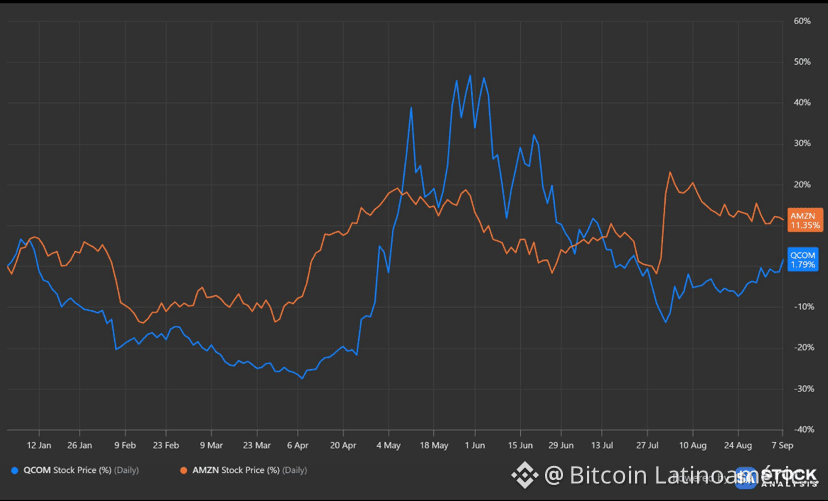
🚨 News: $AMZN no doesn’t want to depend on $NVDA forever.
Amazon has just closed a long-term deal with Qualcomm to design its own AI inference chips and optical interconnects for AWS data centers.
But the detail that caught my attention is that Amazon kept the option to buy up to $4B in Qualcomm shares as they start requesting chips.
And in return, Qualcomm will use AWS tools to design silicon faster.
So, if you win, I win. If I win, you win.
{future}(AMZNUSDT)
{future}(NVDAUSDT)
🚨 News: $AMZN no doesn’t want to depend on $NVDA forever.
Amazon has just closed a long-term deal with Qualcomm to design its own AI inference chips and optical interconnects for AWS data centers.
But the detail that caught my attention is that Amazon kept the option to buy up to $4B in Qualcomm shares as they start requesting chips.
And in return, Qualcomm will use AWS tools to design silicon faster.
So, if you win, I win. If I win, you win.
Amazon has just closed a long-term deal with Qualcomm to design its own AI inference chips and optical interconnects for AWS data centers.
But the detail that caught my attention is that Amazon kept the option to buy up to $4B in Qualcomm shares as they start requesting chips.
And in return, Qualcomm will use AWS tools to design silicon faster.
So, if you win, I win. If I win, you win.
1
98
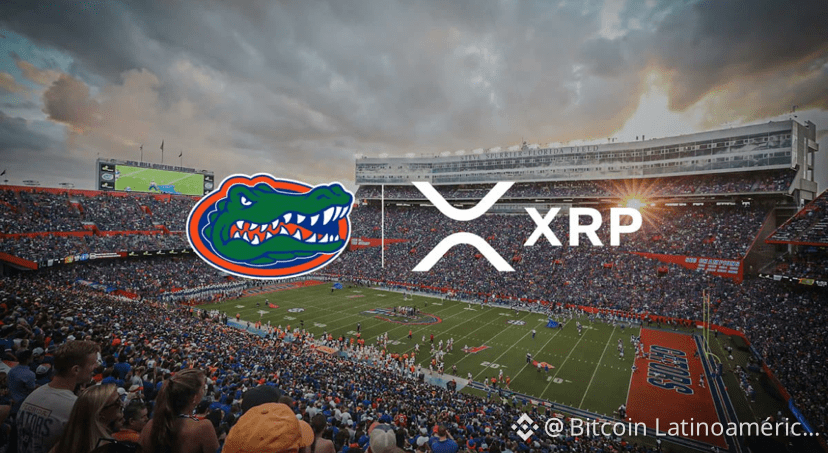
"XRP"
Because Florida Athletics announced a multi-year alliance with Ripple and the logo of $XRP will appear on the field at Ben Hill Griffin Stadium starting in the 2026 season.
In addition to branding, the agreement includes support for financial and technological education programs for students and athletes.
Real adoption or pure marketing?
Florida chose Ripple to put XRP in front of one of the largest and most passionate audiences in college sports.
The deal also includes presence in digital assets, signage, and financial and technological education programs for the university community.
This matters because crypto is copying the playbook of big brands: first visibility, then trust, and only later adoption.
{future}(XRPUSDT)
"XRP"
Because Florida Athletics announced a multi-year alliance with Ripple and the logo of $XRP will appear on the field at Ben Hill Griffin Stadium starting in the 2026 season.
In addition to branding, the agreement includes support for financial and technological education programs for students and athletes.
Real adoption or pure marketing?
Florida chose Ripple to put XRP in front of one of the largest and most passionate audiences in college sports.
The deal also includes presence in digital assets, signage, and financial and technological education programs for the university community.
This matters because crypto is copying the playbook of big brands: first visibility, then trust, and only later adoption.
Because Florida Athletics announced a multi-year alliance with Ripple and the logo of $XRP will appear on the field at Ben Hill Griffin Stadium starting in the 2026 season.
In addition to branding, the agreement includes support for financial and technological education programs for students and athletes.
Real adoption or pure marketing?
Florida chose Ripple to put XRP in front of one of the largest and most passionate audiences in college sports.
The deal also includes presence in digital assets, signage, and financial and technological education programs for the university community.
This matters because crypto is copying the playbook of big brands: first visibility, then trust, and only later adoption.
2
32
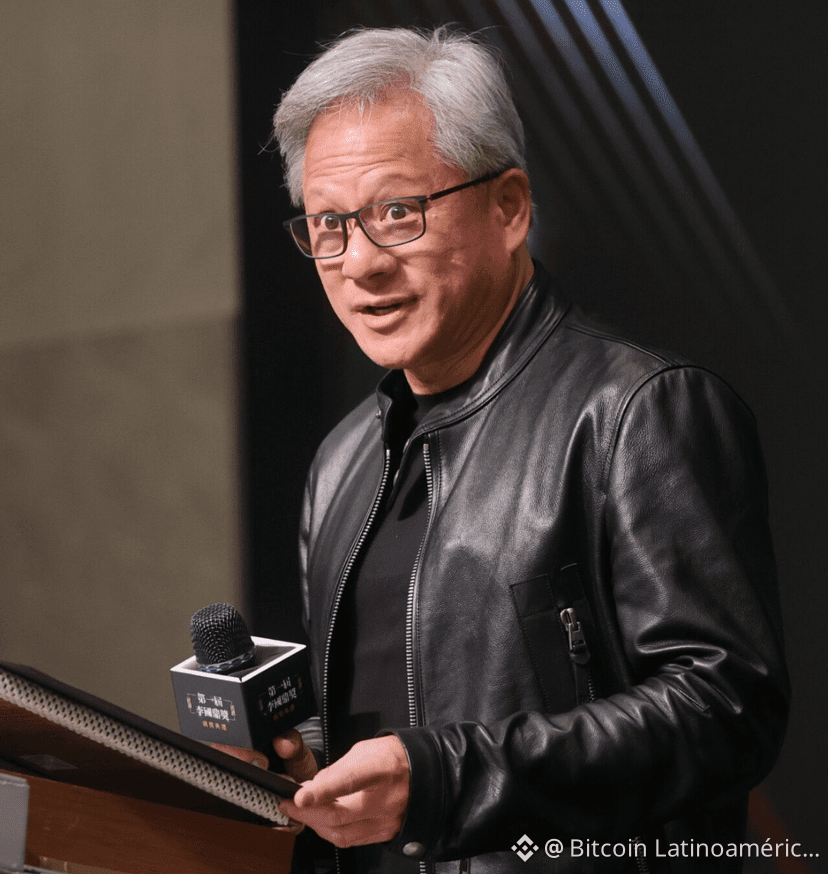
$NVDA ACABA BUYING HUGGING FACE FOR US$12.930 MILLION.
Because Nvidia already dominates the chips driving the AI revolution. It has just bought one of the most important platforms on which developers build AI.
Hugging Face is a kind of “GitHub of artificial intelligence”: more than 18 million developers use the platform, which hosts more than 3 million models, 500,000 datasets, and 1 million applications.
In addition, more than 200,000 companies use it to discover, modify, and deploy AI models.
The deal is especially striking for another figure:
In 2023, Hugging Face had been valued at approximately US$4.500 million.
$NVDA has now agreed to pay almost US$13.000 million.
Almost 3 times that valuation.
{future}(NVDAUSDT)
$NVDA ACABA BUYING HUGGING FACE FOR US$12.930 MILLION.
Because Nvidia already dominates the chips driving the AI revolution. It has just bought one of the most important platforms on which developers build AI.
Hugging Face is a kind of “GitHub of artificial intelligence”: more than 18 million developers use the platform, which hosts more than 3 million models, 500,000 datasets, and 1 million applications.
In addition, more than 200,000 companies use it to discover, modify, and deploy AI models.
The deal is especially striking for another figure:
In 2023, Hugging Face had been valued at approximately US$4.500 million.
$NVDA has now agreed to pay almost US$13.000 million.
Almost 3 times that valuation.
Because Nvidia already dominates the chips driving the AI revolution. It has just bought one of the most important platforms on which developers build AI.
Hugging Face is a kind of “GitHub of artificial intelligence”: more than 18 million developers use the platform, which hosts more than 3 million models, 500,000 datasets, and 1 million applications.
In addition, more than 200,000 companies use it to discover, modify, and deploy AI models.
The deal is especially striking for another figure:
In 2023, Hugging Face had been valued at approximately US$4.500 million.
$NVDA has now agreed to pay almost US$13.000 million.
Almost 3 times that valuation.
2
38
$SPCX
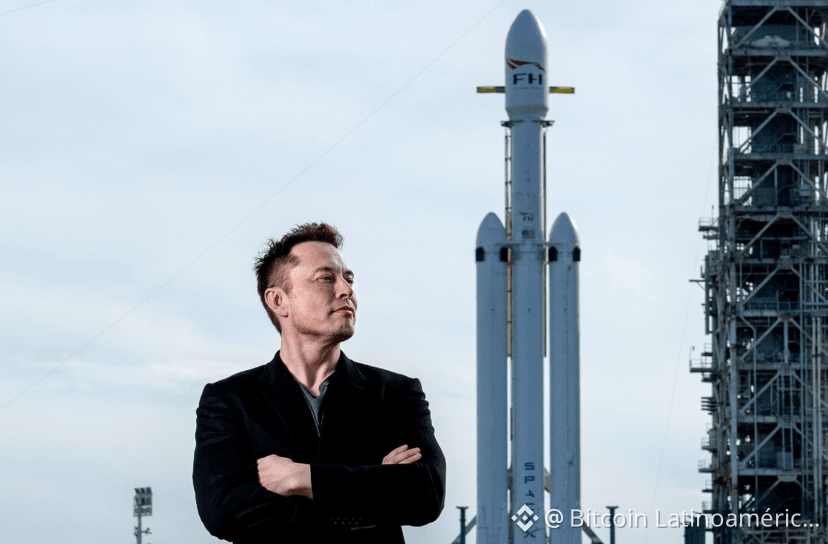
Because it prepares an investment of US$100 BILLION.Elon Musk wants to build in Louisiana the largest space launch hub in the world.
The project’s scale seems like science fiction: up to 30 Starship flights PER DAY.
Starbase Louisiana will be located in Vermilion Parish and is designed to support thousands of launches each year.
The project includes an investment of US$100 billion, 5 launch areas with 2 pads each and, eventually, more than a dozen towers.
The idea is to create a practically integrated “space factory”: fuel production, power generation, vehicle processing, maritime access, and even possibly an airport.
Construction is planned to begin in 2027 and the first launches could take place from 2029.
📊 The economic impact would also be enormous:
• US$100 billion investment
• 3,000 direct jobs over 10 years
• ~8,100 indirect jobs
• Estimated average direct salary: US$92,600 per year
Musk says the complex could surpass 30 Starship flights per day. That would theoretically mean more than 10,000 launches per year.
If SpaceX can make Starship fully reusable and get even close to that frequency, the economic shift could be massive: launching payloads into space would start to look less like an extraordinary mission and more like an industrial logistics operation.
Will the space economy be one of the major industries of the coming decades?
{future}(SPCXUSDT)
$SPCX
Because it prepares an investment of US$100 BILLION.Elon Musk wants to build in Louisiana the largest space launch hub in the world.
The project’s scale seems like science fiction: up to 30 Starship flights PER DAY.
Starbase Louisiana will be located in Vermilion Parish and is designed to support thousands of launches each year.
The project includes an investment of US$100 billion, 5 launch areas with 2 pads each and, eventually, more than a dozen towers.
The idea is to create a practically integrated “space factory”: fuel production, power generation, vehicle processing, maritime access, and even possibly an airport.
Construction is planned to begin in 2027 and the first launches could take place from 2029.
📊 The economic impact would also be enormous:
• US$100 billion investment
• 3,000 direct jobs over 10 years
• ~8,100 indirect jobs
• Estimated average direct salary: US$92,600 per year
Musk says the complex could surpass 30 Starship flights per day. That would theoretically mean more than 10,000 launches per year.
If SpaceX can make Starship fully reusable and get even close to that frequency, the economic shift could be massive: launching payloads into space would start to look less like an extraordinary mission and more like an industrial logistics operation.
Will the space economy be one of the major industries of the coming decades?
Because it prepares an investment of US$100 BILLION.Elon Musk wants to build in Louisiana the largest space launch hub in the world.
The project’s scale seems like science fiction: up to 30 Starship flights PER DAY.
Starbase Louisiana will be located in Vermilion Parish and is designed to support thousands of launches each year.
The project includes an investment of US$100 billion, 5 launch areas with 2 pads each and, eventually, more than a dozen towers.
The idea is to create a practically integrated “space factory”: fuel production, power generation, vehicle processing, maritime access, and even possibly an airport.
Construction is planned to begin in 2027 and the first launches could take place from 2029.
📊 The economic impact would also be enormous:
• US$100 billion investment
• 3,000 direct jobs over 10 years
• ~8,100 indirect jobs
• Estimated average direct salary: US$92,600 per year
Musk says the complex could surpass 30 Starship flights per day. That would theoretically mean more than 10,000 launches per year.
If SpaceX can make Starship fully reusable and get even close to that frequency, the economic shift could be massive: launching payloads into space would start to look less like an extraordinary mission and more like an industrial logistics operation.
Will the space economy be one of the major industries of the coming decades?
1
60
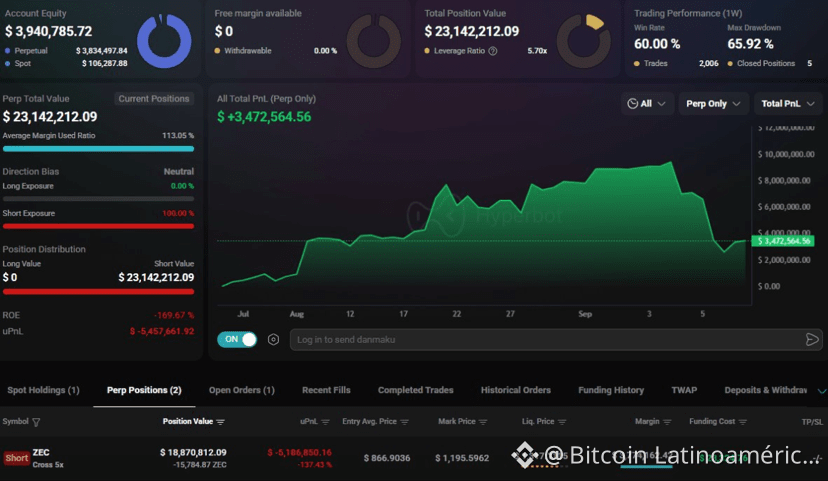
Someone opened a short position of $18,800,000 in $ZEC con with 5x leverage.
Now it is at $120 from liquidation.
{future}(ZECUSDT)
Someone opened a short position of $18,800,000 in $ZEC con with 5x leverage.
Now it is at $120 from liquidation.
Now it is at $120 from liquidation.
1
104
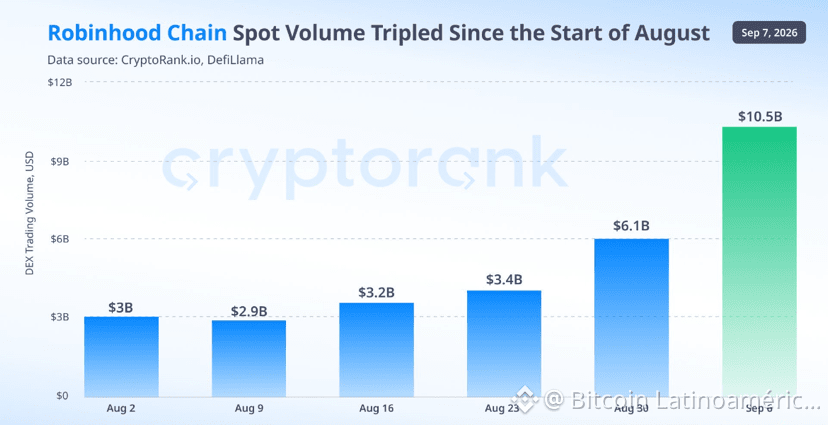
BREAKING NEWS: Robinhood Chain spot volume $HOOD se has tripled since the beginning of August.
Robinhood Chain's weekly spot trading volume on its DEX reached $10.5 billion, a 3.5x increase from early August - CryptoRank.
{future}(HOODUSDT)
BREAKING NEWS: Robinhood Chain spot volume $HOOD se has tripled since the beginning of August.
Robinhood Chain's weekly spot trading volume on its DEX reached $10.5 billion, a 3.5x increase from early August - CryptoRank.
Robinhood Chain's weekly spot trading volume on its DEX reached $10.5 billion, a 3.5x increase from early August - CryptoRank.
1
49
BREAKING: Ethereum will allow users to pay transaction fees with stablecoins instead of $ETH in 2027.
{future}(ETHUSDT)
BREAKING: Ethereum will allow users to pay transaction fees with stablecoins instead of $ETH in 2027.
2
45
Log in to explore more content
Join global crypto users on Binance Square
⚡️ Get latest and useful information about crypto.
💬 Trusted by the world’s largest crypto exchange.
👍 Discover real insights from verified creators.
Email / Phone number
Trending Topics
CPIWatch
86M views
498,281 Discussing
Share & Win Traffic Reward in our Trending Hashtag Campaign
✨Topic: Will CPI Trigger Rate Hike?
👉How to Join:
Publish a short post or article with hashtag #CPIWatch
Create content based on the below two angles:
- Nonfarm payrolls beat expectations and CPI is around the corner, do you think the Fed will hike or hold the rate?
- Bullish or bearish? Share your take and showcase your stocks or gold trade/holdings with our trade sharing widget.
🚀Campaign Period:
- 2026-09-11 3:00 - 2026-09-12 9:00 UTC
🎁Reward:
- Qualified posts that comply with the above guidelines and contain more than 100 words will be reviewed and may receive a random traffic boost of 500 to 3,000 views. You will receive a notification from your feed secretary if your post is selected.
- Get a chance to have your article featured on Binance Square Official
Need ideas for your post? Visit the topic page #CPIWatch or the Square Guide on How to Post for Better Reach.
Binance Square Official
·92 Likes
·130.6k views
CryptoSectorsFallSecondDay
3,123 views
158 Discussing
BitcoinGoldenCrossConfirms
5,763 views
206 Discussing