
澳門勇
494 Posts

澳門勇
分享玩合約的心路歷程,不是投資建議。投資有風險。
Frequent Trader
5.3 Years
38 Following
461 Followers
329 Liked
Posts
All
Quotes
$MAGMA One of the biggest features of a breakout that clears the empty zone is that it breaks the previous high, because the previous high is where a large number of stop-loss orders are located.
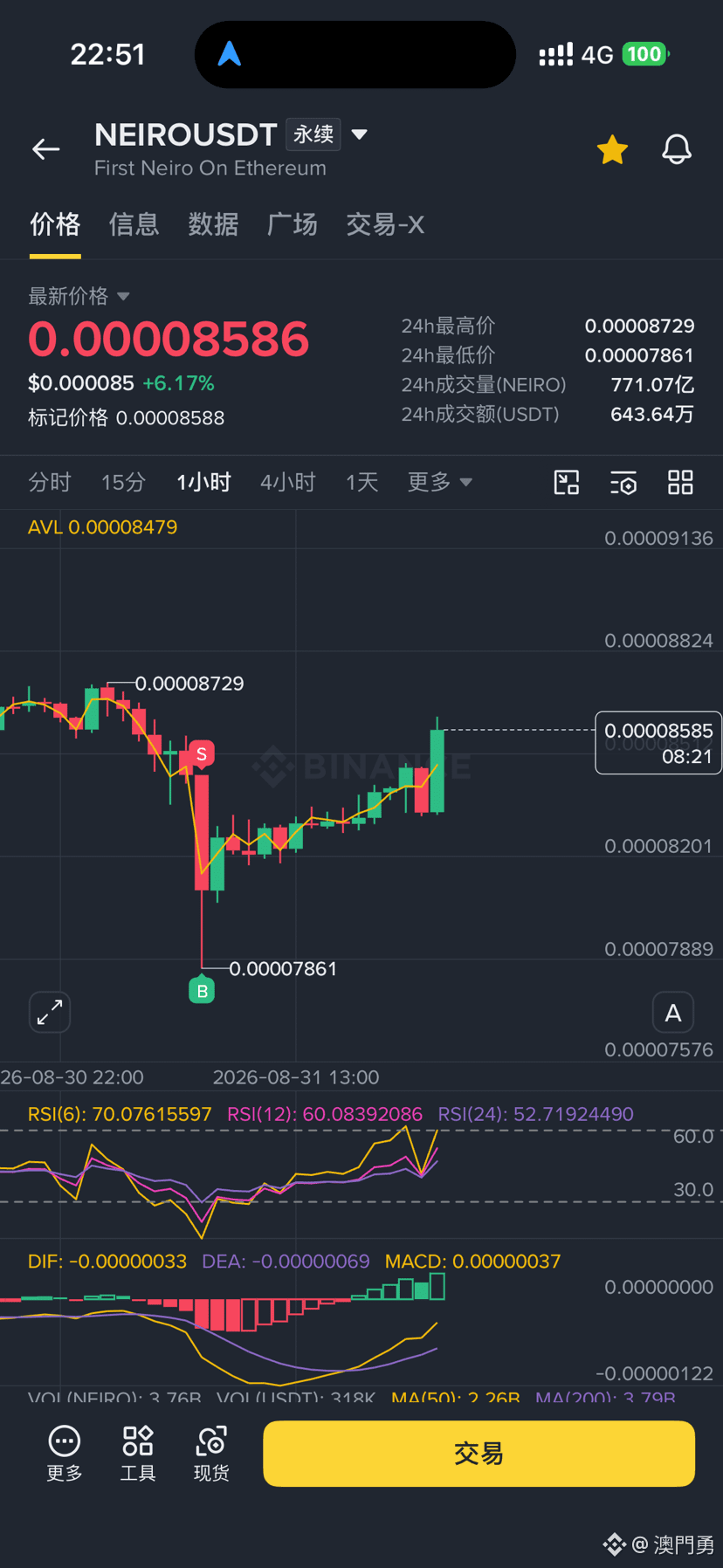
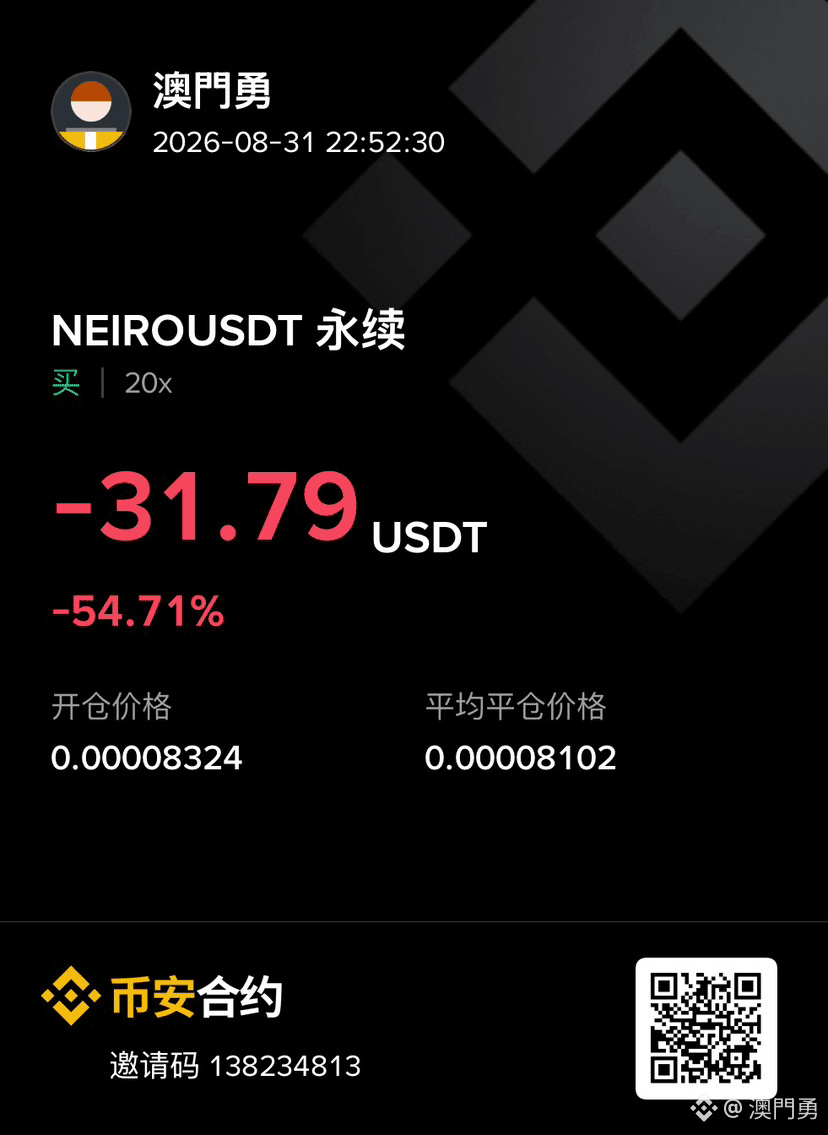
$NEIRO set entry position, reached the stop-loss level in an instant—everything happened in my sleep 😂
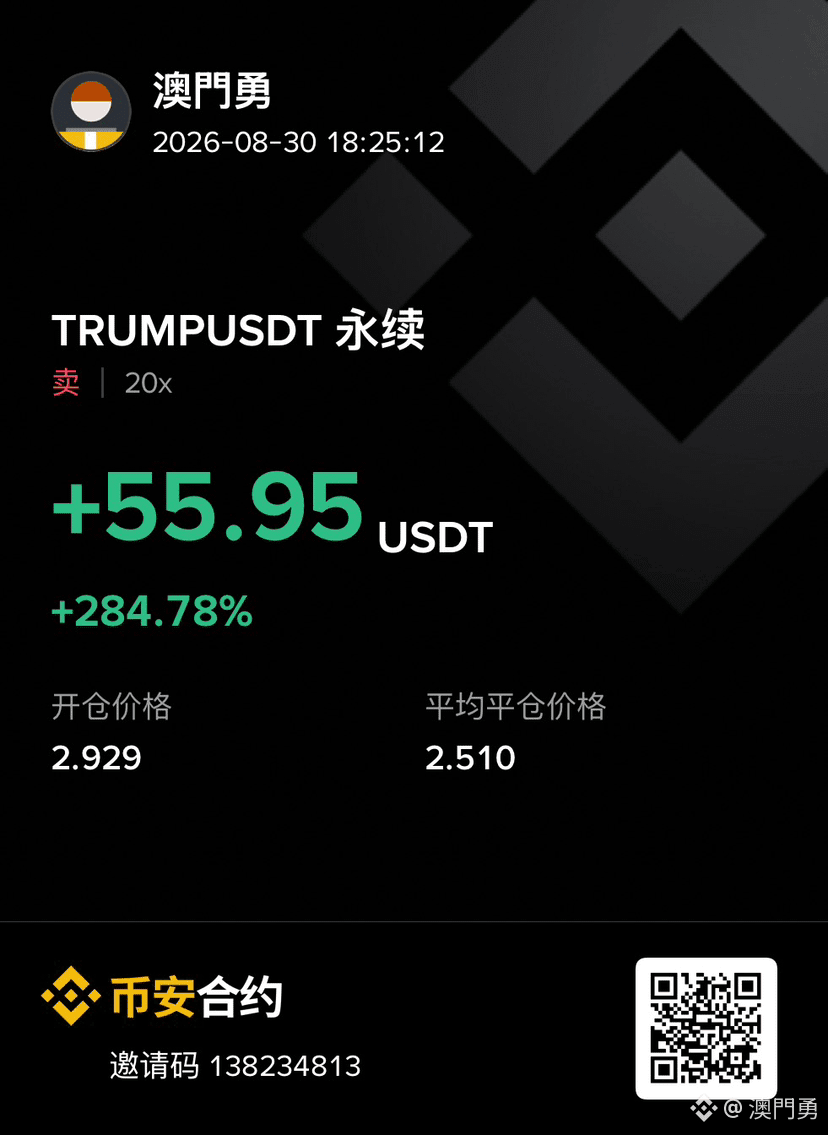
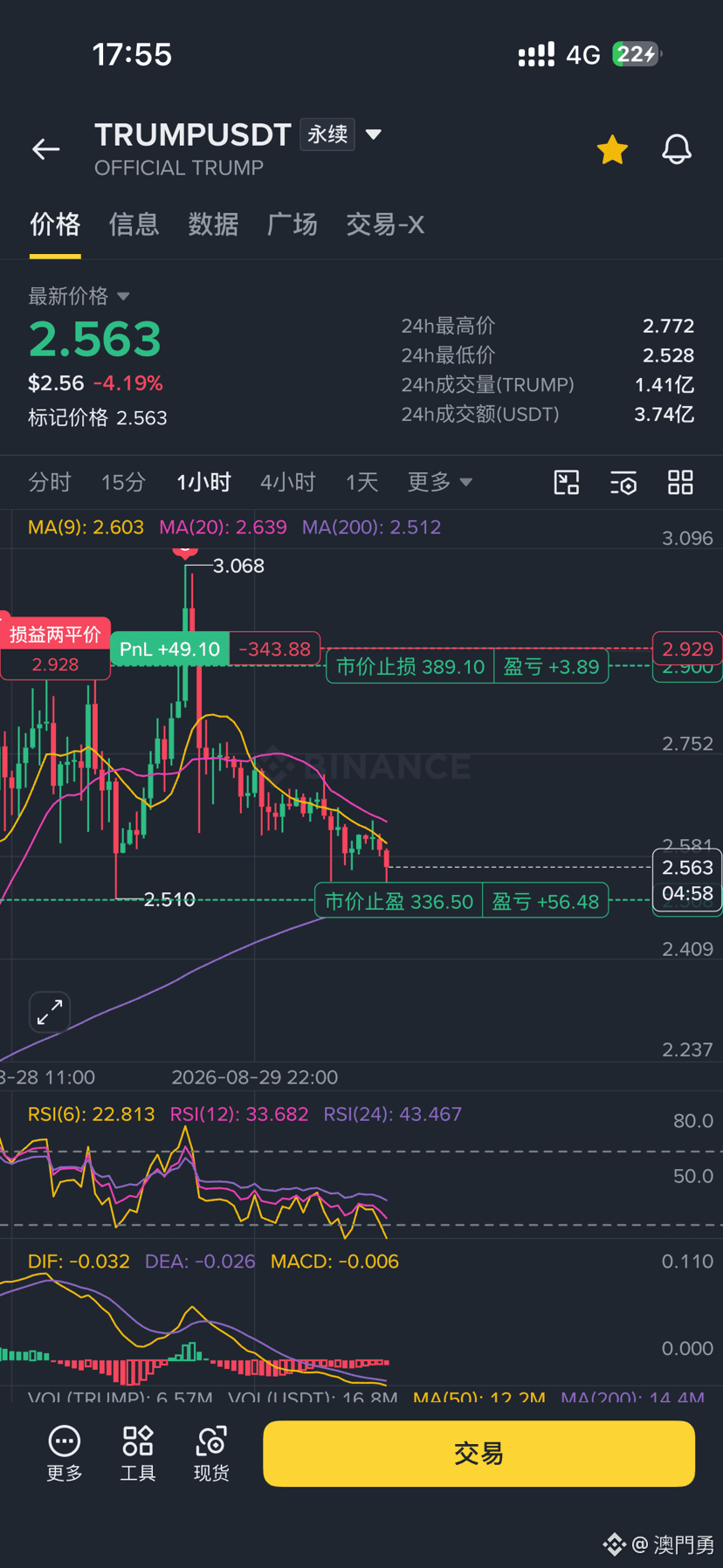
$TRUMP For the Trump halo to support this coin, the remaining value is actually just trash—don’t hold onto hope or fantasies.
$TRUMP upward momentum is very weak; there may be another chance, but it is slightly lower
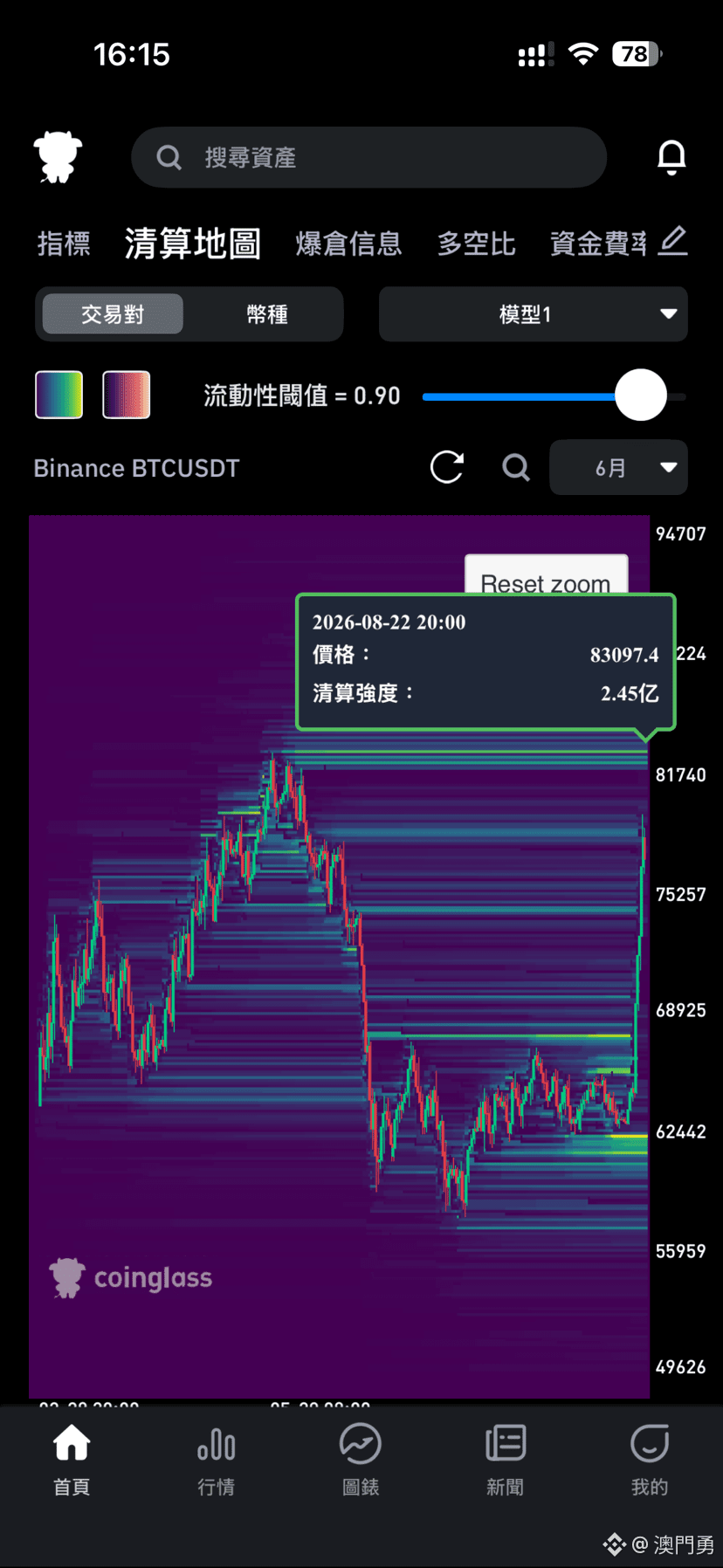
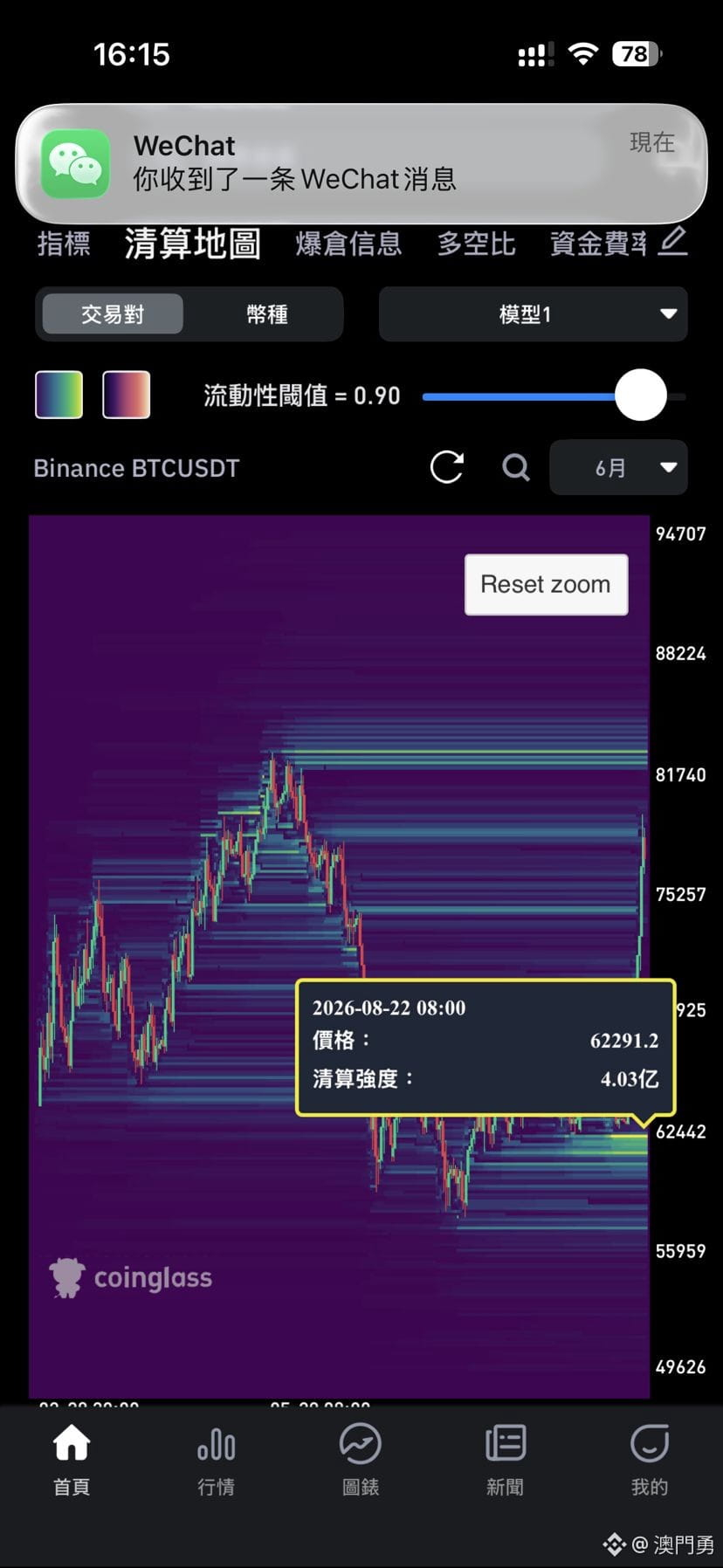
According to the liquidation heatmap, it is certain that the upper area will be liquidated. If a bull market arrives, then the lower area will also inevitably be liquidated again.
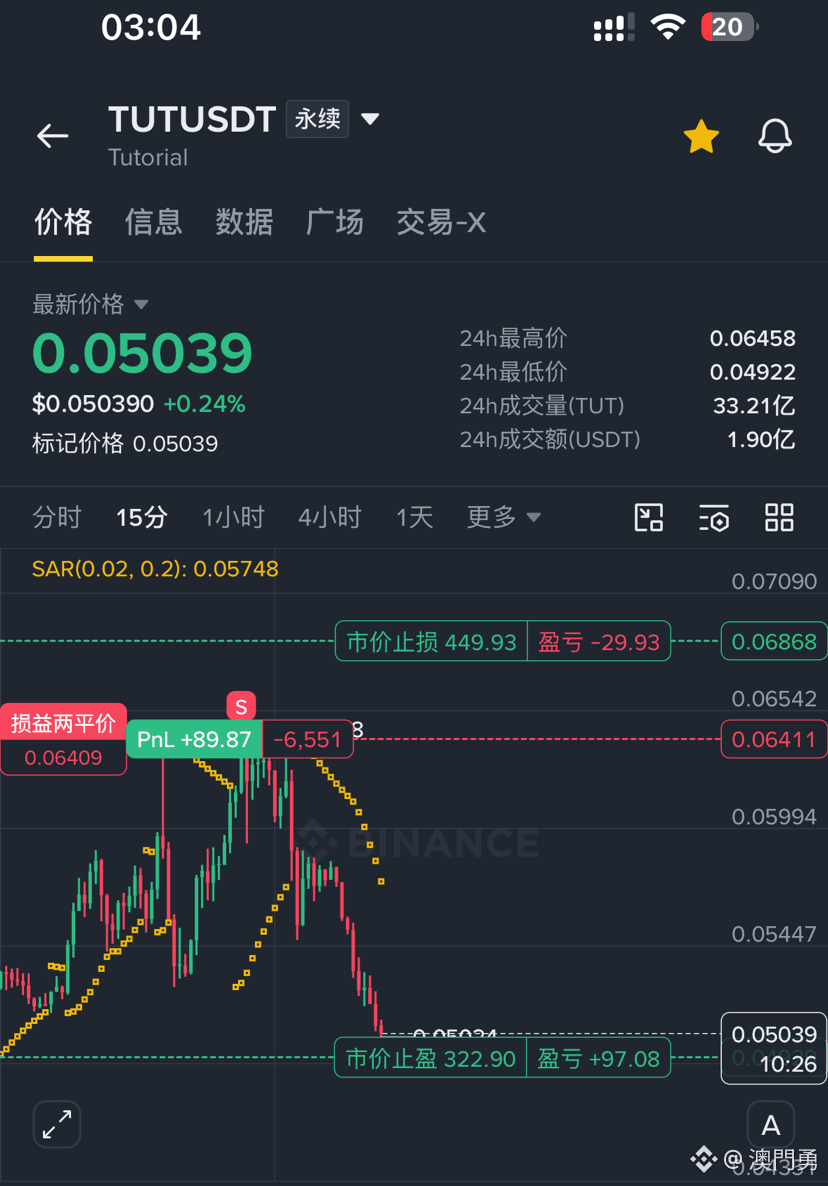
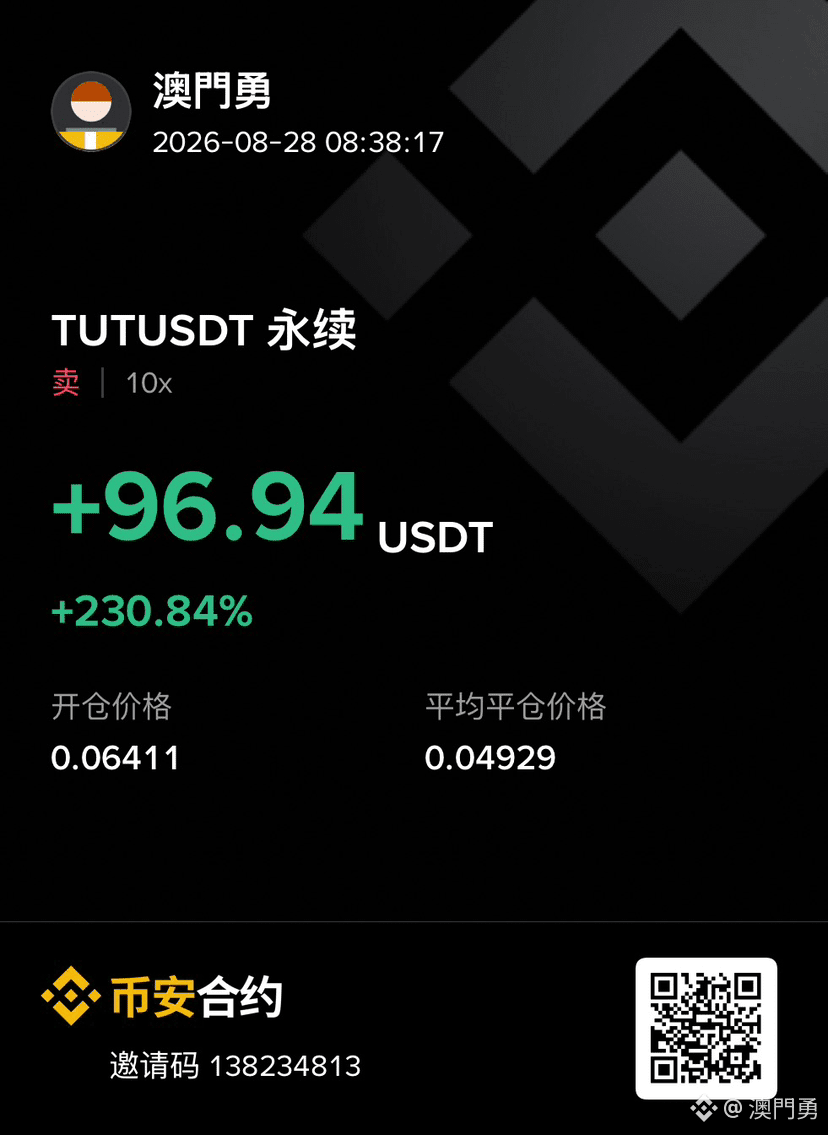
Many people say it’s bearish and shorting, but what I see is that after a violent washout and consolidation, the MACD is preparing to move upward through the zero line. I believe there’s a chance it could continue higher; even if it can’t reach 0.08, it may still reach 0.06. It may trade back and forth between 0.08 and 0.04 to cut positions. As for the possibility of rising back above 0.1, it’s extremely unlikely. $TUT
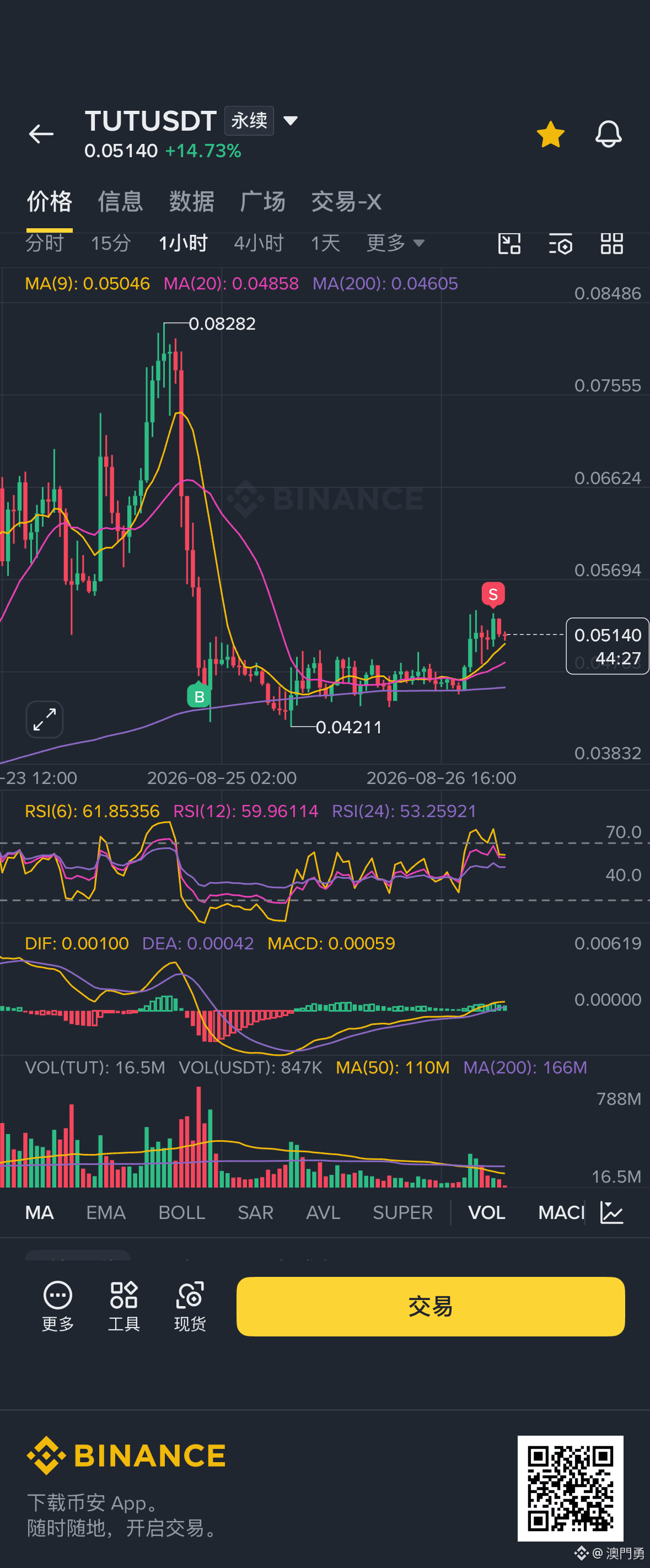
Sourced by user sharing on Binance
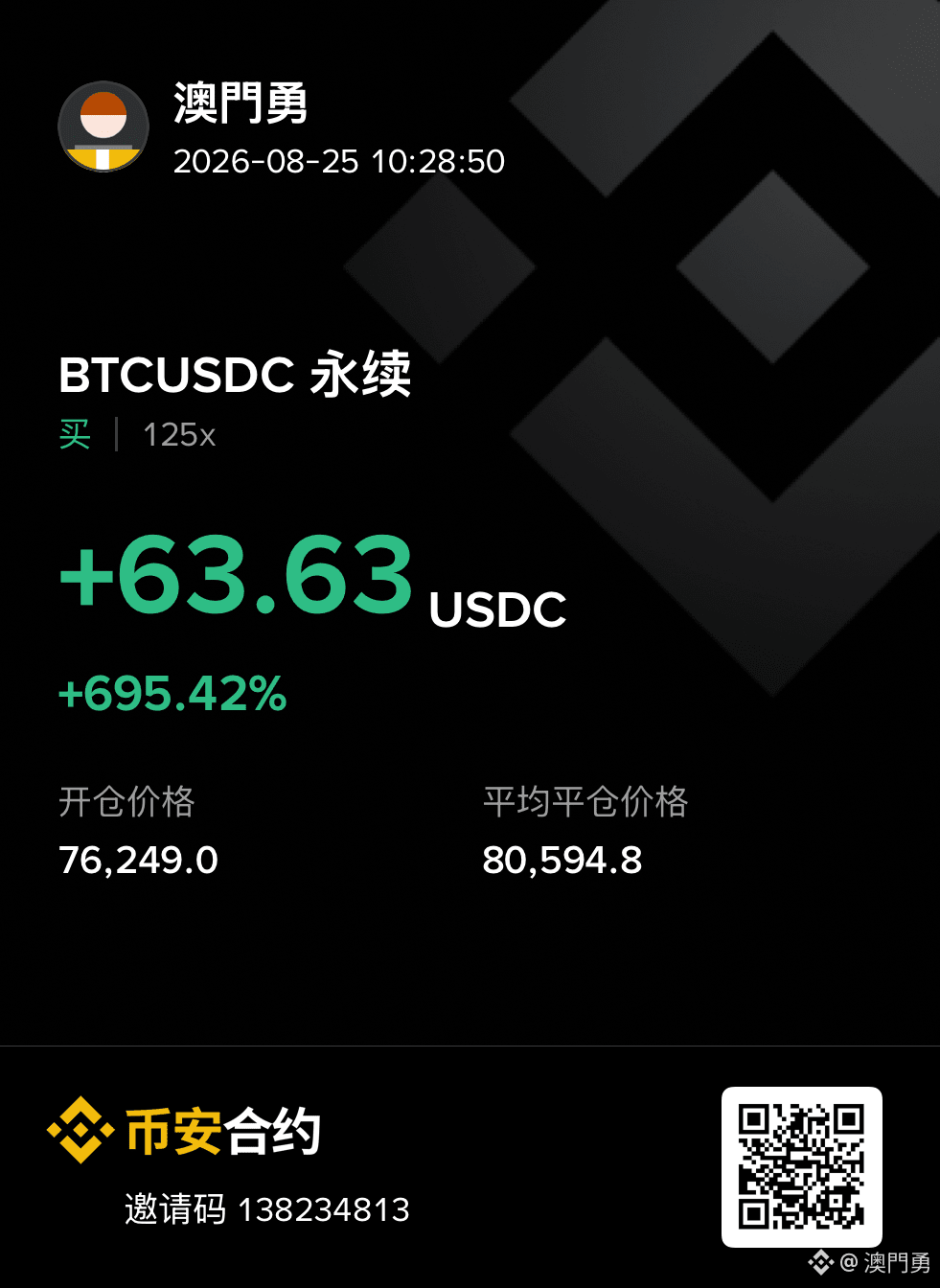
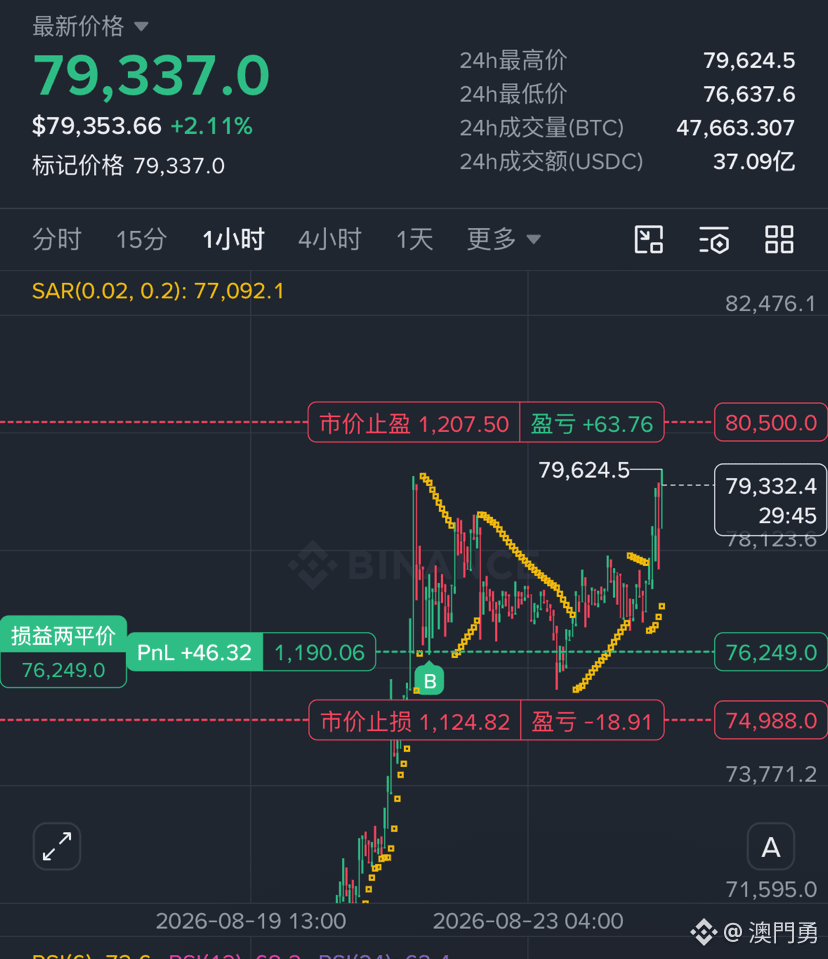
$BTC There are two scenarios: 80,000 will definitely be broken, and once it breaks, it will definitely retest. How would you trade it?
$BTC is very interesting—anyone who can hold through an empty order isn’t just a small retail investor.
$BTC
This market move really makes it clear what people mean by “when the tide goes out, you find out who’s been swimming naked.” So many people have nothing in their heads but holding down orders—refusing to let go—insisting the bear market isn’t over yet.
I agree that the bear market hasn’t finished. But I didn’t go short. What I see is a crowd of hard-headed people who stubbornly hold their positions without considering risk at all.
More brutally, as long as this current行情 (price action) dips back up—stabbing back to the prior high—it’s enough to liquidate most of the high-multiple short positions. Then, if the trend reverses again, or if there’s a so-called “fake breakout” that just pushes straight up to 100,000, these people will be completely buried. No stop-loss, no escape route—so in the end, they can only die with no place for burial.
This market move really makes it clear what people mean by “when the tide goes out, you find out who’s been swimming naked.” So many people have nothing in their heads but holding down orders—refusing to let go—insisting the bear market isn’t over yet.
I agree that the bear market hasn’t finished. But I didn’t go short. What I see is a crowd of hard-headed people who stubbornly hold their positions without considering risk at all.
More brutally, as long as this current行情 (price action) dips back up—stabbing back to the prior high—it’s enough to liquidate most of the high-multiple short positions. Then, if the trend reverses again, or if there’s a so-called “fake breakout” that just pushes straight up to 100,000, these people will be completely buried. No stop-loss, no escape route—so in the end, they can only die with no place for burial.
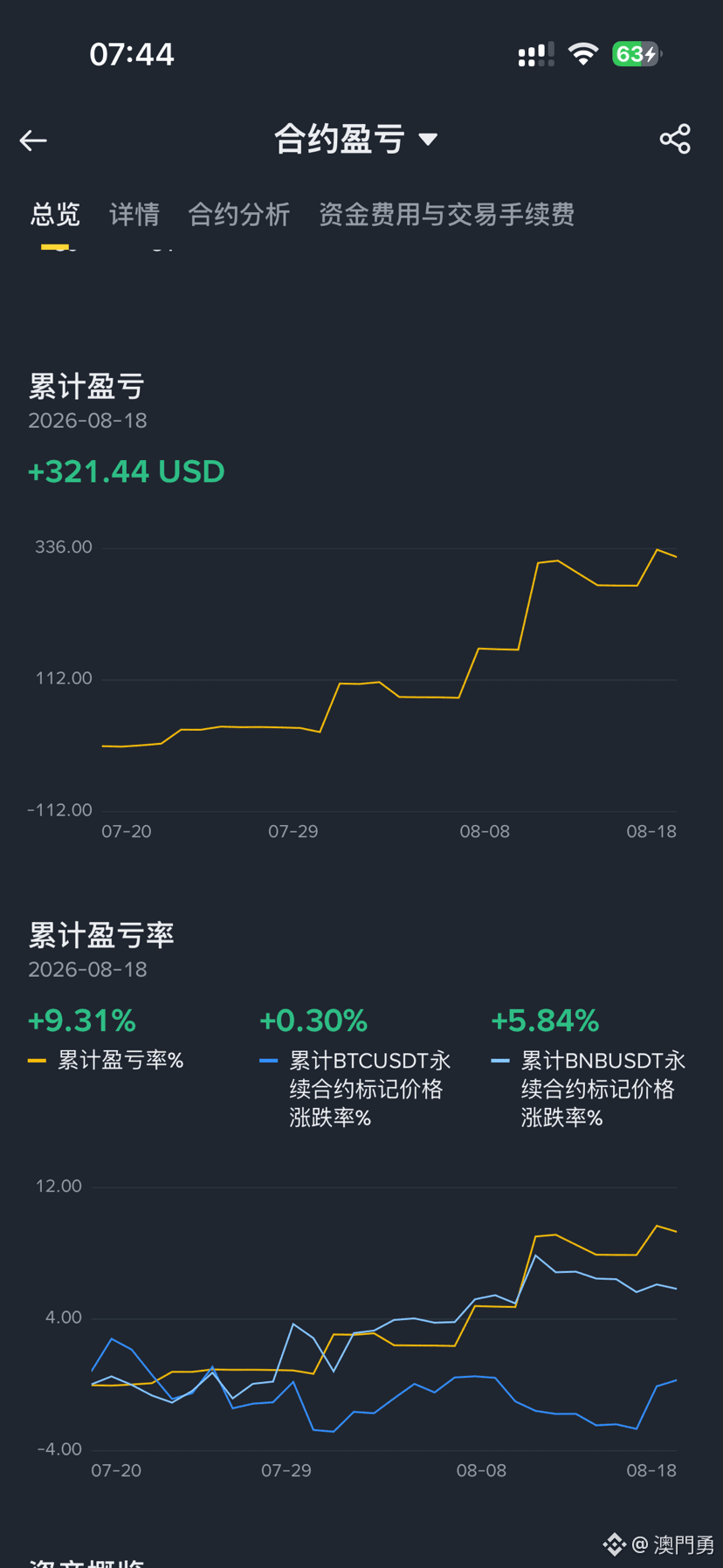
According to my current strategy, each trade has a fixed stop loss of 20 U. I would have to go through 26 consecutive losing trades to get this profit back.
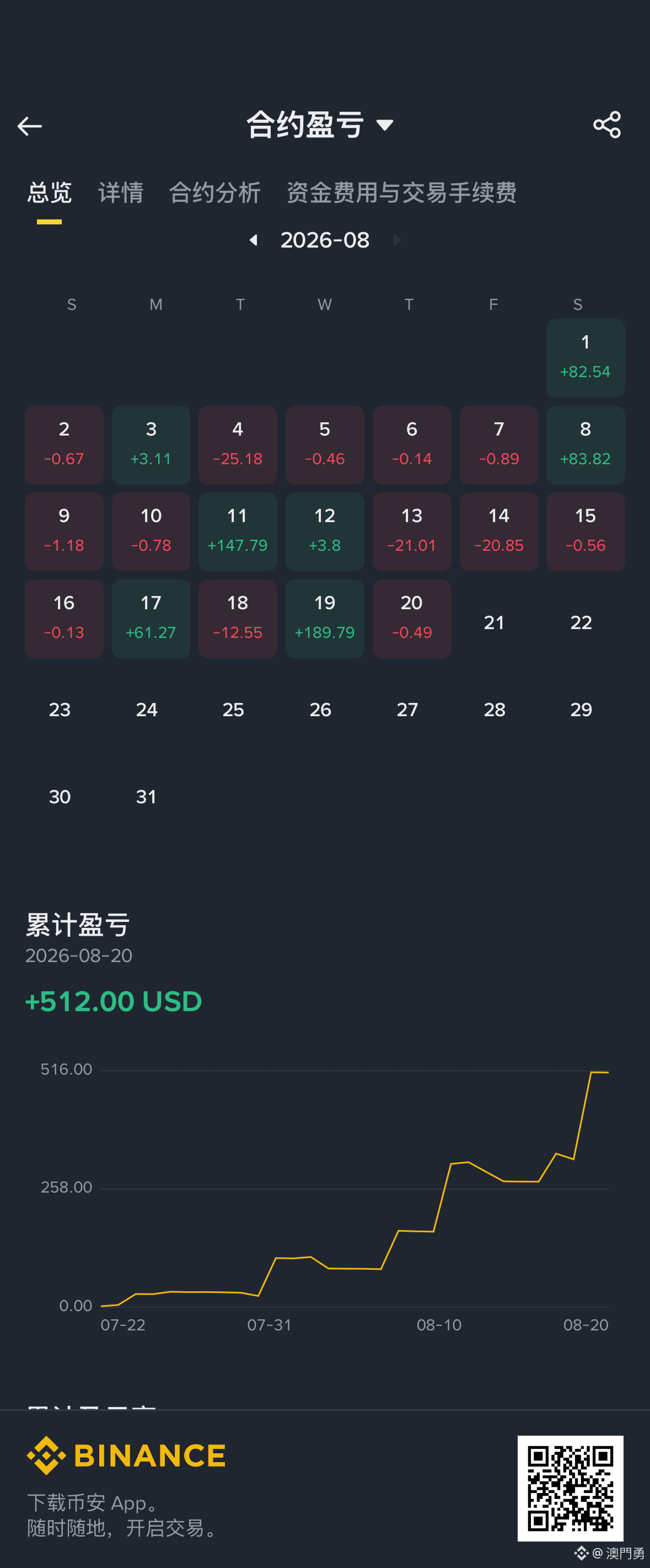
Sourced by user sharing on Binance
$BTC Some personal opinions on the current market. I think this pump is purely to liquidate some high-leverage short positions, then there will be another round of distribution and selling pressure. As for the ultimate target price, I believe it’s around 30,000–40,000.
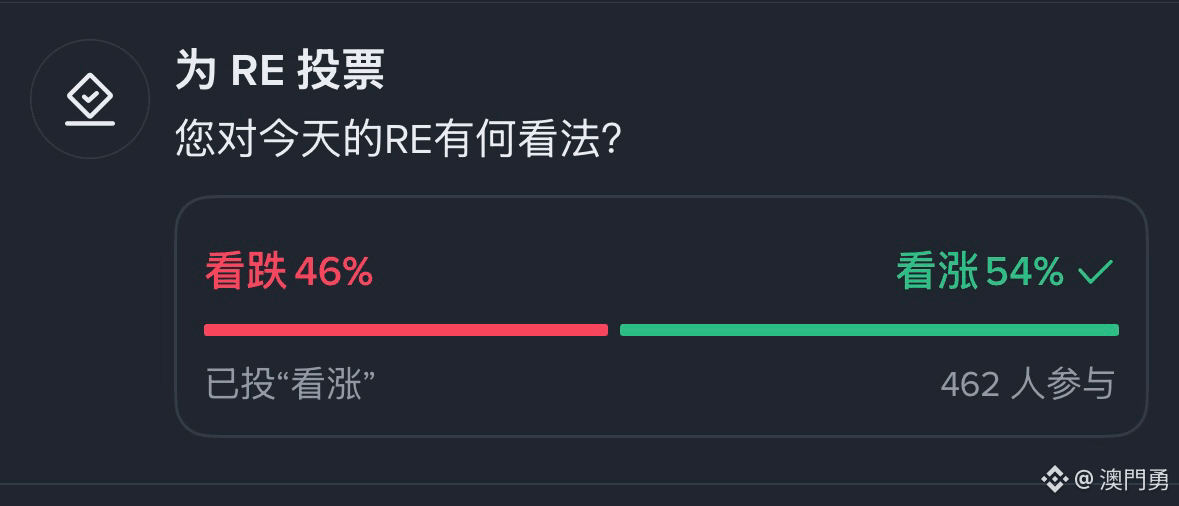
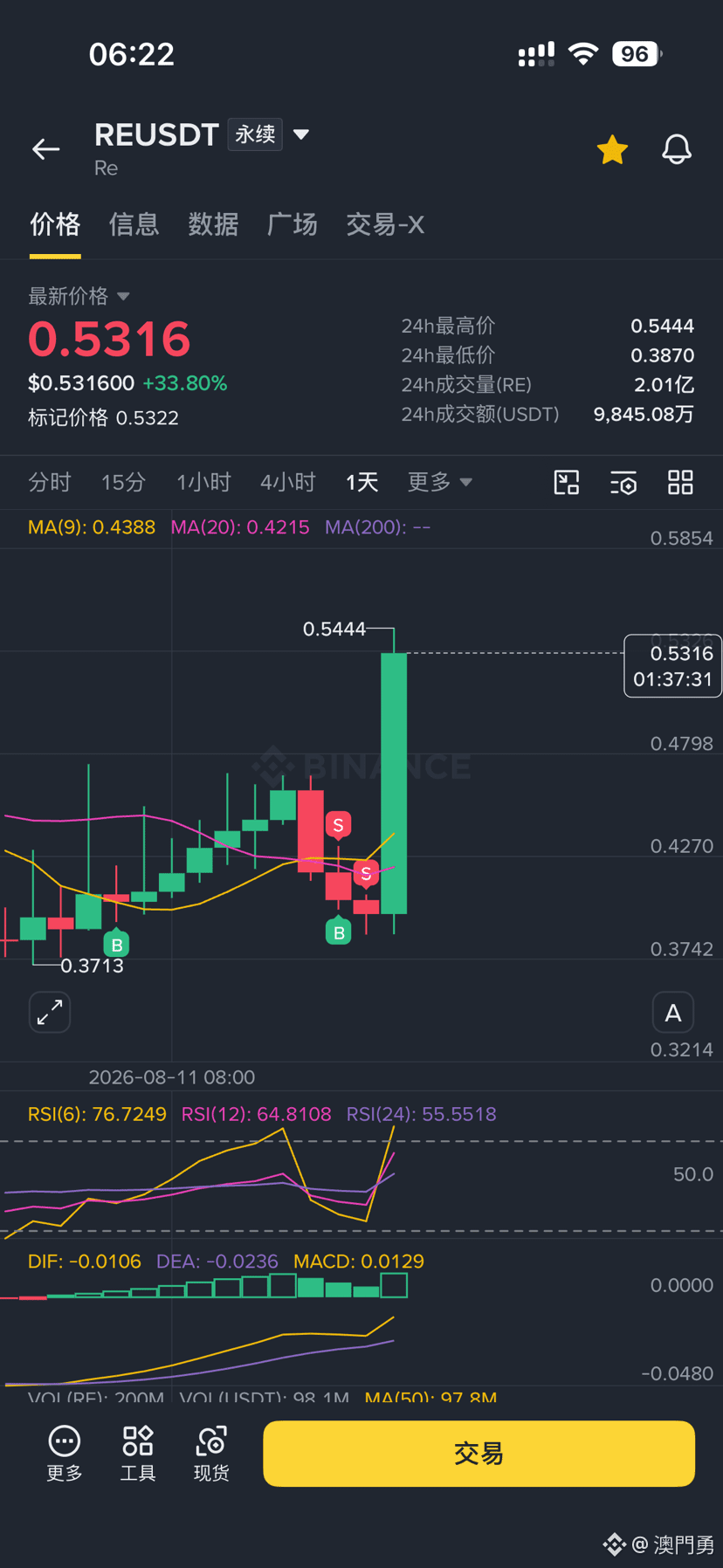
This is a 4.5R trade. My win rate is only about 40%, but because of the 3–4.5R risk-reward ratio, I still end up making money.
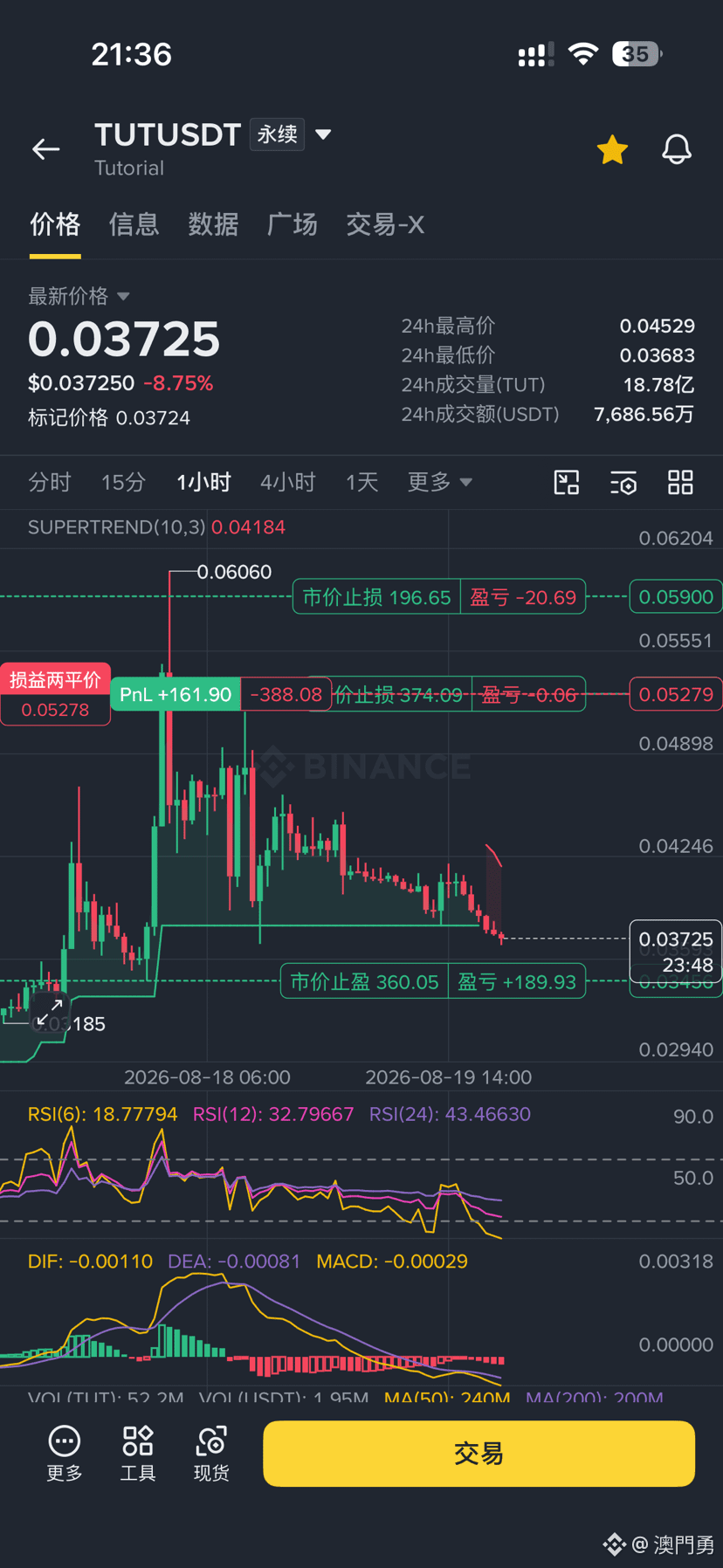
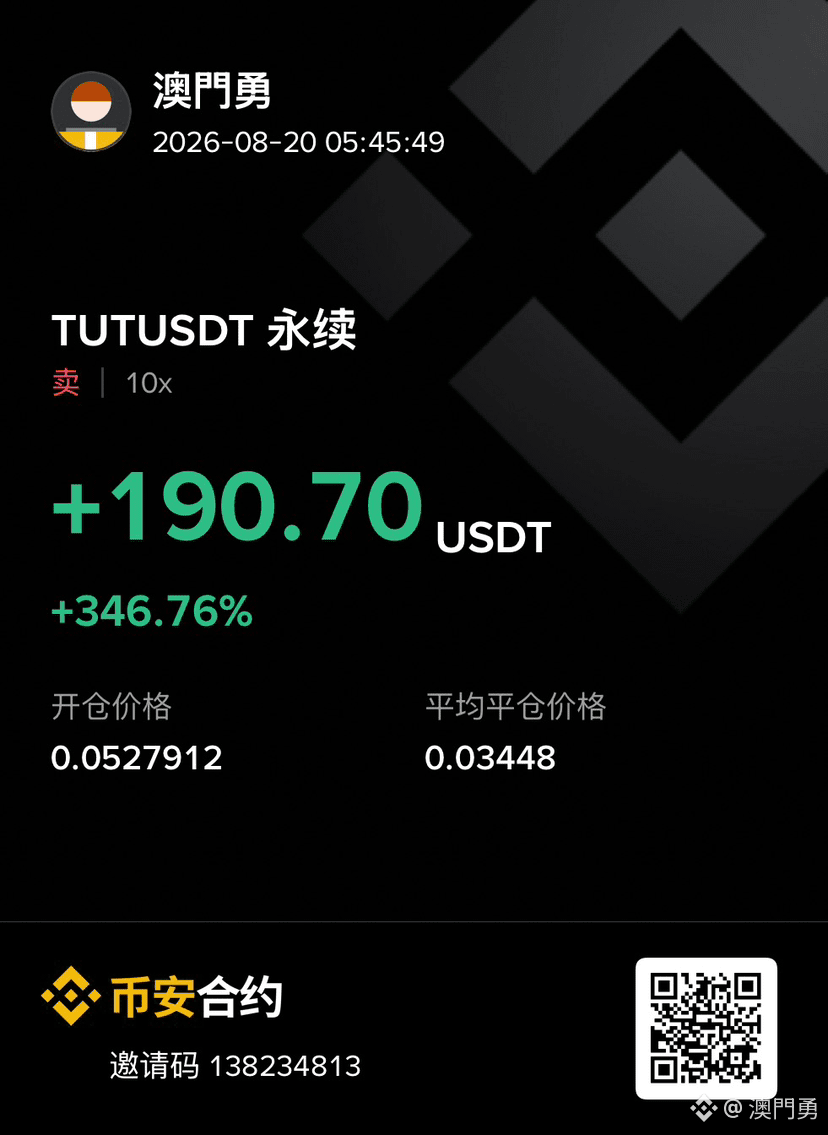
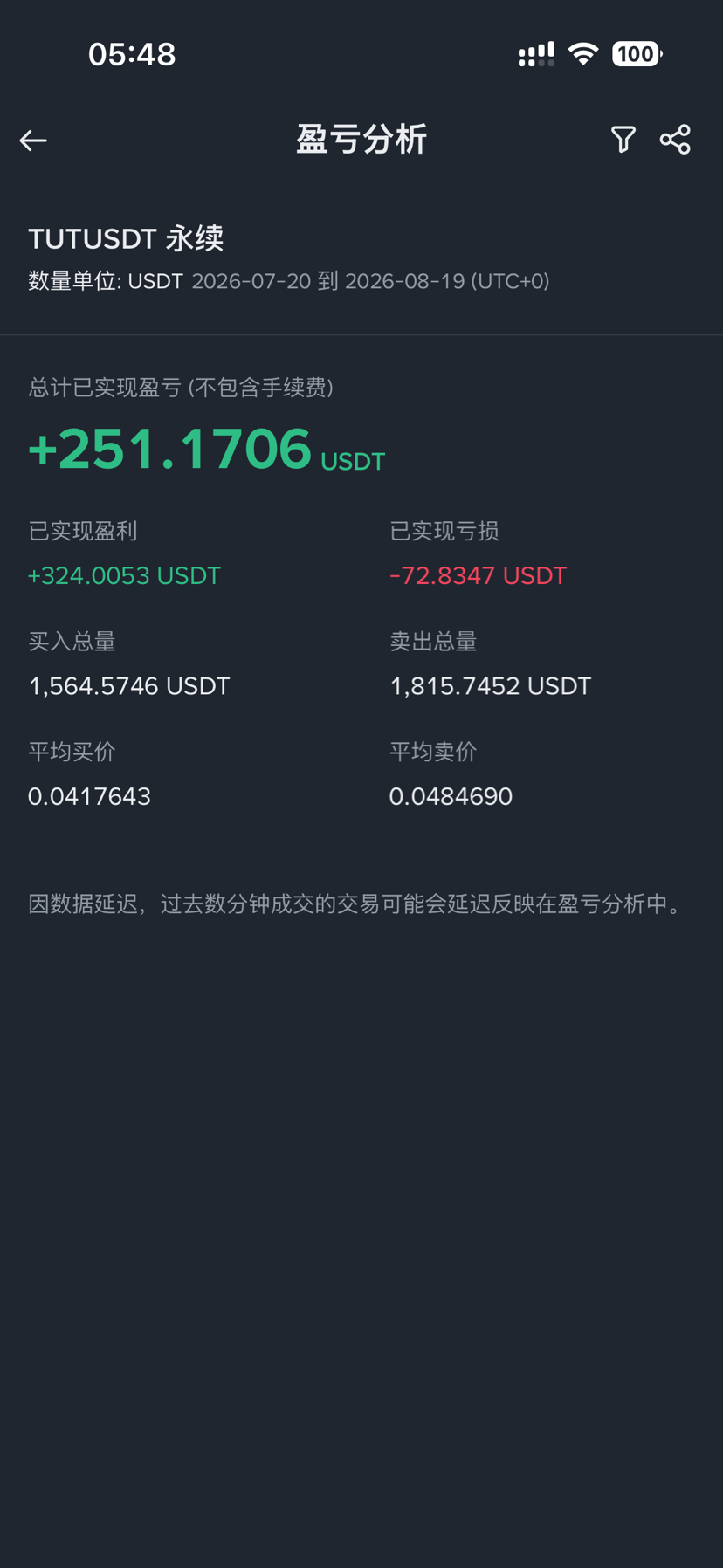
Some people think a small position is easy to lose and even easy to wipe out, but I actually feel a small position is easier to make money—because a negligible position simply doesn’t provide enough liquidity. If the position you open can’t provide sufficient liquidity, you’re very likely to get “hunted.” In contrast, some people think larger positions make you more cautious; however, that idea is wrong. What counts as a “large position” is inherently relative. Some people consider 1,000U big, while others think 10,000U is big. In reality, position size is just a tool, not a source of profit. The core principle of making money is always an unchanging strategy. Position size only affects psychological pressure and risk concentration. Smaller positions have lower liquidity impact, lower psychological pressure, and faster strategy validation—so they are actually safer and make it easier to maintain discipline. Larger positions, in illiquid or niche markets, can expose you to liquidity risk more easily; in popular markets, they’re just a drop in the ocean. Ultimately, what truly determines who wins is the stability of the strategy and the ability to execute it consistently and with discipline. So small positions aren’t “easy to lose”—they’re the safest way to start. Large positions don’t necessarily mean you’re more cautious either. The upgrade path should be to validate with small positions, adapt with medium positions, and build in larger positions in batches, so you can keep the strategy consistent across different stages and ensure sustainable profitability.
Log in to explore more content