

Fealty Cripto
2.4k Posts

Fealty Cripto
Report
Block User
O caminho até a riqueza absoluta! a verdadeira razão por qual vivemos. Esta perdido? não se preocupe vamos sair dessa juntos. space todos os dias às 15:30!

Creator Award Rising Star
Open Trade
High-Frequency Trader
3.7 Years
5 Following
11.9K+ Followers
6.0K+ Liked
1 Badges
Posts
Portfolio
All
Quotes
Videos
Live
PINNED
🚀 STARTING A NEW LONG-TERM EXPERIMENT.
Instead of trying to guess the market bottom, I’m going to do something much simpler:
buy every week.
I’m starting a new recurring investment plan directly via Binance, using weekly DCA.
My initial basket will be:
$BTC
$ETH
$SOL
$SPACEx
The rule is simple: consistency > trying to predict the market.
📊 From now on, every Monday I will publish an update of this wallet showing:
ROI:
Goal: long-term accumulation.
I want to turn this into a public experiment about what happens when discipline and time are put to work together.
Visit criotozion.xyz
🚀 STARTING A NEW LONG-TERM EXPERIMENT.
Instead of trying to guess the market bottom, I’m going to do something much simpler:
buy every week.
I’m starting a new recurring investment plan directly via Binance, using weekly DCA.
My initial basket will be:
$BTC
$ETH
$SOL
$SPACEx
The rule is simple: consistency > trying to predict the market.
📊 From now on, every Monday I will publish an update of this wallet showing:
ROI:
Goal: long-term accumulation.
I want to turn this into a public experiment about what happens when discipline and time are put to work together.
Visit criotozion.xyz
Instead of trying to guess the market bottom, I’m going to do something much simpler:
buy every week.
I’m starting a new recurring investment plan directly via Binance, using weekly DCA.
My initial basket will be:
$BTC
$ETH
$SOL
$SPACEx
The rule is simple: consistency > trying to predict the market.
📊 From now on, every Monday I will publish an update of this wallet showing:
ROI:
Goal: long-term accumulation.
I want to turn this into a public experiment about what happens when discipline and time are put to work together.
Visit criotozion.xyz
3
8
2.2k
PINNED
🚀 STARTING A NEW LONG-TERM EXPERIMENT.
Instead of trying to guess the bottom of the market, I’m going to do something much simpler:
buy every week.
I’m starting a new recurring investment plan directly through Binance, using weekly DCA.
My initial basket will be:
₿ $BTC
◈ $ETH
◎ $SOL
🚀 $SPCXB
The rule is simple: consistency > trying to predict the market.
📊 From now on, every Monday I’ll publish an update of this wallet showing:
• contribution made
• total amount invested
• accumulated quantity
• average price
• wallet ROI
• performance of each asset
• mistakes, wins, and strategy changes
And most importantly: I’ll also show when I’m in the red.
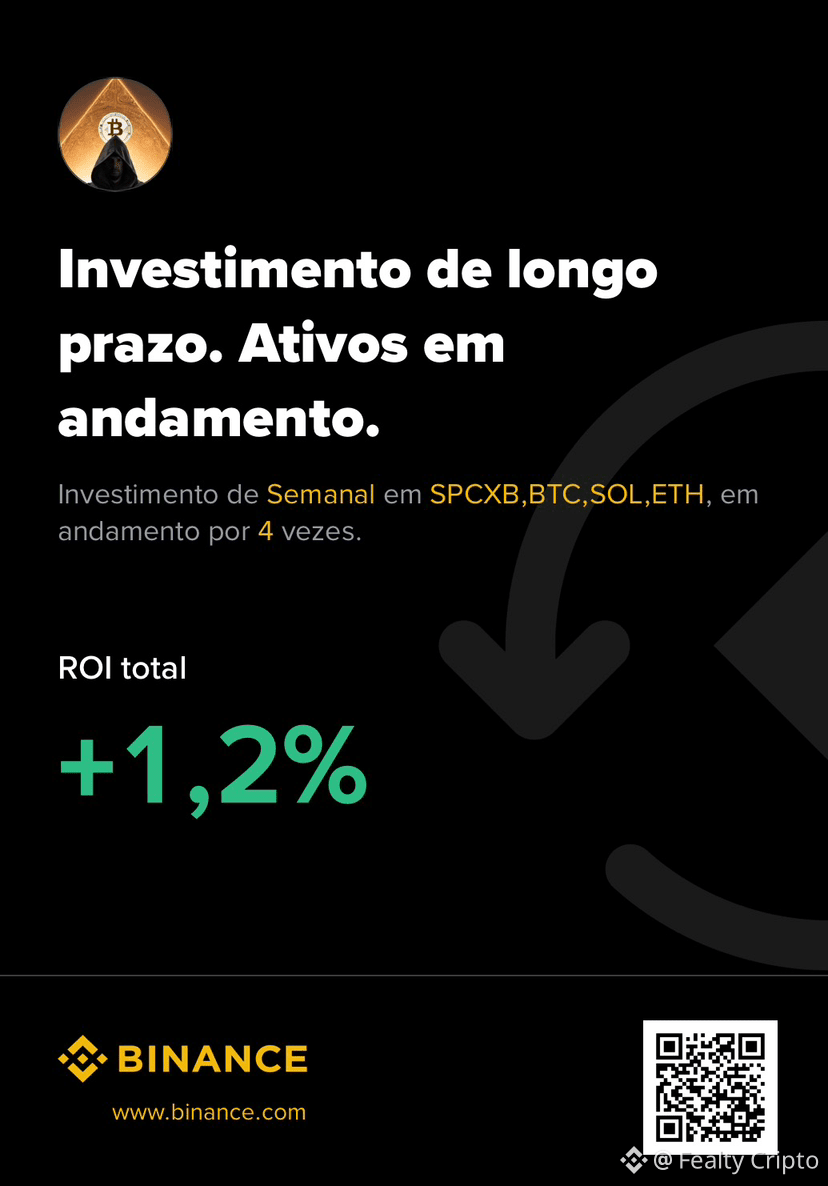
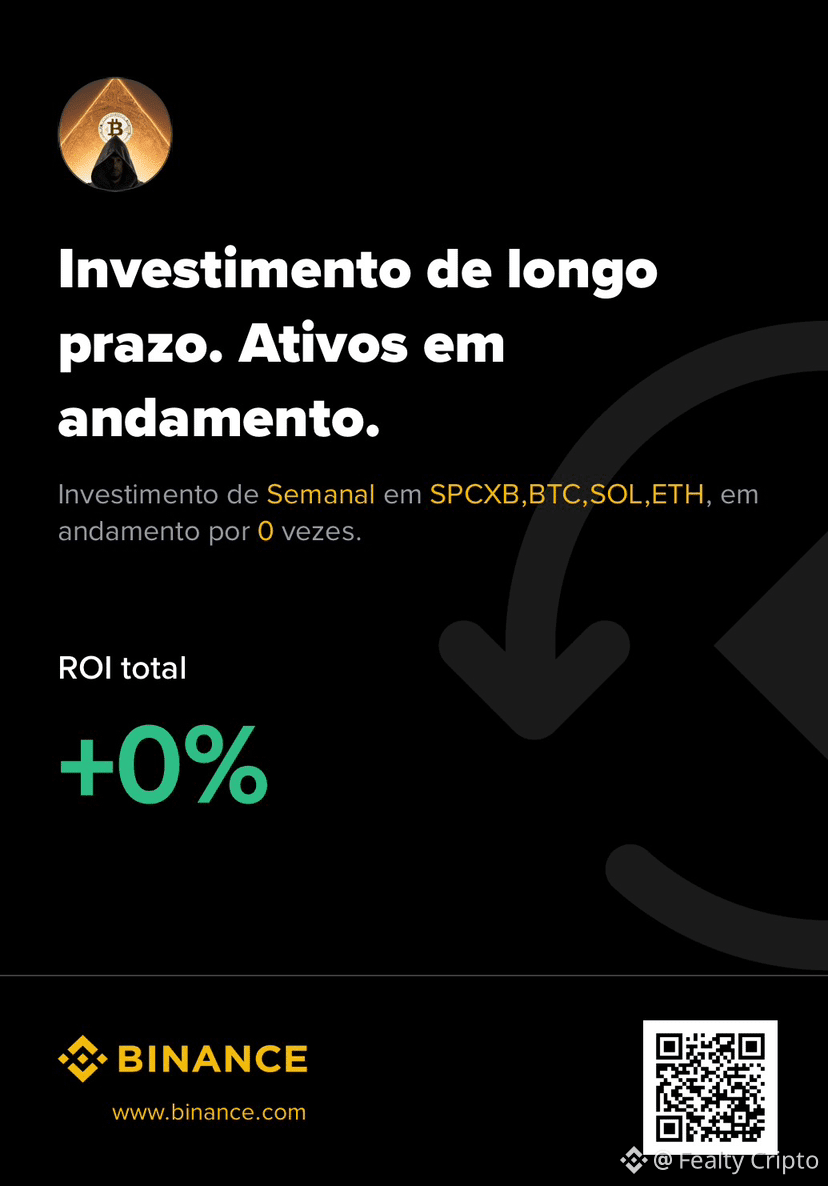
Today we’re officially in WEEK 0:
Executions: 0
ROI: +0%
Goal: long-term accumulation.
I want to turn this into a public experiment about what happens when discipline and time are made to work together.
Now I want to know:
If you had to choose only 3 of these 4 assets to do DCA with over the next few years, which ones would you pick?
#DCA #bitcoin #AutoInvest #BinanceSquare #Investment
🚀 STARTING A NEW LONG-TERM EXPERIMENT.
Instead of trying to guess the bottom of the market, I’m going to do something much simpler:
buy every week.
I’m starting a new recurring investment plan directly through Binance, using weekly DCA.
My initial basket will be:
₿ $BTC
◈ $ETH
◎ $SOL
🚀 $SPCXB
The rule is simple: consistency > trying to predict the market.
📊 From now on, every Monday I’ll publish an update of this wallet showing:
• contribution made
• total amount invested
• accumulated quantity
• average price
• wallet ROI
• performance of each asset
• mistakes, wins, and strategy changes
And most importantly: I’ll also show when I’m in the red.
Today we’re officially in WEEK 0:
Executions: 0
ROI: +0%
Goal: long-term accumulation.
I want to turn this into a public experiment about what happens when discipline and time are made to work together.
Now I want to know:
If you had to choose only 3 of these 4 assets to do DCA with over the next few years, which ones would you pick?
#DCA #bitcoin #AutoInvest #BinanceSquare #Investment
Instead of trying to guess the bottom of the market, I’m going to do something much simpler:
buy every week.
I’m starting a new recurring investment plan directly through Binance, using weekly DCA.
My initial basket will be:
₿ $BTC
◈ $ETH
◎ $SOL
🚀 $SPCXB
The rule is simple: consistency > trying to predict the market.
📊 From now on, every Monday I’ll publish an update of this wallet showing:
• contribution made
• total amount invested
• accumulated quantity
• average price
• wallet ROI
• performance of each asset
• mistakes, wins, and strategy changes
And most importantly: I’ll also show when I’m in the red.
Today we’re officially in WEEK 0:
Executions: 0
ROI: +0%
Goal: long-term accumulation.
I want to turn this into a public experiment about what happens when discipline and time are made to work together.
Now I want to know:
If you had to choose only 3 of these 4 assets to do DCA with over the next few years, which ones would you pick?
#DCA #bitcoin #AutoInvest #BinanceSquare #Investment
3
5
943
·
--
Bearish
Verified
“Zcash just got 3x faster.”
You’ll probably see this sentence today.
But it’s missing a very important piece of information.
This happened on the TESTNET.
Zcash’s NU7 has just gone live on the public test network.
The target time between blocks dropped from 75 seconds to 25 seconds.
For example, if a service continues to wait for three confirmations, the target time would go from approximately:
225 seconds → 75 seconds.
That could make a big difference for payments, exchanges, and applications.
And the upgrade changes something else interesting, too.
60% of transaction fees will go into a reserve created to help fund future miner rewards.
The other 40% goes to the miners.
But now comes the part of this story I like most.
While the technology moved forward…$ZEC is FALLING today. That’s a great reminder that: good news ≠ green candle.
The market had already been pricing in the privacy narrative heavily over the past few weeks.
Now the technology needs to deliver.
The decision on bringing NU7 to mainnet is expected on October 20.
The current activation target is November 5.
So I’m not looking at this as:
“ZEC got 3x faster, buy.”
I’m looking at it as: there’s now a real test to find out whether the narrative can turn into a product.
$ZEC #zcash #Privacy #NU7 #crypto
What do you think matters most for a privacy coin today: more privacy…or finally being able to compete as a means of payment, too?
{spot}(ZECUSDT)
“Zcash just got 3x faster.”
You’ll probably see this sentence today.
But it’s missing a very important piece of information.
This happened on the TESTNET.
Zcash’s NU7 has just gone live on the public test network.
The target time between blocks dropped from 75 seconds to 25 seconds.
For example, if a service continues to wait for three confirmations, the target time would go from approximately:
225 seconds → 75 seconds.
That could make a big difference for payments, exchanges, and applications.
And the upgrade changes something else interesting, too.
60% of transaction fees will go into a reserve created to help fund future miner rewards.
The other 40% goes to the miners.
But now comes the part of this story I like most.
While the technology moved forward…$ZEC is FALLING today. That’s a great reminder that: good news ≠ green candle.
The market had already been pricing in the privacy narrative heavily over the past few weeks.
Now the technology needs to deliver.
The decision on bringing NU7 to mainnet is expected on October 20.
The current activation target is November 5.
So I’m not looking at this as:
“ZEC got 3x faster, buy.”
I’m looking at it as: there’s now a real test to find out whether the narrative can turn into a product.
$ZEC #zcash #Privacy #NU7 #crypto
What do you think matters most for a privacy coin today: more privacy…or finally being able to compete as a means of payment, too?
You’ll probably see this sentence today.
But it’s missing a very important piece of information.
This happened on the TESTNET.
Zcash’s NU7 has just gone live on the public test network.
The target time between blocks dropped from 75 seconds to 25 seconds.
For example, if a service continues to wait for three confirmations, the target time would go from approximately:
225 seconds → 75 seconds.
That could make a big difference for payments, exchanges, and applications.
And the upgrade changes something else interesting, too.
60% of transaction fees will go into a reserve created to help fund future miner rewards.
The other 40% goes to the miners.
But now comes the part of this story I like most.
While the technology moved forward…$ZEC is FALLING today. That’s a great reminder that: good news ≠ green candle.
The market had already been pricing in the privacy narrative heavily over the past few weeks.
Now the technology needs to deliver.
The decision on bringing NU7 to mainnet is expected on October 20.
The current activation target is November 5.
So I’m not looking at this as:
“ZEC got 3x faster, buy.”
I’m looking at it as: there’s now a real test to find out whether the narrative can turn into a product.
$ZEC #zcash #Privacy #NU7 #crypto
What do you think matters most for a privacy coin today: more privacy…or finally being able to compete as a means of payment, too?
4
895
The U.S. dollar just hit its strongest level in 18 months.
That’s usually NOT a good combination for Bitcoin.
Even so…
$BTC is still hovering near $86K.
And there’s another detail that caught my attention.
The 50-, 100-, and 200-day moving averages are very close to forming a setup Bitcoin hasn’t seen since 2025:
50 days > 100 days > 200 days.
In practice, the short, medium, and long term would all start pointing in the same direction.
It looks extremely bullish.
But I wouldn’t turn that into:
“now’s the time to buy.”
Bitcoin tried to break through the $87K area twice in the last few days…
and failed both times.
On top of that, the derivatives market is still crowded.
Funding is still positive.
Leveraged positions are still open.
And options are heavily skewed toward calls.
So we have a situation I find much more interesting than simply saying “Uptober”:
structure improving ✅
Bitcoin holding up against a strong dollar ✅
$87K still rejecting the price ⚠️
leverage increasing the risk ⚠️
At Z Smart DCA, no single indicator decides a trade on its own.
I want to see whether PRICE confirms what the indicators have started to show.
$BTC #bitcoin #Uptober
What do you think: is BTC holding $86K with the dollar at an 18-month high a sign of real strength… or is the market too optimistic ahead of a break above $87K?
{spot}(BTCUSDT)
The U.S. dollar just hit its strongest level in 18 months.
That’s usually NOT a good combination for Bitcoin.
Even so…
$BTC is still hovering near $86K.
And there’s another detail that caught my attention.
The 50-, 100-, and 200-day moving averages are very close to forming a setup Bitcoin hasn’t seen since 2025:
50 days > 100 days > 200 days.
In practice, the short, medium, and long term would all start pointing in the same direction.
It looks extremely bullish.
But I wouldn’t turn that into:
“now’s the time to buy.”
Bitcoin tried to break through the $87K area twice in the last few days…
and failed both times.
On top of that, the derivatives market is still crowded.
Funding is still positive.
Leveraged positions are still open.
And options are heavily skewed toward calls.
So we have a situation I find much more interesting than simply saying “Uptober”:
structure improving ✅
Bitcoin holding up against a strong dollar ✅
$87K still rejecting the price ⚠️
leverage increasing the risk ⚠️
At Z Smart DCA, no single indicator decides a trade on its own.
I want to see whether PRICE confirms what the indicators have started to show.
$BTC #bitcoin #Uptober
What do you think: is BTC holding $86K with the dollar at an 18-month high a sign of real strength… or is the market too optimistic ahead of a break above $87K?
That’s usually NOT a good combination for Bitcoin.
Even so…
$BTC is still hovering near $86K.
And there’s another detail that caught my attention.
The 50-, 100-, and 200-day moving averages are very close to forming a setup Bitcoin hasn’t seen since 2025:
50 days > 100 days > 200 days.
In practice, the short, medium, and long term would all start pointing in the same direction.
It looks extremely bullish.
But I wouldn’t turn that into:
“now’s the time to buy.”
Bitcoin tried to break through the $87K area twice in the last few days…
and failed both times.
On top of that, the derivatives market is still crowded.
Funding is still positive.
Leveraged positions are still open.
And options are heavily skewed toward calls.
So we have a situation I find much more interesting than simply saying “Uptober”:
structure improving ✅
Bitcoin holding up against a strong dollar ✅
$87K still rejecting the price ⚠️
leverage increasing the risk ⚠️
At Z Smart DCA, no single indicator decides a trade on its own.
I want to see whether PRICE confirms what the indicators have started to show.
$BTC #bitcoin #Uptober
What do you think: is BTC holding $86K with the dollar at an 18-month high a sign of real strength… or is the market too optimistic ahead of a break above $87K?
1
1.8k
Verified
This really caught my attention far more than another candle of $ETH . The Ethereum Foundation has just put zkAPI into mainnet.
The idea seems simple… but it could have enormous implications. Today, when you use an AI API, there’s normally a link between:
your account
your payment
your API key
and everything you ask.
zkAPI tries to break that connection.
You deposit $ETH or $USDC into a contract.
Then, a zero-knowledge proof shows that there’s enough balance to pay for usage… without revealing exactly who is paying.
The system then releases a temporary key to use the AI service.
This opens up possibilities for:
autonomous AI agents
machine-to-machine payments
APIs
RPCs
image generation
and other digital services.
And for me, there’s a bigger narrative here:
if AI agents start operating economically on their own…
they’ll also need infrastructure to PAY.
Blockchain may end up being less about “buying currency”…
and more about giving machines a programmable bank account.
But there’s an important caveat.
zkAPI protects the relationship between payment and identity.
It doesn’t make the person invisible.
IP, prompt content, and usage patterns can still reveal information.
And the project itself is still experimental.
$ETH #Ethereum #AI #Privacy #ZK
AI + blockchain is a narrative…
or will autonomous agents really need programmable money?
{spot}(ETHUSDT)
This really caught my attention far more than another candle of $ETH . The Ethereum Foundation has just put zkAPI into mainnet.
The idea seems simple… but it could have enormous implications. Today, when you use an AI API, there’s normally a link between:
your account
your payment
your API key
and everything you ask.
zkAPI tries to break that connection.
You deposit $ETH or $USDC into a contract.
Then, a zero-knowledge proof shows that there’s enough balance to pay for usage… without revealing exactly who is paying.
The system then releases a temporary key to use the AI service.
This opens up possibilities for:
autonomous AI agents
machine-to-machine payments
APIs
RPCs
image generation
and other digital services.
And for me, there’s a bigger narrative here:
if AI agents start operating economically on their own…
they’ll also need infrastructure to PAY.
Blockchain may end up being less about “buying currency”…
and more about giving machines a programmable bank account.
But there’s an important caveat.
zkAPI protects the relationship between payment and identity.
It doesn’t make the person invisible.
IP, prompt content, and usage patterns can still reveal information.
And the project itself is still experimental.
$ETH #Ethereum #AI #Privacy #ZK
AI + blockchain is a narrative…
or will autonomous agents really need programmable money?
The idea seems simple… but it could have enormous implications. Today, when you use an AI API, there’s normally a link between:
your account
your payment
your API key
and everything you ask.
zkAPI tries to break that connection.
You deposit $ETH or $USDC into a contract.
Then, a zero-knowledge proof shows that there’s enough balance to pay for usage… without revealing exactly who is paying.
The system then releases a temporary key to use the AI service.
This opens up possibilities for:
autonomous AI agents
machine-to-machine payments
APIs
RPCs
image generation
and other digital services.
And for me, there’s a bigger narrative here:
if AI agents start operating economically on their own…
they’ll also need infrastructure to PAY.
Blockchain may end up being less about “buying currency”…
and more about giving machines a programmable bank account.
But there’s an important caveat.
zkAPI protects the relationship between payment and identity.
It doesn’t make the person invisible.
IP, prompt content, and usage patterns can still reveal information.
And the project itself is still experimental.
$ETH #Ethereum #AI #Privacy #ZK
AI + blockchain is a narrative…
or will autonomous agents really need programmable money?
1
3.1k
·
--
Bullish
🚀 STARTING A NEW LONG-TERM EXPERIMENT.
Instead of trying to guess the bottom of the market, I’m going to do something much simpler:
buy every week.
I’m starting a new recurring investment plan directly through Binance, using weekly DCA.
My initial basket will be:
$BTC
$ETH
$SOL
$SPCXB
The rule is simple: consistency > trying to predict the market.
📊 Starting now, every Monday I’ll publish an update of this portfolio showing:
• amount contributed
• total value invested
• accumulated quantity
• average price
• portfolio ROI
• performance of each asset
• mistakes, wins, and strategy changes
And most importantly: I’ll also show when I’m in the red.
Today we are officially in WEEK 0:
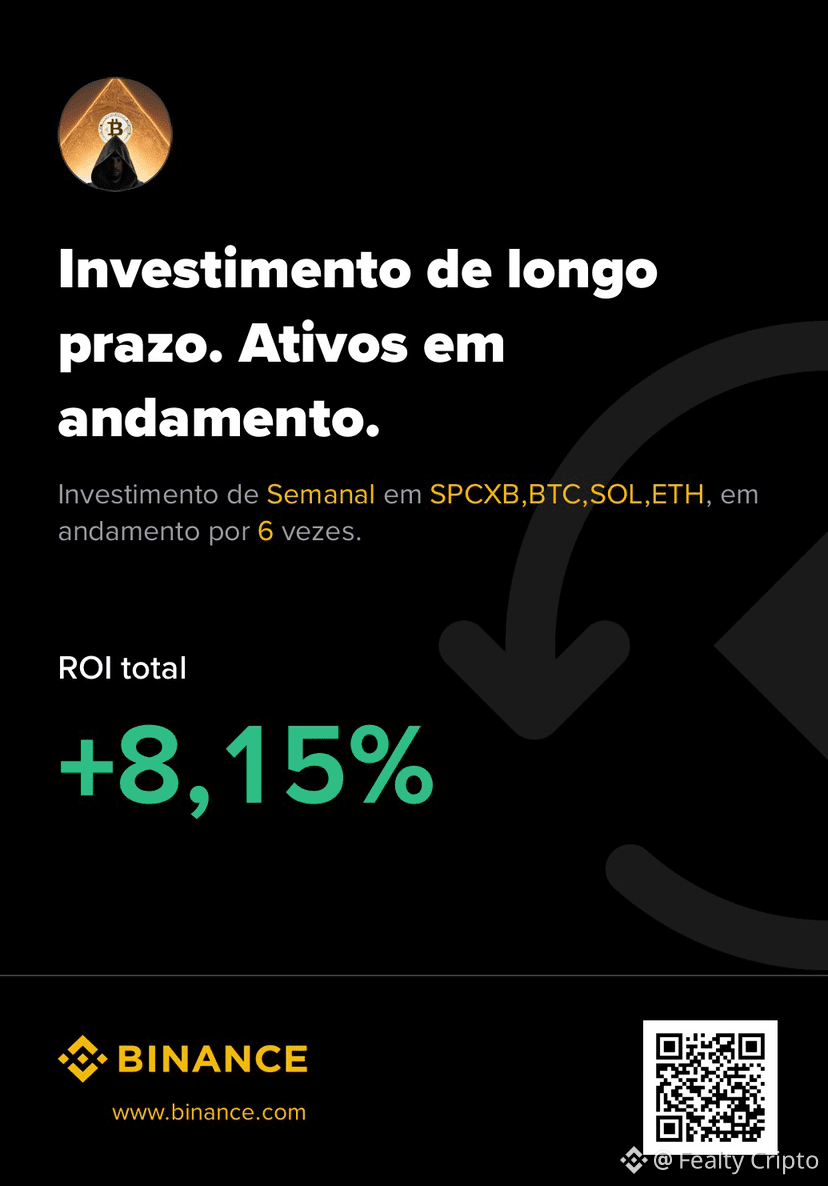
Executions: 6
ROI: +8%
Goal: long-term accumulation.
I want to turn this into a public experiment about what happens when discipline and time work together.
Now I want to know:
If you had to choose only 3 of these 4 assets to do DCA with during the coming years, which would you pick?
#DCA #bitcoin #AutoInvest #BinanceSquare
{spot}(SPCXBUSDT)
{spot}(BTCUSDT)
{spot}(ETHUSDT)
🚀 STARTING A NEW LONG-TERM EXPERIMENT.
Instead of trying to guess the bottom of the market, I’m going to do something much simpler:
buy every week.
I’m starting a new recurring investment plan directly through Binance, using weekly DCA.
My initial basket will be:
$BTC
$ETH
$SOL
$SPCXB
The rule is simple: consistency > trying to predict the market.
📊 Starting now, every Monday I’ll publish an update of this portfolio showing:
• amount contributed
• total value invested
• accumulated quantity
• average price
• portfolio ROI
• performance of each asset
• mistakes, wins, and strategy changes
And most importantly: I’ll also show when I’m in the red.
Today we are officially in WEEK 0:
Executions: 6
ROI: +8%
Goal: long-term accumulation.
I want to turn this into a public experiment about what happens when discipline and time work together.
Now I want to know:
If you had to choose only 3 of these 4 assets to do DCA with during the coming years, which would you pick?
#DCA #bitcoin #AutoInvest #BinanceSquare
Instead of trying to guess the bottom of the market, I’m going to do something much simpler:
buy every week.
I’m starting a new recurring investment plan directly through Binance, using weekly DCA.
My initial basket will be:
$BTC
$ETH
$SOL
$SPCXB
The rule is simple: consistency > trying to predict the market.
📊 Starting now, every Monday I’ll publish an update of this portfolio showing:
• amount contributed
• total value invested
• accumulated quantity
• average price
• portfolio ROI
• performance of each asset
• mistakes, wins, and strategy changes
And most importantly: I’ll also show when I’m in the red.
Today we are officially in WEEK 0:
Executions: 6
ROI: +8%
Goal: long-term accumulation.
I want to turn this into a public experiment about what happens when discipline and time work together.
Now I want to know:
If you had to choose only 3 of these 4 assets to do DCA with during the coming years, which would you pick?
#DCA #bitcoin #AutoInvest #BinanceSquare
2
1
7
2.8k
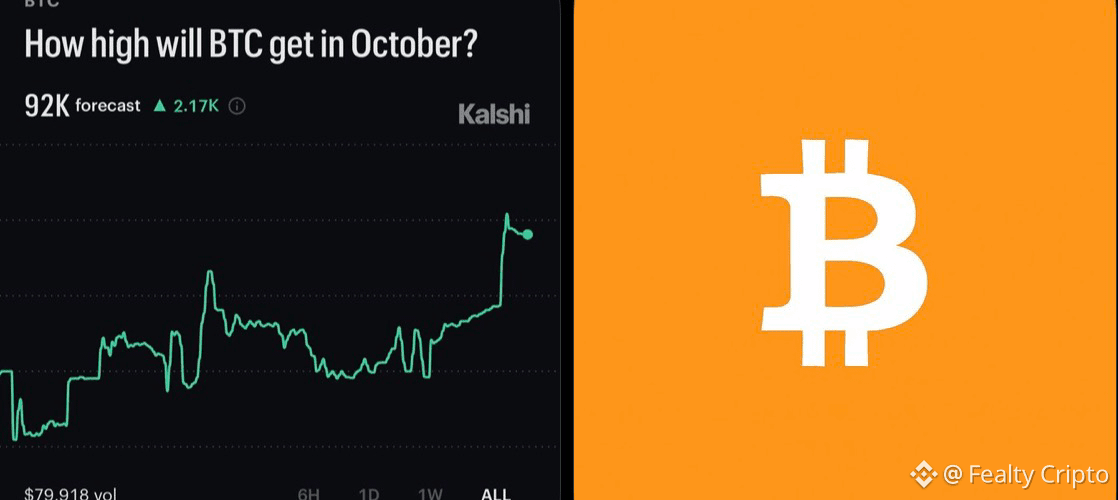
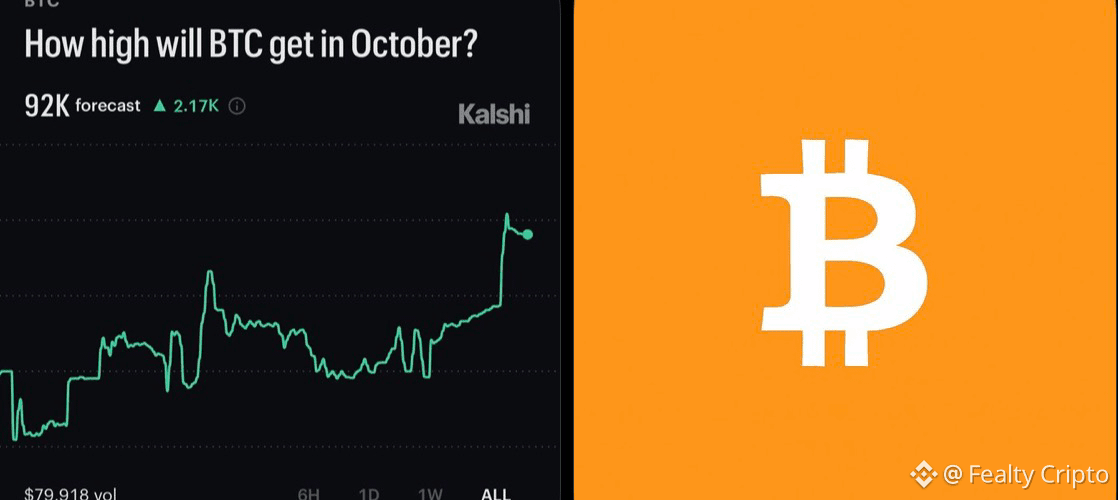
💥 BREAKING NEWS: Kalshi traders expect that Bitcoin will reach a price of up to US$ 92,000 this month after its MASSIVE BREAKOUT.
$BTC $ETH
{spot}(BTCUSDT)
$ETH
💥 BREAKING NEWS: Kalshi traders expect that Bitcoin will reach a price of up to US$ 92,000 this month after its MASSIVE BREAKOUT.
$BTC $ETH
$ETH
$BTC $ETH
$ETH
2
526
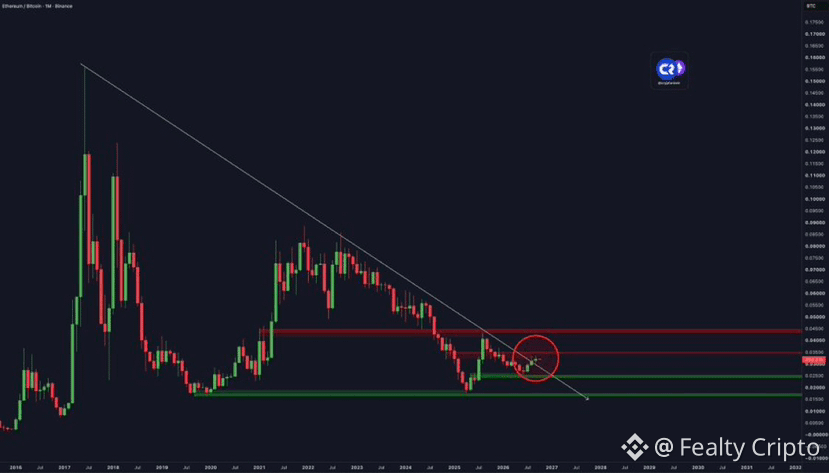
$ETH vs $BTC just confirmed a 9-year monthly break.
This Ethereum bull market will be INCREDIBLE!
{spot}(ETHUSDT)
{spot}(BTCUSDT)
$ETH vs $BTC just confirmed a 9-year monthly break.
This Ethereum bull market will be INCREDIBLE!
This Ethereum bull market will be INCREDIBLE!
1
546
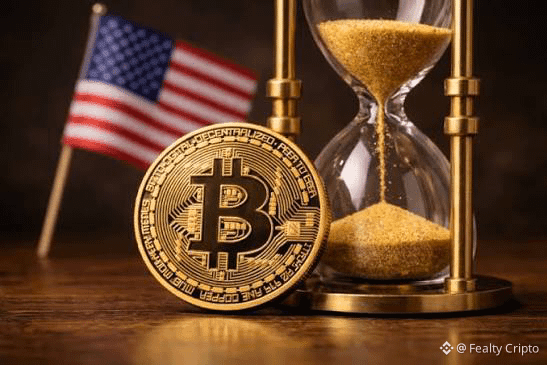
$BTC climbed back up from US$86K.
But the number that caught my attention the most today wasn’t the price.
It was: +US$2.3 BILLION.
That’s about how much Bitcoin’s open interest has increased since September 30.
While BTC moved from around US$83.5K to US$86K+, new positions started to show up.
And funding also went up.
In plain terms: the market is optimistic again… and is back to PAYING to stay long. At the same time, there’s demand outside of derivatives.
Bitcoin ETFs started October with +US$102.7 million in net inflows after receiving US$2.65 billion during September.
So we have two things happening:
demand via ETF ✅
leverage returning ✅
It looks great. But the second one also increases risk. The more people enter leveraged on the same side, the more sensitive the market becomes if price turns quickly.
In Zion Smart DCA, I don’t interpret it as: “BTC broke out, I need to rush.”
I interpret it as: now I want to see whether the SPOT market can sustain what the futures are accelerating.
$BTC #bitcoin #crypto #Uptober
For you, does this move back to US$86K look like real demand…
or is leverage already starting to push the candle?
{spot}(BTCUSDT)
$BTC climbed back up from US$86K.
But the number that caught my attention the most today wasn’t the price.
It was: +US$2.3 BILLION.
That’s about how much Bitcoin’s open interest has increased since September 30.
While BTC moved from around US$83.5K to US$86K+, new positions started to show up.
And funding also went up.
In plain terms: the market is optimistic again… and is back to PAYING to stay long. At the same time, there’s demand outside of derivatives.
Bitcoin ETFs started October with +US$102.7 million in net inflows after receiving US$2.65 billion during September.
So we have two things happening:
demand via ETF ✅
leverage returning ✅
It looks great. But the second one also increases risk. The more people enter leveraged on the same side, the more sensitive the market becomes if price turns quickly.
In Zion Smart DCA, I don’t interpret it as: “BTC broke out, I need to rush.”
I interpret it as: now I want to see whether the SPOT market can sustain what the futures are accelerating.
$BTC #bitcoin #crypto #Uptober
For you, does this move back to US$86K look like real demand…
or is leverage already starting to push the candle?
But the number that caught my attention the most today wasn’t the price.
It was: +US$2.3 BILLION.
That’s about how much Bitcoin’s open interest has increased since September 30.
While BTC moved from around US$83.5K to US$86K+, new positions started to show up.
And funding also went up.
In plain terms: the market is optimistic again… and is back to PAYING to stay long. At the same time, there’s demand outside of derivatives.
Bitcoin ETFs started October with +US$102.7 million in net inflows after receiving US$2.65 billion during September.
So we have two things happening:
demand via ETF ✅
leverage returning ✅
It looks great. But the second one also increases risk. The more people enter leveraged on the same side, the more sensitive the market becomes if price turns quickly.
In Zion Smart DCA, I don’t interpret it as: “BTC broke out, I need to rush.”
I interpret it as: now I want to see whether the SPOT market can sustain what the futures are accelerating.
$BTC #bitcoin #crypto #Uptober
For you, does this move back to US$86K look like real demand…
or is leverage already starting to push the candle?
3
6
6.3k
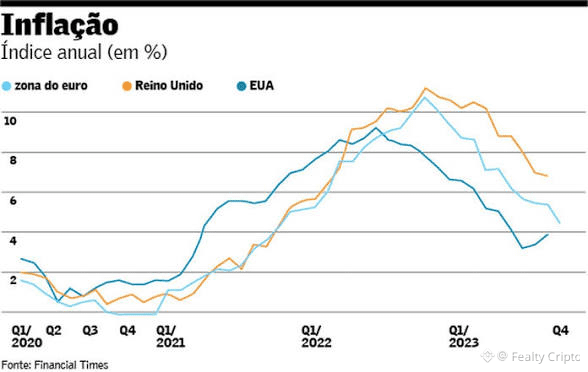
“Oil above US$ 100 is no longer just a threat: European inflation has reached 3.8%. Why the energy shock can keep global liquidity tight even if the Fed pauses.”
$BTC $ETH
“Oil above US$ 100 is no longer just a threat: European inflation has reached 3.8%. Why the energy shock can keep global liquidity tight even if the Fed pauses.”
$BTC $ETH
$BTC $ETH
1
488
Annual euro area inflation accelerated from 3.2% to 3.8% in September, above the expected 3.6% and at the highest level in approximately three years. Core inflation rose more moderately, from 2.4% to 2.5%, with an increase in services.
The main driver came from fuels, natural gas, and, to a lesser extent, food. This turns part of the energy risk previously being monitored into effectively recorded inflation, keeping the index well above the ECB’s 2% target.
Annual euro area inflation accelerated from 3.2% to 3.8% in September, above the expected 3.6% and at the highest level in approximately three years. Core inflation rose more moderately, from 2.4% to 2.5%, with an increase in services.
The main driver came from fuels, natural gas, and, to a lesser extent, food. This turns part of the energy risk previously being monitored into effectively recorded inflation, keeping the index well above the ECB’s 2% target.
The main driver came from fuels, natural gas, and, to a lesser extent, food. This turns part of the energy risk previously being monitored into effectively recorded inflation, keeping the index well above the ECB’s 2% target.
346
The SEC proposed specific rules for custody of crypto by registered advisors and regulated funds. The text allows, under certain conditions, self-custody and custodians established as state trust companies. This is a proposal, with a public comment period of 60 days after publication in the Federal Register — it is not yet a current rule.$BTC
{spot}(BTCUSDT)
The SEC proposed specific rules for custody of crypto by registered advisors and regulated funds. The text allows, under certain conditions, self-custody and custodians established as state trust companies. This is a proposal, with a public comment period of 60 days after publication in the Federal Register — it is not yet a current rule.$BTC

3
1.3k
Article
Macro alert — fuel shock gains a new dimensionChinese refineries suspended exports of diesel, gasoline, and jet fuel to destinations beyond Hong Kong and Macau during October, while Beijing prioritizes domestic inventories. PetroChina has already canceled scheduled shipments. The information comes from sources heard by Reuters; the Chinese government has not yet responded officially during the national holiday.
The movement removed a flexible supply source from a market already affected by the wars in Iran and Ukraine. Brent rose by approximately $3 to $101.06, and the Asian gasoline crack spread reached a record. At the same time, European countries are discussing releasing emergency diesel stocks, after pressure from the U.S. and a threat of restrictions on U.S. exports.
Macro alert — fuel shock gains a new dimension
Chinese refineries suspended exports of diesel, gasoline, and jet fuel to destinations beyond Hong Kong and Macau during October, while Beijing prioritizes domestic inventories. PetroChina has already canceled scheduled shipments. The information comes from sources heard by Reuters; the Chinese government has not yet responded officially during the national holiday.
The movement removed a flexible supply source from a market already affected by the wars in Iran and Ukraine. Brent rose by approximately $3 to $101.06, and the Asian gasoline crack spread reached a record. At the same time, European countries are discussing releasing emergency diesel stocks, after pressure from the U.S. and a threat of restrictions on U.S. exports.
The movement removed a flexible supply source from a market already affected by the wars in Iran and Ukraine. Brent rose by approximately $3 to $101.06, and the Asian gasoline crack spread reached a record. At the same time, European countries are discussing releasing emergency diesel stocks, after pressure from the U.S. and a threat of restrictions on U.S. exports.
1
268
·
--
Bullish
Partly True
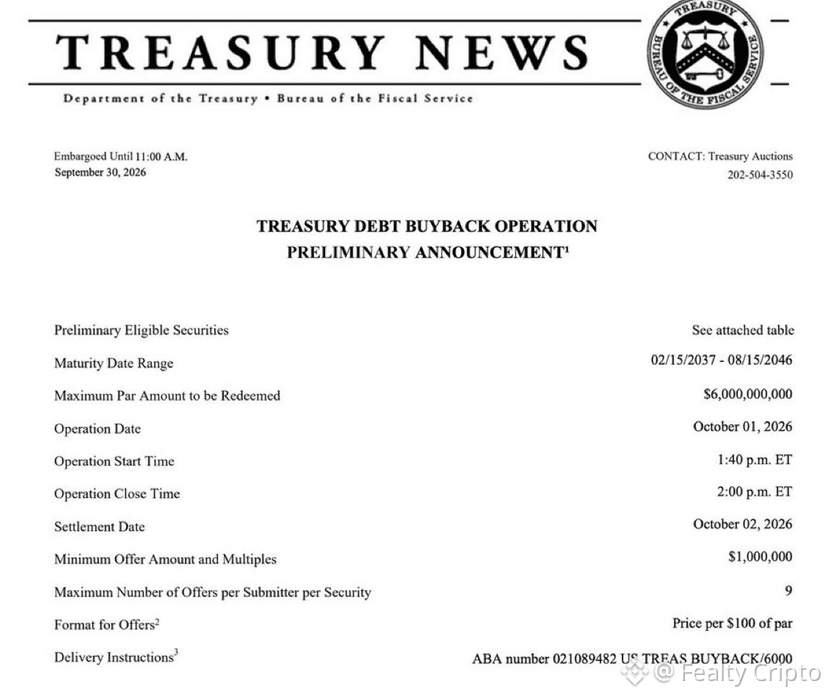
URGENT: 🇺🇸 US Treasury Department will buy back up to US$ 6 billion in long-term debt AGAIN 👀
Buy Bitcoin 🚀
{spot}(BTCUSDT)
URGENT: 🇺🇸 US Treasury Department will buy back up to US$ 6 billion in long-term debt AGAIN 👀
Buy Bitcoin 🚀
Buy Bitcoin 🚀
BTC-0.05%
TLTETF+0.31%
5
775

Article
DeFi Operational Alert — MetaMask Responds to Security IncidentMetaMask reported an incident still under investigation involving part of its infrastructure. As a precautionary measure, it began withdrawing affected validators from its staking operations. The company states it did not identify an immediate threat to wallets, that staking is non-custodial, and that it does not control customers’ withdrawal keys.
The removal of the validators would already have been initiated, with completion expected by 7/10, although the full withdrawal may take longer.
Why it matters: this is widely used infrastructure in the Ethereum ecosystem. The preventive exit of validators shows a concrete operational impact, but there is still no public evidence of compromise of seeds, private keys, the wallet extension, or users’ funds.
DeFi Operational Alert — MetaMask Responds to Security Incident
MetaMask reported an incident still under investigation involving part of its infrastructure. As a precautionary measure, it began withdrawing affected validators from its staking operations. The company states it did not identify an immediate threat to wallets, that staking is non-custodial, and that it does not control customers’ withdrawal keys.
The removal of the validators would already have been initiated, with completion expected by 7/10, although the full withdrawal may take longer.
Why it matters: this is widely used infrastructure in the Ethereum ecosystem. The preventive exit of validators shows a concrete operational impact, but there is still no public evidence of compromise of seeds, private keys, the wallet extension, or users’ funds.
The removal of the validators would already have been initiated, with completion expected by 7/10, although the full withdrawal may take longer.
Why it matters: this is widely used infrastructure in the Ethereum ecosystem. The preventive exit of validators shows a concrete operational impact, but there is still no public evidence of compromise of seeds, private keys, the wallet extension, or users’ funds.
6
728
·
--
Bullish
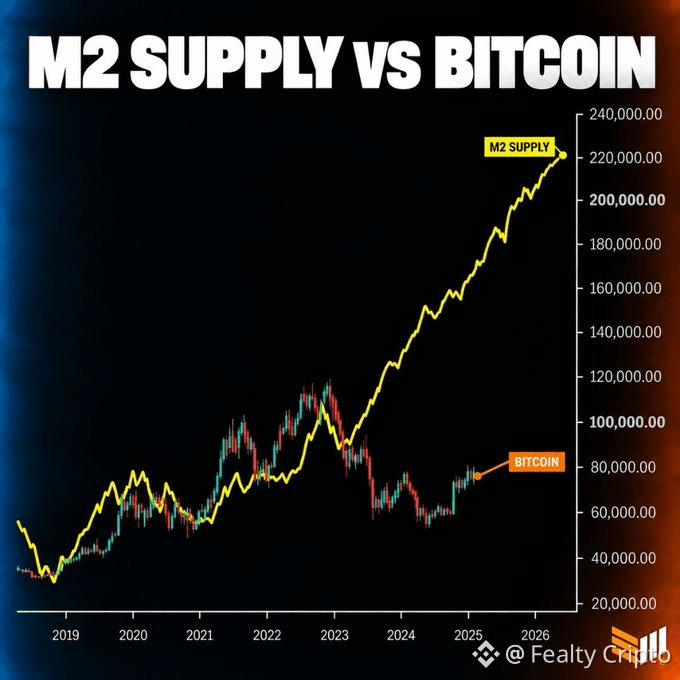
ONLY IN: The monetary supply M2 reached a peak.
That’s why we use Bitcoin. Get properly prepared 🚀
$BTC
{spot}(BTCUSDT)
ONLY IN: The monetary supply M2 reached a peak.
That’s why we use Bitcoin. Get properly prepared 🚀
$BTC
That’s why we use Bitcoin. Get properly prepared 🚀
$BTC
3
489
·
--
Bullish
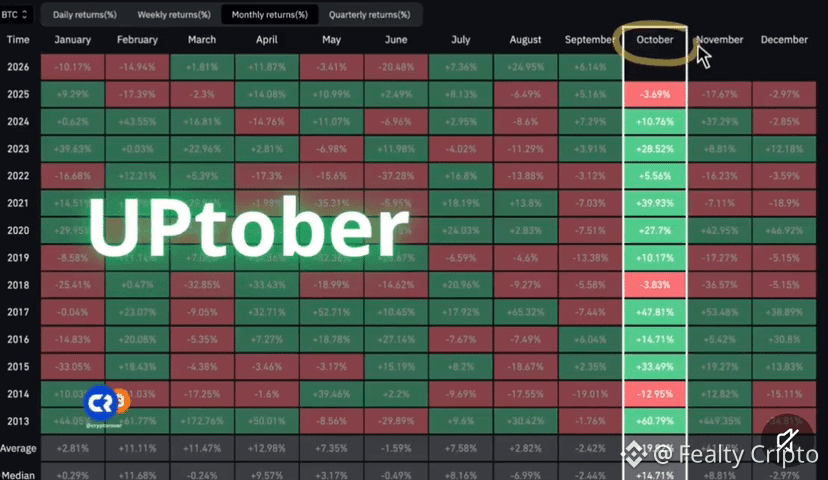
BITCOIN UPTEMBER STARTS TOMORROW!
Average return: 🟢 +14.71%.
Will history repeat itself?
$BTC #uptuber
{spot}(BTCUSDT)
BITCOIN UPTEMBER STARTS TOMORROW!
Average return: 🟢 +14.71%.
Will history repeat itself?
$BTC #uptuber
Average return: 🟢 +14.71%.
Will history repeat itself?
$BTC #uptuber

3
159
Partly True
Article
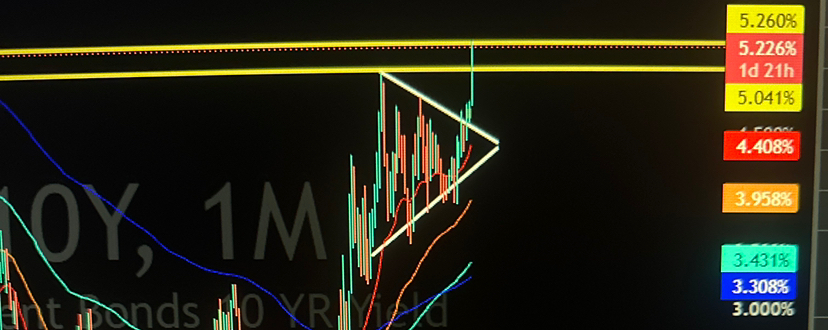
Relevant update — PCE eases the Fed, but not long-term ratesNew development on 9/30: the market began attributing about a 65% chance to keeping interest rates steady in October, versus 55% before the PCE. The 2-year Treasury yield fell to 4.868%, but the 10-year yield rose to 5.272% and the 30-year yield to 5.6298%. In other words: expectations for immediate tightening eased, while the cost of long-term capital worsened.
Reuters associates this long-standing pressure with fiscal deterioration, increased debt issuance, and energy inflation linked to the conflict with Iran; Brent was up toward $103.71.
Relevant update — PCE eases the Fed, but not long-term rates
New development on 9/30: the market began attributing about a 65% chance to keeping interest rates steady in October, versus 55% before the PCE. The 2-year Treasury yield fell to 4.868%, but the 10-year yield rose to 5.272% and the 30-year yield to 5.6298%. In other words: expectations for immediate tightening eased, while the cost of long-term capital worsened.
Reuters associates this long-standing pressure with fiscal deterioration, increased debt issuance, and energy inflation linked to the conflict with Iran; Brent was up toward $103.71.
Reuters associates this long-standing pressure with fiscal deterioration, increased debt issuance, and energy inflation linked to the conflict with Iran; Brent was up toward $103.71.
3
560
Log in to explore more content
Join global crypto users on Binance Square
⚡️ Get latest and useful information about crypto.
💬 Trusted by the world’s largest crypto exchange.
👍 Discover real insights from verified creators.
Email / Phone number
Trending Topics
BinanceLaunchesBinanceIntelligence
366,753 views
2,911 Discussing
#BinanceLaunchesBinanceIntelligence
📢 What is Binance Intelligence?
$NVDAB
$BTC
$AAPLB
Binance has officially launched Binance Intelligence — a new platform designed to provide users with real-time market insights, data-driven analysis, and smarter decision-making tools.
Key Features:
- 📊 Real-time Crypto Market Data – live trends, price movements & market depth
- 🧠 AI-Powered Analysis – smart forecasts & pattern recognition
- 📰 News & Impact Tracking – how events move the market
- 📈 Portfolio Analytics – performance overview & risk management
- 🔍 Deep Research Tools – comprehensive data for informed trading
#BinanceLaunchesBinanceIntelligence
#BinanceSquareFamily
#BinanceLaunchesBinanceIntelligence
#BinanceIntelligence
#Binance
Hawk Manan 1
·0 Likes
·187 views
BitcoinTargets2026OpenAt$87570
1,802 views
62 Discussing
BitcoinRejectedAt$87KThirdTime
1,908 views
52 Discussing