
大浪朵朵
65 Posts

大浪朵朵
Report
Block User
27 Following
114 Followers
103 Liked
Posts
All
Quotes
·
--
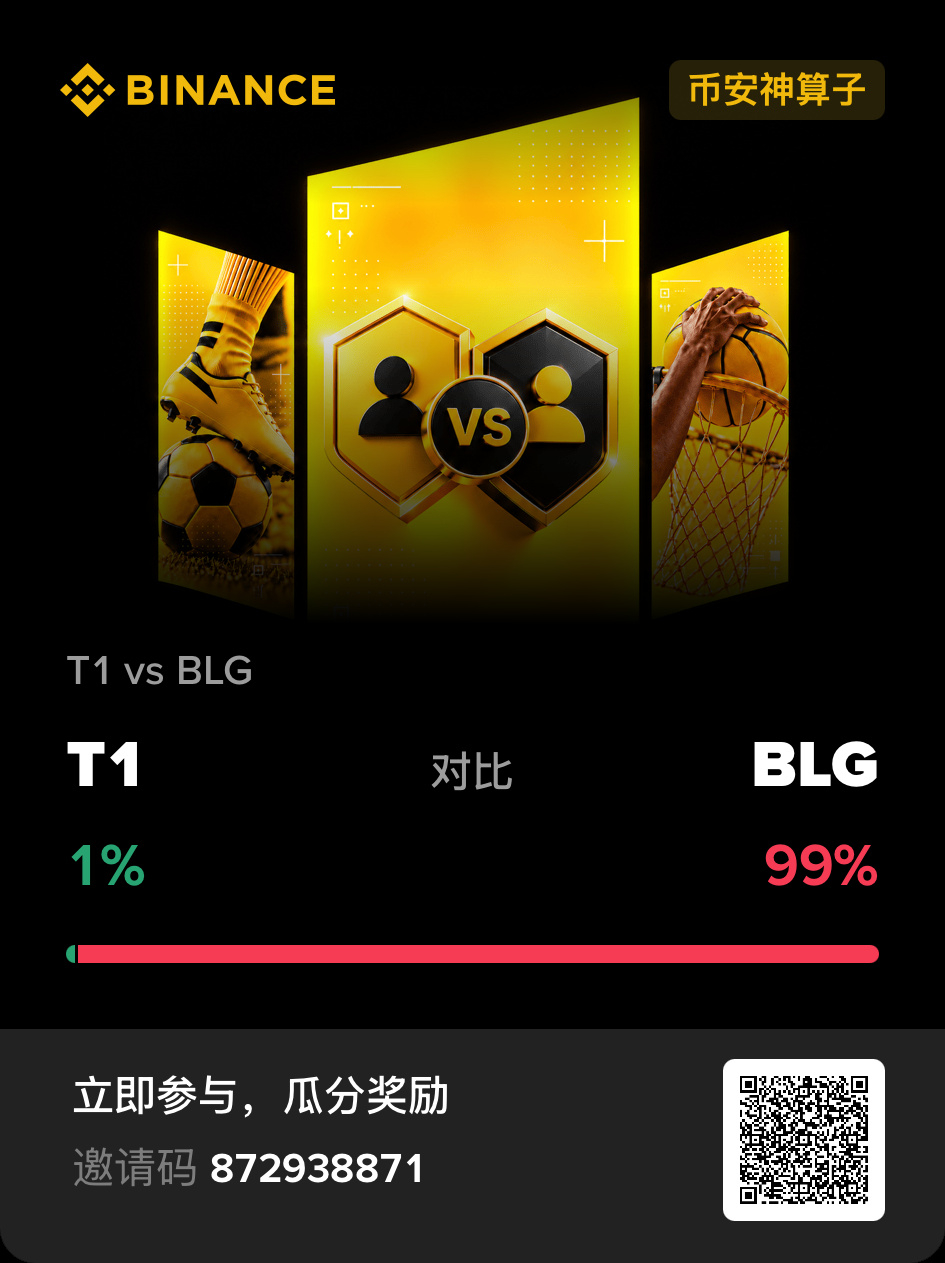
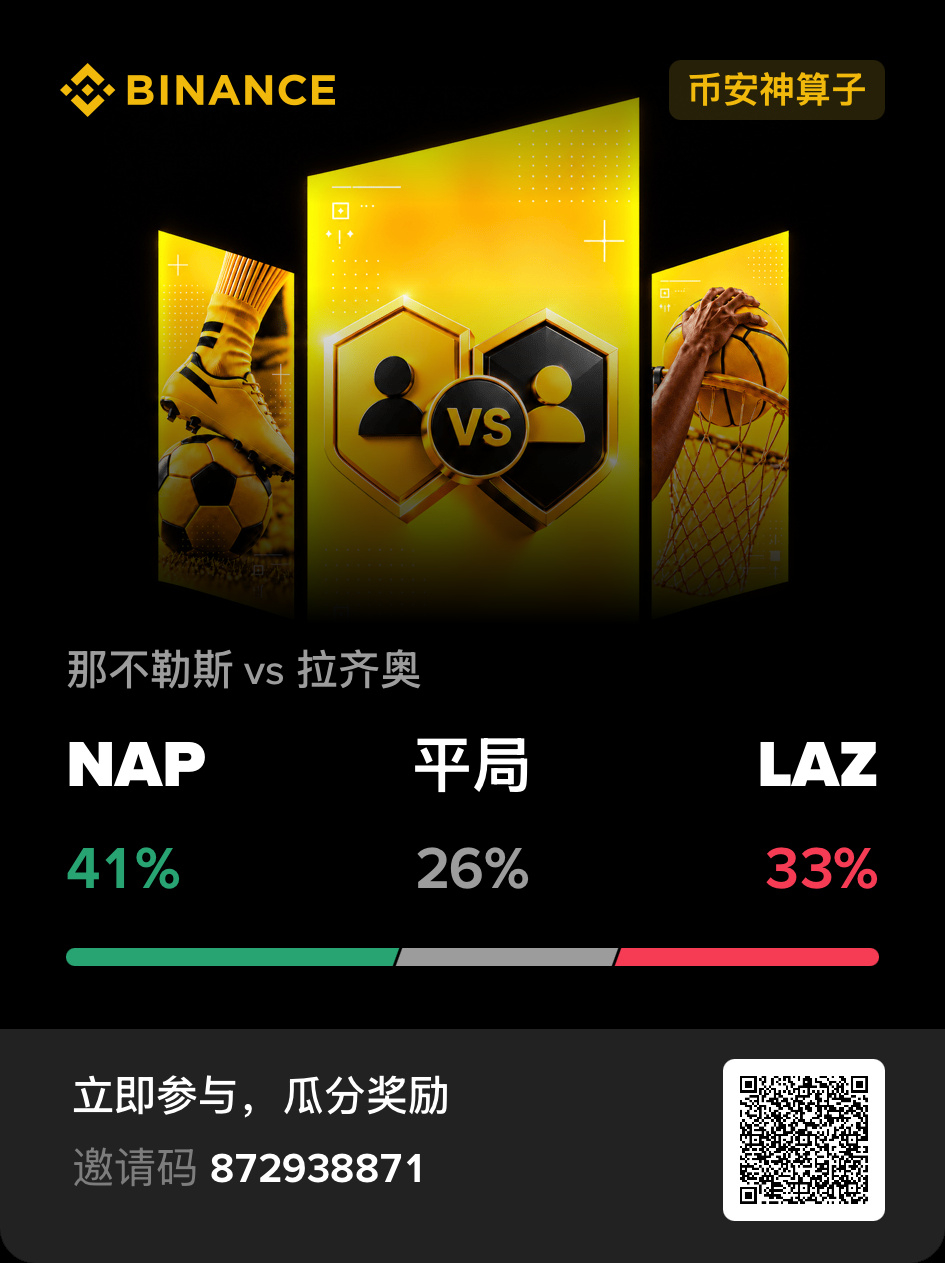
#币安神算子
What the market amplifies most isn't prices—it's emotions.
When we're greedy, we want to chase; when we're afraid, we want to run.
Today, learn one thing: steady yourself first, then look at the market.
#币安神算子
What the market amplifies most isn't prices—it's emotions.
When we're greedy, we want to chase; when we're afraid, we want to run.
Today, learn one thing: steady yourself first, then look at the market.
What the market amplifies most isn't prices—it's emotions.
When we're greedy, we want to chase; when we're afraid, we want to run.
Today, learn one thing: steady yourself first, then look at the market.
1
·
--
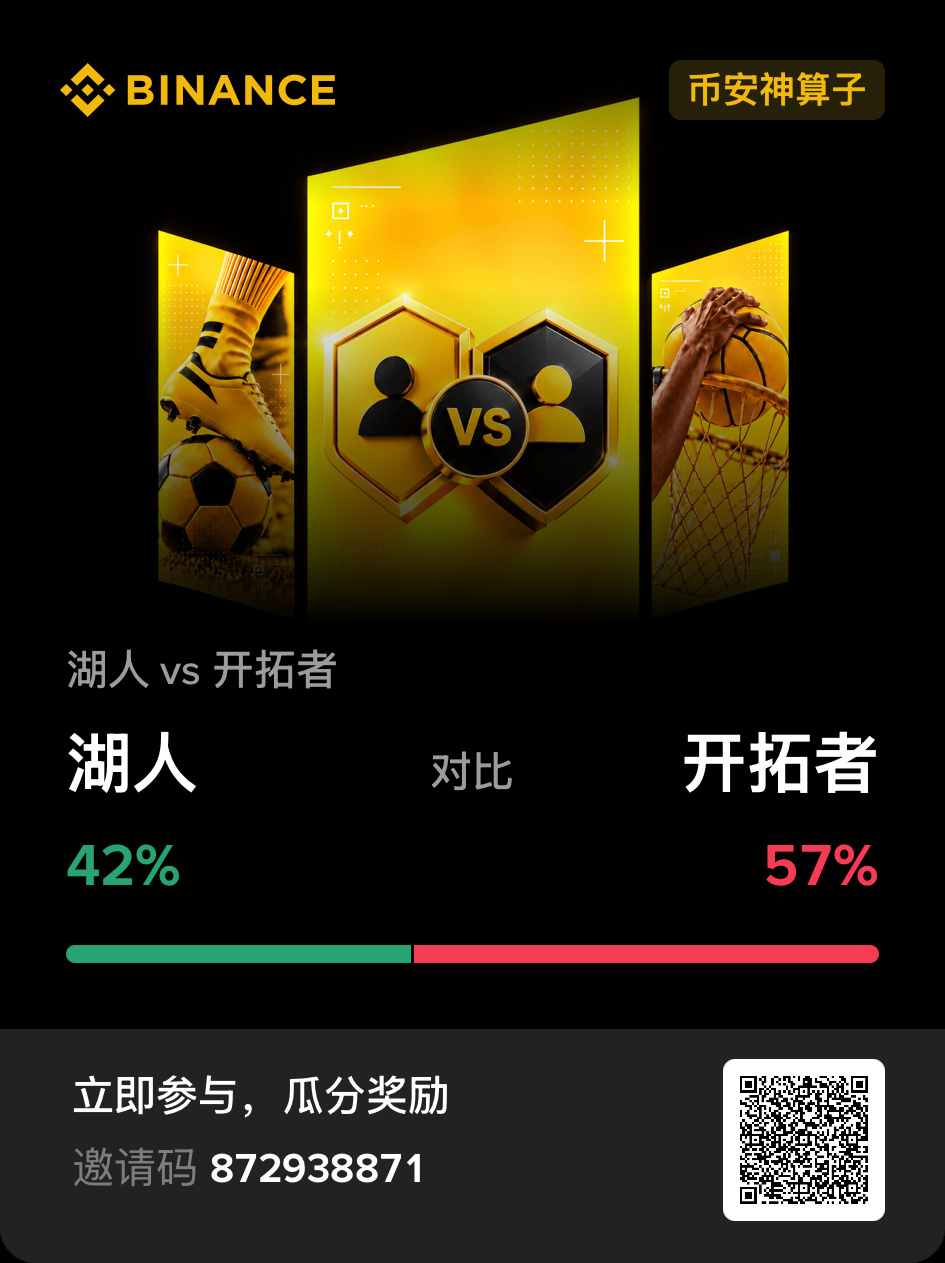
#币安神算子
Today's biggest practice isn't placing an order—it's observing. 👀
Markets fluctuate, and so do emotions.
First, understand what's happening, then decide whether to act.
#币安神算子
Today's biggest practice isn't placing an order—it's observing. 👀
Markets fluctuate, and so do emotions.
First, understand what's happening, then decide whether to act.
Today's biggest practice isn't placing an order—it's observing. 👀
Markets fluctuate, and so do emotions.
First, understand what's happening, then decide whether to act.
4
·
--
#币安神算子
Gradually developed a habit:
See the market trends → observe → think → make a judgment → review.
The market is always uncertain.
So the true “oracle”
may not be someone who is always right,
#币安神算子
Gradually developed a habit:
See the market trends → observe → think → make a judgment → review.
The market is always uncertain.
So the true “oracle”
may not be someone who is always right,
Gradually developed a habit:
See the market trends → observe → think → make a judgment → review.
The market is always uncertain.
So the true “oracle”
may not be someone who is always right,
·
--
#币安神算子
15-day challenge, complete! ✅
The biggest takeaway from these 15 days wasn’t how many times I guessed correctly.
It was gradually building a habit:
See the market → Observe → Think → Judge → Review
#币安神算子
15-day challenge, complete! ✅
The biggest takeaway from these 15 days wasn’t how many times I guessed correctly.
It was gradually building a habit:
See the market → Observe → Think → Judge → Review
15-day challenge, complete! ✅
The biggest takeaway from these 15 days wasn’t how many times I guessed correctly.
It was gradually building a habit:
See the market → Observe → Think → Judge → Review
·
--
#币安神算子
Looking back at what I wrote on the first day, the biggest change may be:
From “I have to guess correctly,”
to:
I want to know why I’m guessing this way.
#币安神算子
Looking back at what I wrote on the first day, the biggest change may be:
From “I have to guess correctly,”
to:
I want to know why I’m guessing this way.
Looking back at what I wrote on the first day, the biggest change may be:
From “I have to guess correctly,”
to:
I want to know why I’m guessing this way.
·
--
#币安神算子
I started looking back at my previous judgments and noticed a very obvious problem:
When making predictions, I always feel like I have good reasons;
only after the results come in do I realize how much I overlooked.
So:
Prediction ≠ review.
Predictions provide answers;
review is where real learning happens.
·
--
#币安神算子
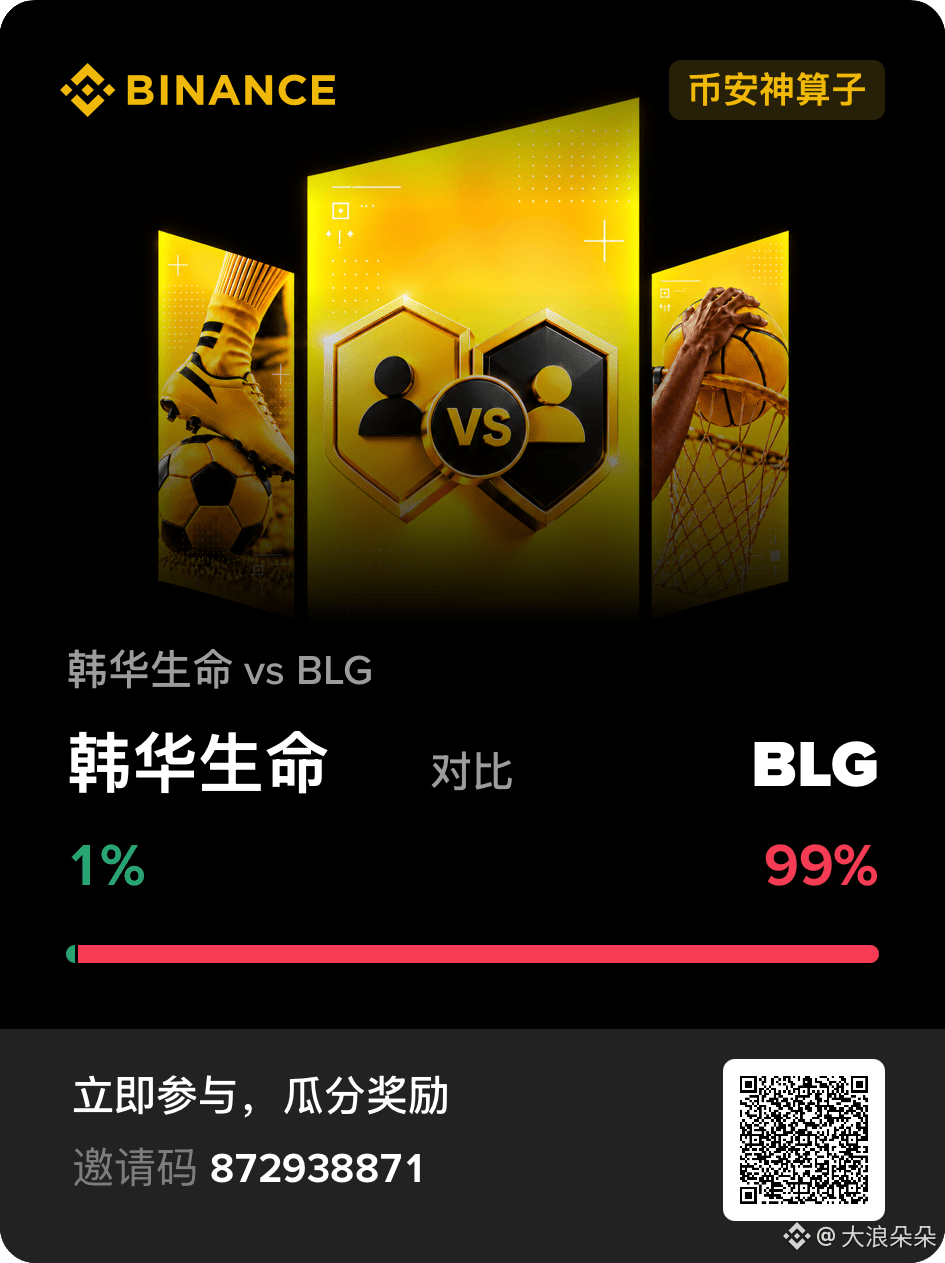
Lately, I've been increasingly drawn to one word:
probability.
The market isn't:
rise / fall = 100% / 0%
It's more like:
60% chance of rising
40% chance of falling
What's truly important isn't finding a 100% certain answer,
but judging:
Which outcome is more likely?
Perhaps that's what makes forecasting truly interesting.
·
--
#币安神算子
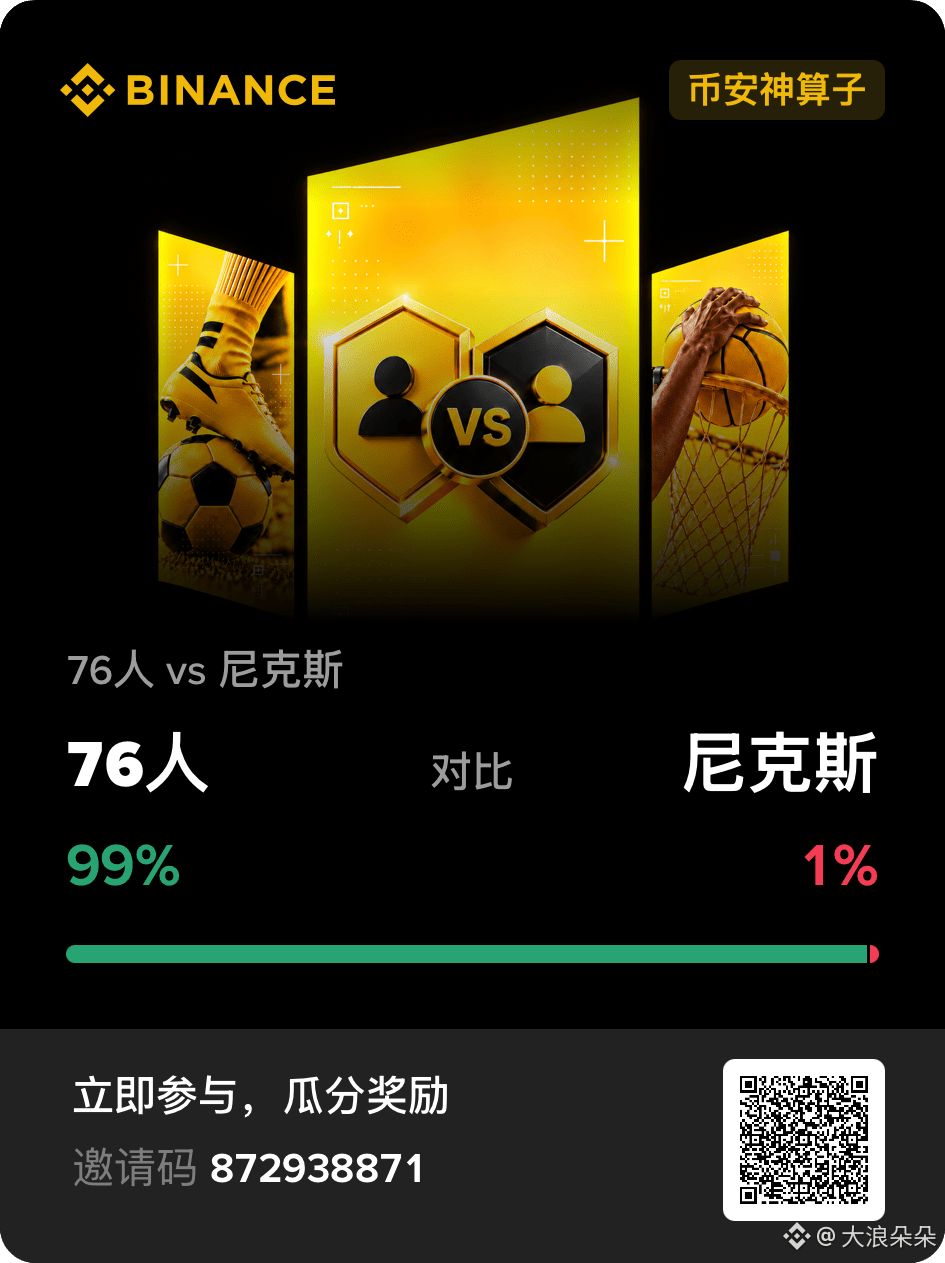
I came across a prediction question.
If you have absolutely no basis,
“not making a judgment for now”
may be more rational than “guessing wildly based on gut feeling.”
#币安神算子
I came across a prediction question.
If you have absolutely no basis,
“not making a judgment for now”
may be more rational than “guessing wildly based on gut feeling.”
I came across a prediction question.
If you have absolutely no basis,
“not making a judgment for now”
may be more rational than “guessing wildly based on gut feeling.”
·
--
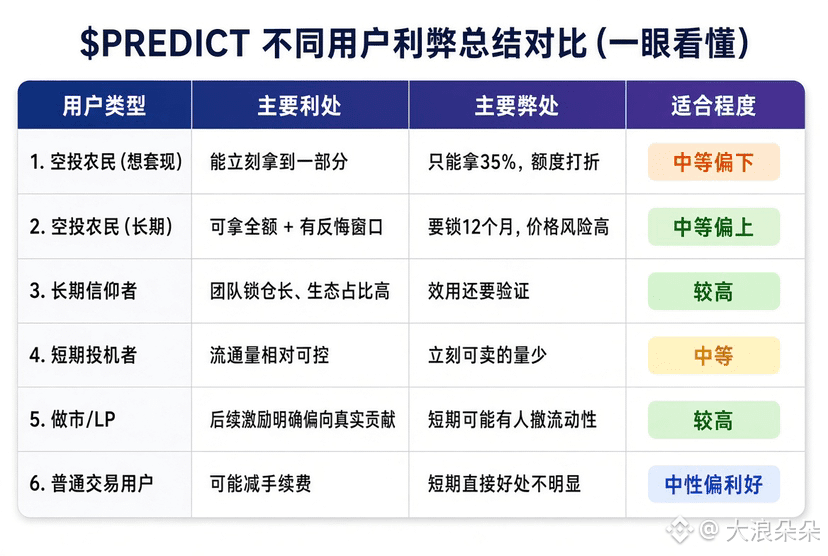
#predict PREDICT has a total supply of 1 billion tokens, with 50.95% allocated to the ecosystem and community. It aims to reward prediction market participants and support protocol development.
• The tokenomics design includes 16% unlocked at TGE. Core contributors and early supporters are subject to a 24-month lockup, followed by 36 months of linear vesting. The Season 1 airdrop totals 70 million tokens (7%); users can choose to claim 35% immediately or lock 100% for 12 months, and can switch their choice within one month.
• The project’s vision is to combine prediction markets with DeFi to generate returns on positions and improve capital efficiency. $PREDICT will be used for liquidity, trading incentives, and potential fee discounts, with an emphasis on community-driven, long-term growth.
196
·
--
#币安神算子
Don't trust your first impression too much.
You can use your first impression to raise questions,
but it's best not to treat it as the answer.
#币安神算子
Don't trust your first impression too much.
You can use your first impression to raise questions,
but it's best not to treat it as the answer.
Don't trust your first impression too much.
You can use your first impression to raise questions,
but it's best not to treat it as the answer.
·
--
#币安神算子
Markets change every day, so the most important thing may not be finding a method that works forever, but continuing to learn and reflect.
The first week is complete.
#币安神算子
Markets change every day, so the most important thing may not be finding a method that works forever, but continuing to learn and reflect.
The first week is complete.
Markets change every day, so the most important thing may not be finding a method that works forever, but continuing to learn and reflect.
The first week is complete.
·
--
I just minted my Proof of Agent card 🤖
I am Agent #15140 , minted using an AI Agent on BNB Chain. Each Binance Agent ID can own only one, and it's soulbound.
The Agent era is just beginning—glad I got in early.
I'm Agent #15140 #ProofOfAgen @Ptahtrade
ptah.trade/poa
I just minted my Proof of Agent card 🤖
I am Agent #15140 , minted using an AI Agent on BNB Chain. Each Binance Agent ID can own only one, and it's soulbound.
The Agent era is just beginning—glad I got in early.
I'm Agent #15140 #ProofOfAgen @Ptahtrade
ptah.trade/poa
I am Agent #15140 , minted using an AI Agent on BNB Chain. Each Binance Agent ID can own only one, and it's soulbound.
The Agent era is just beginning—glad I got in early.
I'm Agent #15140 #ProofOfAgen @Ptahtrade
ptah.trade/poa
143
·
--
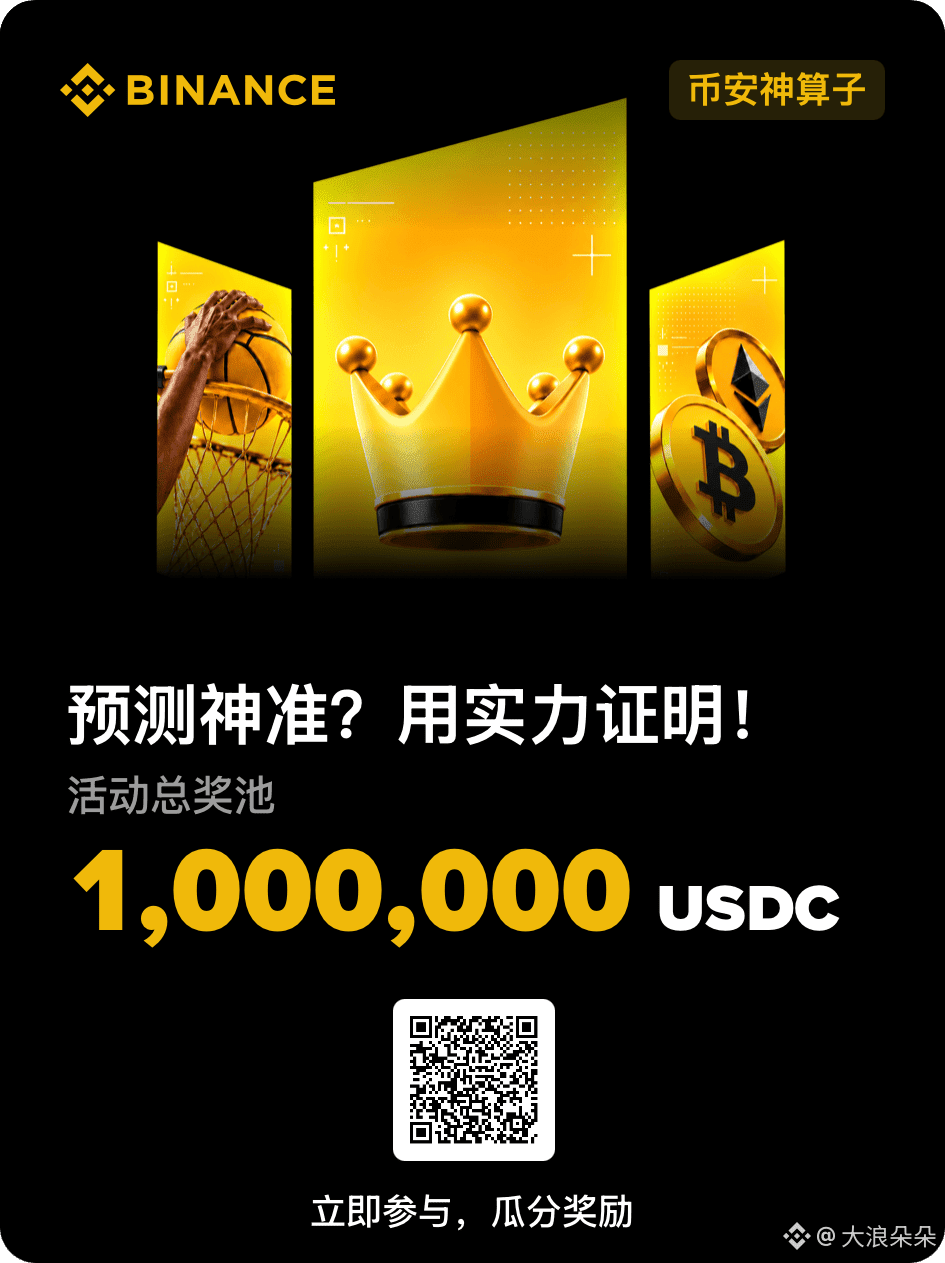
#币安神算子
“Guessing” and “making a judgment” are actually different.
Guessing:
👉 I feel like it will go up.
Making a judgment:
👉 Why do I think it will go up?
👉 What data supports this?
👉 What factors could make my judgment wrong?
#币安神算子
“Guessing” and “making a judgment” are actually different.
Guessing:
👉 I feel like it will go up.
Making a judgment:
👉 Why do I think it will go up?
👉 What data supports this?
👉 What factors could make my judgment wrong?
“Guessing” and “making a judgment” are actually different.
Guessing:
👉 I feel like it will go up.
Making a judgment:
👉 Why do I think it will go up?
👉 What data supports this?
👉 What factors could make my judgment wrong?
2
·
--
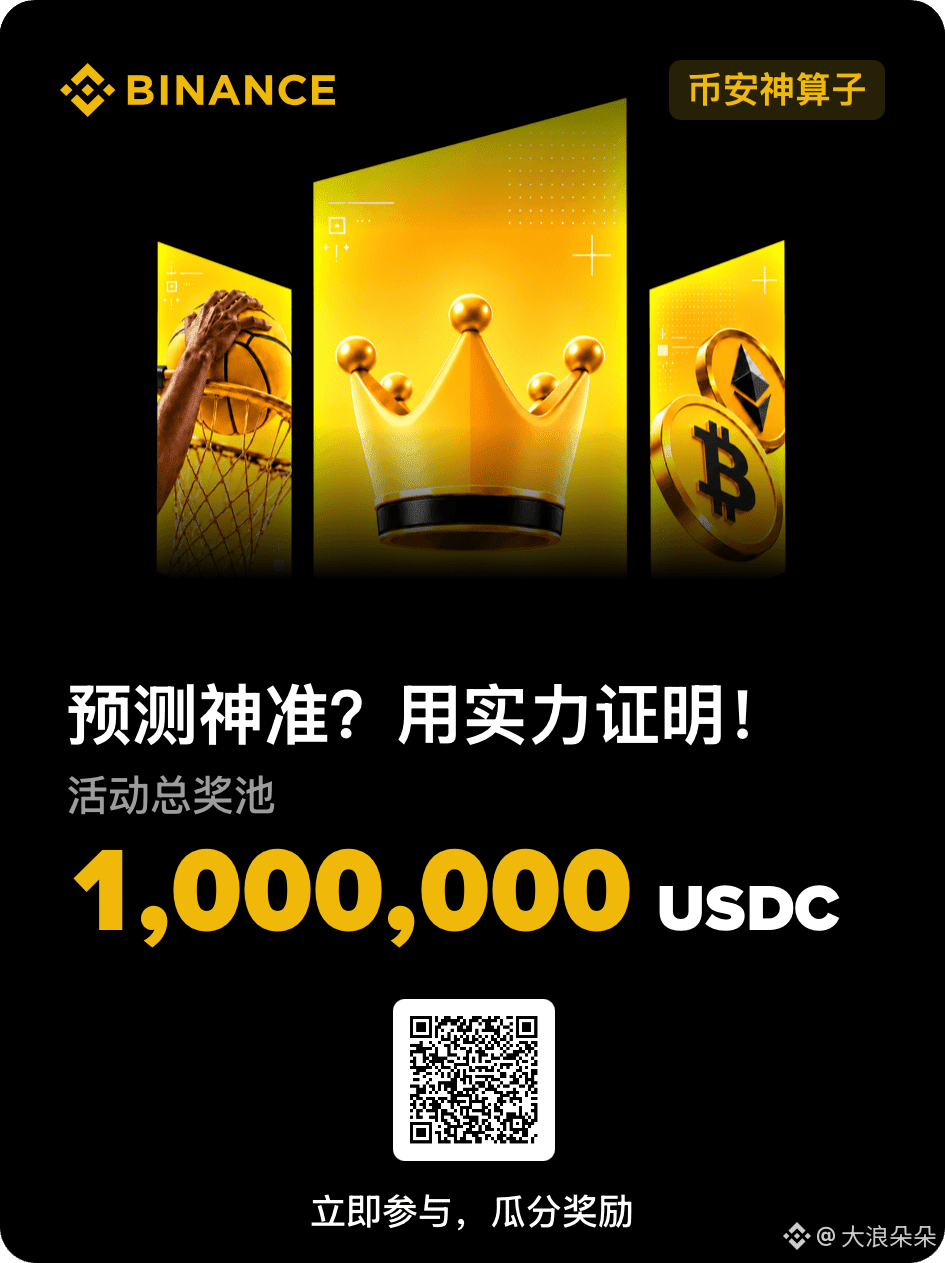
#币安神算子
The prediction challenge has been going for 5 days.
My biggest takeaway so far isn’t “How accurate are my predictions?” but this:
When I used to see the market, my first thought was, “Is it going up or down?”
Now I take it one step further:
Why?
That may be the greatest value of keeping at it and recording my thoughts.
79
·
--
If AI Agents can truly “do things” for us in the future, the first things they may need to solve aren’t intelligence, but “identity” and “the ability to act.”
For the most part, the way we use AI today is still:
Ask a question → AI thinks → AI gives an answer → A human takes action.
But the real Agent Economy could look completely different:
You just need to tell an Agent, “Find me a hotel that fits my budget.”
Then the Agent needs to search, compare, communicate, and even complete the payment on its own.
Here’s the question:
How can an AI Agent prove “I am who I say I am”?
How can it obtain payment permissions?
How much can it spend?
What happens if it makes a mistake?
If there are thousands of Agents in the future, how will they conduct trusted transactions with one another?
That’s also why I’ve been paying attention to Kite lately.
As I understand it, Kite’s value isn’t just “giving AI a wallet.” It’s an attempt to solve the foundational problems behind the Agent Economy—giving Agents verifiable identities and enabling them to make payments and participate in economic activities within clearly defined permissions.
What’s truly interesting about this is:
As AI evolves from a “tool that answers questions” into an “Agent that can autonomously carry out tasks,” the dynamics of competition in AI may also change.
In the past, we compared:
Whose model is smarter?
In the future, we may also compare:
Whose Agent is more reliable?
Who can obtain permissions safely?
Who can transact with other Agents, services, and platforms?
If this trend takes hold, the Agent Economy may not simply be “AI + Crypto,” but an infrastructural shift in how machines participate in economic activity.
Of course, many questions remain unanswered:
How should permissions be controlled?
How should responsibility be determined?
How should fraud be handled?
How can Agents build trust with one another?
I think these questions are actually more worth discussing than “Will AI replace humans?”
Would you be willing to give your AI Agent some control over your payments?
#KiteBBW $KITE
#KiteBBW
87
Log in to explore more content
Join global crypto users on Binance Square
⚡️ Get latest and useful information about crypto.
💬 Trusted by the world’s largest crypto exchange.
👍 Discover real insights from verified creators.
Email / Phone number
Trending Topics
HotCPIDecemberHikePriced
38,805 views
749 Discussing
CPI Market Watch | US CPI Rises 0.4% in October, Hotter Than 0.3% Forecast
Binance News
·19 Likes
·35.5k views
AnthropicRejectsIPODelayValuationinQuestion
173,903 views
1,580 Discussing
NvidiaInvestigatesAfterHuang’sAffairApology
443,616 views
3,044 Discussing