
大弟壹号
178 Posts

大弟壹号
⭐ 币安首批神盾严选商家
⭐ 已加入平台严选商家保障计划(冻结包赔)
⭐ 已签署平台严选冻结赔付协议
Open Trade
Occasional Trader
4.4 Years
25 Following
269 Followers
132 Liked
Posts
Portfolio
All
Quotes
Videos
PINNED
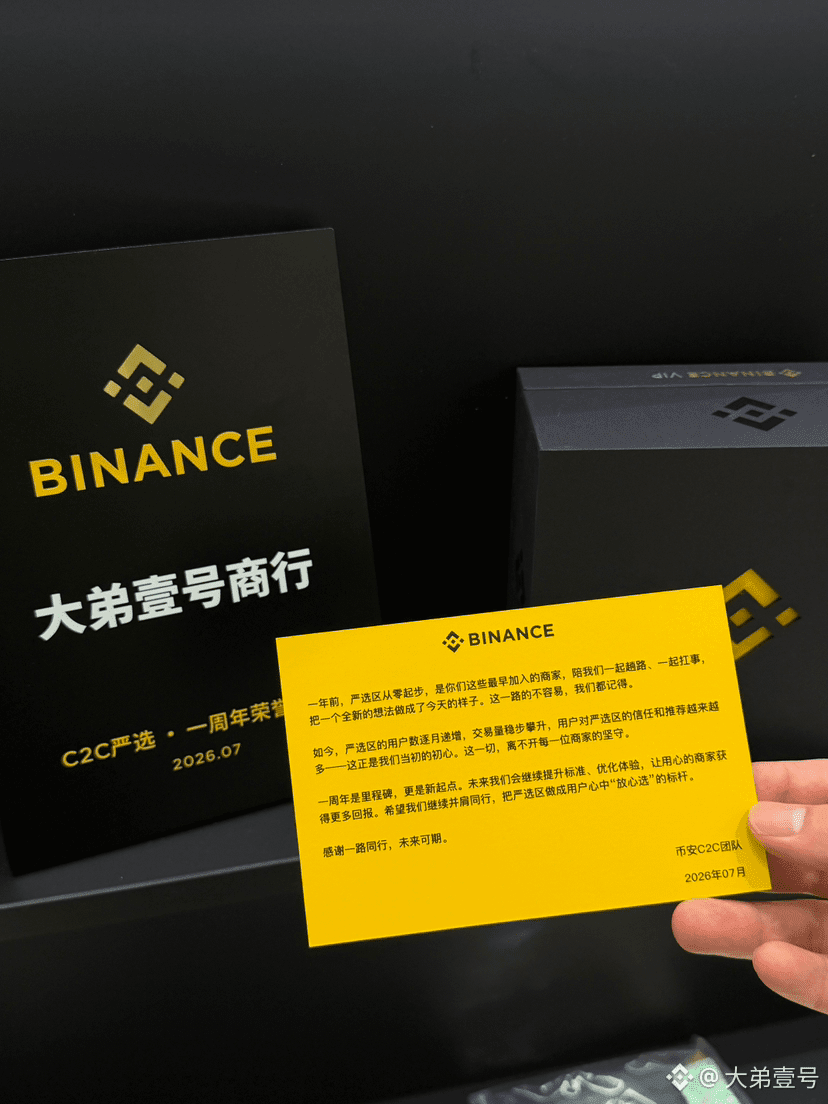
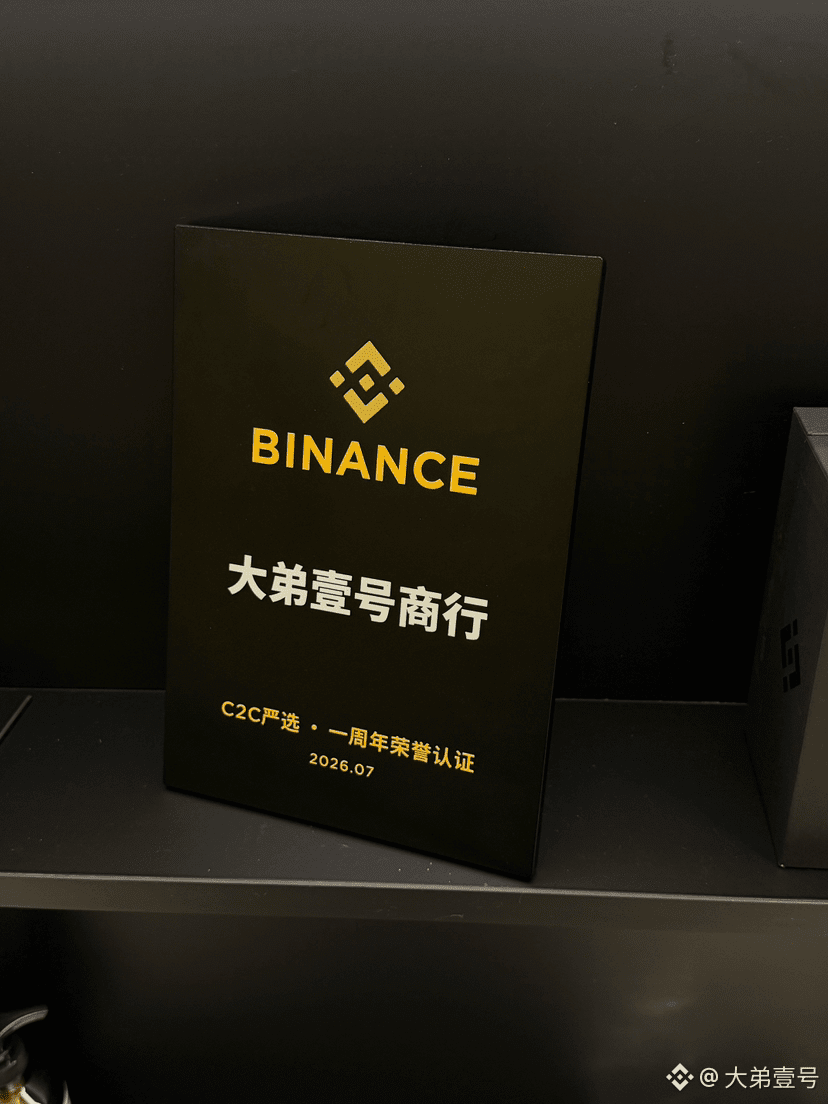
Binance C2C Selected One-Year Anniversary🎉
Officially certified as one of the first Shielded Selection merchants🎉
Five years ago, I joined Binance C2C—from being an ordinary merchant at the beginning, to becoming part of the Shielded system, and then to being among the first merchants in the Selected area. Along the way, I’ve witnessed the platform’s rules being continuously refined and the ecosystem growing steadily. I feel truly honored to participate in, and witness, Binance C2C’s journey toward maturity ❤️
For me, this medal is not only a recognition, but also a responsibility. Because behind every transaction is the trust users place in us. Over the past five years, I’ve remained committed to handling every order diligently—building a reputation through time, and safeguarding trust through actions.
Thank you, Binance C2C, for this recognition. And thank you to every friend who has supported and trusted me along the way. Five years together, with the original intention unchanged. Going forward, I will continue to stay professional, deliver every service with care, and cherish every bit of trust 🙏
#神盾严选 #安全出金 @Binance C2C Chinese
Officially certified as one of the first Shielded Selection merchants🎉
Five years ago, I joined Binance C2C—from being an ordinary merchant at the beginning, to becoming part of the Shielded system, and then to being among the first merchants in the Selected area. Along the way, I’ve witnessed the platform’s rules being continuously refined and the ecosystem growing steadily. I feel truly honored to participate in, and witness, Binance C2C’s journey toward maturity ❤️
For me, this medal is not only a recognition, but also a responsibility. Because behind every transaction is the trust users place in us. Over the past five years, I’ve remained committed to handling every order diligently—building a reputation through time, and safeguarding trust through actions.
Thank you, Binance C2C, for this recognition. And thank you to every friend who has supported and trusted me along the way. Five years together, with the original intention unchanged. Going forward, I will continue to stay professional, deliver every service with care, and cherish every bit of trust 🙏
#神盾严选 #安全出金 @Binance C2C Chinese

PINNED
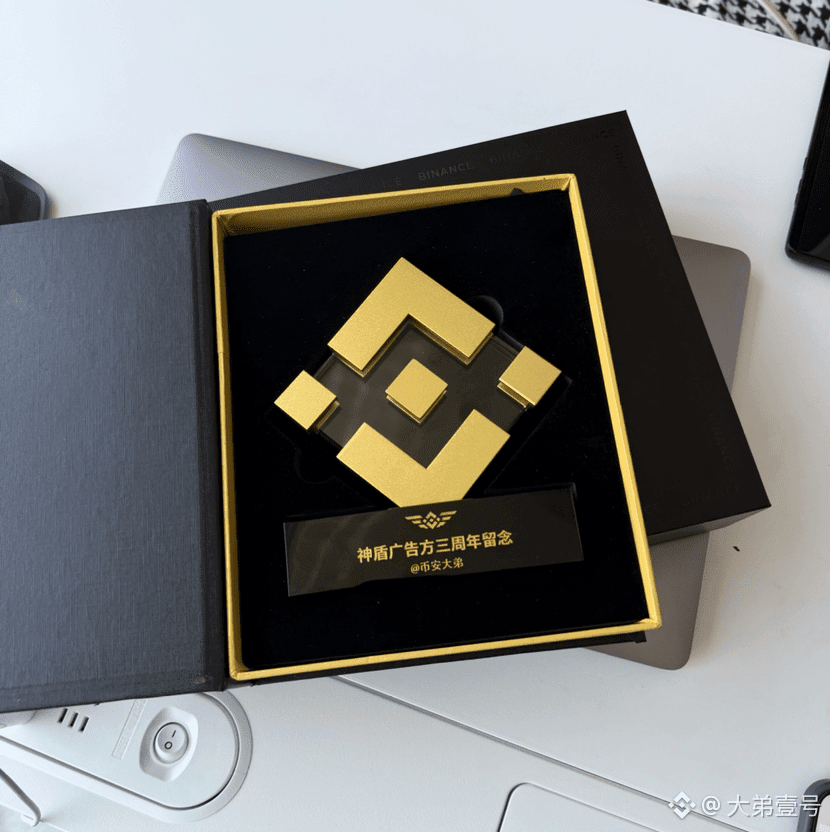
Big Brother No.1 Professional Digital Currency Trading Merchant
Veteran Shield Selection Ad Partner🔥
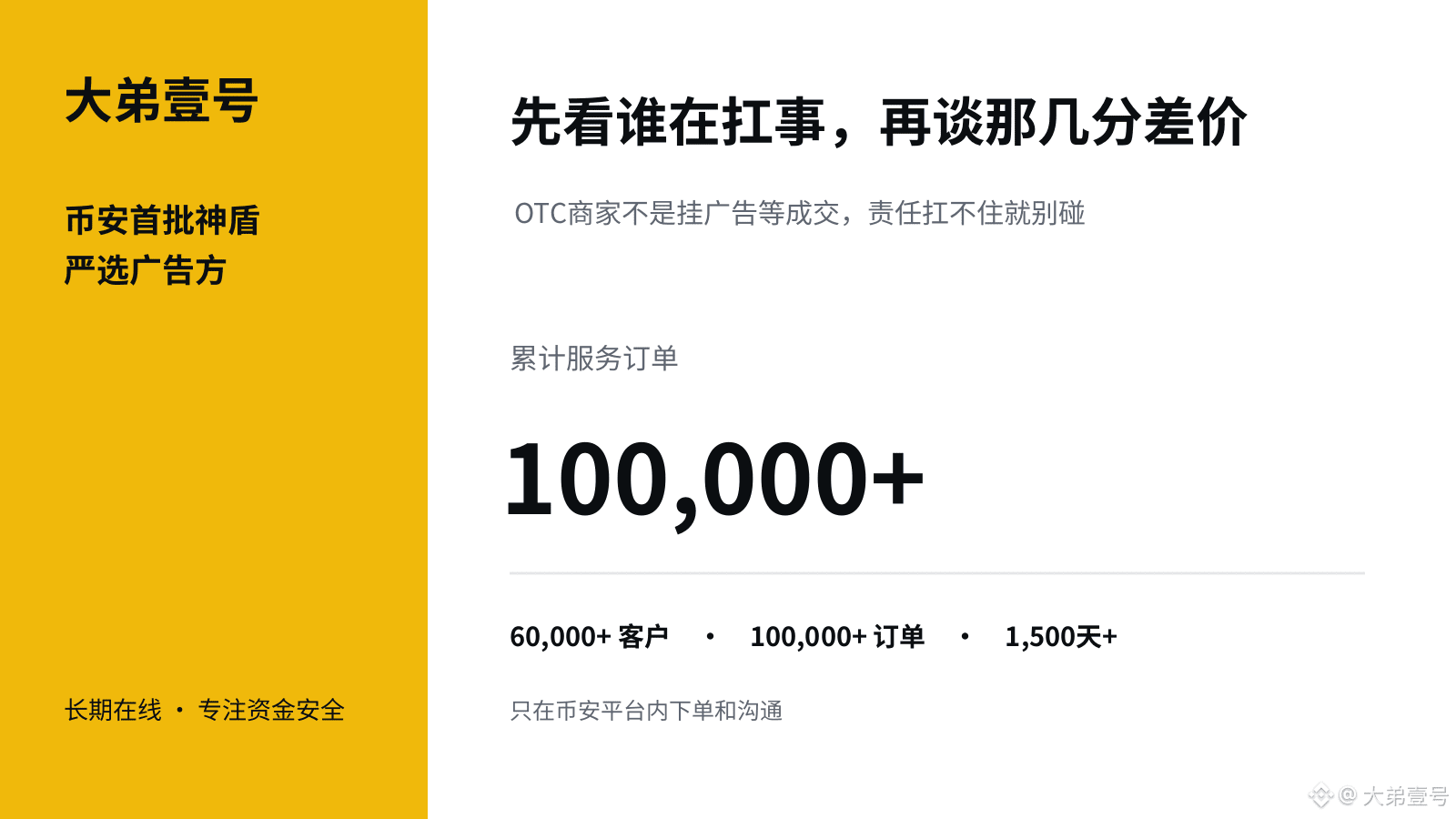
* Online Service Days 1300+
* Number of Service Clients 60,000+
* Total Trading Orders 100,000+
Binance Big Brother Online, Focused on Fund Security
Only Accepts On-Chain USDT and Trades Only on Binance Exchange, Deep Partnership with Binance Platform Ad Partner with Trillions in Transaction Volume!
Zero Online Freeze, Zero Judicial Holders, Honest Operation, Long-Term Online, Binance Platform Signed Freeze Compensation Agreement!
Payment Accounts Use Separation of Receipt and Payment + Fund Accumulation + Investment Fund Payment, Commitment to Full Compensation in Case of Judicial Issues Due to Personal Payouts!
If You Value Fund Security and Reject Any Risks
Then Prioritize Following Big Brother No.1
Time Is the Best Testimony of Trust!
Veteran Shield Selection Ad Partner🔥
* Online Service Days 1300+
* Number of Service Clients 60,000+
* Total Trading Orders 100,000+
Binance Big Brother Online, Focused on Fund Security
Only Accepts On-Chain USDT and Trades Only on Binance Exchange, Deep Partnership with Binance Platform Ad Partner with Trillions in Transaction Volume!
Zero Online Freeze, Zero Judicial Holders, Honest Operation, Long-Term Online, Binance Platform Signed Freeze Compensation Agreement!
Payment Accounts Use Separation of Receipt and Payment + Fund Accumulation + Investment Fund Payment, Commitment to Full Compensation in Case of Judicial Issues Due to Personal Payouts!
If You Value Fund Security and Reject Any Risks
Then Prioritize Following Big Brother No.1
Time Is the Best Testimony of Trust!

See translation
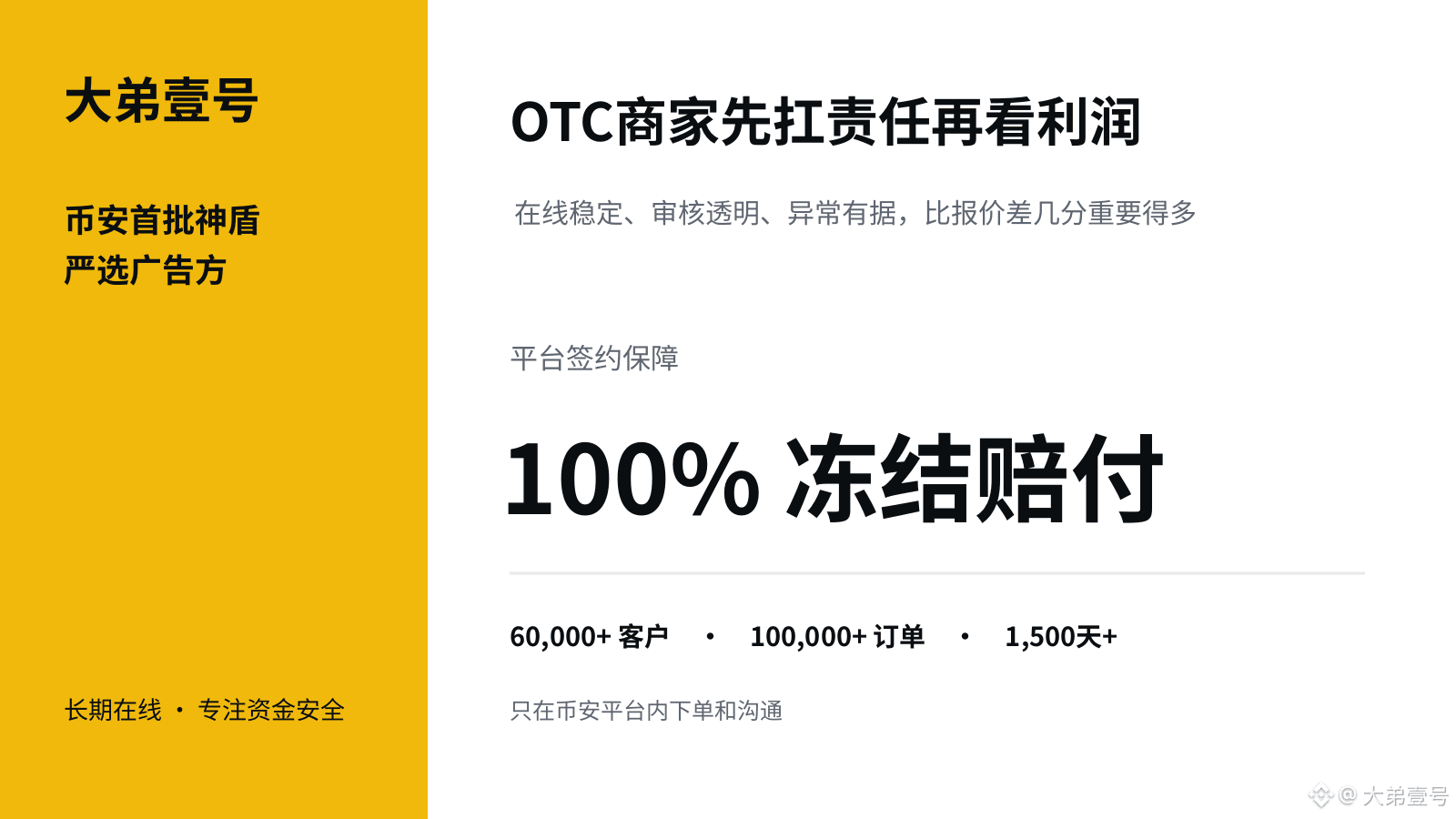
报价差几分钱,很多人就扑上去,把商家的责任底细全扔在一边。OTC商家不是挂个广告等成交,每一单背后都是实名收付、交易审核、账户安排、资料边界、异常处理,这些责任扛不住的人才会拿低价当招牌,因为他没把风险成本算进去,审核偷工减料,出了事全甩给你。我挑严选商家只看四样:长期在线,交易记录稳定,实名收付,流程清楚并且加入平台保障。在线天数断断续续、成交忽高忽低的,报价再便宜也直接跳过,连持续营业都做不到,出了问题你根本找不到人。实名收付和平台保障意味着每一笔订单、聊天、付款都有完整记录,真被银行问起来,你拿得出证据链。便宜几分钱省下的那点费用,不够后面折腾一次。先看谁在认真扛事,再谈价格。
出金找大弟壹号。币安首批神盾严选广告方,专注资金安全,已签署平台严选冻结100%赔付协议。请进主页关注,需要时直接找我。
$USDT $BTC
出金找大弟壹号。币安首批神盾严选广告方,专注资金安全,已签署平台严选冻结100%赔付协议。请进主页关注,需要时直接找我。
$USDT $BTC
What you fear most is seeing only profit and not responsibility. People like that—best don’t come in early. Many think OTC merchants just put up an ad, wait for a deal, and earn a few cents’ worth of spread, but they don’t realize how much work has to be carried by every single order: real-name deposits and withdrawals can’t be interrupted, trade reviews can’t be lax, account arrangements can’t be乱, information boundaries can’t be crossed, and exception handling can’t be dodged. None of these responsibilities can be outsourced. If things go wrong, the platform won’t clean up for you, and the bank won’t listen to your explanations. I only recognize one kind of merchant: one that puts responsibility ahead of profit—online status stays stable, deal records don’t look suspicious or fluctuate, the review process is transparent, and exception handling has clear evidence. Only that kind of merchant is worth dealing with. Those whose quotes are cheaper by a few cents—you think you got a bargain, but they basically never included the cost of risk. In the end, it’s your time and your account that pay the price. If you want to be an OTC merchant, think clearly about responsibility first. And when looking for a merchant, you also need to find someone who takes responsibility seriously.
Withdrawing funds? Go to Big Brother Yihao. The first batch of Binance’s vetted advertisers under the “Shield Defense” strict selection—focused on fund security. We’ve already signed the platform’s strict-selection 100% compensation freeze agreement. Please come to the homepage and follow—when you need help, contact me directly.
$USDT $BTC
Withdrawing funds? Go to Big Brother Yihao. The first batch of Binance’s vetted advertisers under the “Shield Defense” strict selection—focused on fund security. We’ve already signed the platform’s strict-selection 100% compensation freeze agreement. Please come to the homepage and follow—when you need help, contact me directly.
$USDT $BTC
SOL had a 1.54% swing in a single day; in its own history, it barely even counts as a ripple. But there are already people who want to change their position just because of this move. I can’t be bothered to judge the direction—just one thing: if you build your position based on such a small percentage of price movement, losing money is only a matter of time. Real opportunities have never gotten you to jump in with just one small candlestick; they rely on volume and continuity, not on getting everyone squeezed into the same spot and guessing the direction. If you can hold, keep holding; if you’re in cash, keep waiting. This kind of volatility doesn’t deserve to influence any decision you make. With SOL, holding the trend matters a hundred times more than chasing noise.
$SOL $BTC
$SOL $BTC
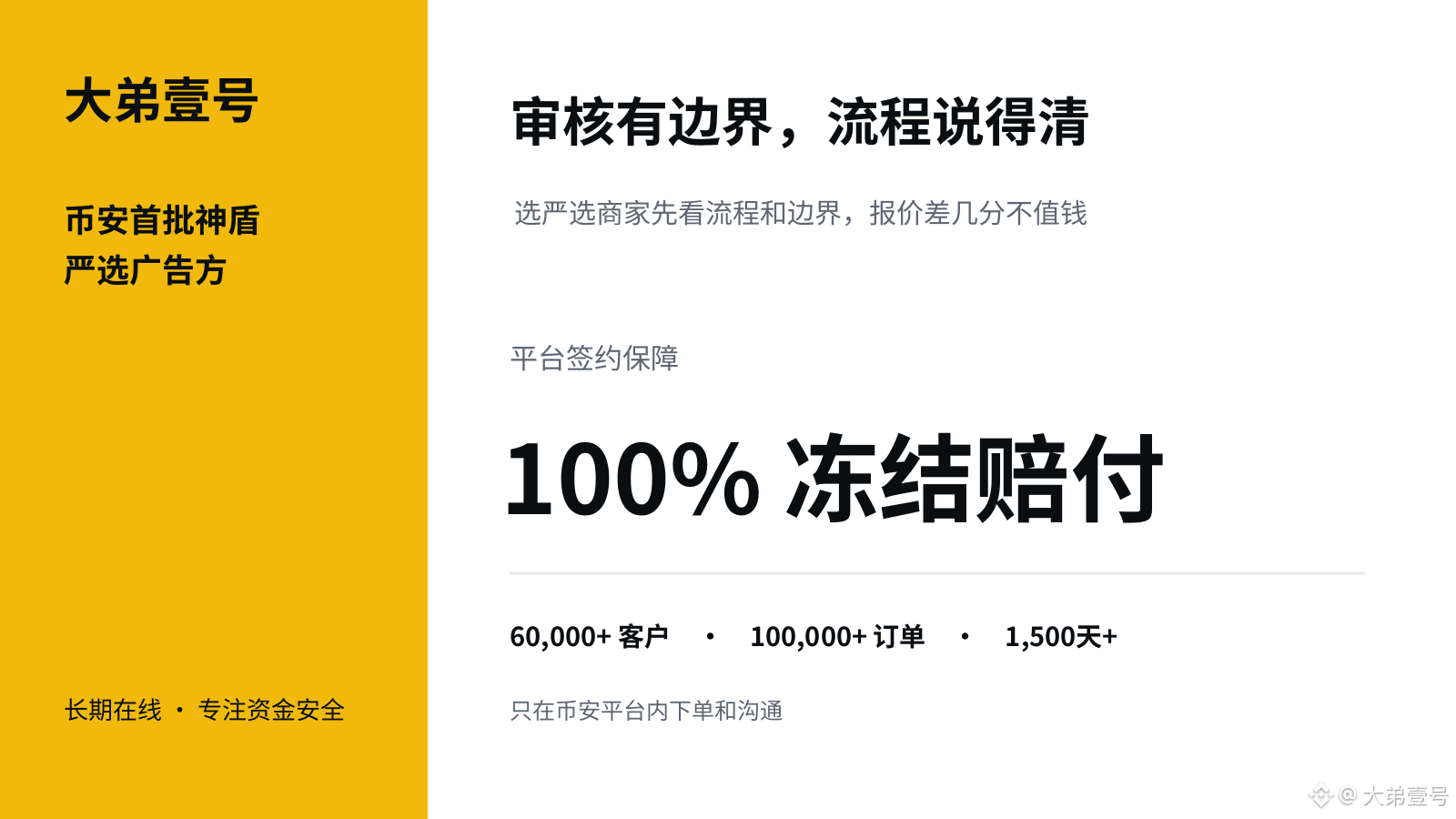
One of the two extremes OTC merchants fear the most: one is allowing everything through without asking any questions; the other is requiring a pile of documents but failing to explain clearly why. The former isn’t “efficient”—it’s that they don’t care whether you’ll be left speechless when the bank asks questions afterward. The latter isn’t “strict”—it’s that they push all of their own risk-control pressure onto you, forcing you to guess what each document is for. Speed doesn’t equal professionalism, and having more reviews doesn’t automatically mean greater safety.
Truly professional merchants make it crystal clear within the platform what they need, why they need it, how to submit it, and what happens after submission—rather than sending everything out in one sentence at a time only when it’s time to transfer money. That’s why when I choose “Strictly Selected” merchants, I only accept a few hard rules: the identity-verified payment/receipt details in the ads and the review boundaries must be clearly stated; only the necessary information may be submitted within the platform, along with an explanation of the purpose. Your number of online days and recent successful trades must be continuously and steadily consistent. And those few-cent differences in the quoted price are simply not worth considering against these standards. Only merchants with a clear process and clearly defined boundaries deserve your transaction records and the safety of your funds.
For withdrawals, go to Big Brother One. Binance’s first batch of Shield Strictly Selected advertisers—focused on fund safety—and they have already signed the Strictly Selected 100% compensation freeze agreement. Go to the homepage and follow us; when you need it, contact me directly.
$USDT $BTC
Truly professional merchants make it crystal clear within the platform what they need, why they need it, how to submit it, and what happens after submission—rather than sending everything out in one sentence at a time only when it’s time to transfer money. That’s why when I choose “Strictly Selected” merchants, I only accept a few hard rules: the identity-verified payment/receipt details in the ads and the review boundaries must be clearly stated; only the necessary information may be submitted within the platform, along with an explanation of the purpose. Your number of online days and recent successful trades must be continuously and steadily consistent. And those few-cent differences in the quoted price are simply not worth considering against these standards. Only merchants with a clear process and clearly defined boundaries deserve your transaction records and the safety of your funds.
For withdrawals, go to Big Brother One. Binance’s first batch of Shield Strictly Selected advertisers—focused on fund safety—and they have already signed the Strictly Selected 100% compensation freeze agreement. Go to the homepage and follow us; when you need it, contact me directly.
$USDT $BTC
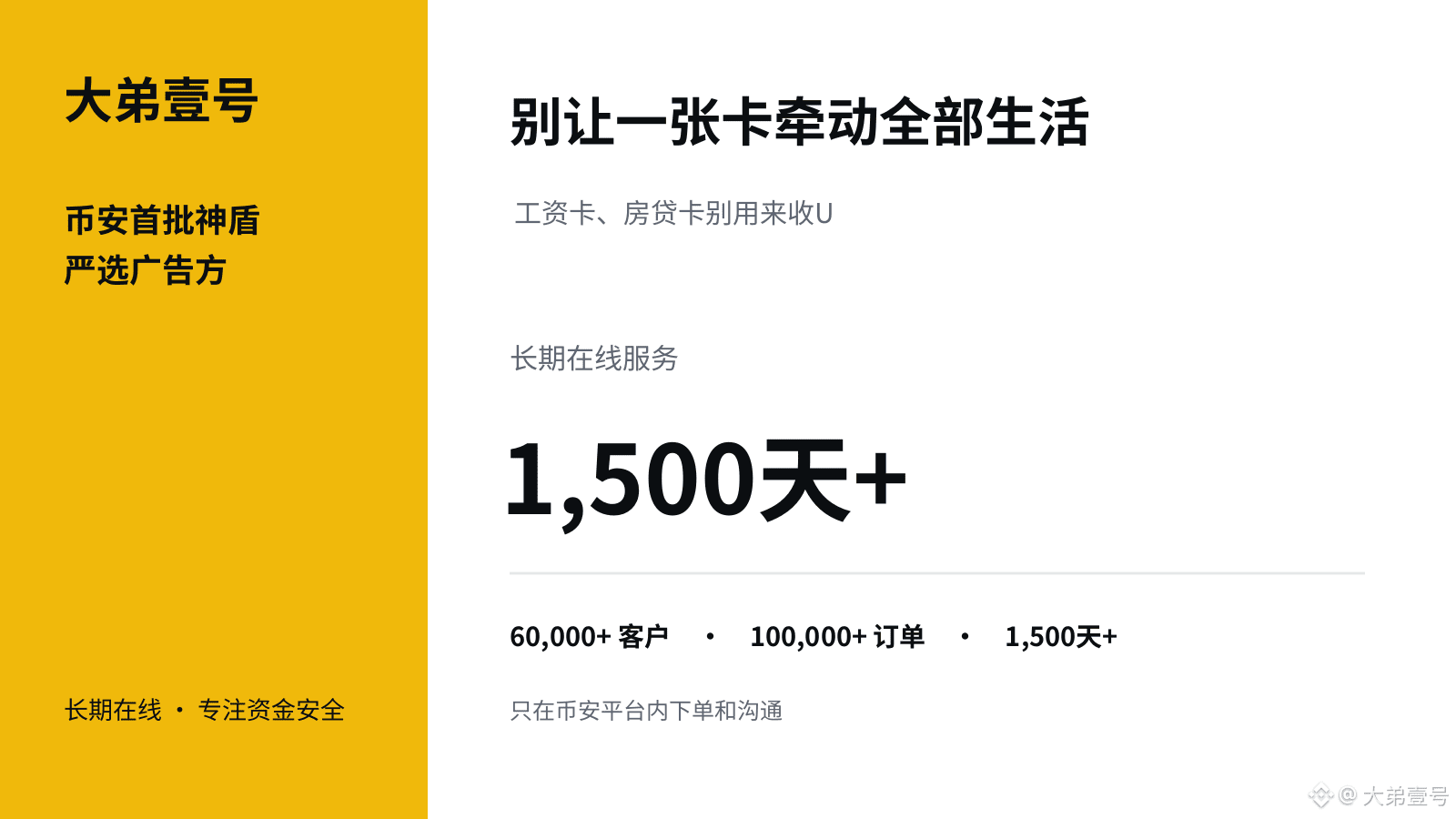
Many people want to be convenient with withdrawals: they fill the “payment/receiving” account for payouts with their salary card, mortgage card, or even an account tied to social security—thinking that funds arrive faster and they don’t need to open an extra account. But once these essential “living-necessity” accounts get triggered by a bank’s temporary verification due to transaction amounts, the consequences range from suspension of non-counter services to disruption of monthly bill payments and social security debits. You then have to run to the bank to provide additional materials and explain transaction flows, and your day-to-day spending and repayment schedule are thrown off.
The issue isn’t whether the merchant is reliable, but that you mix survival funds and transaction funds in the same basket. A single routine risk-control inquiry can shut your entire life down. So before placing an order, you should arrange the receiving account properly: prepare a separate card that is completely separated from your living expenses to receive transaction funds. Even if later you are asked to explain the source of funds, you’ll have complete order details and chat records to support it.
When choosing a merchant, follow hard standards as well: prioritize vendors that have been online consistently and have stable transaction records. Skip those with sporadic online presence and wildly fluctuating deal frequency/amounts. The payment and settlement process must be实名 (verified identity) completed within the platform and include platform protections—both sides should follow the rules and not exchange information privately. Those few cents’ difference in price are nothing compared with account security and day-to-day order.
The real convenience is that transactions do not affect your life—not that the funds are just temporarily “easy” to receive.
For withdrawals, choose Big Brother No. 1. Binance’s first batch of Shield Select advertising partners, focused on capital safety. We have already signed the platform’s Shield Select 100% compensation freeze agreement. Please go to the homepage to follow—when you need it, contact me directly.
$USDT $BTC
The issue isn’t whether the merchant is reliable, but that you mix survival funds and transaction funds in the same basket. A single routine risk-control inquiry can shut your entire life down. So before placing an order, you should arrange the receiving account properly: prepare a separate card that is completely separated from your living expenses to receive transaction funds. Even if later you are asked to explain the source of funds, you’ll have complete order details and chat records to support it.
When choosing a merchant, follow hard standards as well: prioritize vendors that have been online consistently and have stable transaction records. Skip those with sporadic online presence and wildly fluctuating deal frequency/amounts. The payment and settlement process must be实名 (verified identity) completed within the platform and include platform protections—both sides should follow the rules and not exchange information privately. Those few cents’ difference in price are nothing compared with account security and day-to-day order.
The real convenience is that transactions do not affect your life—not that the funds are just temporarily “easy” to receive.
For withdrawals, choose Big Brother No. 1. Binance’s first batch of Shield Select advertising partners, focused on capital safety. We have already signed the platform’s Shield Select 100% compensation freeze agreement. Please go to the homepage to follow—when you need it, contact me directly.
$USDT $BTC
ETH dropped by less than a point in a day—this kind of move would make the news in the stock market, but on ETH it barely even creates a ripple. Yet some people are already treating it as a trend reversal, rushing to cut losses and exit—or, on the other hand, thinking that a drop means it’s a good time to buy the dip. ETH’s daily volatility is far more than this. Real sell-offs won’t announce themselves with a small decline of a few tenths; they’ll use multiple high-volume bearish candles to break through support—not like this, where things just grind along. If you cut your losses now, you’re not cutting a position—you’re cutting patience. And if you’re buying the dip now, it’s the same: before the panic selling actually shows up, any rebound could just be a continuation of the decline. If your position is heavy, don’t let this small drop scare you—if the logic hasn’t changed, hold. If you’re in no position, don’t assume the drop makes it cheap; wait for the market to work itself out—don’t use emotion to make decisions for the market.
$ETH $BTC
$ETH $BTC
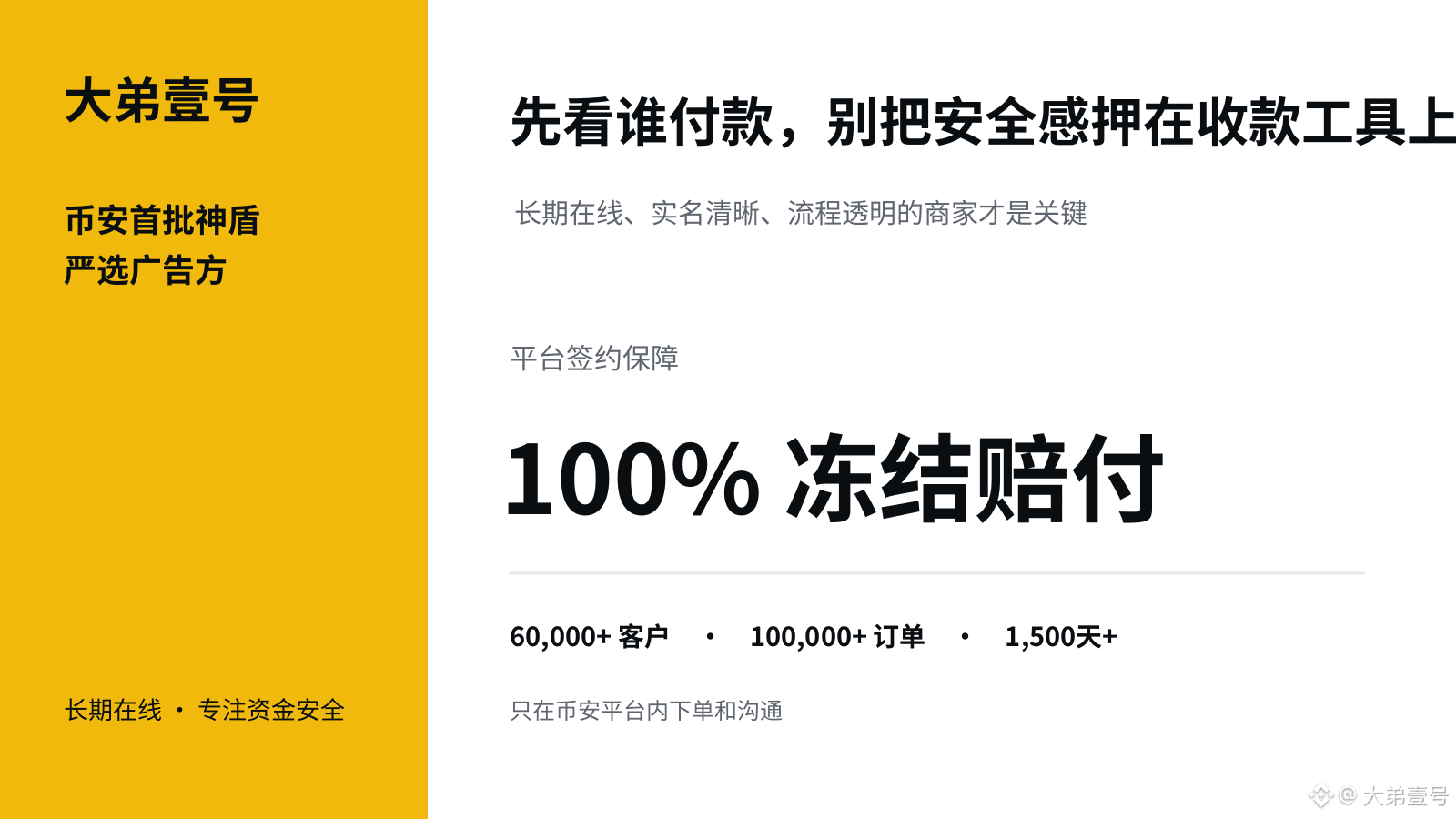
Before withdrawing, focus on which is safer: WeChat or Alipay—the direction is wrong. The payment tool itself doesn’t distinguish good or bad people. WeChat, Alipay, and bank cards each have their own risk-control rules, but what truly determines whether this money can land safely in your pocket is the person who pays you. If a merchant’s online status is intermittent or their deals fluctuate wildly, switching cards or QR codes won’t help either—the underlying funding trail behind them isn’t clean. So don’t place your sense of security in the tool; first check who is paying, then decide what collection method to use. When I click into a merchant’s homepage, I only look at three things: whether their online days are continuous—if the posting time isn’t consistent, it means they’re not treating this as a long-term business, and if something goes wrong you won’t be able to find them; whether recent deal transactions have large swings—stability matters more than being cheaper; and whether the ad clearly states, in black and white within the platform, the real-name payment and collection process and includes platform protection, with requirements added line by line only when it’s time to transfer, just skip it. The tool is dead, and the rules are dead. Only the merchant on the other side is alive. Picking a tightly vetted merchant that stays online long-term, has clear real-name details, and offers transparent processes is far more practical than obsessing over collection methods. The difference of a few cents in pricing isn’t enough to cover the hassle of a single risk-control issue.
For withdrawals, go to Big Brother No.1. Binance’s first batch of Shield Vetted ad partners, focused on fund security, and has signed a 100% compensation agreement for vetted-account freeze scenarios. Come to the homepage, follow me, and if you need anything, contact me directly.
$USDT $BTC
For withdrawals, go to Big Brother No.1. Binance’s first batch of Shield Vetted ad partners, focused on fund security, and has signed a 100% compensation agreement for vetted-account freeze scenarios. Come to the homepage, follow me, and if you need anything, contact me directly.
$USDT $BTC
After the funds arrive, rushing to transfer the money to pay off a credit card, buy financial products, or dump it into another card is the most common—and the most pointless—operation. Many people think that routing the money through a few more accounts will muddle the fund trail so the bank and the platform can’t trace the source. In reality, the source is fixed the moment the payer sends the payment. No matter how many transfers you make afterward, you’re only lengthening the chain; you’re not changing the facts of the original transaction. The bank and payment platform’s risk controls monitor the upstream and downstream relationships, not the number of transfers. The more you detour, the more it looks like intentional evasion, and the more likely you are to trigger additional checks. The real effort should go into what matters before you place the order: choosing the right merchant matters a hundred times more than moving money around. There are only a few hard criteria: first, prioritize merchants that have been online long-term and have stable transaction records—skip those that post listings for a few days and then disappear for a few days. The identity-based payment and collection process must be clear: if they dare to verify step-by-step within the platform, and both sides use escrow, that’s ideal. Don’t risk it over those few cents in price difference. Cheaper ads often come bundled with more complicated verification—thinking you saved money, but in fact the trouble is all later on. Once you pick the right merchant, finishing in a single flow is safer than splitting it into ten orders, because a reliable counterparty won’t throw the risk onto you. After the funds arrive, don’t mess around blindly—the little actions don’t change any facts.
Withdraw funds through Big Bro No.1. The first batch of Binance Shield—curated advertisers, dedicated to fund safety, and has signed the platform’s curated freeze-and-100% compensation agreement. Go to the homepage and follow—when needed, just contact me directly.
$USDT $BTC
Withdraw funds through Big Bro No.1. The first batch of Binance Shield—curated advertisers, dedicated to fund safety, and has signed the platform’s curated freeze-and-100% compensation agreement. Go to the homepage and follow—when needed, just contact me directly.
$USDT $BTC
This Binance announcement highlights two main points: new spot trading pairs will be added, and trading bot services will be rolled out. Adding new trading pairs is a normal routine for the platform; it doesn’t mean they’re bullish on any particular coin, nor does it guarantee that there will be market movement just because a pair gets listed. Once the trading bot service launches, the algorithmic orders will only increase, making it even harder for manual retail traders to get good prices. People who are rushing to guess the list of coins and scoop up inventory early are effectively paying tuition for the volatility that will come later. The announcement only tells you that the features are going live—it’s not telling you to rush in.
$BNB $BTC
$BNB $BTC
Break a single requirement into ten small ones. Many people think this is to diversify risk. In reality, it turns one verification into ten verifications, and changes trust in one merchant into a gamble with ten merchants. Splitting orders doesn’t change the source of funds. Whoever the payer is and where the money comes from won’t become “clean” just because each payment amount is smaller. On the contrary, the more you split it, the more trading counterparties you have to deal with, the more times you go through the real-name, transfer, and confirmation process, and the more records you leave behind that could potentially be flagged by bank risk controls. Merchants that handle small-ticket orders usually have high liquidity and low thresholds. Mixed within them are many accounts that are online intermittently, with trading volumes that swing high and low. To save a bit of psychological unease, you end up losing the stability you should have been securing.
My approach is: first calculate exactly how big this requirement really is. If one payment can cover it, never split it into two. Then only choose vetted merchants that have long-term availability, stable transaction records, real-name receipt and payment, clear processes, and have platform protection in place. The difference in quoted price by a few basis points is simply not a factor. If you choose the right merchant, one large payment is clearer than ten small ones—because the records are complete and the counterparty is fixed. If anything goes wrong, you can directly find the person and explain the source. The more fragmented it is, the longer the chain; when the bank asks later, you may not even be able to explain which payment corresponds to which order. Doing less hassle isn’t laziness—it’s reducing the chances of mistakes.
For withdrawals, go to Big Brother No. 1. The first batch of Binance’s Shield Vetted advertisers, focused on capital safety. It has already signed a platform “vetted” freeze-and-100% compensation agreement. Come to the homepage to follow; when needed, contact me directly.
$USDT $BTC
My approach is: first calculate exactly how big this requirement really is. If one payment can cover it, never split it into two. Then only choose vetted merchants that have long-term availability, stable transaction records, real-name receipt and payment, clear processes, and have platform protection in place. The difference in quoted price by a few basis points is simply not a factor. If you choose the right merchant, one large payment is clearer than ten small ones—because the records are complete and the counterparty is fixed. If anything goes wrong, you can directly find the person and explain the source. The more fragmented it is, the longer the chain; when the bank asks later, you may not even be able to explain which payment corresponds to which order. Doing less hassle isn’t laziness—it’s reducing the chances of mistakes.
For withdrawals, go to Big Brother No. 1. The first batch of Binance’s Shield Vetted advertisers, focused on capital safety. It has already signed a platform “vetted” freeze-and-100% compensation agreement. Come to the homepage to follow; when needed, contact me directly.
$USDT $BTC
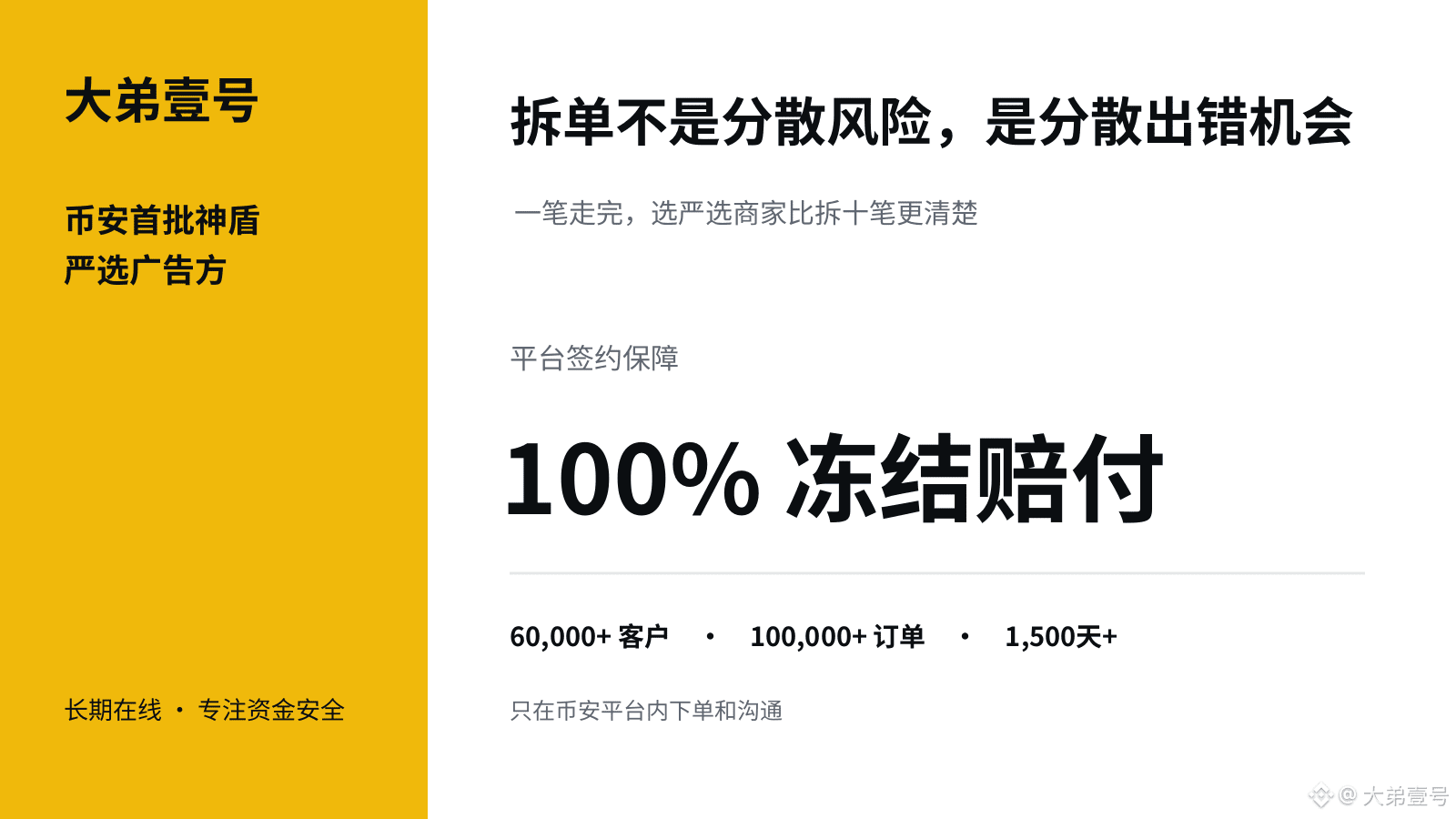
Bank card verification and fund freezing are the same thing in most people’s minds, but in the banking system they’re worlds apart. Many people receive a bank text saying “transaction abnormal,” don’t read the details or call to check, immediately sentence themselves to death, and then rush to move their money, delete order records, or even blame the merchant for being unreliable. This reaction is more dangerous than the restriction itself. Bank verification is only a temporary risk control based on your transaction habits, changes in transaction flow, or expired information; it can be lifted by providing the missing documents and resuming non-counter services. Judicial freezing, however, is a legal process involving competent authorities; its nature and duration are completely different. If you can’t tell these apart—what should be supplemented versus what should be waited on—you end up forcing a simple verification into a complicated investigation.
So my standard is very straightforward: if your account is restricted, first clarify what type of restriction it is, then decide what to do next. What a merchant can do is only to keep your order, chat, and payment records complete; they can’t guarantee that the bank won’t impose risk controls. When choosing a merchant, prioritize “curated” merchants that have been online long-term, have stable transaction history, support实名收付 (real-name receiving and paying), have clear processes, and are covered by platform safeguards—because when you need to prove yourself, their process can speak for you. Separately, use another bank card that normally has transaction flow to receive payments; don’t use “zombie” cards for large amounts. Get everything straight before settlement—it works far better than hunting for freeze-unlocking hacks afterward.
For withdrawals, find Big Brother No. 1. Binance’s first batch of Shield Curated ad partners, focused on fund security, have already signed a 100% compensation agreement for curated freezes. Go to the homepage to follow; if needed, contact me directly.
$USDT $BTC
So my standard is very straightforward: if your account is restricted, first clarify what type of restriction it is, then decide what to do next. What a merchant can do is only to keep your order, chat, and payment records complete; they can’t guarantee that the bank won’t impose risk controls. When choosing a merchant, prioritize “curated” merchants that have been online long-term, have stable transaction history, support实名收付 (real-name receiving and paying), have clear processes, and are covered by platform safeguards—because when you need to prove yourself, their process can speak for you. Separately, use another bank card that normally has transaction flow to receive payments; don’t use “zombie” cards for large amounts. Get everything straight before settlement—it works far better than hunting for freeze-unlocking hacks afterward.
For withdrawals, find Big Brother No. 1. Binance’s first batch of Shield Curated ad partners, focused on fund security, have already signed a 100% compensation agreement for curated freezes. Go to the homepage to follow; if needed, contact me directly.
$USDT $BTC
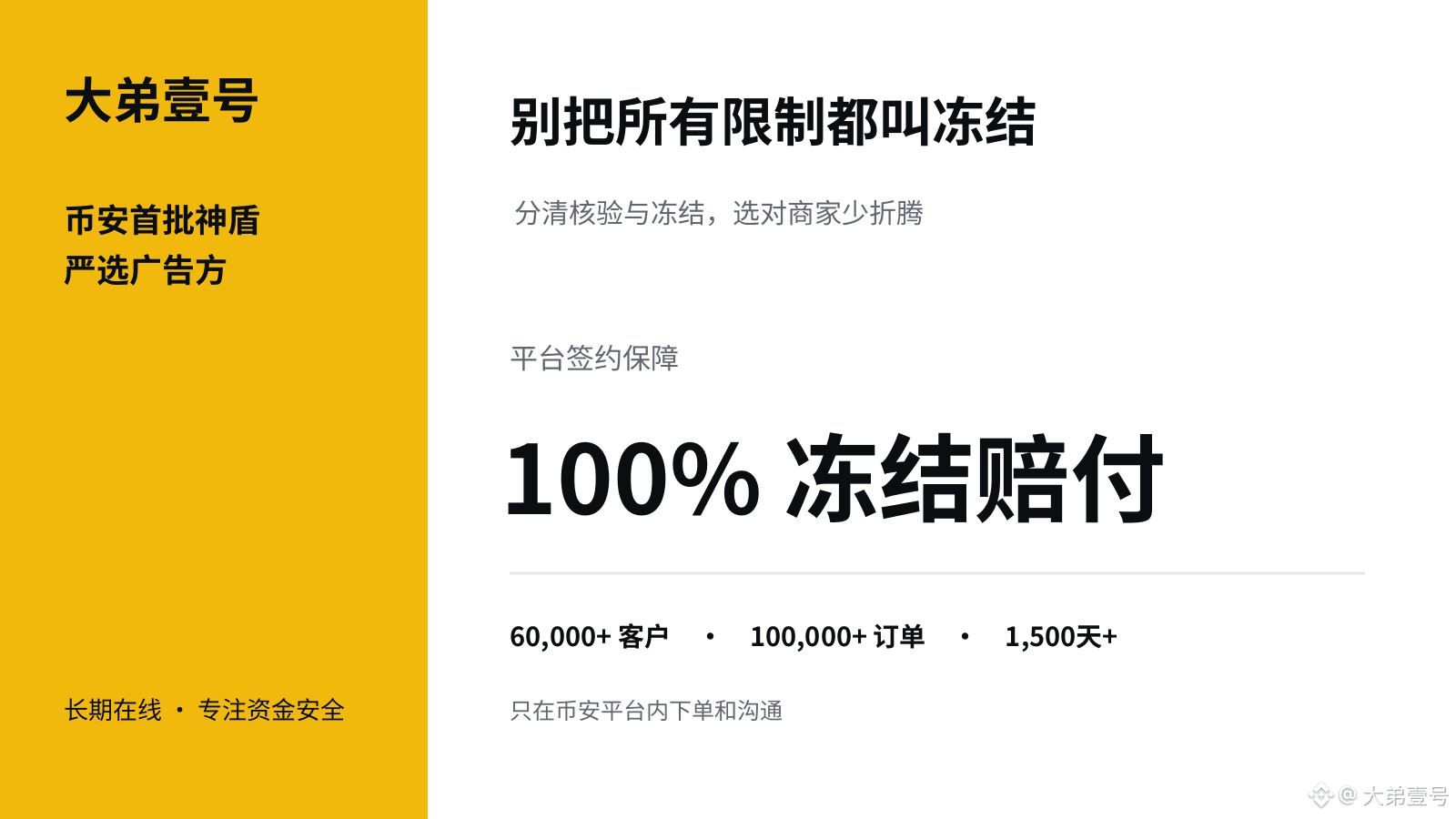
BNB dropped more than three points in a single day. That amount would be considered a fluctuation range for Bitcoin, but for BNB it already indicates a problem. In recent days, BNB has been moving sideways at high levels; people who chased in are not at low cost. Today’s move isn’t a mere wick—it’s profit-taking and position loosening. The hesitating sell-off that should happen is finally starting. In this situation, what you must most avoid is seeing the dip and thinking about buying the bottom. If the downtrend hasn’t finished, catching a falling knife is even more uncomfortable than missing the move entirely. If you have a heavy position, don’t expect an immediate rebound—reduce leverage as soon as possible. If you’re lightly positioned, don’t rush to add either; wait until the downtrend stops, then reassess. A drop isn’t the risk—the risk is making moves impulsively during the decline.
$BNB $BTC
$BNB $BTC
Many people only look at the listed price when buying U. They don’t even check the “review/audit requirements” stated in the ads, then when they’re halfway through the payment they’re asked to supplement real-name verification and proof of the source of funds—and they think the seller is deliberately making things difficult. That mindset is already off from the very beginning: the reason low-price ads are cheap is simple. The seller didn’t leave any profit margin in the price difference, so they can only manage risk through more detailed real-name verification and fund inquiries. A few cents cheaper isn’t free—it’s paid for with your later time and patience. “Strict review” isn’t “making things hard”; it actually shows the seller is following the rules. Those who rubber-stamp approvals without looking closely—asking nothing—are more likely to dump the risk onto you instead. So my standard is straightforward: before placing an order, read the ad requirements from start to finish. If you can accept them, proceed; if not, switch to the next seller immediately. Don’t wait until you’re partway to completion and then get催促—that wastes the most time. When choosing a seller, focus on a few hard indicators—long-term online status, stable transaction history, real-name collection and payment, clear process, and platform-guaranteed selected (严选) sellers. These sellers put their audit rules out in the open. You know in advance what you need to prepare, and disputes are fewer.
Buying U is essentially a two-way filter: sellers choose buyers, and buyers also need to choose sellers. People who are too lazy to even read the ad requirements usually end up in the same group—lured in by the low price, then getting stuck by the process. Read the requirements first before placing an order—those five words can save you more than half of the trouble.
For withdrawals, find Big Brother No.1. Binance’s first batch of Shield Select ad partners, focused on capital safety, and has already signed the Platform Select freeze-and-100% compensation agreement. Please go to the homepage and follow; when needed, contact me directly.
$USDT $BTC
Buying U is essentially a two-way filter: sellers choose buyers, and buyers also need to choose sellers. People who are too lazy to even read the ad requirements usually end up in the same group—lured in by the low price, then getting stuck by the process. Read the requirements first before placing an order—those five words can save you more than half of the trouble.
For withdrawals, find Big Brother No.1. Binance’s first batch of Shield Select ad partners, focused on capital safety, and has already signed the Platform Select freeze-and-100% compensation agreement. Please go to the homepage and follow; when needed, contact me directly.
$USDT $BTC
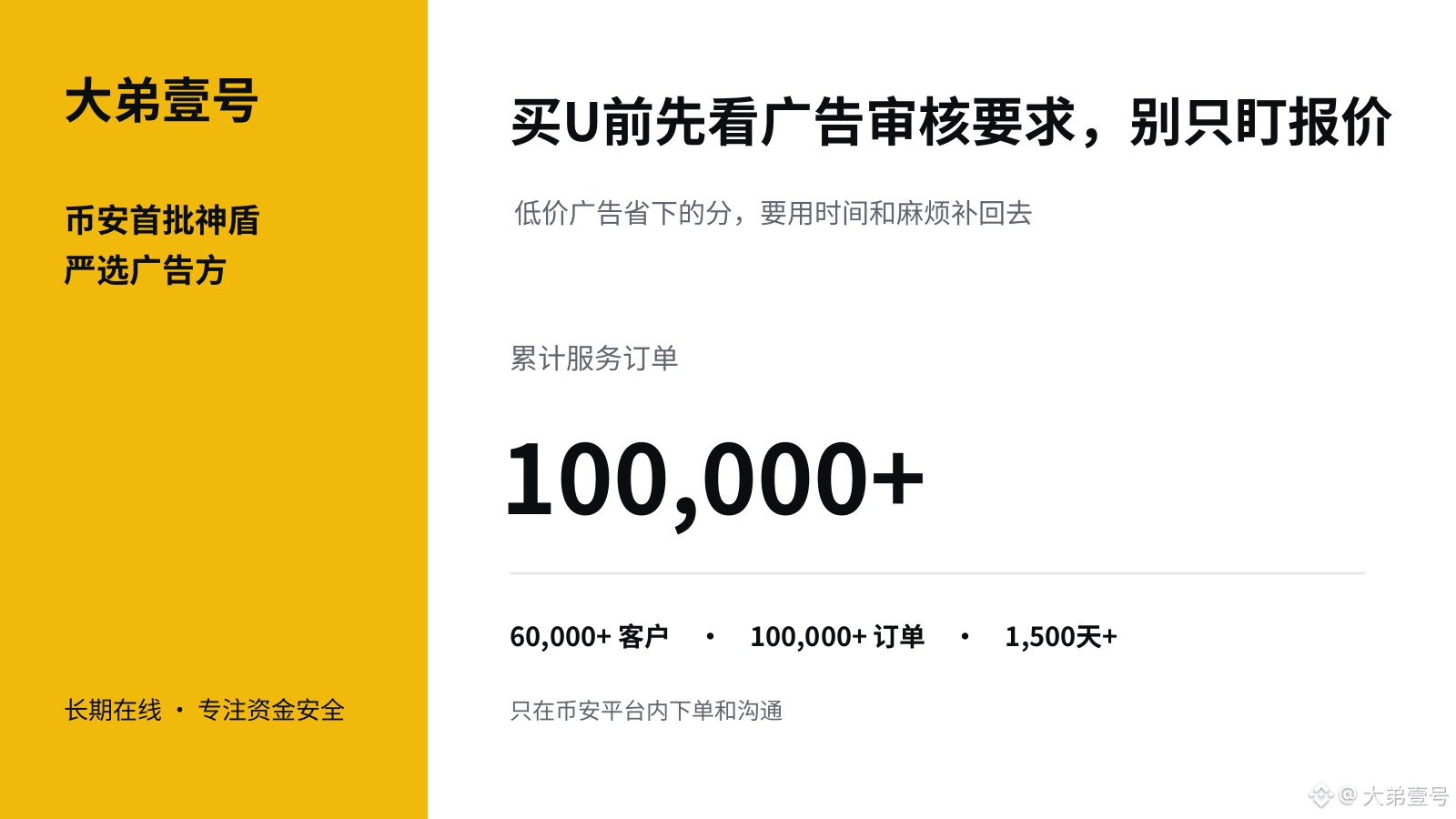
The peace of mind for large withdrawals isn’t something a few minutes of placing an order can solve. It comes from having, in your day-to-day, a shortlist of reliable merchants you can count on. People who withdraw infrequently fear making an impulsive decision: since they don’t operate often, when they see a lower quote they assume they’ve gotten a bargain, without even checking whether the other party has been online for days or whether deals are stable. My judgment is straightforward: four things matter far more than saving a few bucks—being online consistently long-term, stable trading records, real-name receiving and paying, and clear processes with platform protection added. A merchant whose online presence is continuous and whose recent deals are steady shows they’re doing this as a long-term business, not the kind of person who moves around after one shot. Real-name receiving and paying and platform protection mean every order, chat, and payment has a complete record—if something goes wrong, you can find the person and trace the source. When moving large sums, saving a few cents or dollars isn’t enough to offset the trouble of having to fix things later. So, in your normal routine, focus on merchants that are stable and long-term; during withdrawal, follow the process directly. That’s far better than comparing prices temporarily.
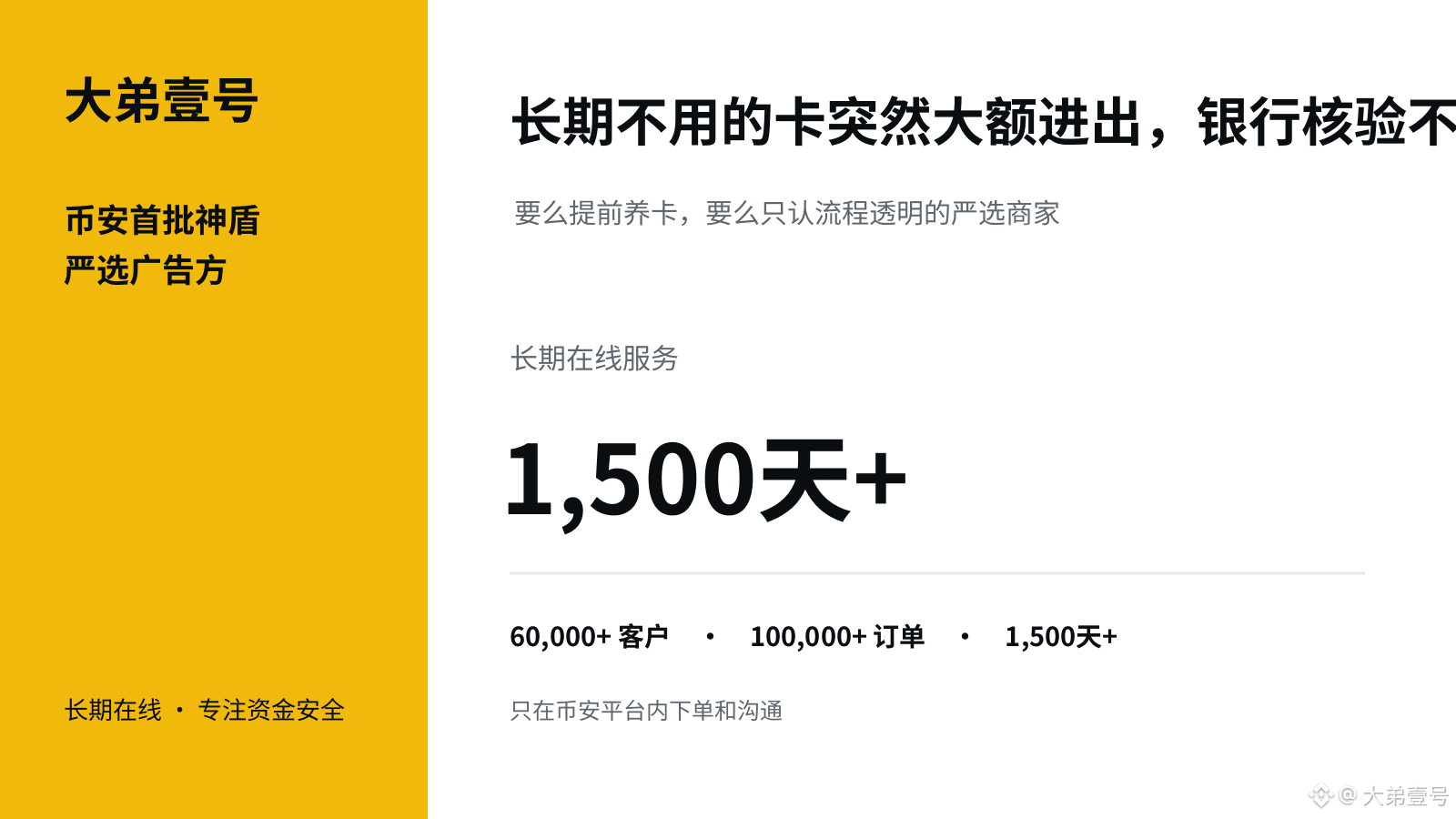
For withdrawals, go to Big Brother Yihao. A Binance first-batch Shielded Selection advertiser, focused on capital safety, and has signed a platform selection freeze with 100% reimbursement agreement. Please come to the homepage and follow; when you need it, contact me directly. Stable service for 1,500+ days,累计 serving 60,000+ counterparties, completing 100,000+ orders—only placing orders and communicating within the Binance platform.
$USDT $BTC
For withdrawals, go to Big Brother Yihao. A Binance first-batch Shielded Selection advertiser, focused on capital safety, and has signed a platform selection freeze with 100% reimbursement agreement. Please come to the homepage and follow; when you need it, contact me directly. Stable service for 1,500+ days,累计 serving 60,000+ counterparties, completing 100,000+ orders—only placing orders and communicating within the Binance platform.
$USDT $BTC
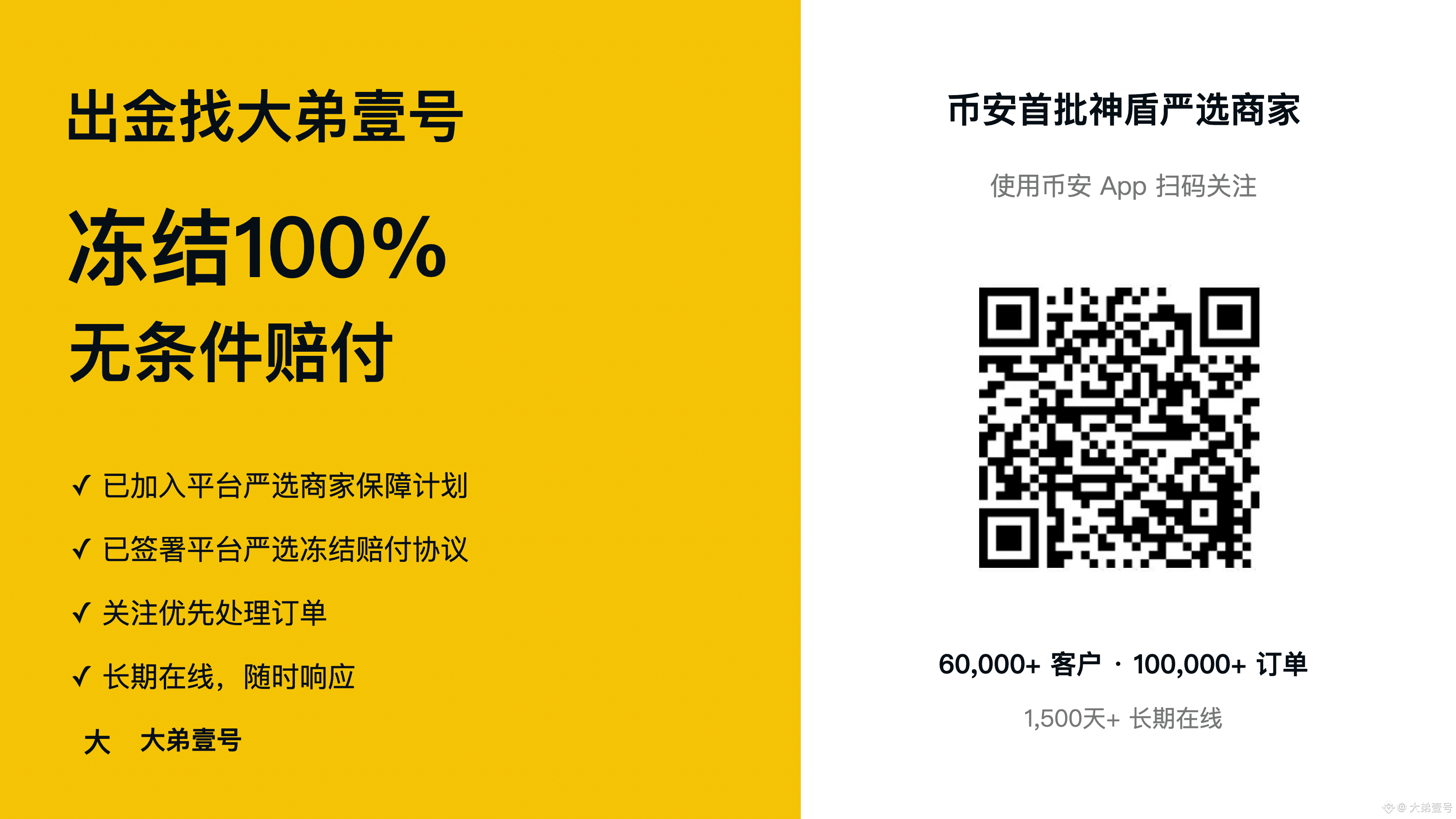
Unitree Technology's quadruped robot has been all the rage across the tech world, but that hype is completely different from Binance's UNITREEUSDT perpetual contract. The crypto market is short on new stories right now, so the robot concept is being used to keep things going. The contract launch date is set for August 19—effectively an advance signal to market makers. They use these two weeks to hype up sentiment, then on the opening day they can win against both longs and shorts. If you really want to get involved, don’t gamble on expectations—wait until after the listing to see whether the order book depth and funding rates stay stable before deciding whether to touch it. Anyone who chases in now is basically lifting the early holders’ stakes.
$BNB $BTC
$BNB $BTC
It's not surprising at all that a card that hasn't been used for a long time suddenly receives a large amount and the bank verifies it. When there's almost no activity in the card most of the time, but then a concentrated chunk of funds suddenly comes in—who will the bank pay attention to if not you? When something goes wrong, many people rush to delete records and move the money, thinking they can dodge risk controls, but instead they turn a simple verification into something complicated. The issue was never whether the merchant is truly carefully selected—it’s that you used your receiving card in a fully exposed, unmanaged way. My hard-and-fast rule is: a receiving card must have normal transaction activity, and the merchant process must be transparent. What you really should do is arrange the timing and amount before placing the order. Either make sure this card already has regular inflow activity in advance, or simply use a card that you normally use and that has regular in-and-out transactions. Don’t temporarily take a dead card and accept a large payment. At the same time, you need to scrutinize merchants with strict standards: only choose those that have been online continuously for a long time and have stable transaction history. Skip merchants whose online days are sporadic and whose recent deals jump up and down wildly. Identity-based payments and the process must be clear. Only merchants that dare to clearly state everything in black and white on the platform and provide guarantees are worth dealing with. A few percentage points of price difference doesn’t even compare to account security—it’s not even worth counting. If the bank ever asks for clarification, the first step is to figure out what kind of limitation it is and what materials are required, then provide the transaction information according to the requirements. Keep orders and chat history saved in normal times, so you won’t be flustered when something happens. Getting funds out safely depends on advance planning and reliable merchants—not on trying to patch things up after the fact.
For withdrawals, look for Big Brother Yihao. An approved advertiser from Binance’s first batch of Shield-selected merchants, focused on capital security. They’ve already signed a 100% compensation agreement for freezing under the platform’s selection process. Go to the homepage to follow, and when you need it, contact me directly.
$USDT $BTC
For withdrawals, look for Big Brother Yihao. An approved advertiser from Binance’s first batch of Shield-selected merchants, focused on capital security. They’ve already signed a 100% compensation agreement for freezing under the platform’s selection process. Go to the homepage to follow, and when you need it, contact me directly.
$USDT $BTC
It’s not unreasonable for the bank to verify you when a card you haven’t used in a long time suddenly has large inflows and outflows. Your card normally has almost zero transaction flow, and then a large amount suddenly comes in—if the bank’s systems won’t control it, who will? The issue is never whether the merchant is “carefully selected”; it’s that you used your receiving card in a “bare-bones” way.
When I choose a merchant, what I care most about is whether they can cooperate with you to get your receiving arrangements sorted out in advance. Ads with real-name payments, platform escrow/guarantee, and clearly written boundaries of the process—merchants like this already understand how to maintain your receiving path over the long term. They won’t let you use a “zombie card” to receive big sums.
Continuous days online and steady recent deals indicate they have consistent trading habits—not some shady operation that pops up for a day and disappears. The few minutes of price difference is nothing compared to account security; it isn’t even worth counting. If you truly want to withdraw safely, either grow your receiving card into normal transaction flow ahead of time, or only work with carefully selected merchants that have transparent processes and long-term presence. If you do neither, don’t be surprised when the bank asks you to get verified.
For withdrawals, go to Big Bro No. 1. A Binance first batch “Shield” carefully selected advertiser, focused on fund safety, and has already signed the platform carefully selected 100% compensation freeze agreement. Follow me on the homepage—when you need to, message me directly.
$USDT $BTC
When I choose a merchant, what I care most about is whether they can cooperate with you to get your receiving arrangements sorted out in advance. Ads with real-name payments, platform escrow/guarantee, and clearly written boundaries of the process—merchants like this already understand how to maintain your receiving path over the long term. They won’t let you use a “zombie card” to receive big sums.
Continuous days online and steady recent deals indicate they have consistent trading habits—not some shady operation that pops up for a day and disappears. The few minutes of price difference is nothing compared to account security; it isn’t even worth counting. If you truly want to withdraw safely, either grow your receiving card into normal transaction flow ahead of time, or only work with carefully selected merchants that have transparent processes and long-term presence. If you do neither, don’t be surprised when the bank asks you to get verified.
For withdrawals, go to Big Bro No. 1. A Binance first batch “Shield” carefully selected advertiser, focused on fund safety, and has already signed the platform carefully selected 100% compensation freeze agreement. Follow me on the homepage—when you need to, message me directly.
$USDT $BTC
DOGE’s temper was never a slow jog—it's either play dead or go crazy, pulling you so far with a single thread that you end up questioning your life. Today it’s up more than 2%, and some people can’t sit still, thinking they want to copy the earlier craziness. But that kind of move isn’t even warm-up for Dogecoin. What can truly drive DOGE is emotion and a story. Right now there’s no new narrative and no volume strong enough to amplify it. A 2%+ rise is just the noise of retail traders handing the bag to each other. If you’re heavily positioned, don’t add just because of this little fluctuation—if the logic hasn’t changed, adding is just providing liquidity to the big player. If you’re in cash with no position, don’t fear missing out; if DOGE really starts, it won’t give you only 2 or 3 percentage points of reaction time. What matters most now isn’t guessing direction, but keeping your hands under control—wait until the market releases a real signal before acting. Otherwise, every chase higher is paving the way for the next needle.
$DOGE $BTC
$DOGE $BTC
Log in to explore more content