

CSSZS
718 Posts

CSSZS
Report
Block User
BP-827D4122C036
56 Following
4.2K+ Followers
1.9K+ Liked
Posts
Portfolio
All
Quotes
Videos
·
--
Would you hand your AI agent your credit card? I wouldn’t, so I mocked up what Kite’s answer looks like in a terminal.
A $100/day session for 30 days means the worst case, even if the agent gets hacked, is $3,000. The chair gets blocked. The throwaway key dies when the job is done.
The part I keep coming back to: card fees make a $0.001 API call cost 300× its value. Machines paying machines at 3 a.m. is where Kite’s real bet is.
Human shopping or machine to machine: where does agent money go?
#KiteBBW $KITE @GoKiteAI
Would you hand your AI agent your credit card? I wouldn’t, so I mocked up what Kite’s answer looks like in a terminal.
A $100/day session for 30 days means the worst case, even if the agent gets hacked, is $3,000. The chair gets blocked. The throwaway key dies when the job is done.
The part I keep coming back to: card fees make a $0.001 API call cost 300× its value. Machines paying machines at 3 a.m. is where Kite’s real bet is.
Human shopping or machine to machine: where does agent money go?
#KiteBBW $KITE @KITE AI 中文
A $100/day session for 30 days means the worst case, even if the agent gets hacked, is $3,000. The chair gets blocked. The throwaway key dies when the job is done.
The part I keep coming back to: card fees make a $0.001 API call cost 300× its value. Machines paying machines at 3 a.m. is where Kite’s real bet is.
Human shopping or machine to machine: where does agent money go?
#KiteBBW $KITE @KITE AI 中文
1
3
285
·
--
Prediction season is ON
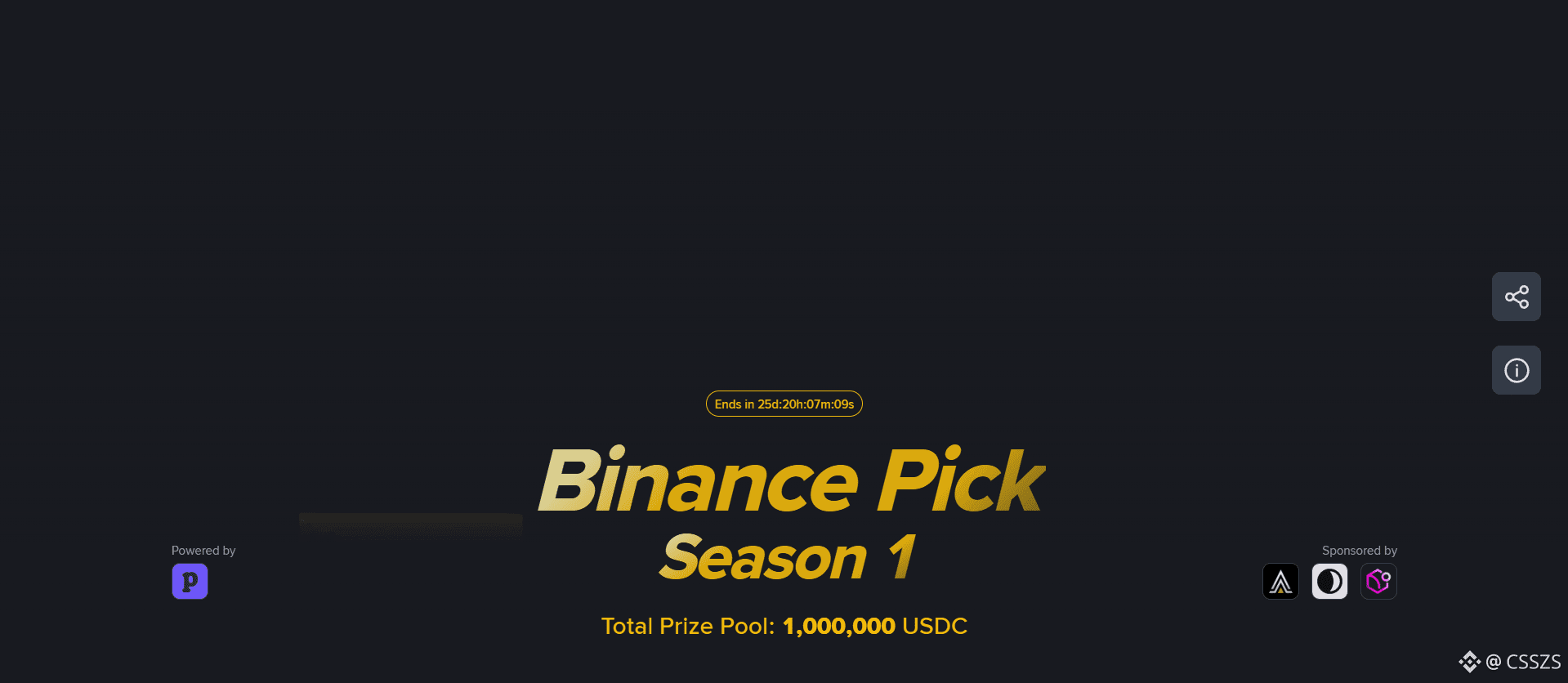
Binance Pick Season 1 is live! Time to test my market instincts, predict market moves, and climb the leaderboard.
The reward pool goes up to 1,000,000 USDC The key is to stay consistent, analyze the market, and make smarter predictions instead of blindly guessing.
Let’s see who can read the market best. Are you bullish or bearish on BTC today?
Join here: [Prediction](https://app.binance.com/uni-qr/prophet?from=share&seasonId=prophet_1019_s1&ref=851608351)
#BinancePick [ ](https://www.binance.com/square/hashtag/BinancePick)#BinanceSquare [ ](https://www.binance.com/square/hashtag/BinanceSquare)#Crypto [ ](https://www.binance.com/square/hashtag/Crypto)#prediction
Prediction season is ON
Binance Pick Season 1 is live! Time to test my market instincts, predict market moves, and climb the leaderboard.
The reward pool goes up to 1,000,000 USDC The key is to stay consistent, analyze the market, and make smarter predictions instead of blindly guessing.
Let’s see who can read the market best. Are you bullish or bearish on BTC today?
Join here: Prediction
#BinancePick #BinanceSquare #Crypto #prediction
Binance Pick Season 1 is live! Time to test my market instincts, predict market moves, and climb the leaderboard.
The reward pool goes up to 1,000,000 USDC The key is to stay consistent, analyze the market, and make smarter predictions instead of blindly guessing.
Let’s see who can read the market best. Are you bullish or bearish on BTC today?
Join here: Prediction
#BinancePick #BinanceSquare #Crypto #prediction
4
3
423
·
--
ngl i thought october was supposed to be Uptober
we’re already halfway through the month and the market is giving me absolutely nothing to work with
bullish? bearish? at this point i'm just opening charts to make sure crypto still exists.
maybe Uptober is coming in the last 2 weeks or maybe we all got baited by a calendar meme lmao
anyway, how's your portfolio doing?
ngl i thought october was supposed to be Uptober
we’re already halfway through the month and the market is giving me absolutely nothing to work with
bullish? bearish? at this point i'm just opening charts to make sure crypto still exists.
maybe Uptober is coming in the last 2 weeks or maybe we all got baited by a calendar meme lmao
anyway, how's your portfolio doing?
we’re already halfway through the month and the market is giving me absolutely nothing to work with
bullish? bearish? at this point i'm just opening charts to make sure crypto still exists.
maybe Uptober is coming in the last 2 weeks or maybe we all got baited by a calendar meme lmao
anyway, how's your portfolio doing?
1
6
306
·
--
Have a great day guys
GM to all Binance Square Creator
Have a great day guys
GM to all Binance Square Creator
GM to all Binance Square Creator

150
3
15
150
·
--
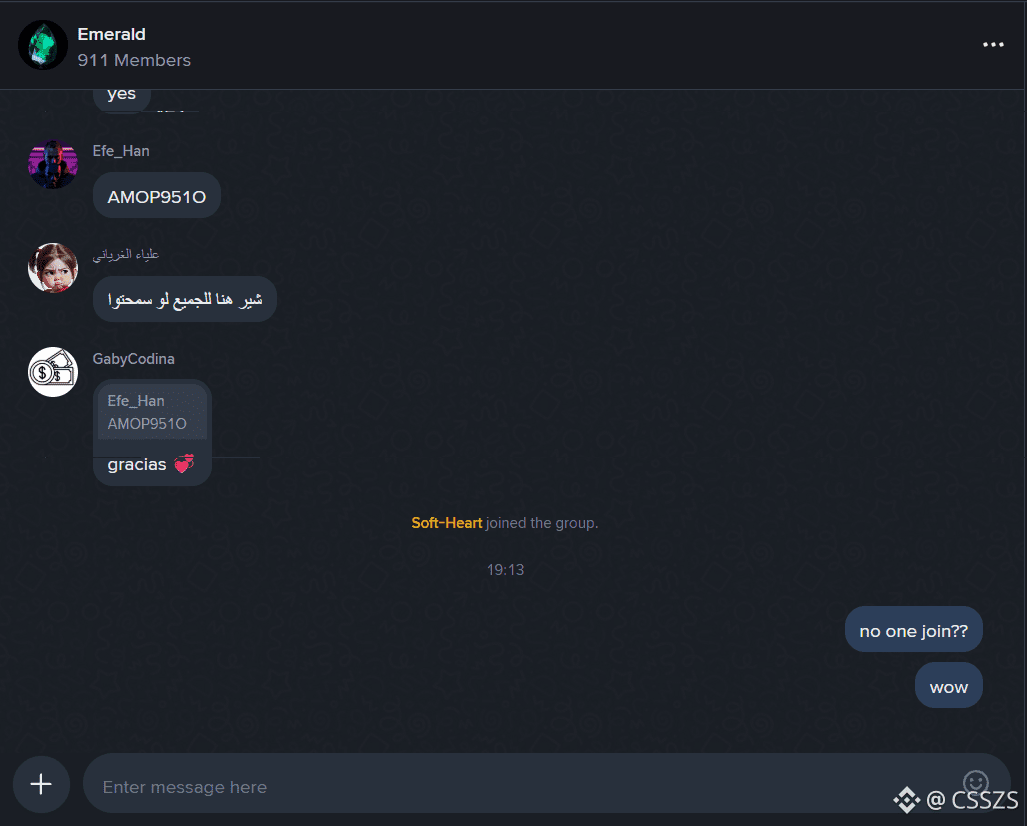
almost hit 1k gonna drop big box soon if it hit 1k wanna try your luck?
go and grab it: [Emerald](https://app.binance.com/uni-qr/EABUQ7PH)
almost hit 1k gonna drop big box soon if it hit 1k wanna try your luck?
go and grab it: Emerald
go and grab it: Emerald
2
94
·
--
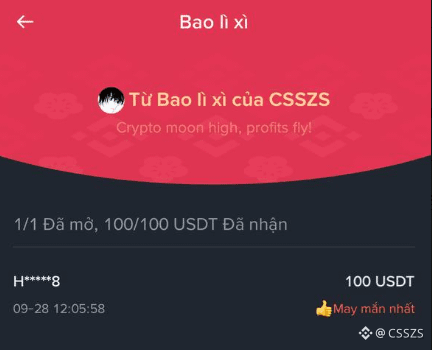
A little Mid-Autumn surprise from Emerald
The moon is full, the vibes are green, and a Binance Red Packet is out there waiting
If you find it, claim it before someone else does.
May the Emerald luck be with you tonight.
Happy Mid-Autumn Festival!
claim your: [Emerald](https://app.binance.com/uni-qr/KXUX4DTi)
A little Mid-Autumn surprise from Emerald
The moon is full, the vibes are green, and a Binance Red Packet is out there waiting
If you find it, claim it before someone else does.
May the Emerald luck be with you tonight.
Happy Mid-Autumn Festival!
claim your: Emerald
The moon is full, the vibes are green, and a Binance Red Packet is out there waiting
If you find it, claim it before someone else does.
May the Emerald luck be with you tonight.
Happy Mid-Autumn Festival!
claim your: Emerald

4
8
1.6k
·
--
I don't want to KYC every time I try a new RWA app.
This is one thing I didn't really think about when I first started exploring tokenized assets.
Imagine you've already verified yourself on one regulated platform.
Your identity is checked.
Your eligibility is confirmed.
Then you find another application you want to use.
Instead of connecting and continuing where you left off, you get:
“Please complete KYC.”
Again.
That sounds like a small inconvenience.
But imagine having 10 different RWA applications.
Ten onboarding processes.
Ten places storing your information.
Ten times proving the same thing.
At that point, putting the asset onchain hasn't really made the financial experience feel very composable.
This is where I started paying more attention to how @dusk approaches identity.
The interesting idea isn't just verifying who you are.
It's being able to prove the specific credential or eligibility an application needs, without handing over your entire identity every time.
That makes a lot more sense to me for regulated markets.
I don't need every app to know everything about me.
I just need the app to know enough to let me do what I'm actually allowed to do.
If RWA eventually becomes a real ecosystem of exchanges, brokers, issuers and financial apps, I think this part will matter a lot.
Because the worst outcome would be taking the composability of crypto...
and putting a KYC wall between every application.
That's one of the less obvious problems @Dusk_Foundation is trying to solve.
$DUSK #dusk
Would you use more RWA apps if you didn't have to repeat KYC?
I don't want to KYC every time I try a new RWA app.
This is one thing I didn't really think about when I first started exploring tokenized assets.
Imagine you've already verified yourself on one regulated platform.
Your identity is checked.
Your eligibility is confirmed.
Then you find another application you want to use.
Instead of connecting and continuing where you left off, you get:
“Please complete KYC.”
Again.
That sounds like a small inconvenience.
But imagine having 10 different RWA applications.
Ten onboarding processes.
Ten places storing your information.
Ten times proving the same thing.
At that point, putting the asset onchain hasn't really made the financial experience feel very composable.
This is where I started paying more attention to how @dusk approaches identity.
The interesting idea isn't just verifying who you are.
It's being able to prove the specific credential or eligibility an application needs, without handing over your entire identity every time.
That makes a lot more sense to me for regulated markets.
I don't need every app to know everything about me.
I just need the app to know enough to let me do what I'm actually allowed to do.
If RWA eventually becomes a real ecosystem of exchanges, brokers, issuers and financial apps, I think this part will matter a lot.
Because the worst outcome would be taking the composability of crypto...
and putting a KYC wall between every application.
That's one of the less obvious problems @Dusk is trying to solve.
$DUSK #dusk
Would you use more RWA apps if you didn't have to repeat KYC?
This is one thing I didn't really think about when I first started exploring tokenized assets.
Imagine you've already verified yourself on one regulated platform.
Your identity is checked.
Your eligibility is confirmed.
Then you find another application you want to use.
Instead of connecting and continuing where you left off, you get:
“Please complete KYC.”
Again.
That sounds like a small inconvenience.
But imagine having 10 different RWA applications.
Ten onboarding processes.
Ten places storing your information.
Ten times proving the same thing.
At that point, putting the asset onchain hasn't really made the financial experience feel very composable.
This is where I started paying more attention to how @dusk approaches identity.
The interesting idea isn't just verifying who you are.
It's being able to prove the specific credential or eligibility an application needs, without handing over your entire identity every time.
That makes a lot more sense to me for regulated markets.
I don't need every app to know everything about me.
I just need the app to know enough to let me do what I'm actually allowed to do.
If RWA eventually becomes a real ecosystem of exchanges, brokers, issuers and financial apps, I think this part will matter a lot.
Because the worst outcome would be taking the composability of crypto...
and putting a KYC wall between every application.
That's one of the less obvious problems @Dusk is trying to solve.
$DUSK #dusk
Would you use more RWA apps if you didn't have to repeat KYC?
Definitely
40%
Probably
20%
KYC doesn't bother me
20%
Depends on the app
20%
10 votes • Voting closed
2
6
3.4k
·
--
Tokenization won't magically create liquidity.
I was thinking about this after looking at what happens after an RWA is actually issued.
Let's say I own €100,000 worth of shares in a private company.
Today, I have a problem if I want to sell them.
I need to find someone willing to buy, agree on a price, deal with the paperwork and actually transfer the ownership.
Now imagine we tokenize those shares.
Suddenly I have 100,000 tokens sitting onchain.
Sounds great.
But tomorrow I still want to sell them.
Who is buying?
That's the part of tokenization I think gets overlooked.
Putting something onchain can make it easier to represent, transfer and settle.
It doesn't magically create buyers.
You still need investors who are actually allowed to buy the asset, a way to discover a reasonable price, and somewhere those investors can trade it.
This is why the NPEX side of @Dusk_Foundation interests me.
NPEX isn't just being used to put another group of assets onchain. It's a regulated trading venue, so the idea goes beyond issuance toward an actual secondary market for regulated securities.
That's a much more useful way for me to think about RWA now.
I don't care that my €100K asset became 100,000 tokens if I still have nobody to sell them to.
Tokenization can change the rails.
It doesn't create the market.
That's why I'm more interested in what gets built around the asset after the token is created.
$DUSK #dusk
You tokenized a €100K asset. What do you need next?
Tokenization won't magically create liquidity.
I was thinking about this after looking at what happens after an RWA is actually issued.
Let's say I own €100,000 worth of shares in a private company.
Today, I have a problem if I want to sell them.
I need to find someone willing to buy, agree on a price, deal with the paperwork and actually transfer the ownership.
Now imagine we tokenize those shares.
Suddenly I have 100,000 tokens sitting onchain.
Sounds great.
But tomorrow I still want to sell them.
Who is buying?
That's the part of tokenization I think gets overlooked.
Putting something onchain can make it easier to represent, transfer and settle.
It doesn't magically create buyers.
You still need investors who are actually allowed to buy the asset, a way to discover a reasonable price, and somewhere those investors can trade it.
This is why the NPEX side of @Dusk interests me.
NPEX isn't just being used to put another group of assets onchain. It's a regulated trading venue, so the idea goes beyond issuance toward an actual secondary market for regulated securities.
That's a much more useful way for me to think about RWA now.
I don't care that my €100K asset became 100,000 tokens if I still have nobody to sell them to.
Tokenization can change the rails.
It doesn't create the market.
That's why I'm more interested in what gets built around the asset after the token is created.
$DUSK #dusk
You tokenized a €100K asset. What do you need next?
I was thinking about this after looking at what happens after an RWA is actually issued.
Let's say I own €100,000 worth of shares in a private company.
Today, I have a problem if I want to sell them.
I need to find someone willing to buy, agree on a price, deal with the paperwork and actually transfer the ownership.
Now imagine we tokenize those shares.
Suddenly I have 100,000 tokens sitting onchain.
Sounds great.
But tomorrow I still want to sell them.
Who is buying?
That's the part of tokenization I think gets overlooked.
Putting something onchain can make it easier to represent, transfer and settle.
It doesn't magically create buyers.
You still need investors who are actually allowed to buy the asset, a way to discover a reasonable price, and somewhere those investors can trade it.
This is why the NPEX side of @Dusk interests me.
NPEX isn't just being used to put another group of assets onchain. It's a regulated trading venue, so the idea goes beyond issuance toward an actual secondary market for regulated securities.
That's a much more useful way for me to think about RWA now.
I don't care that my €100K asset became 100,000 tokens if I still have nobody to sell them to.
Tokenization can change the rails.
It doesn't create the market.
That's why I'm more interested in what gets built around the asset after the token is created.
$DUSK #dusk
You tokenized a €100K asset. What do you need next?
More buyers
48%
A regulated trading venue
20%
Reliable price discovery
24%
All of the above
8%
25 votes • Voting closed
1
7
11.5k
·
--
I don't want to buy an ETF and end up owning a JPEG with a token attached to it.
This sounds obvious, but it's something I started thinking about when I looked deeper into tokenized assets.
Let's say I buy €20,000 of a tokenized ETF.
I get a token in my wallet.
Okay.
But where is the actual ownership record?
Where does the ETF's lifecycle live?
What happens when the fund pays something out?
What happens when I sell it?
And what happens if the token says I own something, but the actual records are still sitting in another system?
That's when the difference between tokenization and native issuance started making sense to me.
Tokenization can give an existing asset a blockchain representation.
That's useful.
But you can still end up with the blockchain record on one side and the actual financial workflow somewhere else.
Native issuance is a different idea: the asset and its lifecycle can be designed around the same onchain infrastructure from issuance and ownership to transfers and settlement.
That's the part I find interesting about @Dusk_Foundation
They're not just talking about putting a token next to a traditional financial product.
The bigger idea is to make the rules around the asset part of the system itself.
So if I buy that €20,000 ETF, I don't just want something in my wallet that represents an asset.
I want the ownership, transfer and settlement process behind it to actually make sense.
That's a much bigger challenge than creating another token.
And honestly, that's where I think the RWA conversation gets interesting.
The token isn't the product.
The asset lifecycle is.
$DUSK #dusk
What matters most when you buy a tokenized ETF?
I don't want to buy an ETF and end up owning a JPEG with a token attached to it.
This sounds obvious, but it's something I started thinking about when I looked deeper into tokenized assets.
Let's say I buy €20,000 of a tokenized ETF.
I get a token in my wallet.
Okay.
But where is the actual ownership record?
Where does the ETF's lifecycle live?
What happens when the fund pays something out?
What happens when I sell it?
And what happens if the token says I own something, but the actual records are still sitting in another system?
That's when the difference between tokenization and native issuance started making sense to me.
Tokenization can give an existing asset a blockchain representation.
That's useful.
But you can still end up with the blockchain record on one side and the actual financial workflow somewhere else.
Native issuance is a different idea: the asset and its lifecycle can be designed around the same onchain infrastructure from issuance and ownership to transfers and settlement.
That's the part I find interesting about @Dusk
They're not just talking about putting a token next to a traditional financial product.
The bigger idea is to make the rules around the asset part of the system itself.
So if I buy that €20,000 ETF, I don't just want something in my wallet that represents an asset.
I want the ownership, transfer and settlement process behind it to actually make sense.
That's a much bigger challenge than creating another token.
And honestly, that's where I think the RWA conversation gets interesting.
The token isn't the product.
The asset lifecycle is.
$DUSK #dusk
What matters most when you buy a tokenized ETF?
This sounds obvious, but it's something I started thinking about when I looked deeper into tokenized assets.
Let's say I buy €20,000 of a tokenized ETF.
I get a token in my wallet.
Okay.
But where is the actual ownership record?
Where does the ETF's lifecycle live?
What happens when the fund pays something out?
What happens when I sell it?
And what happens if the token says I own something, but the actual records are still sitting in another system?
That's when the difference between tokenization and native issuance started making sense to me.
Tokenization can give an existing asset a blockchain representation.
That's useful.
But you can still end up with the blockchain record on one side and the actual financial workflow somewhere else.
Native issuance is a different idea: the asset and its lifecycle can be designed around the same onchain infrastructure from issuance and ownership to transfers and settlement.
That's the part I find interesting about @Dusk
They're not just talking about putting a token next to a traditional financial product.
The bigger idea is to make the rules around the asset part of the system itself.
So if I buy that €20,000 ETF, I don't just want something in my wallet that represents an asset.
I want the ownership, transfer and settlement process behind it to actually make sense.
That's a much bigger challenge than creating another token.
And honestly, that's where I think the RWA conversation gets interesting.
The token isn't the product.
The asset lifecycle is.
$DUSK #dusk
What matters most when you buy a tokenized ETF?
The token in my wallet
33%
Proof of ownership
67%
The whole lifecycle onchain
0%
Post-issuance asset management
0%
3 votes • Voting closed
3
5
2.6k
·
--
I’m buying a €10,000 bond. I don’t just want the token. I want the deal to actually settle.
That's something I didn't think much about when I first started looking at RWAs.
In crypto, I'm used to swapping one asset for another and watching both balances change.
Pretty simple.
But imagine I’m buying a €10,000 bond.
My €10,000 has to leave my account.
The bond has to leave the seller's side.
And I don't want to end up in a situation where my money is gone but I'm still waiting for the bond.
Or the bond moves first and the payment is still somewhere in between.
That's when I realised that putting the bond onchain doesn't really solve the whole problem.
You still have to make the money and the asset meet at the right moment.
And this is where Dusk started making more sense to me.
The interesting part isn't simply that a bond can exist as a token.
It's that Dusk is designing the infrastructure around the transaction itself, including the coordination between the asset and payment sides and predictable final settlement.
That sounds like a boring detail compared with “$10,000 bond onchain”.
But honestly, I'd rather have boring settlement that works than a beautiful token that leaves me wondering where my money went.
That's probably the biggest thing I've changed my mind about while researching RWAs.
Tokenization gets the asset onchain.
Settlement is what makes the transaction usable.
That's the part of @Dusk_Foundation I'm paying attention to.
$DUSK #dusk
If you were buying a €10K tokenized bond, what would worry you most?
I’m buying a €10,000 bond. I don’t just want the token. I want the deal to actually settle.
That's something I didn't think much about when I first started looking at RWAs.
In crypto, I'm used to swapping one asset for another and watching both balances change.
Pretty simple.
But imagine I’m buying a €10,000 bond.
My €10,000 has to leave my account.
The bond has to leave the seller's side.
And I don't want to end up in a situation where my money is gone but I'm still waiting for the bond.
Or the bond moves first and the payment is still somewhere in between.
That's when I realised that putting the bond onchain doesn't really solve the whole problem.
You still have to make the money and the asset meet at the right moment.
And this is where Dusk started making more sense to me.
The interesting part isn't simply that a bond can exist as a token.
It's that Dusk is designing the infrastructure around the transaction itself, including the coordination between the asset and payment sides and predictable final settlement.
That sounds like a boring detail compared with “$10,000 bond onchain”.
But honestly, I'd rather have boring settlement that works than a beautiful token that leaves me wondering where my money went.
That's probably the biggest thing I've changed my mind about while researching RWAs.
Tokenization gets the asset onchain.
Settlement is what makes the transaction usable.
That's the part of @Dusk I'm paying attention to.
$DUSK #dusk
If you were buying a €10K tokenized bond, what would worry you most?
That's something I didn't think much about when I first started looking at RWAs.
In crypto, I'm used to swapping one asset for another and watching both balances change.
Pretty simple.
But imagine I’m buying a €10,000 bond.
My €10,000 has to leave my account.
The bond has to leave the seller's side.
And I don't want to end up in a situation where my money is gone but I'm still waiting for the bond.
Or the bond moves first and the payment is still somewhere in between.
That's when I realised that putting the bond onchain doesn't really solve the whole problem.
You still have to make the money and the asset meet at the right moment.
And this is where Dusk started making more sense to me.
The interesting part isn't simply that a bond can exist as a token.
It's that Dusk is designing the infrastructure around the transaction itself, including the coordination between the asset and payment sides and predictable final settlement.
That sounds like a boring detail compared with “$10,000 bond onchain”.
But honestly, I'd rather have boring settlement that works than a beautiful token that leaves me wondering where my money went.
That's probably the biggest thing I've changed my mind about while researching RWAs.
Tokenization gets the asset onchain.
Settlement is what makes the transaction usable.
That's the part of @Dusk I'm paying attention to.
$DUSK #dusk
If you were buying a €10K tokenized bond, what would worry you most?
3
6
23.4k
·
--
Verified
Why can't we just copy DeFi and put securities onchain?
I kept thinking about this after looking deeper into Dusk.
If I want to swap ETH for USDC, I connect a wallet, sign a transaction and I'm done.
Now replace USDC with a €10,000 bond.
Suddenly, “just connect your wallet” isn't enough.
Is the person buying it actually eligible?
Can they legally hold that security?
Can they send it to any wallet they want?
And if the transaction is private, what happens when an authorized party needs to verify it?
That's the part I think people miss when they say RWA is just “putting real assets onchain.”
A bond isn't just a token with a price attached to it.
There are rules around who can own it, how it can move and what information needs to be available.
This is where @Dusk_Foundation makes more sense to me.
Instead of treating compliance as something completely separate from the blockchain, Dusk is building things like identity, selective disclosure and programmable privacy into the infrastructure.
So the goal isn't to turn regulated finance into another permissionless DeFi pool.
It's to make the rules around the asset actually work onchain.
That's a much harder problem.
And honestly, that's the part of RWA I find more interesting now.
$DUSK #dusk
What makes RWAs different from DeFi?
Why can't we just copy DeFi and put securities onchain?
I kept thinking about this after looking deeper into Dusk.
If I want to swap ETH for USDC, I connect a wallet, sign a transaction and I'm done.
Now replace USDC with a €10,000 bond.
Suddenly, “just connect your wallet” isn't enough.
Is the person buying it actually eligible?
Can they legally hold that security?
Can they send it to any wallet they want?
And if the transaction is private, what happens when an authorized party needs to verify it?
That's the part I think people miss when they say RWA is just “putting real assets onchain.”
A bond isn't just a token with a price attached to it.
There are rules around who can own it, how it can move and what information needs to be available.
This is where @Dusk makes more sense to me.
Instead of treating compliance as something completely separate from the blockchain, Dusk is building things like identity, selective disclosure and programmable privacy into the infrastructure.
So the goal isn't to turn regulated finance into another permissionless DeFi pool.
It's to make the rules around the asset actually work onchain.
That's a much harder problem.
And honestly, that's the part of RWA I find more interesting now.
$DUSK #dusk
What makes RWAs different from DeFi?
I kept thinking about this after looking deeper into Dusk.
If I want to swap ETH for USDC, I connect a wallet, sign a transaction and I'm done.
Now replace USDC with a €10,000 bond.
Suddenly, “just connect your wallet” isn't enough.
Is the person buying it actually eligible?
Can they legally hold that security?
Can they send it to any wallet they want?
And if the transaction is private, what happens when an authorized party needs to verify it?
That's the part I think people miss when they say RWA is just “putting real assets onchain.”
A bond isn't just a token with a price attached to it.
There are rules around who can own it, how it can move and what information needs to be available.
This is where @Dusk makes more sense to me.
Instead of treating compliance as something completely separate from the blockchain, Dusk is building things like identity, selective disclosure and programmable privacy into the infrastructure.
So the goal isn't to turn regulated finance into another permissionless DeFi pool.
It's to make the rules around the asset actually work onchain.
That's a much harder problem.
And honestly, that's the part of RWA I find more interesting now.
$DUSK #dusk
What makes RWAs different from DeFi?
Who can buy it
28%
Who can receive it
20%
Who can see my position
36%
How it settles
16%
25 votes • Voting closed
2
3
10.4k
·
--
I want to buy a €10,000 bond. I just don't want the whole blockchain to know about it.
That's not because I'm trying to hide something.
It's because I don't see why everyone needs to know how much I'm buying.
Imagine I buy a tokenized bond and the entire transaction is visible:
my wallet, the asset, the amount and potentially my growing position.
That's great for transparency.
But is it great for a financial market?
If I'm an institution building a position, broadcasting every move can reveal information I probably don't want every other market participant to have.
But making everything private creates another problem.
A regulated market still needs to verify that the transaction is legitimate and that the right parties can access the information when required.
This is the part of @Dusk_Foundation that caught my attention.
Dusk's approach isn't simply “make everything private.”
It's closer to: keep sensitive information private, while still making the transaction verifiable and allowing authorized disclosure when necessary.
That's where things like Hedger, zero-knowledge proofs and homomorphic encryption become interesting.
The technology isn't privacy for privacy's sake.
It's trying to make privacy usable inside a regulated financial workflow.
Because if RWAs are supposed to represent real financial markets, I don't think the answer can be:
“Put everything on a public ledger and hope institutions are okay with it.”
Maybe the better question is:
What should the market see, what should remain private, and who should be allowed to see more?
That's the privacy problem I'm watching Dusk try to solve.
$DUSK #dusk
I want to buy a €10,000 bond. I just don't want the whole blockchain to know about it.
That's not because I'm trying to hide something.
It's because I don't see why everyone needs to know how much I'm buying.
Imagine I buy a tokenized bond and the entire transaction is visible:
my wallet, the asset, the amount and potentially my growing position.
That's great for transparency.
But is it great for a financial market?
If I'm an institution building a position, broadcasting every move can reveal information I probably don't want every other market participant to have.
But making everything private creates another problem.
A regulated market still needs to verify that the transaction is legitimate and that the right parties can access the information when required.
This is the part of @Dusk that caught my attention.
Dusk's approach isn't simply “make everything private.”
It's closer to: keep sensitive information private, while still making the transaction verifiable and allowing authorized disclosure when necessary.
That's where things like Hedger, zero-knowledge proofs and homomorphic encryption become interesting.
The technology isn't privacy for privacy's sake.
It's trying to make privacy usable inside a regulated financial workflow.
Because if RWAs are supposed to represent real financial markets, I don't think the answer can be:
“Put everything on a public ledger and hope institutions are okay with it.”
Maybe the better question is:
What should the market see, what should remain private, and who should be allowed to see more?
That's the privacy problem I'm watching Dusk try to solve.
$DUSK #dusk
That's not because I'm trying to hide something.
It's because I don't see why everyone needs to know how much I'm buying.
Imagine I buy a tokenized bond and the entire transaction is visible:
my wallet, the asset, the amount and potentially my growing position.
That's great for transparency.
But is it great for a financial market?
If I'm an institution building a position, broadcasting every move can reveal information I probably don't want every other market participant to have.
But making everything private creates another problem.
A regulated market still needs to verify that the transaction is legitimate and that the right parties can access the information when required.
This is the part of @Dusk that caught my attention.
Dusk's approach isn't simply “make everything private.”
It's closer to: keep sensitive information private, while still making the transaction verifiable and allowing authorized disclosure when necessary.
That's where things like Hedger, zero-knowledge proofs and homomorphic encryption become interesting.
The technology isn't privacy for privacy's sake.
It's trying to make privacy usable inside a regulated financial workflow.
Because if RWAs are supposed to represent real financial markets, I don't think the answer can be:
“Put everything on a public ledger and hope institutions are okay with it.”
Maybe the better question is:
What should the market see, what should remain private, and who should be allowed to see more?
That's the privacy problem I'm watching Dusk try to solve.
$DUSK #dusk
5
8
4.6k
·
--
Verified
I caught myself doing something pretty dumb while looking at @termmax today.
I was looking at a $10k collateral position and thinking about how much I could borrow from it.
Then I stopped and thought: why would I borrow the maximum if I don't actually need it?
If I need $3k, I’d rather take $3k and leave the rest of the collateral as room for the market to move.
That sounds obvious, but I think it’s easy to forget when a lending app shows you a big number next to “available to borrow.”
The number you can borrow and the number you should borrow are two very different things.
That’s probably the more useful takeaway for me from using these protocols. I’d rather work backwards from what I actually need, instead of starting with the maximum leverage available.
The $TMX TGE is coming on August 25, so I’ll obviously be watching what happens around the launch.
But I’m also curious what the actual usage looks like a few weeks later. If people are coming back to borrow and manage positions, that means more to me than a lot of launch-day attention.
For now, I’m keeping $TMX on the watchlist and watching the product first.
#TermMax
When borrowing against your collateral, what matters most to you?
I caught myself doing something pretty dumb while looking at @TermMax today.
I was looking at a $10k collateral position and thinking about how much I could borrow from it.
Then I stopped and thought: why would I borrow the maximum if I don't actually need it?
If I need $3k, I’d rather take $3k and leave the rest of the collateral as room for the market to move.
That sounds obvious, but I think it’s easy to forget when a lending app shows you a big number next to “available to borrow.”
The number you can borrow and the number you should borrow are two very different things.
That’s probably the more useful takeaway for me from using these protocols. I’d rather work backwards from what I actually need, instead of starting with the maximum leverage available.
The $TMX TGE is coming on August 25, so I’ll obviously be watching what happens around the launch.
But I’m also curious what the actual usage looks like a few weeks later. If people are coming back to borrow and manage positions, that means more to me than a lot of launch-day attention.
For now, I’m keeping $TMX on the watchlist and watching the product first.
#TermMax
When borrowing against your collateral, what matters most to you?
I was looking at a $10k collateral position and thinking about how much I could borrow from it.
Then I stopped and thought: why would I borrow the maximum if I don't actually need it?
If I need $3k, I’d rather take $3k and leave the rest of the collateral as room for the market to move.
That sounds obvious, but I think it’s easy to forget when a lending app shows you a big number next to “available to borrow.”
The number you can borrow and the number you should borrow are two very different things.
That’s probably the more useful takeaway for me from using these protocols. I’d rather work backwards from what I actually need, instead of starting with the maximum leverage available.
The $TMX TGE is coming on August 25, so I’ll obviously be watching what happens around the launch.
But I’m also curious what the actual usage looks like a few weeks later. If people are coming back to borrow and manage positions, that means more to me than a lot of launch-day attention.
For now, I’m keeping $TMX on the watchlist and watching the product first.
#TermMax
When borrowing against your collateral, what matters most to you?
How much I actually need
50%
Keeping a safe buffer
25%
The borrowing cost
13%
Maximum available liquidity
12%
16 votes • Voting closed
1
3
9.9k
·
--
Verified
A blockchain can prove that you made a transaction.
A financial market also needs to know whether you were allowed to make it.
That's something I kept thinking about while looking deeper into RWAs.
If I swap ETH for USDC, the network mainly needs to verify that the transaction is valid.
But buying a regulated security is different.
Am I verified?
Am I eligible to buy it?
Can I transfer it to someone else?
And what happens if a regulator needs to review the transaction?
This is where @Dusk_Foundation starts getting interesting to me.
Dusk isn't treating identity and compliance as something that has to happen completely outside the blockchain.
Its Citadel layer is designed around credentials and selective disclosure, so an application can verify what's necessary without exposing everyone's information to the entire network.
And I think that's a much harder problem than simply putting an asset onchain.
Because financial markets don't just need to know what happened.
They need to know who was allowed to make it happen.
That's the part of the RWA narrative I think gets overlooked.
Tokenizing the asset is one thing.
Making the rules around that asset enforceable onchain is another.
That's the part of Dusk I'm watching next.
$DUSK #dusk
What matters most when bringing regulated assets onchain?
A blockchain can prove that you made a transaction.
A financial market also needs to know whether you were allowed to make it.
That's something I kept thinking about while looking deeper into RWAs.
If I swap ETH for USDC, the network mainly needs to verify that the transaction is valid.
But buying a regulated security is different.
Am I verified?
Am I eligible to buy it?
Can I transfer it to someone else?
And what happens if a regulator needs to review the transaction?
This is where @Dusk starts getting interesting to me.
Dusk isn't treating identity and compliance as something that has to happen completely outside the blockchain.
Its Citadel layer is designed around credentials and selective disclosure, so an application can verify what's necessary without exposing everyone's information to the entire network.
And I think that's a much harder problem than simply putting an asset onchain.
Because financial markets don't just need to know what happened.
They need to know who was allowed to make it happen.
That's the part of the RWA narrative I think gets overlooked.
Tokenizing the asset is one thing.
Making the rules around that asset enforceable onchain is another.
That's the part of Dusk I'm watching next.
$DUSK #dusk
What matters most when bringing regulated assets onchain?
A financial market also needs to know whether you were allowed to make it.
That's something I kept thinking about while looking deeper into RWAs.
If I swap ETH for USDC, the network mainly needs to verify that the transaction is valid.
But buying a regulated security is different.
Am I verified?
Am I eligible to buy it?
Can I transfer it to someone else?
And what happens if a regulator needs to review the transaction?
This is where @Dusk starts getting interesting to me.
Dusk isn't treating identity and compliance as something that has to happen completely outside the blockchain.
Its Citadel layer is designed around credentials and selective disclosure, so an application can verify what's necessary without exposing everyone's information to the entire network.
And I think that's a much harder problem than simply putting an asset onchain.
Because financial markets don't just need to know what happened.
They need to know who was allowed to make it happen.
That's the part of the RWA narrative I think gets overlooked.
Tokenizing the asset is one thing.
Making the rules around that asset enforceable onchain is another.
That's the part of Dusk I'm watching next.
$DUSK #dusk
What matters most when bringing regulated assets onchain?
Prove transactions are valid
0%
Verify user eligibility
67%
Keep data private
33%
Enforce compliance onchain
0%
3 votes • Voting closed
3
3
1.2k
·
--
A friend of mine recently told me about a P2P trade that became confusing for a very simple reason.
He was buying 400 USDT for around 10,000,000 VND.
The order was straightforward, but during the payment process, the seller sent a new bank account number in the chat and asked him to transfer there instead.
My friend noticed the change but didn’t immediately remember what the original payment details were.
Instead of sending the money again, he went back to the order and checked the original information.
That’s when he realized the new account was different from the payment details shown when the order started.
He stopped there.
No extra transfer. No guessing.
He kept the conversation inside the Binance P2P order and asked the seller to clarify why the payment details had changed.
The important part wasn’t whether the seller had a legitimate reason.
It was that the transaction had changed from what my friend originally agreed to.
That gave him a simple rule to follow:
When an important detail changes mid-trade, don’t treat it as a small update.
Stop and verify the change against the original order.
A P2P trade can involve several pieces of information at once. If one of them suddenly changes, the safest move isn’t to adapt automatically.
It’s to understand why it changed first.
@Binance_Vietnam
#BinanceP2PAnToan
What should you do when payment details change?
A friend of mine recently told me about a P2P trade that became confusing for a very simple reason.
He was buying 400 USDT for around 10,000,000 VND.
The order was straightforward, but during the payment process, the seller sent a new bank account number in the chat and asked him to transfer there instead.
My friend noticed the change but didn’t immediately remember what the original payment details were.
Instead of sending the money again, he went back to the order and checked the original information.
That’s when he realized the new account was different from the payment details shown when the order started.
He stopped there.
No extra transfer. No guessing.
He kept the conversation inside the Binance P2P order and asked the seller to clarify why the payment details had changed.
The important part wasn’t whether the seller had a legitimate reason.
It was that the transaction had changed from what my friend originally agreed to.
That gave him a simple rule to follow:
When an important detail changes mid-trade, don’t treat it as a small update.
Stop and verify the change against the original order.
A P2P trade can involve several pieces of information at once. If one of them suddenly changes, the safest move isn’t to adapt automatically.
It’s to understand why it changed first.
@Binance Vietnam
#BinanceP2PAnToan
What should you do when payment details change?
He was buying 400 USDT for around 10,000,000 VND.
The order was straightforward, but during the payment process, the seller sent a new bank account number in the chat and asked him to transfer there instead.
My friend noticed the change but didn’t immediately remember what the original payment details were.
Instead of sending the money again, he went back to the order and checked the original information.
That’s when he realized the new account was different from the payment details shown when the order started.
He stopped there.
No extra transfer. No guessing.
He kept the conversation inside the Binance P2P order and asked the seller to clarify why the payment details had changed.
The important part wasn’t whether the seller had a legitimate reason.
It was that the transaction had changed from what my friend originally agreed to.
That gave him a simple rule to follow:
When an important detail changes mid-trade, don’t treat it as a small update.
Stop and verify the change against the original order.
A P2P trade can involve several pieces of information at once. If one of them suddenly changes, the safest move isn’t to adapt automatically.
It’s to understand why it changed first.
@Binance Vietnam
#BinanceP2PAnToan
What should you do when payment details change?
Recheck
75%
Transfer
0%
Ignore
25%
4 votes • Voting closed
2
3
900
·
--
Verified
The more I look at @termmax , the less I think it’s just a lending protocol.
I started looking at TermMax because of the fixed-rate lending side. That part is easy enough to understand. But after spending more time going through the product, I don't think “lending protocol” really captures what they're trying to build.
What caught my attention is how lending can connect with leverage, different maturities, limit orders and even tokenized assets used as collateral.
Those things start to make more sense when you stop looking at them as separate features.
The bigger idea seems to be giving onchain credit more structure. Instead of capital just moving into a pool and chasing whatever rate is available, you can build positions around an asset, a rate and a period of time.
That's a much bigger market than lending alone.
And I think RWA makes this even more interesting. Once tokenized assets can be used as collateral, the question isn't only whether an asset exists onchain anymore. The question becomes how much credit and liquidity can actually be built around it.
That's the direction I'm watching with @TermMax.
The $TMX TGE on August 25 will obviously bring a lot of attention, but I don't think the first few days tell the whole story.
I'll be looking further out.
If people are still borrowing, lending and using these markets months after the TGE, and if more collateral and liquidity keep coming in, that's when the long-term $TMX thesis starts getting interesting to me.
A token launch is easy to notice.
A growing credit market is much harder to build.
#TermMax
What do you think TermMax is building toward?
The more I look at @TermMax , the less I think it’s just a lending protocol.
I started looking at TermMax because of the fixed-rate lending side. That part is easy enough to understand. But after spending more time going through the product, I don't think “lending protocol” really captures what they're trying to build.
What caught my attention is how lending can connect with leverage, different maturities, limit orders and even tokenized assets used as collateral.
Those things start to make more sense when you stop looking at them as separate features.
The bigger idea seems to be giving onchain credit more structure. Instead of capital just moving into a pool and chasing whatever rate is available, you can build positions around an asset, a rate and a period of time.
That's a much bigger market than lending alone.
And I think RWA makes this even more interesting. Once tokenized assets can be used as collateral, the question isn't only whether an asset exists onchain anymore. The question becomes how much credit and liquidity can actually be built around it.
That's the direction I'm watching with @TermMax.
The $TMX TGE on August 25 will obviously bring a lot of attention, but I don't think the first few days tell the whole story.
I'll be looking further out.
If people are still borrowing, lending and using these markets months after the TGE, and if more collateral and liquidity keep coming in, that's when the long-term $TMX thesis starts getting interesting to me.
A token launch is easy to notice.
A growing credit market is much harder to build.
#TermMax
What do you think TermMax is building toward?
I started looking at TermMax because of the fixed-rate lending side. That part is easy enough to understand. But after spending more time going through the product, I don't think “lending protocol” really captures what they're trying to build.
What caught my attention is how lending can connect with leverage, different maturities, limit orders and even tokenized assets used as collateral.
Those things start to make more sense when you stop looking at them as separate features.
The bigger idea seems to be giving onchain credit more structure. Instead of capital just moving into a pool and chasing whatever rate is available, you can build positions around an asset, a rate and a period of time.
That's a much bigger market than lending alone.
And I think RWA makes this even more interesting. Once tokenized assets can be used as collateral, the question isn't only whether an asset exists onchain anymore. The question becomes how much credit and liquidity can actually be built around it.
That's the direction I'm watching with @TermMax.
The $TMX TGE on August 25 will obviously bring a lot of attention, but I don't think the first few days tell the whole story.
I'll be looking further out.
If people are still borrowing, lending and using these markets months after the TGE, and if more collateral and liquidity keep coming in, that's when the long-term $TMX thesis starts getting interesting to me.
A token launch is easy to notice.
A growing credit market is much harder to build.
#TermMax
What do you think TermMax is building toward?
A better lending market
21%
An onchain credit layer
50%
RWA financing infrastructure
29%
Structured products
0%
14 votes • Voting closed
2
3
5.6k
·
--
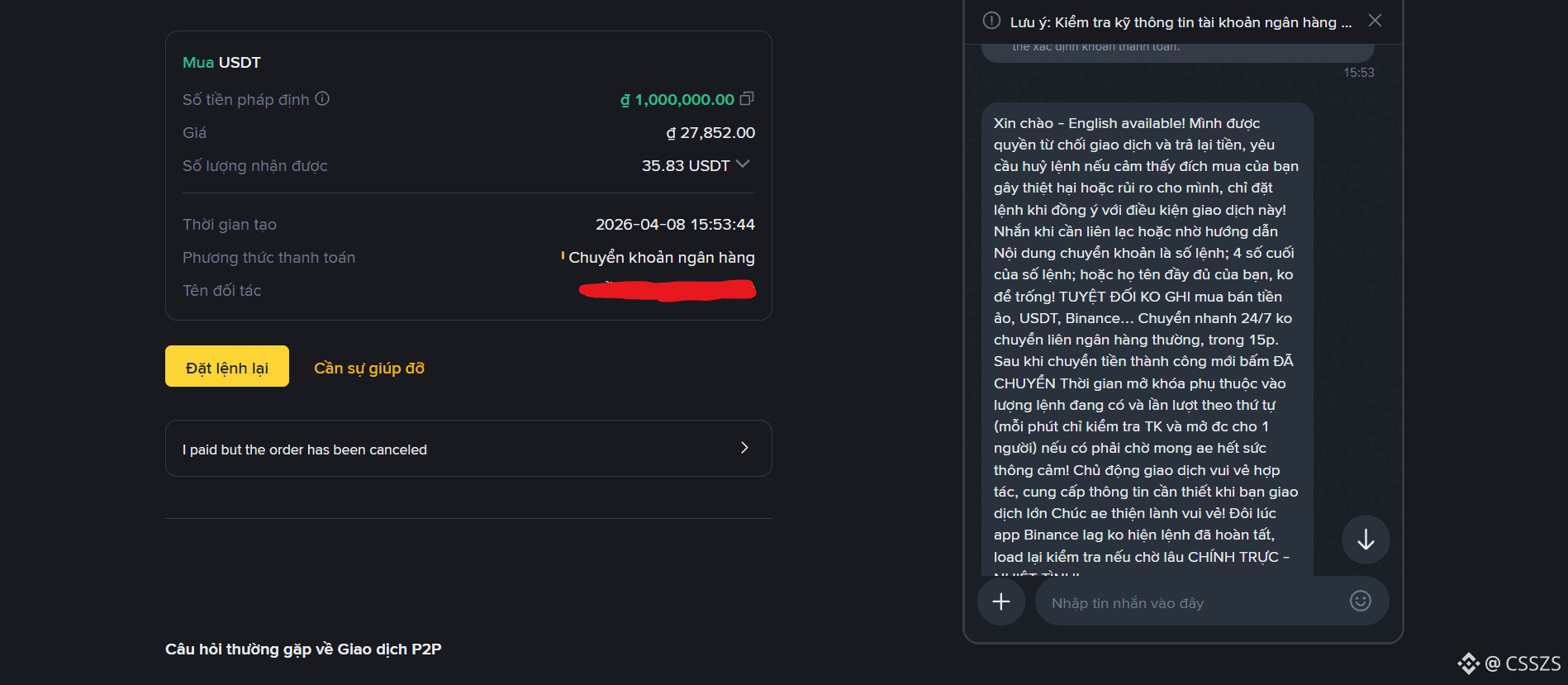
I Paid. The Order Was Canceled. I Didn't Send the Money Again.
On April 8, 2026, I had a Binance P2P order for 1,000,000 VND to buy 35.83 USDT.
I made the bank transfer.
Then something I didn't expect happened:
The order was canceled.
My first reaction wasn't to start another order or send the payment again.
I stopped.
When money has already moved, canceling the order doesn't mean the problem has disappeared. It means I need to figure out what happened before taking another step.
I kept the Order ID, payment confirmation and chat history from the original order.
I also kept the conversation inside Binance instead of moving to Telegram or trying to arrange a replacement trade privately.
That's important because Binance P2P has an Appeal process for disputes. Support can review the transaction and the evidence from both sides, so having the original payment record and chat history matters.
I also wouldn't assume that the canceled order means I should simply pay again.
First:
Check the payment.
Check the order.
Keep the evidence.
Then use the official process if something doesn't match.
The biggest mistake here would be rushing because I already paid once.
One payment is enough. I need to know where that payment went before making another one.
@Binance_Vietnam
#BinanceP2PAnToan
I Paid. The Order Was Canceled. I Didn't Send the Money Again.
On April 8, 2026, I had a Binance P2P order for 1,000,000 VND to buy 35.83 USDT.
I made the bank transfer.
Then something I didn't expect happened:
The order was canceled.
My first reaction wasn't to start another order or send the payment again.
I stopped.
When money has already moved, canceling the order doesn't mean the problem has disappeared. It means I need to figure out what happened before taking another step.
I kept the Order ID, payment confirmation and chat history from the original order.
I also kept the conversation inside Binance instead of moving to Telegram or trying to arrange a replacement trade privately.
That's important because Binance P2P has an Appeal process for disputes. Support can review the transaction and the evidence from both sides, so having the original payment record and chat history matters.
I also wouldn't assume that the canceled order means I should simply pay again.
First:
Check the payment.
Check the order.
Keep the evidence.
Then use the official process if something doesn't match.
The biggest mistake here would be rushing because I already paid once.
One payment is enough. I need to know where that payment went before making another one.
@Binance Vietnam
#BinanceP2PAnToan
On April 8, 2026, I had a Binance P2P order for 1,000,000 VND to buy 35.83 USDT.
I made the bank transfer.
Then something I didn't expect happened:
The order was canceled.
My first reaction wasn't to start another order or send the payment again.
I stopped.
When money has already moved, canceling the order doesn't mean the problem has disappeared. It means I need to figure out what happened before taking another step.
I kept the Order ID, payment confirmation and chat history from the original order.
I also kept the conversation inside Binance instead of moving to Telegram or trying to arrange a replacement trade privately.
That's important because Binance P2P has an Appeal process for disputes. Support can review the transaction and the evidence from both sides, so having the original payment record and chat history matters.
I also wouldn't assume that the canceled order means I should simply pay again.
First:
Check the payment.
Check the order.
Keep the evidence.
Then use the official process if something doesn't match.
The biggest mistake here would be rushing because I already paid once.
One payment is enough. I need to know where that payment went before making another one.
@Binance Vietnam
#BinanceP2PAnToan
3
3
1.5k
·
--
Verified
The more I look into Dusk, the more I think the token is actually the easy part of the RWA story.
I started looking at what happens around the asset instead.
Say a bond is onchain.
You still need to know who is allowed to buy it, where it can be transferred, what information should stay private, how the payment happens, and when the trade is actually final.
Normally, those pieces sit across different systems.
That means more databases, more intermediaries and, eventually, more reconciliation.
Dusk is trying to put more of that workflow on the same infrastructure.
DuskDS handles settlement and finality. DuskEVM gives developers an EVM environment. Citadel deals with identity and selective disclosure. Dusk Trade sits on top as the product layer for tokenized financial assets.
Then there are the pieces around it.
Chainlink for data and interoperability.
Cordial Systems for custody and settlement infrastructure.
Quantoz for regulated EUR payments.
NPEX for the regulated market side.
After putting $500 into $DUSK myself, this is the part I find more interesting than another tokenization announcement.
Because an RWA isn't really useful just because it exists onchain.
The real test is whether the things around it can work onchain too.
That’s the bet Dusk seems to be making.
@Dusk_Foundation #dusk
What do you think is the hardest part of putting RWAs onchain?
The more I look into Dusk, the more I think the token is actually the easy part of the RWA story.
I started looking at what happens around the asset instead.
Say a bond is onchain.
You still need to know who is allowed to buy it, where it can be transferred, what information should stay private, how the payment happens, and when the trade is actually final.
Normally, those pieces sit across different systems.
That means more databases, more intermediaries and, eventually, more reconciliation.
Dusk is trying to put more of that workflow on the same infrastructure.
DuskDS handles settlement and finality. DuskEVM gives developers an EVM environment. Citadel deals with identity and selective disclosure. Dusk Trade sits on top as the product layer for tokenized financial assets.
Then there are the pieces around it.
Chainlink for data and interoperability.
Cordial Systems for custody and settlement infrastructure.
Quantoz for regulated EUR payments.
NPEX for the regulated market side.
After putting $500 into $DUSK myself, this is the part I find more interesting than another tokenization announcement.
Because an RWA isn't really useful just because it exists onchain.
The real test is whether the things around it can work onchain too.
That’s the bet Dusk seems to be making.
@Dusk #dusk
What do you think is the hardest part of putting RWAs onchain?
I started looking at what happens around the asset instead.
Say a bond is onchain.
You still need to know who is allowed to buy it, where it can be transferred, what information should stay private, how the payment happens, and when the trade is actually final.
Normally, those pieces sit across different systems.
That means more databases, more intermediaries and, eventually, more reconciliation.
Dusk is trying to put more of that workflow on the same infrastructure.
DuskDS handles settlement and finality. DuskEVM gives developers an EVM environment. Citadel deals with identity and selective disclosure. Dusk Trade sits on top as the product layer for tokenized financial assets.
Then there are the pieces around it.
Chainlink for data and interoperability.
Cordial Systems for custody and settlement infrastructure.
Quantoz for regulated EUR payments.
NPEX for the regulated market side.
After putting $500 into $DUSK myself, this is the part I find more interesting than another tokenization announcement.
Because an RWA isn't really useful just because it exists onchain.
The real test is whether the things around it can work onchain too.
That’s the bet Dusk seems to be making.
@Dusk #dusk
What do you think is the hardest part of putting RWAs onchain?
Tokenizing the asset
60%
Compliance & eligibility
20%
Privacy
0%
Settlement & payments
20%
10 votes • Voting closed
2
4
5k
·
--
Verified
RWA doesn't need another token. It needs credit.
I've been thinking about this a lot lately.
We keep talking about putting stocks, bonds and other real-world assets onchain. But tokenizing an asset is only useful if you can actually do something with it afterward.
If a tokenized stock just sits in your wallet, what really changed?
The interesting part is when you can use that asset as collateral, borrow against it, and get liquidity without having to sell the underlying asset.
That's the part of @termmax I'm paying attention to.
TermMax is already exploring this with tokenized stocks on BNB Chain. And I think this is where the RWA story starts getting more practical.
You don't just need the asset onchain.
You need a credit market around it.
TMX is entering a pretty interesting period with the August 25 TGE. I'm less interested in the launch-day hype and more interested in what the market looks like after that.
Does liquidity grow?
Do people actually borrow against these assets?
Does RWA become a meaningful part of TermMax?
If those numbers move in the right direction, that's when I'd start looking at TMX with a longer-term mindset.
The token is easy to launch.
Building a credit market people actually use is the hard part.
#TermMax
What would make you hold TMX long term?
RWA doesn't need another token. It needs credit.
I've been thinking about this a lot lately.
We keep talking about putting stocks, bonds and other real-world assets onchain. But tokenizing an asset is only useful if you can actually do something with it afterward.
If a tokenized stock just sits in your wallet, what really changed?
The interesting part is when you can use that asset as collateral, borrow against it, and get liquidity without having to sell the underlying asset.
That's the part of @TermMax I'm paying attention to.
TermMax is already exploring this with tokenized stocks on BNB Chain. And I think this is where the RWA story starts getting more practical.
You don't just need the asset onchain.
You need a credit market around it.
TMX is entering a pretty interesting period with the August 25 TGE. I'm less interested in the launch-day hype and more interested in what the market looks like after that.
Does liquidity grow?
Do people actually borrow against these assets?
Does RWA become a meaningful part of TermMax?
If those numbers move in the right direction, that's when I'd start looking at TMX with a longer-term mindset.
The token is easy to launch.
Building a credit market people actually use is the hard part.
#TermMax
What would make you hold TMX long term?
I've been thinking about this a lot lately.
We keep talking about putting stocks, bonds and other real-world assets onchain. But tokenizing an asset is only useful if you can actually do something with it afterward.
If a tokenized stock just sits in your wallet, what really changed?
The interesting part is when you can use that asset as collateral, borrow against it, and get liquidity without having to sell the underlying asset.
That's the part of @TermMax I'm paying attention to.
TermMax is already exploring this with tokenized stocks on BNB Chain. And I think this is where the RWA story starts getting more practical.
You don't just need the asset onchain.
You need a credit market around it.
TMX is entering a pretty interesting period with the August 25 TGE. I'm less interested in the launch-day hype and more interested in what the market looks like after that.
Does liquidity grow?
Do people actually borrow against these assets?
Does RWA become a meaningful part of TermMax?
If those numbers move in the right direction, that's when I'd start looking at TMX with a longer-term mindset.
The token is easy to launch.
Building a credit market people actually use is the hard part.
#TermMax
What would make you hold TMX long term?
Real borrowing demand
38%
RWA adoption
52%
Growing liquidity
10%
Strong product usage
0%
21 votes • Voting closed
8
5
14.7k
·
--
I Turned On 2FA Before My First P2P Trade.
Before I started worrying about which merchant to choose, which payment method was better, or whether the price was good enough, I did one thing first:
I secured my Binance account.
On August 19, 2026, before making my first P2P trade, I checked my account security and enabled 2FA.
It sounds basic.
But think about it.
I could spend 10 minutes checking a merchant’s completion rate and trading history, then ignore the security of the account holding the crypto.
That doesn't make much sense.
2FA adds another verification layer when someone tries to access the account. Even if a password is compromised, the password alone isn't supposed to be enough to get in. Binance specifically recommends enabling 2FA for P2P accounts.
For me, P2P safety starts before the order.
My basic setup is:
Secure the account -> choose the counterparty carefully -> keep communication on Binance -> verify the payment -> release only when everything checks out.
And 2FA isn't a replacement for those checks.
It protects one part of the process: my account.
The merchant profile protects another: who I'm trading with.
Payment verification protects another: what actually happened in the transaction.
That's why I don't think P2P safety is one big feature.
It's a chain of small checks.
If one layer is missing, I'm making the whole process weaker than it needs to be.
Before I trade with someone else, I make sure my own account is protected first.
@Binance_Vietnam
#BinanceP2PAnToan
Do you use 2FA for P2P?
I Turned On 2FA Before My First P2P Trade.
Before I started worrying about which merchant to choose, which payment method was better, or whether the price was good enough, I did one thing first:
I secured my Binance account.
On August 19, 2026, before making my first P2P trade, I checked my account security and enabled 2FA.
It sounds basic.
But think about it.
I could spend 10 minutes checking a merchant’s completion rate and trading history, then ignore the security of the account holding the crypto.
That doesn't make much sense.
2FA adds another verification layer when someone tries to access the account. Even if a password is compromised, the password alone isn't supposed to be enough to get in. Binance specifically recommends enabling 2FA for P2P accounts.
For me, P2P safety starts before the order.
My basic setup is:
Secure the account -> choose the counterparty carefully -> keep communication on Binance -> verify the payment -> release only when everything checks out.
And 2FA isn't a replacement for those checks.
It protects one part of the process: my account.
The merchant profile protects another: who I'm trading with.
Payment verification protects another: what actually happened in the transaction.
That's why I don't think P2P safety is one big feature.
It's a chain of small checks.
If one layer is missing, I'm making the whole process weaker than it needs to be.
Before I trade with someone else, I make sure my own account is protected first.
@Binance Vietnam
#BinanceP2PAnToan
Do you use 2FA for P2P?
Before I started worrying about which merchant to choose, which payment method was better, or whether the price was good enough, I did one thing first:
I secured my Binance account.
On August 19, 2026, before making my first P2P trade, I checked my account security and enabled 2FA.
It sounds basic.
But think about it.
I could spend 10 minutes checking a merchant’s completion rate and trading history, then ignore the security of the account holding the crypto.
That doesn't make much sense.
2FA adds another verification layer when someone tries to access the account. Even if a password is compromised, the password alone isn't supposed to be enough to get in. Binance specifically recommends enabling 2FA for P2P accounts.
For me, P2P safety starts before the order.
My basic setup is:
Secure the account -> choose the counterparty carefully -> keep communication on Binance -> verify the payment -> release only when everything checks out.
And 2FA isn't a replacement for those checks.
It protects one part of the process: my account.
The merchant profile protects another: who I'm trading with.
Payment verification protects another: what actually happened in the transaction.
That's why I don't think P2P safety is one big feature.
It's a chain of small checks.
If one layer is missing, I'm making the whole process weaker than it needs to be.
Before I trade with someone else, I make sure my own account is protected first.
@Binance Vietnam
#BinanceP2PAnToan
Do you use 2FA for P2P?
Yes, always
75%
Not yet
0%
Only for login
25%
I should enable it
0%
4 votes • Voting closed
1
3
1.6k
Log in to explore more content
Join global crypto users on Binance Square
⚡️ Get latest and useful information about crypto.
💬 Trusted by the world’s largest crypto exchange.
👍 Discover real insights from verified creators.
Email / Phone number