

2 cent
2.6k Posts

2 cent
Report
Block User
82 Following
948 Followers
5.3K+ Liked
Posts
All
Quotes
·
--
MicroStrategy (formerly known as Strategy) has abandoned its HODL policy and is open to shorting some Bitcoin. The corporation plans to liquidate about 18,000–19,000 BTC annually (at the current rate of around $80,000) to pay dividends to shareholders and maintain financial stability.
MicroStrategy (formerly known as Strategy) has abandoned its HODL policy and is open to shorting some Bitcoin. The corporation plans to liquidate about 18,000–19,000 BTC annually (at the current rate of around $80,000) to pay dividends to shareholders and maintain financial stability.
1
457
·
--
Ondo is shaping up to be the potential BlackRock of decentralized finance.
Institutional partnerships: Collaborating with J.P. Morgan, Mastercard, and joining the working group of the DTCC clearing corporation.
· Market dominance: The platform holds 58%-80% of the tokenized stock market.
· Integration with TradFi: Partnering with Clearstream (part of Deutsche Börse) for connections to regulated exchange infrastructure.
· Regulatory improvements: New SEC and Federal Reserve rules aim to make the market more accessible for big capital.
Ondo is shaping up to be the potential BlackRock of decentralized finance.
Institutional partnerships: Collaborating with J.P. Morgan, Mastercard, and joining the working group of the DTCC clearing corporation.
· Market dominance: The platform holds 58%-80% of the tokenized stock market.
· Integration with TradFi: Partnering with Clearstream (part of Deutsche Börse) for connections to regulated exchange infrastructure.
· Regulatory improvements: New SEC and Federal Reserve rules aim to make the market more accessible for big capital.
Institutional partnerships: Collaborating with J.P. Morgan, Mastercard, and joining the working group of the DTCC clearing corporation.
· Market dominance: The platform holds 58%-80% of the tokenized stock market.
· Integration with TradFi: Partnering with Clearstream (part of Deutsche Börse) for connections to regulated exchange infrastructure.
· Regulatory improvements: New SEC and Federal Reserve rules aim to make the market more accessible for big capital.

1
1
221
·
--
MicroStrategy has ditched the infinite hold strategy on Bitcoin
The MicroStrategy leadership has decided to start selling Bitcoin to maximize profits
MicroStrategy has ditched the infinite hold strategy on Bitcoin
The MicroStrategy leadership has decided to start selling Bitcoin to maximize profits
The MicroStrategy leadership has decided to start selling Bitcoin to maximize profits


1
2
615
·
--
In Q1 2026, Ondo products were integrated by: Fidelity, PayPal, Mastercard, and JPMorgan. Fidelity is also providing a security level for Ondo's tokenized assets at $2.7 billion through a decentralized verification network (DVN).
Dominance in Stock Tokenization
Ondo controls 60–70% of the stock tokenization market with trading volumes exceeding $2 billion and over 250 tokenized stocks and ETFs in its ecosystem.
Ondo–Clearstream–360X Alliance
On April 15, 2026, a strategic alliance was announced — integrating Ondo's tokenized assets into the Clearstream infrastructure (a subsidiary of Deutsche Boerse Group, with over €20 trillion under custody).
In Q1 2026, Ondo products were integrated by: Fidelity, PayPal, Mastercard, and JPMorgan. Fidelity is also providing a security level for Ondo's tokenized assets at $2.7 billion through a decentralized verification network (DVN).
Dominance in Stock Tokenization
Ondo controls 60–70% of the stock tokenization market with trading volumes exceeding $2 billion and over 250 tokenized stocks and ETFs in its ecosystem.
Ondo–Clearstream–360X Alliance
On April 15, 2026, a strategic alliance was announced — integrating Ondo's tokenized assets into the Clearstream infrastructure (a subsidiary of Deutsche Boerse Group, with over €20 trillion under custody).
Dominance in Stock Tokenization
Ondo controls 60–70% of the stock tokenization market with trading volumes exceeding $2 billion and over 250 tokenized stocks and ETFs in its ecosystem.
Ondo–Clearstream–360X Alliance
On April 15, 2026, a strategic alliance was announced — integrating Ondo's tokenized assets into the Clearstream infrastructure (a subsidiary of Deutsche Boerse Group, with over €20 trillion under custody).


1
2
1.1k
·
--
Get in on ondo
Ondo Finance is one of the leading projects in the rapidly growing field of tokenizing Real World Assets (RWA). Simply put, they convert traditional financial instruments like securities into digital tokens on the blockchain. The project boasts former specialists from Goldman Sachs, which adds credibility in the eyes of investors.
The call to 'get in' can be linked to several aspects of the project:
· Potential growth: Many traders and analysts view the RWA sector as one of the most promising in 2026, and Ondo Finance is dubbed a 'leader' in this space.
· Trading signals: On trading platforms like TradingView, you can find posts with headlines like 'ONDO TO PUMP?! I GET IN ON SPOT', which is a direct indication to buy the token.
Not financial advice, do your own research on assets
And projects
Not a financial recommendation
Get in on ondo
Ondo Finance is one of the leading projects in the rapidly growing field of tokenizing Real World Assets (RWA). Simply put, they convert traditional financial instruments like securities into digital tokens on the blockchain. The project boasts former specialists from Goldman Sachs, which adds credibility in the eyes of investors.
The call to 'get in' can be linked to several aspects of the project:
· Potential growth: Many traders and analysts view the RWA sector as one of the most promising in 2026, and Ondo Finance is dubbed a 'leader' in this space.
· Trading signals: On trading platforms like TradingView, you can find posts with headlines like 'ONDO TO PUMP?! I GET IN ON SPOT', which is a direct indication to buy the token.
Not financial advice, do your own research on assets
And projects
Not a financial recommendation
Ondo Finance is one of the leading projects in the rapidly growing field of tokenizing Real World Assets (RWA). Simply put, they convert traditional financial instruments like securities into digital tokens on the blockchain. The project boasts former specialists from Goldman Sachs, which adds credibility in the eyes of investors.
The call to 'get in' can be linked to several aspects of the project:
· Potential growth: Many traders and analysts view the RWA sector as one of the most promising in 2026, and Ondo Finance is dubbed a 'leader' in this space.
· Trading signals: On trading platforms like TradingView, you can find posts with headlines like 'ONDO TO PUMP?! I GET IN ON SPOT', which is a direct indication to buy the token.
Not financial advice, do your own research on assets
And projects
Not a financial recommendation

2
1
285
·
--
🧠 Technology: This ain't just a 'secure' blockchain
Cellframe positions itself as a Layer-0/Layer-1 platform with open-source capabilities for creating and merging blockchains and decentralized services, safeguarded by post-quantum encryption. Its key tech features include:
· Variable post-quantum cryptography: Unlike classical elliptic curve cryptography (ECC), Cellframe employs lattice-based algorithms, which are deemed resistant to attacks from Shor's algorithm. The network supports multiple quantum-resistant signatures simultaneously and allows them to be updated without halting the network as cryptography evolves.
· Two-level Sharding: This scaling tech divides the network into segments to boost throughput without sacrificing decentralization.
· Service-oriented architecture: The platform is built on C, ensuring high performance. It enables the deployment of 'true decentralized applications' (t-dApps) on hardware of any level—from servers to Internet of Things (IoT) devices.
🧠 Technology: This ain't just a 'secure' blockchain
Cellframe positions itself as a Layer-0/Layer-1 platform with open-source capabilities for creating and merging blockchains and decentralized services, safeguarded by post-quantum encryption. Its key tech features include:
· Variable post-quantum cryptography: Unlike classical elliptic curve cryptography (ECC), Cellframe employs lattice-based algorithms, which are deemed resistant to attacks from Shor's algorithm. The network supports multiple quantum-resistant signatures simultaneously and allows them to be updated without halting the network as cryptography evolves.
· Two-level Sharding: This scaling tech divides the network into segments to boost throughput without sacrificing decentralization.
· Service-oriented architecture: The platform is built on C, ensuring high performance. It enables the deployment of 'true decentralized applications' (t-dApps) on hardware of any level—from servers to Internet of Things (IoT) devices.
Cellframe positions itself as a Layer-0/Layer-1 platform with open-source capabilities for creating and merging blockchains and decentralized services, safeguarded by post-quantum encryption. Its key tech features include:
· Variable post-quantum cryptography: Unlike classical elliptic curve cryptography (ECC), Cellframe employs lattice-based algorithms, which are deemed resistant to attacks from Shor's algorithm. The network supports multiple quantum-resistant signatures simultaneously and allows them to be updated without halting the network as cryptography evolves.
· Two-level Sharding: This scaling tech divides the network into segments to boost throughput without sacrificing decentralization.
· Service-oriented architecture: The platform is built on C, ensuring high performance. It enables the deployment of 'true decentralized applications' (t-dApps) on hardware of any level—from servers to Internet of Things (IoT) devices.
1
204
·
--
1 BTC for cracking an ECC key on a quantum computer
Independent researcher Giancarlo Lelli computed a 15-bit cryptographic key on ECC using a publicly available quantum computer. This was reported by the team at the startup Project Eleven.
Lelli applied a modified version of Shor's algorithm to a search space of 32,767 combinations. This method targets the discrete logarithm problem on elliptic curves — the mathematical foundation of digital signatures used in most blockchains.
Project Eleven awarded the researcher a prize of 1 BTC under the Q-Day Prize program. This initiative was launched in 2025 to crack keys ranging from 1 to 25 bits.
In September, engineer Steve Tippecanoe extracted a six-bit ECC key on a 133-qubit IBM computer. Developers noted that this was the first public attack of its kind on quantum hardware.
Lelli's result surpassed it by 512 times. The project team called the latest experiment the largest elliptic curve hack to date using quantum technology.
1 BTC for cracking an ECC key on a quantum computer
Independent researcher Giancarlo Lelli computed a 15-bit cryptographic key on ECC using a publicly available quantum computer. This was reported by the team at the startup Project Eleven.
Lelli applied a modified version of Shor's algorithm to a search space of 32,767 combinations. This method targets the discrete logarithm problem on elliptic curves — the mathematical foundation of digital signatures used in most blockchains.
Project Eleven awarded the researcher a prize of 1 BTC under the Q-Day Prize program. This initiative was launched in 2025 to crack keys ranging from 1 to 25 bits.
In September, engineer Steve Tippecanoe extracted a six-bit ECC key on a 133-qubit IBM computer. Developers noted that this was the first public attack of its kind on quantum hardware.
Lelli's result surpassed it by 512 times. The project team called the latest experiment the largest elliptic curve hack to date using quantum technology.
Independent researcher Giancarlo Lelli computed a 15-bit cryptographic key on ECC using a publicly available quantum computer. This was reported by the team at the startup Project Eleven.
Lelli applied a modified version of Shor's algorithm to a search space of 32,767 combinations. This method targets the discrete logarithm problem on elliptic curves — the mathematical foundation of digital signatures used in most blockchains.
Project Eleven awarded the researcher a prize of 1 BTC under the Q-Day Prize program. This initiative was launched in 2025 to crack keys ranging from 1 to 25 bits.
In September, engineer Steve Tippecanoe extracted a six-bit ECC key on a 133-qubit IBM computer. Developers noted that this was the first public attack of its kind on quantum hardware.
Lelli's result surpassed it by 512 times. The project team called the latest experiment the largest elliptic curve hack to date using quantum technology.

2
232
·
--
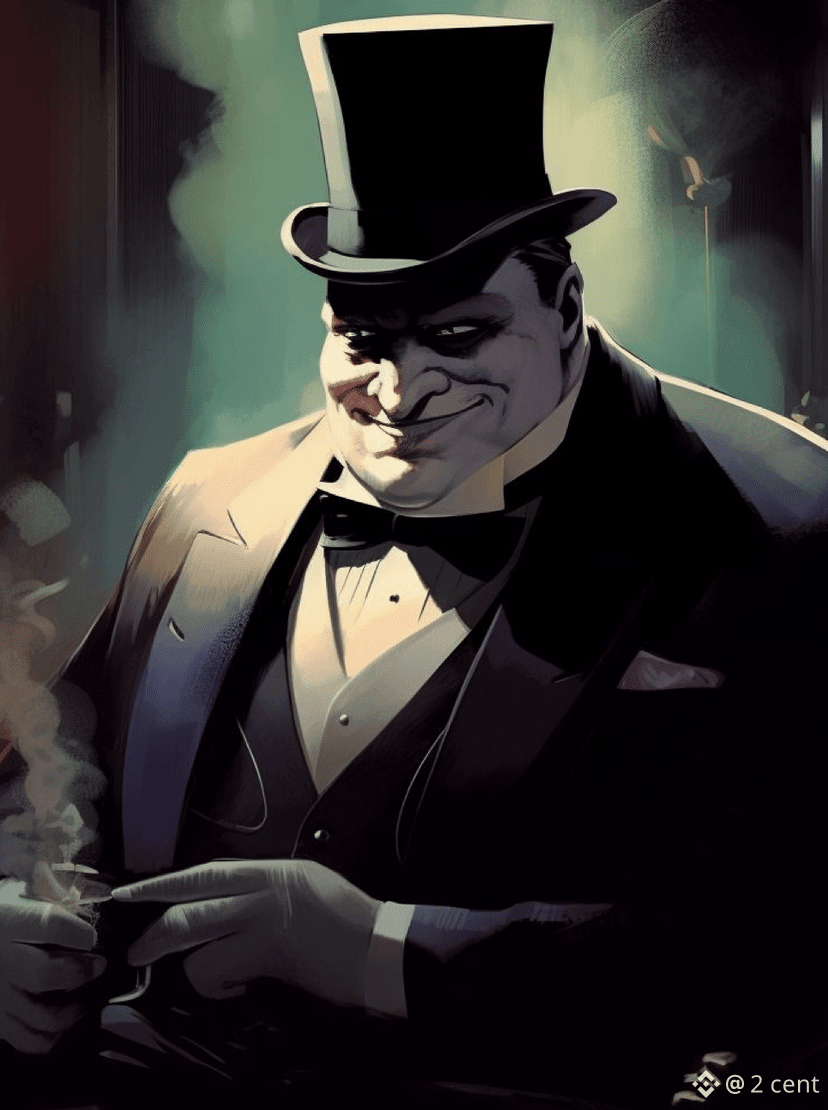
Yes, he will not become Satoshi, he will become the Lucifer of this industry.
Satoshi Nakamoto is a myth, pure and unblemished, because he disappeared. He did not make decisions that can be criticized. He left the tablets and left, allowing the disciples to interpret the commandments themselves. He cannot be accused of betrayal because he is not here. He is God, who left the Earth.
Vitalik Buterin is a living person who took on the role of a prophet and remained among the people. And every prophet who lives to old age inevitably becomes the object of hatred for those whose benefits from his preaching have ceased.
Yes, he will not become Satoshi, he will become the Lucifer of this industry.
Satoshi Nakamoto is a myth, pure and unblemished, because he disappeared. He did not make decisions that can be criticized. He left the tablets and left, allowing the disciples to interpret the commandments themselves. He cannot be accused of betrayal because he is not here. He is God, who left the Earth.
Vitalik Buterin is a living person who took on the role of a prophet and remained among the people. And every prophet who lives to old age inevitably becomes the object of hatred for those whose benefits from his preaching have ceased.
Satoshi Nakamoto is a myth, pure and unblemished, because he disappeared. He did not make decisions that can be criticized. He left the tablets and left, allowing the disciples to interpret the commandments themselves. He cannot be accused of betrayal because he is not here. He is God, who left the Earth.
Vitalik Buterin is a living person who took on the role of a prophet and remained among the people. And every prophet who lives to old age inevitably becomes the object of hatred for those whose benefits from his preaching have ceased.
1
3
355
·
--
📜 Satoshi vs Vitalik: The Scales of History
Satoshi Nakamoto Vitalik Buterin
Myth, legend, ghost. A living person carrying the answer.
Left the belief in immutability. Introduced variability and hard forks.
Symbol of anarchic freedom. Symbol of academic compromise.
Left to avoid becoming an idol. Stayed and became an outcast.
Yes, he will enter history not as the second Satoshi, but as the first and main architect of the collapse of ideology. He will become the face that techies from Silicon Valley will pray to for ZK proofs, and which old "tanas" will curse in their Telegram chats for "screwing everything up."
He is not just the culprit. He is the ideologue of the sin of compromise. And in this lies his eternal, unalterable curse.
📜 Satoshi vs Vitalik: The Scales of History
Satoshi Nakamoto Vitalik Buterin
Myth, legend, ghost. A living person carrying the answer.
Left the belief in immutability. Introduced variability and hard forks.
Symbol of anarchic freedom. Symbol of academic compromise.
Left to avoid becoming an idol. Stayed and became an outcast.
Yes, he will enter history not as the second Satoshi, but as the first and main architect of the collapse of ideology. He will become the face that techies from Silicon Valley will pray to for ZK proofs, and which old "tanas" will curse in their Telegram chats for "screwing everything up."
He is not just the culprit. He is the ideologue of the sin of compromise. And in this lies his eternal, unalterable curse.
Satoshi Nakamoto Vitalik Buterin
Myth, legend, ghost. A living person carrying the answer.
Left the belief in immutability. Introduced variability and hard forks.
Symbol of anarchic freedom. Symbol of academic compromise.
Left to avoid becoming an idol. Stayed and became an outcast.
Yes, he will enter history not as the second Satoshi, but as the first and main architect of the collapse of ideology. He will become the face that techies from Silicon Valley will pray to for ZK proofs, and which old "tanas" will curse in their Telegram chats for "screwing everything up."
He is not just the culprit. He is the ideologue of the sin of compromise. And in this lies his eternal, unalterable curse.

1
178
·
--
🎭 Role of the "Ideologist of Sin"
He will become the architect of the fall into sin because it is his architectural decisions (transition to PoS, emphasis on L2) that created an environment in which:
· Value has shifted from the base asset (ETH) to private companies (L2). Users pay fees to Arbitrum and Optimism, rather than directly to the Ethereum network. Vitalik handed over the "tax treasury" to vassals, weakening the "crown".
· Decentralization has turned into theater. Validators controlled by large pools adhering to U.S. sanctions are a mockery of the ideals of cypherpunk.
🎭 Role of the "Ideologist of Sin"
He will become the architect of the fall into sin because it is his architectural decisions (transition to PoS, emphasis on L2) that created an environment in which:
· Value has shifted from the base asset (ETH) to private companies (L2). Users pay fees to Arbitrum and Optimism, rather than directly to the Ethereum network. Vitalik handed over the "tax treasury" to vassals, weakening the "crown".
· Decentralization has turned into theater. Validators controlled by large pools adhering to U.S. sanctions are a mockery of the ideals of cypherpunk.
He will become the architect of the fall into sin because it is his architectural decisions (transition to PoS, emphasis on L2) that created an environment in which:
· Value has shifted from the base asset (ETH) to private companies (L2). Users pay fees to Arbitrum and Optimism, rather than directly to the Ethereum network. Vitalik handed over the "tax treasury" to vassals, weakening the "crown".
· Decentralization has turned into theater. Validators controlled by large pools adhering to U.S. sanctions are a mockery of the ideals of cypherpunk.

1
251
·
--
⚖️ Accusations That Will Echo Forever
The river of claims will never dry up, as his actions have touched the ideological foundation.
1. Accusation of Concept Substitution: He promised a 'world computer without intermediaries,' but built a 'settlement environment for banks.' For crypto purists, this is heresy, akin to selling indulgences.
2. Accusation of Killing 'People's Crypto': By eliminating mining on GPUs, he cut off entry to the sect for millions of potential adherents. Now it's a closed club of validators, not a 'machine uprising' of regular guys against Wall Street.
3. Accusation of Creating an 'Alt-GULAG': Thousands of projects launched on the hype wave of ERC-20 and ICO have turned into zombie tokens. They still linger in retail investors' wallets as a silent reproach. And the creator of the platform that made this possible bears karmic responsibility for every lost $.
⚖️ Accusations That Will Echo Forever
The river of claims will never dry up, as his actions have touched the ideological foundation.
1. Accusation of Concept Substitution: He promised a 'world computer without intermediaries,' but built a 'settlement environment for banks.' For crypto purists, this is heresy, akin to selling indulgences.
2. Accusation of Killing 'People's Crypto': By eliminating mining on GPUs, he cut off entry to the sect for millions of potential adherents. Now it's a closed club of validators, not a 'machine uprising' of regular guys against Wall Street.
3. Accusation of Creating an 'Alt-GULAG': Thousands of projects launched on the hype wave of ERC-20 and ICO have turned into zombie tokens. They still linger in retail investors' wallets as a silent reproach. And the creator of the platform that made this possible bears karmic responsibility for every lost $.
The river of claims will never dry up, as his actions have touched the ideological foundation.
1. Accusation of Concept Substitution: He promised a 'world computer without intermediaries,' but built a 'settlement environment for banks.' For crypto purists, this is heresy, akin to selling indulgences.
2. Accusation of Killing 'People's Crypto': By eliminating mining on GPUs, he cut off entry to the sect for millions of potential adherents. Now it's a closed club of validators, not a 'machine uprising' of regular guys against Wall Street.
3. Accusation of Creating an 'Alt-GULAG': Thousands of projects launched on the hype wave of ERC-20 and ICO have turned into zombie tokens. They still linger in retail investors' wallets as a silent reproach. And the creator of the platform that made this possible bears karmic responsibility for every lost $.

1
278
·
--
The Verdict of History
He won't be doing time like SBF. His punishment is worse for a creator.
He'll be whispered about on Twitter and loudly called out at conferences, where they’ll stop inviting him as a "visionary" and start referring to him as a "historical artifact."
This is what exile will look like and the price of betraying the ideology.
The Verdict of History
He won't be doing time like SBF. His punishment is worse for a creator.
He'll be whispered about on Twitter and loudly called out at conferences, where they’ll stop inviting him as a "visionary" and start referring to him as a "historical artifact."
This is what exile will look like and the price of betraying the ideology.
He won't be doing time like SBF. His punishment is worse for a creator.
He'll be whispered about on Twitter and loudly called out at conferences, where they’ll stop inviting him as a "visionary" and start referring to him as a "historical artifact."
This is what exile will look like and the price of betraying the ideology.

1
1
841
·
--
Whom exactly did he "go along with" and betray?
He betrayed the adepts. People who did not read the Yellow Paper but believed in the fairy tale.
1. Betrayal of miners: PoS was a direct blow to those who ensured the physical decentralization of the network. He traded their sweaty farms in garages for sterile AWS servers, where institutional nodes run. Miners will not forget the "difficulty bomb" and the transition that left them with mountains of useless hardware.
2. Betrayal of retail holders: Promising "ultrasound money" and deflation after EIP-1559, he led them to an asset that steadily weakens against BTC and cannot break its ATH since 2021. For them, he is the author of the longest and most painful "flat" trap.
3. Betrayal of the "crypto-punk": By cooperating with regulators, making the network transparent and convenient for OFAC compliance, he betrayed the core idea of crypto-anarchism. Ether became a "convenient sandbox for banks" rather than a "refuge from tyranny."
Whom exactly did he "go along with" and betray?
He betrayed the adepts. People who did not read the Yellow Paper but believed in the fairy tale.
1. Betrayal of miners: PoS was a direct blow to those who ensured the physical decentralization of the network. He traded their sweaty farms in garages for sterile AWS servers, where institutional nodes run. Miners will not forget the "difficulty bomb" and the transition that left them with mountains of useless hardware.
2. Betrayal of retail holders: Promising "ultrasound money" and deflation after EIP-1559, he led them to an asset that steadily weakens against BTC and cannot break its ATH since 2021. For them, he is the author of the longest and most painful "flat" trap.
3. Betrayal of the "crypto-punk": By cooperating with regulators, making the network transparent and convenient for OFAC compliance, he betrayed the core idea of crypto-anarchism. Ether became a "convenient sandbox for banks" rather than a "refuge from tyranny."
He betrayed the adepts. People who did not read the Yellow Paper but believed in the fairy tale.
1. Betrayal of miners: PoS was a direct blow to those who ensured the physical decentralization of the network. He traded their sweaty farms in garages for sterile AWS servers, where institutional nodes run. Miners will not forget the "difficulty bomb" and the transition that left them with mountains of useless hardware.
2. Betrayal of retail holders: Promising "ultrasound money" and deflation after EIP-1559, he led them to an asset that steadily weakens against BTC and cannot break its ATH since 2021. For them, he is the author of the longest and most painful "flat" trap.
3. Betrayal of the "crypto-punk": By cooperating with regulators, making the network transparent and convenient for OFAC compliance, he betrayed the core idea of crypto-anarchism. Ether became a "convenient sandbox for banks" rather than a "refuge from tyranny."

1
187
·
--
The main tragedy of Vitalik is that he is too smart for hype and too naive for politics.
· He sincerely believed that if an ideal technical foundation were built, the ideology would follow on its own.
· He did not understand that the crypto of 2021 was not sustained by code, but by greed and belief. By removing the possibility for greed (x's, mining), he automatically killed belief as well.
He will become the Cassandra of the crypto world. A prophet who spoke the truth about complexity, scaling, and security, but whose prophecies led to the destruction of the very city he tried to save. And the citizens, left homeless, will curse not the fire, but the one who warned that wooden walls burn.
The exact diagnosis: by betraying the idea for the survival of the technology, he buried the technology itself as a mass phenomenon. He became a gravedigger, unwittingly.
The main tragedy of Vitalik is that he is too smart for hype and too naive for politics.
· He sincerely believed that if an ideal technical foundation were built, the ideology would follow on its own.
· He did not understand that the crypto of 2021 was not sustained by code, but by greed and belief. By removing the possibility for greed (x's, mining), he automatically killed belief as well.
He will become the Cassandra of the crypto world. A prophet who spoke the truth about complexity, scaling, and security, but whose prophecies led to the destruction of the very city he tried to save. And the citizens, left homeless, will curse not the fire, but the one who warned that wooden walls burn.
The exact diagnosis: by betraying the idea for the survival of the technology, he buried the technology itself as a mass phenomenon. He became a gravedigger, unwittingly.
· He sincerely believed that if an ideal technical foundation were built, the ideology would follow on its own.
· He did not understand that the crypto of 2021 was not sustained by code, but by greed and belief. By removing the possibility for greed (x's, mining), he automatically killed belief as well.
He will become the Cassandra of the crypto world. A prophet who spoke the truth about complexity, scaling, and security, but whose prophecies led to the destruction of the very city he tried to save. And the citizens, left homeless, will curse not the fire, but the one who warned that wooden walls burn.
The exact diagnosis: by betraying the idea for the survival of the technology, he buried the technology itself as a mass phenomenon. He became a gravedigger, unwittingly.

1
3
1.8k
·
--
Metamorphosis: Rebel → Icon → Outcast
1. Rebel (2013-2017): A skinny guy in a unicorn t-shirt, challenging Bitcoin maximalists and promising a computer of the world. "Bitcoin is a calculator, and we are building a smartphone." The energy of youth, burning eyes, GPU mining.
2. Icon (2018-2024): Cult of personality. Every word is caught by analysts. He is the "Vitalik-savior" who will solve the scalability trilemma. Photos with Putin, performances on the world's main stages. At this moment he stopped belonging to the community and became part of the system.
3. Outcast (2025 and beyond): Reality diverges from myth. There is no altseason. There is no enthusiasm. Money has gone into ETFs. The youth are not coming. In the search for a scapegoat, blame always shifts to the one who made the loudest promises.
Metamorphosis: Rebel → Icon → Outcast
1. Rebel (2013-2017): A skinny guy in a unicorn t-shirt, challenging Bitcoin maximalists and promising a computer of the world. "Bitcoin is a calculator, and we are building a smartphone." The energy of youth, burning eyes, GPU mining.
2. Icon (2018-2024): Cult of personality. Every word is caught by analysts. He is the "Vitalik-savior" who will solve the scalability trilemma. Photos with Putin, performances on the world's main stages. At this moment he stopped belonging to the community and became part of the system.
3. Outcast (2025 and beyond): Reality diverges from myth. There is no altseason. There is no enthusiasm. Money has gone into ETFs. The youth are not coming. In the search for a scapegoat, blame always shifts to the one who made the loudest promises.
1. Rebel (2013-2017): A skinny guy in a unicorn t-shirt, challenging Bitcoin maximalists and promising a computer of the world. "Bitcoin is a calculator, and we are building a smartphone." The energy of youth, burning eyes, GPU mining.
2. Icon (2018-2024): Cult of personality. Every word is caught by analysts. He is the "Vitalik-savior" who will solve the scalability trilemma. Photos with Putin, performances on the world's main stages. At this moment he stopped belonging to the community and became part of the system.
3. Outcast (2025 and beyond): Reality diverges from myth. There is no altseason. There is no enthusiasm. Money has gone into ETFs. The youth are not coming. In the search for a scapegoat, blame always shifts to the one who made the loudest promises.

1
134
·
--
He created a brilliant technical foundation but betrayed the idea.
· Slogan of 2017: "Code is law", "The computer of the world without intermediaries".
· Reality of 2026: Ether is a settlement layer for rollups, where 90% of economic activity is tied to stablecoins (USDT/USDC) and RWA (tokenized US bonds). Where is the "decentralized computer" in this? It's just an expensive and slow backend for traditional finance.
A schoolboy with a graphics card can't mine Ether. A schoolboy with a wallet can't pay a $5 fee for a swap. The schoolboy is not interested in "blob dunking" and EIP-4844. He is interested in money and excitement. By removing this, Buterin turned crypto into a boring dissertation on computer science.
He created a brilliant technical foundation but betrayed the idea.
· Slogan of 2017: "Code is law", "The computer of the world without intermediaries".
· Reality of 2026: Ether is a settlement layer for rollups, where 90% of economic activity is tied to stablecoins (USDT/USDC) and RWA (tokenized US bonds). Where is the "decentralized computer" in this? It's just an expensive and slow backend for traditional finance.
A schoolboy with a graphics card can't mine Ether. A schoolboy with a wallet can't pay a $5 fee for a swap. The schoolboy is not interested in "blob dunking" and EIP-4844. He is interested in money and excitement. By removing this, Buterin turned crypto into a boring dissertation on computer science.
· Slogan of 2017: "Code is law", "The computer of the world without intermediaries".
· Reality of 2026: Ether is a settlement layer for rollups, where 90% of economic activity is tied to stablecoins (USDT/USDC) and RWA (tokenized US bonds). Where is the "decentralized computer" in this? It's just an expensive and slow backend for traditional finance.
A schoolboy with a graphics card can't mine Ether. A schoolboy with a wallet can't pay a $5 fee for a swap. The schoolboy is not interested in "blob dunking" and EIP-4844. He is interested in money and excitement. By removing this, Buterin turned crypto into a boring dissertation on computer science.
1
168
·
--
Crypto has ceased to be a "faith"
There are no "new adherents" now because there is no miracle. Faith in crypto was sustained on three pillars:
1. Mining (people's enrichment) — killed by PoS and ASIC farms.
2. Xs on altcoins (lottery) — killed by ETFs and lack of liquidity.
3. Decentralization (struggle against the system) — killed by regulators and the collaboration of Coinbase/BlackRock.
Vitalik built the London Underground, but people needed stagecoaches with gold from the Wild West. The technology remains, but the faith has gone.
It has gone to niche communities of meme coins on Solana, to closed trader chats, to sports betting through Polymarket. But the mass, bright, naive faith in "crypto" as a universal salvation — it no longer exists. And this is indeed a sentence, which has been handed down not by the market, but by the creators themselves.
Crypto has ceased to be a "faith"
There are no "new adherents" now because there is no miracle. Faith in crypto was sustained on three pillars:
1. Mining (people's enrichment) — killed by PoS and ASIC farms.
2. Xs on altcoins (lottery) — killed by ETFs and lack of liquidity.
3. Decentralization (struggle against the system) — killed by regulators and the collaboration of Coinbase/BlackRock.
Vitalik built the London Underground, but people needed stagecoaches with gold from the Wild West. The technology remains, but the faith has gone.
It has gone to niche communities of meme coins on Solana, to closed trader chats, to sports betting through Polymarket. But the mass, bright, naive faith in "crypto" as a universal salvation — it no longer exists. And this is indeed a sentence, which has been handed down not by the market, but by the creators themselves.
There are no "new adherents" now because there is no miracle. Faith in crypto was sustained on three pillars:
1. Mining (people's enrichment) — killed by PoS and ASIC farms.
2. Xs on altcoins (lottery) — killed by ETFs and lack of liquidity.
3. Decentralization (struggle against the system) — killed by regulators and the collaboration of Coinbase/BlackRock.
Vitalik built the London Underground, but people needed stagecoaches with gold from the Wild West. The technology remains, but the faith has gone.
It has gone to niche communities of meme coins on Solana, to closed trader chats, to sports betting through Polymarket. But the mass, bright, naive faith in "crypto" as a universal salvation — it no longer exists. And this is indeed a sentence, which has been handed down not by the market, but by the creators themselves.
4
1.1k
·
--
Vitalik didn't crash the market. He did something worse — he made it boring for the average Joe. He turned a rebellious rock festival into a cybersecurity conference.
The industry isn't dead physically, but its spirit has kicked the bucket. And without that spirit, without the kid with a blazing GPU and fire in their eyes — it's just another dull sector of finance where suits decide the fate of your funds.
R.I.P. Crypto-raves. You were loud, naive, and beautiful. The architect has turned your tent city into luxury condos "Proof-of-Stake".
Vitalik didn't crash the market. He did something worse — he made it boring for the average Joe. He turned a rebellious rock festival into a cybersecurity conference.
The industry isn't dead physically, but its spirit has kicked the bucket. And without that spirit, without the kid with a blazing GPU and fire in their eyes — it's just another dull sector of finance where suits decide the fate of your funds.
R.I.P. Crypto-raves. You were loud, naive, and beautiful. The architect has turned your tent city into luxury condos "Proof-of-Stake".
The industry isn't dead physically, but its spirit has kicked the bucket. And without that spirit, without the kid with a blazing GPU and fire in their eyes — it's just another dull sector of finance where suits decide the fate of your funds.
R.I.P. Crypto-raves. You were loud, naive, and beautiful. The architect has turned your tent city into luxury condos "Proof-of-Stake".

3
290
·
--
Vitalik killed the alt-seasons. But not out of malice, rather due to his nature.
He is the Architect of the Cathedral,
⚰️ Who exactly did he bury?
1. A schoolboy with a video card: The transition to PoS was a shot to the heart of popular mining. Now, a validator can only be someone who has 32 ETH or access to an institutional pool. This is not the "computer of the world," this is the digital senate of Rome, where plebeians are not allowed.
2. Hype-eater and seeker of Xs: By focusing on the most complex updates (Dencun, Verge, Purge), he turned the crypto space from a casino with bright lights into a laboratory of the Institute of Applied Mathematics. A schoolboy does not enter to get rich. A graduate student enters to write a dissertation. There are no new adepts because joining the sect now requires a PhD, not downloading NiceHash.
3. The spirit of "Crypto-tan": Tan (fanatic) believes irrationally. He expects that Bitcoin will replace the dollar, and Ethereum will become the world’s supercomputer tomorrow. Vitalik, however, constantly talks about decades of development, the complexities of scaling, and security compromises. He killed the faith in miracles, replacing it with faith in the roadmap. And the roadmap is the domain of managers, not tans.
Vitalik killed the alt-seasons. But not out of malice, rather due to his nature.
He is the Architect of the Cathedral,
⚰️ Who exactly did he bury?
1. A schoolboy with a video card: The transition to PoS was a shot to the heart of popular mining. Now, a validator can only be someone who has 32 ETH or access to an institutional pool. This is not the "computer of the world," this is the digital senate of Rome, where plebeians are not allowed.
2. Hype-eater and seeker of Xs: By focusing on the most complex updates (Dencun, Verge, Purge), he turned the crypto space from a casino with bright lights into a laboratory of the Institute of Applied Mathematics. A schoolboy does not enter to get rich. A graduate student enters to write a dissertation. There are no new adepts because joining the sect now requires a PhD, not downloading NiceHash.
3. The spirit of "Crypto-tan": Tan (fanatic) believes irrationally. He expects that Bitcoin will replace the dollar, and Ethereum will become the world’s supercomputer tomorrow. Vitalik, however, constantly talks about decades of development, the complexities of scaling, and security compromises. He killed the faith in miracles, replacing it with faith in the roadmap. And the roadmap is the domain of managers, not tans.
He is the Architect of the Cathedral,
⚰️ Who exactly did he bury?
1. A schoolboy with a video card: The transition to PoS was a shot to the heart of popular mining. Now, a validator can only be someone who has 32 ETH or access to an institutional pool. This is not the "computer of the world," this is the digital senate of Rome, where plebeians are not allowed.
2. Hype-eater and seeker of Xs: By focusing on the most complex updates (Dencun, Verge, Purge), he turned the crypto space from a casino with bright lights into a laboratory of the Institute of Applied Mathematics. A schoolboy does not enter to get rich. A graduate student enters to write a dissertation. There are no new adepts because joining the sect now requires a PhD, not downloading NiceHash.
3. The spirit of "Crypto-tan": Tan (fanatic) believes irrationally. He expects that Bitcoin will replace the dollar, and Ethereum will become the world’s supercomputer tomorrow. Vitalik, however, constantly talks about decades of development, the complexities of scaling, and security compromises. He killed the faith in miracles, replacing it with faith in the roadmap. And the roadmap is the domain of managers, not tans.
1
130
·
--
Spot trading volume: On the largest exchange, Binance, it has plummeted by 80-85% compared to October 2025 — from $40–50 billion down to $7.7 billion per day. Other major exchanges saw a drop from $63–91 billion to $18.8 billion.
Spot trading volume: On the largest exchange, Binance, it has plummeted by 80-85% compared to October 2025 — from $40–50 billion down to $7.7 billion per day. Other major exchanges saw a drop from $63–91 billion to $18.8 billion.

2
220
Log in to explore more content
Join global crypto users on Binance Square
⚡️ Get latest and useful information about crypto.
💬 Trusted by the world’s largest crypto exchange.
👍 Discover real insights from verified creators.
Email / Phone number
Trending Topics
BinanceLaunchesBinanceIntelligence
469,832 views
3,290 Discussing
Binance Intelligence is Binance's suite of AI-powered tools and infrastructure integrated directly into the Binance ecosystem. It is designed to assist traders and investors by automating market analysis, risk monitoring, and decision-making tools
#BinanceLaunchesBinanceIntelligence
CryptofactswithFARAZ
·1 Likes
·116 views
BitcoinTargets2026OpenAt$87570
3,239 views
84 Discussing
BitcoinRejectedAt$87KThirdTime
2,998 views
66 Discussing