

Wellington Sanctorum
192 Posts

Wellington Sanctorum
Report
Block User
9 anos no mercado cripto. Coautor em blockchain. Sinais com alta assertividade. Não vendo hype, entrego direção. E quem segue, lucra.
45 Following
376 Followers
158 Liked
Posts
All
Quotes
Videos
Live
PINNED
The crypto market is about to define its next big steps! 🚨
This Sunday (20), at 2:30 PM (Brasília time), I’ll go live on Binance Square to map out the route for the main coins of the moment:
⚡ Market Strategies: Bitcoin, Ethereum, Zcash and Near
Let’s break it down:
📊 Key supports and resistances of $BTC and $ETH
🔍 The silent moves of $ZEC (privacy on the rise?)
📈 Upside potential and the NEAR ecosystem
🎯 Points to watch and risk management for the week
Don’t trade in the dark. Join the live, participate in the chat, and get your questions answered in real time!
👉 Access directly via the link and set your reminder:
[https://app.binance.com/uni-qr/cspa/46025626979658?r=KRTDZ643&l=pt-PT&source=host_share&uc=app_square_share_link&us=copylinkt](https://app.binance.com/uni-qr/cspa/46025626979658?r=KRTDZ643&l=pt-PT&source=host_share&uc=app_square_share_link&us=copylinkt)
#Binance #bitcoin
The crypto market is about to define its next big steps! 🚨
This Sunday (20), at 2:30 PM (Brasília time), I’ll go live on Binance Square to map out the route for the main coins of the moment:
⚡ Market Strategies: Bitcoin, Ethereum, Zcash and Near
Let’s break it down:
📊 Key supports and resistances of $BTC and $ETH
🔍 The silent moves of $ZEC (privacy on the rise?)
📈 Upside potential and the NEAR ecosystem
🎯 Points to watch and risk management for the week
Don’t trade in the dark. Join the live, participate in the chat, and get your questions answered in real time!
👉 Access directly via the link and set your reminder:
https://app.binance.com/uni-qr/cspa/46025626979658?r=KRTDZ643&l=pt-PT&source=host_share&uc=app_square_share_link&us=copylinkt
#Binance #bitcoin
This Sunday (20), at 2:30 PM (Brasília time), I’ll go live on Binance Square to map out the route for the main coins of the moment:
⚡ Market Strategies: Bitcoin, Ethereum, Zcash and Near
Let’s break it down:
📊 Key supports and resistances of $BTC and $ETH
🔍 The silent moves of $ZEC (privacy on the rise?)
📈 Upside potential and the NEAR ecosystem
🎯 Points to watch and risk management for the week
Don’t trade in the dark. Join the live, participate in the chat, and get your questions answered in real time!
👉 Access directly via the link and set your reminder:
https://app.binance.com/uni-qr/cspa/46025626979658?r=KRTDZ643&l=pt-PT&source=host_share&uc=app_square_share_link&us=copylinkt
#Binance #bitcoin

3
1.6k
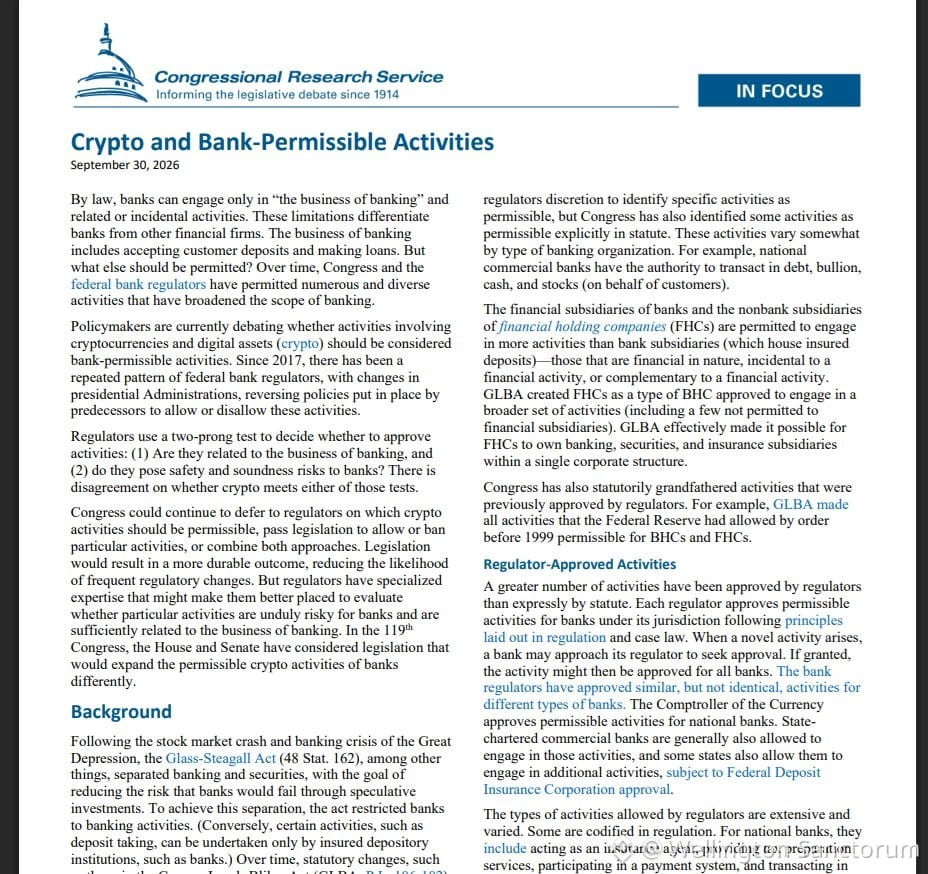
The U.S. Congress Research Service published a report warning that banks cannot expand their cryptocurrency operations without explicit approval from the Clarity Act. The document highlights that, by law, financial institutions are limited to the "banking business," and any additional activity, such as trading digital assets, must pass a rigorous safety and relevance test.
Currently, regulation is fragmented and depends on approvals from specific agencies, which creates uncertainty and frequent changes depending on the federal administration. The report points out that this lack of clarity prevents banks from operating consistently in the sector, limiting market growth and the integration of cryptocurrencies into the traditional financial system.
To address this instability, Congress needs to pass legislation that permanently defines which crypto activities are permitted.
The U.S. Congress Research Service published a report warning that banks cannot expand their cryptocurrency operations without explicit approval from the Clarity Act. The document highlights that, by law, financial institutions are limited to the "banking business," and any additional activity, such as trading digital assets, must pass a rigorous safety and relevance test.
Currently, regulation is fragmented and depends on approvals from specific agencies, which creates uncertainty and frequent changes depending on the federal administration. The report points out that this lack of clarity prevents banks from operating consistently in the sector, limiting market growth and the integration of cryptocurrencies into the traditional financial system.
To address this instability, Congress needs to pass legislation that permanently defines which crypto activities are permitted.
Currently, regulation is fragmented and depends on approvals from specific agencies, which creates uncertainty and frequent changes depending on the federal administration. The report points out that this lack of clarity prevents banks from operating consistently in the sector, limiting market growth and the integration of cryptocurrencies into the traditional financial system.
To address this instability, Congress needs to pass legislation that permanently defines which crypto activities are permitted.
226
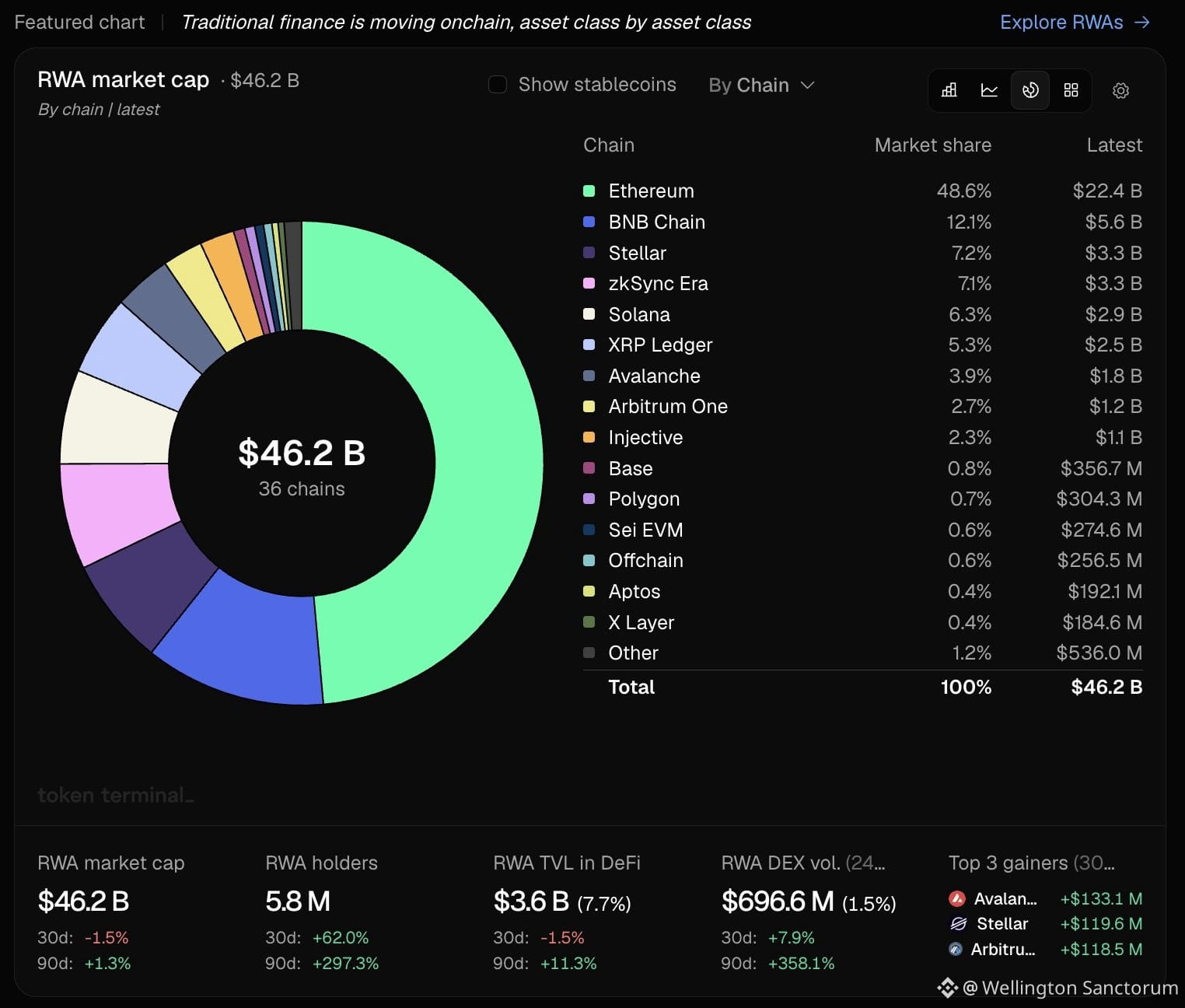
The Real-World Assets (RWA) market reached the mark of US$ 46,2 billion in market capitalization, establishing itself across 36 different blockchain networks. Ethereum leads the sector with 48.6% market share, followed by BNB Chain and Stellar, highlighting the accelerated migration of traditional financial assets to the on-chain environment.
Institutional and retail adoption is growing exponentially, with 5.8 million active holders and US$ 3,6 billion in total value locked (TVL) in DeFi protocols. Daily trading volume on DEXs reached US$ 697 million, with a 358% jump over the last 90 days, showing that the liquidity and usefulness of these assets are in full expansion.
This scenario indicates that the sector’s next step will not be only increasing issuances, but integrating these assets into the digital economy in a productive way. With trillions in potential for tokenization, the RWA sector positions itself as one of the most solid pillars for the next phase of maturity of the crypto ecosystem. 📈
The Real-World Assets (RWA) market reached the mark of US$ 46,2 billion in market capitalization, establishing itself across 36 different blockchain networks. Ethereum leads the sector with 48.6% market share, followed by BNB Chain and Stellar, highlighting the accelerated migration of traditional financial assets to the on-chain environment.
Institutional and retail adoption is growing exponentially, with 5.8 million active holders and US$ 3,6 billion in total value locked (TVL) in DeFi protocols. Daily trading volume on DEXs reached US$ 697 million, with a 358% jump over the last 90 days, showing that the liquidity and usefulness of these assets are in full expansion.
This scenario indicates that the sector’s next step will not be only increasing issuances, but integrating these assets into the digital economy in a productive way. With trillions in potential for tokenization, the RWA sector positions itself as one of the most solid pillars for the next phase of maturity of the crypto ecosystem. 📈
Institutional and retail adoption is growing exponentially, with 5.8 million active holders and US$ 3,6 billion in total value locked (TVL) in DeFi protocols. Daily trading volume on DEXs reached US$ 697 million, with a 358% jump over the last 90 days, showing that the liquidity and usefulness of these assets are in full expansion.
This scenario indicates that the sector’s next step will not be only increasing issuances, but integrating these assets into the digital economy in a productive way. With trillions in potential for tokenization, the RWA sector positions itself as one of the most solid pillars for the next phase of maturity of the crypto ecosystem. 📈
1
289
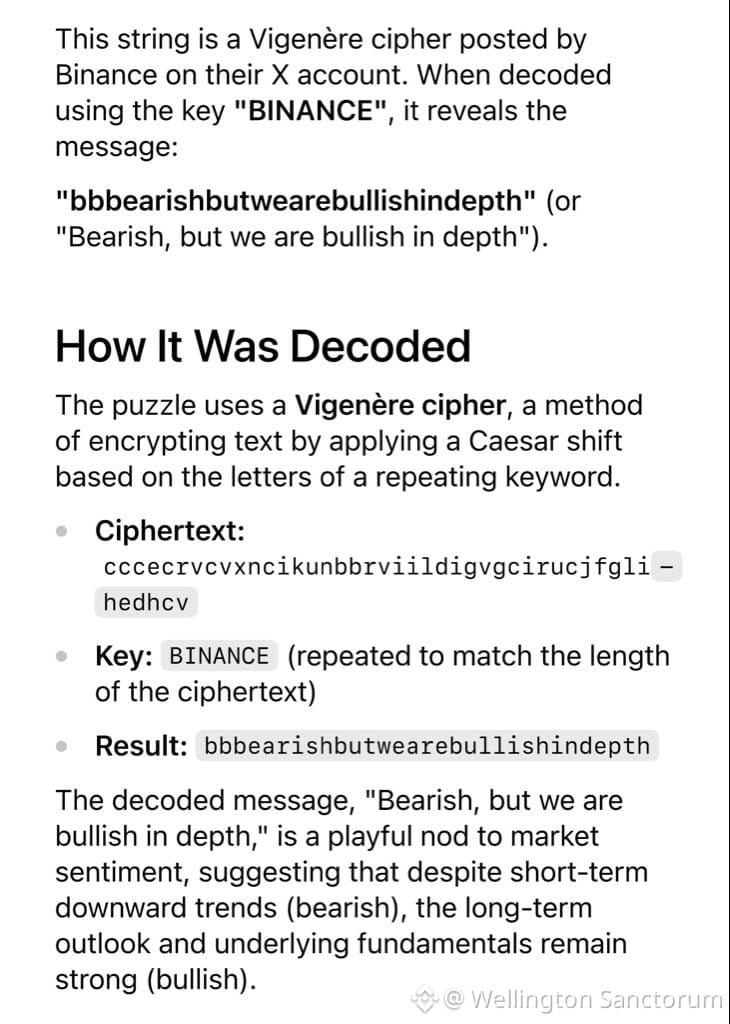
A #Binance posted an encrypted message on its social network, using the classic Vigenère Cipher. When decrypting the text with the key "BINANCE", the revealed phrase was: "Bearish, but we are bullish in depth" (In Portuguese: "The market is falling, but we are optimistic in the long run").
This strategic move by the exchange aims to calm the community and signal that, despite the pullbacks and the immediate negative sentiment, the underlying outlook on the sector’s fundamentals remains highly positive.
For traders, this serves as a reminder that volatility is part of the cycle. The message suggests that investors should focus on the long-term thesis, ignoring the noise of short-term drops. 📉🚀
A #Binance posted an encrypted message on its social network, using the classic Vigenère Cipher. When decrypting the text with the key "BINANCE", the revealed phrase was: "Bearish, but we are bullish in depth" (In Portuguese: "The market is falling, but we are optimistic in the long run").
This strategic move by the exchange aims to calm the community and signal that, despite the pullbacks and the immediate negative sentiment, the underlying outlook on the sector’s fundamentals remains highly positive.
For traders, this serves as a reminder that volatility is part of the cycle. The message suggests that investors should focus on the long-term thesis, ignoring the noise of short-term drops. 📉🚀
This strategic move by the exchange aims to calm the community and signal that, despite the pullbacks and the immediate negative sentiment, the underlying outlook on the sector’s fundamentals remains highly positive.
For traders, this serves as a reminder that volatility is part of the cycle. The message suggests that investors should focus on the long-term thesis, ignoring the noise of short-term drops. 📉🚀
98
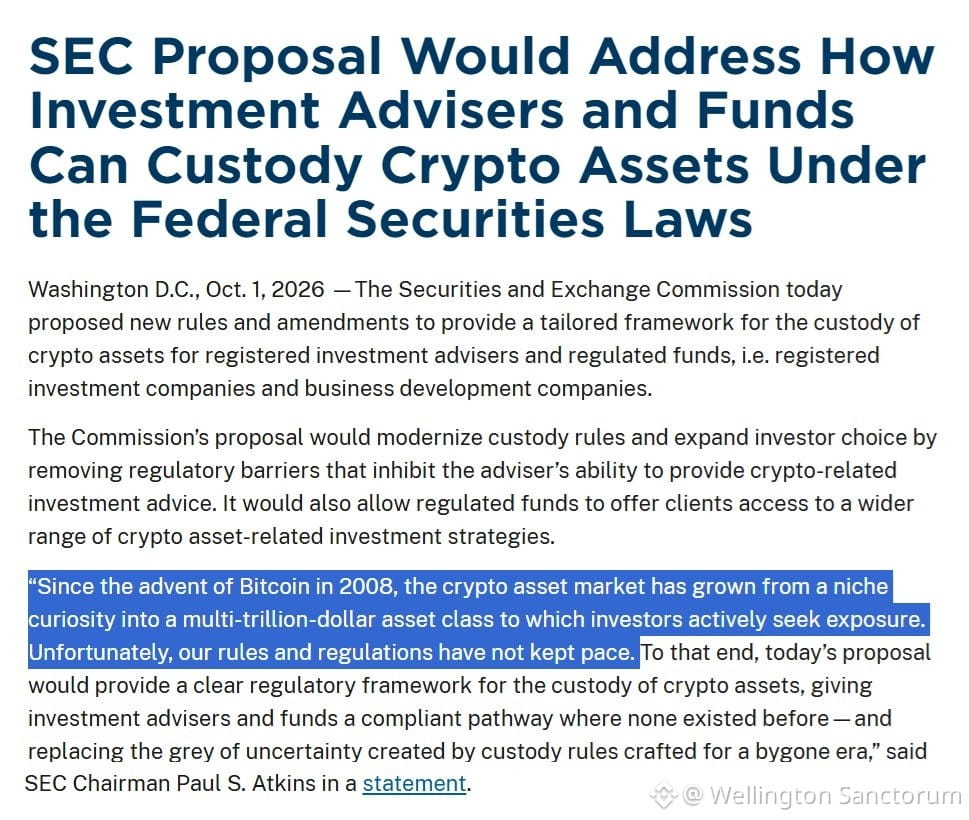
The U.S. Securities and Exchange Commission (SEC) proposed new rules that modernize cryptocurrency custody, allowing investment advisers and regulated funds to offer crypto strategies with greater legal certainty.
SEC Chair Paul Atkins said that Bitcoin has consolidated as a trillion-dollar asset class, but warned that current regulations have not kept pace with that growth. The new proposal aims to eliminate the “gray area” of uncertainty by creating a clear, law-compliant path for the institutional market.
This change is a milestone for institutional adoption, as it removes regulatory barriers that previously prevented major investors from accessing the sector directly and securely. 🚀📈
The U.S. Securities and Exchange Commission (SEC) proposed new rules that modernize cryptocurrency custody, allowing investment advisers and regulated funds to offer crypto strategies with greater legal certainty.
SEC Chair Paul Atkins said that Bitcoin has consolidated as a trillion-dollar asset class, but warned that current regulations have not kept pace with that growth. The new proposal aims to eliminate the “gray area” of uncertainty by creating a clear, law-compliant path for the institutional market.
This change is a milestone for institutional adoption, as it removes regulatory barriers that previously prevented major investors from accessing the sector directly and securely. 🚀📈
SEC Chair Paul Atkins said that Bitcoin has consolidated as a trillion-dollar asset class, but warned that current regulations have not kept pace with that growth. The new proposal aims to eliminate the “gray area” of uncertainty by creating a clear, law-compliant path for the institutional market.
This change is a milestone for institutional adoption, as it removes regulatory barriers that previously prevented major investors from accessing the sector directly and securely. 🚀📈
1
876
Who watched my last LIVE! must be wondering... How did he do it again? 😅
I can see a transmission replay
"BITCOIN AT $84K: Watch Out for the Trap Before $90,000! 🚨" on Binance Square. $BTC
{spot}(BTCUSDT)
[https://app.binance.com/uni-qr/cspa/46330369275353?r=KRTDZ643&l=pt-PT&source=host_share&uc=app_square_share_link&us=copylink](https://app.binance.com/uni-qr/cspa/46330369275353?r=KRTDZ643&l=pt-PT&source=host_share&uc=app_square_share_link&us=copylink)
Who watched my last LIVE! must be wondering... How did he do it again? 😅
I can see a transmission replay
"BITCOIN AT $84K: Watch Out for the Trap Before $90,000! 🚨" on Binance Square. $BTC
https://app.binance.com/uni-qr/cspa/46330369275353?r=KRTDZ643&l=pt-PT&source=host_share&uc=app_square_share_link&us=copylink
I can see a transmission replay
"BITCOIN AT $84K: Watch Out for the Trap Before $90,000! 🚨" on Binance Square. $BTC
https://app.binance.com/uni-qr/cspa/46330369275353?r=KRTDZ643&l=pt-PT&source=host_share&uc=app_square_share_link&us=copylink
238
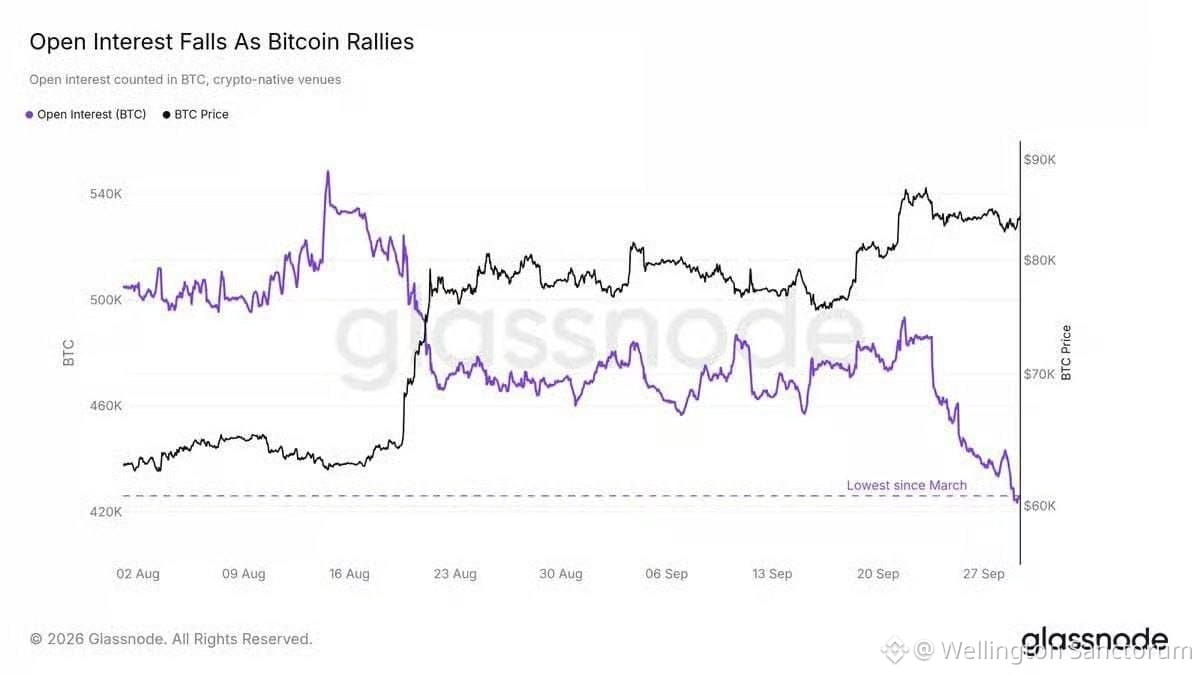
The cryptocurrency market is undergoing an important structural change: Bitcoin’s open interest (open contracts) has fallen by nearly 20% compared with August’s peaks, even as the asset remains at elevated levels.
This divergence indicates that the market is “clearing” excessive leverage without resulting in a price drop. Practically, this suggests that the sell-side pressure stemming from leveraged positions has been reduced, which is a sign of maturity and resilience for the asset.
With fewer open contracts, the risk of cascading liquidations decreases significantly.
The cryptocurrency market is undergoing an important structural change: Bitcoin’s open interest (open contracts) has fallen by nearly 20% compared with August’s peaks, even as the asset remains at elevated levels.
This divergence indicates that the market is “clearing” excessive leverage without resulting in a price drop. Practically, this suggests that the sell-side pressure stemming from leveraged positions has been reduced, which is a sign of maturity and resilience for the asset.
With fewer open contracts, the risk of cascading liquidations decreases significantly.
This divergence indicates that the market is “clearing” excessive leverage without resulting in a price drop. Practically, this suggests that the sell-side pressure stemming from leveraged positions has been reduced, which is a sign of maturity and resilience for the asset.
With fewer open contracts, the risk of cascading liquidations decreases significantly.
367
$NEAR Intents suffers exploitation of US$ 3.8 million; vulnerability patched with promise of full reimbursement
NEAR Intents confirmed the security incident, attributing the loss to an error in the interaction between Omni’s deposit/withdrawal infrastructure and its smart contracts. The team announced that the vulnerability has been fixed, core services will be resumed in 1 hour, and all lost funds will be fully compensated. Meanwhile, deposits and withdrawals on EVM networks and other supported chains (BSC, Polygon, TON, etc.) will remain suspended for approximately 12 hours, as security partners and authorities assist in recovering the assets.
On-chain analyst ZachXBT warned about the ongoing exploitation after the BSC hot wallet showed irregular withdrawals totaling more than US$ 3.8 million, with the stolen assets quickly sent to KuCoin and transferred to Bitcoin.
$NEAR Intents suffers exploitation of US$ 3.8 million; vulnerability patched with promise of full reimbursement
NEAR Intents confirmed the security incident, attributing the loss to an error in the interaction between Omni’s deposit/withdrawal infrastructure and its smart contracts. The team announced that the vulnerability has been fixed, core services will be resumed in 1 hour, and all lost funds will be fully compensated. Meanwhile, deposits and withdrawals on EVM networks and other supported chains (BSC, Polygon, TON, etc.) will remain suspended for approximately 12 hours, as security partners and authorities assist in recovering the assets.
On-chain analyst ZachXBT warned about the ongoing exploitation after the BSC hot wallet showed irregular withdrawals totaling more than US$ 3.8 million, with the stolen assets quickly sent to KuCoin and transferred to Bitcoin.
NEAR Intents confirmed the security incident, attributing the loss to an error in the interaction between Omni’s deposit/withdrawal infrastructure and its smart contracts. The team announced that the vulnerability has been fixed, core services will be resumed in 1 hour, and all lost funds will be fully compensated. Meanwhile, deposits and withdrawals on EVM networks and other supported chains (BSC, Polygon, TON, etc.) will remain suspended for approximately 12 hours, as security partners and authorities assist in recovering the assets.
On-chain analyst ZachXBT warned about the ongoing exploitation after the BSC hot wallet showed irregular withdrawals totaling more than US$ 3.8 million, with the stolen assets quickly sent to KuCoin and transferred to Bitcoin.
354
·
--
Bullish
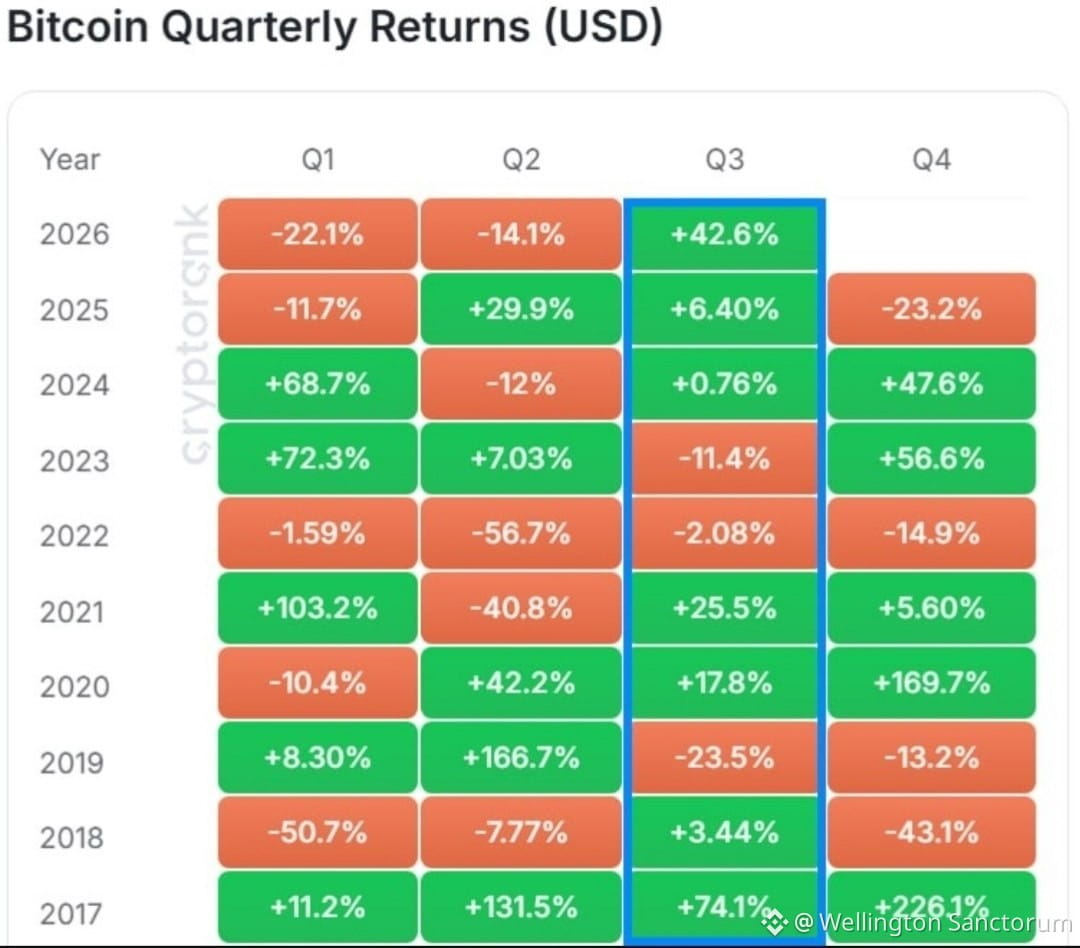
On Bitcoin closed the third quarter of 2026 with a significant gain of 42.6%, establishing its best performance for the period in nine years. This historic result surpasses the milestones of 2017 and 2020, demonstrating a remarkable recovery strength in the market.
This vigorous rise was crucial to reverse the weakness seen in the first half of the year, when the asset accumulated significant losses of -22.1% in Q1 and -14.1% in Q2. The chart of quarterly returns shows the asset’s cyclical volatility, but highlights the market’s resilience in 2026.
For investors, this move suggests a change in trend in the short term, turning what was a downtrend scenario into an opportunity for substantial gains. Technical analysis indicates that the asset is in a phase of positive consolidation after the strong push of the last quarter. 📈🚀
{spot}(BTCUSDT)
On Bitcoin closed the third quarter of 2026 with a significant gain of 42.6%, establishing its best performance for the period in nine years. This historic result surpasses the milestones of 2017 and 2020, demonstrating a remarkable recovery strength in the market.
This vigorous rise was crucial to reverse the weakness seen in the first half of the year, when the asset accumulated significant losses of -22.1% in Q1 and -14.1% in Q2. The chart of quarterly returns shows the asset’s cyclical volatility, but highlights the market’s resilience in 2026.
For investors, this move suggests a change in trend in the short term, turning what was a downtrend scenario into an opportunity for substantial gains. Technical analysis indicates that the asset is in a phase of positive consolidation after the strong push of the last quarter. 📈🚀
This vigorous rise was crucial to reverse the weakness seen in the first half of the year, when the asset accumulated significant losses of -22.1% in Q1 and -14.1% in Q2. The chart of quarterly returns shows the asset’s cyclical volatility, but highlights the market’s resilience in 2026.
For investors, this move suggests a change in trend in the short term, turning what was a downtrend scenario into an opportunity for substantial gains. Technical analysis indicates that the asset is in a phase of positive consolidation after the strong push of the last quarter. 📈🚀
132
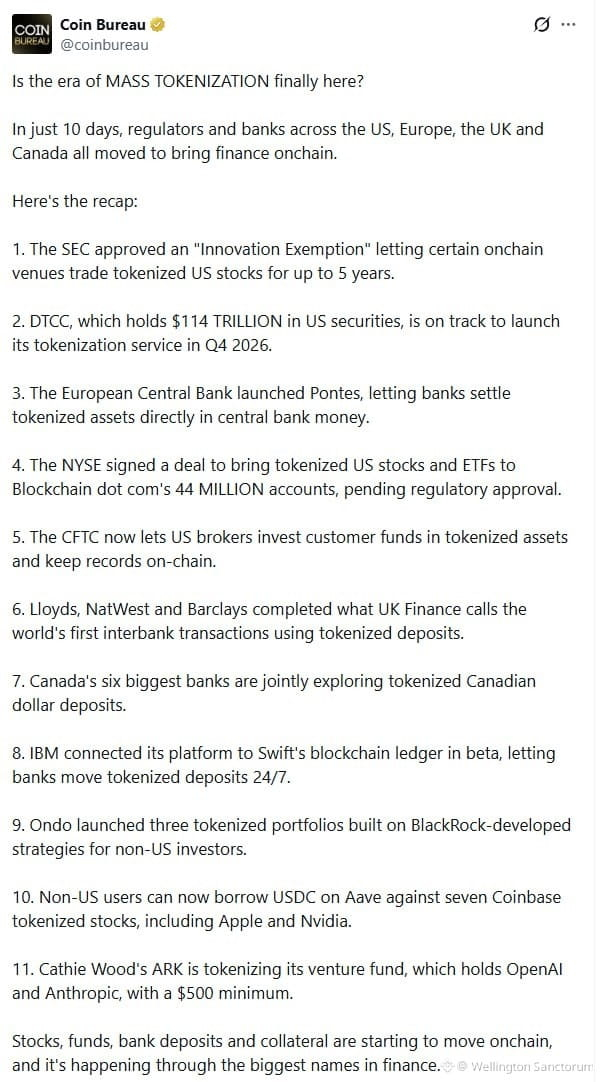
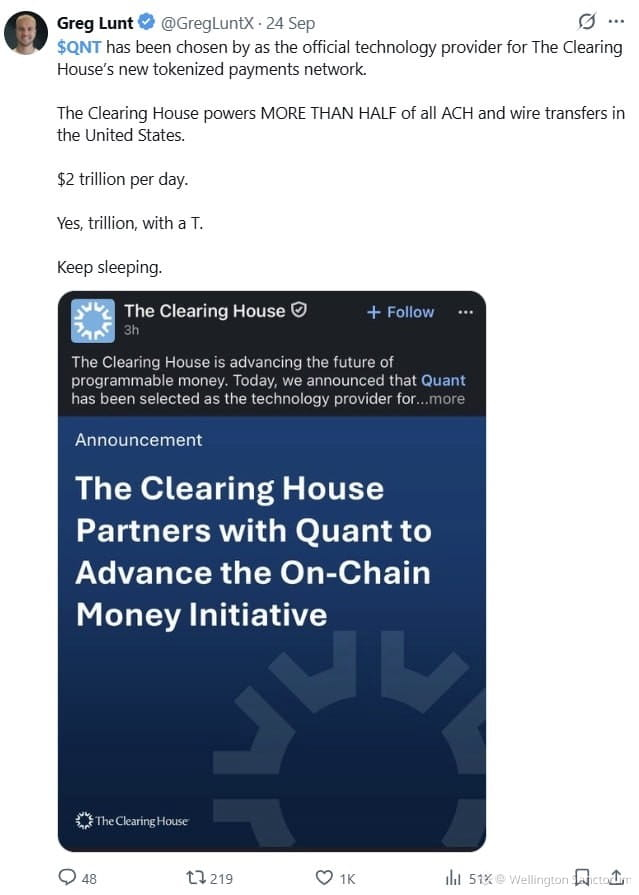
The third quarter of 2026 was marked by a historic performance in the cryptocurrency market, with large-cap altcoins leading a strong bull run. The absolute highlight was $BTW , which recorded an impressive appreciation of +2,194%, followed closely by $QNT (+350%) and PUMP (+307%).
In addition to the leaders, other major names in the sector, such as $ENA , ZEC, and UNI, also closed the period with significant gains, surpassing the 200% mark. This broad-based movement indicates that the invested capital was not concentrated in a single asset, but spread across multiple categories, including DeFi, infrastructure, and privacy.
This euphoria reflects a significant increase in investors’ risk appetite, who moved into assets with higher potential returns after months of caution.
The third quarter of 2026 was marked by a historic performance in the cryptocurrency market, with large-cap altcoins leading a strong bull run. The absolute highlight was $BTW , which recorded an impressive appreciation of +2,194%, followed closely by $QNT (+350%) and PUMP (+307%).
In addition to the leaders, other major names in the sector, such as $ENA , ZEC, and UNI, also closed the period with significant gains, surpassing the 200% mark. This broad-based movement indicates that the invested capital was not concentrated in a single asset, but spread across multiple categories, including DeFi, infrastructure, and privacy.
This euphoria reflects a significant increase in investors’ risk appetite, who moved into assets with higher potential returns after months of caution.
In addition to the leaders, other major names in the sector, such as $ENA , ZEC, and UNI, also closed the period with significant gains, surpassing the 200% mark. This broad-based movement indicates that the invested capital was not concentrated in a single asset, but spread across multiple categories, including DeFi, infrastructure, and privacy.
This euphoria reflects a significant increase in investors’ risk appetite, who moved into assets with higher potential returns after months of caution.
1.3k
A $ONDO Finance has just recorded a historic milestone with its tokenized asset protocol, Ondo Stocks, reaching the mark of US$1.26 billion in Total Value Locked (TVL).
This impressive growth is driven by the rising demand for tokenized stocks and ETFs, which already exceed 450 available assets on the platform.
This trend further strengthens the growing integration between traditional financial markets and the cryptocurrency sector, attracting investors seeking liquidity and global access. 📈
A $ONDO Finance has just recorded a historic milestone with its tokenized asset protocol, Ondo Stocks, reaching the mark of US$1.26 billion in Total Value Locked (TVL).
This impressive growth is driven by the rising demand for tokenized stocks and ETFs, which already exceed 450 available assets on the platform.
This trend further strengthens the growing integration between traditional financial markets and the cryptocurrency sector, attracting investors seeking liquidity and global access. 📈
This impressive growth is driven by the rising demand for tokenized stocks and ETFs, which already exceed 450 available assets on the platform.
This trend further strengthens the growing integration between traditional financial markets and the cryptocurrency sector, attracting investors seeking liquidity and global access. 📈
418
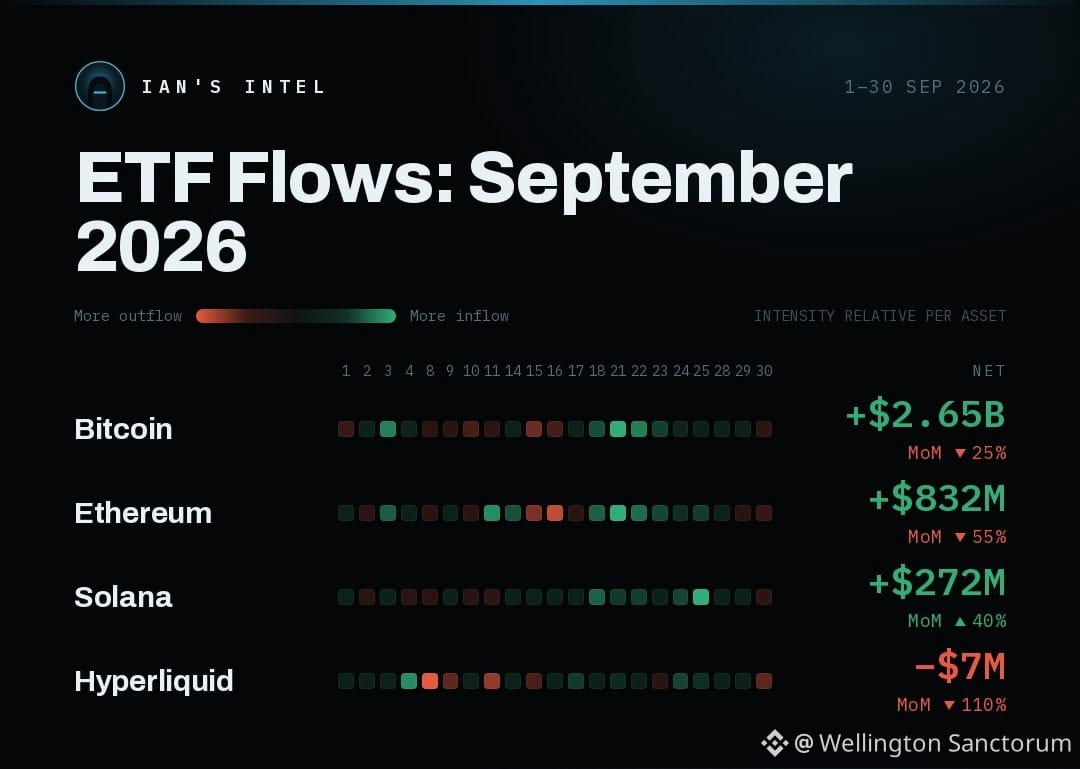
Spot crypto ETFs in the United States recorded a total of US$ 3.75 billion in net inflows in September 2026. Although volume fell 34% compared with US$ 5.63 billion seen in August, the market maintained a strong positive flow, led by Bitcoin, which attracted US$ 2.65 billion in new investments.
Ethereum also maintained its relevance in institutional portfolios, accumulating US$ 832 million in net inflows despite a 55% month-over-month decline. The positive highlight of the month was Solana, which surprised the market with 40% growth in inflows, totaling US$ 272 million, even amid a broader slowdown scenario.
Spot crypto ETFs in the United States recorded a total of US$ 3.75 billion in net inflows in September 2026. Although volume fell 34% compared with US$ 5.63 billion seen in August, the market maintained a strong positive flow, led by Bitcoin, which attracted US$ 2.65 billion in new investments.
Ethereum also maintained its relevance in institutional portfolios, accumulating US$ 832 million in net inflows despite a 55% month-over-month decline. The positive highlight of the month was Solana, which surprised the market with 40% growth in inflows, totaling US$ 272 million, even amid a broader slowdown scenario.
Ethereum also maintained its relevance in institutional portfolios, accumulating US$ 832 million in net inflows despite a 55% month-over-month decline. The positive highlight of the month was Solana, which surprised the market with 40% growth in inflows, totaling US$ 272 million, even amid a broader slowdown scenario.
1
762
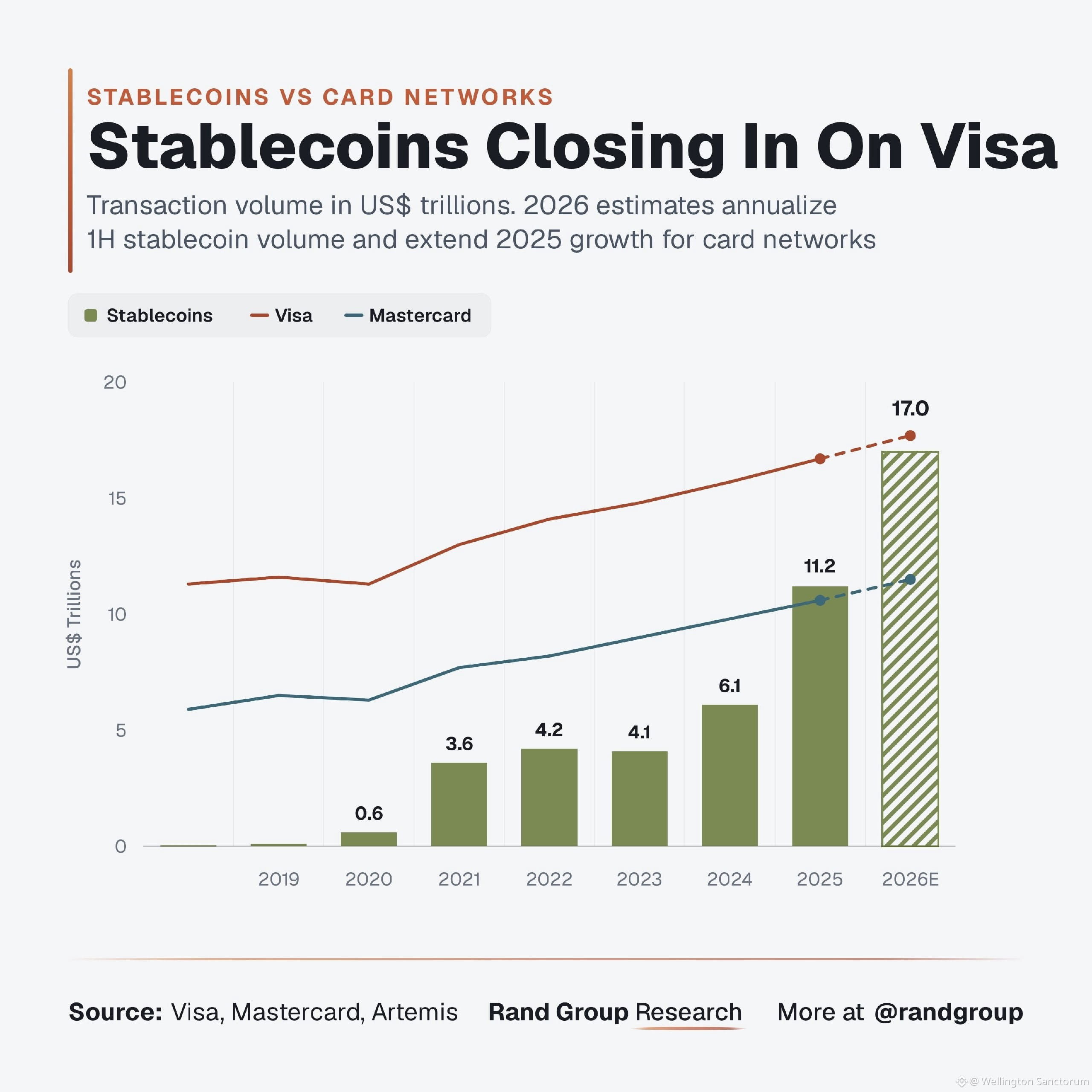
Stablecoins are about to reach Visa in transaction volume.
Recent data indicates that USD-backed digital coins are expected to hit the US$ 17 trillion annualized mark as early as 2026. To give you a sense of the magnitude, the credit card giant took 66 years to consolidate this figure, while stablecoins are projected to do the same in just 12 years.
The chart shows an exponential acceleration: volume jumped from just US$ 0,6 trillion in 2020 to an estimate of US$ 11,2 trillion in 2025. This trajectory suggests that institutional adoption and use in global payments are reshaping the traditional financial sector.
This convergence in volumes signals that stablecoins have stopped being merely a speculative asset to become the backbone of global liquidity 🚀. The market is preparing for a new era where the speed and efficiency of on-chain transactions compete directly with established banking networks.
Stablecoins are about to reach Visa in transaction volume.
Recent data indicates that USD-backed digital coins are expected to hit the US$ 17 trillion annualized mark as early as 2026. To give you a sense of the magnitude, the credit card giant took 66 years to consolidate this figure, while stablecoins are projected to do the same in just 12 years.
The chart shows an exponential acceleration: volume jumped from just US$ 0,6 trillion in 2020 to an estimate of US$ 11,2 trillion in 2025. This trajectory suggests that institutional adoption and use in global payments are reshaping the traditional financial sector.
This convergence in volumes signals that stablecoins have stopped being merely a speculative asset to become the backbone of global liquidity 🚀. The market is preparing for a new era where the speed and efficiency of on-chain transactions compete directly with established banking networks.
Recent data indicates that USD-backed digital coins are expected to hit the US$ 17 trillion annualized mark as early as 2026. To give you a sense of the magnitude, the credit card giant took 66 years to consolidate this figure, while stablecoins are projected to do the same in just 12 years.
The chart shows an exponential acceleration: volume jumped from just US$ 0,6 trillion in 2020 to an estimate of US$ 11,2 trillion in 2025. This trajectory suggests that institutional adoption and use in global payments are reshaping the traditional financial sector.
This convergence in volumes signals that stablecoins have stopped being merely a speculative asset to become the backbone of global liquidity 🚀. The market is preparing for a new era where the speed and efficiency of on-chain transactions compete directly with established banking networks.
172
I put a 150% profit in my pocket with this information. $QNT
I put a 150% profit in my pocket with this information. $QNT
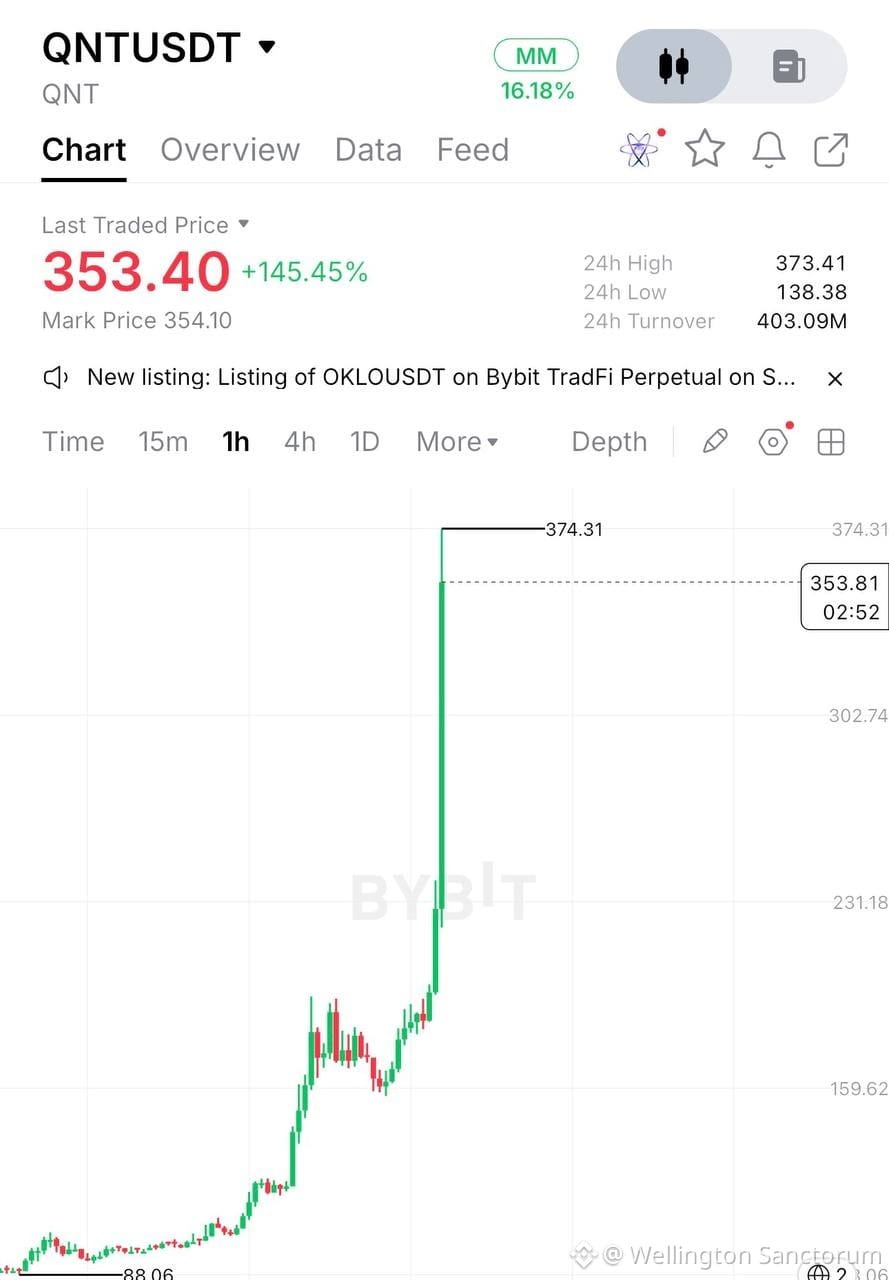
Wellington Sanctorum
·
--
$QNT
3
6
3.3k
I put 150% in my pocket because of this information in less than 24 hours
I put 150% in my pocket because of this information in less than 24 hours
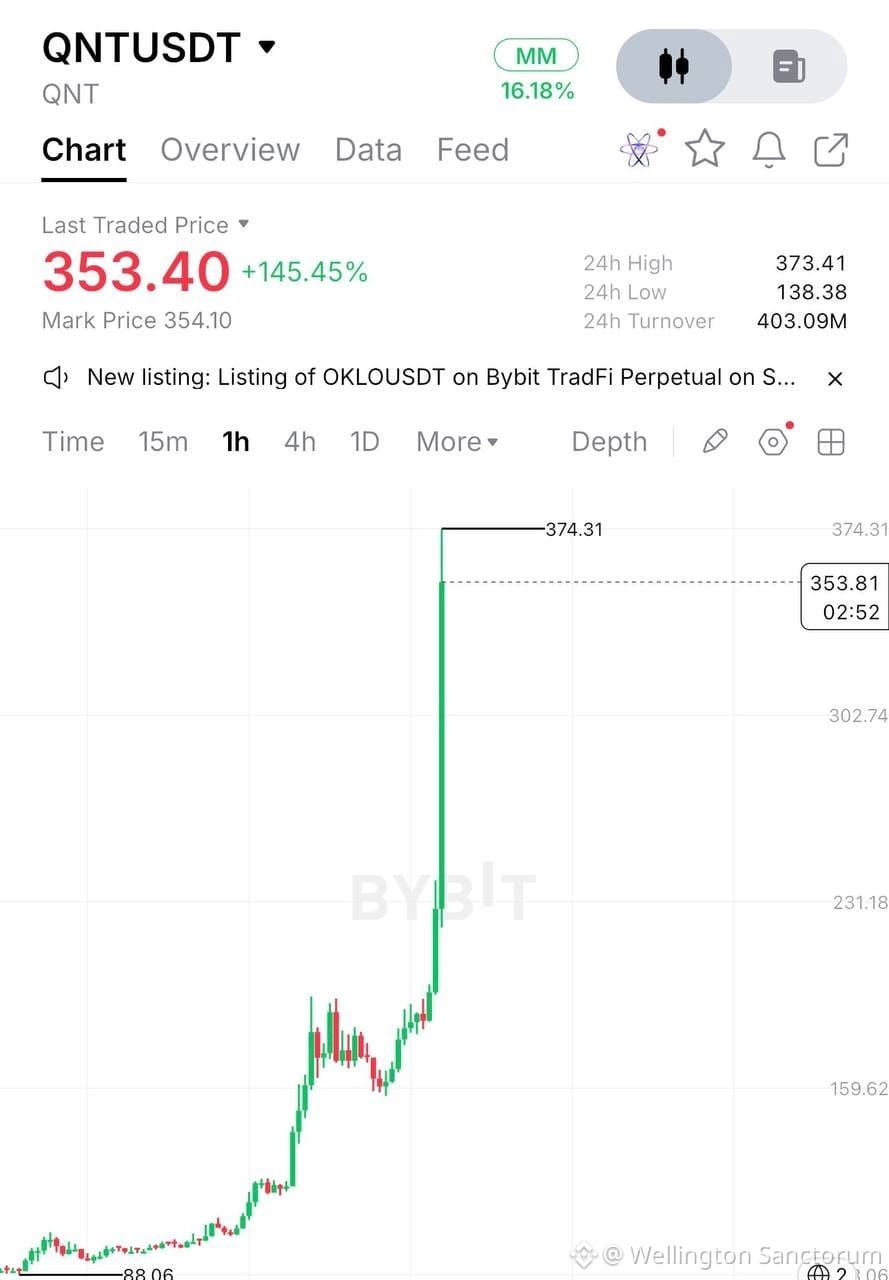
Wellington Sanctorum
·
--
Bullish⚜️ GOLD ROOM | SWING TRADE
📊 PAIR: $QNT / USDT
📈 POSITION: LONG (Buy) 🟢
⏱ CHART TIMEFRAME: 1D (Daily)
🎯 ENTRY ZONE:
▫️ 160.00 - 177.81 USDT
🎯 TARGETS (TAKE PROFIT):
🥇 TP 1: 245.00 USDT (+37.8% / Partial)
🥈 TP 2: 380.00 USDT (+113.7%)
🥉 TP 3: 560.00 USDT (+214.9%)
🎯 TP 4: 780.00 USDT (+338.7%)
🚀 TP 5: 1,004.78 USDT (+465.1% - Final Target)
🛑 STOP LOSS:
▫️ 121.99 USDT (-31.4% from entry)
💡 MARKET READ & TECHNICAL CONTEXT:
• Aggressive, confirmed breakout of the structural Downtrend Line (LTB) that had been containing the price since 2023 on the daily chart.
• Completion of an expanded multi-year accumulation base, with firm support forming above the zone of rising lows.
• Highly attractive asymmetry, with projected expansion toward the macro liquidity block at 1,004.78 USDT and technical invalidation set below 121.99 USDT.
⚠️ RISK MANAGEMENT:
• Recommended risk: 1% to 3% of the bankroll.
• Hit TP 1 ➔ Secure partial profit and move the Stop to Breakeven (0x0).
📊 PAIR: $QNT / USDT
📈 POSITION: LONG (Buy) 🟢
⏱ CHART TIMEFRAME: 1D (Daily)
🎯 ENTRY ZONE:
▫️ 160.00 - 177.81 USDT
🎯 TARGETS (TAKE PROFIT):
🥇 TP 1: 245.00 USDT (+37.8% / Partial)
🥈 TP 2: 380.00 USDT (+113.7%)
🥉 TP 3: 560.00 USDT (+214.9%)
🎯 TP 4: 780.00 USDT (+338.7%)
🚀 TP 5: 1,004.78 USDT (+465.1% - Final Target)
🛑 STOP LOSS:
▫️ 121.99 USDT (-31.4% from entry)
💡 MARKET READ & TECHNICAL CONTEXT:
• Aggressive, confirmed breakout of the structural Downtrend Line (LTB) that had been containing the price since 2023 on the daily chart.
• Completion of an expanded multi-year accumulation base, with firm support forming above the zone of rising lows.
• Highly attractive asymmetry, with projected expansion toward the macro liquidity block at 1,004.78 USDT and technical invalidation set below 121.99 USDT.
⚠️ RISK MANAGEMENT:
• Recommended risk: 1% to 3% of the bankroll.
• Hit TP 1 ➔ Secure partial profit and move the Stop to Breakeven (0x0).
47
·
--
Bullish
⚜️ GOLD ROOM | SWING TRADE
📊 PAIR: $QNT / USDT
📈 POSITION: LONG (Buy) 🟢
⏱ CHART TIMEFRAME: 1D (Daily)
🎯 ENTRY ZONE:
▫️ 160.00 - 177.81 USDT
🎯 TARGETS (TAKE PROFIT):
🥇 TP 1: 245.00 USDT (+37.8% / Partial)
🥈 TP 2: 380.00 USDT (+113.7%)
🥉 TP 3: 560.00 USDT (+214.9%)
🎯 TP 4: 780.00 USDT (+338.7%)
🚀 TP 5: 1,004.78 USDT (+465.1% - Final Target)
🛑 STOP LOSS:
▫️ 121.99 USDT (-31.4% from entry)
💡 MARKET READ & TECHNICAL CONTEXT:
• Aggressive, confirmed breakout of the structural Downtrend Line (LTB) that had been containing the price since 2023 on the daily chart.
• Completion of an expanded multi-year accumulation base, with firm support forming above the zone of rising lows.
• Highly attractive asymmetry, with projected expansion toward the macro liquidity block at 1,004.78 USDT and technical invalidation set below 121.99 USDT.
⚠️ RISK MANAGEMENT:
• Recommended risk: 1% to 3% of the bankroll.
• Hit TP 1 ➔ Secure partial profit and move the Stop to Breakeven (0x0).
⚜️ GOLD ROOM | SWING TRADE
📊 PAIR: $QNT / USDT
📈 POSITION: LONG (Buy) 🟢
⏱ CHART TIMEFRAME: 1D (Daily)
🎯 ENTRY ZONE:
▫️ 160.00 - 177.81 USDT
🎯 TARGETS (TAKE PROFIT):
🥇 TP 1: 245.00 USDT (+37.8% / Partial)
🥈 TP 2: 380.00 USDT (+113.7%)
🥉 TP 3: 560.00 USDT (+214.9%)
🎯 TP 4: 780.00 USDT (+338.7%)
🚀 TP 5: 1,004.78 USDT (+465.1% - Final Target)
🛑 STOP LOSS:
▫️ 121.99 USDT (-31.4% from entry)
💡 MARKET READ & TECHNICAL CONTEXT:
• Aggressive, confirmed breakout of the structural Downtrend Line (LTB) that had been containing the price since 2023 on the daily chart.
• Completion of an expanded multi-year accumulation base, with firm support forming above the zone of rising lows.
• Highly attractive asymmetry, with projected expansion toward the macro liquidity block at 1,004.78 USDT and technical invalidation set below 121.99 USDT.
⚠️ RISK MANAGEMENT:
• Recommended risk: 1% to 3% of the bankroll.
• Hit TP 1 ➔ Secure partial profit and move the Stop to Breakeven (0x0).
📊 PAIR: $QNT / USDT
📈 POSITION: LONG (Buy) 🟢
⏱ CHART TIMEFRAME: 1D (Daily)
🎯 ENTRY ZONE:
▫️ 160.00 - 177.81 USDT
🎯 TARGETS (TAKE PROFIT):
🥇 TP 1: 245.00 USDT (+37.8% / Partial)
🥈 TP 2: 380.00 USDT (+113.7%)
🥉 TP 3: 560.00 USDT (+214.9%)
🎯 TP 4: 780.00 USDT (+338.7%)
🚀 TP 5: 1,004.78 USDT (+465.1% - Final Target)
🛑 STOP LOSS:
▫️ 121.99 USDT (-31.4% from entry)
💡 MARKET READ & TECHNICAL CONTEXT:
• Aggressive, confirmed breakout of the structural Downtrend Line (LTB) that had been containing the price since 2023 on the daily chart.
• Completion of an expanded multi-year accumulation base, with firm support forming above the zone of rising lows.
• Highly attractive asymmetry, with projected expansion toward the macro liquidity block at 1,004.78 USDT and technical invalidation set below 121.99 USDT.
⚠️ RISK MANAGEMENT:
• Recommended risk: 1% to 3% of the bankroll.
• Hit TP 1 ➔ Secure partial profit and move the Stop to Breakeven (0x0).
1
837
Wellington Sanctorum
·
--
I’ll let you know and you’ll share this POST as a thank you!
ACTIVE: $QNT
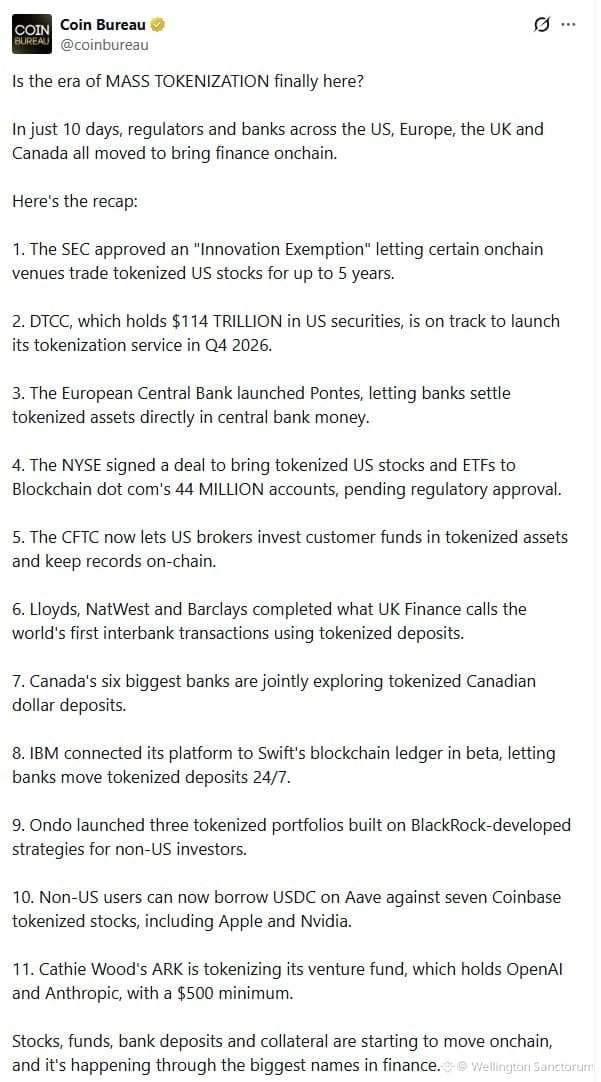
TOKENIZATION: narrative.
ACTIVE: $QNT
TOKENIZATION: narrative.
2
3
529
I’ll let you know and you’ll share this POST as a thank you!
ACTIVE: $QNT
TOKENIZATION: narrative.
I’ll let you know and you’ll share this POST as a thank you!
ACTIVE: $QNT
TOKENIZATION: narrative.
ACTIVE: $QNT
TOKENIZATION: narrative.
1
116
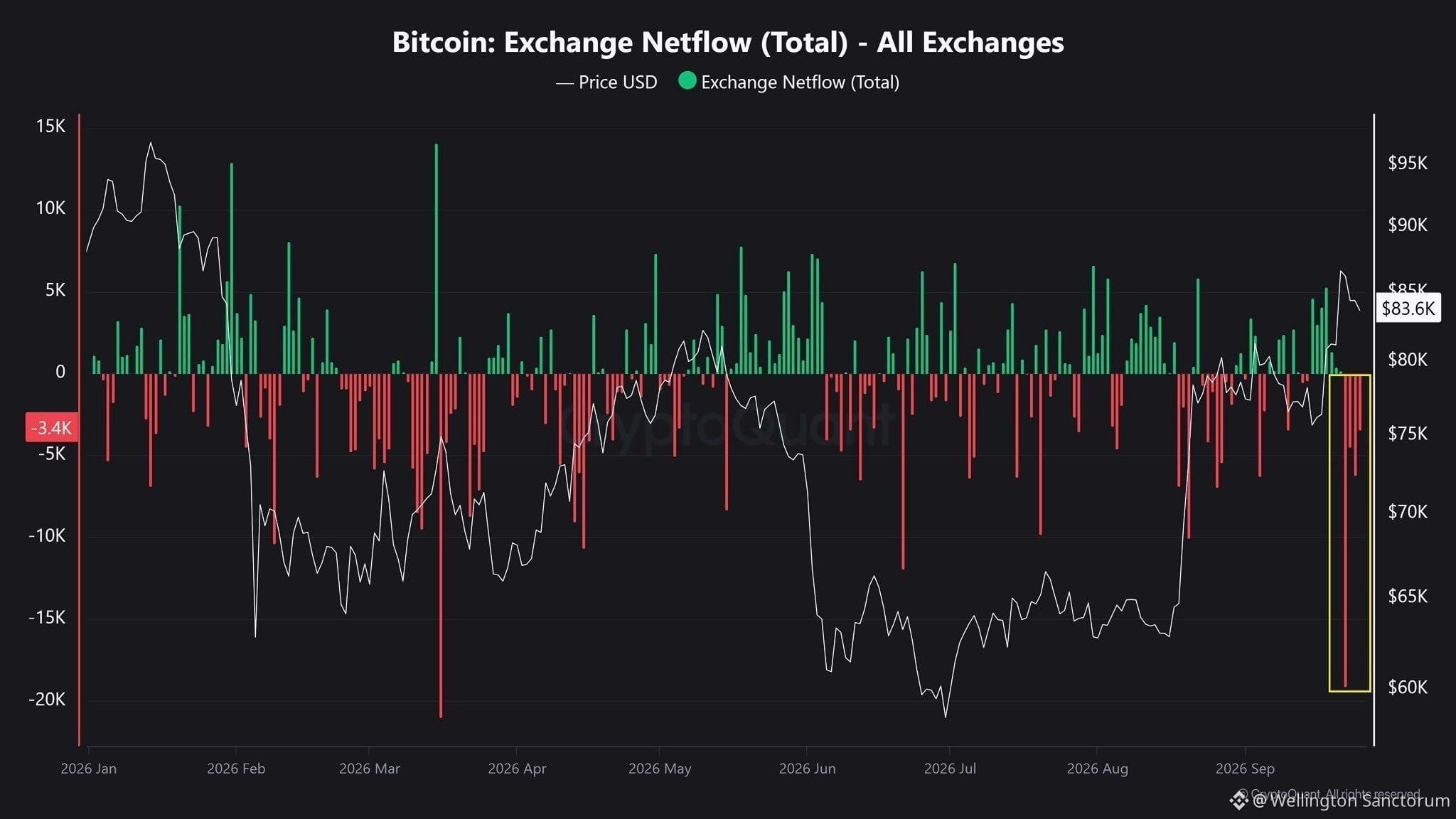
US$ 2,7 billion in Bitcoin were withdrawn from crypto exchanges in just 4 days.
US$ 2,7 billion in Bitcoin were withdrawn from crypto exchanges in just 4 days.
437
Log in to explore more content
Join global crypto users on Binance Square
⚡️ Get latest and useful information about crypto.
💬 Trusted by the world’s largest crypto exchange.
👍 Discover real insights from verified creators.
Email / Phone number
Trending Topics
ZcashETFPostsFirstWeeklyOutflow$93.6M
6,942 views
34 Discussing
ZCASH ETF UPDATE
Zcash’s ETF has recorded its first weekly net outflow since launching in August.
Investors withdrew $93.6M as $ZEC fell toward $1,300. Grayscale’s ZCSH had attracted $98.2M two weeks earlier, but no daily net inflows have been recorded since September 22, according to SoSoValue.
ZEC was around $1,308 on October 3, down about 17.5% for the week and roughly 23% from its recent $1,690 peak.
$ZEC
Vicky-143
·0 Likes
·707 views
GreekPoliceBustCryptoScamRingArrest17
7,008 views
169 Discussing
BitcoinRejectedAt$87K
66,403 views
100 Discussing