
CRYPTO SHARKSS
747 Posts

CRYPTO SHARKSS
Report
Block User
Crypto Trading Trainer / Blockchain / Airdrop / Crypto News / NFT
103 Following
157 Followers
915 Liked
Posts
All
Videos
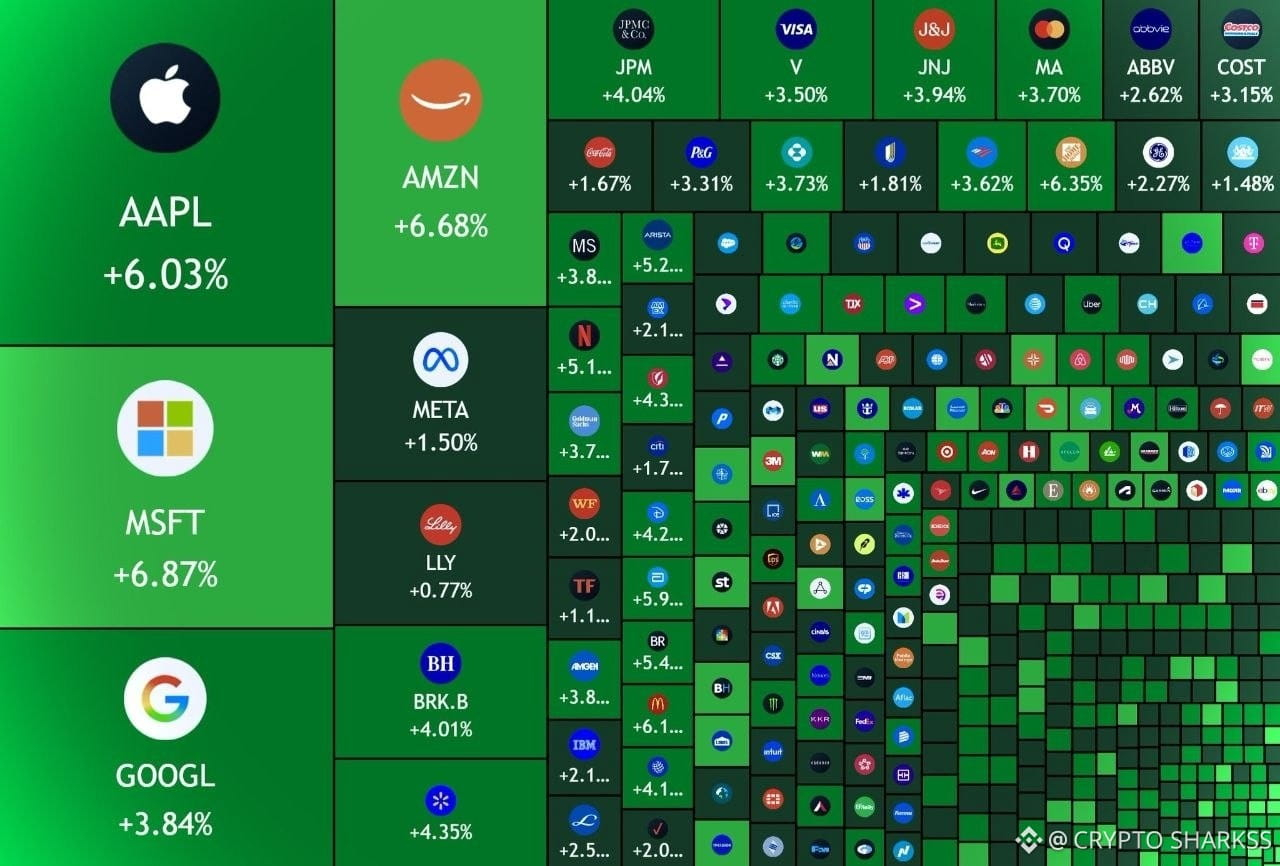
‼️BREAKING NEWS: 🇺🇸 Today, 1.2 trillion dollars was added to the U.S. stock market.
‼️BREAKING NEWS: 🇺🇸 Today, 1.2 trillion dollars was added to the U.S. stock market.
1
22
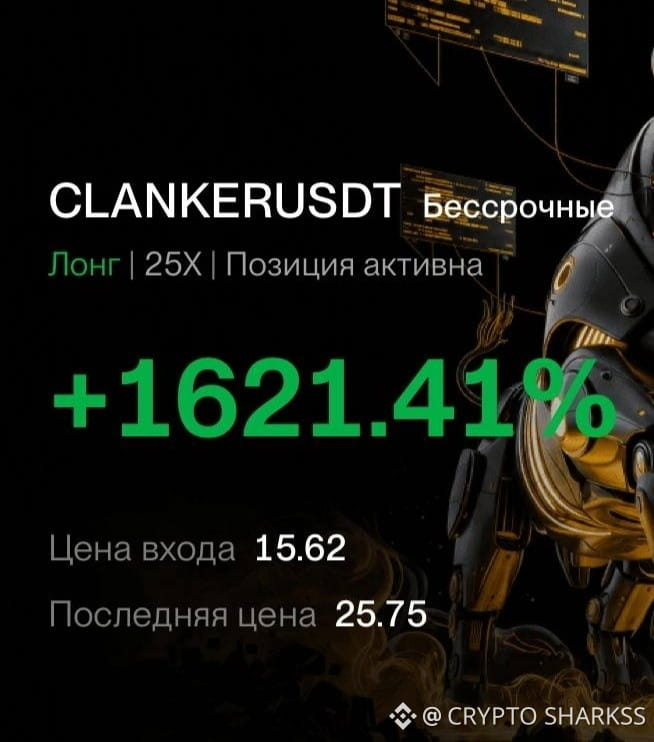
PUMP signal received 🎯🪙 We made a mega profit, friends...🎉🚀🔥🔥
$CLANKER
{future}(CLANKERUSDT)
PUMP signal received 🎯🪙 We made a mega profit, friends...🎉🚀🔥🔥
$CLANKER
$CLANKER
1
7
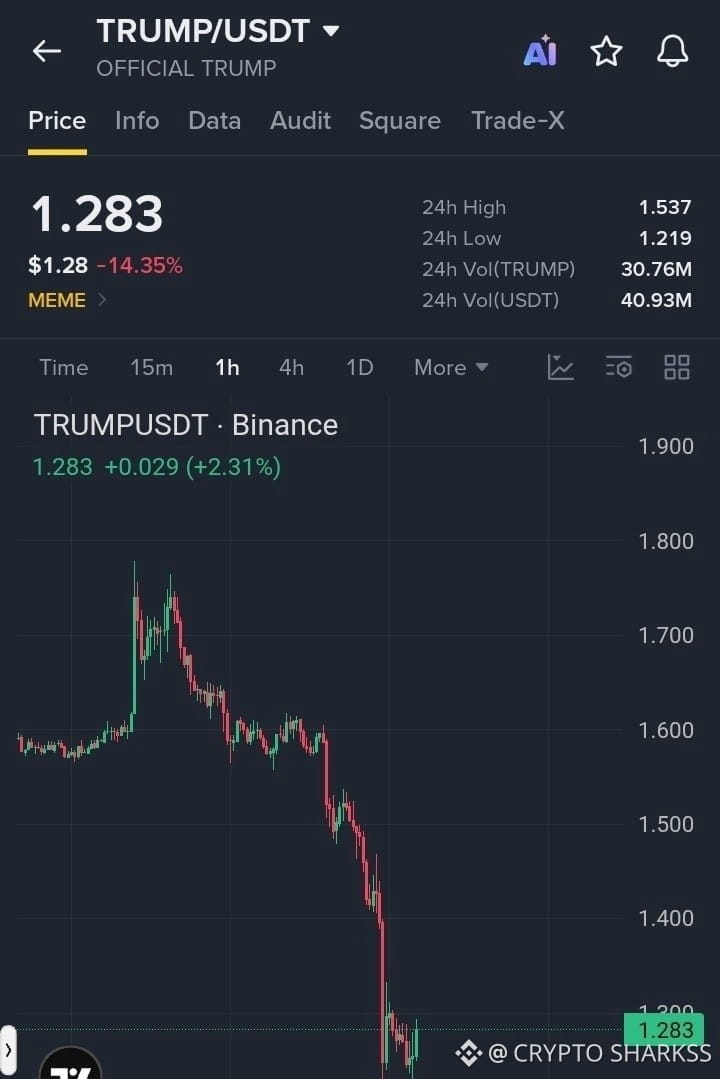
$TRUMP Recovery momentum builds
Bulls push back after a massive sell-off
Entry: 1.275 – 1.285
TP1: 1.310
TP2: 1.340
TP3: 1.380
SL: 1.245
Buy and trade $TRUMP
$TRUMP Recovery momentum builds
Bulls push back after a massive sell-off
Entry: 1.275 – 1.285
TP1: 1.310
TP2: 1.340
TP3: 1.380
SL: 1.245
Buy and trade $TRUMP
Bulls push back after a massive sell-off
Entry: 1.275 – 1.285
TP1: 1.310
TP2: 1.340
TP3: 1.380
SL: 1.245
Buy and trade $TRUMP
1
42
An airplane cleaner was cleaning the cockpit when he saw a book titled “How to Fly a Plane for Beginners,” Volume 1.🧠
He opened the first page, which said that to start the engine, you need to press the red button. So he did. And the airplane’s engine started! He was thrilled and opened the next page.📖
“To get the airplane moving, press the blue button.” He did, and the airplane began moving at tremendous speed.❤️🔥
And how he wanted to fly! He opened the third page, which said: “To make the airplane fly, press the green button.” So he did. And soon the airplane took off. 🛫
After just 20 minutes in the air, he’d enjoyed the flight and wanted to land. So he decided to turn to page 4.
And there it said: “To find out how to land the airplane, buy Volume 2 at your nearest bookstore”😅
🧠The moral of the story is:
Never do anything without having all the information. And always make sure you have an exit plan before you take action.💯
That’s how it should be with projects you know nothing about!
1
17
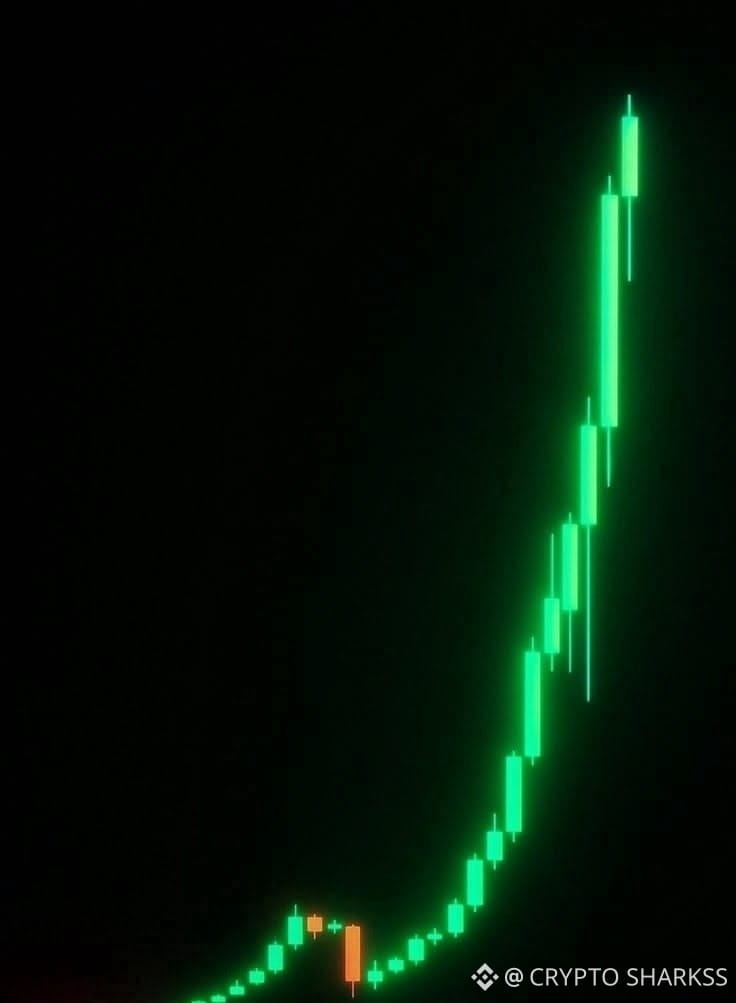
🔥 The coin I'm watching for a strong move: $AAVE
My target for it in the next cycle is $500.
With the return of the bull market, interest in the decentralized finance sector may increase, and $AAVE is on my watchlist.
What do you think—will $AAVE reach $500? 👀
{future}(AAVEUSDT)
#AAVE
🔥 The coin I'm watching for a strong move: $AAVE
My target for it in the next cycle is $500.
With the return of the bull market, interest in the decentralized finance sector may increase, and $AAVE is on my watchlist.
What do you think—will $AAVE reach $500? 👀
#AAVE
My target for it in the next cycle is $500.
With the return of the bull market, interest in the decentralized finance sector may increase, and $AAVE is on my watchlist.
What do you think—will $AAVE reach $500? 👀
#AAVE
1
93
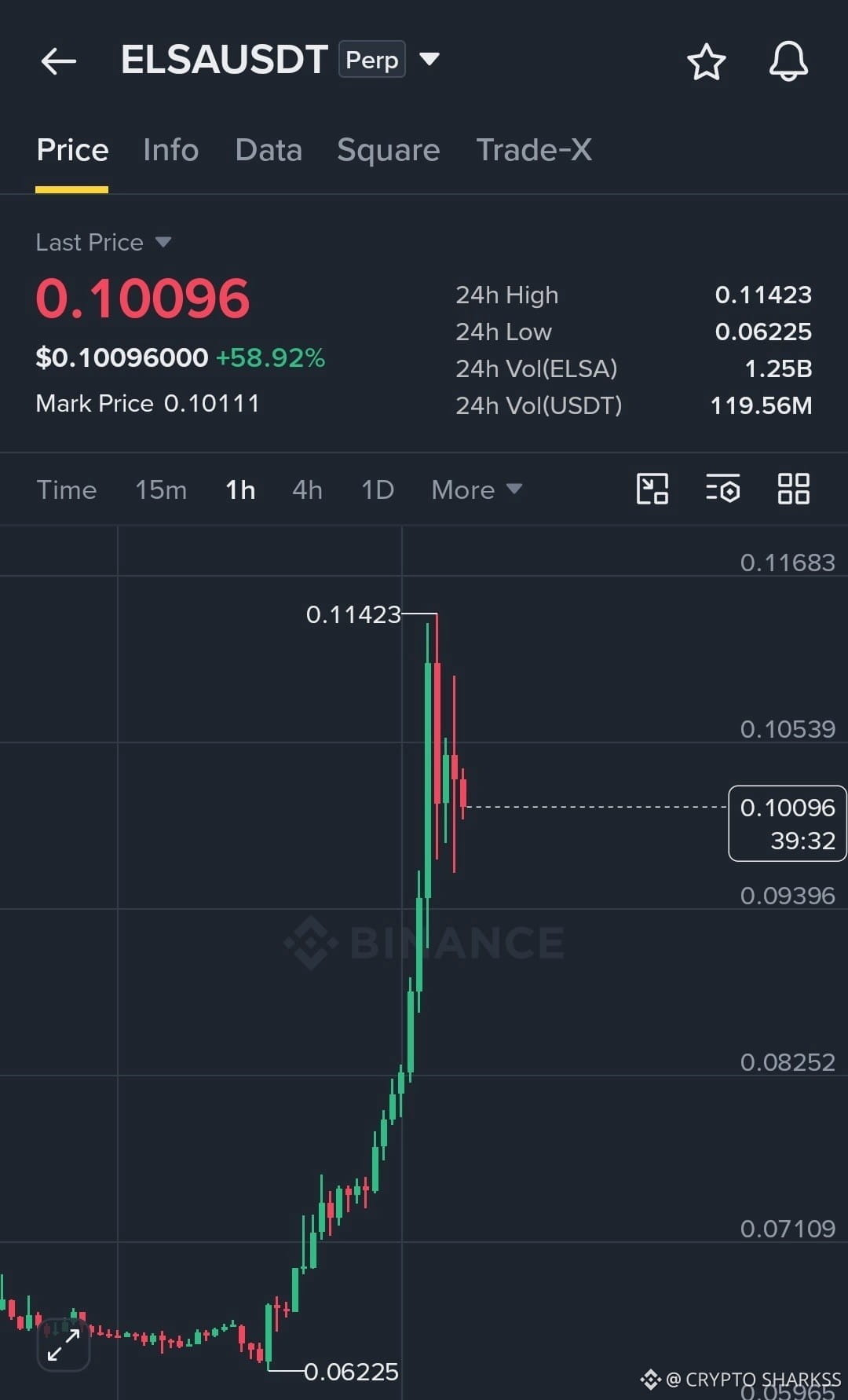
🔴 $ELSA REJECTION ZONE — SHORT SETUP
Open a short position now with 10x leverage:
Entry zone: $0.0990–$0.1025
TP 1: $0.0970
TP 2: $0.0940
TP 3: $0.0910
TP 4: $0.0870
Stop-loss: $0.1100
Tap below to open the trade now...👇
{future}(ELSAUSDT)
Setup rationale:
• $ELSA — a potential short setup with an entry zone around $0.1009. Watch for bearish rejection and selling pressure near the entry zone.
A break below $0.0970 could open the way to $0.0940 and $0.0910. Further strengthening of bearish momentum could push the price toward $0.0870.
Risk management:
Don't use excessive leverage or try to recover losses; please protect your capital.
🔴 $ELSA REJECTION ZONE — SHORT SETUP
Open a short position now with 10x leverage:
Entry zone: $0.0990–$0.1025
TP 1: $0.0970
TP 2: $0.0940
TP 3: $0.0910
TP 4: $0.0870
Stop-loss: $0.1100
Tap below to open the trade now...👇
Setup rationale:
• $ELSA — a potential short setup with an entry zone around $0.1009. Watch for bearish rejection and selling pressure near the entry zone.
A break below $0.0970 could open the way to $0.0940 and $0.0910. Further strengthening of bearish momentum could push the price toward $0.0870.
Risk management:
Don't use excessive leverage or try to recover losses; please protect your capital.
1
83
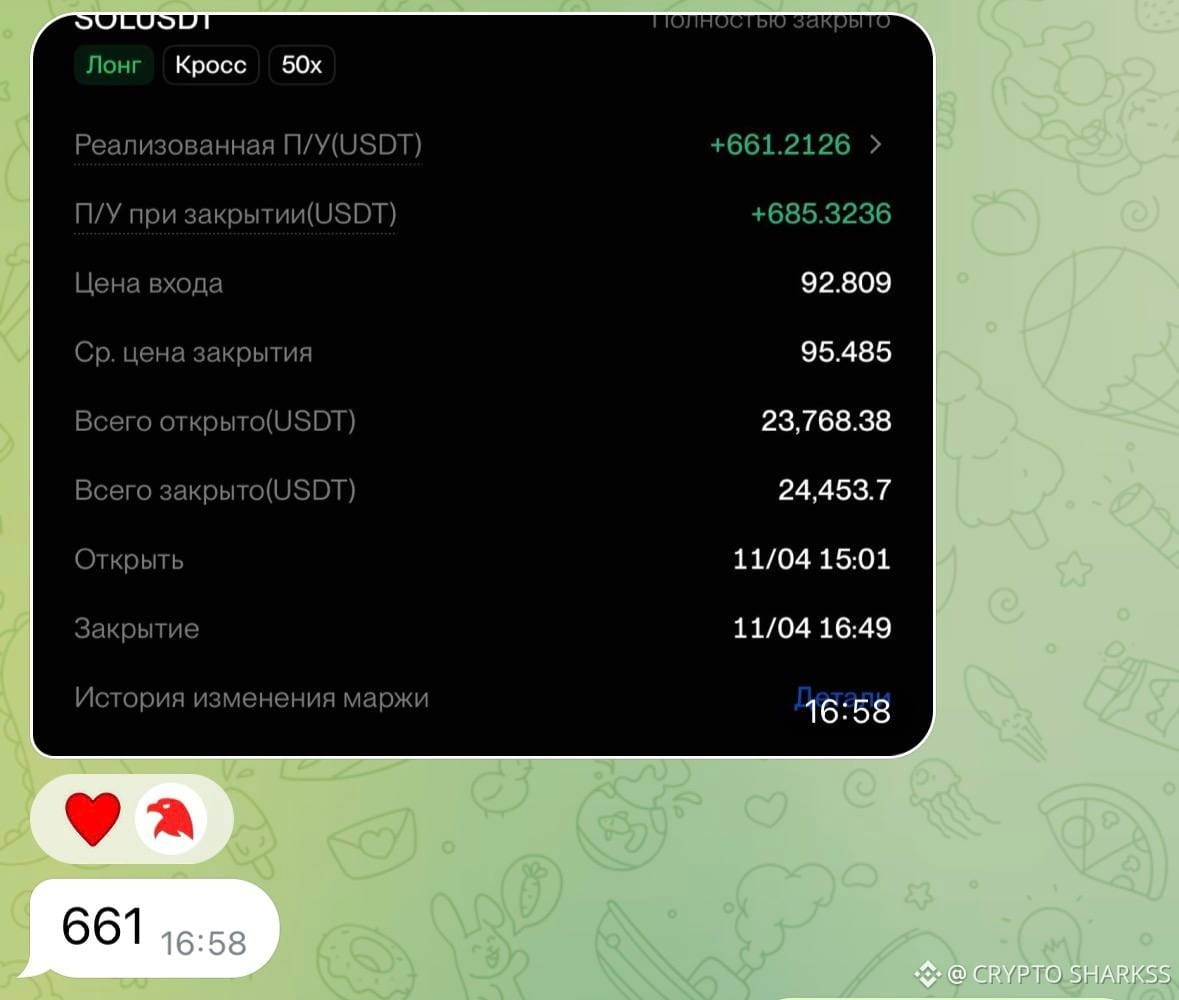
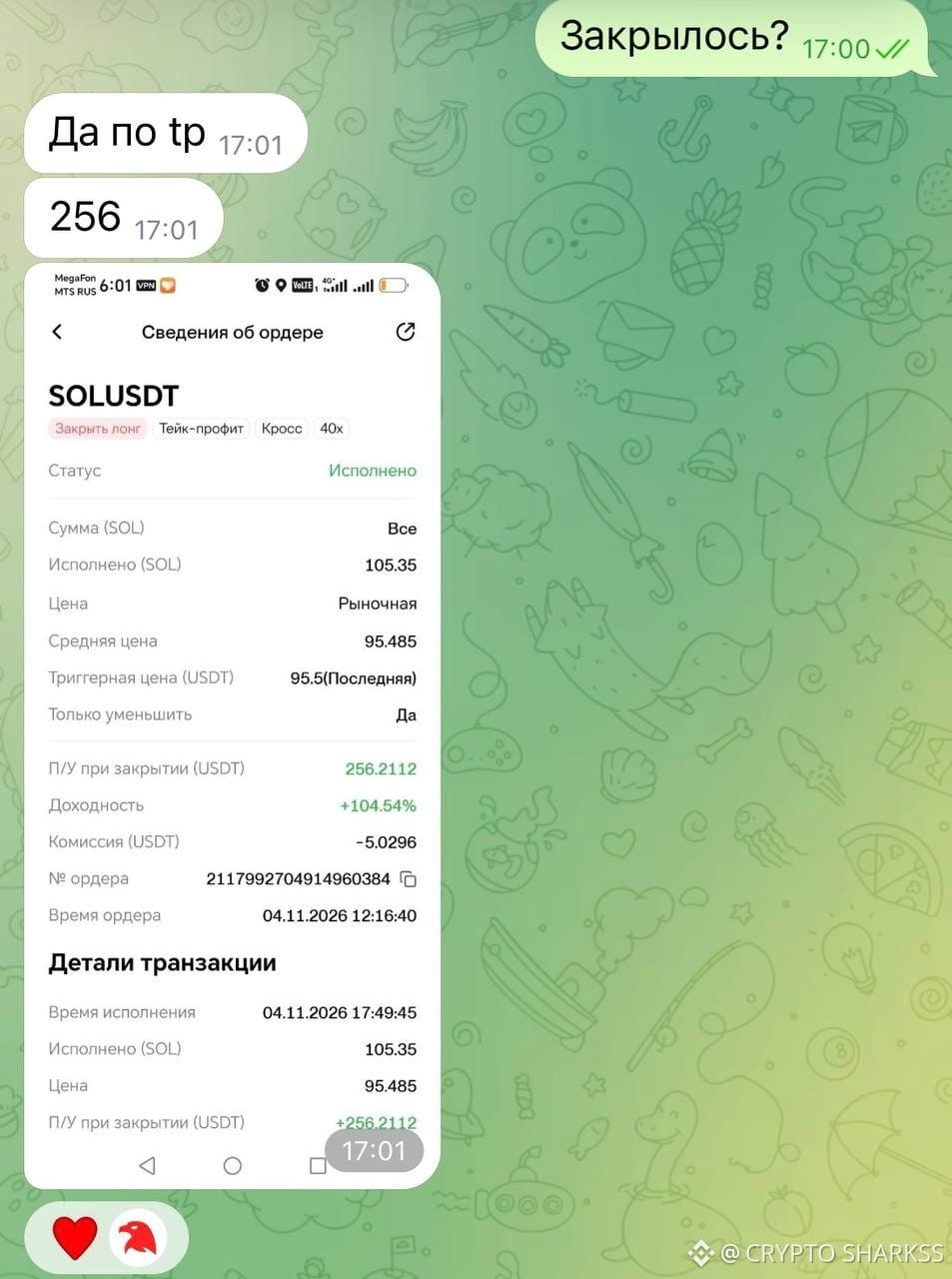
🕊️With our partners, we're wrapping up today pretty nicely with long positions.
What else can I say? The results are in the screenshot, and that's only 20% of what's there)
$SOL
{future}(SOLUSDT)
🕊️With our partners, we're wrapping up today pretty nicely with long positions.
What else can I say? The results are in the screenshot, and that's only 20% of what's there)
$SOL
What else can I say? The results are in the screenshot, and that's only 20% of what's there)
$SOL
1
4
❗️SIGNAL
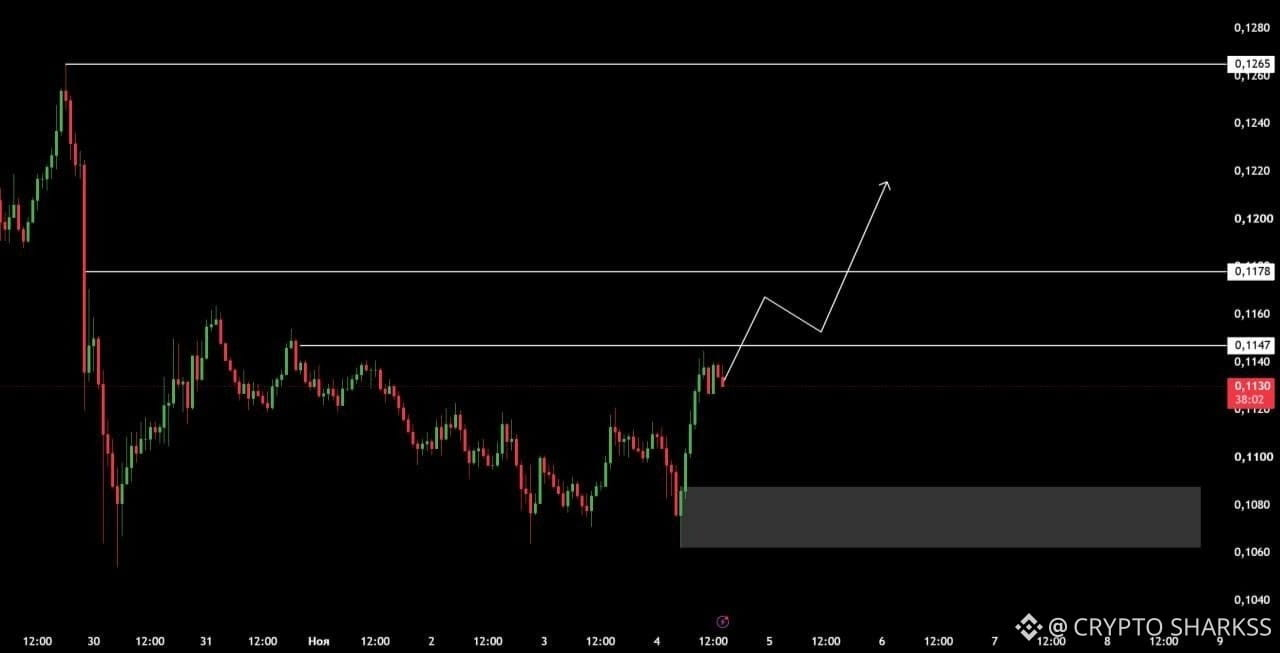
🗯 $APE LONG 📈
{future}(APEUSDT)
leverage - 25x cross
entry price - 0.1134-0.1112$
targets - 0.1147, 0.1178, 0.1265
stop - 0.1056
❗️SIGNAL
🗯 $APE LONG 📈
leverage - 25x cross
entry price - 0.1134-0.1112$
targets - 0.1147, 0.1178, 0.1265
stop - 0.1056
🗯 $APE LONG 📈
leverage - 25x cross
entry price - 0.1134-0.1112$
targets - 0.1147, 0.1178, 0.1265
stop - 0.1056
1
48
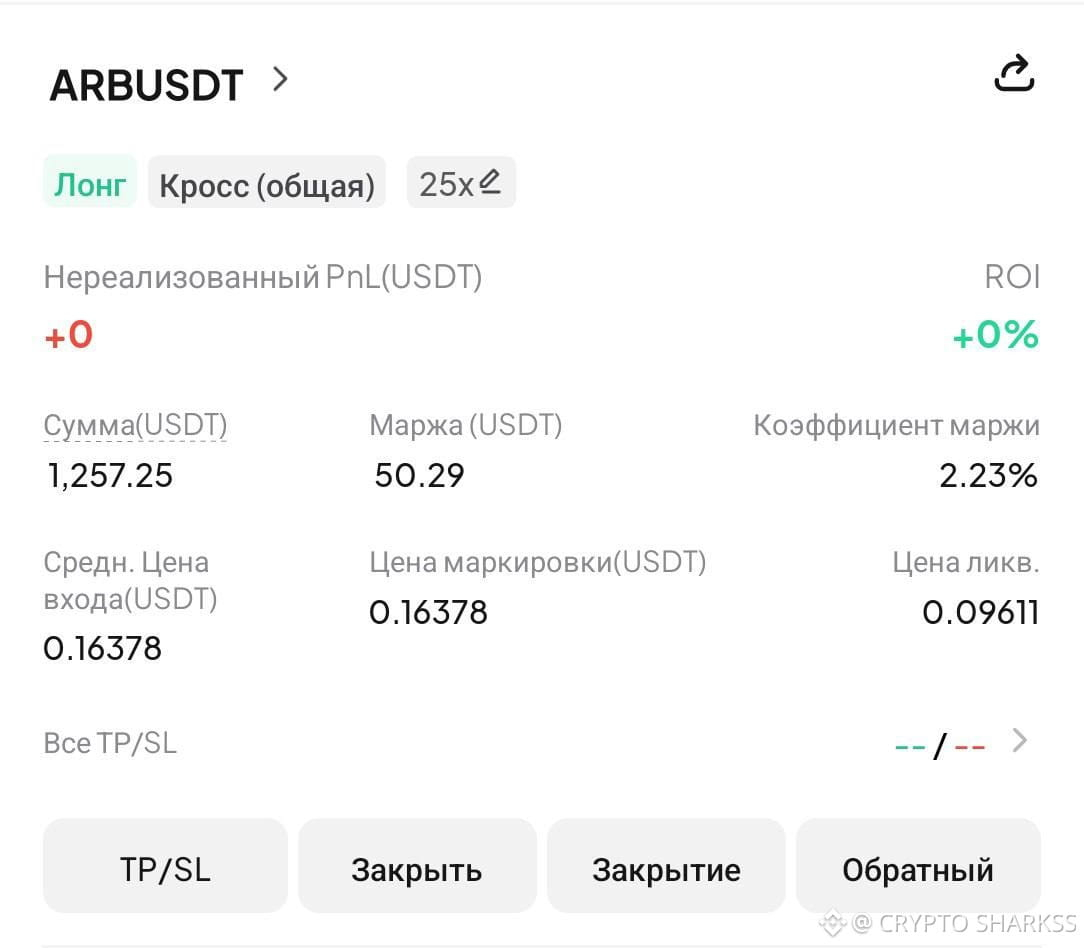
🚀 $ARB LONG x25
{future}(ARBUSDT)
➡ Entry: at market
✅ Take profits: 0.16536 0.16712 0.17586
❌ Stop: 0.15514
🚀 $ARB LONG x25
➡ Entry: at market
✅ Take profits: 0.16536 0.16712 0.17586
❌ Stop: 0.15514
➡ Entry: at market
✅ Take profits: 0.16536 0.16712 0.17586
❌ Stop: 0.15514
82
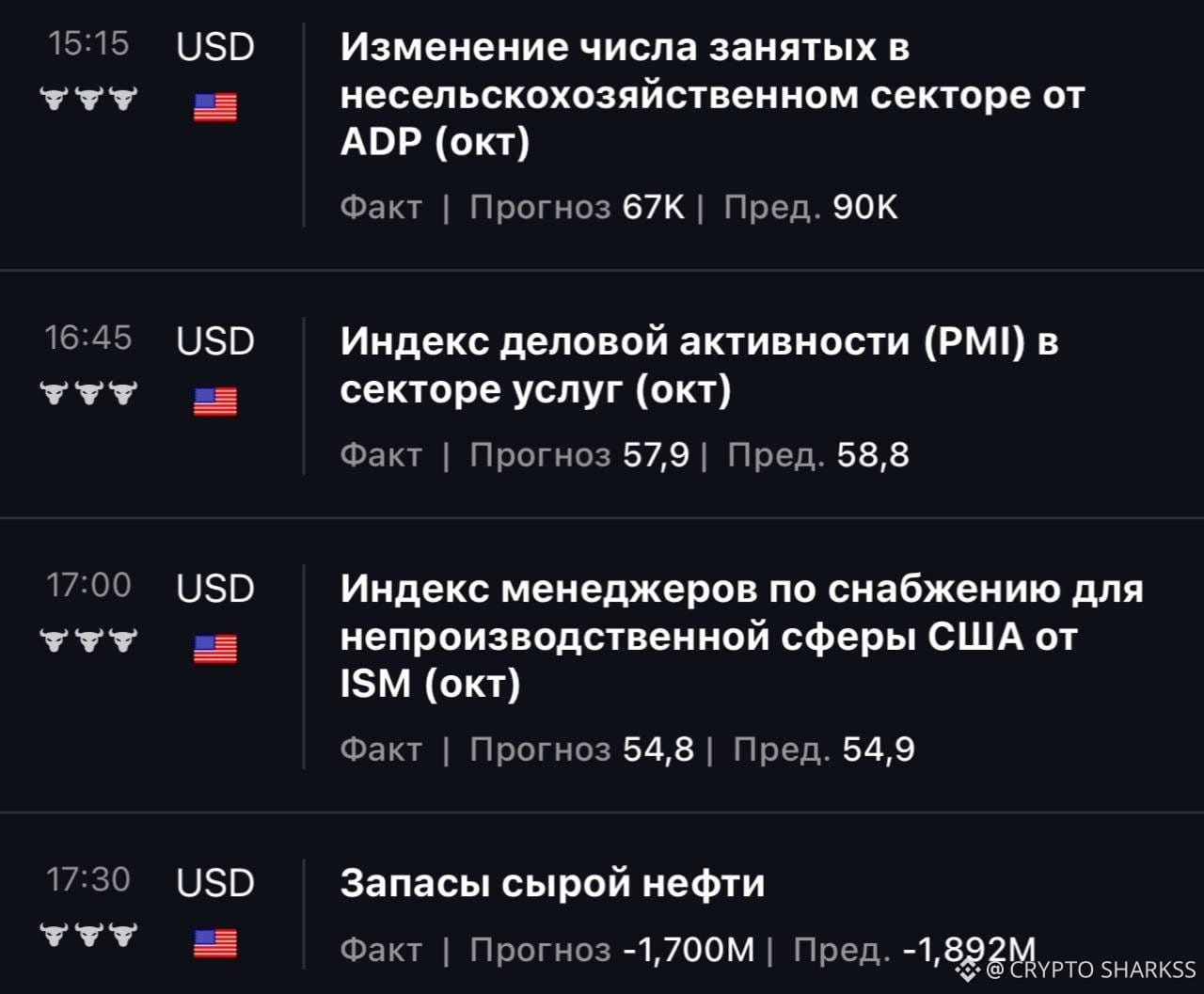
Important news for today 📊
❗️Be careful during news events, especially if you’re building local positions.
Important news for today 📊
❗️Be careful during news events, especially if you’re building local positions.
❗️Be careful during news events, especially if you’re building local positions.
97
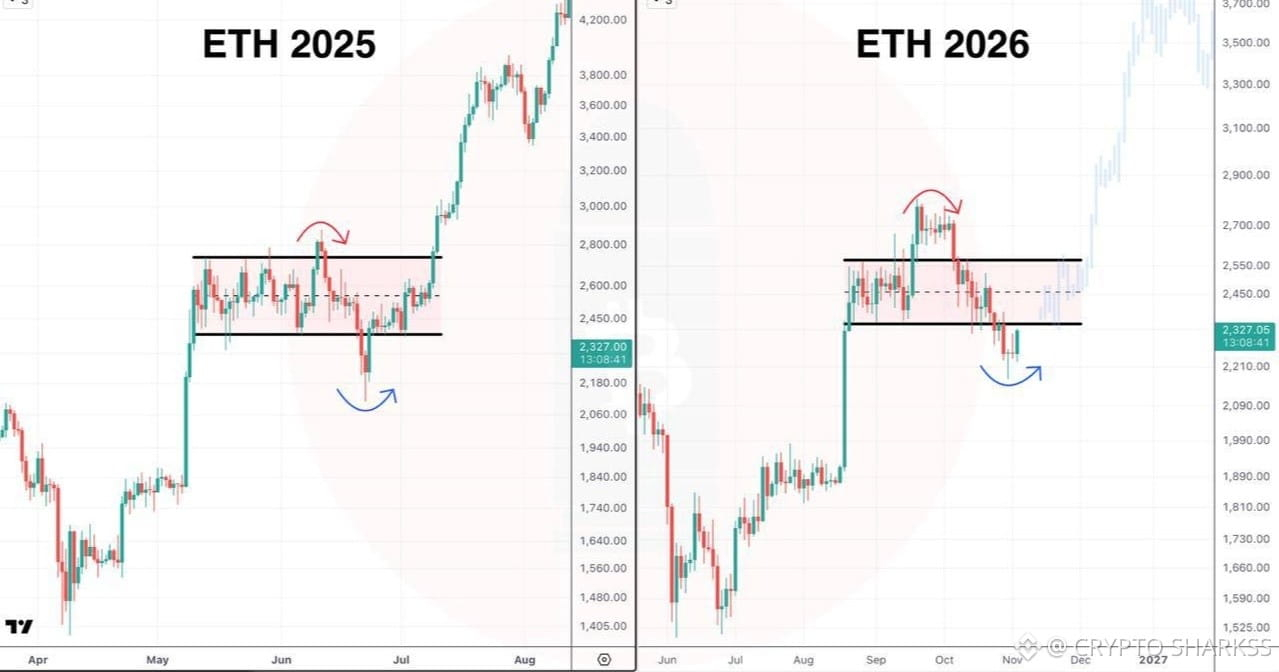
$ETH 2025 vs $ETH 2026 👀
As soon as ETH breaks out of this consolidation phase, its price will surge 🚀
$ETH 2025 vs $ETH 2026 👀
As soon as ETH breaks out of this consolidation phase, its price will surge 🚀
As soon as ETH breaks out of this consolidation phase, its price will surge 🚀
1
80
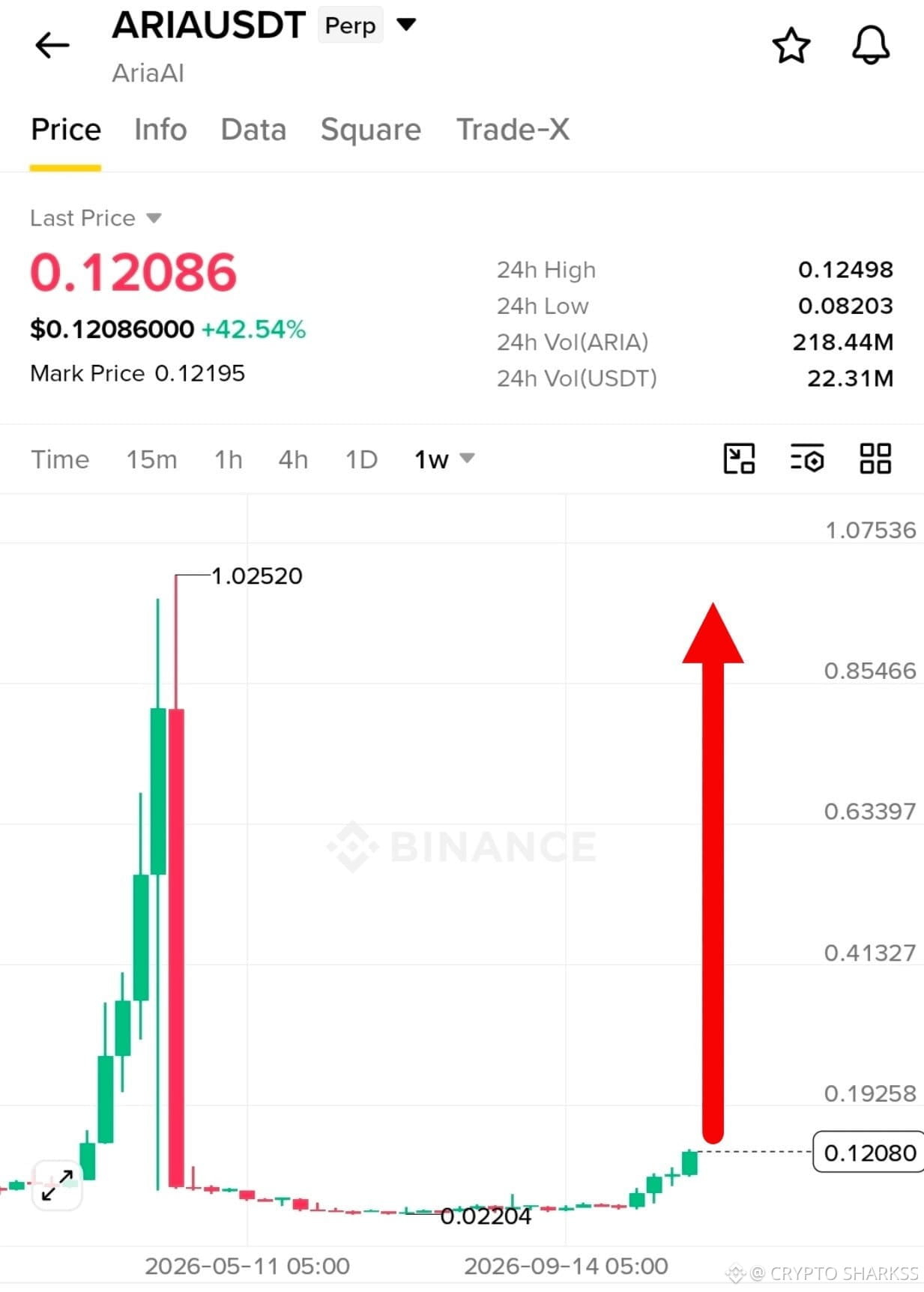
Can $ARIA grow another 10–20 times from here? 🚨📈
{future}(ARIAUSDT)
Can $ARIA grow another 10–20 times from here? 🚨📈
1
65
In 1989, 17-year-old Elon Musk arrived in Montreal with about $2,500—half of it from his mother, Maye, who cashed in an investment account she had opened with money she’d won as a teenager in a beauty pageant—and a list of relatives he had never met.
The uncle he planned to call had already left town, so Elon stayed in a youth hostel, shared a room with five strangers, and a week later bought a $100 Greyhound pass to cross Canada and reach his cousin’s farm in Saskatchewan.
Somewhere along the way, the driver unloaded his suitcase with his traveler's cheques and clothes, leaving him with only a backpack full of books. It took weeks to replace the cheques.
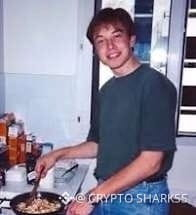
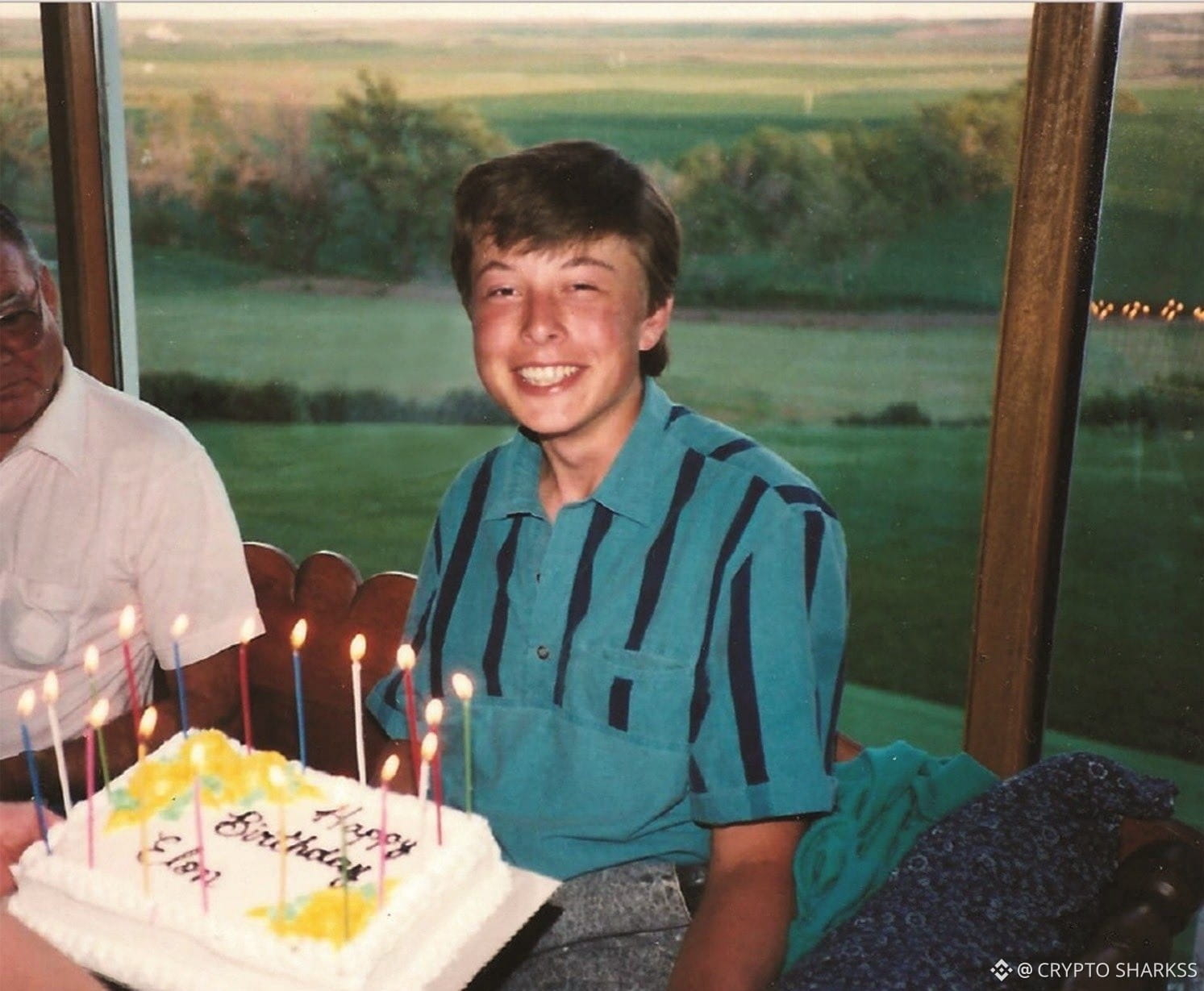
Elon called his cousin, spending the coins in his pocket, and spent several weeks cleaning grain silos and helping build a barn. He celebrated his 18th birthday with a homemade cake at his cousin’s farm. Then he moved on to Vancouver and chose the toughest job on offer: cleaning boilers at a sawmill for $18 an hour.
Elon had always been strong-willed and never shied away from the hardest work,
$TSLAB
1
997
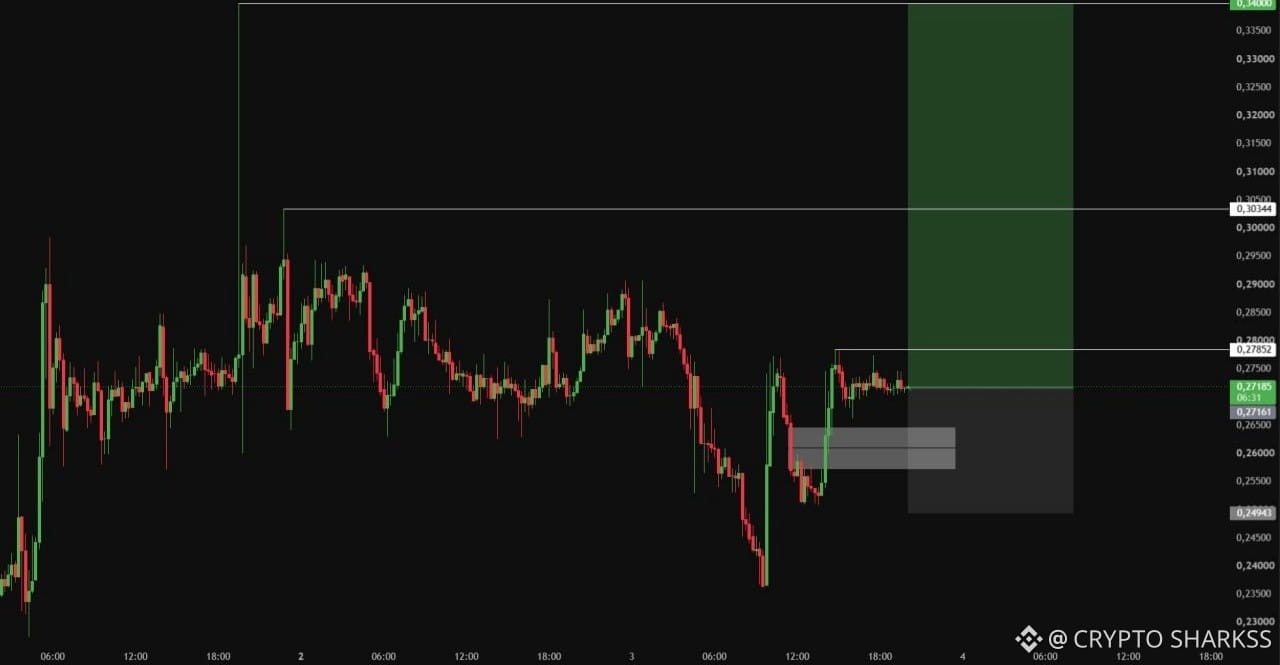
$AIN /USDT in Long🐋
{future}(AINUSDT)
Entry point: at market!
Targets: 0.27852, 0.30344, 0.34000
Stop: 0.24943
$AIN /USDT in Long🐋
Entry point: at market!
Targets: 0.27852, 0.30344, 0.34000
Stop: 0.24943
Entry point: at market!
Targets: 0.27852, 0.30344, 0.34000
Stop: 0.24943
1
134
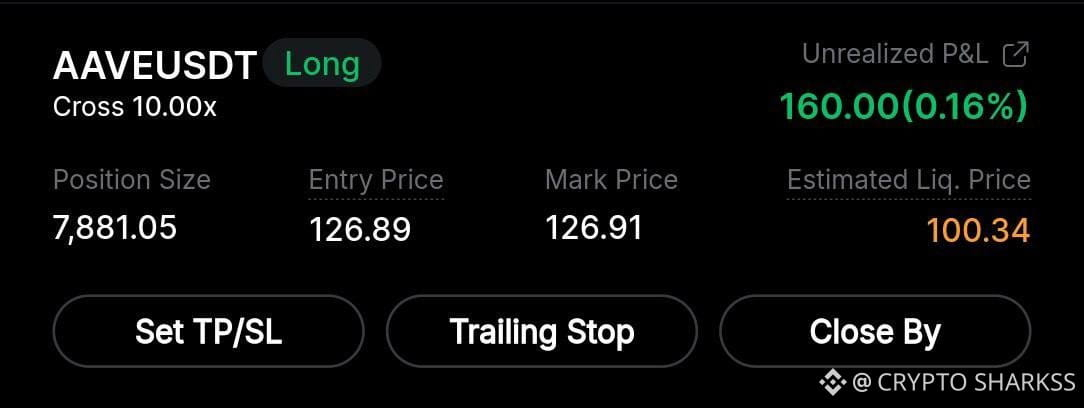
$AAVE LONG 10x
{future}(AAVEUSDT)
➡️Enter - 126.89
📌Target - 128.17 - 130.48 - 133.00 - 140.20
❌ Stop - 120.60
$AAVE LONG 10x
➡️Enter - 126.89
📌Target - 128.17 - 130.48 - 133.00 - 140.20
❌ Stop - 120.60
➡️Enter - 126.89
📌Target - 128.17 - 130.48 - 133.00 - 140.20
❌ Stop - 120.60
2
71
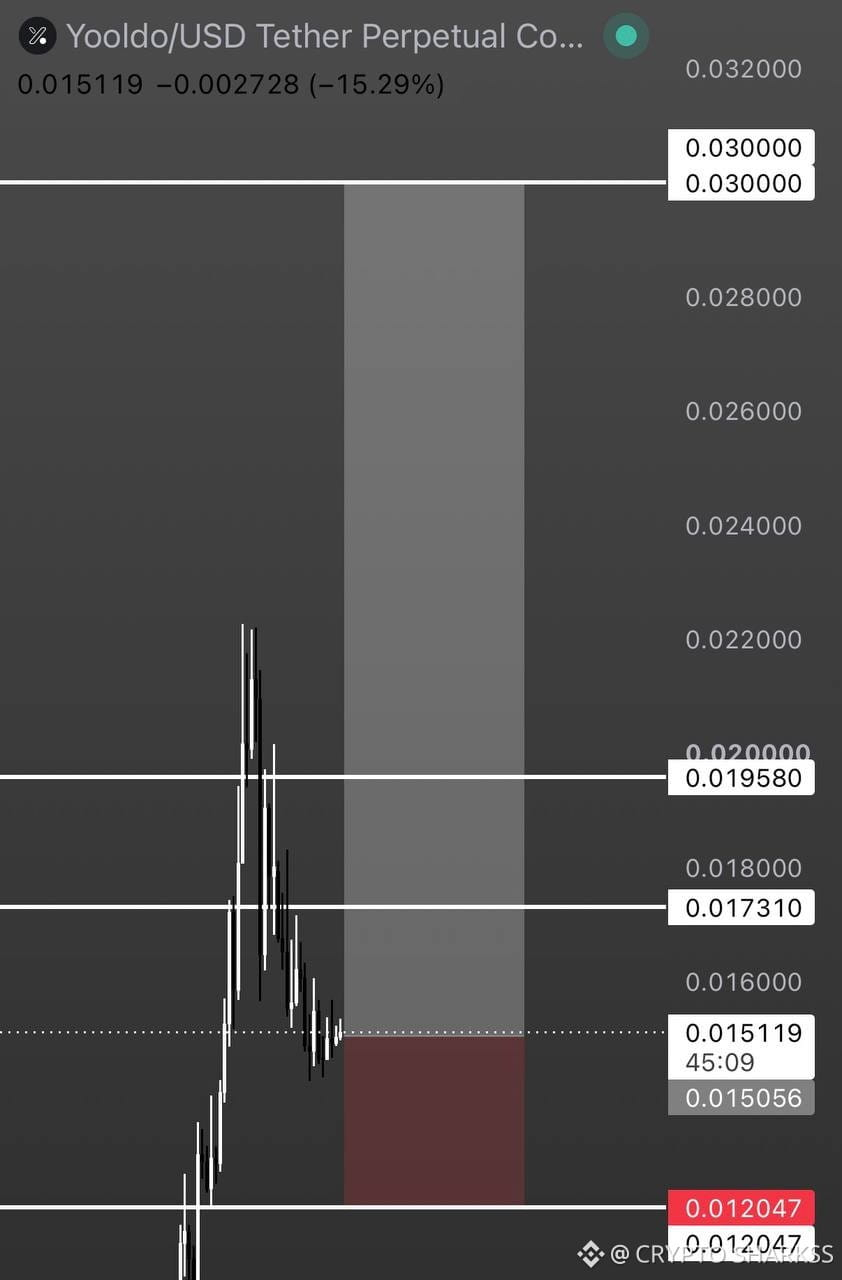
$ESPORTS /USDT LONG 15X
{future}(ESPORTSUSDT)
ТВX: 0.0
TP: | 0.01731 | 0.01958 | 0.03
STOP: 0.012047
$ESPORTS /USDT LONG 15X
ТВX: 0.0
TP: | 0.01731 | 0.01958 | 0.03
STOP: 0.012047
ТВX: 0.0
TP: | 0.01731 | 0.01958 | 0.03
STOP: 0.012047
1
62
- $INJ
{future}(INJUSDT)
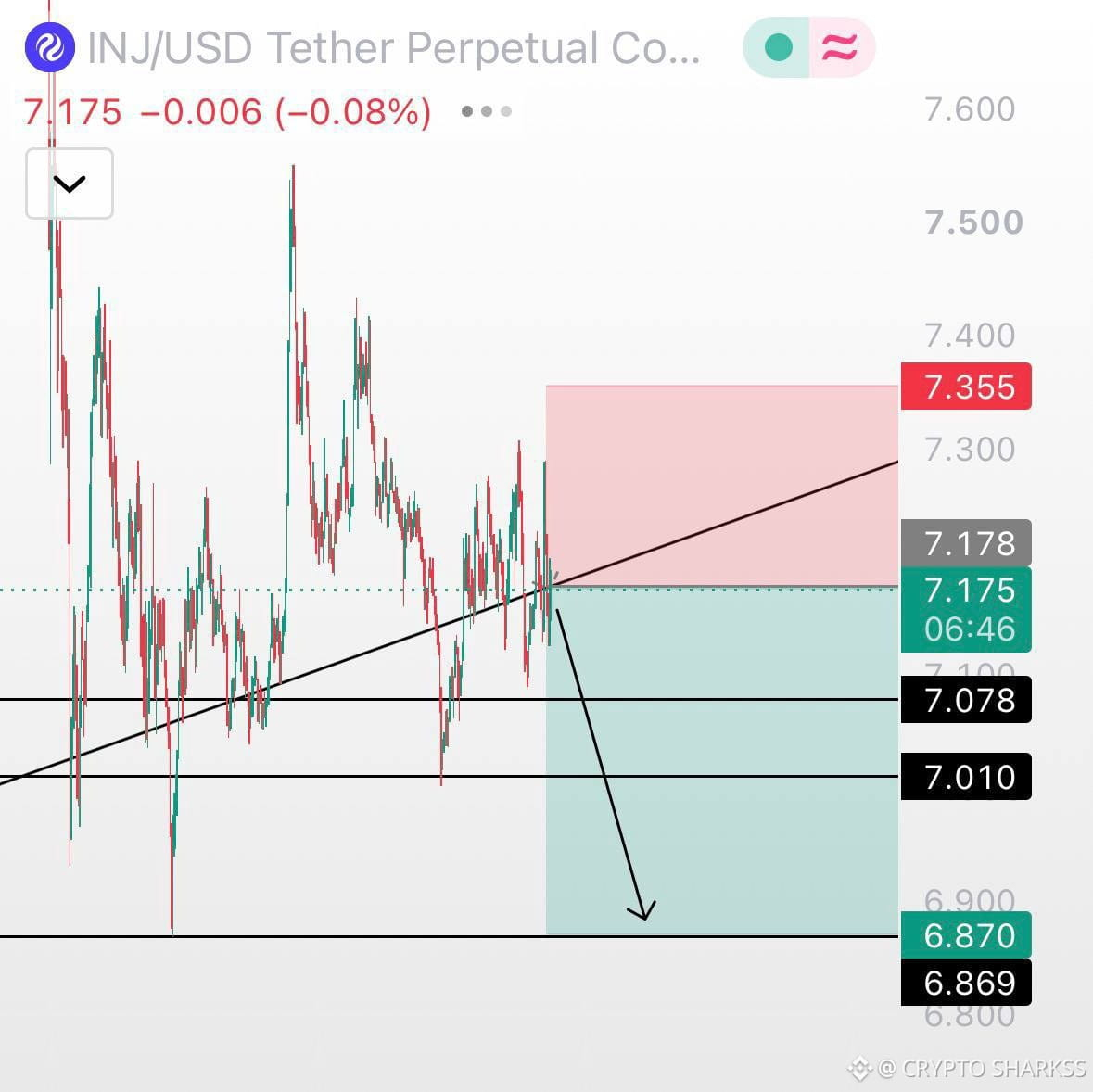
Trying to build up a short position!
I’d like to “test one out” today, so I tapped the market with one order!
☑️Entry zone: 7.18–7.25
✅Targets: 7.078, 7.01, 6.869
⛔Stop: 7.355
- $INJ
Trying to build up a short position!
I’d like to “test one out” today, so I tapped the market with one order!
☑️Entry zone: 7.18–7.25
✅Targets: 7.078, 7.01, 6.869
⛔Stop: 7.355
Trying to build up a short position!
I’d like to “test one out” today, so I tapped the market with one order!
☑️Entry zone: 7.18–7.25
✅Targets: 7.078, 7.01, 6.869
⛔Stop: 7.355
71
$BNB
{future}(BNBUSDT)
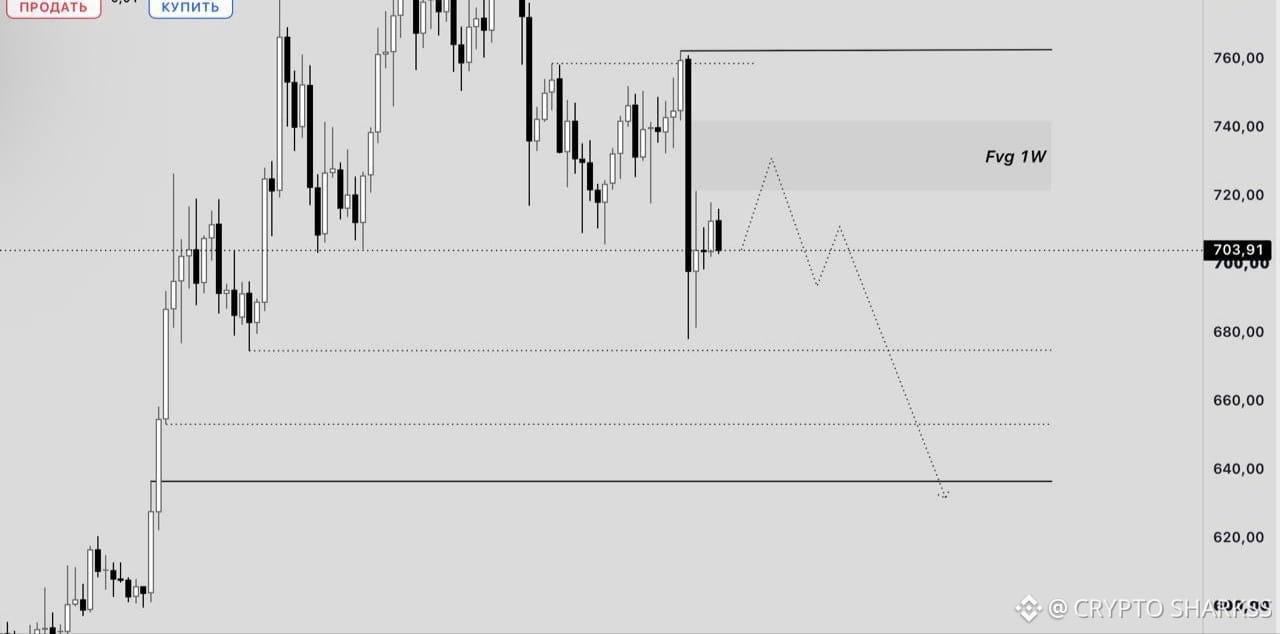
I expect the correction to continue from the highlighted daily imbalance (721,38-741,95).
🎯Targets: 674,87-636,60$
$BNB
I expect the correction to continue from the highlighted daily imbalance (721,38-741,95).
🎯Targets: 674,87-636,60$
I expect the correction to continue from the highlighted daily imbalance (721,38-741,95).
🎯Targets: 674,87-636,60$
2
107
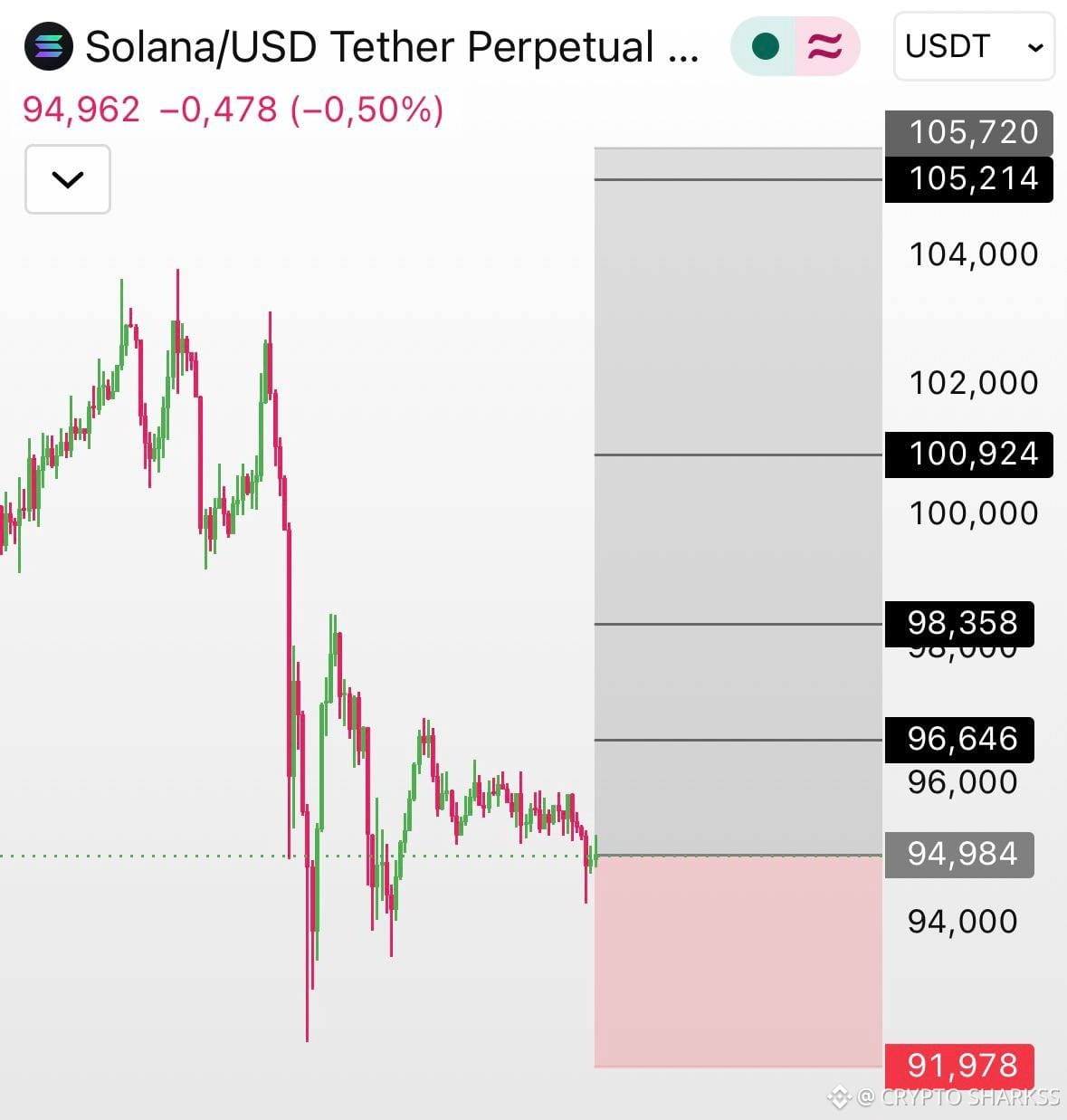
$SOL LONG X50
{future}(SOLUSDT)
Цели: 96.646 98.358 100.924 105.214
Стоп: 91.978
$SOL LONG X50
Цели: 96.646 98.358 100.924 105.214
Стоп: 91.978
Цели: 96.646 98.358 100.924 105.214
Стоп: 91.978
1
34
Log in to explore more content
Join global crypto users on Binance Square
⚡️ Get latest and useful information about crypto.
💬 Trusted by the world’s largest crypto exchange.
👍 Discover real insights from verified creators.
Email / Phone number
Trending Topics
BinanceReopensWithdrawalsForMoreAssets
594,863 views
2,806 Discussing
Security Incident | Recovery Update #8: Withdrawals for More Assets to Reopen (2026-11-05)
Binance Announcement
·111 Likes
·312k views
BTCRebounds80K
116,903 views
1,150 Discussing
Binance98PercentReplenished
62,198 views
804 Discussing