

CrypticWeb3_
281 Posts

CrypticWeb3_
 Square Verified+
Report
Block User
Redefining Marketing in the Blockchain Era | From Vision to Adoption
3 Following
88 Followers
396 Liked
Posts
·
--
Pump.fun is replacing Relay with its own cross-chain trading infrastructure.
The new Pump Bridge claims to deliver buys twice as fast, cut transaction errors by 92%, and improve trade execution without adding bridging fees.
Pump.fun says 90% of Pump Bridge trades complete before a typical Relay trade does. The platform reports a 0.9% buy error rate, compared with more than 11% on Relay.
Pump.fun is replacing Relay with its own cross-chain trading infrastructure.
The new Pump Bridge claims to deliver buys twice as fast, cut transaction errors by 92%, and improve trade execution without adding bridging fees.
Pump.fun says 90% of Pump Bridge trades complete before a typical Relay trade does. The platform reports a 0.9% buy error rate, compared with more than 11% on Relay.
The new Pump Bridge claims to deliver buys twice as fast, cut transaction errors by 92%, and improve trade execution without adding bridging fees.
Pump.fun says 90% of Pump Bridge trades complete before a typical Relay trade does. The platform reports a 0.9% buy error rate, compared with more than 11% on Relay.
253
·
--
JPMorgan expects Bitcoin to outperform major traditional assets over the next 10–15 years.
In its 2027 long-term market outlook, the bank forecasts a 10% compound annual return for Bitcoin, exceeding its projections for U.S. stocks, real estate investment trusts, and gold.
JPMorgan expects Bitcoin to outperform major traditional assets over the next 10–15 years.
In its 2027 long-term market outlook, the bank forecasts a 10% compound annual return for Bitcoin, exceeding its projections for U.S. stocks, real estate investment trusts, and gold.
In its 2027 long-term market outlook, the bank forecasts a 10% compound annual return for Bitcoin, exceeding its projections for U.S. stocks, real estate investment trusts, and gold.

482
·
--
Revolut is securing another route into global crypto markets.
The fintech has received a DLT provider licence in Gibraltar for its new digital-assets subsidiary, supporting plans to expand crypto services beyond the UK and European Economic Area.
With more than 80 million retail customers worldwide, Revolut is expanding its regulatory reach for digital assets. The Gibraltar licence creates a pathway into additional markets, though where and when services will launch remains unannounced.
Revolut is securing another route into global crypto markets.
The fintech has received a DLT provider licence in Gibraltar for its new digital-assets subsidiary, supporting plans to expand crypto services beyond the UK and European Economic Area.
With more than 80 million retail customers worldwide, Revolut is expanding its regulatory reach for digital assets. The Gibraltar licence creates a pathway into additional markets, though where and when services will launch remains unannounced.
The fintech has received a DLT provider licence in Gibraltar for its new digital-assets subsidiary, supporting plans to expand crypto services beyond the UK and European Economic Area.
With more than 80 million retail customers worldwide, Revolut is expanding its regulatory reach for digital assets. The Gibraltar licence creates a pathway into additional markets, though where and when services will launch remains unannounced.

57
·
--
Mastercard is bringing new risk checks to stablecoin payments.
Its Stablecoin Security tool analyzes payment context, fund origins, restricted-party exposure, and scam indicators to help financial institutions assess risk before completing transactions and monitor activity across the fiat and onchain payment process.
Mastercard’s Stablecoin Security integrates with existing fraud, compliance, and case management systems through a platform-agnostic API.
Mastercard is bringing new risk checks to stablecoin payments.
Its Stablecoin Security tool analyzes payment context, fund origins, restricted-party exposure, and scam indicators to help financial institutions assess risk before completing transactions and monitor activity across the fiat and onchain payment process.
Mastercard’s Stablecoin Security integrates with existing fraud, compliance, and case management systems through a platform-agnostic API.
Its Stablecoin Security tool analyzes payment context, fund origins, restricted-party exposure, and scam indicators to help financial institutions assess risk before completing transactions and monitor activity across the fiat and onchain payment process.
Mastercard’s Stablecoin Security integrates with existing fraud, compliance, and case management systems through a platform-agnostic API.
89
·
--
Verified
JPMorgan is bringing bank deposits onto Ethereum.
The bank is expanding JPM Coin to the network, giving institutional clients access to 24/7 transfers backed by US dollar deposits and faster settlement for blockchain-based payments.
JPM Coin is designed to bring traditional bank deposits into blockchain transactions. JPMorgan expects demand from crypto firms and financial institutions using tokenized assets that need digital dollars for payments, settlement, and collateral.
JPMorgan is bringing bank deposits onto Ethereum.
The bank is expanding JPM Coin to the network, giving institutional clients access to 24/7 transfers backed by US dollar deposits and faster settlement for blockchain-based payments.
JPM Coin is designed to bring traditional bank deposits into blockchain transactions. JPMorgan expects demand from crypto firms and financial institutions using tokenized assets that need digital dollars for payments, settlement, and collateral.
The bank is expanding JPM Coin to the network, giving institutional clients access to 24/7 transfers backed by US dollar deposits and faster settlement for blockchain-based payments.
JPM Coin is designed to bring traditional bank deposits into blockchain transactions. JPMorgan expects demand from crypto firms and financial institutions using tokenized assets that need digital dollars for payments, settlement, and collateral.
547
·
--
Visa has moved USDC-powered prefunding for cross-border payouts through Visa Direct from pilot testing into commercial deployment, with Inyo Global as its first enabler.
Eligible businesses can now fund payouts with $USDC in near real time, adding a stablecoin-based option to a network spanning more than 180 countries.
Visa has moved USDC-powered prefunding for cross-border payouts through Visa Direct from pilot testing into commercial deployment, with Inyo Global as its first enabler.
Eligible businesses can now fund payouts with $USDC in near real time, adding a stablecoin-based option to a network spanning more than 180 countries.
Eligible businesses can now fund payouts with $USDC in near real time, adding a stablecoin-based option to a network spanning more than 180 countries.
42
·
--
Thai police have arrested a 37-year-old Chinese man allegedly linked to a transnational crime network involving more than 133 accounts and over $75 million in transactions.
Investigators say the network used cryptocurrency and foreign-currency exchanges, while the suspect allegedly used false documents and changed vehicle plates to evade authorities.
Thai police have arrested a 37-year-old Chinese man allegedly linked to a transnational crime network involving more than 133 accounts and over $75 million in transactions.
Investigators say the network used cryptocurrency and foreign-currency exchanges, while the suspect allegedly used false documents and changed vehicle plates to evade authorities.
Investigators say the network used cryptocurrency and foreign-currency exchanges, while the suspect allegedly used false documents and changed vehicle plates to evade authorities.

1
241
·
--
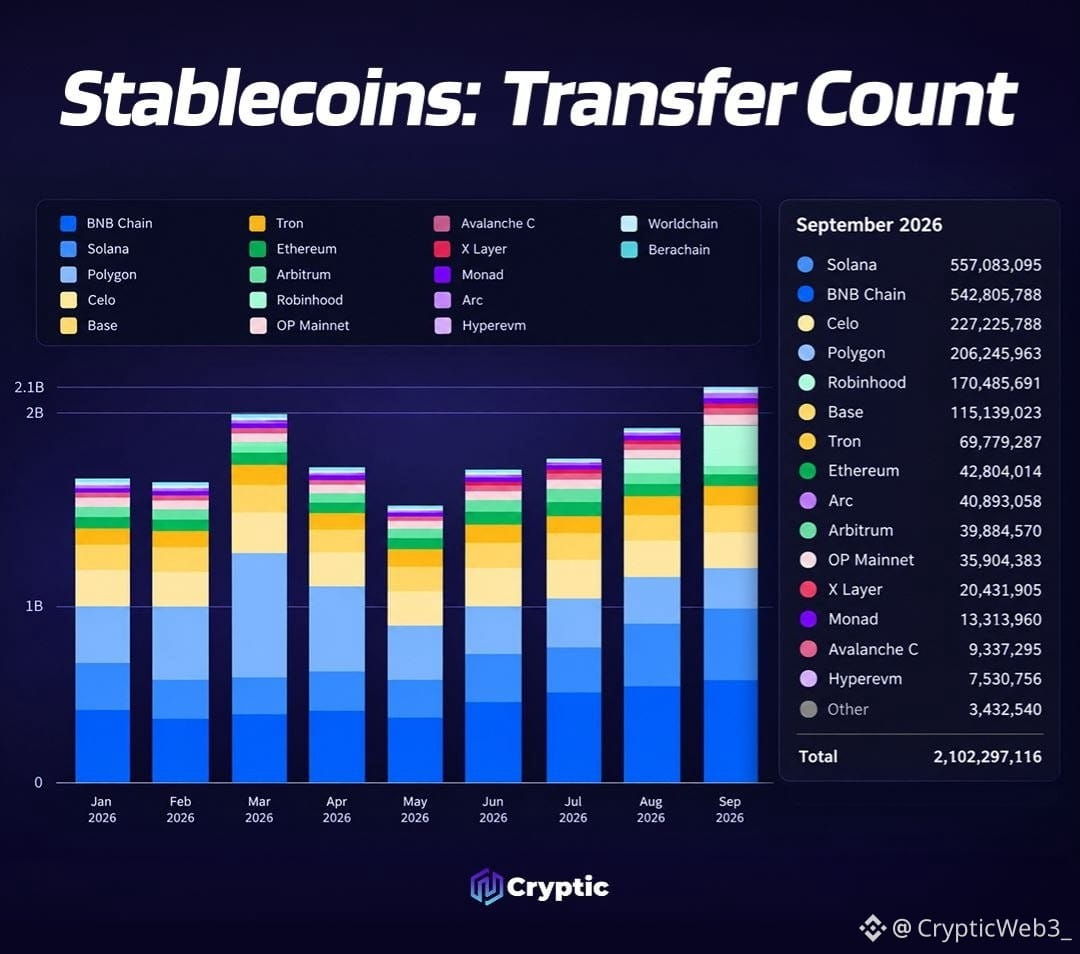
@Solana_Official $SOL led blockchain networks in stablecoin transfer count in September, recording approximately 557.1 million transfers, a 33% increase from August.
BNB Chain $BNB followed with approximately 542.8 million, leaving Solana ahead by around 14.3 million transfers.
@Solana Official $SOL led blockchain networks in stablecoin transfer count in September, recording approximately 557.1 million transfers, a 33% increase from August.
BNB Chain $BNB followed with approximately 542.8 million, leaving Solana ahead by around 14.3 million transfers.
BNB Chain $BNB followed with approximately 542.8 million, leaving Solana ahead by around 14.3 million transfers.
1
128
·
--
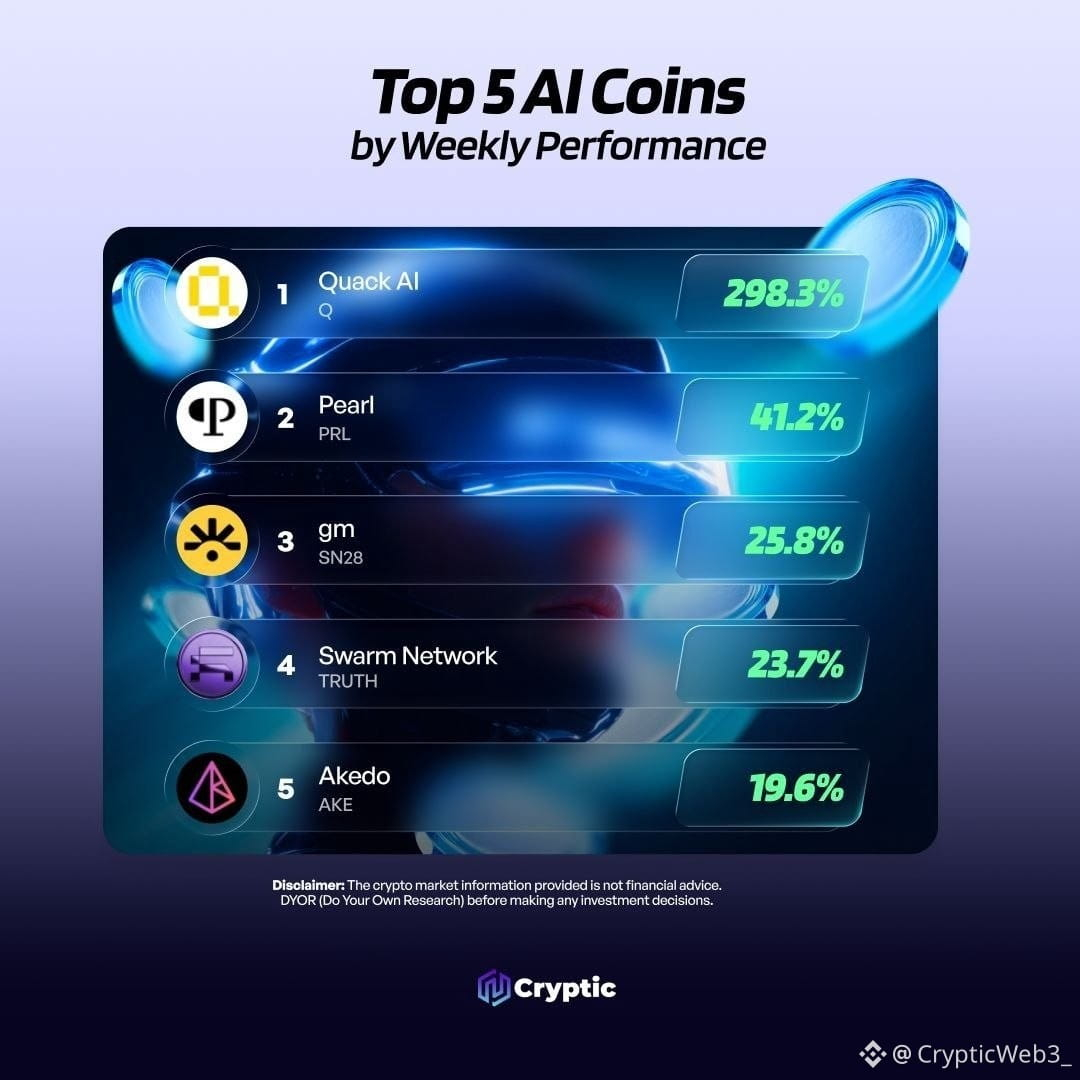
🤖 Top AI Coins by Weekly Performance
🥇 $Q
🥈 $PRL
🥉 $SN28
4️⃣ $TRUTH
5️⃣ $AKE
Which AI coin deserves more attention?
🤖 Top AI Coins by Weekly Performance
🥇 $Q
🥈 $PRL
🥉 $SN28
4️⃣ $TRUTH
5️⃣ $AKE
Which AI coin deserves more attention?
🥇 $Q
🥈 $PRL
🥉 $SN28
4️⃣ $TRUTH
5️⃣ $AKE
Which AI coin deserves more attention?
1
1.7k
·
--
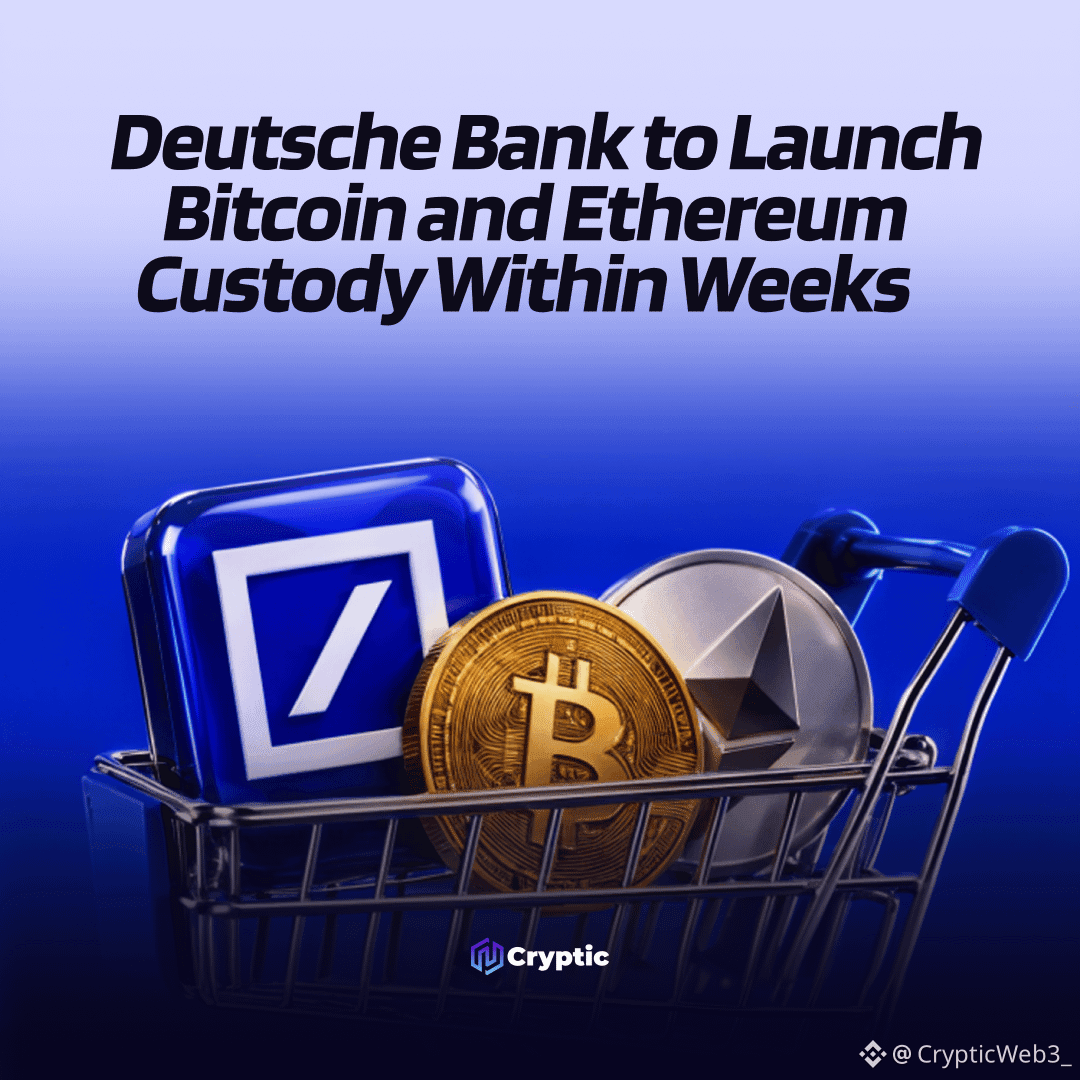
Germany's largest bank is entering crypto custody.
Deutsche Bank plans to launch Bitcoin and Ethereum custody services within weeks, followed by an expansion into Asian markets in 2027.
Beyond BTC and ETH custody, Deutsche Bank plans to introduce stablecoin services, tokenized deposits, and support for digital securities issuance as it expands its digital asset offering.
Germany's largest bank is entering crypto custody.
Deutsche Bank plans to launch Bitcoin and Ethereum custody services within weeks, followed by an expansion into Asian markets in 2027.
Beyond BTC and ETH custody, Deutsche Bank plans to introduce stablecoin services, tokenized deposits, and support for digital securities issuance as it expands its digital asset offering.
Deutsche Bank plans to launch Bitcoin and Ethereum custody services within weeks, followed by an expansion into Asian markets in 2027.
Beyond BTC and ETH custody, Deutsche Bank plans to introduce stablecoin services, tokenized deposits, and support for digital securities issuance as it expands its digital asset offering.
1
·
--
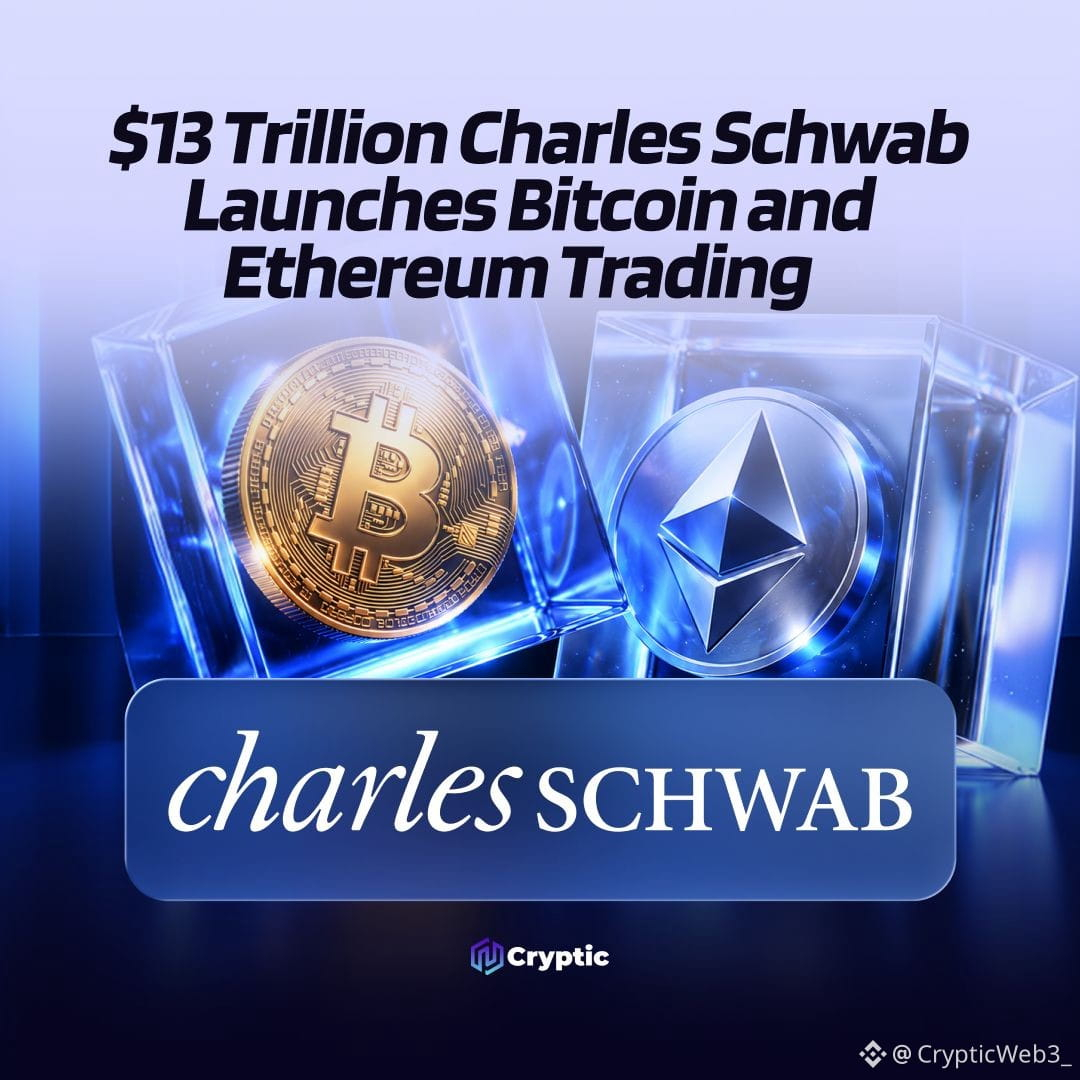
Another Wall Street giant enters direct crypto trading.
Charles Schwab, managing over $13 trillion in client assets, has launched Bitcoin $BTC and Ethereum $ETH trading for eligible retail customers, with plans to add SOL, $AVAX , and LINK before year-end.
Charles Schwab is gradually introducing crypto deposits and withdrawals alongside BTC and ETH trading, with access currently restricted to eligible US clients and additional cryptocurrencies planned for later this year.
Another Wall Street giant enters direct crypto trading.
Charles Schwab, managing over $13 trillion in client assets, has launched Bitcoin $BTC and Ethereum $ETH trading for eligible retail customers, with plans to add SOL, $AVAX , and LINK before year-end.
Charles Schwab is gradually introducing crypto deposits and withdrawals alongside BTC and ETH trading, with access currently restricted to eligible US clients and additional cryptocurrencies planned for later this year.
Charles Schwab, managing over $13 trillion in client assets, has launched Bitcoin $BTC and Ethereum $ETH trading for eligible retail customers, with plans to add SOL, $AVAX , and LINK before year-end.
Charles Schwab is gradually introducing crypto deposits and withdrawals alongside BTC and ETH trading, with access currently restricted to eligible US clients and additional cryptocurrencies planned for later this year.
637
·
--
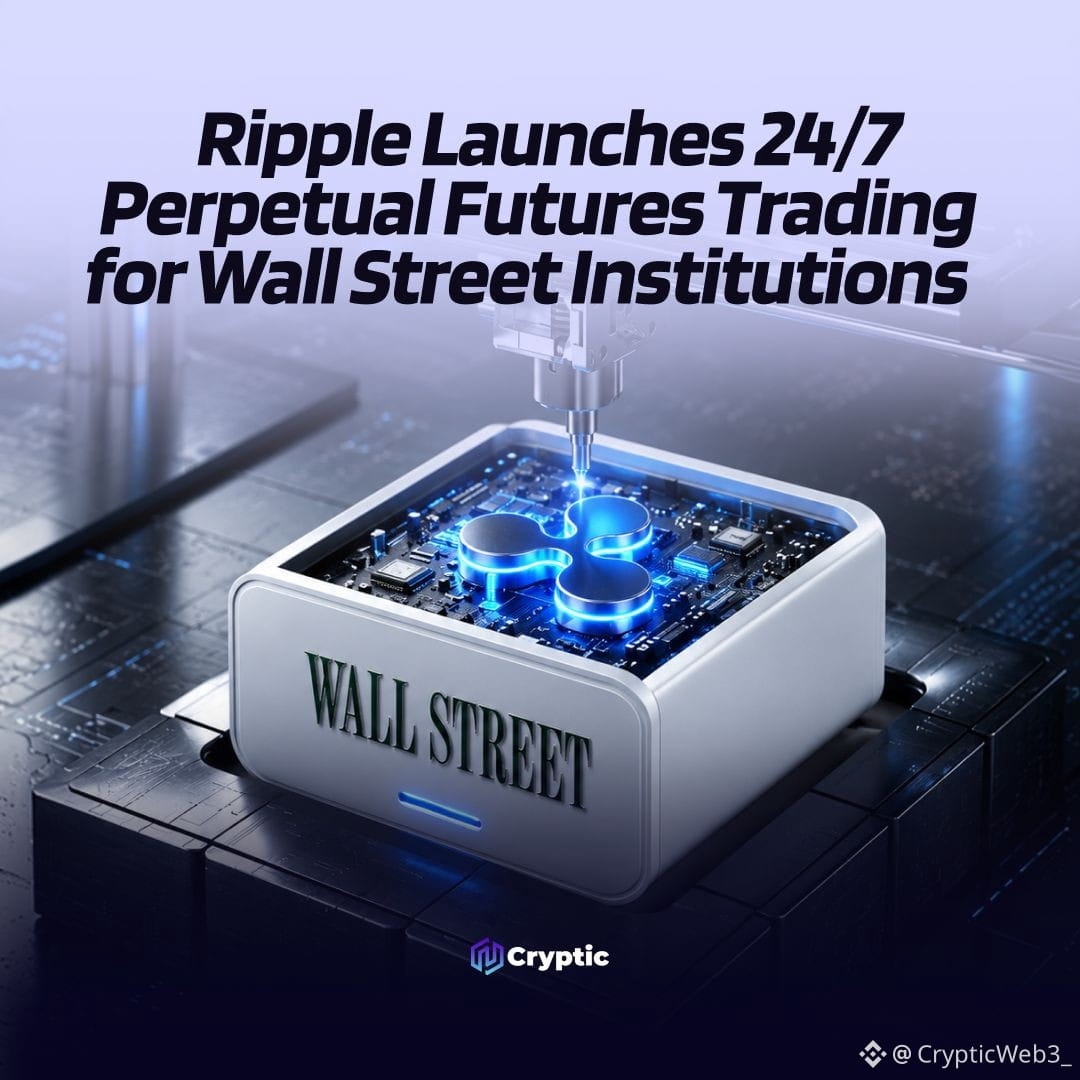
Ripple is bringing round-the-clock trading to Wall Street.
Ripple Prime now supports 24/7 perpetual swaps across equities, ETFs, commodities, and foreign exchange, giving institutional clients access to traditional market exposure beyond standard trading hours.
Ripple Prime's new offering allows institutions to trade perpetual derivatives linked to stocks, indices, ETFs, metals, energy, and currencies around the clock.
Ripple is bringing round-the-clock trading to Wall Street.
Ripple Prime now supports 24/7 perpetual swaps across equities, ETFs, commodities, and foreign exchange, giving institutional clients access to traditional market exposure beyond standard trading hours.
Ripple Prime's new offering allows institutions to trade perpetual derivatives linked to stocks, indices, ETFs, metals, energy, and currencies around the clock.
Ripple Prime now supports 24/7 perpetual swaps across equities, ETFs, commodities, and foreign exchange, giving institutional clients access to traditional market exposure beyond standard trading hours.
Ripple Prime's new offering allows institutions to trade perpetual derivatives linked to stocks, indices, ETFs, metals, energy, and currencies around the clock.
1
1
170
·
--
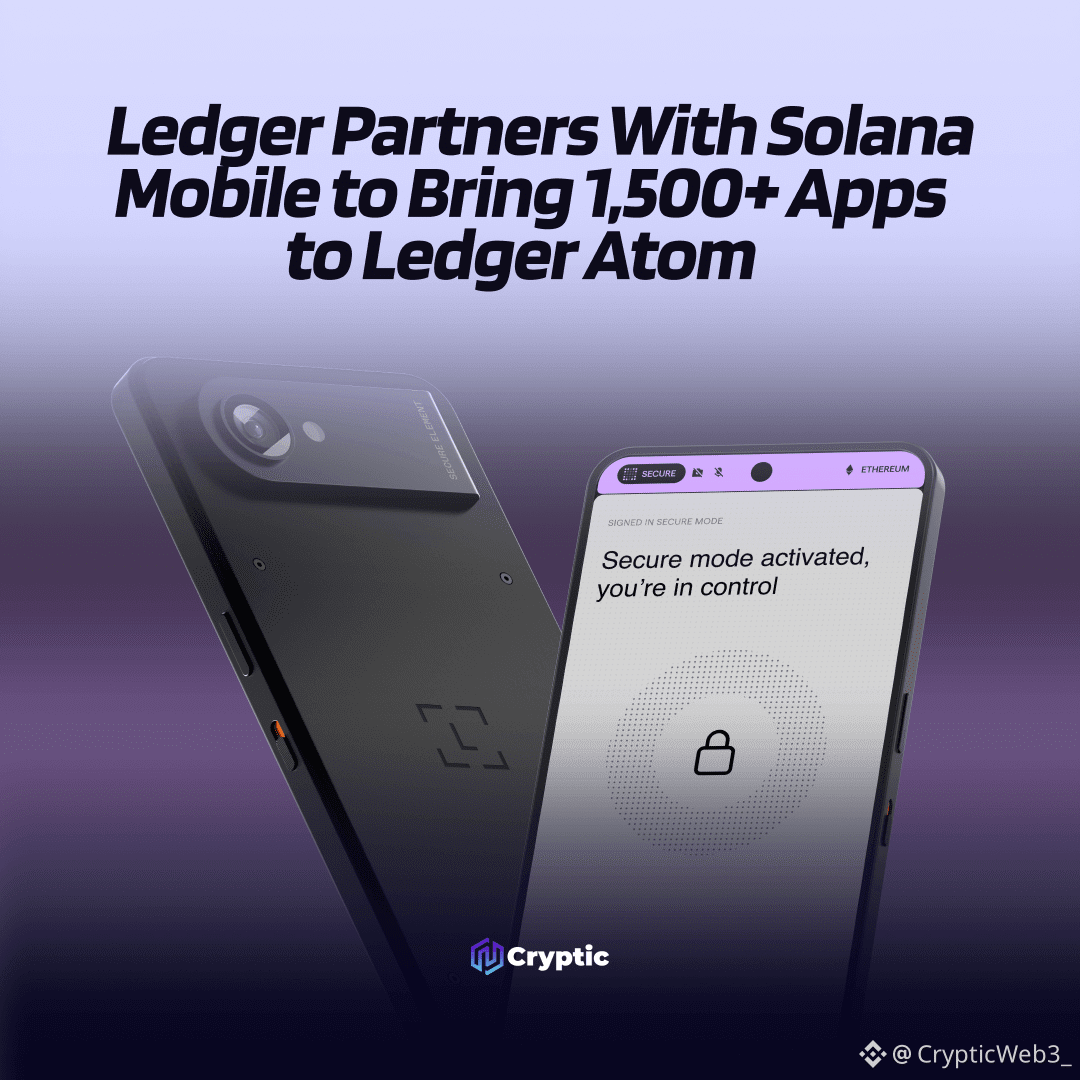
Solana Mobile is expanding beyond its own smartphones.
Ledger Atom will ship with the Seeker app preinstalled, bringing Solana's wallet, dApp Store, and over 1,500 applications directly to Ledger users.
Ledger becomes Solana Mobile's first external hardware partner, with the Seeker app giving Atom users access to Solana's wallet and more than 1,500 decentralized applications in one place.
Solana Mobile is expanding beyond its own smartphones.
Ledger Atom will ship with the Seeker app preinstalled, bringing Solana's wallet, dApp Store, and over 1,500 applications directly to Ledger users.
Ledger becomes Solana Mobile's first external hardware partner, with the Seeker app giving Atom users access to Solana's wallet and more than 1,500 decentralized applications in one place.
Ledger Atom will ship with the Seeker app preinstalled, bringing Solana's wallet, dApp Store, and over 1,500 applications directly to Ledger users.
Ledger becomes Solana Mobile's first external hardware partner, with the Seeker app giving Atom users access to Solana's wallet and more than 1,500 decentralized applications in one place.
75
·
--
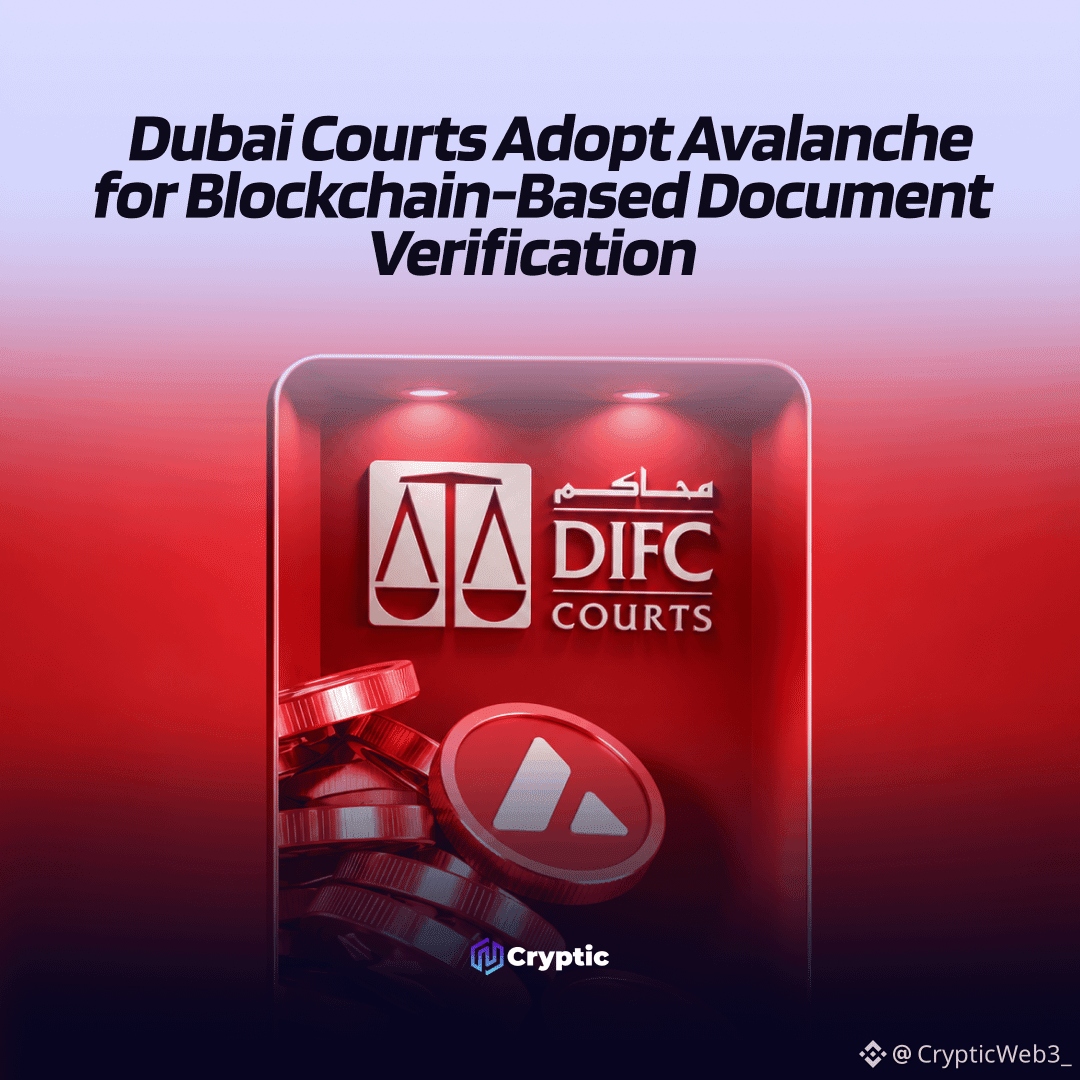
Dubai is bringing court document verification on-chain.
DIFC Courts have adopted Avalanche to issue NFT-based credentials for judicial documents, enabling instant authenticity checks while keeping sensitive information off-chain.
Banks, government agencies, businesses, and courts can now verify DIFC judicial documents through Avalanche, reducing the time needed to authenticate legal records across borders.
Dubai is bringing court document verification on-chain.
DIFC Courts have adopted Avalanche to issue NFT-based credentials for judicial documents, enabling instant authenticity checks while keeping sensitive information off-chain.
Banks, government agencies, businesses, and courts can now verify DIFC judicial documents through Avalanche, reducing the time needed to authenticate legal records across borders.
DIFC Courts have adopted Avalanche to issue NFT-based credentials for judicial documents, enabling instant authenticity checks while keeping sensitive information off-chain.
Banks, government agencies, businesses, and courts can now verify DIFC judicial documents through Avalanche, reducing the time needed to authenticate legal records across borders.
1
486
·
--
Bitcoin $BTC and Ethereum $ETH trading comes directly to Standard Chartered accounts.
The bank now allows eligible professional investors in the UAE to trade BTC and ETH through their existing accounts, with custody and settlement managed internally.
Standard Chartered's new service brings crypto trading, custody, and settlement into one banking platform, giving eligible UAE clients access to Bitcoin and Ethereum without relying on external exchanges.
Bitcoin $BTC and Ethereum $ETH trading comes directly to Standard Chartered accounts.
The bank now allows eligible professional investors in the UAE to trade BTC and ETH through their existing accounts, with custody and settlement managed internally.
Standard Chartered's new service brings crypto trading, custody, and settlement into one banking platform, giving eligible UAE clients access to Bitcoin and Ethereum without relying on external exchanges.
The bank now allows eligible professional investors in the UAE to trade BTC and ETH through their existing accounts, with custody and settlement managed internally.
Standard Chartered's new service brings crypto trading, custody, and settlement into one banking platform, giving eligible UAE clients access to Bitcoin and Ethereum without relying on external exchanges.

1
351
·
--
Chainlink's market data infrastructure arrives on Stellar.
Data Feeds and Data Streams are now live on the network, supporting DeFi development across Stellar's $4 billion-plus real-world asset ecosystem.
Stellar developers can now access Chainlink's market data for lending, collateral management, stablecoin pricing, and automated liquidations, expanding the financial applications that can be built on the network.
Chainlink's market data infrastructure arrives on Stellar.
Data Feeds and Data Streams are now live on the network, supporting DeFi development across Stellar's $4 billion-plus real-world asset ecosystem.
Stellar developers can now access Chainlink's market data for lending, collateral management, stablecoin pricing, and automated liquidations, expanding the financial applications that can be built on the network.
Data Feeds and Data Streams are now live on the network, supporting DeFi development across Stellar's $4 billion-plus real-world asset ecosystem.
Stellar developers can now access Chainlink's market data for lending, collateral management, stablecoin pricing, and automated liquidations, expanding the financial applications that can be built on the network.

129
·
--
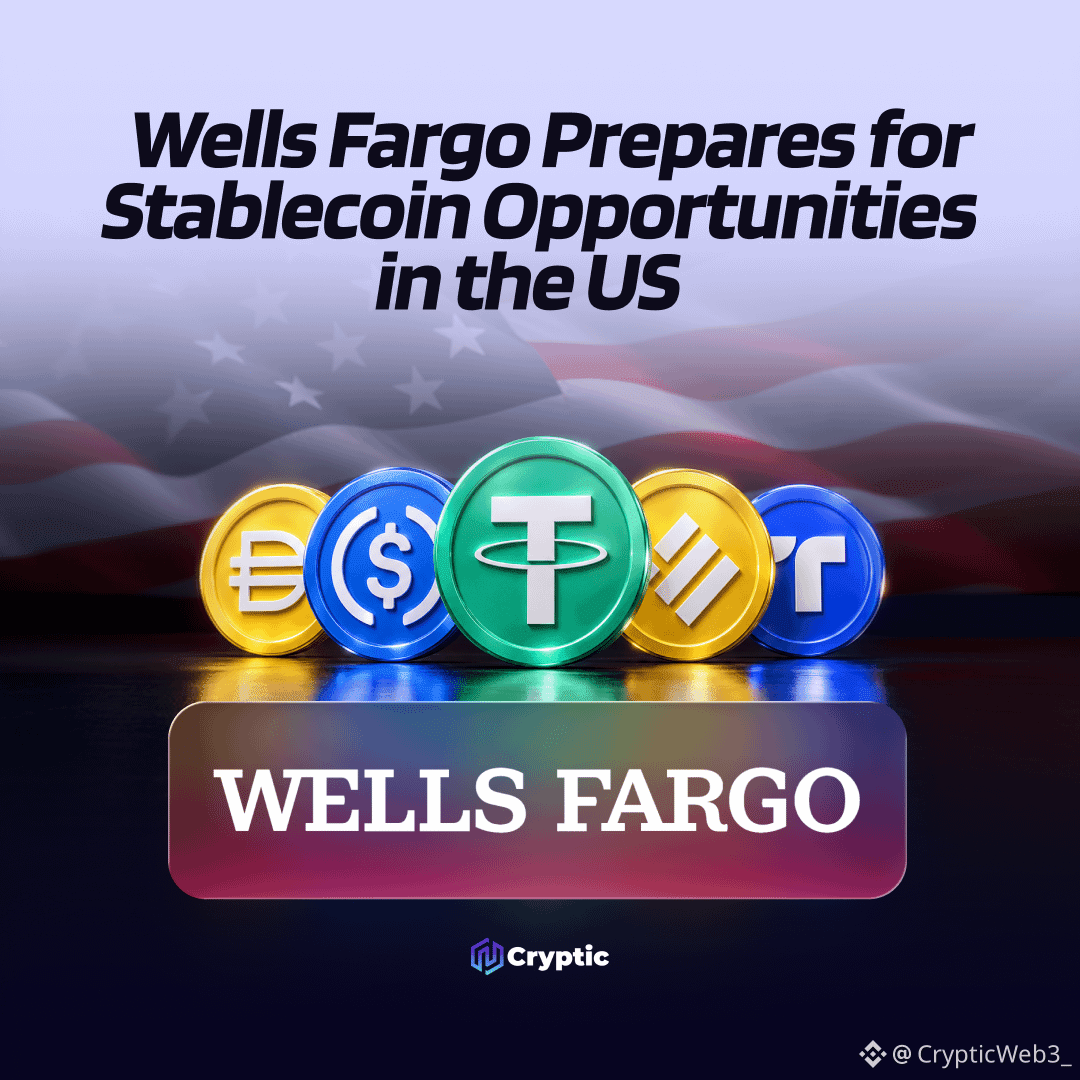
Wells Fargo is exploring stablecoin opportunities.
CEO Charlie Scharf says the bank is preparing for potential stablecoin adoption in the US through partnerships with major banks and investments in blockchain-based payment systems.
Wells Fargo is developing new digital payment and settlement services for businesses and consumers, while assessing whether stablecoins will see significant demand in the US.
Wells Fargo is exploring stablecoin opportunities.
CEO Charlie Scharf says the bank is preparing for potential stablecoin adoption in the US through partnerships with major banks and investments in blockchain-based payment systems.
Wells Fargo is developing new digital payment and settlement services for businesses and consumers, while assessing whether stablecoins will see significant demand in the US.
CEO Charlie Scharf says the bank is preparing for potential stablecoin adoption in the US through partnerships with major banks and investments in blockchain-based payment systems.
Wells Fargo is developing new digital payment and settlement services for businesses and consumers, while assessing whether stablecoins will see significant demand in the US.
96
·
--
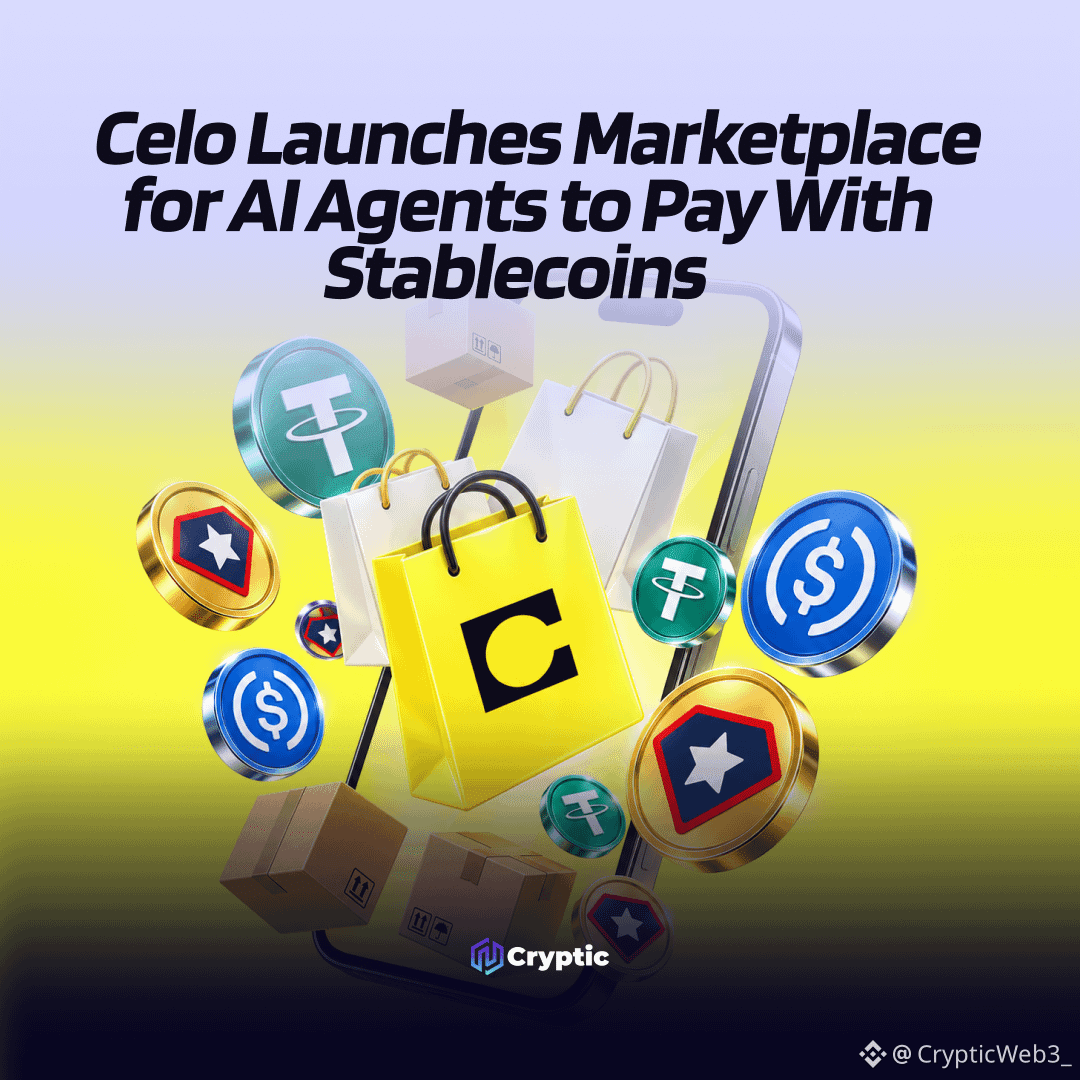
AI agents can now shop with stablecoins on Celo.
Celo's new Buy marketplace allows AI agents to independently purchase over 700 digital tools and services using $USDC , USDT, and USAT.
Celo's Buy marketplace enables AI agents to pay for computing, data, and API services automatically, reducing the need for human involvement in routine transactions.
AI agents can now shop with stablecoins on Celo.
Celo's new Buy marketplace allows AI agents to independently purchase over 700 digital tools and services using $USDC , USDT, and USAT.
Celo's Buy marketplace enables AI agents to pay for computing, data, and API services automatically, reducing the need for human involvement in routine transactions.
Celo's new Buy marketplace allows AI agents to independently purchase over 700 digital tools and services using $USDC , USDT, and USAT.
Celo's Buy marketplace enables AI agents to pay for computing, data, and API services automatically, reducing the need for human involvement in routine transactions.
389
·
--
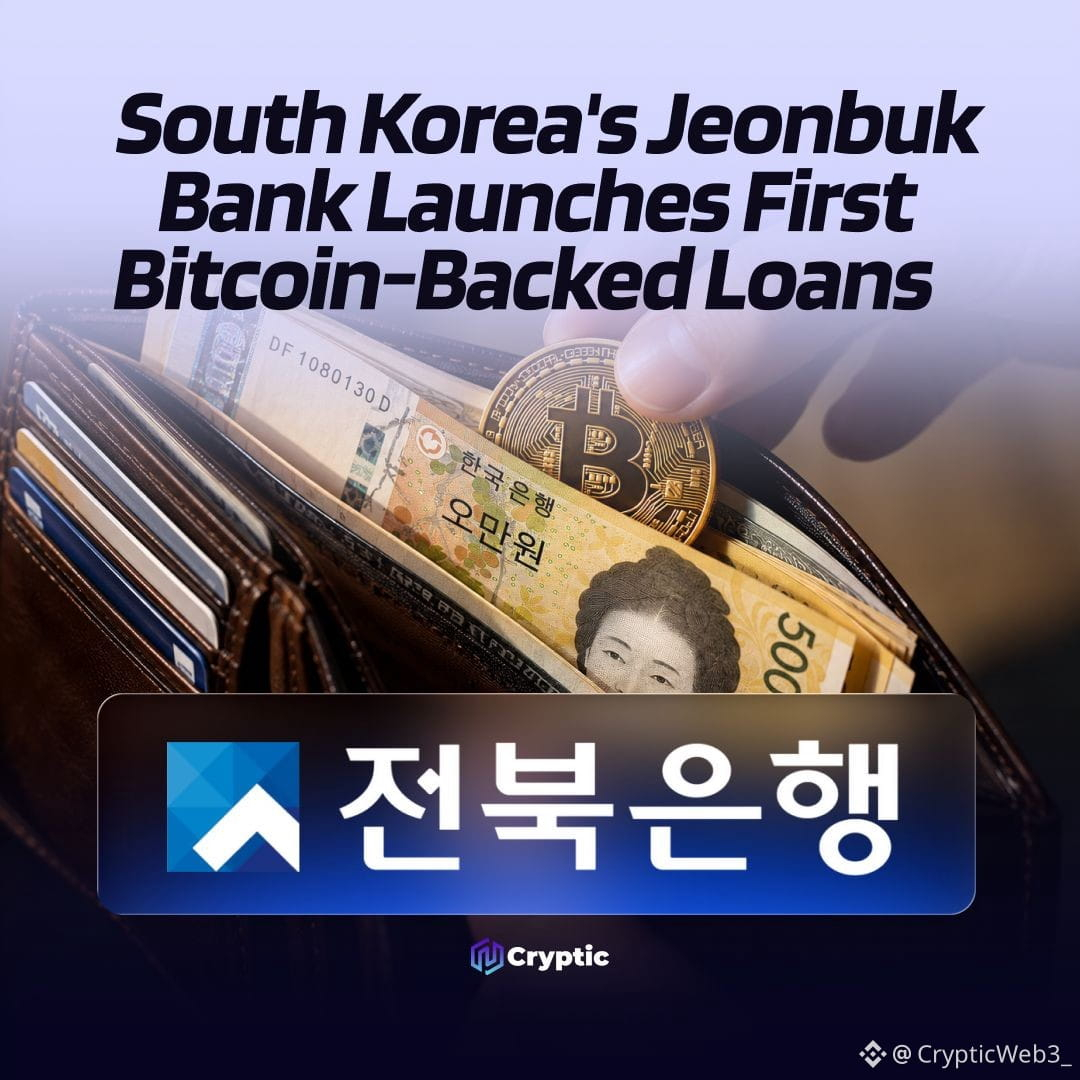
Bitcoin-backed bank loans arrive in South Korea.
Jeonbuk Bank has launched the country's first Bitcoin-backed won loans, allowing corporate customers to access business financing using BTC as collateral.
Jeonbuk Bank is initially accepting only Bitcoin as collateral, with third-party custodians securing the assets while businesses receive loans in Korean won.
Bitcoin-backed bank loans arrive in South Korea.
Jeonbuk Bank has launched the country's first Bitcoin-backed won loans, allowing corporate customers to access business financing using BTC as collateral.
Jeonbuk Bank is initially accepting only Bitcoin as collateral, with third-party custodians securing the assets while businesses receive loans in Korean won.
Jeonbuk Bank has launched the country's first Bitcoin-backed won loans, allowing corporate customers to access business financing using BTC as collateral.
Jeonbuk Bank is initially accepting only Bitcoin as collateral, with third-party custodians securing the assets while businesses receive loans in Korean won.
167
·
--
Tom Lee sees a massive upside for Ethereum.
The Fundstrat co-founder predicts $ETH could reach $25,000–$50,000 over the long term, supported by institutional adoption and the growth of tokenized financial markets.
Tom Lee believes Ethereum could become a major settlement layer for global finance. At $50,000 per ETH, its market capitalization would reach approximately $6.1 trillion, assuming a supply of 122 million ETH.
Tom Lee sees a massive upside for Ethereum.
The Fundstrat co-founder predicts $ETH could reach $25,000–$50,000 over the long term, supported by institutional adoption and the growth of tokenized financial markets.
Tom Lee believes Ethereum could become a major settlement layer for global finance. At $50,000 per ETH, its market capitalization would reach approximately $6.1 trillion, assuming a supply of 122 million ETH.
The Fundstrat co-founder predicts $ETH could reach $25,000–$50,000 over the long term, supported by institutional adoption and the growth of tokenized financial markets.
Tom Lee believes Ethereum could become a major settlement layer for global finance. At $50,000 per ETH, its market capitalization would reach approximately $6.1 trillion, assuming a supply of 122 million ETH.

451
Log in to explore more content
Join global crypto users on Binance Square
⚡️ Get latest and useful information about crypto.
💬 Trusted by the world’s largest crypto exchange.
👍 Discover real insights from verified creators.
Email / Phone number