
Cripto Ungido
36 Posts

Cripto Ungido
Report
Block User
Revelo, lo que recibo del ESPIRITU SANTO
14 Following
27 Followers
54 Liked
Posts
All
Quotes
Article
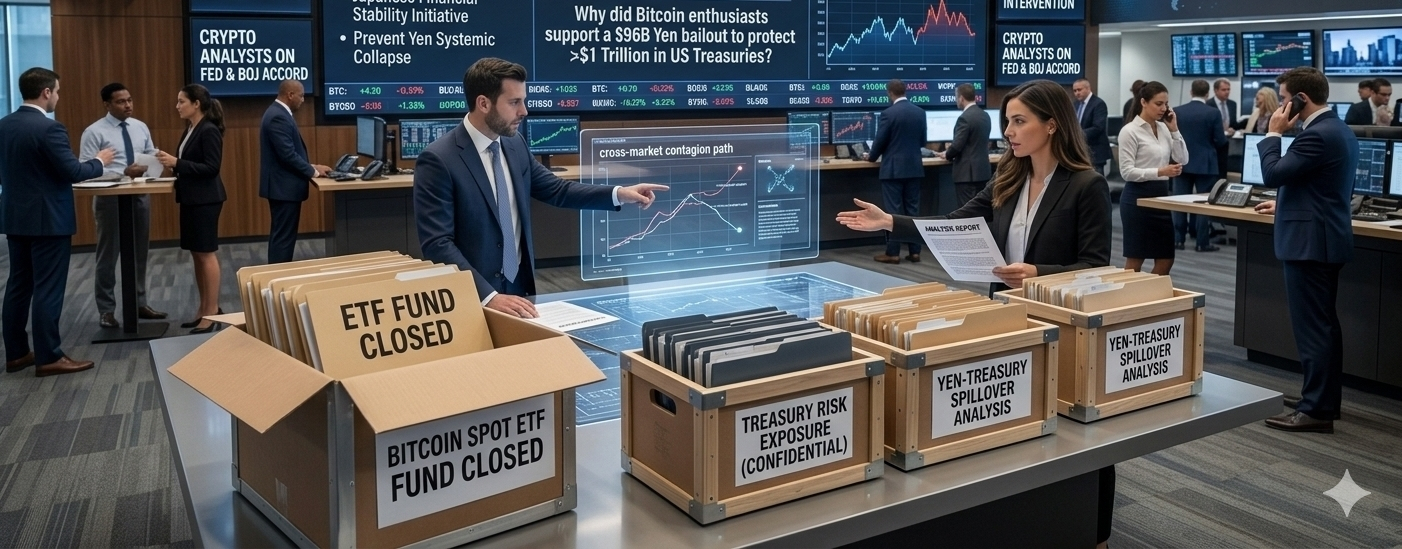
Why bitcoin enthusiasts are asking whether Washington joined a 96 billion yen rescuePreliminary data from the Bank of Japan suggests that Tokyo intervened for two days, as the rise in Japanese bond yields threatens to divert capital from global risk markets.
The United States joined Japan’s efforts to support the yen after preliminary central bank data indicated that Tokyo may have invested nearly $96 billion over two days, putting Bitcoin traders on alert for a potential unwinding of positions funded with cheap Japanese capital.
Why bitcoin enthusiasts are asking whether Washington joined a 96 billion yen rescue
Preliminary data from the Bank of Japan suggests that Tokyo intervened for two days, as the rise in Japanese bond yields threatens to divert capital from global risk markets.
The United States joined Japan’s efforts to support the yen after preliminary central bank data indicated that Tokyo may have invested nearly $96 billion over two days, putting Bitcoin traders on alert for a potential unwinding of positions funded with cheap Japanese capital.
The United States joined Japan’s efforts to support the yen after preliminary central bank data indicated that Tokyo may have invested nearly $96 billion over two days, putting Bitcoin traders on alert for a potential unwinding of positions funded with cheap Japanese capital.
1
185
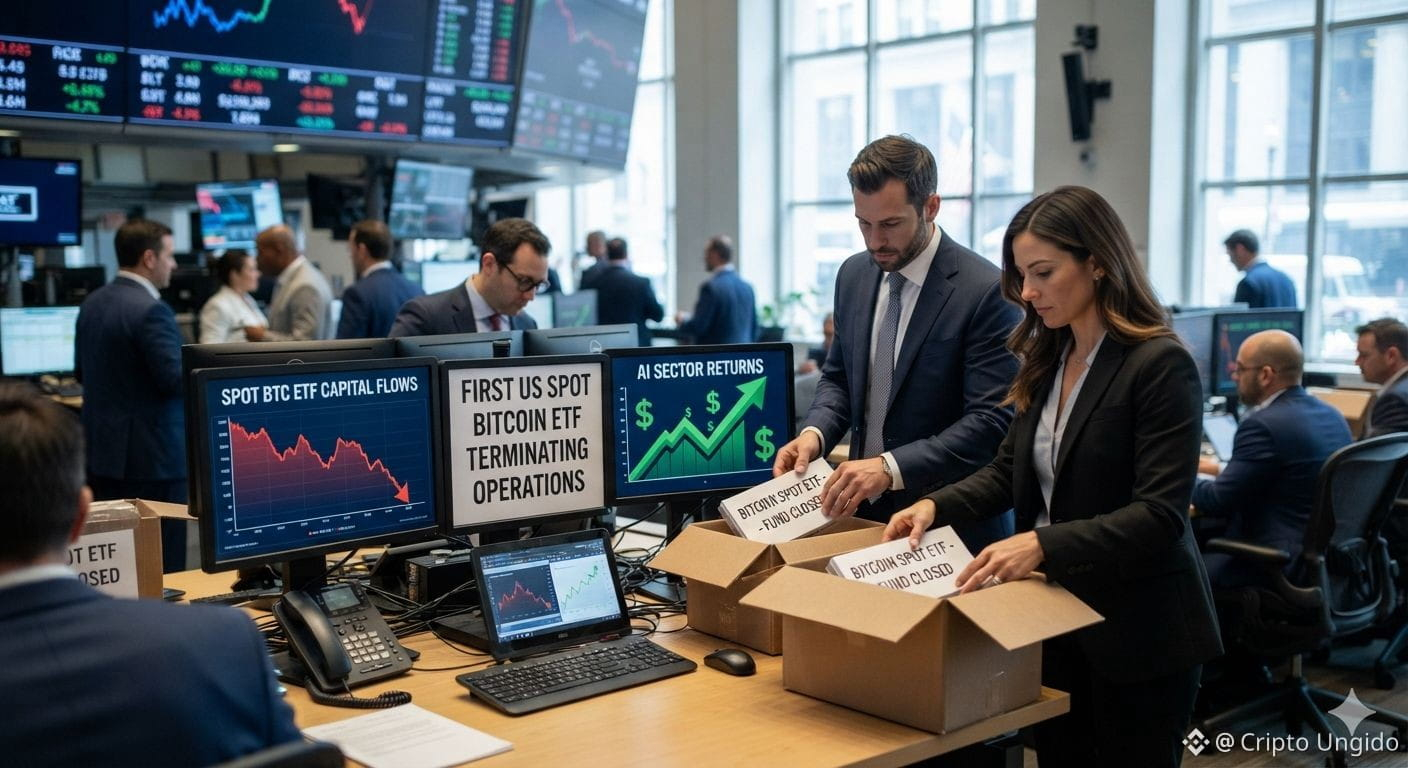
The first US spot bitcoin ETF will close its doors as capital inflows decline and investors seek returns driven by AI.
Hashdex’s DEFI fund, the smallest of them all, managed $14.7 million, compared with BlackRock’s $47.080 billion IBIT.
Crypto asset manager Hashdex will close and liquidate its $14.7 million worth of spot bitcoins. BTC$63,691.85 exchange-traded fund, in what could be the first liquidation of a spot bitcoin offering in the US.
Bitcoin futures ETFs have closed before, including VanEck’s XBTF in 2024, but no US fund that holds bitcoin directly appears to have been liquidated previously.
Hashdex cited an assessment of the fund’s assets under management, liquidity, operating costs, investor interest, and its position within the company’s broader product range when announcing the closure.
$BTC
#btc70k
#BTC走势分析
#BTC
The first US spot bitcoin ETF will close its doors as capital inflows decline and investors seek returns driven by AI.
Hashdex’s DEFI fund, the smallest of them all, managed $14.7 million, compared with BlackRock’s $47.080 billion IBIT.
Crypto asset manager Hashdex will close and liquidate its $14.7 million worth of spot bitcoins. BTC$63,691.85 exchange-traded fund, in what could be the first liquidation of a spot bitcoin offering in the US.
Bitcoin futures ETFs have closed before, including VanEck’s XBTF in 2024, but no US fund that holds bitcoin directly appears to have been liquidated previously.
Hashdex cited an assessment of the fund’s assets under management, liquidity, operating costs, investor interest, and its position within the company’s broader product range when announcing the closure.
$BTC
#btc70k
#BTC走势分析
#BTC
Hashdex’s DEFI fund, the smallest of them all, managed $14.7 million, compared with BlackRock’s $47.080 billion IBIT.
Crypto asset manager Hashdex will close and liquidate its $14.7 million worth of spot bitcoins. BTC$63,691.85 exchange-traded fund, in what could be the first liquidation of a spot bitcoin offering in the US.
Bitcoin futures ETFs have closed before, including VanEck’s XBTF in 2024, but no US fund that holds bitcoin directly appears to have been liquidated previously.
Hashdex cited an assessment of the fund’s assets under management, liquidity, operating costs, investor interest, and its position within the company’s broader product range when announcing the closure.
$BTC
#btc70k
#BTC走势分析
#BTC
1
256
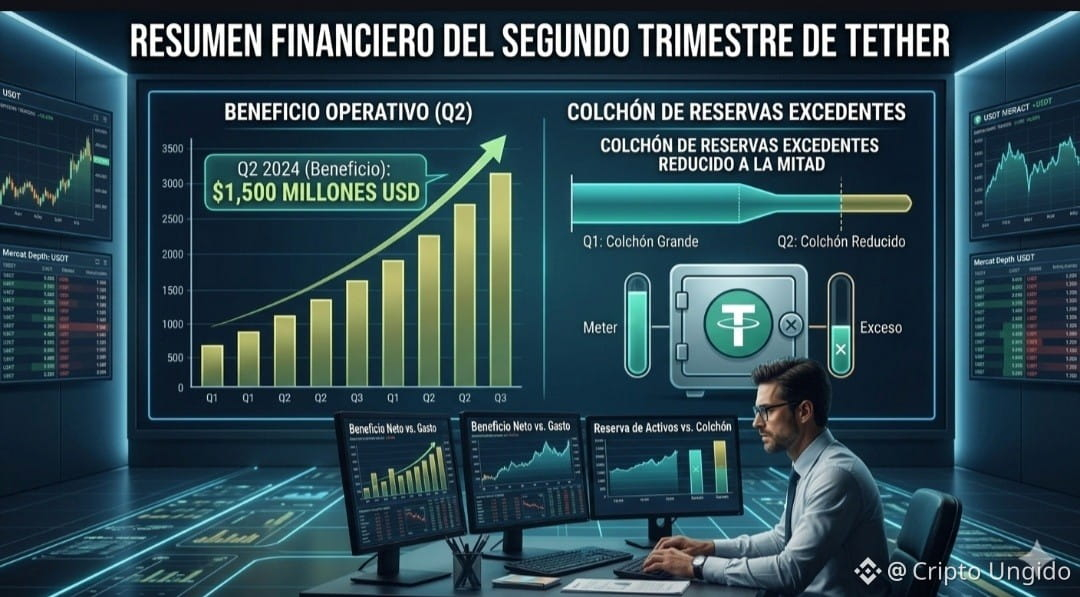
Tether records an operating benefit of $1.5 billion in the second quarter, while its reserves cushion is cut in half.
The world’s largest stablecoin issuer added 14 metric tons of gold and around 1,800 bitcoins to its reserves during the second quarter.
The second-quarter report shows that Tether increased its holdings of physical gold by 14 tons, rising from 132.2 metric tons to approximately 146.2 metric tons over the quarter. However, the value of those reserves fell from $19.84 billion to $18.84 billion because the price of gold dropped by about 15%, to just over $4,000 per ounce.
The company increased its bitcoin holdings by approximately 1,796 coins, reaching 98,933 BTC. The value of those holdings declined from $6.62 billion to $5.8 billion, as the bitcoin price used in the reports fell from $68,200 to $58,600 during that period.
Tether’s USDT issuance rose by approximately $446 million, reaching $184.6 billion during the quarter.
$USDT
Tether records an operating benefit of $1.5 billion in the second quarter, while its reserves cushion is cut in half.
The world’s largest stablecoin issuer added 14 metric tons of gold and around 1,800 bitcoins to its reserves during the second quarter.
The second-quarter report shows that Tether increased its holdings of physical gold by 14 tons, rising from 132.2 metric tons to approximately 146.2 metric tons over the quarter. However, the value of those reserves fell from $19.84 billion to $18.84 billion because the price of gold dropped by about 15%, to just over $4,000 per ounce.
The company increased its bitcoin holdings by approximately 1,796 coins, reaching 98,933 BTC. The value of those holdings declined from $6.62 billion to $5.8 billion, as the bitcoin price used in the reports fell from $68,200 to $58,600 during that period.
Tether’s USDT issuance rose by approximately $446 million, reaching $184.6 billion during the quarter.
$USDT
The world’s largest stablecoin issuer added 14 metric tons of gold and around 1,800 bitcoins to its reserves during the second quarter.
The second-quarter report shows that Tether increased its holdings of physical gold by 14 tons, rising from 132.2 metric tons to approximately 146.2 metric tons over the quarter. However, the value of those reserves fell from $19.84 billion to $18.84 billion because the price of gold dropped by about 15%, to just over $4,000 per ounce.
The company increased its bitcoin holdings by approximately 1,796 coins, reaching 98,933 BTC. The value of those holdings declined from $6.62 billion to $5.8 billion, as the bitcoin price used in the reports fell from $68,200 to $58,600 during that period.
Tether’s USDT issuance rose by approximately $446 million, reaching $184.6 billion during the quarter.
$USDT
471
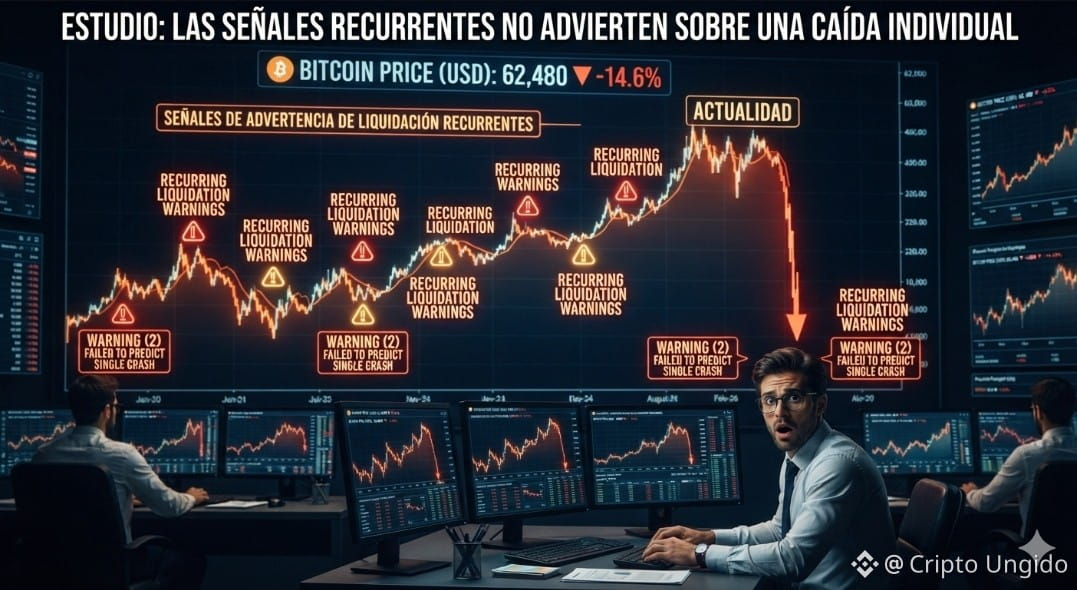
A new study on Bitcoin shows that the strongest recurring liquidation warning signals cannot warn about an individual drop.
The order-flow pattern stood out in six events, while two observations still overlapped with normal market conditions.
Quick summary
01 No price, leverage, or order-flow metric tested consistently warned before the seven liquidation cascades.
02 Price showed a slowdown signal on five occasions, but not during the two sudden tariff shocks.
03 Buyer-flow variance decreased before six cascades, but the pattern was too weak to predict an individual drop.
$BTC
{spot}(BTCUSDT)
A new study on Bitcoin shows that the strongest recurring liquidation warning signals cannot warn about an individual drop.
The order-flow pattern stood out in six events, while two observations still overlapped with normal market conditions.
Quick summary
01 No price, leverage, or order-flow metric tested consistently warned before the seven liquidation cascades.
02 Price showed a slowdown signal on five occasions, but not during the two sudden tariff shocks.
03 Buyer-flow variance decreased before six cascades, but the pattern was too weak to predict an individual drop.
$BTC
The order-flow pattern stood out in six events, while two observations still overlapped with normal market conditions.
Quick summary
01 No price, leverage, or order-flow metric tested consistently warned before the seven liquidation cascades.
02 Price showed a slowdown signal on five occasions, but not during the two sudden tariff shocks.
03 Buyer-flow variance decreased before six cascades, but the pattern was too weak to predict an individual drop.
$BTC
217
Bitcoin’s rebound has 4 weeks to obtain its Washington “CLARITY” catalyst before time runs out.
01 - Bitcoin has recovered close to 10% this month, while the Senate considers the CLARITY Act over the next four weeks.
02 - The bill could clarify oversight by the SEC and the CFTC, giving exchanges, developers, and investors a clearer U.S. market framework.
03 - But there is not yet a full Senate vote or a motion to end debate, and disputes over ethics and law enforcement could delay the decision beyond August 7.
#BTC走势分析
#BTC70K✈️
#BTC🔥🔥🔥🔥🔥
Bitcoin’s rebound has 4 weeks to obtain its Washington “CLARITY” catalyst before time runs out.
01 - Bitcoin has recovered close to 10% this month, while the Senate considers the CLARITY Act over the next four weeks.
02 - The bill could clarify oversight by the SEC and the CFTC, giving exchanges, developers, and investors a clearer U.S. market framework.
03 - But there is not yet a full Senate vote or a motion to end debate, and disputes over ethics and law enforcement could delay the decision beyond August 7.
#BTC走势分析
#BTC70K✈️
#BTC🔥🔥🔥🔥🔥
01 - Bitcoin has recovered close to 10% this month, while the Senate considers the CLARITY Act over the next four weeks.
02 - The bill could clarify oversight by the SEC and the CFTC, giving exchanges, developers, and investors a clearer U.S. market framework.
03 - But there is not yet a full Senate vote or a motion to end debate, and disputes over ethics and law enforcement could delay the decision beyond August 7.
#BTC走势分析
#BTC70K✈️
#BTC🔥🔥🔥🔥🔥

1
138
Bitcoin’s rebound now depends on a Federal Reserve document to be released on Wednesday.
01 - Wednesday’s Federal Reserve minutes will show whether officials shared traders’ concerns about the labor market weakening in June.
02 - Bitcoin has recovered 11% from its July 1 low after a weak employment report reduced expectations for an interest-rate hike.
03 - A more aggressive tone could slow the rebound, while more moderate hints would give the upside its first real support.
#BTC
#btc70k
#BTC走势分析
#BTC☀
Bitcoin’s rebound now depends on a Federal Reserve document to be released on Wednesday.
01 - Wednesday’s Federal Reserve minutes will show whether officials shared traders’ concerns about the labor market weakening in June.
02 - Bitcoin has recovered 11% from its July 1 low after a weak employment report reduced expectations for an interest-rate hike.
03 - A more aggressive tone could slow the rebound, while more moderate hints would give the upside its first real support.
#BTC
#btc70k
#BTC走势分析
#BTC☀
01 - Wednesday’s Federal Reserve minutes will show whether officials shared traders’ concerns about the labor market weakening in June.
02 - Bitcoin has recovered 11% from its July 1 low after a weak employment report reduced expectations for an interest-rate hike.
03 - A more aggressive tone could slow the rebound, while more moderate hints would give the upside its first real support.
#BTC
#btc70k
#BTC走势分析
#BTC☀

1
357
The legal gateway to cryptocurrencies in Russia will come with a state bank that will hold the keys.
01 - Sberbank plans to add a cryptocurrency wallet and a digital deposit to Sberbank Online and SberInvestments before December 1.
02- This measure could shift access to cryptocurrencies in Russia to banking apps and authorized intermediaries as the new rules are defined.
03- However, implementation depends on the final regulations, including limits for retail users, and whether Sberbank can manage foreign exchange operations.
#btc70k
#BTC走势分析
#BTC
The legal gateway to cryptocurrencies in Russia will come with a state bank that will hold the keys.
01 - Sberbank plans to add a cryptocurrency wallet and a digital deposit to Sberbank Online and SberInvestments before December 1.
02- This measure could shift access to cryptocurrencies in Russia to banking apps and authorized intermediaries as the new rules are defined.
03- However, implementation depends on the final regulations, including limits for retail users, and whether Sberbank can manage foreign exchange operations.
#btc70k
#BTC走势分析
#BTC
01 - Sberbank plans to add a cryptocurrency wallet and a digital deposit to Sberbank Online and SberInvestments before December 1.
02- This measure could shift access to cryptocurrencies in Russia to banking apps and authorized intermediaries as the new rules are defined.
03- However, implementation depends on the final regulations, including limits for retail users, and whether Sberbank can manage foreign exchange operations.
#btc70k
#BTC走势分析
#BTC

1
292
BlackRock invested $209 million in Bitcoin recovery, but will it be able to hold?
01- Spot Bitcoin ETFs in the US attracted $265.7 million on July 6, led by BlackRock's IBIT with $209.4 million.
02- The capital inflows helped reverse the recent selling pressure and gave Bitcoin a public signal of renewed support from institutional buyers.
03- But GBTC still lost $44.5 million, so the next sessions must show broader continuity that goes beyond a single fund.
#btc70k
#BTC☀️
#BTC
BlackRock invested $209 million in Bitcoin recovery, but will it be able to hold?
01- Spot Bitcoin ETFs in the US attracted $265.7 million on July 6, led by BlackRock's IBIT with $209.4 million.
02- The capital inflows helped reverse the recent selling pressure and gave Bitcoin a public signal of renewed support from institutional buyers.
03- But GBTC still lost $44.5 million, so the next sessions must show broader continuity that goes beyond a single fund.
#btc70k
#BTC☀️
#BTC
01- Spot Bitcoin ETFs in the US attracted $265.7 million on July 6, led by BlackRock's IBIT with $209.4 million.
02- The capital inflows helped reverse the recent selling pressure and gave Bitcoin a public signal of renewed support from institutional buyers.
03- But GBTC still lost $44.5 million, so the next sessions must show broader continuity that goes beyond a single fund.
#btc70k
#BTC☀️
#BTC

6
1.2k
Article
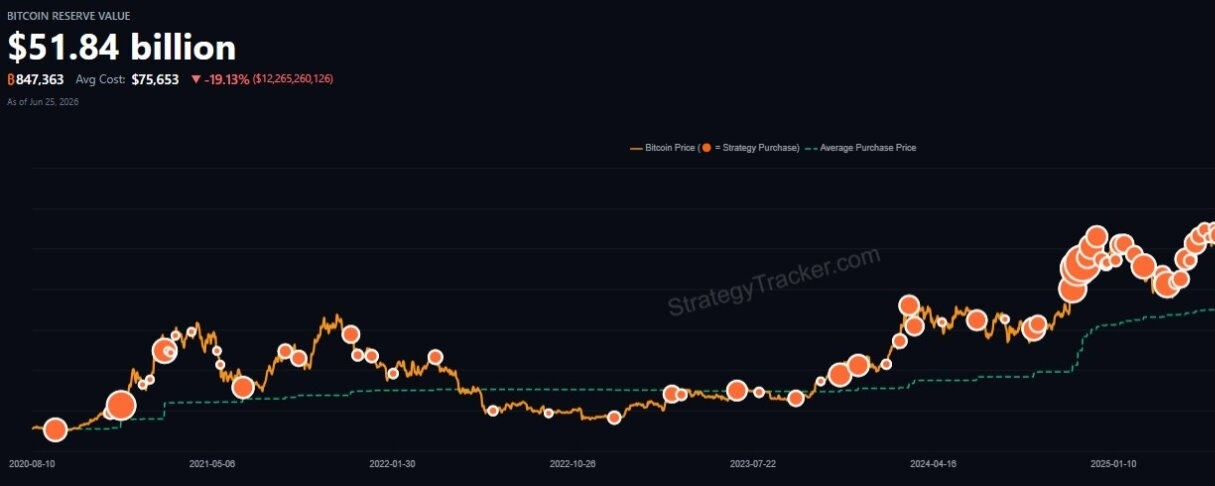
Strategy's Bitcoin bet sinks $12 billion as STRC operatorsStrategy still holds more than $50 billion in Bitcoin, but weakness in valuations and rising financing costs are reducing the attractive options to keep buying.
01- Strategy's Bitcoin reserves are about $12 billion below their cost after the BTC fell to around $60,000 and MSTR dropped from $100.
02- This drop in prices is affecting Strategy's fundraising model, making the sale of common stock and the issuance of preferred shares less effective and more costly.
Strategy's Bitcoin bet sinks $12 billion as STRC operators
Strategy still holds more than $50 billion in Bitcoin, but weakness in valuations and rising financing costs are reducing the attractive options to keep buying.
01- Strategy's Bitcoin reserves are about $12 billion below their cost after the BTC fell to around $60,000 and MSTR dropped from $100.
02- This drop in prices is affecting Strategy's fundraising model, making the sale of common stock and the issuance of preferred shares less effective and more costly.
01- Strategy's Bitcoin reserves are about $12 billion below their cost after the BTC fell to around $60,000 and MSTR dropped from $100.
02- This drop in prices is affecting Strategy's fundraising model, making the sale of common stock and the issuance of preferred shares less effective and more costly.
BTC+6.12%
MSTRUS+16.07%
97
Why did Bitcoin plummet below $60,000 when support failed just when buyers were needed the most?
Capital inflows into exchanges, outflows from ETFs, and long position liquidations collided before buyers could stabilize the market.
Quick Summary
01-Bitcoin dropped below $60,000 as 7,600 BTC flowed into Binance and spot ETF flows turned negative.
02-This combo signaled weakening demand and rising sellable supply, turning a routine support test into an absorption test.
03-Traders are now watching if capital inflows into exchanges slow down and liquidation pressure eases, or if $60,000 turns out to be a failed support level.
#btc
#btc70k
Why did Bitcoin plummet below $60,000 when support failed just when buyers were needed the most?
Capital inflows into exchanges, outflows from ETFs, and long position liquidations collided before buyers could stabilize the market.
Quick Summary
01-Bitcoin dropped below $60,000 as 7,600 BTC flowed into Binance and spot ETF flows turned negative.
02-This combo signaled weakening demand and rising sellable supply, turning a routine support test into an absorption test.
03-Traders are now watching if capital inflows into exchanges slow down and liquidation pressure eases, or if $60,000 turns out to be a failed support level.
#btc
#btc70k
Capital inflows into exchanges, outflows from ETFs, and long position liquidations collided before buyers could stabilize the market.
Quick Summary
01-Bitcoin dropped below $60,000 as 7,600 BTC flowed into Binance and spot ETF flows turned negative.
02-This combo signaled weakening demand and rising sellable supply, turning a routine support test into an absorption test.
03-Traders are now watching if capital inflows into exchanges slow down and liquidation pressure eases, or if $60,000 turns out to be a failed support level.
#btc
#btc70k

2
1k
Long-term Bitcoin holders are selling off at their lowest level in 19 months, while the halving model signals a new date for the market bottom.
Original Bitcoin holders' spending has dropped to a 19-month low, as market cycle indicators point to September as a potential market bottom.
According to data from CryptoQuant, Bitcoin (BTC) holders who acquired their coins over five years ago have reduced their spending to an average of 962 BTC in the last 90 days, the lowest level since November 2024. This slowdown follows three major spending spikes in the past two years, including a peak of 3860 BTC in May 2024.
At the same time, BTC analysts stated that market indicators and profitability converge in the second half of 2026, establishing a new timeline for a potential Bitcoin bottom.
"OG" Bitcoin holders are stepping back.
Crypto analyst Darkfost noted that the current cycle has produced the highest recorded spending level by long-term Bitcoin holders. The group analyzed in the dataset consists of investors who acquired Bitcoin over five years ago.
Using spent transaction outputs (STXO), which track Bitcoin that has moved through the network, the analyst identified three significant waves of spending following strong rallies.
#btc
#btc70k
Long-term Bitcoin holders are selling off at their lowest level in 19 months, while the halving model signals a new date for the market bottom.
Original Bitcoin holders' spending has dropped to a 19-month low, as market cycle indicators point to September as a potential market bottom.
According to data from CryptoQuant, Bitcoin (BTC) holders who acquired their coins over five years ago have reduced their spending to an average of 962 BTC in the last 90 days, the lowest level since November 2024. This slowdown follows three major spending spikes in the past two years, including a peak of 3860 BTC in May 2024.
At the same time, BTC analysts stated that market indicators and profitability converge in the second half of 2026, establishing a new timeline for a potential Bitcoin bottom.
"OG" Bitcoin holders are stepping back.
Crypto analyst Darkfost noted that the current cycle has produced the highest recorded spending level by long-term Bitcoin holders. The group analyzed in the dataset consists of investors who acquired Bitcoin over five years ago.
Using spent transaction outputs (STXO), which track Bitcoin that has moved through the network, the analyst identified three significant waves of spending following strong rallies.
#btc
#btc70k
Original Bitcoin holders' spending has dropped to a 19-month low, as market cycle indicators point to September as a potential market bottom.
According to data from CryptoQuant, Bitcoin (BTC) holders who acquired their coins over five years ago have reduced their spending to an average of 962 BTC in the last 90 days, the lowest level since November 2024. This slowdown follows three major spending spikes in the past two years, including a peak of 3860 BTC in May 2024.
At the same time, BTC analysts stated that market indicators and profitability converge in the second half of 2026, establishing a new timeline for a potential Bitcoin bottom.
"OG" Bitcoin holders are stepping back.
Crypto analyst Darkfost noted that the current cycle has produced the highest recorded spending level by long-term Bitcoin holders. The group analyzed in the dataset consists of investors who acquired Bitcoin over five years ago.
Using spent transaction outputs (STXO), which track Bitcoin that has moved through the network, the analyst identified three significant waves of spending following strong rallies.
#btc
#btc70k
97
MoneyGram links up with Solana as a validator amidst the push for stablecoin payments.
The remittance company has stepped in as a validator on the Solana blockchain, aiding in processing and securing transactions while expanding its stablecoin payment strategy.
By operating as a validator, MoneyGram will help process transactions and secure Solana's proof-of-stake network, becoming a key player in the infrastructure that keeps the network running.
The company also joined the Solana Developer Platform, an initiative aimed at helping institutions build financial products on the blockchain.
This move comes weeks after MoneyGram launched its stablecoin MGUSD on the Stellar blockchain, showcasing the company’s growing commitment to blockchain-based payment infrastructure. After several years of integrating cryptocurrencies into remittances and payment settlements, MoneyGram is now taking a more active role in the networks that support these services.
"MoneyGram has spent the last few years integrating blockchain technology into our payment infrastructure, and everything we are developing now is built on this foundation," stated CEO Anthony Soohoo in a press release. "We believe the future of global money transfers will be built on open and interoperable stablecoin platforms that anyone, anywhere, can access."
MoneyGram stated that its participation in Solana reflects a broader development strategy based on open blockchain networks, rather than relying on a single chain.
#SolanaUSTD
#SOL空投
#SolanaStrong
#SolanaAI
$SOL
MoneyGram links up with Solana as a validator amidst the push for stablecoin payments.
The remittance company has stepped in as a validator on the Solana blockchain, aiding in processing and securing transactions while expanding its stablecoin payment strategy.
By operating as a validator, MoneyGram will help process transactions and secure Solana's proof-of-stake network, becoming a key player in the infrastructure that keeps the network running.
The company also joined the Solana Developer Platform, an initiative aimed at helping institutions build financial products on the blockchain.
This move comes weeks after MoneyGram launched its stablecoin MGUSD on the Stellar blockchain, showcasing the company’s growing commitment to blockchain-based payment infrastructure. After several years of integrating cryptocurrencies into remittances and payment settlements, MoneyGram is now taking a more active role in the networks that support these services.
"MoneyGram has spent the last few years integrating blockchain technology into our payment infrastructure, and everything we are developing now is built on this foundation," stated CEO Anthony Soohoo in a press release. "We believe the future of global money transfers will be built on open and interoperable stablecoin platforms that anyone, anywhere, can access."
MoneyGram stated that its participation in Solana reflects a broader development strategy based on open blockchain networks, rather than relying on a single chain.
#SolanaUSTD
#SOL空投
#SolanaStrong
#SolanaAI
$SOL
The remittance company has stepped in as a validator on the Solana blockchain, aiding in processing and securing transactions while expanding its stablecoin payment strategy.
By operating as a validator, MoneyGram will help process transactions and secure Solana's proof-of-stake network, becoming a key player in the infrastructure that keeps the network running.
The company also joined the Solana Developer Platform, an initiative aimed at helping institutions build financial products on the blockchain.
This move comes weeks after MoneyGram launched its stablecoin MGUSD on the Stellar blockchain, showcasing the company’s growing commitment to blockchain-based payment infrastructure. After several years of integrating cryptocurrencies into remittances and payment settlements, MoneyGram is now taking a more active role in the networks that support these services.
"MoneyGram has spent the last few years integrating blockchain technology into our payment infrastructure, and everything we are developing now is built on this foundation," stated CEO Anthony Soohoo in a press release. "We believe the future of global money transfers will be built on open and interoperable stablecoin platforms that anyone, anywhere, can access."
MoneyGram stated that its participation in Solana reflects a broader development strategy based on open blockchain networks, rather than relying on a single chain.
#SolanaUSTD
#SOL空投
#SolanaStrong
#SolanaAI
$SOL
1
229
Bitcoin traders are eyeing new lows, but the data warns against an overly bearish bias.
A concentration of liquidity below $59,000 increases the likelihood of a massive sell-off driving Bitcoin's price down to new lows for 2026, but the data suggests that bulls will absorb the dip.
Bitcoin (BTC) is approaching its annual low again, near $59,000, after a failed recovery attempt that prevented bulls from reclaiming key resistance levels. BTC traders are anticipating new lows for 2026 as the price retraces towards a crucial support zone.
However, medium-sized investor inflows on Binance and Coinbase have recently dropped to their lowest levels since April 4, easing selling pressure.
Liquidation data also shows over $4 billion in leveraged positions concentrated around the $59,000 level—a situation that could trigger a liquidity squeeze downwards before a recovery towards the $68,000 range.
Bitcoin traders are targeting a liquidity level below $59,000.
Bitcoin's recovery attempt stalled before reaching the daily fair value gap between $67,500 and $70,500. Sellers regained control near the 50 and 100-day exponential moving averages, which continue to act as upper resistance.
The rejection caused BTC to drop below an ascending channel, confirming a bearish breakout of the structure on the four-hour chart. The price is currently below the channel range, with internal liquidity support near $60,700 as the next area of interest, followed by the annual low at $59,000.
{spot}(BTCUSDT)
Bitcoin traders are eyeing new lows, but the data warns against an overly bearish bias.
A concentration of liquidity below $59,000 increases the likelihood of a massive sell-off driving Bitcoin's price down to new lows for 2026, but the data suggests that bulls will absorb the dip.
Bitcoin (BTC) is approaching its annual low again, near $59,000, after a failed recovery attempt that prevented bulls from reclaiming key resistance levels. BTC traders are anticipating new lows for 2026 as the price retraces towards a crucial support zone.
However, medium-sized investor inflows on Binance and Coinbase have recently dropped to their lowest levels since April 4, easing selling pressure.
Liquidation data also shows over $4 billion in leveraged positions concentrated around the $59,000 level—a situation that could trigger a liquidity squeeze downwards before a recovery towards the $68,000 range.
Bitcoin traders are targeting a liquidity level below $59,000.
Bitcoin's recovery attempt stalled before reaching the daily fair value gap between $67,500 and $70,500. Sellers regained control near the 50 and 100-day exponential moving averages, which continue to act as upper resistance.
The rejection caused BTC to drop below an ascending channel, confirming a bearish breakout of the structure on the four-hour chart. The price is currently below the channel range, with internal liquidity support near $60,700 as the next area of interest, followed by the annual low at $59,000.
A concentration of liquidity below $59,000 increases the likelihood of a massive sell-off driving Bitcoin's price down to new lows for 2026, but the data suggests that bulls will absorb the dip.
Bitcoin (BTC) is approaching its annual low again, near $59,000, after a failed recovery attempt that prevented bulls from reclaiming key resistance levels. BTC traders are anticipating new lows for 2026 as the price retraces towards a crucial support zone.
However, medium-sized investor inflows on Binance and Coinbase have recently dropped to their lowest levels since April 4, easing selling pressure.
Liquidation data also shows over $4 billion in leveraged positions concentrated around the $59,000 level—a situation that could trigger a liquidity squeeze downwards before a recovery towards the $68,000 range.
Bitcoin traders are targeting a liquidity level below $59,000.
Bitcoin's recovery attempt stalled before reaching the daily fair value gap between $67,500 and $70,500. Sellers regained control near the 50 and 100-day exponential moving averages, which continue to act as upper resistance.
The rejection caused BTC to drop below an ascending channel, confirming a bearish breakout of the structure on the four-hour chart. The price is currently below the channel range, with internal liquidity support near $60,700 as the next area of interest, followed by the annual low at $59,000.
1
246
Verified
SpaceX shares are dropping after the acquisition of Cursor. How low could it go?
Shares have been in a downward spiral for several days.
After SpaceX's IPO on June 12, the largest in history, turning Elon Musk into a trillionaire, the stock price took a hit shortly after the company announced the acquisition of the AI coding agent Cursor.
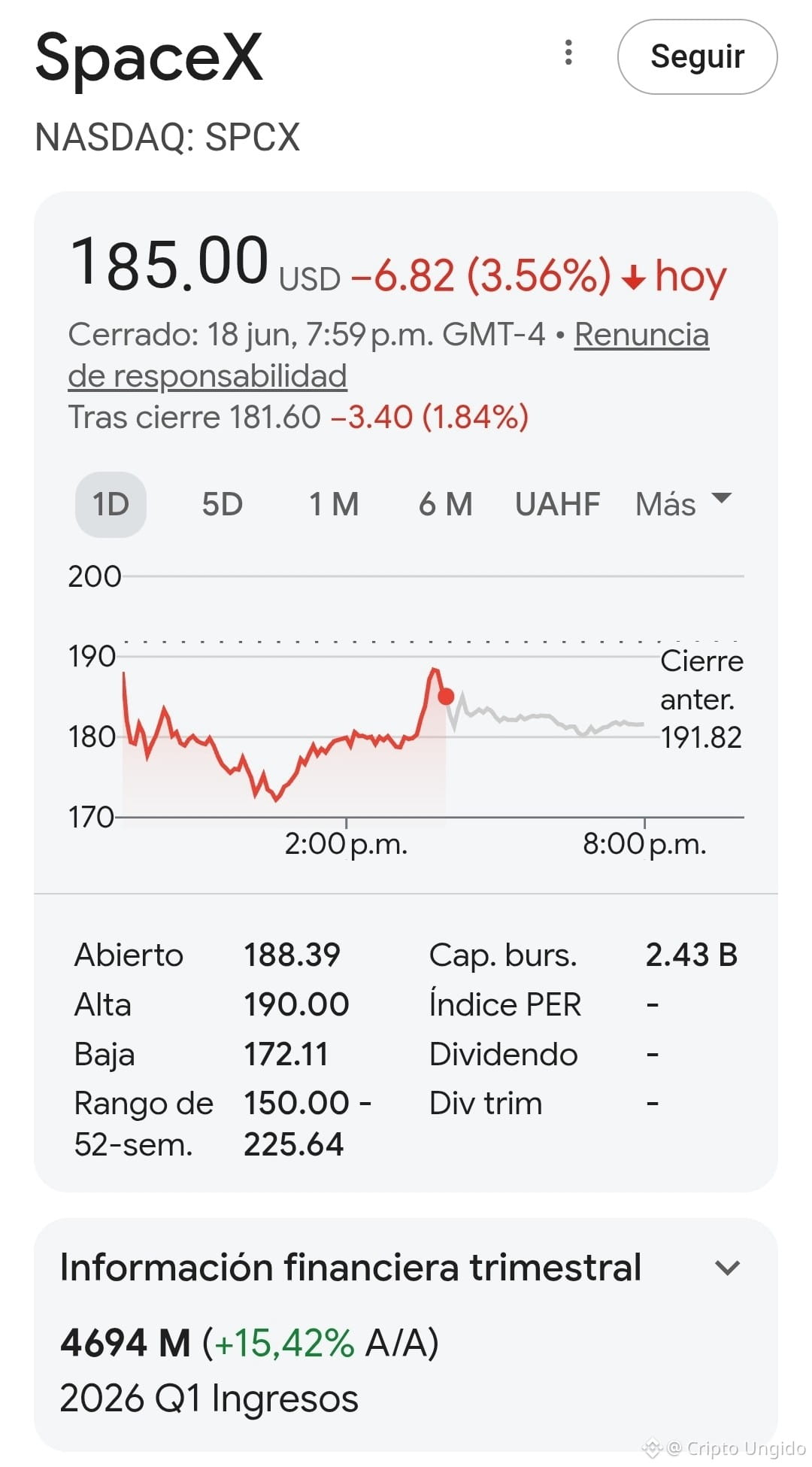
The initial price was $135 and peaked over $170 on the same day, according to Mashable. By Tuesday, June 16, it reached a high of over $225, as per Forbes, but some of those gains evaporated on Wednesday.
On Tuesday, the $60 billion deal between SpaceX and Anysphere, the startup behind Cursor, was announced. The following day, the price dropped by five percent, according to CNBC, and on Thursday it fell another 3.75 percent.
Markets are closed today, June 19, and the current price of SpaceX shares is $185 at the time of this report. While it has dipped slightly today, it still remains well above its IPO price.
But how much further could it drop? Investment analysis firm Morningstar reported that SpaceX is heavily overvalued, with a fair value estimated at $62 per share, and in the best-case scenario, the stock price would be $169. That would be below the current price but still above its IPO.
However, not everyone believes SpaceX is overvalued. Investment bank Oppenheimer & Co. raised its price target for SpaceX shares from $190 to $250 following the acquisition announcement. Analyst Timothy Horan stated that SpaceX "controls all layers of the AI stack, giving it advantages in cost and quality," and that Cursor is a key component of this.
Therefore, it remains to be seen if the shares will drop much further, and unless they fall below $138, Musk will continue to be a trillionaire.
#spcx
#space
SpaceX shares are dropping after the acquisition of Cursor. How low could it go?
Shares have been in a downward spiral for several days.
After SpaceX's IPO on June 12, the largest in history, turning Elon Musk into a trillionaire, the stock price took a hit shortly after the company announced the acquisition of the AI coding agent Cursor.
The initial price was $135 and peaked over $170 on the same day, according to Mashable. By Tuesday, June 16, it reached a high of over $225, as per Forbes, but some of those gains evaporated on Wednesday.
On Tuesday, the $60 billion deal between SpaceX and Anysphere, the startup behind Cursor, was announced. The following day, the price dropped by five percent, according to CNBC, and on Thursday it fell another 3.75 percent.
Markets are closed today, June 19, and the current price of SpaceX shares is $185 at the time of this report. While it has dipped slightly today, it still remains well above its IPO price.
But how much further could it drop? Investment analysis firm Morningstar reported that SpaceX is heavily overvalued, with a fair value estimated at $62 per share, and in the best-case scenario, the stock price would be $169. That would be below the current price but still above its IPO.
However, not everyone believes SpaceX is overvalued. Investment bank Oppenheimer & Co. raised its price target for SpaceX shares from $190 to $250 following the acquisition announcement. Analyst Timothy Horan stated that SpaceX "controls all layers of the AI stack, giving it advantages in cost and quality," and that Cursor is a key component of this.
Therefore, it remains to be seen if the shares will drop much further, and unless they fall below $138, Musk will continue to be a trillionaire.
#spcx
#space
Shares have been in a downward spiral for several days.
After SpaceX's IPO on June 12, the largest in history, turning Elon Musk into a trillionaire, the stock price took a hit shortly after the company announced the acquisition of the AI coding agent Cursor.
The initial price was $135 and peaked over $170 on the same day, according to Mashable. By Tuesday, June 16, it reached a high of over $225, as per Forbes, but some of those gains evaporated on Wednesday.
On Tuesday, the $60 billion deal between SpaceX and Anysphere, the startup behind Cursor, was announced. The following day, the price dropped by five percent, according to CNBC, and on Thursday it fell another 3.75 percent.
Markets are closed today, June 19, and the current price of SpaceX shares is $185 at the time of this report. While it has dipped slightly today, it still remains well above its IPO price.
But how much further could it drop? Investment analysis firm Morningstar reported that SpaceX is heavily overvalued, with a fair value estimated at $62 per share, and in the best-case scenario, the stock price would be $169. That would be below the current price but still above its IPO.
However, not everyone believes SpaceX is overvalued. Investment bank Oppenheimer & Co. raised its price target for SpaceX shares from $190 to $250 following the acquisition announcement. Analyst Timothy Horan stated that SpaceX "controls all layers of the AI stack, giving it advantages in cost and quality," and that Cursor is a key component of this.
Therefore, it remains to be seen if the shares will drop much further, and unless they fall below $138, Musk will continue to be a trillionaire.
#spcx
#space
1
6.5k
Verified
SpaceX just had the biggest IPO in history; now the real grind begins.
Six days after pricing the largest IPO ever, SpaceX (NASDAQ: SPCX) announced a $60 billion acquisition. Right after that, bankers started prepping a bond issuance worth $20 billion. Subsequently, the stock dropped 9% in a single session.
That's a lot of info to digest in a week. Many are saying "the IPO hype is cooling off". But that take misses the mark. SpaceX isn't getting sold off because its story has flopped. It's adjusting its price because the market is finally trying to figure out how much capital, dilution, and execution will be needed for the story to keep rolling. That's a tougher question than "Is SpaceX a solid company?", and it still doesn’t have an easy answer.
#spceusdt
#SpaceCryptoCurrency
SpaceX just had the biggest IPO in history; now the real grind begins.
Six days after pricing the largest IPO ever, SpaceX (NASDAQ: SPCX) announced a $60 billion acquisition. Right after that, bankers started prepping a bond issuance worth $20 billion. Subsequently, the stock dropped 9% in a single session.
That's a lot of info to digest in a week. Many are saying "the IPO hype is cooling off". But that take misses the mark. SpaceX isn't getting sold off because its story has flopped. It's adjusting its price because the market is finally trying to figure out how much capital, dilution, and execution will be needed for the story to keep rolling. That's a tougher question than "Is SpaceX a solid company?", and it still doesn’t have an easy answer.
#spceusdt
#SpaceCryptoCurrency
Six days after pricing the largest IPO ever, SpaceX (NASDAQ: SPCX) announced a $60 billion acquisition. Right after that, bankers started prepping a bond issuance worth $20 billion. Subsequently, the stock dropped 9% in a single session.
That's a lot of info to digest in a week. Many are saying "the IPO hype is cooling off". But that take misses the mark. SpaceX isn't getting sold off because its story has flopped. It's adjusting its price because the market is finally trying to figure out how much capital, dilution, and execution will be needed for the story to keep rolling. That's a tougher question than "Is SpaceX a solid company?", and it still doesn’t have an easy answer.
#spceusdt
#SpaceCryptoCurrency

4
12.1k
The global payment agreement of $2.75 billion shows that stablecoins are weaving into the systems they were meant to bypass.
Nuvei is set to acquire Payoneer for $2.75 billion, thereby integrating stablecoin transactions into a broader payment platform.
02The resulting company from the merger anticipates an annual payment volume exceeding $500 billion across 190 countries and territories.
03The specific volume of stablecoins wasn’t disclosed, and the deal still requires approval from shareholders and regulatory bodies before closing in mid-2027.
#crypto
#stablecoins
The global payment agreement of $2.75 billion shows that stablecoins are weaving into the systems they were meant to bypass.
Nuvei is set to acquire Payoneer for $2.75 billion, thereby integrating stablecoin transactions into a broader payment platform.
02The resulting company from the merger anticipates an annual payment volume exceeding $500 billion across 190 countries and territories.
03The specific volume of stablecoins wasn’t disclosed, and the deal still requires approval from shareholders and regulatory bodies before closing in mid-2027.
#crypto
#stablecoins
Nuvei is set to acquire Payoneer for $2.75 billion, thereby integrating stablecoin transactions into a broader payment platform.
02The resulting company from the merger anticipates an annual payment volume exceeding $500 billion across 190 countries and territories.
03The specific volume of stablecoins wasn’t disclosed, and the deal still requires approval from shareholders and regulatory bodies before closing in mid-2027.
#crypto
#stablecoins

1
210
From reinsurance to structured credit: the financial products you didn't know Bitcoin was boosting.
Quick summary
01Bitcoin now backs insurance reserves, rated bonds, loans, and corporate financing beyond ETFs.
02These structures are crucial because they allow institutions to use Bitcoin as collateral, reserve capital, and a balance sheet asset that generates yields.
03The liquidation cascade in February showed that the model works, but sharp price drops can trigger forced sells among leveraged Bitcoin lenders.
#btc #etf
From reinsurance to structured credit: the financial products you didn't know Bitcoin was boosting.
Quick summary
01Bitcoin now backs insurance reserves, rated bonds, loans, and corporate financing beyond ETFs.
02These structures are crucial because they allow institutions to use Bitcoin as collateral, reserve capital, and a balance sheet asset that generates yields.
03The liquidation cascade in February showed that the model works, but sharp price drops can trigger forced sells among leveraged Bitcoin lenders.
#btc #etf
Quick summary
01Bitcoin now backs insurance reserves, rated bonds, loans, and corporate financing beyond ETFs.
02These structures are crucial because they allow institutions to use Bitcoin as collateral, reserve capital, and a balance sheet asset that generates yields.
03The liquidation cascade in February showed that the model works, but sharp price drops can trigger forced sells among leveraged Bitcoin lenders.
#btc #etf
1
109
UK mutual funds might soon get the green light to hold crypto ETNs, but with a cap of 10%.
The FCA is consulting on the possibility of allowing UK UCITS and most NURS to hold crypto ETNs up to 10%. This would let authorized retail funds gain exposure to cryptocurrencies while keeping direct holdings of Bitcoin and Ether out of the mix. The relevance of this rule hinges on fund managers, as transparency, liquidity, and suitability could deter its uptake.
$BTC
UK mutual funds might soon get the green light to hold crypto ETNs, but with a cap of 10%.
The FCA is consulting on the possibility of allowing UK UCITS and most NURS to hold crypto ETNs up to 10%. This would let authorized retail funds gain exposure to cryptocurrencies while keeping direct holdings of Bitcoin and Ether out of the mix. The relevance of this rule hinges on fund managers, as transparency, liquidity, and suitability could deter its uptake.
$BTC
The FCA is consulting on the possibility of allowing UK UCITS and most NURS to hold crypto ETNs up to 10%. This would let authorized retail funds gain exposure to cryptocurrencies while keeping direct holdings of Bitcoin and Ether out of the mix. The relevance of this rule hinges on fund managers, as transparency, liquidity, and suitability could deter its uptake.
$BTC
113
Returns after summer, says a crypto market analyst.
The growing divergence of Bitcoin from tech stocks raises concerns as spending on artificial intelligence ramps up, states Quinn Thompson.
$BTC
{spot}(BTCUSDT)
Returns after summer, says a crypto market analyst.
The growing divergence of Bitcoin from tech stocks raises concerns as spending on artificial intelligence ramps up, states Quinn Thompson.
$BTC
The growing divergence of Bitcoin from tech stocks raises concerns as spending on artificial intelligence ramps up, states Quinn Thompson.
$BTC
197
Wall Street is scooping up XRP while Binance traders are still betting against it.
The influx of capital into spot ETFs and the expansion of Ripple's institutional credit are clashing with the short positions in the futures markets on major exchanges.
Wall Street is scooping up XRP while Binance traders are still betting against it.
The influx of capital into spot ETFs and the expansion of Ripple's institutional credit are clashing with the short positions in the futures markets on major exchanges.
The influx of capital into spot ETFs and the expansion of Ripple's institutional credit are clashing with the short positions in the futures markets on major exchanges.
1
370
Log in to explore more content
Join global crypto users on Binance Square
⚡️ Get latest and useful information about crypto.
💬 Trusted by the world’s largest crypto exchange.
👍 Discover real insights from verified creators.
Email / Phone number
Trending Topics
BTCBreaks80K
43,348 views
1,150 Discussing
🚨 BITCOIN $80K IS BACK IN FOCUS! 🔥
BTC is pushing toward the $80,000 psychological resistance after reclaiming the $78K zone. A clean breakout and hold above $80K could bring $82K–$85K into focus next. 📈
But traders need to watch the rejection zone carefully — losing $77K–$78K could trigger another pullback.
🎯 Key levels:
• 🔥 Breakout: $80K
• 🚀 Next zone: $82K–$85K
• ⚠️ Support: $77K–$78K
$80K isn’t just a number — it’s the level bulls need to conquer.
Are we about to see the next BTC breakout? 👇
#bitcoin #BTC #BinanceSquare #btcbreaks80k
$BTC
ASHFAQ NAEEM
·6 Likes
·5.3k views
比特币突破8万
48,602 views
154 Discussing
BuffettBecomesBerkshireChairmanEmeritus
8,135 views
372 Discussing