
和成天下口味王
2.8k Posts

和成天下口味王
Report
Block User
精品大果畅游web3宇宙这一块!let’s go!
158 Following
14.4K+ Followers
5.6K+ Liked
Posts
All
Quotes
Live
PINNED
·
--
🚨 Sprinting to 20K Followers Milestone! 🚨
Contributing my part to the Binance platform
As a token of appreciation, a generous USDT red envelope rain 🧧🧧🧧 has already been distributed!
In the final moments, I rely on my brothers to lend me a helping hand! 🔥
#红包
🚨 Sprinting to 20K Followers Milestone! 🚨
Contributing my part to the Binance platform
As a token of appreciation, a generous USDT red envelope rain 🧧🧧🧧 has already been distributed!
In the final moments, I rely on my brothers to lend me a helping hand! 🔥
#红包
Contributing my part to the Binance platform
As a token of appreciation, a generous USDT red envelope rain 🧧🧧🧧 has already been distributed!
In the final moments, I rely on my brothers to lend me a helping hand! 🔥
#红包
640
273
61
902
·
--
Bullish
Play games or be the shopkeeper? Let's chat about the staking ecosystem of Pixels
Let's have a chat with everyone. Those who have done business would definitely understand that running your own store and going to buy things in someone else's store is a completely different mindset.
When you usually go to the supermarket, after paying, you just walk out with your items, who cares if the store is leaking? But if you’ve invested real money in that coffee stall on the corner, even if you don’t go there every day, you will still subconsciously glance at it when passing by: How's the customer flow today? Is the sign lit up?
Recently, the more I play, the more I feel that the staking ecosystem in Pixels is actually grasping this “investment” mentality.
Many tokens in chain games are sold off right after being mined; they are just passersby who come and go. But the guild seat staking in Pixels is designed particularly cleverly. When you use $PIXEL to buy a guild pass, you are essentially staking your assets here, becoming a community of interests with these brothers.
It is definitely not a cold, hard digital lock-up, but rather it subtly pulls a string in your heart. You will genuinely start to care about how high the guild's ranking is and how well the resources of rare plots are being snatched up. You are no longer forced to log in just to mechanically complete daily tasks, but you sincerely want to see how well “your shop” is developing today.
This staking mechanism that transforms players from mere “workers” into guild “partners” is what gives tokens real social stickiness and the confidence to keep people on this continent for the long term.
@pixels
$PIXEL
#pixel
{future}(PIXELUSDT)
Play games or be the shopkeeper? Let's chat about the staking ecosystem of Pixels
Let's have a chat with everyone. Those who have done business would definitely understand that running your own store and going to buy things in someone else's store is a completely different mindset.
When you usually go to the supermarket, after paying, you just walk out with your items, who cares if the store is leaking? But if you’ve invested real money in that coffee stall on the corner, even if you don’t go there every day, you will still subconsciously glance at it when passing by: How's the customer flow today? Is the sign lit up?
Recently, the more I play, the more I feel that the staking ecosystem in Pixels is actually grasping this “investment” mentality.
Many tokens in chain games are sold off right after being mined; they are just passersby who come and go. But the guild seat staking in Pixels is designed particularly cleverly. When you use $PIXEL to buy a guild pass, you are essentially staking your assets here, becoming a community of interests with these brothers.
It is definitely not a cold, hard digital lock-up, but rather it subtly pulls a string in your heart. You will genuinely start to care about how high the guild's ranking is and how well the resources of rare plots are being snatched up. You are no longer forced to log in just to mechanically complete daily tasks, but you sincerely want to see how well “your shop” is developing today.
This staking mechanism that transforms players from mere “workers” into guild “partners” is what gives tokens real social stickiness and the confidence to keep people on this continent for the long term.
@Pixels
$PIXEL
#pixel
Let's have a chat with everyone. Those who have done business would definitely understand that running your own store and going to buy things in someone else's store is a completely different mindset.
When you usually go to the supermarket, after paying, you just walk out with your items, who cares if the store is leaking? But if you’ve invested real money in that coffee stall on the corner, even if you don’t go there every day, you will still subconsciously glance at it when passing by: How's the customer flow today? Is the sign lit up?
Recently, the more I play, the more I feel that the staking ecosystem in Pixels is actually grasping this “investment” mentality.
Many tokens in chain games are sold off right after being mined; they are just passersby who come and go. But the guild seat staking in Pixels is designed particularly cleverly. When you use $PIXEL to buy a guild pass, you are essentially staking your assets here, becoming a community of interests with these brothers.
It is definitely not a cold, hard digital lock-up, but rather it subtly pulls a string in your heart. You will genuinely start to care about how high the guild's ranking is and how well the resources of rare plots are being snatched up. You are no longer forced to log in just to mechanically complete daily tasks, but you sincerely want to see how well “your shop” is developing today.
This staking mechanism that transforms players from mere “workers” into guild “partners” is what gives tokens real social stickiness and the confidence to keep people on this continent for the long term.
@Pixels
$PIXEL
#pixel

2
223
·
--

Article
Why are we willing to 'grind' our coins in the game? Let's chat about the human affairs in the Pixels staking ecosystem.Today, let's talk about a rather counterintuitive phenomenon that most people who play Web3 games will encounter. Have you noticed that many players, when buying a takeout meal worth a few dozen yuan in real life, will compare prices and look for various discounts, trying to squeeze every penny out of their spending; but when they turn around and enter the game, they can lock tokens worth several thousand or even tens of thousands of yuan into the system's staking pool without blinking, and they are reluctant to touch it for several months.
If this matter is viewed by someone who has never been in this circle, it is simply incomprehensible: isn't it good to keep money in your pocket and sell it for cash whenever you want? Why exchange it for a heap of virtual and intangible 'pledge rights'? But if you have truly struggled in this field, especially if you have deeply experienced the ecosystem of Pixels, you will understand that the consumption logic here has undergone a tremendous change.
Why are we willing to 'grind' our coins in the game? Let's chat about the human affairs in the Pixels staking ecosystem.
Today, let's talk about a rather counterintuitive phenomenon that most people who play Web3 games will encounter. Have you noticed that many players, when buying a takeout meal worth a few dozen yuan in real life, will compare prices and look for various discounts, trying to squeeze every penny out of their spending; but when they turn around and enter the game, they can lock tokens worth several thousand or even tens of thousands of yuan into the system's staking pool without blinking, and they are reluctant to touch it for several months.
If this matter is viewed by someone who has never been in this circle, it is simply incomprehensible: isn't it good to keep money in your pocket and sell it for cash whenever you want? Why exchange it for a heap of virtual and intangible 'pledge rights'? But if you have truly struggled in this field, especially if you have deeply experienced the ecosystem of Pixels, you will understand that the consumption logic here has undergone a tremendous change.
If this matter is viewed by someone who has never been in this circle, it is simply incomprehensible: isn't it good to keep money in your pocket and sell it for cash whenever you want? Why exchange it for a heap of virtual and intangible 'pledge rights'? But if you have truly struggled in this field, especially if you have deeply experienced the ecosystem of Pixels, you will understand that the consumption logic here has undergone a tremendous change.
1
161
·
--
Bullish
Don't talk about getting rich quickly; let's break down the 'cyber loyalty contract' in the Pixels staking ecosystem.
Last night, I stayed up late to closely examine the on-chain data, and I couldn't help but slap my thigh. This team is indeed very savvy. In today's blockchain gaming circle, most are crude funding schemes like 'deposit a hundred and get back one every day'; a big player can cause it to collapse in an instant. But the staking ecology of Pixels is not fundamentally a cash machine for you to earn interest while lying down; it is essentially more like a 'cyber loyalty contract'.
Think carefully, do you want to join a big guild? Want to benefit from land yield bonuses? Fine, stake your tokens.
It cleverly transforms tokens into your social status in the game. You are no longer a heartless mining and selling machine, but are firmly tied to the guild's war chariot. This tactic is called social entrapment. Major guilds compete for rankings and resources; management may even lead the charge to buy and lock assets. This staking method, which pays for privileges, quietly digests a massive sell pressure internally.
To put it simply, in the farm, staking is definitely not static wealth management, but a dynamic ticket. If you don't lock tokens, you can only act as a retail investor; if you lock tokens, you become part of a community of interests. This logic is cold yet clever; without talking about faith, let's just grab you by the neck with solid game experience. As long as players still want to stay in the game, this pool of water will never run dry. The long-term strategic game is indeed brilliant.
@pixels
$PIXEL
#pixel
{future}(PIXELUSDT)
Don't talk about getting rich quickly; let's break down the 'cyber loyalty contract' in the Pixels staking ecosystem.
Last night, I stayed up late to closely examine the on-chain data, and I couldn't help but slap my thigh. This team is indeed very savvy. In today's blockchain gaming circle, most are crude funding schemes like 'deposit a hundred and get back one every day'; a big player can cause it to collapse in an instant. But the staking ecology of Pixels is not fundamentally a cash machine for you to earn interest while lying down; it is essentially more like a 'cyber loyalty contract'.
Think carefully, do you want to join a big guild? Want to benefit from land yield bonuses? Fine, stake your tokens.
It cleverly transforms tokens into your social status in the game. You are no longer a heartless mining and selling machine, but are firmly tied to the guild's war chariot. This tactic is called social entrapment. Major guilds compete for rankings and resources; management may even lead the charge to buy and lock assets. This staking method, which pays for privileges, quietly digests a massive sell pressure internally.
To put it simply, in the farm, staking is definitely not static wealth management, but a dynamic ticket. If you don't lock tokens, you can only act as a retail investor; if you lock tokens, you become part of a community of interests. This logic is cold yet clever; without talking about faith, let's just grab you by the neck with solid game experience. As long as players still want to stay in the game, this pool of water will never run dry. The long-term strategic game is indeed brilliant.
@Pixels
$PIXEL
#pixel
Last night, I stayed up late to closely examine the on-chain data, and I couldn't help but slap my thigh. This team is indeed very savvy. In today's blockchain gaming circle, most are crude funding schemes like 'deposit a hundred and get back one every day'; a big player can cause it to collapse in an instant. But the staking ecology of Pixels is not fundamentally a cash machine for you to earn interest while lying down; it is essentially more like a 'cyber loyalty contract'.
Think carefully, do you want to join a big guild? Want to benefit from land yield bonuses? Fine, stake your tokens.
It cleverly transforms tokens into your social status in the game. You are no longer a heartless mining and selling machine, but are firmly tied to the guild's war chariot. This tactic is called social entrapment. Major guilds compete for rankings and resources; management may even lead the charge to buy and lock assets. This staking method, which pays for privileges, quietly digests a massive sell pressure internally.
To put it simply, in the farm, staking is definitely not static wealth management, but a dynamic ticket. If you don't lock tokens, you can only act as a retail investor; if you lock tokens, you become part of a community of interests. This logic is cold yet clever; without talking about faith, let's just grab you by the neck with solid game experience. As long as players still want to stay in the game, this pool of water will never run dry. The long-term strategic game is indeed brilliant.
@Pixels
$PIXEL
#pixel
1
202
·
--

Article
Don't Stare at the Vegetables in the Farm, Come and See the 'Yangmou' Grand Chess of the Pixels Staking EcosystemIn the deep night of the weekend, the whole city has long quieted down, with only the occasional rumble of a dump truck passing by outside the window. I made myself a big cup of strong tea, leaned back in my chair, and stared intently at the Ronin blockchain data panel on the second monitor. The green interactive lines were densely intertwined, resembling a huge, invisible spider web. Recently, whenever I meet friends who trade coins or play blockchain games, our greetings have almost turned into, 'Did you harvest from Pixels today?'
To speak frankly, at first, I also thought this was just another game disguised in Web3 clothing (Stardew Valley), with retro graphics, a relaxed gameplay style, and a gimmick of 'free to start' with a low entry threshold. But after spending several nights dissecting its token economic model and staking ecosystem's underlying logic, I was almost sweating cold.
Don't Stare at the Vegetables in the Farm, Come and See the 'Yangmou' Grand Chess of the Pixels Staking Ecosystem
In the deep night of the weekend, the whole city has long quieted down, with only the occasional rumble of a dump truck passing by outside the window. I made myself a big cup of strong tea, leaned back in my chair, and stared intently at the Ronin blockchain data panel on the second monitor. The green interactive lines were densely intertwined, resembling a huge, invisible spider web. Recently, whenever I meet friends who trade coins or play blockchain games, our greetings have almost turned into, 'Did you harvest from Pixels today?'
To speak frankly, at first, I also thought this was just another game disguised in Web3 clothing (Stardew Valley), with retro graphics, a relaxed gameplay style, and a gimmick of 'free to start' with a low entry threshold. But after spending several nights dissecting its token economic model and staking ecosystem's underlying logic, I was almost sweating cold.
To speak frankly, at first, I also thought this was just another game disguised in Web3 clothing (Stardew Valley), with retro graphics, a relaxed gameplay style, and a gimmick of 'free to start' with a low entry threshold. But after spending several nights dissecting its token economic model and staking ecosystem's underlying logic, I was almost sweating cold.
1
181
·
--

Article
Don't hype 'the light of blockchain games'; first look at the underlying assets: why am I only half-invested in the guild and staking ecosystem of Pixels?Brothers, let's speak frankly and not exaggerate. Recently, the screen has been filled with analyses about the second chapter of Pixels, multi-game staking, and guild battles, with everyone shouting that the economic mechanisms have revitalized everything, urging to load up on positions quickly. But I am inherently rational and accustomed to complaining while doing my homework. In the last cycle of blockchain games, I witnessed too many so-called 'golden games' go from being all the rage to hitting rock bottom. When the hype first rises, various data dashboards are as beautiful as a money printing machine: new wallets, daily active users, transaction volumes, each metric stimulating your dopamine. Every day, someone in the community shares screenshots of their sudden wealth, and before you know it, the messages are 999+. However, when the influx of new players stops and the rewards begin to diminish, the most active gold farming studios often run faster than anyone else, leaving only bots wandering in the empty servers, reminiscent of a venue after a party ends with no one to clean up. So, in the face of this wave of excitement, my first reaction is: prioritize survival before diving in. Conclusions should definitely not be drawn too early; let’s first look at the evidence.
Don't hype 'the light of blockchain games'; first look at the underlying assets: why am I only half-invested in the guild and staking ecosystem of Pixels?
Brothers, let's speak frankly and not exaggerate. Recently, the screen has been filled with analyses about the second chapter of Pixels, multi-game staking, and guild battles, with everyone shouting that the economic mechanisms have revitalized everything, urging to load up on positions quickly. But I am inherently rational and accustomed to complaining while doing my homework. In the last cycle of blockchain games, I witnessed too many so-called 'golden games' go from being all the rage to hitting rock bottom. When the hype first rises, various data dashboards are as beautiful as a money printing machine: new wallets, daily active users, transaction volumes, each metric stimulating your dopamine. Every day, someone in the community shares screenshots of their sudden wealth, and before you know it, the messages are 999+. However, when the influx of new players stops and the rewards begin to diminish, the most active gold farming studios often run faster than anyone else, leaving only bots wandering in the empty servers, reminiscent of a venue after a party ends with no one to clean up. So, in the face of this wave of excitement, my first reaction is: prioritize survival before diving in. Conclusions should definitely not be drawn too early; let’s first look at the evidence.
1
223
·
--
Bullish
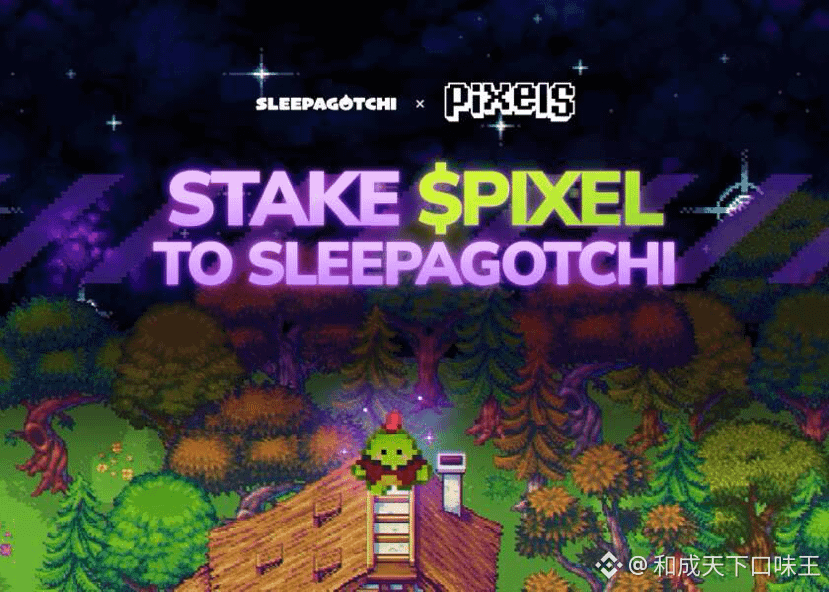
Peeling Off the Layer of Cross-Game Staking: Is the PIXEL Staking Ecosystem a Lifeline or a Delaying Tactic?
Brothers, let's speak plainly, no fluff. Recently, there has been a lot of talk about the multi-game staking and guild ecosystem of Pixels being part of a grand scheme. As someone who has been through various blockchain games, I can't help but scoff while doing my homework these days: in the past, which of those projects that ultimately failed didn't rely on staking and locking to make on-chain data look spectacular? So, facing this wave of staking updates, my stance is simple: the conclusion is not absolute; it's about survival first.
Let's evaluate this staking system by looking at the evidence. The team has forcefully transformed the previous single-track consumption based purely on farming for gold into a staking hub bound to guild passes, VIP, and ecosystem sub-games (like Chubkins), and they've even distributed USDC rewards within the staking system. I tend to believe that the officials are very aware that relying solely on farming cannot contain the massive token inflation, so they must use "staking dividends" to forcibly raise the exit threshold for players, using pre-locked staking to buy time for the entire game economy to operate.
Transforming tokens into ecological golden shovels does make logical sense. But here lies the most fatal question: do the new games integrated into this staking ecosystem truly possess external blood-generating capabilities? If there is no fresh blood coming in to spend, then aren't the rewards generated by staking just a disguised inflation of shifting money from one foot to the other? For this, I'm not sure, but how will I verify it? This matter is actually not complicated; I will focus closely on the following two core indicators:
• The real distribution of staking chips: Keep a close eye on the ratio of large holders to retail investors in the staking pool. If resources are completely skewed towards top guilds, and ordinary players don't even qualify to sip soup, then it's just giant whales sucking blood, and a collapse is only a matter of time.
In summary, using a staking mechanism to hedge against selling pressure is a clever engineering attempt, but it is far from the time to boast about the conclusion. I suggest everyone hold tight to their wallets, see the real operational efficiency of the staking engine at the bottom layer before making a decision. In this circle, surviving gives you the qualification to talk about profits.
@pixels
$PIXEL
#pixel
{future}(PIXELUSDT)
Peeling Off the Layer of Cross-Game Staking: Is the PIXEL Staking Ecosystem a Lifeline or a Delaying Tactic?
Brothers, let's speak plainly, no fluff. Recently, there has been a lot of talk about the multi-game staking and guild ecosystem of Pixels being part of a grand scheme. As someone who has been through various blockchain games, I can't help but scoff while doing my homework these days: in the past, which of those projects that ultimately failed didn't rely on staking and locking to make on-chain data look spectacular? So, facing this wave of staking updates, my stance is simple: the conclusion is not absolute; it's about survival first.
Let's evaluate this staking system by looking at the evidence. The team has forcefully transformed the previous single-track consumption based purely on farming for gold into a staking hub bound to guild passes, VIP, and ecosystem sub-games (like Chubkins), and they've even distributed USDC rewards within the staking system. I tend to believe that the officials are very aware that relying solely on farming cannot contain the massive token inflation, so they must use "staking dividends" to forcibly raise the exit threshold for players, using pre-locked staking to buy time for the entire game economy to operate.
Transforming tokens into ecological golden shovels does make logical sense. But here lies the most fatal question: do the new games integrated into this staking ecosystem truly possess external blood-generating capabilities? If there is no fresh blood coming in to spend, then aren't the rewards generated by staking just a disguised inflation of shifting money from one foot to the other? For this, I'm not sure, but how will I verify it? This matter is actually not complicated; I will focus closely on the following two core indicators:
• The real distribution of staking chips: Keep a close eye on the ratio of large holders to retail investors in the staking pool. If resources are completely skewed towards top guilds, and ordinary players don't even qualify to sip soup, then it's just giant whales sucking blood, and a collapse is only a matter of time.
In summary, using a staking mechanism to hedge against selling pressure is a clever engineering attempt, but it is far from the time to boast about the conclusion. I suggest everyone hold tight to their wallets, see the real operational efficiency of the staking engine at the bottom layer before making a decision. In this circle, surviving gives you the qualification to talk about profits.
@Pixels
$PIXEL
#pixel
Brothers, let's speak plainly, no fluff. Recently, there has been a lot of talk about the multi-game staking and guild ecosystem of Pixels being part of a grand scheme. As someone who has been through various blockchain games, I can't help but scoff while doing my homework these days: in the past, which of those projects that ultimately failed didn't rely on staking and locking to make on-chain data look spectacular? So, facing this wave of staking updates, my stance is simple: the conclusion is not absolute; it's about survival first.
Let's evaluate this staking system by looking at the evidence. The team has forcefully transformed the previous single-track consumption based purely on farming for gold into a staking hub bound to guild passes, VIP, and ecosystem sub-games (like Chubkins), and they've even distributed USDC rewards within the staking system. I tend to believe that the officials are very aware that relying solely on farming cannot contain the massive token inflation, so they must use "staking dividends" to forcibly raise the exit threshold for players, using pre-locked staking to buy time for the entire game economy to operate.
Transforming tokens into ecological golden shovels does make logical sense. But here lies the most fatal question: do the new games integrated into this staking ecosystem truly possess external blood-generating capabilities? If there is no fresh blood coming in to spend, then aren't the rewards generated by staking just a disguised inflation of shifting money from one foot to the other? For this, I'm not sure, but how will I verify it? This matter is actually not complicated; I will focus closely on the following two core indicators:
• The real distribution of staking chips: Keep a close eye on the ratio of large holders to retail investors in the staking pool. If resources are completely skewed towards top guilds, and ordinary players don't even qualify to sip soup, then it's just giant whales sucking blood, and a collapse is only a matter of time.
In summary, using a staking mechanism to hedge against selling pressure is a clever engineering attempt, but it is far from the time to boast about the conclusion. I suggest everyone hold tight to their wallets, see the real operational efficiency of the staking engine at the bottom layer before making a decision. In this circle, surviving gives you the qualification to talk about profits.
@Pixels
$PIXEL
#pixel

1
76
·
--

Article
Stop staring at air tokens and cutting each other down; peel back Sign's underlying architecture and see how these people are 'stitching' trust in the geopolitical cracks.Recently, staying on-chain has been extremely exhausting. Every day, it's either various group friends getting wrecked by meme coins or some seemingly reputable DeFi project being drained by hackers. After spending a long time in this circle, you really start to develop a serious case of 'trust withdrawal reaction.' The so-called 'decentralization' now feels like blindly sprinting through a dark forest; it seems like nobody trusts anyone, and in the end, all transactions rely on blind prayers to a few multi-signature wallets.
I'm tired of this bloody life, so I recently started diving into those dry infrastructure documents to see if anyone is genuinely addressing the 'trust verification' issue. That's when I became obsessed with @SignOfficial. To be honest, at first, I thought this was just another gimmick project for soulbound tokens (SBT) or issuing on-chain electronic diplomas. But as I did my research and peeled back its underlying logic, I realized these people have ambitions that are a bit outrageous. They are not just creating a Web3 toy; they are trying to stitch together a 'neutral trust network' that doesn't require taking sides in the current geopolitical and cross-border trade landscape.
Stop staring at air tokens and cutting each other down; peel back Sign's underlying architecture and see how these people are 'stitching' trust in the geopolitical cracks.
Recently, staying on-chain has been extremely exhausting. Every day, it's either various group friends getting wrecked by meme coins or some seemingly reputable DeFi project being drained by hackers. After spending a long time in this circle, you really start to develop a serious case of 'trust withdrawal reaction.' The so-called 'decentralization' now feels like blindly sprinting through a dark forest; it seems like nobody trusts anyone, and in the end, all transactions rely on blind prayers to a few multi-signature wallets.
I'm tired of this bloody life, so I recently started diving into those dry infrastructure documents to see if anyone is genuinely addressing the 'trust verification' issue. That's when I became obsessed with @SignOfficial. To be honest, at first, I thought this was just another gimmick project for soulbound tokens (SBT) or issuing on-chain electronic diplomas. But as I did my research and peeled back its underlying logic, I realized these people have ambitions that are a bit outrageous. They are not just creating a Web3 toy; they are trying to stitch together a 'neutral trust network' that doesn't require taking sides in the current geopolitical and cross-border trade landscape.
I'm tired of this bloody life, so I recently started diving into those dry infrastructure documents to see if anyone is genuinely addressing the 'trust verification' issue. That's when I became obsessed with @SignOfficial. To be honest, at first, I thought this was just another gimmick project for soulbound tokens (SBT) or issuing on-chain electronic diplomas. But as I did my research and peeled back its underlying logic, I realized these people have ambitions that are a bit outrageous. They are not just creating a Web3 toy; they are trying to stitch together a 'neutral trust network' that doesn't require taking sides in the current geopolitical and cross-border trade landscape.
3
172
·
--
Refusing to paint a pie in the sky, uncovering the real underlying cards of this geopolitical infrastructure]
Currently, most of the proof agreements in this circle are engaged in self-satisfied self-rescue. Either they lock a soul-bound token on a single chain, grandly named 'identity sovereignty', but in reality, it becomes a data island; or they lock the verification logic in inefficient centralized oracles. Airdrops are fine, but when it comes to complex cross-border trade, it directly falls apart. I am indeed tired of this kind of empty talk without settlement ability.
Recently, while doing my homework, I analyzed the foundation of this project and discovered a hardcore mechanism: full-chain consensus proof topology. In simple terms, it does not blindly create public chains, but separates business verification and underlying evidence using structured hooks. For example, when you do business in the Middle East, you do not need to show your bank transactions to the entire network; just pull out the issued encrypted seal, and without exposing business secrets, you can instantly self-verify your strength.
Now the entire network is rushing for meme coins, and sticking to the underlying infrastructure is indeed stubborn. But the geopolitical situation is like a powder keg, and centralized clearing can cut your network connection at any time; blindly trusting tradition is too naive. It is actually forcefully smashing a trust anchor point in the gap of sovereign tearing. Of course, no narrative or conclusion is absolute; infrastructure cycles are long, so we should prioritize survival before taking risks, and definitely avoid reckless gambles.
@SignOfficial
$SIGN
#Sign地缘政治基建
{future}(SIGNUSDT)
Refusing to paint a pie in the sky, uncovering the real underlying cards of this geopolitical infrastructure]
Currently, most of the proof agreements in this circle are engaged in self-satisfied self-rescue. Either they lock a soul-bound token on a single chain, grandly named 'identity sovereignty', but in reality, it becomes a data island; or they lock the verification logic in inefficient centralized oracles. Airdrops are fine, but when it comes to complex cross-border trade, it directly falls apart. I am indeed tired of this kind of empty talk without settlement ability.
Recently, while doing my homework, I analyzed the foundation of this project and discovered a hardcore mechanism: full-chain consensus proof topology. In simple terms, it does not blindly create public chains, but separates business verification and underlying evidence using structured hooks. For example, when you do business in the Middle East, you do not need to show your bank transactions to the entire network; just pull out the issued encrypted seal, and without exposing business secrets, you can instantly self-verify your strength.
Now the entire network is rushing for meme coins, and sticking to the underlying infrastructure is indeed stubborn. But the geopolitical situation is like a powder keg, and centralized clearing can cut your network connection at any time; blindly trusting tradition is too naive. It is actually forcefully smashing a trust anchor point in the gap of sovereign tearing. Of course, no narrative or conclusion is absolute; infrastructure cycles are long, so we should prioritize survival before taking risks, and definitely avoid reckless gambles.
@SignOfficial
$SIGN
#Sign地缘政治基建
Currently, most of the proof agreements in this circle are engaged in self-satisfied self-rescue. Either they lock a soul-bound token on a single chain, grandly named 'identity sovereignty', but in reality, it becomes a data island; or they lock the verification logic in inefficient centralized oracles. Airdrops are fine, but when it comes to complex cross-border trade, it directly falls apart. I am indeed tired of this kind of empty talk without settlement ability.
Recently, while doing my homework, I analyzed the foundation of this project and discovered a hardcore mechanism: full-chain consensus proof topology. In simple terms, it does not blindly create public chains, but separates business verification and underlying evidence using structured hooks. For example, when you do business in the Middle East, you do not need to show your bank transactions to the entire network; just pull out the issued encrypted seal, and without exposing business secrets, you can instantly self-verify your strength.
Now the entire network is rushing for meme coins, and sticking to the underlying infrastructure is indeed stubborn. But the geopolitical situation is like a powder keg, and centralized clearing can cut your network connection at any time; blindly trusting tradition is too naive. It is actually forcefully smashing a trust anchor point in the gap of sovereign tearing. Of course, no narrative or conclusion is absolute; infrastructure cycles are long, so we should prioritize survival before taking risks, and definitely avoid reckless gambles.
@SignOfficial
$SIGN
#Sign地缘政治基建
诈骗画饼代币
100%
走向人生巅峰
0%
不是更清楚这个项目
0%
1 votes • Voting closed
2
112
·
--
Bullish
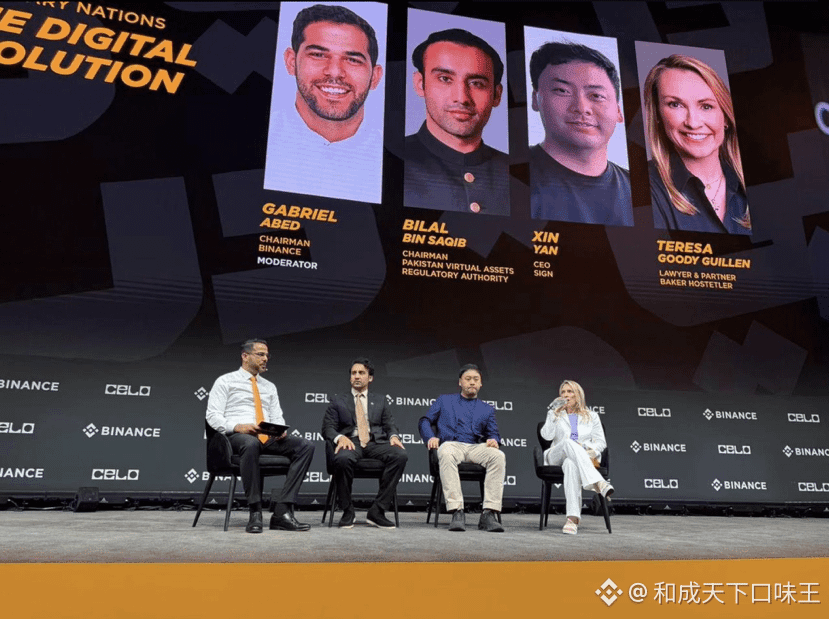
The "Digital Private Property" of Middle Eastern Tycoons: What exactly is Sign up to?!
Recently, I've been looking at cases of digital transformation in the Middle East and keep coming across @SignOfficial . To be honest, my first reaction was: Is this pie being drawn a bit too large? To figure out whether they are selling "air" or building a "foundation" in that area, I've indeed spent a lot of time buried in books over the past few days. Let's set aside the flowery words in those research reports and take a cold look at the real quality of $SIGN .
In simple terms, Saudi Arabia and the UAE really don't lack money; what they lack is "digital sovereignty." Think about it, if core government and financial data runs on someone else's chain, isn't their lifeline being held? The smartest thing about Sign is that it doesn't deal in illusions but rather provides a set of privately deployable SIGN Stack infrastructure. Nodes are locked in data centers in Abu Dhabi, keys are held by sovereign funds, data stays within borders, and consensus is managed internally. This sense of control, where "I am in charge of my territory," is the underlying logic that makes tycoons willing to spend money.
As I complain while watching, Sign's current role is more like a "digital gatekeeper." For the Middle East to achieve economic transformation, it relies on multinational trade and digital finance, where the most expensive factor is the "cost of trust." Sign’s on-chain identity and proof serve as an automatic verification system for such large-scale collaborations. If this really comes to fruition, it will become the default layer of the future Middle Eastern digital economy, directly linked to GDP.
Don't be too rigid in your conclusions; infrastructure work has always been slow. But compared to a landscape full of air, this kind of geopolitical narrative is much sturdier. This solution holds immense value. Let's focus on survival for now and see if it can truly take off.
@SignOfficial
$SIGN
#Sign地缘政治基建
{future}(SIGNUSDT)
The "Digital Private Property" of Middle Eastern Tycoons: What exactly is Sign up to?!
Recently, I've been looking at cases of digital transformation in the Middle East and keep coming across @SignOfficial . To be honest, my first reaction was: Is this pie being drawn a bit too large? To figure out whether they are selling "air" or building a "foundation" in that area, I've indeed spent a lot of time buried in books over the past few days. Let's set aside the flowery words in those research reports and take a cold look at the real quality of $SIGN .
In simple terms, Saudi Arabia and the UAE really don't lack money; what they lack is "digital sovereignty." Think about it, if core government and financial data runs on someone else's chain, isn't their lifeline being held? The smartest thing about Sign is that it doesn't deal in illusions but rather provides a set of privately deployable SIGN Stack infrastructure. Nodes are locked in data centers in Abu Dhabi, keys are held by sovereign funds, data stays within borders, and consensus is managed internally. This sense of control, where "I am in charge of my territory," is the underlying logic that makes tycoons willing to spend money.
As I complain while watching, Sign's current role is more like a "digital gatekeeper." For the Middle East to achieve economic transformation, it relies on multinational trade and digital finance, where the most expensive factor is the "cost of trust." Sign’s on-chain identity and proof serve as an automatic verification system for such large-scale collaborations. If this really comes to fruition, it will become the default layer of the future Middle Eastern digital economy, directly linked to GDP.
Don't be too rigid in your conclusions; infrastructure work has always been slow. But compared to a landscape full of air, this kind of geopolitical narrative is much sturdier. This solution holds immense value. Let's focus on survival for now and see if it can truly take off.
@SignOfficial
$SIGN
#Sign地缘政治基建
Recently, I've been looking at cases of digital transformation in the Middle East and keep coming across @SignOfficial . To be honest, my first reaction was: Is this pie being drawn a bit too large? To figure out whether they are selling "air" or building a "foundation" in that area, I've indeed spent a lot of time buried in books over the past few days. Let's set aside the flowery words in those research reports and take a cold look at the real quality of $SIGN .
In simple terms, Saudi Arabia and the UAE really don't lack money; what they lack is "digital sovereignty." Think about it, if core government and financial data runs on someone else's chain, isn't their lifeline being held? The smartest thing about Sign is that it doesn't deal in illusions but rather provides a set of privately deployable SIGN Stack infrastructure. Nodes are locked in data centers in Abu Dhabi, keys are held by sovereign funds, data stays within borders, and consensus is managed internally. This sense of control, where "I am in charge of my territory," is the underlying logic that makes tycoons willing to spend money.
As I complain while watching, Sign's current role is more like a "digital gatekeeper." For the Middle East to achieve economic transformation, it relies on multinational trade and digital finance, where the most expensive factor is the "cost of trust." Sign’s on-chain identity and proof serve as an automatic verification system for such large-scale collaborations. If this really comes to fruition, it will become the default layer of the future Middle Eastern digital economy, directly linked to GDP.
Don't be too rigid in your conclusions; infrastructure work has always been slow. But compared to a landscape full of air, this kind of geopolitical narrative is much sturdier. This solution holds immense value. Let's focus on survival for now and see if it can truly take off.
@SignOfficial
$SIGN
#Sign地缘政治基建
3
151
·
--
Article
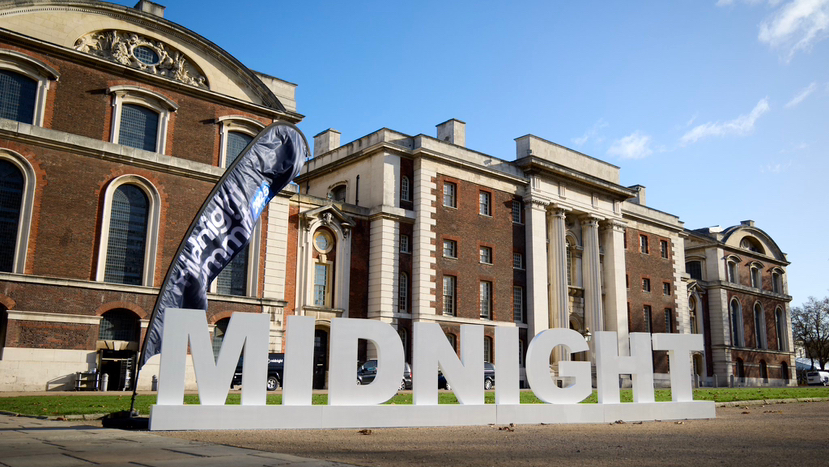
Don't just focus on the climax of IOG's background with Midnight, look at the corpses in the privacy track over the past few years before you speak.Brothers, today we are not going to boast or criticize, let's talk openly about Midnight Network. Recently, due to the strong endorsement from IOG (the parent company behind Cardano), along with the mainnet expectation approaching, this project has indeed gained traction. But I noticed that many newcomers rushing in have the same look in their eyes as when they looked at Luna back in the day, all filled with faith. Let's be a bit more rational and speak plainly: the privacy track has never been an easy meal to serve. Before you all prepare to go all in, can you take a moment to calm down, look at the evidence and risks behind this? My principle is to not jump to conclusions too early, first ensure your survival, then consider what comes next.
Don't just focus on the climax of IOG's background with Midnight, look at the corpses in the privacy track over the past few years before you speak.
Brothers, today we are not going to boast or criticize, let's talk openly about Midnight Network. Recently, due to the strong endorsement from IOG (the parent company behind Cardano), along with the mainnet expectation approaching, this project has indeed gained traction. But I noticed that many newcomers rushing in have the same look in their eyes as when they looked at Luna back in the day, all filled with faith. Let's be a bit more rational and speak plainly: the privacy track has never been an easy meal to serve. Before you all prepare to go all in, can you take a moment to calm down, look at the evidence and risks behind this? My principle is to not jump to conclusions too early, first ensure your survival, then consider what comes next.
139
·
--

Article
The Middle East does not need a 'savior', but indeed lacks a 'digital sovereignty' gatekeeper.Recently, I've been inundated with digital transformation solutions from the Middle East. To be honest, my first reaction was: isn't this pie a bit too big? To clarify,
whether they are really selling 'air' or building 'foundations' in that region, I've indeed spent the past couple of days buried in books doing quite a bit of homework. Let's set aside the flattering words in those investment research reports and take a cold look at
the real level, especially what allows it to carve out a niche among those shrewd tycoons.
To be honest, the current narrative in the cryptocurrency circle often revolves around 'decentralization.' But in places like the Middle East, what the royal families and sovereign institutions least desire is likely 'loss of control.' They have money, they have vision, but they also have a strong sense of security anxiety. Just think about it, their 'Vision 2030' aims to move the entire country's finance, trade, and governance onto the cloud, and if this base runs on someone else's servers, or on a public chain they can't control, that’s not called digital transformation; that’s handing over the lifeline to others. This is the anxiety over 'digital sovereignty' in the context of great power rivalry; it’s a matter of survival, not technology.
The Middle East does not need a 'savior', but indeed lacks a 'digital sovereignty' gatekeeper.
Recently, I've been inundated with digital transformation solutions from the Middle East. To be honest, my first reaction was: isn't this pie a bit too big? To clarify,
whether they are really selling 'air' or building 'foundations' in that region, I've indeed spent the past couple of days buried in books doing quite a bit of homework. Let's set aside the flattering words in those investment research reports and take a cold look at
the real level, especially what allows it to carve out a niche among those shrewd tycoons.
To be honest, the current narrative in the cryptocurrency circle often revolves around 'decentralization.' But in places like the Middle East, what the royal families and sovereign institutions least desire is likely 'loss of control.' They have money, they have vision, but they also have a strong sense of security anxiety. Just think about it, their 'Vision 2030' aims to move the entire country's finance, trade, and governance onto the cloud, and if this base runs on someone else's servers, or on a public chain they can't control, that’s not called digital transformation; that’s handing over the lifeline to others. This is the anxiety over 'digital sovereignty' in the context of great power rivalry; it’s a matter of survival, not technology.
whether they are really selling 'air' or building 'foundations' in that region, I've indeed spent the past couple of days buried in books doing quite a bit of homework. Let's set aside the flattering words in those investment research reports and take a cold look at
the real level, especially what allows it to carve out a niche among those shrewd tycoons.
To be honest, the current narrative in the cryptocurrency circle often revolves around 'decentralization.' But in places like the Middle East, what the royal families and sovereign institutions least desire is likely 'loss of control.' They have money, they have vision, but they also have a strong sense of security anxiety. Just think about it, their 'Vision 2030' aims to move the entire country's finance, trade, and governance onto the cloud, and if this base runs on someone else's servers, or on a public chain they can't control, that’s not called digital transformation; that’s handing over the lifeline to others. This is the anxiety over 'digital sovereignty' in the context of great power rivalry; it’s a matter of survival, not technology.
39
·
--
Before $NIGHT : Don't just look at the IOG sign, first calculate the compliance and selling pressure accounts.
Brothers, let's speak plainly. Recently, everyone has been hyping the expectations for Midnight's mainnet and IOG's background. Looking at this heat, I just want to say: stop hyping, first look at the evidence. The story of privacy plus compliance is indeed top-notch, but whether it can be executed is another matter.
Their 'selective disclosure' is very clever; they don't confront regulators head-on. But I tend to believe that the project's moat is not in the fanciness of the ZK algorithm, but in the real operational costs. How expensive is it to run zero-knowledge proofs on-chain? I'm not sure, but how will I verify it? Once the mainnet goes live, I'll directly see if there are any real DApps that dare to run high-frequency interactions on it. Stop hyping how amazing the underlying technology is; if there are no institutions or retail investors using it, then it's just a high-end shell.
Looking at the chips, the total supply is 10 billion, with about 30% in circulation. The current rise is driven by localized liquidity exhaustion, but that 70% of unlocked selling pressure in the future is very real. The conclusion is not absolute; the short-term speculation on the mainnet landing sentiment is reasonable, but long-term? First ensure survival before taking risks. I will only focus on the real on-chain activity and the concentration of token holdings after the mainnet launches; no rabbit, no hawk.
@MidnightNetwork
$NIGHT
#night
{future}(NIGHTUSDT)
Before $NIGHT : Don't just look at the IOG sign, first calculate the compliance and selling pressure accounts.
Brothers, let's speak plainly. Recently, everyone has been hyping the expectations for Midnight's mainnet and IOG's background. Looking at this heat, I just want to say: stop hyping, first look at the evidence. The story of privacy plus compliance is indeed top-notch, but whether it can be executed is another matter.
Their 'selective disclosure' is very clever; they don't confront regulators head-on. But I tend to believe that the project's moat is not in the fanciness of the ZK algorithm, but in the real operational costs. How expensive is it to run zero-knowledge proofs on-chain? I'm not sure, but how will I verify it? Once the mainnet goes live, I'll directly see if there are any real DApps that dare to run high-frequency interactions on it. Stop hyping how amazing the underlying technology is; if there are no institutions or retail investors using it, then it's just a high-end shell.
Looking at the chips, the total supply is 10 billion, with about 30% in circulation. The current rise is driven by localized liquidity exhaustion, but that 70% of unlocked selling pressure in the future is very real. The conclusion is not absolute; the short-term speculation on the mainnet landing sentiment is reasonable, but long-term? First ensure survival before taking risks. I will only focus on the real on-chain activity and the concentration of token holdings after the mainnet launches; no rabbit, no hawk.
@MidnightNetwork
$NIGHT
#night
Brothers, let's speak plainly. Recently, everyone has been hyping the expectations for Midnight's mainnet and IOG's background. Looking at this heat, I just want to say: stop hyping, first look at the evidence. The story of privacy plus compliance is indeed top-notch, but whether it can be executed is another matter.
Their 'selective disclosure' is very clever; they don't confront regulators head-on. But I tend to believe that the project's moat is not in the fanciness of the ZK algorithm, but in the real operational costs. How expensive is it to run zero-knowledge proofs on-chain? I'm not sure, but how will I verify it? Once the mainnet goes live, I'll directly see if there are any real DApps that dare to run high-frequency interactions on it. Stop hyping how amazing the underlying technology is; if there are no institutions or retail investors using it, then it's just a high-end shell.
Looking at the chips, the total supply is 10 billion, with about 30% in circulation. The current rise is driven by localized liquidity exhaustion, but that 70% of unlocked selling pressure in the future is very real. The conclusion is not absolute; the short-term speculation on the mainnet landing sentiment is reasonable, but long-term? First ensure survival before taking risks. I will only focus on the real on-chain activity and the concentration of token holdings after the mainnet launches; no rabbit, no hawk.
@MidnightNetwork
$NIGHT
#night
1
74
·
--

Article
Besides oil and luxury cars, what future does the Middle East want to bet on with Sign?I watched a video of a guy running foreign trade in Dubai, and he made me laugh with one sentence: Although oil is cheaper than water there, 'trust' is expensive enough to make the Crown Prince frown. The Middle East no longer wants to just be oil sellers; they are desperately diving into digital transformation. Especially with Saudi Arabia's 'Vision 2030', they wish they could move the whole country onto the blockchain overnight. But there is a deadlock: they dislike being led by Western technological hegemony and don't want to expose their secrets on Silicon Valley servers. They urgently need a set of code logic that can be recognized globally and run securely on their own servers. Sign is precisely this kind of sovereign 'digital foundation'.
Besides oil and luxury cars, what future does the Middle East want to bet on with Sign?
I watched a video of a guy running foreign trade in Dubai, and he made me laugh with one sentence: Although oil is cheaper than water there, 'trust' is expensive enough to make the Crown Prince frown. The Middle East no longer wants to just be oil sellers; they are desperately diving into digital transformation. Especially with Saudi Arabia's 'Vision 2030', they wish they could move the whole country onto the blockchain overnight. But there is a deadlock: they dislike being led by Western technological hegemony and don't want to expose their secrets on Silicon Valley servers. They urgently need a set of code logic that can be recognized globally and run securely on their own servers. Sign is precisely this kind of sovereign 'digital foundation'.
109
·
--
Bullish
Don't blow hot air about disruption; first, clarify the company's financial mess.
Brothers, let's speak plainly. The biggest Achilles' heel for traditional industrial bosses hesitant to go on-chain isn't their inability to understand geek code, but rather that their finances can't be accounted for. When you tell the auditor that today's on-chain transfer gas fee is only 5 bucks, and tomorrow, due to congestion, it skyrockets to 500 bucks—how do you expect businesses to categorize that? How do they create an annual budget? The finance teams of industrial companies will definitely teach you a lesson right there.
Stop with the empty talk about world-changing, epoch-making revolutions; let’s look at the evidence first. Recently, I stayed up late reviewing the white paper of Midnight. Its dual-currency architecture involving $NIGHT and DUST truly hits the compliance pain points of these old money folks precisely. When a company buys $NIGHT and locks it up, on the books, it becomes a solid fixed asset, and it will automatically and continuously generate DUST to offset on-chain consumption costs. This is like a company paying for a stable annual broadband service; the underlying asset doesn't deplete, and the daily usage costs are also transparent, allowing tax and audit departments to finally shut up and let it pass.
I tend to think this is the right strategy to attract B-end institutions into the game. But in this circle, conclusions aren't absolute; we must prioritize survival before ambition. You should know that DUST comes with a decay and cap mechanism. Once the mainnet fully operates, and the overall holdings increase, leading to diluted generation efficiency, will there be enough generated fuel for those real-world businesses that require extremely high-frequency interactions? That remains a huge unknown.
So, I'm not sure if this set of parameters will collapse in an extremely congested environment, but how will I verify it? Once it truly lands, I will closely monitor the actual consumption flow of the first batch of compliant institutional nodes on-chain. Until I see real commercial deployment data involving those old money folks, I absolutely won't go all in. Do you have any industrial bosses around you who are stuck due to compliance and want to use blockchain but are afraid to?
@MidnightNetwork
$NIGHT
#night
{future}(NIGHTUSDT)
Don't blow hot air about disruption; first, clarify the company's financial mess.
Brothers, let's speak plainly. The biggest Achilles' heel for traditional industrial bosses hesitant to go on-chain isn't their inability to understand geek code, but rather that their finances can't be accounted for. When you tell the auditor that today's on-chain transfer gas fee is only 5 bucks, and tomorrow, due to congestion, it skyrockets to 500 bucks—how do you expect businesses to categorize that? How do they create an annual budget? The finance teams of industrial companies will definitely teach you a lesson right there.
Stop with the empty talk about world-changing, epoch-making revolutions; let’s look at the evidence first. Recently, I stayed up late reviewing the white paper of Midnight. Its dual-currency architecture involving $NIGHT and DUST truly hits the compliance pain points of these old money folks precisely. When a company buys $NIGHT and locks it up, on the books, it becomes a solid fixed asset, and it will automatically and continuously generate DUST to offset on-chain consumption costs. This is like a company paying for a stable annual broadband service; the underlying asset doesn't deplete, and the daily usage costs are also transparent, allowing tax and audit departments to finally shut up and let it pass.
I tend to think this is the right strategy to attract B-end institutions into the game. But in this circle, conclusions aren't absolute; we must prioritize survival before ambition. You should know that DUST comes with a decay and cap mechanism. Once the mainnet fully operates, and the overall holdings increase, leading to diluted generation efficiency, will there be enough generated fuel for those real-world businesses that require extremely high-frequency interactions? That remains a huge unknown.
So, I'm not sure if this set of parameters will collapse in an extremely congested environment, but how will I verify it? Once it truly lands, I will closely monitor the actual consumption flow of the first batch of compliant institutional nodes on-chain. Until I see real commercial deployment data involving those old money folks, I absolutely won't go all in. Do you have any industrial bosses around you who are stuck due to compliance and want to use blockchain but are afraid to?
@MidnightNetwork
$NIGHT
#night
Brothers, let's speak plainly. The biggest Achilles' heel for traditional industrial bosses hesitant to go on-chain isn't their inability to understand geek code, but rather that their finances can't be accounted for. When you tell the auditor that today's on-chain transfer gas fee is only 5 bucks, and tomorrow, due to congestion, it skyrockets to 500 bucks—how do you expect businesses to categorize that? How do they create an annual budget? The finance teams of industrial companies will definitely teach you a lesson right there.
Stop with the empty talk about world-changing, epoch-making revolutions; let’s look at the evidence first. Recently, I stayed up late reviewing the white paper of Midnight. Its dual-currency architecture involving $NIGHT and DUST truly hits the compliance pain points of these old money folks precisely. When a company buys $NIGHT and locks it up, on the books, it becomes a solid fixed asset, and it will automatically and continuously generate DUST to offset on-chain consumption costs. This is like a company paying for a stable annual broadband service; the underlying asset doesn't deplete, and the daily usage costs are also transparent, allowing tax and audit departments to finally shut up and let it pass.
I tend to think this is the right strategy to attract B-end institutions into the game. But in this circle, conclusions aren't absolute; we must prioritize survival before ambition. You should know that DUST comes with a decay and cap mechanism. Once the mainnet fully operates, and the overall holdings increase, leading to diluted generation efficiency, will there be enough generated fuel for those real-world businesses that require extremely high-frequency interactions? That remains a huge unknown.
So, I'm not sure if this set of parameters will collapse in an extremely congested environment, but how will I verify it? Once it truly lands, I will closely monitor the actual consumption flow of the first batch of compliant institutional nodes on-chain. Until I see real commercial deployment data involving those old money folks, I absolutely won't go all in. Do you have any industrial bosses around you who are stuck due to compliance and want to use blockchain but are afraid to?
@MidnightNetwork
$NIGHT
#night
73
·
--
Bullish
In the realm of Middle Eastern tycoons, who is Sign really collecting the "trust tax" from?
Yesterday, I had a drink with my friend Old Zhou, who is involved in Middle Eastern trade. He complained that the hardest part about striking gold in Dubai is not finding clients, but proving one's innocence. Demonstrating that the funds are clean and the entities are compliant, with layers of audits and official seals, can drive a person crazy. This friction of trust is precisely the juicy target that $SIGN has set its sights on. Many people perceive @SignOfficial as merely a certificate issuance on the blockchain; in reality, it has grand ambitions, targeting the most anxious concern of Middle Eastern tycoons—"digital sovereignty."
The Middle East is desperately trying to escape Western financial jurisdiction and urgently needs a set of infrastructure that they can control while also being recognized globally. The evidence layer logic of Sign is to provide a decentralized digital stamp for sovereign credit. It utilizes Schema and Hooks mechanisms to make verification as cold and unyielding as a turnstile. Whether you are compliant or not is determined by the code, with no regard for bureaucratic faces. This kind of geo-level infrastructure has indeed an unfathomable growth potential in a fragmented world.
However, I must pour a bucket of cold water on this. Don't get too excited when you hear "sovereign infrastructure." When Web3 technology becomes a tool for sovereign control, is it really liberating efficiency or reinforcing a steel cage? Sign is in the business of rule passports, and it's hard to reach a definitive conclusion at this point. We need to clearly understand whether the toll station can genuinely collect taxes before we talk about dreams.
@SignOfficial $SIGN #Sign地缘政治基建
{future}(SIGNUSDT)
In the realm of Middle Eastern tycoons, who is Sign really collecting the "trust tax" from?
Yesterday, I had a drink with my friend Old Zhou, who is involved in Middle Eastern trade. He complained that the hardest part about striking gold in Dubai is not finding clients, but proving one's innocence. Demonstrating that the funds are clean and the entities are compliant, with layers of audits and official seals, can drive a person crazy. This friction of trust is precisely the juicy target that $SIGN has set its sights on. Many people perceive @SignOfficial as merely a certificate issuance on the blockchain; in reality, it has grand ambitions, targeting the most anxious concern of Middle Eastern tycoons—"digital sovereignty."
The Middle East is desperately trying to escape Western financial jurisdiction and urgently needs a set of infrastructure that they can control while also being recognized globally. The evidence layer logic of Sign is to provide a decentralized digital stamp for sovereign credit. It utilizes Schema and Hooks mechanisms to make verification as cold and unyielding as a turnstile. Whether you are compliant or not is determined by the code, with no regard for bureaucratic faces. This kind of geo-level infrastructure has indeed an unfathomable growth potential in a fragmented world.
However, I must pour a bucket of cold water on this. Don't get too excited when you hear "sovereign infrastructure." When Web3 technology becomes a tool for sovereign control, is it really liberating efficiency or reinforcing a steel cage? Sign is in the business of rule passports, and it's hard to reach a definitive conclusion at this point. We need to clearly understand whether the toll station can genuinely collect taxes before we talk about dreams.
@SignOfficial $SIGN #Sign地缘政治基建
Yesterday, I had a drink with my friend Old Zhou, who is involved in Middle Eastern trade. He complained that the hardest part about striking gold in Dubai is not finding clients, but proving one's innocence. Demonstrating that the funds are clean and the entities are compliant, with layers of audits and official seals, can drive a person crazy. This friction of trust is precisely the juicy target that $SIGN has set its sights on. Many people perceive @SignOfficial as merely a certificate issuance on the blockchain; in reality, it has grand ambitions, targeting the most anxious concern of Middle Eastern tycoons—"digital sovereignty."
The Middle East is desperately trying to escape Western financial jurisdiction and urgently needs a set of infrastructure that they can control while also being recognized globally. The evidence layer logic of Sign is to provide a decentralized digital stamp for sovereign credit. It utilizes Schema and Hooks mechanisms to make verification as cold and unyielding as a turnstile. Whether you are compliant or not is determined by the code, with no regard for bureaucratic faces. This kind of geo-level infrastructure has indeed an unfathomable growth potential in a fragmented world.
However, I must pour a bucket of cold water on this. Don't get too excited when you hear "sovereign infrastructure." When Web3 technology becomes a tool for sovereign control, is it really liberating efficiency or reinforcing a steel cage? Sign is in the business of rule passports, and it's hard to reach a definitive conclusion at this point. We need to clearly understand whether the toll station can genuinely collect taxes before we talk about dreams.
@SignOfficial $SIGN #Sign地缘政治基建
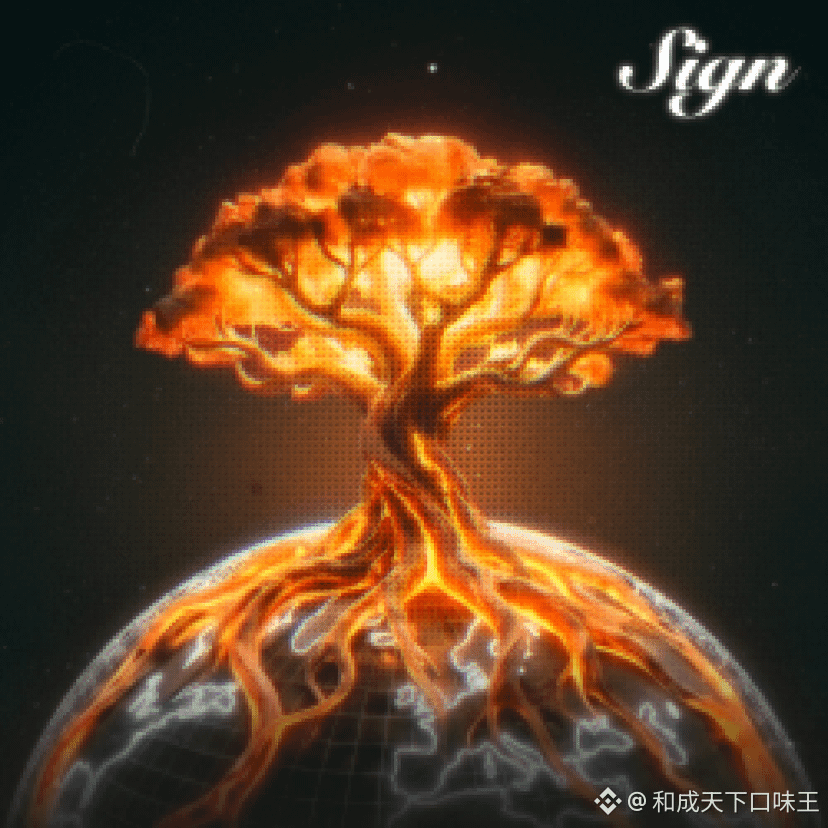
54
·
--
Article
Don't blindly focus on $NIGHT's dual-token; peel back the white paper and look at the real calculations behind DUST decay.Brothers, the market has been extremely difficult to deal with these past few days, with various altcoins jumping around. Many people have come to private message me asking what I think about the new player in the privacy space, Midnight. To be honest, I usually keep my mouth a bit cold, but when it comes to doing things, I must do it thoroughly and never joke with my own hard-earned money. Last night, I stayed up late going through the economic model white paper again, and the screen full of geek jargon made my head hurt.
Now many people outside are shouting signals, and the logic often only stays at superficial slogans like 'it is the ace privacy chain of the Cardano ecosystem' and 'the dual-token model eliminates Gas speculation.' Speaking plainly, stop blowing those grand narratives that change the world. There are too many projects in this circle telling the dual-token story, and how many ended up in a death spiral, burying retail investors at the bottom? First, preserve your life before going all in; today we only look at evidence and break down its most core but also easily overlooked mechanism: the generation and unbinding decay game of DUST.
Don't blindly focus on the dual-token of $NIGHT; peel back the white paper and take a look at the real calculations behind DUST decay.
Don't blindly focus on $NIGHT's dual-token; peel back the white paper and look at the real calculations behind DUST decay.
Brothers, the market has been extremely difficult to deal with these past few days, with various altcoins jumping around. Many people have come to private message me asking what I think about the new player in the privacy space, Midnight. To be honest, I usually keep my mouth a bit cold, but when it comes to doing things, I must do it thoroughly and never joke with my own hard-earned money. Last night, I stayed up late going through the economic model white paper again, and the screen full of geek jargon made my head hurt.
Now many people outside are shouting signals, and the logic often only stays at superficial slogans like 'it is the ace privacy chain of the Cardano ecosystem' and 'the dual-token model eliminates Gas speculation.' Speaking plainly, stop blowing those grand narratives that change the world. There are too many projects in this circle telling the dual-token story, and how many ended up in a death spiral, burying retail investors at the bottom? First, preserve your life before going all in; today we only look at evidence and break down its most core but also easily overlooked mechanism: the generation and unbinding decay game of DUST.
Don't blindly focus on the dual-token of $NIGHT ; peel back the white paper and take a look at the real calculations behind DUST decay.
Now many people outside are shouting signals, and the logic often only stays at superficial slogans like 'it is the ace privacy chain of the Cardano ecosystem' and 'the dual-token model eliminates Gas speculation.' Speaking plainly, stop blowing those grand narratives that change the world. There are too many projects in this circle telling the dual-token story, and how many ended up in a death spiral, burying retail investors at the bottom? First, preserve your life before going all in; today we only look at evidence and break down its most core but also easily overlooked mechanism: the generation and unbinding decay game of DUST.
Don't blindly focus on the dual-token of $NIGHT ; peel back the white paper and take a look at the real calculations behind DUST decay.
54
·
--
Bullish
【Why are institutions afraid of public chains? Understanding the privacy boundaries of Midnight】
Brothers, let's talk about something real. Everyone in the circle is shouting to let big companies in, but a purely public blockchain simply can't do it. Let's be frank, which serious company would be willing to expose its business secrets and cash flow on a transparent ledger for all to see? Stripping down to your underwear does not align with commercial logic.
This is also the reason I reconsidered Midnight. Don’t boast about absolute anonymity; let’s look at the evidence first. Its main feature of "selective disclosure" is very practical: compliance data that needs to be shown to regulators gets the green light, while core secrets are securely hidden using zero-knowledge proofs. I tend to believe that this kind of privacy with boundaries is the foundational infrastructure that institutions are truly willing to use.
Now let’s look at consumption. Many chains have astronomical fees when congested, but it has implemented a dual-token system. It captures value using NIGHT and generates DUST as fuel, completely separating speculation from actual usage costs. I’m not sure if the mechanism will collapse under high concurrency, but how will I verify it? Waiting for the mainnet to see the real nodes running and the wear and tear on-chain.
The conclusion is not absolute; survival first, then we can think about more. If we can truly bite off this piece of meat, the future potential is enormous.
@MidnightNetwork $NIGHT #night
{future}(NIGHTUSDT)
【Why are institutions afraid of public chains? Understanding the privacy boundaries of Midnight】
Brothers, let's talk about something real. Everyone in the circle is shouting to let big companies in, but a purely public blockchain simply can't do it. Let's be frank, which serious company would be willing to expose its business secrets and cash flow on a transparent ledger for all to see? Stripping down to your underwear does not align with commercial logic.
This is also the reason I reconsidered Midnight. Don’t boast about absolute anonymity; let’s look at the evidence first. Its main feature of "selective disclosure" is very practical: compliance data that needs to be shown to regulators gets the green light, while core secrets are securely hidden using zero-knowledge proofs. I tend to believe that this kind of privacy with boundaries is the foundational infrastructure that institutions are truly willing to use.
Now let’s look at consumption. Many chains have astronomical fees when congested, but it has implemented a dual-token system. It captures value using NIGHT and generates DUST as fuel, completely separating speculation from actual usage costs. I’m not sure if the mechanism will collapse under high concurrency, but how will I verify it? Waiting for the mainnet to see the real nodes running and the wear and tear on-chain.
The conclusion is not absolute; survival first, then we can think about more. If we can truly bite off this piece of meat, the future potential is enormous.
@MidnightNetwork $NIGHT #night
Brothers, let's talk about something real. Everyone in the circle is shouting to let big companies in, but a purely public blockchain simply can't do it. Let's be frank, which serious company would be willing to expose its business secrets and cash flow on a transparent ledger for all to see? Stripping down to your underwear does not align with commercial logic.
This is also the reason I reconsidered Midnight. Don’t boast about absolute anonymity; let’s look at the evidence first. Its main feature of "selective disclosure" is very practical: compliance data that needs to be shown to regulators gets the green light, while core secrets are securely hidden using zero-knowledge proofs. I tend to believe that this kind of privacy with boundaries is the foundational infrastructure that institutions are truly willing to use.
Now let’s look at consumption. Many chains have astronomical fees when congested, but it has implemented a dual-token system. It captures value using NIGHT and generates DUST as fuel, completely separating speculation from actual usage costs. I’m not sure if the mechanism will collapse under high concurrency, but how will I verify it? Waiting for the mainnet to see the real nodes running and the wear and tear on-chain.
The conclusion is not absolute; survival first, then we can think about more. If we can truly bite off this piece of meat, the future potential is enormous.
@MidnightNetwork $NIGHT #night
84
·
--
Article
Countdown to the mainnet launch: Midnight's 'compliance privacy' is real or not, we will see the truth in a month.Brothers, the recent trend of the market is that Bitcoin is crazily consolidating in a small range, while the altcoins are playing dead and showing no movement. Large funds are watching from the sidelines, waiting for a clear macro signal. I can't sit still, so during this boring garbage time, I went to thoroughly check the official updates and GitHub repository of
.
To be honest, the closer we get to the mainnet, the more I tend to fall into the habit of 'taking a second look.' My current feeling is: $NIGHT this wave can no longer be considered 'the imaginative period of concepts,' but has entered the bloody 'submission period.' The most annoying part of the submission period is that the market will no longer give you too much tolerance for 'a promising future'; it only asks two questions: can the big talk you made actually be realized on time? After it is realized, is there any real business running on it?
Countdown to the mainnet launch: Midnight's 'compliance privacy' is real or not, we will see the truth in a month.
Brothers, the recent trend of the market is that Bitcoin is crazily consolidating in a small range, while the altcoins are playing dead and showing no movement. Large funds are watching from the sidelines, waiting for a clear macro signal. I can't sit still, so during this boring garbage time, I went to thoroughly check the official updates and GitHub repository of
.
To be honest, the closer we get to the mainnet, the more I tend to fall into the habit of 'taking a second look.' My current feeling is: $NIGHT this wave can no longer be considered 'the imaginative period of concepts,' but has entered the bloody 'submission period.' The most annoying part of the submission period is that the market will no longer give you too much tolerance for 'a promising future'; it only asks two questions: can the big talk you made actually be realized on time? After it is realized, is there any real business running on it?
.
To be honest, the closer we get to the mainnet, the more I tend to fall into the habit of 'taking a second look.' My current feeling is: $NIGHT this wave can no longer be considered 'the imaginative period of concepts,' but has entered the bloody 'submission period.' The most annoying part of the submission period is that the market will no longer give you too much tolerance for 'a promising future'; it only asks two questions: can the big talk you made actually be realized on time? After it is realized, is there any real business running on it?
161
·
--
Bullish
Middle Eastern tycoons are working on digital sovereignty infrastructure. Is Sign a hardcore infrastructure or just a large-scale fantasy?
In the past few days, while reviewing the homework on the digital economy in the Middle East, I found that Saudi Arabia and the UAE have big ambitions to achieve "digital sovereignty." In simple terms, they don't want to outsource all their core data to Western tech giants. At this moment, @SignOfficial pops up to act as the infrastructure, and logically, it does seem very solid.
This underlying proof protocol essentially serves as a "digital notary" for national-level digitization. Whether it's RWA asset on-chain or government verification, as long as this Attestation becomes the standard, the future growth potential is outrageous. The demand at the sovereign level is essential, and once it is rolled out, it will be a game-changer.
But I want to complain that this infrastructure work is not only tiring but also has a long cycle. Don't be too definitive in your conclusions; prioritize survival before getting too ambitious. The real value of $SIGN depends on whether the system can generate volume. If the verification frequency skyrockets, the token will naturally stabilize in value as collateral and fees.
In short, the geopolitical infrastructure looks enticing, but whether it can be effectively leveraged depends on the penetration speed. Retail investors should just focus on the data and not get swayed by emotions. Better check the codes quickly.
@SignOfficial $SIGN #Sign地缘政治基建
{spot}(SIGNUSDT)
Middle Eastern tycoons are working on digital sovereignty infrastructure. Is Sign a hardcore infrastructure or just a large-scale fantasy?
In the past few days, while reviewing the homework on the digital economy in the Middle East, I found that Saudi Arabia and the UAE have big ambitions to achieve "digital sovereignty." In simple terms, they don't want to outsource all their core data to Western tech giants. At this moment, @SignOfficial pops up to act as the infrastructure, and logically, it does seem very solid.
This underlying proof protocol essentially serves as a "digital notary" for national-level digitization. Whether it's RWA asset on-chain or government verification, as long as this Attestation becomes the standard, the future growth potential is outrageous. The demand at the sovereign level is essential, and once it is rolled out, it will be a game-changer.
But I want to complain that this infrastructure work is not only tiring but also has a long cycle. Don't be too definitive in your conclusions; prioritize survival before getting too ambitious. The real value of $SIGN depends on whether the system can generate volume. If the verification frequency skyrockets, the token will naturally stabilize in value as collateral and fees.
In short, the geopolitical infrastructure looks enticing, but whether it can be effectively leveraged depends on the penetration speed. Retail investors should just focus on the data and not get swayed by emotions. Better check the codes quickly.
@SignOfficial $SIGN #Sign地缘政治基建
In the past few days, while reviewing the homework on the digital economy in the Middle East, I found that Saudi Arabia and the UAE have big ambitions to achieve "digital sovereignty." In simple terms, they don't want to outsource all their core data to Western tech giants. At this moment, @SignOfficial pops up to act as the infrastructure, and logically, it does seem very solid.
This underlying proof protocol essentially serves as a "digital notary" for national-level digitization. Whether it's RWA asset on-chain or government verification, as long as this Attestation becomes the standard, the future growth potential is outrageous. The demand at the sovereign level is essential, and once it is rolled out, it will be a game-changer.
But I want to complain that this infrastructure work is not only tiring but also has a long cycle. Don't be too definitive in your conclusions; prioritize survival before getting too ambitious. The real value of $SIGN depends on whether the system can generate volume. If the verification frequency skyrockets, the token will naturally stabilize in value as collateral and fees.
In short, the geopolitical infrastructure looks enticing, but whether it can be effectively leveraged depends on the penetration speed. Retail investors should just focus on the data and not get swayed by emotions. Better check the codes quickly.
@SignOfficial $SIGN #Sign地缘政治基建

46
Log in to explore more content
Join global crypto users on Binance Square
⚡️ Get latest and useful information about crypto.
💬 Trusted by the world’s largest crypto exchange.
👍 Discover real insights from verified creators.
Email / Phone number
Trending Topics
BOJRaisesRatesTo31YearHigh
60,114 views
1,048 Discussing
#bojraisesratesto31yearhigh
🌏 BOJ JUST SHOCKED MARKETS: RATES HIT A 31-YEAR HIGH 🌏
For decades, Japan was the land of cheap money.
Now the tide is turning, and global capital is listening.
The Bank of Japan raised its policy rate from 1% to 1.25%, the highest level since 1995. The 7-2 decision reflects growing concern that inflation could move above the BOJ’s 2% target.
The bigger story is not the 25-basis-point hike itself. Japan is moving further away from the ultra-low-rate environment that made the yen a major global funding currency.
My Take: This matters beyond Japan. Higher Japanese yields can gradually change where capital seeks returns, potentially affecting global bonds, currencies, equities and risk assets, including crypto.
Yet the immediate reaction was unusual. Instead of strengthening, the yen weakened after the decision, partly because two policymakers opposed the hike and markets saw the move as less aggressive than some had expected.
That distinction matters. A rate hike does not automatically mean tighter financial conditions everywhere overnight. The pace of future increases, inflation, oil prices and the yen’s response may matter more than this single decision.
The era of effortless cheap money is slowly becoming a different story.
❓Could Japan’s tightening cycle become an overlooked driver of global crypto liquidity?
Disclaimer: This is market analysis, not financial advice.
#BOJ #CryptoMarket #GrowWithSAC $AR $G $STRK
#BOJRaisesRatesTo31YearHigh
SAC-King-你真棒-带我走
·3 Likes
·2.9k views
BuffettStepsDownAsBerkshireChairman
25,577 views
480 Discussing
XRPExchangeReservesHitSevenYearLow
31,503 views
453 Discussing