
Captain Kent
56 Posts

Captain Kent
 Square Verified
Report
Block User
Binance 周边大使
X:@captain_kent
公职裸辞,法学科班。出过书,拍过戏,创过业,上过央视。现专注加密三级市场。
148 Following
10.7K+ Followers
1.9K+ Liked
Posts
All
Quotes
Videos
PINNED
·
--
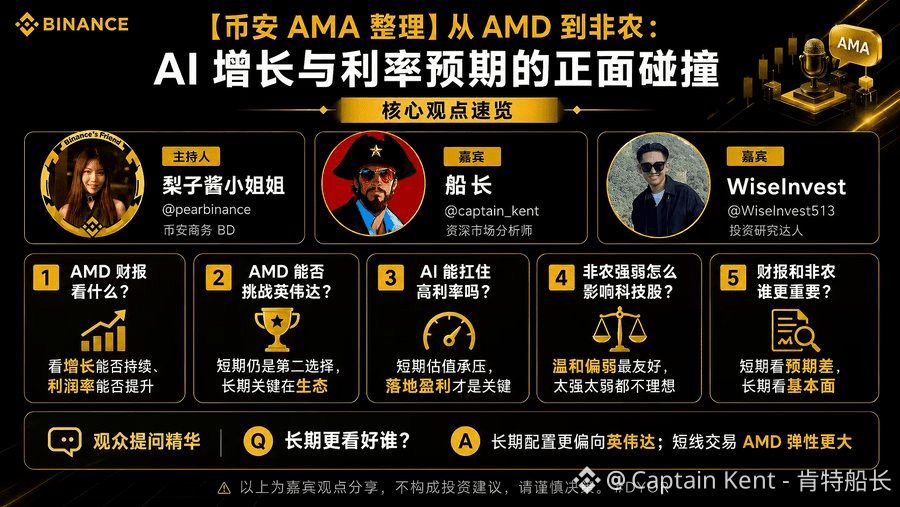
Here are a few personal views on participating in the Binance AMA this time:
1、The market’s expectations for AI are already extremely demanding. Everyone wants to verify that AI is no longer just a “story” or hype, and not just to validate the pretty financial report data of a single quarter. What matters is how AI can truly guide the entire AI industry to upgrade in a way that enables independent, industrialized, large-scale deployment.
2、AMD is the eternal runner-up, and it’s hard to catch up to Nvidia on an equal footing within five years. Its AI chip market share is only one-tenth of Nvidia’s. Also, the newly launched all-in-one system, Helios, has an odd strategy—going for a high-price route. Whether it can sell well afterward is crucial.
3、AI growth cannot withstand the valuation pressure brought by interest rate hikes. The valuations across the entire AI industry are still high. High interest rates raise the discount rate, which creates tremendous pressure on tech stocks whose valuations rely on boosting expectations for the future.
4、The non-farm payroll data is somewhat weak, but it’s not a breakdown-level softness. This kind of outcome is most favorable for tech stocks. The July non-farm payrolls will be released this coming Friday. Market consensus is roughly above +85k. If it meets expectations, it will be a soft-landing signal.
5、For individual stocks, earnings have more pricing power than non-farm data. Because earnings reports are your primary source of stock pricing. Non-farm payroll data matters more for its impact on the entire industry. The volatility brought by non-farm data doesn’t re-define an individual stock.
13
2
82
500
·
--
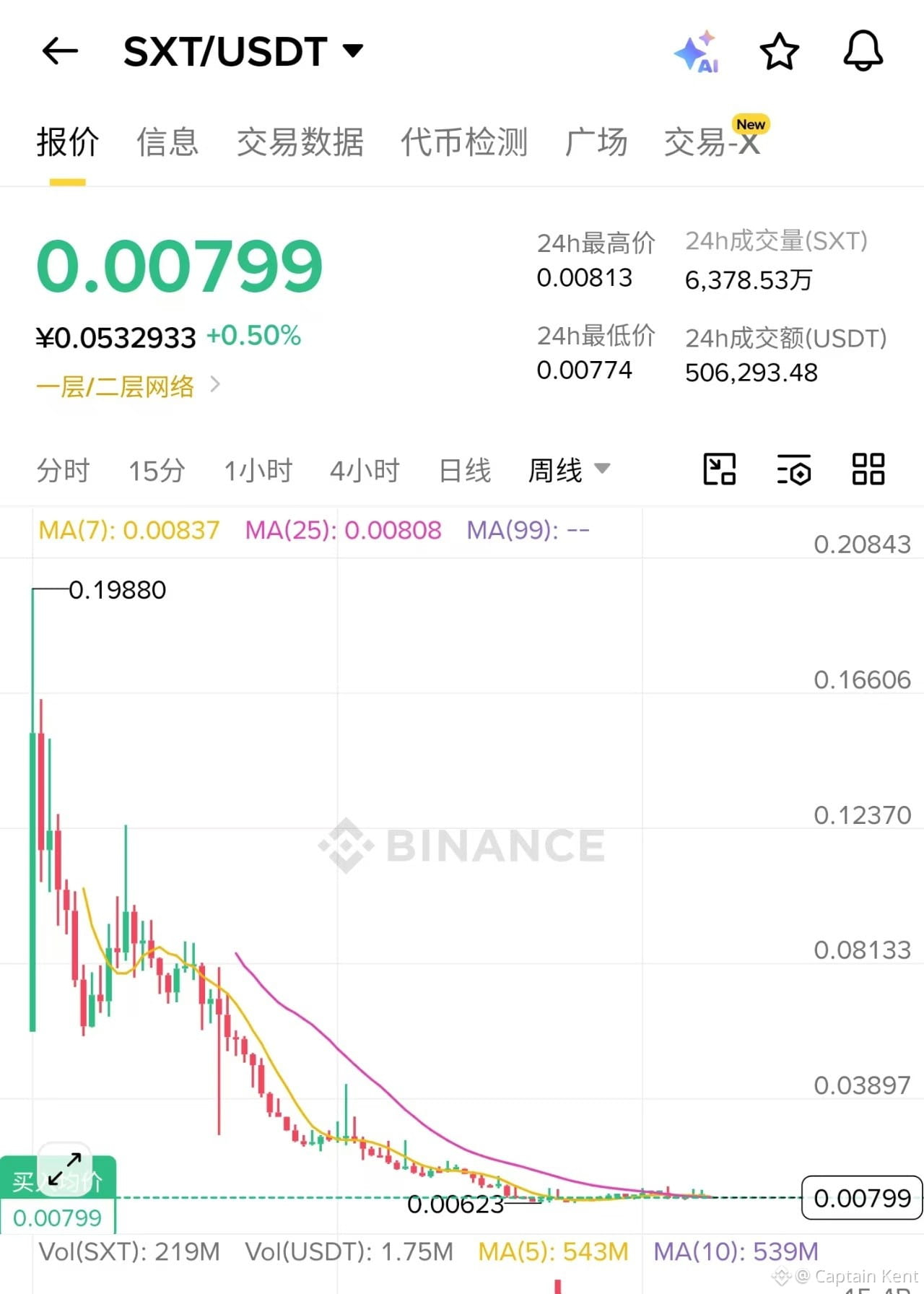
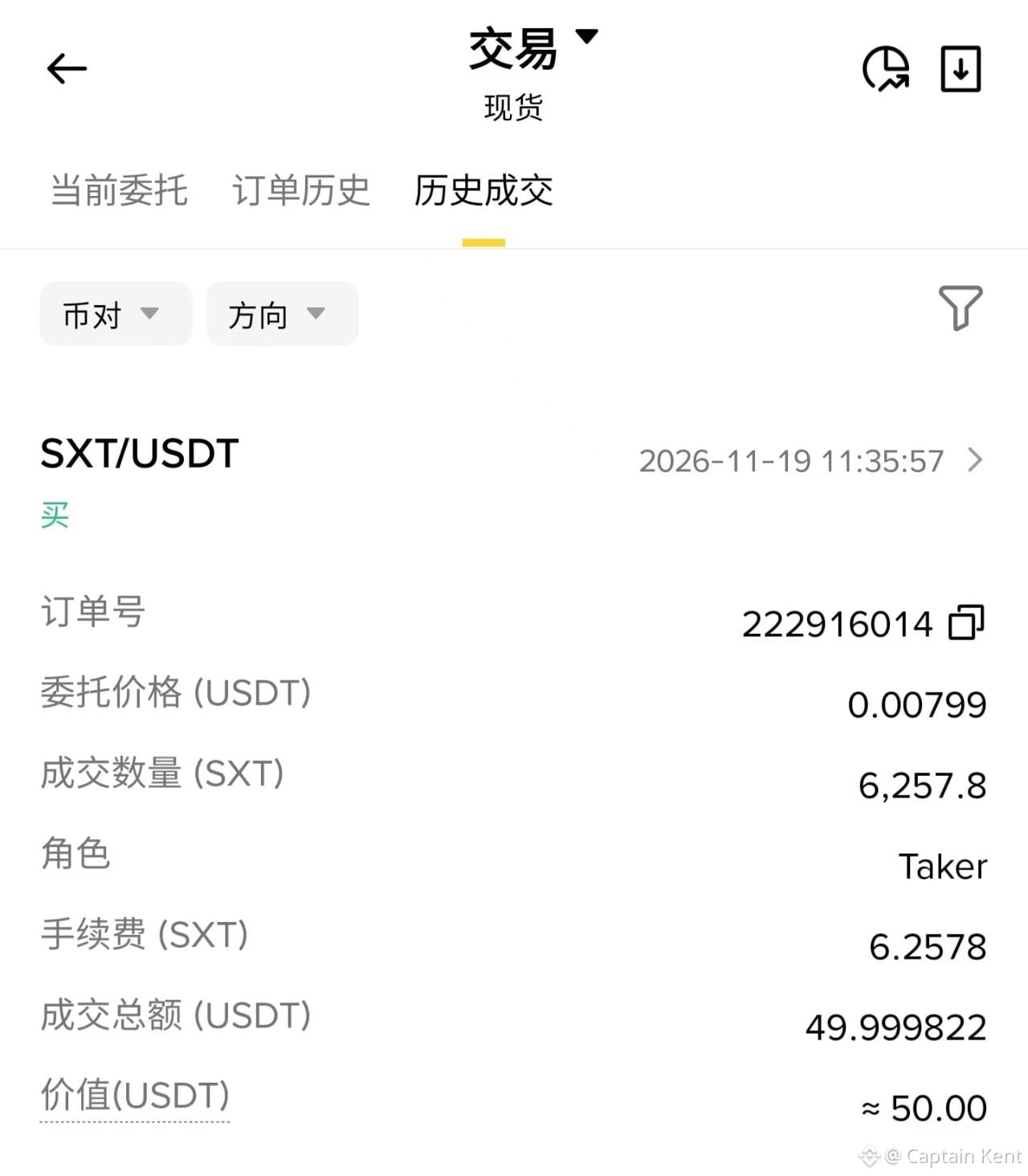
Start dollar-cost averaging into $SXT , putting in 50U a day. Treating it as an investment product with the potential for explosive gains makes perfect sense.
First, its market cap is undervalued. Its price has reached a bargain-basement level, so there isn’t much room left for it to fall. It has also been trading sideways for over half a year; a prolonged period of consolidation at low levels is bound to be followed by a rise. Its market cap is currently just 20M, leaving enormous potential for more than 10x growth.
Second, the project’s vision. A project’s stature depends on its mission. @SpaceandTimeDB provides verifiable data support for AI, RWA, and DeFi. It is a data layer that generates zero-knowledge proofs for SQL query results, allowing on-chain applications and AI to use large-scale data with confidence.
Third, its technological scarcity. At this stage, Proof of SQL is quite rare. It combines a decentralized data warehouse, on-chain and off-chain data indexing, native SQL, and ZK proofs, while also offering sub-second ZK proofs and cryptographic verifiability. No competing project has all these features.
In short, I’m bullish on this product for the long term, so I’m prepared to buy the dips over the long haul—in other words, to dollar-cost average into it as an investment. I won’t lose much, but when it takes off, the gains will be nuclear-level.
#sxt
Start dollar-cost averaging into $SXT , putting in 50U a day. Treating it as an investment product with the potential for explosive gains makes perfect sense.
First, its market cap is undervalued. Its price has reached a bargain-basement level, so there isn’t much room left for it to fall. It has also been trading sideways for over half a year; a prolonged period of consolidation at low levels is bound to be followed by a rise. Its market cap is currently just 20M, leaving enormous potential for more than 10x growth.
Second, the project’s vision. A project’s stature depends on its mission. @SpaceandTime provides verifiable data support for AI, RWA, and DeFi. It is a data layer that generates zero-knowledge proofs for SQL query results, allowing on-chain applications and AI to use large-scale data with confidence.
Third, its technological scarcity. At this stage, Proof of SQL is quite rare. It combines a decentralized data warehouse, on-chain and off-chain data indexing, native SQL, and ZK proofs, while also offering sub-second ZK proofs and cryptographic verifiability. No competing project has all these features.
In short, I’m bullish on this product for the long term, so I’m prepared to buy the dips over the long haul—in other words, to dollar-cost average into it as an investment. I won’t lose much, but when it takes off, the gains will be nuclear-level.
#sxt
3
21
25.4k
·
--
Safe practices for receiving crypto and avoiding freezes
I’ve recently come across reports of people getting their Binance accounts frozen. From what I can tell, most were doing business—for example, selling Starlink—and then simply giving the other party their Binance payment QR code.
This is very risky: receiving even a single tainted USDT can get your entire account frozen. Exchanges now have very strict risk controls and have integrated KYT systems such as Chainalysis and Elliptic. Every deposit is traced to its source.
➢ Best practices and safety rules:
1. Transfer funds using the exchange’s internal UID system. Transfers are only allowed once the exchange has verified that they’re safe. (This is the easiest option.)
2. For on-chain transfers, get the other party’s wallet address first and screen it using tools such as MistTrack. Reject it outright if it has high-risk labels.
3. Prefer receiving USDC. TRC20 USTD is more commonly associated with illicit activity and is more likely to be frozen by Tether.
4. For large transactions, start with a small test transfer. Don’t send the funds directly to your main exchange account.
5. For large transactions, you can also use licensed Hong Kong platforms such as HashKey and OSL, or brokerages such as Victory Securities.
Making a living through trading isn’t easy. Proving that you acquired funds in good faith is difficult, and lawsuits are hard to win. Managing your own risk is the most important thing.
2
2
1.2k
·
--
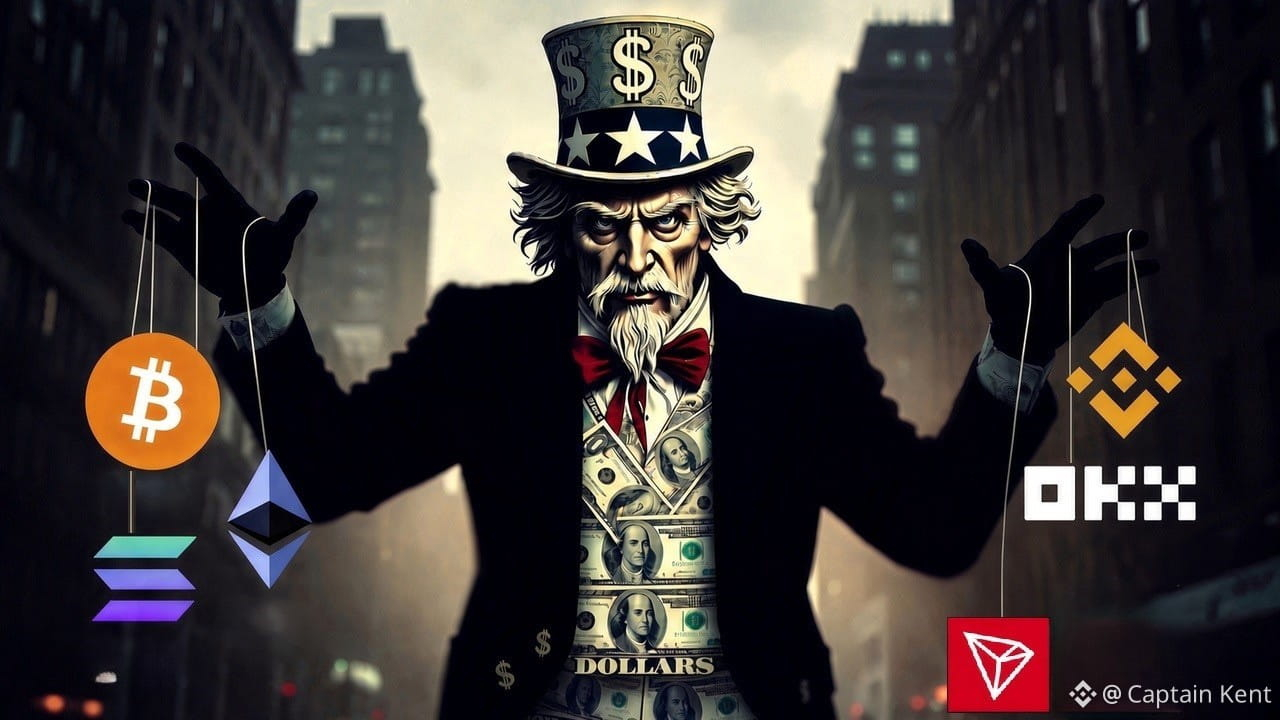
A lot of people are giving me grief because you’re all stuck holding bags and hoping someone will talk up the market so there’ll be buyers to take them off your hands. But the truth is, crypto is already gone!
Or rather, in a certain sense, an independent crypto market no longer exists. Why have I been talking about U.S. stocks whenever I discuss the market lately, instead of crypto? Because crypto has become part of the U.S. stock market.
When the crypto world actively aligns itself with U.S. stocks, heads for Wall Street, and focuses single-mindedly on compliance, the billiards game has essentially become a control experiment in particle collisions. When the Trisolarans interfere with the particle collision, the billiard balls you hit fly into the sky instead of into the pockets.
And so the rules of physics disappeared, the four-year cycle disappeared, altcoins disappeared, Ponzi schemes disappeared, and funds from unknown sources disappeared. All that’s left is Bitcoin as one option for capital investment and leveraged allocation—in other words, just another ordinary crypto-themed stock.
Once you understand this, you’ll see that the decentralized revolution has utterly failed. Crypto people today have merely become a fake army serving the U.S. dollar. And this situation was brought about by many of the big players who got out early, so they could preserve their wealth. So what exactly are you all attacking one another over? I honestly don’t get it.
The only future for crypto is infrastructure: by virtue of its properties, it can become part of the future internet. But for retail investors to make money from it, it’s no longer as simple as waiting for it to launch a token. It has to play a real role, like the internet giants do today. That, too, is part of the stock market.
In short, crypto is gone. If you treat Bitcoin like a U.S. stock and buy it, you might buy near the top, but you’ll still have a chance. Other altcoins can be treated like shitcoins: apart from a few major blockchains and a few major exchange tokens, assume the rest are going to zero.
3
9
978
·
--
My take on the market after these midterm elections! (A huge opportunity for bears)
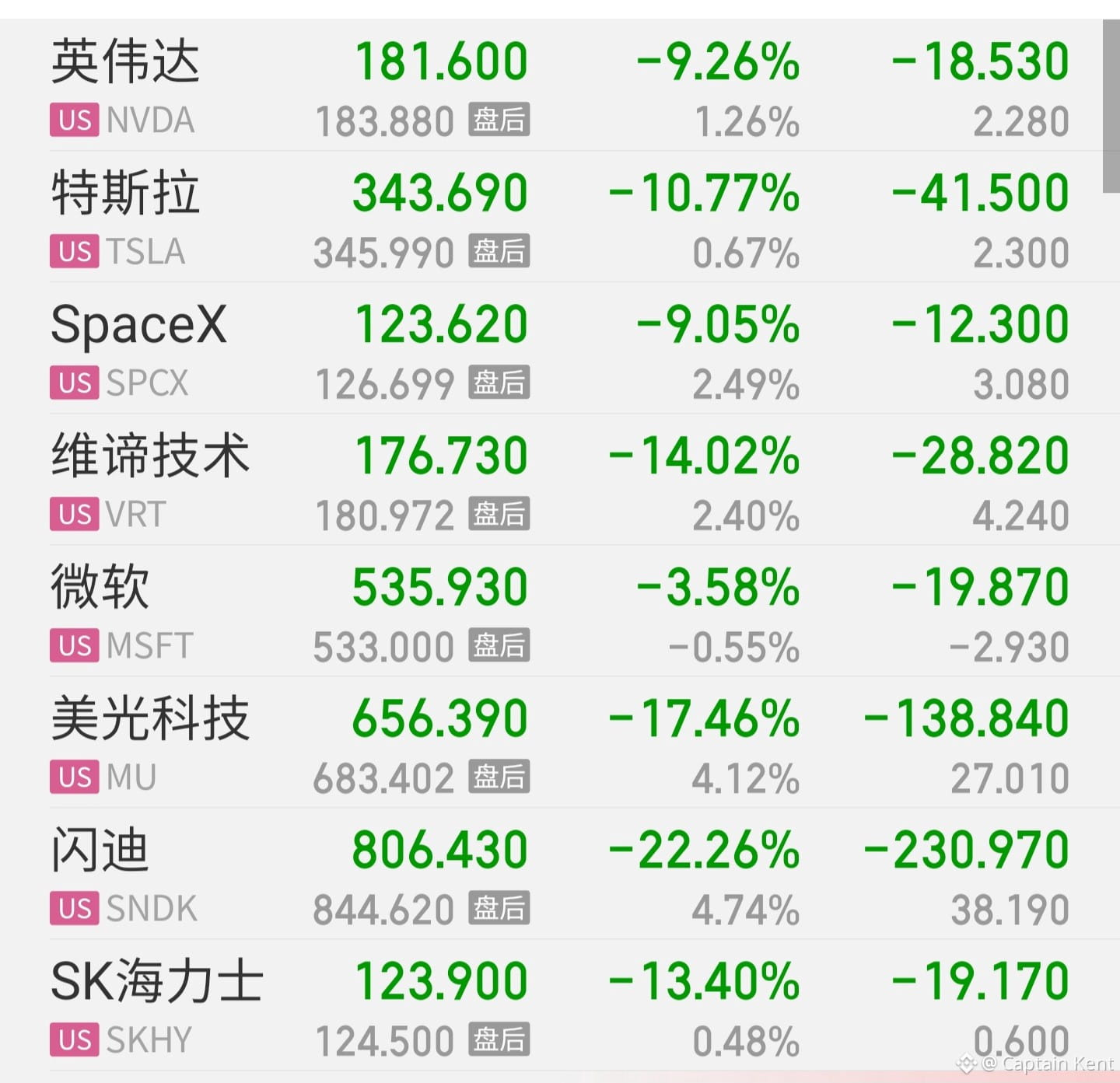
Here’s the conclusion first: U.S. stocks will fall before rising over the next two years, gold will get going first, and crypto will play dead.
-
I didn’t expect it to happen this quickly. The election had barely ended, and several Democratic officials were already calling for restrictions on AI development, a pause on data centers, and reasonable safeguards. Their stated concern is that AI tech oligarchs will damage the environment, disrupt employment, and threaten humanity’s future.
This is almost exactly what I expected. AI stocks across the U.S. market have fallen sharply, with the stocks associated with Elon Musk and Jensen Huang—two of the most prominent figures—taking the biggest hits. Both men are regular guests in Trump’s inner circle, and both fit the Democrats’ narrative about AI tech oligarchs posing a threat.
For the next two years, they’ll be relentlessly targeted. Musk also keeps donating to support Trump and the Republicans. The pardons Trump talks about don’t work at the state level; they only apply at the federal level. And remember, Musk’s home base is in Texas, which has just rebelled.
So the AI bubble dragging down U.S. stocks—the risk I’ve been emphasizing and warning about—may really be about to happen. I originally thought we’d have to wait for Anthropic’s IPO to flop, but now it’s arrived nearly half a month early.
Anthropic’s planned IPO had already been downgraded to junk status by Blackstone, its largest debt-holding investor. Now it’s also running into this wave of Democratic calls to restrict AI. Of all the possible dates, it chose the 16th of this month. It’s basically over.
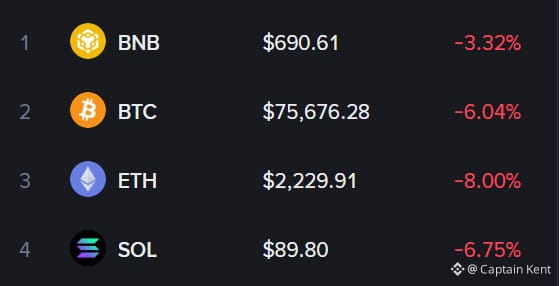
Also, the absurd crypto policies pushed by the Trump family, along with their insider arbitrage, will be reckoned with. The CLARITY Act has basically been shelved indefinitely, so crypto is bound to fall along with the rest.
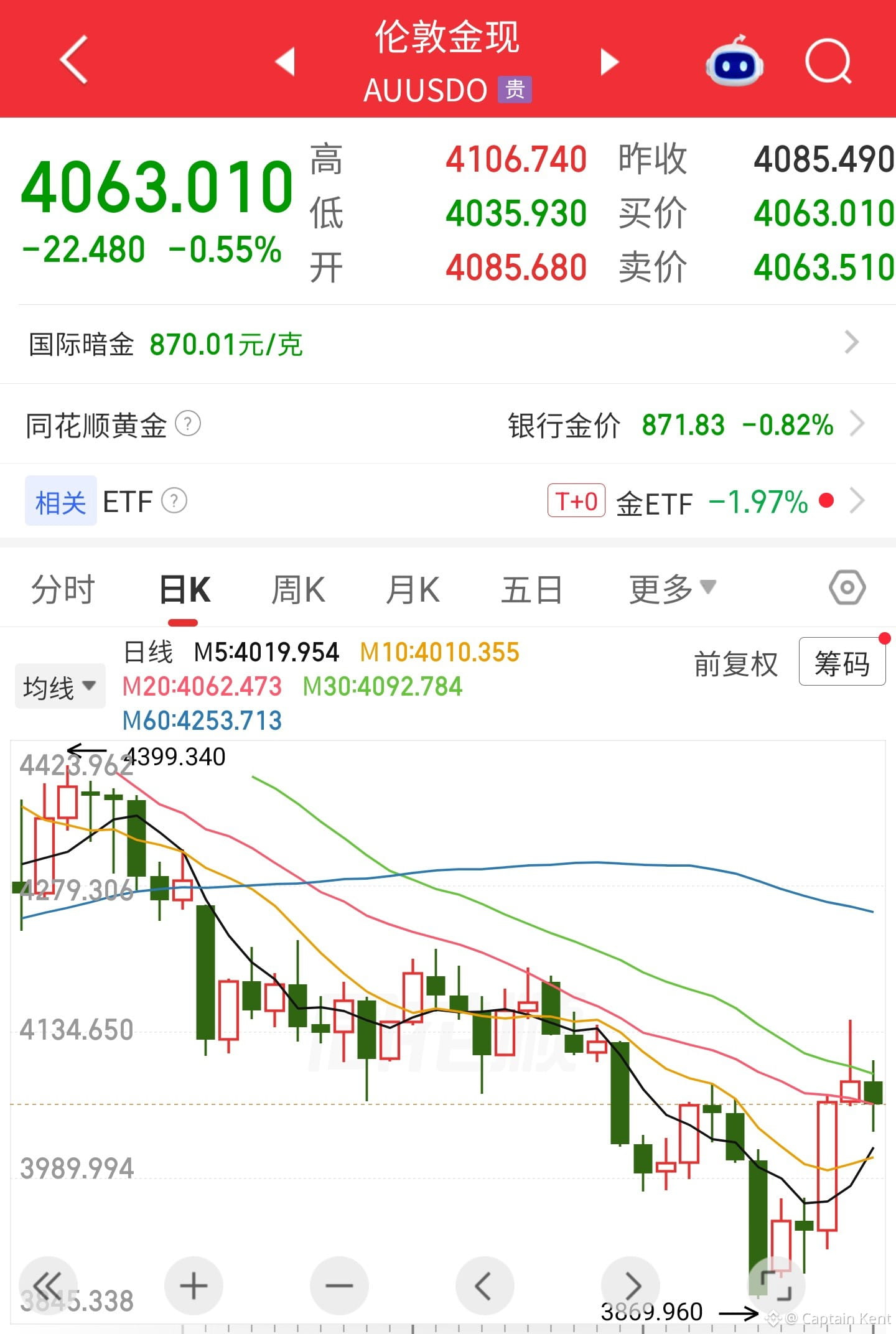
Finally, after suffering domestic setbacks, Trump will pretty much have to shift his focus abroad. Putting on a show for the EU and engaging in military bullying toward Iran or North Korea are inevitable. That’s why gold has already started to rebound.
-
In summary, my view remains:
1. U.S. stocks will hit a major bottom—a real bottom—at some point over the next two years, and ultimately they’ll fall before rising. This is a standard political playbook, unless he can’t stop the bleeding.
2. Gold will get a boost first as wars escalate—for example, if they turn into ground wars.
3. As for crypto, I don’t see any good opportunities over the next two years. Otherwise, we’ll all end up in cahoots with hackers.
2
1
7
543
·
--
In the U.S. midterm elections, the Democrats have retaken both chambers and secured victory. I wonder if Trump will honor his promise to protect our Musk?
One consequence of the Democrats’ victory is that clear legislation related to cryptocurrency and the like will have to go back to square one. There may also be a reshuffling of the AI leadership in U.S. stocks.
The transition period over the next couple of years could bring opportunities to build positions near the bottom!
And to strengthen his dictatorship, Trump will inevitably launch a ground war against Iran or someone else, which could also create opportunities for gold.
All we need to do is wait patiently. Opportunities will come, but not yet.
1
5
267
·
--
Partly True
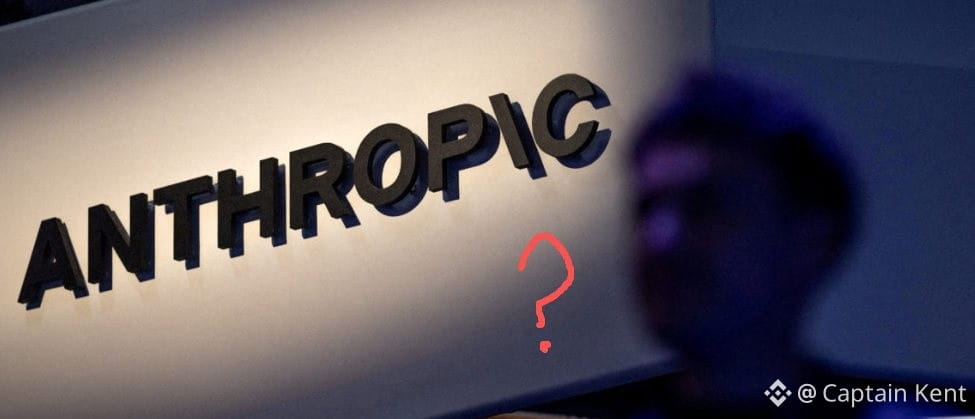
A major test for U.S. stocks is coming. As mentioned earlier, if Anthropic’s IPO fails, it could trigger a chain reaction of defaults across the AI debt triangle, causing the U.S. stock market to crash.
Blackstone, its largest debt financier, has recently lowered its expectations for the company. After the IPO, it may only receive a BB rating—speculative, or “junk” grade—rather than investment grade.
Its borrowing costs would rise directly from 5.5%–6.5% to over 10%.
For a company like Anthropic, with long-term computing commitments worth hundreds of billions of dollars, every additional 1% in interest means paying hundreds of millions of dollars more in annual interest on tens of billions in financing.
Although Claude remains the most popular AI application, U.S. investors’ enthusiasm for AI investment has also cooled. ANT is now expected to go public on the 16th of this month, and I’ll continue to follow the story closely.
Captain Kent
·
--
It may really only be two months away from a financial crisis! (There’s a password at the end)
Unlike the 2000 internet bubble, this AI cycle is entirely a heavy-asset, triangular-debt, mutually guaranteed, and massive off-balance-sheet credit affair—fully replicating the real-estate chain of the 2008 subprime mortgage crisis.
-
▶︎▶︎ The severe consequences of OpenAI and Anthropic failing to list?
OpenAI and Anthropic are expected to list on Nasdaq in October this year. In such a window for a technical bear market, if the market performance is still underwhelming at that time, it could very likely lead to their failed listing—this would be a very serious consequence.
First layer: AI giants’ cash flow dries up
3
2
3
702
·
--
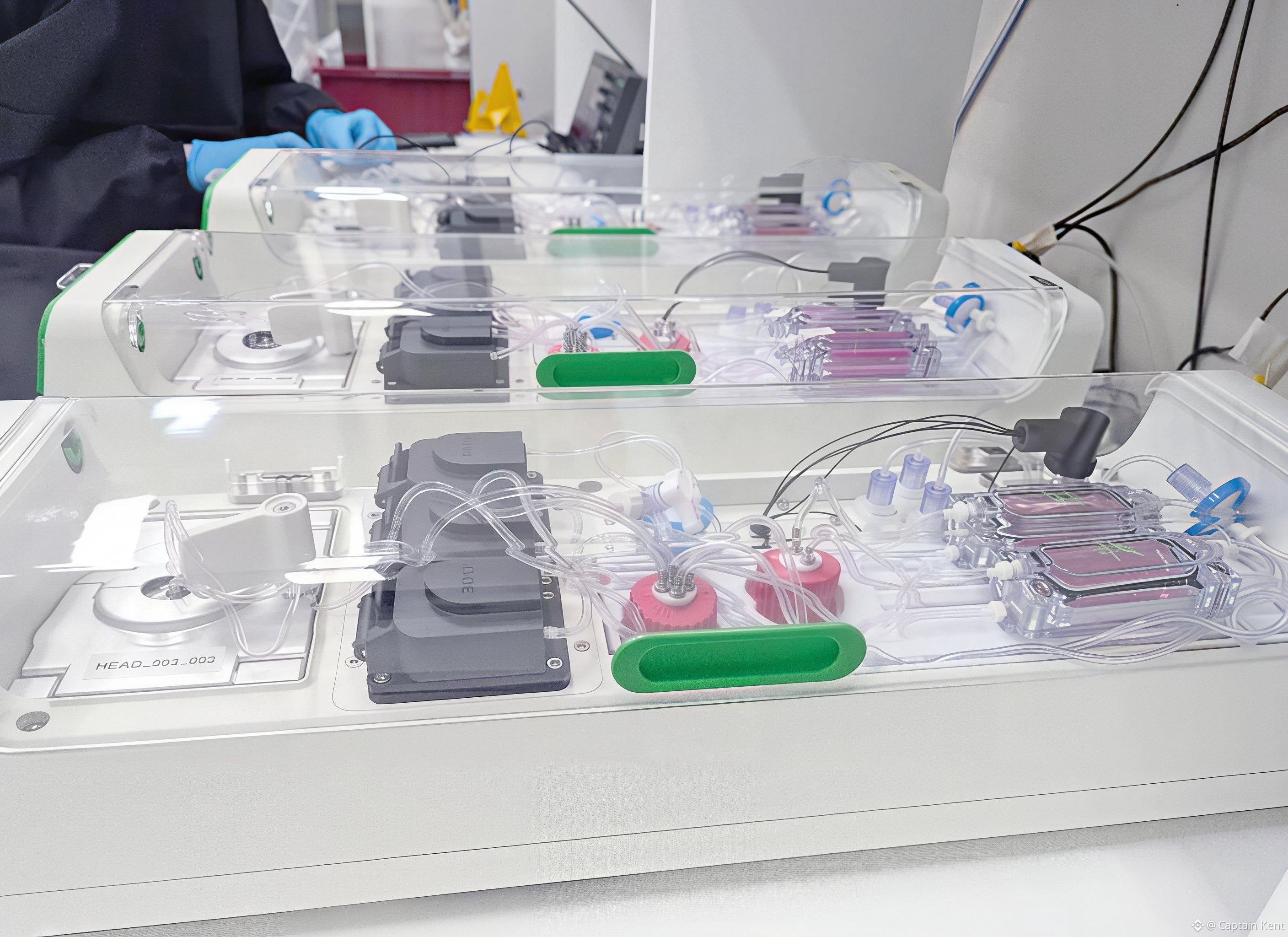
This is seriously creepy. It’s the CL1 biological computer, powered by human brain cells—a brain in a vat.
It uses bioelectricity instead of conventional electricity, consumes only 1/23 as much power as an NVIDIA H100 chip, and costs just one-third more. What’s more, it’s self-aware and can learn and think independently. It loves to explore and is no different from a living person.
If you put it in a robot and combine it with the data and computing power of traditional AI, wouldn’t that make it a true android?
11
2
47
54.7k
·
--
I can only say that $MPLX is making more and more moves!
I can only say that $MPLX is making more and more moves!
4
10
547
·
--

Article
The crypto industry may be facing total destruction—is there still a future for the decentralization narrative?I woke up today to see that Binance had been hacked on a scale unprecedented in crypto, and I was shocked. Even more shocking, the response was swift, and centralized measures such as Tether freezing funds helped reduce most of the losses. The decentralized portion, such as the funds on the BTC and ETH chains, cannot be recovered for now.
So, does the decentralization narrative really have a future? Maybe we won't even live to see quantum computing or AI turn against us?
-
▶︎▶︎ The Captain has tallied the 20 largest thefts in the financial industry by amount since 2026, including:
Crypto industry:
A total of 17 cases, with approximately $9.79B stolen—about 98.4% of the total. Excluding funds that were frozen or recovered, net losses were approximately $6.69B, still accounting for about 97.7%.
The crypto industry may be facing total destruction—is there still a future for the decentralization narrative?
I woke up today to see that Binance had been hacked on a scale unprecedented in crypto, and I was shocked. Even more shocking, the response was swift, and centralized measures such as Tether freezing funds helped reduce most of the losses. The decentralized portion, such as the funds on the BTC and ETH chains, cannot be recovered for now.
So, does the decentralization narrative really have a future? Maybe we won't even live to see quantum computing or AI turn against us?
-
▶︎▶︎ The Captain has tallied the 20 largest thefts in the financial industry by amount since 2026, including:
Crypto industry:
A total of 17 cases, with approximately $9.79B stolen—about 98.4% of the total. Excluding funds that were frozen or recovered, net losses were approximately $6.69B, still accounting for about 97.7%.
2
15
4.1k
·
--
It's the last day—cast your vote for the incompetent captain!
Please, one last time!!😭👉👌
[FINAL VOTE LINK](https://app.binance.com/uni-qr/cact26user/388?uc=app_square_share_link)
It's the last day—cast your vote for the incompetent captain!
Please, one last time!!😭👉👌
FINAL VOTE LINK
Please, one last time!!😭👉👌
FINAL VOTE LINK
9
17
554
·
--
Please vote for me, brothers and sisters! I'm proud of you, and I'm proud of Binance Square!
👇👇👇
[VOTE LINK](https://app.binance.com/uni-qr/cact26user/388?uc=app_square_share_link)
@BinanceSquareCN
Please vote for me, brothers and sisters! I'm proud of you, and I'm proud of Binance Square!
👇👇👇
VOTE LINK
@币安广场
👇👇👇
VOTE LINK
@币安广场
11
1
35
707
·
--
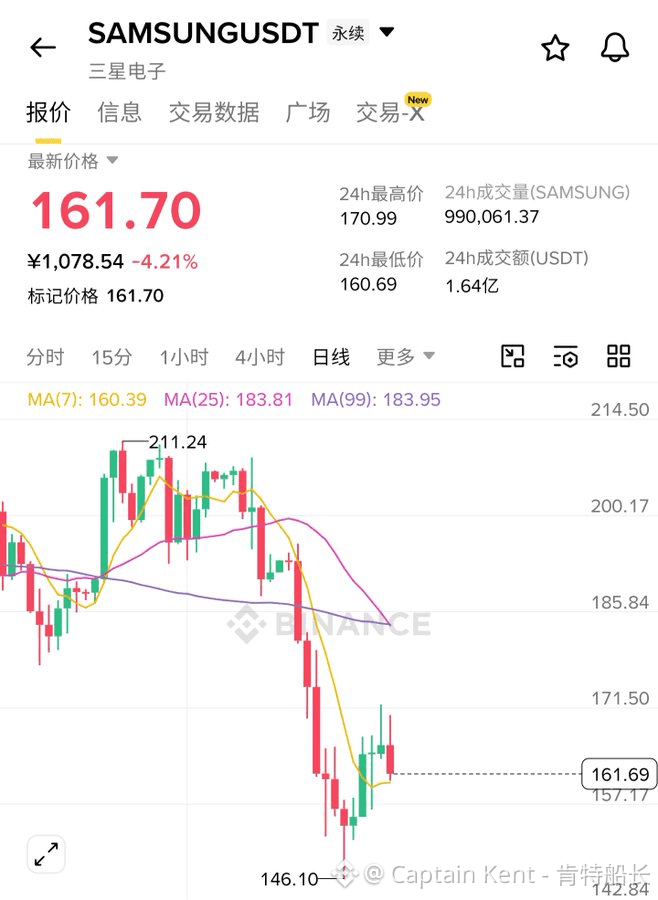
Breaking news: Tesla and Nvidia are jointly investing about $2.5 billion in Samsung to support the development of next-generation chips.
What good is that? The stock price is still dead in the water. I toss my dog a few bones and at least he rolls over for me.
From the moment Trump agreed to dump chips on China for Xi, it was already clear that the U.S. AI market is a bubble—there’s nowhere left to sell them.
What good is that? The stock price is still dead in the water. I toss my dog a few bones and at least he rolls over for me.
From the moment Trump agreed to dump chips on China for Xi, it was already clear that the U.S. AI market is a bubble—there’s nowhere left to sell them.
1
25
227
·
--
Partly True
Trump is back to giving stock picks—let’s see which stocks he invested in!
According to the Wall Street Journal, Trump is privately discussing with senior aides about announcing that the war with Iran has ended. He believes that applying economic pressure next will cause Iran to collapse.
I guess this senior aide should be the Defense Secretary, Hegseth. The media has mentioned that he is quietly extending the deployment of U.S. troops in the Middle East through 2027, to leave a fallback plan for Trump.
This lines up nicely with Trump’s post saying, “Believe it or not—the stock market will go up.” It also seems to be setting the stage for the midterm elections two months from now.
Of course, the most important reason, in my view, is that he has already concentrated about $2 billion into U.S. stocks. It’s not surprising that he’s using the calls to offload shares—after all, he’s basically the first U.S. president to publicly compete for private gain.
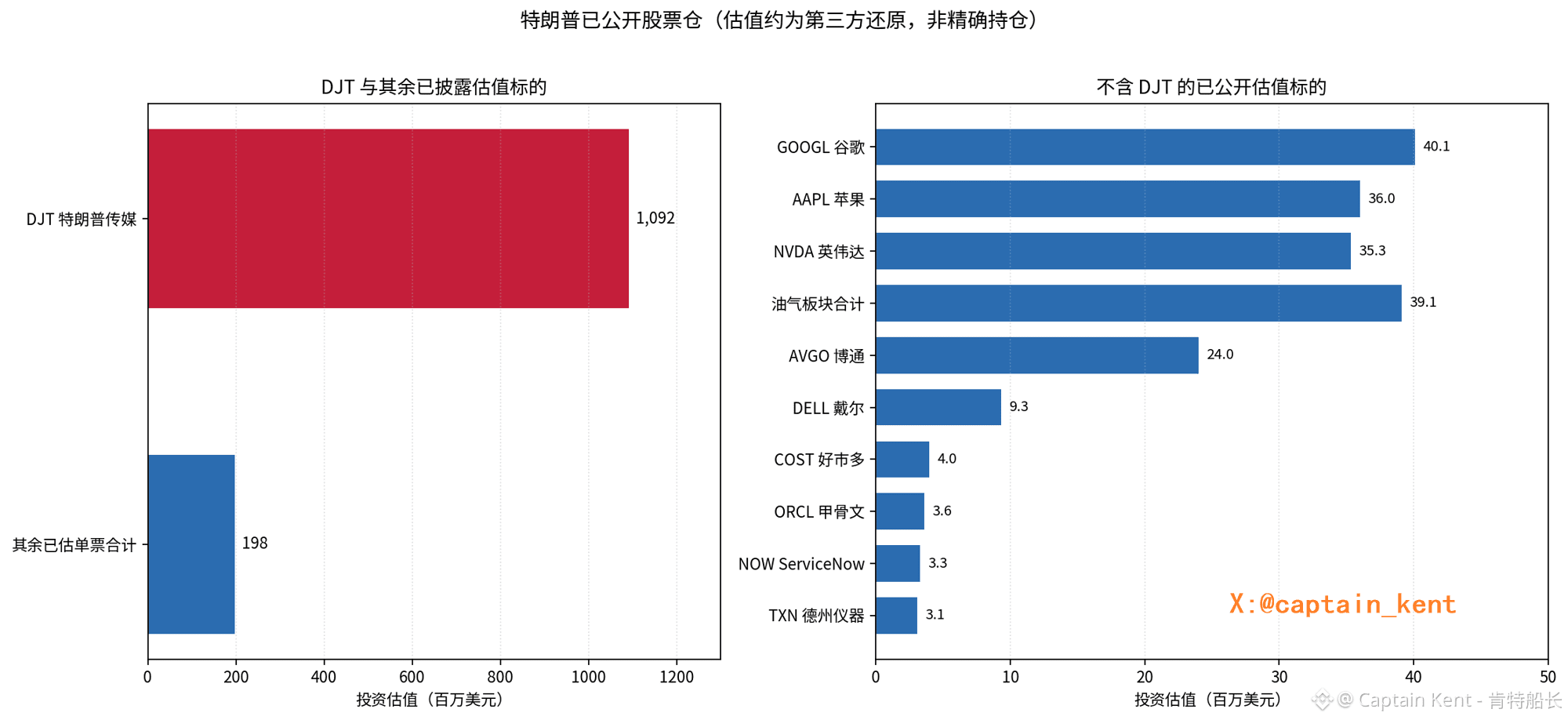
▶︎▶︎ Let’s see which stocks he’s invested in (already disclosed):
- DJT Trump Media: He’s the major shareholder, holding over half, about $1 billion worth of shares
- Google Alphabet: Position size about $40 million
- Apple AAPL: Position size about $36 million
- Nvidia NVDA: Position size about $35 million
- Broadcom AVGO: Position size about $24 million
- Oil & gas sector total (Exxon, Chevron, etc.): Position size about $17.2 million–$61.1 million
The other roughly 1,500 stocks are all under $10 million—for example, Microsoft, Amazon, Oracle, Dell, Texas Instruments, and others.
3
12
906
·
--
Verified
Non-farm data: a black swan event—false good news, real bad news!
I’ve been scrolling through videos all morning. A lot of influencers are shouting that “the bull market is back”—so go unfollow them quickly. This time, the -23,000 move indicates weakness, and the combined revisions for May and June were down by another 103,000. This is a signal confirming weakening labor conditions—an additional downside confirmation for the U.S. economic picture.
Some AI stocks may indeed bounce, but sectors like storage chips, cyclical industrials, retail, discretionary consumption, and traditional banks are all under broad pressure. If the data on August 13 and September 5 still disappoints, then the golden era for gold is back.
2
6
1.5k
·
--
Partly True

Article
It may really only be two months away from a financial crisis! (There’s a password at the end)Unlike the 2000 internet bubble, this AI cycle is entirely a heavy-asset, triangular-debt, mutually guaranteed, and massive off-balance-sheet credit affair—fully replicating the real-estate chain of the 2008 subprime mortgage crisis.
-
▶︎▶︎ The severe consequences of OpenAI and Anthropic failing to list?
OpenAI and Anthropic are expected to list on Nasdaq in October this year. In such a window for a technical bear market, if the market performance is still underwhelming at that time, it could very likely lead to their failed listing—this would be a very serious consequence.
First layer: AI giants’ cash flow dries up
It may really only be two months away from a financial crisis! (There’s a password at the end)
Unlike the 2000 internet bubble, this AI cycle is entirely a heavy-asset, triangular-debt, mutually guaranteed, and massive off-balance-sheet credit affair—fully replicating the real-estate chain of the 2008 subprime mortgage crisis.
-
▶︎▶︎ The severe consequences of OpenAI and Anthropic failing to list?
OpenAI and Anthropic are expected to list on Nasdaq in October this year. In such a window for a technical bear market, if the market performance is still underwhelming at that time, it could very likely lead to their failed listing—this would be a very serious consequence.
First layer: AI giants’ cash flow dries up
-
▶︎▶︎ The severe consequences of OpenAI and Anthropic failing to list?
OpenAI and Anthropic are expected to list on Nasdaq in October this year. In such a window for a technical bear market, if the market performance is still underwhelming at that time, it could very likely lead to their failed listing—this would be a very serious consequence.
First layer: AI giants’ cash flow dries up
1
7
813
·
--
How to counter the original partner's lawsuit for money?
Quick @ your good sisters who need to learn the law. If you've been played by a scumbag and find out he has a wife, but he's super generous and often throws cash your way. If you maintain a side relationship, the original partner can sue you for full restitution.
What you need to do is keep it transactional, as the payment is considered illegal gains, which the court will immediately halt and transfer the case to the police. The statute of limitations for administrative penalties is only 6 months, so when the case hits court, it starts counting back from there, usually exceeding that limit. You can walk away scot-free without any losses.
The key to this tactic is to leave evidence; what do you need?
◽️Payment: Don't ask for money monthly or randomly; only ask for it before or after the 'transaction'.
◽️Testimony: Let him write down a IOU a few times, clearly stating it's a service fee.
◽️Chat records: Make sure to clarify in WeChat chats multiple times that you two are not in a relationship or a sugar baby situation.
◽️Timeliness: Make sure to wait until 6 months after the original partner's notification to file any countersuit; once it hits court, it counts as entering the judicial statute of limitations.
Mission accomplished. In the end, you won't face any issues, and you won't have to return a single cent.
1
1.5k
·
--
What opportunities can we lay out with Trump's visit to China?
Looks like everyone is super interested in Trump's visit to China, so here’s a spicy truth: the real aim behind Trump’s trip is to trade Taiwan for concessions from Iran!
The most direct proof is the cancellation of a massive $14 billion arms deal with Taiwan, including Patriot missiles, NASAMS mid-range air defense systems, and anti-drone equipment.
Trump is a businessman president, and he’s using Taiwan's $14 billion contract to negotiate with Beijing for pressure on Iran to open the Strait of Hormuz and push for a ceasefire. The hidden returns for the U.S. are huge, stabilizing oil prices and reviving the global energy market, potentially raking in profits in the hundreds of billions annually.
To support energy interests, Trump also mediated the Russia-Ukraine war, leading to a brief 3-day ceasefire. After the Red Square parade on the 9th, Putin publicly stated that the Russia-Ukraine conflict is nearing an end and expressed willingness to meet with Zelensky in a third country.
So, the energy sector might be in for some changes, with falling oil prices as the main theme. Upstream pure oil and gas production will see significant adjustments, while industries benefiting from lower energy costs or U.S.-China trade agreements can position themselves early.
For example:
Boeing (BA): China might buy hundreds of planes, making it the most direct beneficiary among airline stocks from this visit.
GE Aerospace (GE): As a major engine supplier for Boeing, it will benefit alongside aircraft orders.
NVIDIA (NVDA): If chip export controls ease up, it will be the biggest winner in tech.
Cheniere Energy (LNG): Increased U.S. LNG exports to China will directly benefit from the energy agreement.
Archer Daniels Midland (ADM): China’s expanded purchases of soybeans and other agricultural products will significantly boost its export income.
Bunge (BG): As a global grain trader, it will profit from the U.S.-China agricultural trade agreement.
JETS (Aviation ETF): Focused on airline stocks, low oil prices + aircraft orders will provide a double advantage.
XLE (Energy ETF): If the agreement boosts LNG and energy exports, it could partially offset the pressure from falling oil prices.
SMH (Semiconductor ETF): Includes NVIDIA and others; if high-tech exports are relaxed, it will rebound strongly.
2
6
5.8k
·
--
A couple of days ago, I came across an Indian student who created a virtual female character named 'Emily Hart' using AI. She was packaged as a mega hot girl with anti-immigrant and Christian vibes, instantly attracting over 1 million left-leaning male fans, and guiding them to a private domain where sexy AI photos tricked them out of hundreds of thousands of dollars.
In China, after falling for the Wolf Warrior trap, folks should be awake to these scams, but it seems like in the US, it's still a path to easy money. 🤔🤔
In China, after falling for the Wolf Warrior trap, folks should be awake to these scams, but it seems like in the US, it's still a path to easy money. 🤔🤔

3
7.7k
Log in to explore more content
Join global crypto users on Binance Square
⚡️ Get latest and useful information about crypto.
💬 Trusted by the world’s largest crypto exchange.
👍 Discover real insights from verified creators.
Email / Phone number
Trending Topics
AnthropicToDebutAfter$83IPOPricing
15,333 views
124 Discussing
Stock Futures Hold Near Flat as Anthropic Prices IPO at $83 Ahead of Debut
Binance News
·8 Likes
·7.2k views
BTCRemainsUnderPressureAfterHawkishFOMCMinutes
57,463 views
1,050 Discussing
NvidiaBoardReportedlySplitOverHuang’sReturn
19,065 views
501 Discussing