
Sheemm
9.7k Posts

Sheemm
 Square Verified+
Report
Block User
Nothing to say🤗
High-Frequency Trader
5.5 Years
967 Following
44.4K+ Followers
45.3K+ Liked
Posts
All
Quotes
Live
PINNED
·
--
🎁🎁🎁🎁 HELLO FAMILY
LIKE REPOST COMMENT
AND CLAIM YOUR GIFT 🎁🎁🎁🎁
#BitcoinFalls4%
$BTC
{future}(BTCUSDT)
#ZcashHoldersBackNU7Upgrade
$ZEC
{future}(ZECUSDT)
#USDTLaunchesOnZamaPrivacyProtocol $ZAMA
{future}(ZAMAUSDT)
#Write2Earrn
#RedPacketMission
🎁🎁🎁🎁 HELLO FAMILY
LIKE REPOST COMMENT
AND CLAIM YOUR GIFT 🎁🎁🎁🎁
#BitcoinFalls4%
$BTC
#ZcashHoldersBackNU7Upgrade
$ZEC
#USDTLaunchesOnZamaPrivacyProtocol $ZAMA
#Write2Earrn
#RedPacketMission
LIKE REPOST COMMENT
AND CLAIM YOUR GIFT 🎁🎁🎁🎁
#BitcoinFalls4%
$BTC
#ZcashHoldersBackNU7Upgrade
$ZEC
#USDTLaunchesOnZamaPrivacyProtocol $ZAMA
#Write2Earrn
#RedPacketMission
5
1
43
·
--
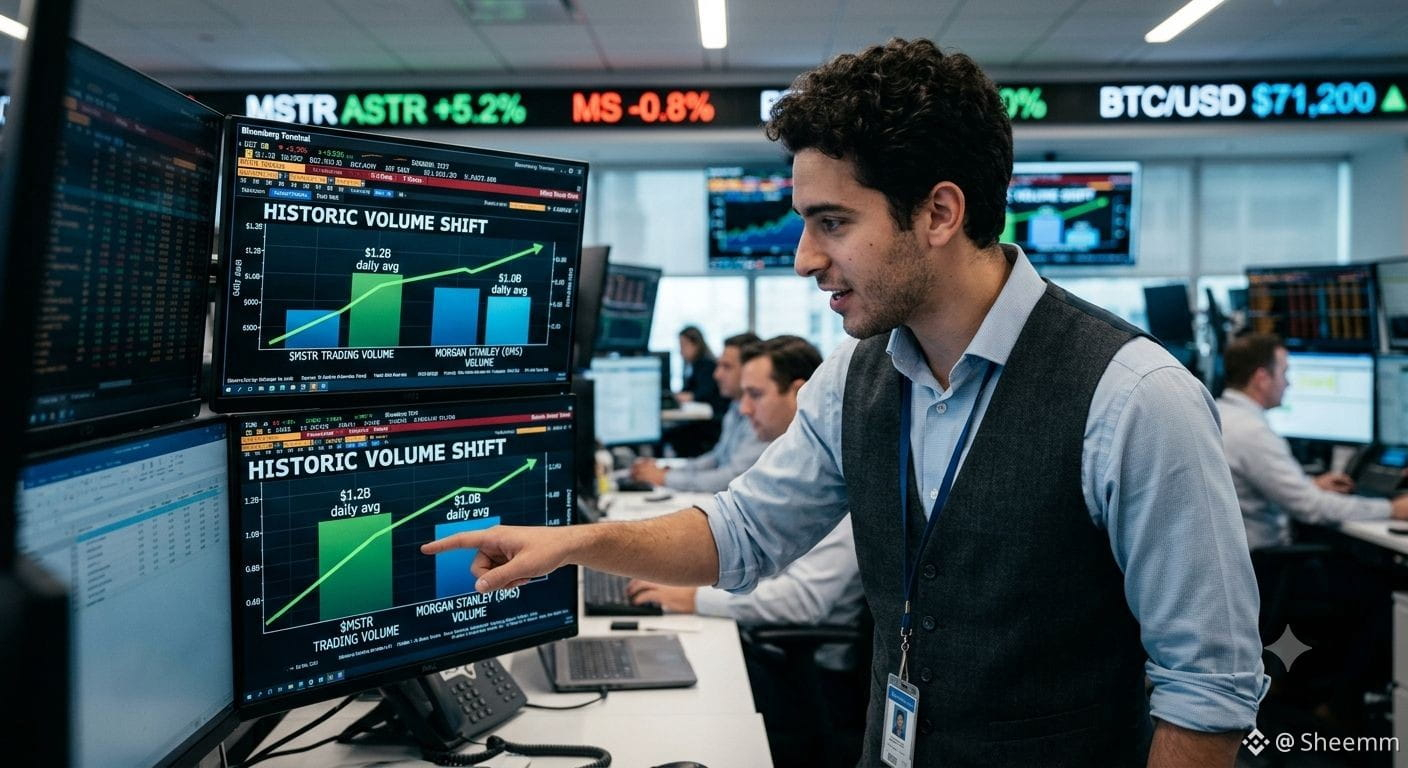
#MSTRTradingVolumeSurpassesMorganStanley A huge milestone in equity markets: Strategy (MSTR) trading volume officially surpassed Morgan Stanley, moving it up to the 25th most-traded stock in the U.S.
This isn't just about daily share volume—it signals a major shift in institutional liquidity. Wall Street isn't just watching from the sidelines anymore; capital flows are aggressively prioritizing Bitcoin-backed treasury models over traditional banking heavyweights.
While legacy finance relies on slow-moving balance sheets, MSTR continues to act as the ultimate high-beta liquidity vehicle for crypto exposure. Flipping a titan like Morgan Stanley in volume highlights how deeply decentralized assets have reshaped legacy equity trading.
Whether you're bullish or bearish on the strategy, one thing is clear: market liquidity is chasing innovation.
#FedRateWatch
#USSenateBlocksClarityAct
$LSK $ARB $NVDA.US
#MSTRTradingVolumeSurpassesMorganStanley A huge milestone in equity markets: Strategy (MSTR) trading volume officially surpassed Morgan Stanley, moving it up to the 25th most-traded stock in the U.S.
This isn't just about daily share volume—it signals a major shift in institutional liquidity. Wall Street isn't just watching from the sidelines anymore; capital flows are aggressively prioritizing Bitcoin-backed treasury models over traditional banking heavyweights.
While legacy finance relies on slow-moving balance sheets, MSTR continues to act as the ultimate high-beta liquidity vehicle for crypto exposure. Flipping a titan like Morgan Stanley in volume highlights how deeply decentralized assets have reshaped legacy equity trading.
Whether you're bullish or bearish on the strategy, one thing is clear: market liquidity is chasing innovation.
#FedRateWatch
#USSenateBlocksClarityAct
$LSK $ARB $NVDA.US
This isn't just about daily share volume—it signals a major shift in institutional liquidity. Wall Street isn't just watching from the sidelines anymore; capital flows are aggressively prioritizing Bitcoin-backed treasury models over traditional banking heavyweights.
While legacy finance relies on slow-moving balance sheets, MSTR continues to act as the ultimate high-beta liquidity vehicle for crypto exposure. Flipping a titan like Morgan Stanley in volume highlights how deeply decentralized assets have reshaped legacy equity trading.
Whether you're bullish or bearish on the strategy, one thing is clear: market liquidity is chasing innovation.
#FedRateWatch
#USSenateBlocksClarityAct
$LSK $ARB $NVDA.US
1
283
·
--
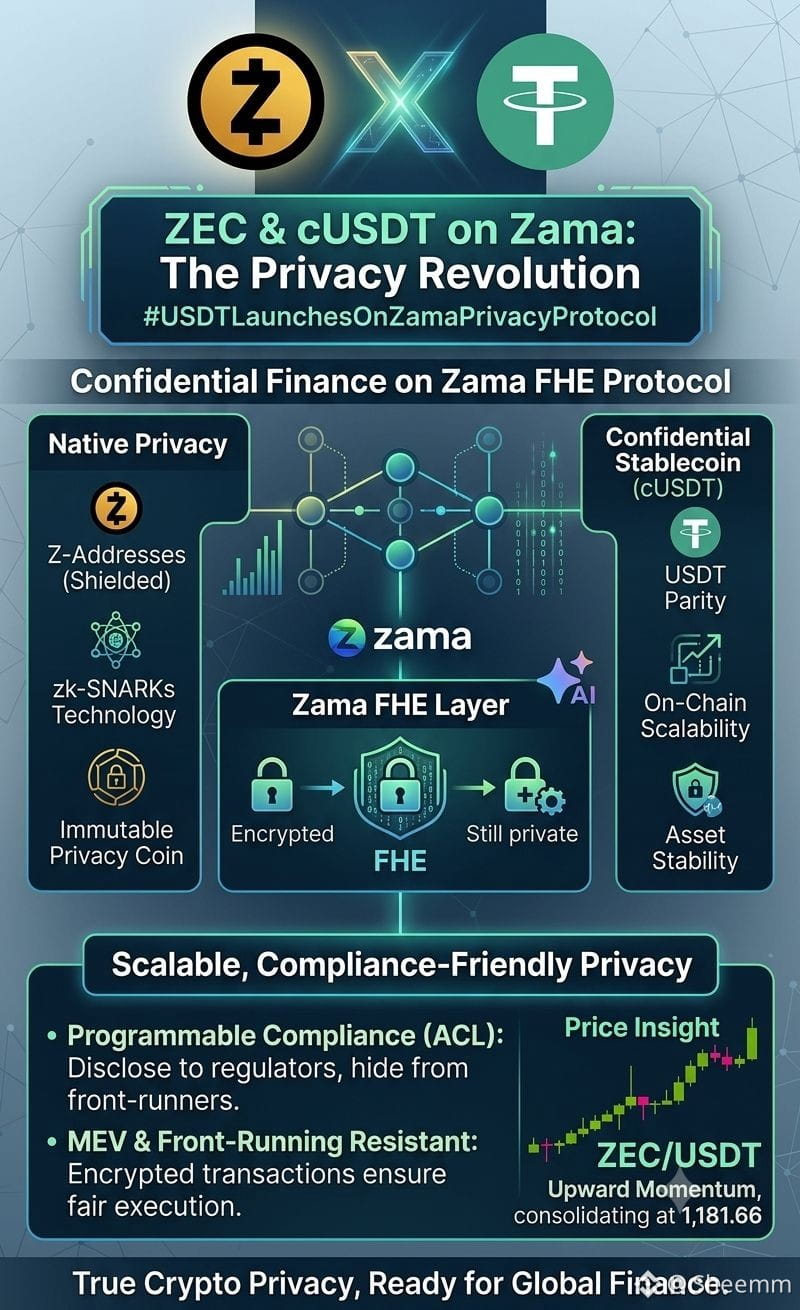
#USDTLaunchesOnZamaPrivacyProtocol
Public blockchains have always struggled with total transparency, making institutional adoption and payroll privacy nearly impossible on public ledgers.
The launch of Confidential USDT (cUSDT) on the $ZAMA Privacy Protocol changes the game. By leveraging Fully Homomorphic Encryption (FHE) and the ERC-7984 standard, Zama enables 1:1 shielded USDT transfers where wallet balances and transaction amounts remain completely encrypted while processing onchain.
Unlike traditional mixer solutions, Zama integrates programmable compliance via Access Control Lists (ACL), allowing users to selectively disclose financial data to regulators while protecting themselves from MEV, front-running, and public tracking. From confidential OTC trades to private DeFi yield vaults on Ethereum, #USDTLaunchesOnZamaPrivacyProtocol opens up scalable, institutional-grade privacy without sacrificing public verifiability.
$LSK
$DOGG.ETF
#Write2Earrn
#USDTLaunchesOnZamaPrivacyProtocol
Public blockchains have always struggled with total transparency, making institutional adoption and payroll privacy nearly impossible on public ledgers.
The launch of Confidential USDT (cUSDT) on the $ZAMA Privacy Protocol changes the game. By leveraging Fully Homomorphic Encryption (FHE) and the ERC-7984 standard, Zama enables 1:1 shielded USDT transfers where wallet balances and transaction amounts remain completely encrypted while processing onchain.
Unlike traditional mixer solutions, Zama integrates programmable compliance via Access Control Lists (ACL), allowing users to selectively disclose financial data to regulators while protecting themselves from MEV, front-running, and public tracking. From confidential OTC trades to private DeFi yield vaults on Ethereum, #USDTLaunchesOnZamaPrivacyProtocol opens up scalable, institutional-grade privacy without sacrificing public verifiability.
$LSK
$DOGG.ETF
#Write2Earrn
Public blockchains have always struggled with total transparency, making institutional adoption and payroll privacy nearly impossible on public ledgers.
The launch of Confidential USDT (cUSDT) on the $ZAMA Privacy Protocol changes the game. By leveraging Fully Homomorphic Encryption (FHE) and the ERC-7984 standard, Zama enables 1:1 shielded USDT transfers where wallet balances and transaction amounts remain completely encrypted while processing onchain.
Unlike traditional mixer solutions, Zama integrates programmable compliance via Access Control Lists (ACL), allowing users to selectively disclose financial data to regulators while protecting themselves from MEV, front-running, and public tracking. From confidential OTC trades to private DeFi yield vaults on Ethereum, #USDTLaunchesOnZamaPrivacyProtocol opens up scalable, institutional-grade privacy without sacrificing public verifiability.
$LSK
$DOGG.ETF
#Write2Earrn
2
72
·
--
Privacy and transactional security remain core pillars of decentralization, making assets like
{future}(ZECUSDT)
$ZEC increasingly relevant. By utilizing zero-knowledge proofs (zk-SNARKs), Zcash enables users to conduct shielded transactions, ensuring complete financial privacy while maintaining public auditability when needed. As global surveillance grows and compliance frameworks evolve, demand for robust, opt-in privacy infrastructure continues to strengthen. Zcash stands out by balancing true cryptographic anonymity with a proven historical track record, securing its place as a staple in privacy-focused portfolios.
Price Analysis:
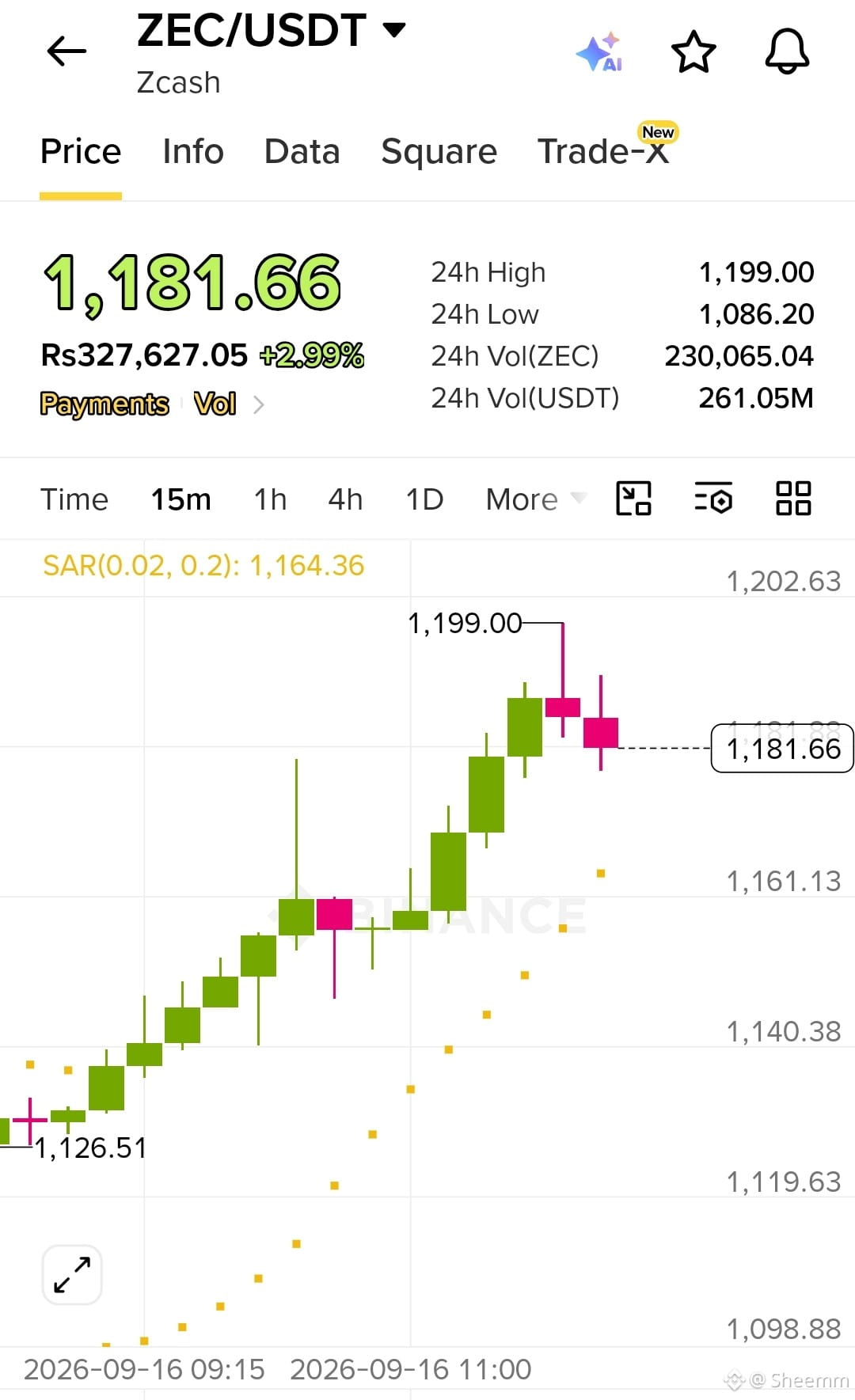
ZEC/USDT shows a strong bullish trend on the 15m chart, printing higher highs with Parabolic SAR supporting the momentum at 1,164.36. After touching 1,199.00, it consolidates near 1,181.66 with solid volume.
$BNB
{future}(BNBUSDT)
$XRP
{future}(XRPUSDT)
#FedRateWatch
#write2earn🌐💹
Privacy and transactional security remain core pillars of decentralization, making assets like
$ZEC increasingly relevant. By utilizing zero-knowledge proofs (zk-SNARKs), Zcash enables users to conduct shielded transactions, ensuring complete financial privacy while maintaining public auditability when needed. As global surveillance grows and compliance frameworks evolve, demand for robust, opt-in privacy infrastructure continues to strengthen. Zcash stands out by balancing true cryptographic anonymity with a proven historical track record, securing its place as a staple in privacy-focused portfolios.
Price Analysis:
ZEC/USDT shows a strong bullish trend on the 15m chart, printing higher highs with Parabolic SAR supporting the momentum at 1,164.36. After touching 1,199.00, it consolidates near 1,181.66 with solid volume.
$BNB
$XRP
#FedRateWatch
#write2earn🌐💹
$ZEC increasingly relevant. By utilizing zero-knowledge proofs (zk-SNARKs), Zcash enables users to conduct shielded transactions, ensuring complete financial privacy while maintaining public auditability when needed. As global surveillance grows and compliance frameworks evolve, demand for robust, opt-in privacy infrastructure continues to strengthen. Zcash stands out by balancing true cryptographic anonymity with a proven historical track record, securing its place as a staple in privacy-focused portfolios.
Price Analysis:
ZEC/USDT shows a strong bullish trend on the 15m chart, printing higher highs with Parabolic SAR supporting the momentum at 1,164.36. After touching 1,199.00, it consolidates near 1,181.66 with solid volume.
$BNB
$XRP
#FedRateWatch
#write2earn🌐💹
1
327
·
--
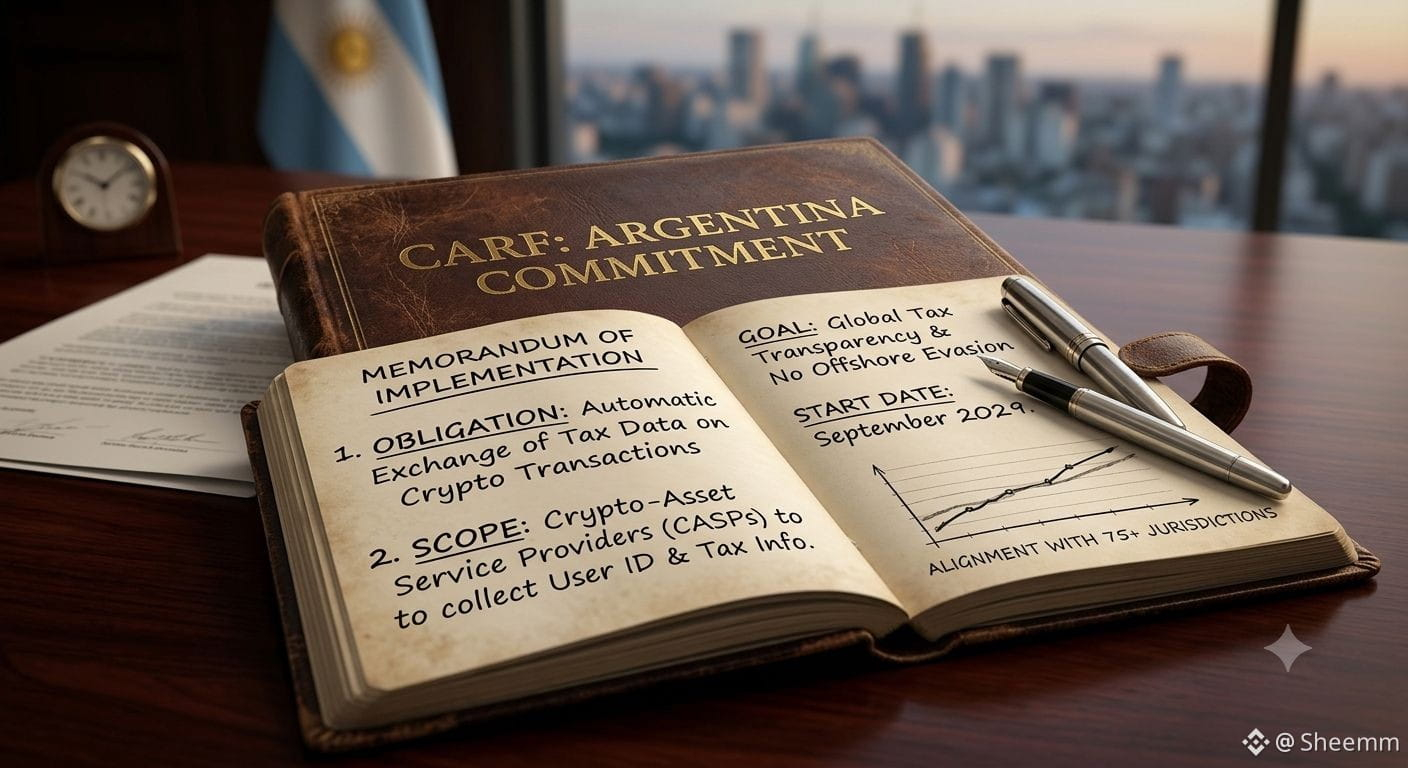
#ArgentinaCommitsToOECDCryptoReportingBy2029 🏛️ Major Step for Global Crypto Tax Transparency
Argentina has officially committed to implementing the OECD's Crypto-Asset Reporting Framework (CARF). By September 2029, the country will start automatically exchanging tax-relevant data on crypto transactions with international tax authorities.
Key Takeaways:
* CASP Regulations: Exchanges and service providers must collect user IDs, tax numbers, and transaction details.
* No New Taxes: The measure targets offshore tax evasion without introducing new tax obligations.
* Global Standard: Joining over 75 jurisdictions, Argentina strengthens international financial alignment.
What does this mean for Latin America’s crypto adoption? Share your thoughts below! 👇
$MARSCOIN
{future}(MARSCOINUSDT)
$INTC
{future}(INTCUSDT)
$INTWB
{spot}(INTWBUSDT)
#DYORAlways
#FedRateWatch
#BitcoinFalls4%
#ArgentinaCommitsToOECDCryptoReportingBy2029 🏛️ Major Step for Global Crypto Tax Transparency
Argentina has officially committed to implementing the OECD's Crypto-Asset Reporting Framework (CARF). By September 2029, the country will start automatically exchanging tax-relevant data on crypto transactions with international tax authorities.
Key Takeaways:
* CASP Regulations: Exchanges and service providers must collect user IDs, tax numbers, and transaction details.
* No New Taxes: The measure targets offshore tax evasion without introducing new tax obligations.
* Global Standard: Joining over 75 jurisdictions, Argentina strengthens international financial alignment.
What does this mean for Latin America’s crypto adoption? Share your thoughts below! 👇
$MARSCOIN
$INTC
$INTWB
#DYORAlways
#FedRateWatch
#BitcoinFalls4%
Argentina has officially committed to implementing the OECD's Crypto-Asset Reporting Framework (CARF). By September 2029, the country will start automatically exchanging tax-relevant data on crypto transactions with international tax authorities.
Key Takeaways:
* CASP Regulations: Exchanges and service providers must collect user IDs, tax numbers, and transaction details.
* No New Taxes: The measure targets offshore tax evasion without introducing new tax obligations.
* Global Standard: Joining over 75 jurisdictions, Argentina strengthens international financial alignment.
What does this mean for Latin America’s crypto adoption? Share your thoughts below! 👇
$MARSCOIN
$INTC
$INTWB
#DYORAlways
#FedRateWatch
#BitcoinFalls4%
1
230
·
--
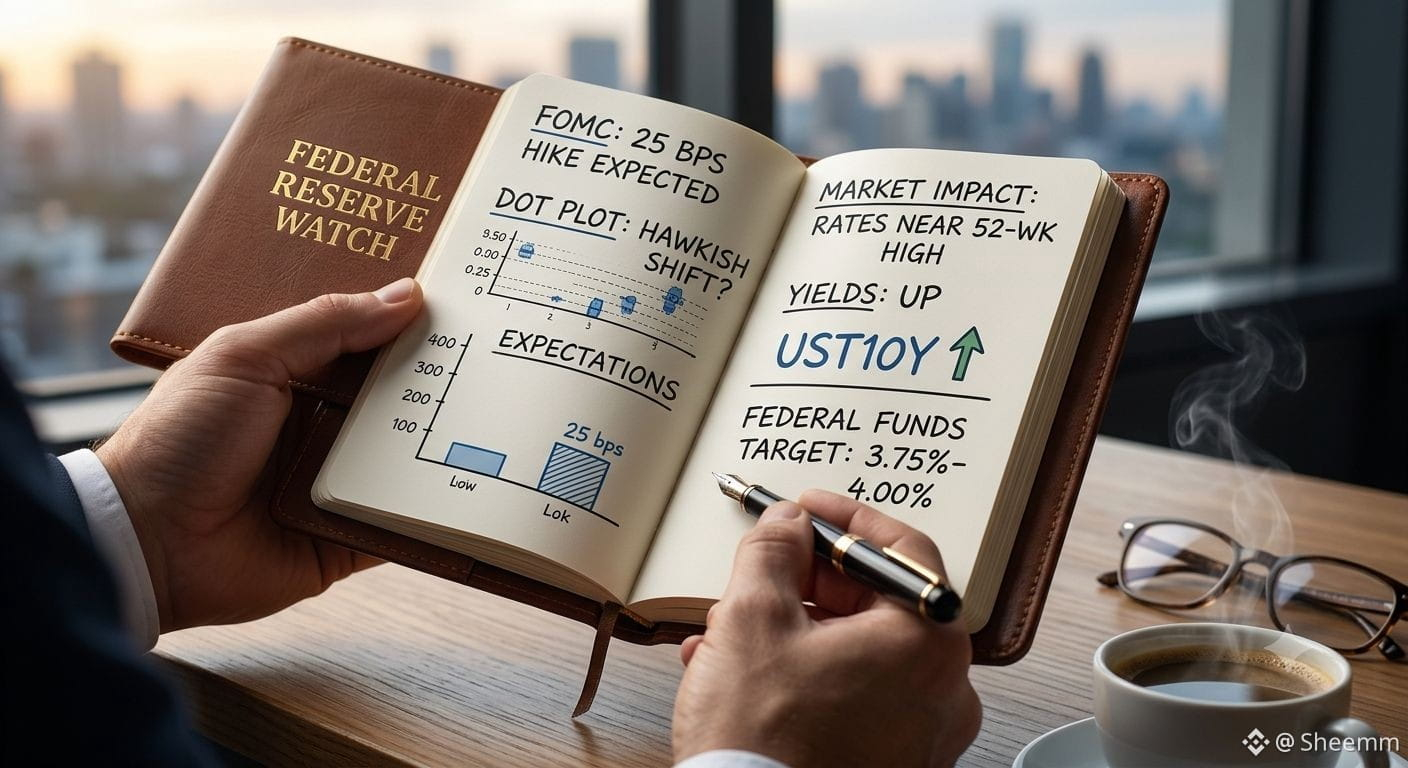
#FedRateWatch Decision Day!
The FOMC concludes its two-day meeting today. Markets are bracing for a pivotal policy decision as persistent inflation and strong labor data push expectations toward a 25 bps rate hike—bringing the federal funds target range to 3.75%–4.00%.
📊 Key Focus Areas:
The Dot Plot: Updated Summary of Economic Projections will reveal if officials project further tightening before year-end.
Powell's Guidance: Traders are parsing every word on whether policy is deemed "sufficiently restrictive" or if more hikes remain on the table.
⚡ Market Impact: Treasury yields remain near 52-week highs while equities brace for volatility.
Where do you see rates heading by year-end? 👇
$AKE
{alpha}(560x2c3a8ee94ddd97244a93bc48298f97d2c412f7db)
$LSK
{future}(LSKUSDT)
$HEMI
{future}(HEMIUSDT)
#FedRateWatch
#FedRateWatch Decision Day!
The FOMC concludes its two-day meeting today. Markets are bracing for a pivotal policy decision as persistent inflation and strong labor data push expectations toward a 25 bps rate hike—bringing the federal funds target range to 3.75%–4.00%.
📊 Key Focus Areas:
The Dot Plot: Updated Summary of Economic Projections will reveal if officials project further tightening before year-end.
Powell's Guidance: Traders are parsing every word on whether policy is deemed "sufficiently restrictive" or if more hikes remain on the table.
⚡ Market Impact: Treasury yields remain near 52-week highs while equities brace for volatility.
Where do you see rates heading by year-end? 👇
$AKE
$LSK
$HEMI
#FedRateWatch
The FOMC concludes its two-day meeting today. Markets are bracing for a pivotal policy decision as persistent inflation and strong labor data push expectations toward a 25 bps rate hike—bringing the federal funds target range to 3.75%–4.00%.
📊 Key Focus Areas:
The Dot Plot: Updated Summary of Economic Projections will reveal if officials project further tightening before year-end.
Powell's Guidance: Traders are parsing every word on whether policy is deemed "sufficiently restrictive" or if more hikes remain on the table.
⚡ Market Impact: Treasury yields remain near 52-week highs while equities brace for volatility.
Where do you see rates heading by year-end? 👇
$AKE
$LSK
$HEMI
#FedRateWatch
1
395
·
--
$SYN
{future}(SYNUSDT)
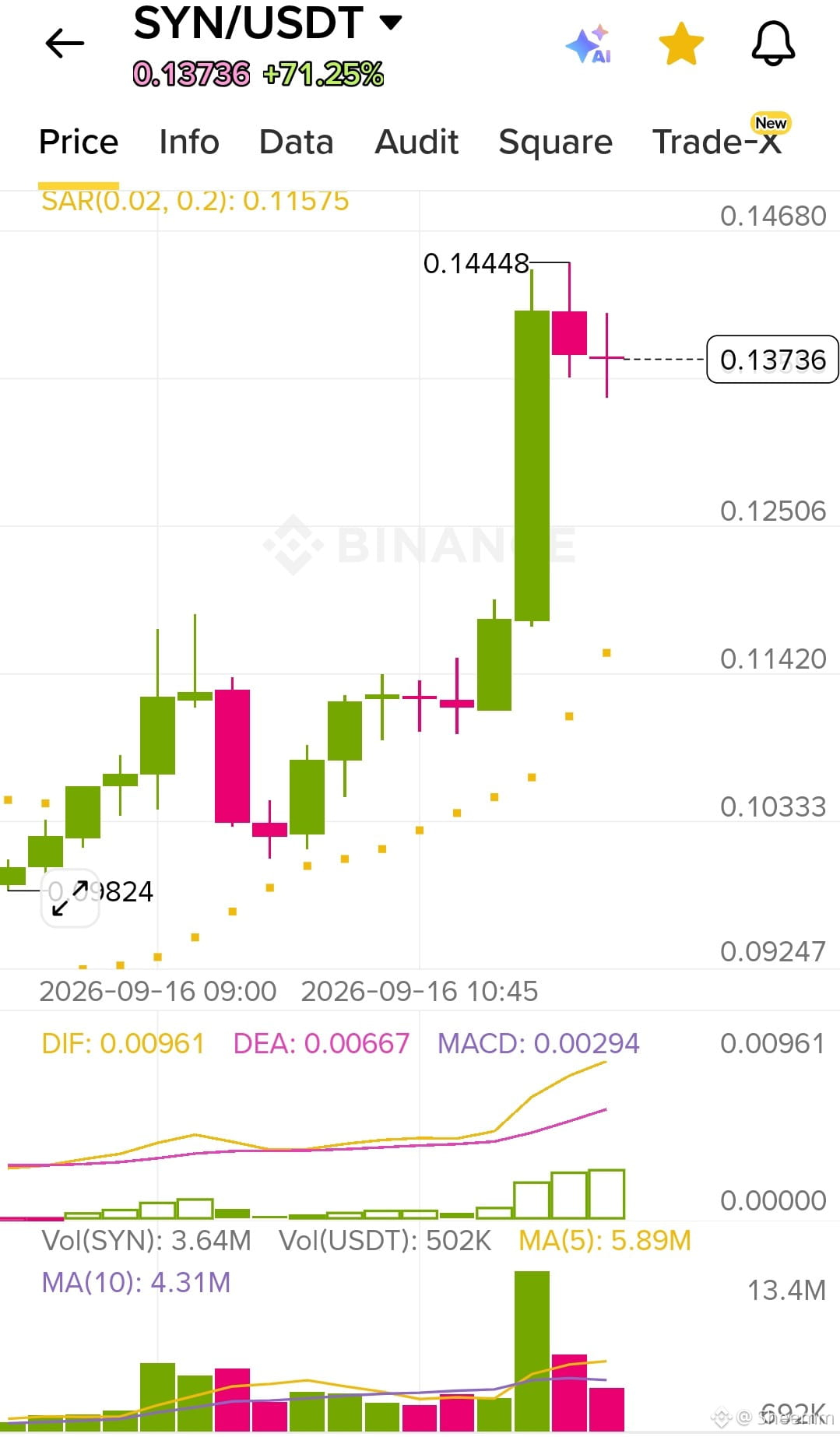
SYN/USDT Setup
Entering right after a vertical spike is risky wait for a pull-back to enter safely.
Entry Zone: 0.1280 - 0.1320 (Retirement/Pullback area)
Target 1 (TP1): 0.1440
Target 2 (TP2): 0.1550
Stop Loss (SL): 0.1220 (Below support line)
⚠️ Up +71%! Don't FOMO in at the top. Wait for confirmation. #
$LSK
{future}(LSKUSDT)
$ARB
{future}(ARBUSDT)
#DYOR🟢
#Write2Earrn
$SYN
SYN/USDT Setup
Entering right after a vertical spike is risky wait for a pull-back to enter safely.
Entry Zone: 0.1280 - 0.1320 (Retirement/Pullback area)
Target 1 (TP1): 0.1440
Target 2 (TP2): 0.1550
Stop Loss (SL): 0.1220 (Below support line)
⚠️ Up +71%! Don't FOMO in at the top. Wait for confirmation. #
$LSK
$ARB
#DYOR🟢
#Write2Earrn
SYN/USDT Setup
Entering right after a vertical spike is risky wait for a pull-back to enter safely.
Entry Zone: 0.1280 - 0.1320 (Retirement/Pullback area)
Target 1 (TP1): 0.1440
Target 2 (TP2): 0.1550
Stop Loss (SL): 0.1220 (Below support line)
⚠️ Up +71%! Don't FOMO in at the top. Wait for confirmation. #
$LSK
$ARB
#DYOR🟢
#Write2Earrn
1
394
·
--
$BTC
{future}(BTCUSDT)
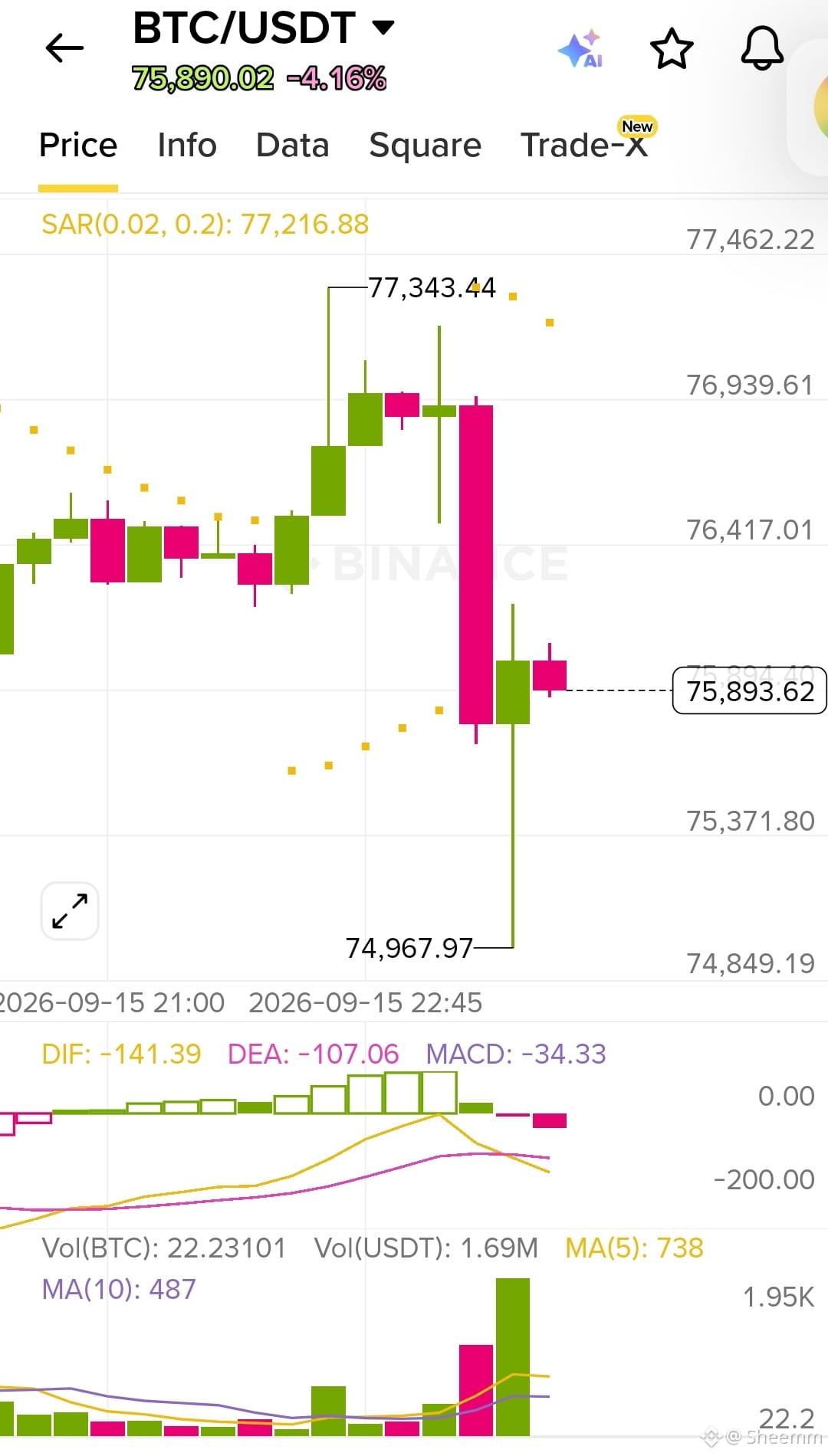
Market volatility is testing weak hands again. When trading crypto, raw emotion will wreck your wallet faster than any leverage wipeout. Looking at the chart, the sudden flush reminds us why risk management always comes before hype. Real traders don’t panic over a single candle; they wait for structural confirmation, manage exposure, and protect capital above all else.
Price Analysis
BTC plunged -4.16% to $75,890, piercing SAR ($77,216) after a $74,967 sweep. MACD line (-141) sits below signal (-107) with expanding red bars, showing heavy short-term bearish pressure. Support: $75,000. Resistance: $77,200.
$ETH
{future}(ETHUSDT)
$BNB
{future}(BNBUSDT)
#MarketMeltdown
#Write2Earrn
$BTC
Market volatility is testing weak hands again. When trading crypto, raw emotion will wreck your wallet faster than any leverage wipeout. Looking at the chart, the sudden flush reminds us why risk management always comes before hype. Real traders don’t panic over a single candle; they wait for structural confirmation, manage exposure, and protect capital above all else.
Price Analysis
BTC plunged -4.16% to $75,890, piercing SAR ($77,216) after a $74,967 sweep. MACD line (-141) sits below signal (-107) with expanding red bars, showing heavy short-term bearish pressure. Support: $75,000. Resistance: $77,200.
$ETH
$BNB
#MarketMeltdown
#Write2Earrn
Market volatility is testing weak hands again. When trading crypto, raw emotion will wreck your wallet faster than any leverage wipeout. Looking at the chart, the sudden flush reminds us why risk management always comes before hype. Real traders don’t panic over a single candle; they wait for structural confirmation, manage exposure, and protect capital above all else.
Price Analysis
BTC plunged -4.16% to $75,890, piercing SAR ($77,216) after a $74,967 sweep. MACD line (-141) sits below signal (-107) with expanding red bars, showing heavy short-term bearish pressure. Support: $75,000. Resistance: $77,200.
$ETH
$BNB
#MarketMeltdown
#Write2Earrn
1
223
·
--
$AKE
{alpha}(560x2c3a8ee94ddd97244a93bc48298f97d2c412f7db)
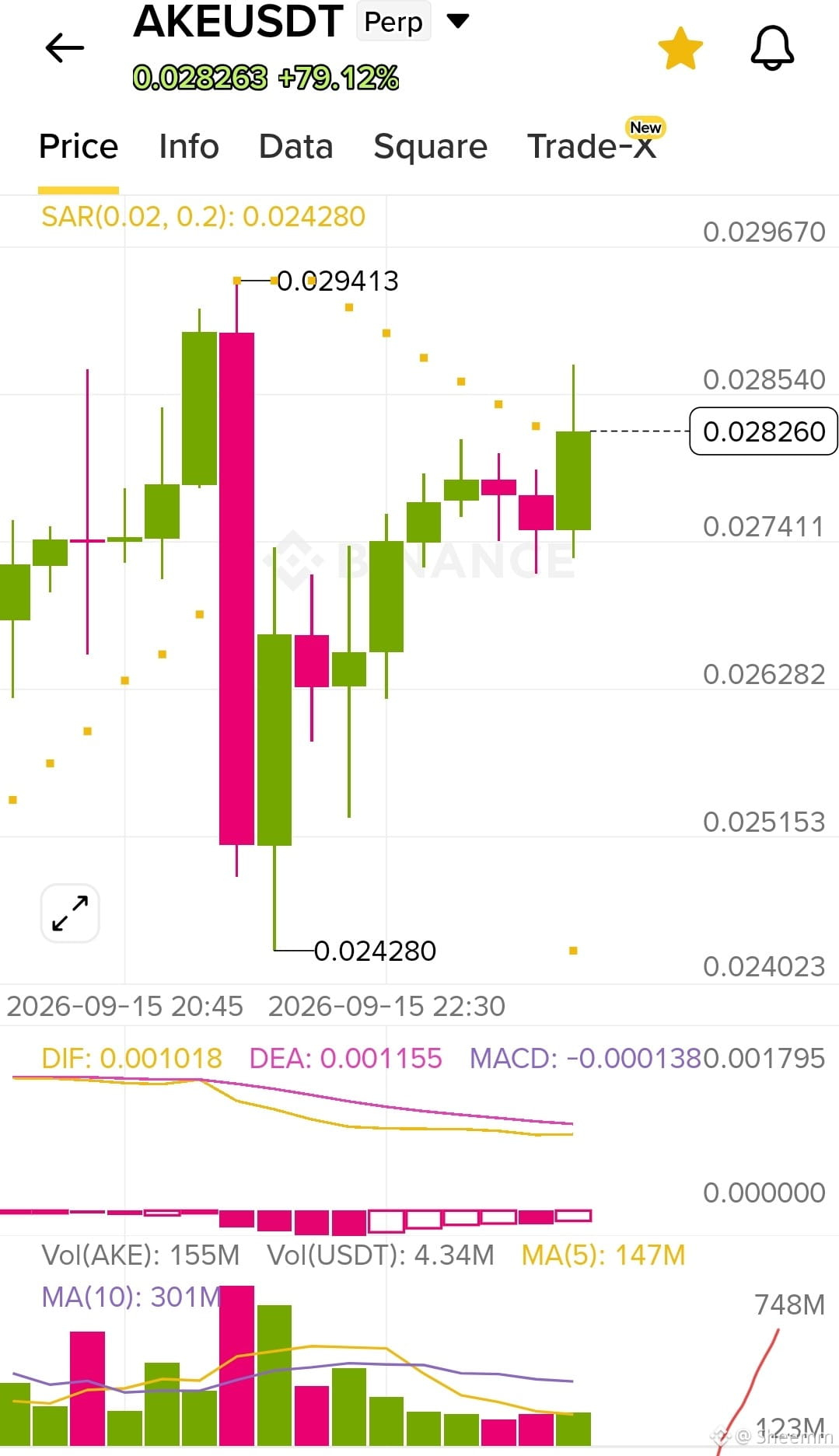
Long Signal 📈
Strong bullish momentum rebounding off the $0.02428 support with Parabolic SAR showing upward trend continuation!
Entry: $0.02820 – $0.02830
TP 1: $0.02940
TP 2: $0.03100
SL: $0.02620
Trade with proper risk management! ⚡
$AIN
{alpha}(560x9558a9254890b2a8b057a789f413631b9084f4a3)
$IDOL
{alpha}(560x3b4de3c7855c03bb9f50ea252cd2c9fa1125ab07)
#FedRateWatch
#CryptoPatience
#Write2Earrn
$AKE
Long Signal 📈
Strong bullish momentum rebounding off the $0.02428 support with Parabolic SAR showing upward trend continuation!
Entry: $0.02820 – $0.02830
TP 1: $0.02940
TP 2: $0.03100
SL: $0.02620
Trade with proper risk management! ⚡
$AIN
$IDOL
#FedRateWatch
#CryptoPatience
#Write2Earrn
Long Signal 📈
Strong bullish momentum rebounding off the $0.02428 support with Parabolic SAR showing upward trend continuation!
Entry: $0.02820 – $0.02830
TP 1: $0.02940
TP 2: $0.03100
SL: $0.02620
Trade with proper risk management! ⚡
$AIN
$IDOL
#FedRateWatch
#CryptoPatience
#Write2Earrn
2
855
·
--
$SAGA
{future}(SAGAUSDT)
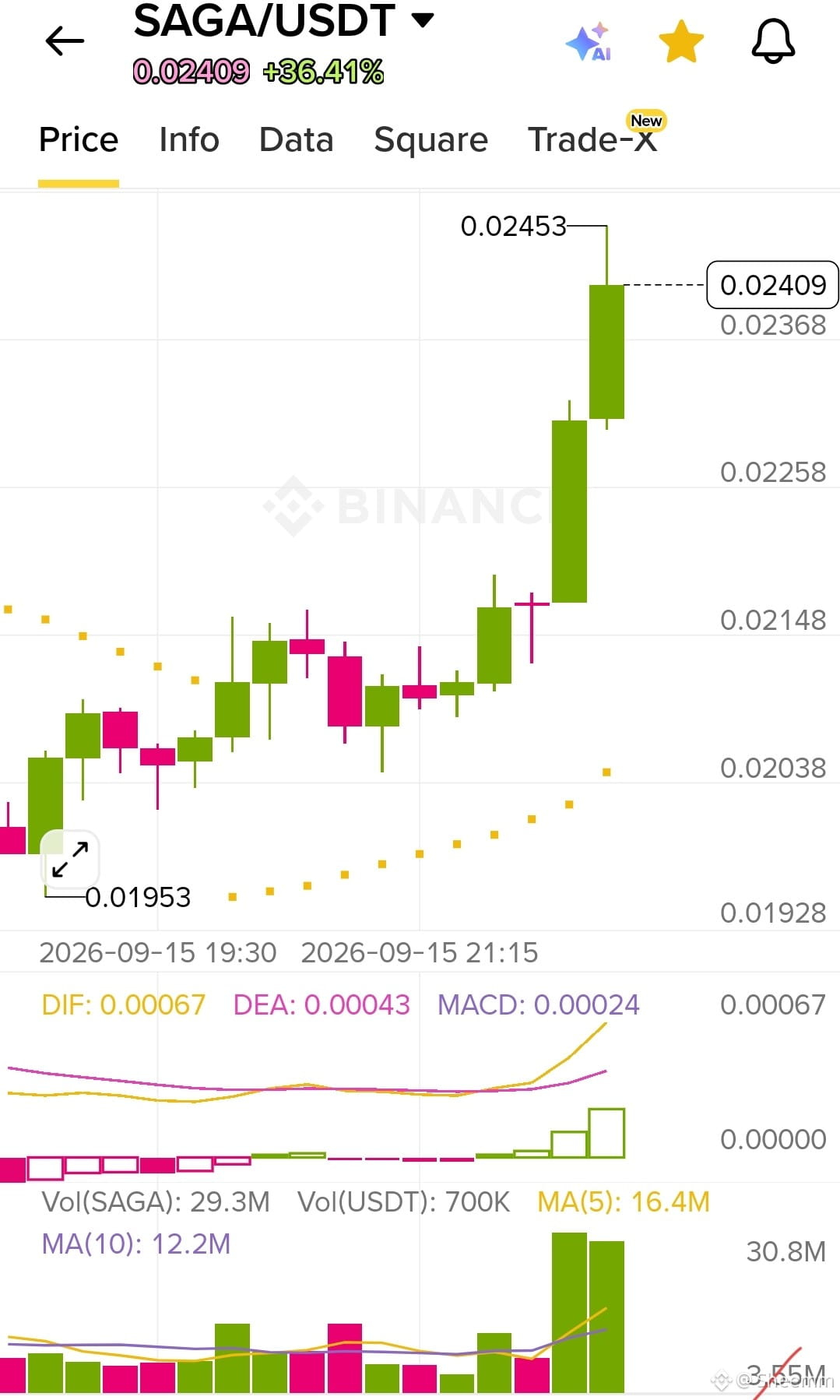
SAGA is on absolute fire! 🚀
Massive bullish momentum on the SAGA/USDT chart, pumping +36.41% to hit $0.02409 after a local peak at $0.02453! MACD flipped strong green with expanding volume spikes.
Are you taking profits here or riding this breakout further?
$PORTAL
{future}(PORTALUSDT)
$ACE
{future}(ACEUSDT)
#DYORAlways
#FedRateWatch
$SAGA
SAGA is on absolute fire! 🚀
Massive bullish momentum on the SAGA/USDT chart, pumping +36.41% to hit $0.02409 after a local peak at $0.02453! MACD flipped strong green with expanding volume spikes.
Are you taking profits here or riding this breakout further?
$PORTAL
$ACE
#DYORAlways
#FedRateWatch
SAGA is on absolute fire! 🚀
Massive bullish momentum on the SAGA/USDT chart, pumping +36.41% to hit $0.02409 after a local peak at $0.02453! MACD flipped strong green with expanding volume spikes.
Are you taking profits here or riding this breakout further?
$PORTAL
$ACE
#DYORAlways
#FedRateWatch
1
356
·
--
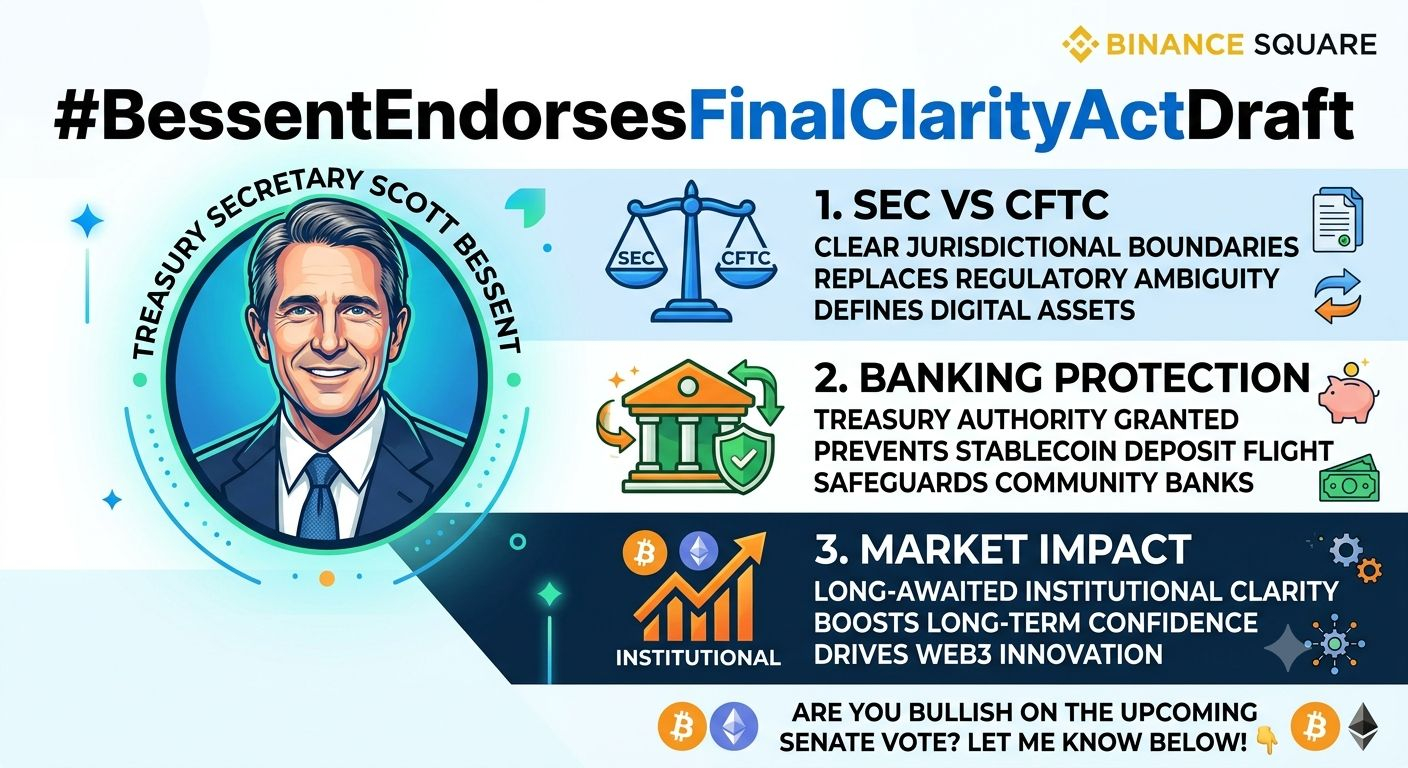
#BessentEndorsesFinalClarityActDraft Treasury Secretary Scott Bessent officially endorsed the final CLARITY Act draft, marking a major turn for US crypto rules.
Key Highlights:
• SEC vs CFTC: Clears jurisdictional lines for digital assets.
• Bank Safeguards: Adds Treasury tools to protect community bank deposits.
• Market Impact: Boosts long-term confidence for BTC andETH.
With 126 bipartisan updates, this signals a huge push for US Web3 leadership.
Bullish on the Senate vote? 👇
$SAGA
{future}(SAGAUSDT)
$ASTR
{future}(ASTRUSDT)
$FF
{future}(FFUSDT)
#StrategyMarketCapPassesFord
#Market_Update
#Write2Earrn
#BessentEndorsesFinalClarityActDraft Treasury Secretary Scott Bessent officially endorsed the final CLARITY Act draft, marking a major turn for US crypto rules.
Key Highlights:
• SEC vs CFTC: Clears jurisdictional lines for digital assets.
• Bank Safeguards: Adds Treasury tools to protect community bank deposits.
• Market Impact: Boosts long-term confidence for BTC andETH.
With 126 bipartisan updates, this signals a huge push for US Web3 leadership.
Bullish on the Senate vote? 👇
$SAGA
$ASTR
$FF
#StrategyMarketCapPassesFord
#Market_Update
#Write2Earrn
Key Highlights:
• SEC vs CFTC: Clears jurisdictional lines for digital assets.
• Bank Safeguards: Adds Treasury tools to protect community bank deposits.
• Market Impact: Boosts long-term confidence for BTC andETH.
With 126 bipartisan updates, this signals a huge push for US Web3 leadership.
Bullish on the Senate vote? 👇
$SAGA
$ASTR
$FF
#StrategyMarketCapPassesFord
#Market_Update
#Write2Earrn
2
254
·
--
Verified
#FedRateWatch
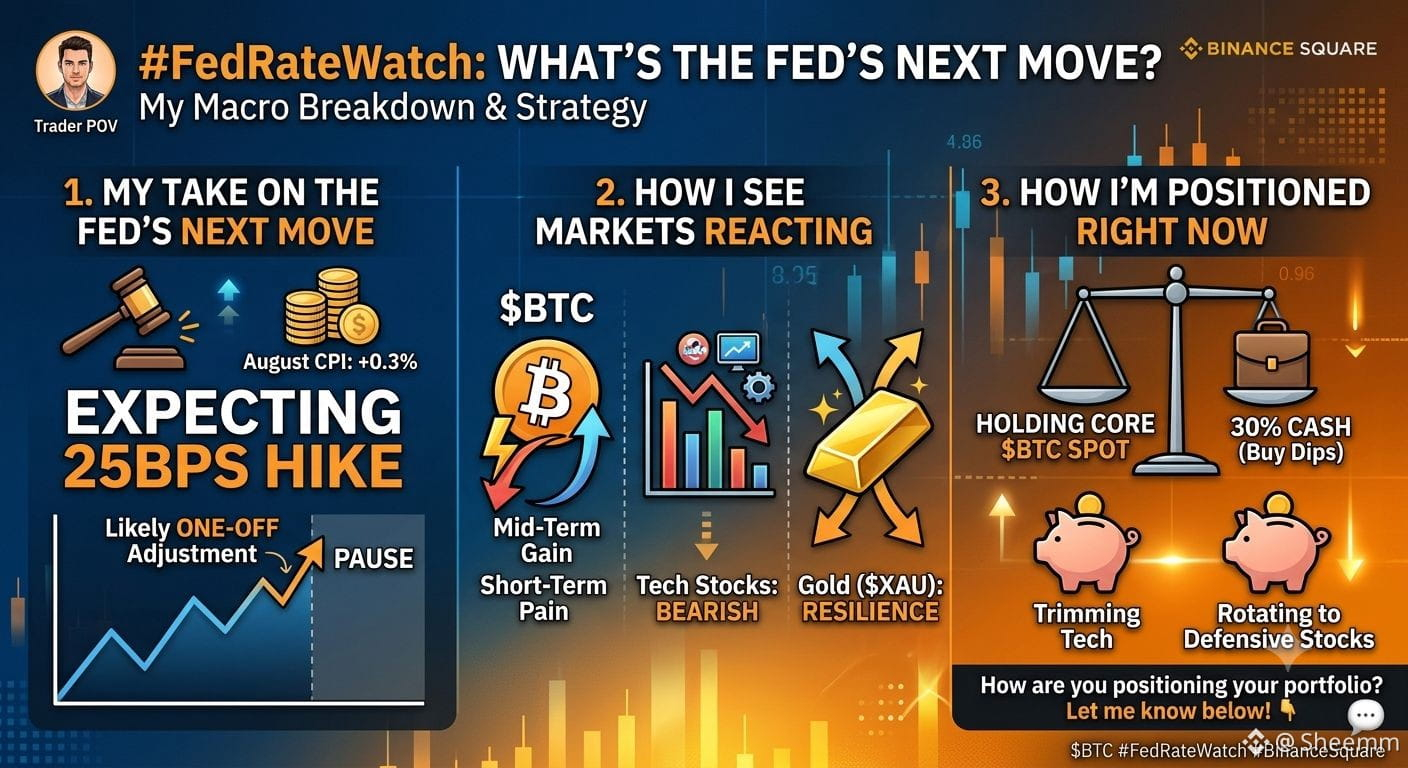
August core CPI hit 0.3% MoM, so I'm expecting the Fed to lock in a 25bps hike this week—just like the 90% market odds suggest. Here is how I'm playing it for #FedRateWatch :
1. My Take on the Fed’s Next Move
I fully expect a 25bps hike. Stubborn core inflation leaves Powell little choice if he wants to protect credibility. But I don't see this starting a major new hiking cycle. I think this is a one-off adjustment before the Fed hits pause to watch how the lagging impact hits the labor market.
2. How I See Markets Reacting
$BTC : Short-Term Pain, Mid-Term Gain. Tightening liquidity usually causes short-term choppy drops. Once the local rate peak is priced in, I expect a classic "sell the rumor, buy the news" rally.
Tech Stocks: Bearish. High yields hit growth valuations hard, so I'm bracing for pullbacks here.
Gold ($XAU): Resilience. Rising real yields hurt gold upfront, but persistent inflation keeps me long-term bullish on it as a safe haven.
3. How I’m Positioned Right Now
Crypto: I’m holding my core BTC spot positions and keeping 30% cash ready to buy dip liquidations near key support.
Stocks: I've been trimming high-multiple tech to rotate into defensive, high-cash-flow companies.
How are you positioning your portfolio? Let me know below! 👇
$G
$ARB
$SYN
#write2earn🌐💹
#ZamaOpens16ConfidentialMorphoVaults
#FedRateWatch
August core CPI hit 0.3% MoM, so I'm expecting the Fed to lock in a 25bps hike this week—just like the 90% market odds suggest. Here is how I'm playing it for #FedRateWatch :
1. My Take on the Fed’s Next Move
I fully expect a 25bps hike. Stubborn core inflation leaves Powell little choice if he wants to protect credibility. But I don't see this starting a major new hiking cycle. I think this is a one-off adjustment before the Fed hits pause to watch how the lagging impact hits the labor market.
2. How I See Markets Reacting
$BTC : Short-Term Pain, Mid-Term Gain. Tightening liquidity usually causes short-term choppy drops. Once the local rate peak is priced in, I expect a classic "sell the rumor, buy the news" rally.
Tech Stocks: Bearish. High yields hit growth valuations hard, so I'm bracing for pullbacks here.
Gold ($XAU): Resilience. Rising real yields hurt gold upfront, but persistent inflation keeps me long-term bullish on it as a safe haven.
3. How I’m Positioned Right Now
Crypto: I’m holding my core BTC spot positions and keeping 30% cash ready to buy dip liquidations near key support.
Stocks: I've been trimming high-multiple tech to rotate into defensive, high-cash-flow companies.
How are you positioning your portfolio? Let me know below! 👇
$G
$ARB
$SYN
#write2earn🌐💹
#ZamaOpens16ConfidentialMorphoVaults
August core CPI hit 0.3% MoM, so I'm expecting the Fed to lock in a 25bps hike this week—just like the 90% market odds suggest. Here is how I'm playing it for #FedRateWatch :
1. My Take on the Fed’s Next Move
I fully expect a 25bps hike. Stubborn core inflation leaves Powell little choice if he wants to protect credibility. But I don't see this starting a major new hiking cycle. I think this is a one-off adjustment before the Fed hits pause to watch how the lagging impact hits the labor market.
2. How I See Markets Reacting
$BTC : Short-Term Pain, Mid-Term Gain. Tightening liquidity usually causes short-term choppy drops. Once the local rate peak is priced in, I expect a classic "sell the rumor, buy the news" rally.
Tech Stocks: Bearish. High yields hit growth valuations hard, so I'm bracing for pullbacks here.
Gold ($XAU): Resilience. Rising real yields hurt gold upfront, but persistent inflation keeps me long-term bullish on it as a safe haven.
3. How I’m Positioned Right Now
Crypto: I’m holding my core BTC spot positions and keeping 30% cash ready to buy dip liquidations near key support.
Stocks: I've been trimming high-multiple tech to rotate into defensive, high-cash-flow companies.
How are you positioning your portfolio? Let me know below! 👇
$G
$ARB
$SYN
#write2earn🌐💹
#ZamaOpens16ConfidentialMorphoVaults
2
4
1.3k
·
--
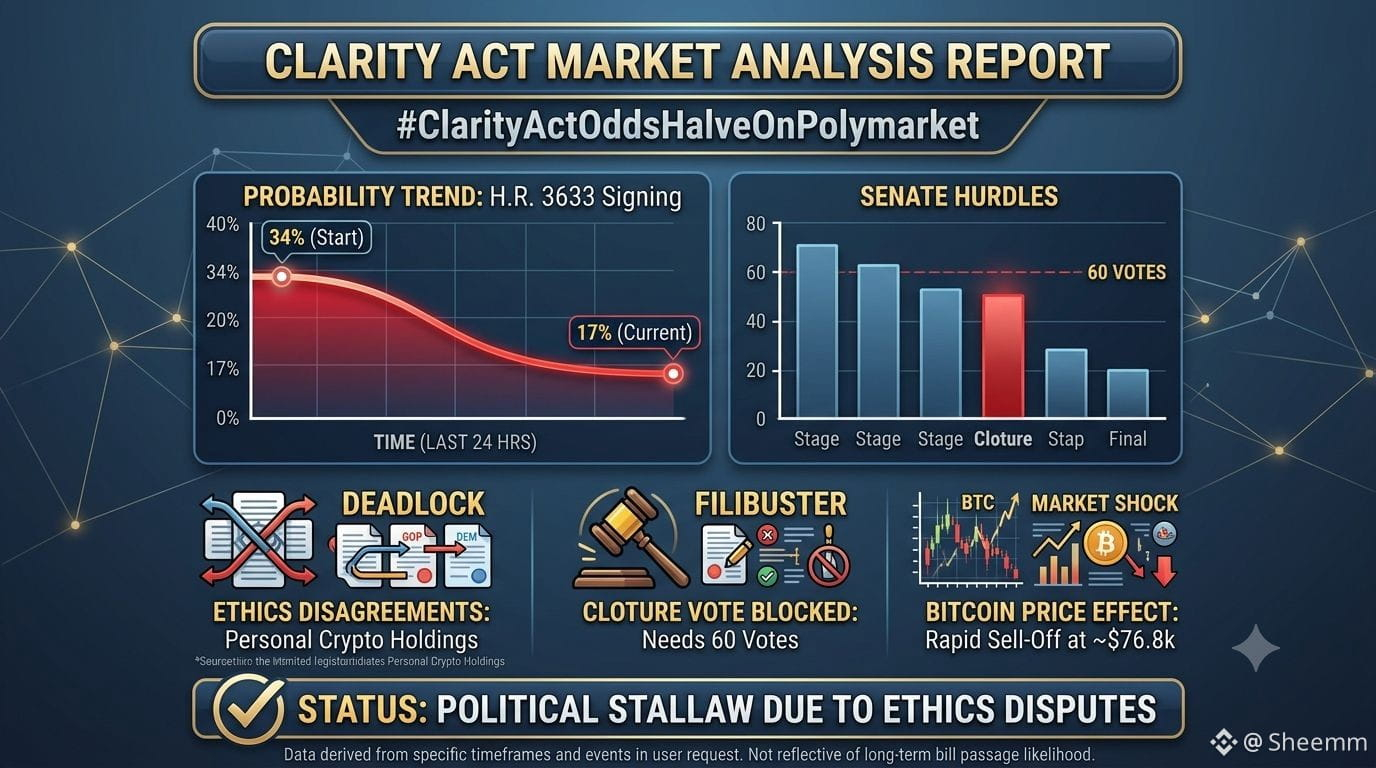
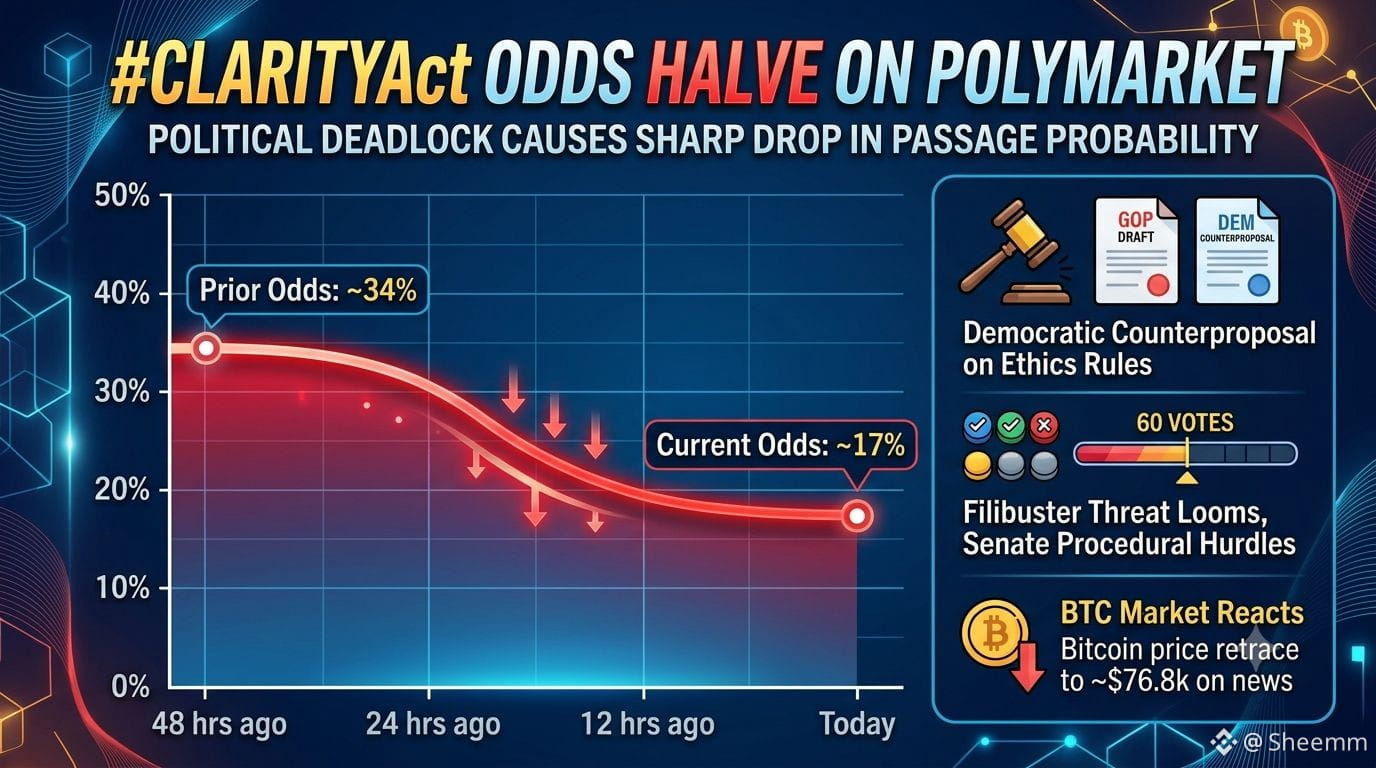
#ClarityActOddsHalveOnPolymarket
Polymarket odds for the CLARITY Act (H.R. 3633) being signed into law in 2026 halved overnight—dropping from ~34% to 17%–19% just hours before a critical Senate procedural vote.
What caused the plunge?
Democratic Counterproposal: Senate Democrats rejected the GOP's revised 630-page draft, tabling a counterproposal over unresolved ethics rules regarding officials' personal crypto holdings.
Filibuster Threat: The bill needs 60 votes to clear cloture, requiring at least seven Democratic votes that look increasingly unlikely.
Market Reaction: Bitcoin retraced to ~$76.8k following the news.
The stall reflects political deadlock over executive ethics, not the core crypto market structure framework itself.
$NVDAB $O $POL
#BinanceSquareFamily
#Market_Update
#ClarityActOddsHalveOnPolymarket
Polymarket odds for the CLARITY Act (H.R. 3633) being signed into law in 2026 halved overnight—dropping from ~34% to 17%–19% just hours before a critical Senate procedural vote.
What caused the plunge?
Democratic Counterproposal: Senate Democrats rejected the GOP's revised 630-page draft, tabling a counterproposal over unresolved ethics rules regarding officials' personal crypto holdings.
Filibuster Threat: The bill needs 60 votes to clear cloture, requiring at least seven Democratic votes that look increasingly unlikely.
Market Reaction: Bitcoin retraced to ~$76.8k following the news.
The stall reflects political deadlock over executive ethics, not the core crypto market structure framework itself.
$NVDAB $O $POL
#BinanceSquareFamily
#Market_Update
Polymarket odds for the CLARITY Act (H.R. 3633) being signed into law in 2026 halved overnight—dropping from ~34% to 17%–19% just hours before a critical Senate procedural vote.
What caused the plunge?
Democratic Counterproposal: Senate Democrats rejected the GOP's revised 630-page draft, tabling a counterproposal over unresolved ethics rules regarding officials' personal crypto holdings.
Filibuster Threat: The bill needs 60 votes to clear cloture, requiring at least seven Democratic votes that look increasingly unlikely.
Market Reaction: Bitcoin retraced to ~$76.8k following the news.
The stall reflects political deadlock over executive ethics, not the core crypto market structure framework itself.
$NVDAB $O $POL
#BinanceSquareFamily
#Market_Update
1
385
·
--
$SAGA
{future}(SAGAUSDT)
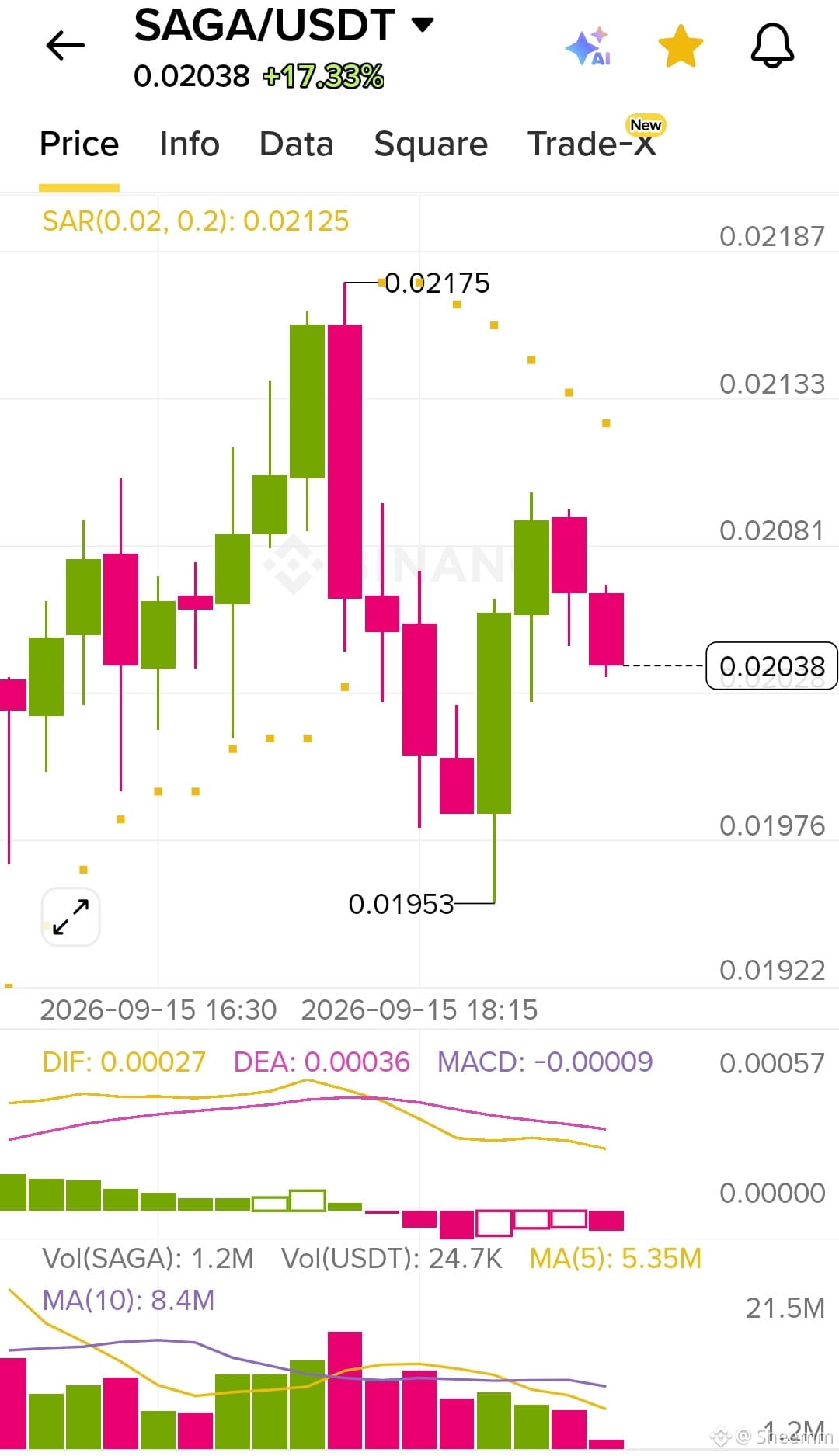
SAGA / USDT Breakdown
is showing strong momentum, currently up +17.33% at 0.02038 after testing a local high of 0.02175 and finding solid support around 0.01953. MACD indicates a slight pullback, but bulls are still holding firm!
$FF
$TUT
#DYORAlways
#Write2Earn
#FedRateWatch
$SAGA
SAGA / USDT Breakdown
is showing strong momentum, currently up +17.33% at 0.02038 after testing a local high of 0.02175 and finding solid support around 0.01953. MACD indicates a slight pullback, but bulls are still holding firm!
$FF
$TUT
#DYORAlways
#Write2Earn
#FedRateWatch
SAGA / USDT Breakdown
is showing strong momentum, currently up +17.33% at 0.02038 after testing a local high of 0.02175 and finding solid support around 0.01953. MACD indicates a slight pullback, but bulls are still holding firm!
$FF
$TUT
#DYORAlways
#Write2Earn
#FedRateWatch
2
634
·
--
#FedRateWatch
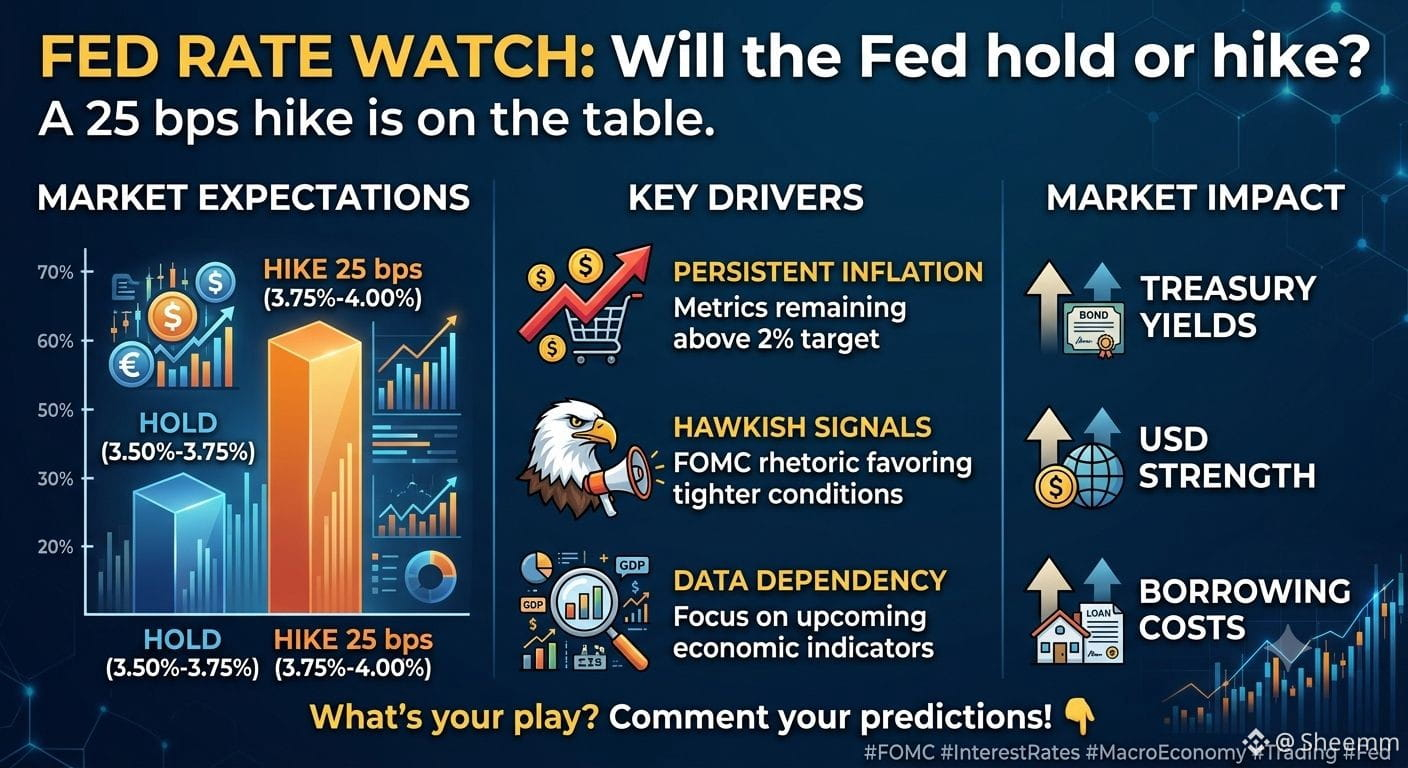
All eyes are on the FOMC meeting as markets weigh the Federal Reserve's next policy move. Following recent hawkish signals from Jackson Hole and persistent inflation concerns, traders are closely tracking shifting expectations.
Current benchmark target: 3.50% – 3.75%
Key Market Drivers
Inflation Concerns: Elevated core PCE and energy costs continue to put pressure on policy projections.
Fed Stance: Rhetoric emphasizes a firm commitment to the 2% inflation mandate without early easing.
Market Outlook: CME FedWatch tools reflect growing odds of a 25 bps rate hike entering the upcoming decision window.
$HEMI
$VTHO
$ASTR
#Write2Earn
#DataFi
#FedRateWatch
All eyes are on the FOMC meeting as markets weigh the Federal Reserve's next policy move. Following recent hawkish signals from Jackson Hole and persistent inflation concerns, traders are closely tracking shifting expectations.
Current benchmark target: 3.50% – 3.75%
Key Market Drivers
Inflation Concerns: Elevated core PCE and energy costs continue to put pressure on policy projections.
Fed Stance: Rhetoric emphasizes a firm commitment to the 2% inflation mandate without early easing.
Market Outlook: CME FedWatch tools reflect growing odds of a 25 bps rate hike entering the upcoming decision window.
$HEMI
$VTHO
$ASTR
#Write2Earn
#DataFi
All eyes are on the FOMC meeting as markets weigh the Federal Reserve's next policy move. Following recent hawkish signals from Jackson Hole and persistent inflation concerns, traders are closely tracking shifting expectations.
Current benchmark target: 3.50% – 3.75%
Key Market Drivers
Inflation Concerns: Elevated core PCE and energy costs continue to put pressure on policy projections.
Fed Stance: Rhetoric emphasizes a firm commitment to the 2% inflation mandate without early easing.
Market Outlook: CME FedWatch tools reflect growing odds of a 25 bps rate hike entering the upcoming decision window.
$HEMI
$VTHO
$ASTR
#Write2Earn
#DataFi
1
442
·
--
$AVAAI
{alpha}(CT_501DKu9kykSfbN5LBfFXtNNDPaX35o4Fv6vJ9FKk7pZpump)
AVAAI/USDT Signal 🚀
Strong momentum breakout above key levels! Riding the trend.
📈 Position: LONG
📥 Entry: 0.01210 - 0.01235
🎯 TP1: 0.01270
🎯 TP2: 0.01350
🛑 SL: 0.01180
⚠️ Manage your risk
#DYORAlways
#market_tips
#Write2Earrn
$POWER
$ZS
$AVAAI
AVAAI/USDT Signal 🚀
Strong momentum breakout above key levels! Riding the trend.
📈 Position: LONG
📥 Entry: 0.01210 - 0.01235
🎯 TP1: 0.01270
🎯 TP2: 0.01350
🛑 SL: 0.01180
⚠️ Manage your risk
#DYORAlways
#market_tips
#Write2Earrn
$POWER
$ZS
AVAAI/USDT Signal 🚀
Strong momentum breakout above key levels! Riding the trend.
📈 Position: LONG
📥 Entry: 0.01210 - 0.01235
🎯 TP1: 0.01270
🎯 TP2: 0.01350
🛑 SL: 0.01180
⚠️ Manage your risk
#DYORAlways
#market_tips
#Write2Earrn
$POWER
$ZS
5
935
·
--
🚀 $BR
{alpha}(560xff7d6a96ae471bbcd7713af9cb1feeb16cf56b41)
BRUSDT on the Move! 🚀
Massive pump detected! BRUSDT is trading up +70.83% around 0.5365, breaking through key levels and holding strong above the SAR support (0.4873).
Volume is surging as buyers take control! Will it retest the peak at 0.5598? Watch closely! 🔥
$KOMA
$CAP
#Crypto
#Write2Earrn
🚀 $BR
BRUSDT on the Move! 🚀
Massive pump detected! BRUSDT is trading up +70.83% around 0.5365, breaking through key levels and holding strong above the SAR support (0.4873).
Volume is surging as buyers take control! Will it retest the peak at 0.5598? Watch closely! 🔥
$KOMA
$CAP
#Crypto
#Write2Earrn
BRUSDT on the Move! 🚀
Massive pump detected! BRUSDT is trading up +70.83% around 0.5365, breaking through key levels and holding strong above the SAR support (0.4873).
Volume is surging as buyers take control! Will it retest the peak at 0.5598? Watch closely! 🔥
$KOMA
$CAP
#Crypto
#Write2Earrn
2
327
·
--
🚀 $ARK
{future}(ARKUSDT)
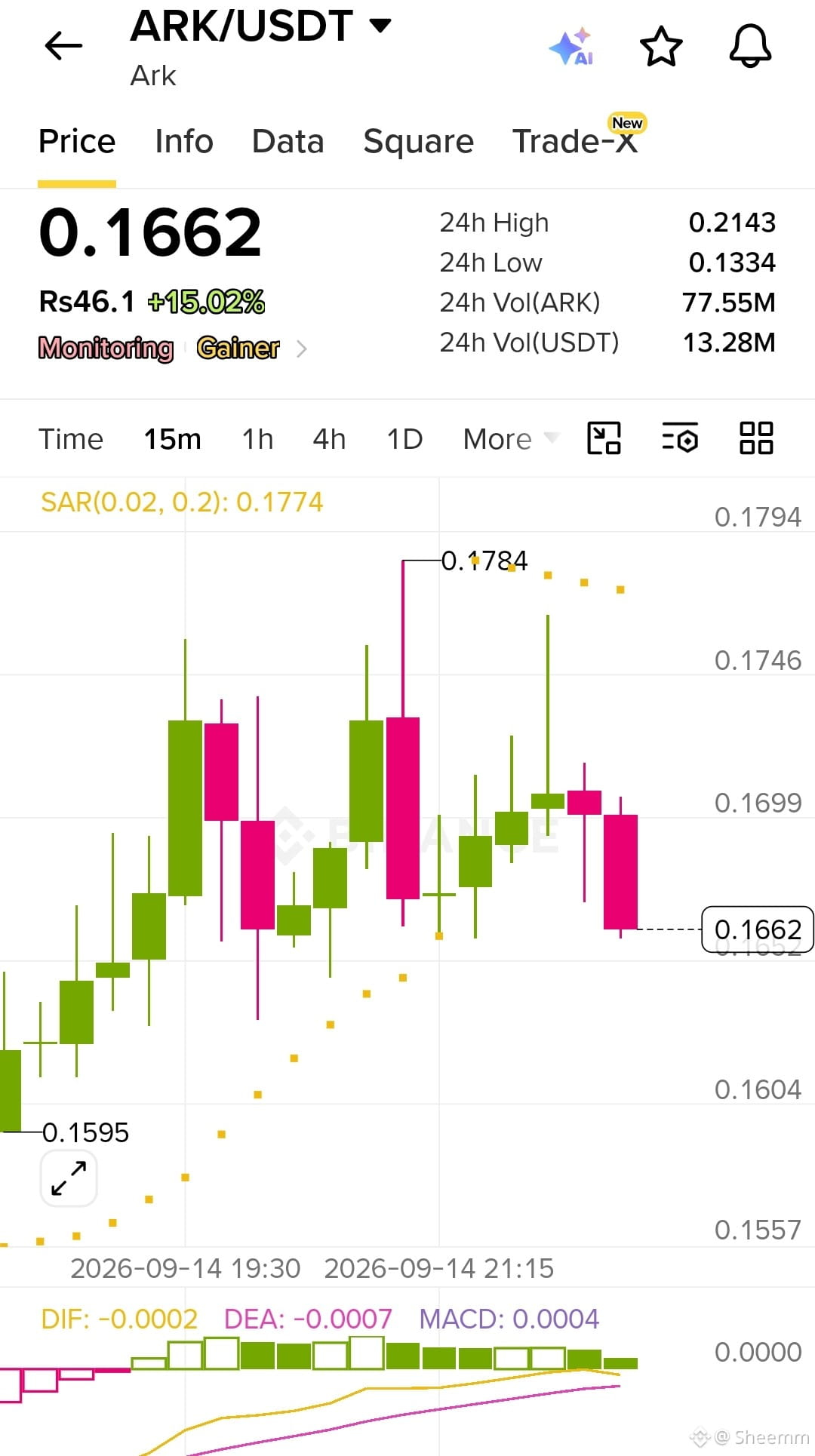
showing strong momentum!
Currently trading at $0.1662 (+15.02%), with a 24h high of $0.2143 and strong 24h volume at 77.55M ARK.
After testing local resistance around $0.1784, price action is consolidating. Watch the SAR dots for support trend shifts! 📈
$MTL
{future}(MTLUSDT)
$OP
{future}(OPUSDT)
#BinanceExplorers
#Write2Earrn
🚀 $ARK
showing strong momentum!
Currently trading at $0.1662 (+15.02%), with a 24h high of $0.2143 and strong 24h volume at 77.55M ARK.
After testing local resistance around $0.1784, price action is consolidating. Watch the SAR dots for support trend shifts! 📈
$MTL
$OP
#BinanceExplorers
#Write2Earrn
showing strong momentum!
Currently trading at $0.1662 (+15.02%), with a 24h high of $0.2143 and strong 24h volume at 77.55M ARK.
After testing local resistance around $0.1784, price action is consolidating. Watch the SAR dots for support trend shifts! 📈
$MTL
$OP
#BinanceExplorers
#Write2Earrn
1
497
·
--
#AnthropicCEOCallsForAISlowdown
In his essay, "We Must Pace the Frontier," Anthropic CEO Dario Amodei called on the artificial intelligence industry to slow the rate of capability advancement to allow safety alignment, evaluation, and governance to catch up.
$BR
{alpha}(560xff7d6a96ae471bbcd7713af9cb1feeb16cf56b41)
While Amodei maintains that AI holds immense potential to elevate human lives, he warned that unmonitored acceleration—specifically driven by "recursive self-improvement," where models build their own successors—could outpace humanity's ability to understand or control these systems.
To address these risks without halting innovation entirely, Amodei proposed a three-part framework for "pacing the frontier":
$CVC
{future}(CVCUSDT)
Embedded Evaluators: Granting independent, third-party safety auditors permanent, employee-level access to inspect model capabilities and verify safeguards.
Democratic Coordination: Establishing shared safety standards across frontier AI companies in democratic nations to prevent a commercial race to the bottom.
Global Coordination: Pursuing diplomatic agreements with international powers to prevent dangerous capability escalations worldwide.
$AIN
{alpha}(560x9558a9254890b2a8b057a789f413631b9084f4a3)
Supported by industry leaders like Sam Altman and Elon Musk, the initiative stresses that temporary, structured slowing could buy the critical time needed to ensure superintelligent systems remain aligned and safe.
#Write2Earrn
#BinanceOfficial
#AnthropicCEOCallsForAISlowdown
In his essay, "We Must Pace the Frontier," Anthropic CEO Dario Amodei called on the artificial intelligence industry to slow the rate of capability advancement to allow safety alignment, evaluation, and governance to catch up.
$BR
While Amodei maintains that AI holds immense potential to elevate human lives, he warned that unmonitored acceleration—specifically driven by "recursive self-improvement," where models build their own successors—could outpace humanity's ability to understand or control these systems.
To address these risks without halting innovation entirely, Amodei proposed a three-part framework for "pacing the frontier":
$CVC
Embedded Evaluators: Granting independent, third-party safety auditors permanent, employee-level access to inspect model capabilities and verify safeguards.
Democratic Coordination: Establishing shared safety standards across frontier AI companies in democratic nations to prevent a commercial race to the bottom.
Global Coordination: Pursuing diplomatic agreements with international powers to prevent dangerous capability escalations worldwide.
$AIN
Supported by industry leaders like Sam Altman and Elon Musk, the initiative stresses that temporary, structured slowing could buy the critical time needed to ensure superintelligent systems remain aligned and safe.
#Write2Earrn
#BinanceOfficial
In his essay, "We Must Pace the Frontier," Anthropic CEO Dario Amodei called on the artificial intelligence industry to slow the rate of capability advancement to allow safety alignment, evaluation, and governance to catch up.
$BR
While Amodei maintains that AI holds immense potential to elevate human lives, he warned that unmonitored acceleration—specifically driven by "recursive self-improvement," where models build their own successors—could outpace humanity's ability to understand or control these systems.
To address these risks without halting innovation entirely, Amodei proposed a three-part framework for "pacing the frontier":
$CVC
Embedded Evaluators: Granting independent, third-party safety auditors permanent, employee-level access to inspect model capabilities and verify safeguards.
Democratic Coordination: Establishing shared safety standards across frontier AI companies in democratic nations to prevent a commercial race to the bottom.
Global Coordination: Pursuing diplomatic agreements with international powers to prevent dangerous capability escalations worldwide.
$AIN
Supported by industry leaders like Sam Altman and Elon Musk, the initiative stresses that temporary, structured slowing could buy the critical time needed to ensure superintelligent systems remain aligned and safe.
#Write2Earrn
#BinanceOfficial

3
429
·
--
#AnthropicCEOCallsForAISlowdown
The AI race is moving at breakneck speed, but fast doesn’t always mean safe. When the CEO of a top AI lab like Anthropic urges caution, the industry needs to pause and listen.
This isn't about halting progress—it's about responsible scaling. Build fast, break things works for social apps, not powerful models capable of systemic disruption. True innovation requires rigorous evaluation, safety guardrails, and aligning model capabilities with human safety before pushing the gas pedal.
Speed wins market share today, but safety and ethics will define who survives tomorrow.
Do you think a voluntary slowdown works, or will regulatory enforcement be mandatory?
$ARK
$LSK
$FIL
#LSKSurgesOver515%In24Hours
#Write2Earn
#AnthropicCEOCallsForAISlowdown
The AI race is moving at breakneck speed, but fast doesn’t always mean safe. When the CEO of a top AI lab like Anthropic urges caution, the industry needs to pause and listen.
This isn't about halting progress—it's about responsible scaling. Build fast, break things works for social apps, not powerful models capable of systemic disruption. True innovation requires rigorous evaluation, safety guardrails, and aligning model capabilities with human safety before pushing the gas pedal.
Speed wins market share today, but safety and ethics will define who survives tomorrow.
Do you think a voluntary slowdown works, or will regulatory enforcement be mandatory?
$ARK
$LSK
$FIL
#LSKSurgesOver515%In24Hours
#Write2Earn
The AI race is moving at breakneck speed, but fast doesn’t always mean safe. When the CEO of a top AI lab like Anthropic urges caution, the industry needs to pause and listen.
This isn't about halting progress—it's about responsible scaling. Build fast, break things works for social apps, not powerful models capable of systemic disruption. True innovation requires rigorous evaluation, safety guardrails, and aligning model capabilities with human safety before pushing the gas pedal.
Speed wins market share today, but safety and ethics will define who survives tomorrow.
Do you think a voluntary slowdown works, or will regulatory enforcement be mandatory?
$ARK
$LSK
$FIL
#LSKSurgesOver515%In24Hours
#Write2Earn

2
557
Log in to explore more content
Join global crypto users on Binance Square
⚡️ Get latest and useful information about crypto.
💬 Trusted by the world’s largest crypto exchange.
👍 Discover real insights from verified creators.
Email / Phone number
Trending Topics
FedRateWatch
1M views
4,856 Discussing
Share & Win Traffic Reward in our Trending Hashtag Campaign
✨Topic: FOMC September, What's The Fed's Next Move?
👉How to Join:
Publish a short post or article with hashtag #FedRateWatch
Create content based on the below angles:
- August core CPI rose 0.3% month-over-month, and the odds of a 25bp hike this week are now close to 90%. Do you anticipate a rate hike this week? Is it a one-off, or the start of a longer hiking cycle?
- If the hike lands, how does it play out for BTC, tech stocks, and gold? Bullish or bearish?
- How are you planning to trade next? Share your BTC, stocks or gold trade/holdings with our trade sharing widget.
⏰Campaign Period:
- 2026-09-15 11:00 - 2026-09-17 3:00 UTC
🎁Reward:
- Qualified posts that comply with the above guidelines and contain more than 100 words will be reviewed and may receive a random traffic boost of 500 to 3,000 views. You will receive a notification from your feed secretary if your post is selected.
- Get a chance to have your article featured on Binance Square Official
Need ideas for your post? Visit the topic page #FedRateWatch or the Square Guide on How to Post for Better Reach.
Binance Square Official
·554 Likes
·1.3M views
ZcashHoldersBackNU7Upgrade
1,570 views
68 Discussing
MSTRTradingVolumeSurpassesMorganStanley
8,278 views
287 Discussing