
加密阿杰
960 Posts

加密阿杰
公众号:加密杰哥 聊天室id:jiege5566,八年币圈交易经验,不定期分享经验与动态,专业指导学习
5 Following
2.5K+ Followers
2.1K+ Liked
Posts
All
Quotes
PINNED
Binance has now launched a new feature - you can chat directly via private messages within the platform.
Friends who need to communicate or consult can directly scan the QR code below to add.
The personal profile also has a chat ID, just enter the ID to search and add Brother Jie.
Friends who need to communicate or consult can directly scan the QR code below to add.
The personal profile also has a chat ID, just enter the ID to search and add Brother Jie.

PINNED
April has already ended—let’s share the April earnings of these two fans
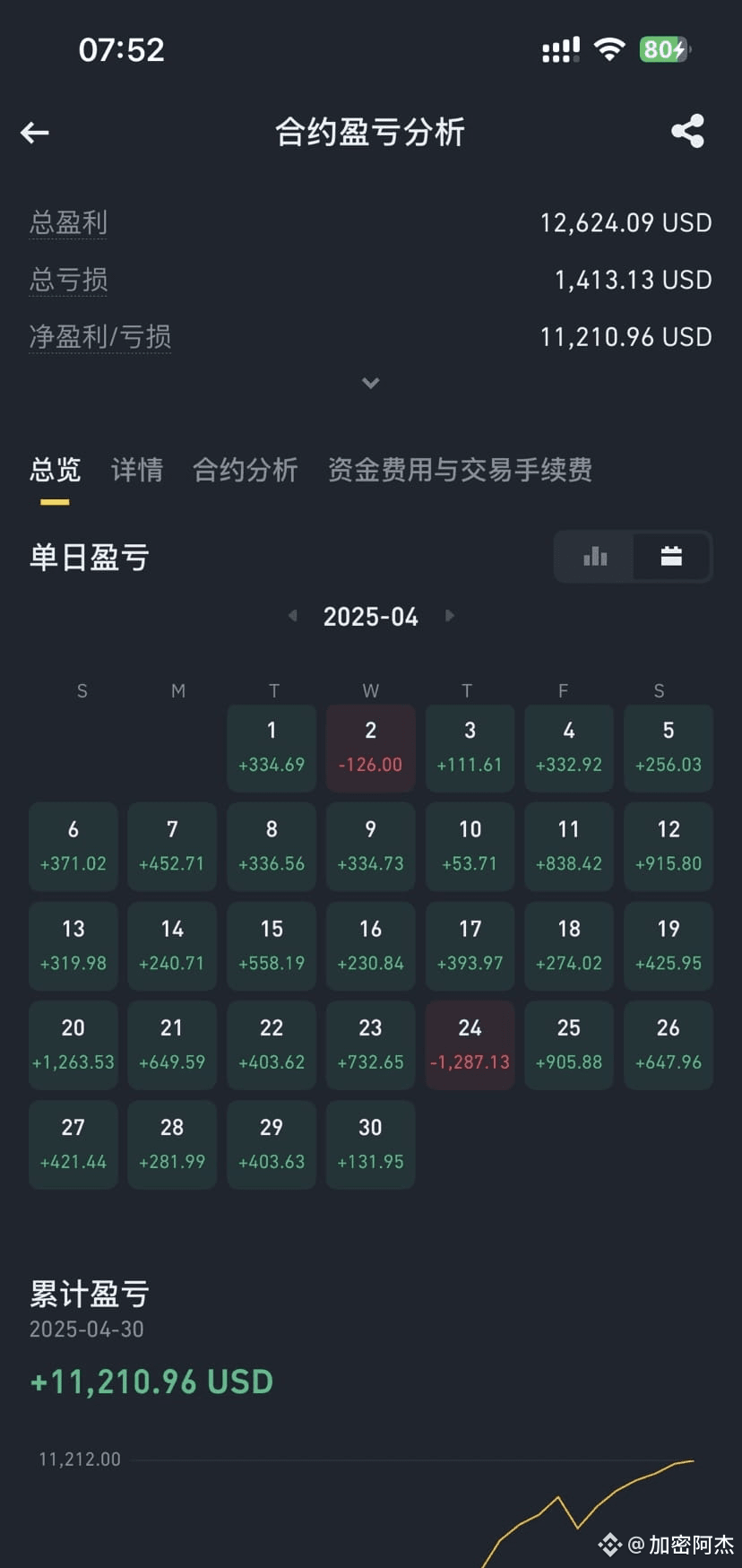
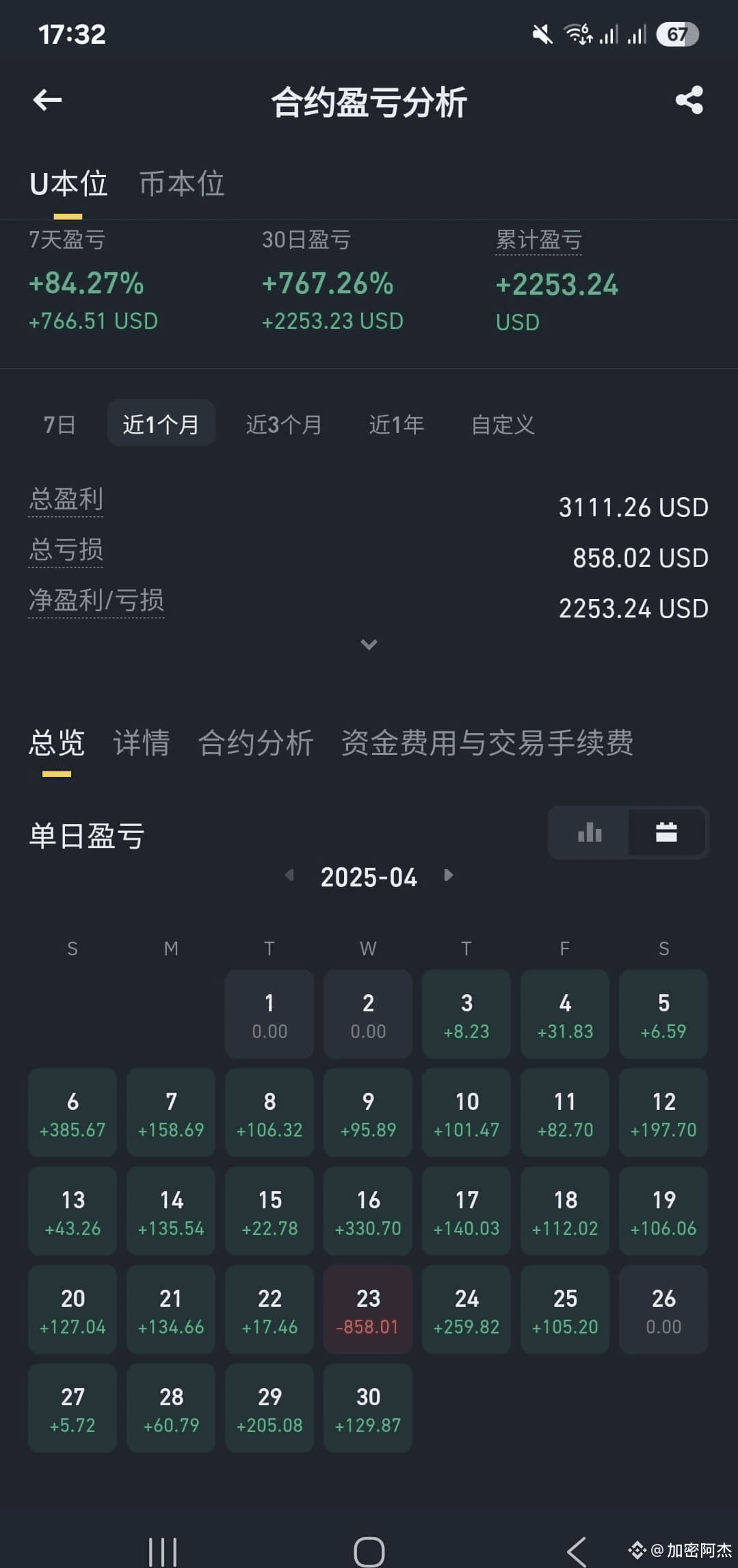

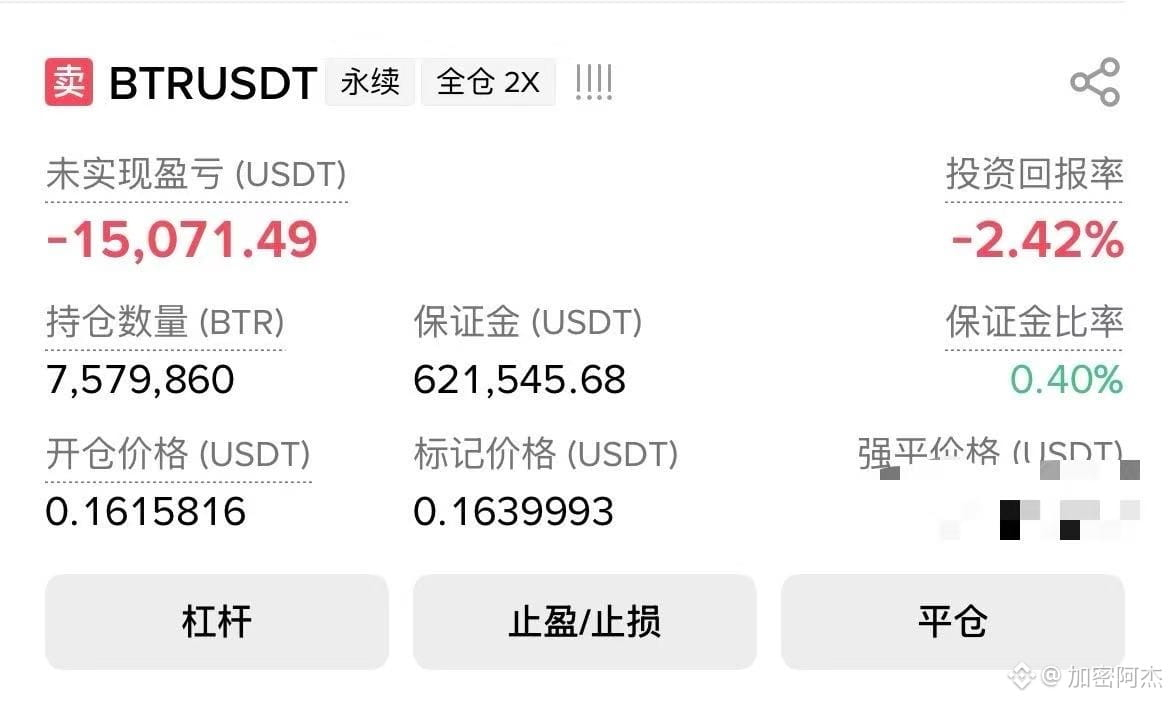
Made enough. Not playing anymore. From now on, I’ll only share my trading insights with my fans.
I’m 30 years old this year, from Wuhan, Hubei. I’m now based in Guangzhou. I have two homes—one for my family and one for myself.
All of this, I earned it in the crypto market, piece by piece, over 8 years. Starting capital was 300,000 RMB. During the worst period, I was down to just 60,000, but I still managed to roll it over using the stupidest-sounding method—turning it into several tens of millions.
The most intense run: I took a position from the bottom for 4 months and got a 400x return rate. I directly went for 20 million!
Does it sound like a joke?
But behind it is my 2,880 days of real-world trading experience.
Some real experiences to share with you:
First, a bull market isn’t there for you to go around the whole map picking up coins.
Trying to grab too much is like chewing more than you can swallow—you end up picking up a mess of scraps.
My approach has always been: focus on one sector, and only eat the main upswing.
For example, when a certain AI coin explodes, I go deep into that theme—studying which one starts first, which one catches up and pumps next, and which is the real dragonhead.
If you can catch just one, you can make money from an entire wave.
Second, when choosing coins, buy new—not old.
Don’t be fooled by how cheap old coins look. Most of them are dead coins that drain you through the “cut.”
The market prefers new stories and new expectations. New coins attract people—old coins just let your emotions empty your wallet.
Third, the cycle is the law.
In crypto, every four years there’s a full cycle. At the end of the bull market, you must clear all altcoins!
When you see delivery riders and convenience store owners around you talking about which coin can 10x—congratulations, you’ve reached the peak.
At that point, if you don’t run, the bear market will show you the hell of a 90% drawdown.
The strategy that really works is actually also quite “stupid”:
Don’t chase hot spots—what you chase is always the tail end.
The market isn’t where smart people make money. It’s where a group of people who survive the cycles and stick to the rhythm survive and profit.
I’m just an example.
Not gambling. Not relying on inside information. Just rhythm.
Follow the rhythm—when it’s time to enter, enter; when it’s time to leave, leave. Slowly, you can also live a respectable life in crypto.
If you’re still searching for direction everywhere, you might as well learn my “stupidest” way of doing it.
It really isn’t hard. What’s hard is whether you’re willing to “slow down,” and not make decisions based on emotions.
Crypto isn’t short of opportunities—what it lacks is people who are still alive. If you’re still losing over and over, starting over again and again, come talk to me—I’ll teach you how to make trading simple.
I’m 30 years old this year, from Wuhan, Hubei. I’m now based in Guangzhou. I have two homes—one for my family and one for myself.
All of this, I earned it in the crypto market, piece by piece, over 8 years. Starting capital was 300,000 RMB. During the worst period, I was down to just 60,000, but I still managed to roll it over using the stupidest-sounding method—turning it into several tens of millions.
The most intense run: I took a position from the bottom for 4 months and got a 400x return rate. I directly went for 20 million!
Does it sound like a joke?
But behind it is my 2,880 days of real-world trading experience.
Some real experiences to share with you:
First, a bull market isn’t there for you to go around the whole map picking up coins.
Trying to grab too much is like chewing more than you can swallow—you end up picking up a mess of scraps.
My approach has always been: focus on one sector, and only eat the main upswing.
For example, when a certain AI coin explodes, I go deep into that theme—studying which one starts first, which one catches up and pumps next, and which is the real dragonhead.
If you can catch just one, you can make money from an entire wave.
Second, when choosing coins, buy new—not old.
Don’t be fooled by how cheap old coins look. Most of them are dead coins that drain you through the “cut.”
The market prefers new stories and new expectations. New coins attract people—old coins just let your emotions empty your wallet.
Third, the cycle is the law.
In crypto, every four years there’s a full cycle. At the end of the bull market, you must clear all altcoins!
When you see delivery riders and convenience store owners around you talking about which coin can 10x—congratulations, you’ve reached the peak.
At that point, if you don’t run, the bear market will show you the hell of a 90% drawdown.
The strategy that really works is actually also quite “stupid”:
Don’t chase hot spots—what you chase is always the tail end.
The market isn’t where smart people make money. It’s where a group of people who survive the cycles and stick to the rhythm survive and profit.
I’m just an example.
Not gambling. Not relying on inside information. Just rhythm.
Follow the rhythm—when it’s time to enter, enter; when it’s time to leave, leave. Slowly, you can also live a respectable life in crypto.
If you’re still searching for direction everywhere, you might as well learn my “stupidest” way of doing it.
It really isn’t hard. What’s hard is whether you’re willing to “slow down,” and not make decisions based on emotions.
Crypto isn’t short of opportunities—what it lacks is people who are still alive. If you’re still losing over and over, starting over again and again, come talk to me—I’ll teach you how to make trading simple.
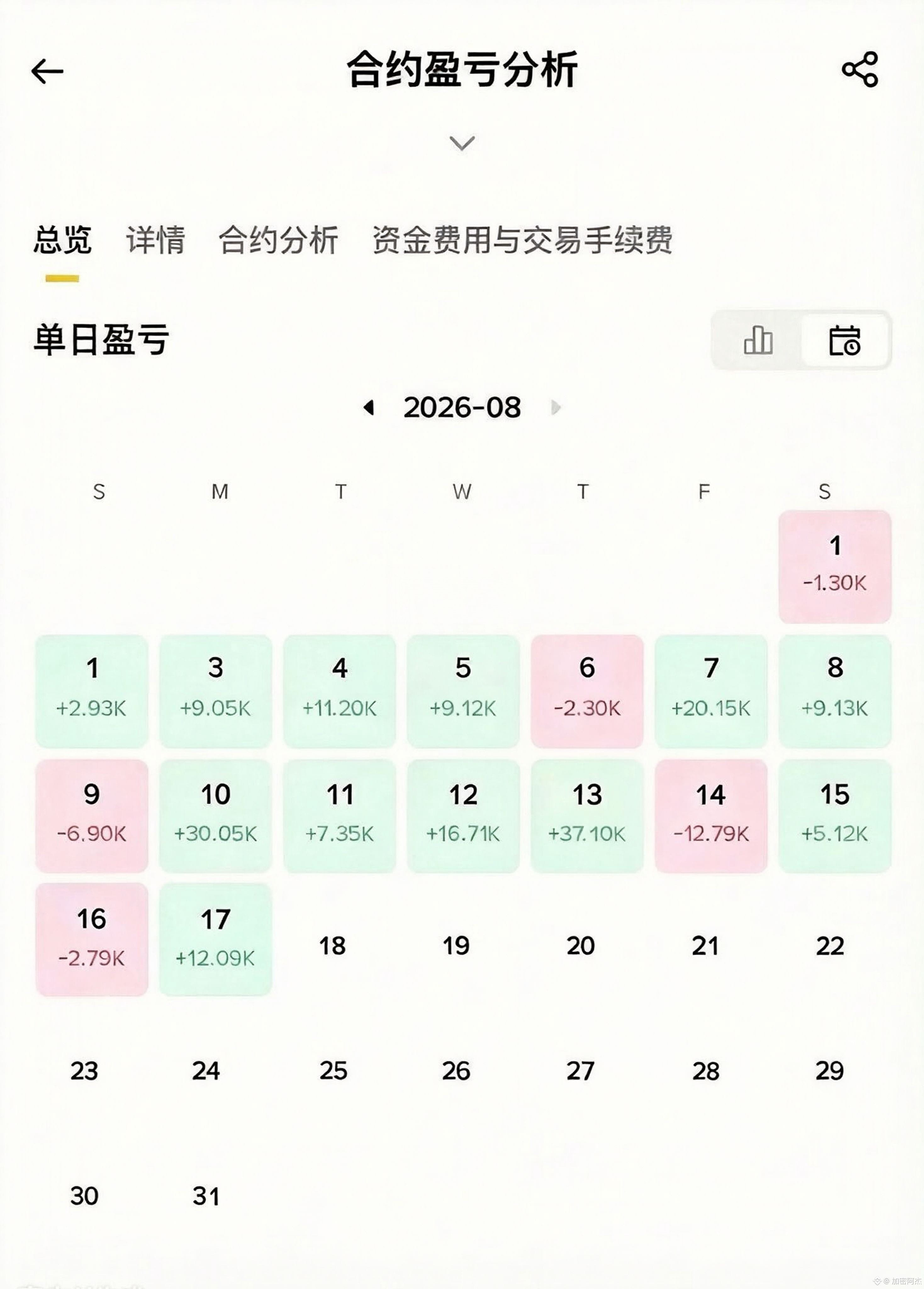
For beginners playing contracts—must-read for newbies! Read this article and understand it, and you can turn things around and make a million!
Recently, many followers have asked: when you first start trading contracts, you don’t know how to operate.
If your initial funds are within about 1000 USDT, ask me what good strategies I have.
Today I’ll share my advice. For example, if you have 1000U, split it into 10 parts—each time invest 100U. The recommended leverage is 20X. For beginners, using a leverage that's too high is hard to control mentally.
The remaining 900U should be placed in a wealth-management account. If you lose the 100U, you must not think, “I can still top up and continue.” If you blow it all, the first thing you need to do is reflect and summarize, then rest for 1–2 days. Don’t be afraid of missing the market—Bitcoin’s volatility can happen anytime.
Every month there are big moves; when opportunities are plentiful, it comes down to whether you have the “luck and time” to play. Once you’ve adjusted, take the remaining 900U, divide it by 10 again to make 90U per part, and invest again. This time, be extra careful. Try to earn that money back.
Say this time you make 300U profit—you’ll be left with 100U. Then transfer the remaining 200U out completely, so you can feel secure. Your mindset will improve a lot.
Most importantly: don’t put everything in. If a black-swan event hits and you go all-in, you could wipe out in one shot—and start over from the beginning.
People say contract trading only needs 10X. But if you’re wrong on direction and it drops 10%, you get liquidated. And even for BTC, a 20% move within a year is pretty normal. If you always go all-in each time, then no matter how much you earned before, it all becomes meaningless—the end result is still zero.
“Walking by the river all the time” has no guarantee that you’ll be right every time. Even a really great trader with a 60% win rate is already considered very strong. That’s why position sizing (risk management) is crucial. Without it, even if your win rate is 90%, that one losing move could still wipe you out completely.
Follow Brother Jie—no boasting, no empty promises. I only share real-world trading experience that helps you survive in this space. If you’re still losing over and over and restarting over and over, come talk to me—I’ll show you how to make trading simple.
Recently, many followers have asked: when you first start trading contracts, you don’t know how to operate.
If your initial funds are within about 1000 USDT, ask me what good strategies I have.
Today I’ll share my advice. For example, if you have 1000U, split it into 10 parts—each time invest 100U. The recommended leverage is 20X. For beginners, using a leverage that's too high is hard to control mentally.
The remaining 900U should be placed in a wealth-management account. If you lose the 100U, you must not think, “I can still top up and continue.” If you blow it all, the first thing you need to do is reflect and summarize, then rest for 1–2 days. Don’t be afraid of missing the market—Bitcoin’s volatility can happen anytime.
Every month there are big moves; when opportunities are plentiful, it comes down to whether you have the “luck and time” to play. Once you’ve adjusted, take the remaining 900U, divide it by 10 again to make 90U per part, and invest again. This time, be extra careful. Try to earn that money back.
Say this time you make 300U profit—you’ll be left with 100U. Then transfer the remaining 200U out completely, so you can feel secure. Your mindset will improve a lot.
Most importantly: don’t put everything in. If a black-swan event hits and you go all-in, you could wipe out in one shot—and start over from the beginning.
People say contract trading only needs 10X. But if you’re wrong on direction and it drops 10%, you get liquidated. And even for BTC, a 20% move within a year is pretty normal. If you always go all-in each time, then no matter how much you earned before, it all becomes meaningless—the end result is still zero.
“Walking by the river all the time” has no guarantee that you’ll be right every time. Even a really great trader with a 60% win rate is already considered very strong. That’s why position sizing (risk management) is crucial. Without it, even if your win rate is 90%, that one losing move could still wipe you out completely.
Follow Brother Jie—no boasting, no empty promises. I only share real-world trading experience that helps you survive in this space. If you’re still losing over and over and restarting over and over, come talk to me—I’ll show you how to make trading simple.
Is there still a bull market in China’s crypto market in 2026?
Someone from an exchange told me:
Compared to early last year, 70% to 80% of accounts have nearly zeroed out and entered the “dead account” state. After Trump’s coin launch, the number of new users surged straight up to a peak, then crashed sharply again. Now it’s only about 2% of the peak.
In just two years, nearly four-fifths of retail traders are gone. What a bull market—too much “benefit.”
You keep adding to your losing positions, and that doesn’t redeem you—it keeps giving the other side more chances to profit, until finally it swallows you whole!
You couldn’t bear to cut off a finger to survive, but in the end a small mistake led to a huge one, and you lost everything.
Although it’s falling every day now, what I said—there’s no “benefit”—has never meant “it’s going down.”
Let me stress it again: when I say there’s no “benefit,” it never refers to the fact that it will drop.
I’ve repeated this line many times.
But somehow, whenever people go up, they come to curse me; and when it goes down, they flatter me in every way.
“Not having benefit” means:
1. In the industry, lots of old money has emerged, and opportunities for newcomers are getting fewer.
2. There are fewer and fewer trends; more and more ranging.
3. Volatility is getting lower and lower.
If you can’t understand that, then you’re in the mildly intellectually disabled group, and you’re not suited for trading—you’re only suited to screw bolts.
One big misconception is thinking that to trade, you need to know a lot of things.
Let me use weight loss as an example.
Do you need to understand nutrition science, fitness science, and postpartum care for a sow to lose weight?
Do you? Do you? Do you?
No.
Weight loss only needs six words: eat less, move more.
Everyone knows that.
So why are there still so many fat people?
Because they don’t have execution.
Tell a fat person to eat less—it’s harder than killing them.
I don’t believe it: if I eat only one meal a day like I do, can I still get fat???
The core of trading is execution.
If you can’t make money, it’s not because you know too little—it’s because, like those dead fat pigs, you lack execution.
Follow Big Brother Jie. No bragging, no empty promises—just practical experience that helps you survive in this circle. If you’re still losing repeatedly and restarting repeatedly, come talk to me. I’ll teach you how to make trading simple.
Someone from an exchange told me:
Compared to early last year, 70% to 80% of accounts have nearly zeroed out and entered the “dead account” state. After Trump’s coin launch, the number of new users surged straight up to a peak, then crashed sharply again. Now it’s only about 2% of the peak.
In just two years, nearly four-fifths of retail traders are gone. What a bull market—too much “benefit.”
You keep adding to your losing positions, and that doesn’t redeem you—it keeps giving the other side more chances to profit, until finally it swallows you whole!
You couldn’t bear to cut off a finger to survive, but in the end a small mistake led to a huge one, and you lost everything.
Although it’s falling every day now, what I said—there’s no “benefit”—has never meant “it’s going down.”
Let me stress it again: when I say there’s no “benefit,” it never refers to the fact that it will drop.
I’ve repeated this line many times.
But somehow, whenever people go up, they come to curse me; and when it goes down, they flatter me in every way.
“Not having benefit” means:
1. In the industry, lots of old money has emerged, and opportunities for newcomers are getting fewer.
2. There are fewer and fewer trends; more and more ranging.
3. Volatility is getting lower and lower.
If you can’t understand that, then you’re in the mildly intellectually disabled group, and you’re not suited for trading—you’re only suited to screw bolts.
One big misconception is thinking that to trade, you need to know a lot of things.
Let me use weight loss as an example.
Do you need to understand nutrition science, fitness science, and postpartum care for a sow to lose weight?
Do you? Do you? Do you?
No.
Weight loss only needs six words: eat less, move more.
Everyone knows that.
So why are there still so many fat people?
Because they don’t have execution.
Tell a fat person to eat less—it’s harder than killing them.
I don’t believe it: if I eat only one meal a day like I do, can I still get fat???
The core of trading is execution.
If you can’t make money, it’s not because you know too little—it’s because, like those dead fat pigs, you lack execution.
Follow Big Brother Jie. No bragging, no empty promises—just practical experience that helps you survive in this circle. If you’re still losing repeatedly and restarting repeatedly, come talk to me. I’ll teach you how to make trading simple.
If you still don’t know how to trade during this bear market, I have the most “stupid/simple” way to trade crypto—so you can stay “always profitable”!
This is a simple yet efficient crypto trading method that almost guarantees no losses! The fans who’ve used it have already surpassed seven figures in assets!
This trading strategy has only 4 steps—very simple, but the results are astonishing.
Step 1: Choose coins. Open a daily chart and only select coins with a MACD golden cross. Prefer golden crosses above the 0-axis—this is the highest-probability condition!
Step 2: Buy signal. Switch to the daily chart and focus on just one moving average—the daily moving average. The rules are simple:
On the line (uptrend): when the price is above the daily moving average, buy and hold.
Below the line (downtrend): when the price breaks below the daily moving average, sell immediately.
Step 3: Position management. After buying, observe the price and trading volume:
1. If the price breaks above the daily moving average and the trading volume also holds above the moving average, go all-in to buy.
2. Exit strategy:· If the rise exceeds 40%: sell 1/3 of the position.· If the rise exceeds 80%: sell another 1/3 of the position. If it breaks below the daily moving average: liquidate and sell all remaining holdings.
Step 4: Strict stop-loss. The daily moving average is the core of our strategy. If the price suddenly drops below the daily moving average the next day—no matter the reason—you must sell the entire position. Never gamble on luck!
Although this filtering method makes the probability of breaking below the moving average very low, we still need to maintain risk awareness. After selling, you only need to wait until the price stands back above the daily moving average, and then you can buy back again.
This method is easy to learn and very suitable for investors who want stable profits. Remember, the key to success is to strictly follow every step and not let emotions control you!!
Follow Big Brother Jie. No empty talk, no promises—just share real-world trading experience that can help you survive in this space. If you’re still repeatedly losing and starting over again and again, come talk to me—I’ll teach you how to make trading simple.
This is a simple yet efficient crypto trading method that almost guarantees no losses! The fans who’ve used it have already surpassed seven figures in assets!
This trading strategy has only 4 steps—very simple, but the results are astonishing.
Step 1: Choose coins. Open a daily chart and only select coins with a MACD golden cross. Prefer golden crosses above the 0-axis—this is the highest-probability condition!
Step 2: Buy signal. Switch to the daily chart and focus on just one moving average—the daily moving average. The rules are simple:
On the line (uptrend): when the price is above the daily moving average, buy and hold.
Below the line (downtrend): when the price breaks below the daily moving average, sell immediately.
Step 3: Position management. After buying, observe the price and trading volume:
1. If the price breaks above the daily moving average and the trading volume also holds above the moving average, go all-in to buy.
2. Exit strategy:· If the rise exceeds 40%: sell 1/3 of the position.· If the rise exceeds 80%: sell another 1/3 of the position. If it breaks below the daily moving average: liquidate and sell all remaining holdings.
Step 4: Strict stop-loss. The daily moving average is the core of our strategy. If the price suddenly drops below the daily moving average the next day—no matter the reason—you must sell the entire position. Never gamble on luck!
Although this filtering method makes the probability of breaking below the moving average very low, we still need to maintain risk awareness. After selling, you only need to wait until the price stands back above the daily moving average, and then you can buy back again.
This method is easy to learn and very suitable for investors who want stable profits. Remember, the key to success is to strictly follow every step and not let emotions control you!!
Follow Big Brother Jie. No empty talk, no promises—just share real-world trading experience that can help you survive in this space. If you’re still repeatedly losing and starting over again and again, come talk to me—I’ll teach you how to make trading simple.
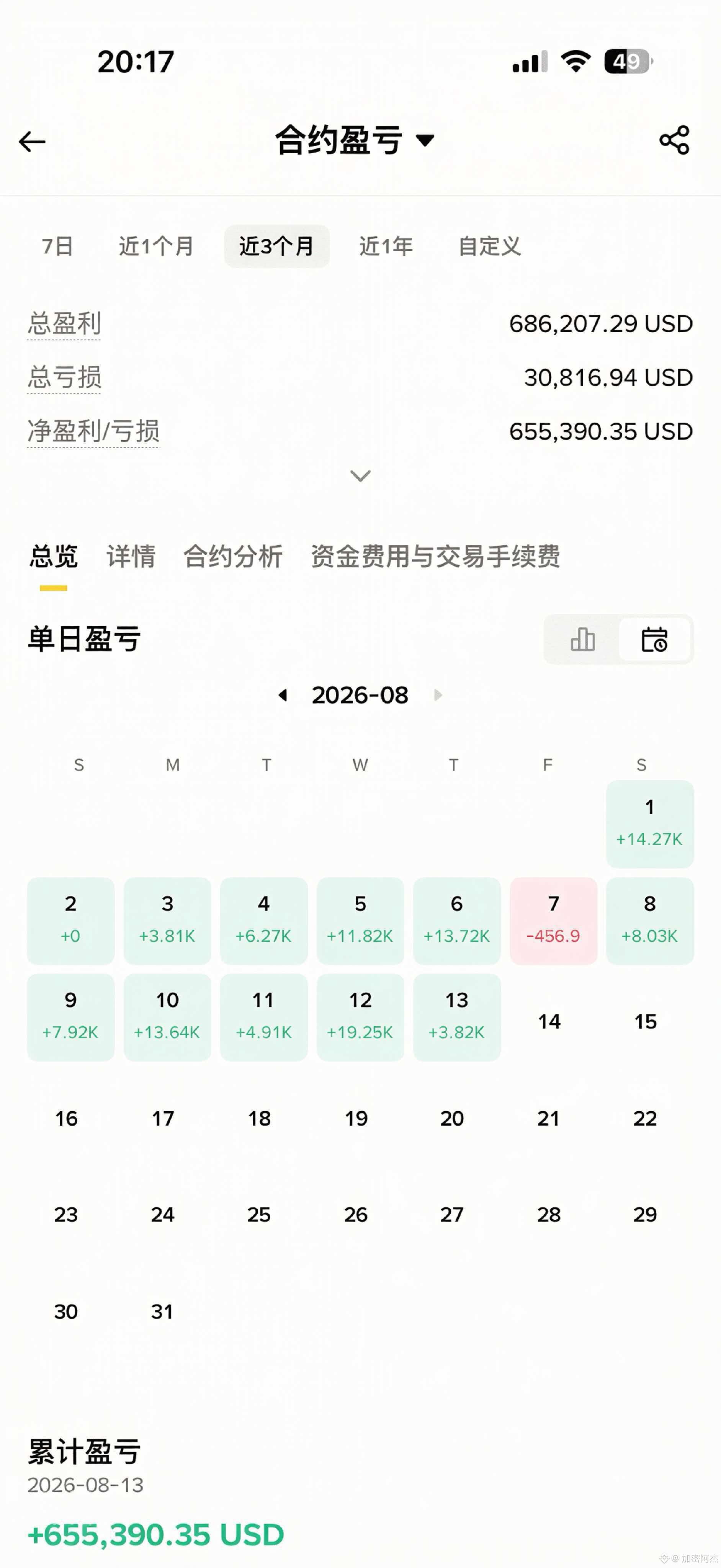
In the morning SNDK was empty, and the result immediately pulled up 6 points—how unlucky, right? But I believe this upward move should have reached the short-term top. A pullback to 1300 should be fine. Let it drop!!!
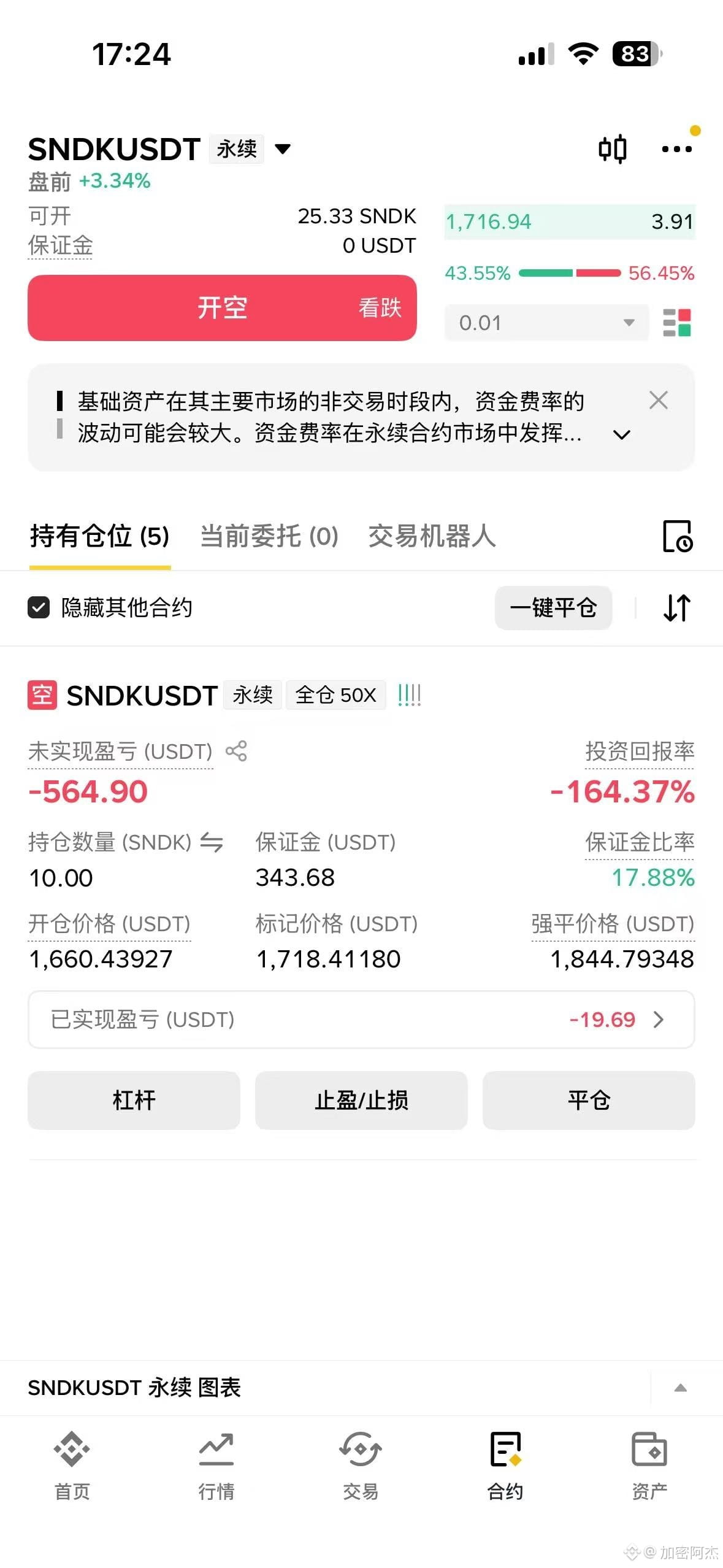
Contracts—this thing—are heaven within an inch, hell in a moment.
I remember the first time I played. I only had 8,000 U in my hand, thinking I’d take a gamble and open 100x leverage.
Then the market just barely twitched—within fifteen minutes, half my position was gone. That day I sat in front of the computer, my heartbeat pounding like a drum. I kept staring at that scrolling red text. For a moment, my mind went blank—buzzing with nothing.
That’s when I understood: liquidation isn’t an accident. It’s the market’s gentlest welcome ceremony for beginners.
After that, I started learning to respect the market. I stopped thinking about getting rich overnight. I stopped letting emotions place my orders.
Slowly, I came to truly understand: contracts aren’t gambling—they’re an art of managing risk.
I’ve seen too many brothers. They make a small profit and think they’ve become the chosen ones—then they get liquidated every couple of days.
I’ve also seen people lose so much they can’t sleep. Staring at the chart until four in the morning, and in the end, they get swallowed by their own emotions.
The truth is, they don’t know that real experts spend most of their time waiting.
Seventy percent of the time they’re flat—out of the market. Thirty percent of the time they’re heavy in position. One move, and they eat a clean chunk of profit.
Last year, I caught that SOL run using the BOLL indicator. Others look at candlesticks—I look at the rhythm.
When the squeeze tightens, it’s building pressure;
when it opens and volume surges, that’s the moment opportunity explodes.
I enter in batches along the lower band, and I place my stop-loss at the previous low.
Three weeks—thirty times.
It’s not prediction. It’s discipline.
Now I have three iron rules carved into my heart:
Single-trade loss must not exceed 2%.
No more than two trades per day.
When floating profit hits 50%, lock in breakeven immediately.
It sounds rigid, but it’s this “rigidity” that has let me stay alive and steady until now.
The market isn’t short of the brave—it’s short of people who can actually survive.
If you’re still trading while in your emotions, still letting the market lead you around, then first—calm down.
If you want to double, you have to learn how not to get blown up first.
The abyss is right under your feet.
Follow Brother Jie. No bragging, no empty promises—only real, practical trading experience that helps you survive in this circle. If you’re still losing over and over, repeating mistakes, starting again and again—come talk to me. I’ll teach you how to make trading simple.
I remember the first time I played. I only had 8,000 U in my hand, thinking I’d take a gamble and open 100x leverage.
Then the market just barely twitched—within fifteen minutes, half my position was gone. That day I sat in front of the computer, my heartbeat pounding like a drum. I kept staring at that scrolling red text. For a moment, my mind went blank—buzzing with nothing.
That’s when I understood: liquidation isn’t an accident. It’s the market’s gentlest welcome ceremony for beginners.
After that, I started learning to respect the market. I stopped thinking about getting rich overnight. I stopped letting emotions place my orders.
Slowly, I came to truly understand: contracts aren’t gambling—they’re an art of managing risk.
I’ve seen too many brothers. They make a small profit and think they’ve become the chosen ones—then they get liquidated every couple of days.
I’ve also seen people lose so much they can’t sleep. Staring at the chart until four in the morning, and in the end, they get swallowed by their own emotions.
The truth is, they don’t know that real experts spend most of their time waiting.
Seventy percent of the time they’re flat—out of the market. Thirty percent of the time they’re heavy in position. One move, and they eat a clean chunk of profit.
Last year, I caught that SOL run using the BOLL indicator. Others look at candlesticks—I look at the rhythm.
When the squeeze tightens, it’s building pressure;
when it opens and volume surges, that’s the moment opportunity explodes.
I enter in batches along the lower band, and I place my stop-loss at the previous low.
Three weeks—thirty times.
It’s not prediction. It’s discipline.
Now I have three iron rules carved into my heart:
Single-trade loss must not exceed 2%.
No more than two trades per day.
When floating profit hits 50%, lock in breakeven immediately.
It sounds rigid, but it’s this “rigidity” that has let me stay alive and steady until now.
The market isn’t short of the brave—it’s short of people who can actually survive.
If you’re still trading while in your emotions, still letting the market lead you around, then first—calm down.
If you want to double, you have to learn how not to get blown up first.
The abyss is right under your feet.
Follow Brother Jie. No bragging, no empty promises—only real, practical trading experience that helps you survive in this circle. If you’re still losing over and over, repeating mistakes, starting again and again—come talk to me. I’ll teach you how to make trading simple.
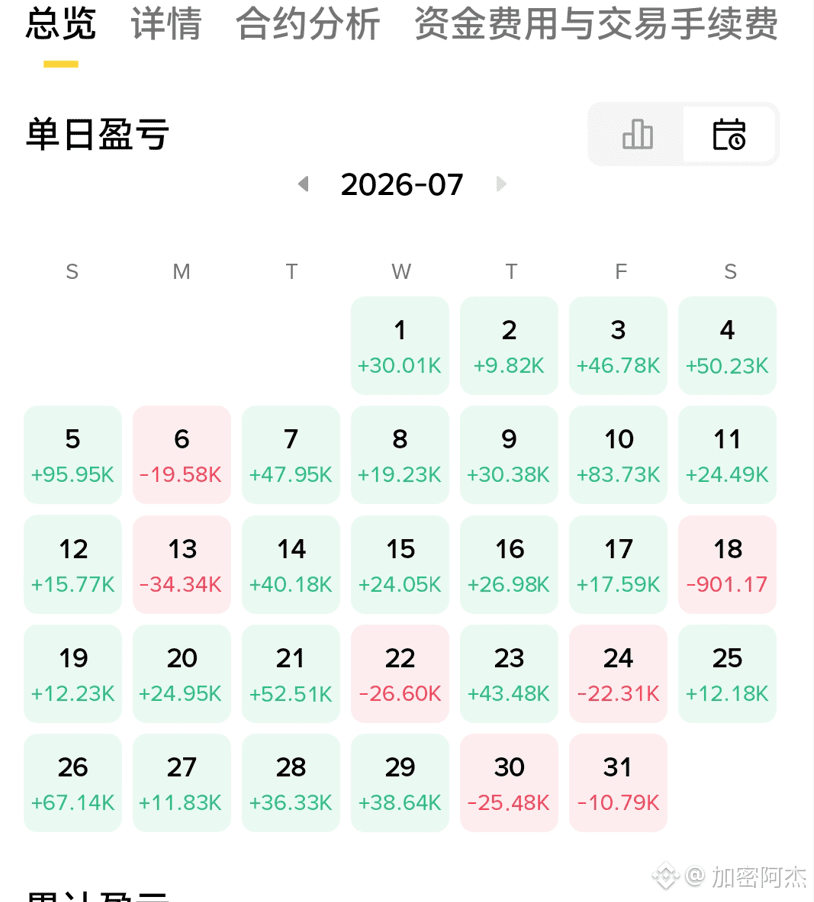
For beginners playing contracts—must-read for newcomers!
After understanding this article, beginners can turn the tables and make millions!
Recently, many followers have told me that when they first start playing, they don’t know how to operate.
The initial capital they have is usually within 1,000U. They ask me what good strategies there are.
Today I’ll share my advice: for example, if you have 1,000U, split it into 10 parts, and invest 100U each time. The recommended leverage is 20X. Newcomers using too high a multiplier can’t control their mindset well. The remaining 900U should be kept in a wealth-management account. If the 100U is lost, you must not think, “I can just add more and average down.” If you lose everything, what you need to do first is to reflect and summarize, then rest for 1–2 days. Don’t be afraid of missing market moves—Bitcoin’s fluctuations are always happening. Every month there are big swings. Opportunities are everywhere; it depends on whether you have the luck and ability to play.
Once you’ve adjusted, take the remaining 900U and divide it by 10 again to get 90U per portion, then invest again. This time, be extra careful. Try to earn this money back. Suppose this time you make 300U—you leave 100U, and transfer the remaining 200U out completely. This way you feel secure mentally, and your mindset is much better. Never put all of it in at once. If a black swan event happens at the end, you’ll be wiped out in one shot and you’ll have to start over.
Objectively speaking, in contract trading, as long as you only use 10X. If your direction is wrong and it drops by 10%, your margin will be liquidated. Even with BTC, a 20% annual fluctuation is totally normal. If every time you go all-in, then no matter how much you earned before, it’ll all be meaningless in the end—you’ll still end up back at zero. When you’re always near the riverbank, no one can guarantee you’ll always be right. A really great trader, even with a 60% win rate, is already doing very well. That’s why position sizing is so important. Without it, even if you have a 90% win rate, one wrong trade can still leave you completely ruined beyond recovery.
Follow Brother Jie—no bragging, no empty promises. I only share real, practical experience that lets you survive in this circle. If you’re still losing over and over and restarting over and over, come talk to me—I’ll teach you how to make trading simple.
After understanding this article, beginners can turn the tables and make millions!
Recently, many followers have told me that when they first start playing, they don’t know how to operate.
The initial capital they have is usually within 1,000U. They ask me what good strategies there are.
Today I’ll share my advice: for example, if you have 1,000U, split it into 10 parts, and invest 100U each time. The recommended leverage is 20X. Newcomers using too high a multiplier can’t control their mindset well. The remaining 900U should be kept in a wealth-management account. If the 100U is lost, you must not think, “I can just add more and average down.” If you lose everything, what you need to do first is to reflect and summarize, then rest for 1–2 days. Don’t be afraid of missing market moves—Bitcoin’s fluctuations are always happening. Every month there are big swings. Opportunities are everywhere; it depends on whether you have the luck and ability to play.
Once you’ve adjusted, take the remaining 900U and divide it by 10 again to get 90U per portion, then invest again. This time, be extra careful. Try to earn this money back. Suppose this time you make 300U—you leave 100U, and transfer the remaining 200U out completely. This way you feel secure mentally, and your mindset is much better. Never put all of it in at once. If a black swan event happens at the end, you’ll be wiped out in one shot and you’ll have to start over.
Objectively speaking, in contract trading, as long as you only use 10X. If your direction is wrong and it drops by 10%, your margin will be liquidated. Even with BTC, a 20% annual fluctuation is totally normal. If every time you go all-in, then no matter how much you earned before, it’ll all be meaningless in the end—you’ll still end up back at zero. When you’re always near the riverbank, no one can guarantee you’ll always be right. A really great trader, even with a 60% win rate, is already doing very well. That’s why position sizing is so important. Without it, even if you have a 90% win rate, one wrong trade can still leave you completely ruined beyond recovery.
Follow Brother Jie—no bragging, no empty promises. I only share real, practical experience that lets you survive in this circle. If you’re still losing over and over and restarting over and over, come talk to me—I’ll teach you how to make trading simple.
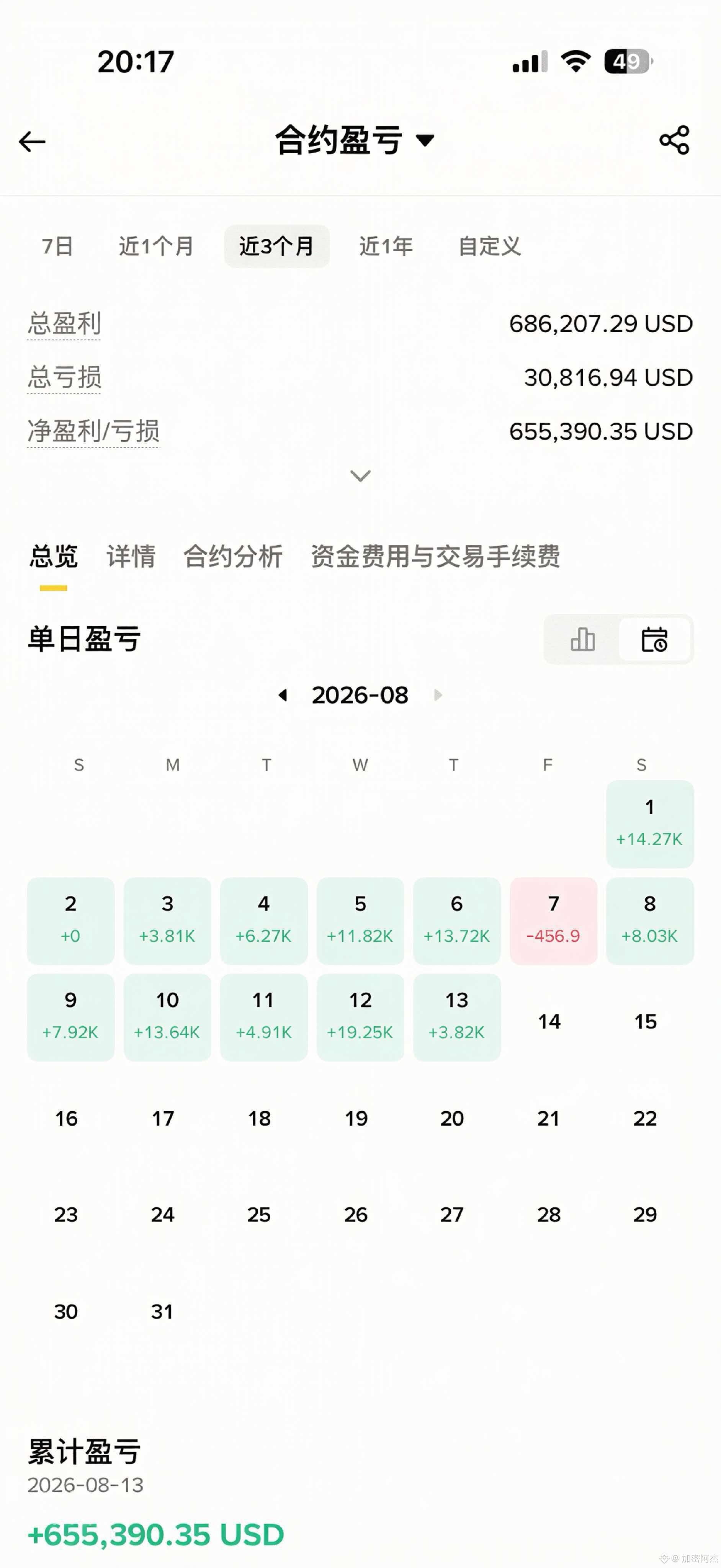
Many people think that to make big money in the crypto market, you need to learn a bunch of technical indicators, understand candlestick chart patterns, and study all kinds of trading strategies.
But let me tell you: the core of the simple method I use to help my followers truly make their first pot of gold isn’t technical—it’s one very simple approach.
I remember last year: an old follower of mine would stay up late every day studying candlestick charts, watching RSI and MACD, fully understanding every technical indicator—so what happened? His account got more and more chaotic, and he got liquidated twice. He was basically being tortured by the market.
At that time, I woke him up with a single sentence:
“ The smarter you are, the easier it is to lose money in the crypto market. People who truly make money are often the ones who use the simplest, dumbest method.”
He was half-believing, but he was willing to listen. Then I taught him the rhythm I’ve been using all along: the 343 phased entry method.
The name sounds a bit earthy, and the logic is simple. But once he executed it, in two years he went from 200,000 to over 700,000.
Remember this:
Step 1: 30% exploratory entry
Put 30% of your total capital into the market first. Choose mainstream coins like BTC, ETH, and SOL—don’t touch “air coins.”
Don’t bottom-fish, and don’t bet on the direction. You’re only trying to establish a foothold position. You should be reading the market with your eyes, and holding coins in your hands.
Step 2: 40% phased averaging down
Is the market dropping? Don’t panic—average down in batches. Every time it falls by about 10%, add a little more, up to a maximum of 40%.
When others cut their orders, you keep lowering your cost. Then when the market rebounds, your returns rebound fast.
Is it rising? Don’t chase. Wait for it to pull back.
Step 3: 30% trend-following add-on
When the trend holds—such as when it reclaims the 7-day line or a key support level—use the remaining 30% to get in and ride the main surge.
But remember to set your take-profit and don’t get greedy. When the price comes, close your pockets—that’s how you truly take the money home.
Does it sound like there’s no technical content?
Yes. The focus isn’t on technical analysis—it’s on execution:
Whether you can stick to the rhythm, not go all-in, not panic, not chase pumps, and not mess around because of emotions—that’s the real test.
Now when he watches the market, he’s completely different.
When the market is going up, he follows at the right moments; when it’s dropping, he slowly accumulates; and when it rebounds, he exits with the trend. Steady, accurate, and ruthless.
In the end, the real way to turn things around in the crypto market has never been for people with extraordinary talent—it’s for those who are willing to use a “dumb method” and stick with it to the end.
If you’re still chasing highs, cutting lows, and changing strategies constantly right now, why not calm down and try this old method I taught?
If you’re still losing repeatedly and starting over again and again, come talk to me—I’ll teach you how to make trading simple.
But let me tell you: the core of the simple method I use to help my followers truly make their first pot of gold isn’t technical—it’s one very simple approach.
I remember last year: an old follower of mine would stay up late every day studying candlestick charts, watching RSI and MACD, fully understanding every technical indicator—so what happened? His account got more and more chaotic, and he got liquidated twice. He was basically being tortured by the market.
At that time, I woke him up with a single sentence:
“ The smarter you are, the easier it is to lose money in the crypto market. People who truly make money are often the ones who use the simplest, dumbest method.”
He was half-believing, but he was willing to listen. Then I taught him the rhythm I’ve been using all along: the 343 phased entry method.
The name sounds a bit earthy, and the logic is simple. But once he executed it, in two years he went from 200,000 to over 700,000.
Remember this:
Step 1: 30% exploratory entry
Put 30% of your total capital into the market first. Choose mainstream coins like BTC, ETH, and SOL—don’t touch “air coins.”
Don’t bottom-fish, and don’t bet on the direction. You’re only trying to establish a foothold position. You should be reading the market with your eyes, and holding coins in your hands.
Step 2: 40% phased averaging down
Is the market dropping? Don’t panic—average down in batches. Every time it falls by about 10%, add a little more, up to a maximum of 40%.
When others cut their orders, you keep lowering your cost. Then when the market rebounds, your returns rebound fast.
Is it rising? Don’t chase. Wait for it to pull back.
Step 3: 30% trend-following add-on
When the trend holds—such as when it reclaims the 7-day line or a key support level—use the remaining 30% to get in and ride the main surge.
But remember to set your take-profit and don’t get greedy. When the price comes, close your pockets—that’s how you truly take the money home.
Does it sound like there’s no technical content?
Yes. The focus isn’t on technical analysis—it’s on execution:
Whether you can stick to the rhythm, not go all-in, not panic, not chase pumps, and not mess around because of emotions—that’s the real test.
Now when he watches the market, he’s completely different.
When the market is going up, he follows at the right moments; when it’s dropping, he slowly accumulates; and when it rebounds, he exits with the trend. Steady, accurate, and ruthless.
In the end, the real way to turn things around in the crypto market has never been for people with extraordinary talent—it’s for those who are willing to use a “dumb method” and stick with it to the end.
If you’re still chasing highs, cutting lows, and changing strategies constantly right now, why not calm down and try this old method I taught?
If you’re still losing repeatedly and starting over again and again, come talk to me—I’ll teach you how to make trading simple.
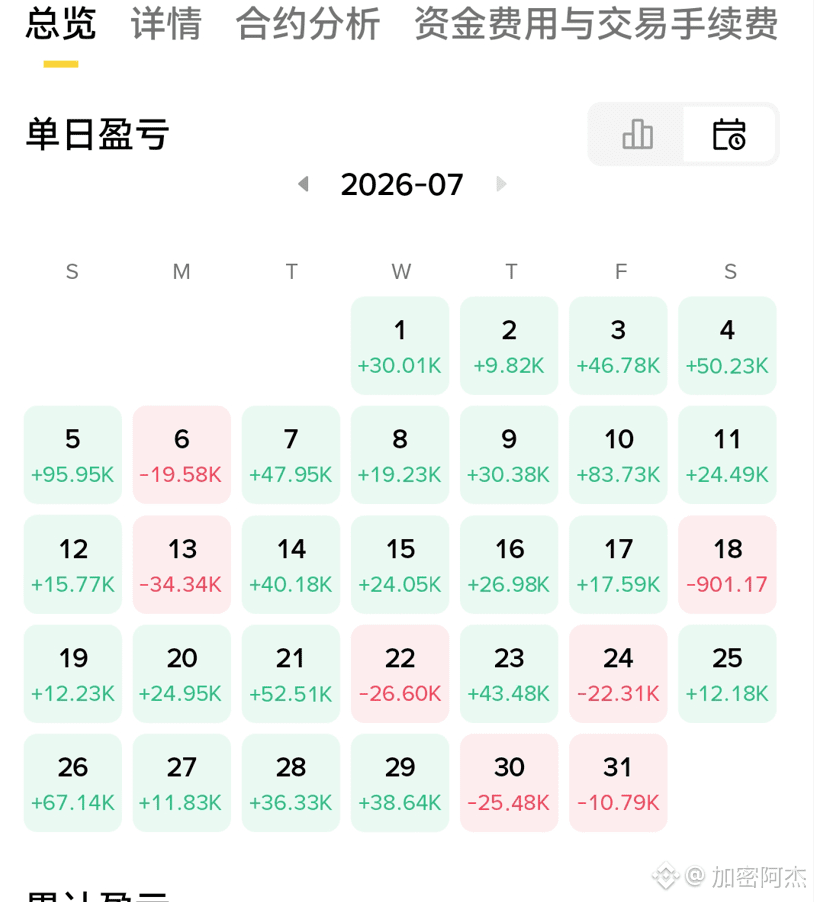
The worst liquidation I’ve ever seen wasn’t because I got the direction wrong—it was because the trader still had money in hand but didn’t have time to add margin.
Let me tell you a real story. Last month, a brother of mine went long ETH. The direction was correct, and the price kept rising. But he got liquidated. Why? Because he was all-in.
His account had 10,000 USDT. He opened 10x leverage fully, with over 9,000 USDT tied up as margin. The market had a normal pullback of 3%, and his liquidation price was directly breached. When he messaged me, his account was already wiped out. He said, “Sister Xia, I clearly saw it right—why did I still lose everything?”
I told him: You got the direction right, but you got yourself wrong. Do you still have room left? Do you still have bullets to add more to your position? Have you considered that the market might move a little against you first, before finally going your way? You didn’t. You only thought, “This time it must be right,” but you never thought, “What if I’m wrong first?”
After that, I set a hard rule for myself: I always leave 30% of my USDT untouched in the account. No matter how bullish I am, that portion of money stays put. It’s not just capital—it’s life. If the market moves against me, I have money to cover; if it moves in my favor, I have money to add; in the worst case, it won’t liquidate that part.
Unfortunately, 95% of people can’t do this. They always think, “Keeping money is a waste—better to go all in and earn more.” What happens then? When they win, they win a little; when they lose, they lose a lot.
Remember: in the crypto world, if you still have USDT, you have initiative. Money isn’t meant to be gambled all at once—it’s meant to roll over slowly, steadily.
Follow Brother Jie. No empty talk, no hype—just real-world experience on how to stay alive in this market. If you’re still losing repeatedly and starting over again and again, come talk to me. I’ll teach you how to make trading simple.
Let me tell you a real story. Last month, a brother of mine went long ETH. The direction was correct, and the price kept rising. But he got liquidated. Why? Because he was all-in.
His account had 10,000 USDT. He opened 10x leverage fully, with over 9,000 USDT tied up as margin. The market had a normal pullback of 3%, and his liquidation price was directly breached. When he messaged me, his account was already wiped out. He said, “Sister Xia, I clearly saw it right—why did I still lose everything?”
I told him: You got the direction right, but you got yourself wrong. Do you still have room left? Do you still have bullets to add more to your position? Have you considered that the market might move a little against you first, before finally going your way? You didn’t. You only thought, “This time it must be right,” but you never thought, “What if I’m wrong first?”
After that, I set a hard rule for myself: I always leave 30% of my USDT untouched in the account. No matter how bullish I am, that portion of money stays put. It’s not just capital—it’s life. If the market moves against me, I have money to cover; if it moves in my favor, I have money to add; in the worst case, it won’t liquidate that part.
Unfortunately, 95% of people can’t do this. They always think, “Keeping money is a waste—better to go all in and earn more.” What happens then? When they win, they win a little; when they lose, they lose a lot.
Remember: in the crypto world, if you still have USDT, you have initiative. Money isn’t meant to be gambled all at once—it’s meant to roll over slowly, steadily.
Follow Brother Jie. No empty talk, no hype—just real-world experience on how to stay alive in this market. If you’re still losing repeatedly and starting over again and again, come talk to me. I’ll teach you how to make trading simple.
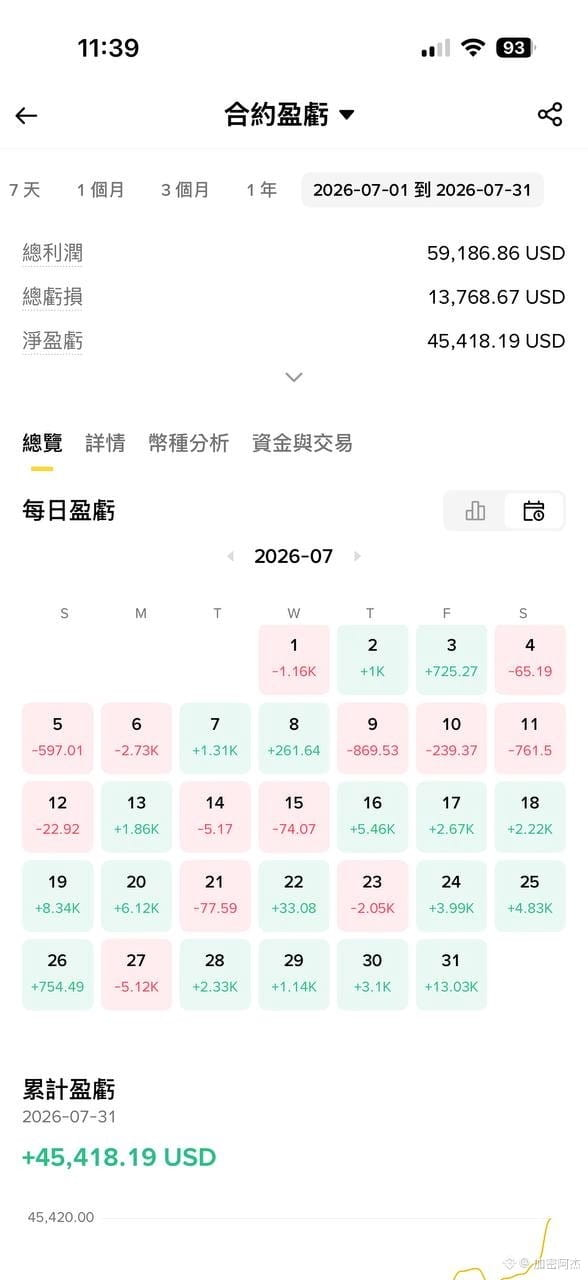
Three Most Common Traps Newbies in the Crypto World Fall Into—the Ones I’ve Already Walked Into for You
When I first entered the crypto world, like most people, I was watching the 1-minute candlestick chart: when it went up, I chased; when it went down, I panicked and sold. I placed a dozen orders a day. After three months, my account dropped from 10,000 USDT to 2,000 USDT.
Today I’m sharing these traps so you don’t end up taking the same path.
First trap: Always trying to buy at the lowest point and sell at the highest.
Do you do that too? It dips a little, and you think, “It can go lower.” So you wait to buy. It rises a little, and you think, “It can go higher.” So you wait to sell. What happens then? You end up watching it fly without you, and waiting while it traps you.
I’m not trying to discourage you—there’s only one lowest point and one highest point. Why is it always you? Better idea: enter in portions, take profit in portions. Make money from the middle—once you have enough, stop.
Second trap: Going all-in (YOLO) with no backup plan.
You always think, “This time I’ve got it.” Then you put everything in at once. The result? If the market turns around, your account is gone.
Ask yourself: when have you ever truly been “right”? Even if you nailed the direction, the market may still move the other way for a bit before coming back. If you’re fully invested, you can’t survive that swing.
Remember: principal is your life. If you don’t give it a way to live, it won’t give you another chance.
Third trap: Making decisions when emotions run hot.
When you’re losing, you’re eager to “get it back”—you go heavy, hold on to the position, and even add to it. When you’re winning, you think you’re a genius—so you add more, chase higher prices, and don’t take profit.
Either state is a warning sign before liquidation.
What should you do? Lock in rules: exit when you’ve lost up to how much, and close when you’ve gained up to how much. Once it’s reached, execute it—don’t let emotions place trades for you.
To be honest, people who make money in the crypto world aren’t the smartest—they’re the ones who can most effectively control themselves.
If you remember these traps, you can at least cut your losses by half.
Follow Brother Jie. No boasting, no hype—only real trading experience that helps you survive in this space. If you’re still repeatedly losing and starting over again and again, talk to me—I’ll teach you how to make trading simple.
When I first entered the crypto world, like most people, I was watching the 1-minute candlestick chart: when it went up, I chased; when it went down, I panicked and sold. I placed a dozen orders a day. After three months, my account dropped from 10,000 USDT to 2,000 USDT.
Today I’m sharing these traps so you don’t end up taking the same path.
First trap: Always trying to buy at the lowest point and sell at the highest.
Do you do that too? It dips a little, and you think, “It can go lower.” So you wait to buy. It rises a little, and you think, “It can go higher.” So you wait to sell. What happens then? You end up watching it fly without you, and waiting while it traps you.
I’m not trying to discourage you—there’s only one lowest point and one highest point. Why is it always you? Better idea: enter in portions, take profit in portions. Make money from the middle—once you have enough, stop.
Second trap: Going all-in (YOLO) with no backup plan.
You always think, “This time I’ve got it.” Then you put everything in at once. The result? If the market turns around, your account is gone.
Ask yourself: when have you ever truly been “right”? Even if you nailed the direction, the market may still move the other way for a bit before coming back. If you’re fully invested, you can’t survive that swing.
Remember: principal is your life. If you don’t give it a way to live, it won’t give you another chance.
Third trap: Making decisions when emotions run hot.
When you’re losing, you’re eager to “get it back”—you go heavy, hold on to the position, and even add to it. When you’re winning, you think you’re a genius—so you add more, chase higher prices, and don’t take profit.
Either state is a warning sign before liquidation.
What should you do? Lock in rules: exit when you’ve lost up to how much, and close when you’ve gained up to how much. Once it’s reached, execute it—don’t let emotions place trades for you.
To be honest, people who make money in the crypto world aren’t the smartest—they’re the ones who can most effectively control themselves.
If you remember these traps, you can at least cut your losses by half.
Follow Brother Jie. No boasting, no hype—only real trading experience that helps you survive in this space. If you’re still repeatedly losing and starting over again and again, talk to me—I’ll teach you how to make trading simple.
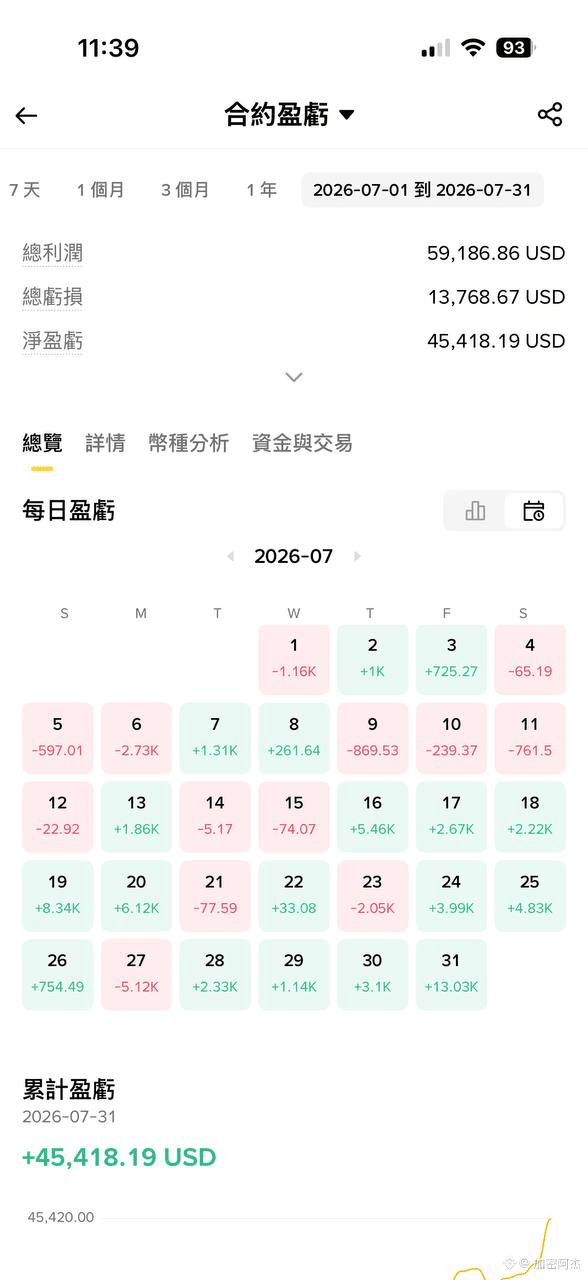
A fan told me: “Over the past period on SNDK, he lost 80,000. What should he do?”
What else can he do? Accept reality. A lot of people have blown up too—this isn’t only happening to you.
So would his mood be any better?
Human nature in trading is exactly like this: when you just get trapped, everyone thinks they can hold on. But when the floating loss keeps growing and the time holding gets longer, your thoughts change into: “God, please let me get out of this trade. As long as I can break even, I’ll GTFO immediately.”
That’s normal human nature. So if you make a mistake, stop the loss immediately. If you don’t stop the loss right away, then by the second time you won’t be able to bring yourself to cut anymore. The floating loss will keep getting bigger. In the meantime, your trading mindset will undergo a total 180. When you finally reach the limits of your psychology and your capital, that’s when the real top and bottom show up. So when you cut a position, it’s either at the ceiling or at the floor. Don’t think the main force is missing one little retail investor/“hedge fund blade of grass” just for you—actually, a huge wave of people are driven by the same psychology. Even if you manage to hold through, the moment you get back to break-even, you’ll run immediately. There’s absolutely no way you’ll still have a good mindset waiting to make money.
I once saw a quote: “Cutting loss, even if it’s wrong, is still right. Not cutting loss, even if it’s right, is still wrong.”
Holding a position is a kind of wrong behavior, but this wrong behavior doesn’t always end in getting liquidated. Sometimes you can even hold it back and end up with big profits. The biggest variable determining which outcome you get is luck. That reinforces people’s sense of luck and makes them complacent. Unless you can guarantee you’ll always be lucky, over a longer cycle there will be at least one time when you can’t afford to lose—and an extreme move will take you out.
Compared to producing correct results through wrong methods, Gege cares more about “procedural justice” in the trading process—producing correct results through correct methods.
If you could make money just by learning candlestick charts, how did Livermore—who didn’t have candlesticks back then—make money?
When you know this: “When you profit, you have to hold; when you lose, you have to cut.”
But in reality, you run as soon as you make a little. Then you beat your chest in regret. And when you’re losing, you clutch the position and desperately hold, hoping for a rebound.
Isn’t it like that?
What you need to learn isn’t how to “read candlesticks,” but how to hold—and how to cut losses.
Follow Gege. No bragging, no empty promises. Just share real-world experience that helps you survive in this circle. If you’re still repeatedly losing and starting over, come talk to me—I’ll teach you how to make trading simple.
What else can he do? Accept reality. A lot of people have blown up too—this isn’t only happening to you.
So would his mood be any better?
Human nature in trading is exactly like this: when you just get trapped, everyone thinks they can hold on. But when the floating loss keeps growing and the time holding gets longer, your thoughts change into: “God, please let me get out of this trade. As long as I can break even, I’ll GTFO immediately.”
That’s normal human nature. So if you make a mistake, stop the loss immediately. If you don’t stop the loss right away, then by the second time you won’t be able to bring yourself to cut anymore. The floating loss will keep getting bigger. In the meantime, your trading mindset will undergo a total 180. When you finally reach the limits of your psychology and your capital, that’s when the real top and bottom show up. So when you cut a position, it’s either at the ceiling or at the floor. Don’t think the main force is missing one little retail investor/“hedge fund blade of grass” just for you—actually, a huge wave of people are driven by the same psychology. Even if you manage to hold through, the moment you get back to break-even, you’ll run immediately. There’s absolutely no way you’ll still have a good mindset waiting to make money.
I once saw a quote: “Cutting loss, even if it’s wrong, is still right. Not cutting loss, even if it’s right, is still wrong.”
Holding a position is a kind of wrong behavior, but this wrong behavior doesn’t always end in getting liquidated. Sometimes you can even hold it back and end up with big profits. The biggest variable determining which outcome you get is luck. That reinforces people’s sense of luck and makes them complacent. Unless you can guarantee you’ll always be lucky, over a longer cycle there will be at least one time when you can’t afford to lose—and an extreme move will take you out.
Compared to producing correct results through wrong methods, Gege cares more about “procedural justice” in the trading process—producing correct results through correct methods.
If you could make money just by learning candlestick charts, how did Livermore—who didn’t have candlesticks back then—make money?
When you know this: “When you profit, you have to hold; when you lose, you have to cut.”
But in reality, you run as soon as you make a little. Then you beat your chest in regret. And when you’re losing, you clutch the position and desperately hold, hoping for a rebound.
Isn’t it like that?
What you need to learn isn’t how to “read candlesticks,” but how to hold—and how to cut losses.
Follow Gege. No bragging, no empty promises. Just share real-world experience that helps you survive in this circle. If you’re still repeatedly losing and starting over, come talk to me—I’ll teach you how to make trading simple.
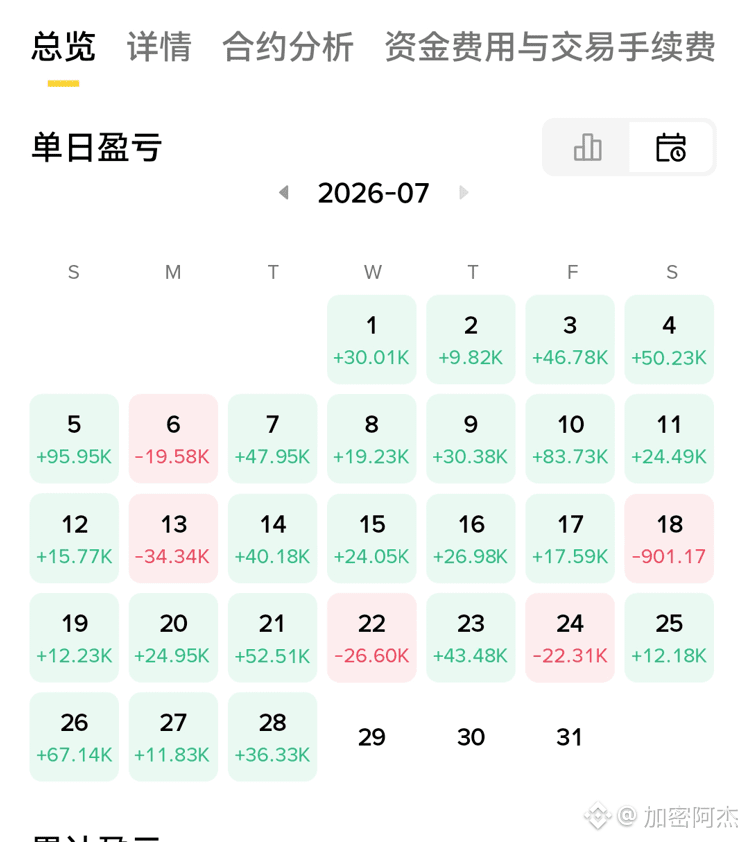
Want to make 1 million with 3,000 RMB in the crypto market?
Follow my method—making 1 million might be a bit hard, but earning 100k is easy
In the crypto market, 3,000 RMB is about 400 USDT!
Best solution playstyle: futures
Use 100 USDT each time, trade hot coins, and set take-profit/stop-loss properly
100 to 200, 200 to 400, 400 to 800.
Remember: no more than three times! Because the crypto market needs a bit of luck—when you gamble like this each time, it’s easy to win 9 times and then explode on the 1.
If you pass the three gates starting from 100, your principal reaches 1,100 USDT!
At this point, it’s recommended to use a three-layer strategy
Do two types of trades per day: ultra-short trades and strategy trades. If an opportunity comes, then add trend-following trades
Ultra-short trades are for fast-paced attacks, on the 15-minute timeframe.
Pros: high returns
Cons: high risk
Only trade BTC and ETH level coins
The second type is strategy trades—this is using a small position size.
For example, use 10x leverage with 15 USDT to trade contracts around the 4-hour timeframe
Save what you earn, and do BTC DCA (weekly)
Third type: trend trades
Medium- to long-term trades. When you spot the right setup, go for it.
Pros: you can take more “meat”
Find the right entry point
Set a take-profit/stop-loss ratio with high cost-effectiveness
Follow Brother Jie. No hype, no empty promises—just sharing practical experience that helps you survive in this space. If you’re still losing repeatedly and starting over again and again, talk to me—we’ll make trading simple.
Follow my method—making 1 million might be a bit hard, but earning 100k is easy
In the crypto market, 3,000 RMB is about 400 USDT!
Best solution playstyle: futures
Use 100 USDT each time, trade hot coins, and set take-profit/stop-loss properly
100 to 200, 200 to 400, 400 to 800.
Remember: no more than three times! Because the crypto market needs a bit of luck—when you gamble like this each time, it’s easy to win 9 times and then explode on the 1.
If you pass the three gates starting from 100, your principal reaches 1,100 USDT!
At this point, it’s recommended to use a three-layer strategy
Do two types of trades per day: ultra-short trades and strategy trades. If an opportunity comes, then add trend-following trades
Ultra-short trades are for fast-paced attacks, on the 15-minute timeframe.
Pros: high returns
Cons: high risk
Only trade BTC and ETH level coins
The second type is strategy trades—this is using a small position size.
For example, use 10x leverage with 15 USDT to trade contracts around the 4-hour timeframe
Save what you earn, and do BTC DCA (weekly)
Third type: trend trades
Medium- to long-term trades. When you spot the right setup, go for it.
Pros: you can take more “meat”
Find the right entry point
Set a take-profit/stop-loss ratio with high cost-effectiveness
Follow Brother Jie. No hype, no empty promises—just sharing practical experience that helps you survive in this space. If you’re still losing repeatedly and starting over again and again, talk to me—we’ll make trading simple.
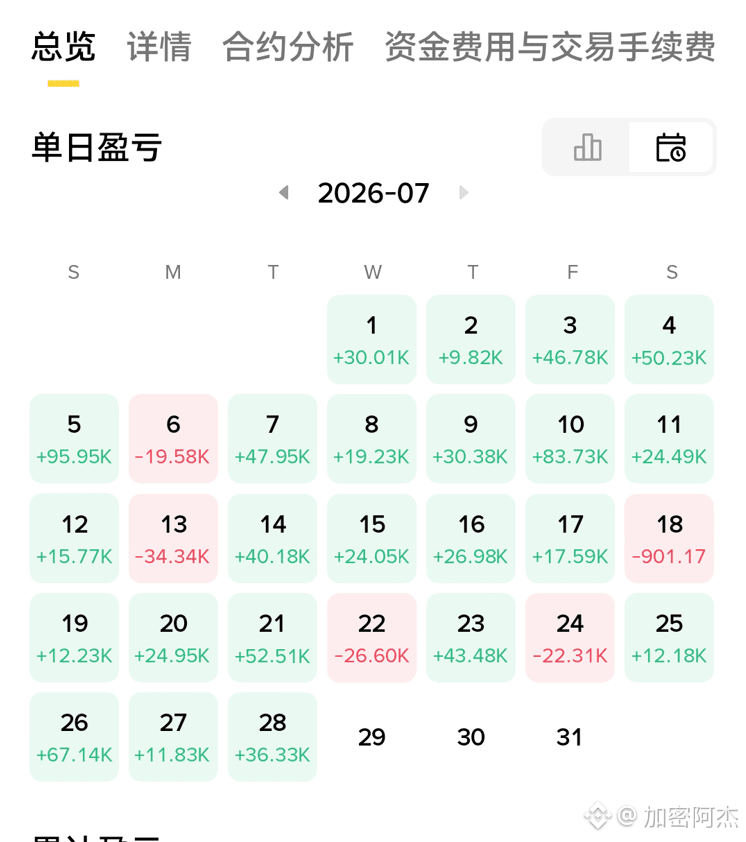
50,000U to 100,000U—sounds like a fairy tale?
But there’s a real case that happened to one of my followers—he did it in three weeks! No magic, just a rolling strategy that ordinary people can replicate. All practical tips—remember to save this!
Step 1: Replace “all-in at once” with “snowball thinking”
When Bitcoin rose from 60,000 to 100,000 last year, how did this follower do it? His first trade used only 5,000U of principal and entered with 3x leverage. Note: at that moment, his position was only 20% of his total funds. After he earned a 1,500U profit, he added 500U from that profit—but this time he reduced leverage to 2x. It’s like stacking a snowball: every time, only add with the money you made. The principal stays safe.
Step 2: Make trades only 1–2 times per month
Remember the sideways range after Bitcoin’s crash in March last year? He waited for two full weeks—until the price approached the key resistance area around 95,000 before entering. This “turtle strategy” is boring, but it helps you avoid all the whipsaw losses from before. Remember: the rabbit that keeps moving never outruns the patient turtle.
Step 3: Your liquidation price is your safety charm
During Ethereum’s surge last year, there was a painful lesson: someone entered at 2,100 with 5x leverage, and when the price spiked down with a needle to 1,800, they were instantly liquidated. My friend, on the other hand, always calculates a safe buffer—for example, if the current price is 85,000, his liquidation price must be below 82,000. It’s like driving: knowing the braking distance so you don’t get rear-ended.
Final step: When you’ve made profit, cash out—that’s the best feeling
When his account grew from 5,000U to 10,000U, he immediately withdrew the 5,000U principal. The rest is like in-game currency—his mindset changes completely! Last week, when his account surged to 100,000U, he cashed out 80,000U on the spot and left only 20,000U to keep playing. Remember: what stays on the gaming table is always profit, not your living expenses.
Next time you face a one-way market, don’t rush into ALL IN. First ask yourself: have you controlled your position size? Have you calculated the liquidation price? Do you have a withdrawal plan? Follow this framework, and maybe the next miracle will belong to you!
Follow Gege. No boasting, no empty promises—only sharing real-world trading experience you can use to survive in this circle. If you’re still losing over and over and starting again, come talk to me—I’ll help you make trading simple.
But there’s a real case that happened to one of my followers—he did it in three weeks! No magic, just a rolling strategy that ordinary people can replicate. All practical tips—remember to save this!
Step 1: Replace “all-in at once” with “snowball thinking”
When Bitcoin rose from 60,000 to 100,000 last year, how did this follower do it? His first trade used only 5,000U of principal and entered with 3x leverage. Note: at that moment, his position was only 20% of his total funds. After he earned a 1,500U profit, he added 500U from that profit—but this time he reduced leverage to 2x. It’s like stacking a snowball: every time, only add with the money you made. The principal stays safe.
Step 2: Make trades only 1–2 times per month
Remember the sideways range after Bitcoin’s crash in March last year? He waited for two full weeks—until the price approached the key resistance area around 95,000 before entering. This “turtle strategy” is boring, but it helps you avoid all the whipsaw losses from before. Remember: the rabbit that keeps moving never outruns the patient turtle.
Step 3: Your liquidation price is your safety charm
During Ethereum’s surge last year, there was a painful lesson: someone entered at 2,100 with 5x leverage, and when the price spiked down with a needle to 1,800, they were instantly liquidated. My friend, on the other hand, always calculates a safe buffer—for example, if the current price is 85,000, his liquidation price must be below 82,000. It’s like driving: knowing the braking distance so you don’t get rear-ended.
Final step: When you’ve made profit, cash out—that’s the best feeling
When his account grew from 5,000U to 10,000U, he immediately withdrew the 5,000U principal. The rest is like in-game currency—his mindset changes completely! Last week, when his account surged to 100,000U, he cashed out 80,000U on the spot and left only 20,000U to keep playing. Remember: what stays on the gaming table is always profit, not your living expenses.
Next time you face a one-way market, don’t rush into ALL IN. First ask yourself: have you controlled your position size? Have you calculated the liquidation price? Do you have a withdrawal plan? Follow this framework, and maybe the next miracle will belong to you!
Follow Gege. No boasting, no empty promises—only sharing real-world trading experience you can use to survive in this circle. If you’re still losing over and over and starting again, come talk to me—I’ll help you make trading simple.
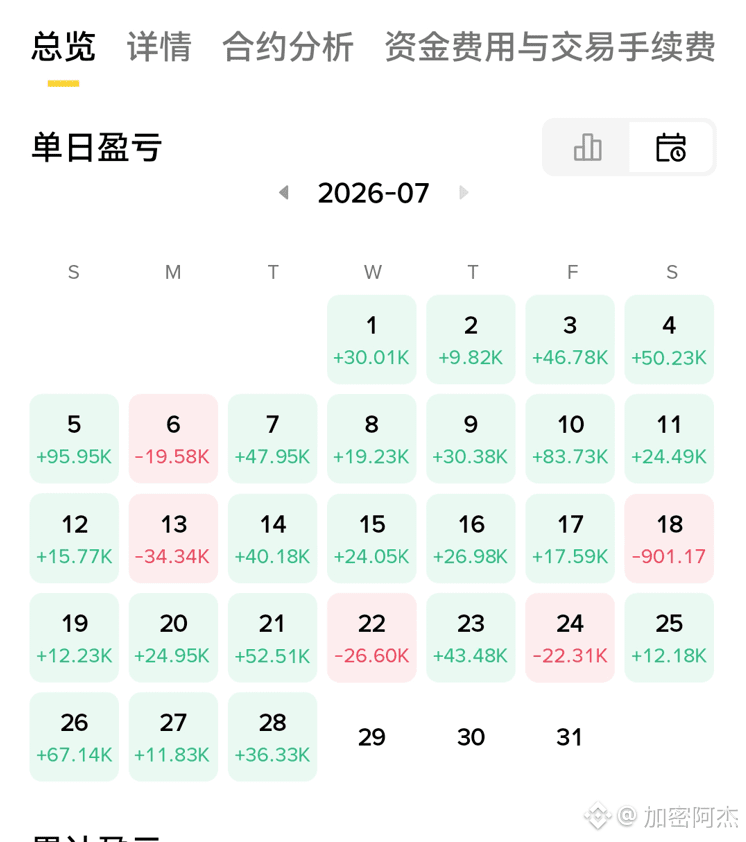
Last year I lost 800,000, completely broke down, smashed my phone, deleted the APP, and almost cut off all contact.
During that time, I really felt that my path in the cryptocurrency world had come to an end, but I just couldn't accept it.
By early 2025, I was left with only 3,400 USD.
I told myself, this is the last chance. As a result, I turned things around with that little remaining capital.
You might not believe it, but from 3,400 USD to 80,000 USD, 120,000 USD, and then continuously doubling, I did three things along the way:
1. Never over-leverage, never go all-in, never be greedy.
Many people get liquidated because they heavily invest every time they make a buy order, unwilling to leave when they make a little profit, and holding on stubbornly when they lose a bit.
I never exceed 40% of my position, and the remaining 60% is always "emergency money", not touched at all.
Every time I place an order, I set a clear stop-loss; if the drawdown exceeds 15%, I stop-loss, regardless of how the market moves.
As long as I haven’t been liquidated, there will always be another opportunity.
2. Only go with the trend.
I don’t guess tops or bottoms; I only take the most profitable part of the market.
When the market is rising, I only trade strong coins, not fantasizing about rebounds; when the market is falling, I only short, not engaging in rebound operations.
Always remember, don’t go against the trend.
Many times, making 5,000 USD in 10 minutes, to put it bluntly, is just being on the right side of the wave.
3. Roll over positions.
Every time I make a profit, I only take 30% of the profit to continue rolling into the next wave, while the rest is directly withdrawn as USDT to exit the market.
In this way, small funds slowly snowballed, eventually not only recovering the lost 800,000 but also making a net profit of over 200,000.
Don’t fantasize about miracles falling from the sky, and don’t envy others who have turned around after being liquidated. What you lack is not skill, but a person who can really help you turn things around.
Just like the fans I mentor, some people have gone from 1,100 USD to 26,000 USD in 17 days, and there are those I pulled back from the brink of liquidation, now earning over 10,000 a month.
The market is starting to move again, those willing to follow me, don’t hesitate!
Remember, one tree cannot make a boat.
A team and the right direction are very important.
A good team can help you avoid detours and is always better than fighting alone.
If you are feeling a bit lost now or need more guidance, feel free to reach out to me anytime, and I will provide you with detailed analysis!
During that time, I really felt that my path in the cryptocurrency world had come to an end, but I just couldn't accept it.
By early 2025, I was left with only 3,400 USD.
I told myself, this is the last chance. As a result, I turned things around with that little remaining capital.
You might not believe it, but from 3,400 USD to 80,000 USD, 120,000 USD, and then continuously doubling, I did three things along the way:
1. Never over-leverage, never go all-in, never be greedy.
Many people get liquidated because they heavily invest every time they make a buy order, unwilling to leave when they make a little profit, and holding on stubbornly when they lose a bit.
I never exceed 40% of my position, and the remaining 60% is always "emergency money", not touched at all.
Every time I place an order, I set a clear stop-loss; if the drawdown exceeds 15%, I stop-loss, regardless of how the market moves.
As long as I haven’t been liquidated, there will always be another opportunity.
2. Only go with the trend.
I don’t guess tops or bottoms; I only take the most profitable part of the market.
When the market is rising, I only trade strong coins, not fantasizing about rebounds; when the market is falling, I only short, not engaging in rebound operations.
Always remember, don’t go against the trend.
Many times, making 5,000 USD in 10 minutes, to put it bluntly, is just being on the right side of the wave.
3. Roll over positions.
Every time I make a profit, I only take 30% of the profit to continue rolling into the next wave, while the rest is directly withdrawn as USDT to exit the market.
In this way, small funds slowly snowballed, eventually not only recovering the lost 800,000 but also making a net profit of over 200,000.
Don’t fantasize about miracles falling from the sky, and don’t envy others who have turned around after being liquidated. What you lack is not skill, but a person who can really help you turn things around.
Just like the fans I mentor, some people have gone from 1,100 USD to 26,000 USD in 17 days, and there are those I pulled back from the brink of liquidation, now earning over 10,000 a month.
The market is starting to move again, those willing to follow me, don’t hesitate!
Remember, one tree cannot make a boat.
A team and the right direction are very important.
A good team can help you avoid detours and is always better than fighting alone.
If you are feeling a bit lost now or need more guidance, feel free to reach out to me anytime, and I will provide you with detailed analysis!
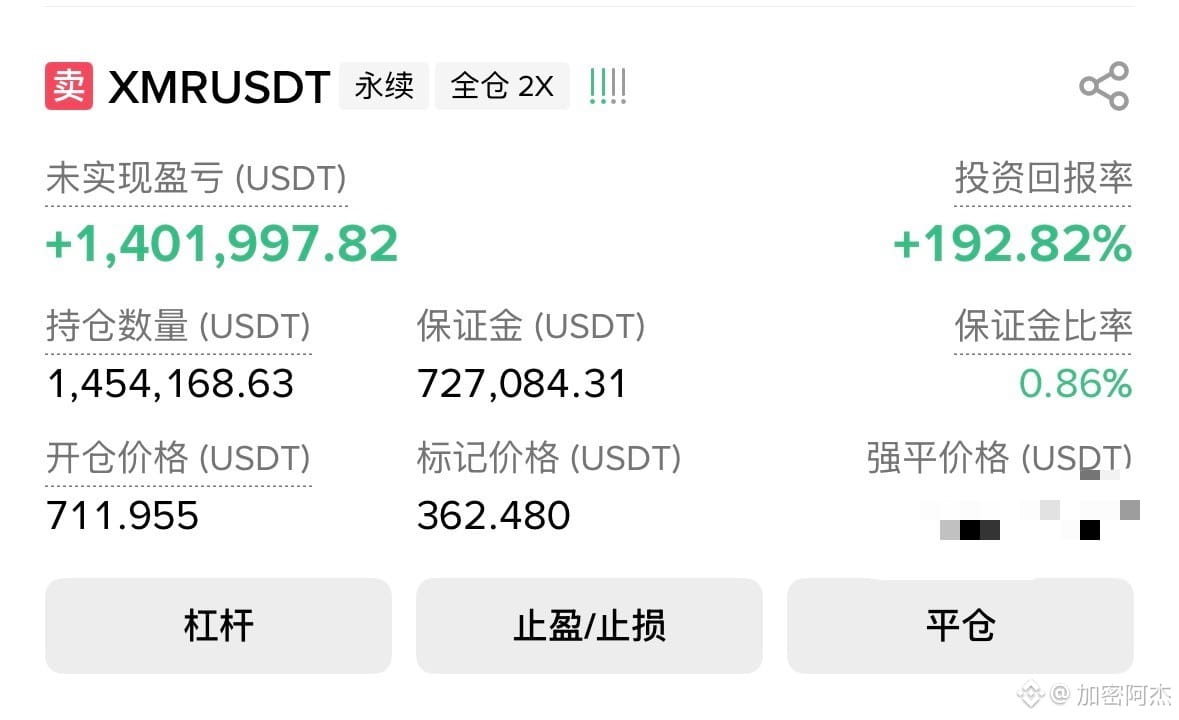
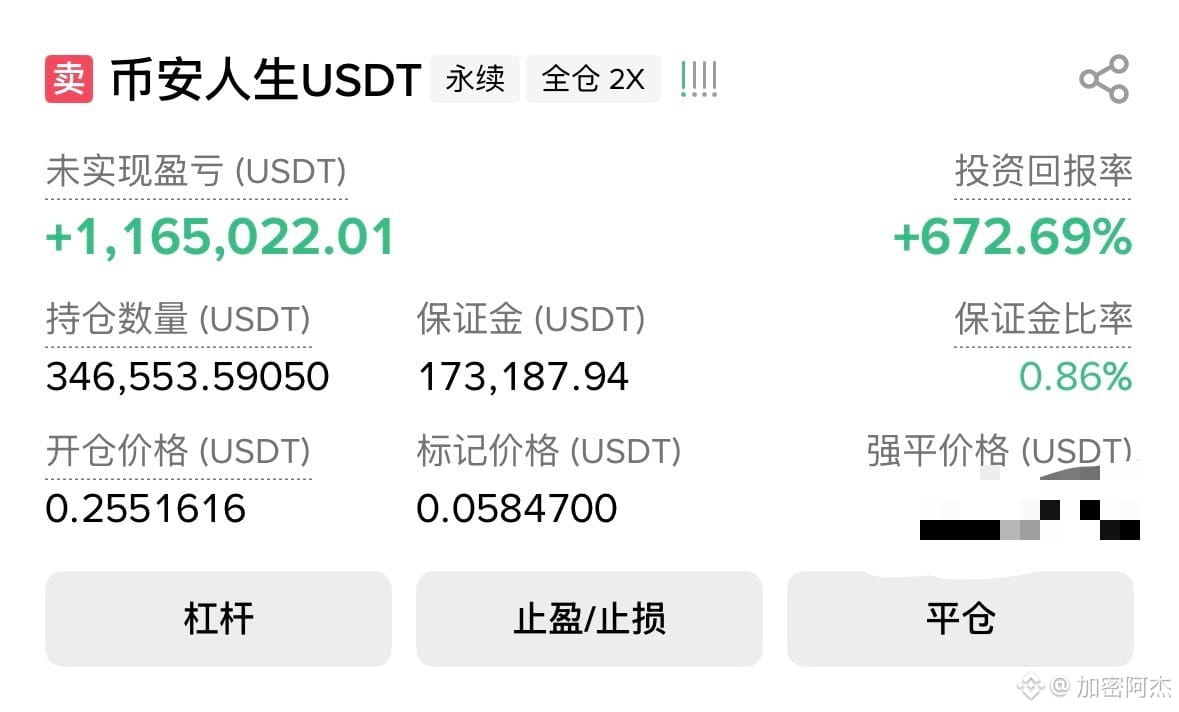
Having been in the cryptocurrency space for so many years, to be honest, I almost got carried away by the market in the first two years.
My account plummeted from its peak, down to less than half. It was no exaggeration during that time; I suffered from insomnia, and the first thing I did when I woke up in the middle of the night was to check my phone for market updates.
Later I realized that losing everything wasn't because I didn't work hard, it was because I was always operating in a counterproductive way.
Most retail investors have a common problem:
When the market drops, they stubbornly hold on, with only one thought in their mind: just wait a bit longer and I’ll break even.
When it rises a little, they run immediately, afraid that the money they’ve earned will vanish.
But the market never coddles you.
The right approach is actually the opposite: when the trend is strong, you should dare to hold; when it breaks down, you should dare to admit defeat.
Just this one action, trying to maximize profits and minimize losses, can really save you.
It’s not about making you rich, it’s about preventing you from being carried away.
There’s also something that many people watch every day but don’t know how to use: volume.
Volume is the market's breathing.
You will find that some cryptocurrencies can still slowly rise even with low volume.
This often indicates that there’s still potential ahead.
When it breaks a key level and moves sideways with low volume, it’s often giving you a second chance.
On the contrary, if the volume increases but the price doesn't move, you need to start being alert.
Those massive volume spikes that shoot up look great, but they often lead to corrections or even losses later on.
I’ve also stumbled into countless pitfalls regarding position size.
I used to think that holding more assets was safer.
Later I understood that the more you hold, the more chaotic your mindset becomes, and the more reckless you get.
Two or three assets are enough; if you really can’t control your hands, the problem isn’t the market, it’s you.
Short-term trading isn’t just random hitting.
After a sharp drop, there’s often a rebound.
When there’s a sudden surge just before the close, it often leads to a loss the next day.
These things, when you break them down, are quite simple, but you have to live long enough to understand them.
And there’s one especially important thing: after making a big profit, you must take a break and hold no positions.
The most ruthless part of the market is when you feel like you’ve “got it.”
That little inflated mindset is more deadly than any bad news.
When losing, don’t be stubborn.
The more anxious you are, the more chaotic it gets, and the easier it is to make consecutive mistakes.
Wait for your emotions to settle, wait for the rhythm to become clear, then take action; it’s never too late.
There are always opportunities in both bull and bear markets.
The real challenge is never the market, but whether you can control that hand that wants to place random orders.
If you’re feeling a bit lost or need more guidance, feel free to reach out and chat with me at @交易员杰哥 .
My account plummeted from its peak, down to less than half. It was no exaggeration during that time; I suffered from insomnia, and the first thing I did when I woke up in the middle of the night was to check my phone for market updates.
Later I realized that losing everything wasn't because I didn't work hard, it was because I was always operating in a counterproductive way.
Most retail investors have a common problem:
When the market drops, they stubbornly hold on, with only one thought in their mind: just wait a bit longer and I’ll break even.
When it rises a little, they run immediately, afraid that the money they’ve earned will vanish.
But the market never coddles you.
The right approach is actually the opposite: when the trend is strong, you should dare to hold; when it breaks down, you should dare to admit defeat.
Just this one action, trying to maximize profits and minimize losses, can really save you.
It’s not about making you rich, it’s about preventing you from being carried away.
There’s also something that many people watch every day but don’t know how to use: volume.
Volume is the market's breathing.
You will find that some cryptocurrencies can still slowly rise even with low volume.
This often indicates that there’s still potential ahead.
When it breaks a key level and moves sideways with low volume, it’s often giving you a second chance.
On the contrary, if the volume increases but the price doesn't move, you need to start being alert.
Those massive volume spikes that shoot up look great, but they often lead to corrections or even losses later on.
I’ve also stumbled into countless pitfalls regarding position size.
I used to think that holding more assets was safer.
Later I understood that the more you hold, the more chaotic your mindset becomes, and the more reckless you get.
Two or three assets are enough; if you really can’t control your hands, the problem isn’t the market, it’s you.
Short-term trading isn’t just random hitting.
After a sharp drop, there’s often a rebound.
When there’s a sudden surge just before the close, it often leads to a loss the next day.
These things, when you break them down, are quite simple, but you have to live long enough to understand them.
And there’s one especially important thing: after making a big profit, you must take a break and hold no positions.
The most ruthless part of the market is when you feel like you’ve “got it.”
That little inflated mindset is more deadly than any bad news.
When losing, don’t be stubborn.
The more anxious you are, the more chaotic it gets, and the easier it is to make consecutive mistakes.
Wait for your emotions to settle, wait for the rhythm to become clear, then take action; it’s never too late.
There are always opportunities in both bull and bear markets.
The real challenge is never the market, but whether you can control that hand that wants to place random orders.
If you’re feeling a bit lost or need more guidance, feel free to reach out and chat with me at @交易员杰哥 .
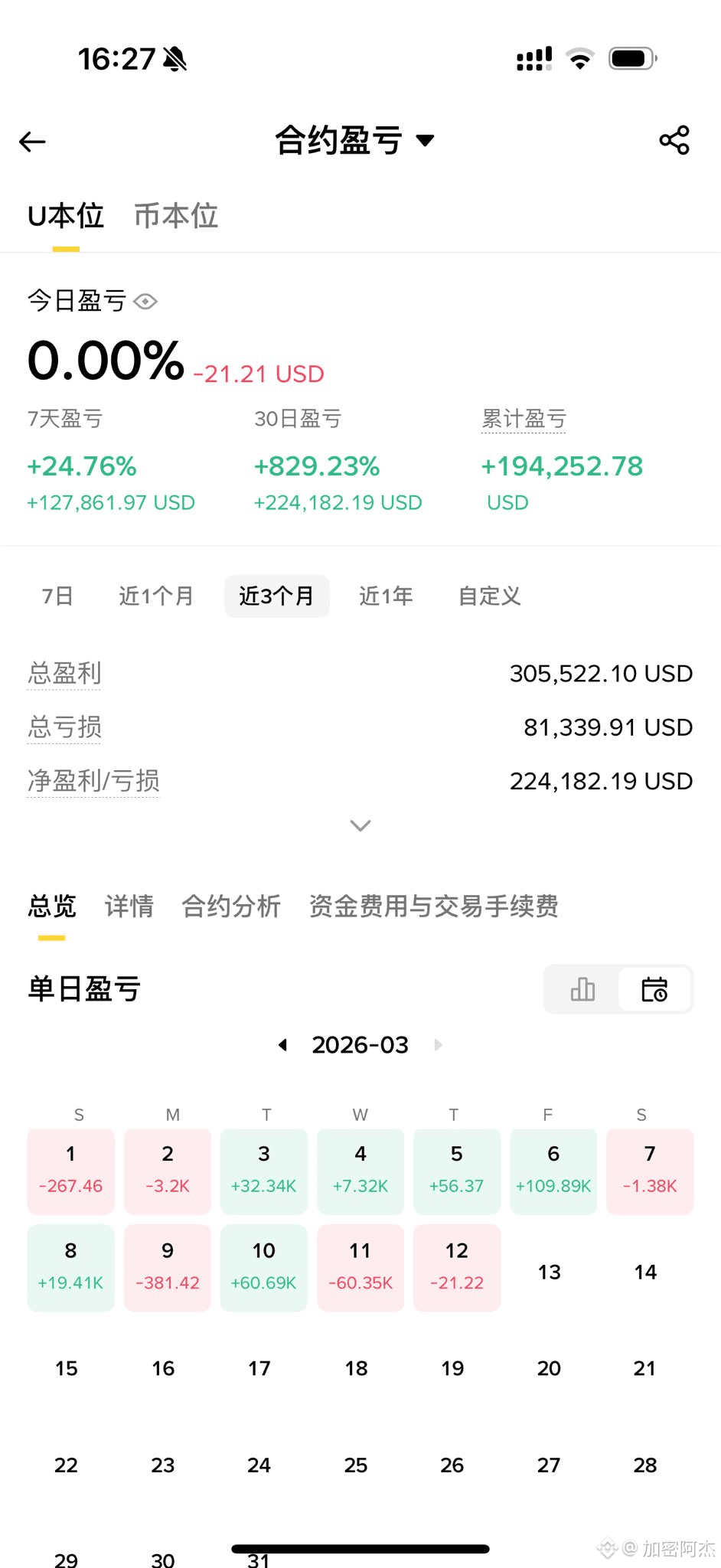
Some time ago, I took a novice who entered the market with 2400 U, and in 2 months managed to reach 97,000 U. Now the account has 170,000 U+, and they never blew up their position throughout the process.
You might say this is luck.
I can only say that luck cannot continuously favor the same person for 2 months.
Behind this is three pieces of simple logic.
This is also the core of how I achieved true financial freedom from over 7000 U to where I am now.
First and foremost: Full investment = seeking death.
First point: Capital must be divided; staying alive is the most important.
With 2000 U, I had them split it into three parts:
700 U for day trading.
At most one trade a day, leave when the time is up, don't linger.
700 U for swing trading.
Don’t make a move for ten days to half a month; when you do, aim for big gains.
600 U as a backup.
Don’t touch it, keep it for your opportunity to turn things around.
Many people go all in right away; it's not the market that kills you, it's you blocking your own retreat.
Remember: Surviving is a prerequisite for talking about profits.
Second point: Don’t fidget; only take 'thick profits'.
80% of the time in the crypto market is spent in consolidation.
If you’re constantly entering and exiting, you’re actually giving money to the market.
During consolidation, I only have one action: stay still.
Wait for the trend to really emerge before taking action.
And there’s a hard rule: If the account profit exceeds the principal by 20%, immediately withdraw 30%.
Experts don’t make money every day; they only open a trade when they do, and when they do, they take a big chunk.
Third point: Trade like a machine, don’t let emotions in.
This is something many people can’t change, even if it kills them.
Cut losses at 2%, you must sell.
Take profits at 4%, reduce your position first.
Never add to a losing position.
Write down the rules in advance, and execute them when the market moves.
You need to understand one thing: Emotions are the biggest enemy of retail investors.
The real state of making money is: let the money run itself; you only need to press the button.
Having a little less capital is not scary; what's scary is always thinking you can become rich overnight.
2400 U turning into 170,000 U is not due to miraculous operations,
but because of this set of logic: locking in risks and letting profits run.
If you still can’t sleep because of fluctuations of a few hundred U,
or you don’t know when to enter, exit, or reduce your position,
you can come talk to me.
How to divide positions, how to look at trends, how to time your actions,
I can explain it all clearly to you.
Still, one thing remains: a single tree cannot form a forest. Having a good team to point you in the right direction is always better than going solo. I am always here! @交易员杰哥
You might say this is luck.
I can only say that luck cannot continuously favor the same person for 2 months.
Behind this is three pieces of simple logic.
This is also the core of how I achieved true financial freedom from over 7000 U to where I am now.
First and foremost: Full investment = seeking death.
First point: Capital must be divided; staying alive is the most important.
With 2000 U, I had them split it into three parts:
700 U for day trading.
At most one trade a day, leave when the time is up, don't linger.
700 U for swing trading.
Don’t make a move for ten days to half a month; when you do, aim for big gains.
600 U as a backup.
Don’t touch it, keep it for your opportunity to turn things around.
Many people go all in right away; it's not the market that kills you, it's you blocking your own retreat.
Remember: Surviving is a prerequisite for talking about profits.
Second point: Don’t fidget; only take 'thick profits'.
80% of the time in the crypto market is spent in consolidation.
If you’re constantly entering and exiting, you’re actually giving money to the market.
During consolidation, I only have one action: stay still.
Wait for the trend to really emerge before taking action.
And there’s a hard rule: If the account profit exceeds the principal by 20%, immediately withdraw 30%.
Experts don’t make money every day; they only open a trade when they do, and when they do, they take a big chunk.
Third point: Trade like a machine, don’t let emotions in.
This is something many people can’t change, even if it kills them.
Cut losses at 2%, you must sell.
Take profits at 4%, reduce your position first.
Never add to a losing position.
Write down the rules in advance, and execute them when the market moves.
You need to understand one thing: Emotions are the biggest enemy of retail investors.
The real state of making money is: let the money run itself; you only need to press the button.
Having a little less capital is not scary; what's scary is always thinking you can become rich overnight.
2400 U turning into 170,000 U is not due to miraculous operations,
but because of this set of logic: locking in risks and letting profits run.
If you still can’t sleep because of fluctuations of a few hundred U,
or you don’t know when to enter, exit, or reduce your position,
you can come talk to me.
How to divide positions, how to look at trends, how to time your actions,
I can explain it all clearly to you.
Still, one thing remains: a single tree cannot form a forest. Having a good team to point you in the right direction is always better than going solo. I am always here! @交易员杰哥
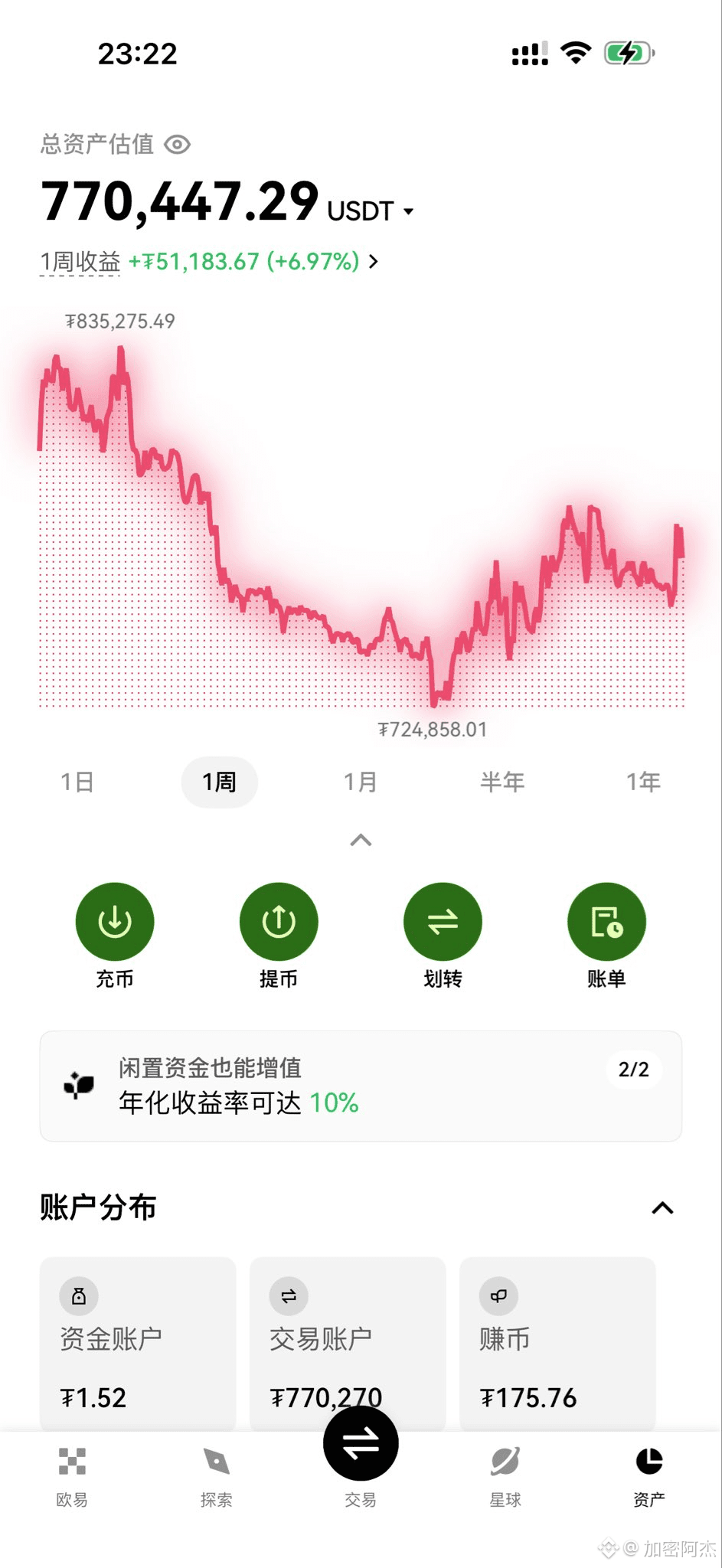
In February, I made 216,000 U, and looking back now, it feels a bit ridiculous.
Last month, I almost risked my life in the market, staring at candlesticks, watching trading volumes, and guessing how the big players were "acting."
Later, I found that many people lose money not because they don't understand the direction, but because they are completely offbeat.
Today, I won't talk about methods or draw graphs; I'll share 6 "feelings" that I gained through real money.
If you can take in half of it, at least you can avoid being harshly beaten by the market a few times.
Let's start with the first one.
Some coins surge violently when they rise, but the pullback is slow, like they are dragging people along.
At such times, don't rush to cut losses.
It's very likely not a peak but a shakeout.
What does a real peak look like?
It's when there's a surge in volume, and then it crashes directly without giving you time to react, that's a real exit.
The second one.
This is also where beginners often fail.
After a sharp drop, if the rebound is weak and feeble, then don't attempt to catch it.
That's not "it has dropped too much and should rebound," it's funds withdrawing.
That kind of small, hesitant upward bounce, nine times out of ten is just to trick you into buying in.
The third one is often misunderstood by many.
High volume at a high point doesn't necessarily mean immediate death.
Because there are still people speculating and emotions involved.
Instead, when the high suddenly has no volume, that's the real danger.
When the volume shrinks, it means the main force has stopped playing; if you continue to fight, you are basically just a follower.
The fourth one.
When there’s a surge in volume at the bottom, don't get too excited.
A day's volume increase may just be a way to lure more in.
The real bottom is when it shakes for a while, and then the volume is gradually released.
Rushing to grab the first bullish candlestick often results in catching not an opportunity, but a trap.
The fifth one is something I only truly grasped later.
Candlesticks are just the outcome; volume is the reason.
Volume is like the market's body temperature.
When there's no volume, it means no one is participating; when volume starts to change, it indicates money is moving.
What you need to learn to watch is: when does the volume start to feel off?
The last one, and the hardest.
Many times, the best move is: not to move.
When you can stay in cash, stay in cash; when you can strike, strike decisively, don’t chase, don’t panic, don’t add randomly.
It seems simple, but very few can truly do it.
The crypto space is not lacking in opportunities; what it lacks are people who can endure, wait, and not act impulsively.
You are not unintelligent; you have just been running around blindly in the fog.
When the rhythm is right, many things will become clear on their own.
If you are feeling a bit confused now or need more guidance, feel free to come and chat with me, and I will provide you with a detailed analysis!
Last month, I almost risked my life in the market, staring at candlesticks, watching trading volumes, and guessing how the big players were "acting."
Later, I found that many people lose money not because they don't understand the direction, but because they are completely offbeat.
Today, I won't talk about methods or draw graphs; I'll share 6 "feelings" that I gained through real money.
If you can take in half of it, at least you can avoid being harshly beaten by the market a few times.
Let's start with the first one.
Some coins surge violently when they rise, but the pullback is slow, like they are dragging people along.
At such times, don't rush to cut losses.
It's very likely not a peak but a shakeout.
What does a real peak look like?
It's when there's a surge in volume, and then it crashes directly without giving you time to react, that's a real exit.
The second one.
This is also where beginners often fail.
After a sharp drop, if the rebound is weak and feeble, then don't attempt to catch it.
That's not "it has dropped too much and should rebound," it's funds withdrawing.
That kind of small, hesitant upward bounce, nine times out of ten is just to trick you into buying in.
The third one is often misunderstood by many.
High volume at a high point doesn't necessarily mean immediate death.
Because there are still people speculating and emotions involved.
Instead, when the high suddenly has no volume, that's the real danger.
When the volume shrinks, it means the main force has stopped playing; if you continue to fight, you are basically just a follower.
The fourth one.
When there’s a surge in volume at the bottom, don't get too excited.
A day's volume increase may just be a way to lure more in.
The real bottom is when it shakes for a while, and then the volume is gradually released.
Rushing to grab the first bullish candlestick often results in catching not an opportunity, but a trap.
The fifth one is something I only truly grasped later.
Candlesticks are just the outcome; volume is the reason.
Volume is like the market's body temperature.
When there's no volume, it means no one is participating; when volume starts to change, it indicates money is moving.
What you need to learn to watch is: when does the volume start to feel off?
The last one, and the hardest.
Many times, the best move is: not to move.
When you can stay in cash, stay in cash; when you can strike, strike decisively, don’t chase, don’t panic, don’t add randomly.
It seems simple, but very few can truly do it.
The crypto space is not lacking in opportunities; what it lacks are people who can endure, wait, and not act impulsively.
You are not unintelligent; you have just been running around blindly in the fog.
When the rhythm is right, many things will become clear on their own.
If you are feeling a bit confused now or need more guidance, feel free to come and chat with me, and I will provide you with a detailed analysis!
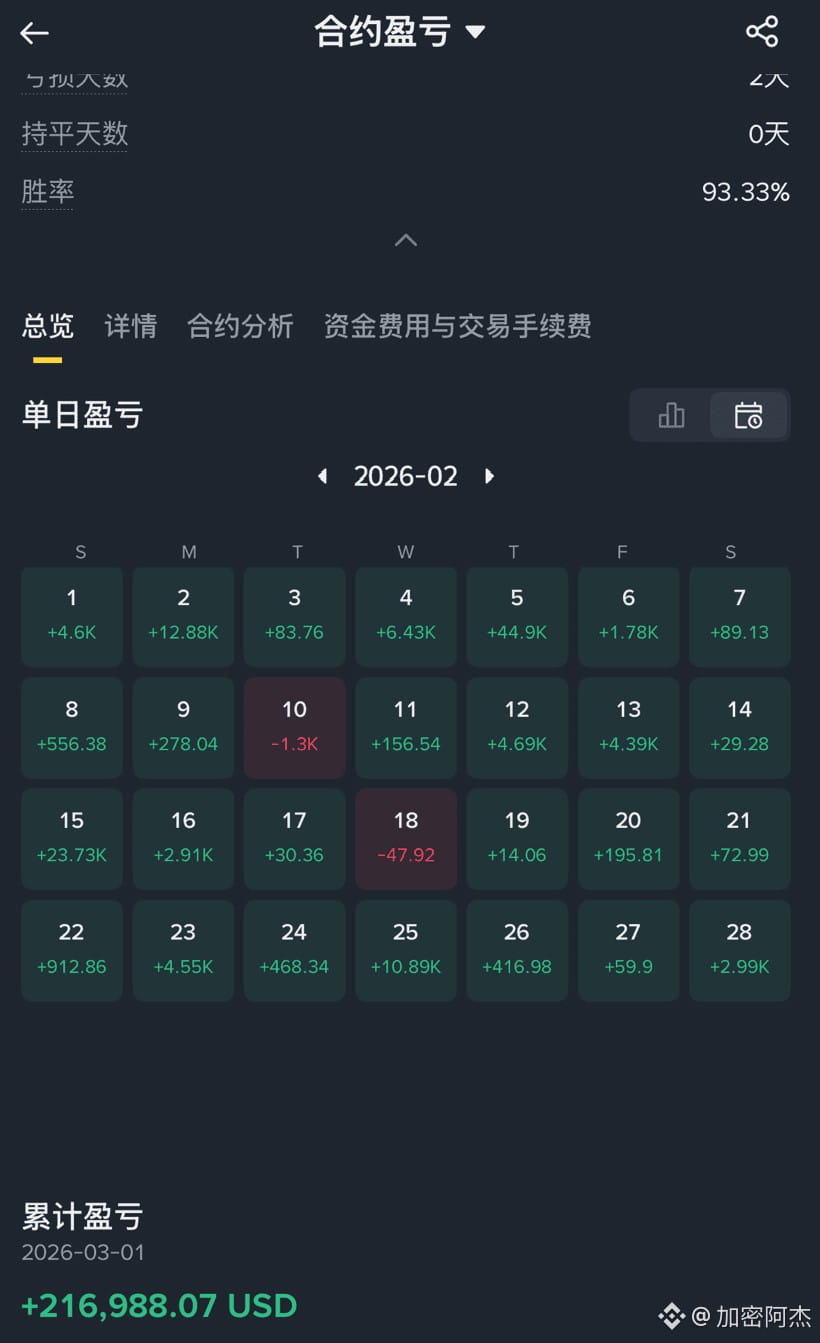
Log in to explore more content