
cryptobreakout_trader
2.3k Posts

cryptobreakout_trader
Report
Block User
founder of @cryptobreakout_trader

Level 1 Creator

RAY Holder
Frequent Trader
8.9 Years
3 Following
23.9K+ Followers
28.2K+ Liked
1 Badges
Posts
All
Quotes
Videos
Live
PINNED
·
--
Bullish
📌 Premium Monthly Report (May)
We've Made +572% Profit from 32 Calls (Spot & Futures) With 94% Success Rate..💥
#bitcoin #googleai #Binance #crypto2023 #breakout_expert
📌 Premium Monthly Report (May)
We've Made +572% Profit from 32 Calls (Spot & Futures) With 94% Success Rate..💥
#bitcoin #googleai #Binance #crypto2023 #breakout_expert
We've Made +572% Profit from 32 Calls (Spot & Futures) With 94% Success Rate..💥
#bitcoin #googleai #Binance #crypto2023 #breakout_expert

54
3
69
758
·
--
Bearish
$ETH
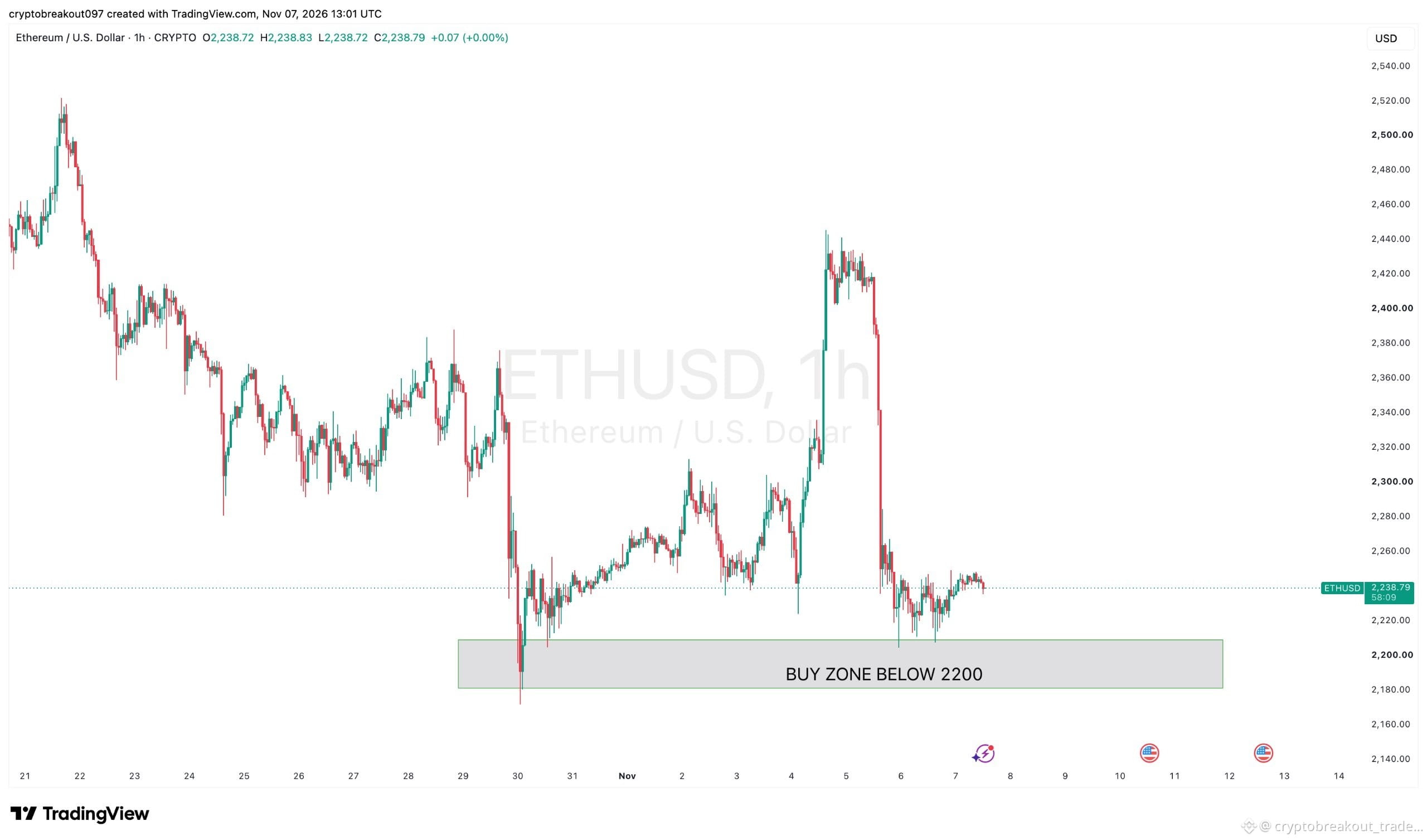
🚨 ETHEREUM (ETH/USD) – BUY ZONE ALERT!
⏳ Timeframe: 1H
📊 Market Outlook:
ETH is consolidating around $2,238 following a sharp downside move.
🟢 Potential BUY ZONE: BELOW $2,200
🎯 Trading Strategy:
• Wait for price to enter the highlighted zone.
• Look for bullish reversal confirmation.
• Avoid premature entries.
• Maintain strict risk management.
🔥 Don't chase the market. Let the market come to your zone!
⚠️ Educational analysis only. Not financial advice (NFA).
#Ethereum✅ #cryptosignals #CryptoTrading #TechnicalAnalysis
191
·
--
Bearish
$SUI
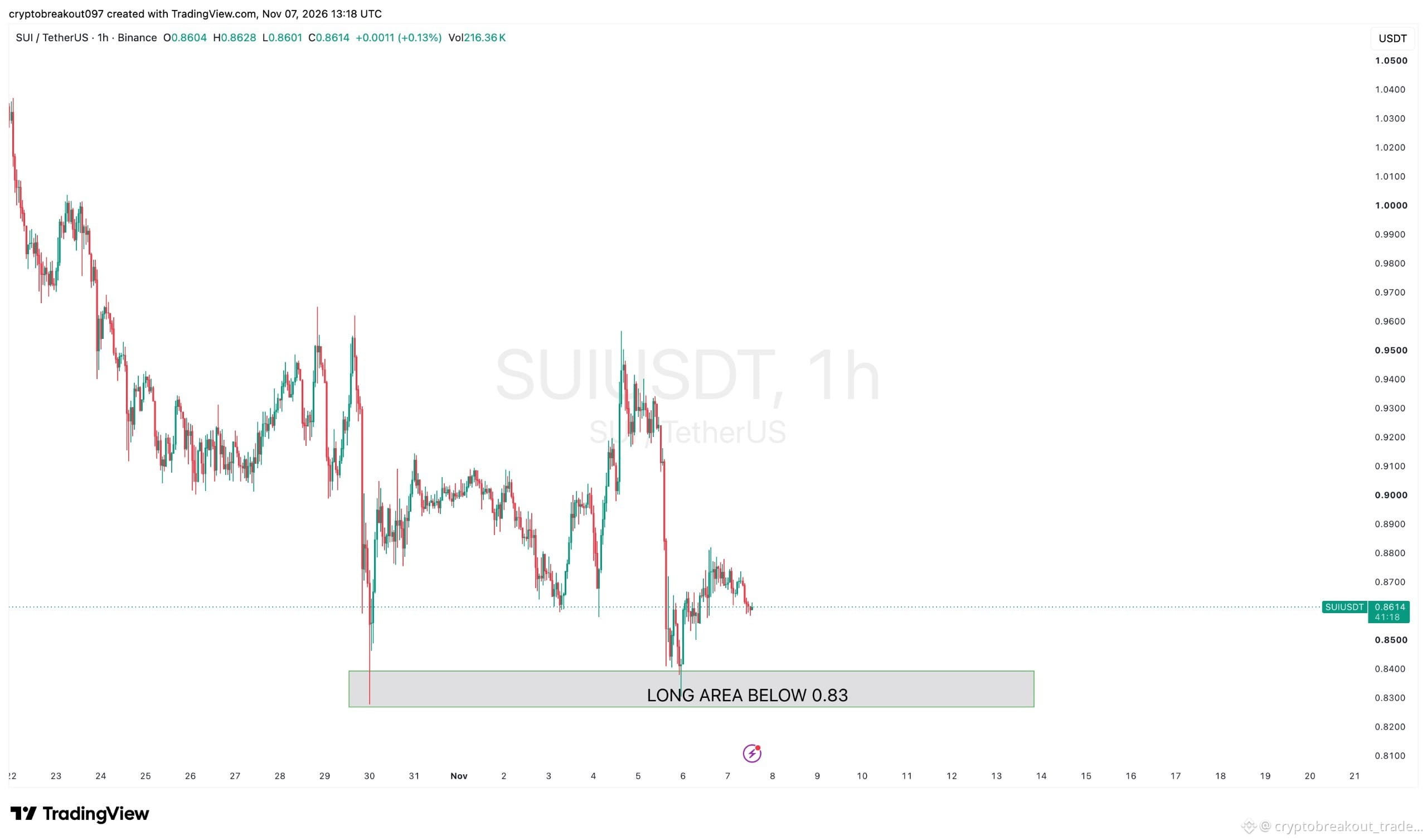
🚨 SUI (SUI/USDT) – POTENTIAL LONG OPPORTUNITY
⏳ Timeframe: 1H | Binance
📊 Market Outlook:
SUI is showing consolidation after a strong bearish move. Price is currently trading around $0.8614.
🟢 POTENTIAL LONG ZONE: BELOW $0.83
🎯 Trading Strategy:
• Wait for price to enter the highlighted demand zone.
• Look for bullish reversal confirmation.
• Avoid FOMO entries at current levels.
• Follow strict stop-loss and risk management.
🔥 Patience Pays! Let the Price Come to Your Zone.
⚠️ Educational analysis only. Not Financial Advice (NFA). Always DYOR.
#SUIUSDT #cryptotrading #ALTCOİNS #TechnicalAnalysis #Binance
206
·
--
Bearish
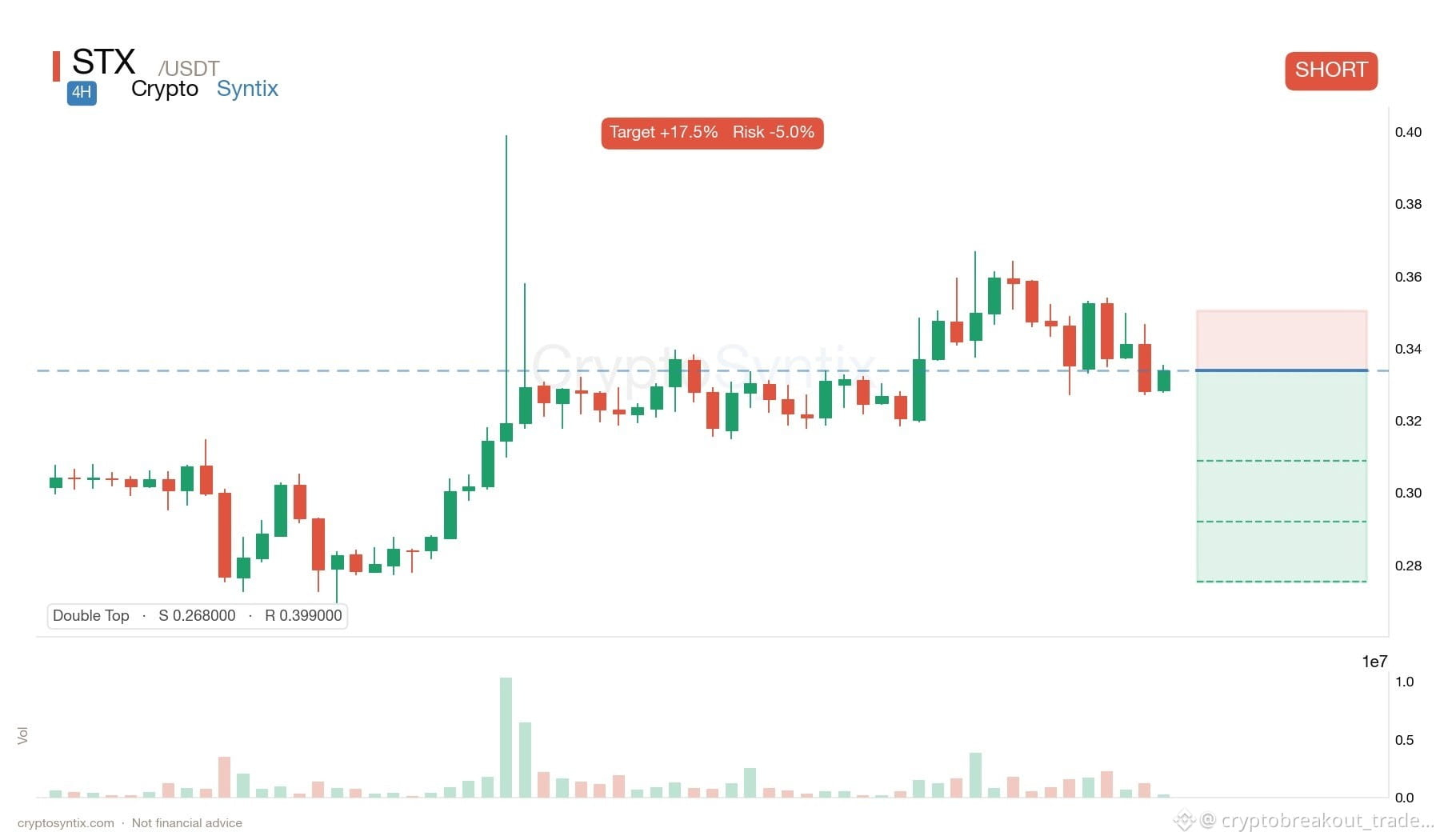
🔴⚠️ $STX Losing Its Grip
🔥 Momentum is shifting in the bears' favor.
📉 Bearish Trigger: A clean break under $0.268 flips momentum bearish.
🚧 Key Resistance: $0.399
❌ Invalidation: A reclaim above $0.399 would weaken the bearish structure.
⚡ Smart money often takes profit in overbought zones before the crowd. Manage risk carefully here.
👀 The crowd chases candles. The prepared position before them.
#STX #Crypto #Altcoins #Trading
1
225
·
--
Bearish
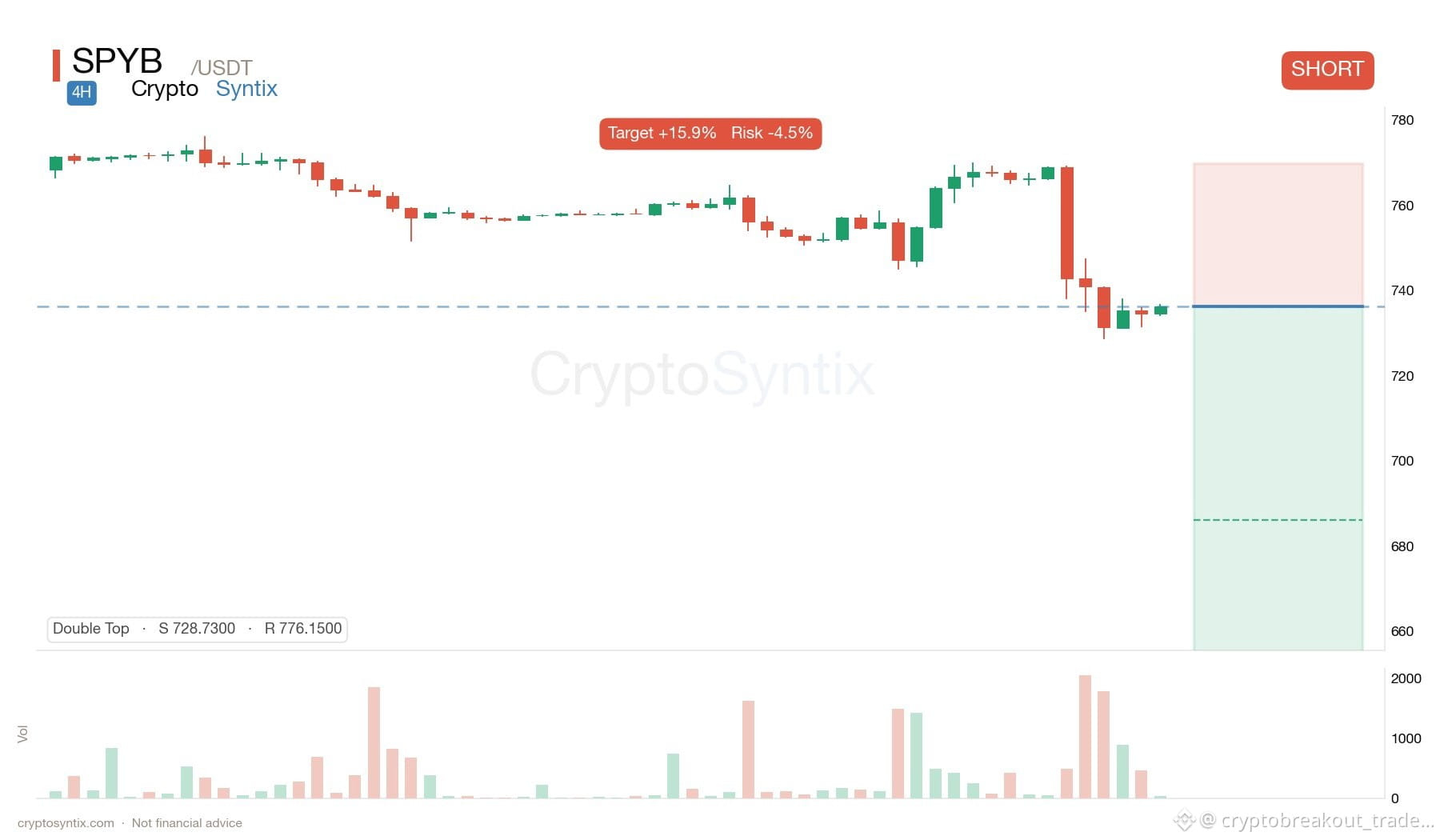
🔴🩸 $SPYB Under Selling Pressure
🔥 Momentum is shifting in the bears' favor.
📉 Bearish Trigger: A clean break under $728.73 flips momentum bearish.
🚧 Key Resistance: $776.15
❌ Invalidation: A reclaim above $776.15 would weaken the bearish structure.
⚡ Smart money often takes profit in overbought zones before the crowd. Manage risk carefully here.
👀 The crowd chases candles. The prepared position before them.
#SPYB #Crypto #Altcoins #Trading
1
174
·
--
Bullish
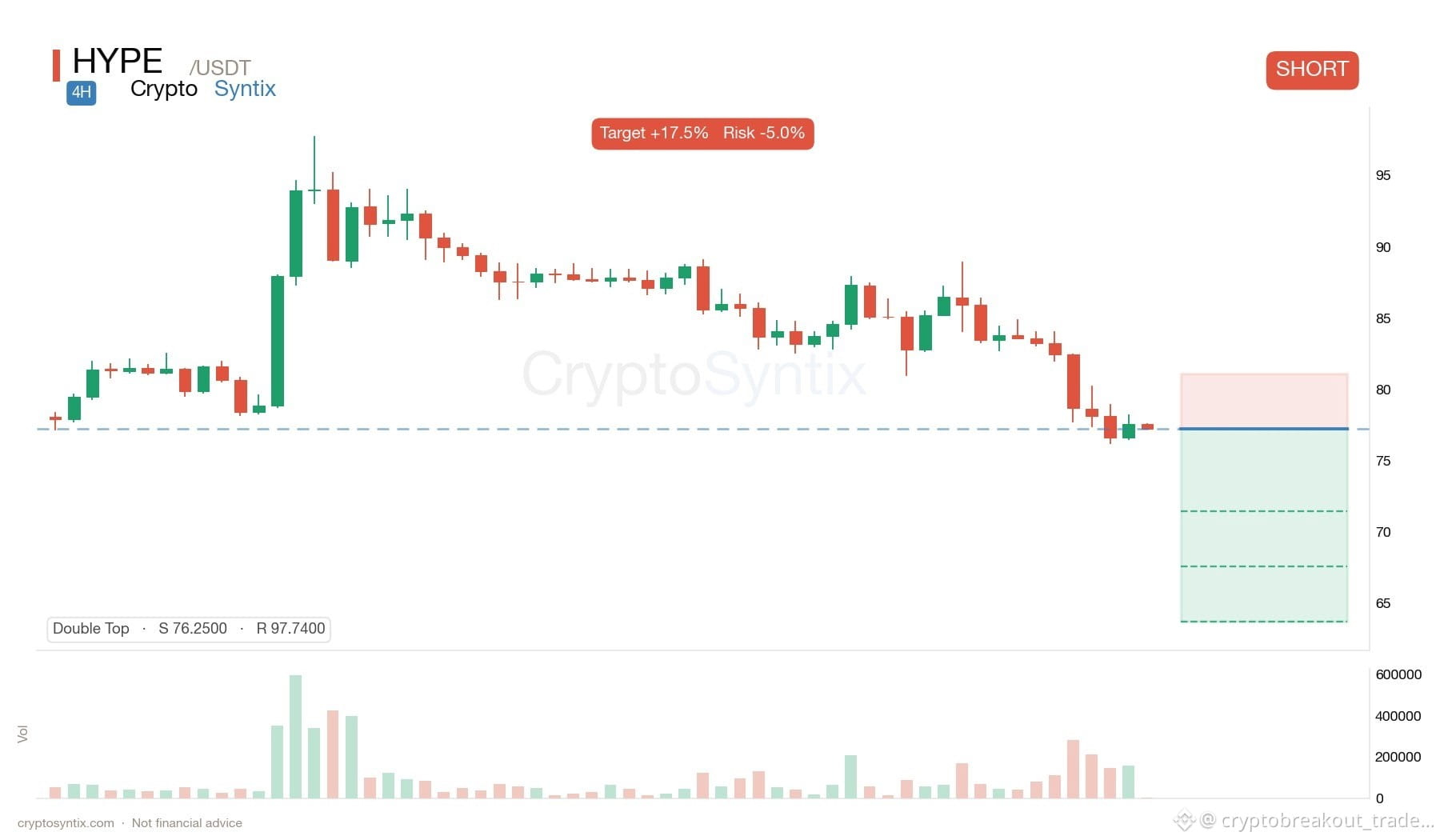
🔴🩸 $HYPE Under Selling Pressure
🔥 Structure is turning bearish beneath the surface.
📉 Bearish Trigger: Losing $76.25 could accelerate the sell-off.
🚧 Key Resistance: $97.74
❌ Invalidation: A reclaim above $97.74 would weaken the bearish structure.
⚡ The best exits happen while others are still euphoric — stay ahead of the move.
👀 Most traders react after the move starts. The biggest opportunities are often found before the crowd notices.
#HYPE #Crypto #Altcoins #Trading
397
·
--
Bullish
$SPCXB
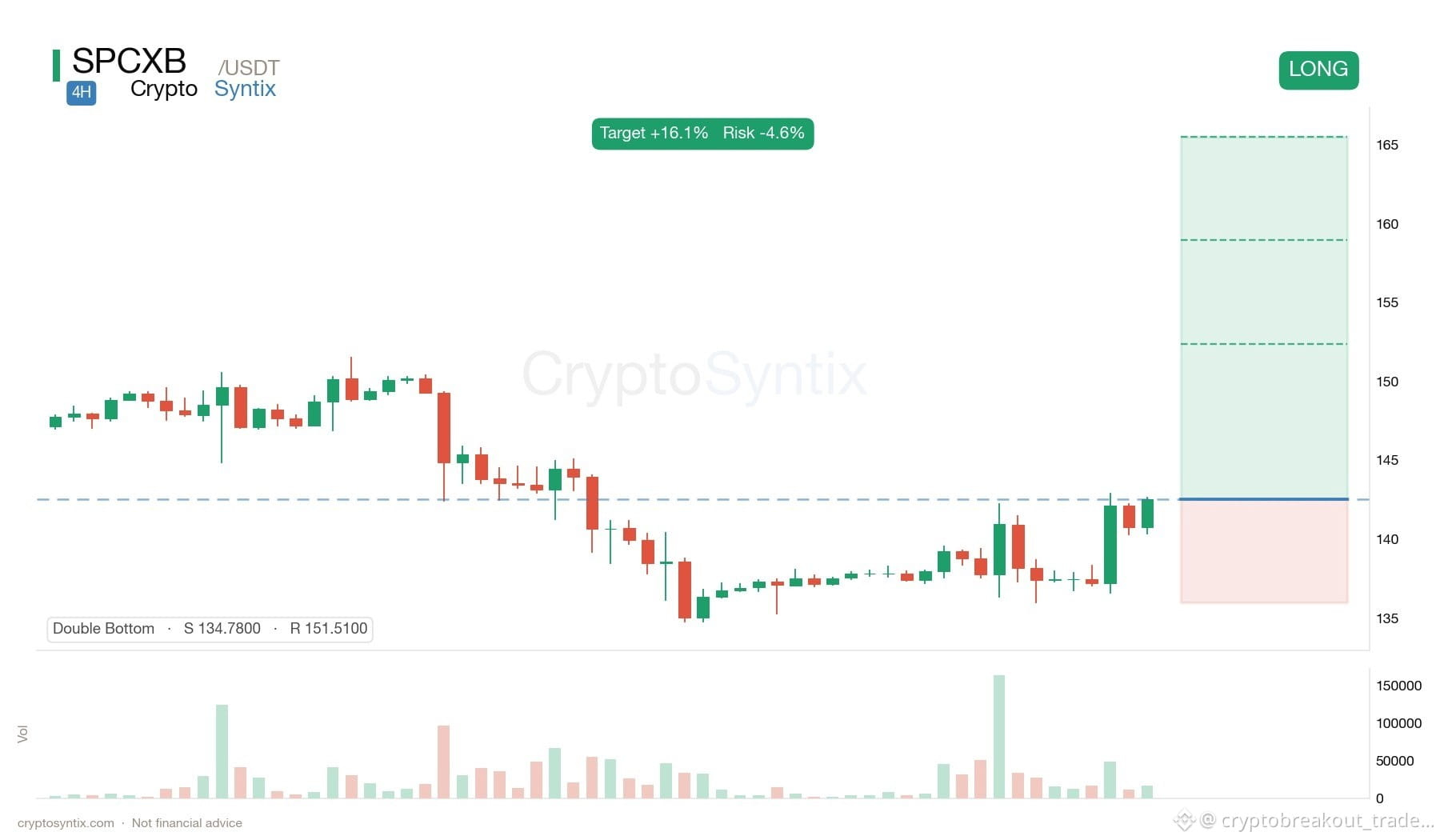
🟢🚀 $SPCXB Potential Reversal Setup
🔥 Structure is turning bullish beneath the surface.
📈 Bullish Trigger: A breakout and hold above $151.51 could signal further upside.
🛡️ Key Support: $134.78
❌ Invalidation: A drop below $134.78 would weaken the bullish structure.
⚡ The strongest entries appear when others hesitate — patience tends to pay here.
👀 Most traders react after the move starts. The biggest opportunities are often found before the crowd notices.
#SPCXB #Crypto #Altcoins #Trading
614
·
--
Bullish
$ETH
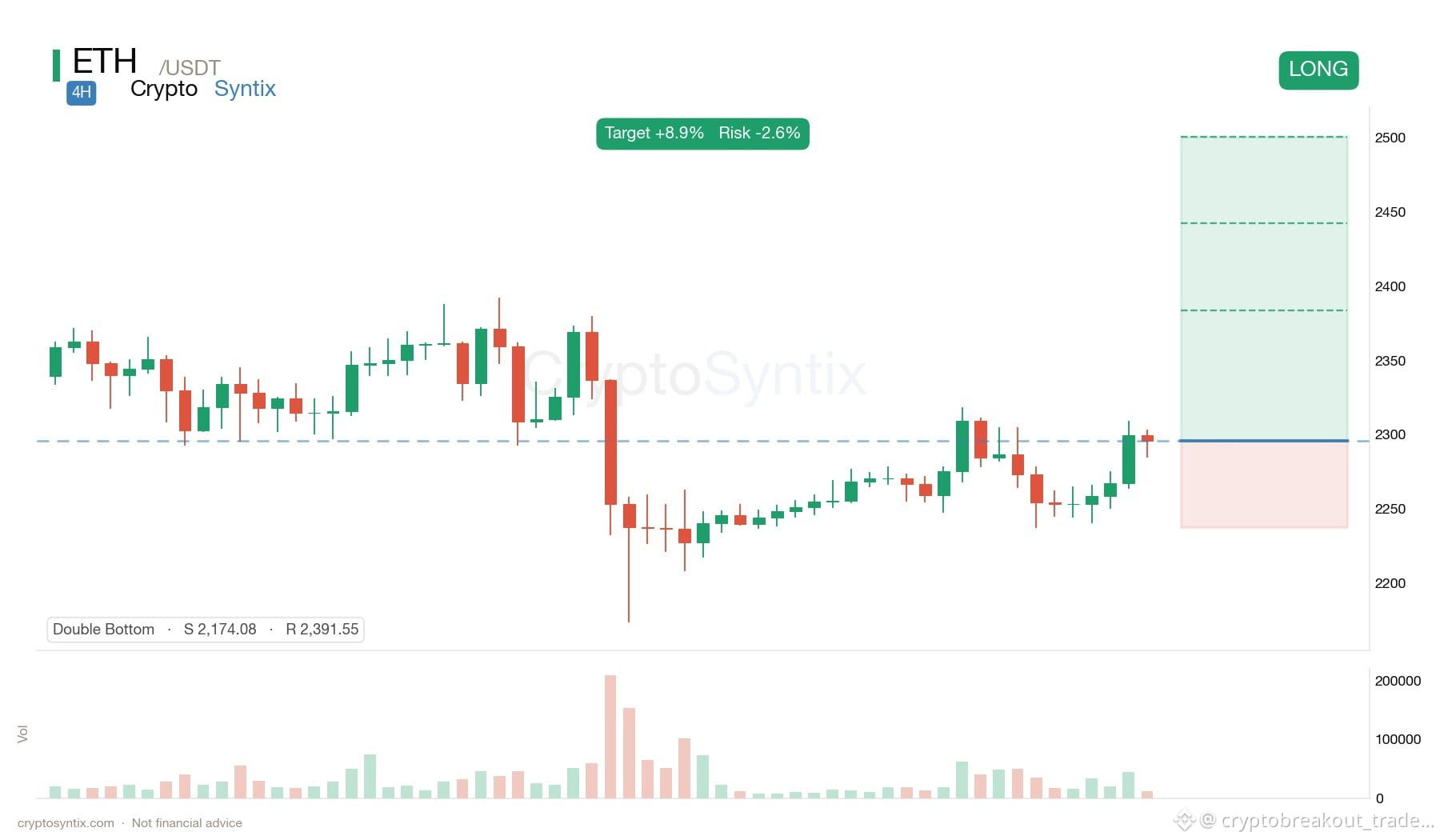
🟢🚀 $ETH Potential Reversal Setup
🔥 Structure is turning bullish beneath the surface.
📈 Bullish Trigger: Reclaiming $2391.55 could open the next leg higher.
🛡️ Key Support: $2174.08
❌ Invalidation: A drop below $2174.08 would weaken the bullish structure.
⚡ Smart money often accumulates in oversold zones before momentum returns. Keep a close eye on this setup.
👀 Most traders react after the move starts. The biggest opportunities are often found before the crowd notices.
#ETH #Crypto #Altcoins #Trading
392
$BTC
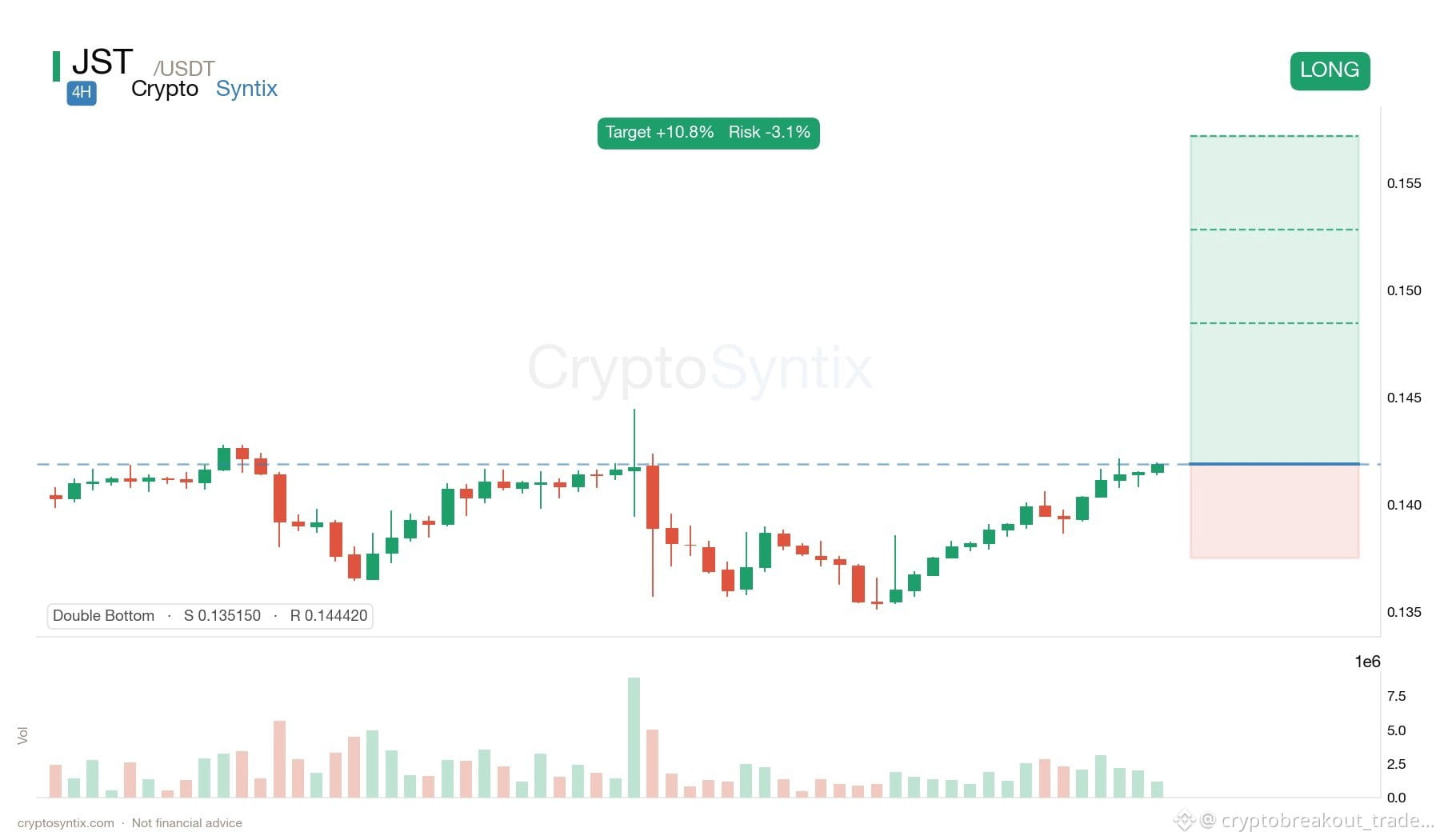
🟢📈 $JST Quietly Building a Base
🔥 Momentum is shifting in the bulls' favor.
📈 Bullish Trigger: A clean push through $0.14442 flips momentum bullish.
🛡️ Key Support: $0.13515
❌ Invalidation: A drop below $0.13515 would weaken the bullish structure.
⚡ Quiet accumulation now often fuels the next breakout. Stay alert.
👀 The crowd chases candles. The prepared position before them.
#JST #Crypto #Altcoins #Trading #Bullish
544
·
--
Bullish
$BTC
🚨 HARDWARE WALLET SECURITY ALERT — 2026
Hardware wallets have faced multiple security incidents this year:
⚠️ Oct 9 — Ledger: $86M+ in suspected wallet-drain losses.
⚠️ Sep 9 — Trezor, BitBox & CoinTracking: Phishing campaigns following a third-party email-provider breach.
⚠️ Aug 16 — SafePal: Customer order information exposed.
⚠️ Aug 13–Sep 4 — Trezor: Personal data of around 80,000 customers affected by a shipping-provider breach.
⚠️ Aug 17 — BitBox02: Firmware security issue reported.
⚠️ Aug 4 — Coldcard: Firmware entropy vulnerability linked to reported losses.
⚠️ Jul 9 — Tangem: Reported laser fault-injection vulnerability.
⚠️ Jun 3 — Trezor Safe 7: Reported laser fault-injection issue.
⚠️ Jan 5 — Ledger: E-commerce partner incident.
🔐 Stay safe: Never share your recovery phrase, verify your device’s source, and follow official security advisories.
A hardware wallet reduces risk, but it doesn’t eliminate it.
#btc #bitcoin #crypto #eth
594
·
--
Bullish
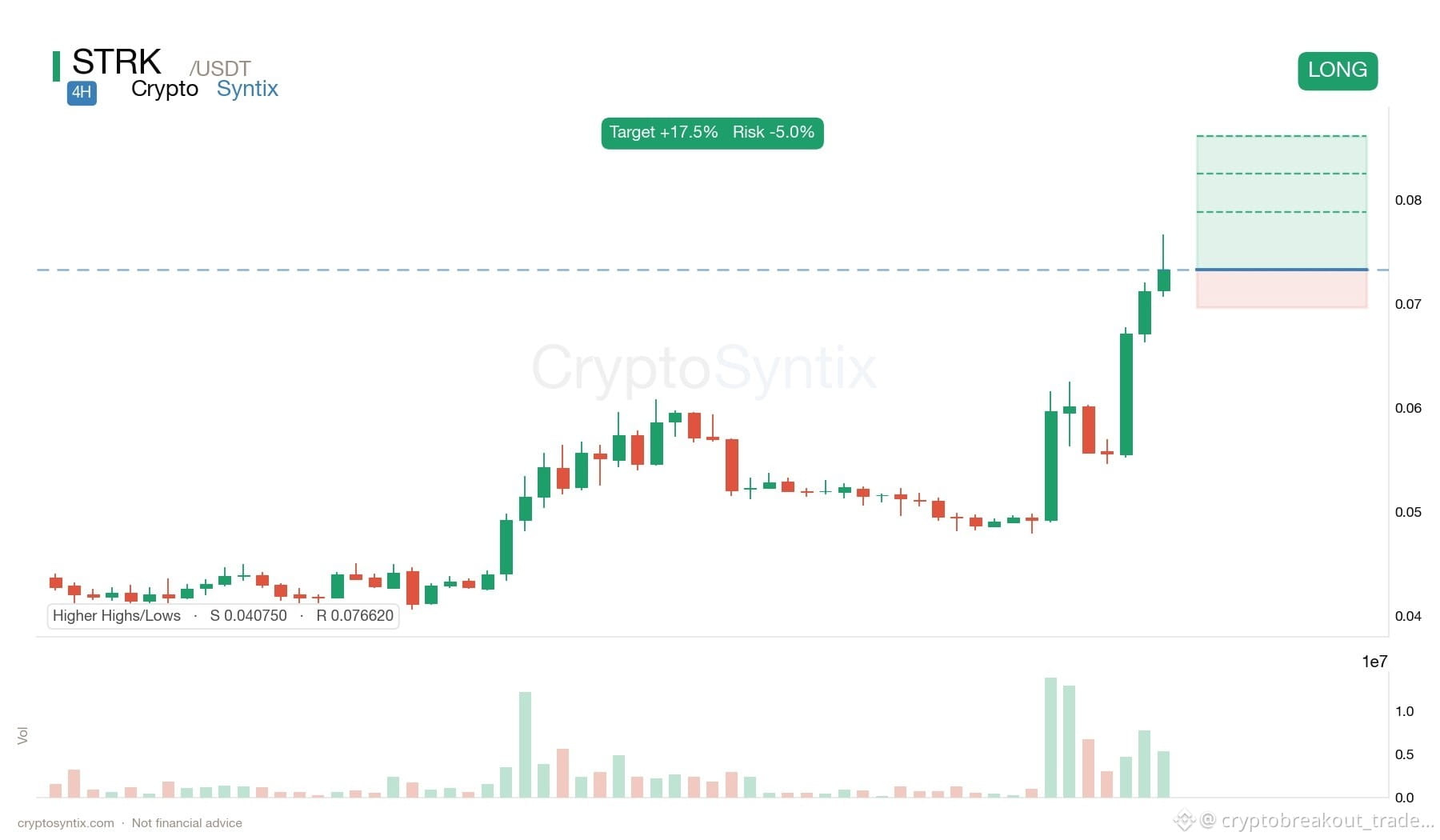
$STRK
🟢🚀 $STRK Potential Reversal Setup
🔥 Momentum is shifting in the bulls' favor.
📈 Bullish Trigger: A clean push through $0.07662 flips momentum bullish.
🛡️ Key Support: $0.04075
❌ Invalidation: A drop below $0.04075 would weaken the bullish structure.
⚡ Smart money often accumulates in oversold zones before momentum returns. Keep a close eye on this setup.
👀 By the time a move is obvious, the easy gains are gone. The edge is in watching early.
#STRK #Crypto #Altcoins #Trading
588
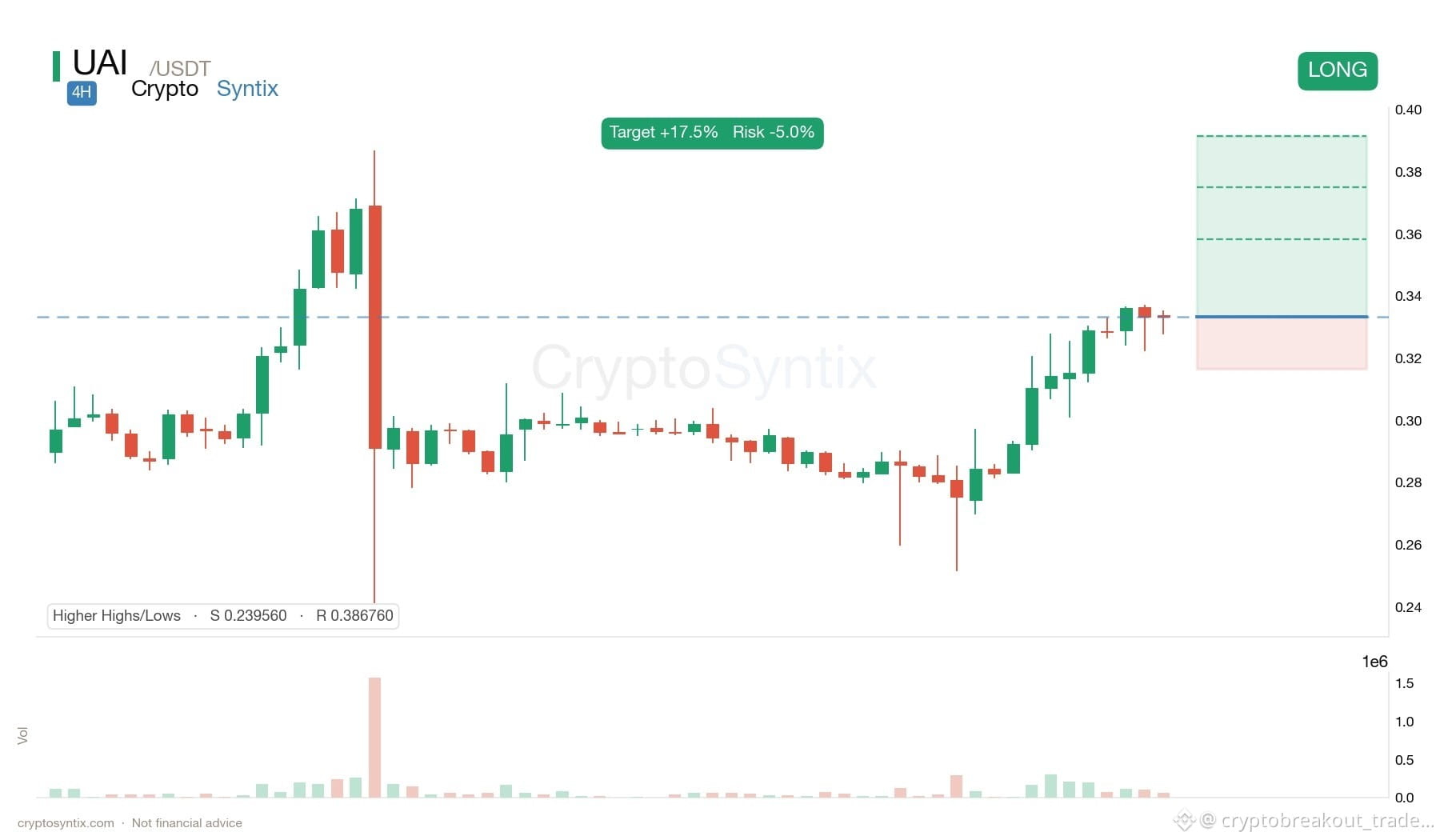
$UAI
🟢🚀 $UAI Looks Ready to Wake Up
🔥 Buyers are stepping in — strength is building.
📈 Bullish Trigger: A clean push through $0.38676 flips momentum bullish.
🛡️ Key Support: $0.23956
❌ Invalidation: A drop below $0.23956 would weaken the bullish structure.
⚡ The strongest entries appear when others hesitate — patience tends to pay here.
👀 By the time a move is obvious, the easy gains are gone. The edge is in watching early.
#UAI #Crypto #Altcoins #Trading
1
643
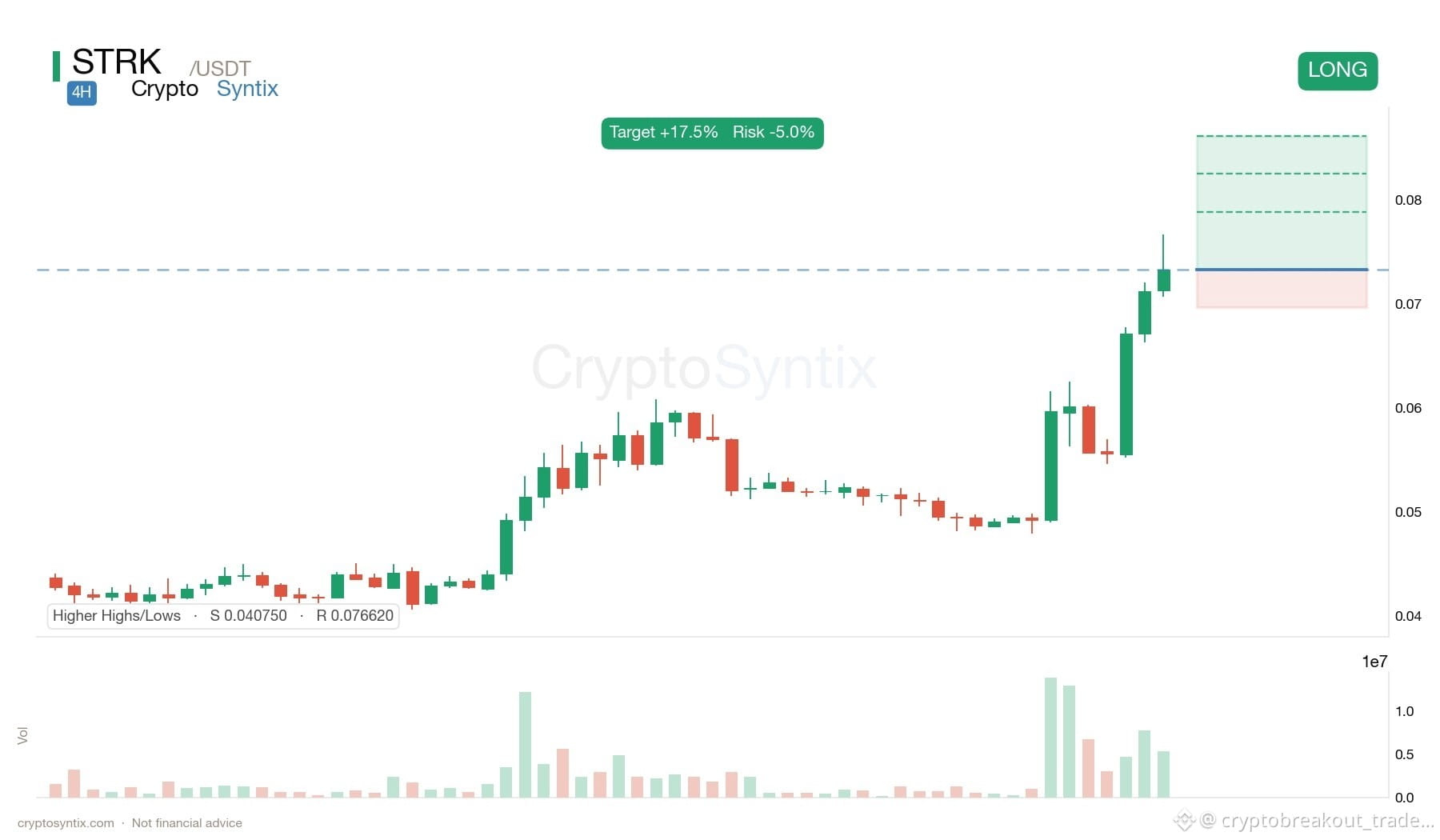
$KAIA
🟢🔋 $KAIA Coiling for a Bounce
🔥 Buyers are stepping in — strength is building.
📈 Bullish Trigger: A breakout and hold above $0.06252 could signal further upside.
🛡️ Key Support: $0.03302
❌ Invalidation: A drop below $0.03302 would weaken the bullish structure.
⚡ The strongest entries appear when others hesitate — patience tends to pay here.
👀 The crowd chases candles. The prepared position before them.
#KAIA #Crypto #Altcoins #Trading
836
·
--
Bullish
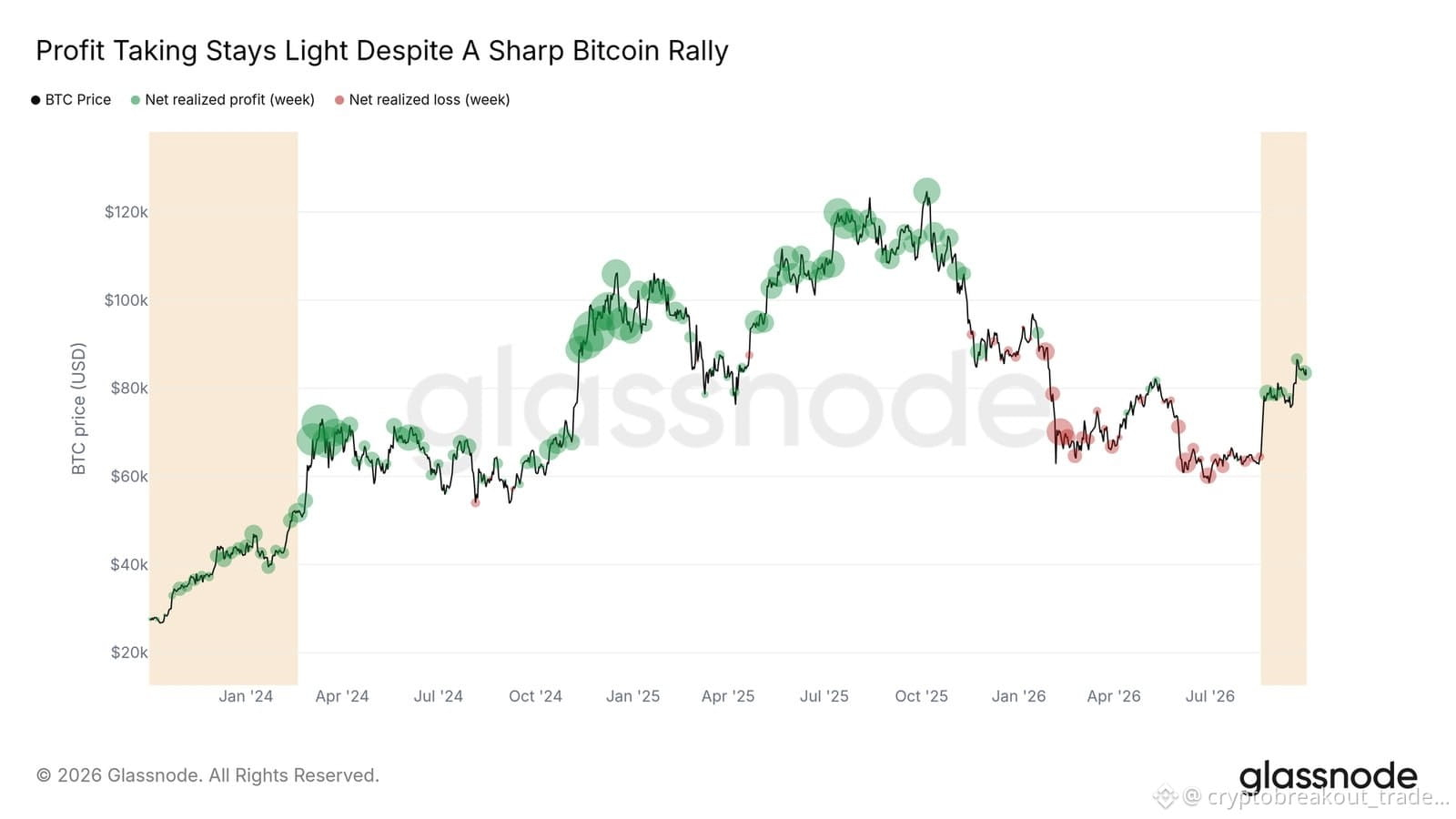
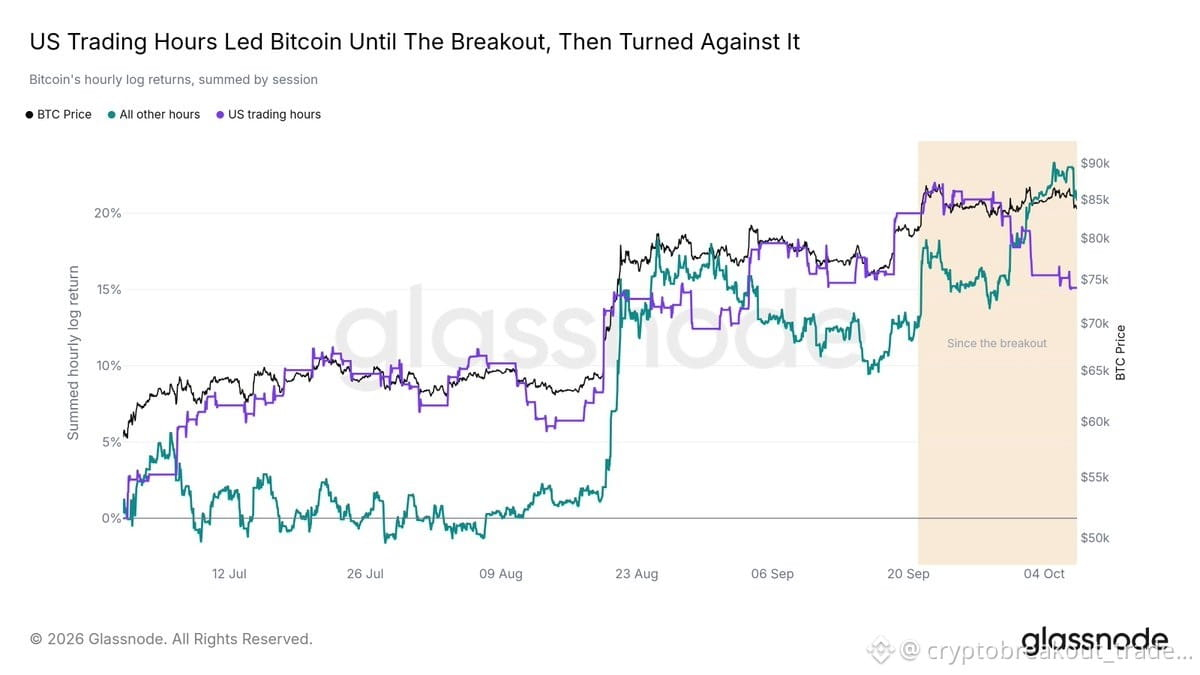
Profit taking stays light against past cycles. Weekly Net Realized Profit/Loss, the net dollar gain locked in when coins change hands, runs well below the average week at the 2024 and 2025 tops. Its pace in this rally, the right-hand band on the chart, is close to the start of the last uptrend in late 2023, the left-hand band.
The sellers have changed, though. Long-term holders, who have held their coins for more than 155 days, nearly doubled their realized profit in the week to September 29 against the week of the breakout, and their share of all realized profit rose from 34% to 55%. Should weekly profit taking climb toward the levels of past tops, it would show holders selling into strength.
#btc #onchain #trending #BTC
381
·
--
Bullish
$BTC $ETH
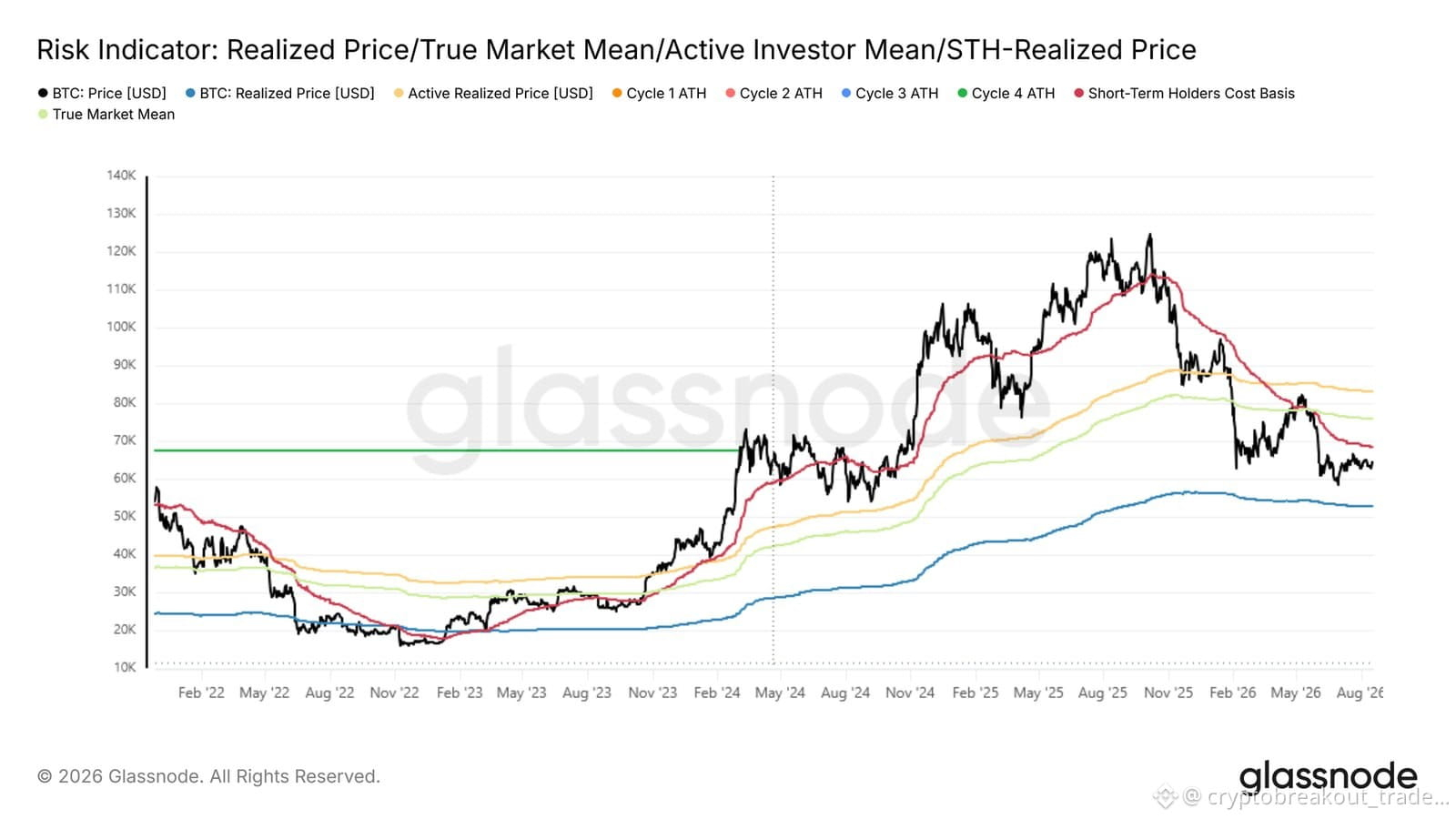
Since early February 2026, Bitcoin has continued to trade in a bear market, having fallen below both the True Market Mean and the Short-Term Holder Cost Basis.
The Short-Term Holder Cost Basis has decreased to $68,500, which is below the True Market Mean of $75,800. Consequently, Bitcoin is currently trading below the acquisition costs of both recent buyers and the broader investor base.
Historically, this configuration is associated with the capitulation phase, during which market bottoms frequently develop. As long as Bitcoin remains below the Short-Term Holder Cost Basis, the market will remain in a capitulation phase. This condition presents opportunities for new buyers while simultaneously exposing the asset to further downside driven by macroeconomic factors.
#btc #eth #bitcoin #etherum
1
704
Log in to explore more content
Join global crypto users on Binance Square
⚡️ Get latest and useful information about crypto.
💬 Trusted by the world’s largest crypto exchange.
👍 Discover real insights from verified creators.
Email / Phone number
Trending Topics
JobsReportRaisesHikeOdds
469,277 views
3,165 Discussing
TradFi News | US Adds 165,000 Jobs in October, More Than Double the 65,000 Forecast, as Unemployment Falls to 4.1%
Binance News
·42 Likes
·24k views
CPITestsDecemberRateOutlook
125,415 views
1,014 Discussing
BitcoinRebounds$75KAsChipsLead
41,470 views
331 Discussing