
Bing Crypto
294 Posts

Bing Crypto
Slow is faster

Top 30D Traders by Volume
Open Trade
High-Frequency Trader
5.3 Years
9 Following
1.4K+ Followers
572 Liked
1 Badges
Posts
Portfolio
All
Quotes
Videos
Live
PINNED
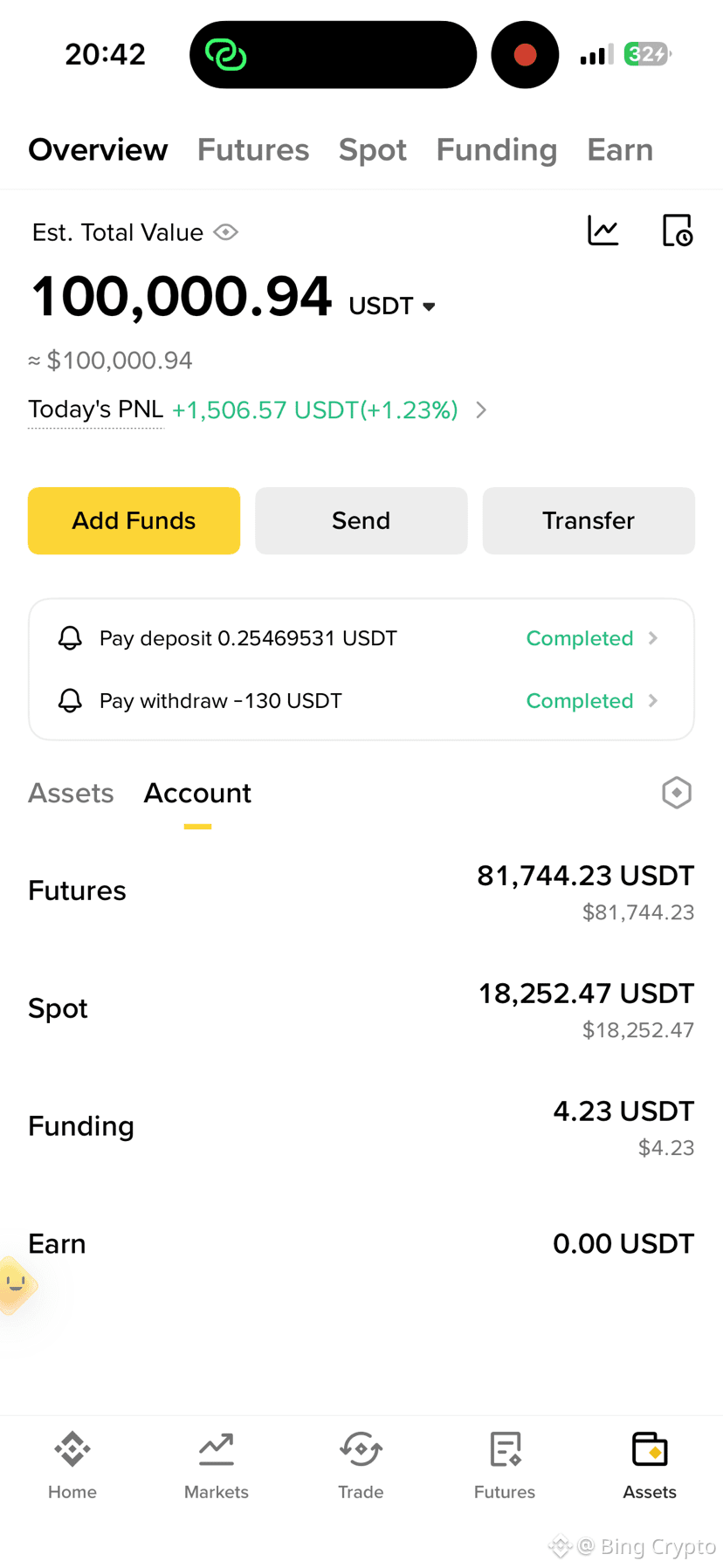
$BTC My first 100k usdt✌️✌️✌️
Bing Crypto
·
--
#BTC My first 100k(reach soon) ,A 6!!! ,I know it's because lucky rather than my ability,stay hungry,stay foolish ,hello stranger ,please wish me luck!
“Good luck”
“Good luck”
Phase l clinical trial ,business trip these days ~

Take a break, and fight again next time~

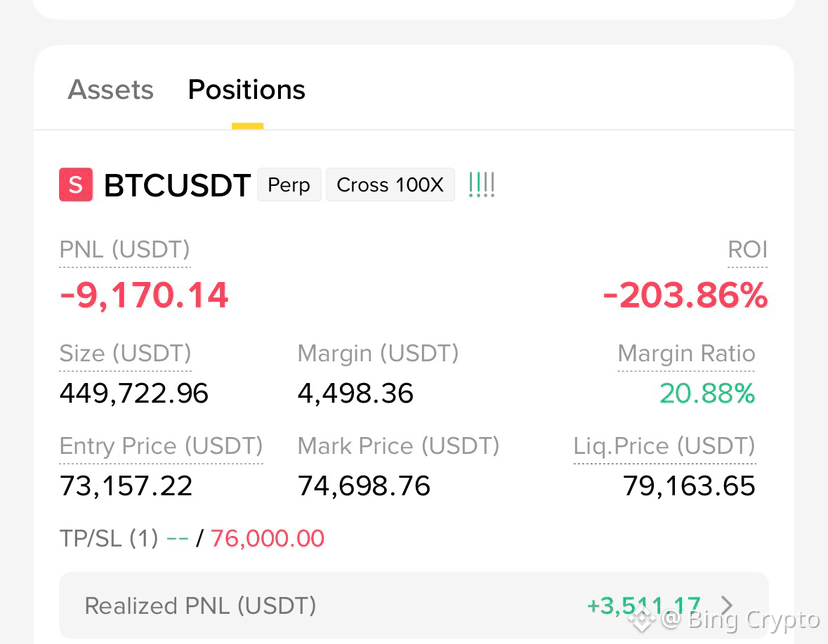
sorry my friend lost everything~
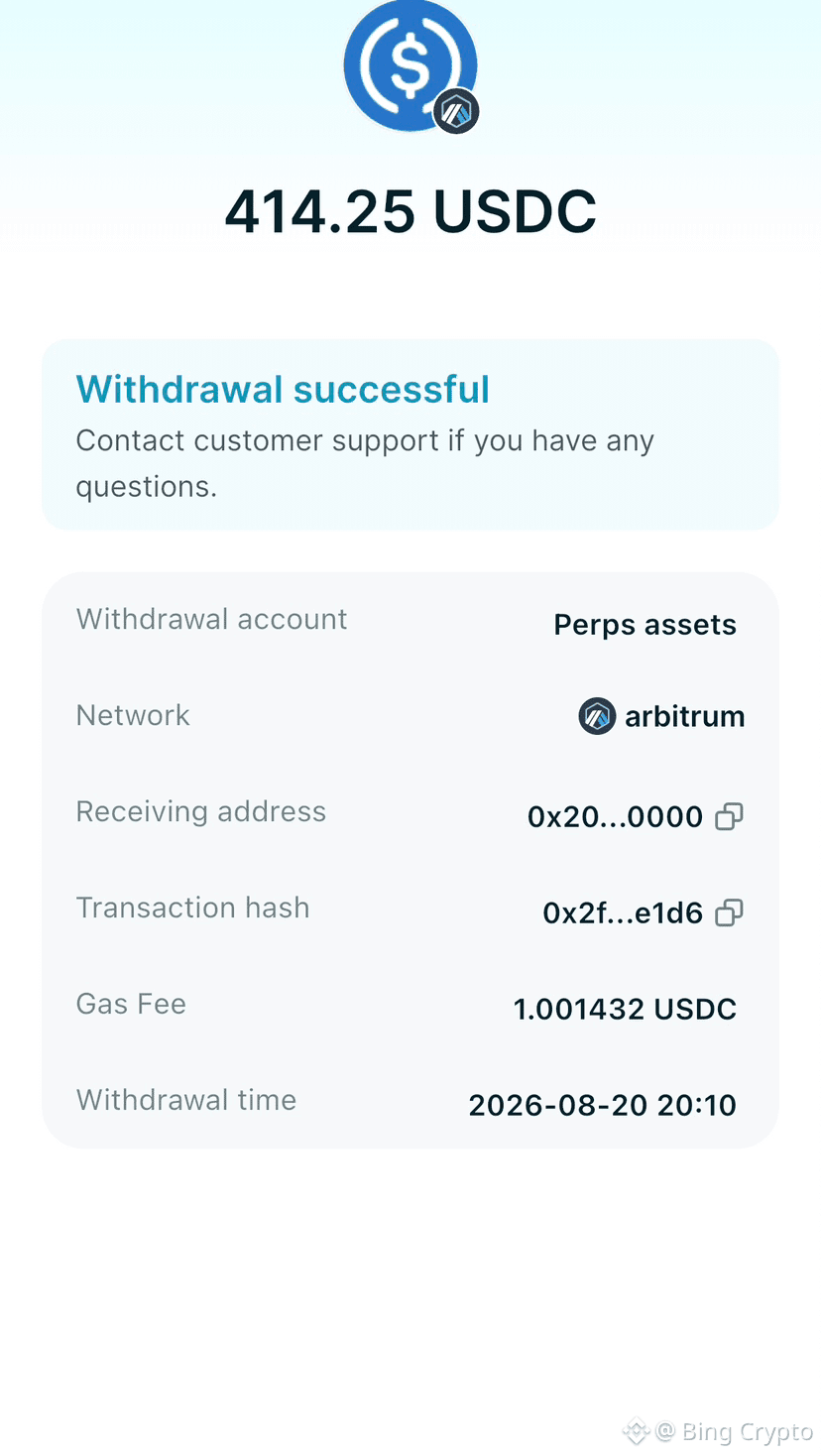
Wallet stolen
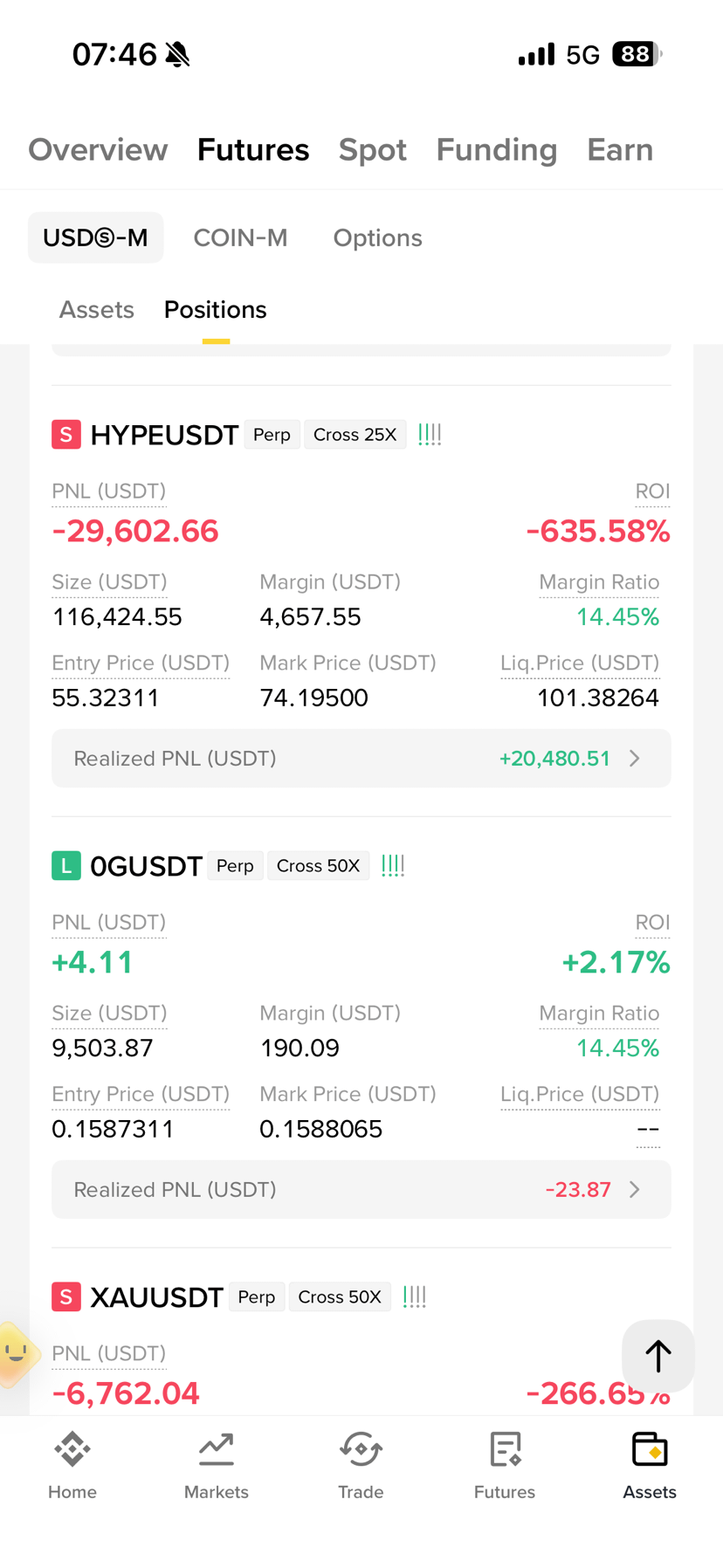
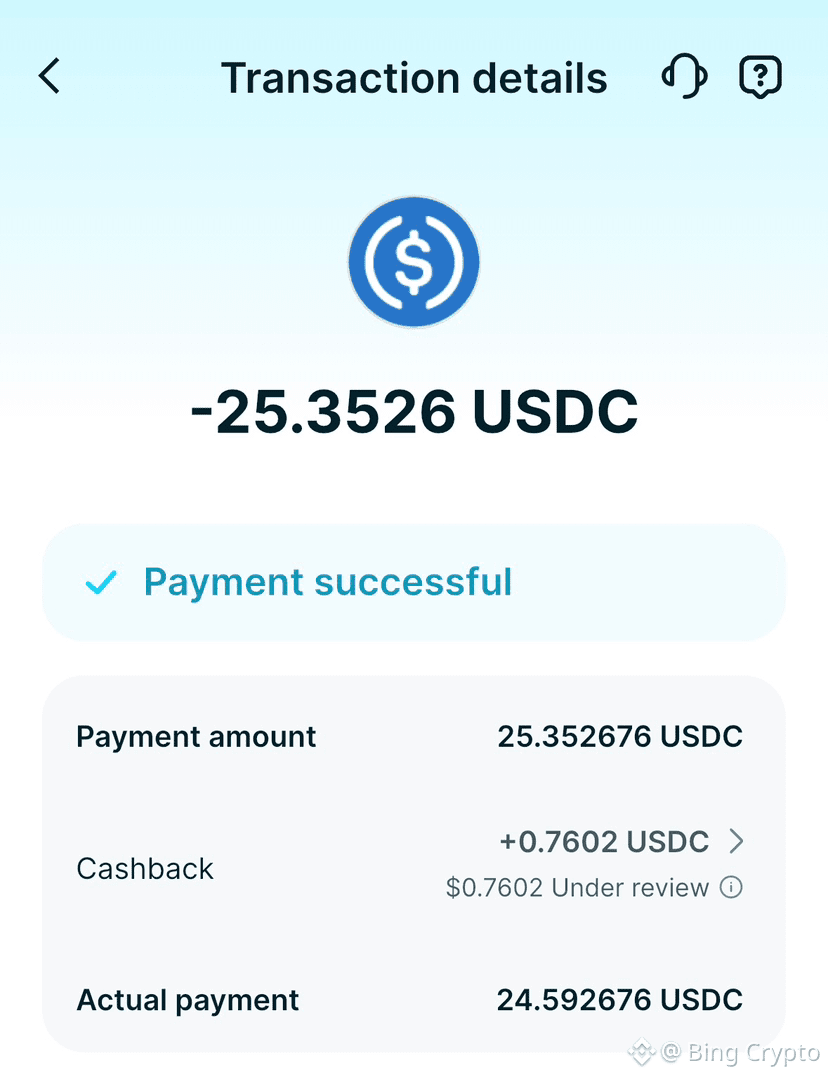
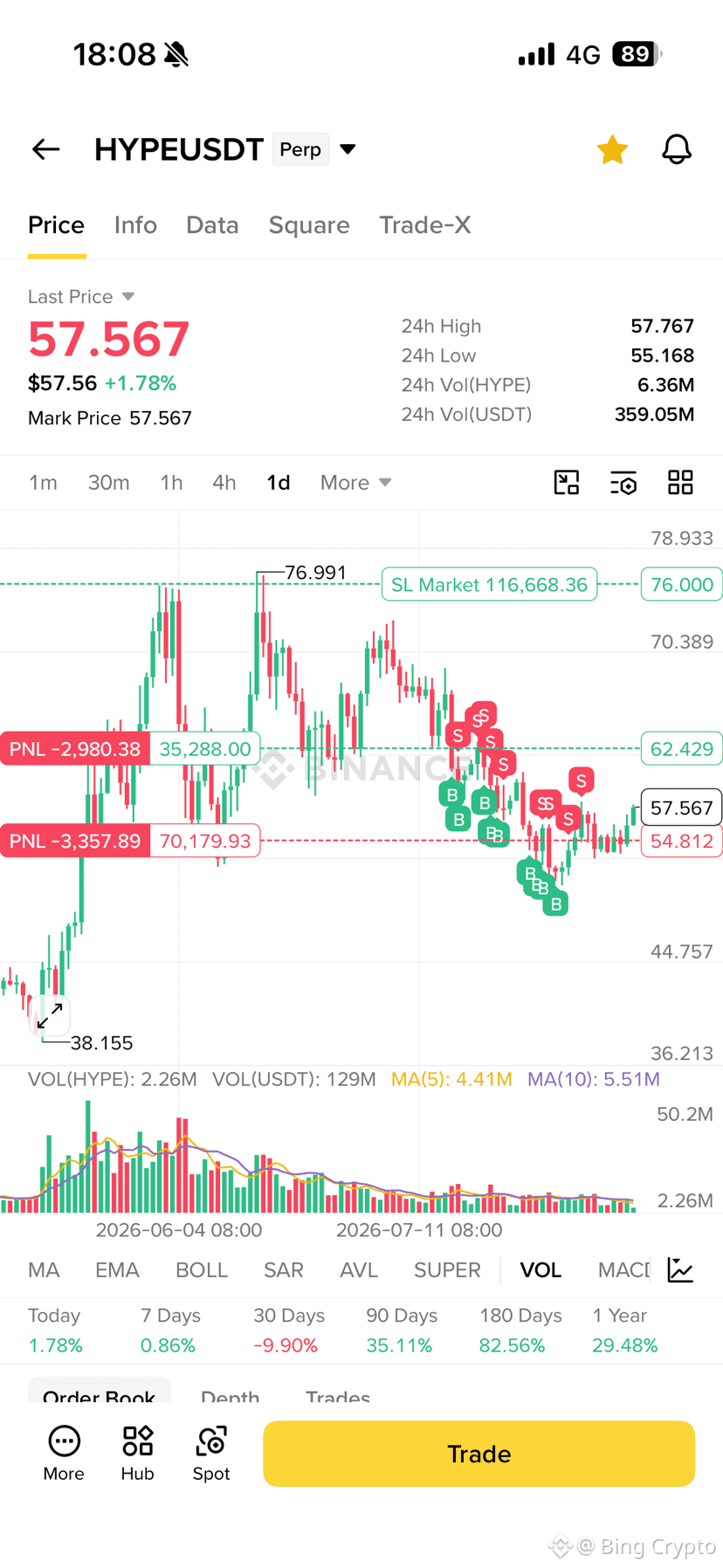
Yesterday, a wallet got stolen after clicking a link. The loss was 800 U. I paid to learn the lesson. Besides the official website, do not enter your seed phrase anywhere else—remember this~ Currently, the biggest loss is on Hype, 3 WU!
Yesterday, a wallet got stolen after clicking a link. The loss was 800 U. I paid to learn the lesson. Besides the official website, do not enter your seed phrase anywhere else—remember this~ Currently, the biggest loss is on Hype, 3 WU!
$HYPE
How to Face Losses Is a Kind of Ability
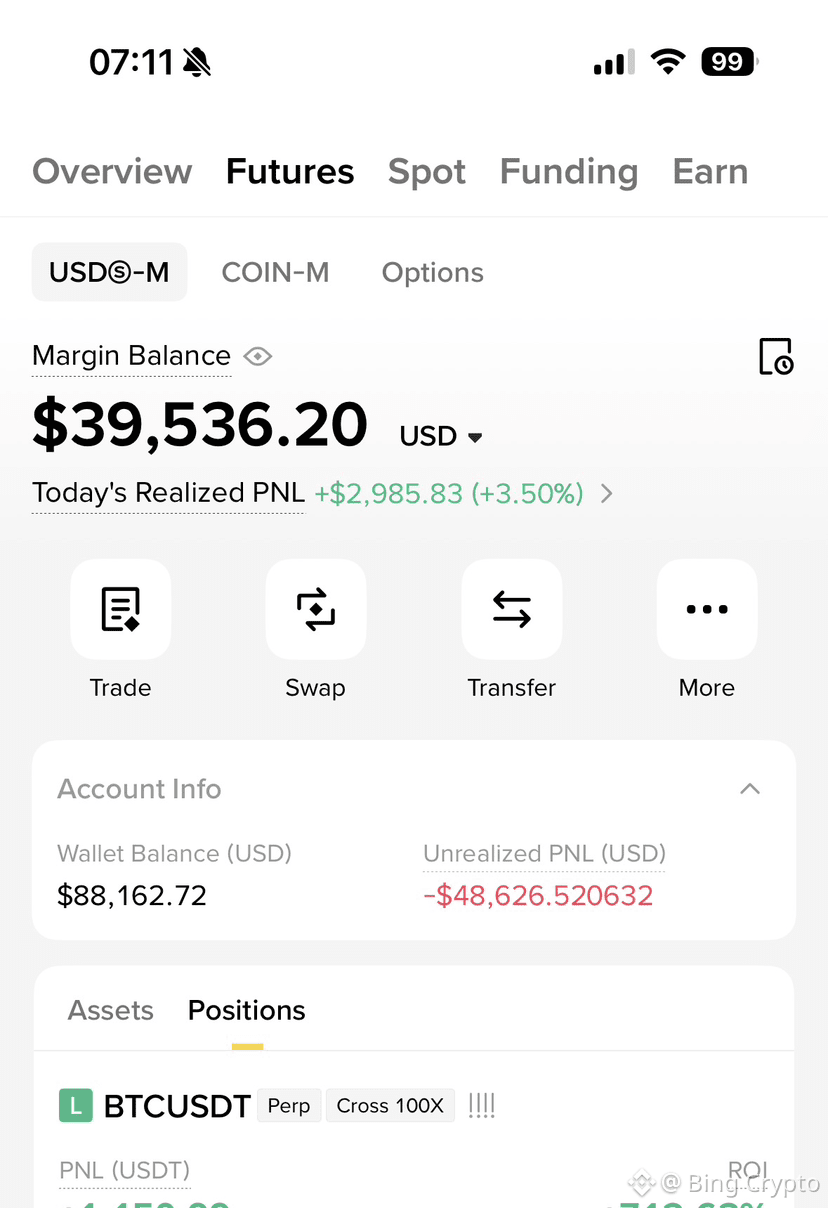
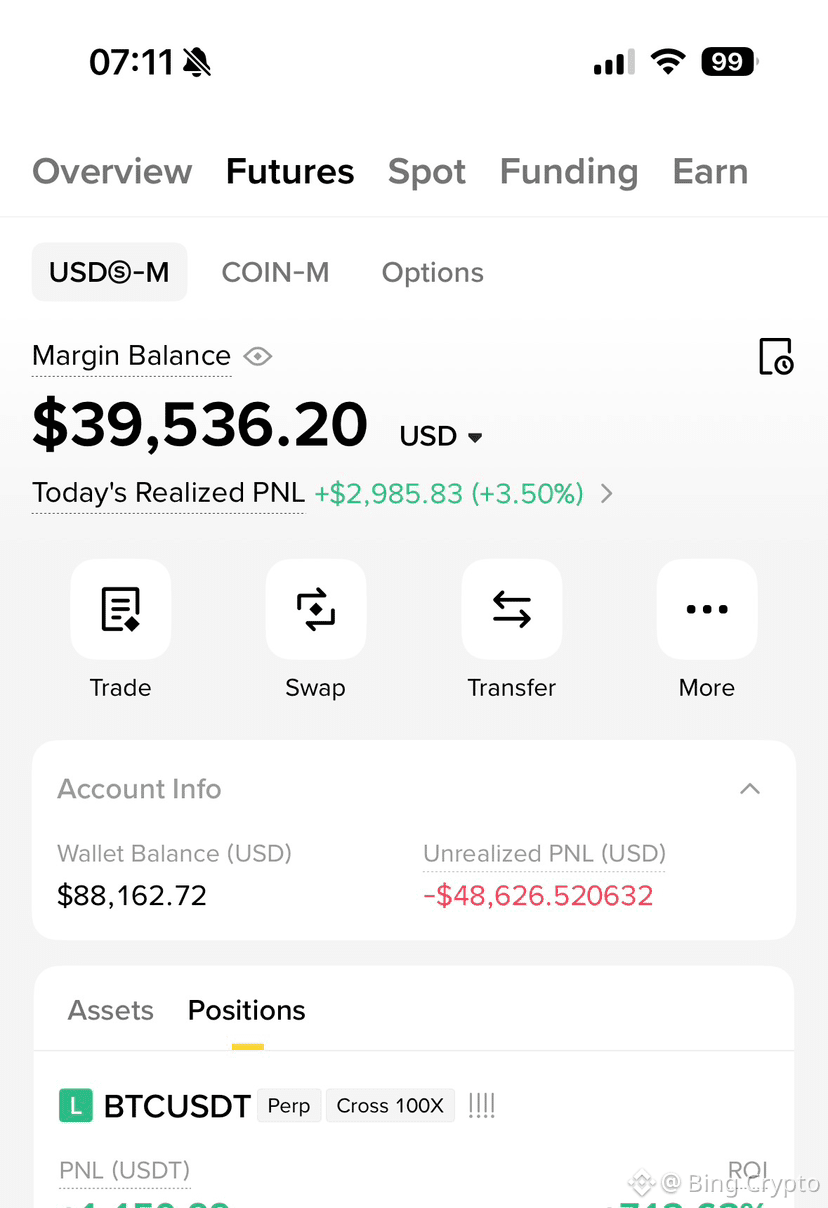
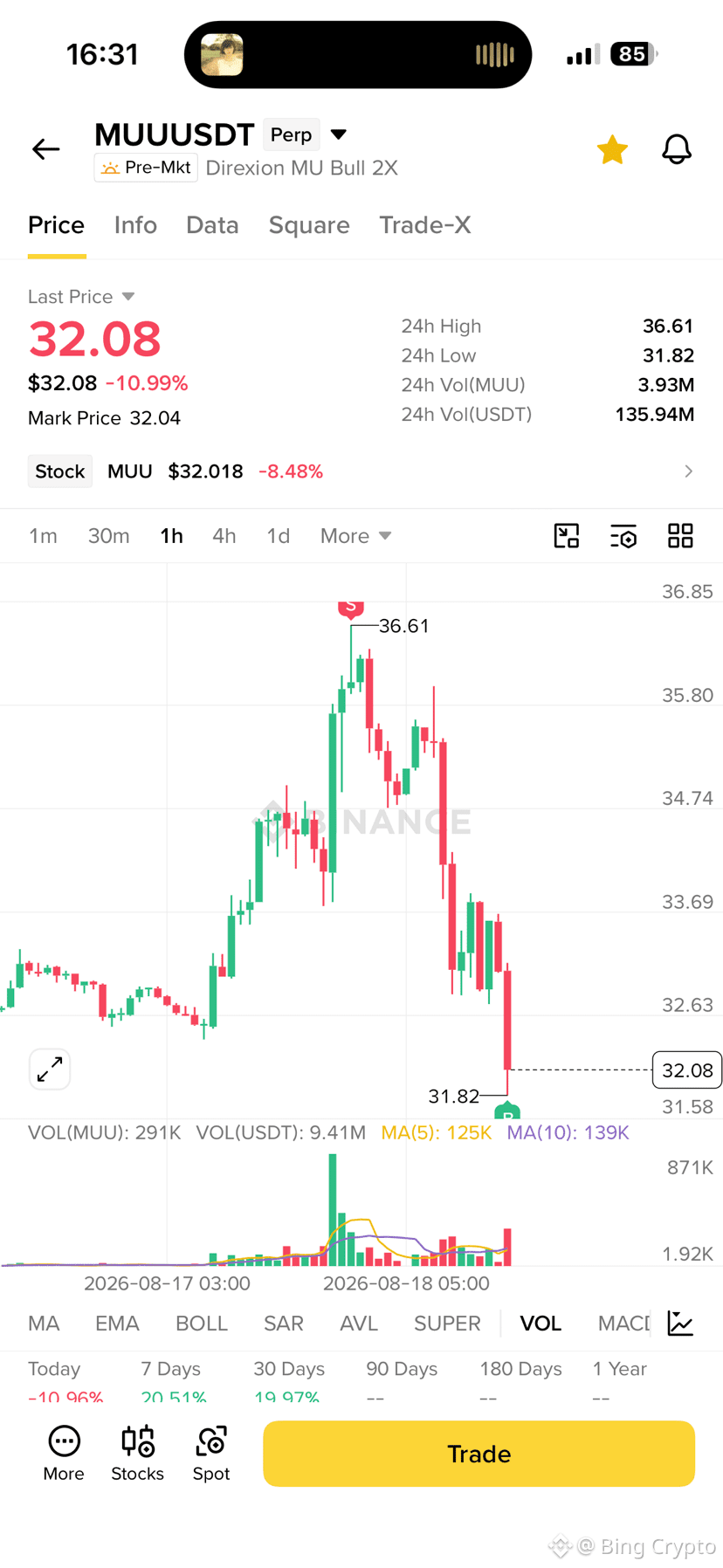
Last night I had a pretty significant drawdown. This morning, my capital was about 70k—now it’s roughly 40k. Mainly it was BTC and ETH, plus HYPE’s surge. The stop-loss didn’t work, which led to a fairly large drawdown. But it’s only a profit drawdown, so for now my mind is still pretty calm. If the losses continue, I plan to hedge.
I remember when I first started trading: whenever I saw losses, I felt anxious inside, thinking, “What if I get liquidated?” The result was that right after I closed at one price, it kept dropping. When I saw profits, I wanted to close. When I saw losses, I just held on tightly (although I really want to say this time isn’t “holding on stubbornly,” but the facts are right there—I didn’t stop out; it seems like I just kept taking the positions through it).
One big point here is our mindset toward losses. If you’re calm inside, I think it’s not a big problem. But if you’re very urgent—cut losses, then seek revenge, and trade frequently—that definitely indicates something’s wrong.
For example, I’m currently down 40k. If that maps to a future position size of 1.0 million, then this loss is only about 4 percentage points of movement. What if it’s 4.0 million? Then it’s only about 1 percentage point of movement in terms of amount. So it’s basically like training your mindset in advance.
In short, the market is always right. If this round is wrong, then it’s wrong. Stand straight and take the hit~
How to Face Losses Is a Kind of Ability
Last night I had a pretty significant drawdown. This morning, my capital was about 70k—now it’s roughly 40k. Mainly it was BTC and ETH, plus HYPE’s surge. The stop-loss didn’t work, which led to a fairly large drawdown. But it’s only a profit drawdown, so for now my mind is still pretty calm. If the losses continue, I plan to hedge.
I remember when I first started trading: whenever I saw losses, I felt anxious inside, thinking, “What if I get liquidated?” The result was that right after I closed at one price, it kept dropping. When I saw profits, I wanted to close. When I saw losses, I just held on tightly (although I really want to say this time isn’t “holding on stubbornly,” but the facts are right there—I didn’t stop out; it seems like I just kept taking the positions through it).
One big point here is our mindset toward losses. If you’re calm inside, I think it’s not a big problem. But if you’re very urgent—cut losses, then seek revenge, and trade frequently—that definitely indicates something’s wrong.
For example, I’m currently down 40k. If that maps to a future position size of 1.0 million, then this loss is only about 4 percentage points of movement. What if it’s 4.0 million? Then it’s only about 1 percentage point of movement in terms of amount. So it’s basically like training your mindset in advance.
In short, the market is always right. If this round is wrong, then it’s wrong. Stand straight and take the hit~
·
--
🎙️ huge lose!,should i close the short position?
End
01 h 29 m 40 s
535

0GUSDT
Perp
Position
-79.67
0
huge lose,should i close all the short positions ?
Log in to explore more content