

Crypto A_24
388 Posts

Crypto A_24
Report
Block User
No need to verify me because i am always verified✅
21 Following
41 Followers
97 Liked
Posts
All
Quotes
·
--
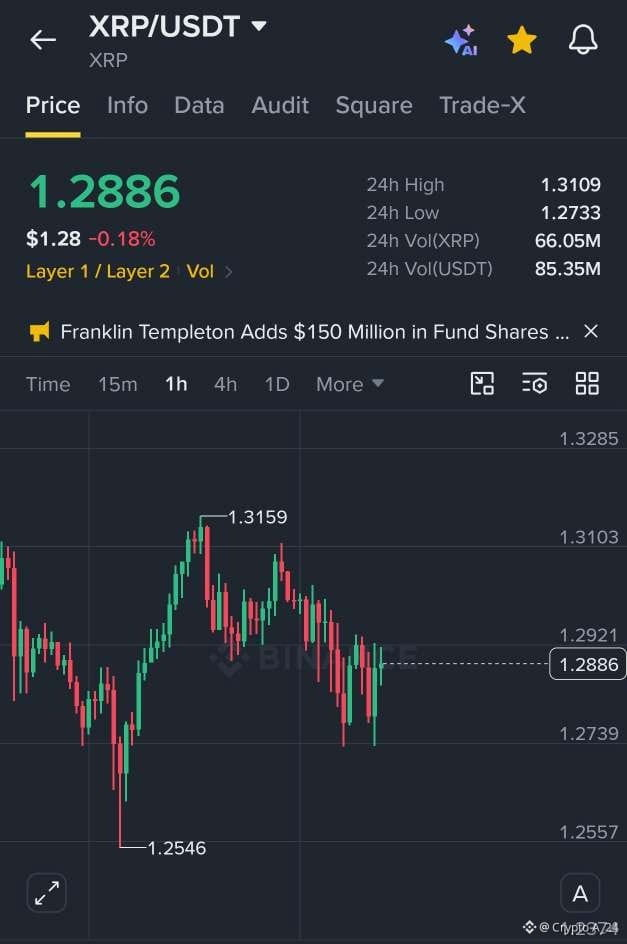
$XRP rejected the $1.3159 peak and is now forming lower highs on the 1H chart. The $1.2880 zone is the key level to watch.
Market Direction: Bearish
Entry Zone: $1.2880 – $1.2950
Stop Loss: $1.3150
TP1: $1.2650
TP2: $1.2550
A confirmed breakdown below $1.2880 could open the way toward $1.2650 and $1.2550.
Wait for candle confirmation, keep risk controlled, and avoid chasing the move.
Will XRP break support or bounce back?
#XRP #Crypto
$XRP rejected the $1.3159 peak and is now forming lower highs on the 1H chart. The $1.2880 zone is the key level to watch.
Market Direction: Bearish
Entry Zone: $1.2880 – $1.2950
Stop Loss: $1.3150
TP1: $1.2650
TP2: $1.2550
A confirmed breakdown below $1.2880 could open the way toward $1.2650 and $1.2550.
Wait for candle confirmation, keep risk controlled, and avoid chasing the move.
Will XRP break support or bounce back?
#XRP #Crypto
Market Direction: Bearish
Entry Zone: $1.2880 – $1.2950
Stop Loss: $1.3150
TP1: $1.2650
TP2: $1.2550
A confirmed breakdown below $1.2880 could open the way toward $1.2650 and $1.2550.
Wait for candle confirmation, keep risk controlled, and avoid chasing the move.
Will XRP break support or bounce back?
#XRP #Crypto
122
·
--
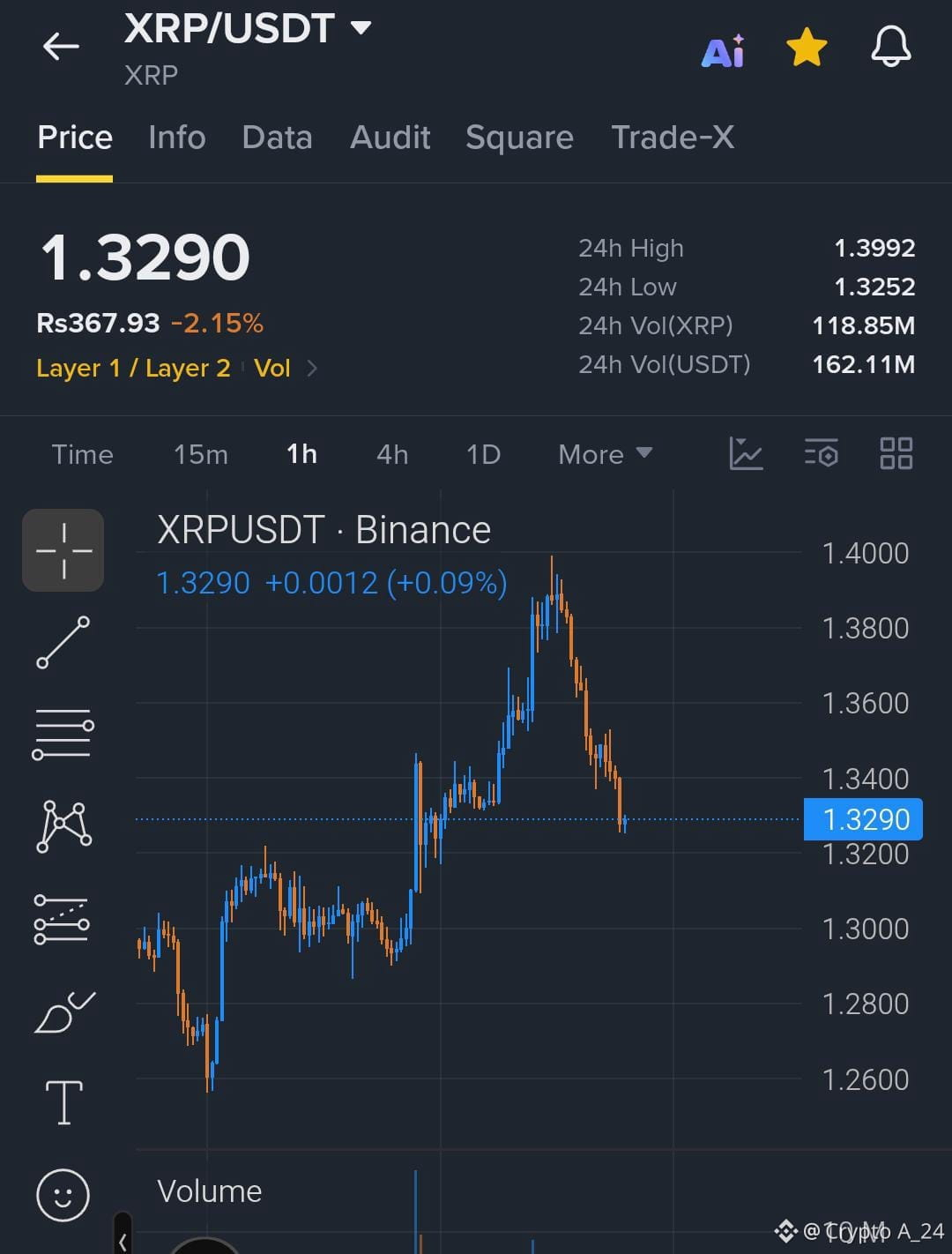
$XRP Long Setup: Entry $1.325–$1.335 | TP1 $1.360 | TP2 $1.395
SL $1.295 | Watching for a support bounce, but bullish confirmation is still needed.
$XRP Long Setup: Entry $1.325–$1.335 | TP1 $1.360 | TP2 $1.395
SL $1.295 | Watching for a support bounce, but bullish confirmation is still needed.
SL $1.295 | Watching for a support bounce, but bullish confirmation is still needed.
112
·
--
$XRP XRP should limit its supply to just 1 billion, because a lower supply would attract greater investment. Look at Bitcoin—its supply is low, and consider where its price stands. Similarly, Ethereum and BNB also have limited supplies, and look at how high their prices have reached. Therefore, XRP also needs to reduce its 99-billion supply.
$XRP XRP should limit its supply to just 1 billion, because a lower supply would attract greater investment. Look at Bitcoin—its supply is low, and consider where its price stands. Similarly, Ethereum and BNB also have limited supplies, and look at how high their prices have reached. Therefore, XRP also needs to reduce its 99-billion supply.
1
172
·
--
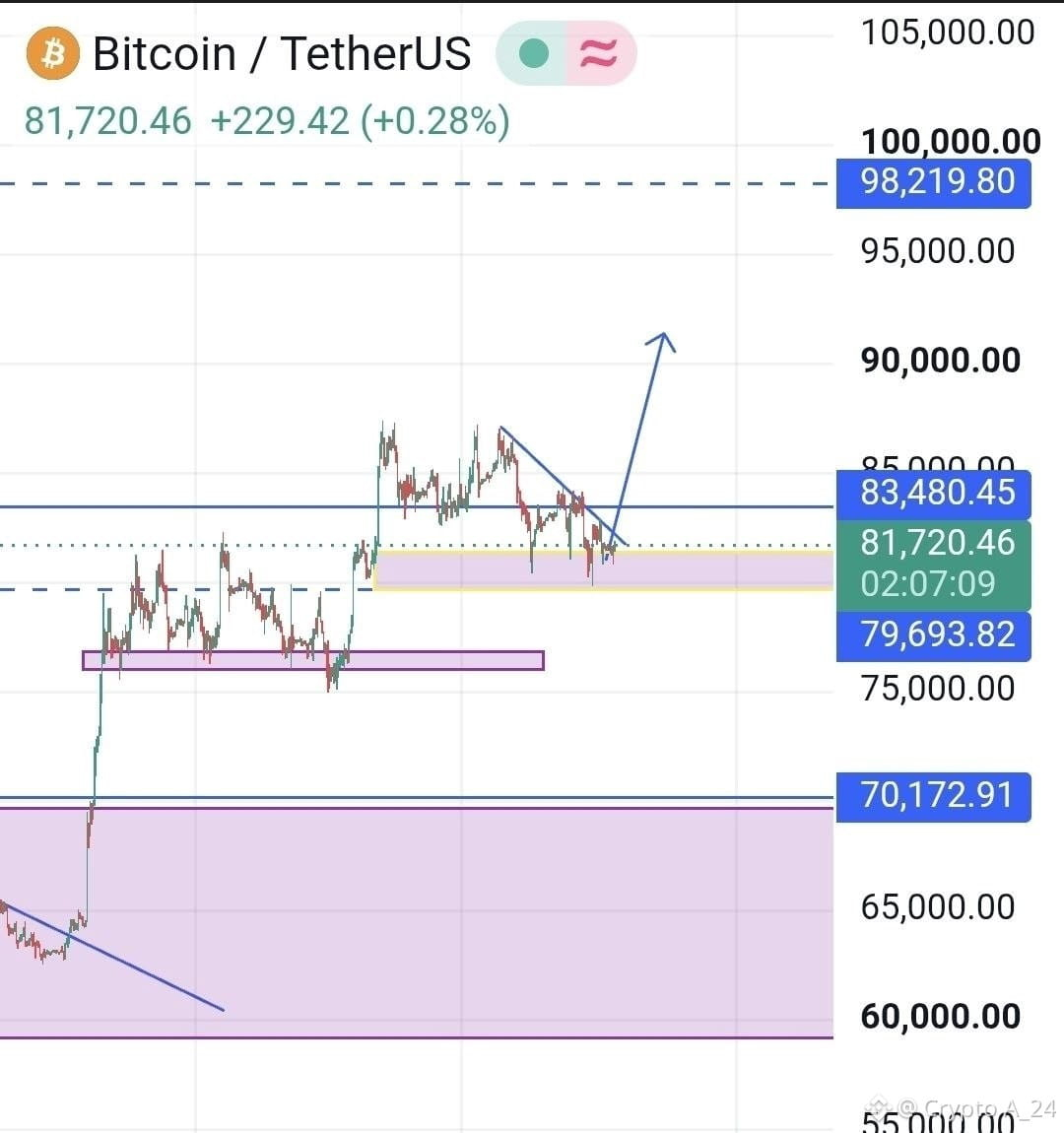
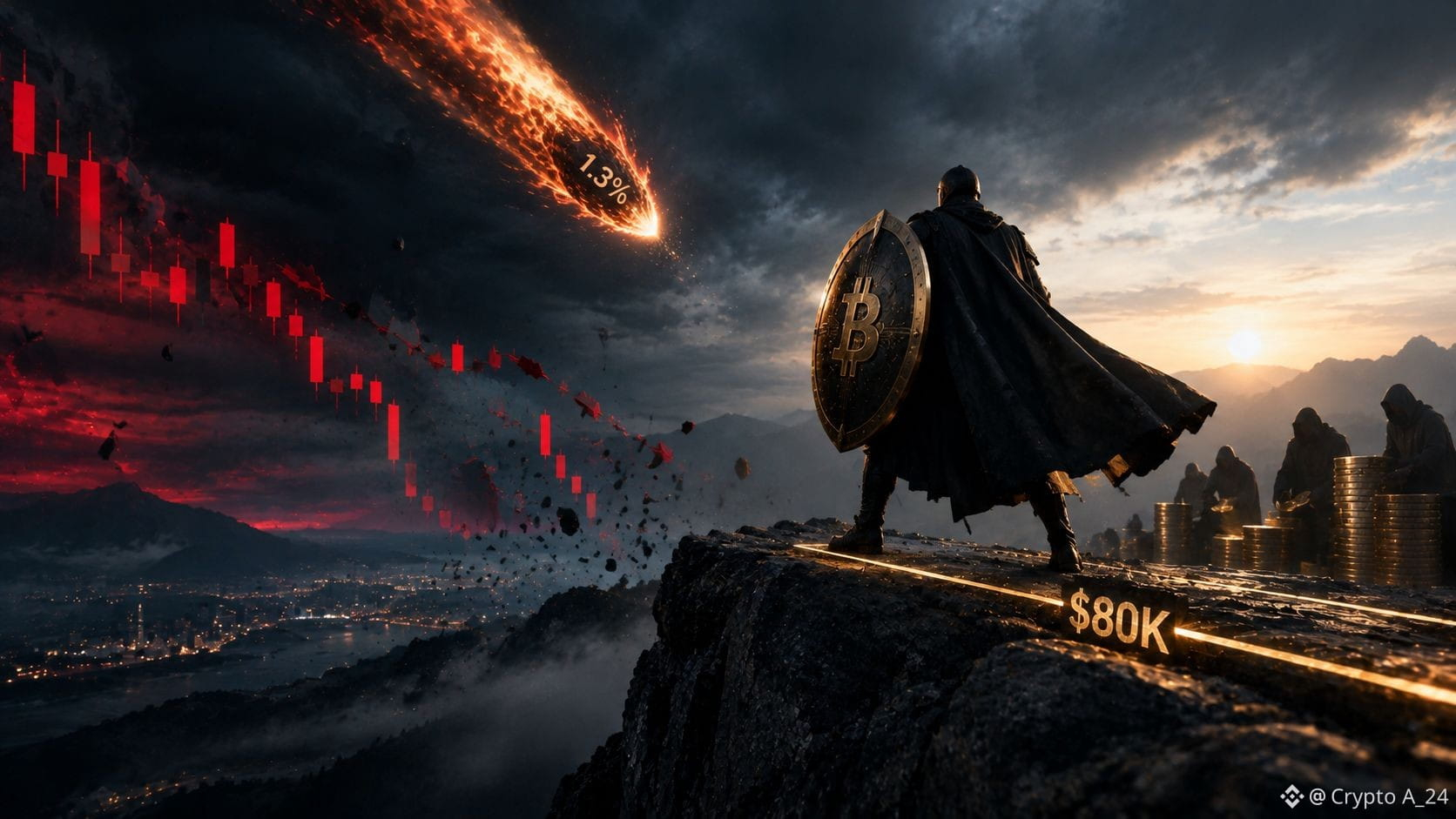
$BTC just lost $966M in leveraged longs, but the bigger signal is who isn’t selling.
September PPI jumped 1.3% vs. 0.6% expected, while CPI hit 3.7% YoY, raising Fed rate-hike concerns.
BTC dipped to $80.2K as spot ETFs saw $261M in outflows and risk-off sentiment intensified.
Meanwhile, whales are buying while retail sells, and long-term holder realized losses have fallen 85%.
My view: Not capitulation yet, but risk remains high.
📉 Below $80K: $78K, then $75K.
📈 Holding $80K could help absorb the inflation shock.
#BTC
$BTC just lost $966M in leveraged longs, but the bigger signal is who isn’t selling.
September PPI jumped 1.3% vs. 0.6% expected, while CPI hit 3.7% YoY, raising Fed rate-hike concerns.
BTC dipped to $80.2K as spot ETFs saw $261M in outflows and risk-off sentiment intensified.
Meanwhile, whales are buying while retail sells, and long-term holder realized losses have fallen 85%.
My view: Not capitulation yet, but risk remains high.
📉 Below $80K: $78K, then $75K.
📈 Holding $80K could help absorb the inflation shock.
#BTC
September PPI jumped 1.3% vs. 0.6% expected, while CPI hit 3.7% YoY, raising Fed rate-hike concerns.
BTC dipped to $80.2K as spot ETFs saw $261M in outflows and risk-off sentiment intensified.
Meanwhile, whales are buying while retail sells, and long-term holder realized losses have fallen 85%.
My view: Not capitulation yet, but risk remains high.
📉 Below $80K: $78K, then $75K.
📈 Holding $80K could help absorb the inflation shock.
#BTC
69
·
--
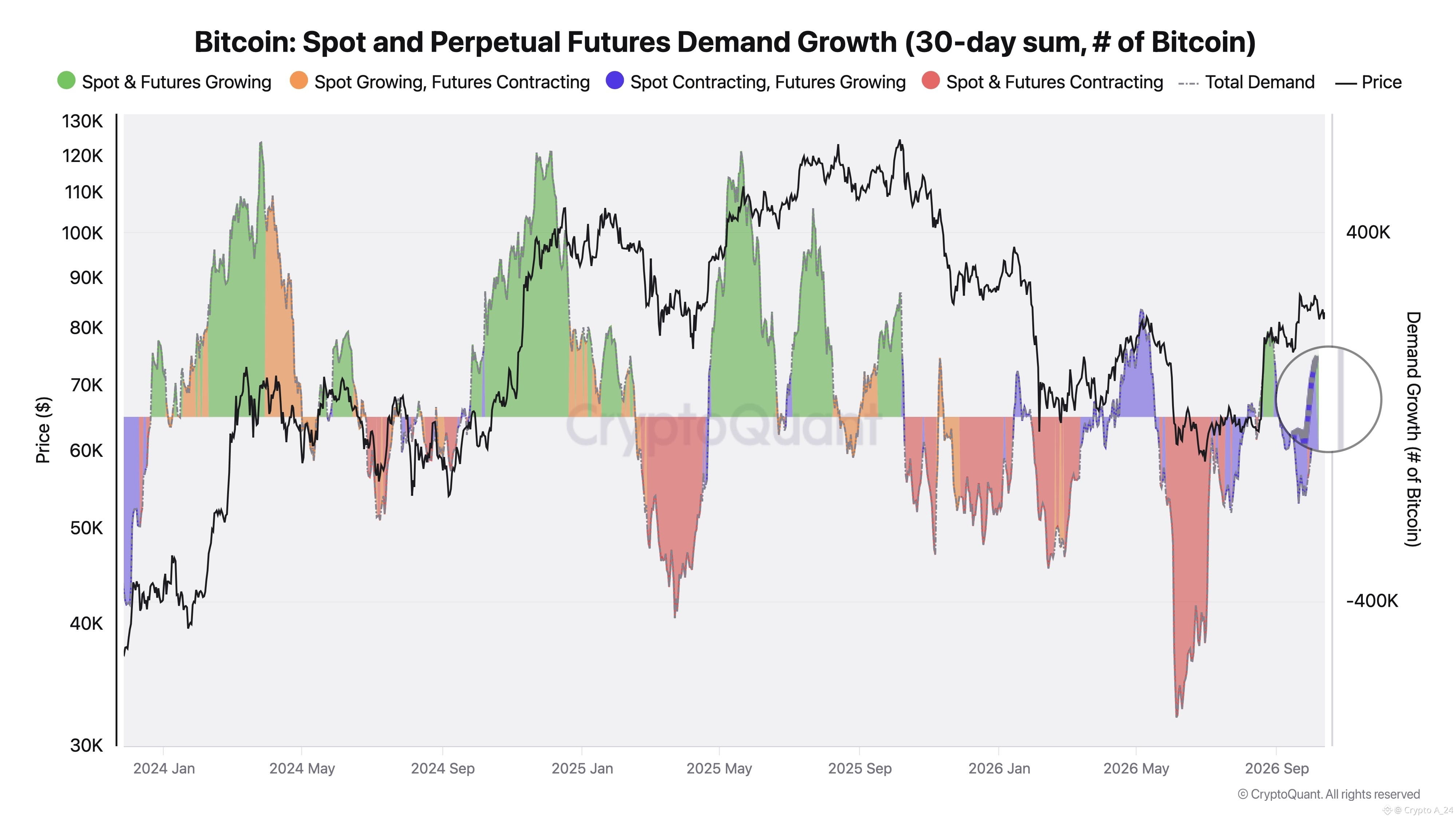
Spot demand for $BTC is picking up alongside growing futures demand.
After two negative months, total demand is now around +69K BTC. This pattern has often appeared during bull phases and supported further upside.
If this momentum continues, Bitcoin could be setting up for another strong move. I'm leaning bullish for now.
$ETH
Spot demand for $BTC is picking up alongside growing futures demand.
After two negative months, total demand is now around +69K BTC. This pattern has often appeared during bull phases and supported further upside.
If this momentum continues, Bitcoin could be setting up for another strong move. I'm leaning bullish for now.
$ETH
After two negative months, total demand is now around +69K BTC. This pattern has often appeared during bull phases and supported further upside.
If this momentum continues, Bitcoin could be setting up for another strong move. I'm leaning bullish for now.
$ETH
72
·
--
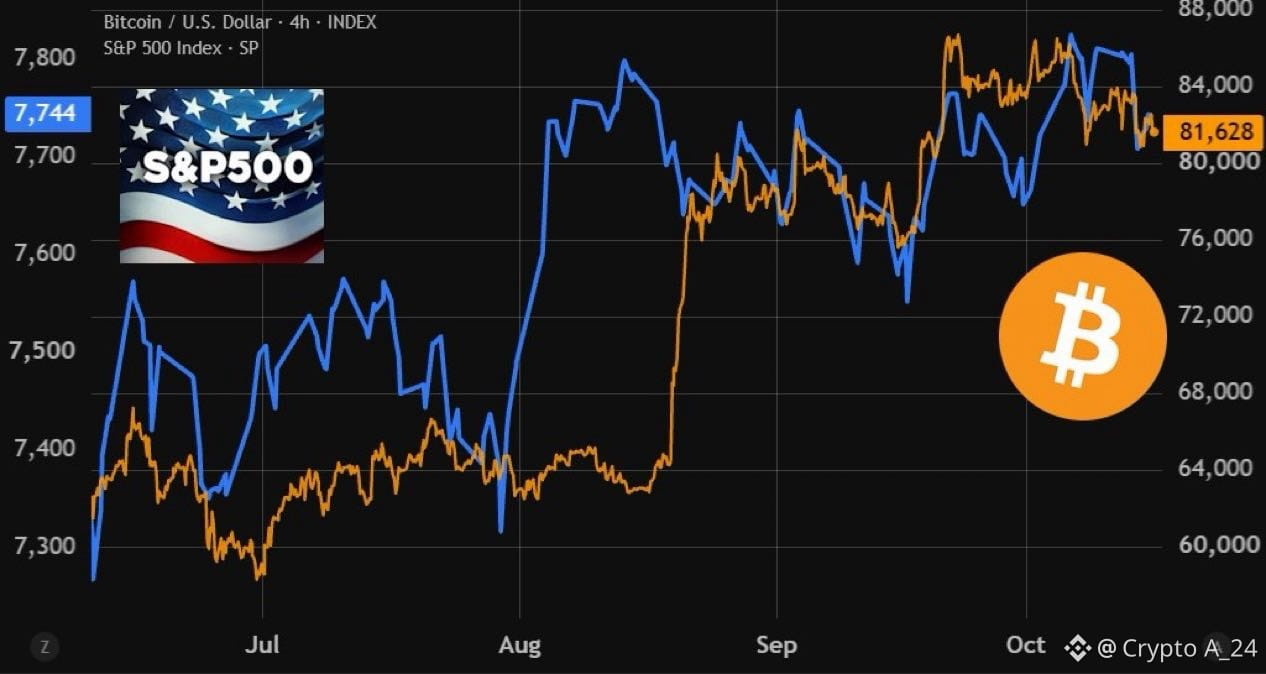
Bitcoin is moving in the opposite direction of South Korea’s stock market.
The KOSPI has plunged 5.5% and sits roughly 38% below its June peak, while BTC has rebounded from $58K to $87K.
As AI investment fears deepen, could Bitcoin benefit from the growing uncertainty in traditional markets?
#Macro #Insights $BTC
Bitcoin is moving in the opposite direction of South Korea’s stock market.
The KOSPI has plunged 5.5% and sits roughly 38% below its June peak, while BTC has rebounded from $58K to $87K.
As AI investment fears deepen, could Bitcoin benefit from the growing uncertainty in traditional markets?
#Macro #Insights $BTC
The KOSPI has plunged 5.5% and sits roughly 38% below its June peak, while BTC has rebounded from $58K to $87K.
As AI investment fears deepen, could Bitcoin benefit from the growing uncertainty in traditional markets?
#Macro #Insights $BTC
74
·
--
Bitcoin has crashed more than -75% FOUR times in its history.
In 2011, Bitcoin fell -93% from ~$32 to ~$2.
In 2015, it bottomed -87% below its 2013 high of ~$1,150.
In 2018, it fell -84% from ~$19,700 to ~$3,200.
In 2022, it fell -77% from ~$69,000 to ~$15,500.
Each time, Bitcoin went on to set a new all-time high.
This cycle, $BTC fell -54% from $126,198 to ~$57,750 in June.
Bitcoin has crashed more than -75% FOUR times in its history.
In 2011, Bitcoin fell -93% from ~$32 to ~$2.
In 2015, it bottomed -87% below its 2013 high of ~$1,150.
In 2018, it fell -84% from ~$19,700 to ~$3,200.
In 2022, it fell -77% from ~$69,000 to ~$15,500.
Each time, Bitcoin went on to set a new all-time high.
This cycle, $BTC fell -54% from $126,198 to ~$57,750 in June.
In 2011, Bitcoin fell -93% from ~$32 to ~$2.
In 2015, it bottomed -87% below its 2013 high of ~$1,150.
In 2018, it fell -84% from ~$19,700 to ~$3,200.
In 2022, it fell -77% from ~$69,000 to ~$15,500.
Each time, Bitcoin went on to set a new all-time high.
This cycle, $BTC fell -54% from $126,198 to ~$57,750 in June.
88
·
--
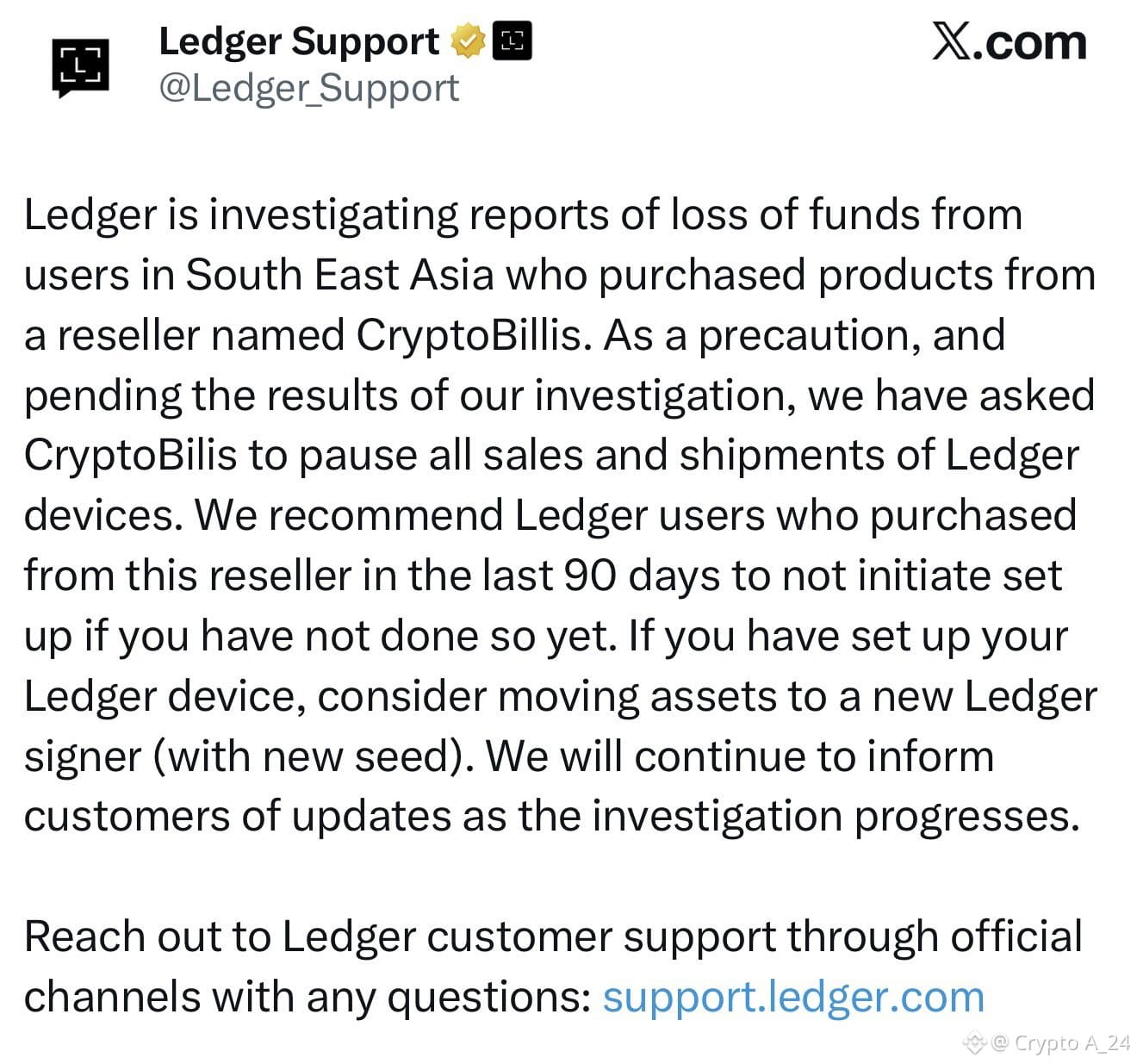
JUST IN: Ledger investigates potential $86 million crypto theft linked to hardware wallets sold by a reseller in Southeast Asia.
JUST IN: Ledger investigates potential $86 million crypto theft linked to hardware wallets sold by a reseller in Southeast Asia.
80
·
--
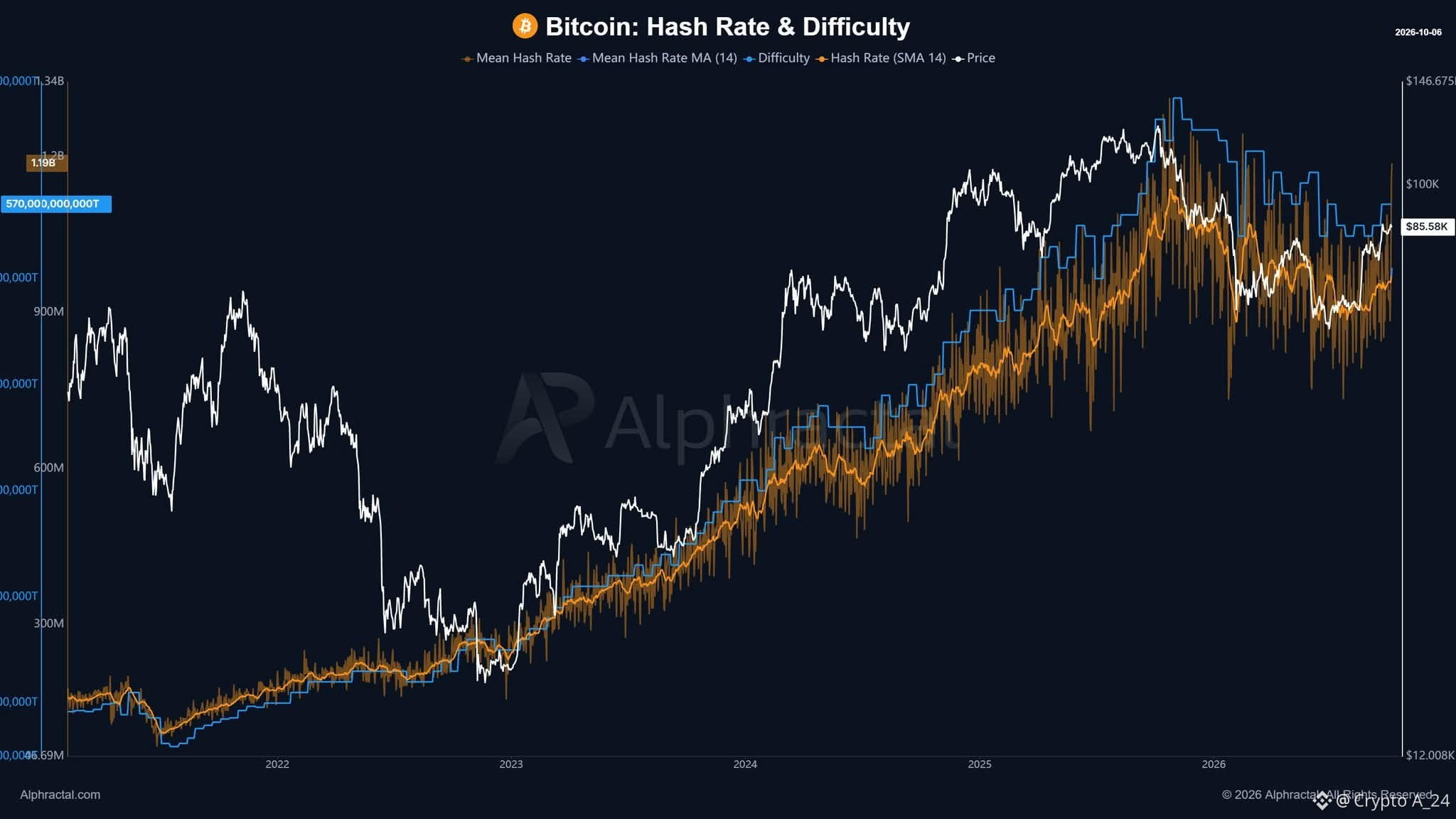
#Bitcoin hash rate and mining difficulty are rising again.
Despite all the AI narratives, $BTC mining is still expanding, not dying.
The network keeps getting stronger.
#Bitcoin hash rate and mining difficulty are rising again.
Despite all the AI narratives, $BTC mining is still expanding, not dying.
The network keeps getting stronger.
Despite all the AI narratives, $BTC mining is still expanding, not dying.
The network keeps getting stronger.
95
·
--
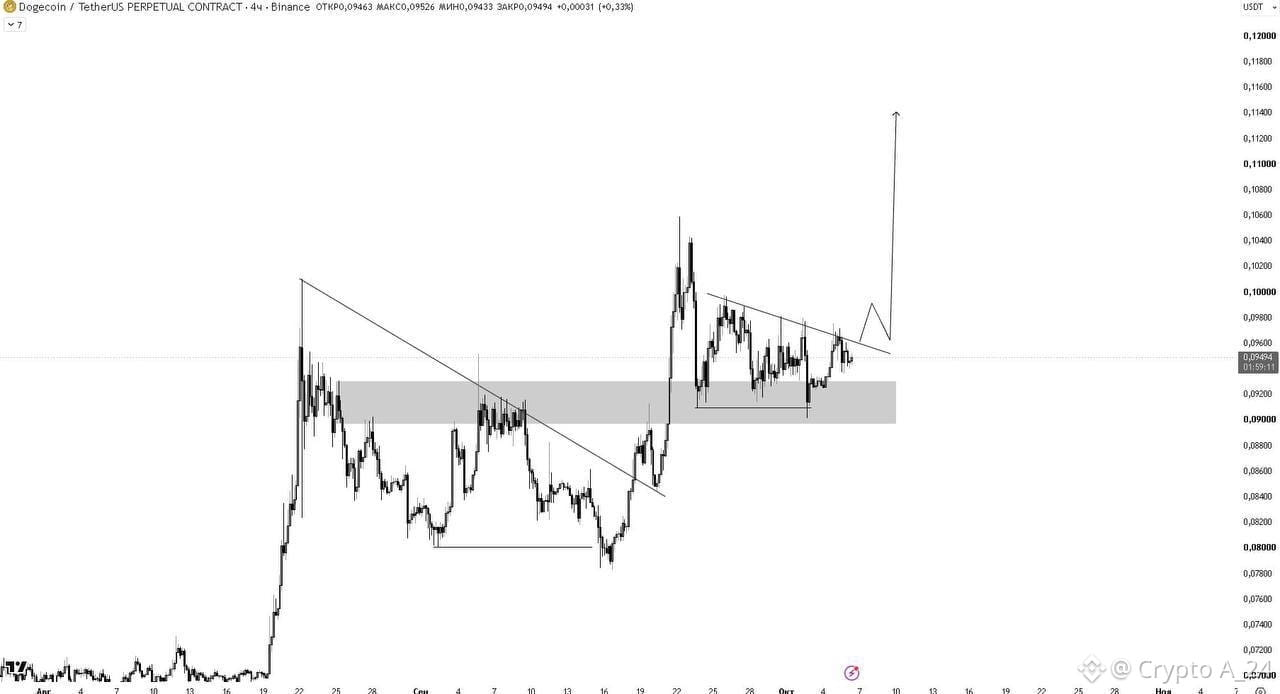
$DOGE Interesting setup for long term conditions, coin name DOGE
Personally, i see 0.11 as main goal
$DOGE Interesting setup for long term conditions, coin name DOGE
Personally, i see 0.11 as main goal
Personally, i see 0.11 as main goal
1
246
·
--
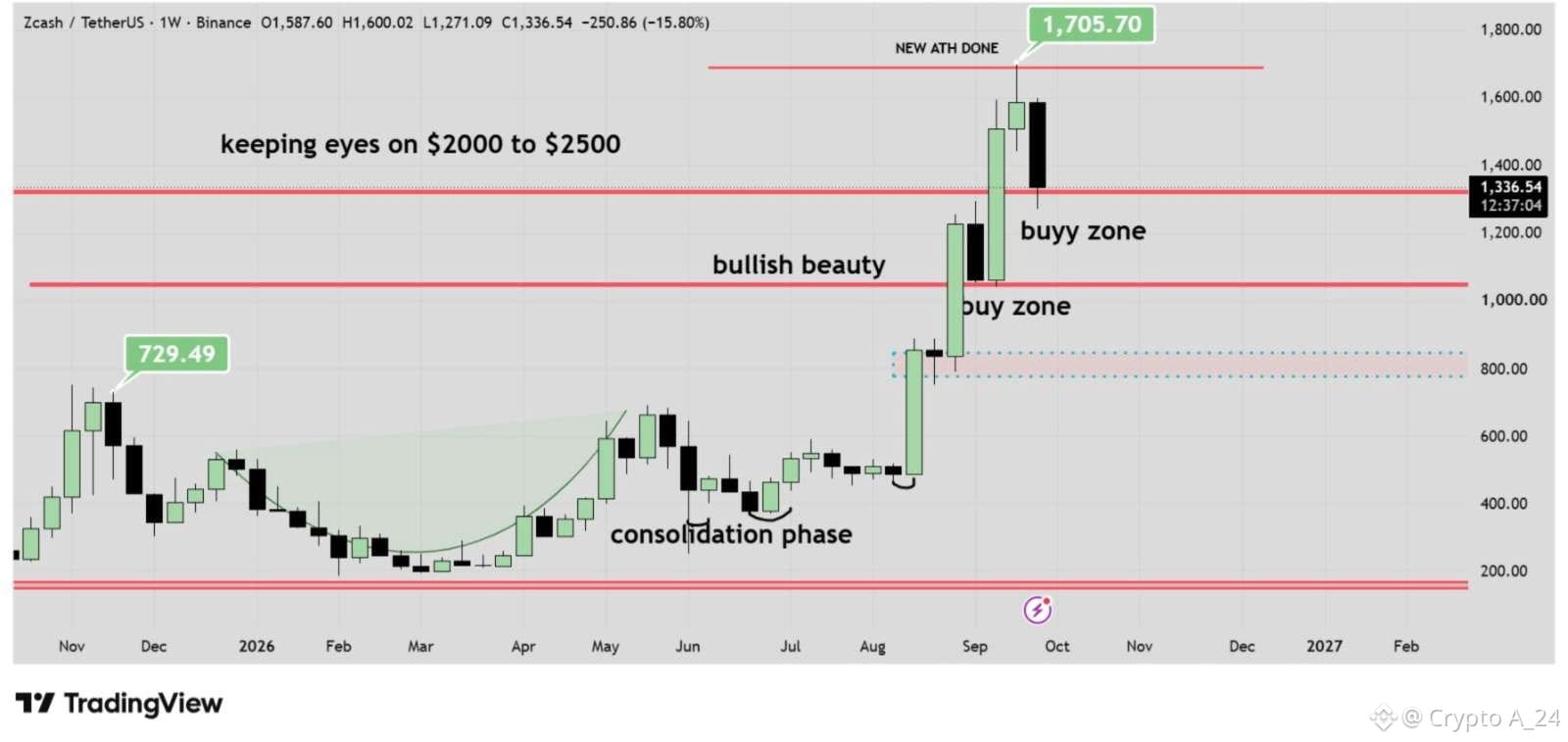
$ZEC smashed a new high near $1,705 and is now pulling back around $1,336. I’m watching how price reacts here if strength returns. $2,000–$2,500 stays the big zone on my radar.
$ZEC smashed a new high near $1,705 and is now pulling back around $1,336. I’m watching how price reacts here if strength returns. $2,000–$2,500 stays the big zone on my radar.
92
·
--
Crypto Market Update
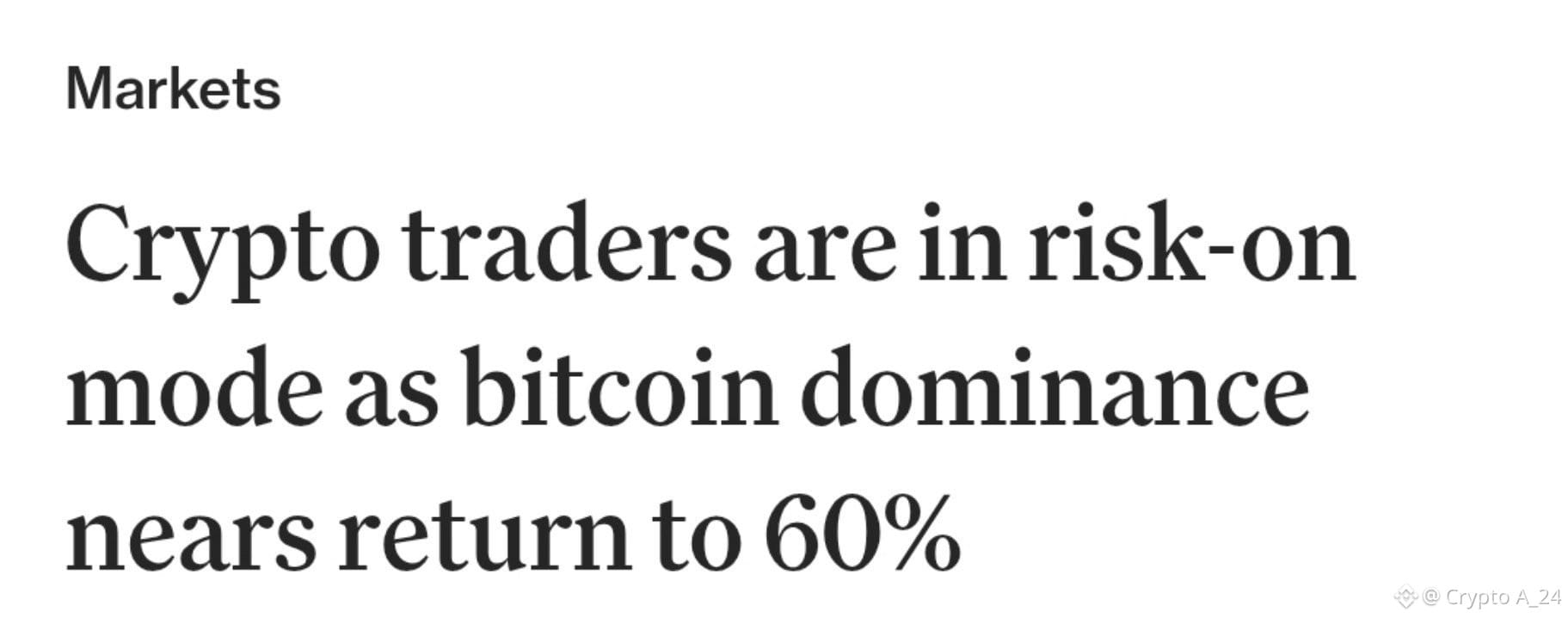
Bitcoin’s move above $86K is putting the market back into risk-on mode.
➜ $BTC dominance is approaching 60%
➜ USDT dominance has slipped toward 6.3%
➜ BTC open interest jumped to $22.4B
➜ Funding rates are rising as leveraged longs build
➜ AAVE & ZRO are among the stronger large-cap movers
The key now: $87.4K is a major liquidation level to watch. A strong reclaim could fuel further upside, while a rejection may trigger volatility across the market.
BTC is at a critical decision point.
Market scenario, not financial advice.
Crypto Market Update
Bitcoin’s move above $86K is putting the market back into risk-on mode.
➜ $BTC dominance is approaching 60%
➜ USDT dominance has slipped toward 6.3%
➜ BTC open interest jumped to $22.4B
➜ Funding rates are rising as leveraged longs build
➜ AAVE & ZRO are among the stronger large-cap movers
The key now: $87.4K is a major liquidation level to watch. A strong reclaim could fuel further upside, while a rejection may trigger volatility across the market.
BTC is at a critical decision point.
Market scenario, not financial advice.
Bitcoin’s move above $86K is putting the market back into risk-on mode.
➜ $BTC dominance is approaching 60%
➜ USDT dominance has slipped toward 6.3%
➜ BTC open interest jumped to $22.4B
➜ Funding rates are rising as leveraged longs build
➜ AAVE & ZRO are among the stronger large-cap movers
The key now: $87.4K is a major liquidation level to watch. A strong reclaim could fuel further upside, while a rejection may trigger volatility across the market.
BTC is at a critical decision point.
Market scenario, not financial advice.
76
·
--
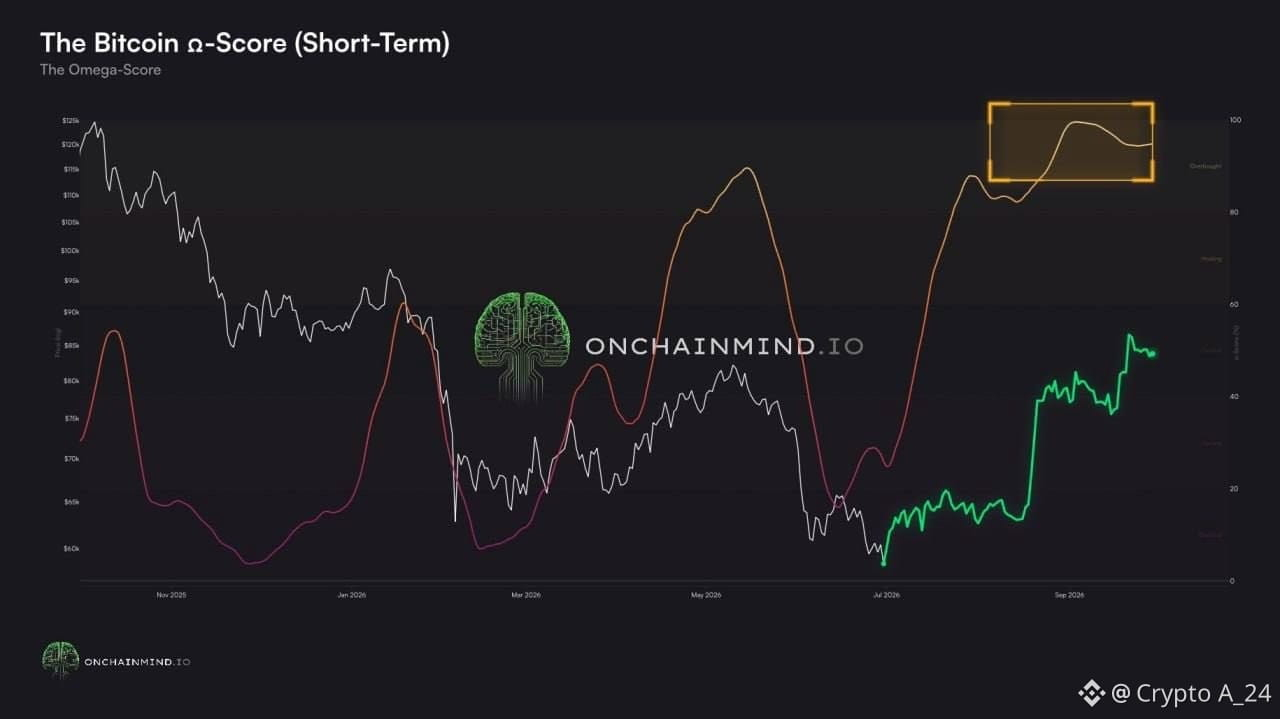
Short-term risk remains elevated after $BTC C ’s sharp move off the bottom.
That’s exactly why this cool-off was needed.
The trend can stay constructive while excess momentum resets.
Short-term risk remains elevated after $BTC C ’s sharp move off the bottom.
That’s exactly why this cool-off was needed.
The trend can stay constructive while excess momentum resets.
That’s exactly why this cool-off was needed.
The trend can stay constructive while excess momentum resets.
63
·
--
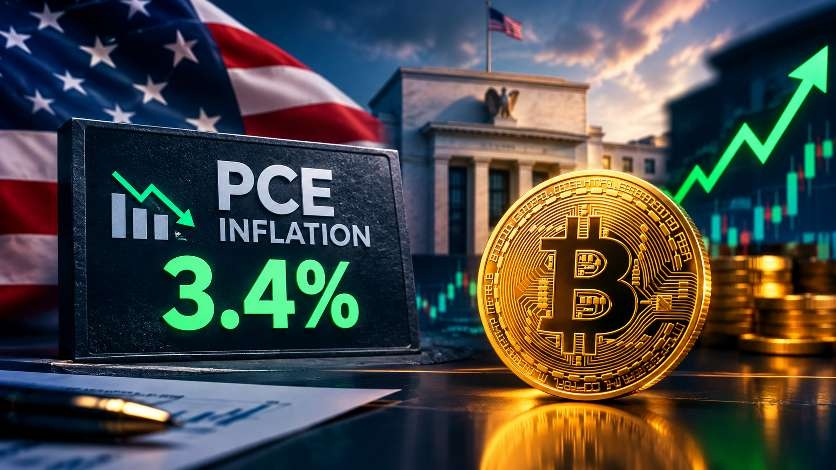
U.S. PCE INFLATION: 3.4% 📰
U.S. PCE inflation came in at 3.4%, keeping inflation firmly in focus as markets assess the Federal Reserve’s next moves. For Bitcoin, softer inflation expectations can support the case for easier monetary policy and lower rates, potentially improving liquidity and risk appetite across markets.
If inflation continues to cool, $BTC could benefit from a more supportive macro backdrop! 📈
#PCE #CryptoNews
U.S. PCE INFLATION: 3.4% 📰
U.S. PCE inflation came in at 3.4%, keeping inflation firmly in focus as markets assess the Federal Reserve’s next moves. For Bitcoin, softer inflation expectations can support the case for easier monetary policy and lower rates, potentially improving liquidity and risk appetite across markets.
If inflation continues to cool, $BTC could benefit from a more supportive macro backdrop! 📈
#PCE #CryptoNews
U.S. PCE inflation came in at 3.4%, keeping inflation firmly in focus as markets assess the Federal Reserve’s next moves. For Bitcoin, softer inflation expectations can support the case for easier monetary policy and lower rates, potentially improving liquidity and risk appetite across markets.
If inflation continues to cool, $BTC could benefit from a more supportive macro backdrop! 📈
#PCE #CryptoNews
79
·
--
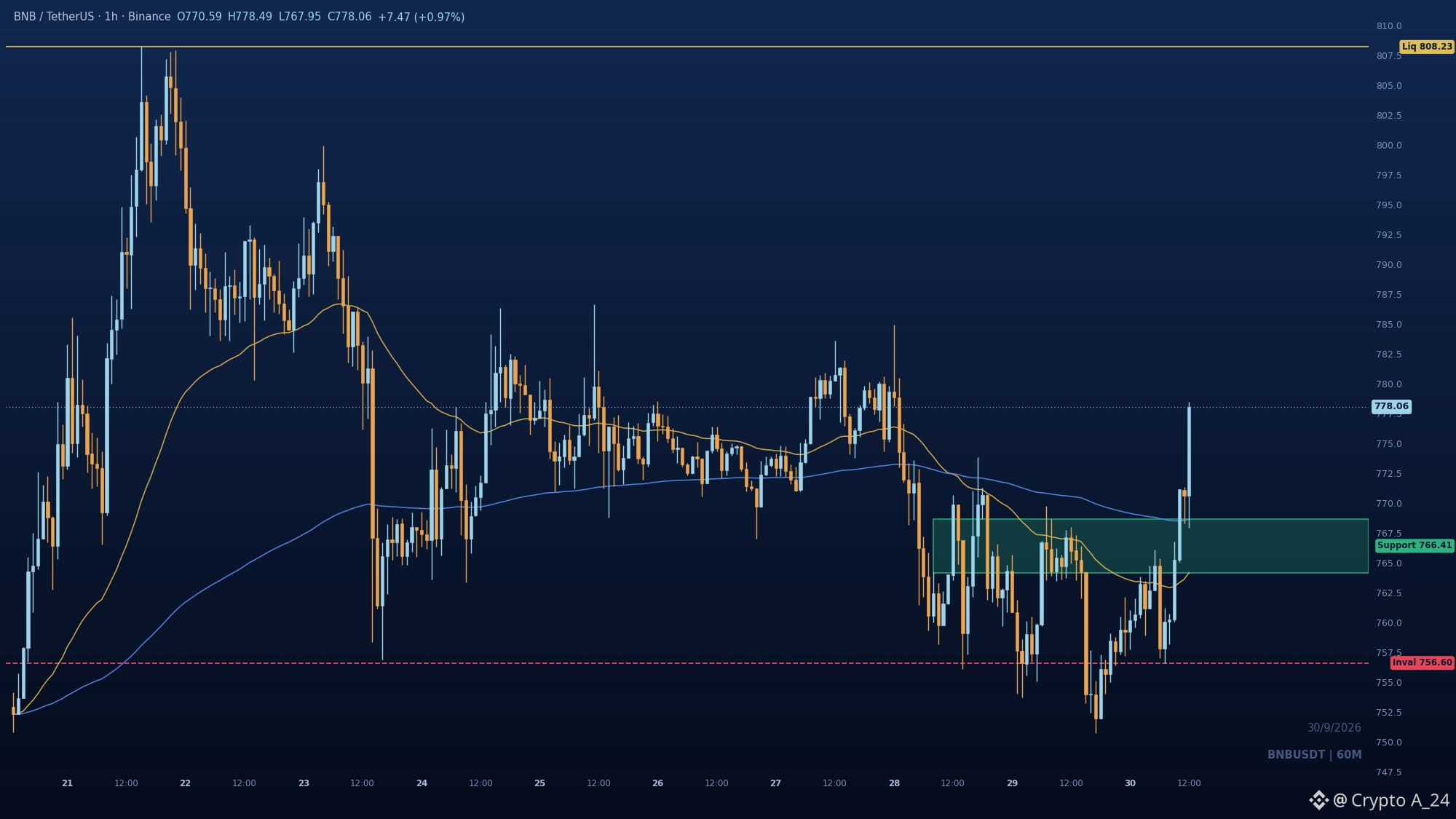
Can $BNB hold the 764 to 768 EMA cluster it just reclaimed, or does the displacement above 766.07 start fading?
Buyers drove price out of the 756.6 to 750.75 low area and punched through the recent swing high, flipping structure bullish and reclaiming both EMAs.
Price is still under the range midpoint, so this sits in discount with the 808.23 window high as the buy-side draw.
Holding 756.6 on any retest keeps the higher low intact. A close back under it would undo the displacement, put the EMAs back overhead and hand the range back to sellers.
Are you watching the EMA retest or the 808.23 liquidity above?
One of several charts the desk breaks down for the group every morning.
#AltcoinSeason
Can $BNB hold the 764 to 768 EMA cluster it just reclaimed, or does the displacement above 766.07 start fading?
Buyers drove price out of the 756.6 to 750.75 low area and punched through the recent swing high, flipping structure bullish and reclaiming both EMAs.
Price is still under the range midpoint, so this sits in discount with the 808.23 window high as the buy-side draw.
Holding 756.6 on any retest keeps the higher low intact. A close back under it would undo the displacement, put the EMAs back overhead and hand the range back to sellers.
Are you watching the EMA retest or the 808.23 liquidity above?
One of several charts the desk breaks down for the group every morning.
#AltcoinSeason
Buyers drove price out of the 756.6 to 750.75 low area and punched through the recent swing high, flipping structure bullish and reclaiming both EMAs.
Price is still under the range midpoint, so this sits in discount with the 808.23 window high as the buy-side draw.
Holding 756.6 on any retest keeps the higher low intact. A close back under it would undo the displacement, put the EMAs back overhead and hand the range back to sellers.
Are you watching the EMA retest or the 808.23 liquidity above?
One of several charts the desk breaks down for the group every morning.
#AltcoinSeason
67
·
--
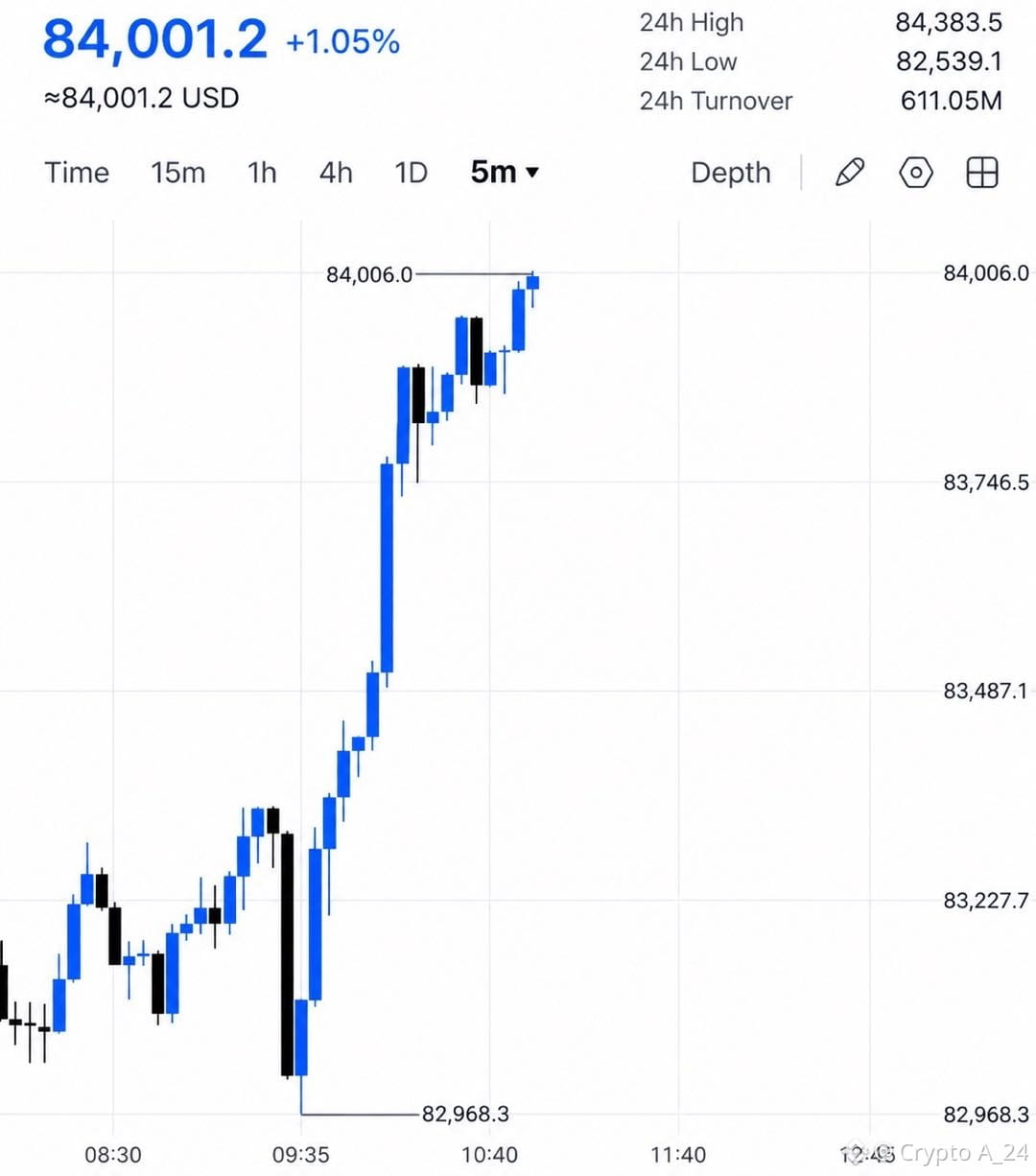
Bitcoin is pumping as markets react to positive developments around China and Iran.
Once you understand what drives liquidity and sentiment, moves like this start to make more sense.
$100K $BTC is back in focus.
Do you see the setup now?
#btc
Bitcoin is pumping as markets react to positive developments around China and Iran.
Once you understand what drives liquidity and sentiment, moves like this start to make more sense.
$100K $BTC is back in focus.
Do you see the setup now?
#btc
Once you understand what drives liquidity and sentiment, moves like this start to make more sense.
$100K $BTC is back in focus.
Do you see the setup now?
#btc
90
Log in to explore more content
Join global crypto users on Binance Square
⚡️ Get latest and useful information about crypto.
💬 Trusted by the world’s largest crypto exchange.
👍 Discover real insights from verified creators.
Email / Phone number
Trending Topics
BinancePick
3.3M views
160,316 Discussing
Join #EarningsSeason: Predict Earnings on Binance Pick, Share Your Take on Binance Square!
Binance Square Official
·417 Likes
·344.4k views
EarningsSeason
5.4M views
26,466 Discussing
StrategySkipsBitcoinPurchasesSpends$205MOnSTRCBuybacks
0 views
2 Discussing