

Amina Chattha
28.6k Posts

Amina Chattha
 Square Verified+
Report
Block User
55 Following
42.9K+ Followers
99.2K+ Liked
Posts
All
Quotes
Videos
Live
PINNED
This is what we are cooking in this volatile market when evryone is unsure about the market trend I'm helping my community to catch small moves to generate profit.
You might be now thinking where am I giving these signals as they are not on my profile so this secret recipie is cooking inside the [Banter Premium](https://app.binance.com/uni-qr/SuZUGbDz) where six minds are giving their analysis so it reduces the chance of risky trades.
I'm just sharing mine as there are 5 more people giving signal in the group so join now and enjoy the profits.
#BTCBreaks80K
This is what we are cooking in this volatile market when evryone is unsure about the market trend I'm helping my community to catch small moves to generate profit.
You might be now thinking where am I giving these signals as they are not on my profile so this secret recipie is cooking inside the Banter Premium where six minds are giving their analysis so it reduces the chance of risky trades.
I'm just sharing mine as there are 5 more people giving signal in the group so join now and enjoy the profits.
#BTCBreaks80K
You might be now thinking where am I giving these signals as they are not on my profile so this secret recipie is cooking inside the Banter Premium where six minds are giving their analysis so it reduces the chance of risky trades.
I'm just sharing mine as there are 5 more people giving signal in the group so join now and enjoy the profits.
#BTCBreaks80K
7
5
156
PINNED
Dear Binancians, whether you’re a beginner or already an experienced trader, if you ever feel confused about buying, selling, entries, exits, or any trading pattern, this group is for you.
You can join completely free and ask anything about crypto trading. I’ll try to explain things in simple words and make your trading journey easier, clearer, and less confusing.
No fees. No complicated stuff. Just learn, discuss, and trade smarter together.
So what are you waaiting for??
[Click here to join the group.](https://app.binance.com/uni-qr/WKThC9kW)
Dear Binancians, whether you’re a beginner or already an experienced trader, if you ever feel confused about buying, selling, entries, exits, or any trading pattern, this group is for you.
You can join completely free and ask anything about crypto trading. I’ll try to explain things in simple words and make your trading journey easier, clearer, and less confusing.
No fees. No complicated stuff. Just learn, discuss, and trade smarter together.
So what are you waaiting for??
Click here to join the group.
You can join completely free and ask anything about crypto trading. I’ll try to explain things in simple words and make your trading journey easier, clearer, and less confusing.
No fees. No complicated stuff. Just learn, discuss, and trade smarter together.
So what are you waaiting for??
Click here to join the group.
1
7
128
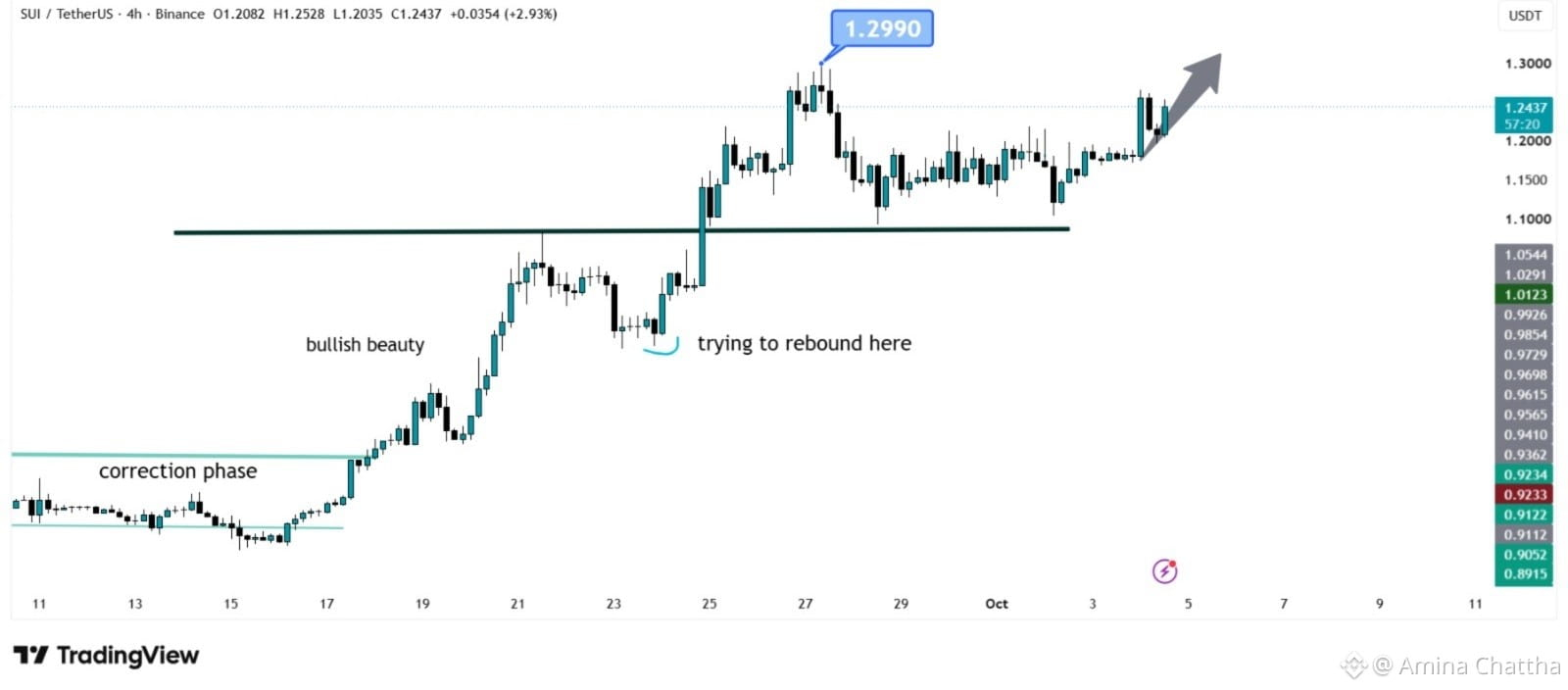
$SUI BULLS ARE WAKING UP
$SUI is pushing higher near $1.24. A clean break above $1.30 could trigger the next bullish leg.
{spot}(SUIUSDT)
$SUI BULLS ARE WAKING UP
$SUI is pushing higher near $1.24. A clean break above $1.30 could trigger the next bullish leg.
$SUI is pushing higher near $1.24. A clean break above $1.30 could trigger the next bullish leg.
1
197
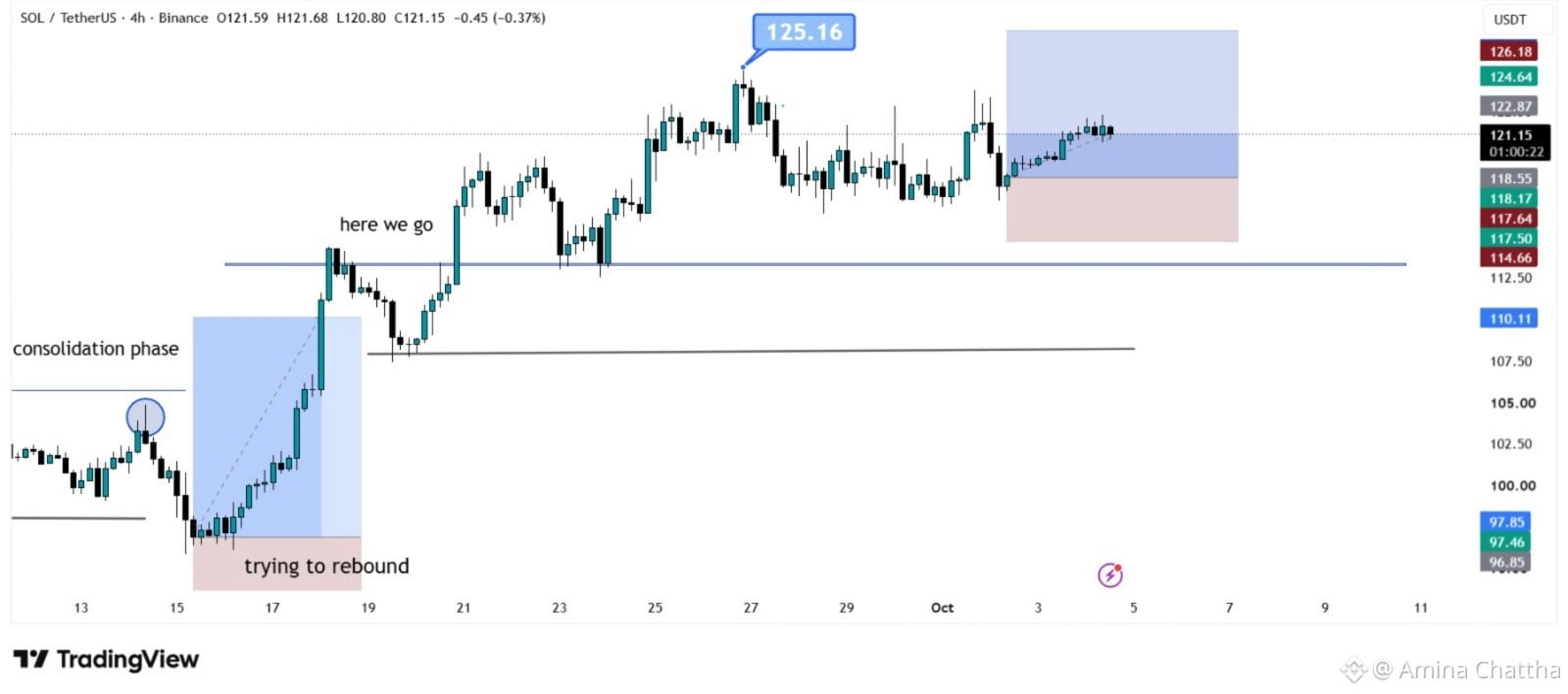
$SOL BULLS STILL IN CONTROL
$SOL is holding around $121. A break above $125 could open the next move toward $130.
{spot}(SOLUSDT)
$SOL BULLS STILL IN CONTROL
$SOL is holding around $121. A break above $125 could open the next move toward $130.
$SOL is holding around $121. A break above $125 could open the next move toward $130.
2
107
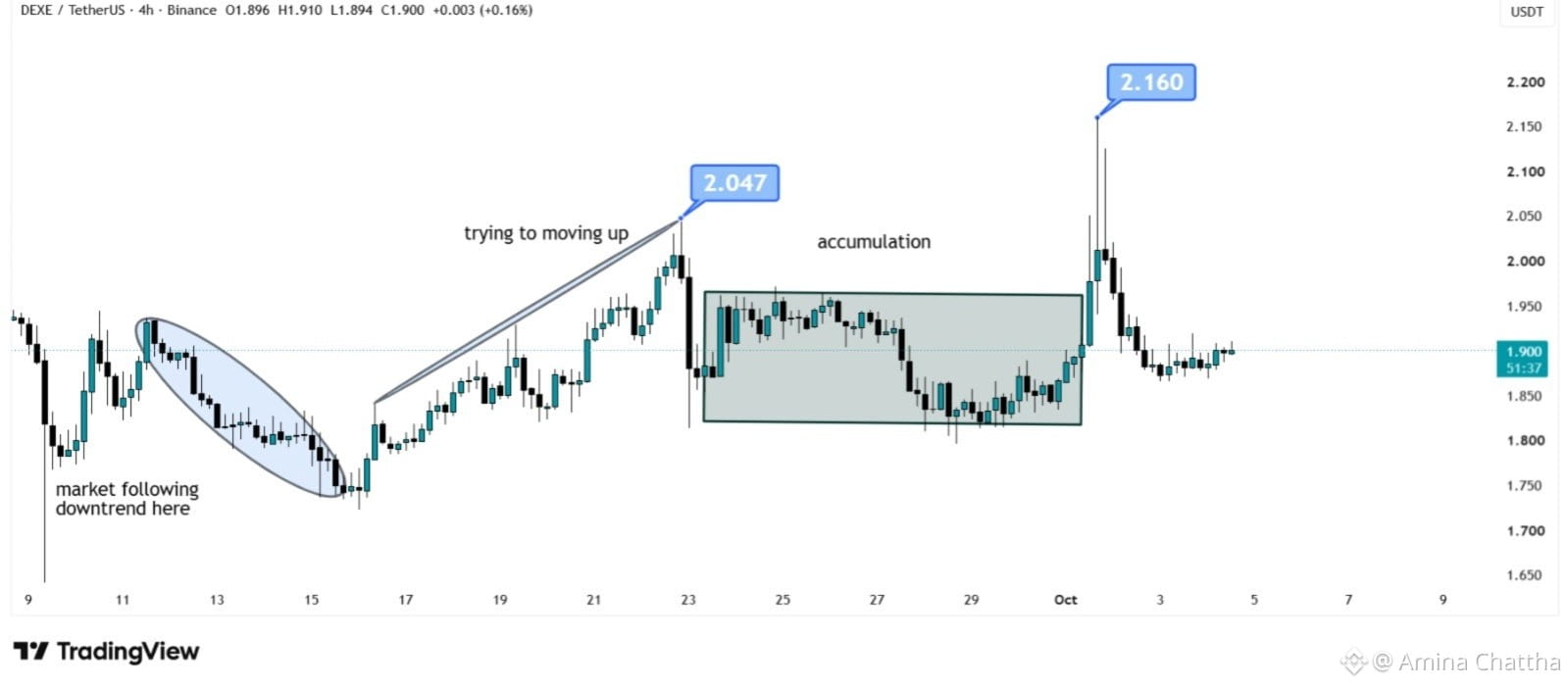
$DEXE BUILDING FOR ANOTHER MOVE
$DEXE is holding around $1.90 after accumulation. Reclaiming $1.95–$2.00 could bring $2.16 back into play.
{spot}(DEXEUSDT)
$DEXE BUILDING FOR ANOTHER MOVE
$DEXE is holding around $1.90 after accumulation. Reclaiming $1.95–$2.00 could bring $2.16 back into play.
$DEXE is holding around $1.90 after accumulation. Reclaiming $1.95–$2.00 could bring $2.16 back into play.
1
136
Article
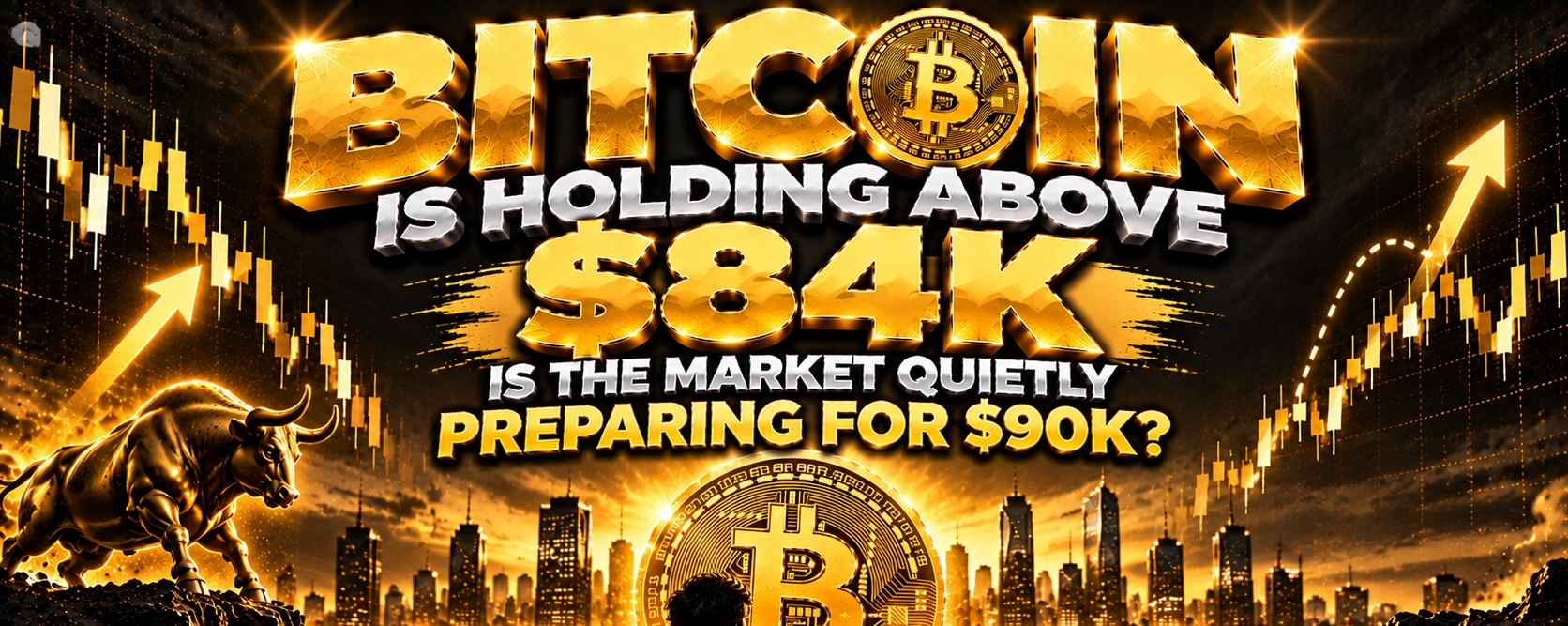
Bitcoin Is Holding Above $84K Is the Market Quietly Preparing for $90K?Bitcoin is holding around the $84K region, and the market is starting to feel unusually calm.
There’s no explosive breakout yet, but BTC continues to defend an important area while traders wait for the next major move.
That raises the obvious question: Is Bitcoin quietly building momentum for another attempt at $90K?
$84K Is Becoming an Important Area
Bitcoin’s ability to stay around $84K matters because this region has recently attracted buyers.
Every successful defense gives bulls more time to rebuild momentum.
But holding support alone isn’t enough to confirm another rally. Buyers still need to push through the resistance sitting above the current price.
$86K–$87K Is the Next Battle
Before talking seriously about $90K, Bitcoin first needs to deal with the $86K–$87K region.
BTC has already faced selling pressure around these levels.
A quick move above resistance followed by another rejection would keep Bitcoin inside its broader range.
What bulls really want is a clean breakout followed by sustained trading above resistance.
That would make the path toward $90K much more interesting.
Why $90K Matters
Round numbers carry psychological importance in financial markets.
At $90K, traders may place profit-taking orders, new breakout entries and short positions around the same area.
That concentration of orders can create volatility.
So even if Bitcoin reaches $90K, the level itself could become another major battle between buyers and sellers rather than an automatic continuation higher.
Consolidation Can Be Healthy
Not every bullish market needs green candles every day.
After a strong move, sideways trading can allow leverage to cool down and give the market time to establish new support.
If Bitcoin continues consolidating without losing important levels, that can be healthier than an extremely fast rally driven mainly by leverage.
Sometimes the strongest moves begin after the market becomes boring.
But There’s Another Scenario
Bitcoin could also lose the $84K region.
If that happens, attention would shift back toward lower support, with the $82K area becoming increasingly important.
A deeper breakdown could weaken the short-term bullish structure and delay the $90K conversation.
That’s why I wouldn’t treat $90K as guaranteed simply because BTC is currently holding support.
Institutional Demand Could Matter
Bitcoin’s market structure has changed significantly with the growth of spot ETFs and institutional participation.
When sustained institutional demand combines with improving market sentiment, available BTC supply can face additional pressure.
But institutional flows can move in both directions.
Strong inflows can support momentum, while persistent outflows can quickly weaken sentiment.
Altcoins Are Watching Too
Bitcoin reaching $90K wouldn’t be only a BTC story.
If Bitcoin climbs gradually and then stabilizes, traders could become more comfortable moving capital toward ETH and other altcoins.
But if BTC makes an extremely aggressive move, Bitcoin could temporarily absorb most of the market’s attention and liquidity.
That means altcoin traders should watch not only Bitcoin’s price but also Bitcoin dominance.
The Market Is Waiting for Confirmation
For now, Bitcoin appears to be sitting between support and resistance.
The $84K region is helping bulls stay in the game, while $86K–$87K remains the obstacle standing between BTC and another serious attempt at higher prices.
If buyers clear that resistance and maintain control, $90K could quickly become the market’s next major target.
If resistance wins again, more consolidation may come first.
Bitcoin doesn’t need to rush toward $90K. It first needs to prove that $84K is a floor and $87K is no longer a ceiling.
That battle could decide Bitcoin’s next major move.
Bitcoin Is Holding Above $84K Is the Market Quietly Preparing for $90K?
Bitcoin is holding around the $84K region, and the market is starting to feel unusually calm.
There’s no explosive breakout yet, but BTC continues to defend an important area while traders wait for the next major move.
That raises the obvious question: Is Bitcoin quietly building momentum for another attempt at $90K?
$84K Is Becoming an Important Area
Bitcoin’s ability to stay around $84K matters because this region has recently attracted buyers.
Every successful defense gives bulls more time to rebuild momentum.
But holding support alone isn’t enough to confirm another rally. Buyers still need to push through the resistance sitting above the current price.
$86K–$87K Is the Next Battle
Before talking seriously about $90K, Bitcoin first needs to deal with the $86K–$87K region.
BTC has already faced selling pressure around these levels.
A quick move above resistance followed by another rejection would keep Bitcoin inside its broader range.
What bulls really want is a clean breakout followed by sustained trading above resistance.
That would make the path toward $90K much more interesting.
Why $90K Matters
Round numbers carry psychological importance in financial markets.
At $90K, traders may place profit-taking orders, new breakout entries and short positions around the same area.
That concentration of orders can create volatility.
So even if Bitcoin reaches $90K, the level itself could become another major battle between buyers and sellers rather than an automatic continuation higher.
Consolidation Can Be Healthy
Not every bullish market needs green candles every day.
After a strong move, sideways trading can allow leverage to cool down and give the market time to establish new support.
If Bitcoin continues consolidating without losing important levels, that can be healthier than an extremely fast rally driven mainly by leverage.
Sometimes the strongest moves begin after the market becomes boring.
But There’s Another Scenario
Bitcoin could also lose the $84K region.
If that happens, attention would shift back toward lower support, with the $82K area becoming increasingly important.
A deeper breakdown could weaken the short-term bullish structure and delay the $90K conversation.
That’s why I wouldn’t treat $90K as guaranteed simply because BTC is currently holding support.
Institutional Demand Could Matter
Bitcoin’s market structure has changed significantly with the growth of spot ETFs and institutional participation.
When sustained institutional demand combines with improving market sentiment, available BTC supply can face additional pressure.
But institutional flows can move in both directions.
Strong inflows can support momentum, while persistent outflows can quickly weaken sentiment.
Altcoins Are Watching Too
Bitcoin reaching $90K wouldn’t be only a BTC story.
If Bitcoin climbs gradually and then stabilizes, traders could become more comfortable moving capital toward ETH and other altcoins.
But if BTC makes an extremely aggressive move, Bitcoin could temporarily absorb most of the market’s attention and liquidity.
That means altcoin traders should watch not only Bitcoin’s price but also Bitcoin dominance.
The Market Is Waiting for Confirmation
For now, Bitcoin appears to be sitting between support and resistance.
The $84K region is helping bulls stay in the game, while $86K–$87K remains the obstacle standing between BTC and another serious attempt at higher prices.
If buyers clear that resistance and maintain control, $90K could quickly become the market’s next major target.
If resistance wins again, more consolidation may come first.
Bitcoin doesn’t need to rush toward $90K. It first needs to prove that $84K is a floor and $87K is no longer a ceiling.
That battle could decide Bitcoin’s next major move.
There’s no explosive breakout yet, but BTC continues to defend an important area while traders wait for the next major move.
That raises the obvious question: Is Bitcoin quietly building momentum for another attempt at $90K?
$84K Is Becoming an Important Area
Bitcoin’s ability to stay around $84K matters because this region has recently attracted buyers.
Every successful defense gives bulls more time to rebuild momentum.
But holding support alone isn’t enough to confirm another rally. Buyers still need to push through the resistance sitting above the current price.
$86K–$87K Is the Next Battle
Before talking seriously about $90K, Bitcoin first needs to deal with the $86K–$87K region.
BTC has already faced selling pressure around these levels.
A quick move above resistance followed by another rejection would keep Bitcoin inside its broader range.
What bulls really want is a clean breakout followed by sustained trading above resistance.
That would make the path toward $90K much more interesting.
Why $90K Matters
Round numbers carry psychological importance in financial markets.
At $90K, traders may place profit-taking orders, new breakout entries and short positions around the same area.
That concentration of orders can create volatility.
So even if Bitcoin reaches $90K, the level itself could become another major battle between buyers and sellers rather than an automatic continuation higher.
Consolidation Can Be Healthy
Not every bullish market needs green candles every day.
After a strong move, sideways trading can allow leverage to cool down and give the market time to establish new support.
If Bitcoin continues consolidating without losing important levels, that can be healthier than an extremely fast rally driven mainly by leverage.
Sometimes the strongest moves begin after the market becomes boring.
But There’s Another Scenario
Bitcoin could also lose the $84K region.
If that happens, attention would shift back toward lower support, with the $82K area becoming increasingly important.
A deeper breakdown could weaken the short-term bullish structure and delay the $90K conversation.
That’s why I wouldn’t treat $90K as guaranteed simply because BTC is currently holding support.
Institutional Demand Could Matter
Bitcoin’s market structure has changed significantly with the growth of spot ETFs and institutional participation.
When sustained institutional demand combines with improving market sentiment, available BTC supply can face additional pressure.
But institutional flows can move in both directions.
Strong inflows can support momentum, while persistent outflows can quickly weaken sentiment.
Altcoins Are Watching Too
Bitcoin reaching $90K wouldn’t be only a BTC story.
If Bitcoin climbs gradually and then stabilizes, traders could become more comfortable moving capital toward ETH and other altcoins.
But if BTC makes an extremely aggressive move, Bitcoin could temporarily absorb most of the market’s attention and liquidity.
That means altcoin traders should watch not only Bitcoin’s price but also Bitcoin dominance.
The Market Is Waiting for Confirmation
For now, Bitcoin appears to be sitting between support and resistance.
The $84K region is helping bulls stay in the game, while $86K–$87K remains the obstacle standing between BTC and another serious attempt at higher prices.
If buyers clear that resistance and maintain control, $90K could quickly become the market’s next major target.
If resistance wins again, more consolidation may come first.
Bitcoin doesn’t need to rush toward $90K. It first needs to prove that $84K is a floor and $87K is no longer a ceiling.
That battle could decide Bitcoin’s next major move.
2
242
$DOGE LOOKS READY TO BREAK OUT
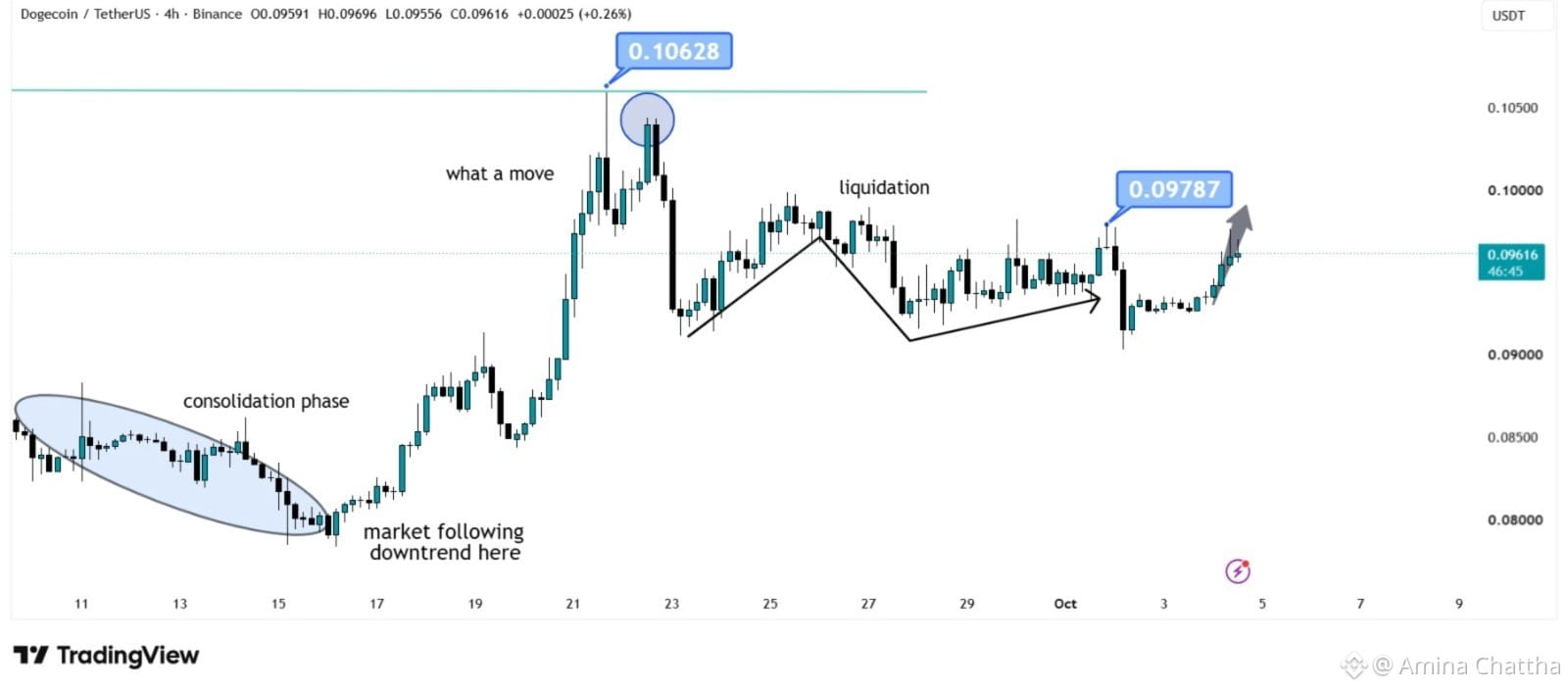
$DOGE is pushing higher near $0.096. A break above $0.0979 could open the way toward $0.10+.
{spot}(DOGEUSDT)
$DOGE LOOKS READY TO BREAK OUT
$DOGE is pushing higher near $0.096. A break above $0.0979 could open the way toward $0.10+.
$DOGE is pushing higher near $0.096. A break above $0.0979 could open the way toward $0.10+.
2
126
$BNB PUSHING FOR NEW HIGHS
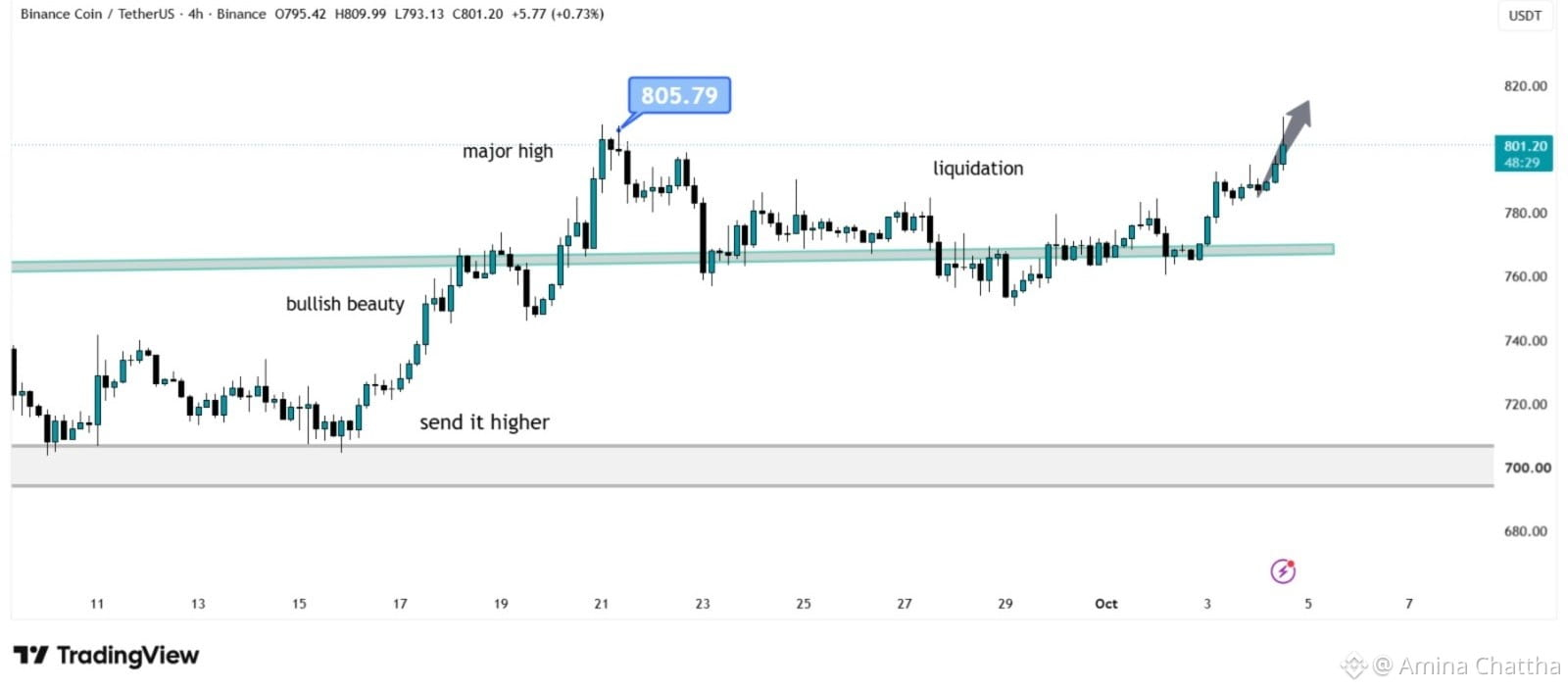
$BNB is back above $800 and testing the $805–$810 area. A clean breakout could send it toward $820 next.
{spot}(BNBUSDT)
$BNB PUSHING FOR NEW HIGHS
$BNB is back above $800 and testing the $805–$810 area. A clean breakout could send it toward $820 next.
$BNB is back above $800 and testing the $805–$810 area. A clean breakout could send it toward $820 next.
1
112
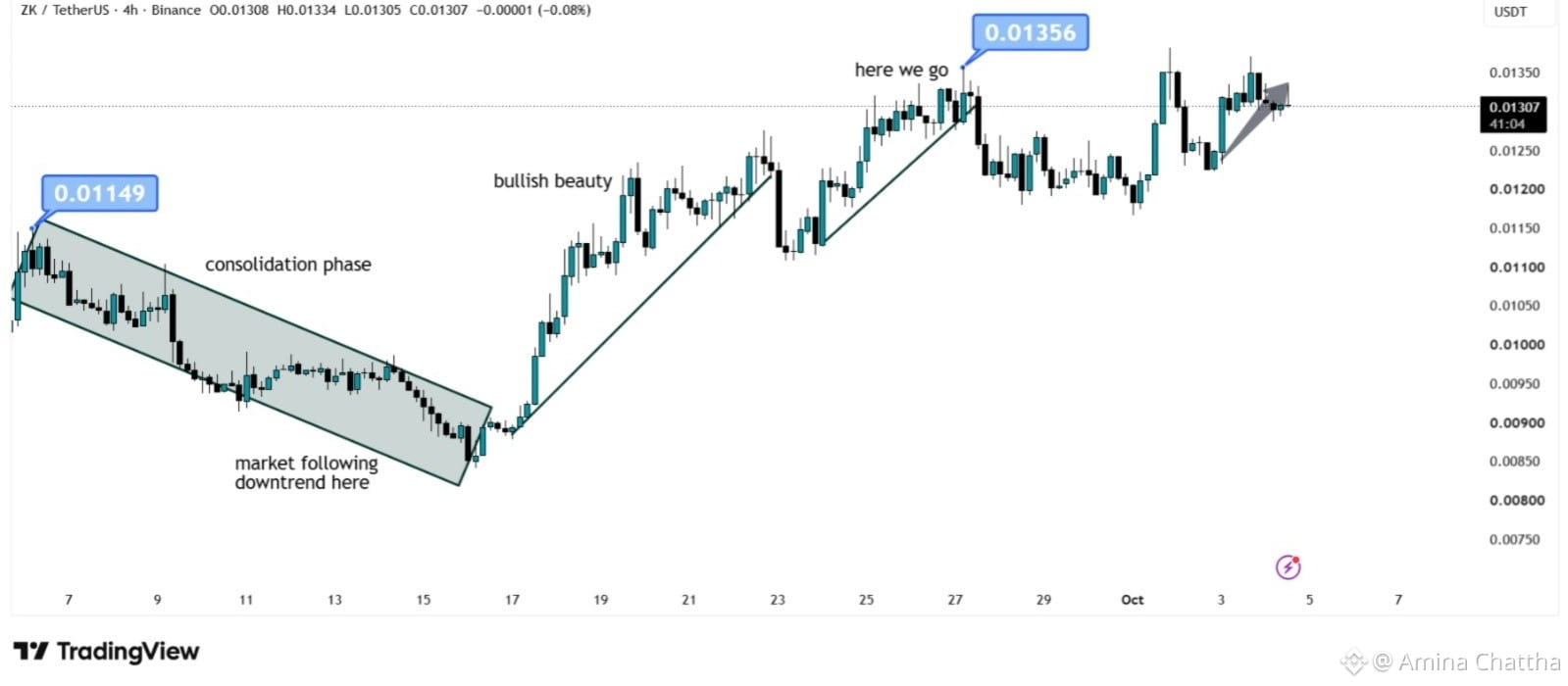
$ZK is holding its bullish structure after a strong recovery from around $0.0085. Price is now near $0.01307 and consolidating below the recent $0.01356 high. A clean breakout above that level could open the door for another push higher.
{spot}(ZKUSDT)
$ZK is holding its bullish structure after a strong recovery from around $0.0085. Price is now near $0.01307 and consolidating below the recent $0.01356 high. A clean breakout above that level could open the door for another push higher.
1
137

Article
BTC vs Gold in Q4 Where Could Investors Look for the Bigger Opportunity?Bitcoin and gold are heading into Q4 with investors asking a familiar question.
Do you choose the traditional safe-haven asset, or take the higher-risk opportunity offered by Bitcoin?
Both assets are often discussed as alternatives to fiat currency, but they behave very differently. And in Q4, that difference could matter more than ever.
Gold Has the Defensive Advantage
Gold has spent centuries building its reputation as a store of value.
When investors become worried about inflation, geopolitical uncertainty, government debt or financial instability, gold often attracts defensive capital.
That makes gold especially interesting when markets become nervous.
Its biggest strength isn’t necessarily explosive returns. It’s the confidence investors have developed in the asset over a very long period.
Bitcoin Offers Something Different
Bitcoin has a much shorter history, but its appeal comes from scarcity, portability and its fixed maximum supply.
Only 21 million BTC can ever exist.
That scarcity narrative has helped Bitcoin earn the nickname “digital gold,” although BTC remains significantly more volatile than traditional gold.
And that volatility creates both its biggest opportunity and its biggest risk.
Gold Could Win If Investors Become Defensive
Imagine Q4 brings weaker economic conditions, geopolitical uncertainty or investors moving away from risky assets.
Gold could benefit from that environment.
Large institutions looking to protect capital may prefer an asset with lower volatility and a much longer track record.
Bitcoin can sometimes benefit from similar concerns, but in periods of sudden market stress, BTC can still trade like a risk asset.
Bitcoin Could Win If Liquidity Returns
Now imagine a different Q4.
Risk appetite improves, monetary conditions become more supportive and institutional demand for crypto strengthens.
That environment could favor Bitcoin.
BTC doesn’t need as much capital as gold to produce large percentage moves because the Bitcoin market is considerably smaller.
That gives Bitcoin greater upside potential — but also greater downside risk.
Institutional Adoption Has Changed the BTC Story
Bitcoin today is very different from Bitcoin several years ago.
Spot Bitcoin ETFs have made exposure easier for traditional investors, while major financial institutions increasingly treat BTC as an investable asset class.
That doesn’t make Bitcoin safe.
But it does mean the line separating traditional finance and crypto continues to become less clear.
Gold Still Has a Massive Size Advantage
Gold’s total market value is many times larger than Bitcoin’s.
That size gives gold deeper liquidity and generally lower volatility.
Bitcoin, however, can turn its smaller size into an advantage during periods of strong demand.
A relatively small shift in global investment capital can have a much larger impact on BTC.
This is why Bitcoin can produce moves that would be extremely unusual for gold.
Do Investors Really Have to Choose?
This may be the more interesting question.
Gold and Bitcoin don’t necessarily need to compete for exactly the same capital.
An investor could view gold as the defensive side of a portfolio and Bitcoin as the higher-risk growth side.
Gold offers history and stability.
Bitcoin offers scarcity and potentially greater upside.
The right choice depends heavily on what type of risk an investor is willing and able to take.
Q4 Could Come Down to Risk Appetite
For me, the BTC vs gold battle in Q4 isn’t simply about which asset is “better.”
It’s about what kind of market we get.
If fear dominates, gold may have the stronger setup.
If liquidity expands and investors become more willing to take risk, Bitcoin could have more room to surprise on the upside.
And if concerns about currencies, debt and inflation remain important while risk appetite stays healthy, both could potentially attract capital at the same time.
So, BTC or Gold?
Gold offers the stronger defensive case.
Bitcoin offers the bigger potential reward with much bigger volatility attached.
That makes Q4 particularly interesting because the winner may tell us something much bigger about investor psychology.
If investors want protection, gold could lead. If they want asymmetric growth, Bitcoin could steal the spotlight.
The real question for Q4 isn’t simply BTC or gold?
It’s fear or risk appetite which one will control the market next?
BTC vs Gold in Q4 Where Could Investors Look for the Bigger Opportunity?
Bitcoin and gold are heading into Q4 with investors asking a familiar question.
Do you choose the traditional safe-haven asset, or take the higher-risk opportunity offered by Bitcoin?
Both assets are often discussed as alternatives to fiat currency, but they behave very differently. And in Q4, that difference could matter more than ever.
Gold Has the Defensive Advantage
Gold has spent centuries building its reputation as a store of value.
When investors become worried about inflation, geopolitical uncertainty, government debt or financial instability, gold often attracts defensive capital.
That makes gold especially interesting when markets become nervous.
Its biggest strength isn’t necessarily explosive returns. It’s the confidence investors have developed in the asset over a very long period.
Bitcoin Offers Something Different
Bitcoin has a much shorter history, but its appeal comes from scarcity, portability and its fixed maximum supply.
Only 21 million BTC can ever exist.
That scarcity narrative has helped Bitcoin earn the nickname “digital gold,” although BTC remains significantly more volatile than traditional gold.
And that volatility creates both its biggest opportunity and its biggest risk.
Gold Could Win If Investors Become Defensive
Imagine Q4 brings weaker economic conditions, geopolitical uncertainty or investors moving away from risky assets.
Gold could benefit from that environment.
Large institutions looking to protect capital may prefer an asset with lower volatility and a much longer track record.
Bitcoin can sometimes benefit from similar concerns, but in periods of sudden market stress, BTC can still trade like a risk asset.
Bitcoin Could Win If Liquidity Returns
Now imagine a different Q4.
Risk appetite improves, monetary conditions become more supportive and institutional demand for crypto strengthens.
That environment could favor Bitcoin.
BTC doesn’t need as much capital as gold to produce large percentage moves because the Bitcoin market is considerably smaller.
That gives Bitcoin greater upside potential — but also greater downside risk.
Institutional Adoption Has Changed the BTC Story
Bitcoin today is very different from Bitcoin several years ago.
Spot Bitcoin ETFs have made exposure easier for traditional investors, while major financial institutions increasingly treat BTC as an investable asset class.
That doesn’t make Bitcoin safe.
But it does mean the line separating traditional finance and crypto continues to become less clear.
Gold Still Has a Massive Size Advantage
Gold’s total market value is many times larger than Bitcoin’s.
That size gives gold deeper liquidity and generally lower volatility.
Bitcoin, however, can turn its smaller size into an advantage during periods of strong demand.
A relatively small shift in global investment capital can have a much larger impact on BTC.
This is why Bitcoin can produce moves that would be extremely unusual for gold.
Do Investors Really Have to Choose?
This may be the more interesting question.
Gold and Bitcoin don’t necessarily need to compete for exactly the same capital.
An investor could view gold as the defensive side of a portfolio and Bitcoin as the higher-risk growth side.
Gold offers history and stability.
Bitcoin offers scarcity and potentially greater upside.
The right choice depends heavily on what type of risk an investor is willing and able to take.
Q4 Could Come Down to Risk Appetite
For me, the BTC vs gold battle in Q4 isn’t simply about which asset is “better.”
It’s about what kind of market we get.
If fear dominates, gold may have the stronger setup.
If liquidity expands and investors become more willing to take risk, Bitcoin could have more room to surprise on the upside.
And if concerns about currencies, debt and inflation remain important while risk appetite stays healthy, both could potentially attract capital at the same time.
So, BTC or Gold?
Gold offers the stronger defensive case.
Bitcoin offers the bigger potential reward with much bigger volatility attached.
That makes Q4 particularly interesting because the winner may tell us something much bigger about investor psychology.
If investors want protection, gold could lead. If they want asymmetric growth, Bitcoin could steal the spotlight.
The real question for Q4 isn’t simply BTC or gold?
It’s fear or risk appetite which one will control the market next?
Do you choose the traditional safe-haven asset, or take the higher-risk opportunity offered by Bitcoin?
Both assets are often discussed as alternatives to fiat currency, but they behave very differently. And in Q4, that difference could matter more than ever.
Gold Has the Defensive Advantage
Gold has spent centuries building its reputation as a store of value.
When investors become worried about inflation, geopolitical uncertainty, government debt or financial instability, gold often attracts defensive capital.
That makes gold especially interesting when markets become nervous.
Its biggest strength isn’t necessarily explosive returns. It’s the confidence investors have developed in the asset over a very long period.
Bitcoin Offers Something Different
Bitcoin has a much shorter history, but its appeal comes from scarcity, portability and its fixed maximum supply.
Only 21 million BTC can ever exist.
That scarcity narrative has helped Bitcoin earn the nickname “digital gold,” although BTC remains significantly more volatile than traditional gold.
And that volatility creates both its biggest opportunity and its biggest risk.
Gold Could Win If Investors Become Defensive
Imagine Q4 brings weaker economic conditions, geopolitical uncertainty or investors moving away from risky assets.
Gold could benefit from that environment.
Large institutions looking to protect capital may prefer an asset with lower volatility and a much longer track record.
Bitcoin can sometimes benefit from similar concerns, but in periods of sudden market stress, BTC can still trade like a risk asset.
Bitcoin Could Win If Liquidity Returns
Now imagine a different Q4.
Risk appetite improves, monetary conditions become more supportive and institutional demand for crypto strengthens.
That environment could favor Bitcoin.
BTC doesn’t need as much capital as gold to produce large percentage moves because the Bitcoin market is considerably smaller.
That gives Bitcoin greater upside potential — but also greater downside risk.
Institutional Adoption Has Changed the BTC Story
Bitcoin today is very different from Bitcoin several years ago.
Spot Bitcoin ETFs have made exposure easier for traditional investors, while major financial institutions increasingly treat BTC as an investable asset class.
That doesn’t make Bitcoin safe.
But it does mean the line separating traditional finance and crypto continues to become less clear.
Gold Still Has a Massive Size Advantage
Gold’s total market value is many times larger than Bitcoin’s.
That size gives gold deeper liquidity and generally lower volatility.
Bitcoin, however, can turn its smaller size into an advantage during periods of strong demand.
A relatively small shift in global investment capital can have a much larger impact on BTC.
This is why Bitcoin can produce moves that would be extremely unusual for gold.
Do Investors Really Have to Choose?
This may be the more interesting question.
Gold and Bitcoin don’t necessarily need to compete for exactly the same capital.
An investor could view gold as the defensive side of a portfolio and Bitcoin as the higher-risk growth side.
Gold offers history and stability.
Bitcoin offers scarcity and potentially greater upside.
The right choice depends heavily on what type of risk an investor is willing and able to take.
Q4 Could Come Down to Risk Appetite
For me, the BTC vs gold battle in Q4 isn’t simply about which asset is “better.”
It’s about what kind of market we get.
If fear dominates, gold may have the stronger setup.
If liquidity expands and investors become more willing to take risk, Bitcoin could have more room to surprise on the upside.
And if concerns about currencies, debt and inflation remain important while risk appetite stays healthy, both could potentially attract capital at the same time.
So, BTC or Gold?
Gold offers the stronger defensive case.
Bitcoin offers the bigger potential reward with much bigger volatility attached.
That makes Q4 particularly interesting because the winner may tell us something much bigger about investor psychology.
If investors want protection, gold could lead. If they want asymmetric growth, Bitcoin could steal the spotlight.
The real question for Q4 isn’t simply BTC or gold?
It’s fear or risk appetite which one will control the market next?
1
548
$BTC Is Pushing for Another Breakout 👀
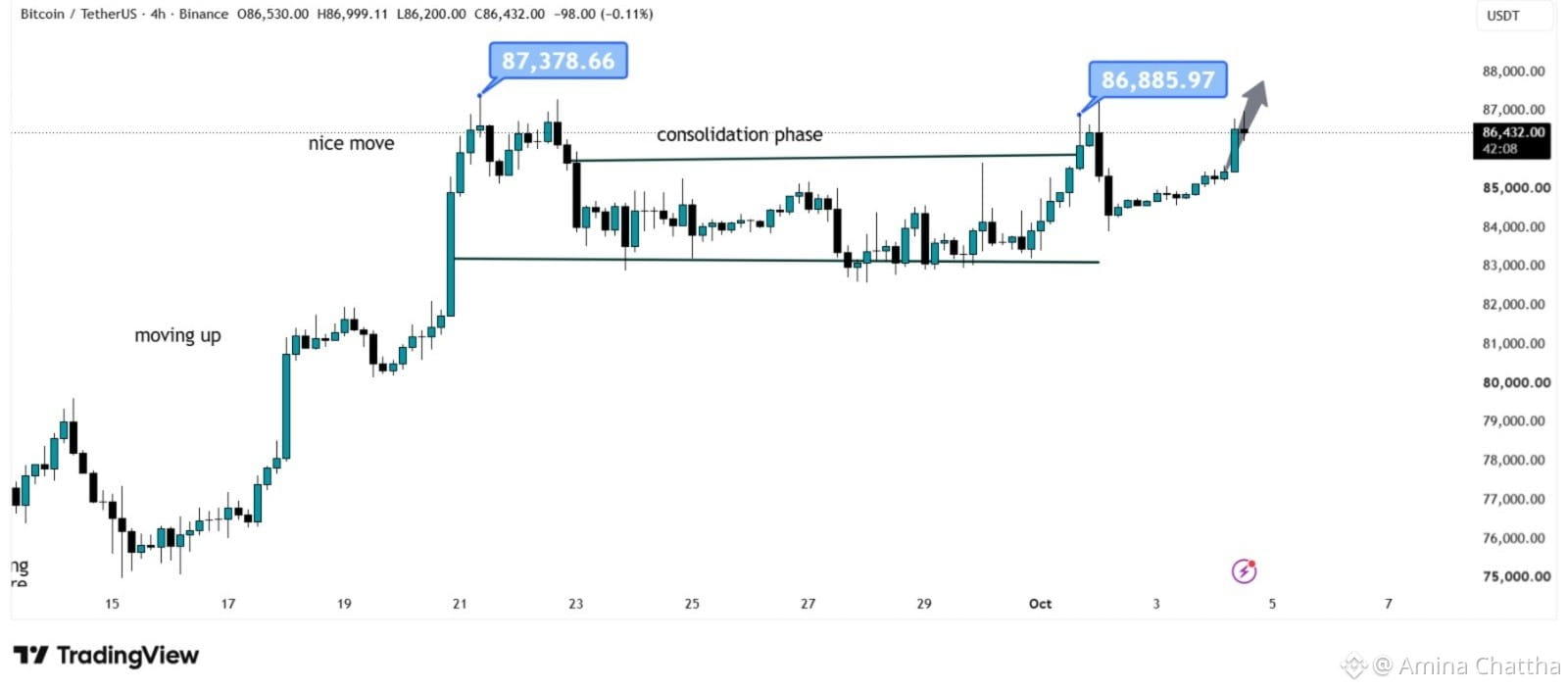
BTC is back near $86.4K and testing the upper range again. A clean break above $86.9K–$87.4K could open the door for another move higher.
{spot}(BTCUSDT)
$BTC Is Pushing for Another Breakout 👀
BTC is back near $86.4K and testing the upper range again. A clean break above $86.9K–$87.4K could open the door for another move higher.
BTC is back near $86.4K and testing the upper range again. A clean break above $86.9K–$87.4K could open the door for another move higher.
1
136
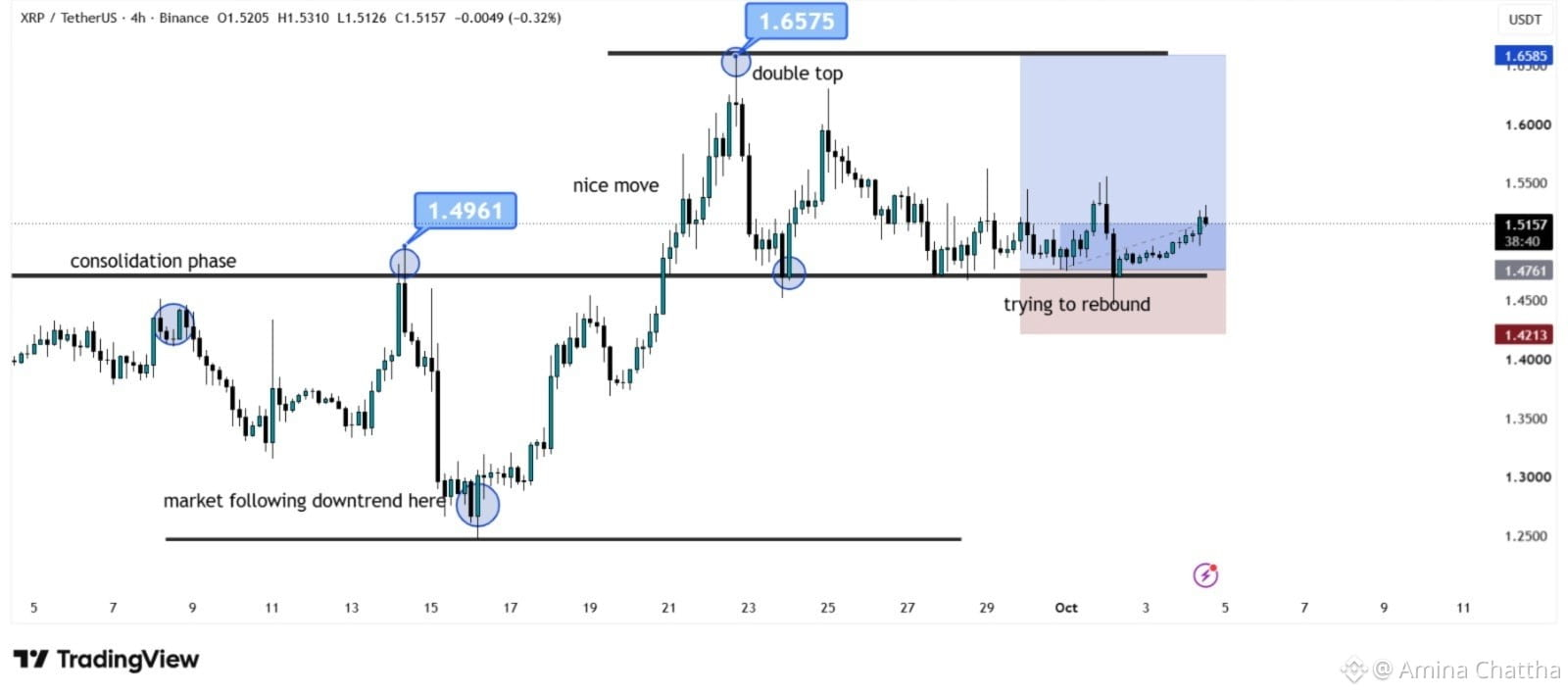
$XRP Trying to Rebound
XRP is holding the $1.47 support and recovering near $1.52. If momentum builds, the $1.65 resistance could come back into focus.
{spot}(XRPUSDT)
$XRP Trying to Rebound
XRP is holding the $1.47 support and recovering near $1.52. If momentum builds, the $1.65 resistance could come back into focus.
XRP is holding the $1.47 support and recovering near $1.52. If momentum builds, the $1.65 resistance could come back into focus.
1
165
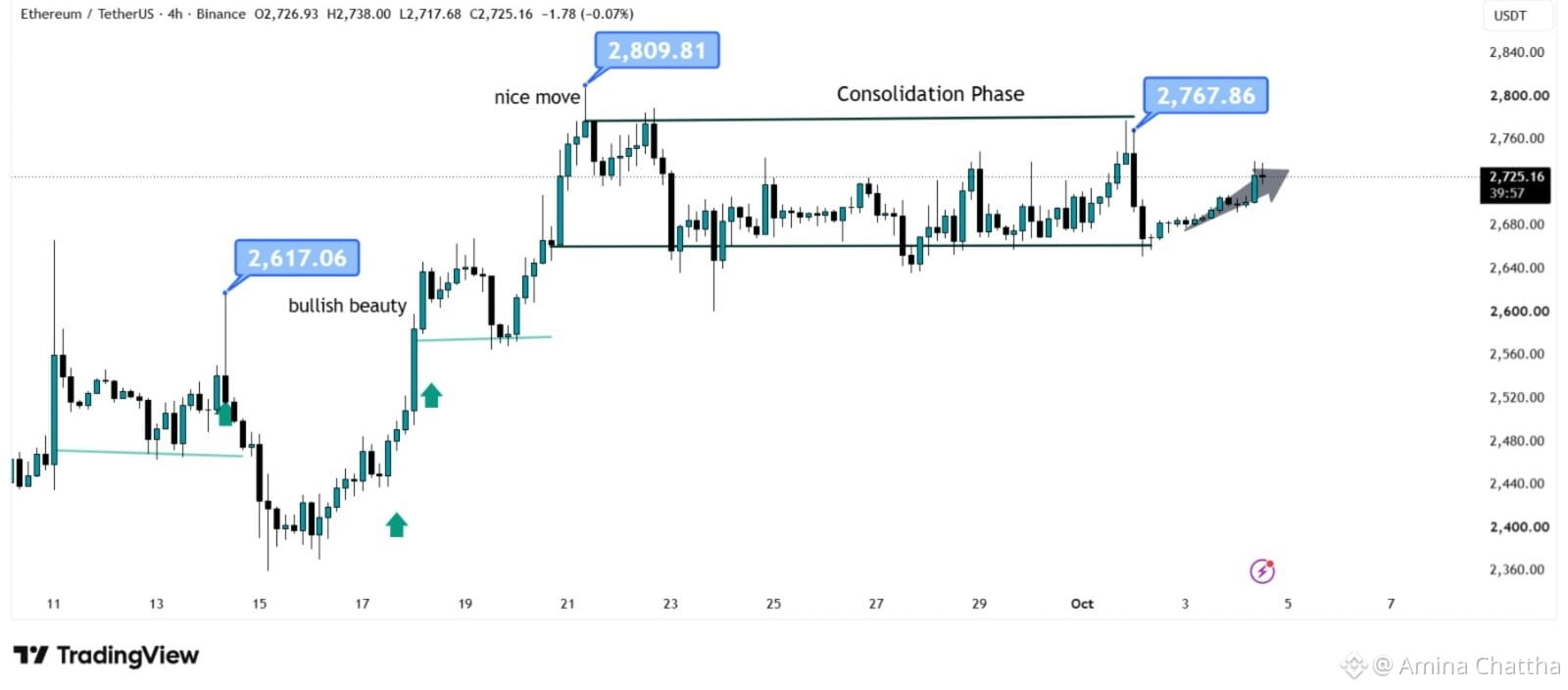
$ETH Is Building Momentum Again
ETH is holding around $2,725 after another rebound. A clean push above $2,768 could bring the $2,810 area back into focus.
{spot}(ETHUSDT)
$ETH Is Building Momentum Again
ETH is holding around $2,725 after another rebound. A clean push above $2,768 could bring the $2,810 area back into focus.
ETH is holding around $2,725 after another rebound. A clean push above $2,768 could bring the $2,810 area back into focus.
2
121
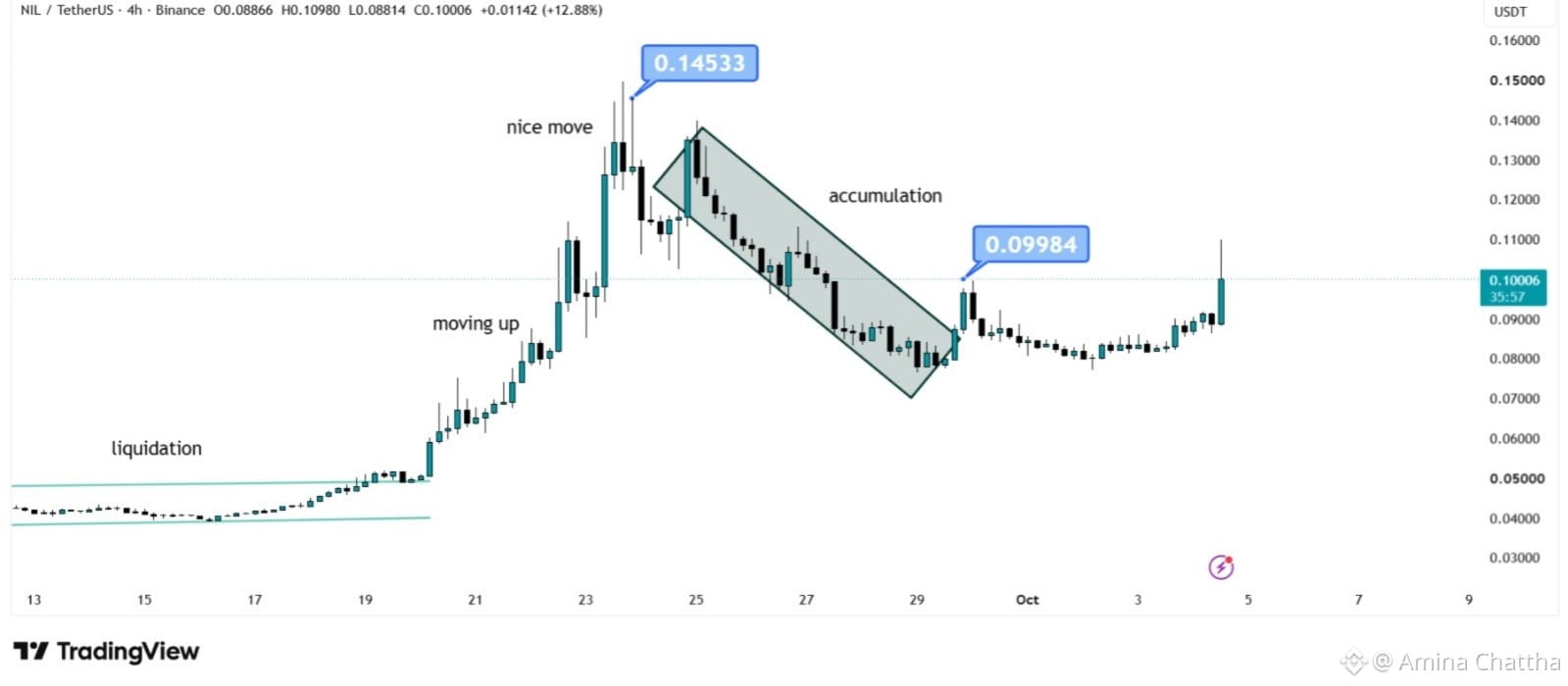
$NIL Is Waking Up Again
NIL reclaimed the $0.10 area with strong momentum. If this strength holds, the previous $0.145 high could come back into focus.
{spot}(NILUSDT)
$NIL Is Waking Up Again
NIL reclaimed the $0.10 area with strong momentum. If this strength holds, the previous $0.145 high could come back into focus.
NIL reclaimed the $0.10 area with strong momentum. If this strength holds, the previous $0.145 high could come back into focus.
1
184
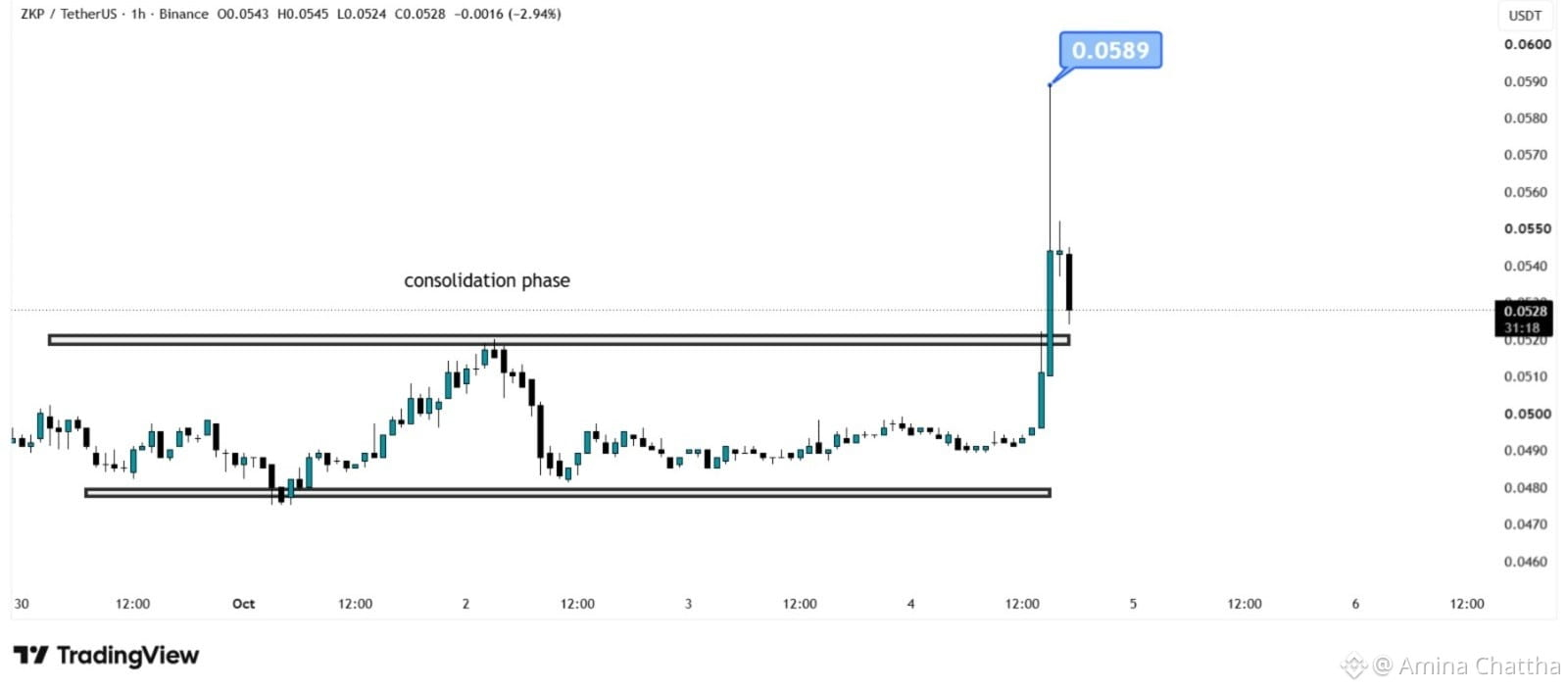
$ZKP Breakout Retest
ZKP surged to $0.0589 and has pulled back near $0.0528. Holding above the $0.052 breakout zone could keep the bullish structure alive.
{spot}(ZKPUSDT)
$ZKP Breakout Retest
ZKP surged to $0.0589 and has pulled back near $0.0528. Holding above the $0.052 breakout zone could keep the bullish structure alive.
ZKP surged to $0.0589 and has pulled back near $0.0528. Holding above the $0.052 breakout zone could keep the bullish structure alive.
1
120
$GTC Just Made a Wild Move
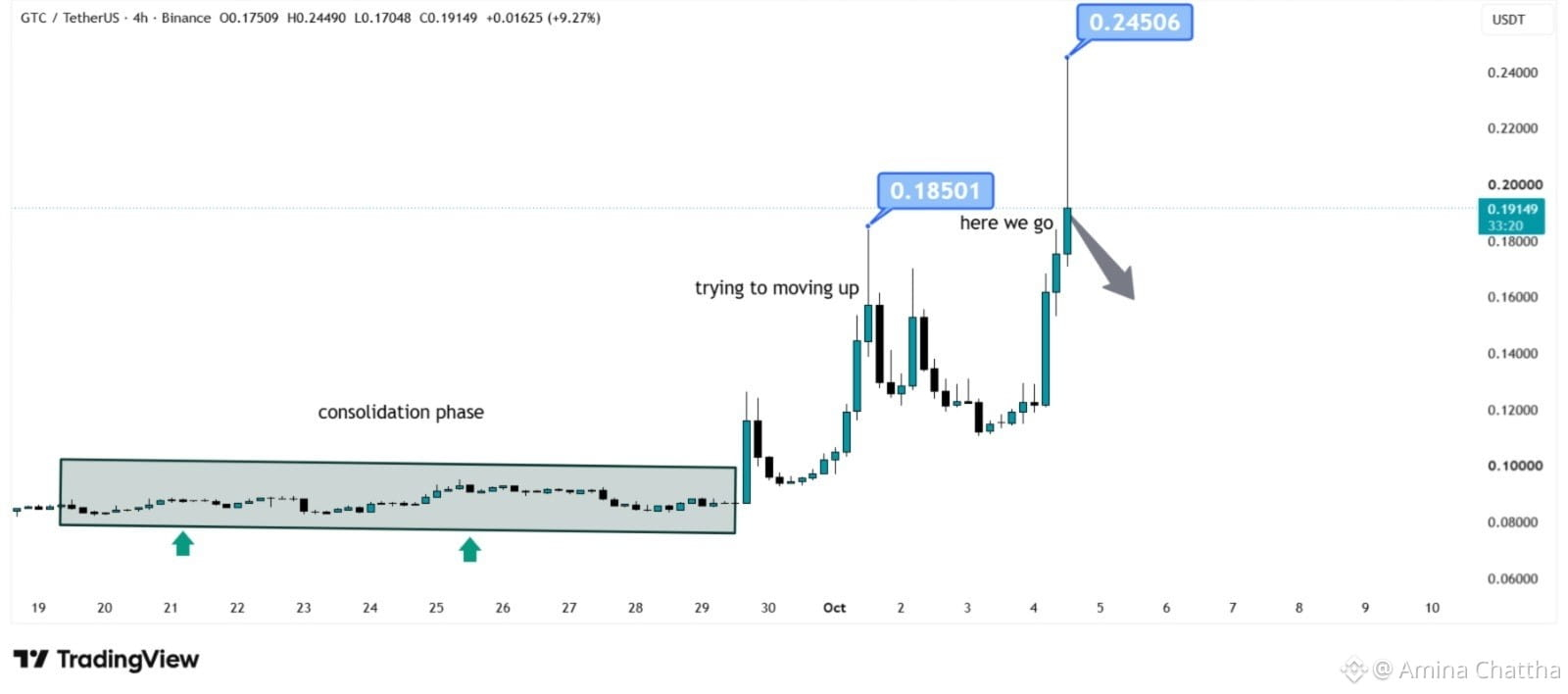
GTC exploded from consolidation and wicked up to $0.245. After such a sharp spike, a pullback or cooling phase around $0.16–$0.18 could come into focus.
{spot}(GTCUSDT)
$GTC Just Made a Wild Move
GTC exploded from consolidation and wicked up to $0.245. After such a sharp spike, a pullback or cooling phase around $0.16–$0.18 could come into focus.
GTC exploded from consolidation and wicked up to $0.245. After such a sharp spike, a pullback or cooling phase around $0.16–$0.18 could come into focus.
1
116
$ZKP Just Broke Out 👀
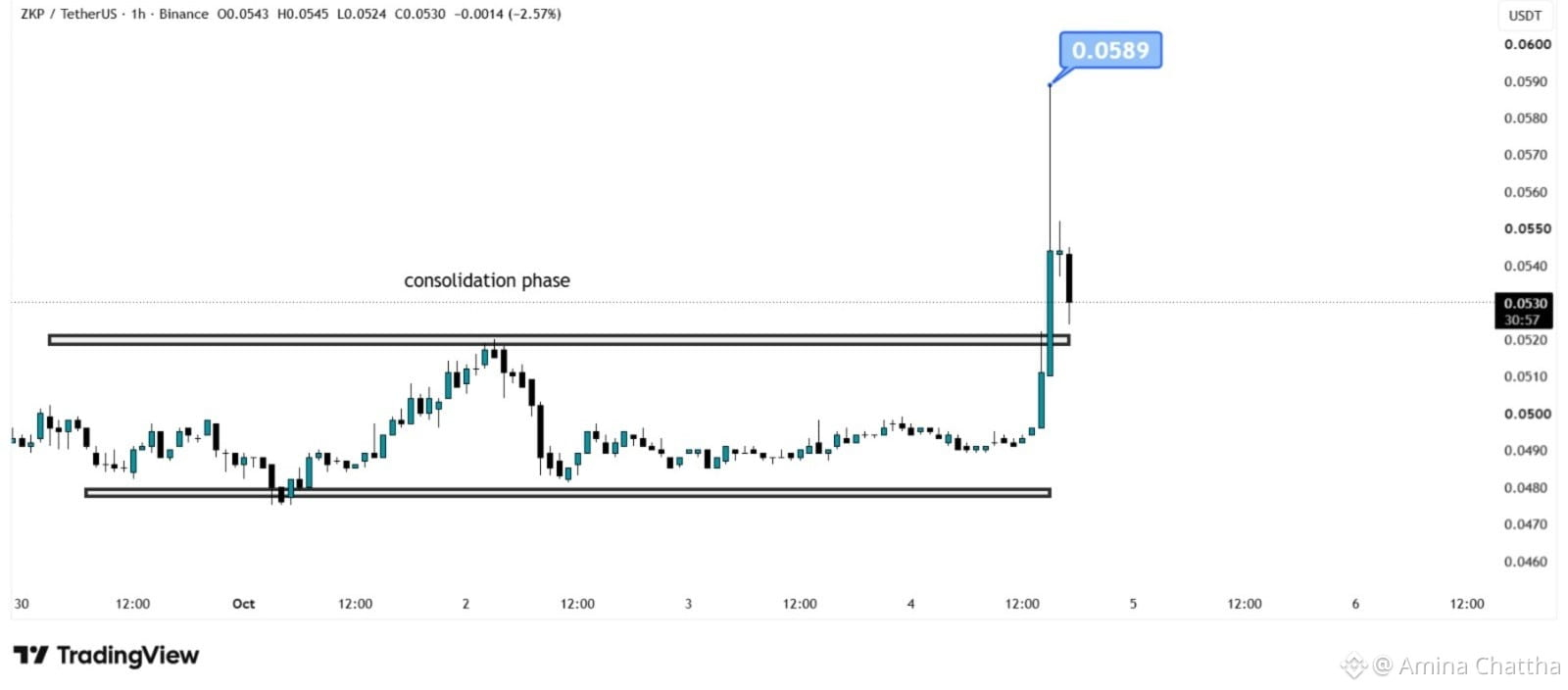
ZKP exploded above the $0.052 consolidation resistance and reached $0.0589. Holding above the breakout area could keep the bullish momentum alive.
{spot}(ZKPUSDT)
$ZKP Just Broke Out 👀
ZKP exploded above the $0.052 consolidation resistance and reached $0.0589. Holding above the breakout area could keep the bullish momentum alive.
ZKP exploded above the $0.052 consolidation resistance and reached $0.0589. Holding above the breakout area could keep the bullish momentum alive.
2
125
$MUBARAK READY FOR THE NEXT MOVE
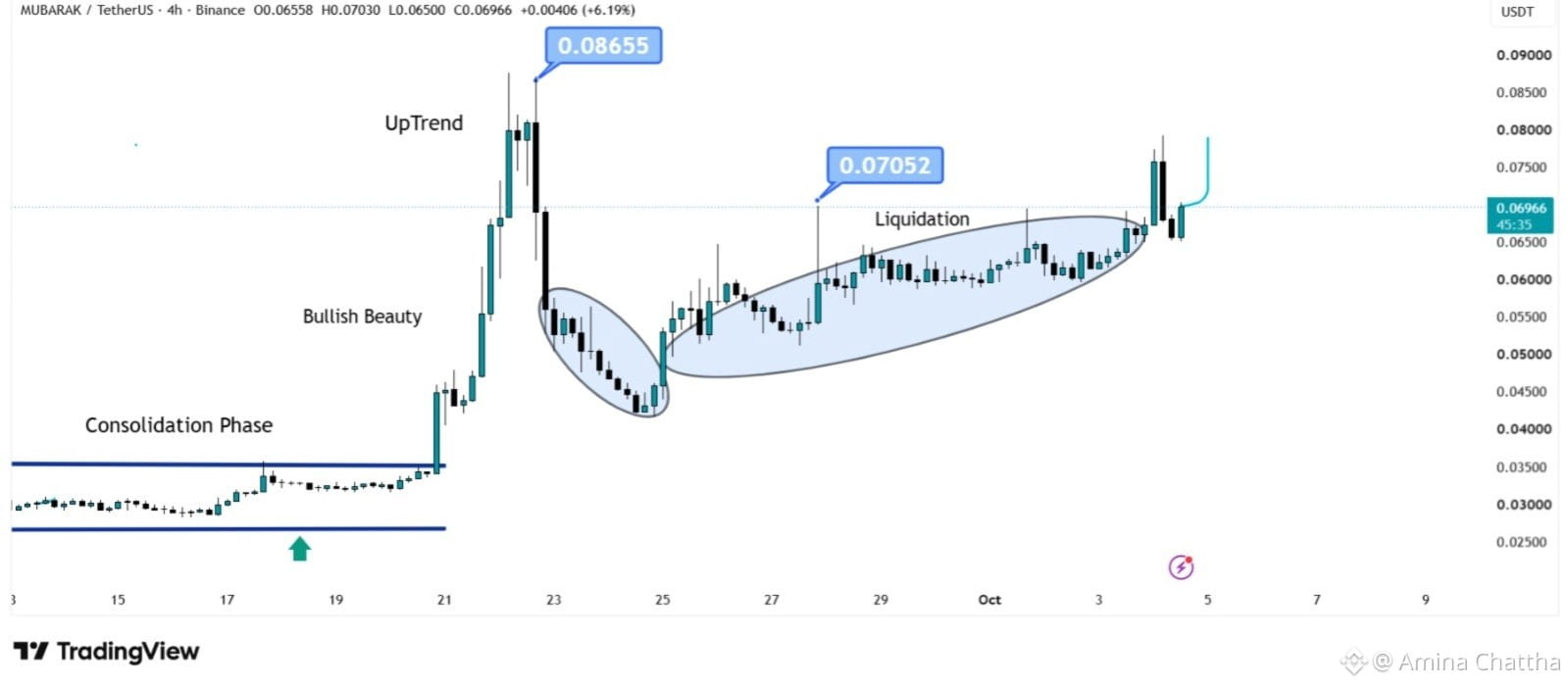
$MUBARAK looks bullish near $0.0697. A break above $0.0705 could push it toward $0.075–$0.080.
{spot}(MUBARAKUSDT)
$MUBARAK READY FOR THE NEXT MOVE
$MUBARAK looks bullish near $0.0697. A break above $0.0705 could push it toward $0.075–$0.080.
$MUBARAK looks bullish near $0.0697. A break above $0.0705 could push it toward $0.075–$0.080.
1
166
$AIN Is Breaking Out
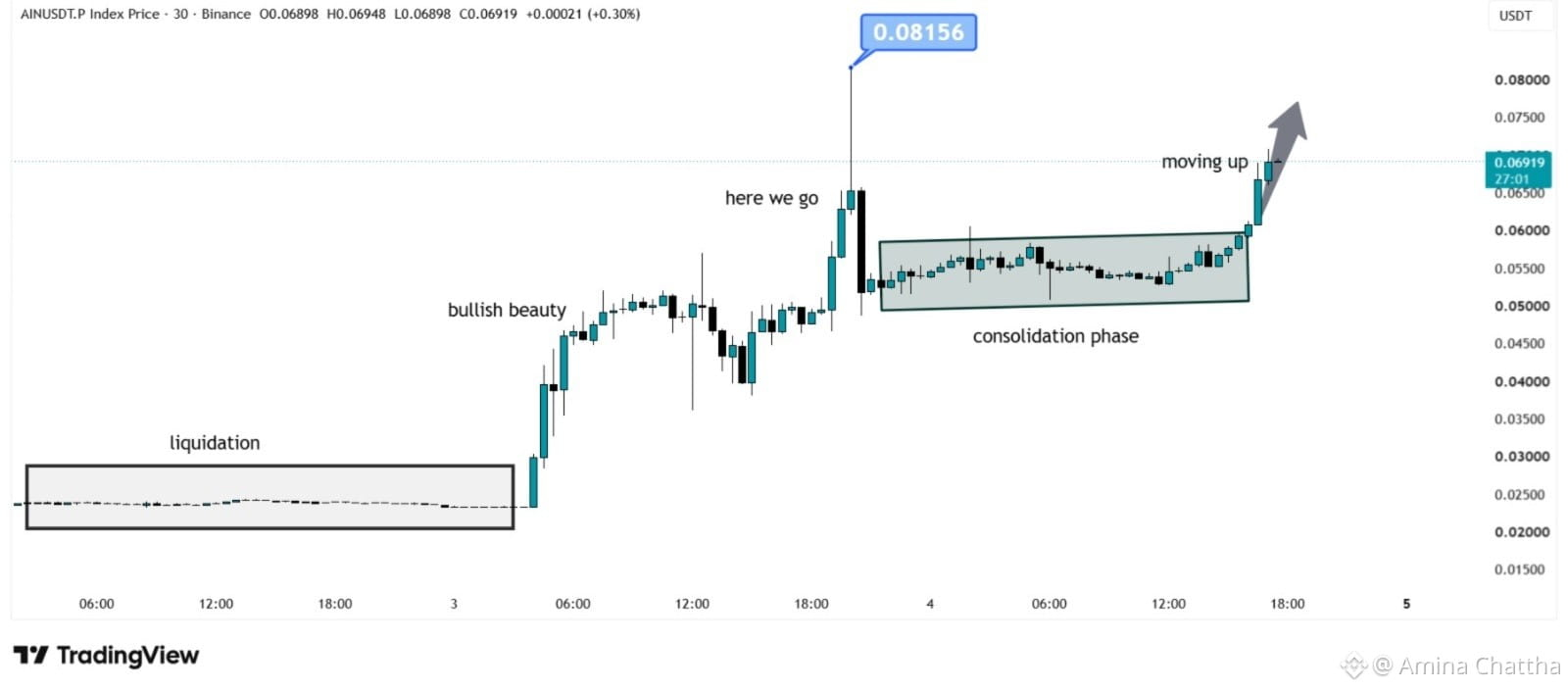
$AIN is pushing above its consolidation near $0.069. If momentum holds, $0.075 comes into focus, with $0.0815 as the bigger level.
{future}(AINUSDT)
$AIN Is Breaking Out
$AIN is pushing above its consolidation near $0.069. If momentum holds, $0.075 comes into focus, with $0.0815 as the bigger level.
$AIN is pushing above its consolidation near $0.069. If momentum holds, $0.075 comes into focus, with $0.0815 as the bigger level.
1
174
Log in to explore more content
Join global crypto users on Binance Square
⚡️ Get latest and useful information about crypto.
💬 Trusted by the world’s largest crypto exchange.
👍 Discover real insights from verified creators.
Email / Phone number
Trending Topics
BinanceLaunchesBinanceIntelligence
32,252 views
387 Discussing
🚨 BINANCE JUST PUT AI DIRECTLY INSIDE THE EXCHANGE — AND THIS COULD CHANGE HOW RETAIL TRADES.
Binance has officially launched Binance Intelligence, a new AI layer built into the Binance ecosystem. It combines three products:
Binance AI for everyday users,
Binance AI Pro for automated trading workflows,
and Agent OS for developers building financial agents.
The part traders should care about?
Binance AI can surface market briefs, smart alerts, PnL recaps and personalized information, while AI Pro is designed to turn a plain-English trading idea into a visual strategy workflow.
That means the next phase of exchange competition may not be:
lowest fees vs deepest liquidity.
It could be:
who gives traders the best AI execution layer.
If Binance Intelligence actually drives heavier user activity, automated strategies and higher trading frequency, watch $BNB first.
AI adoption ↑
→ Binance engagement ↑
→ trading activity ↑
→ ecosystem narrative strengthens.
The catalyst I’d watch now:
global rollout + AI Pro launch + measurable user adoption.
Because once AI stops just telling you what the market is doing…
…and starts helping build the trade itself?
That’s when this gets much bigger than another chatbot. 👀
#binancelaunchesbinanceintelligence #EvernorthXRPTreasuryCompletesSPACMerger #ADAGains10%Above$0.27 #ETHUp70%InQ3ButLiquidityFalls #EthStakingExitQueueHits2026High
KimHotbae
·20 Likes
·24.6k views
EvernorthXRPTreasuryCompletesSPACMerger
28,878 views
270 Discussing
ADAGains10%Above$0.27
30,166 views
205 Discussing