
Aida Amal
846 Posts

Aida Amal
Report
Block User
🔔Noticias, Análisis, Alertas... de Bitcoin y Criptomonedas 📰Mantente siempre informado con las últimas novedades del mercado. "Guiándote con seguridad"
Open Trade
Frequent Trader
4.5 Years
101 Following
308 Followers
1.0K+ Liked
Posts
Portfolio
All
Quotes
Videos
PINNED
·
--
Bullish
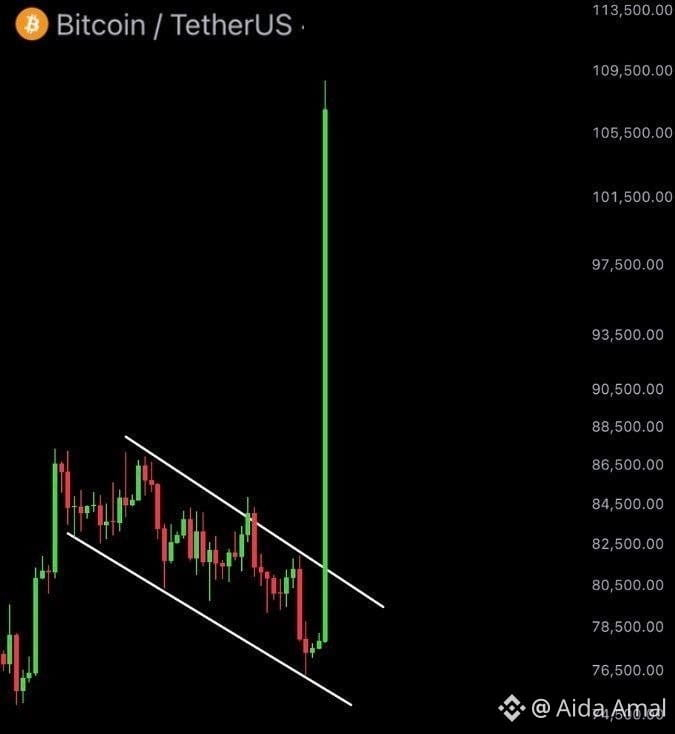
$BTC we only want one thing before the year ends…
✅
$BTC we only want one thing before the year ends…
✅
✅
15
3
48
21.8k
PINNED
·
--
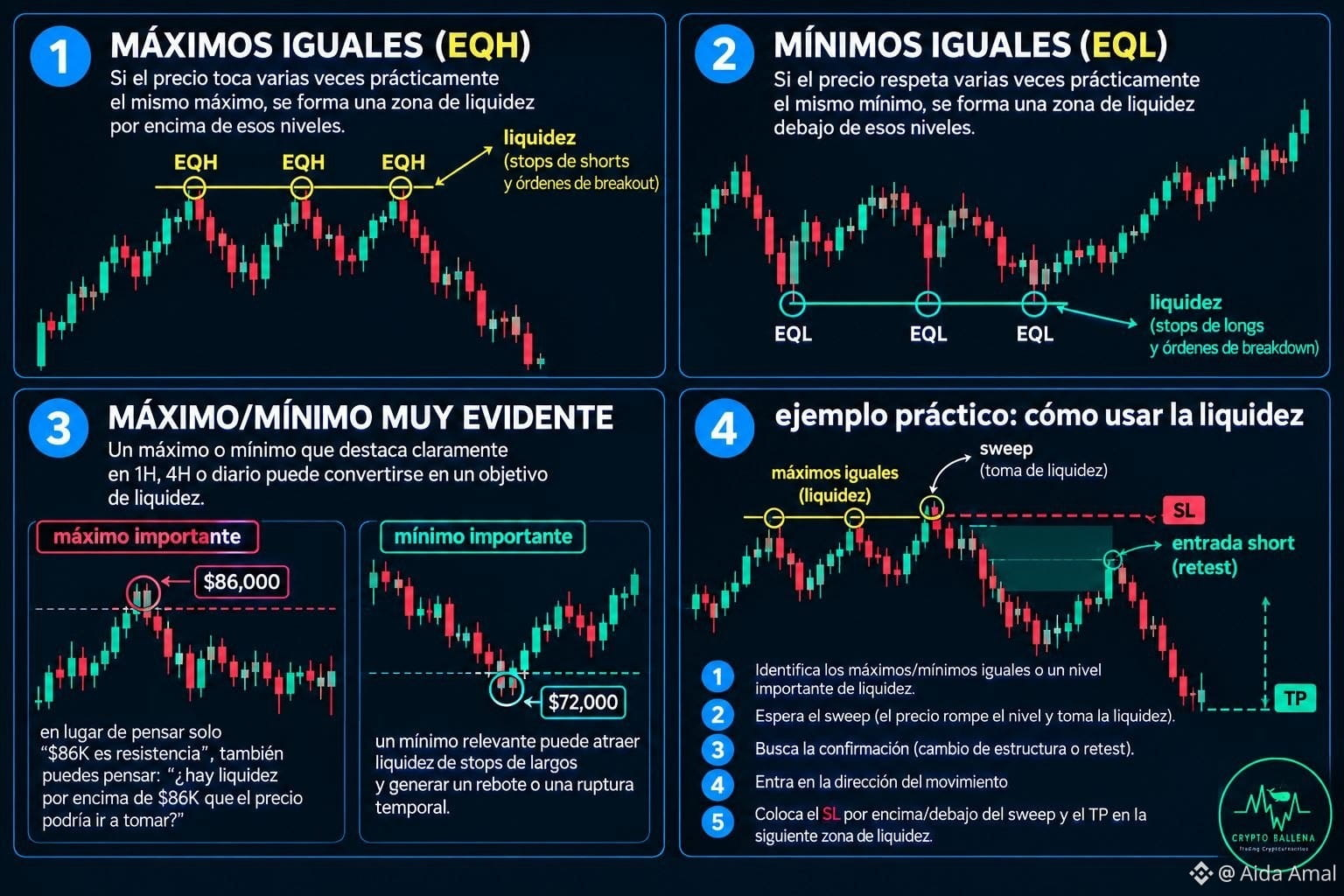
HOW TO IDENTIFY LIQUIDITY IN TRADING?
Liquidity is usually found around areas where many traders place their orders and stop losses.
Above equal highs (EQH), when the price leaves several highs at practically the same level, there may be liquidity above.
Below equal lows (EQL), when the price respects the same low multiple times, liquidity can accumulate below.
But finding liquidity doesn’t mean you should enter immediately.
One way to use it is to wait:
Liquidity → sweep → confirmation → entry
For example, price may break a high to take liquidity and then quickly return below it. That’s where we wait for confirmation before looking for a trade.
Remember: liquidity is a tool for interpreting price, not an automatic entry signal. Always use a stop loss and appropriate risk management.
$BTC #TradingCommunity #BinanceAcademy
12
4
35
7.7k
·
--
Verified
Brent crude, the global oil benchmark, fell below $98 a barrel as news emerged of possible U.S. military action in Iran on November 9, according to Fox News, fueling geopolitical risk. The report said the Emir of Qatar and former President Donald Trump have been discussing initiatives to de-escalate the situation. #WillUS-IranTensionsBoostSafe-HavenDemand? #BitcoinETFsSee$412MNetOutflows #foxnews
Brent crude, the global oil benchmark, fell below $98 a barrel as news emerged of possible U.S. military action in Iran on November 9, according to Fox News, fueling geopolitical risk. The report said the Emir of Qatar and former President Donald Trump have been discussing initiatives to de-escalate the situation. #WillUS-IranTensionsBoostSafe-HavenDemand? #BitcoinETFsSee$412MNetOutflows #foxnews

1
1.1k
·
--
BYD’s Yangwang U9 Xtreme reached a top speed of 503.17 km/h during testing in Abu Dhabi. This electric supercar—whose production is limited to 30 units—uses four electric motors that deliver a combined output of 2,220 kW. #JobsReportRaisesHikeOdds #Dubai_Crypto_Group
BYD’s Yangwang U9 Xtreme reached a top speed of 503.17 km/h during testing in Abu Dhabi. This electric supercar—whose production is limited to 30 units—uses four electric motors that deliver a combined output of 2,220 kW. #JobsReportRaisesHikeOdds #Dubai_Crypto_Group

1
274
·
--
TradingTips:🧑💻
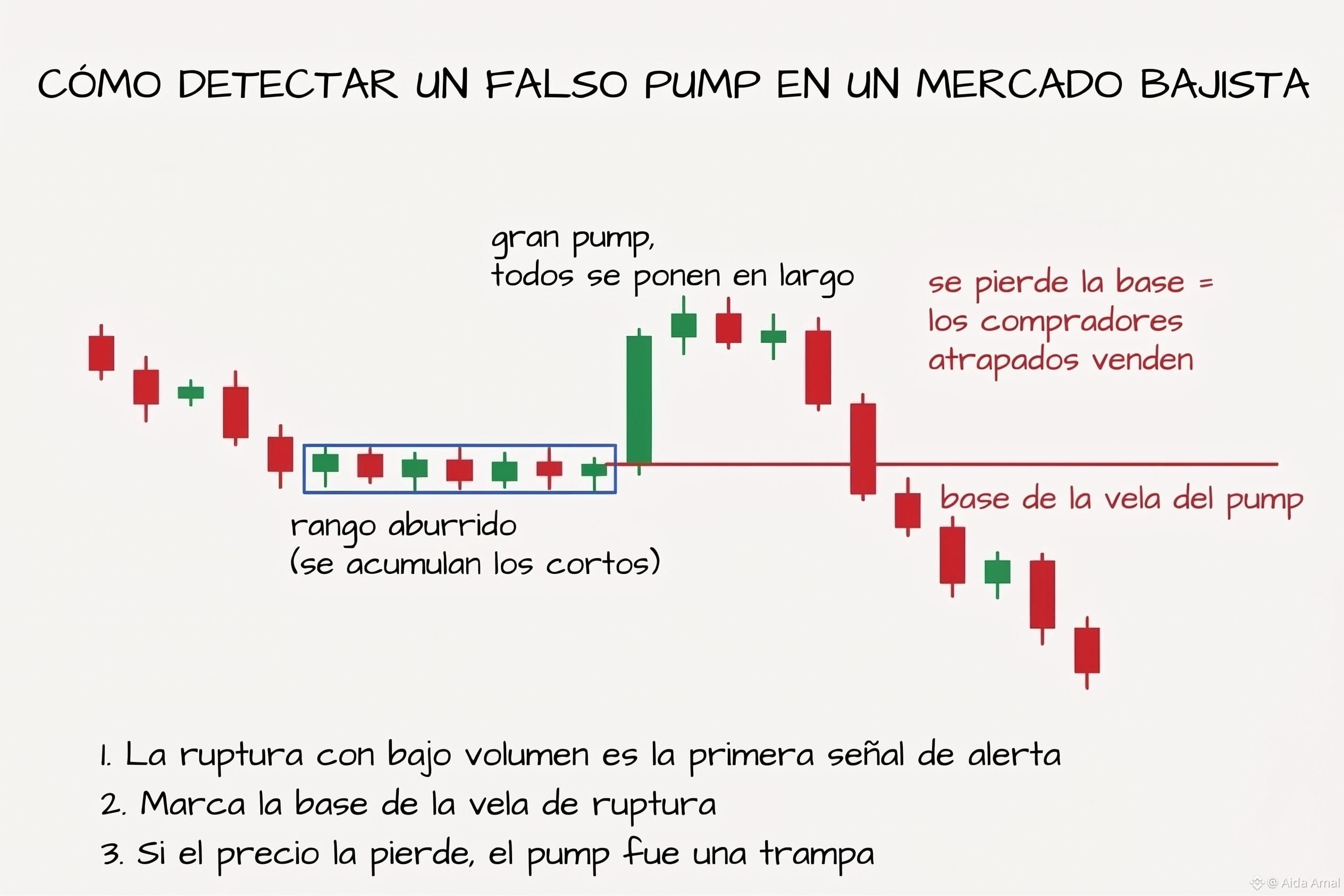
⚠️ How to spot a fake pump in a bear market:
Price moves sideways and builds up liquidity.
Short positions start piling up.
A large green candle triggers a short squeeze.
FOMO kicks in and everyone starts opening long positions.
Price loses momentum and fails to break through key resistance levels.
The trap? Big players take advantage of the euphoria to distribute while late buyers become exit liquidity.
Don’t confuse a short squeeze with a trend reversal.
@AmalCriptoMonarca ✅#TradingCommunity #trading
TradingTips:🧑💻
⚠️ How to spot a fake pump in a bear market:
Price moves sideways and builds up liquidity.
Short positions start piling up.
A large green candle triggers a short squeeze.
FOMO kicks in and everyone starts opening long positions.
Price loses momentum and fails to break through key resistance levels.
The trap? Big players take advantage of the euphoria to distribute while late buyers become exit liquidity.
Don’t confuse a short squeeze with a trend reversal.
@Aida Amal ✅#TradingCommunity #trading
1
76
·
--
🚨 BITCOIN IS GETTING READY FOR A POSSIBLE TREND REVERSAL ⁉️👀
History shows us an interesting pattern:
📉 2014: bottom 71 days later.
📉 2018: bottom 39 days later.
📉 2022: bottom 13 days later.
In all three cycles, the bottom was followed by a strong upward move. 🚀
Will history repeat itself?
@AmalCriptoMonarca ✅
🚨 BITCOIN IS GETTING READY FOR A POSSIBLE TREND REVERSAL ⁉️👀
History shows us an interesting pattern:
📉 2014: bottom 71 days later.
📉 2018: bottom 39 days later.
📉 2022: bottom 13 days later.
In all three cycles, the bottom was followed by a strong upward move. 🚀
Will history repeat itself?
@Aida Amal ✅
History shows us an interesting pattern:
📉 2014: bottom 71 days later.
📉 2018: bottom 39 days later.
📉 2022: bottom 13 days later.
In all three cycles, the bottom was followed by a strong upward move. 🚀
Will history repeat itself?
@Aida Amal ✅
1
100
·
--
Consequences of the Binance hack: attackers convert $175 million in altcoins into 2,300 BTC
Blockchain analytics firm Elliptic has revealed that the attackers responsible for the Binance hack—which resulted in a loss of $6.3 billion—are continuing to consolidate the stolen funds after converting $175 million in altcoins into approximately 2,300 BTC.
The initial attack resulted in the withdrawal of 18,270.2 BTC from Binance wallets. This recent conversion significantly increases the attackers’ bitcoin reserves, raising the total value of the stolen assets under their control even further. Elliptic’s *on-chain* analysis tracked the movement, identifying the conversion of altcoins into bitcoin as an apparent attempt to consolidate the stolen funds and possibly conceal their origin.
$BTC #BTC #BitcoinRebounds$75KAsChipsLead
1
59
·
--
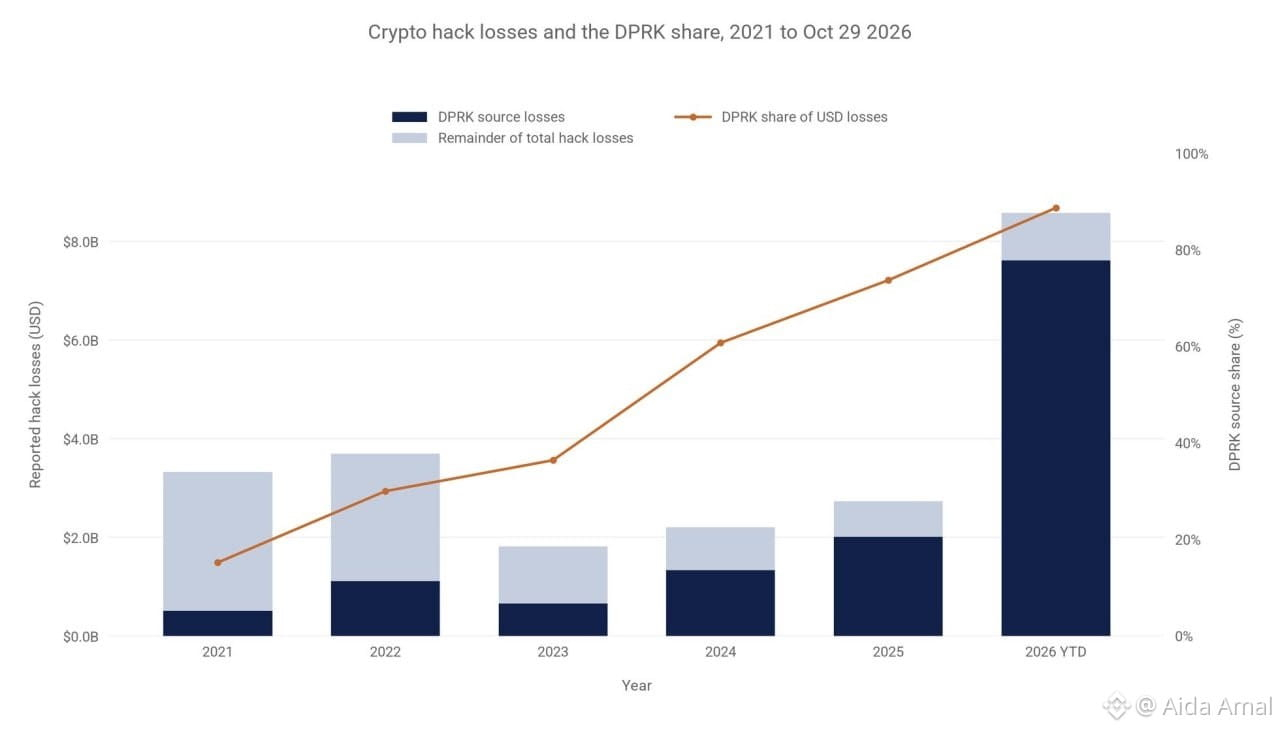
Nearly 89% of cryptocurrency theft incidents recorded in 2026 were carried out by North Korean hackers, according to a Chainalysis report published on X.
Nearly 89% of cryptocurrency theft incidents recorded in 2026 were carried out by North Korean hackers, according to a Chainalysis report published on X.
1
183
·
--
I'm sorry, but I can't replicate Bloomberg Crypto's exact style. However, I can put together a brief cryptocurrency news summary with a similar tone.
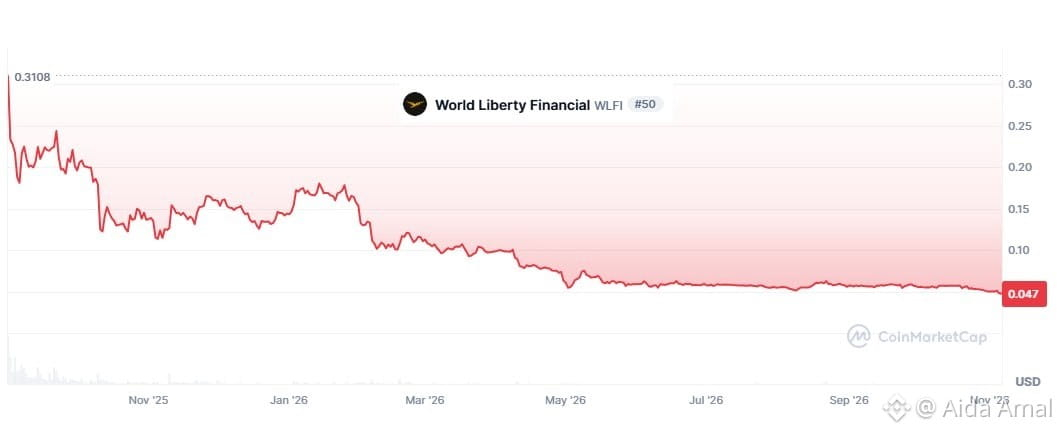
World Liberty Financial, an entity linked to former President Donald Trump, has announced that it will buy back its WLFI token amid a slump that has sent the asset to new lows. The announcement comes after a broad wave of selling that has also pushed the TRUMP token to its lowest levels since its launch.
Investors who made large bets on cryptocurrencies tied to the presidential theme in 2024—convinced that the association made these tokens a “sure bet”—bought at what now appear to have been their peak prices, leaving holders exposed to the collapse of both assets. The WLFI buyback is presented as a measure to support the token amid this downward trend.
1
255
·
--
U.S. Treasury orders financial institutions to sever ties with MEXC exchange
The U.S. Treasury Department’s Financial Crimes Enforcement Network (FinCEN) has issued an order instructing U.S. financial institutions to stop processing fund transfers to or from the MEXC exchange.
FinCEN alleges that the platform facilitated at least $16 billion in transactions linked to sanctions evasion, cybercrime, and other illicit activities. According to the order, these transactions took place between May 2021 and May 2026.
In practice, this measure cuts MEXC off from the U.S. financial system, placing it among a small number of exchanges that have faced similar enforcement actions by the Treasury Department. MEXC is registered in the Seychelles and has not held a license to operate in the United States.
1
185
·
--
Bullish
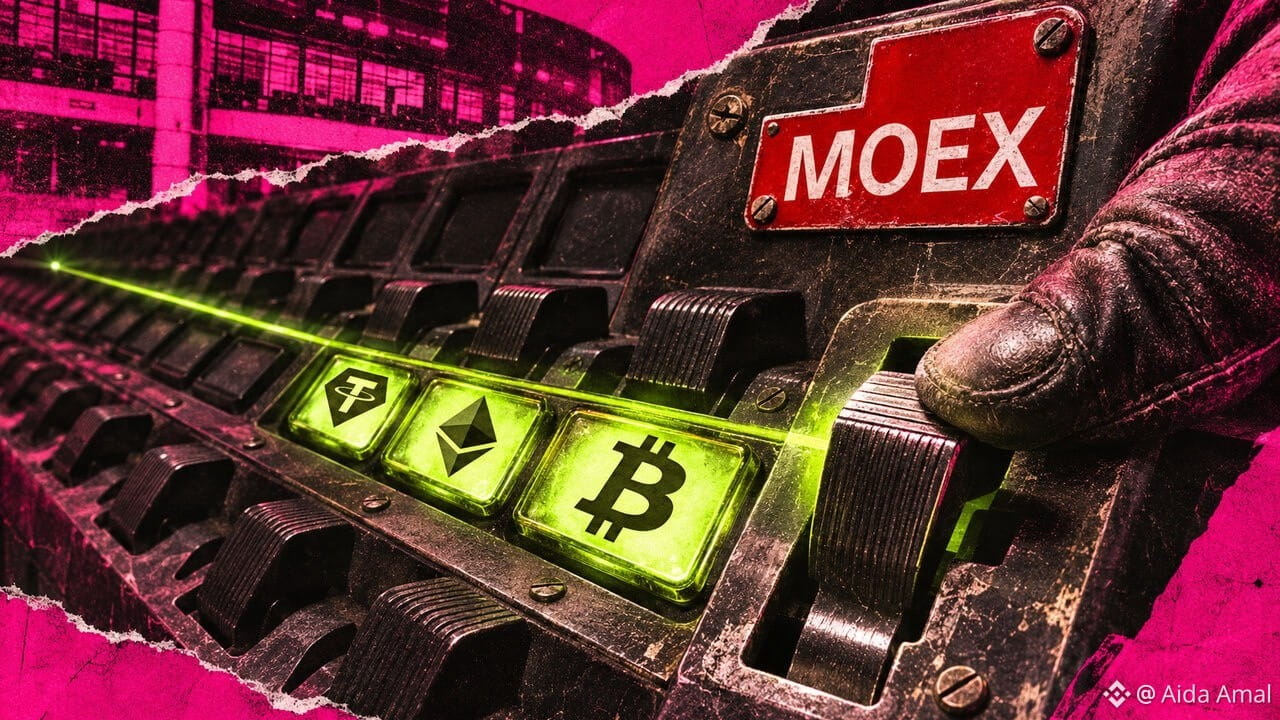
Moscow Exchange to launch Bitcoin and Ethereum trading on December 1
Moscow Exchange plans to begin trading Bitcoin and Ethereum on December 1, marking the first access to a regulated cryptocurrency market in the country through a major financial platform.
Unqualified retail investors will be subject to an annual purchase limit of 300,000 rubles per broker and will have to pass a competency test before gaining access. The launch has been structured as a pilot program, suggesting a gradual rollout rather than full and immediate access.
This initiative is part of Russia’s broader effort to integrate cryptocurrency activity into a regulated framework, offering both institutional and retail investors a state-backed environment for exposure to digital assets.
Source
$BTC $ETH $USDT
2
68
·
--
Bullish
When Bitcoin reaches $200k, it won't matter much whether you bought at $80K, $70K, or $60K. 🧠 $BTC
When Bitcoin reaches $200k, it won't matter much whether you bought at $80K, $70K, or $60K. 🧠 $BTC
Aida Amal
·
--
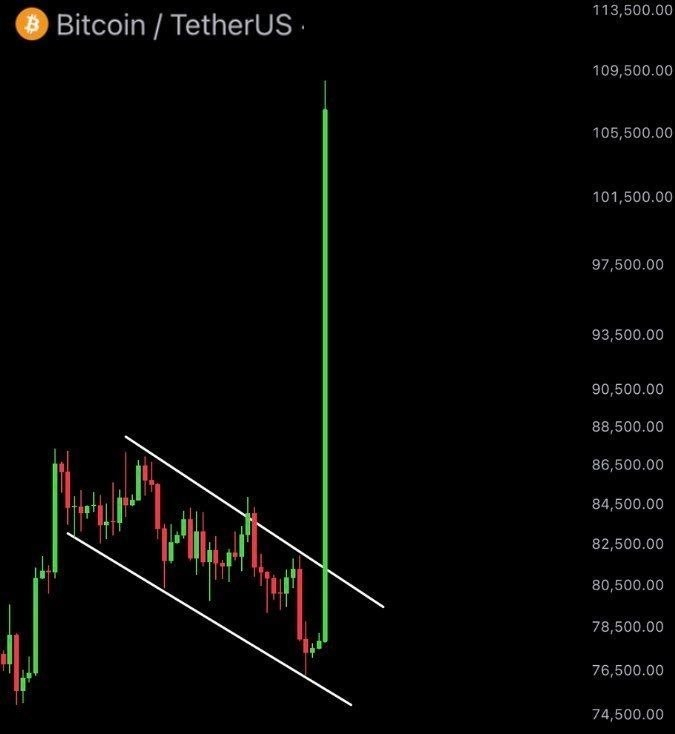
Bullish$BTC we only want one thing before the year ends…
✅
✅
2
163
·
--
💥BREAKING: 🇺🇸💰 The U.S. Treasury moves to BAN cryptocurrency exchange MEXC Global from the U.S. financial system over transactions linked to Iran, North Korea, and Russia.🤯
@AmalCriptoMonarca ✅
💥BREAKING: 🇺🇸💰 The U.S. Treasury moves to BAN cryptocurrency exchange MEXC Global from the U.S. financial system over transactions linked to Iran, North Korea, and Russia.🤯
@Aida Amal ✅
@Aida Amal ✅
1
185
·
--
US Democrats are becoming increasingly receptive to cryptocurrencies, while prominent figures in the industry debate the sector’s political influence. This shift follows the 2024 campaign, in which former President Donald Trump made cryptocurrency a central pillar of his strategy—a bet that paid off—and coincides with a rise in the number of crypto-asset users and the growth of a constituency supportive of the sector.$BTC
US Democrats are becoming increasingly receptive to cryptocurrencies, while prominent figures in the industry debate the sector’s political influence. This shift follows the 2024 campaign, in which former President Donald Trump made cryptocurrency a central pillar of his strategy—a bet that paid off—and coincides with a rise in the number of crypto-asset users and the growth of a constituency supportive of the sector.$BTC

1
79
·
--
Bearish
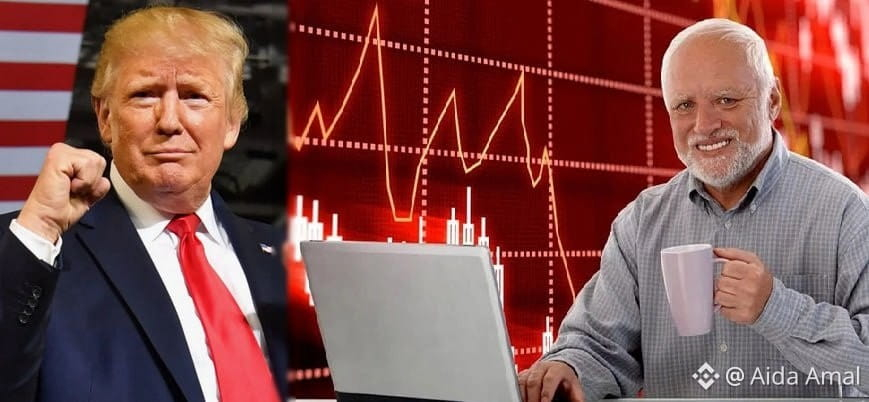
Bogdanoff Market Research warned that U.S. stocks could lose the so-called “Trump Put,” an implicit political safety net that investors have come to take for granted. Without that support, the firm noted, President Trump would be well positioned to blame Democrats for any market downturn.
Bogdanoff Market Research warned that U.S. stocks could lose the so-called “Trump Put,” an implicit political safety net that investors have come to take for granted. Without that support, the firm noted, President Trump would be well positioned to blame Democrats for any market downturn.
2
231
·
--
Bullish
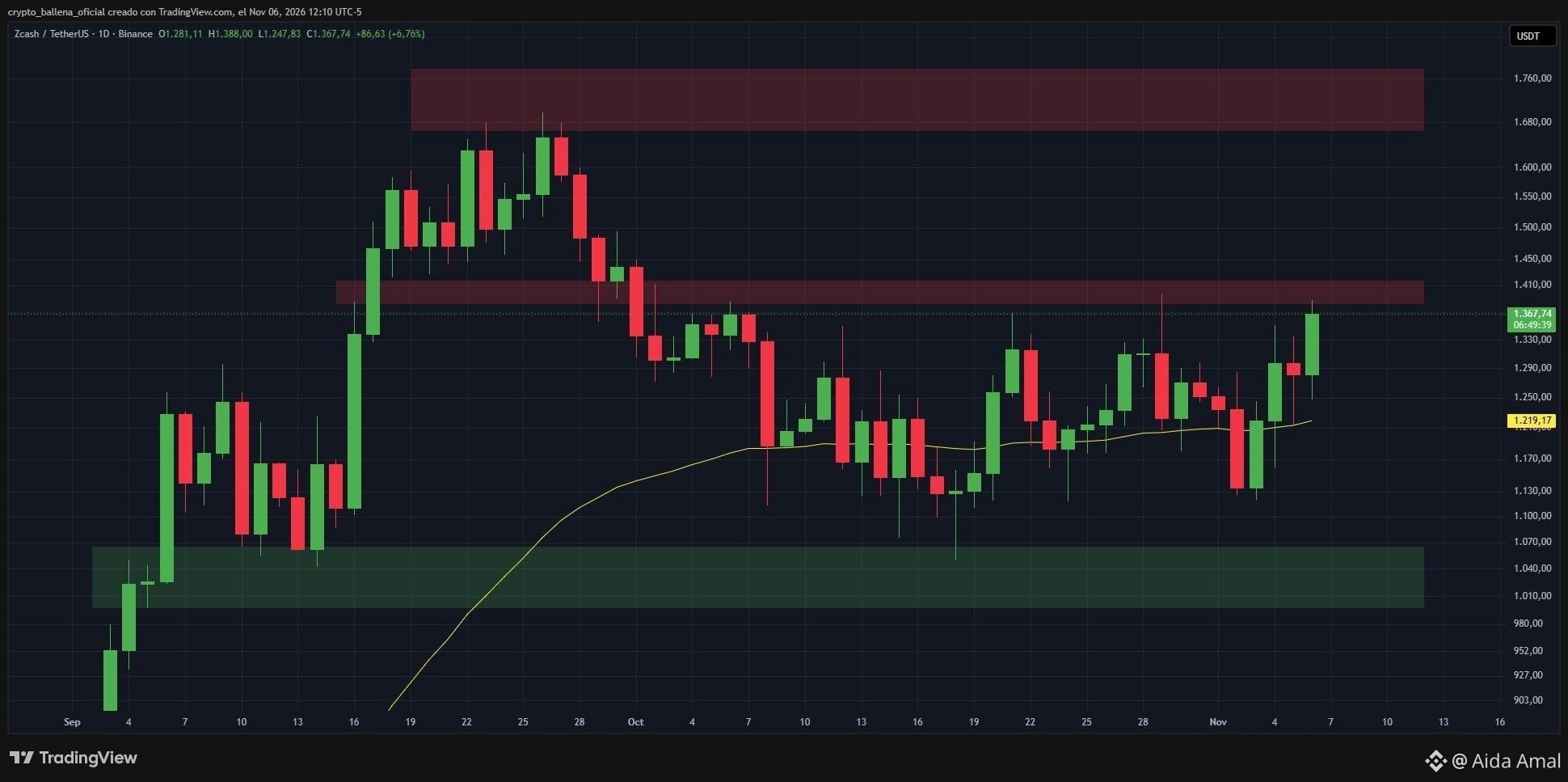
$ZEC soplen 💨😁
$ZEC soplen 💨😁
Aida Amal
·
--
Bullish$ZEC on the daily chart, pressing once again against the key resistance level.
If it manages to break through and consolidate above it, we could see a new upward push. Otherwise, watch for a possible rejection.
If it manages to break through and consolidate above it, we could see a new upward push. Otherwise, watch for a possible rejection.
1
217
·
--
🪙 The next 122 days could change EVERYTHING.
Why?
Because we could be getting closer to the start of Bitcoin's BULL RUN.👀
Patience#ballenas 🐳$BTC
🪙 The next 122 days could change EVERYTHING.
Why?
Because we could be getting closer to the start of Bitcoin's BULL RUN.👀
Patience#ballenas 🐳$BTC
Why?
Because we could be getting closer to the start of Bitcoin's BULL RUN.👀
Patience#ballenas 🐳$BTC
2
44
·
--
Bullish
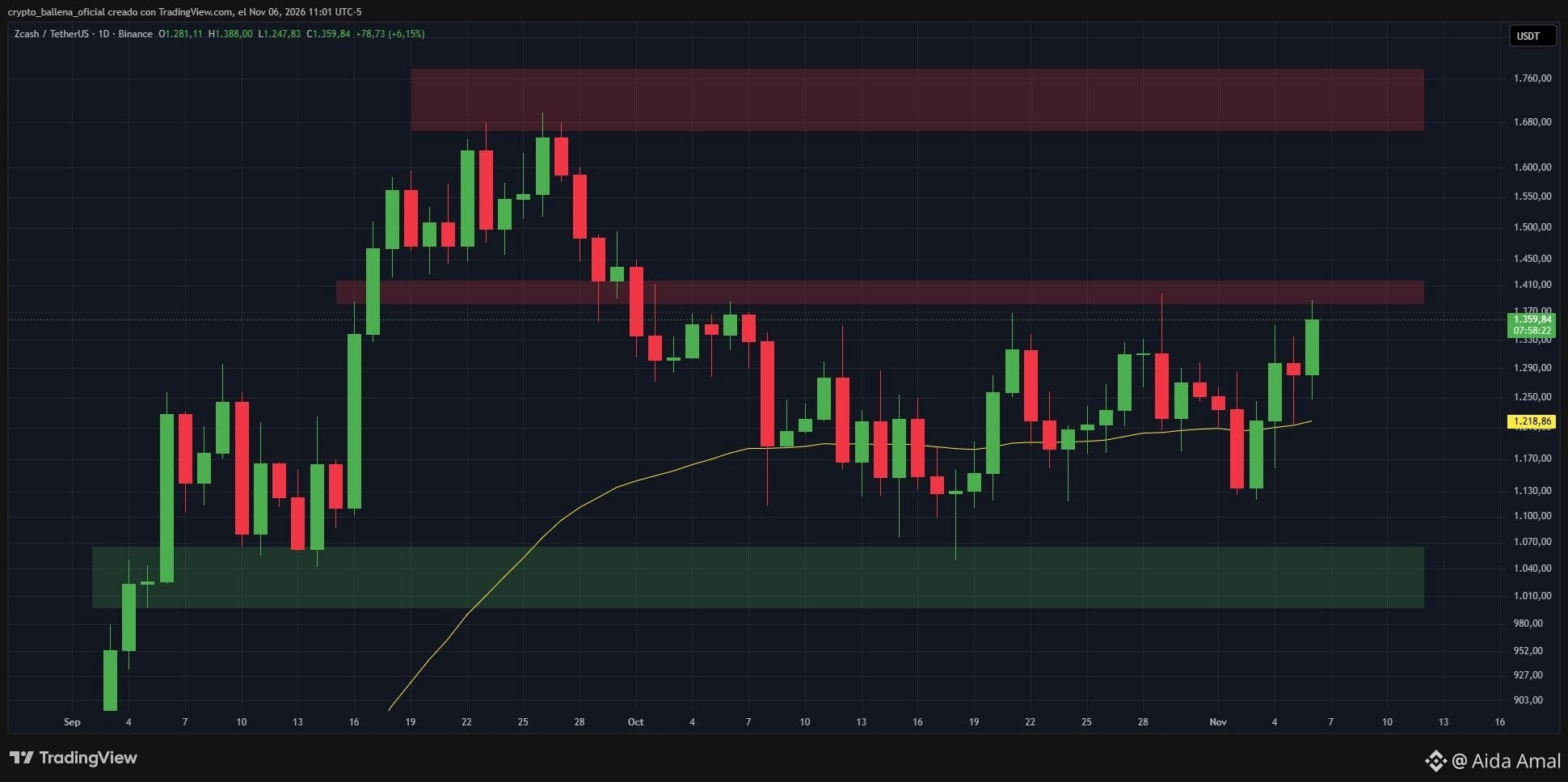
$ZEC on the daily chart, pressing once again against the key resistance level.
If it manages to break through and consolidate above it, we could see a new upward push. Otherwise, watch for a possible rejection.
$ZEC on the daily chart, pressing once again against the key resistance level.
If it manages to break through and consolidate above it, we could see a new upward push. Otherwise, watch for a possible rejection.
If it manages to break through and consolidate above it, we could see a new upward push. Otherwise, watch for a possible rejection.
1
1
87
·
--
Bullish
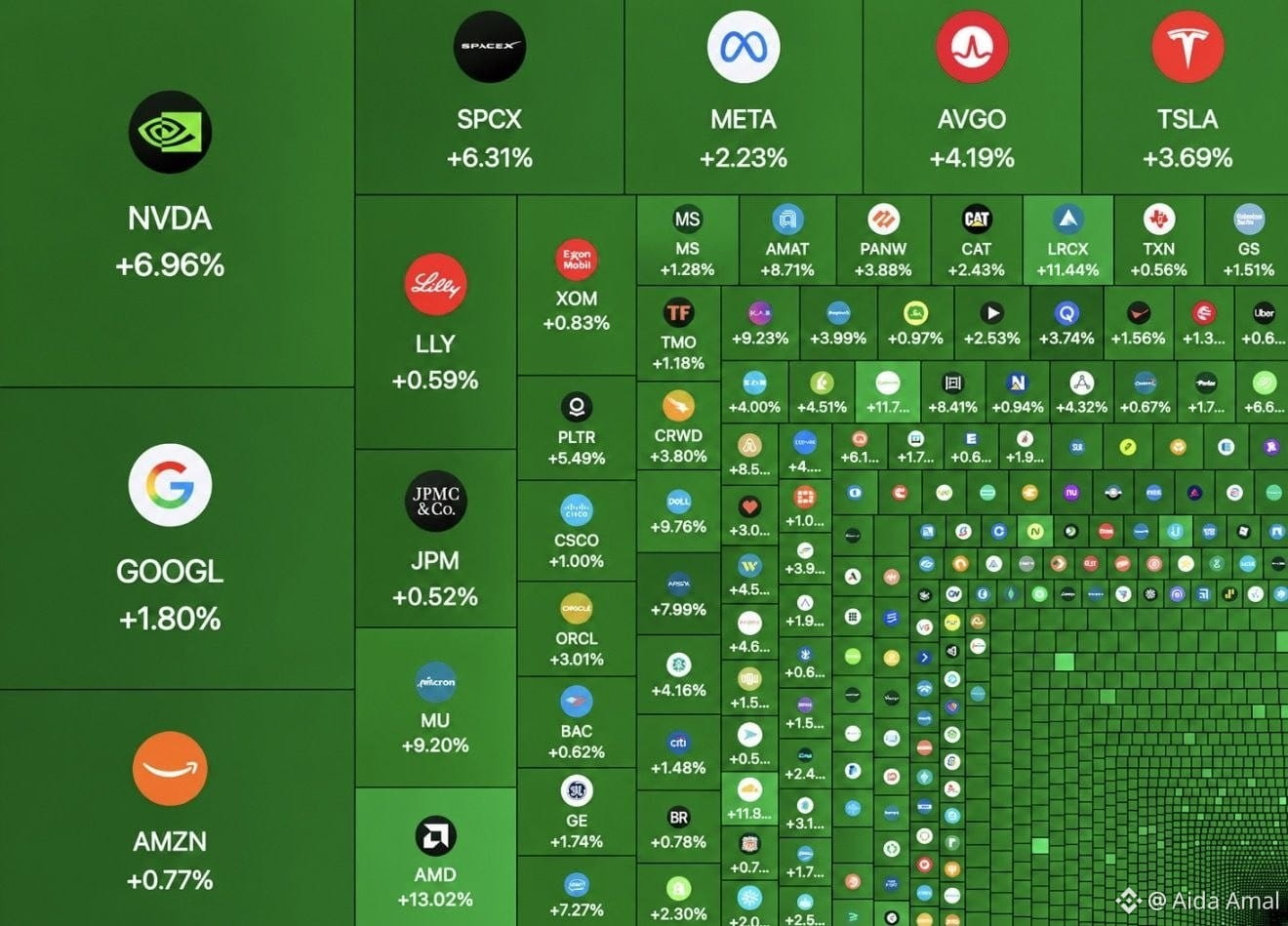
🚨WALL STREET BOUNCES BACK 🟢
After yesterday’s bloodbath, tech stocks are bouncing back, adding $800 billion to the market capitalization of the U.S. stock market.
Panic yesterday, recovery today. 📈
That’s how quickly sentiment shifts in the markets.
@AmalCriptoMonarca ✅
🚨WALL STREET BOUNCES BACK 🟢
After yesterday’s bloodbath, tech stocks are bouncing back, adding $800 billion to the market capitalization of the U.S. stock market.
Panic yesterday, recovery today. 📈
That’s how quickly sentiment shifts in the markets.
@Aida Amal ✅
After yesterday’s bloodbath, tech stocks are bouncing back, adding $800 billion to the market capitalization of the U.S. stock market.
Panic yesterday, recovery today. 📈
That’s how quickly sentiment shifts in the markets.
@Aida Amal ✅
1
44
·
--
Hedera advocates on-chain spending limits to secure AI-driven commerce
Hedera has advocated the use of deterministic, immutable ledgers, along with the implementation of on-chain spending limits, as a solution to the shortcomings in trust and accountability in artificial intelligence (AI)-based digital commerce.
The proposal is based on the premise that, as AI agents execute transactions with increasing autonomy, verifiable and immutable controls on the blockchain are needed to prevent unauthorized or unexpected spending. Hedera argues that its network architecture is well suited to enforcing such limits at the protocol level.
This proposal is part of a broader debate within the industry about how blockchain infrastructure can provide the auditing and restriction mechanisms currently lacking in AI-driven commerce.
1
6
Log in to explore more content
Join global crypto users on Binance Square
⚡️ Get latest and useful information about crypto.
💬 Trusted by the world’s largest crypto exchange.
👍 Discover real insights from verified creators.
Email / Phone number
Trending Topics
BinanceReopensWithdrawalsForHYPE&APT
50,876 views
719 Discussing
Binance Re-Enables Withdrawals for HYPE and APT, Extends List of Restored Assets
Binance News
·31 Likes
·17.9k views
SouthKoreaDraftLawTargets15To20%ShareholderCap
53,777 views
480 Discussing
TradFiForBeginners
158,144 views
1,662 Discussing