

青蛙也会飞
8k Posts
青蛙也会飞
Report
Block User
拿住,不然就是死。
Open Trade

PEPE Holder
Frequent Trader
1.9 Years
87 Following
4.8K+ Followers
28.4K+ Liked
Posts
Portfolio
All
Quotes
Videos
·
--
Bullish
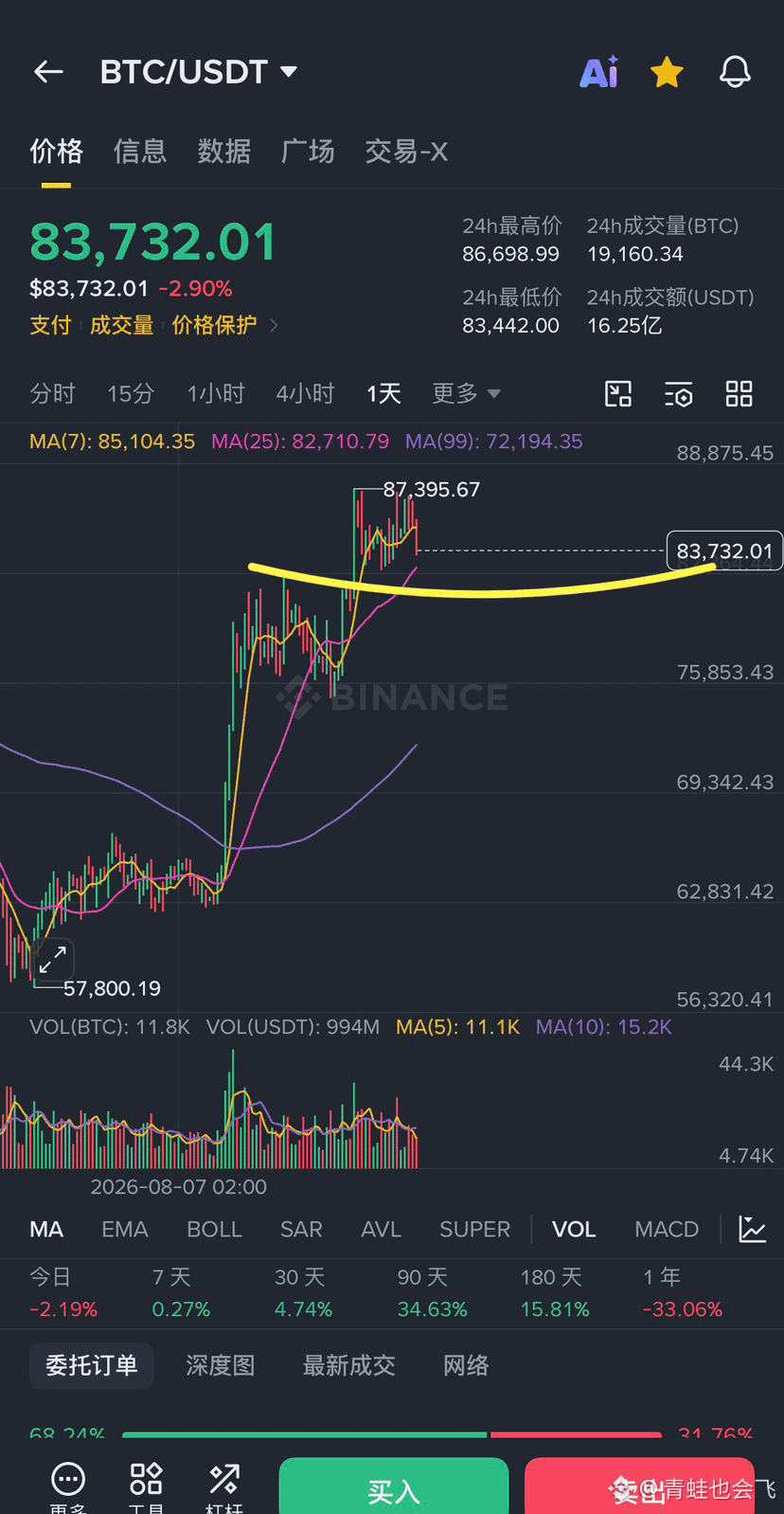
$BTC What’s there to worry about? As long as it hasn’t fallen below the yellow line, the bull market is still intact. It’s just a normal pullback after all—it’s already risen by $30,000. If it really drops to the yellow line, I’m going all in.
$BTC What’s there to worry about? As long as it hasn’t fallen below the yellow line, the bull market is still intact. It’s just a normal pullback after all—it’s already risen by $30,000. If it really drops to the yellow line, I’m going all in.
2
354
·
--
Bullish
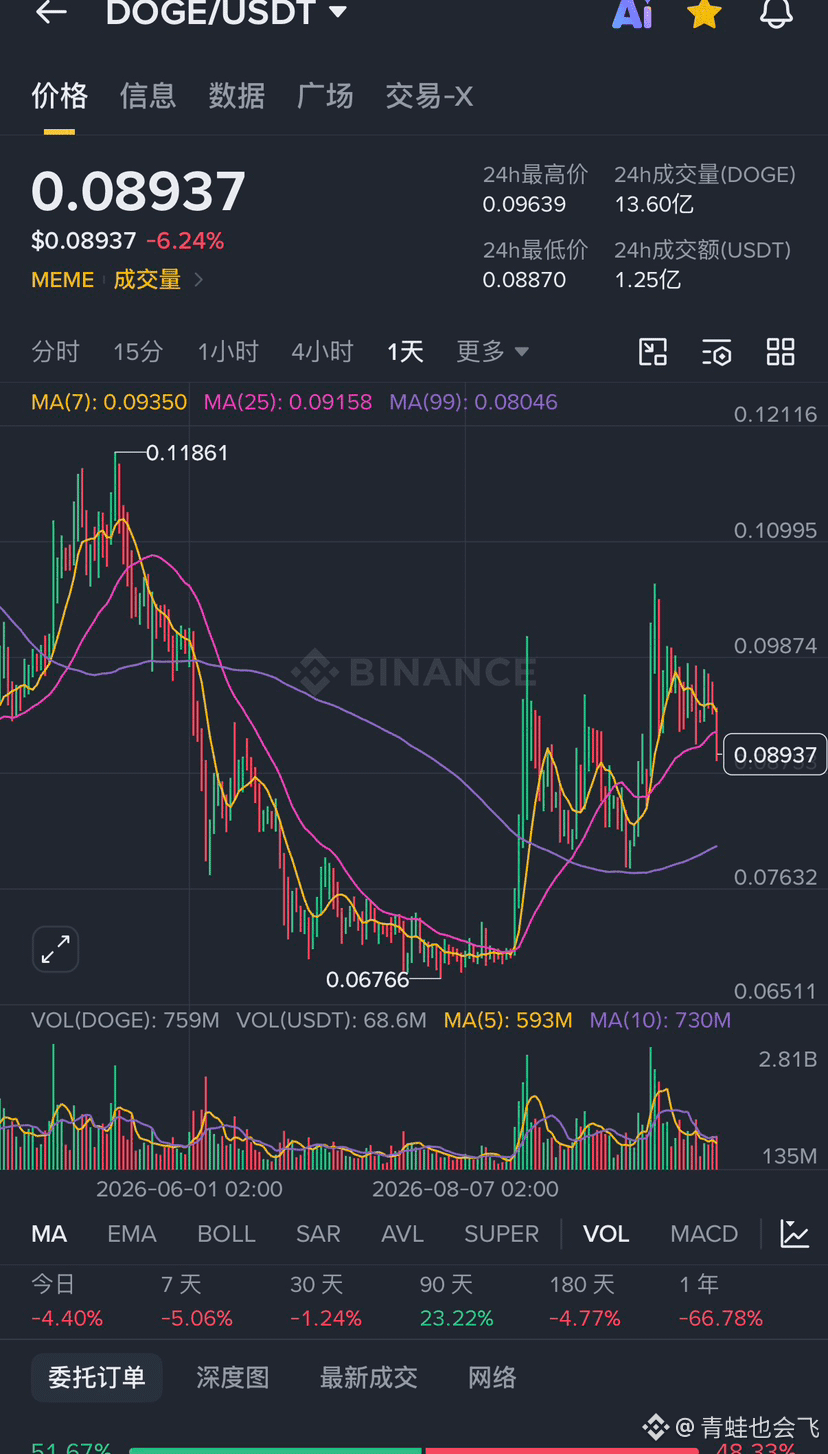
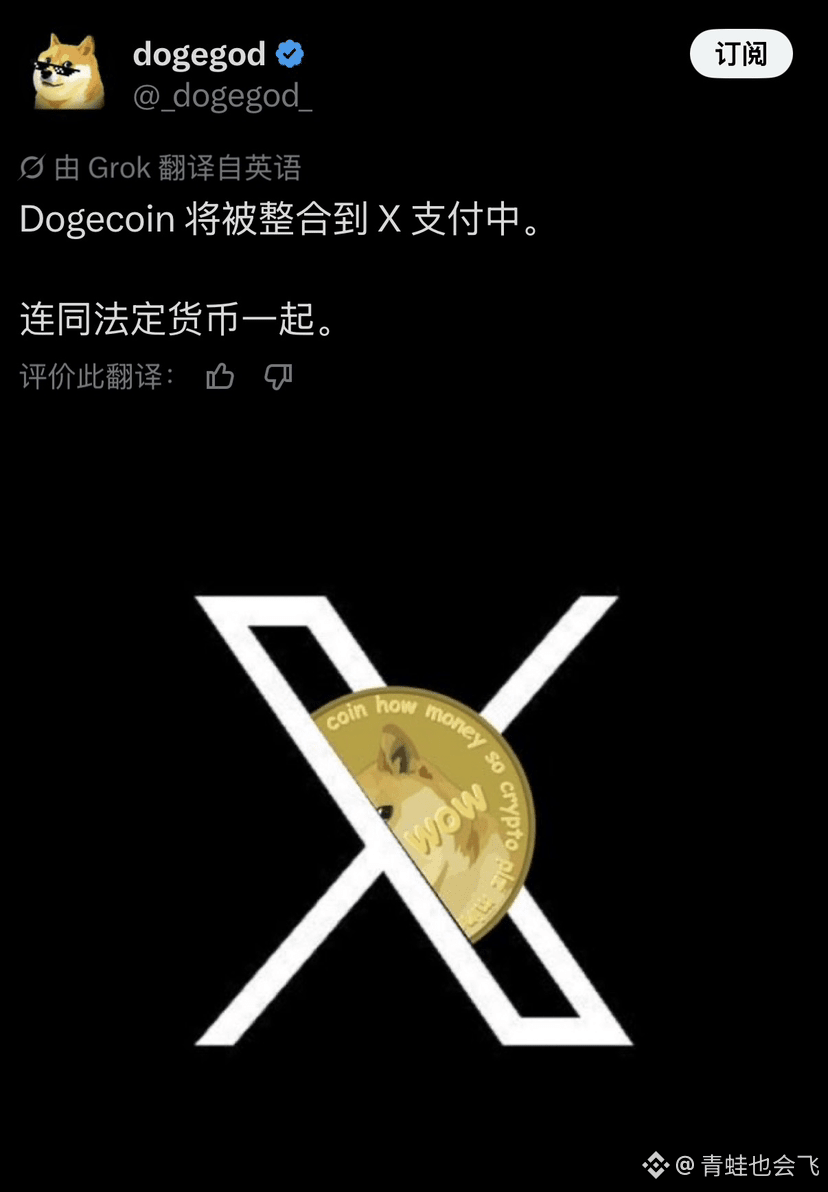
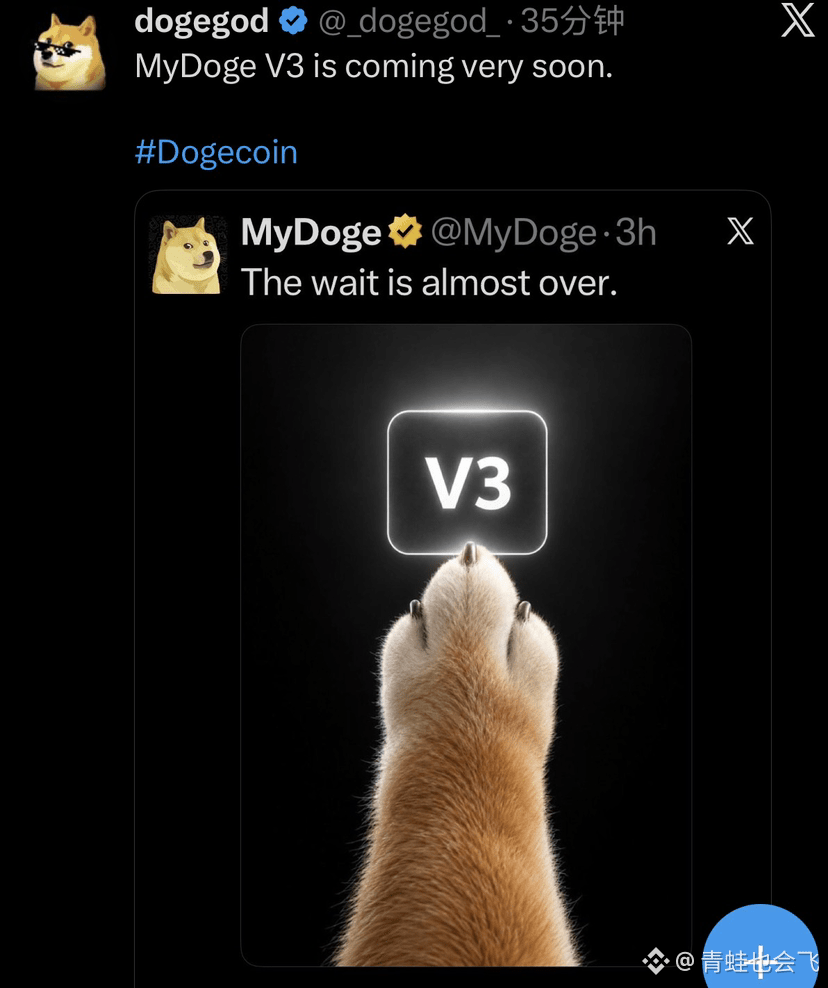
$DOGE Buy the dip, buy the dip, buy the dip—buy the dip for me! It’s definitely going to $1, then $10. There’s not much difference between buying at 0.05 and buying at 0.009. When you buy crypto, you’re buying into consensus. Coins with no consensus are garbage. Tell me, who in the crypto world hasn’t heard of Dogecoin? Who hasn’t traded Dogecoin? That’s the fundamental reason Dogecoin is bound to rise. As long as money flows in, Dogecoin is sure to skyrocket. We’re in an era when anyone and their dog can launch a coin, but 99.99999% of them will go to zero. In the end, there won’t be more than 100 coins left on the market, and all the money will flow into those 100 coins. So Dogecoin going up another 100x is no problem.
$DOGE Buy the dip, buy the dip, buy the dip—buy the dip for me! It’s definitely going to $1, then $10. There’s not much difference between buying at 0.05 and buying at 0.009. When you buy crypto, you’re buying into consensus. Coins with no consensus are garbage. Tell me, who in the crypto world hasn’t heard of Dogecoin? Who hasn’t traded Dogecoin? That’s the fundamental reason Dogecoin is bound to rise. As long as money flows in, Dogecoin is sure to skyrocket. We’re in an era when anyone and their dog can launch a coin, but 99.99999% of them will go to zero. In the end, there won’t be more than 100 coins left on the market, and all the money will flow into those 100 coins. So Dogecoin going up another 100x is no problem.
2
2
779
·
--
Bullish
2
1
387
·
--
Bullish
21
6
14.8k
·
--
Bullish
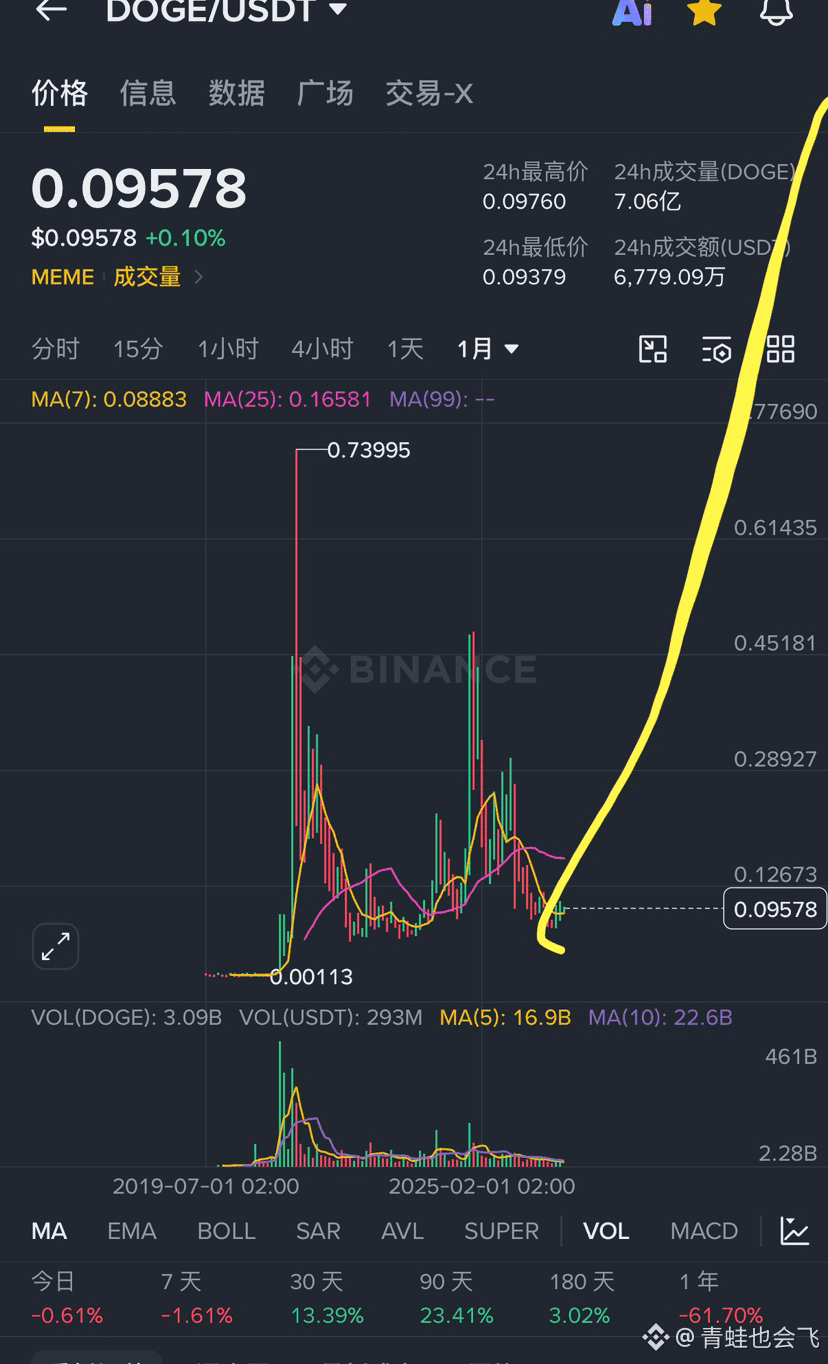
$DOGE I hereby declare that Dogecoin has fallen into a golden buying opportunity. You absolutely have to buy the dip at this price; it’ll be hard to see Dogecoin below $1 again.
$DOGE I hereby declare that Dogecoin has fallen into a golden buying opportunity. You absolutely have to buy the dip at this price; it’ll be hard to see Dogecoin below $1 again.
17
1
6
8.2k
·
--
Bullish
Verified
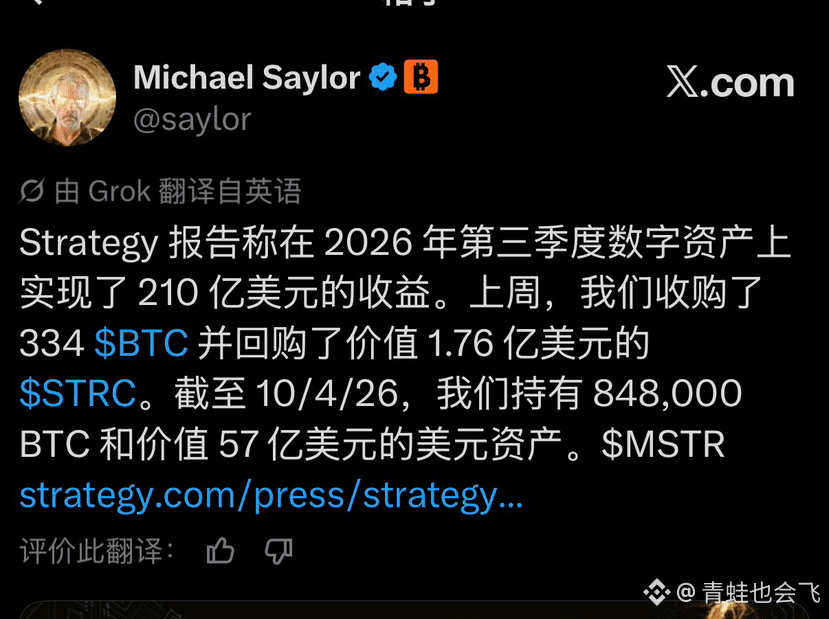
$BTC As long as you keep buying, you'll eventually catch the bottom. MicroStrategy has already started making money.
$BTC As long as you keep buying, you'll eventually catch the bottom. MicroStrategy has already started making money.
2
739
·
--
Bullish

3
1.7k
·
--
Bullish
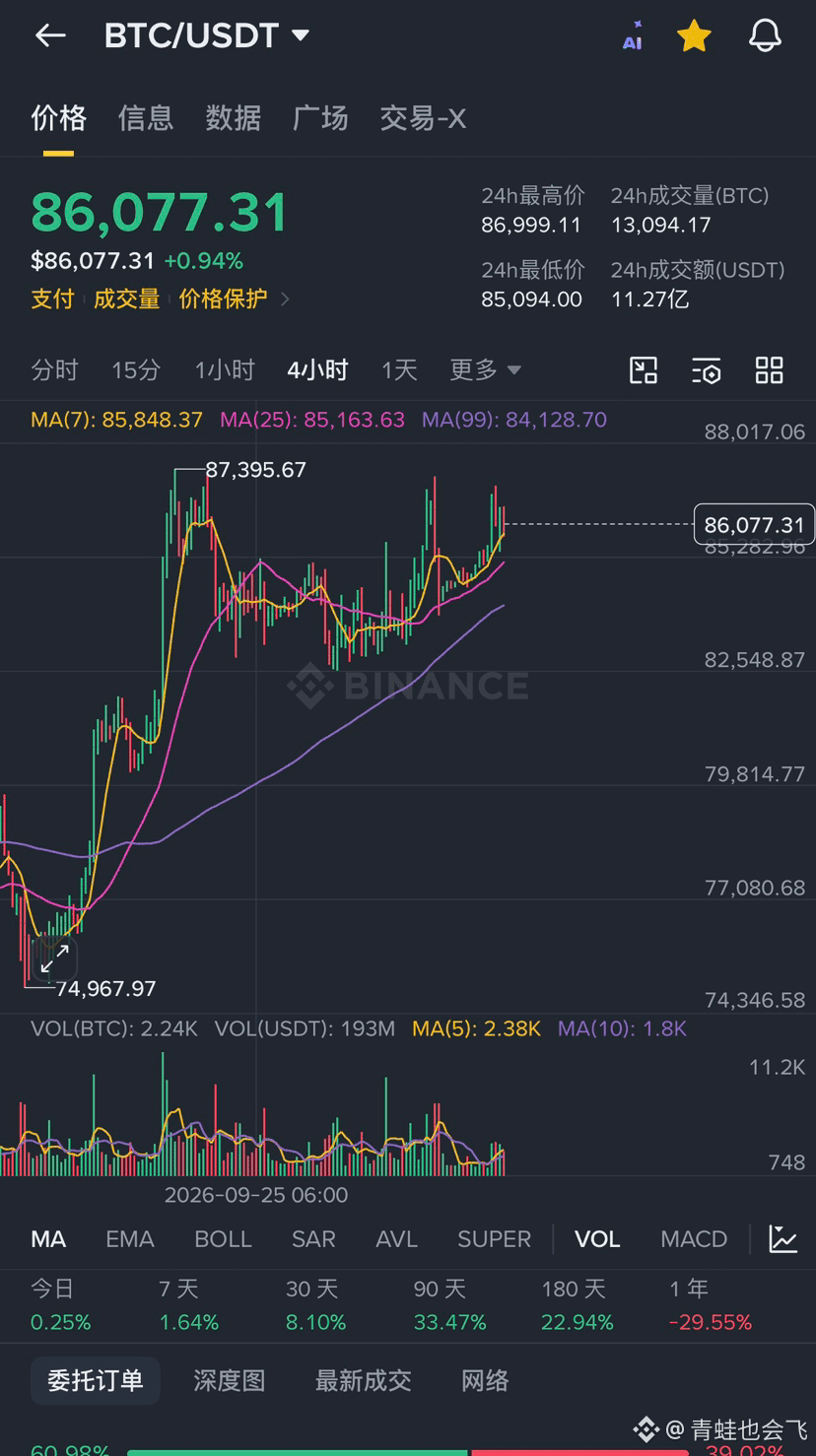
$BTC , go for it! Once or twice is one thing, but there can't be a third or fourth time—we have to break $90,000!
$BTC , go for it! Once or twice is one thing, but there can't be a third or fourth time—we have to break $90,000!
1
588
·
--
Bullish
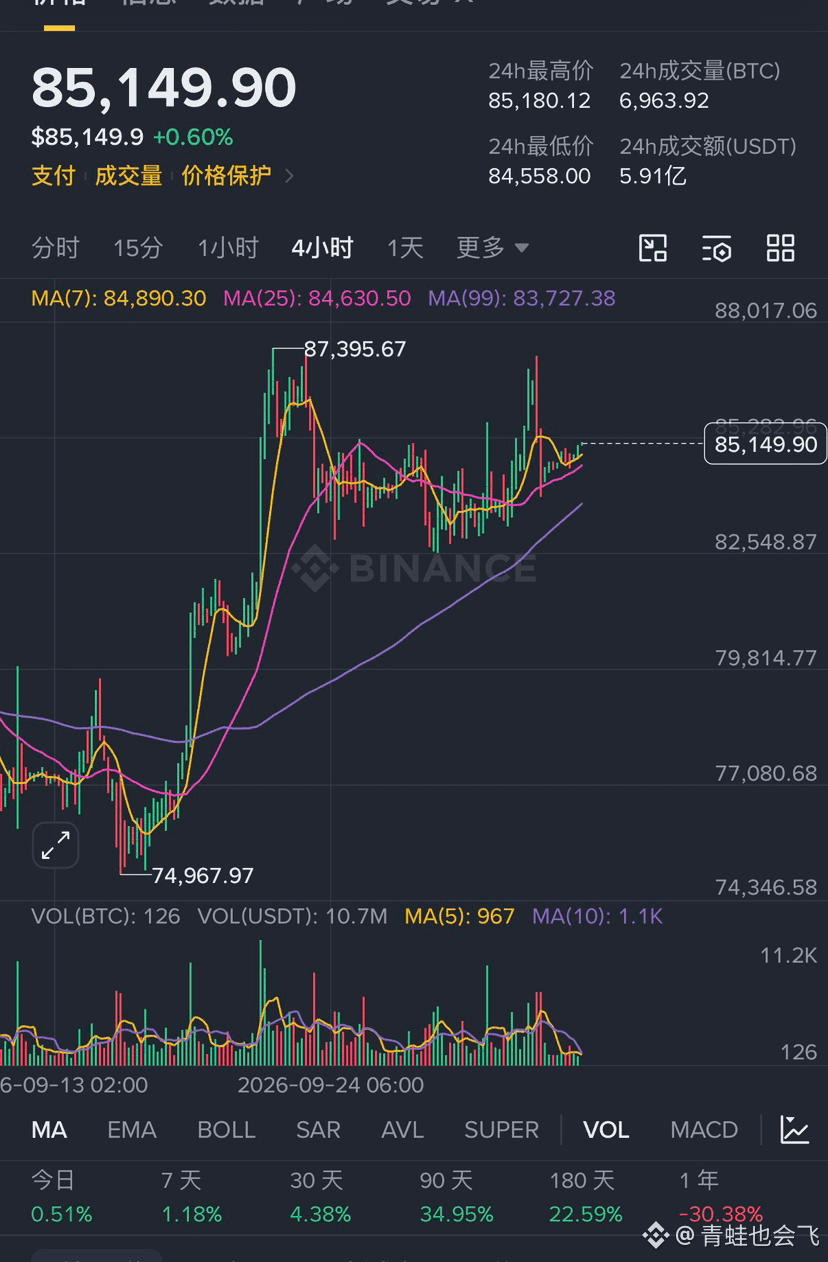
$BTC If this wave can hold steady at $87,000, then next we really will see $97,000. By the end of the year, at the very least, $200,000 USD.
$BTC If this wave can hold steady at $87,000, then next we really will see $97,000. By the end of the year, at the very least, $200,000 USD.
3
548
·
--
Bullish
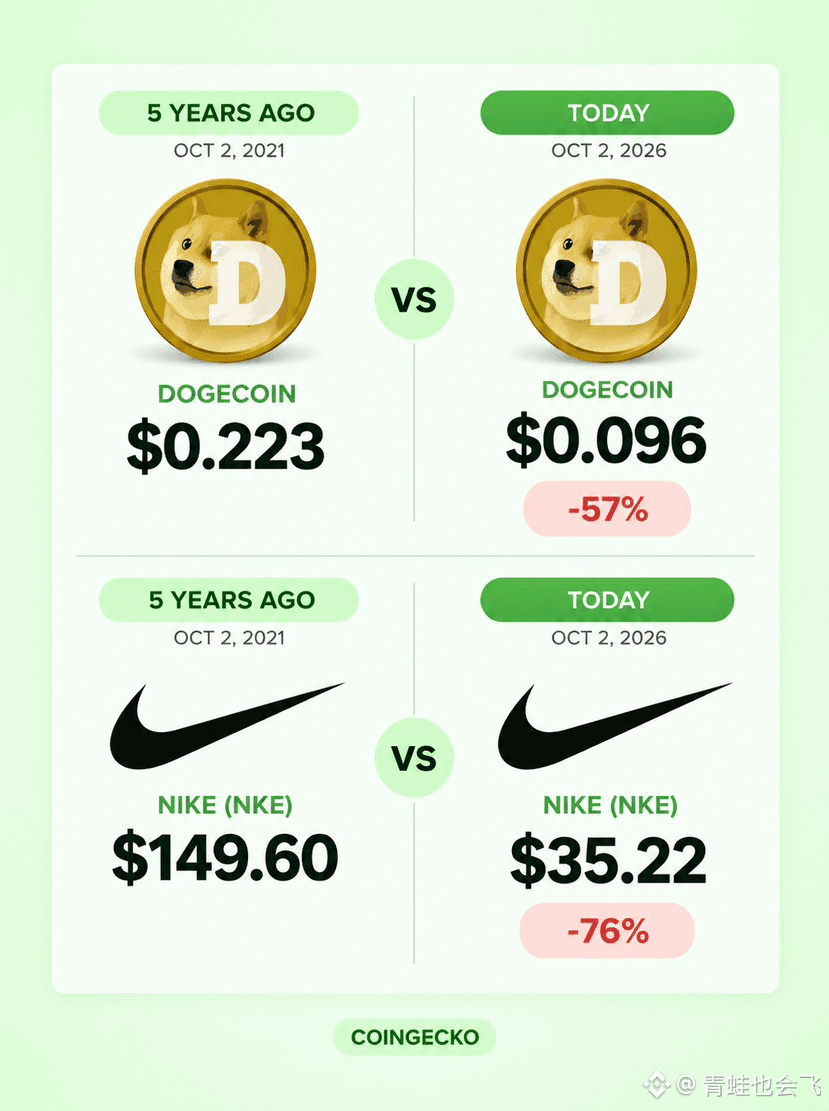
$DOGE Sun Yucheng: For investments below 500,000, there’s not much value.
Sun Yucheng, in a public speech, put forward the view that investments under 500,000 are unlikely to change your life.
He doesn’t recommend taking a few tens of thousands as capital and frequently trading stocks or funds—being thrown off by every few-hundred-yuan rise or fall.
With only a few tens of thousands, even if the market is perfect and it doubles, it’s still hard to achieve a breakthrough into a higher social class. And the probability that retail investors lose is over 90%. In essence, they burn a great deal of effort to earn a small amount of money that can’t change their fate.
Here’s a simple example: If you have 50,000 that you can invest, even if the timing hits perfectly and it doubles, the profit is only 50,000. This money can’t help you escape from having to work for someone else; at most it can temporarily improve your day-to-day life.
But the cost is that you have to spend a lot of time monitoring the market and reviewing your trades, letting market moves control your emotions. When you’re profitable you get greedy and add more; when you’re losing you become anxious and can’t sleep. You use your precious energy on small gains with limited “scope,” just burning it away.
Sun Yucheng points out the core dilemma of retail investors: Most people lose money not because they’re technically worse or can’t pick stocks, but because their capital is too small, they trade too frequently, and they put their attention in the wrong place.
Repeated trading with several tens of thousands leads to constant erosion of returns due to commissions, market fluctuations, and emotionally driven decisions. In the end, after a year of busyness, most people don’t make money—many actually lose.
In his view, investing isn’t a game of making small money from small money; it’s a tool for rebuilding your balance sheet.
If you can see this, congratulations—you’ve got a chance to get rich. Buy Dogecoin worth 50,000 right now, place the order, and sell at a price of 1 USD. Then uninstall the app and just wait quietly for Dogecoin to hit 1 USD. Don’t do anything in between.
Trust me: within at most 1 year, you’ll have 500,000. Then you can start compounding.
$DOGE Sun Yucheng: For investments below 500,000, there’s not much value.
Sun Yucheng, in a public speech, put forward the view that investments under 500,000 are unlikely to change your life.
He doesn’t recommend taking a few tens of thousands as capital and frequently trading stocks or funds—being thrown off by every few-hundred-yuan rise or fall.
With only a few tens of thousands, even if the market is perfect and it doubles, it’s still hard to achieve a breakthrough into a higher social class. And the probability that retail investors lose is over 90%. In essence, they burn a great deal of effort to earn a small amount of money that can’t change their fate.
Here’s a simple example: If you have 50,000 that you can invest, even if the timing hits perfectly and it doubles, the profit is only 50,000. This money can’t help you escape from having to work for someone else; at most it can temporarily improve your day-to-day life.
But the cost is that you have to spend a lot of time monitoring the market and reviewing your trades, letting market moves control your emotions. When you’re profitable you get greedy and add more; when you’re losing you become anxious and can’t sleep. You use your precious energy on small gains with limited “scope,” just burning it away.
Sun Yucheng points out the core dilemma of retail investors: Most people lose money not because they’re technically worse or can’t pick stocks, but because their capital is too small, they trade too frequently, and they put their attention in the wrong place.
Repeated trading with several tens of thousands leads to constant erosion of returns due to commissions, market fluctuations, and emotionally driven decisions. In the end, after a year of busyness, most people don’t make money—many actually lose.
In his view, investing isn’t a game of making small money from small money; it’s a tool for rebuilding your balance sheet.
If you can see this, congratulations—you’ve got a chance to get rich. Buy Dogecoin worth 50,000 right now, place the order, and sell at a price of 1 USD. Then uninstall the app and just wait quietly for Dogecoin to hit 1 USD. Don’t do anything in between.
Trust me: within at most 1 year, you’ll have 500,000. Then you can start compounding.
Sun Yucheng, in a public speech, put forward the view that investments under 500,000 are unlikely to change your life.
He doesn’t recommend taking a few tens of thousands as capital and frequently trading stocks or funds—being thrown off by every few-hundred-yuan rise or fall.
With only a few tens of thousands, even if the market is perfect and it doubles, it’s still hard to achieve a breakthrough into a higher social class. And the probability that retail investors lose is over 90%. In essence, they burn a great deal of effort to earn a small amount of money that can’t change their fate.
Here’s a simple example: If you have 50,000 that you can invest, even if the timing hits perfectly and it doubles, the profit is only 50,000. This money can’t help you escape from having to work for someone else; at most it can temporarily improve your day-to-day life.
But the cost is that you have to spend a lot of time monitoring the market and reviewing your trades, letting market moves control your emotions. When you’re profitable you get greedy and add more; when you’re losing you become anxious and can’t sleep. You use your precious energy on small gains with limited “scope,” just burning it away.
Sun Yucheng points out the core dilemma of retail investors: Most people lose money not because they’re technically worse or can’t pick stocks, but because their capital is too small, they trade too frequently, and they put their attention in the wrong place.
Repeated trading with several tens of thousands leads to constant erosion of returns due to commissions, market fluctuations, and emotionally driven decisions. In the end, after a year of busyness, most people don’t make money—many actually lose.
In his view, investing isn’t a game of making small money from small money; it’s a tool for rebuilding your balance sheet.
If you can see this, congratulations—you’ve got a chance to get rich. Buy Dogecoin worth 50,000 right now, place the order, and sell at a price of 1 USD. Then uninstall the app and just wait quietly for Dogecoin to hit 1 USD. Don’t do anything in between.
Trust me: within at most 1 year, you’ll have 500,000. Then you can start compounding.
3
2.5k
·
--
Bullish
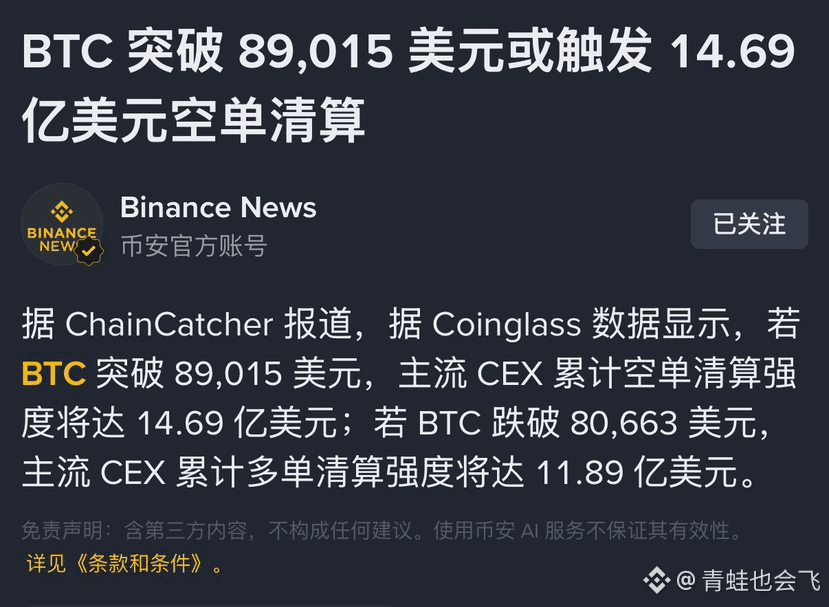
$BTC I said Bitcoin can reach 90,000 USD, and it may pause around the 105,000 USD level.
$BTC I said Bitcoin can reach 90,000 USD, and it may pause around the 105,000 USD level.
3
815
·
--
Bullish
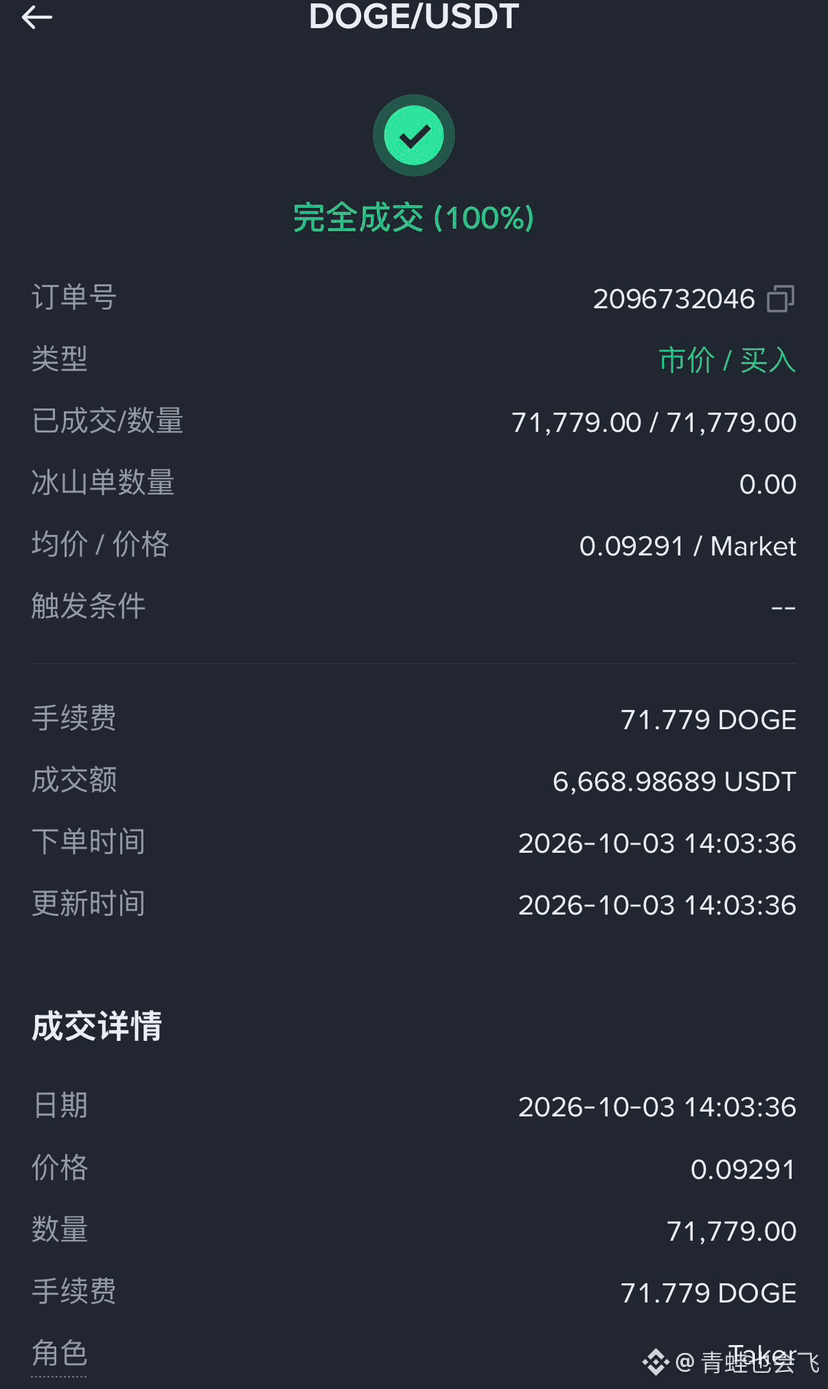
$DOGE With money, you just buy Dogecoin. At least 10x this year—turn $6,000 into $60,000 in two months. So satisfying.
$DOGE With money, you just buy Dogecoin. At least 10x this year—turn $6,000 into $60,000 in two months. So satisfying.
2
4
1.2k
·
--
Bullish
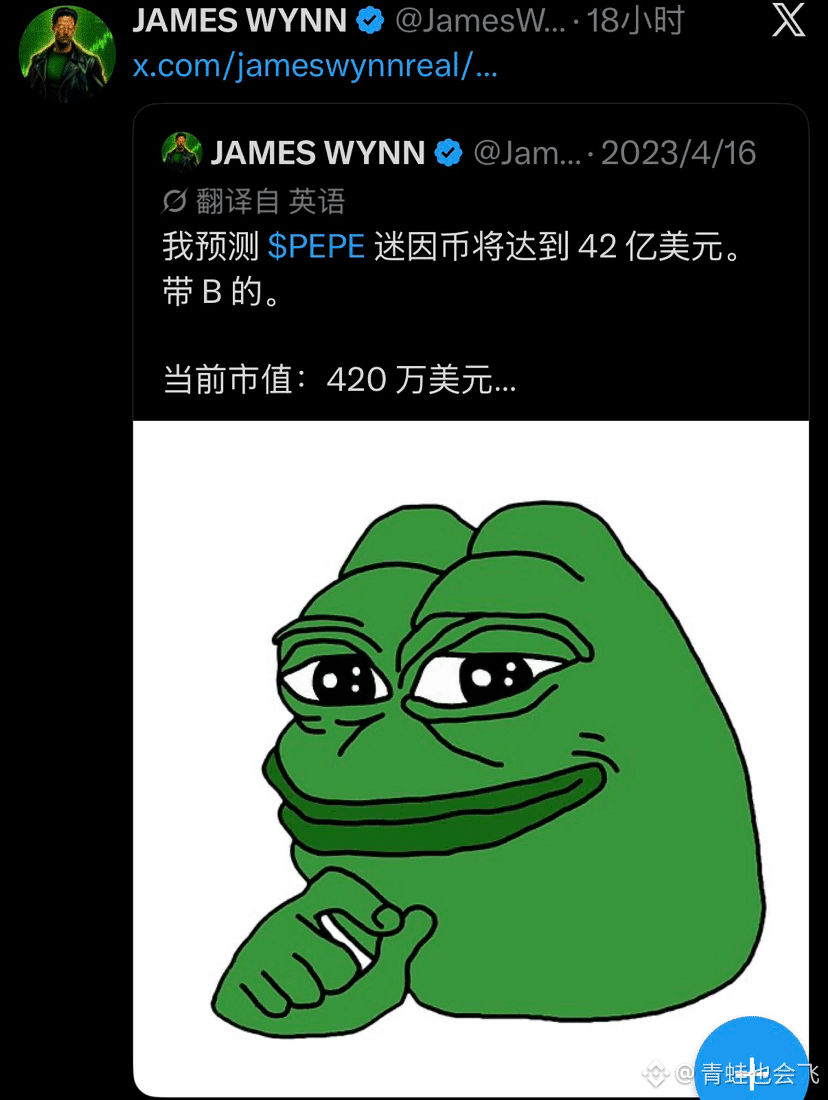
$PEPE This foreigner predicted that when the frog’s market value reached 42 million USD, it could rise to a market value of 4.2 billion USD. Now he’s back to shouting buy calls again. Tell me, how much do you think it can rise this time? 42 billion USD? 69 billion USD? Or directly 1 trillion USD?
$PEPE This foreigner predicted that when the frog’s market value reached 42 million USD, it could rise to a market value of 4.2 billion USD. Now he’s back to shouting buy calls again. Tell me, how much do you think it can rise this time? 42 billion USD? 69 billion USD? Or directly 1 trillion USD?
9
14
21.4k
·
--
Bullish
Verified
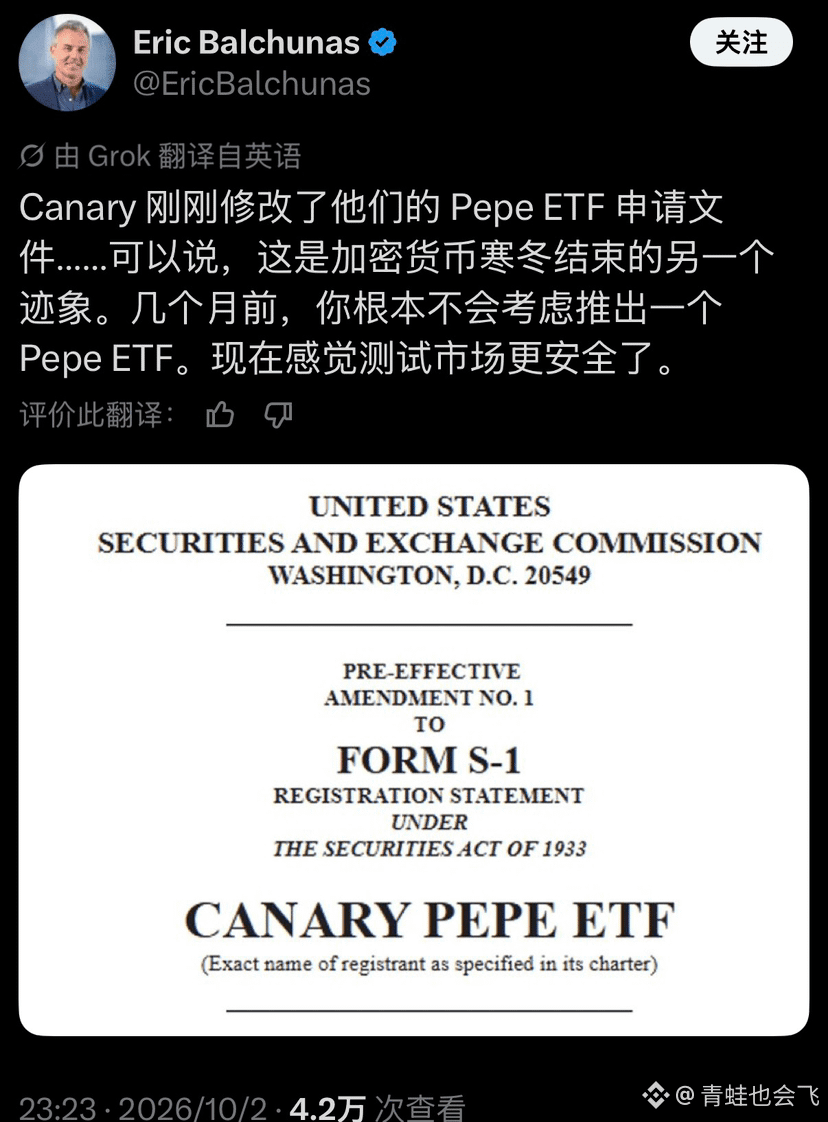
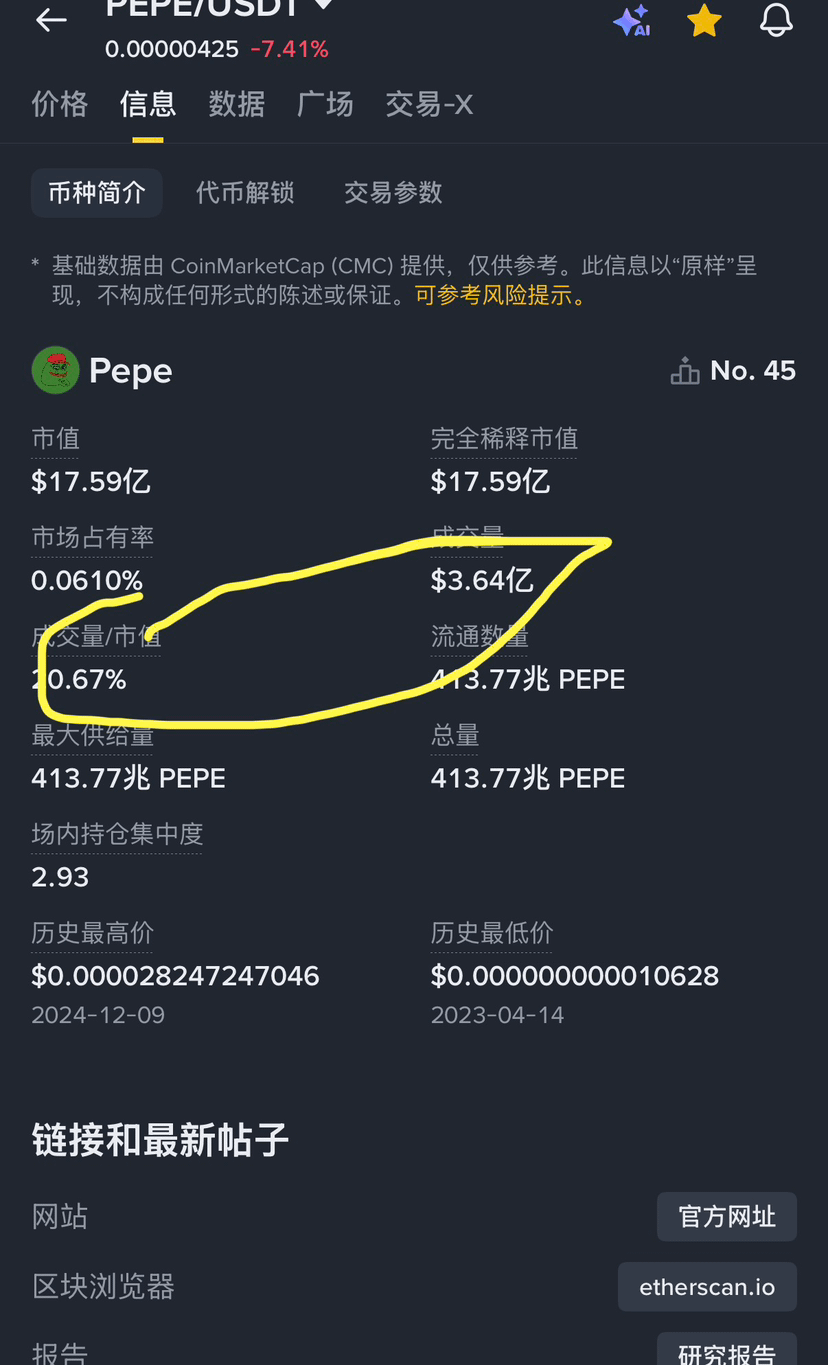
$PEPE PEPE can be scooped up at a bargain again. This month, at least go for a zero. In this PEPE run, every time it first surges. You can always trust this frog. If you have doubts, you can first take a look at the frog’s trading volume today. Its market cap is only 1.8 billion, and its daily trading volume is 400 million—this is only the early stages. If it really explodes, I don’t know what level it will reach; in any case, it won’t be lower than a 100x.
$PEPE PEPE can be scooped up at a bargain again. This month, at least go for a zero. In this PEPE run, every time it first surges. You can always trust this frog. If you have doubts, you can first take a look at the frog’s trading volume today. Its market cap is only 1.8 billion, and its daily trading volume is 400 million—this is only the early stages. If it really explodes, I don’t know what level it will reach; in any case, it won’t be lower than a 100x.
2
1.3k
·
--
Bullish
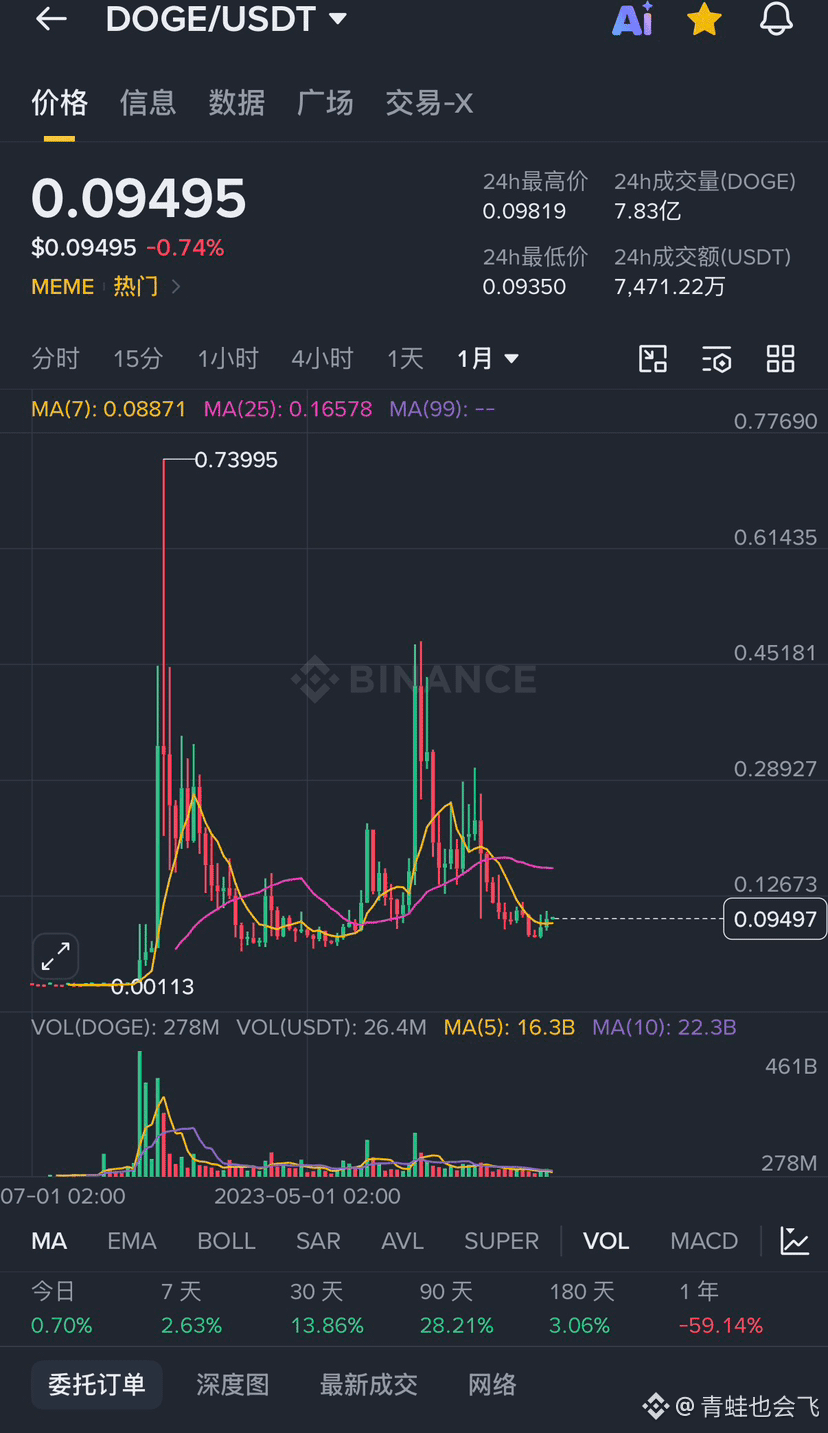
$DOGE If you don’t have much money, want to aim for big gains with a small stake, and don’t want to take risks, I strongly recommend going all-in on Dogecoin. Among the top 10 mainstream coins, this is the only one that has a chance to multiply by 10 in this cycle. Bitcoin, in this cycle, can at most rise to 300,000, which is less than 4x. As for Dogecoin, this cycle it will definitely reach 1 dollar. When Bitcoin hits 120,000, Dogecoin will be 0.45. If Bitcoin reaches 300,000 USD, Dogecoin will definitely be 1 dollar.
$DOGE If you don’t have much money, want to aim for big gains with a small stake, and don’t want to take risks, I strongly recommend going all-in on Dogecoin. Among the top 10 mainstream coins, this is the only one that has a chance to multiply by 10 in this cycle. Bitcoin, in this cycle, can at most rise to 300,000, which is less than 4x. As for Dogecoin, this cycle it will definitely reach 1 dollar. When Bitcoin hits 120,000, Dogecoin will be 0.45. If Bitcoin reaches 300,000 USD, Dogecoin will definitely be 1 dollar.
7
3
2.5k
·
--
Bullish
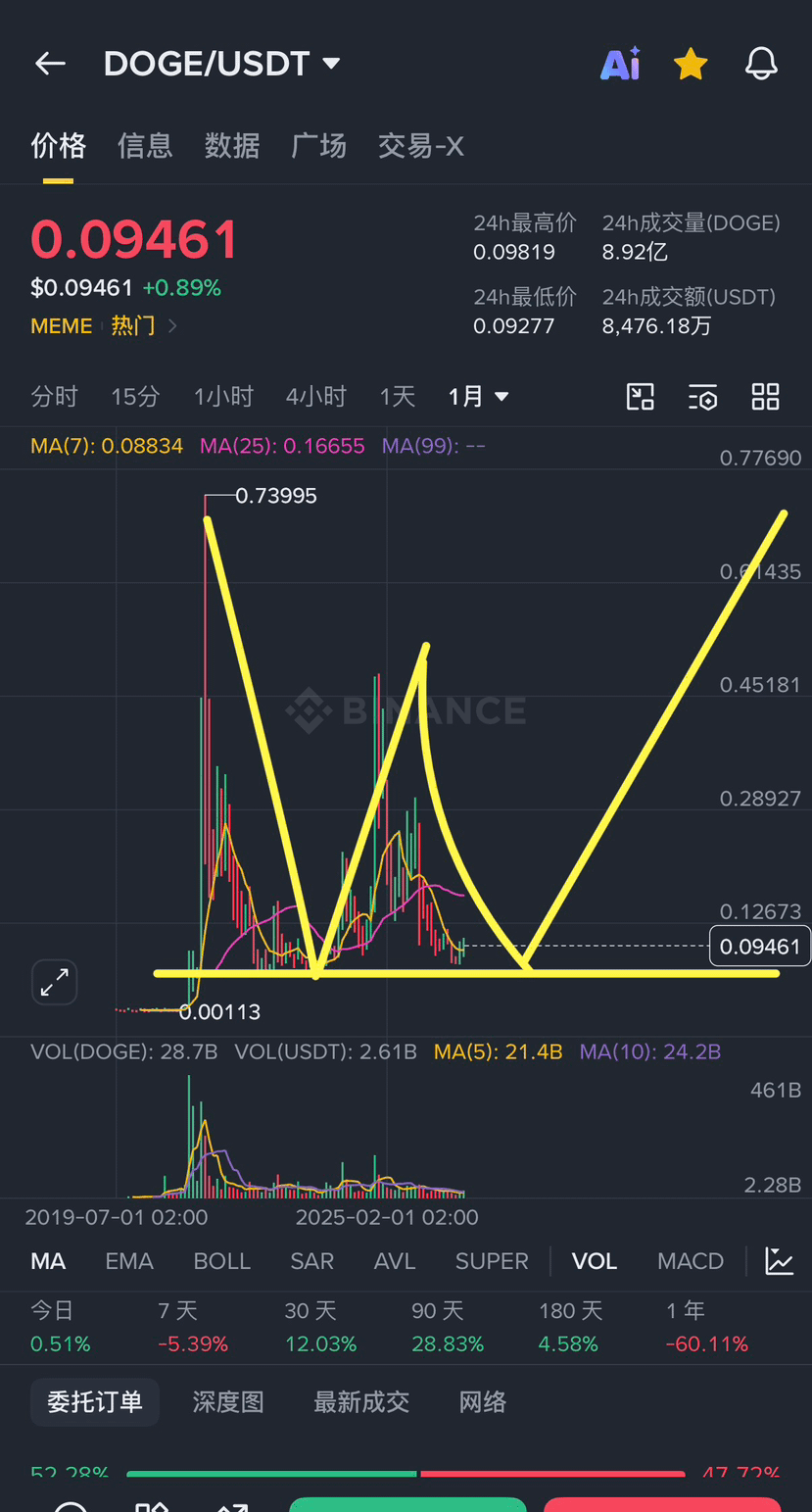
$DOGE There is no one who understands dogecoin more than me. Dogecoin has already fallen out of the golden pit. In the future, it won’t be possible to get dogecoin at a lower price than it is now. Buying is winning. Dogecoin can surge to $0.5 at any time—then $1, then $10.
$DOGE There is no one who understands dogecoin more than me. Dogecoin has already fallen out of the golden pit. In the future, it won’t be possible to get dogecoin at a lower price than it is now. Buying is winning. Dogecoin can surge to $0.5 at any time—then $1, then $10.
1
5
1.7k
·
--
Bullish
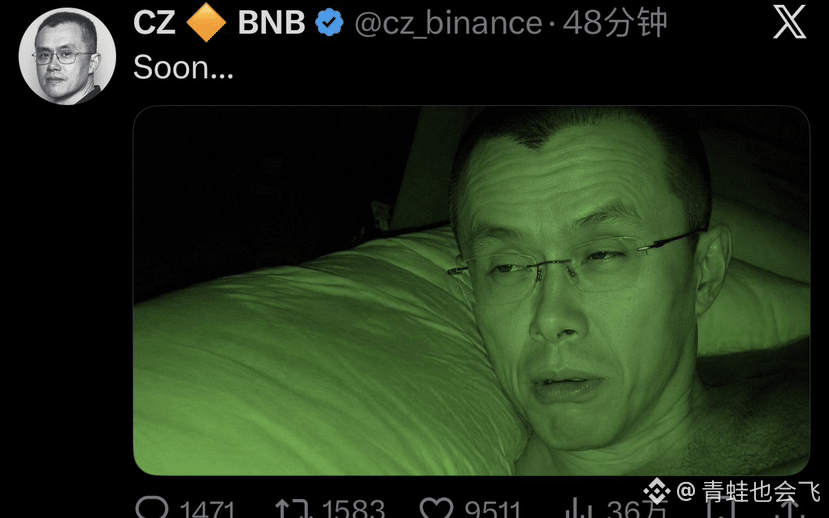
$BNB CZ definitely implying something, get on board quickly. BNB should be able to reach $2,000 this year.
$BNB CZ definitely implying something, get on board quickly. BNB should be able to reach $2,000 this year.
5
2
5.4k
·
--
Bullish
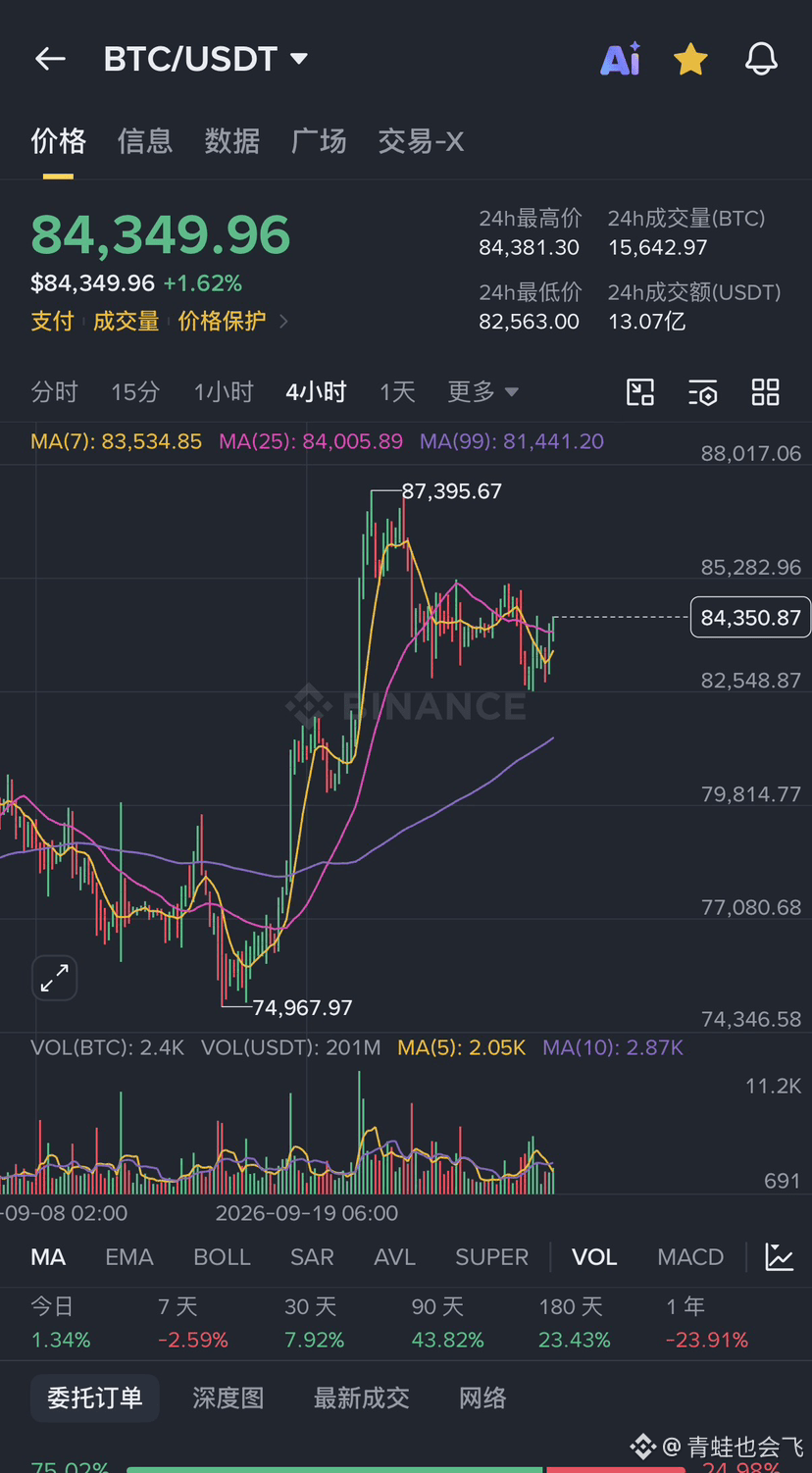
$BTC is starting to surge—if things move fast, it could reach 90,000 tomorrow.
$BTC is starting to surge—if things move fast, it could reach 90,000 tomorrow.
1
350
·
--
Bullish
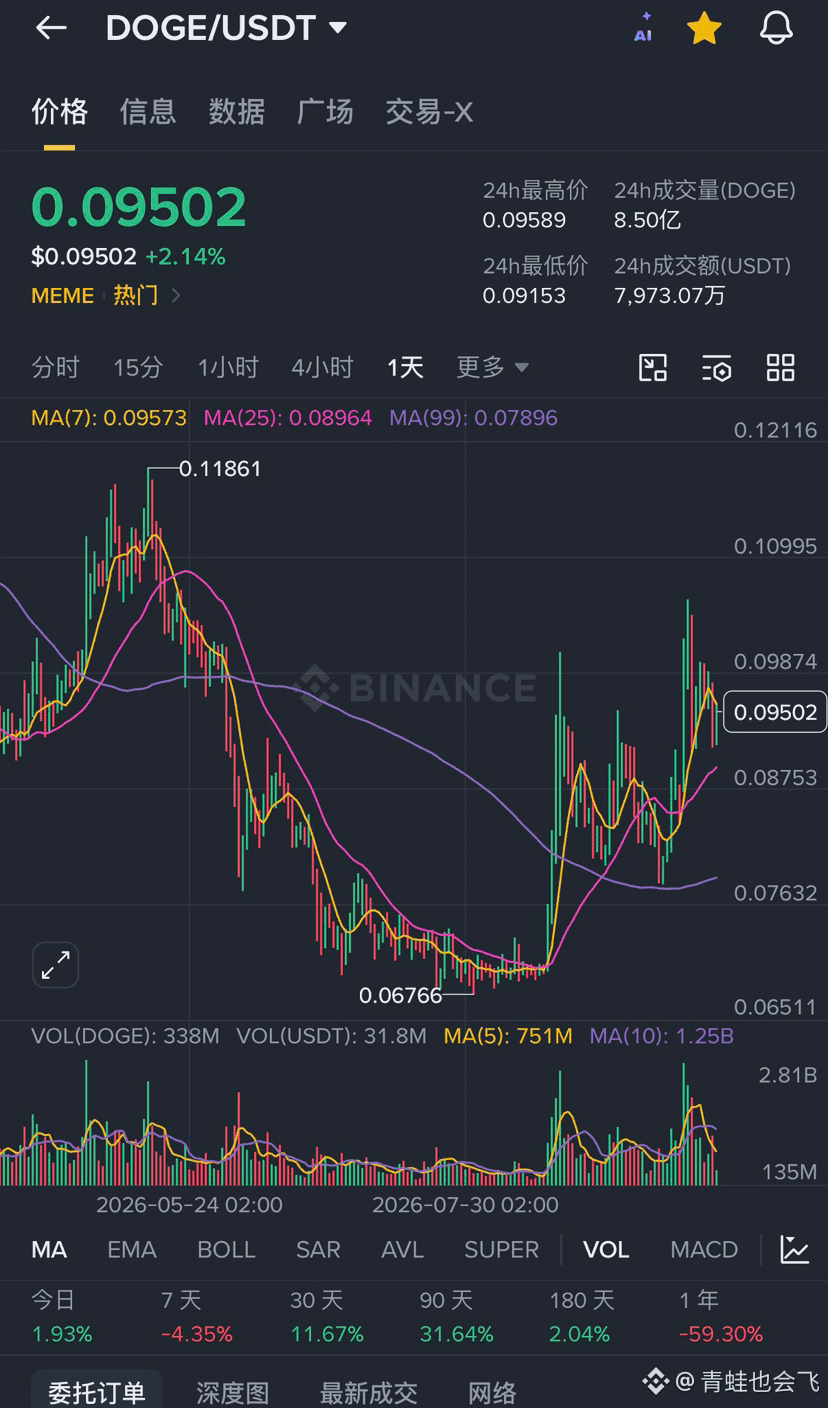
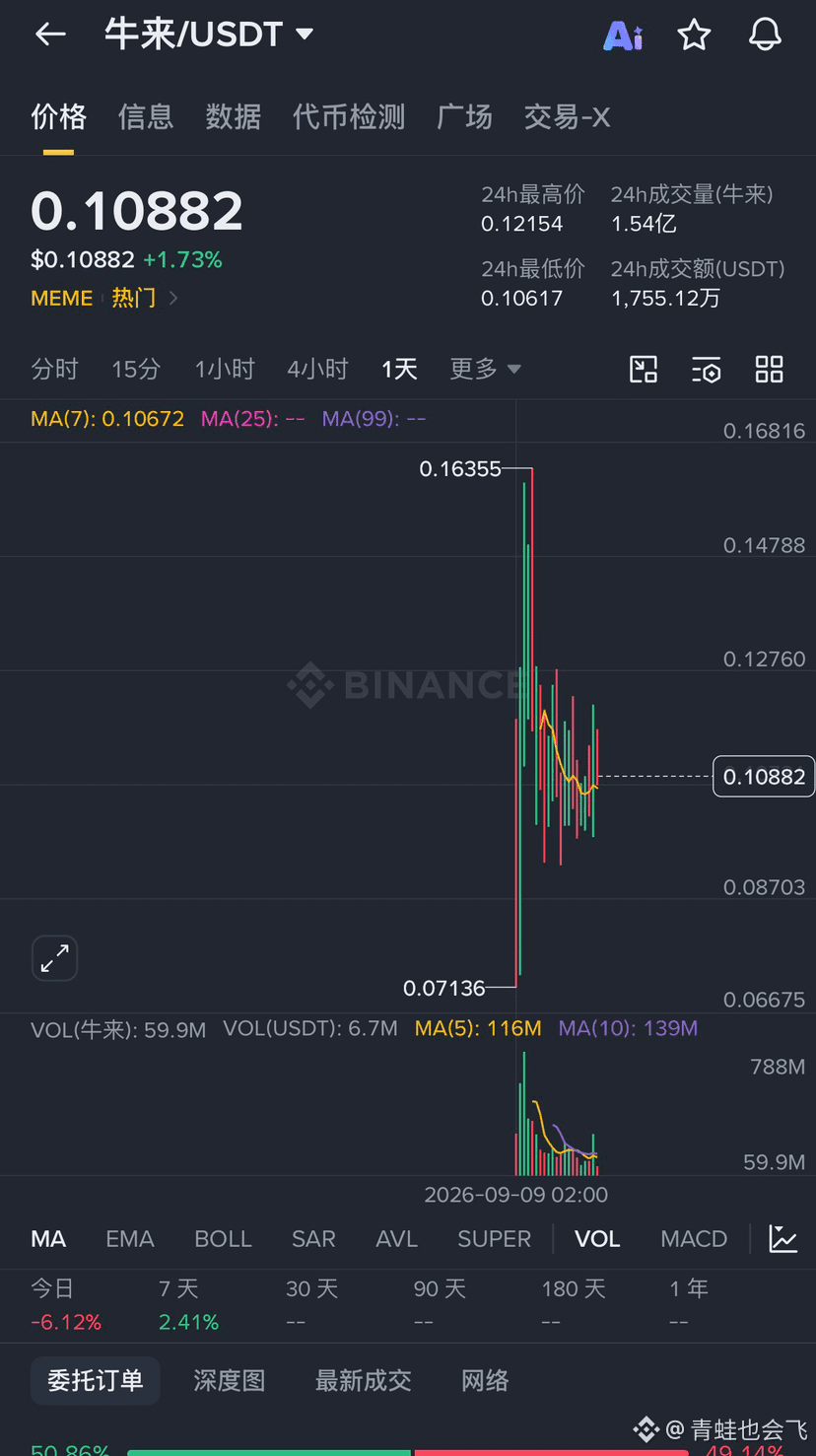
$牛来 Who will reach 1 dollar first: Niu Lai or Dogecoin?
$牛来 Who will reach 1 dollar first: Niu Lai or Dogecoin?
7
4
5.8k
·
--
Bullish
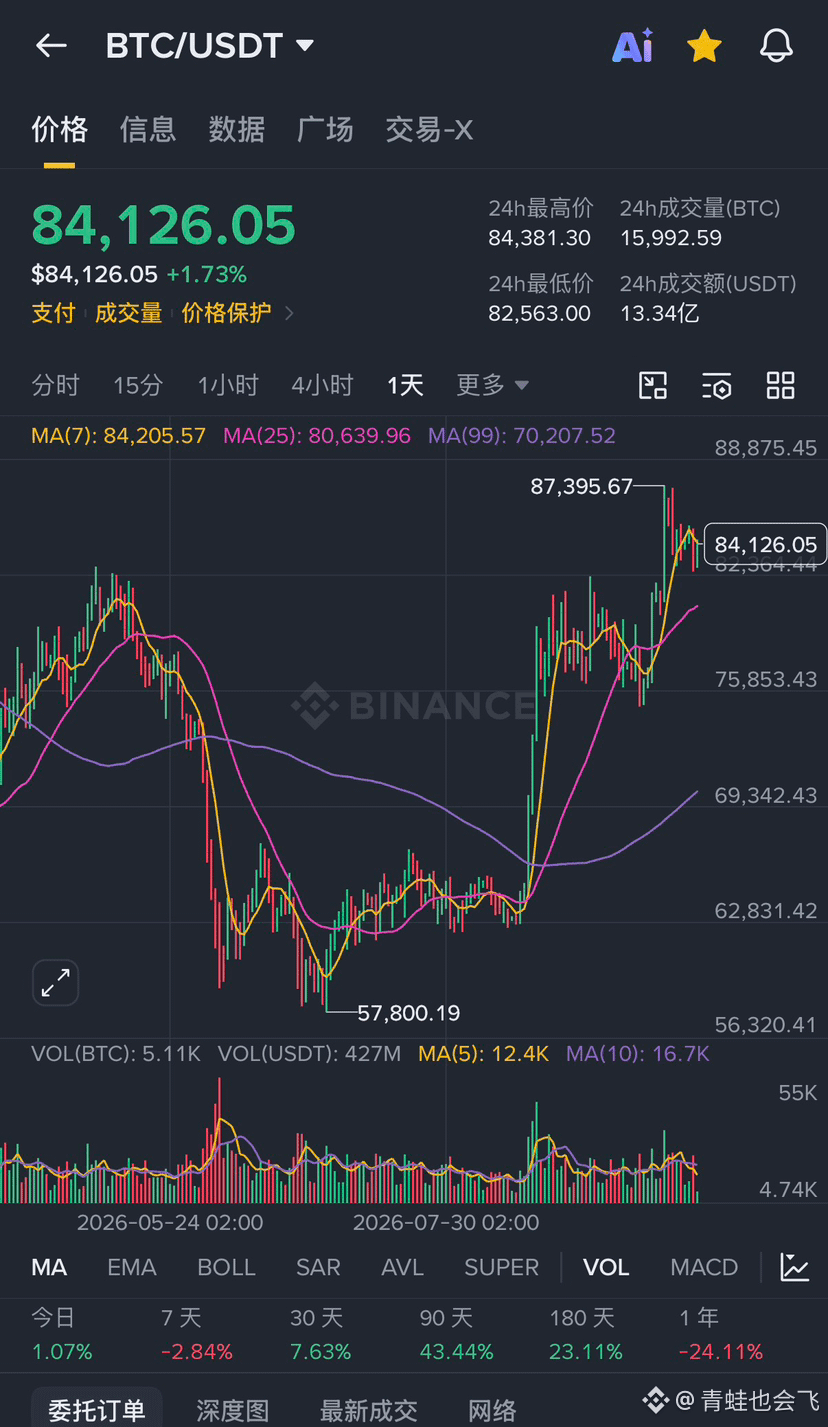
$BTC This week 90,000 USD; next month 100,000 USD. BlackRock has already started buying. The last bull market was driven by BlackRock buying in. If you haven’t gotten on board yet, hurry up—once it hits 100,000 USD, just hit the like button for me.
$BTC This week 90,000 USD; next month 100,000 USD. BlackRock has already started buying. The last bull market was driven by BlackRock buying in. If you haven’t gotten on board yet, hurry up—once it hits 100,000 USD, just hit the like button for me.
2
3
1.2k
Log in to explore more content
Join global crypto users on Binance Square
⚡️ Get latest and useful information about crypto.
💬 Trusted by the world’s largest crypto exchange.
👍 Discover real insights from verified creators.
Email / Phone number