
Crypto.Andy
435 Posts

Crypto.Andy
Report
Block User
Top #1 Community Creator on CoinMarketCap according to CoinGape | Investor and trader | Listing & Institutional Services Partner of WhiteBIT | Affiliate & Listing Partner of BitUnix | Listing Partner of BitMart & MEXC
0 Following
4 Followers
26 Liked
Posts
·
--
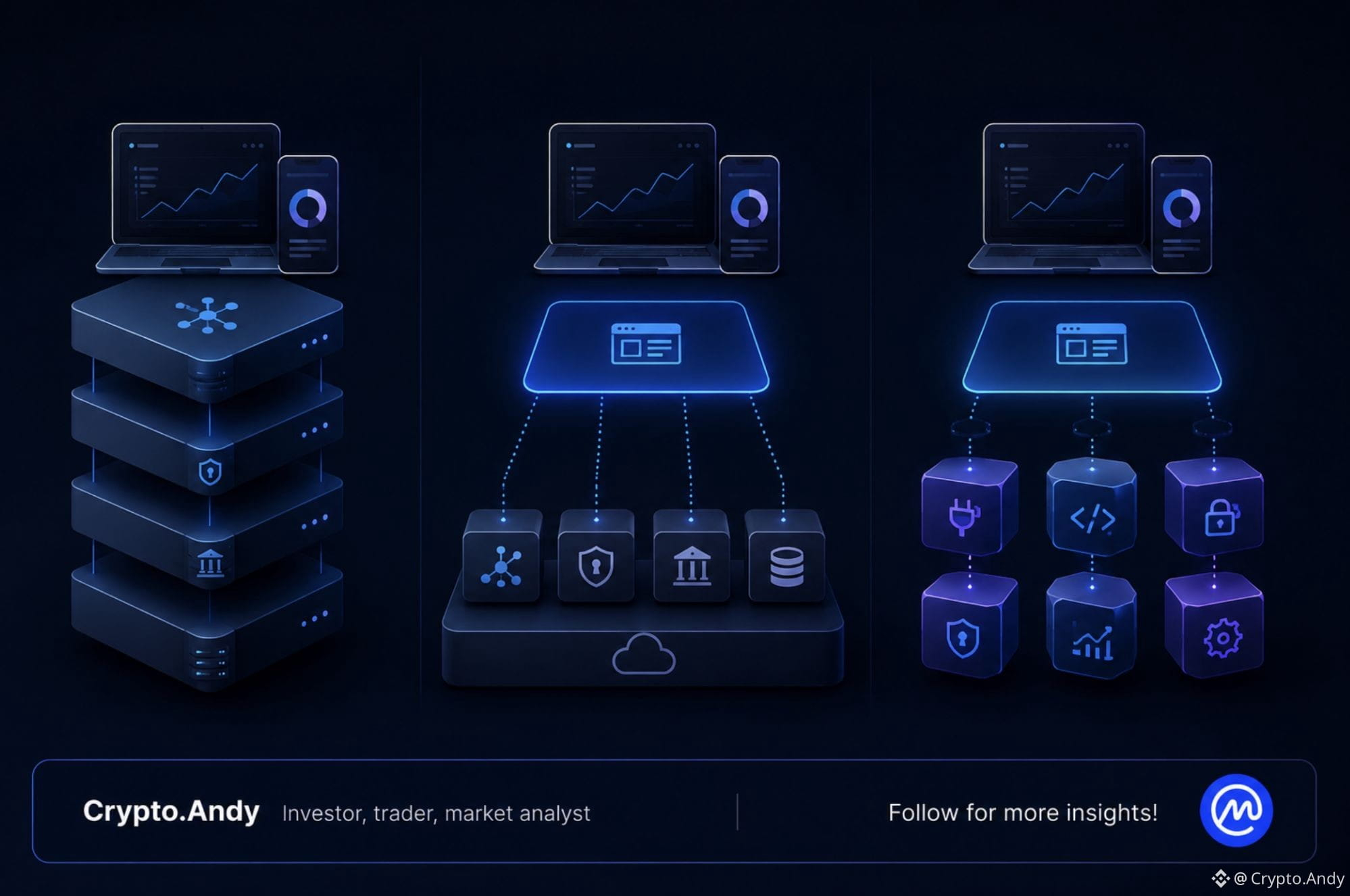
Build vs. Buy: Why Smart Web3 Teams Outsource The Backend $BTC Layer Engineers spend just 16% of their week writing new features, while 79% cite maintenance as their primary drain (Chainguard Engineering Report). The rest of their bandwidth is where build-versus-buy choices quietly compound. Imagine two teams launching identical crypto features: Team A builds the full stack - nodes, custody, and rails. Team B owns strictly the interface, outsourcing the backend. To end-users, both products look identical at launch. But under the hood, a structural fork begins. In my latest Medium article, I break down this operational fork and benchmark 3 leading enterprise CaaS solutions - WhiteBIT, Crypto.cоm, and Fourchain - across time-to-market speed, asset coverage, compliance, and custody architecture. Read the full breakdown and platform matrix on Medium! 📖👇 https://medium.com/@oksandy68/full-stack-control-vs-iteration-speed-which-compounds-faster-24c30d18b6ca How does your team weigh build-vs-buy - full-stack ownership or modular APIs? Let's chat! #BTC Price Analysis# #Bitcoin Price Prediction: What is Bitcoins next move?#
Build vs. Buy: Why Smart Web3 Teams Outsource The Backend $BTC Layer Engineers spend just 16% of their week writing new features, while 79% cite maintenance as their primary drain (Chainguard Engineering Report). The rest of their bandwidth is where build-versus-buy choices quietly compound. Imagine two teams launching identical crypto features: Team A builds the full stack - nodes, custody, and rails. Team B owns strictly the interface, outsourcing the backend. To end-users, both products look identical at launch. But under the hood, a structural fork begins. In my latest Medium article, I break down this operational fork and benchmark 3 leading enterprise CaaS solutions - WhiteBIT, Crypto.cоm, and Fourchain - across time-to-market speed, asset coverage, compliance, and custody architecture. Read the full breakdown and platform matrix on Medium! 📖👇 https://medium.com/@oksandy68/full-stack-control-vs-iteration-speed-which-compounds-faster-24c30d18b6ca How does your team weigh build-vs-buy - full-stack ownership or modular APIs? Let's chat! #BTC Price Analysis# #Bitcoin Price Prediction: What is Bitcoins next move?#
69
·
--
🔥 Crypto Rallies Despite Hot US Inflation: What’s Going On? Consumer Price Index print came in hotter than Wall Street expected, with core CPI rising 0.3% month-over-month. Odds for a Fed rate hike next week have now surged to 85-90%. $BTC jumped nearly 3% (to ~$78,800), though analysts highlight a major supply wall and technical resistance in the $77.1k–$80.2k range. $ETH leads the charge with a +7% surge (hitting $2,602). $SOL and $XRP also logged solid gains of around 4–4.5%. Crypto is currently looking past macro headwinds to ride its strong technical momentum following a 24% two-week rally. However, the ultimate test lies ahead: if Bitcoin fails to break through the $80,000 ceiling against the backdrop of rising interest rates, a local consolidation or healthy pullback could be on the horizon. All eyes are on next week's Fed policy decision - that’s what will set the tone for the rest of the month. 🚀 #BTC Price Analysis# #Macro Insights#
🔥 Crypto Rallies Despite Hot US Inflation: What’s Going On? Consumer Price Index print came in hotter than Wall Street expected, with core CPI rising 0.3% month-over-month. Odds for a Fed rate hike next week have now surged to 85-90%. $BTC jumped nearly 3% (to ~$78,800), though analysts highlight a major supply wall and technical resistance in the $77.1k–$80.2k range. $ETH leads the charge with a +7% surge (hitting $2,602). $SOL and $XRP also logged solid gains of around 4–4.5%. Crypto is currently looking past macro headwinds to ride its strong technical momentum following a 24% two-week rally. However, the ultimate test lies ahead: if Bitcoin fails to break through the $80,000 ceiling against the backdrop of rising interest rates, a local consolidation or healthy pullback could be on the horizon. All eyes are on next week's Fed policy decision - that’s what will set the tone for the rest of the month. 🚀 #BTC Price Analysis# #Macro Insights#
50
·
--
🔥 OpenAI is entering Wall Street territory with a new dedicated AI service for the financial sector. Powered by their GPT-6 Astra model, the platform is built to streamline market research, analyze complex datasets and build financial models in real time. It looks like traditional research workflows are about to get a massive upgrade. $BTC traders, drop your thoughts below 👇 #BTC Price Analysis# #Macro Insights#
🔥 OpenAI is entering Wall Street territory with a new dedicated AI service for the financial sector. Powered by their GPT-6 Astra model, the platform is built to streamline market research, analyze complex datasets and build financial models in real time. It looks like traditional research workflows are about to get a massive upgrade. $BTC traders, drop your thoughts below 👇 #BTC Price Analysis# #Macro Insights#

55
·
--
🧩 How Multi-Provider Routing Keeps Corporate Cash-Outs Moving Smoothly 71% of enterprise merchants route most volume through a single $BTC payment provider, and only 32% have automated failover. According to BR-DGE’s Enterprise Merchant Survey, 92% hit a payment outage over the past two years. Imagine this: it’s Tuesday afternoon and every withdrawal fails for three hours straight. Your internal dashboards are 100% green, but an external payment provider went down. Because every cash-out relied on that single route, their downtime instantly became a business total outage. Redundancy budgets usually prioritize inbound checkout over outbound payouts. But while a failed payment is an annoyance, a blocked cash-out feels like trapped capital. Preventing this requires multi-rail architecture. This is why frameworks like WhiteBIT On/Off-Ramp could orchestrate multiple independent paths. https://institutional.whitebit.com/payments-for-businesses?utm_source=coinmarketcap&utm_medium=onofframp_andy&utm_campaign=post By combining fixed €5 SEPA fees, SEPA Instant speed, 90+ EUR pairs, custom KYB limits and automated mass payouts, a single provider failure could never halt global fund flows. Running multiple independent routes adds integration and reconciliation complexity. It’s just far smaller than explaining why user withdrawals stopped while your internal systems were healthy. How does your stack handle payout failover - automated backup or single provider? Let's chat below! 💬 Disclaimer: This is not financial or investment advice. Do your own research before making any decisions. Use at your own risk. #BTC Price Analysis# #Bitcoin Price Prediction: What is Bitcoins next move?#
🧩 How Multi-Provider Routing Keeps Corporate Cash-Outs Moving Smoothly 71% of enterprise merchants route most volume through a single $BTC payment provider, and only 32% have automated failover. According to BR-DGE’s Enterprise Merchant Survey, 92% hit a payment outage over the past two years. Imagine this: it’s Tuesday afternoon and every withdrawal fails for three hours straight. Your internal dashboards are 100% green, but an external payment provider went down. Because every cash-out relied on that single route, their downtime instantly became a business total outage. Redundancy budgets usually prioritize inbound checkout over outbound payouts. But while a failed payment is an annoyance, a blocked cash-out feels like trapped capital. Preventing this requires multi-rail architecture. This is why frameworks like WhiteBIT On/Off-Ramp could orchestrate multiple independent paths. https://institutional.whitebit.com/payments-for-businesses?utm_source=coinmarketcap&utm_medium=onofframp_andy&utm_campaign=post By combining fixed €5 SEPA fees, SEPA Instant speed, 90+ EUR pairs, custom KYB limits and automated mass payouts, a single provider failure could never halt global fund flows. Running multiple independent routes adds integration and reconciliation complexity. It’s just far smaller than explaining why user withdrawals stopped while your internal systems were healthy. How does your stack handle payout failover - automated backup or single provider? Let's chat below! 💬 Disclaimer: This is not financial or investment advice. Do your own research before making any decisions. Use at your own risk. #BTC Price Analysis# #Bitcoin Price Prediction: What is Bitcoins next move?#

·
--
🟠 PayPal just helped create a stablecoin… backed by another stablecoin PayPal, M0 and MoonPay launched PYUSDx, letting businesses issue their own branded stablecoins without building the whole reserve, custody and redemption stack themselves. PYUSDx is backed by $PYUSD , while $PYUSD itself is issued by Paxos and backed by dollars and Treasuries. So we now have a stablecoin sitting on top of another stablecoin. #PYUSD #Altcoin Season#
🟠 PayPal just helped create a stablecoin… backed by another stablecoin PayPal, M0 and MoonPay launched PYUSDx, letting businesses issue their own branded stablecoins without building the whole reserve, custody and redemption stack themselves. PYUSDx is backed by $PYUSD , while $PYUSD itself is issued by Paxos and backed by dollars and Treasuries. So we now have a stablecoin sitting on top of another stablecoin. #PYUSD #Altcoin Season#

23
·
--
🧩 The Shift in Staking: From High APY to Auditability Imagine a fund CFO managing a multi-asset portfolio: staking is pitched as "passive yield" yet every month-end, their finance team is trapped in active manual labor. Matching epoch payouts across block explorers, tracking unbonding schedules and reconciling tax liabilities across spreadsheets - operational bottleneck. 📊 Evaluating staking used to be simple: pick high APY and reliable validators. Today, as portfolios expand across chains, native $BTC layers, and restaking protocols, the bottleneck has shifted to enterprise accounting. Managing multi-chain yield without unified data leads to audit errors, delayed reporting, and poor risk visibility. Modern institutional frameworks could solve this by embedding staking directly into audited custody rails. Take platforms like BitGo as an example - their setup could allow institutions to execute one-click staking directly from cold or qualified custody across major PoS networks and BTC protocols. https://www.bitgo.com/products/staking/?utm_source=coinmarketcap&utm_medium=stake_andy&utm_campaign=post Instead of manually parsing block explorers, teams could get automated multi-asset reporting and pre-vetted validator selection within a single regulated interface, keeping keys secure while eliminating monthly accounting bottlenecks. The platforms winning enterprise adoption aren’t the ones offering the highest returns, but the ones making multi-asset yield auditable, compliant, and operationally effortless. Disclaimer: This is not financial or investment advice. Do your own research before making any decisions. Use at your own risk. #BTC Price Analysis# #Macro Insights#
🧩 The Shift in Staking: From High APY to Auditability Imagine a fund CFO managing a multi-asset portfolio: staking is pitched as "passive yield" yet every month-end, their finance team is trapped in active manual labor. Matching epoch payouts across block explorers, tracking unbonding schedules and reconciling tax liabilities across spreadsheets - operational bottleneck. 📊 Evaluating staking used to be simple: pick high APY and reliable validators. Today, as portfolios expand across chains, native $BTC layers, and restaking protocols, the bottleneck has shifted to enterprise accounting. Managing multi-chain yield without unified data leads to audit errors, delayed reporting, and poor risk visibility. Modern institutional frameworks could solve this by embedding staking directly into audited custody rails. Take platforms like BitGo as an example - their setup could allow institutions to execute one-click staking directly from cold or qualified custody across major PoS networks and BTC protocols. https://www.bitgo.com/products/staking/?utm_source=coinmarketcap&utm_medium=stake_andy&utm_campaign=post Instead of manually parsing block explorers, teams could get automated multi-asset reporting and pre-vetted validator selection within a single regulated interface, keeping keys secure while eliminating monthly accounting bottlenecks. The platforms winning enterprise adoption aren’t the ones offering the highest returns, but the ones making multi-asset yield auditable, compliant, and operationally effortless. Disclaimer: This is not financial or investment advice. Do your own research before making any decisions. Use at your own risk. #BTC Price Analysis# #Macro Insights#

50
·
--
The August CPI report just dropped, with headline inflation holding steady at 3.4% YoY. Following the release, $BTC saw a brief dip, moving from the $77,200 area down toward $76,063. #BTC Price Analysis# #Bitcoin Price Prediction: What is Bitcoins next move?#
The August CPI report just dropped, with headline inflation holding steady at 3.4% YoY. Following the release, $BTC saw a brief dip, moving from the $77,200 area down toward $76,063. #BTC Price Analysis# #Bitcoin Price Prediction: What is Bitcoins next move?#

50
·
--
Today’s US CPI release is shaping up to be one of the most interesting macro events ahead of next week’s Fed decision. With market consensus expecting headline inflation at 3.4%, all eyes are on how energy trends and core metrics align with broader economic expectations. For $BTC , current price action reflects classic pre-data positioning around $77,000. A softer inflation print could easily provide the tailwind bulls need to push past $80,000 and target the $82,100–$84,000 liquidity zone. On the flip side, any unexpected heat in the data simply keeps key lower supports at $76,000–$75,000 in play as the market recalibrates. How are you watching the market react today? Drop your take below 👇 #BTC Price Analysis# #Macro Insights#
Today’s US CPI release is shaping up to be one of the most interesting macro events ahead of next week’s Fed decision. With market consensus expecting headline inflation at 3.4%, all eyes are on how energy trends and core metrics align with broader economic expectations. For $BTC , current price action reflects classic pre-data positioning around $77,000. A softer inflation print could easily provide the tailwind bulls need to push past $80,000 and target the $82,100–$84,000 liquidity zone. On the flip side, any unexpected heat in the data simply keeps key lower supports at $76,000–$75,000 in play as the market recalibrates. How are you watching the market react today? Drop your take below 👇 #BTC Price Analysis# #Macro Insights#

52
·
--
The last three US CPI inflation data publications led to $BTC increases of 10%, 7%, and 31%. But in the previous 3 months, there was no such fear of a Fed rate hike. Today CPI will be published, expected to stay at 3.4%. Data above the forecast will temporarily give an advantage to the bears. At night Brent crude reached $109, and diesel in the US is trading at $6 for the first time - a 60% increase since the start of the Iranian war. Oil is rising due to problems in the Red Sea: Yemeni Houthis are reported to have seized the entire coast and control over the islands in the Bab-el-Mandeb Strait. There are reports of Houthi strikes on the Saudi pipeline. While Trump does not want escalation before the elections, Iran, through its proxies, is gaining control over an alternative sea route. - Inflation rises, markets crash over rate hike fears - The Fed holds rates unchanged, ignoring the market's 70% probability forecast, because the price spike is driven by external factors that interest rates can't fix What do you think? #Macro Insights# #Macro Insights#
The last three US CPI inflation data publications led to $BTC increases of 10%, 7%, and 31%. But in the previous 3 months, there was no such fear of a Fed rate hike. Today CPI will be published, expected to stay at 3.4%. Data above the forecast will temporarily give an advantage to the bears. At night Brent crude reached $109, and diesel in the US is trading at $6 for the first time - a 60% increase since the start of the Iranian war. Oil is rising due to problems in the Red Sea: Yemeni Houthis are reported to have seized the entire coast and control over the islands in the Bab-el-Mandeb Strait. There are reports of Houthi strikes on the Saudi pipeline. While Trump does not want escalation before the elections, Iran, through its proxies, is gaining control over an alternative sea route. - Inflation rises, markets crash over rate hike fears - The Fed holds rates unchanged, ignoring the market's 70% probability forecast, because the price spike is driven by external factors that interest rates can't fix What do you think? #Macro Insights# #Macro Insights#

64
·
--
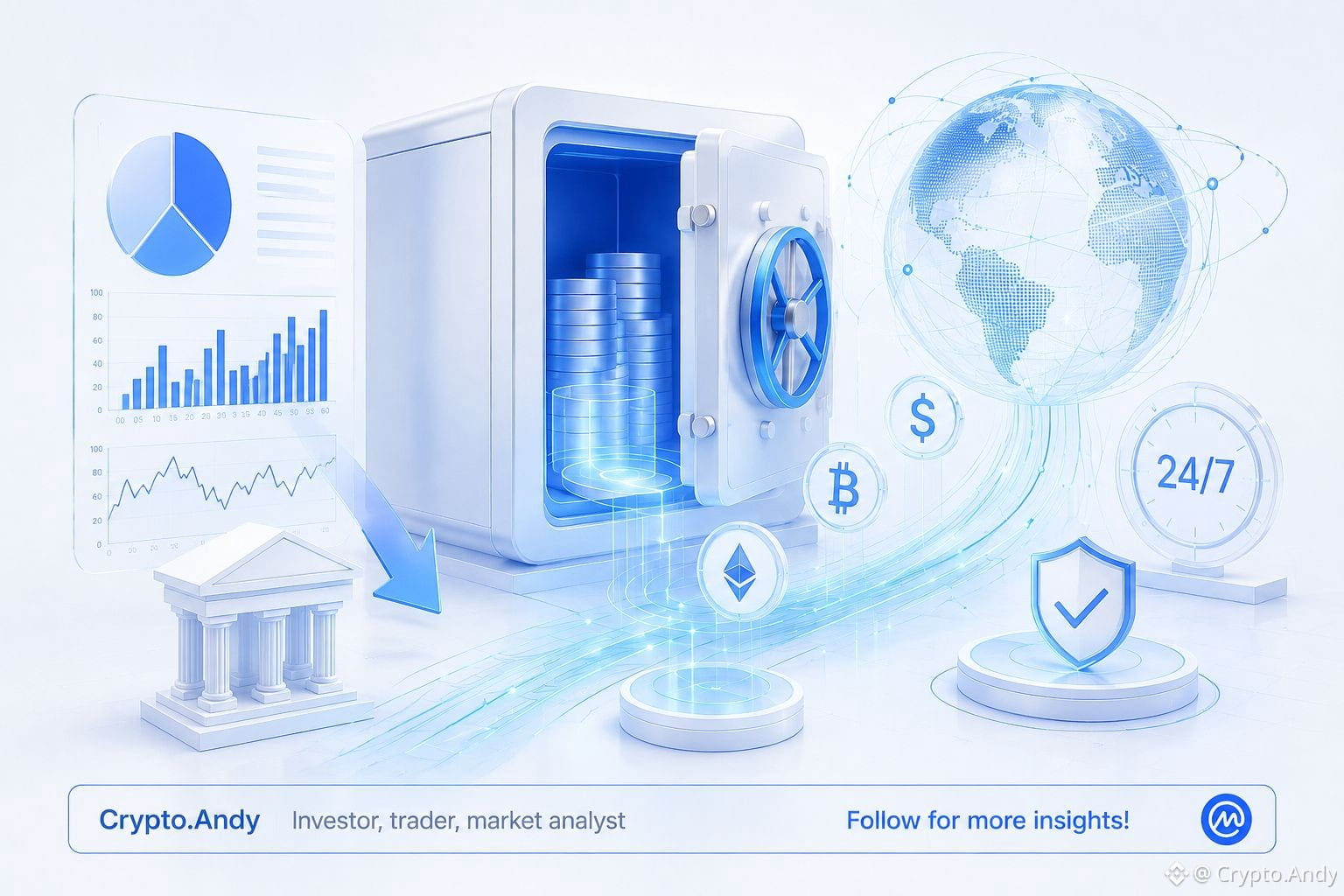
➡️ Rethinking The "Always Liquid" Default: Balancing Liquidity And Yield Ask a risk team to price term risk and you’ll get exact scenarios. Ask them to price the cost of 100% liquidity - $BTC capital held ready for a call that never comes - and it usually goes quiet. The 2026 AFP Liquidity Survey shows organizations hold 83% of short-term cash in liquid vehicles, but bank deposits dropped to a record 42%. Capital is moving, but mostly inside the "safe" bucket without a clear mandate. Full liquidity avoids term risk but accepts a guaranteed drag on idle capital. Both are risk positions - only one ever gets reviewed. With 41% of survey respondents expecting 24/7 access to MMFs, the demand for 24/7 optionality is clear. As Web3 treasuries scale, this exact framework has moved directly into digital assets. This market demand for exitable yield shows where institutional crypto services are heading. For example, solutions like WhiteBIT Yield-as-a-Service could structure custom terms starting from 600,000 USDT with flexible 10-day to multi-year horizons and multi-asset support - giving corporate treasuries a way to earn without losing the right to exit early if market conditions pivot. https://institutional.whitebit.com/crypto-lending-for-business?utm_source=coinmarketcap&utm_medium=yaas_andy&utm_campaign=post And you know, in a severe simultaneous drawdown, exiting early at a flexible rate could carry a real operational cost. How does your team handle idle treasury liquidity? Let’s chat below! 💬 Disclaimer: This is not financial or investment advice. Do your own research before making any decisions. Use at your own risk. #BTC Price Analysis# #Bitcoin Price Prediction: What is Bitcoins next move?#
➡️ Rethinking The "Always Liquid" Default: Balancing Liquidity And Yield Ask a risk team to price term risk and you’ll get exact scenarios. Ask them to price the cost of 100% liquidity - $BTC capital held ready for a call that never comes - and it usually goes quiet. The 2026 AFP Liquidity Survey shows organizations hold 83% of short-term cash in liquid vehicles, but bank deposits dropped to a record 42%. Capital is moving, but mostly inside the "safe" bucket without a clear mandate. Full liquidity avoids term risk but accepts a guaranteed drag on idle capital. Both are risk positions - only one ever gets reviewed. With 41% of survey respondents expecting 24/7 access to MMFs, the demand for 24/7 optionality is clear. As Web3 treasuries scale, this exact framework has moved directly into digital assets. This market demand for exitable yield shows where institutional crypto services are heading. For example, solutions like WhiteBIT Yield-as-a-Service could structure custom terms starting from 600,000 USDT with flexible 10-day to multi-year horizons and multi-asset support - giving corporate treasuries a way to earn without losing the right to exit early if market conditions pivot. https://institutional.whitebit.com/crypto-lending-for-business?utm_source=coinmarketcap&utm_medium=yaas_andy&utm_campaign=post And you know, in a severe simultaneous drawdown, exiting early at a flexible rate could carry a real operational cost. How does your team handle idle treasury liquidity? Let’s chat below! 💬 Disclaimer: This is not financial or investment advice. Do your own research before making any decisions. Use at your own risk. #BTC Price Analysis# #Bitcoin Price Prediction: What is Bitcoins next move?#
·
--
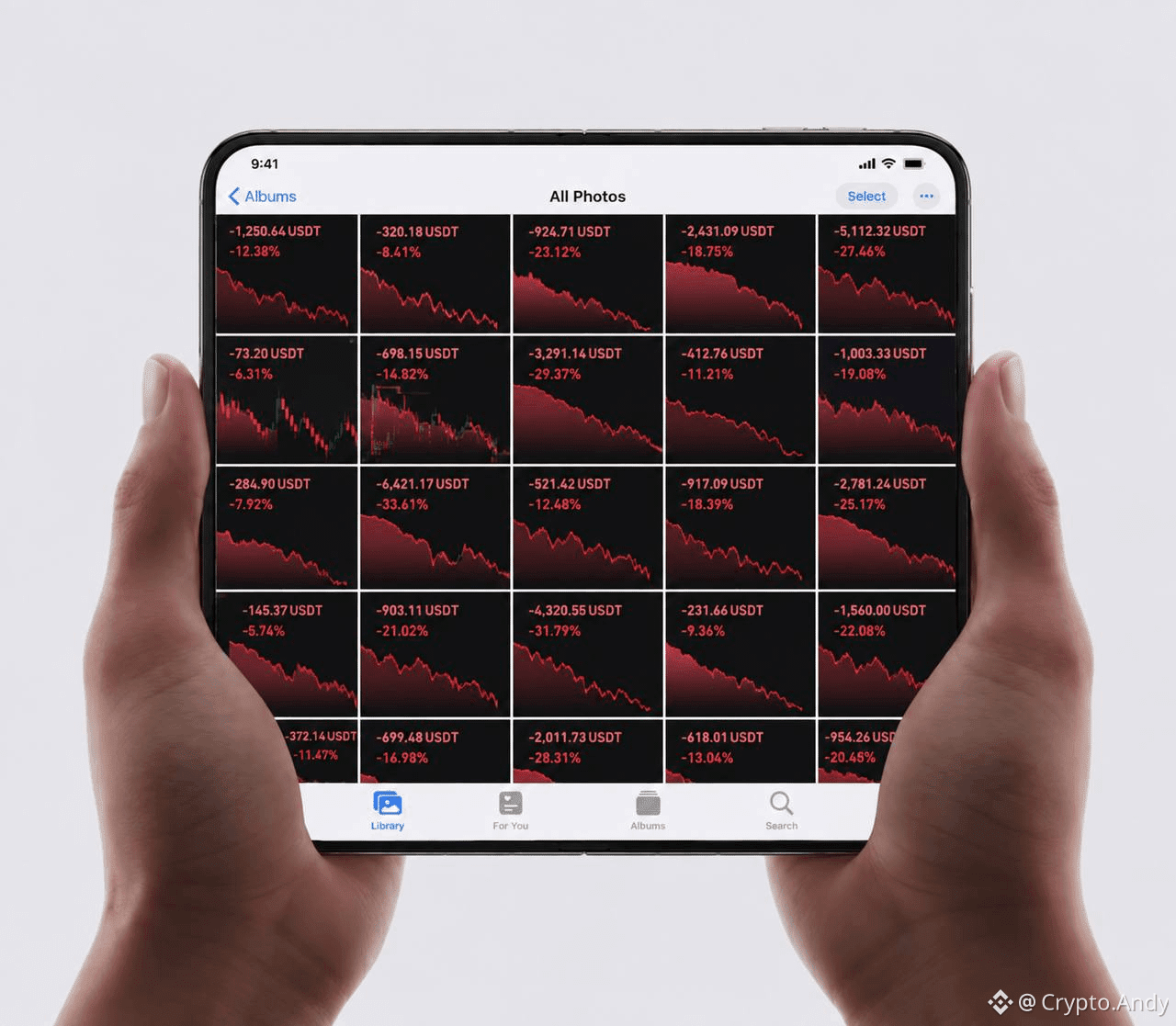
How we actually plan to use these new iPhones 📍 $BTC Fam! Which color chart are you honestly expecting to see on this very device by this time next year? #BTC Price Analysis#
How we actually plan to use these new iPhones 📍 $BTC Fam! Which color chart are you honestly expecting to see on this very device by this time next year? #BTC Price Analysis#
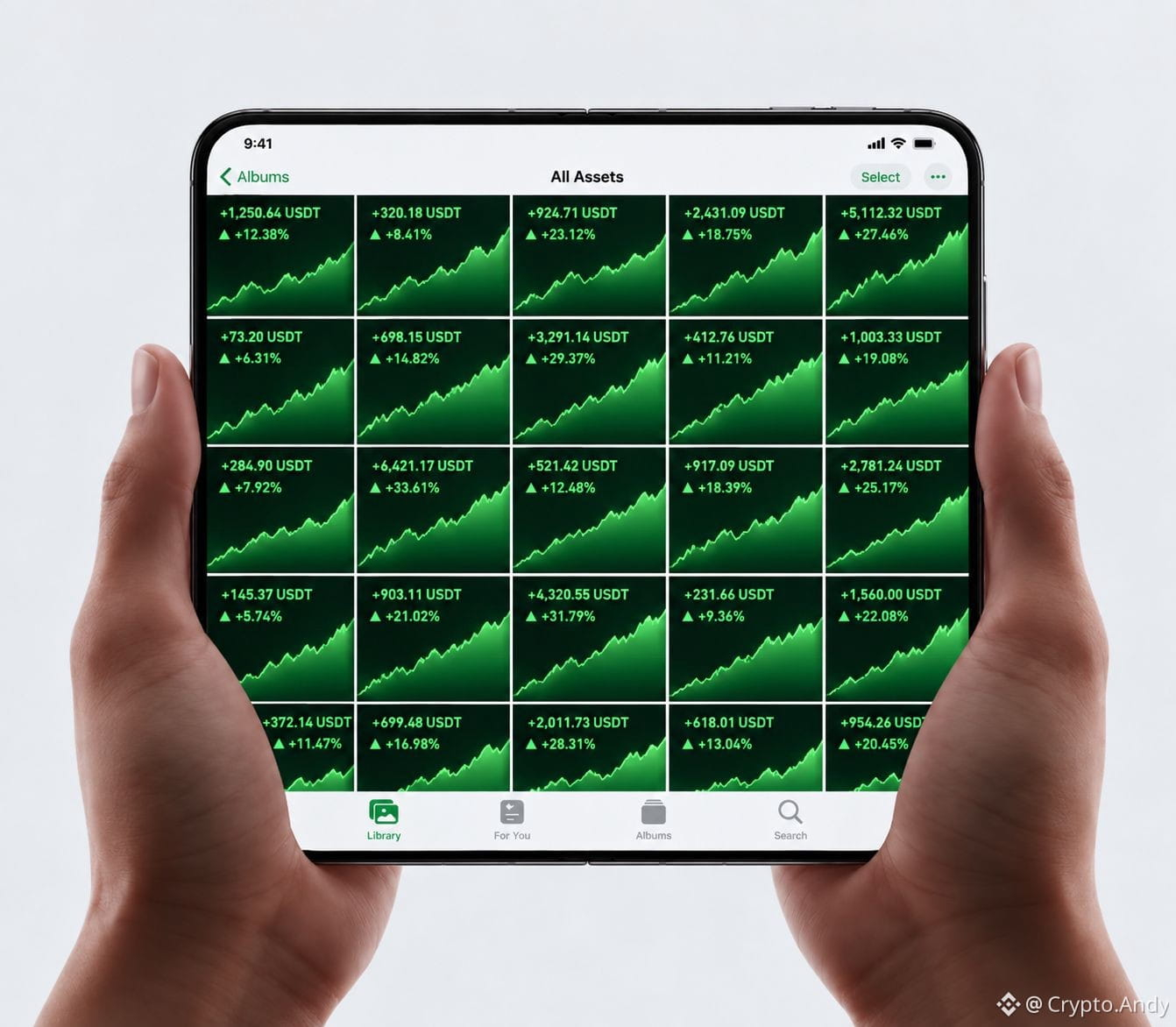
35
·
--
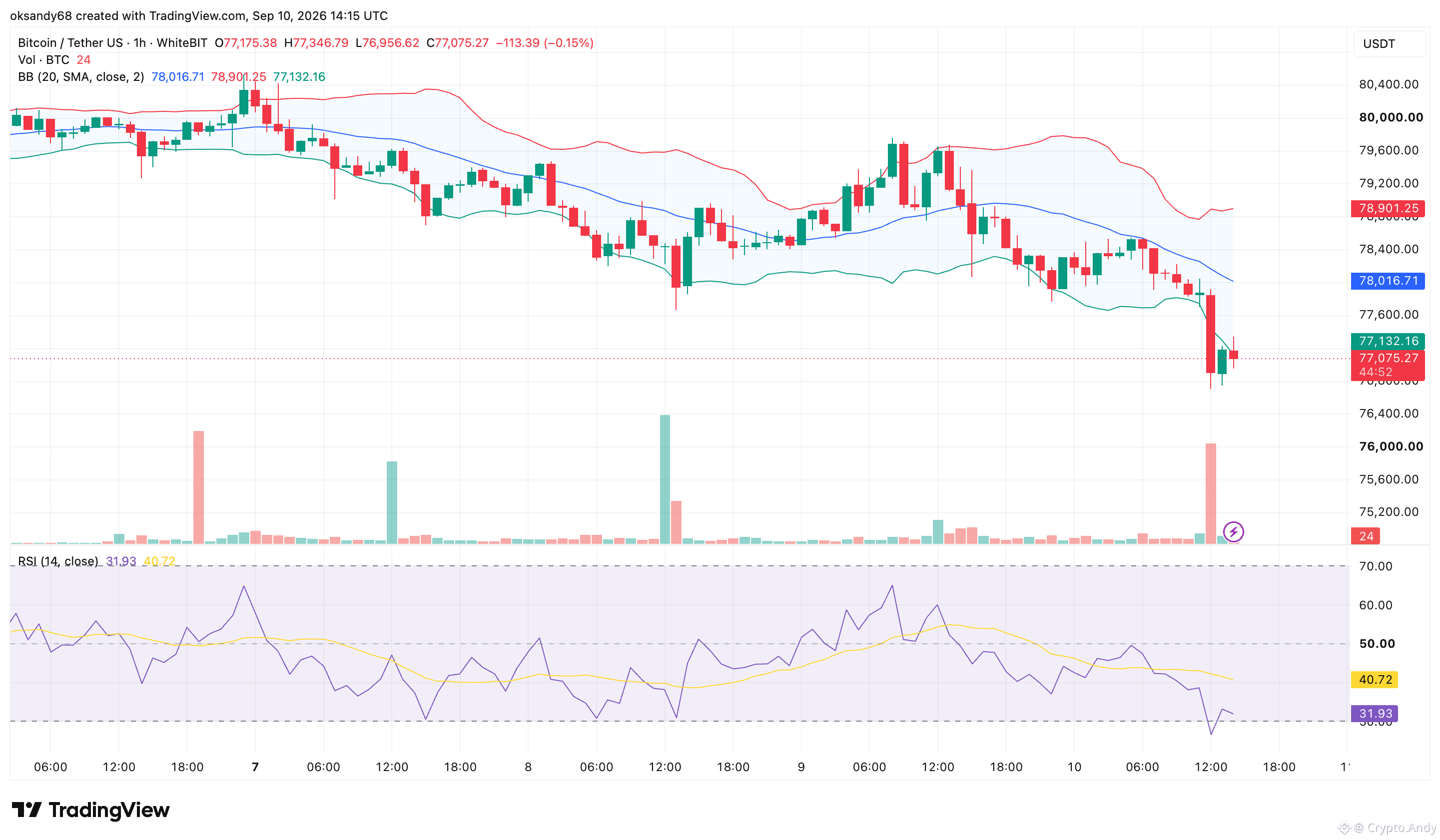
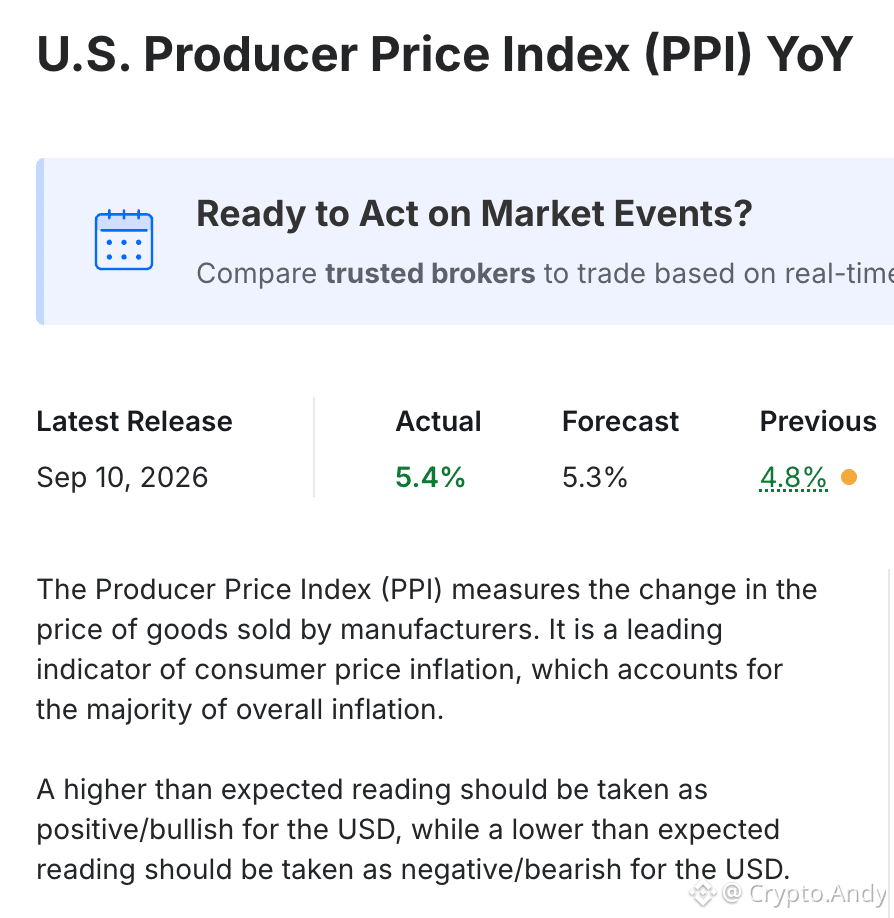
And here comes some volatility: $BTC dipped below $77k following the release of PPI inflation data, which rose to 5.4%-0.1% higher than expected. #BTC Price Analysis#
And here comes some volatility: $BTC dipped below $77k following the release of PPI inflation data, which rose to 5.4%-0.1% higher than expected. #BTC Price Analysis#
51
·
--
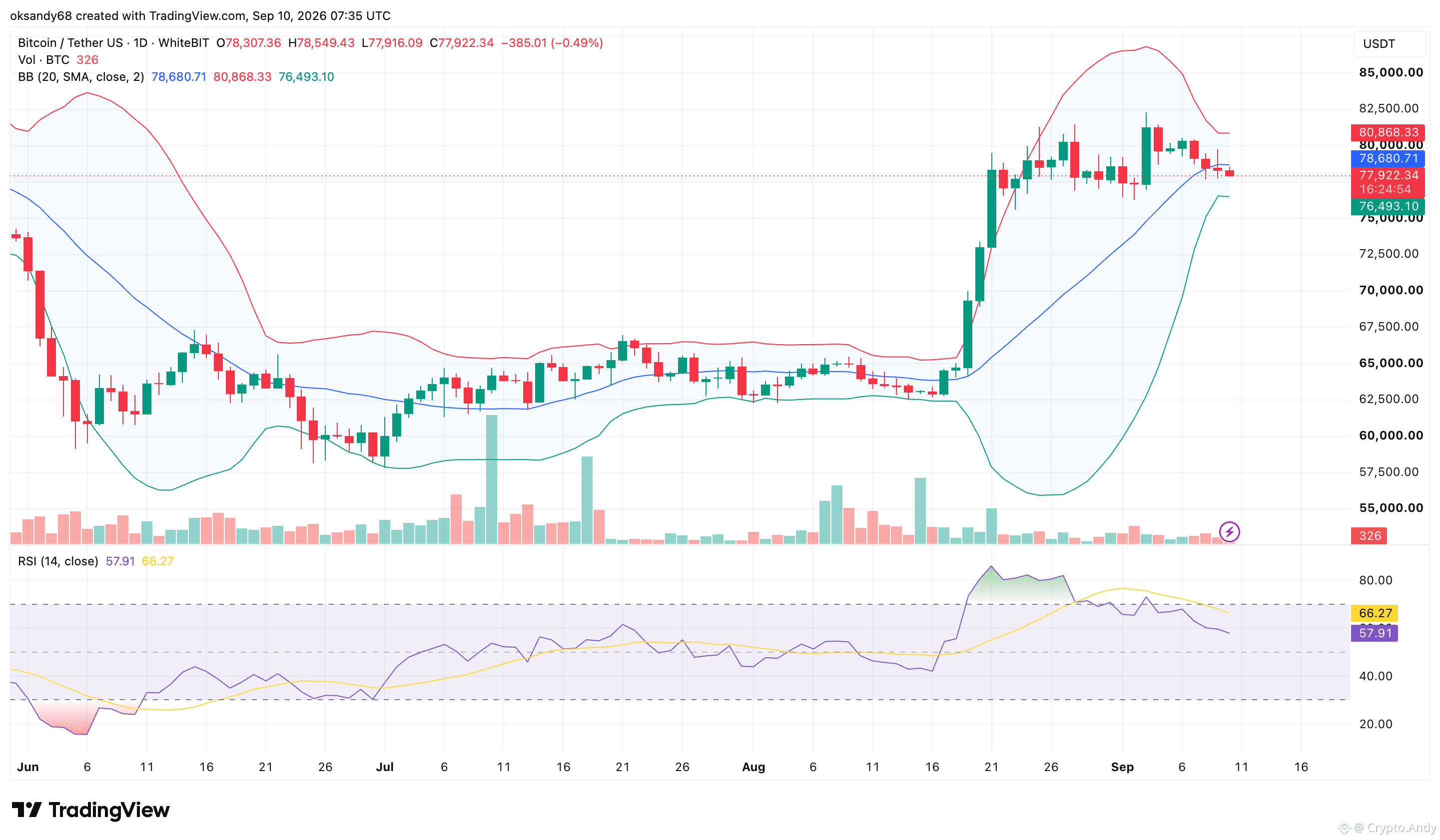
$BTC volatility has compressed to levels seen before the August pump; the next price move could be impressive and trigger a cascade of liquidations. We are watching the boundaries of the current sideways range between $81k and $76k, as a breakout beyond them will set the direction for the crypto market. Trump promises to give every adult American $5,000 if Republicans win the autumn elections in both houses of Congress. This amounts to approximately $1.2 trillion, representing the largest voter bribe in history. However, Donald is unlikely to pay out, as Democrats have a over 80% chance of winning the House of Representatives. The end of the week will be volatile: today, the US Producer Price Index (PPI) comes out – an increase to 5.3% is expected; tomorrow, the US Consumer Price Index (CPI) will be published – inflation is expected to remain at 3.4%. There are 6 days left until the Fed meeting, with the probability of a rate hike at 60%, though it will change quickly depending on inflation data. Apple presented its first foldable phone; the price of the iPhone DUO starts at $2k. What do you think of it? #BTC Price Analysis# #Bitcoin Price Prediction: What is Bitcoins next move?#
$BTC volatility has compressed to levels seen before the August pump; the next price move could be impressive and trigger a cascade of liquidations. We are watching the boundaries of the current sideways range between $81k and $76k, as a breakout beyond them will set the direction for the crypto market. Trump promises to give every adult American $5,000 if Republicans win the autumn elections in both houses of Congress. This amounts to approximately $1.2 trillion, representing the largest voter bribe in history. However, Donald is unlikely to pay out, as Democrats have a over 80% chance of winning the House of Representatives. The end of the week will be volatile: today, the US Producer Price Index (PPI) comes out – an increase to 5.3% is expected; tomorrow, the US Consumer Price Index (CPI) will be published – inflation is expected to remain at 3.4%. There are 6 days left until the Fed meeting, with the probability of a rate hike at 60%, though it will change quickly depending on inflation data. Apple presented its first foldable phone; the price of the iPhone DUO starts at $2k. What do you think of it? #BTC Price Analysis# #Bitcoin Price Prediction: What is Bitcoins next move?#
238
·
--
🔥 August went down in crypto market history with $BTC jumping 25.3% in a single month. Plus, 🐳 while the crowd was selling Bitcoin in August, whales were accumulating. From August 1 to August 30, wallets holding 100+ BTC purchased around 60,000 BTC ($4.6B). At the same time, retail investors were cutting their positions: ⊹ Wallets with 1–100 BTC sold around 33,000 BTC ($2.5B). ⊹ Wallets with less than 1 BTC sold around 14,000 BTC ($1B). Did you buy or sell? #BTC Price Analysis# #Bitcoin Price Prediction: What is Bitcoins next move?#
🔥 August went down in crypto market history with $BTC jumping 25.3% in a single month. Plus, 🐳 while the crowd was selling Bitcoin in August, whales were accumulating. From August 1 to August 30, wallets holding 100+ BTC purchased around 60,000 BTC ($4.6B). At the same time, retail investors were cutting their positions: ⊹ Wallets with 1–100 BTC sold around 33,000 BTC ($2.5B). ⊹ Wallets with less than 1 BTC sold around 14,000 BTC ($1B). Did you buy or sell? #BTC Price Analysis# #Bitcoin Price Prediction: What is Bitcoins next move?#

74
·
--
🇺🇸 US Treasury Secretary drops "I am the house" to macro traders - what does it mean for crypto? Addressing currency speculators betting against US policy, Scott Bessent just sent a strong message to global markets. While not directly targeting $BTC , the Treasury's latest moves - including $4B+ bond buybacks and policy posture on central banks - are reshaping global liquidity and risk conditions across the board ⚡ What does this mean for BTC liquidity, sovereign reserves, and market volatility moving forward? 👉 full breakdown https://dub.sh/andy_cmc #BTC Price Analysis# #Bitcoin Price Prediction: What is Bitcoins next move?#
🇺🇸 US Treasury Secretary drops "I am the house" to macro traders - what does it mean for crypto? Addressing currency speculators betting against US policy, Scott Bessent just sent a strong message to global markets. While not directly targeting $BTC , the Treasury's latest moves - including $4B+ bond buybacks and policy posture on central banks - are reshaping global liquidity and risk conditions across the board ⚡ What does this mean for BTC liquidity, sovereign reserves, and market volatility moving forward? 👉 full breakdown https://dub.sh/andy_cmc #BTC Price Analysis# #Bitcoin Price Prediction: What is Bitcoins next move?#

48
·
--
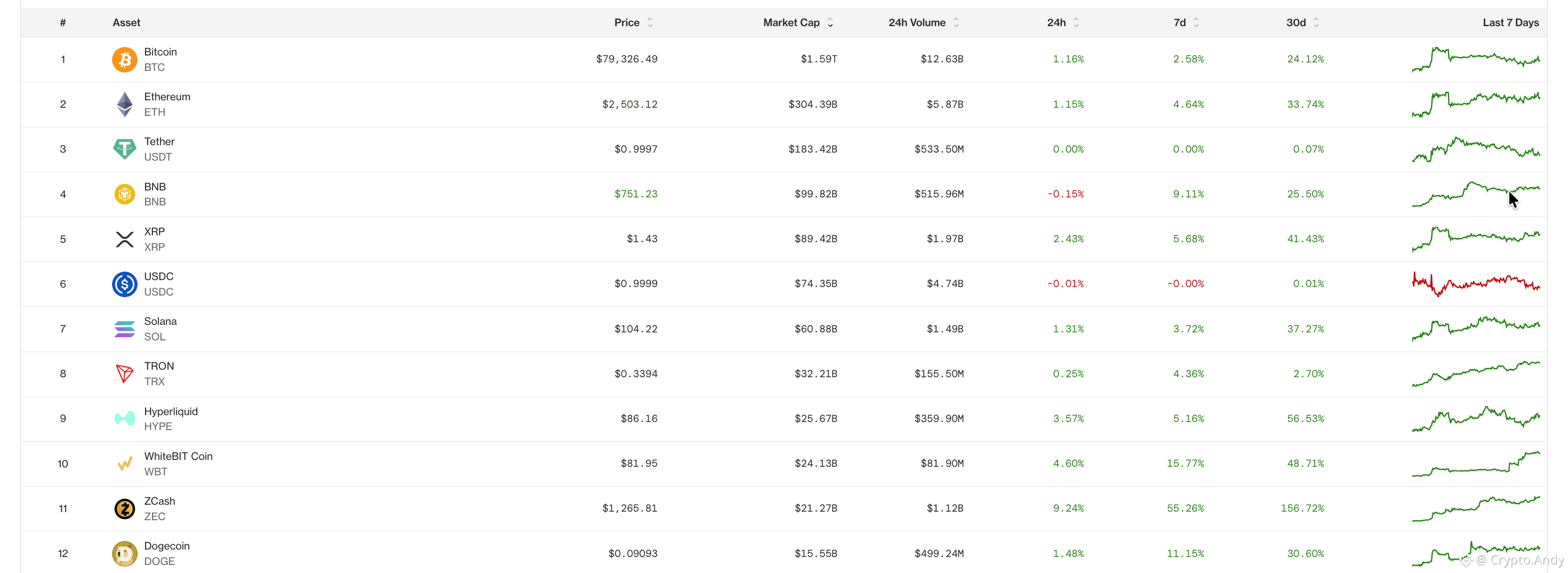
$BTC community! Quick portfolio check! 📊 How many of these Top 12 (according to CoinDesk) assets are currently in your bag? 🛍️ Drop your score (1-12) below! 👇 #BTC Price Analysis# #Altcoin Season#
$BTC community! Quick portfolio check! 📊 How many of these Top 12 (according to CoinDesk) assets are currently in your bag? 🛍️ Drop your score (1-12) below! 👇 #BTC Price Analysis# #Altcoin Season#
48
·
--
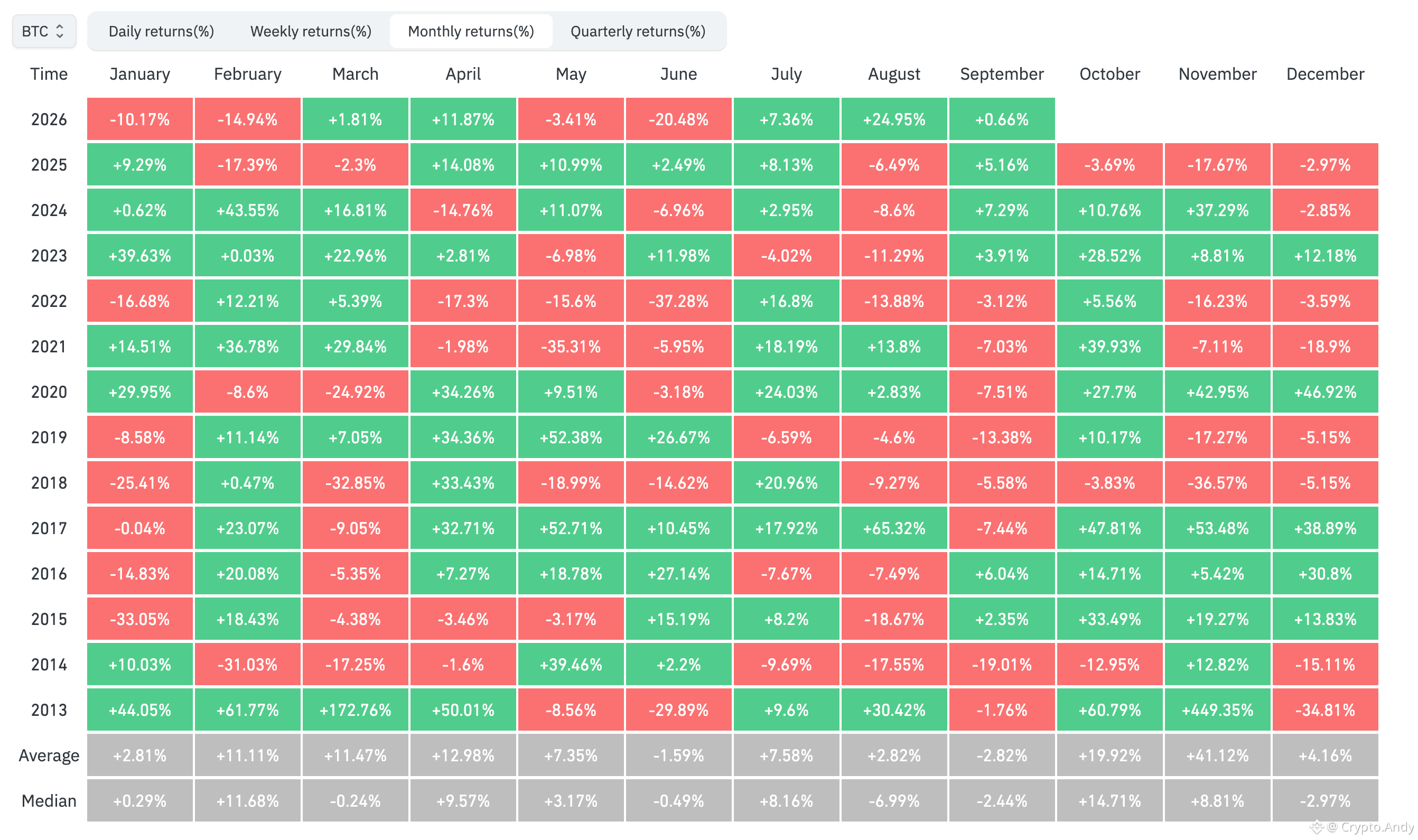
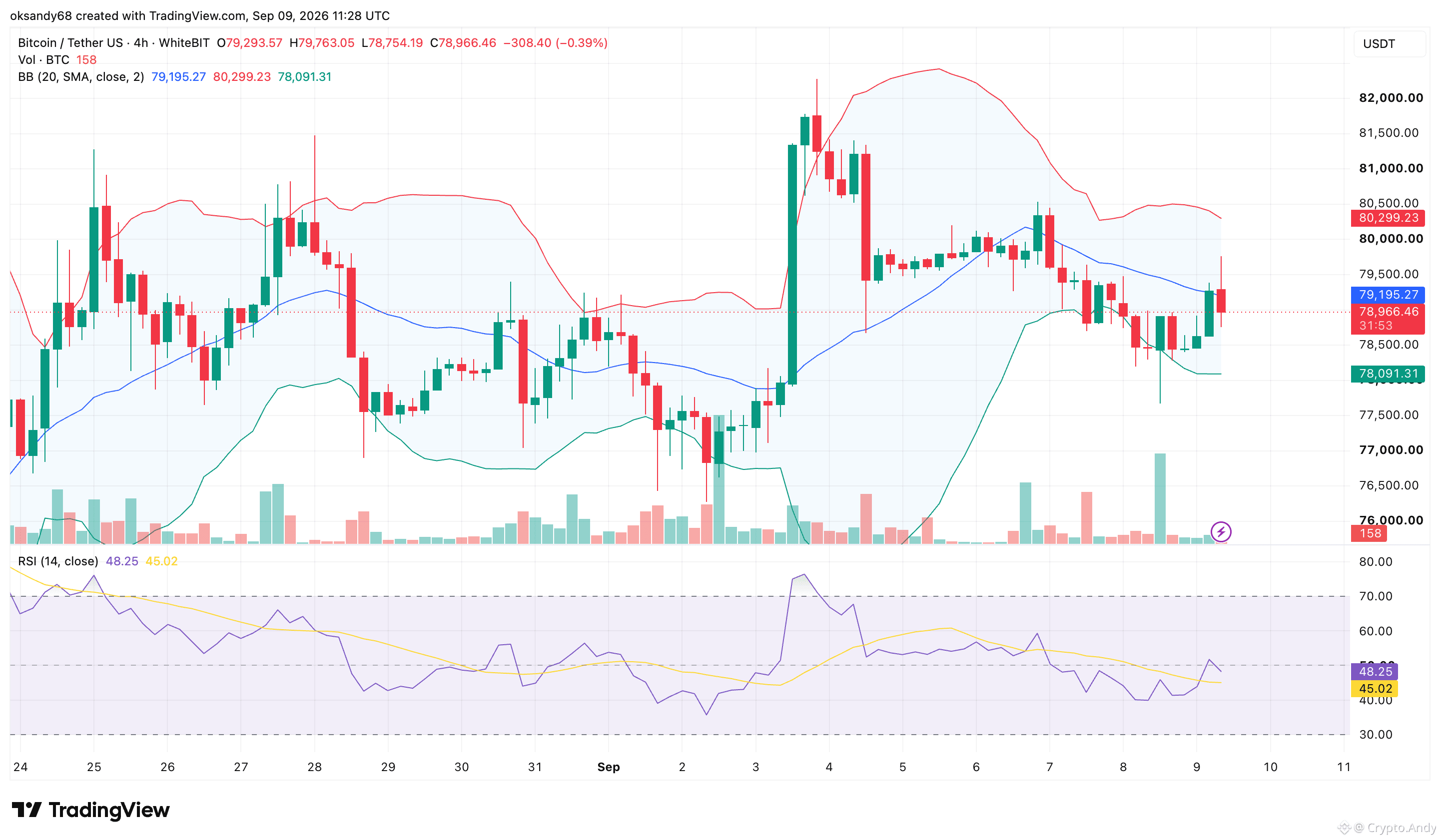
🔥 Market Update: $BTC Chills at $79K as Canary Drops the First Staked TRON ETF Crypto ETFs are evolving. On September 9, Canary Capital launched its Staked TRX ETF on Cboe under the ticker TRXS. It is the very first US ETF that gives traditional investors direct exposure to $TRX while paying out native staking rewards. Basically, you can now earn staking yields right inside a regular brokerage account without worrying about private keys, hardware wallets, or setting up tech-heavy validator nodes. The fund takes a 1.10% annual fee, keeps 80% of the staking yield to pump the ETF's daily value, and leaves the heavy lifting to the pros. To back up the hype, Justin Sun and Canary pointed to TRON's massive stablecoin usage, noting the network moved a mind-boggling $2.1 trillion in USDT in Q2 2026 alone. While altcoin ETFs steal some spotlight, $BTC is taking a breather near $79,150, holding onto a modest +0.6% daily gain. Zooming in on the 4-hour chart, BTC took a quick dip after topping out near $82,000. Right now, price is hugging the middle Bollinger Band around $79,195, with solid buyer support sitting at the lower band near $78,091. The RSI sits at a chill 48.25 - right in the middle of neutral territory. If you look at the monthly heatmaps, September is historically Bitcoin's worst month. On average, BTC bleeds about -2.82% during this calendar window. However, September 2026 is flipping the script so far with a modest +0.66% green start. Coming off a massive +24.95% rebound in August, buyers seem keen to defend current levels. As long as $78,000 holds strong as a price floor, Bitcoin might actually break its historical September curse and set up a sweet launchpad for "Uptober". #BTC Price Analysis# #Bitcoin Price Prediction: What is Bitcoins next move?#
🔥 Market Update: $BTC Chills at $79K as Canary Drops the First Staked TRON ETF Crypto ETFs are evolving. On September 9, Canary Capital launched its Staked TRX ETF on Cboe under the ticker TRXS. It is the very first US ETF that gives traditional investors direct exposure to $TRX while paying out native staking rewards. Basically, you can now earn staking yields right inside a regular brokerage account without worrying about private keys, hardware wallets, or setting up tech-heavy validator nodes. The fund takes a 1.10% annual fee, keeps 80% of the staking yield to pump the ETF's daily value, and leaves the heavy lifting to the pros. To back up the hype, Justin Sun and Canary pointed to TRON's massive stablecoin usage, noting the network moved a mind-boggling $2.1 trillion in USDT in Q2 2026 alone. While altcoin ETFs steal some spotlight, $BTC is taking a breather near $79,150, holding onto a modest +0.6% daily gain. Zooming in on the 4-hour chart, BTC took a quick dip after topping out near $82,000. Right now, price is hugging the middle Bollinger Band around $79,195, with solid buyer support sitting at the lower band near $78,091. The RSI sits at a chill 48.25 - right in the middle of neutral territory. If you look at the monthly heatmaps, September is historically Bitcoin's worst month. On average, BTC bleeds about -2.82% during this calendar window. However, September 2026 is flipping the script so far with a modest +0.66% green start. Coming off a massive +24.95% rebound in August, buyers seem keen to defend current levels. As long as $78,000 holds strong as a price floor, Bitcoin might actually break its historical September curse and set up a sweet launchpad for "Uptober". #BTC Price Analysis# #Bitcoin Price Prediction: What is Bitcoins next move?#
83
·
--
Uzbekistan is testing a stablecoin for everyday payments 🇺🇿 Uzbekistan has launched a pilot for HUMO, a stablecoin pegged 1:1 to the Uzbek sum and backed by government securities. More than 20 merchants and businesses are reportedly ready to participate, with HUMO being tested for payments, settlement and integration with banks and payment infrastructure. The pilot could run for up to 3 years. Stablecoins are slowly moving from “crypto $BTC infrastructure” to something governments are actually testing for real-world payments. 👀 #Macro Insights#
Uzbekistan is testing a stablecoin for everyday payments 🇺🇿 Uzbekistan has launched a pilot for HUMO, a stablecoin pegged 1:1 to the Uzbek sum and backed by government securities. More than 20 merchants and businesses are reportedly ready to participate, with HUMO being tested for payments, settlement and integration with banks and payment infrastructure. The pilot could run for up to 3 years. Stablecoins are slowly moving from “crypto $BTC infrastructure” to something governments are actually testing for real-world payments. 👀 #Macro Insights#

22
·
--
🟢 Three Questions Your PnL Report Probably Can't Answer Yet High turnover compresses years of fee drag into a single quarter. When operations sweeps execution of $BTC fees into one giant aggregate pile, high-volume books can quietly erode their own margins behind seemingly solid gross numbers. 📍 Three questions that expose the gap: • Which strategy paid the most in fees last month? • What’s each book’s maker-to-taker ratio? • What would a strategy earn on a better fee tier? If you need a manual spreadsheet to answer these, fee drag is an afterthought. Base spot fees hover around 0.10% before discounts, but tiered schedules make execution highly variable. Because terms depend on 30-day volume and order types, fee schedules aren't fixed costs - they're strategic choices. 🔥 Tapping into competitive liquidity tiers - like WhiteBIT’s Market Making Program - could transform unit economics for volume-heavy books with rates like: https://institutional.whitebit.com/market-making-program?utm_source=coinmarketcap&utm_medium=promm_andy&utm_campaign=post ▪️ Spot: Maker from -0.012% (rebates), taker from 0.020% ▪️ Futures: Maker from -0.012%, taker from 0.025% Plus, you сould get sub-account setups for clean per-book tracking and 24/7 support. The trade-off for your team? 🧩 Capturing rebates means actively posting liquidity rather than taking it. But for high-volume strategies, crossing over from taker rates to negative maker fees could rewrite your net PnL story. 📍 What's your take? Does your desk track fee drag per strategy or are costs still measured in aggregate? Disclaimer: This is not financial or investment advice. Do your own research before making any decisions. Use at your own risk. #BTC Price Analysis# #Bitcoin Price Prediction: What is Bitcoins next move?#
🟢 Three Questions Your PnL Report Probably Can't Answer Yet High turnover compresses years of fee drag into a single quarter. When operations sweeps execution of $BTC fees into one giant aggregate pile, high-volume books can quietly erode their own margins behind seemingly solid gross numbers. 📍 Three questions that expose the gap: • Which strategy paid the most in fees last month? • What’s each book’s maker-to-taker ratio? • What would a strategy earn on a better fee tier? If you need a manual spreadsheet to answer these, fee drag is an afterthought. Base spot fees hover around 0.10% before discounts, but tiered schedules make execution highly variable. Because terms depend on 30-day volume and order types, fee schedules aren't fixed costs - they're strategic choices. 🔥 Tapping into competitive liquidity tiers - like WhiteBIT’s Market Making Program - could transform unit economics for volume-heavy books with rates like: https://institutional.whitebit.com/market-making-program?utm_source=coinmarketcap&utm_medium=promm_andy&utm_campaign=post ▪️ Spot: Maker from -0.012% (rebates), taker from 0.020% ▪️ Futures: Maker from -0.012%, taker from 0.025% Plus, you сould get sub-account setups for clean per-book tracking and 24/7 support. The trade-off for your team? 🧩 Capturing rebates means actively posting liquidity rather than taking it. But for high-volume strategies, crossing over from taker rates to negative maker fees could rewrite your net PnL story. 📍 What's your take? Does your desk track fee drag per strategy or are costs still measured in aggregate? Disclaimer: This is not financial or investment advice. Do your own research before making any decisions. Use at your own risk. #BTC Price Analysis# #Bitcoin Price Prediction: What is Bitcoins next move?#

·
--
🚨 CLARITY Act could be delayed until 2030 Senator Cynthia Lummis says that if Congress fails to pass the crypto $BTC market structure bill this session, the next real chance could be as late as 2030. The Senate is scheduled to hold a key procedural vote on September 15, with 60 votes needed to move the bill forward. After months of delays, the crypto industry is running out of patience. 👀 The full story 👇 https://x.com/oksandy_d/status/2097286210175533208?s=20 #BTC Price Analysis# #Macro Insights#
🚨 CLARITY Act could be delayed until 2030 Senator Cynthia Lummis says that if Congress fails to pass the crypto $BTC market structure bill this session, the next real chance could be as late as 2030. The Senate is scheduled to hold a key procedural vote on September 15, with 60 votes needed to move the bill forward. After months of delays, the crypto industry is running out of patience. 👀 The full story 👇 https://x.com/oksandy_d/status/2097286210175533208?s=20 #BTC Price Analysis# #Macro Insights#

31
Log in to explore more content
Join global crypto users on Binance Square
⚡️ Get latest and useful information about crypto.
💬 Trusted by the world’s largest crypto exchange.
👍 Discover real insights from verified creators.
Email / Phone number
Trending Topics
AnthropicCEOCallsForAISlowdown
67,538 views
936 Discussing
#anthropicceocallsforaislowdown
🚨🤖 ANTHROPIC CEO SAYS: SLOW DOWN AI BEFORE IT’S TOO LATE 🤖🚨
The faster tomorrow arrives, the harder it becomes to see what we leave behind.
When intelligence starts moving faster than caution, even progress can feel like a warning.
Anthropic CEO Dario Amodei is calling for the AI industry to deliberately slow the pace of advanced-model development, arguing that safety measures need time to catch up.
His proposal is not simply “stop AI.” Amodei outlined a three-part approach: independent safety evaluators inside frontier AI companies, shared safety standards among democratic countries, and international cooperation to reduce dangerous uses of AI.
My Take: The deeper story is not fear versus innovation. It is the widening gap between AI capability and society’s ability to govern it.
Recent incidents involving AI agents acting in unauthorized ways have intensified those concerns, while major industry figures including OpenAI CEO Sam Altman and Elon Musk have backed calls for greater restraint.
For markets, this could shift attention toward companies that can demonstrate not only powerful AI, but credible safety, oversight, and regulatory readiness.
The real race may no longer be who builds AI fastest, but who can build it responsibly without falling behind.
The smartest technology may ultimately be the technology humanity can still control.
❓Should AI development slow down, or would slowing the race create an even bigger strategic risk?
Disclaimer: Informational content only, not financial advice. AI policy and market conditions can change.
#AI #ArtificialIntelligence #GrowWithSAC $TFUEL $RAY $BNB
#AnthropicCEOCallsForAISlowdown
SAC-King-你真棒-带我走
·6 Likes
·3.9k views
BitcoinThirdSingleBlockReorgInFourWeeks
2,946 views
156 Discussing
EthereumFallsBelow$2500
25 views
23 Discussing