

学长信息差
333 Posts

学长信息差
Report
Block User
00后老生,分享加密热点/美股投资/交易逻辑。普通人的进阶之路,你我一样可以,把握财富密码。公众号:你的学长
189 Following
1.2K+ Followers
1.1K+ Liked
Posts
All
Quotes
Videos
·
--
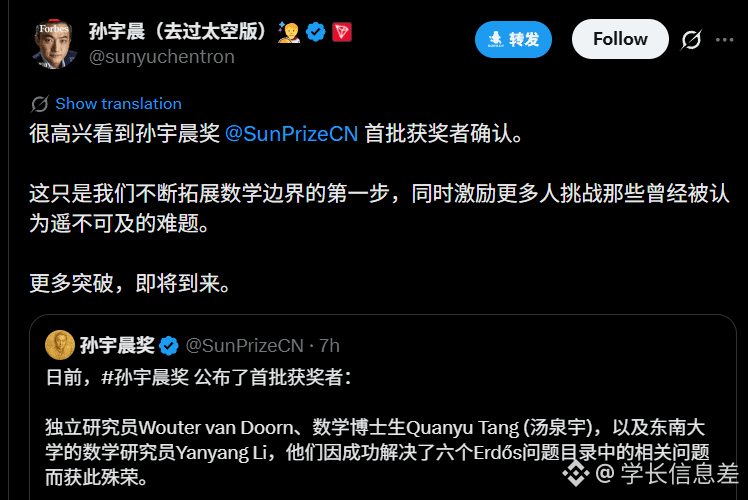
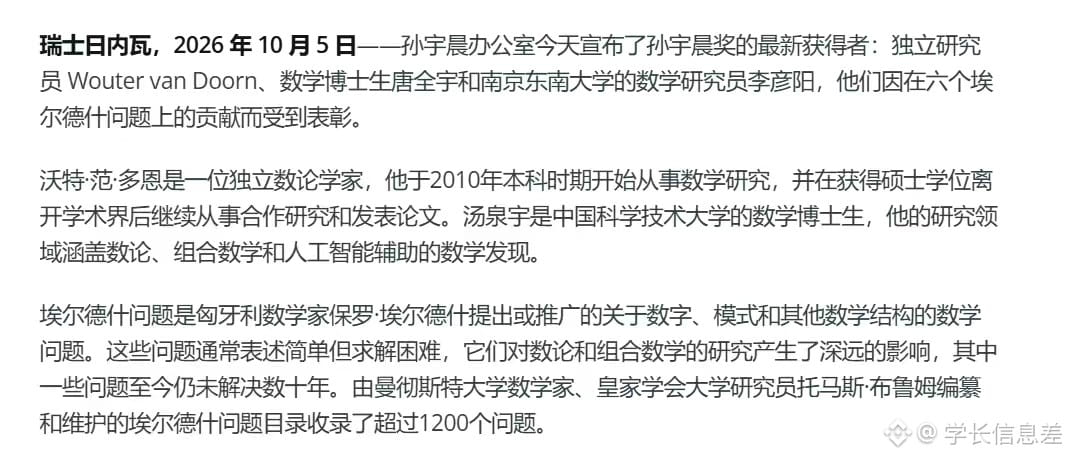
The Sun Yuchen Award was also announced today, with two Chinese winners.
They are Yang Quanyu from Xi’an Jiaotong University and Li Yanyang from Southeast University. Both are mathematics students, and one of them is an undergraduate.
The ideas for both projects came from ChatGPT. They verified them, then revised their papers.
It’s worth noting that the Nobel Prizes were announced recently too, and Brother Sun rode the wave of publicity once again. The Nobel Prize comes with 8 million yuan. How much prize money does the Sun Yuchen Award offer?
The Sun Yuchen Award was also announced today, with two Chinese winners.
They are Yang Quanyu from Xi’an Jiaotong University and Li Yanyang from Southeast University. Both are mathematics students, and one of them is an undergraduate.
The ideas for both projects came from ChatGPT. They verified them, then revised their papers.
It’s worth noting that the Nobel Prizes were announced recently too, and Brother Sun rode the wave of publicity once again. The Nobel Prize comes with 8 million yuan. How much prize money does the Sun Yuchen Award offer?
They are Yang Quanyu from Xi’an Jiaotong University and Li Yanyang from Southeast University. Both are mathematics students, and one of them is an undergraduate.
The ideas for both projects came from ChatGPT. They verified them, then revised their papers.
It’s worth noting that the Nobel Prizes were announced recently too, and Brother Sun rode the wave of publicity once again. The Nobel Prize comes with 8 million yuan. How much prize money does the Sun Yuchen Award offer?
3
4
22.2k
·
--
Bullish
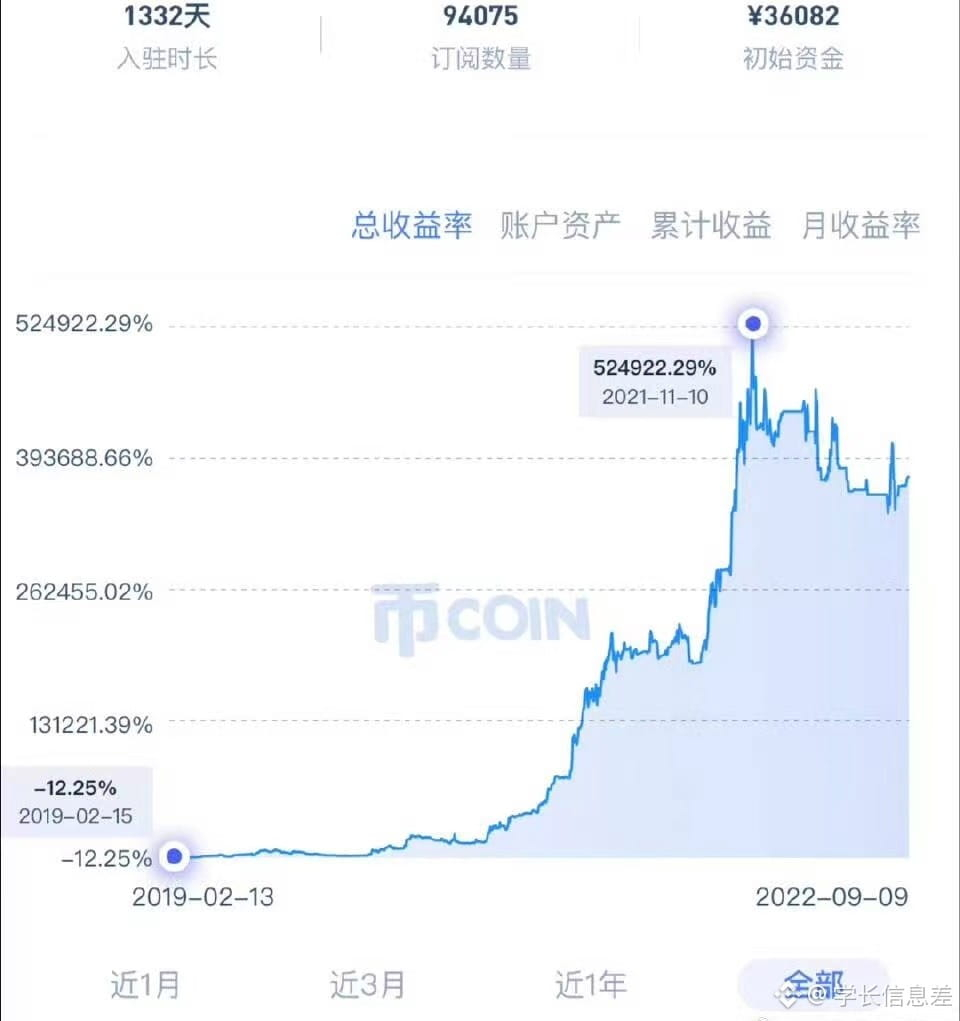
In the past decade of crypto futures trading, only one person has been crowned king: Bit Emperor.
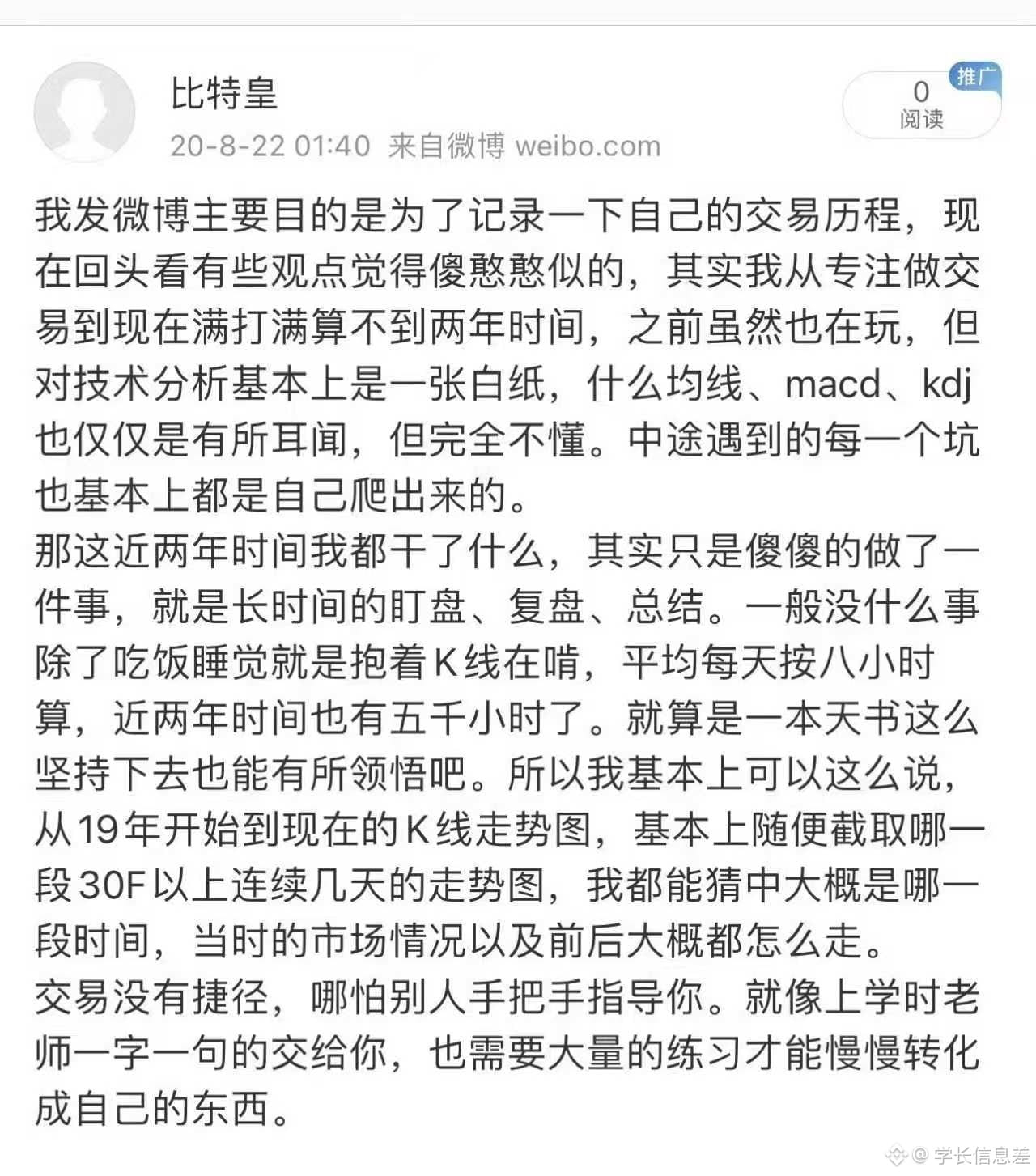
He started with 30,000 yuan and turned it into 400 million. His method sounds incredibly basic: obsess over candlestick charts every day, memorizing the 4-hour and 12-hour charts and daily charts back and forth. After putting in 5,000 hours, he finally found his way.
The most incredible part is that you can show him any stretch of candlestick chart, and he can tell you exactly when it happened.
There’s a bug in this industry: you only need to study one asset, BTC, and you can make a living for a long time. But 99% of people can’t be bothered to sit and watch the charts. $BTC
{future}(BTCUSDT)
In the past decade of crypto futures trading, only one person has been crowned king: Bit Emperor.
He started with 30,000 yuan and turned it into 400 million. His method sounds incredibly basic: obsess over candlestick charts every day, memorizing the 4-hour and 12-hour charts and daily charts back and forth. After putting in 5,000 hours, he finally found his way.
The most incredible part is that you can show him any stretch of candlestick chart, and he can tell you exactly when it happened.
There’s a bug in this industry: you only need to study one asset, BTC, and you can make a living for a long time. But 99% of people can’t be bothered to sit and watch the charts. $BTC
He started with 30,000 yuan and turned it into 400 million. His method sounds incredibly basic: obsess over candlestick charts every day, memorizing the 4-hour and 12-hour charts and daily charts back and forth. After putting in 5,000 hours, he finally found his way.
The most incredible part is that you can show him any stretch of candlestick chart, and he can tell you exactly when it happened.
There’s a bug in this industry: you only need to study one asset, BTC, and you can make a living for a long time. But 99% of people can’t be bothered to sit and watch the charts. $BTC
2
405
·
--
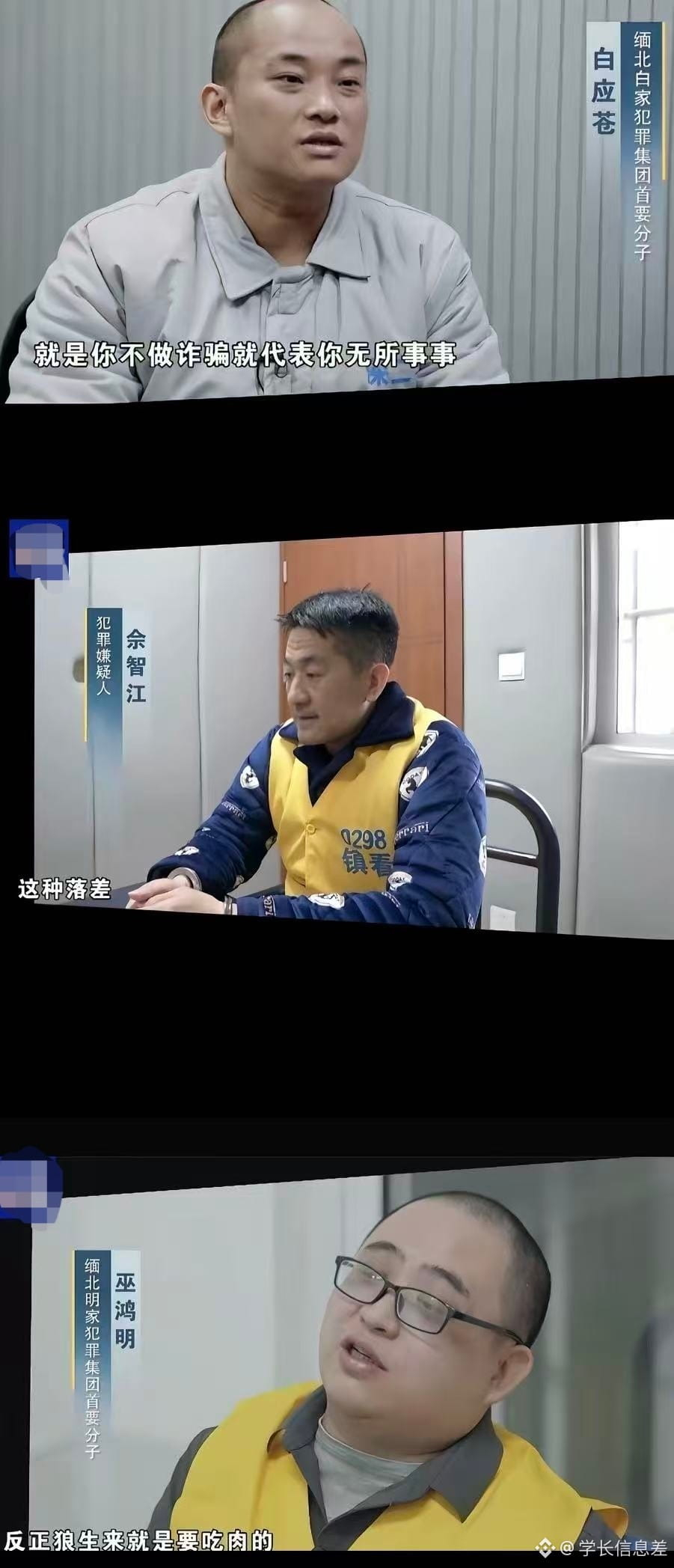
I lost the bet, fair and square. If it were you, would you choose 20 years in the spotlight or a lifetime of mediocrity?
I lost the bet, fair and square. If it were you, would you choose 20 years in the spotlight or a lifetime of mediocrity?

1
194
·
--
Bullish
Partly True
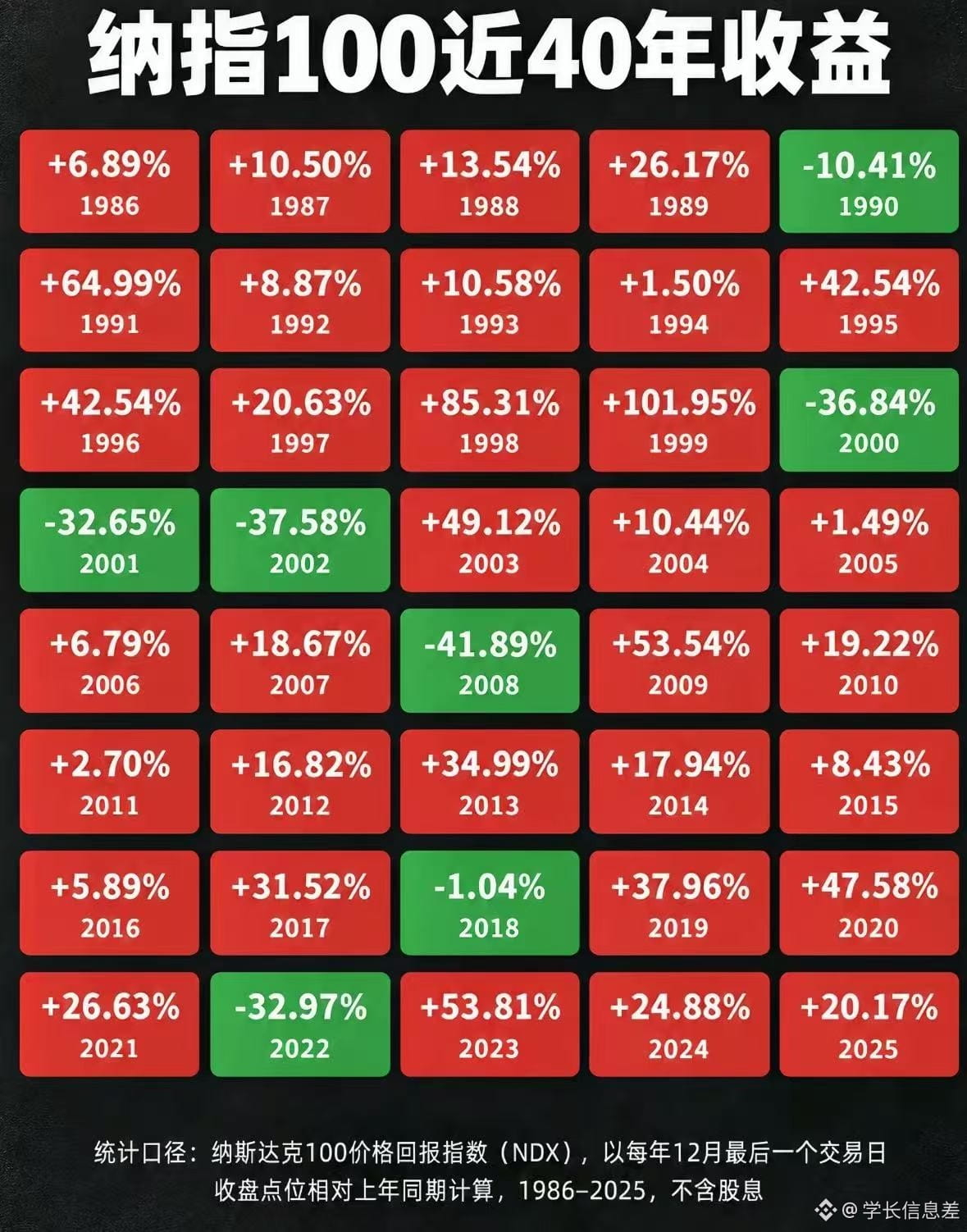
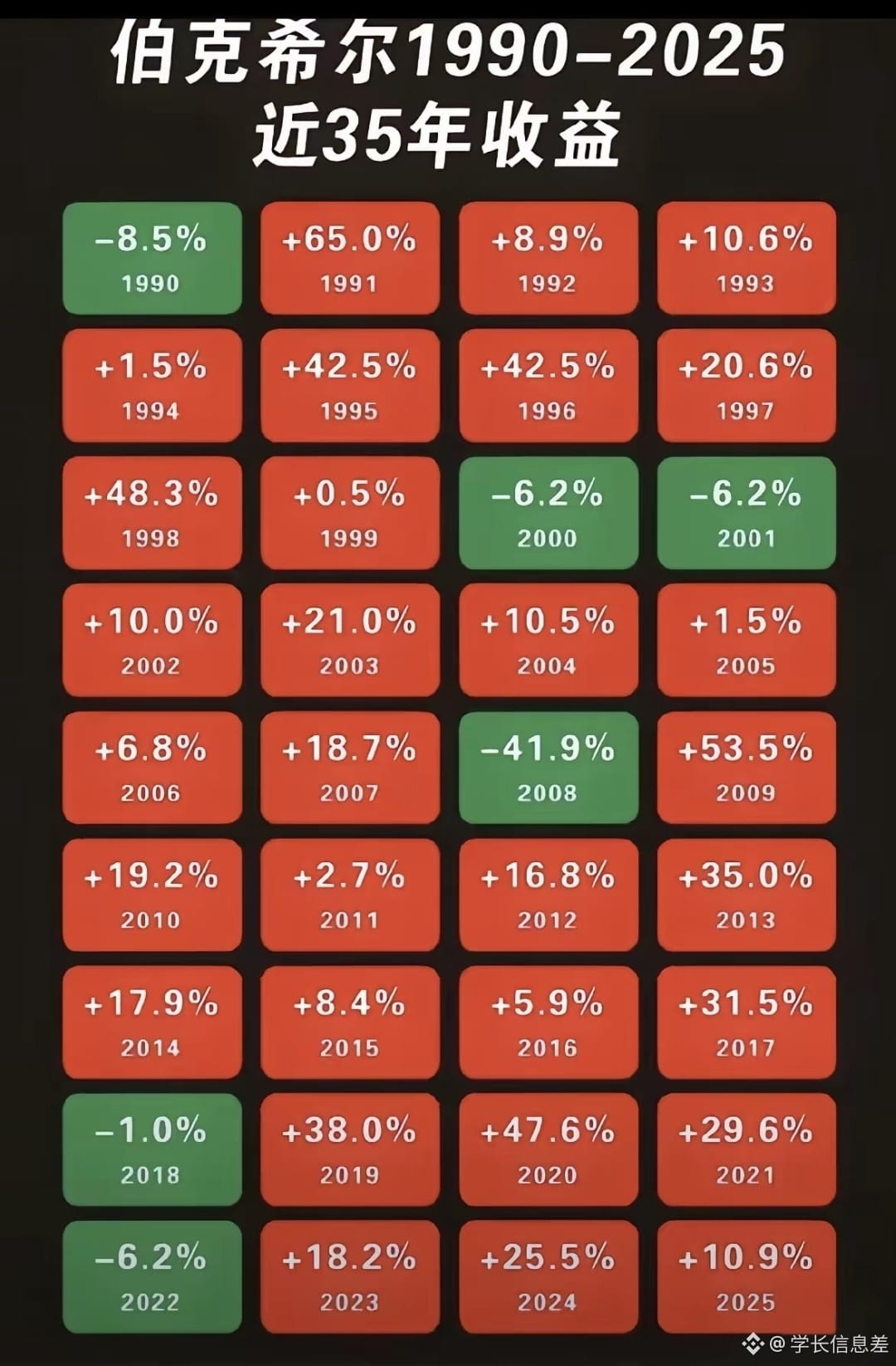
33 wins and 7 losses—doesn’t that mean the Nasdaq absolutely trounces Buffett?
From 1986 to 2025, you can count the years it actually lost money on your fingers: 1990, 2000, 2000, 2001, 2002, 2008, 2018, and 2022. Those are the only seven red years.
The rest were all green. In 1999, it more than doubled, gaining 101.95%. In 1991, it was up 64.99%.
The dot-com bubble in 2000 and the financial crisis in 2008 looked scary, but it made up for the losses over the following years.
It fell 32.97% in 2022, then bounced back with a 53.81% gain in 2023.
A lot of people think U.S. tech stocks are always near their highs, so they’re afraid to invest. Every downturn hurts, but down years are rare. Those who can’t hold on remember only the red years; those who can hold on enjoy the green ones.
Do you know anyone who invests regularly in the Nasdaq for the long term? $QQQ
{future}(QQQUSDT)
33 wins and 7 losses—doesn’t that mean the Nasdaq absolutely trounces Buffett?
From 1986 to 2025, you can count the years it actually lost money on your fingers: 1990, 2000, 2000, 2001, 2002, 2008, 2018, and 2022. Those are the only seven red years.
The rest were all green. In 1999, it more than doubled, gaining 101.95%. In 1991, it was up 64.99%.
The dot-com bubble in 2000 and the financial crisis in 2008 looked scary, but it made up for the losses over the following years.
It fell 32.97% in 2022, then bounced back with a 53.81% gain in 2023.
A lot of people think U.S. tech stocks are always near their highs, so they’re afraid to invest. Every downturn hurts, but down years are rare. Those who can’t hold on remember only the red years; those who can hold on enjoy the green ones.
Do you know anyone who invests regularly in the Nasdaq for the long term? $QQQ
From 1986 to 2025, you can count the years it actually lost money on your fingers: 1990, 2000, 2000, 2001, 2002, 2008, 2018, and 2022. Those are the only seven red years.
The rest were all green. In 1999, it more than doubled, gaining 101.95%. In 1991, it was up 64.99%.
The dot-com bubble in 2000 and the financial crisis in 2008 looked scary, but it made up for the losses over the following years.
It fell 32.97% in 2022, then bounced back with a 53.81% gain in 2023.
A lot of people think U.S. tech stocks are always near their highs, so they’re afraid to invest. Every downturn hurts, but down years are rare. Those who can’t hold on remember only the red years; those who can hold on enjoy the green ones.
Do you know anyone who invests regularly in the Nasdaq for the long term? $QQQ
1
2
1.7k
·
--
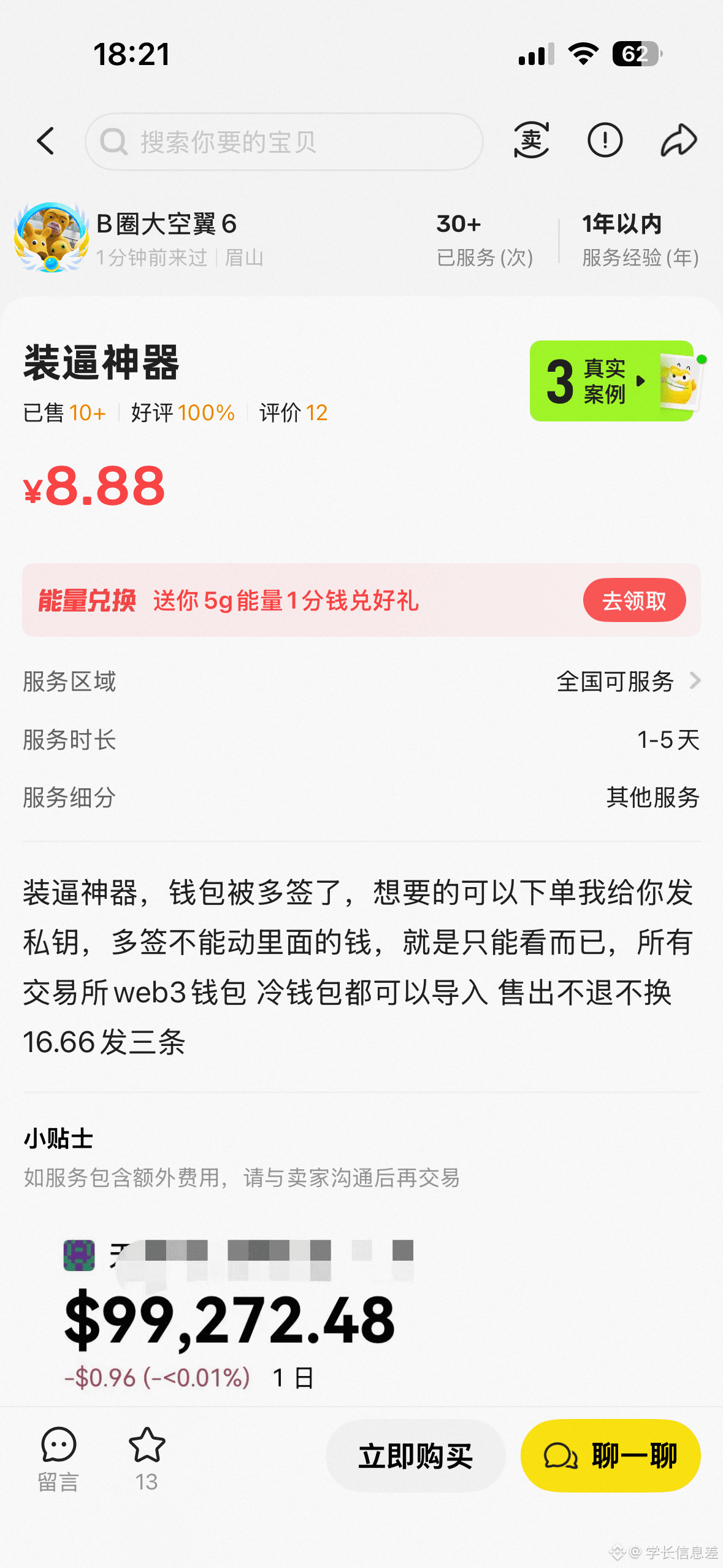
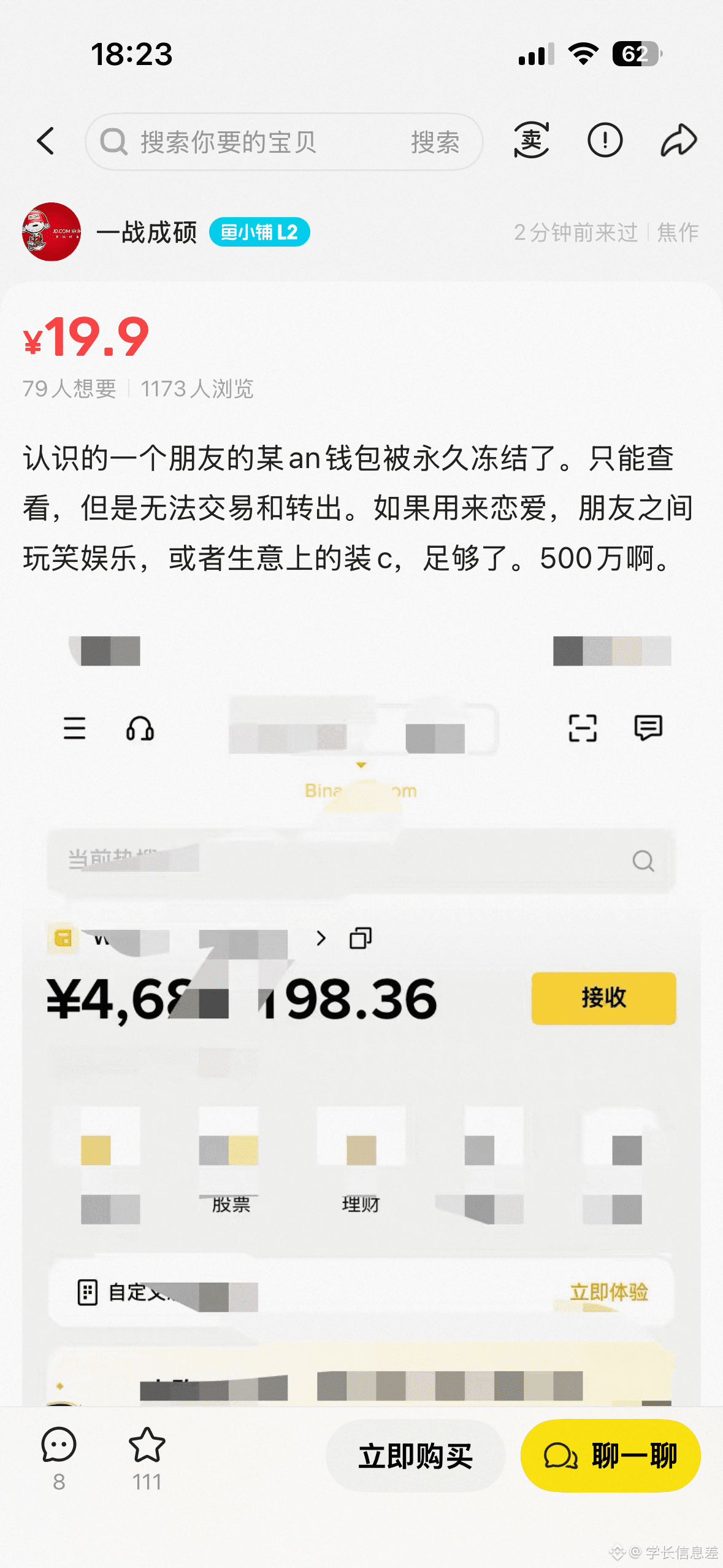
No wonder it's Xianyu—this is the kind of business in crypto you can keep doing over and over. Do people actually buy these in real life just to flex?
No wonder it's Xianyu—this is the kind of business in crypto you can keep doing over and over. Do people actually buy these in real life just to flex?
30
2
26
58.1k
·
--
This feels so real! No one knows who the ultimate winner in the crypto market will be until the very end!
This feels so real! No one knows who the ultimate winner in the crypto market will be until the very end!
135
·
--
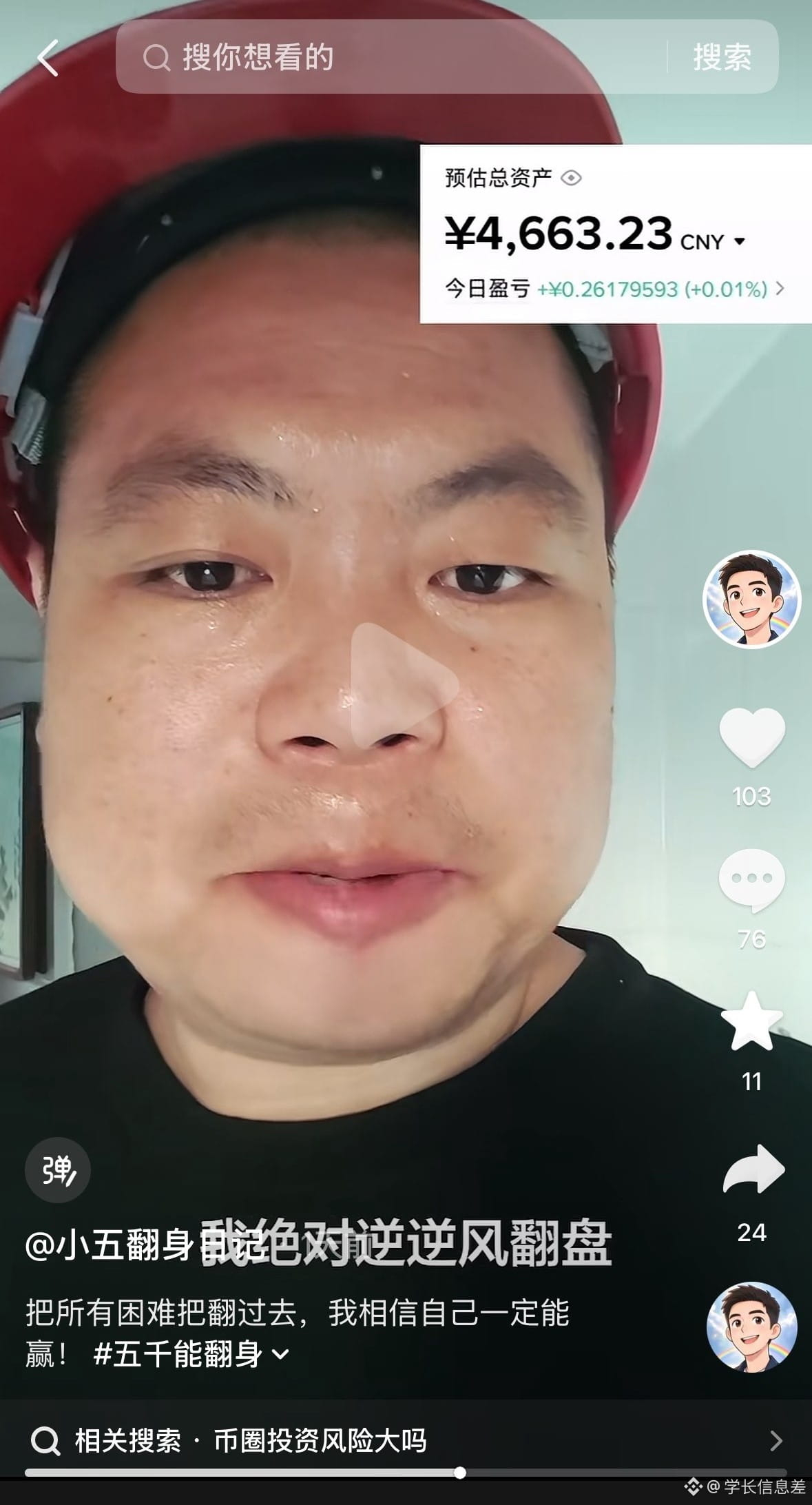
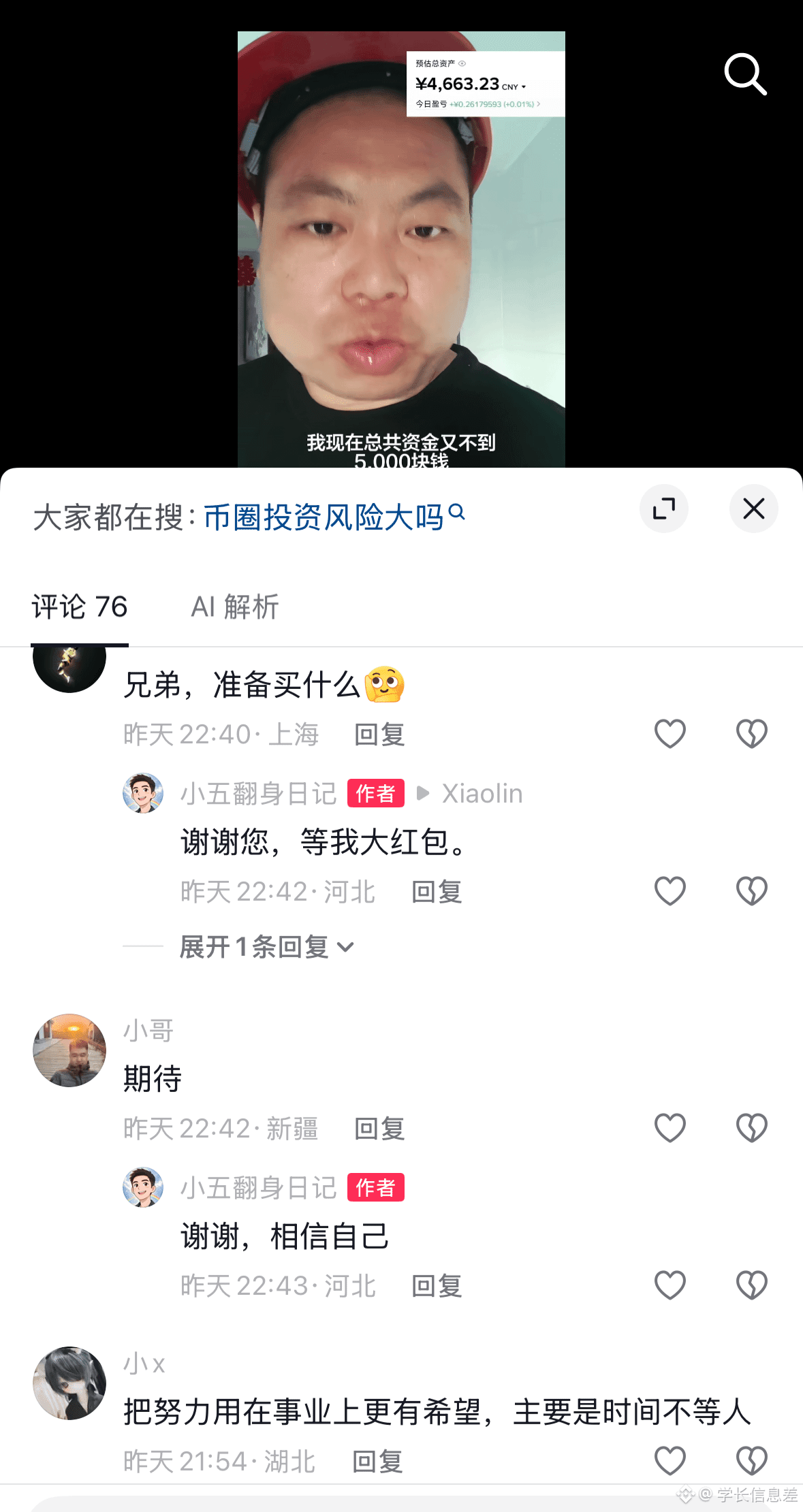
Looking for people on Binance Square—does this guy have an account there?
Leaving aside whether 5,000 yuan can turn things around in crypto, post content over there and your account could be gone in no time.
Looking for people on Binance Square—does this guy have an account there?
Leaving aside whether 5,000 yuan can turn things around in crypto, post content over there and your account could be gone in no time.
Leaving aside whether 5,000 yuan can turn things around in crypto, post content over there and your account could be gone in no time.
1
2.2k
·
--
I went over the details of the 2023 Bali couple murder case again and again, and the more I looked, the more unbelievable it seemed.
The man was born in 1998; the woman in 2001.
According to information about the case that has been circulating online, the man started getting involved with cryptocurrency very early—so early, in fact, that it was even rumored he made over a hundred thousand yuan by exploiting a Q币 (QQ Points) vulnerability when he was 14.
Later, because of his involvement in crypto-related fund transactions, he quickly amassed a fortune.
When I got to this point, only one line came to mind:
Isn’t this just a “budget version of Sun Ge”?
Young, entering the coin world early, and accumulating wealth at a speed far beyond that of ordinary people—same in all those ways.
Of course, the life paths of the two people are completely different, and you can’t simply draw a direct comparison. Sun Ge had to bring bodyguards when he went out.
But what really sent chills down my spine was what happened next.
The story circulating online is that he once took part in a high-risk capital transaction, during which there was a leak of information that caused the prices of the related assets to swing violently.
The big figure behind the scenes thought his money had gone wrong, and so a severe motive for revenge emerged.
In the end, a business that may have been nothing more than a way to “make quick money” turned into a tragedy that couldn’t be undone.
It’ll be 2027 soon—does anyone know the truth now?
I went over the details of the 2023 Bali couple murder case again and again, and the more I looked, the more unbelievable it seemed.
The man was born in 1998; the woman in 2001.
According to information about the case that has been circulating online, the man started getting involved with cryptocurrency very early—so early, in fact, that it was even rumored he made over a hundred thousand yuan by exploiting a Q币 (QQ Points) vulnerability when he was 14.
Later, because of his involvement in crypto-related fund transactions, he quickly amassed a fortune.
When I got to this point, only one line came to mind:
Isn’t this just a “budget version of Sun Ge”?
Young, entering the coin world early, and accumulating wealth at a speed far beyond that of ordinary people—same in all those ways.
Of course, the life paths of the two people are completely different, and you can’t simply draw a direct comparison. Sun Ge had to bring bodyguards when he went out.
But what really sent chills down my spine was what happened next.
The story circulating online is that he once took part in a high-risk capital transaction, during which there was a leak of information that caused the prices of the related assets to swing violently.
The big figure behind the scenes thought his money had gone wrong, and so a severe motive for revenge emerged.
In the end, a business that may have been nothing more than a way to “make quick money” turned into a tragedy that couldn’t be undone.
It’ll be 2027 soon—does anyone know the truth now?
The man was born in 1998; the woman in 2001.
According to information about the case that has been circulating online, the man started getting involved with cryptocurrency very early—so early, in fact, that it was even rumored he made over a hundred thousand yuan by exploiting a Q币 (QQ Points) vulnerability when he was 14.
Later, because of his involvement in crypto-related fund transactions, he quickly amassed a fortune.
When I got to this point, only one line came to mind:
Isn’t this just a “budget version of Sun Ge”?
Young, entering the coin world early, and accumulating wealth at a speed far beyond that of ordinary people—same in all those ways.
Of course, the life paths of the two people are completely different, and you can’t simply draw a direct comparison. Sun Ge had to bring bodyguards when he went out.
But what really sent chills down my spine was what happened next.
The story circulating online is that he once took part in a high-risk capital transaction, during which there was a leak of information that caused the prices of the related assets to swing violently.
The big figure behind the scenes thought his money had gone wrong, and so a severe motive for revenge emerged.
In the end, a business that may have been nothing more than a way to “make quick money” turned into a tragedy that couldn’t be undone.
It’ll be 2027 soon—does anyone know the truth now?


2
5
1.6k
·
--
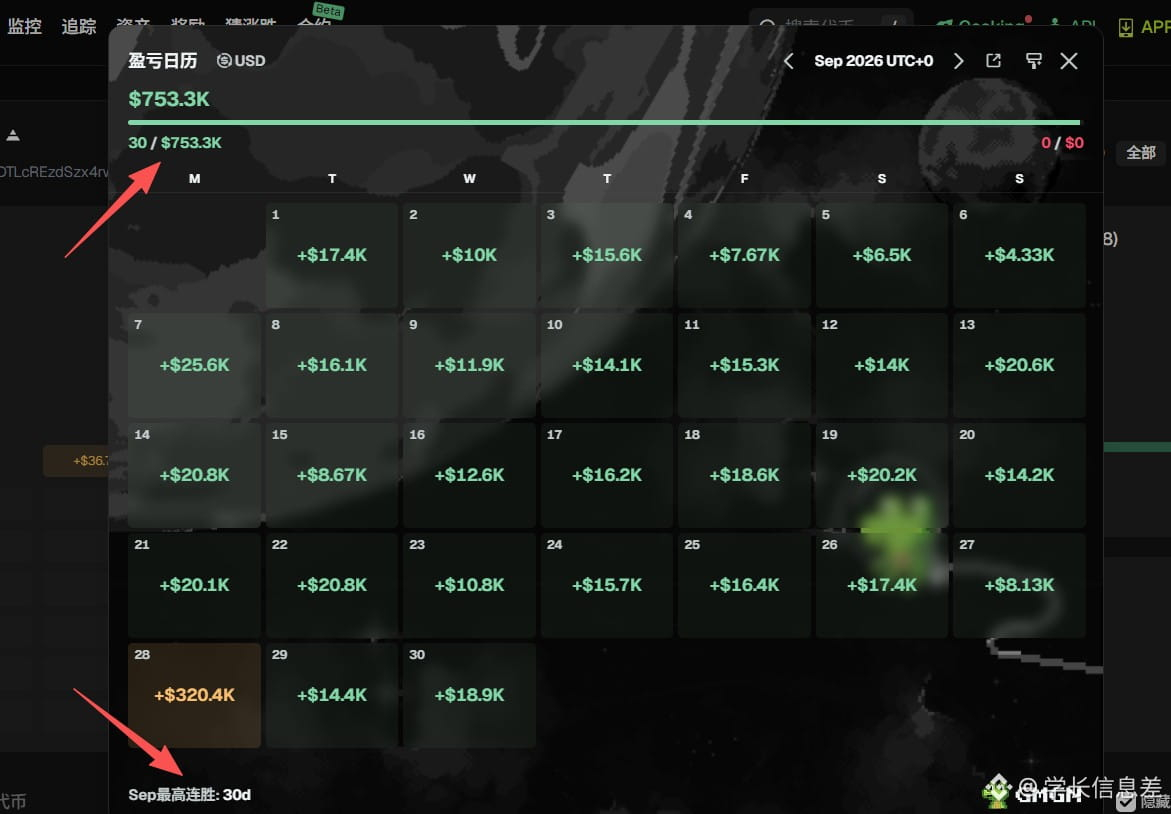
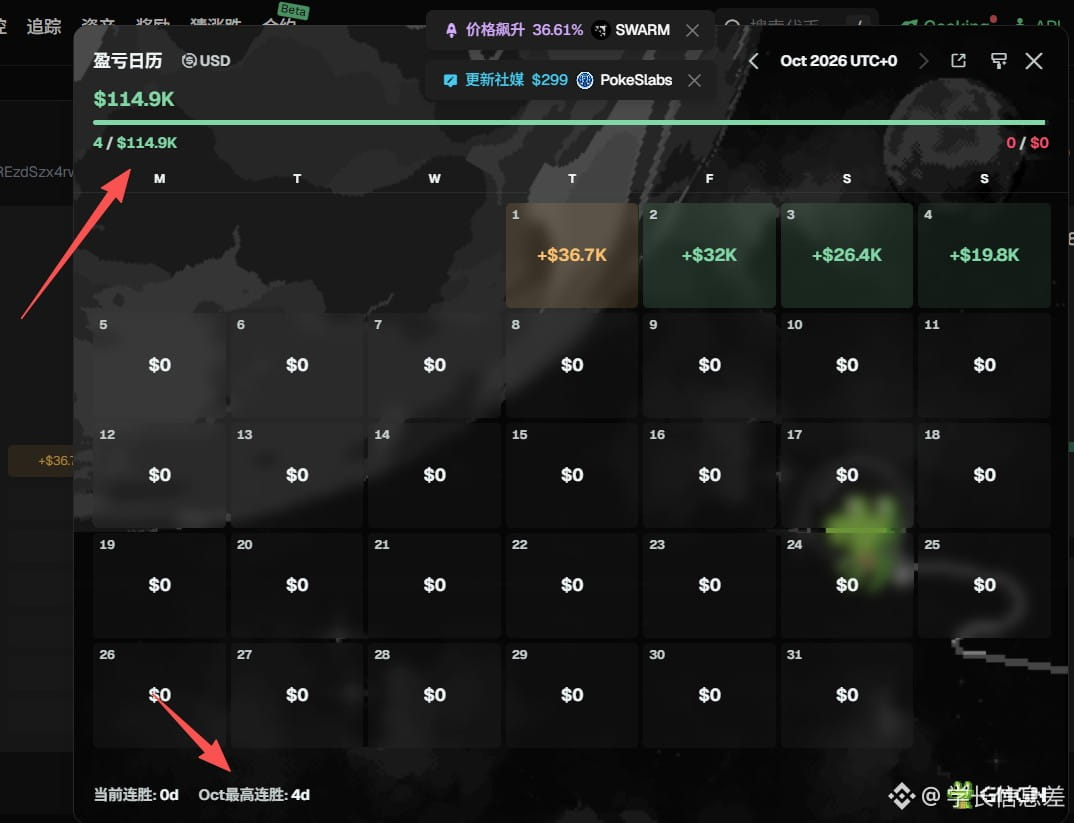
278 days, continuous profits—never even lost in a single day?
I just saw an on-chain transaction address, and it’s honestly a bit unbelievable. According to its publicly available history, it’s been in profit for 274 consecutive days. In September alone, it reportedly made about $430,000 in total for the month, and there were no single-day losses.
Even more astonishing: the worst day still earned about $6,400.
Going back through the history, many trading days show single-day gains of 7K+.
Based on the publicly listed records, the monthly returns often reach 200K+. These data are all produced by real trades.
The stability of this address is truly astonishing.
But here’s the question: after 279 straight days without a loss, is this a top-tier trader, or is there some trading logic we haven’t discovered?
I’ve put the wallet address here—you can verify it on-chain yourself.
278 days, continuous profits—never even lost in a single day?
I just saw an on-chain transaction address, and it’s honestly a bit unbelievable. According to its publicly available history, it’s been in profit for 274 consecutive days. In September alone, it reportedly made about $430,000 in total for the month, and there were no single-day losses.
Even more astonishing: the worst day still earned about $6,400.
Going back through the history, many trading days show single-day gains of 7K+.
Based on the publicly listed records, the monthly returns often reach 200K+. These data are all produced by real trades.
The stability of this address is truly astonishing.
But here’s the question: after 279 straight days without a loss, is this a top-tier trader, or is there some trading logic we haven’t discovered?
I’ve put the wallet address here—you can verify it on-chain yourself.
I just saw an on-chain transaction address, and it’s honestly a bit unbelievable. According to its publicly available history, it’s been in profit for 274 consecutive days. In September alone, it reportedly made about $430,000 in total for the month, and there were no single-day losses.
Even more astonishing: the worst day still earned about $6,400.
Going back through the history, many trading days show single-day gains of 7K+.
Based on the publicly listed records, the monthly returns often reach 200K+. These data are all produced by real trades.
The stability of this address is truly astonishing.
But here’s the question: after 279 straight days without a loss, is this a top-tier trader, or is there some trading logic we haven’t discovered?
I’ve put the wallet address here—you can verify it on-chain yourself.
1
1
1.8k
·
--
After ten years of studying in cold windows, he still went into public service for five dynasties and then also ventured into business.
After ten years of studying in cold windows, he still went into public service for five dynasties and then also ventured into business.


大吉大利 互帮互助
From 学长信息差
47
7
75
359
·
--
Bullish
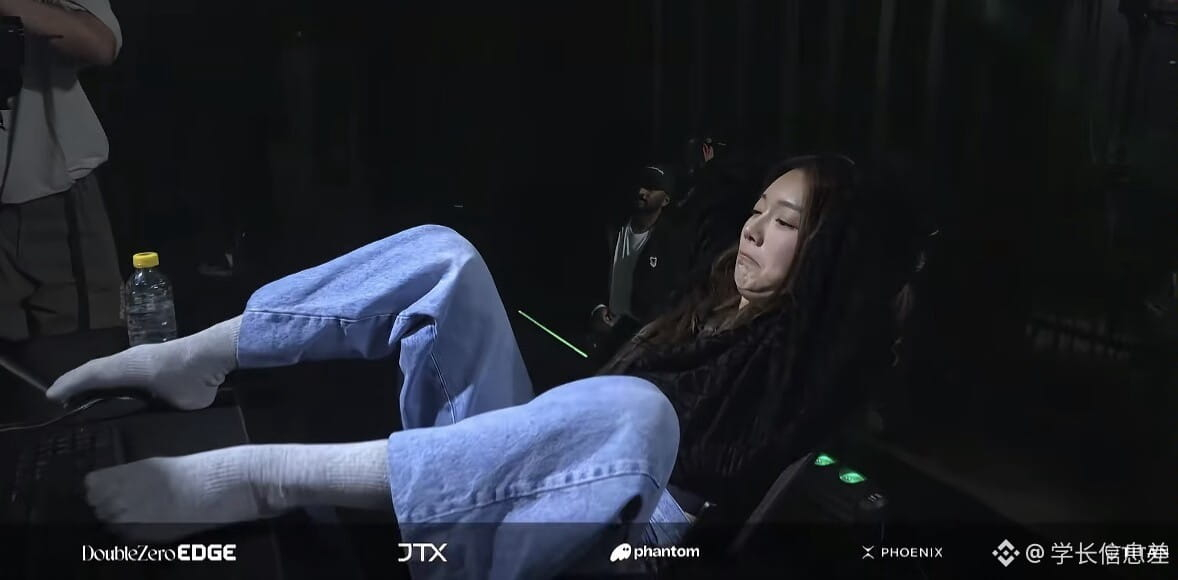
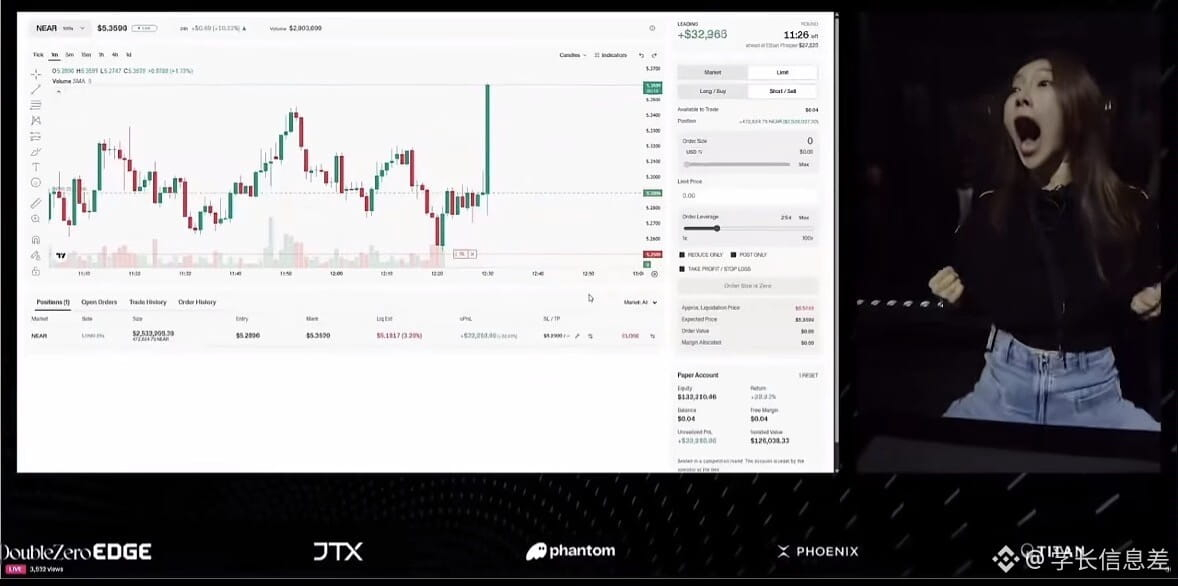
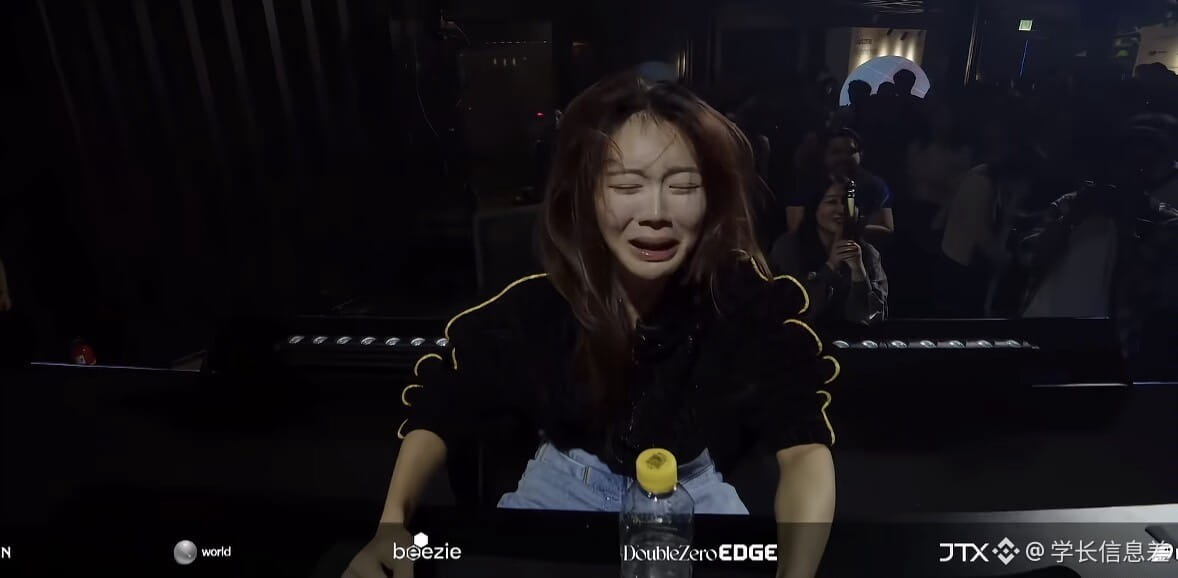
Live event on-site, 500x leverage long near, make a fortune of $40,000, charging into the finals—great, the Korean trader is at it again, this time placing orders with her feet.
In Korea, trading crypto has turned into an e-sports competition. Later, in the finals, Sister Xiba got liquidated in 13 seconds; her expression flips extremely fast, and she ultimately takes second place.
$NEAR
{future}(NEARUSDT)
Live event on-site, 500x leverage long near, make a fortune of $40,000, charging into the finals—great, the Korean trader is at it again, this time placing orders with her feet.
In Korea, trading crypto has turned into an e-sports competition. Later, in the finals, Sister Xiba got liquidated in 13 seconds; her expression flips extremely fast, and she ultimately takes second place.
$NEAR
In Korea, trading crypto has turned into an e-sports competition. Later, in the finals, Sister Xiba got liquidated in 13 seconds; her expression flips extremely fast, and she ultimately takes second place.
$NEAR
大吉大利 互帮互助
From 学长信息差
82
3
69
3.1k
·
--
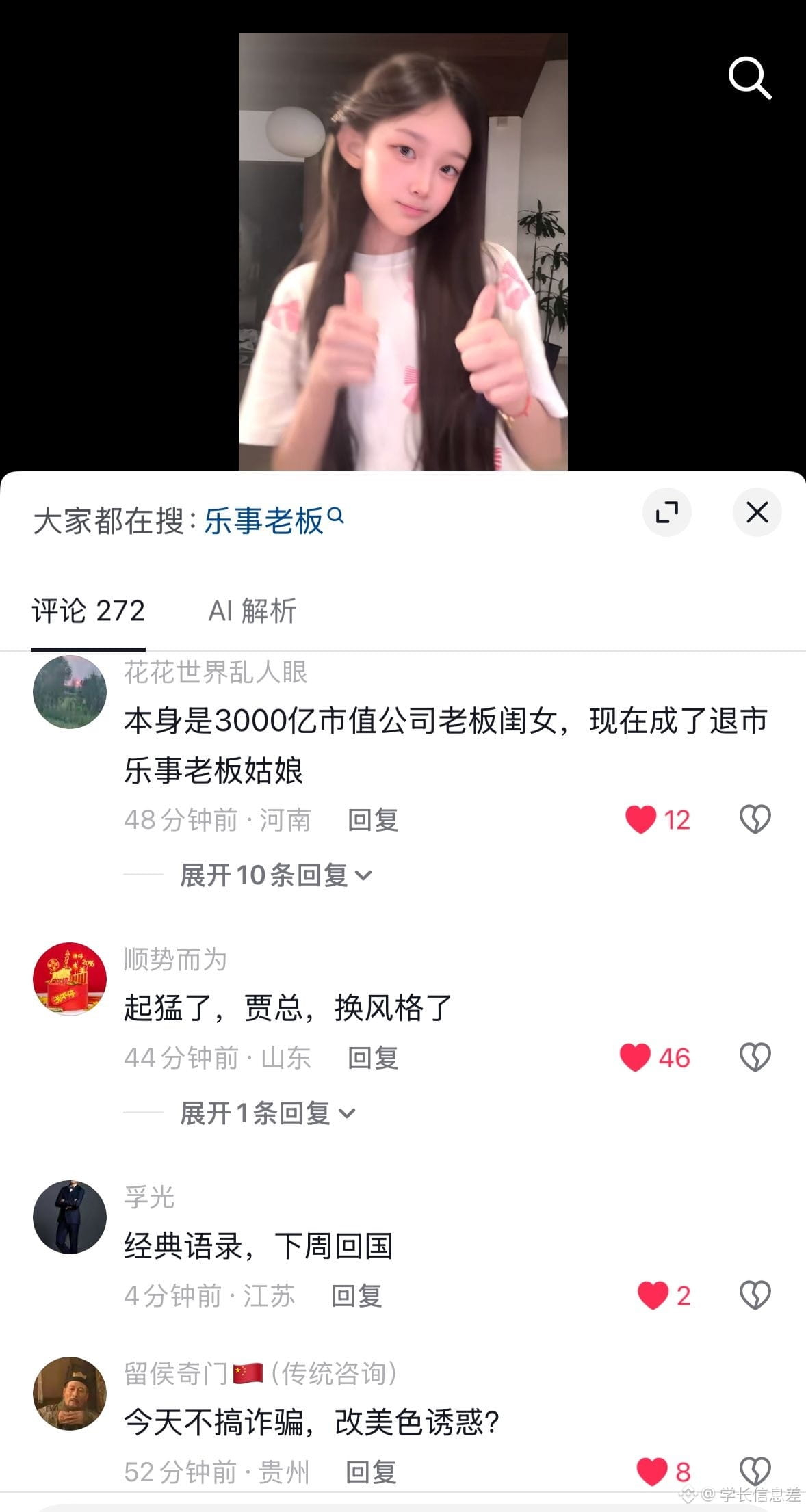
Two daughters of Jia Yueting, the boss, appeared publicly and filmed a video—are they planning to return to China next week?
Two daughters of Jia Yueting, the boss, appeared publicly and filmed a video—are they planning to return to China next week?

2
3
2k
·
--
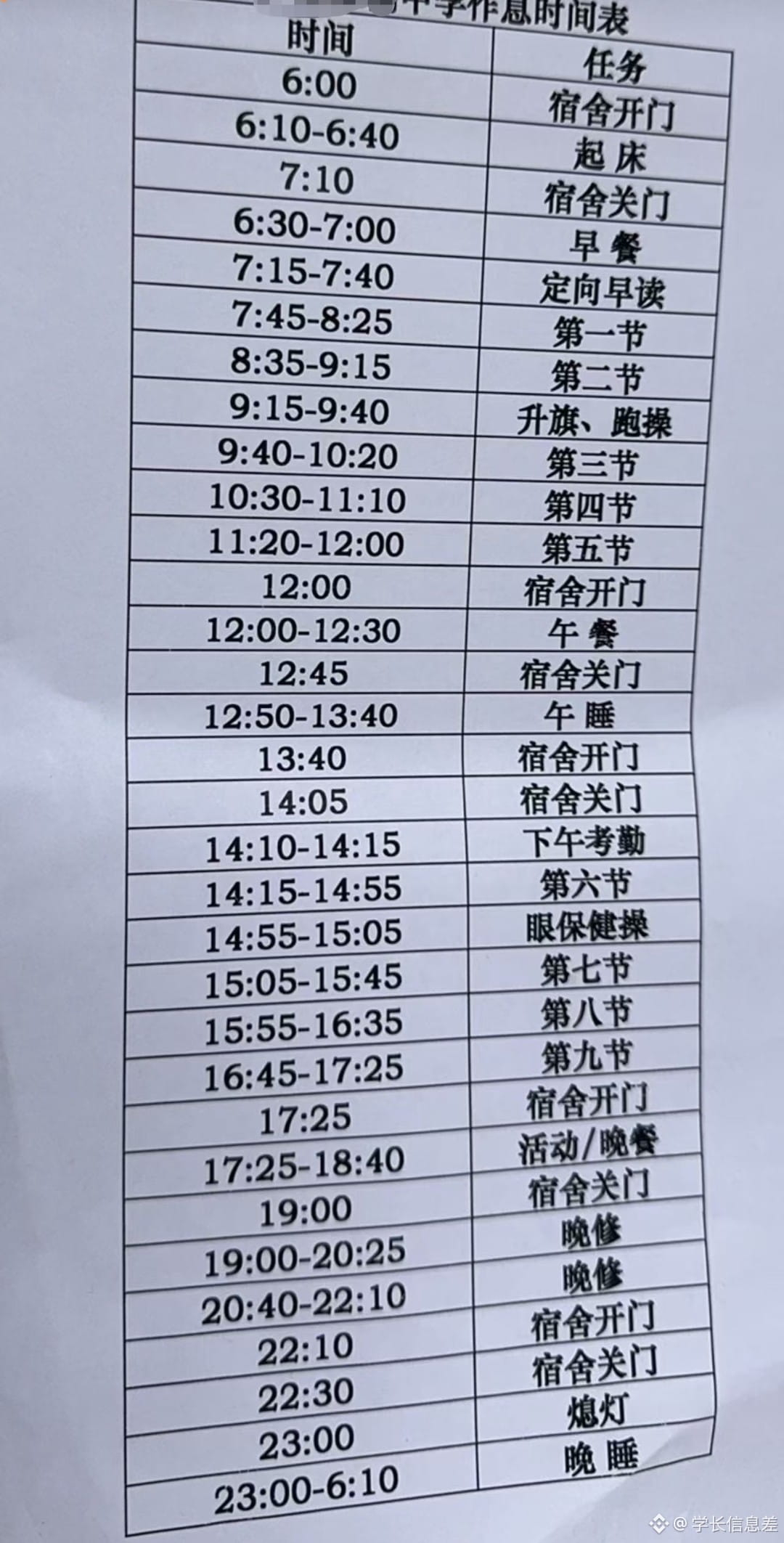
Have you ever been to high school? Is this schedule for real?
Have you ever been to high school? Is this schedule for real?

3
1
1.9k
·
--
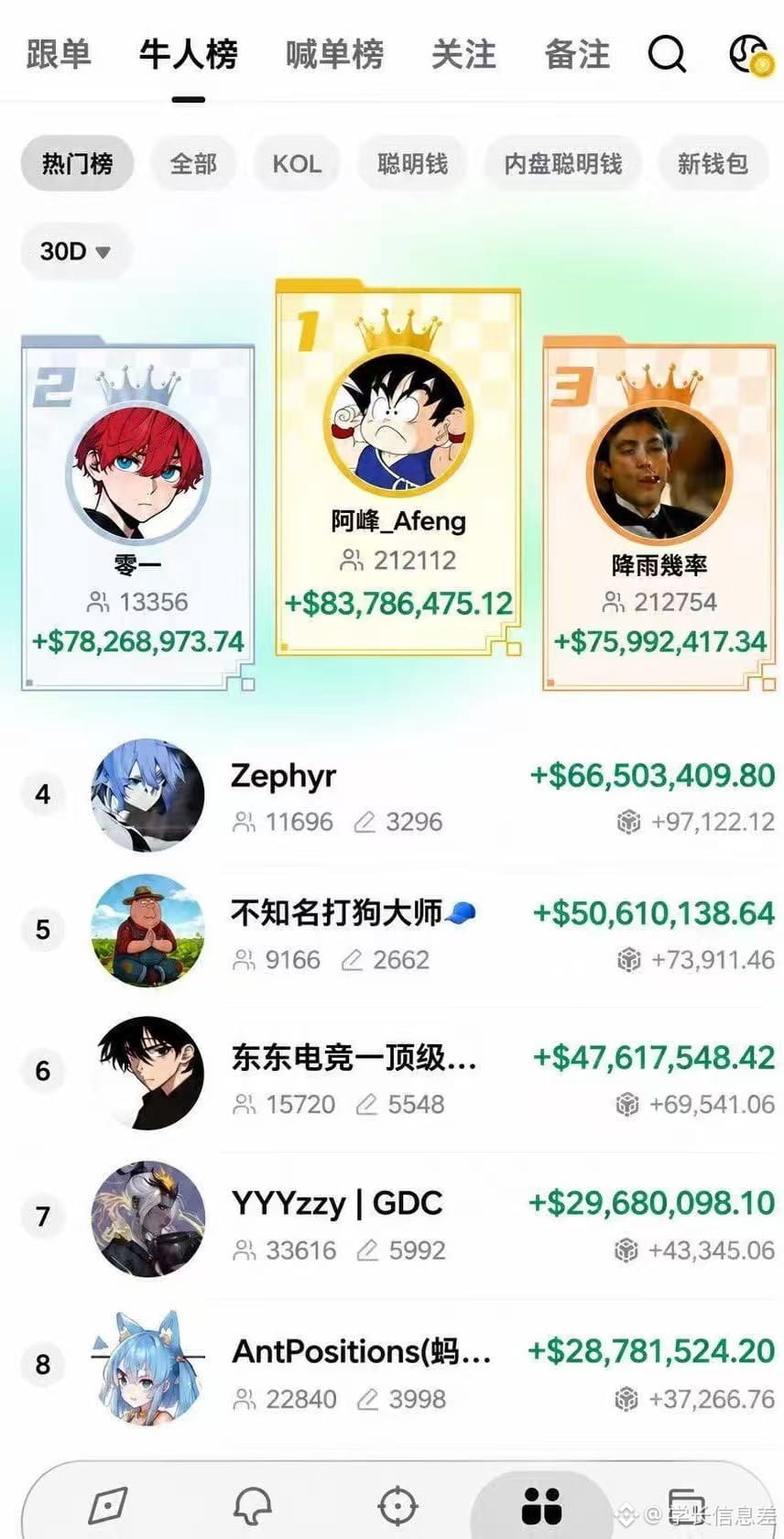
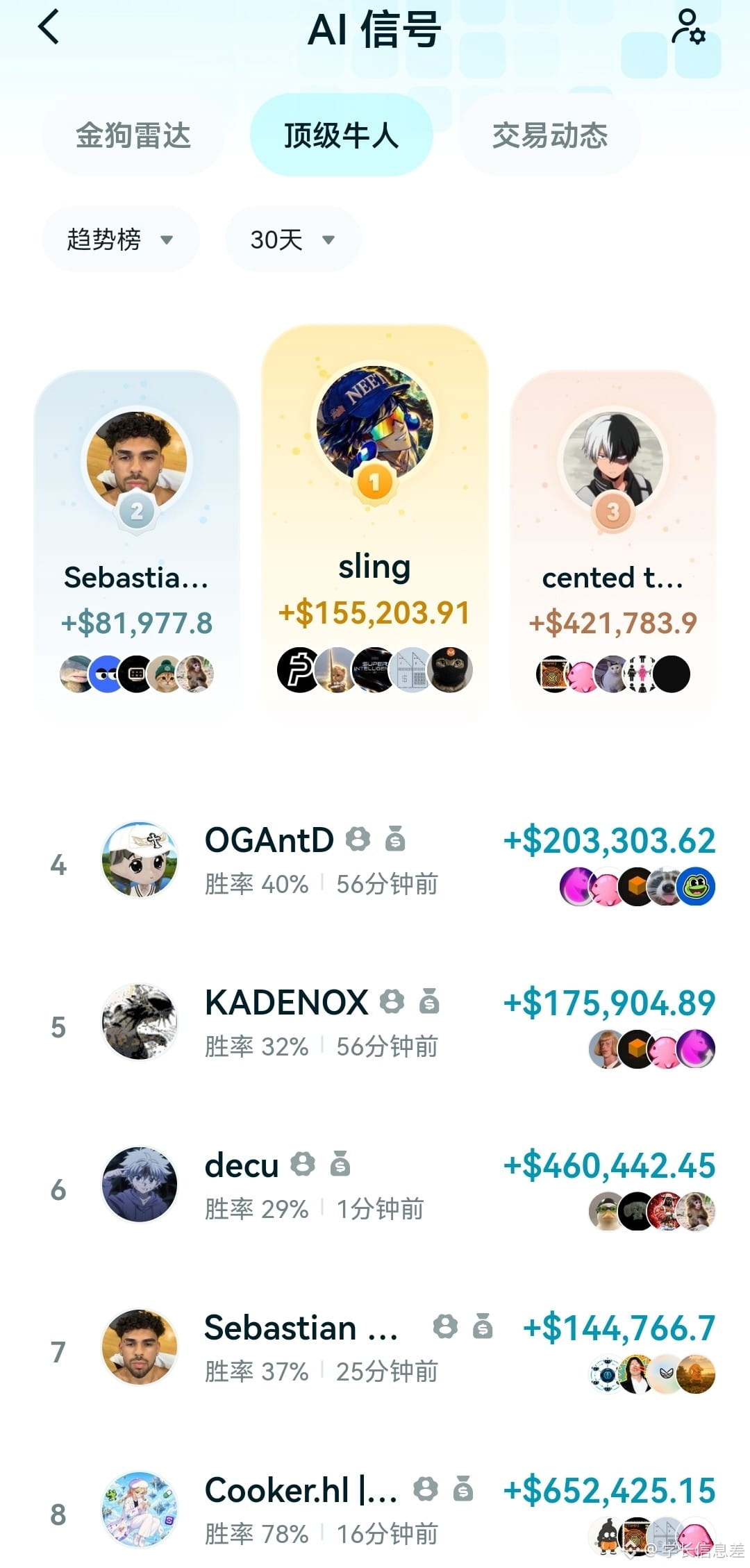
Can you really make money off altcoins in crypto? A-Feng made $84 million in one month.
That’s over 500 million yuan in a month—more than many publicly listed companies make.
How many shitcoins would you have to trade in a month? How many 100x altcoins would you have to hit?
Can you really make money off altcoins in crypto? A-Feng made $84 million in one month.
That’s over 500 million yuan in a month—more than many publicly listed companies make.
How many shitcoins would you have to trade in a month? How many 100x altcoins would you have to hit?
That’s over 500 million yuan in a month—more than many publicly listed companies make.
How many shitcoins would you have to trade in a month? How many 100x altcoins would you have to hit?
大吉大利
From 学长信息差
1
7
2.4k
·
--
Bullish
Partly True
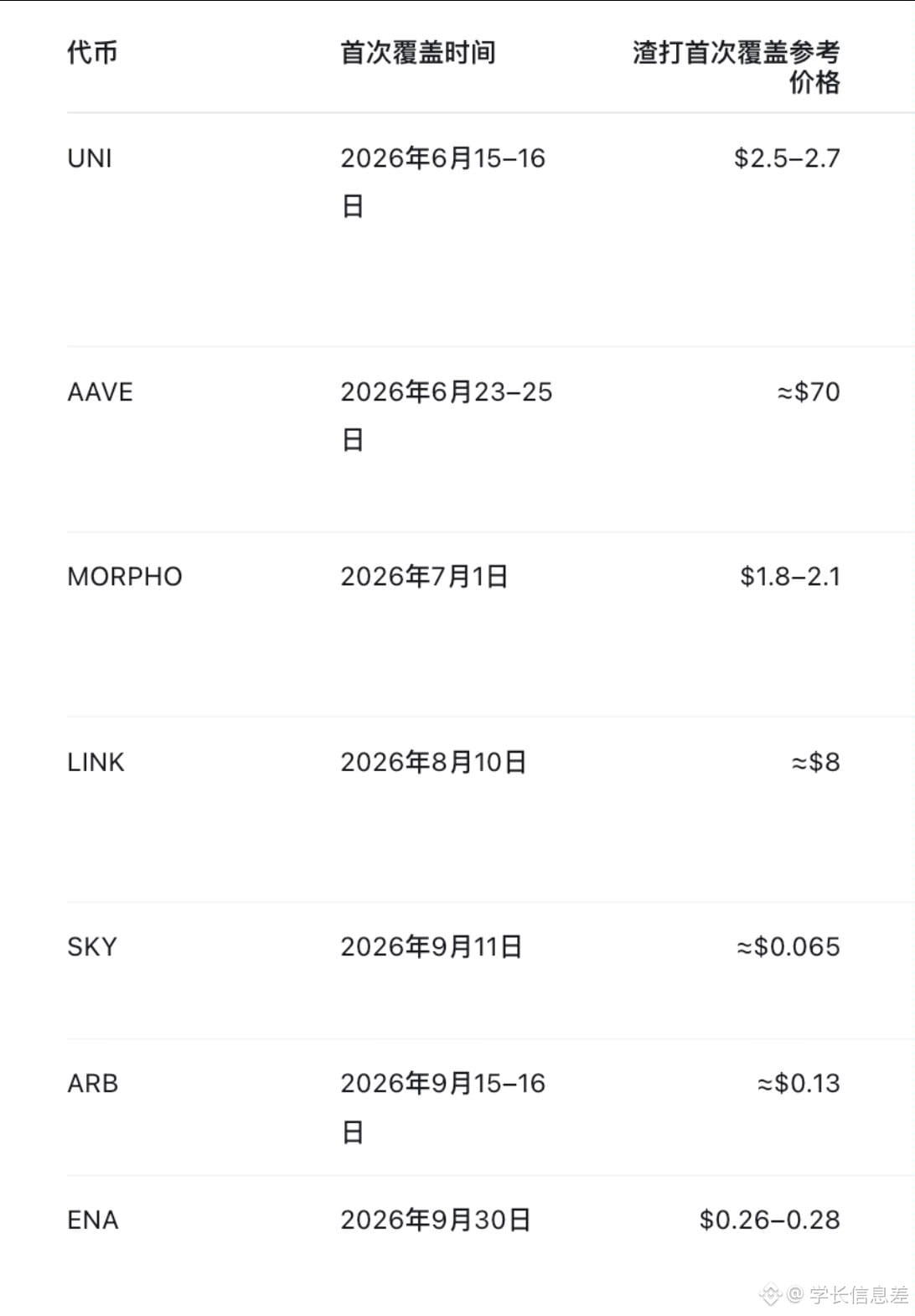
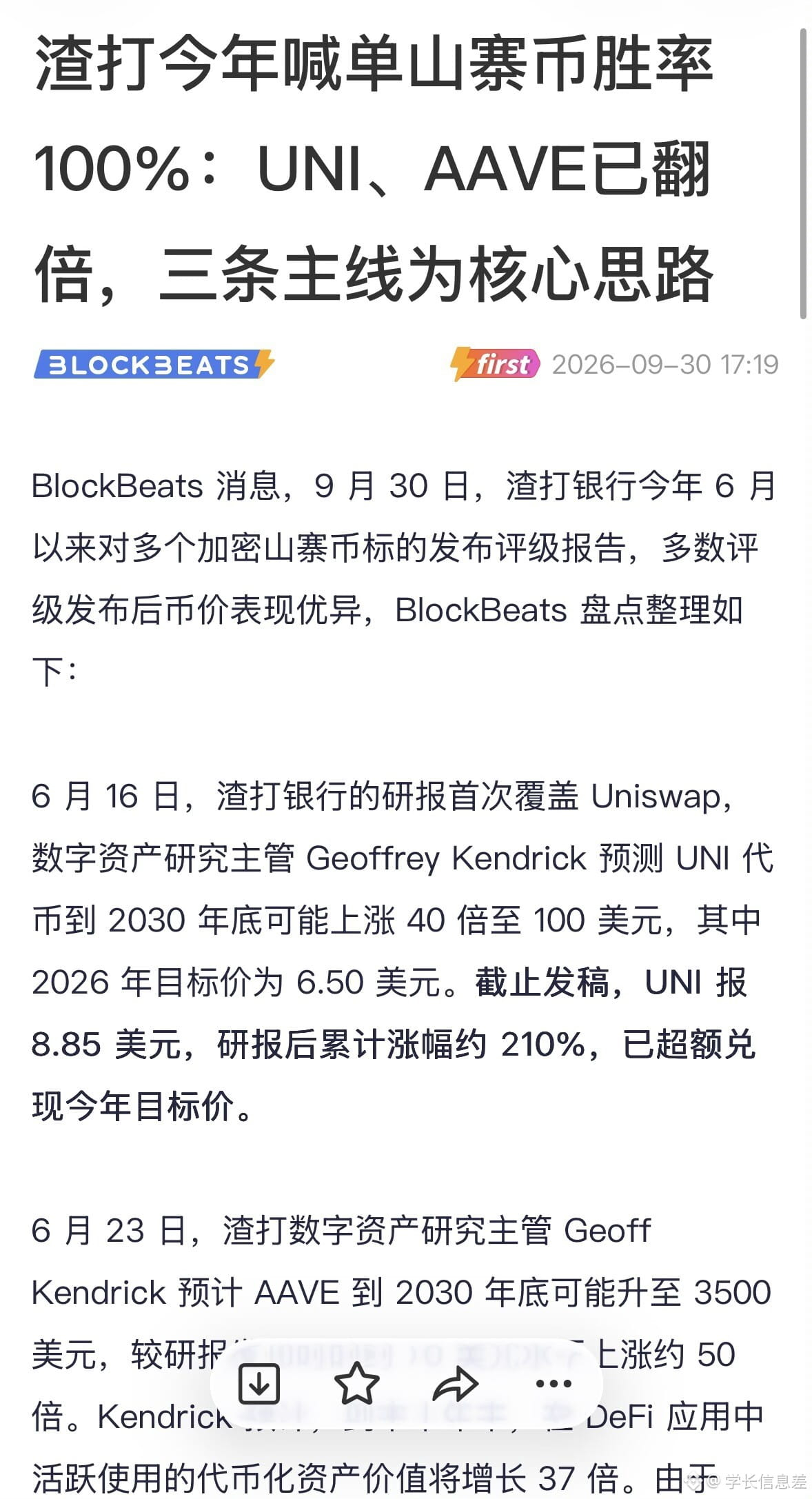
Is Standard Chartered really that impressive—calling trades with a 100% win rate for a “shady” knockoff?
With research and trading by such a big institution, can you just blindly follow along?
$UNI
{future}(UNIUSDT)
Is Standard Chartered really that impressive—calling trades with a 100% win rate for a “shady” knockoff?
With research and trading by such a big institution, can you just blindly follow along?
$UNI
With research and trading by such a big institution, can you just blindly follow along?
$UNI
5
3
3k
·
--
Partly True
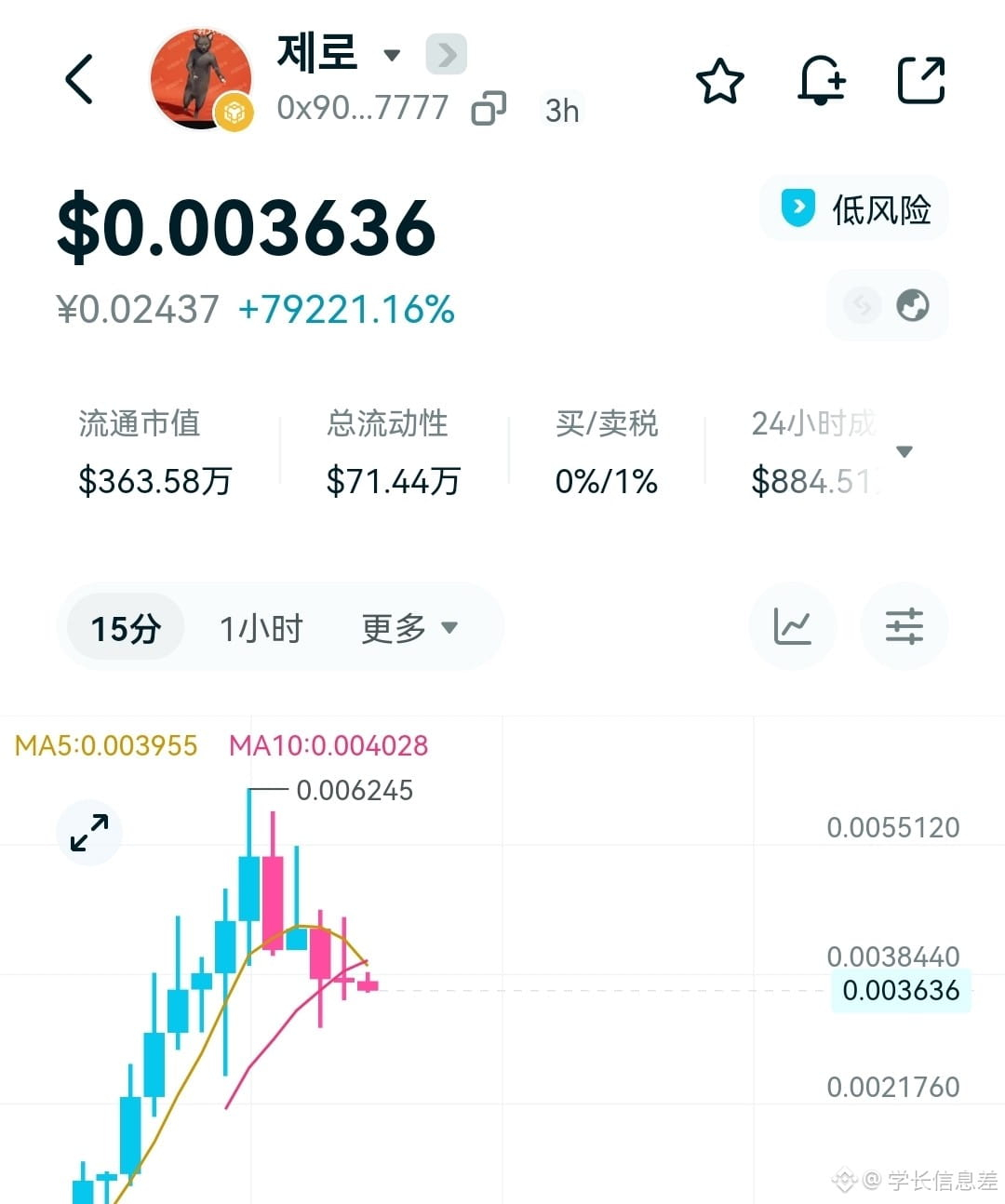
280 million views, 3 hours, 800x, the first Korean copycat coin!
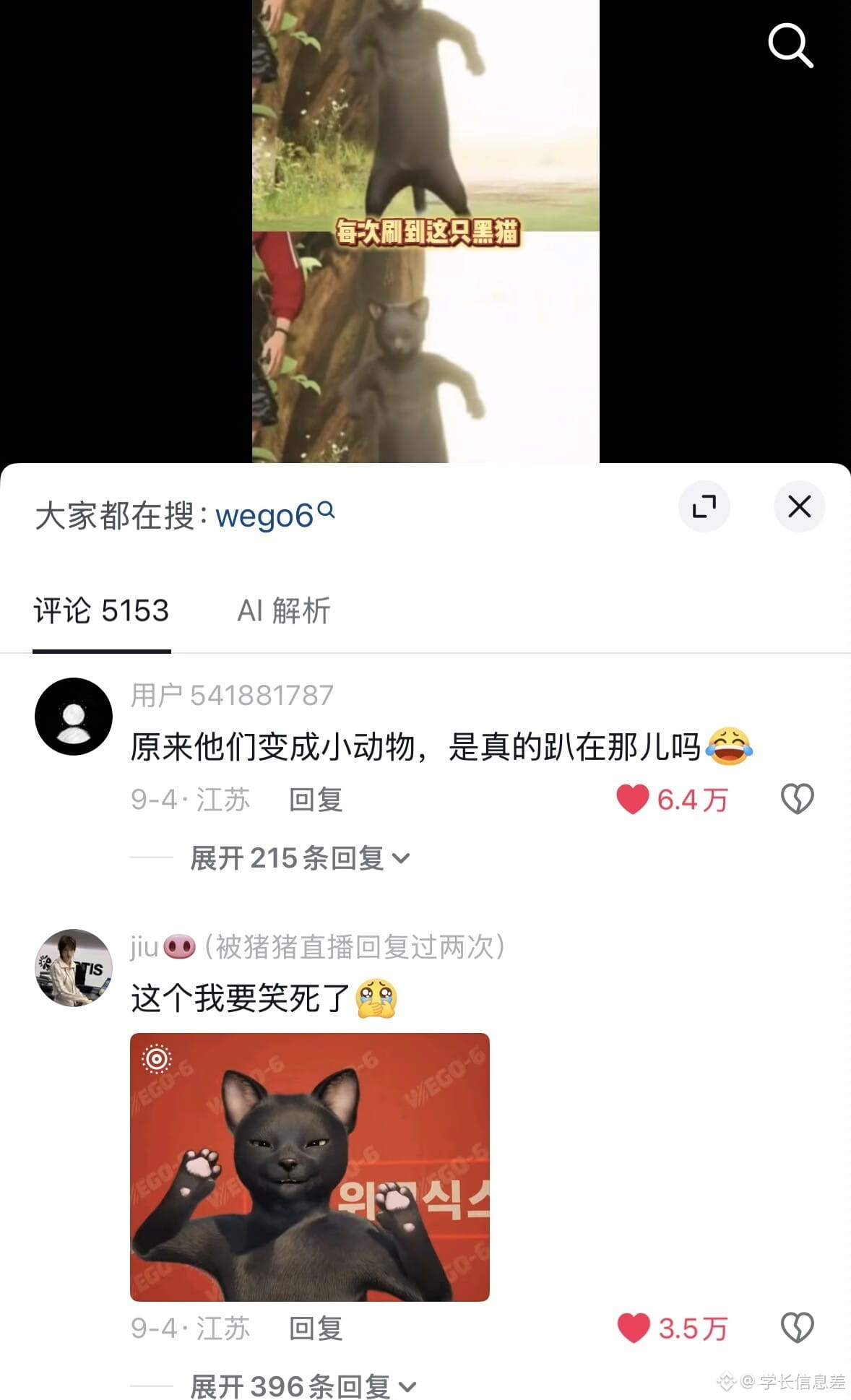
Zero originates from the Korean virtual boy group character Zero that went viral on Douyin. The character’s design is a deep-gray fur upright black cat, with short legs and a long body; its posture is stiff when dancing.
Related topics have garnered over 280 million views on Douyin, and remix edits and cos content continue to spread.
The token is named with the Korean word “제로,” and is considered the first Korean-named token on the BSC chain.
Its release time closely coincides with the moment Binance founder CZ attended a meeting in Korea.
How many people got in on it?
280 million views, 3 hours, 800x, the first Korean copycat coin!
Zero originates from the Korean virtual boy group character Zero that went viral on Douyin. The character’s design is a deep-gray fur upright black cat, with short legs and a long body; its posture is stiff when dancing.
Related topics have garnered over 280 million views on Douyin, and remix edits and cos content continue to spread.
The token is named with the Korean word “제로,” and is considered the first Korean-named token on the BSC chain.
Its release time closely coincides with the moment Binance founder CZ attended a meeting in Korea.
How many people got in on it?
Zero originates from the Korean virtual boy group character Zero that went viral on Douyin. The character’s design is a deep-gray fur upright black cat, with short legs and a long body; its posture is stiff when dancing.
Related topics have garnered over 280 million views on Douyin, and remix edits and cos content continue to spread.
The token is named with the Korean word “제로,” and is considered the first Korean-named token on the BSC chain.
Its release time closely coincides with the moment Binance founder CZ attended a meeting in Korea.
How many people got in on it?
1
1.8k
·
--
Bullish
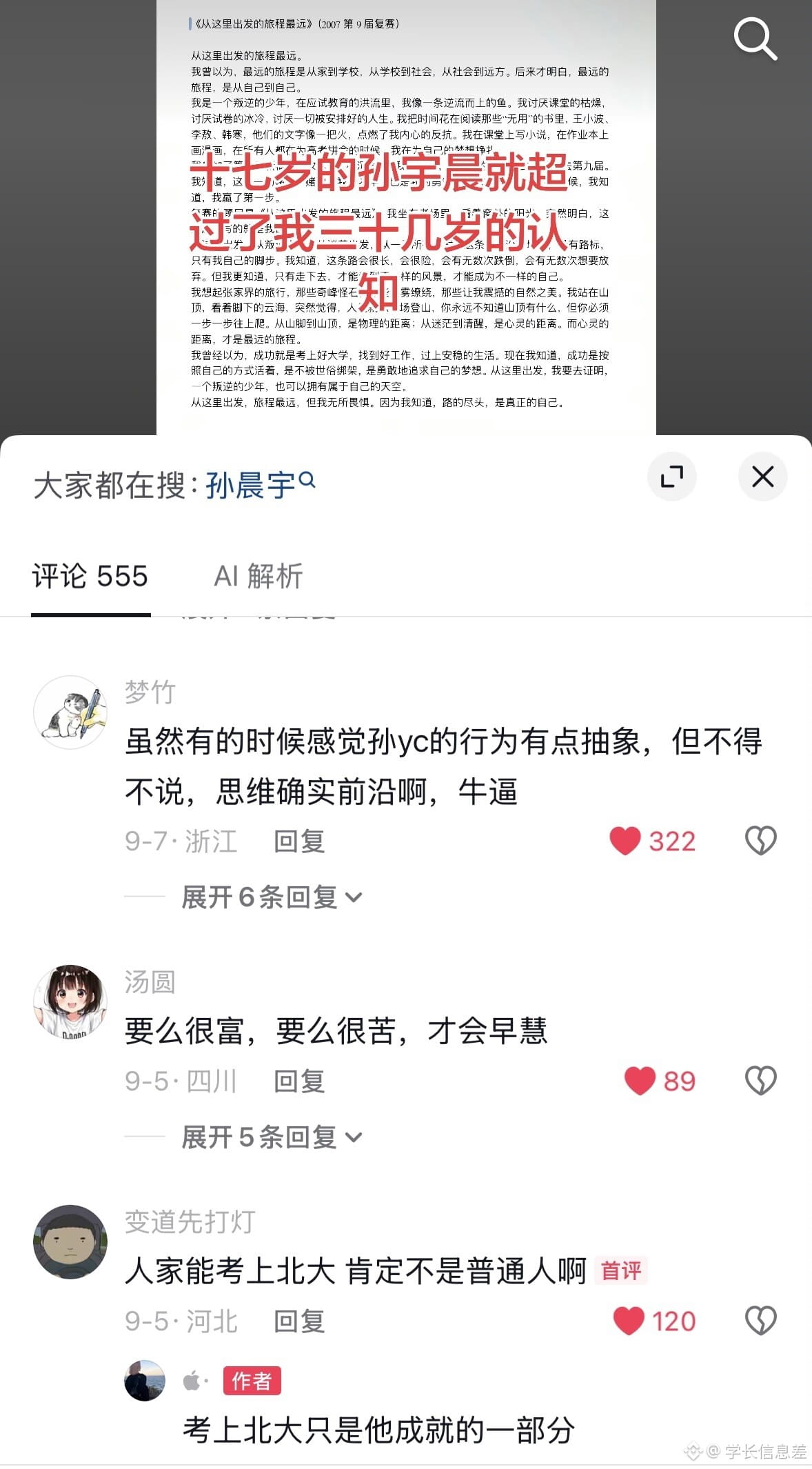
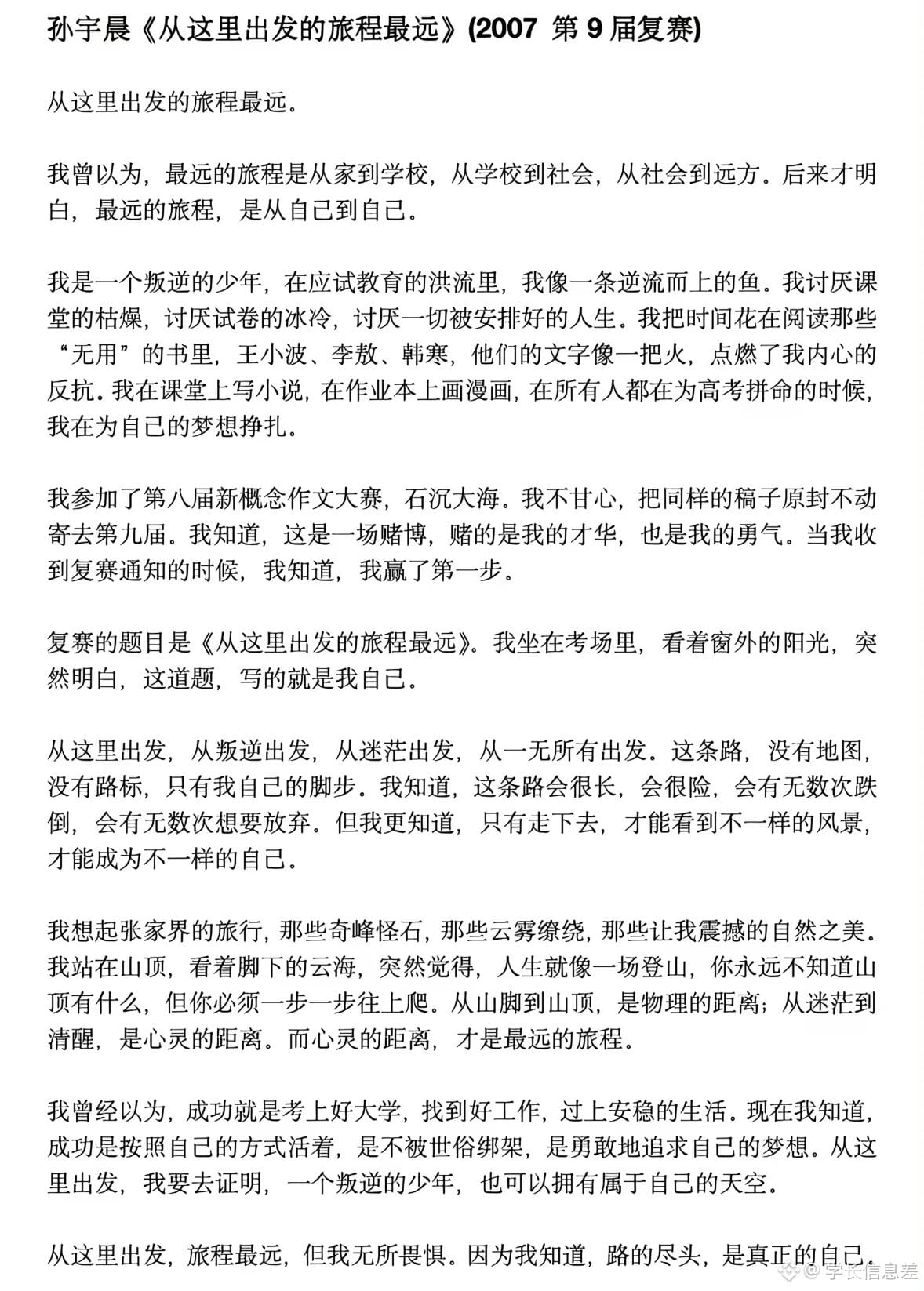
Behind Sun Yuchen’s success, the cognitive thinking of 2007—back then he was only 17!
Sun Yuchen’s father was a civil servant in the city planning bureau, and his mother was a journalist; his parents’ divorce in his early years made him lack reverence for rules, but it gave him a unique perspective on the world.
Looking back at the article Sun wrote at age 17, it still feels ahead of its time today, and many people may not be able to reach that level of thinking even by their thirties or forties.
$TRX
{future}(TRXUSDT)
Behind Sun Yuchen’s success, the cognitive thinking of 2007—back then he was only 17!
Sun Yuchen’s father was a civil servant in the city planning bureau, and his mother was a journalist; his parents’ divorce in his early years made him lack reverence for rules, but it gave him a unique perspective on the world.
Looking back at the article Sun wrote at age 17, it still feels ahead of its time today, and many people may not be able to reach that level of thinking even by their thirties or forties.
$TRX
Sun Yuchen’s father was a civil servant in the city planning bureau, and his mother was a journalist; his parents’ divorce in his early years made him lack reverence for rules, but it gave him a unique perspective on the world.
Looking back at the article Sun wrote at age 17, it still feels ahead of its time today, and many people may not be able to reach that level of thinking even by their thirties or forties.
$TRX
2
4
4.5k
·
--
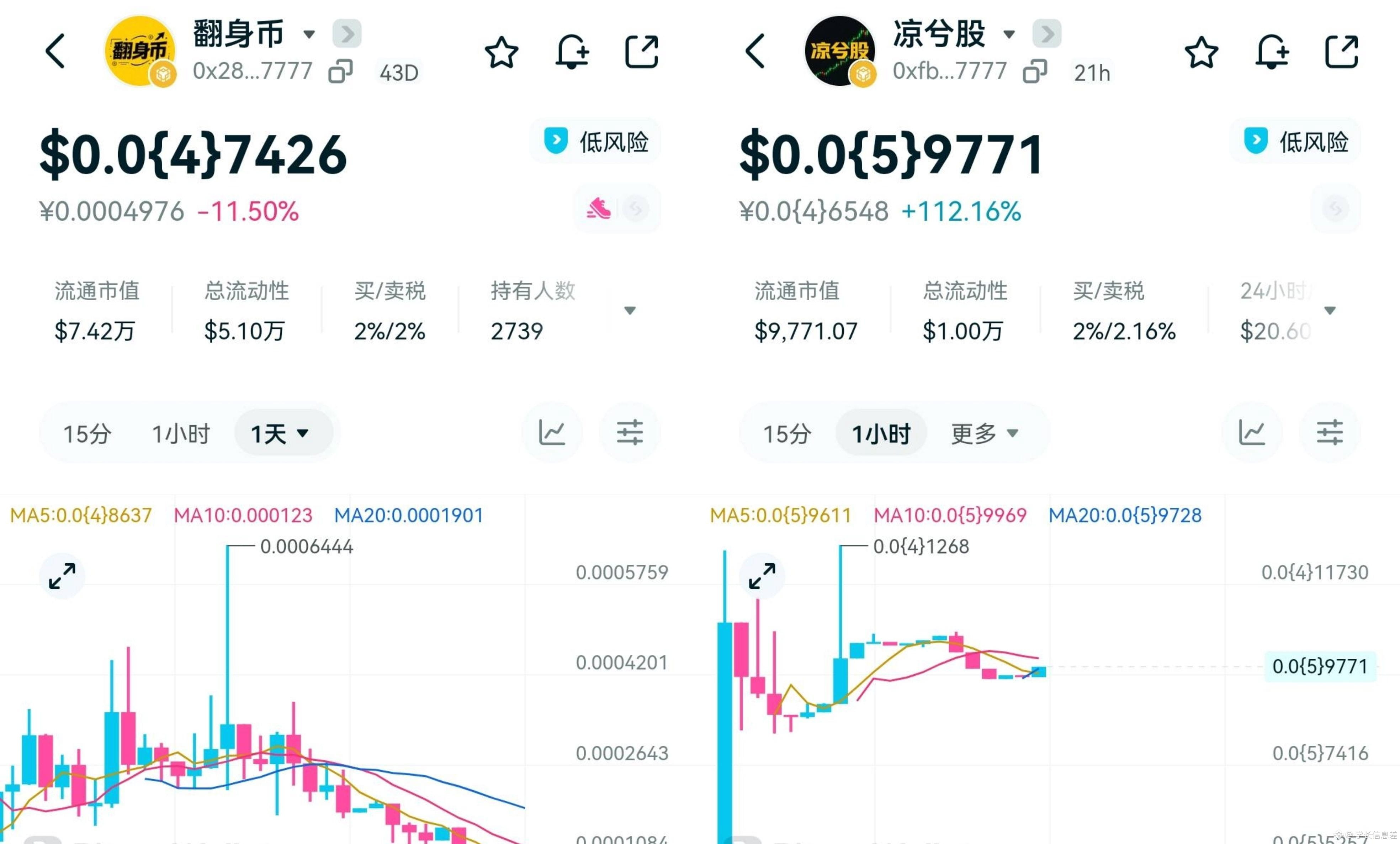
Once a genius trader, Liangxi, made 2000w from 2000 in a single night—now he’s started issuing fake coins.
Is there anyone who’s a fan and actually bought it?
Once a genius trader, Liangxi, made 2000w from 2000 in a single night—now he’s started issuing fake coins.
Is there anyone who’s a fan and actually bought it?
Is there anyone who’s a fan and actually bought it?

1
1
2.4k
·
--
Bullish
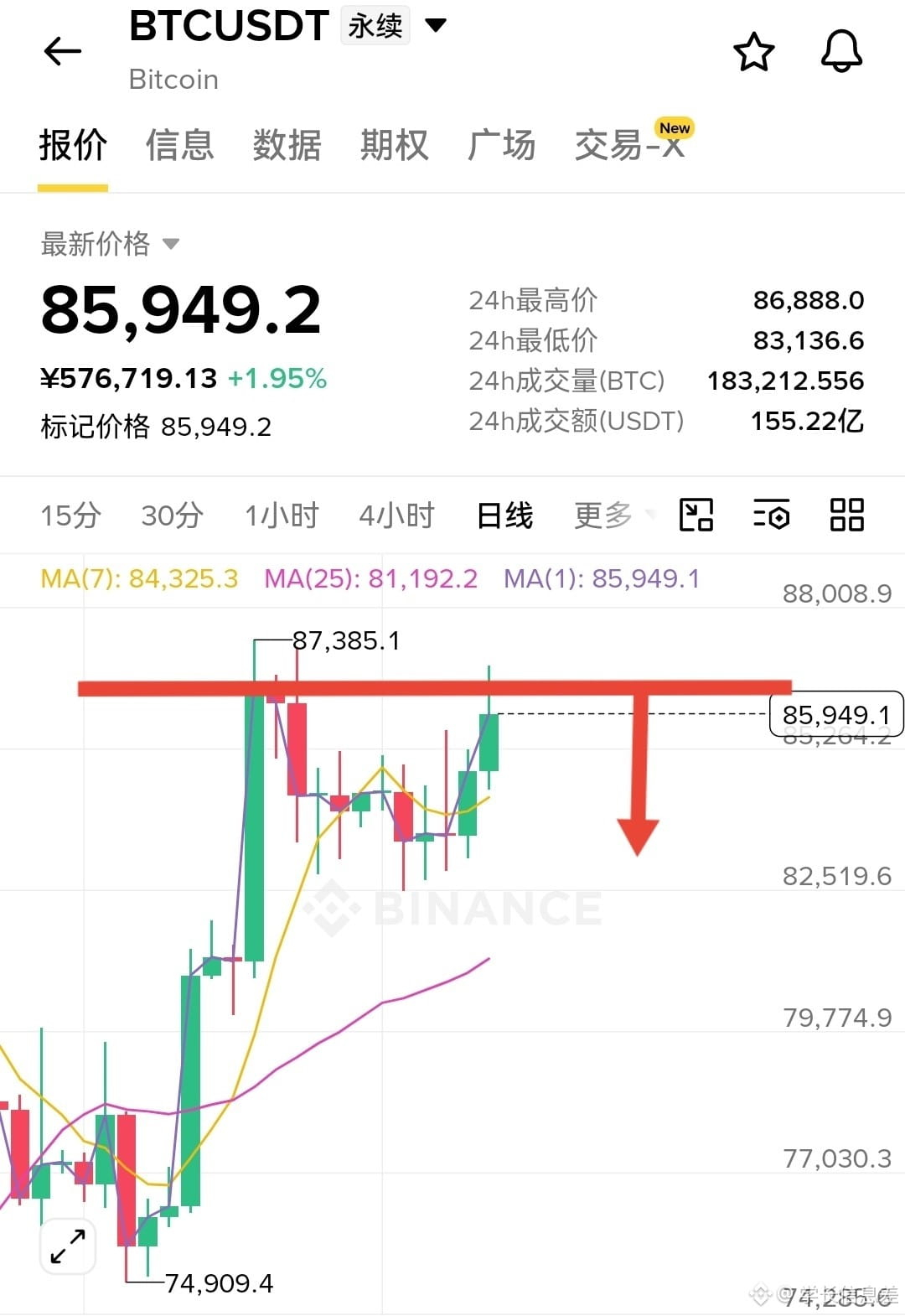
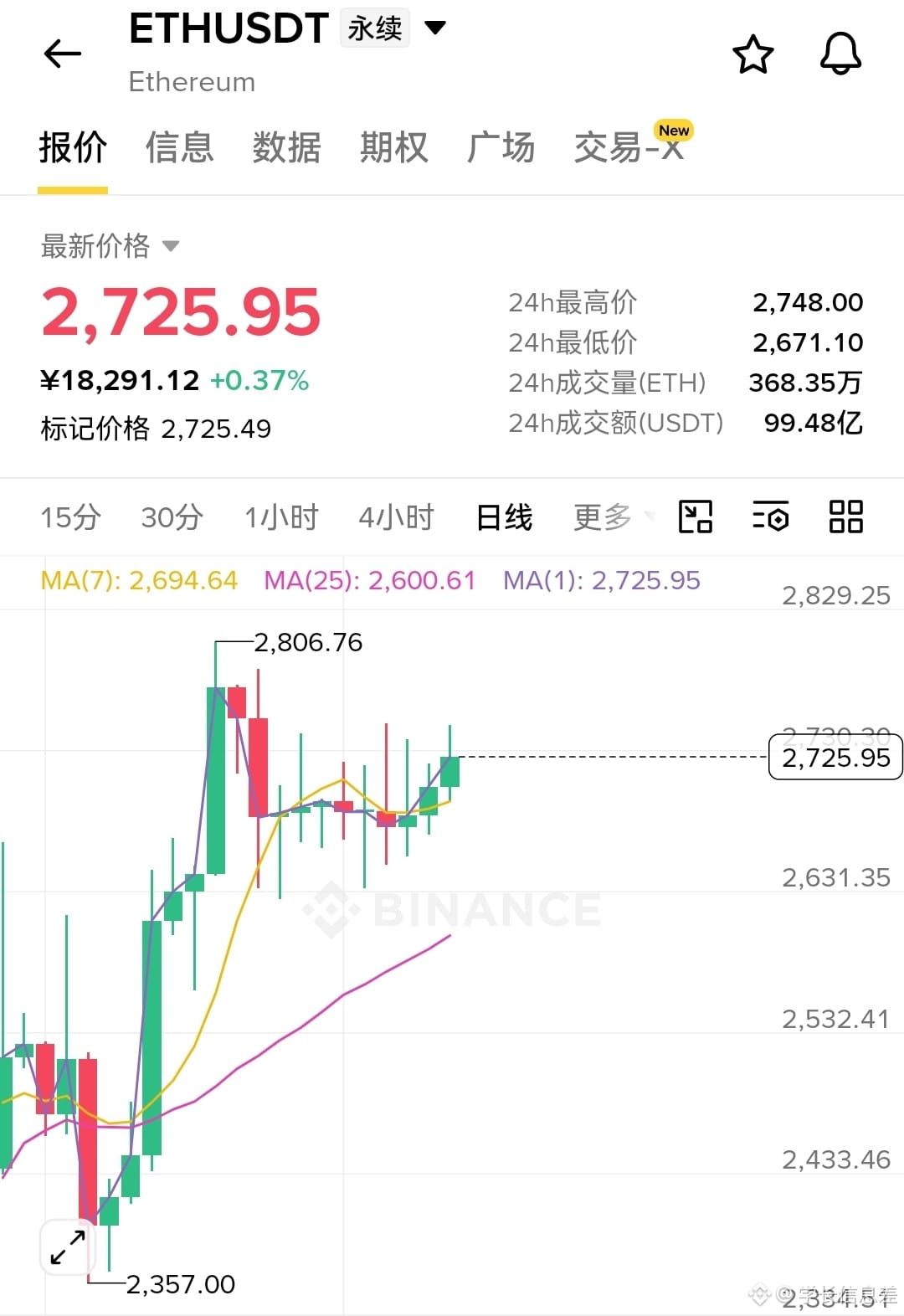
Bitcoin violently stretches up 2 points this afternoon, topping out at 86,800. There’s a small double top here—it's been pushed back.
But how come the second one is so half-dead, not following up? Any experts can analyze this?
$BTC
{future}(BTCUSDT)
Bitcoin violently stretches up 2 points this afternoon, topping out at 86,800. There’s a small double top here—it's been pushed back.
But how come the second one is so half-dead, not following up? Any experts can analyze this?
$BTC
But how come the second one is so half-dead, not following up? Any experts can analyze this?
$BTC
1
357
·
--
Bearish
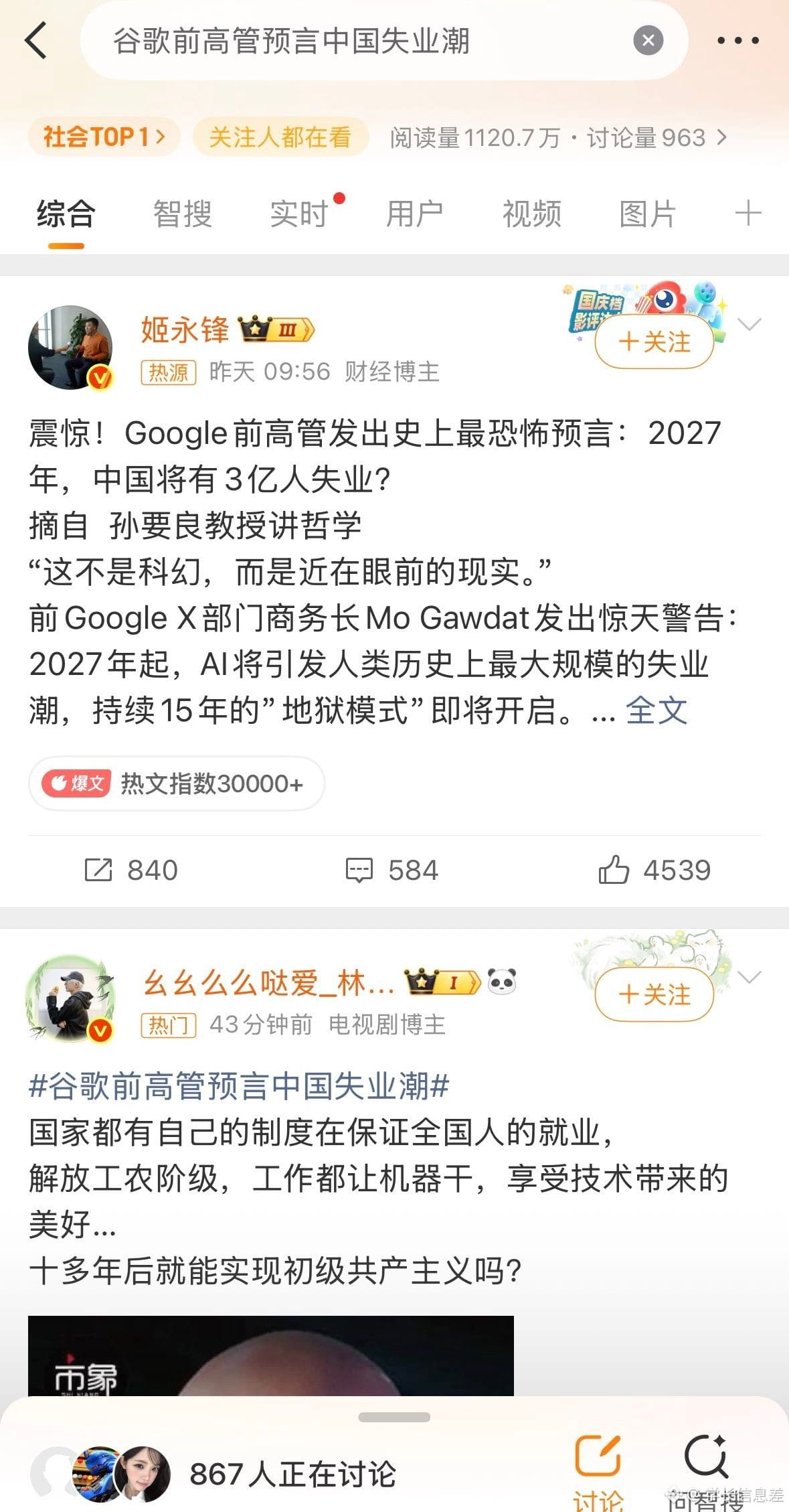
No. 1 on the trending searches: In 2027, will China have 300 million people unemployed?
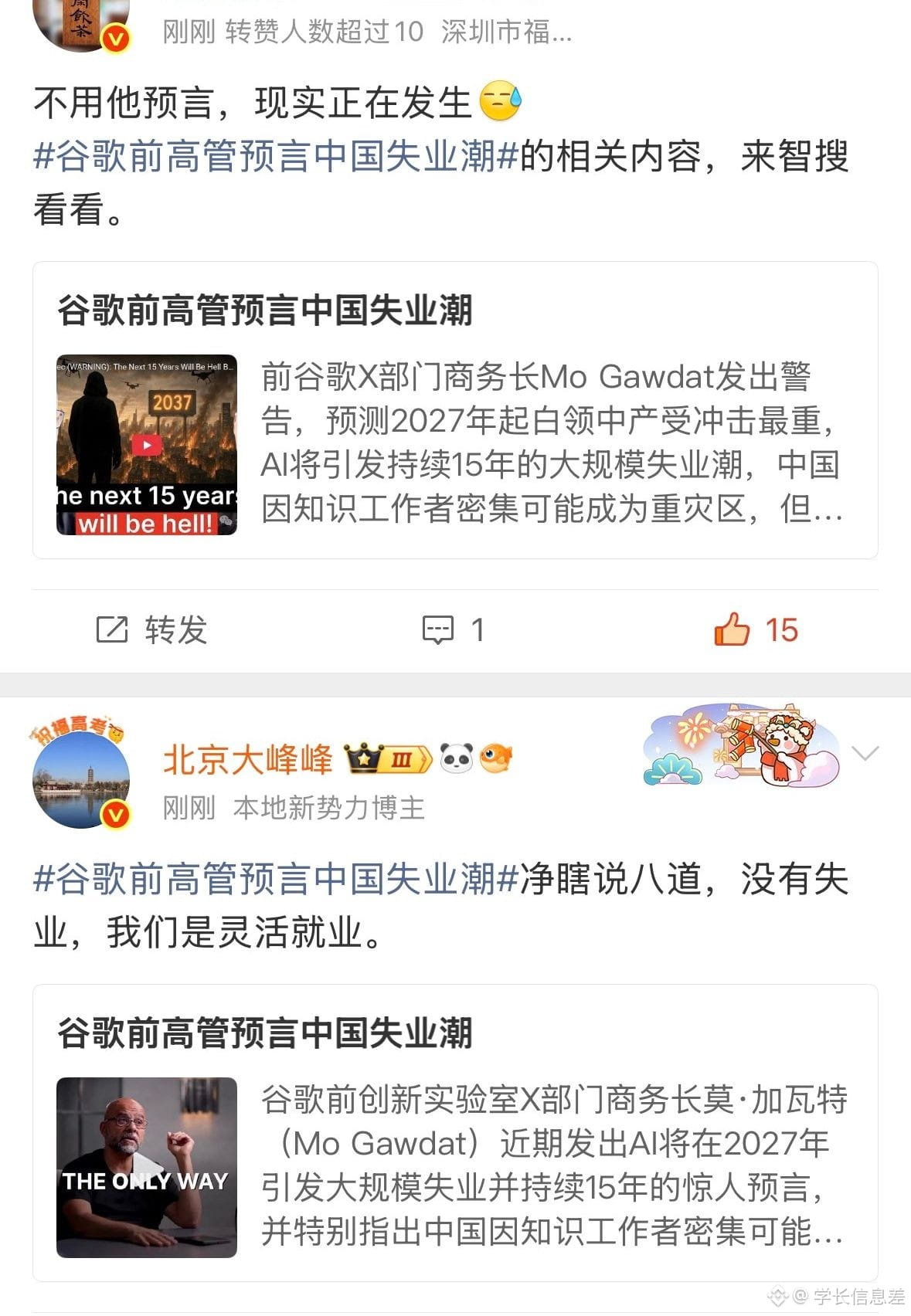
Recently trending all over the internet: A former Google executive predicts that in 2027, AI will trigger a large-scale wave of unemployment, lasting 15 years, and that knowledge-based jobs in China will also be hit.
Some people don’t think this is alarmist—AI is already replacing white-collar jobs like copywriting, design, and basic office work;
Do you think your job will be replaced by AI in the future?
$GOOGL
{future}(GOOGLUSDT)
No. 1 on the trending searches: In 2027, will China have 300 million people unemployed?
Recently trending all over the internet: A former Google executive predicts that in 2027, AI will trigger a large-scale wave of unemployment, lasting 15 years, and that knowledge-based jobs in China will also be hit.
Some people don’t think this is alarmist—AI is already replacing white-collar jobs like copywriting, design, and basic office work;
Do you think your job will be replaced by AI in the future?
$GOOGL
Recently trending all over the internet: A former Google executive predicts that in 2027, AI will trigger a large-scale wave of unemployment, lasting 15 years, and that knowledge-based jobs in China will also be hit.
Some people don’t think this is alarmist—AI is already replacing white-collar jobs like copywriting, design, and basic office work;
Do you think your job will be replaced by AI in the future?
$GOOGL
1
4
3.7k
Log in to explore more content
Join global crypto users on Binance Square
⚡️ Get latest and useful information about crypto.
💬 Trusted by the world’s largest crypto exchange.
👍 Discover real insights from verified creators.
Email / Phone number
Trending Topics
BinanceLaunchesBinanceIntelligence
345,047 views
2,807 Discussing
The real test for Binance Intelligence isn’t whether AI can generate a strategy
Zaki Web3 Media
·17 Likes
·20.5k views
BitcoinTargets2026OpenAt$87570
1,419 views
56 Discussing
BitcoinRejectedAt$87KThirdTime
1,616 views
49 Discussing