

Techno BNB
16.8k Posts

Techno BNB
 Square Verified+
Report
Block User
Content Creator | Researcher | Strategy Architect 🌟

XPL Holder
Frequent Trader
4.7 Years
1.6K+ Following
55.1K+ Followers
36.5K+ Liked
Posts
All
Quotes
Live
·
--
Verified
$INJ has recovered from its recent consolidation around the $3 to $4 range, climbing toward $8.40 before settling near $7.93.
The immediate technical focus is around $8.40 to $8.59, with $10 representing a potential technical target if buyers can sustain the breakout... On the downside, $6.62 remains an important support reference.
Momentum indicators remain constructive, although the MACD histogram is showing signs of slowing momentum, suggesting volatility could remain elevated.
Beyond price action, Injective has reported more than dollar 1 billion in tokenized assets across its ecosystem, highlighting continued activity around real-world asset tokenization.
Injective has also submitted its MiCA whitepaper for inclusion in the European regulatory framework, marking another development in its broader ecosystem expansion.
For now, traders are watching whether INJ can hold above the $8.40 to $8.59 area while ecosystem development continues.
$INJ
{future}(INJUSDT)
#INJ
$INJ has recovered from its recent consolidation around the $3 to $4 range, climbing toward $8.40 before settling near $7.93.
The immediate technical focus is around $8.40 to $8.59, with $10 representing a potential technical target if buyers can sustain the breakout... On the downside, $6.62 remains an important support reference.
Momentum indicators remain constructive, although the MACD histogram is showing signs of slowing momentum, suggesting volatility could remain elevated.
Beyond price action, Injective has reported more than dollar 1 billion in tokenized assets across its ecosystem, highlighting continued activity around real-world asset tokenization.
Injective has also submitted its MiCA whitepaper for inclusion in the European regulatory framework, marking another development in its broader ecosystem expansion.
For now, traders are watching whether INJ can hold above the $8.40 to $8.59 area while ecosystem development continues.
$INJ
#INJ
The immediate technical focus is around $8.40 to $8.59, with $10 representing a potential technical target if buyers can sustain the breakout... On the downside, $6.62 remains an important support reference.
Momentum indicators remain constructive, although the MACD histogram is showing signs of slowing momentum, suggesting volatility could remain elevated.
Beyond price action, Injective has reported more than dollar 1 billion in tokenized assets across its ecosystem, highlighting continued activity around real-world asset tokenization.
Injective has also submitted its MiCA whitepaper for inclusion in the European regulatory framework, marking another development in its broader ecosystem expansion.
For now, traders are watching whether INJ can hold above the $8.40 to $8.59 area while ecosystem development continues.
$INJ
#INJ
2
913
·
--
Verified
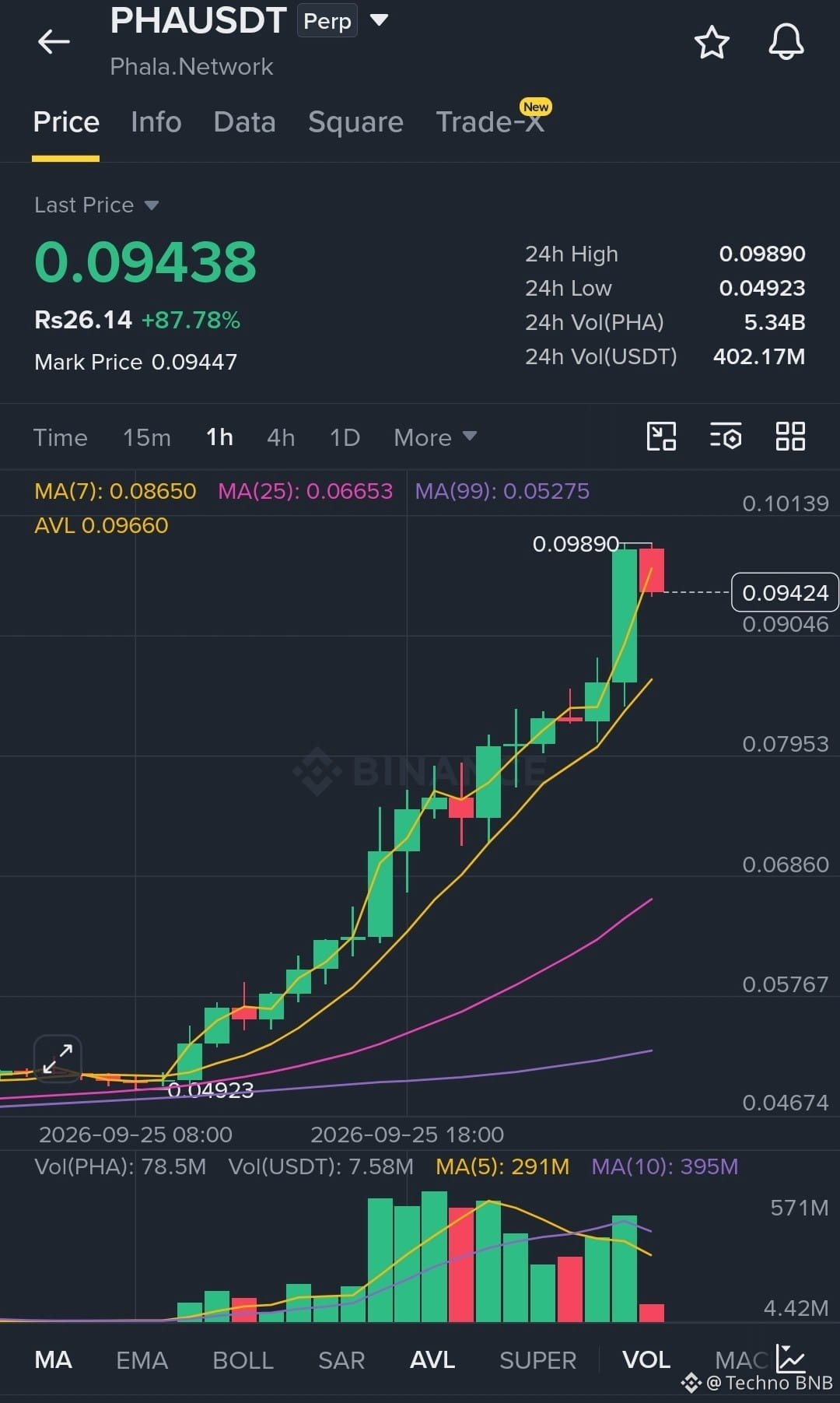
$ONDO has moved above the $0.43 to $0.44 resistance zone after repeatedly finding support around $0.32. The breakout has shifted attention toward whether the token can hold above the previous resistance.
Technical analysis points to $0.55 as a potential upside target if the breakout remains intact. However, a move back below $0.43 to $0.44 could send ONDO back into its previous consolidation range.
Beyond price action, Ondo is expanding its tokenization infrastructure, including a system designed to bring traditional equities onto blockchain-based markets for eligible institutions.
Ondo Finance's total value locked has also reached around $967.7 million, up approximately 3% over seven days. The combination of ecosystem growth and the technical breakout keeps ONDO in focus, although sustained adoption and price support remain important.
$ONDO
{future}(ONDOUSDT)
#ONDO
$ONDO has moved above the $0.43 to $0.44 resistance zone after repeatedly finding support around $0.32. The breakout has shifted attention toward whether the token can hold above the previous resistance.
Technical analysis points to $0.55 as a potential upside target if the breakout remains intact. However, a move back below $0.43 to $0.44 could send ONDO back into its previous consolidation range.
Beyond price action, Ondo is expanding its tokenization infrastructure, including a system designed to bring traditional equities onto blockchain-based markets for eligible institutions.
Ondo Finance's total value locked has also reached around $967.7 million, up approximately 3% over seven days. The combination of ecosystem growth and the technical breakout keeps ONDO in focus, although sustained adoption and price support remain important.
$ONDO
#ONDO
Technical analysis points to $0.55 as a potential upside target if the breakout remains intact. However, a move back below $0.43 to $0.44 could send ONDO back into its previous consolidation range.
Beyond price action, Ondo is expanding its tokenization infrastructure, including a system designed to bring traditional equities onto blockchain-based markets for eligible institutions.
Ondo Finance's total value locked has also reached around $967.7 million, up approximately 3% over seven days. The combination of ecosystem growth and the technical breakout keeps ONDO in focus, although sustained adoption and price support remain important.
$ONDO
#ONDO
936
·
--
$XRP is back in focus after EasyA co-founder Dom Kwok renewed his long-term projection that the token could reach $1,000 by 2030. Digital Asset Investor has also publicly expressed support for the projection.
Kwok's latest comments followed meetings in Washington involving crypto policy discussions, but there is no indication that any government body endorsed the $1,000 valuation. The projection remains Kwok's personal view.
At XRP's reported price near $1.40 on September 20, a $1,000 valuation would represent a substantial increase from current levels and imply a market capitalization of roughly $62.9 trillion based on the circulating supply at that time.
For now, the $1,000 level should be viewed as a long-term personal projection rather than a confirmed price target.
$XRP
{future}(XRPUSDT)
#xrp
$XRP is back in focus after EasyA co-founder Dom Kwok renewed his long-term projection that the token could reach $1,000 by 2030. Digital Asset Investor has also publicly expressed support for the projection.
Kwok's latest comments followed meetings in Washington involving crypto policy discussions, but there is no indication that any government body endorsed the $1,000 valuation. The projection remains Kwok's personal view.
At XRP's reported price near $1.40 on September 20, a $1,000 valuation would represent a substantial increase from current levels and imply a market capitalization of roughly $62.9 trillion based on the circulating supply at that time.
For now, the $1,000 level should be viewed as a long-term personal projection rather than a confirmed price target.
$XRP
#xrp
Kwok's latest comments followed meetings in Washington involving crypto policy discussions, but there is no indication that any government body endorsed the $1,000 valuation. The projection remains Kwok's personal view.
At XRP's reported price near $1.40 on September 20, a $1,000 valuation would represent a substantial increase from current levels and imply a market capitalization of roughly $62.9 trillion based on the circulating supply at that time.
For now, the $1,000 level should be viewed as a long-term personal projection rather than a confirmed price target.
$XRP
#xrp
1
1.1k
·
--
$DOGE reached an intraday high of $0.1059 before retracting, briefly breaking the significant $0.10 psychological level...
The result was a sharp reversal after the pulse, with DOGE closing at about $0.0992. And, open interest on derivatives also grew by approximately 10 percent in an hour from to approximately 350 million, which indicates the presence of used activity in the move.
Still mixed on the indicators. RSI has moved to 69.4, still approaching overbought levels. An ADX of 32.5 suggests a relatively strong trend; yet 50 day EMA is still below 200 day EMA, keeping longer term technical anile under pressure.
In the short-term, the key for DOGE is whether it can stay above the $0.10 mark, though its ongoing ability to have some leverage will be key in the future.
$DOGE
{future}(DOGEUSDT)
#DOGE
$DOGE reached an intraday high of $0.1059 before retracting, briefly breaking the significant $0.10 psychological level...
The result was a sharp reversal after the pulse, with DOGE closing at about $0.0992. And, open interest on derivatives also grew by approximately 10 percent in an hour from to approximately 350 million, which indicates the presence of used activity in the move.
Still mixed on the indicators. RSI has moved to 69.4, still approaching overbought levels. An ADX of 32.5 suggests a relatively strong trend; yet 50 day EMA is still below 200 day EMA, keeping longer term technical anile under pressure.
In the short-term, the key for DOGE is whether it can stay above the $0.10 mark, though its ongoing ability to have some leverage will be key in the future.
$DOGE
#DOGE
The result was a sharp reversal after the pulse, with DOGE closing at about $0.0992. And, open interest on derivatives also grew by approximately 10 percent in an hour from to approximately 350 million, which indicates the presence of used activity in the move.
Still mixed on the indicators. RSI has moved to 69.4, still approaching overbought levels. An ADX of 32.5 suggests a relatively strong trend; yet 50 day EMA is still below 200 day EMA, keeping longer term technical anile under pressure.
In the short-term, the key for DOGE is whether it can stay above the $0.10 mark, though its ongoing ability to have some leverage will be key in the future.
$DOGE
#DOGE
447
·
--
Gold has slightly declined from its recent high of near $4,340 up to the near $4,368-4,370 resistance zone. This is where gold has failed to make a further upward move during recent short-term rally.
The first support level is between $4,350 to $4,355; but stronger support exists in the region of $4,340 to $4,345. A close below this area may further test the short-term structure.
A few other technicals have also defined a bearish scenario down near the 4250 level, with 4390 seen as the point of invalidation for that scenario.
Gold meanwhile remains caught between the key support and resistance areas, and the reaction at around 4,370 is critical for the next short-term step.
$XAU
{future}(XAUUSDT)
#XAU
Gold has slightly declined from its recent high of near $4,340 up to the near $4,368-4,370 resistance zone. This is where gold has failed to make a further upward move during recent short-term rally.
The first support level is between $4,350 to $4,355; but stronger support exists in the region of $4,340 to $4,345. A close below this area may further test the short-term structure.
A few other technicals have also defined a bearish scenario down near the 4250 level, with 4390 seen as the point of invalidation for that scenario.
Gold meanwhile remains caught between the key support and resistance areas, and the reaction at around 4,370 is critical for the next short-term step.
$XAU
#XAU
The first support level is between $4,350 to $4,355; but stronger support exists in the region of $4,340 to $4,345. A close below this area may further test the short-term structure.
A few other technicals have also defined a bearish scenario down near the 4250 level, with 4390 seen as the point of invalidation for that scenario.
Gold meanwhile remains caught between the key support and resistance areas, and the reaction at around 4,370 is critical for the next short-term step.
$XAU
#XAU
1
947
·
--
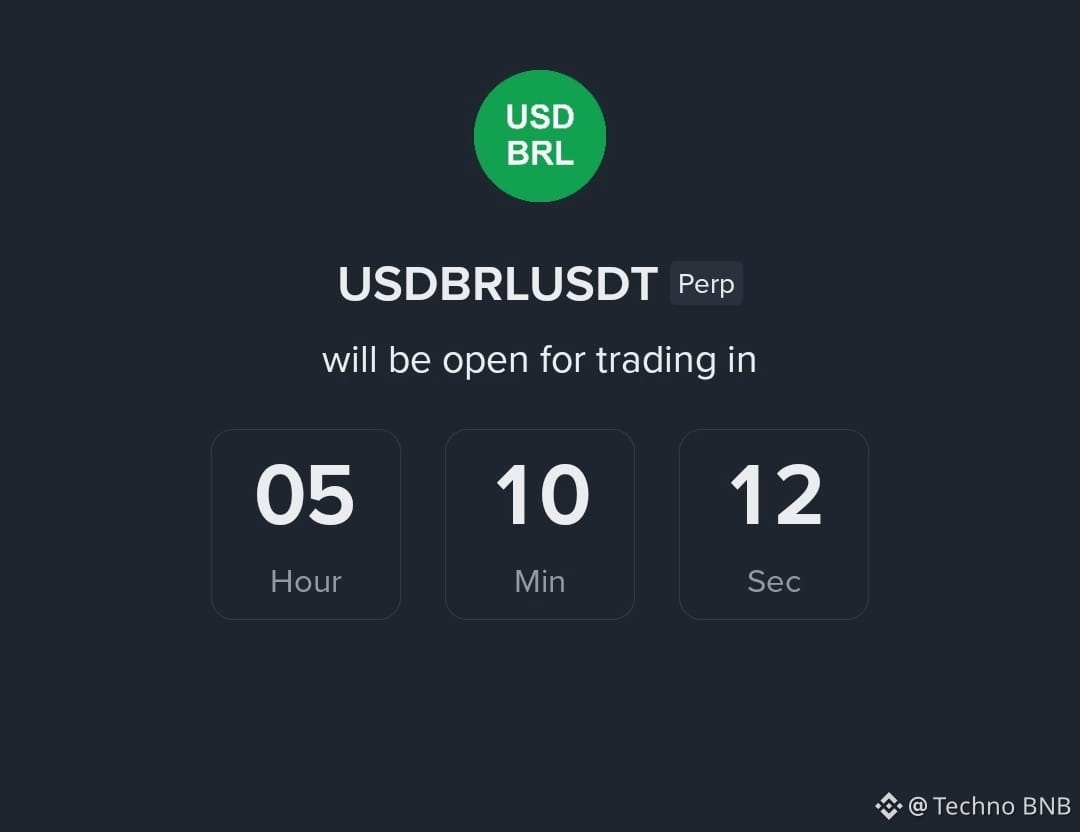
The $SOL token is gaining attention following technical analyst Peter Brandt showing off a possible long-term on its weekly chart.
TL was acquired after creation during the 2022 meltdown of the markets and Next spent a long period of time consolidating. As Brandt's analysis hints, the pattern may be in the process of heading towards the area around $240 if previous resistance levels are broken.
Initial resistance area is around 240 to 260 area. Staying above that range would strengthen the technical picture and breaking below the 80 to 85 area would weaken or invalidate it.
Maintaining that SOL has not been broken for the moment still keeps the response of SOL around these support and resistance levels relevant until the overall structure appears.
$SOL
{future}(SOLUSDT)
#solana
The $SOL token is gaining attention following technical analyst Peter Brandt showing off a possible long-term on its weekly chart.
TL was acquired after creation during the 2022 meltdown of the markets and Next spent a long period of time consolidating. As Brandt's analysis hints, the pattern may be in the process of heading towards the area around $240 if previous resistance levels are broken.
Initial resistance area is around 240 to 260 area. Staying above that range would strengthen the technical picture and breaking below the 80 to 85 area would weaken or invalidate it.
Maintaining that SOL has not been broken for the moment still keeps the response of SOL around these support and resistance levels relevant until the overall structure appears.
$SOL
#solana
TL was acquired after creation during the 2022 meltdown of the markets and Next spent a long period of time consolidating. As Brandt's analysis hints, the pattern may be in the process of heading towards the area around $240 if previous resistance levels are broken.
Initial resistance area is around 240 to 260 area. Staying above that range would strengthen the technical picture and breaking below the 80 to 85 area would weaken or invalidate it.
Maintaining that SOL has not been broken for the moment still keeps the response of SOL around these support and resistance levels relevant until the overall structure appears.
$SOL
#solana
1
1.3k
·
--
$XRP whale inflows to Binance have reportedly reached a six-month high, with cumulative inflows over the past 30 days estimated at around 1.6 billion XRP.
The increase shows that larger amounts of XRP have been moving onto exchanges, which can increase short-term available supply. However, exchange inflows alone do not confirm that whales intend to sell, as tokens can also be moved for trading, liquidity management or other purposes.
XRP has also seen stronger buying activity across exchanges, while the token recently traded around $1.44 after gaining more than 5% over 24 hours...
The combination of rising whale inflows and stronger buying pressure creates a mixed market picture, making exchange flows, trading volume and price action important indicators to watch.
$XRP
{future}(XRPUSDT)
#xrp
$XRP whale inflows to Binance have reportedly reached a six-month high, with cumulative inflows over the past 30 days estimated at around 1.6 billion XRP.
The increase shows that larger amounts of XRP have been moving onto exchanges, which can increase short-term available supply. However, exchange inflows alone do not confirm that whales intend to sell, as tokens can also be moved for trading, liquidity management or other purposes.
XRP has also seen stronger buying activity across exchanges, while the token recently traded around $1.44 after gaining more than 5% over 24 hours...
The combination of rising whale inflows and stronger buying pressure creates a mixed market picture, making exchange flows, trading volume and price action important indicators to watch.
$XRP
#xrp
The increase shows that larger amounts of XRP have been moving onto exchanges, which can increase short-term available supply. However, exchange inflows alone do not confirm that whales intend to sell, as tokens can also be moved for trading, liquidity management or other purposes.
XRP has also seen stronger buying activity across exchanges, while the token recently traded around $1.44 after gaining more than 5% over 24 hours...
The combination of rising whale inflows and stronger buying pressure creates a mixed market picture, making exchange flows, trading volume and price action important indicators to watch.
$XRP
#xrp
1
474
·
--
$BTC sharp August rally was driven largely by short positions being closed rather than a broad wave of new bullish positions.
Over five days, Bitcoin gained 24.6% while open interest fell 12.6%. Around 64,000 BTC in open interest was eliminated, with short positions accounting for 89% of liquidated positions by value.
Options and futures activity also pointed to a rapid shift in market positioning. Bitcoin's volatility surged, while shorter-dated futures repriced more sharply than longer-dated contracts.
More recently, another wave of liquidations accompanied Bitcoin's move above $80,000, with roughly $230 million in BTC shorts and more than $445 million across the broader crypto market closed in a single session.
The key question now is whether bullish positioning can remain strong after the short squeeze fades.
$BTC
{future}(BTCUSDT)
#BTC
$BTC sharp August rally was driven largely by short positions being closed rather than a broad wave of new bullish positions.
Over five days, Bitcoin gained 24.6% while open interest fell 12.6%. Around 64,000 BTC in open interest was eliminated, with short positions accounting for 89% of liquidated positions by value.
Options and futures activity also pointed to a rapid shift in market positioning. Bitcoin's volatility surged, while shorter-dated futures repriced more sharply than longer-dated contracts.
More recently, another wave of liquidations accompanied Bitcoin's move above $80,000, with roughly $230 million in BTC shorts and more than $445 million across the broader crypto market closed in a single session.
The key question now is whether bullish positioning can remain strong after the short squeeze fades.
$BTC
#BTC
Over five days, Bitcoin gained 24.6% while open interest fell 12.6%. Around 64,000 BTC in open interest was eliminated, with short positions accounting for 89% of liquidated positions by value.
Options and futures activity also pointed to a rapid shift in market positioning. Bitcoin's volatility surged, while shorter-dated futures repriced more sharply than longer-dated contracts.
More recently, another wave of liquidations accompanied Bitcoin's move above $80,000, with roughly $230 million in BTC shorts and more than $445 million across the broader crypto market closed in a single session.
The key question now is whether bullish positioning can remain strong after the short squeeze fades.
$BTC
#BTC
207
·
--
1
286
·
--
460
·
--
479
·
--
1
420
·
--
$ZEC appears to be getting closer to $1,300 as traders keep an eye on the important level to decide what will come next.
The chart suggests a support level of $1,020 -$1,090 while in the near term there is support at $1,077 - $1,109. Keeping these areas intact will allow the current trend continuation pattern to keep being valid.
If price moves up and goes beyond $1,300 it may enhance the bullish signal and the $1,539 point can become the next target. However, these are technical targets, not guaranteed price outcomes.
On the downside, $918 has been identified as an important invalidation level. A sustained move below it could significantly weaken the current bullish structure.
Zcash's ongoing network development, including upgrades focused on shielded transactions and infrastructure, adds to the broader ecosystem picture, although technical improvements do not guarantee short-term price gains.
$ZEC
{future}(ZECUSDT)
#zec
$ZEC appears to be getting closer to $1,300 as traders keep an eye on the important level to decide what will come next.
The chart suggests a support level of $1,020 -$1,090 while in the near term there is support at $1,077 - $1,109. Keeping these areas intact will allow the current trend continuation pattern to keep being valid.
If price moves up and goes beyond $1,300 it may enhance the bullish signal and the $1,539 point can become the next target. However, these are technical targets, not guaranteed price outcomes.
On the downside, $918 has been identified as an important invalidation level. A sustained move below it could significantly weaken the current bullish structure.
Zcash's ongoing network development, including upgrades focused on shielded transactions and infrastructure, adds to the broader ecosystem picture, although technical improvements do not guarantee short-term price gains.
$ZEC
#zec
The chart suggests a support level of $1,020 -$1,090 while in the near term there is support at $1,077 - $1,109. Keeping these areas intact will allow the current trend continuation pattern to keep being valid.
If price moves up and goes beyond $1,300 it may enhance the bullish signal and the $1,539 point can become the next target. However, these are technical targets, not guaranteed price outcomes.
On the downside, $918 has been identified as an important invalidation level. A sustained move below it could significantly weaken the current bullish structure.
Zcash's ongoing network development, including upgrades focused on shielded transactions and infrastructure, adds to the broader ecosystem picture, although technical improvements do not guarantee short-term price gains.
$ZEC
#zec
505
·
--
Prediction-market odds for the CLARITY Act fell to 16% on September 14 after Senate Democrats rejected a revised Republican ethics proposal and prepared a counterproposal.
The odds had briefly climbed to 35% following the updated proposal, but the momentum faded as several Democratic lawmakers said the changes did not go far enough.
The Republicans require 60 votes to pass legislation that they will be able to further introduce. The legislation intends to create clear regulations for the US cryptocurrency industry and outline the roles of the SEC and CFTC.
And, banking groups, tribal interests and a coalition of state attorneys general will also voice their opposition, which makes it uncertain what kind of a response will the Senate vote yield.
A 16% figure is based only on what market has been showing, not on the confirmed events that the bill will undergo. The actual fate of the bill in question will hinge on the current negotiating phase and the eventual Senate vote, respectively.
#CryptoRegulation #CLARITYAct
Prediction-market odds for the CLARITY Act fell to 16% on September 14 after Senate Democrats rejected a revised Republican ethics proposal and prepared a counterproposal.
The odds had briefly climbed to 35% following the updated proposal, but the momentum faded as several Democratic lawmakers said the changes did not go far enough.
The Republicans require 60 votes to pass legislation that they will be able to further introduce. The legislation intends to create clear regulations for the US cryptocurrency industry and outline the roles of the SEC and CFTC.
And, banking groups, tribal interests and a coalition of state attorneys general will also voice their opposition, which makes it uncertain what kind of a response will the Senate vote yield.
A 16% figure is based only on what market has been showing, not on the confirmed events that the bill will undergo. The actual fate of the bill in question will hinge on the current negotiating phase and the eventual Senate vote, respectively.
#CryptoRegulation #CLARITYAct
The odds had briefly climbed to 35% following the updated proposal, but the momentum faded as several Democratic lawmakers said the changes did not go far enough.
The Republicans require 60 votes to pass legislation that they will be able to further introduce. The legislation intends to create clear regulations for the US cryptocurrency industry and outline the roles of the SEC and CFTC.
And, banking groups, tribal interests and a coalition of state attorneys general will also voice their opposition, which makes it uncertain what kind of a response will the Senate vote yield.
A 16% figure is based only on what market has been showing, not on the confirmed events that the bill will undergo. The actual fate of the bill in question will hinge on the current negotiating phase and the eventual Senate vote, respectively.
#CryptoRegulation #CLARITYAct
359
·
--
$BNB Chain has moved ahead of Solana in decentralized finance rankings, with its DeFi total value locked reaching around $5.94 billion as of September 14.
Solana's TVL stood near $5.89 billion, placing BNB Chain in second position. $ETH still has a huge lead with around $49.95 billion in TVL. Base and Tron trailed them with about $5.63 billion and $5.47 billion respectively.
This trend reveals a rise in the DeFi BNB Chain sector but the tiny gap from Solana means the positions might be swapped again with the evolution of markets and change in conditions.
Truth is BNB Chain has gone up to the second position means there has been a significant shift in the present DeFi industry, but it sure doesn't mean that Ethereum's dominant position is immediately under threat.
$BNB
#bnb
{future}(BNBUSDT)
$BNB Chain has moved ahead of Solana in decentralized finance rankings, with its DeFi total value locked reaching around $5.94 billion as of September 14.
Solana's TVL stood near $5.89 billion, placing BNB Chain in second position. $ETH still has a huge lead with around $49.95 billion in TVL. Base and Tron trailed them with about $5.63 billion and $5.47 billion respectively.
This trend reveals a rise in the DeFi BNB Chain sector but the tiny gap from Solana means the positions might be swapped again with the evolution of markets and change in conditions.
Truth is BNB Chain has gone up to the second position means there has been a significant shift in the present DeFi industry, but it sure doesn't mean that Ethereum's dominant position is immediately under threat.
$BNB
#bnb
Solana's TVL stood near $5.89 billion, placing BNB Chain in second position. $ETH still has a huge lead with around $49.95 billion in TVL. Base and Tron trailed them with about $5.63 billion and $5.47 billion respectively.
This trend reveals a rise in the DeFi BNB Chain sector but the tiny gap from Solana means the positions might be swapped again with the evolution of markets and change in conditions.
Truth is BNB Chain has gone up to the second position means there has been a significant shift in the present DeFi industry, but it sure doesn't mean that Ethereum's dominant position is immediately under threat.
$BNB
#bnb
1
530
Log in to explore more content
Join global crypto users on Binance Square
⚡️ Get latest and useful information about crypto.
💬 Trusted by the world’s largest crypto exchange.
👍 Discover real insights from verified creators.
Email / Phone number
Trending Topics
BitcoinClears$85200
18,090 views
246 Discussing
We got the move, and $BTC is standing exactly where we were before the data. That’s what actual patience for a trade looks like.
The data came in mixed but with some important numbers. ADP Non-Farm Employment Change came at 90K vs 73K forecast, while Core PCE came in at 0.2% vs 0.3% expected. Final GDP was also stronger at 2.2% vs 1.5% forecast, while Personal Spending came in at 0.9% vs 0.8% expected. At the same time, Personal Income missed at 0.2% vs 0.5% forecast.
BTC initially surged to $85,600 and is now back where it needs to be. I’m still looking toward the lower ranges at $82,759 and the $80,000 liquidity, because the overhead liquidity is done and dusted.
We had a live session during the data, and during that session we saw the market at $83,800, then $85,600, and then back toward $83,000 and we still didn’t enter a trade.
That’s what patience is.
We can’t force an entry when the market has no clear direction. The same range is still in focus, and we’ll wait for the market to give us the setup.
Let me know, guys, how was the session? And should we have more regular sessions with our respected members so we can have proper discussions regarding the market?
#BitcoinClears$85200 #AltcoinSeasonIndexHoldsAbove60For5Days #USADPAdds90000JobsInSeptember #BitcoinSlipsBelow$84000 #SECToClarifyOnChainFundraisingRules
Crypto_LUX
·28 Likes
·25.9k views
AltcoinSeasonIndexHoldsAbove60For5Days
90,630 views
1,367 Discussing
USADPAdds90000JobsInSeptember
40,035 views
748 Discussing