


Author: zf857.eth, R3PO
DAO (Decentralized Autonomous Organization) is a decentralized autonomous organization, which is a governance structure or organizational form. The structure of traditional organizations is hierarchical from top to bottom, with goals and tasks issued layer by layer, and members are rewarded for completing tasks, which belongs to the pyramid model. DAO is a group of people who come together because of the same consensus, participate in governance through proposals, voting, rewards, etc., and use token rewards to achieve incentives, emphasizing fair distribution of benefits, and no power center, and an equal environment where all members can exercise power.
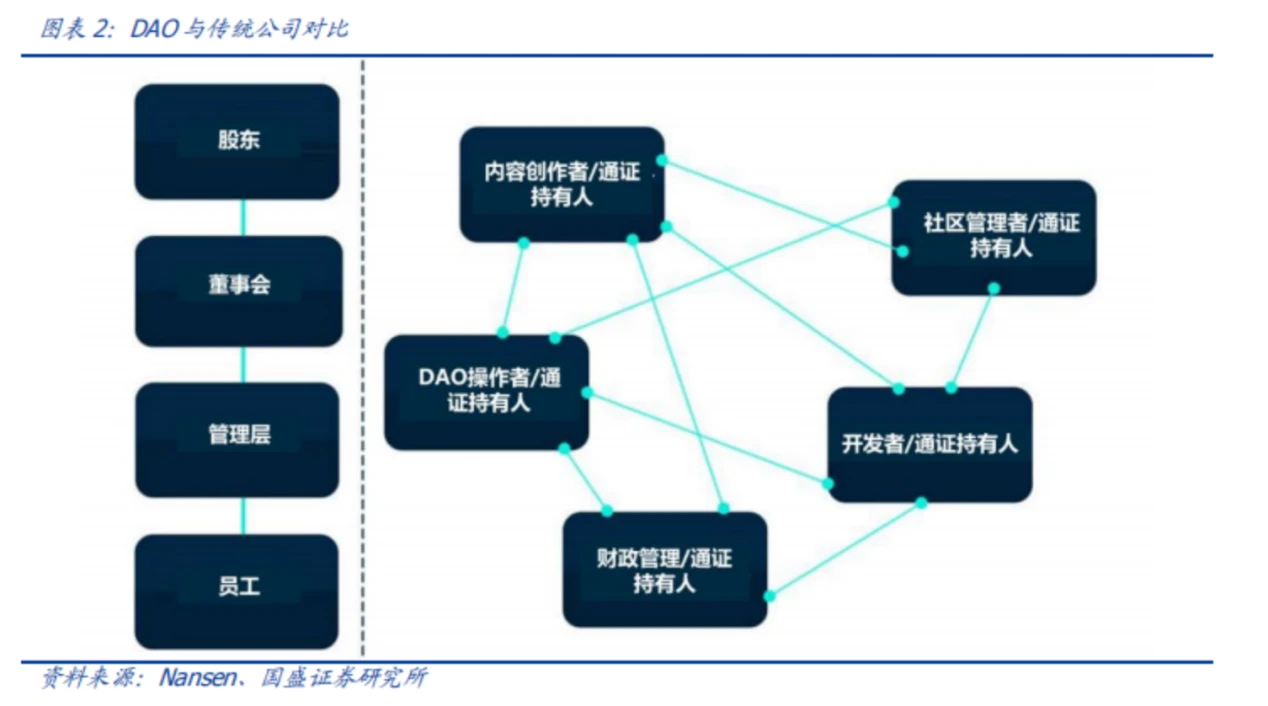
Before 2021, The DAO had no clear legal entity
Before 2021, DAOs didn’t even have much choice or space to set up as legal companies. Even if individual states or countries allowed DAOs to register as legal entities, they would require DAOs to make too many compromises. For example, they would require DAOs to keep a list of the full names and addresses of members, elect a board of directors or trustees with authority over the organization, and keep written records of meeting decisions.
First of all, we need to know that in the United States, if an organization is not registered as a legal entity, it will basically not be recognized by the government. Much of the modern economy relies on organizations to obtain legal status. For a traditional company or organization, no matter the size or whether it is for-profit or non-profit, one of the first things to do is to create a legal entity for the organization, usually in the form of a corporation, foundation, or limited liability company (LLC). The problem here is that if a group of people engage in a common business without a legal entity, US law treats them as a general partnership. What are the problems with DAOs being treated as general partnerships?
In a general partnership, each individual is responsible for the actions of the organization and the actions of other individuals. Therefore, when there is fraud, hacking or accidents in the DAO, innocent individuals are vulnerable.
Legally, a general partnership does not have legal personality. While most DAOs want to at least own the intellectual property rights to their logos and trademarks, this means it cannot sign contracts to do things like open bank accounts, buy and own property, sue and be sued, or hire employees.
The tax issue is that when a general partnership makes money, the individuals involved in the organization are personally taxed on those gains. If you own 10% of a general partnership, you pay taxes on 10% of the organization's profits. The same is true for DAOs.
After 2021, DAOs will be incorporated into the limited liability company system
On April 21, 2021, the Governor of Wyoming signed DAO-focused Bill 38, making Wyoming the first state ever to recognize DAOs as limited liability companies (effective July 1, 2021).
In February 2022, the Republic of the Marshall Islands passed a law, the DAO Act of 2022. The DAO Act of 2022 will allow DAOs to be established as limited liability companies (LLCs.), enabling them to be identified as DAO limited liability companies. The bill also intends to allow for-profit DAOs and non-profit DAOs to register, while providing definitions and regulations for the formation, protocols, and use of smart contracts of DAOs. It also enables legal entities registered in the country to formally adopt DAO structures and governance tools.
On April 6, 2022, Tennessee also passed legislation to recognize and allow limited liability companies (LLCs) to register "DAOs," in an effort to make "Tennessee the Delaware of DAOs." According to state House of Representatives member Jason Powell, "With this new business structure, Tennessee will become a beacon for blockchain investment and new jobs...just as Delaware became a hub for traditional LLCs or South Dakota for credit card companies."
So since 2021, DAOs have been incorporated into the LLC system, and DAOs can choose to engage with authorities and the legal system. The US states of Wyoming and Tennessee, as well as the Republic of the Marshall Islands, have passed bills to allow DAO LLCs, which are highly flexible and powerful legal entities tailor-made for DAOs, with all the benefits of a traditional LLC.
Additionally, some DAOs may take the form of Colorado Limited Partnerships (LCAs) and Unincorporated Nonprofit Associations (UNAs), or choose to create foundations in Switzerland, the Cayman Islands, or the British Virgin Islands. Since 2021, hundreds of DAOs have incorporated in these jurisdictions, which gives them access to banking, protects their members from personal liability, and even ensures that the DAO can settle its own taxes.
However, this form of DAO is not pure. No matter which of the above forms is adopted, it is essentially a layer of existing legal entity wrapped outside the DAO. In other words, there was no concept of DAO at the legal level in the past. It was an LLC, a company, a cooperative, a foundation, a trust, but chose the organizational form of DAO to operate.
In 2023, DAO organizations will be granted independent legal entities
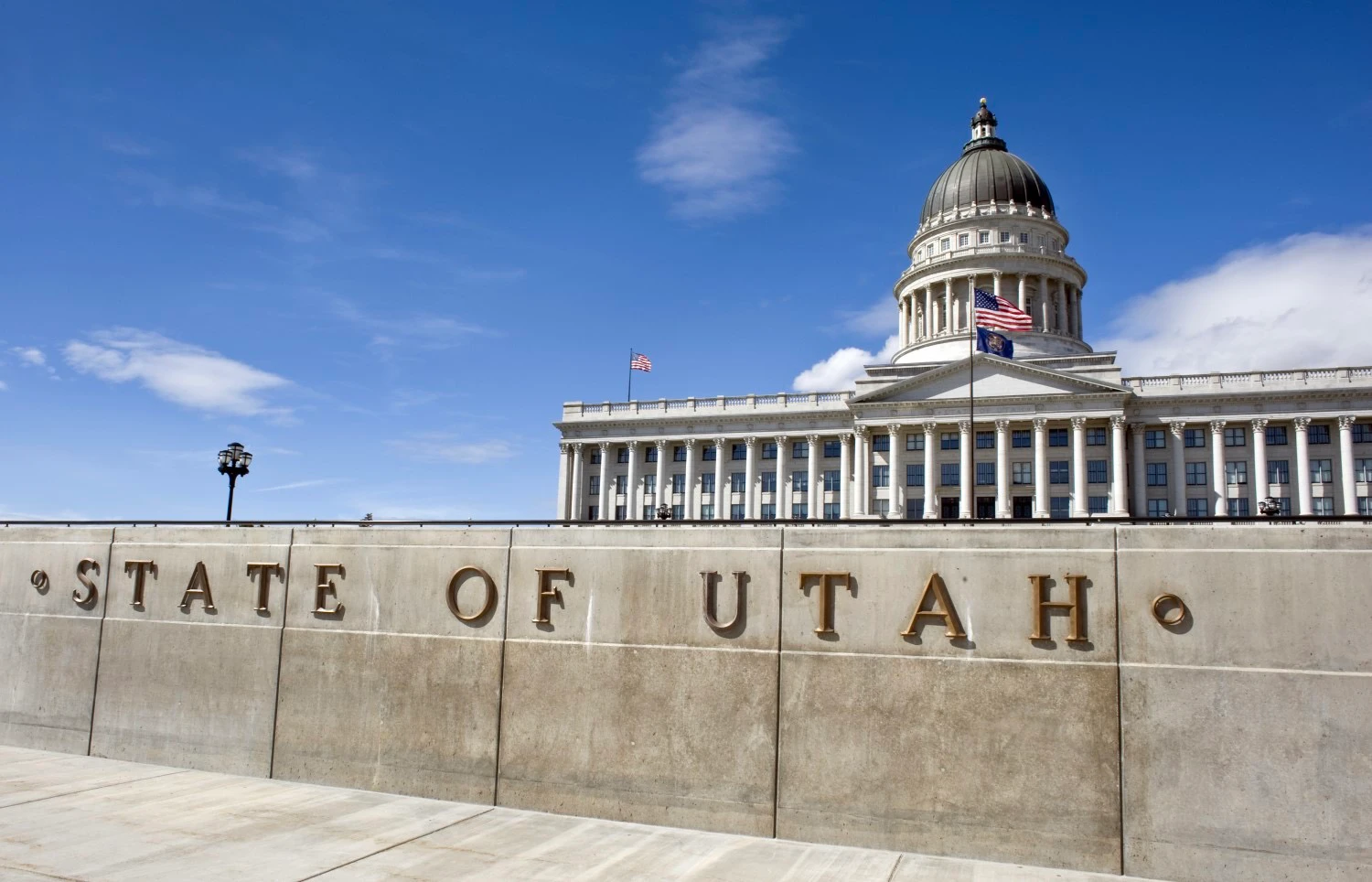
On March 1 of this year, Utah passed its DAO Act, recognizing centralized autonomous organizations as legal entities, and all these blockchain-native organizations, known as DAOs, will no longer need to wrap themselves in existing corporate structures to benefit from legal entity status. The Utah DAO Act grants DAO organizations legal recognition and limited liability protection, addressing the limitations of the previous "limited liability company wrapper" approach.
This means that DAO no longer needs to be packaged as a variant entity of a limited liability company. The DAO organizational form itself has become an independent legal entity recognized by Utah law. After R 3 P 0’s research, the following contents are worth noting in this bill:
The DAO organization has legal personality, but the DAO has limited liability, and its liability limit is all the assets of the DAO. Individual members do not bear responsibility, and in special circumstances, the responsibility is divided according to the size of voting rights.
Created clearer and more nuanced tax treatment consistent with current DAO functionality. Proposed new tax language. Tax Complexities for Qualified DAOs (Section 48-5-406 of the Act.) (1) If a DAO recognized under this Act qualifies for classification as a corporation for federal tax purposes and the DAO makes such election, the DAO shall be subject to the provisions of chapter 7 of title 59 of the Corporation Franchise and Income Tax Act. (2) (a) Unless the DAO makes the election described in clause (1), the DAO recognized under this Act shall be classified for federal tax purposes as a partnership and subject to the provisions of section 14 of section 10 of section 59 of the Pass-Through Entities and Pass-Through Entity Taxpayer Act. (b) For tax purposes, the DAO shall allocate to each member of the DAO a share of the income, gains, losses, deductions, and credits generated by the activities of the DAO in proportion to the member’s membership interest in the entity.)
Provide that DAO participants have no implied fiduciary duties unless such duties are explicitly stated to apply.
Use "bylaws" (rather than an operating agreement) to protect anonymity and safeguards for DAO ownership/participants.
Technical gatekeeping functions are incorporated to ensure that the DAO is indeed a DAO.
DAO has no manager, all members are considered co-managers. And all governance token holders will be considered DAO members (which regulates the division details)
In short, Utah proposes a more complete and targeted compliance framework. An LLC is not a DAO, and a DAO is not an LLC. Utah's bill clearly defines the difference between the two, which means that DAO participants have more clarity and protection to experiment and innovate. The effective date of the bill is set for 2024. According to the Utah legislature: We made this compromise to give us another year to edit, adjust, and ensure that the actual bill implementation can pass smoothly.
Where’s next for DAOs?
Will DAO’s formal inclusion in the legal system make it lose its “centralization”?
A common concern of many DAO organizations when considering setting up a company is whether legal compliance will make their DAO less decentralized, thereby violating the core values of Web3. But in fact, without legal compliance, people often use "decentralization" to make DAO a tool for people to do evil.
Late last year, in the CFTC’s case against Ooki DAO, bZeroX’s transfer of control of the bZx protocol (now Ooki protocol) to the bZx DAO (now Ooki DAO) was intended to prevent the bZx DAO from being enforced due to its decentralized nature. The bZx founders attempted to use the decentralized nature of the DAO to evade legal action.
The spirit of "decentralization" is always advocated by the WEB3.0 community, but in many cases, we should never underestimate the evil of human nature. With the passage of the Utah DAO Act, DAO now has the status of a formal legal entity. While regulating supervision, it is actually protecting the members of the DAO organization.
It is worth noting that many details in the new bill demonstrate respect for "decentralization" and do not impose too many restrictions on the coordination and decision-making mechanisms within the DAO organization. This is undoubtedly a commendable attitude towards new things, embracing innovation but rejecting wild growth.
The DAO renaissance is imminent
The past year - from Celsius Network to the FTX crash - has sounded the alarm for us, showing the necessity of decentralizing assets and decision-making, which will inevitably lead to the resurgence of DAOs. As blockchain technology continues to innovate, DAO tools will make future applications of DAOs more streamlined and efficient.
For example, governance, proposals, and voting are important components of a DAO, and with nearly a million active voters and proposers, you need the right tools to ensure fairness and efficiency. Secondly, the DAO Treasury is the lifeblood of every DAO, giving it the fuel it needs to achieve its goals. Therefore, to ensure effective and secure management, you must use high-quality tools to prevent hacks and errors - especially when you interact with DeFi protocols.
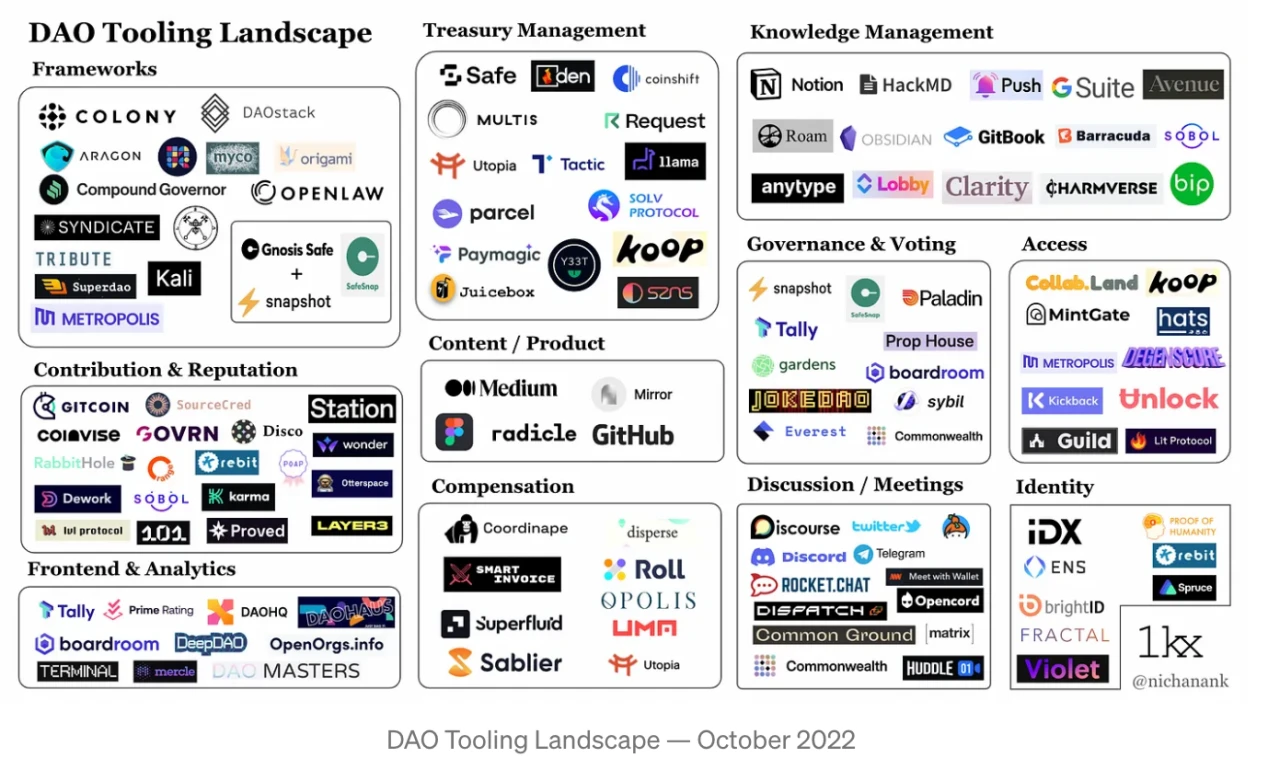
In the near future, participating in DAOs may be as smooth and frictionless as interacting in social software. However, one of the prerequisites for reaching this next level is that it should be integrated with the existing legal system. On the other hand, the continuous innovation and progress of DAO technology will also help DAOs mature and integrate with other parts of the global production economy.
Legislative compliance is the foundation and soil for DAO to gain a foothold in reality, while technological innovation and breakthroughs are the nutrients. With the continuous improvement and progress of the DAO Act, it will achieve true legal compliance, clear rights and responsibilities of DAO participants, and clear tax regulations. This will gradually dispel people's previous concerns about the DAO structure not being able to adapt to the actual life operation system, and more and more people may gradually adopt the DAO organizational form as their company structure in the foreseeable future. The revival of DAO will no longer be just a mirage or talk on paper.