

#etfvsbtc
etfvsbtc
21.9M views
16,556 Discussing
Join the #ETFvsBTC campaign for a chance to win up to 500 FDUSD! Weigh in on the pros and cons of investing in Bitcoin ETFs as opposed to buying BTC directly.
Hot
Latest

·
--
Bullish
🟠 My current $BTC X read
Social attention: 🔥🔥🔥
Sentiment: 🟢/🟡 bullish-leaning but not unanimous
$ETFT.ETF narrative: 🟢 very strong
Institutional narrative: 🟢 strong
Retail FOMO: 🟡 increasing
Leverage risk: 🟢 relatively contained
Profit-taking risk: 🟠 meaningful
Overall X narrative: bullish, but not yet a clear social-media mania signal
The key distinction is that the strongest $BTC bullish evidence right now is not the tweets themselves—it is the combination of ETF flows, quarterly performance and institutional demand. X is increasingly reflecting that underlying market activity.
#ETFvsBTC
{spot}(BTCUSDT)
🟠 My current $BTC X read
Social attention: 🔥🔥🔥
Sentiment: 🟢/🟡 bullish-leaning but not unanimous
$ETFT.ETF narrative: 🟢 very strong
Institutional narrative: 🟢 strong
Retail FOMO: 🟡 increasing
Leverage risk: 🟢 relatively contained
Profit-taking risk: 🟠 meaningful
Overall X narrative: bullish, but not yet a clear social-media mania signal
The key distinction is that the strongest $BTC bullish evidence right now is not the tweets themselves—it is the combination of ETF flows, quarterly performance and institutional demand. X is increasingly reflecting that underlying market activity.
#ETFvsBTC
Social attention: 🔥🔥🔥
Sentiment: 🟢/🟡 bullish-leaning but not unanimous
$ETFT.ETF narrative: 🟢 very strong
Institutional narrative: 🟢 strong
Retail FOMO: 🟡 increasing
Leverage risk: 🟢 relatively contained
Profit-taking risk: 🟠 meaningful
Overall X narrative: bullish, but not yet a clear social-media mania signal
The key distinction is that the strongest $BTC bullish evidence right now is not the tweets themselves—it is the combination of ETF flows, quarterly performance and institutional demand. X is increasingly reflecting that underlying market activity.
#ETFvsBTC
BTC+0.91%
ETFTETF-4.03%
2
134

·
--
🏦 BTC ETF sees net inflows for 9 straight trading days, while ETH ETF’s 7-day run of inflows has ended
Single-day inflows drop from 999 million to 66.19 million—are institutions cooling off, or rotating positions?
SOL ETF bucking the trend keeps attracting inflows, and capital flows across the three coins diverge
📊 Latest disclosed daily fund flows:
· BTC ETF: net inflow of $66.19M|IBIT +$51.09M, ARKB +$33.24M, BITB -$18.14M
· ETH ETF: net outflow of $2.81M|ETHA -$8.94M, FETH -$6.70M, Grayscale mini trust +$12.83M
· SOL ETF: net inflow of $5.44M
📍 Interpretation:
· In this 9-day stretch, BTC cumulatively gained about $3.08B, but daily inflows have clearly fallen—buy-side momentum is cooling
· ETH’s 7-day inflow streak is interrupted, and institutions show a split between BTC and ETH
· SOL spot ETF is still seeing inflows, relatively steady
🎯 My take: ETFs are the "chassis" under the price, but with inflows slowing and U.S. Treasuries staying at high levels, BTC has a hard time breaking through 84,000 in one go; after Friday’s Non-Farm Payrolls, inflows expand again—then we can call it a real turn stronger.
Do you think consecutive ETF inflows can hold up BTC? Vote in the comments below 👇
$BTC
{spot}(BTCUSDT)
$ETH
{future}(ETHUSDT)
$SOL
{future}(SOLUSDT)
#ETFvsBTC #比特币走势分析
🏦 BTC ETF sees net inflows for 9 straight trading days, while ETH ETF’s 7-day run of inflows has ended
Single-day inflows drop from 999 million to 66.19 million—are institutions cooling off, or rotating positions?
SOL ETF bucking the trend keeps attracting inflows, and capital flows across the three coins diverge
📊 Latest disclosed daily fund flows:
· BTC ETF: net inflow of $66.19M|IBIT +$51.09M, ARKB +$33.24M, BITB -$18.14M
· ETH ETF: net outflow of $2.81M|ETHA -$8.94M, FETH -$6.70M, Grayscale mini trust +$12.83M
· SOL ETF: net inflow of $5.44M
📍 Interpretation:
· In this 9-day stretch, BTC cumulatively gained about $3.08B, but daily inflows have clearly fallen—buy-side momentum is cooling
· ETH’s 7-day inflow streak is interrupted, and institutions show a split between BTC and ETH
· SOL spot ETF is still seeing inflows, relatively steady
🎯 My take: ETFs are the "chassis" under the price, but with inflows slowing and U.S. Treasuries staying at high levels, BTC has a hard time breaking through 84,000 in one go; after Friday’s Non-Farm Payrolls, inflows expand again—then we can call it a real turn stronger.
Do you think consecutive ETF inflows can hold up BTC? Vote in the comments below 👇
$BTC
$ETH
$SOL
#ETFvsBTC #比特币走势分析
Single-day inflows drop from 999 million to 66.19 million—are institutions cooling off, or rotating positions?
SOL ETF bucking the trend keeps attracting inflows, and capital flows across the three coins diverge
📊 Latest disclosed daily fund flows:
· BTC ETF: net inflow of $66.19M|IBIT +$51.09M, ARKB +$33.24M, BITB -$18.14M
· ETH ETF: net outflow of $2.81M|ETHA -$8.94M, FETH -$6.70M, Grayscale mini trust +$12.83M
· SOL ETF: net inflow of $5.44M
📍 Interpretation:
· In this 9-day stretch, BTC cumulatively gained about $3.08B, but daily inflows have clearly fallen—buy-side momentum is cooling
· ETH’s 7-day inflow streak is interrupted, and institutions show a split between BTC and ETH
· SOL spot ETF is still seeing inflows, relatively steady
🎯 My take: ETFs are the "chassis" under the price, but with inflows slowing and U.S. Treasuries staying at high levels, BTC has a hard time breaking through 84,000 in one go; after Friday’s Non-Farm Payrolls, inflows expand again—then we can call it a real turn stronger.
Do you think consecutive ETF inflows can hold up BTC? Vote in the comments below 👇
$BTC
$ETH
$SOL
#ETFvsBTC #比特币走势分析
74

·
--

Article
$530M liquidated in 24 hours! What happened to the longs who chased price up?Data from CoinGlass: on Monday, liquidations across the entire network over 24 hours exceeded $530 million, with the vast majority being long positions (TradingView quoting Benzinga). That day, Bitcoin tried to push toward $84,000 but failed to break through and then fell back to the $82,000 area. Ethereum also touched $2,717 during the day but didn’t hold it. The long positions chasing the breakout were basically wiped out entirely.
What’s interesting is what institutions did. Last week, the four categories of U.S. spot ETFs saw total net inflows of more than $3.3 billion. BTC alone took $2.39 billion—BTC alone took $2.39 billion—ETH $690 million, SOL $188 million, SOL $188 million, and XRP $75.6 million (Cointelegraph citing SoSoValue, reported on September 29). But by Monday, the four categories combined were down to only $64.8 million—about an 80% drop versus Friday. After institutions swept the assets on Friday, they basically pulled back and “called it” by Monday.
$530M liquidated in 24 hours! What happened to the longs who chased price up?
Data from CoinGlass: on Monday, liquidations across the entire network over 24 hours exceeded $530 million, with the vast majority being long positions (TradingView quoting Benzinga). That day, Bitcoin tried to push toward $84,000 but failed to break through and then fell back to the $82,000 area. Ethereum also touched $2,717 during the day but didn’t hold it. The long positions chasing the breakout were basically wiped out entirely.
What’s interesting is what institutions did. Last week, the four categories of U.S. spot ETFs saw total net inflows of more than $3.3 billion. BTC alone took $2.39 billion—BTC alone took $2.39 billion—ETH $690 million, SOL $188 million, SOL $188 million, and XRP $75.6 million (Cointelegraph citing SoSoValue, reported on September 29). But by Monday, the four categories combined were down to only $64.8 million—about an 80% drop versus Friday. After institutions swept the assets on Friday, they basically pulled back and “called it” by Monday.
What’s interesting is what institutions did. Last week, the four categories of U.S. spot ETFs saw total net inflows of more than $3.3 billion. BTC alone took $2.39 billion—BTC alone took $2.39 billion—ETH $690 million, SOL $188 million, SOL $188 million, and XRP $75.6 million (Cointelegraph citing SoSoValue, reported on September 29). But by Monday, the four categories combined were down to only $64.8 million—about an 80% drop versus Friday. After institutions swept the assets on Friday, they basically pulled back and “called it” by Monday.
风中浪客:
追突破的最容易被这种假动作收走,$BTC 84k、$ETH 2717都没站稳,多单扎堆就是燃料。等回踩确认再动手,别急着当烈士。
2
684

{spot}(BTCUSDT)
#ETFvsBTC although bitcoin has represented higher returns than any ETFs ... ETFs still are better investment mechanisms since they are usually supported by companies for a real and historical value
#ETFvsBTC although bitcoin has represented higher returns than any ETFs ... ETFs still are better investment mechanisms since they are usually supported by companies for a real and historical value
103
·
--
Interesting divergence: On the same day that $BTC broke below 84,000, U.S. spot ETFs saw a one-day net inflow of $715 million. $ETH also had $162 million, totaling $1.7 billion over two days. Prices fall, while institutions buy— is this “buying the dip” or “catching a falling knife”? #ETFvsBTC #Bitcoin spot ETF net inflow of $191 million
Interesting divergence: On the same day that $BTC broke below 84,000, U.S. spot ETFs saw a one-day net inflow of $715 million. $ETH also had $162 million, totaling $1.7 billion over two days. Prices fall, while institutions buy— is this “buying the dip” or “catching a falling knife”? #ETFvsBTC #Bitcoin spot ETF net inflow of $191 million
18

🚨 Prices started moving… but ETF money hasn’t returned yet.
📊 Last week:
₿ Bitcoin ETFs: +$6.21M only
Ξ Ethereum ETFs: -$140M
However…
📈 $BTC regained $80K and then broke above $82K
📈 $ETH briefly broke through $2,700
Most importantly, BTC ETFs saw +$433M in inflows just on Friday.
🔥 The market absorbed two big shocks:
• The CLARITY Act failed to advance
• The Federal Reserve raised the rate to 3.75%–4.00%
Then assets began rapid repricing.
👀 The next test is clear:
Will ETF inflows catch up with prices?
If hundreds of millions return to BTC and ETH ETFs while the
uptrend continues → the picture of institutional liquidity changes.
But if prices rise without strong inflows → the rally remains more
dependent on spot, derivatives, and short covering.
#CanaryFilesSecondAmendmentForStakedSEIETF #SaylorHintsStrategyBitcoinBuy #ETFvsBTC
🚨 Prices started moving… but ETF money hasn’t returned yet.
📊 Last week:
₿ Bitcoin ETFs: +$6.21M only
Ξ Ethereum ETFs: -$140M
However…
📈 $BTC regained $80K and then broke above $82K
📈 $ETH briefly broke through $2,700
Most importantly, BTC ETFs saw +$433M in inflows just on Friday.
🔥 The market absorbed two big shocks:
• The CLARITY Act failed to advance
• The Federal Reserve raised the rate to 3.75%–4.00%
Then assets began rapid repricing.
👀 The next test is clear:
Will ETF inflows catch up with prices?
If hundreds of millions return to BTC and ETH ETFs while the
uptrend continues → the picture of institutional liquidity changes.
But if prices rise without strong inflows → the rally remains more
dependent on spot, derivatives, and short covering.
#CanaryFilesSecondAmendmentForStakedSEIETF #SaylorHintsStrategyBitcoinBuy #ETFvsBTC
📊 Last week:
₿ Bitcoin ETFs: +$6.21M only
Ξ Ethereum ETFs: -$140M
However…
📈 $BTC regained $80K and then broke above $82K
📈 $ETH briefly broke through $2,700
Most importantly, BTC ETFs saw +$433M in inflows just on Friday.
🔥 The market absorbed two big shocks:
• The CLARITY Act failed to advance
• The Federal Reserve raised the rate to 3.75%–4.00%
Then assets began rapid repricing.
👀 The next test is clear:
Will ETF inflows catch up with prices?
If hundreds of millions return to BTC and ETH ETFs while the
uptrend continues → the picture of institutional liquidity changes.
But if prices rise without strong inflows → the rally remains more
dependent on spot, derivatives, and short covering.
#CanaryFilesSecondAmendmentForStakedSEIETF #SaylorHintsStrategyBitcoinBuy #ETFvsBTC


Good Luck 🎁🌟
From - K U M A I M -
1
6
140


·
--
“Bitcoin ETFs face their heaviest net outflows since June; $450 million withdrawn, as the ‘Clarity Act’ fails to pass” : U.S. spot Bitcoin ETFs saw investors net redeem about $450 million within a single day, the largest single-day withdrawal since June 25. The so-called “outflows” refer to ETF redemptions or sales exceeding inflows, reflecting that some investors have become more cautious in the short term.
This wave of withdrawals is linked to the failure of the “Digital Asset Market Clarity Act” to advance in the U.S. Senate. The bill was originally viewed by the market as a possible step toward establishing a clearer regulatory framework for crypto assets; the vote did not pass, increasing policy and regulatory uncertainty. As a result, some funds chose to temporarily reduce exposure to crypto assets.
However, large daily outflows from ETFs do not necessarily mean that Bitcoin must continue to fall, nor does it imply that all investors have turned bearish. It mainly reflects the market’s immediate reaction to regulatory developments at the time, as well as a rise in short-term hedging sentiment. The above is for market analysis only and does not constitute investment advice.$BTC
{spot}(BTCUSDT)
#etf #ETFvsBTC
“Bitcoin ETFs face their heaviest net outflows since June; $450 million withdrawn, as the ‘Clarity Act’ fails to pass” : U.S. spot Bitcoin ETFs saw investors net redeem about $450 million within a single day, the largest single-day withdrawal since June 25. The so-called “outflows” refer to ETF redemptions or sales exceeding inflows, reflecting that some investors have become more cautious in the short term.
This wave of withdrawals is linked to the failure of the “Digital Asset Market Clarity Act” to advance in the U.S. Senate. The bill was originally viewed by the market as a possible step toward establishing a clearer regulatory framework for crypto assets; the vote did not pass, increasing policy and regulatory uncertainty. As a result, some funds chose to temporarily reduce exposure to crypto assets.
However, large daily outflows from ETFs do not necessarily mean that Bitcoin must continue to fall, nor does it imply that all investors have turned bearish. It mainly reflects the market’s immediate reaction to regulatory developments at the time, as well as a rise in short-term hedging sentiment. The above is for market analysis only and does not constitute investment advice.$BTC
#etf #ETFvsBTC
This wave of withdrawals is linked to the failure of the “Digital Asset Market Clarity Act” to advance in the U.S. Senate. The bill was originally viewed by the market as a possible step toward establishing a clearer regulatory framework for crypto assets; the vote did not pass, increasing policy and regulatory uncertainty. As a result, some funds chose to temporarily reduce exposure to crypto assets.
However, large daily outflows from ETFs do not necessarily mean that Bitcoin must continue to fall, nor does it imply that all investors have turned bearish. It mainly reflects the market’s immediate reaction to regulatory developments at the time, as well as a rise in short-term hedging sentiment. The above is for market analysis only and does not constitute investment advice.$BTC
#etf #ETFvsBTC
265

·
--
ETF update on 9/10 shows a mixed picture between two major asset classes.
Bitcoin ETFs saw net outflows of 2,148 BTC on the day, equivalent to about $165.46 million, but for the week as a whole they still recorded net inflows of 8,587 BTC, about $661.59 million. Ethereum ETFs were similar: net outflows of 9,540 ETH on the day, about $23.2 million, but for the week they remained positive at 39,046 ETH, nearly $94.95 million.
Looking closely, Grayscale was the strongest net seller on the day in both asset types, while BlackRock continued to play the role of a core pillar attracting long-term capital for both BTC and ETH.
What do you think—does a day of net outflows but a week that remains positive raise any concern, or is it just normal short-term fluctuation?
For reference only, not investment advice.
#ETFvsBTC #ETFEthereum #BitcoinGoldenCrossConfirms #TrendingTopic
{future}(ZECUSDT)
{future}(ETHUSDT)
{future}(BTCUSDT)
ETF update on 9/10 shows a mixed picture between two major asset classes.
Bitcoin ETFs saw net outflows of 2,148 BTC on the day, equivalent to about $165.46 million, but for the week as a whole they still recorded net inflows of 8,587 BTC, about $661.59 million. Ethereum ETFs were similar: net outflows of 9,540 ETH on the day, about $23.2 million, but for the week they remained positive at 39,046 ETH, nearly $94.95 million.
Looking closely, Grayscale was the strongest net seller on the day in both asset types, while BlackRock continued to play the role of a core pillar attracting long-term capital for both BTC and ETH.
What do you think—does a day of net outflows but a week that remains positive raise any concern, or is it just normal short-term fluctuation?
For reference only, not investment advice.
#ETFvsBTC #ETFEthereum #BitcoinGoldenCrossConfirms #TrendingTopic
Bitcoin ETFs saw net outflows of 2,148 BTC on the day, equivalent to about $165.46 million, but for the week as a whole they still recorded net inflows of 8,587 BTC, about $661.59 million. Ethereum ETFs were similar: net outflows of 9,540 ETH on the day, about $23.2 million, but for the week they remained positive at 39,046 ETH, nearly $94.95 million.
Looking closely, Grayscale was the strongest net seller on the day in both asset types, while BlackRock continued to play the role of a core pillar attracting long-term capital for both BTC and ETH.
What do you think—does a day of net outflows but a week that remains positive raise any concern, or is it just normal short-term fluctuation?
For reference only, not investment advice.
#ETFvsBTC #ETFEthereum #BitcoinGoldenCrossConfirms #TrendingTopic

547

$BTC
{spot}(BTCUSDT)
ETFs Just Pulled In $731M in One Day - The Biggest Inflow Since January
U.S. spot Bitcoin ETFs recorded $730.9M in net inflows on Thursday, with BlackRock's IBIT alone taking in around $454M. Six other funds also finished the day positive, pushing monthly inflows to roughly $3.5B -
the strongest month since September 2025.
And this is where it gets interesting: analysts say the concentration in IBIT looks more like institutional accumulation than short-term trading. At the same time, softer Fed language gave risk assets another boost, with Governor Christopher Waller signaling rates could stay unchanged if inflation keeps cooling.
Bitcoin moved back above $81K after the news, with $BTC trading around $80,950, while Coinbase jumped about 10%
and Circle gained roughly 16.5%
#ETFvsBTC
#BTC
$BTC
ETFs Just Pulled In $731M in One Day - The Biggest Inflow Since January
U.S. spot Bitcoin ETFs recorded $730.9M in net inflows on Thursday, with BlackRock's IBIT alone taking in around $454M. Six other funds also finished the day positive, pushing monthly inflows to roughly $3.5B -
the strongest month since September 2025.
And this is where it gets interesting: analysts say the concentration in IBIT looks more like institutional accumulation than short-term trading. At the same time, softer Fed language gave risk assets another boost, with Governor Christopher Waller signaling rates could stay unchanged if inflation keeps cooling.
Bitcoin moved back above $81K after the news, with $BTC trading around $80,950, while Coinbase jumped about 10%
and Circle gained roughly 16.5%
#ETFvsBTC
#BTC
ETFs Just Pulled In $731M in One Day - The Biggest Inflow Since January
U.S. spot Bitcoin ETFs recorded $730.9M in net inflows on Thursday, with BlackRock's IBIT alone taking in around $454M. Six other funds also finished the day positive, pushing monthly inflows to roughly $3.5B -
the strongest month since September 2025.
And this is where it gets interesting: analysts say the concentration in IBIT looks more like institutional accumulation than short-term trading. At the same time, softer Fed language gave risk assets another boost, with Governor Christopher Waller signaling rates could stay unchanged if inflation keeps cooling.
Bitcoin moved back above $81K after the news, with $BTC trading around $80,950, while Coinbase jumped about 10%
and Circle gained roughly 16.5%
#ETFvsBTC
#BTC

91

·
--
Bullish
Bitcoin Spot ETFs halt the bleeding and start attracting capital again.
{future}(BTCUSDT)
After several days of consecutive outflows, Bitcoin Spot ETFs have recorded net inflows of capital once more, a signal that could indicate a shift in institutional investor sentiment. The positive flow comes at a crucial time for BTC, which is trying to stabilize after weeks of bearish pressure and high volatility.
Although the market still faces macroeconomic and geopolitical uncertainty, the return of buyers to the ETFs is seen as a sign of long-term confidence and could provide support for Bitcoin's price in the coming weeks.
#btc
#ETFvsBTC
Bitcoin Spot ETFs halt the bleeding and start attracting capital again.
After several days of consecutive outflows, Bitcoin Spot ETFs have recorded net inflows of capital once more, a signal that could indicate a shift in institutional investor sentiment. The positive flow comes at a crucial time for BTC, which is trying to stabilize after weeks of bearish pressure and high volatility.
Although the market still faces macroeconomic and geopolitical uncertainty, the return of buyers to the ETFs is seen as a sign of long-term confidence and could provide support for Bitcoin's price in the coming weeks.
#btc
#ETFvsBTC
After several days of consecutive outflows, Bitcoin Spot ETFs have recorded net inflows of capital once more, a signal that could indicate a shift in institutional investor sentiment. The positive flow comes at a crucial time for BTC, which is trying to stabilize after weeks of bearish pressure and high volatility.
Although the market still faces macroeconomic and geopolitical uncertainty, the return of buyers to the ETFs is seen as a sign of long-term confidence and could provide support for Bitcoin's price in the coming weeks.
#btc
#ETFvsBTC

127

·
--
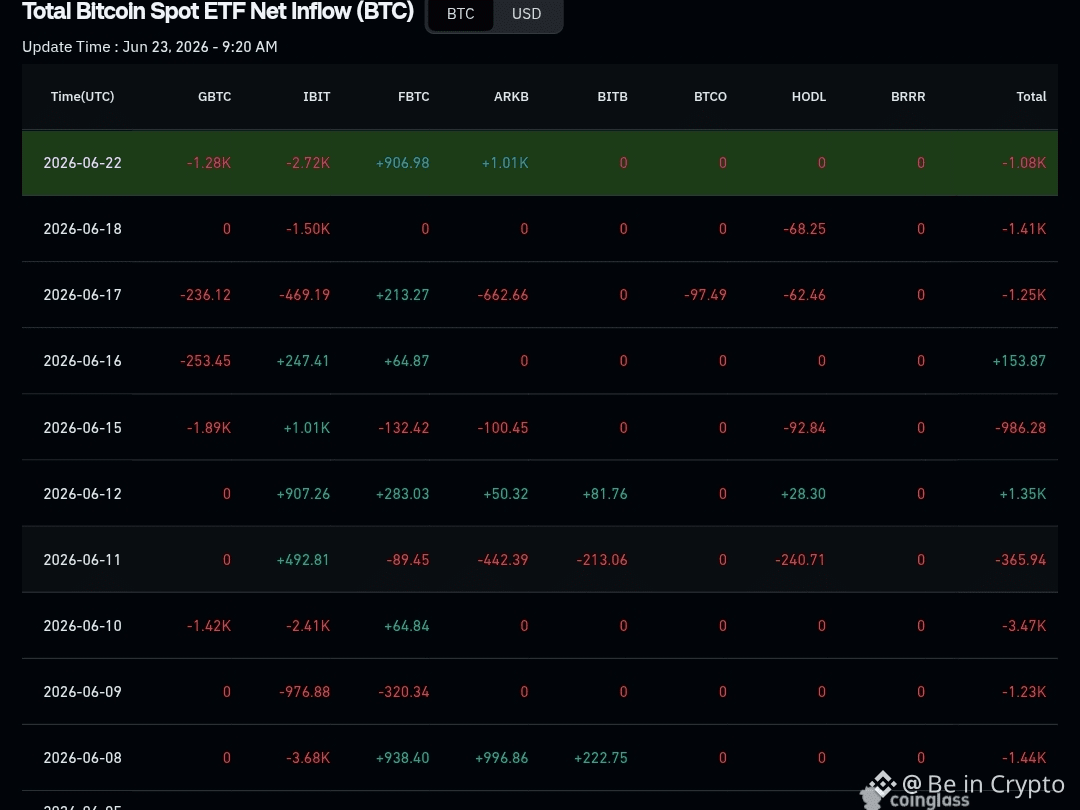
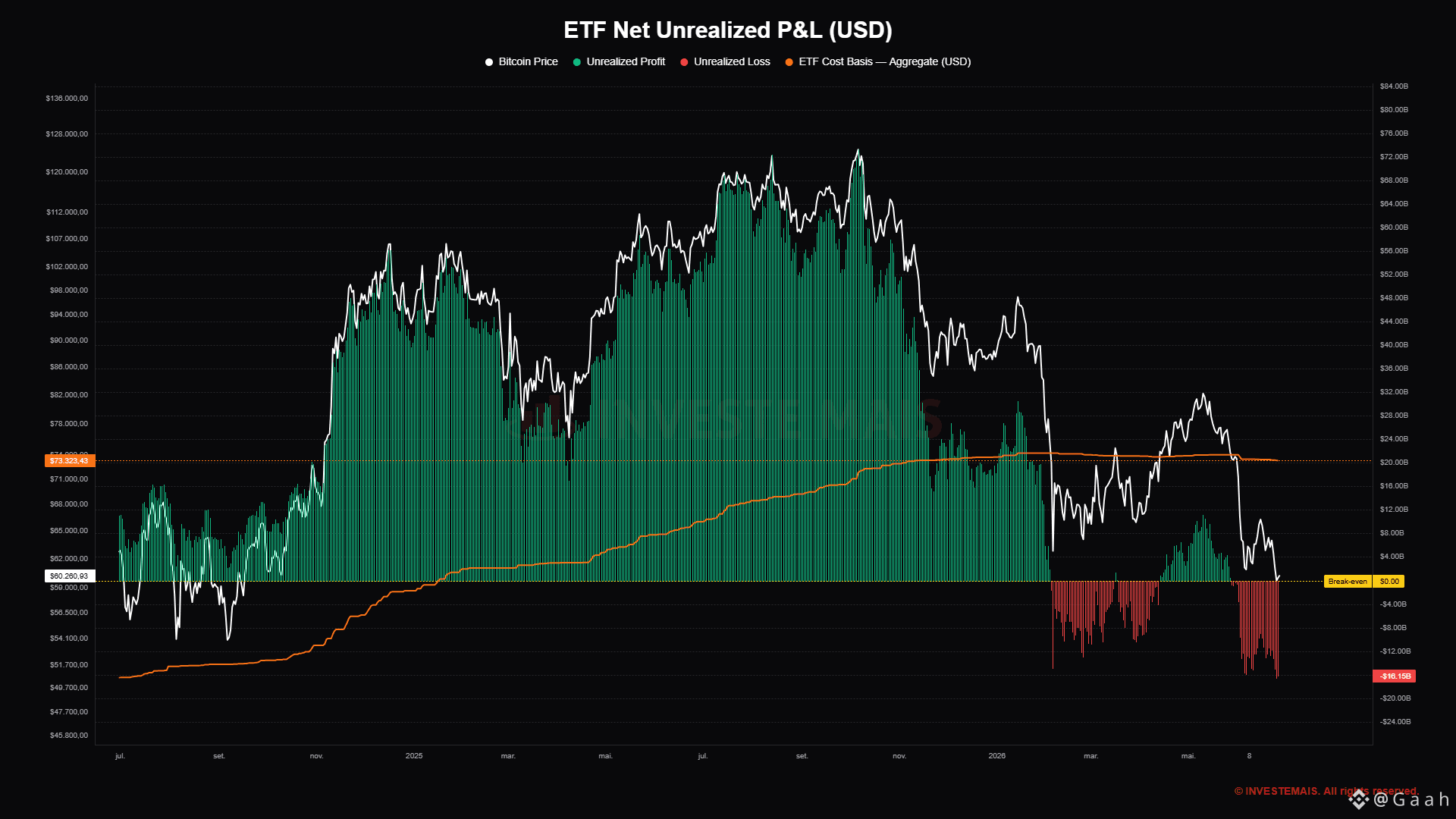
🚨 Bitcoin ETFs recorded significant outflows yesterday
over $6.3 billion$ exiting the funds over the last 30 days—the longest consecutive outflow streak on record
the reons are Three major force to sell
1. BlackRock's Head of Digital Assets, Robbie Mitchnick, laid it out clearly yesterday. Institutional investors aren't necessarily hating on crypto; **they are aggressively chasing the AI trade.** Trillions of dollars are rotating away from traditional alternative assets (like Bitcoin and Gold)
2.New Fed Chair Kevin Warsh took a strict hawkish stance to fight inflation, pushing U.S. Treasury yields to new highs. then Why hold volatile BTC when guaranteed government debt is paying top dollar?.
3.Easing geopolitical tensions have reduced demand for hedge assets like Bitcoin.
As investors redeemed ETF shares, issuers were forced to sell some of their BTC holdings to meet those withdrawals.
This looks more like a macro capital rotation than a loss of confidence in Bitcoin itself.
do you think is there any other resons was the biggest driver behind yesterday's outflows? 👇
$BTC
{future}(BTCUSDT)
#BTC #ETFvsBTC #BlackRock #MarketSentimentToday #AI
🚨 Bitcoin ETFs recorded significant outflows yesterday
over $6.3 billion$ exiting the funds over the last 30 days—the longest consecutive outflow streak on record
the reons are Three major force to sell
1. BlackRock's Head of Digital Assets, Robbie Mitchnick, laid it out clearly yesterday. Institutional investors aren't necessarily hating on crypto; **they are aggressively chasing the AI trade.** Trillions of dollars are rotating away from traditional alternative assets (like Bitcoin and Gold)
2.New Fed Chair Kevin Warsh took a strict hawkish stance to fight inflation, pushing U.S. Treasury yields to new highs. then Why hold volatile BTC when guaranteed government debt is paying top dollar?.
3.Easing geopolitical tensions have reduced demand for hedge assets like Bitcoin.
As investors redeemed ETF shares, issuers were forced to sell some of their BTC holdings to meet those withdrawals.
This looks more like a macro capital rotation than a loss of confidence in Bitcoin itself.
do you think is there any other resons was the biggest driver behind yesterday's outflows? 👇
$BTC
#BTC #ETFvsBTC #BlackRock #MarketSentimentToday #AI
over $6.3 billion$ exiting the funds over the last 30 days—the longest consecutive outflow streak on record
the reons are Three major force to sell
1. BlackRock's Head of Digital Assets, Robbie Mitchnick, laid it out clearly yesterday. Institutional investors aren't necessarily hating on crypto; **they are aggressively chasing the AI trade.** Trillions of dollars are rotating away from traditional alternative assets (like Bitcoin and Gold)
2.New Fed Chair Kevin Warsh took a strict hawkish stance to fight inflation, pushing U.S. Treasury yields to new highs. then Why hold volatile BTC when guaranteed government debt is paying top dollar?.
3.Easing geopolitical tensions have reduced demand for hedge assets like Bitcoin.
As investors redeemed ETF shares, issuers were forced to sell some of their BTC holdings to meet those withdrawals.
This looks more like a macro capital rotation than a loss of confidence in Bitcoin itself.
do you think is there any other resons was the biggest driver behind yesterday's outflows? 👇
$BTC
#BTC #ETFvsBTC #BlackRock #MarketSentimentToday #AI
119


·
--

Article
Institutional Wave:Spot ETFs Reshaping Bitcoin 📈
The financial landscape has experienced a historic paradigm shift with the explosive structural growth of spot exchange-traded funds. Traditional asset management giants have officially bridged the legacy gap, allowing Wall Street capital to flow seamlessly into the cryptocurrency ecosystem. For $BTC
{spot}(BTCUSDT)
, this institutional validation marks a massive transition from a niche speculative tool into a premier globally recognized asset class. By providing a fully regulated investment pipeline, spot vehicles eliminate the technical hurdles of self-custody and regulatory ambiguity for wealth managers. Consequently, multi-billion-dollar pension funds, corporate treasuries, and sovereign entities are strategically integrating @BitcoinKE into their long-term balance sheets. This permanent wave of institutional demand fundamentally alters market liquidity and dampens historic volatility cycles. As structural access expands globally, the digital commodity firmly establishes itself alongside legacy gold, cementing a decentralized future within mainstream portfolios. 🏛️
#ETFvsBTC #Finance #Institutional #Investing #WallStreet
Institutional Wave:
Spot ETFs Reshaping Bitcoin 📈
The financial landscape has experienced a historic paradigm shift with the explosive structural growth of spot exchange-traded funds. Traditional asset management giants have officially bridged the legacy gap, allowing Wall Street capital to flow seamlessly into the cryptocurrency ecosystem. For $BTC
, this institutional validation marks a massive transition from a niche speculative tool into a premier globally recognized asset class. By providing a fully regulated investment pipeline, spot vehicles eliminate the technical hurdles of self-custody and regulatory ambiguity for wealth managers. Consequently, multi-billion-dollar pension funds, corporate treasuries, and sovereign entities are strategically integrating @BitcoinKE into their long-term balance sheets. This permanent wave of institutional demand fundamentally alters market liquidity and dampens historic volatility cycles. As structural access expands globally, the digital commodity firmly establishes itself alongside legacy gold, cementing a decentralized future within mainstream portfolios. 🏛️
#ETFvsBTC #Finance #Institutional #Investing #WallStreet
The financial landscape has experienced a historic paradigm shift with the explosive structural growth of spot exchange-traded funds. Traditional asset management giants have officially bridged the legacy gap, allowing Wall Street capital to flow seamlessly into the cryptocurrency ecosystem. For $BTC
, this institutional validation marks a massive transition from a niche speculative tool into a premier globally recognized asset class. By providing a fully regulated investment pipeline, spot vehicles eliminate the technical hurdles of self-custody and regulatory ambiguity for wealth managers. Consequently, multi-billion-dollar pension funds, corporate treasuries, and sovereign entities are strategically integrating @BitcoinKE into their long-term balance sheets. This permanent wave of institutional demand fundamentally alters market liquidity and dampens historic volatility cycles. As structural access expands globally, the digital commodity firmly establishes itself alongside legacy gold, cementing a decentralized future within mainstream portfolios. 🏛️
#ETFvsBTC #Finance #Institutional #Investing #WallStreet
63

#ETFvsBTC
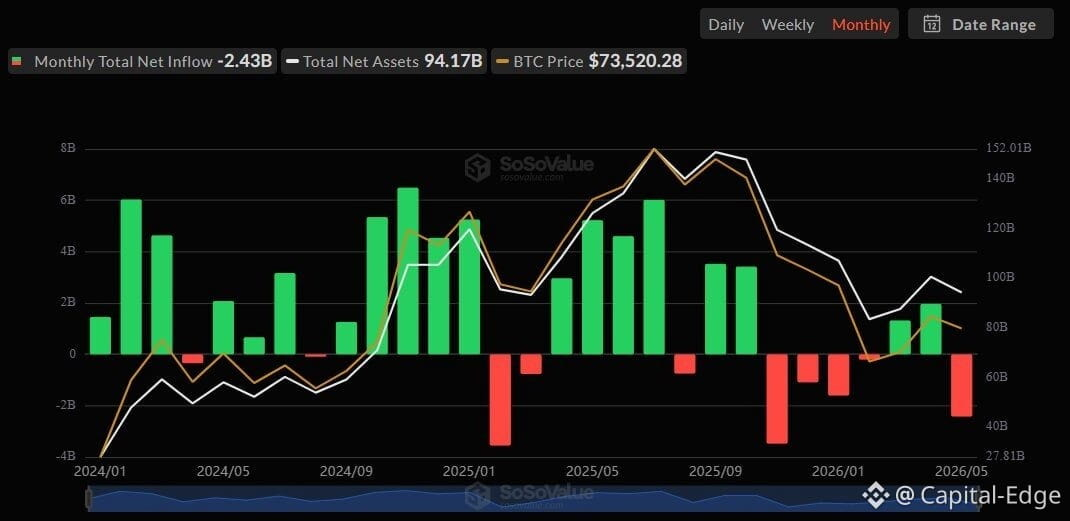
*Bitcoin ETF Outflows Hit $2.43B in May: Institutions Are Selling*
Fresh SoSoValue data shows Monthly Total Net Inflow at -$2.43B for May 2026. Total Net Assets dropped to $94.17B while BTC price holds $73,520.28.
*Chart Breakdown:*
1. *Big Red Bar*: May 2026 printed the largest outflow since Jan 2025. Green bars dominated the 2024 bull run, but 2026 is all red. That’s $2.43B pulled from BTC ETFs in one month.
2. *Price vs Flows*: BTC price and Total Net Assets move together. Both topped around Sept 2025 near $140B AUM. Since then, assets crashed from $152B to $94.17B. Price followed from $116K+ down to $73.5K.
3. *Pattern Shift*: From Jan 2024 to Sept 2025, inflows were massive. After Sept 2025, red outflow bars started. Q4 2025 and Q1 2026 saw heavy selling. Small bounce in April failed, and May flushed hard.
*Why It Matters*:
ETF flows drive this cycle. When institutions buy, BTC rips. When they sell, the whole market tanks. This -$2.43B matches the total market cap dropping 31% to $2.18T, BTC at $62.6K on CoinMarketCap, and alts bleeding 6-9%. Smart money is exiting.
*Bottom Line*:
Until green inflow bars return, rallies get sold. $94.17B AUM is the lowest since early 2025. If June prints another red bar, expect BTC to test $60K and drag the market lower.
Not financial advice. ETF data lags but shows real institutional sentiment.
#ETFvsBTC
*Bitcoin ETF Outflows Hit $2.43B in May: Institutions Are Selling*
Fresh SoSoValue data shows Monthly Total Net Inflow at -$2.43B for May 2026. Total Net Assets dropped to $94.17B while BTC price holds $73,520.28.
*Chart Breakdown:*
1. *Big Red Bar*: May 2026 printed the largest outflow since Jan 2025. Green bars dominated the 2024 bull run, but 2026 is all red. That’s $2.43B pulled from BTC ETFs in one month.
2. *Price vs Flows*: BTC price and Total Net Assets move together. Both topped around Sept 2025 near $140B AUM. Since then, assets crashed from $152B to $94.17B. Price followed from $116K+ down to $73.5K.
3. *Pattern Shift*: From Jan 2024 to Sept 2025, inflows were massive. After Sept 2025, red outflow bars started. Q4 2025 and Q1 2026 saw heavy selling. Small bounce in April failed, and May flushed hard.
*Why It Matters*:
ETF flows drive this cycle. When institutions buy, BTC rips. When they sell, the whole market tanks. This -$2.43B matches the total market cap dropping 31% to $2.18T, BTC at $62.6K on CoinMarketCap, and alts bleeding 6-9%. Smart money is exiting.
*Bottom Line*:
Until green inflow bars return, rallies get sold. $94.17B AUM is the lowest since early 2025. If June prints another red bar, expect BTC to test $60K and drag the market lower.
Not financial advice. ETF data lags but shows real institutional sentiment.
*Bitcoin ETF Outflows Hit $2.43B in May: Institutions Are Selling*
Fresh SoSoValue data shows Monthly Total Net Inflow at -$2.43B for May 2026. Total Net Assets dropped to $94.17B while BTC price holds $73,520.28.
*Chart Breakdown:*
1. *Big Red Bar*: May 2026 printed the largest outflow since Jan 2025. Green bars dominated the 2024 bull run, but 2026 is all red. That’s $2.43B pulled from BTC ETFs in one month.
2. *Price vs Flows*: BTC price and Total Net Assets move together. Both topped around Sept 2025 near $140B AUM. Since then, assets crashed from $152B to $94.17B. Price followed from $116K+ down to $73.5K.
3. *Pattern Shift*: From Jan 2024 to Sept 2025, inflows were massive. After Sept 2025, red outflow bars started. Q4 2025 and Q1 2026 saw heavy selling. Small bounce in April failed, and May flushed hard.
*Why It Matters*:
ETF flows drive this cycle. When institutions buy, BTC rips. When they sell, the whole market tanks. This -$2.43B matches the total market cap dropping 31% to $2.18T, BTC at $62.6K on CoinMarketCap, and alts bleeding 6-9%. Smart money is exiting.
*Bottom Line*:
Until green inflow bars return, rallies get sold. $94.17B AUM is the lowest since early 2025. If June prints another red bar, expect BTC to test $60K and drag the market lower.
Not financial advice. ETF data lags but shows real institutional sentiment.
99

·
--
Article
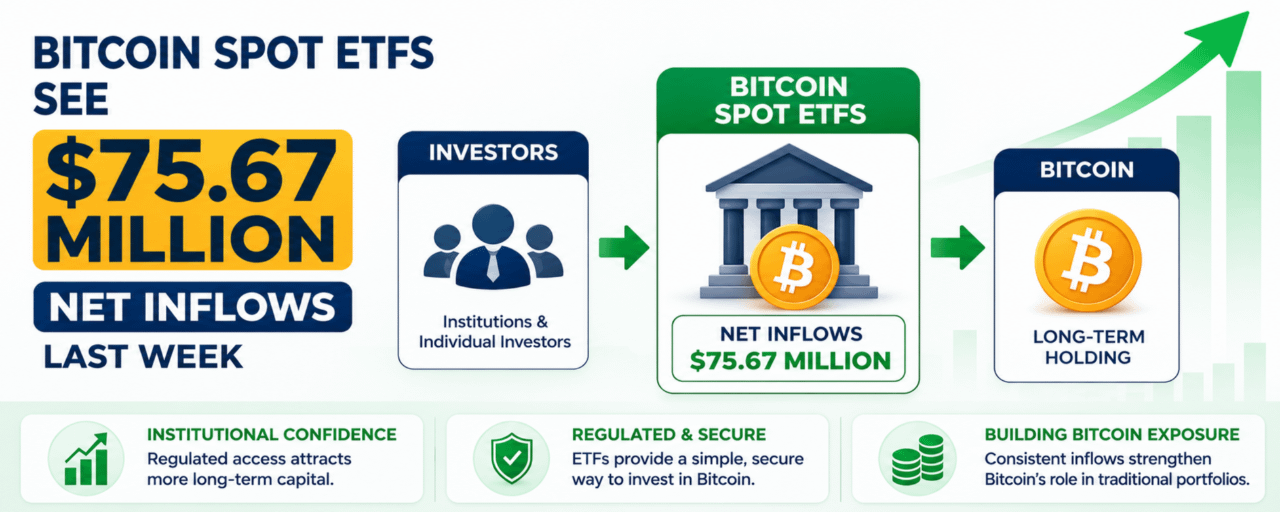
Bitcoin ETFs Keep Attracting Capital Why Steady Inflows Matter More Than Big Headlines@bitcoin spot ETFs recorded $75.67 million in net inflows last week, adding another chapter to one of the biggest shifts in the cryptocurrency market over the past two years. While the figure isn't the largest weekly inflow on record, it highlights something that often goes unnoticed: consistent institutional demand can be more meaningful than a single week of explosive buying.
Crypto investors naturally pay attention to price movements, but capital flows often tell a deeper story. ETF inflows reveal where money is actually moving, offering insight into how investors are positioning themselves beyond short-term market sentiment.
The latest inflows suggest that institutional interest in Bitcoin remains intact despite ongoing macroeconomic uncertainty. Markets continue to face questions around interest rates, inflation, and global economic growth, yet investors are still allocating fresh capital to regulated Bitcoin investment products.
That's an important distinction.
Unlike retail-driven buying during previous crypto cycles, ETF investments are often part of longer-term portfolio strategies. Pension funds, wealth managers, family offices, and institutional investors typically don't make allocation decisions based on daily price swings. Their investment process tends to be slower, more research-driven, and focused on long-term exposure rather than short-term speculation.
This gradual accumulation can create a different type of market dynamic.
Instead of sudden bursts of demand followed by equally sharp selling, steady #etf inflows provide a more consistent source of buying pressure. While they don't guarantee higher prices, they contribute to improving market depth and reinforce Bitcoin's growing role within traditional investment portfolios.
Another reason these inflows matter is what they represent psychologically.
Just a few years ago, many institutional investors viewed Bitcoin as an experimental asset. Today, regulated spot ETFs have made Bitcoin significantly easier to access without requiring investors to manage private keys or navigate cryptocurrency exchanges directly. That accessibility continues lowering barriers for traditional investors entering the market.
It's also worth remembering that ETF flows rarely move in a straight line. Some weeks see large inflows, while others experience modest outflows as investors rebalance portfolios or respond to changing macro conditions. Looking at a single week in isolation can be misleading. The broader trend remains far more valuable than individual data points.
The latest figures reinforce that broader trend.
Even during periods of uncertainty, capital continues finding its way into Bitcoin through regulated investment vehicles. That suggests many investors are treating Bitcoin less as a short-term trade and more as a strategic allocation within diversified portfolios.
Ultimately, ETF inflows are about more than numbers.
They reflect confidence, accessibility, and the gradual integration of digital assets into mainstream finance. Whether weekly inflows are $75 million or several billion, the bigger story is that institutional participation continues to grow.
For Bitcoin, that may prove more important over the long term than any single week's price movement.
$BTC $MSTR $MSTRon
#ETFs #ETFvsBTC #bitcoin
Bitcoin ETFs Keep Attracting Capital Why Steady Inflows Matter More Than Big Headlines
@Bitcoin spot ETFs recorded $75.67 million in net inflows last week, adding another chapter to one of the biggest shifts in the cryptocurrency market over the past two years. While the figure isn't the largest weekly inflow on record, it highlights something that often goes unnoticed: consistent institutional demand can be more meaningful than a single week of explosive buying.
Crypto investors naturally pay attention to price movements, but capital flows often tell a deeper story. ETF inflows reveal where money is actually moving, offering insight into how investors are positioning themselves beyond short-term market sentiment.
The latest inflows suggest that institutional interest in Bitcoin remains intact despite ongoing macroeconomic uncertainty. Markets continue to face questions around interest rates, inflation, and global economic growth, yet investors are still allocating fresh capital to regulated Bitcoin investment products.
That's an important distinction.
Unlike retail-driven buying during previous crypto cycles, ETF investments are often part of longer-term portfolio strategies. Pension funds, wealth managers, family offices, and institutional investors typically don't make allocation decisions based on daily price swings. Their investment process tends to be slower, more research-driven, and focused on long-term exposure rather than short-term speculation.
This gradual accumulation can create a different type of market dynamic.
Instead of sudden bursts of demand followed by equally sharp selling, steady #etf inflows provide a more consistent source of buying pressure. While they don't guarantee higher prices, they contribute to improving market depth and reinforce Bitcoin's growing role within traditional investment portfolios.
Another reason these inflows matter is what they represent psychologically.
Just a few years ago, many institutional investors viewed Bitcoin as an experimental asset. Today, regulated spot ETFs have made Bitcoin significantly easier to access without requiring investors to manage private keys or navigate cryptocurrency exchanges directly. That accessibility continues lowering barriers for traditional investors entering the market.
It's also worth remembering that ETF flows rarely move in a straight line. Some weeks see large inflows, while others experience modest outflows as investors rebalance portfolios or respond to changing macro conditions. Looking at a single week in isolation can be misleading. The broader trend remains far more valuable than individual data points.
The latest figures reinforce that broader trend.
Even during periods of uncertainty, capital continues finding its way into Bitcoin through regulated investment vehicles. That suggests many investors are treating Bitcoin less as a short-term trade and more as a strategic allocation within diversified portfolios.
Ultimately, ETF inflows are about more than numbers.
They reflect confidence, accessibility, and the gradual integration of digital assets into mainstream finance. Whether weekly inflows are $75 million or several billion, the bigger story is that institutional participation continues to grow.
For Bitcoin, that may prove more important over the long term than any single week's price movement.
$BTC $MSTR $MSTRon
#ETFs #ETFvsBTC #bitcoin
Crypto investors naturally pay attention to price movements, but capital flows often tell a deeper story. ETF inflows reveal where money is actually moving, offering insight into how investors are positioning themselves beyond short-term market sentiment.
The latest inflows suggest that institutional interest in Bitcoin remains intact despite ongoing macroeconomic uncertainty. Markets continue to face questions around interest rates, inflation, and global economic growth, yet investors are still allocating fresh capital to regulated Bitcoin investment products.
That's an important distinction.
Unlike retail-driven buying during previous crypto cycles, ETF investments are often part of longer-term portfolio strategies. Pension funds, wealth managers, family offices, and institutional investors typically don't make allocation decisions based on daily price swings. Their investment process tends to be slower, more research-driven, and focused on long-term exposure rather than short-term speculation.
This gradual accumulation can create a different type of market dynamic.
Instead of sudden bursts of demand followed by equally sharp selling, steady #etf inflows provide a more consistent source of buying pressure. While they don't guarantee higher prices, they contribute to improving market depth and reinforce Bitcoin's growing role within traditional investment portfolios.
Another reason these inflows matter is what they represent psychologically.
Just a few years ago, many institutional investors viewed Bitcoin as an experimental asset. Today, regulated spot ETFs have made Bitcoin significantly easier to access without requiring investors to manage private keys or navigate cryptocurrency exchanges directly. That accessibility continues lowering barriers for traditional investors entering the market.
It's also worth remembering that ETF flows rarely move in a straight line. Some weeks see large inflows, while others experience modest outflows as investors rebalance portfolios or respond to changing macro conditions. Looking at a single week in isolation can be misleading. The broader trend remains far more valuable than individual data points.
The latest figures reinforce that broader trend.
Even during periods of uncertainty, capital continues finding its way into Bitcoin through regulated investment vehicles. That suggests many investors are treating Bitcoin less as a short-term trade and more as a strategic allocation within diversified portfolios.
Ultimately, ETF inflows are about more than numbers.
They reflect confidence, accessibility, and the gradual integration of digital assets into mainstream finance. Whether weekly inflows are $75 million or several billion, the bigger story is that institutional participation continues to grow.
For Bitcoin, that may prove more important over the long term than any single week's price movement.
$BTC $MSTR $MSTRon
#ETFs #ETFvsBTC #bitcoin
2
279

·
--
🚨 JUST IN: U.S. spot Bitcoin ETFs had a massive August. ₿
They pulled in $3.5 billion during the month — their biggest monthly inflow since July 2025.
Institutional demand is clearly still strong.
🔥 But here’s the real question: Are these ETF inflows setting Bitcoin up for a new all-time high, or is a major pullback coming first?
What’s your BTC target for the next 3 months? 👀
#BTC #ETFvsBTC $BITCOIN
🚨 JUST IN: U.S. spot Bitcoin ETFs had a massive August. ₿
They pulled in $3.5 billion during the month — their biggest monthly inflow since July 2025.
Institutional demand is clearly still strong.
🔥 But here’s the real question: Are these ETF inflows setting Bitcoin up for a new all-time high, or is a major pullback coming first?
What’s your BTC target for the next 3 months? 👀
#BTC #ETFvsBTC $BITCOIN
They pulled in $3.5 billion during the month — their biggest monthly inflow since July 2025.
Institutional demand is clearly still strong.
🔥 But here’s the real question: Are these ETF inflows setting Bitcoin up for a new all-time high, or is a major pullback coming first?
What’s your BTC target for the next 3 months? 👀
#BTC #ETFvsBTC $BITCOIN
88

·
--
Partly True
Article
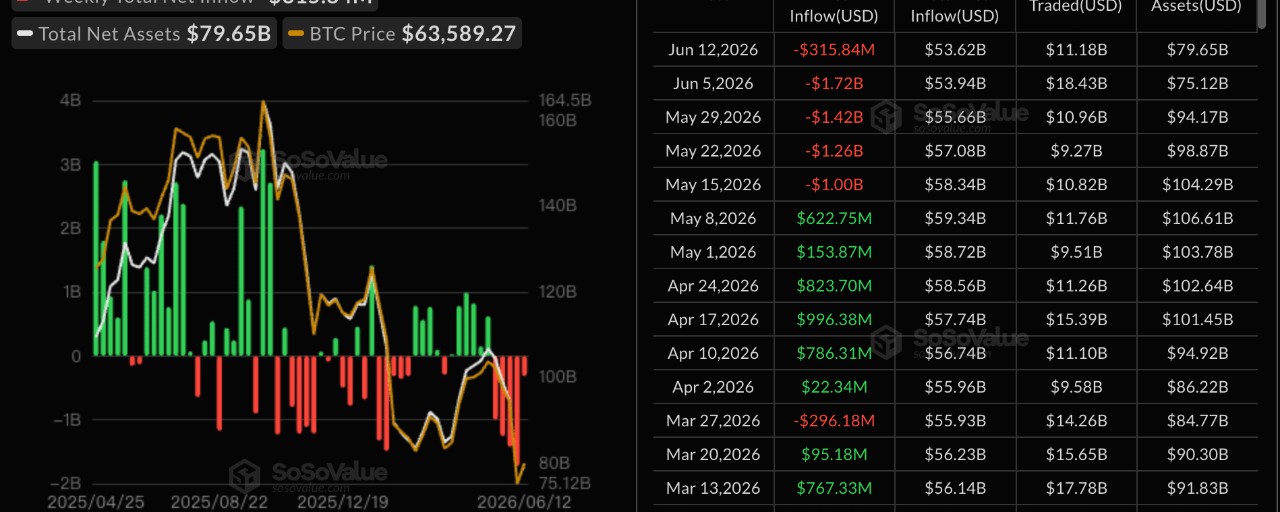
Bitcoin ETFs Extend Losing Streak as Investors Pull $316M in One WeekBitcoin spot ETFs continued to face selling pressure last week, recording net outflows of $316 million and marking the fifth consecutive week of investor withdrawals.
According to market data from SoSoValue, U.S. Bitcoin spot ETFs experienced significant outflows during the trading week of June 8–12 (Eastern Time), reflecting cautious sentiment among institutional investors despite Bitcoin's recent price movements.
Leading the outflows was BlackRock's IBIT ETF, which recorded $355 million in net outflows during the week. Despite this decline, IBIT remains the dominant Bitcoin ETF with cumulative net inflows totaling $62.11 billion since launch.
Meanwhile, Grayscale's GBTC saw investors withdraw approximately $87.9 million, pushing its total historical net outflows to $26.85 billion, continuing a long-term trend of capital leaving the fund.
On the positive side, Fidelity's FBTC stood out as the strongest performer among Bitcoin ETFs, attracting $55.7 million in net inflows. The fund's cumulative inflows have now reached $10.45 billion.
The latest data highlights ongoing caution in the crypto investment landscape as institutional investors continue adjusting their exposure to Bitcoin through ETF products.
#BTC #ETFvsBTC #ETFs. $BTC #ETFs $ETH
{spot}(BTCUSDT)
Bitcoin ETFs Extend Losing Streak as Investors Pull $316M in One Week
Bitcoin spot ETFs continued to face selling pressure last week, recording net outflows of $316 million and marking the fifth consecutive week of investor withdrawals.
According to market data from SoSoValue, U.S. Bitcoin spot ETFs experienced significant outflows during the trading week of June 8–12 (Eastern Time), reflecting cautious sentiment among institutional investors despite Bitcoin's recent price movements.
Leading the outflows was BlackRock's IBIT ETF, which recorded $355 million in net outflows during the week. Despite this decline, IBIT remains the dominant Bitcoin ETF with cumulative net inflows totaling $62.11 billion since launch.
Meanwhile, Grayscale's GBTC saw investors withdraw approximately $87.9 million, pushing its total historical net outflows to $26.85 billion, continuing a long-term trend of capital leaving the fund.
On the positive side, Fidelity's FBTC stood out as the strongest performer among Bitcoin ETFs, attracting $55.7 million in net inflows. The fund's cumulative inflows have now reached $10.45 billion.
The latest data highlights ongoing caution in the crypto investment landscape as institutional investors continue adjusting their exposure to Bitcoin through ETF products.
#BTC #ETFvsBTC #ETFs. $BTC #ETFs $ETH
According to market data from SoSoValue, U.S. Bitcoin spot ETFs experienced significant outflows during the trading week of June 8–12 (Eastern Time), reflecting cautious sentiment among institutional investors despite Bitcoin's recent price movements.
Leading the outflows was BlackRock's IBIT ETF, which recorded $355 million in net outflows during the week. Despite this decline, IBIT remains the dominant Bitcoin ETF with cumulative net inflows totaling $62.11 billion since launch.
Meanwhile, Grayscale's GBTC saw investors withdraw approximately $87.9 million, pushing its total historical net outflows to $26.85 billion, continuing a long-term trend of capital leaving the fund.
On the positive side, Fidelity's FBTC stood out as the strongest performer among Bitcoin ETFs, attracting $55.7 million in net inflows. The fund's cumulative inflows have now reached $10.45 billion.
The latest data highlights ongoing caution in the crypto investment landscape as institutional investors continue adjusting their exposure to Bitcoin through ETF products.
#BTC #ETFvsBTC #ETFs. $BTC #ETFs $ETH
472

·
--
$2.6 billion makes a comeback in Crypto: This rally isn’t just about short liquidations anymore.
U.S. spot Bitcoin and Ethereum ETFs have just delivered their strongest week of the year.
BTC ETFs saw about $1.9 billion in net inflows for the week, ETH ETFs about $697 million in net inflows, totaling roughly $2.6 billion—its highest level since October 2025.
Even more eye-catching is the trading volume.
BTC ETFs traded about $22.1 billion over the week, up 219% from the prior week; ETH ETFs traded about $6.9 billion, a 259% increase.
Put together, that’s nearly $29 billion.
A few days ago, BTC surged from $64,000 straight up to nearly $80,000, and many attributed the move to short squeezes.
Now that the full data is in, you can see another force has already stepped in: institutional money has really returned.
BTC ETFs had net inflows of $517 million on Wednesday and another $606 million on Thursday; among that, BlackRock’s IBIT alone pulled in about $503 million in a single day.
ETH hasn’t fallen behind either.
ETH ETF net assets rose from $10.5 billion to $14.3 billion over the week—an increase of nearly 36%—with both capital and coin prices rising at the same time.
At the moment, BTC is around $77,000–$77,300 depending on real-time sources, and ETH is around $2,415–$2,425.1
This set of data shows the market structure is changing:
Short squeezes are responsible for lifting prices, and ETF capital is starting to take hold at higher levels.
But it’s still too early to declare that a “new bull market” has officially begun.
So far this year, BTC ETFs are still cumulatively net outflow by about $2.9 billion, and ETH ETFs are also still net outflow by about $192 million.
In other words, this week is very strong, but it hasn’t fully closed the funding gap left behind earlier this year.
Next, if ETFs maintain large net inflows for a second and third consecutive week, only then will the character of this rally truly upgrade from a “bounce” to a “capital trend.”$BTC $ETH #etf #ETFvsBTC
$2.6 billion makes a comeback in Crypto: This rally isn’t just about short liquidations anymore.
U.S. spot Bitcoin and Ethereum ETFs have just delivered their strongest week of the year.
BTC ETFs saw about $1.9 billion in net inflows for the week, ETH ETFs about $697 million in net inflows, totaling roughly $2.6 billion—its highest level since October 2025.
Even more eye-catching is the trading volume.
BTC ETFs traded about $22.1 billion over the week, up 219% from the prior week; ETH ETFs traded about $6.9 billion, a 259% increase.
Put together, that’s nearly $29 billion.
A few days ago, BTC surged from $64,000 straight up to nearly $80,000, and many attributed the move to short squeezes.
Now that the full data is in, you can see another force has already stepped in: institutional money has really returned.
BTC ETFs had net inflows of $517 million on Wednesday and another $606 million on Thursday; among that, BlackRock’s IBIT alone pulled in about $503 million in a single day.
ETH hasn’t fallen behind either.
ETH ETF net assets rose from $10.5 billion to $14.3 billion over the week—an increase of nearly 36%—with both capital and coin prices rising at the same time.
At the moment, BTC is around $77,000–$77,300 depending on real-time sources, and ETH is around $2,415–$2,425.1
This set of data shows the market structure is changing:
Short squeezes are responsible for lifting prices, and ETF capital is starting to take hold at higher levels.
But it’s still too early to declare that a “new bull market” has officially begun.
So far this year, BTC ETFs are still cumulatively net outflow by about $2.9 billion, and ETH ETFs are also still net outflow by about $192 million.
In other words, this week is very strong, but it hasn’t fully closed the funding gap left behind earlier this year.
Next, if ETFs maintain large net inflows for a second and third consecutive week, only then will the character of this rally truly upgrade from a “bounce” to a “capital trend.”$BTC $ETH #etf #ETFvsBTC
U.S. spot Bitcoin and Ethereum ETFs have just delivered their strongest week of the year.
BTC ETFs saw about $1.9 billion in net inflows for the week, ETH ETFs about $697 million in net inflows, totaling roughly $2.6 billion—its highest level since October 2025.
Even more eye-catching is the trading volume.
BTC ETFs traded about $22.1 billion over the week, up 219% from the prior week; ETH ETFs traded about $6.9 billion, a 259% increase.
Put together, that’s nearly $29 billion.
A few days ago, BTC surged from $64,000 straight up to nearly $80,000, and many attributed the move to short squeezes.
Now that the full data is in, you can see another force has already stepped in: institutional money has really returned.
BTC ETFs had net inflows of $517 million on Wednesday and another $606 million on Thursday; among that, BlackRock’s IBIT alone pulled in about $503 million in a single day.
ETH hasn’t fallen behind either.
ETH ETF net assets rose from $10.5 billion to $14.3 billion over the week—an increase of nearly 36%—with both capital and coin prices rising at the same time.
At the moment, BTC is around $77,000–$77,300 depending on real-time sources, and ETH is around $2,415–$2,425.1
This set of data shows the market structure is changing:
Short squeezes are responsible for lifting prices, and ETF capital is starting to take hold at higher levels.
But it’s still too early to declare that a “new bull market” has officially begun.
So far this year, BTC ETFs are still cumulatively net outflow by about $2.9 billion, and ETH ETFs are also still net outflow by about $192 million.
In other words, this week is very strong, but it hasn’t fully closed the funding gap left behind earlier this year.
Next, if ETFs maintain large net inflows for a second and third consecutive week, only then will the character of this rally truly upgrade from a “bounce” to a “capital trend.”$BTC $ETH #etf #ETFvsBTC

5
30
17k

·
--
🏛️ INSTITUTIONAL GREEN LIGHT FOR THE BITCOIN ETF! 📊
An unprecedented milestone for the financial industry: regulators have officially approved the integration of spot Bitcoin ETFs. This step paves the way for billions of dollars in institutional capital and cements Bitcoin as a global reserve asset.
📈 The crypto market is entering a new era of maturity and massive liquidity.
💬 Do you think this approval will forever change the traditional financial market?
I’m reading your thoughts in the comments! 👇
#BTC #ETFvsBTC #blockchain
🏛️ INSTITUTIONAL GREEN LIGHT FOR THE BITCOIN ETF! 📊
An unprecedented milestone for the financial industry: regulators have officially approved the integration of spot Bitcoin ETFs. This step paves the way for billions of dollars in institutional capital and cements Bitcoin as a global reserve asset.
📈 The crypto market is entering a new era of maturity and massive liquidity.
💬 Do you think this approval will forever change the traditional financial market?
I’m reading your thoughts in the comments! 👇
#BTC #ETFvsBTC #blockchain
An unprecedented milestone for the financial industry: regulators have officially approved the integration of spot Bitcoin ETFs. This step paves the way for billions of dollars in institutional capital and cements Bitcoin as a global reserve asset.
📈 The crypto market is entering a new era of maturity and massive liquidity.
💬 Do you think this approval will forever change the traditional financial market?
I’m reading your thoughts in the comments! 👇
#BTC #ETFvsBTC #blockchain

1
1
2
447

#ETFvsBTC #ETFvsBTC
Bitcoin and ETFs are shaping the future of finance in different ways.
🔹 BTC offers true ownership, decentralization, and 24/7 market access.
🔹 ETFs provide a familiar and regulated path for traditional investors.
🔹 Bitcoin lets you hold the asset directly, while ETFs offer exposure through financial markets.
🔹 Growing ETF adoption could bring more institutional capital into the crypto space.
In my view, ETFs help drive adoption, but Bitcoin remains the foundation of the digital asset ecosystem.
What do you prefer: Direct BTC ownership or Bitcoin ETFs?
#ETFvsBTC #Bitcoin #BTC #Crypto #Investing #Blockchain #BinanceSquare 🚀
#ETFvsBTC #ETFvsBTC
Bitcoin and ETFs are shaping the future of finance in different ways.
🔹 BTC offers true ownership, decentralization, and 24/7 market access.
🔹 ETFs provide a familiar and regulated path for traditional investors.
🔹 Bitcoin lets you hold the asset directly, while ETFs offer exposure through financial markets.
🔹 Growing ETF adoption could bring more institutional capital into the crypto space.
In my view, ETFs help drive adoption, but Bitcoin remains the foundation of the digital asset ecosystem.
What do you prefer: Direct BTC ownership or Bitcoin ETFs?
#ETFvsBTC #Bitcoin #BTC #Crypto #Investing #Blockchain #BinanceSquare 🚀
Bitcoin and ETFs are shaping the future of finance in different ways.
🔹 BTC offers true ownership, decentralization, and 24/7 market access.
🔹 ETFs provide a familiar and regulated path for traditional investors.
🔹 Bitcoin lets you hold the asset directly, while ETFs offer exposure through financial markets.
🔹 Growing ETF adoption could bring more institutional capital into the crypto space.
In my view, ETFs help drive adoption, but Bitcoin remains the foundation of the digital asset ecosystem.
What do you prefer: Direct BTC ownership or Bitcoin ETFs?
#ETFvsBTC #Bitcoin #BTC #Crypto #Investing #Blockchain #BinanceSquare 🚀

1
136
Log in to explore more content
Join global crypto users on Binance Square
⚡️ Get latest and useful information about crypto.
💬 Trusted by the world’s largest crypto exchange.
👍 Discover real insights from verified creators.
Email / Phone number
Related Coins
Trending Topics
1
#EthStakingExitQueueHits2026High
5 views
19 Discussing
2
#FedOctoberHoldOdds82.3%
3 views
15 Discussing
3
#Nikkei225Jumps2.5%ToThreeMonthHigh
24,113 views
445 Discussing
4
#CircleMints$2.75BUSDCOnSolanaIn7Days
0 views
0 Discussing
5
#DriftHackVictimsBeginClaims
100,762 views
1,100 Discussing
6
#SolanaTokenizedStockVolumeTops$4.4BInSeptember
9,174 views
103 Discussing
7
#BitcoinSpotETFsDraw$6.34BInflowsInQ3
32,353 views
218 Discussing
8
#EthereumValidatorExitQueueJumps392%
239,894 views
2,088 Discussing
9
#IMFApprovesElSalvador$138MWithBitcoinWaiver
22,176 views
128 Discussing
10
#SECHaltsCryptoETFReviewsAmidFundingLapse
359,954 views
2,768 Discussing