

#dca
dca
3.6M views
6,225 Discussing
Hot
Latest

·
--
Stressed when the market dips after your initial buy? 📉
Dollar-Cost Averaging (DCA) is the structured way to build a position by buying smaller amounts over time across different price levels, instead of using all your capital at once.
Here is how you build a resilient DCA strategy with WolfBot:
1. WolfBot manages this sequence by treating it as smaller sub-orders. Technical users will see each slice tracked individually with a unique dca_index starting at 1.
2. When the price drops, subsequent DCA slices automatically buy at lower prices. This effectively lowers your overall average entry cost, removing the stress of timing the perfect entry point.
3. You must decide on and configure your risk controls beforehand, as the total position size across all slices is capped by your set exposure limit.
4. Remember that DCA does not mean ignoring risk management. The entire sequence of buys remains subject to your overall risk controls, including your total position size cap and any established drawdown guard. ⚠️
5. You must still apply a stop-loss to the entire position, even with automated buying slices in place. ✅
To understand the mechanics of setting up this sequence, review our detailed documentation here: https://community.wolfbot.io/docs/dca-strategy
#DCA #CryptoStrategy #Automation #TradingBot #Crypto
Stressed when the market dips after your initial buy? 📉
Dollar-Cost Averaging (DCA) is the structured way to build a position by buying smaller amounts over time across different price levels, instead of using all your capital at once.
Here is how you build a resilient DCA strategy with WolfBot:
1. WolfBot manages this sequence by treating it as smaller sub-orders. Technical users will see each slice tracked individually with a unique dca_index starting at 1.
2. When the price drops, subsequent DCA slices automatically buy at lower prices. This effectively lowers your overall average entry cost, removing the stress of timing the perfect entry point.
3. You must decide on and configure your risk controls beforehand, as the total position size across all slices is capped by your set exposure limit.
4. Remember that DCA does not mean ignoring risk management. The entire sequence of buys remains subject to your overall risk controls, including your total position size cap and any established drawdown guard. ⚠️
5. You must still apply a stop-loss to the entire position, even with automated buying slices in place. ✅
To understand the mechanics of setting up this sequence, review our detailed documentation here: https://community.wolfbot.io/docs/dca-strategy
#DCA #CryptoStrategy #Automation #TradingBot #Crypto
Dollar-Cost Averaging (DCA) is the structured way to build a position by buying smaller amounts over time across different price levels, instead of using all your capital at once.
Here is how you build a resilient DCA strategy with WolfBot:
1. WolfBot manages this sequence by treating it as smaller sub-orders. Technical users will see each slice tracked individually with a unique dca_index starting at 1.
2. When the price drops, subsequent DCA slices automatically buy at lower prices. This effectively lowers your overall average entry cost, removing the stress of timing the perfect entry point.
3. You must decide on and configure your risk controls beforehand, as the total position size across all slices is capped by your set exposure limit.
4. Remember that DCA does not mean ignoring risk management. The entire sequence of buys remains subject to your overall risk controls, including your total position size cap and any established drawdown guard. ⚠️
5. You must still apply a stop-loss to the entire position, even with automated buying slices in place. ✅
To understand the mechanics of setting up this sequence, review our detailed documentation here: https://community.wolfbot.io/docs/dca-strategy
#DCA #CryptoStrategy #Automation #TradingBot #Crypto
76

·
--
📅 BTC DCA Daily Report · 2026-10-18
🟢 Bought 0.01104064 BTC today ($900.64)
━━━━━━━━━━
💰 Holdings 1.93219289 BTC
🧾 Invested $133,912.62
⚖️ Average cost $69,306.03
💹 Current price $81,584.32
📈 Unrealized P&L +$23,724.02 (+17.7%)
Added this 0.011 BTC to my wallet today, and I’m still climbing that $69K average-cost mountain.
#BTC #定投 #DCA
📅 BTC DCA Daily Report · 2026-10-18
🟢 Bought 0.01104064 BTC today ($900.64)
━━━━━━━━━━
💰 Holdings 1.93219289 BTC
🧾 Invested $133,912.62
⚖️ Average cost $69,306.03
💹 Current price $81,584.32
📈 Unrealized P&L +$23,724.02 (+17.7%)
Added this 0.011 BTC to my wallet today, and I’m still climbing that $69K average-cost mountain.
#BTC #定投 #DCA
🟢 Bought 0.01104064 BTC today ($900.64)
━━━━━━━━━━
💰 Holdings 1.93219289 BTC
🧾 Invested $133,912.62
⚖️ Average cost $69,306.03
💹 Current price $81,584.32
📈 Unrealized P&L +$23,724.02 (+17.7%)
Added this 0.011 BTC to my wallet today, and I’m still climbing that $69K average-cost mountain.
#BTC #定投 #DCA
78

·
--
DCA Journal | Day 3 of 30
The third day of the experiment, and as usual, I aimed to buy $100 worth of each asset.
Today's purchases:
₿ BTC: 99.44 USDT
🥇 XAUT: 99.77 USDT
🚀 SPCXB: 100.10 USDT
Total purchases today: 299.31 USDT
After 3 days, I now own:
₿ 0.00362637 BTC, worth 295.42 USDT
🥇 0.0723276 XAUT, worth 299.34 USDT
🚀 1.945714 SPCXB, worth 294.58 USDT
Total amount paid: 897.86 USDT
Current value of assets: 889.34 USDT
Current result: −8.52 USDT (−0.95%). An unrealized loss, and it's still too early to judge a 30-day experiment.
Figures are based on a balance snapshot, and quantities are after deducting trading fees. This is a personal experiment, not investment advice.
#يوميات_DCA #DCA #bitcoin
DCA Journal | Day 3 of 30
The third day of the experiment, and as usual, I aimed to buy $100 worth of each asset.
Today's purchases:
₿ BTC: 99.44 USDT
🥇 XAUT: 99.77 USDT
🚀 SPCXB: 100.10 USDT
Total purchases today: 299.31 USDT
After 3 days, I now own:
₿ 0.00362637 BTC, worth 295.42 USDT
🥇 0.0723276 XAUT, worth 299.34 USDT
🚀 1.945714 SPCXB, worth 294.58 USDT
Total amount paid: 897.86 USDT
Current value of assets: 889.34 USDT
Current result: −8.52 USDT (−0.95%). An unrealized loss, and it's still too early to judge a 30-day experiment.
Figures are based on a balance snapshot, and quantities are after deducting trading fees. This is a personal experiment, not investment advice.
#يوميات_DCA #DCA #bitcoin
The third day of the experiment, and as usual, I aimed to buy $100 worth of each asset.
Today's purchases:
₿ BTC: 99.44 USDT
🥇 XAUT: 99.77 USDT
🚀 SPCXB: 100.10 USDT
Total purchases today: 299.31 USDT
After 3 days, I now own:
₿ 0.00362637 BTC, worth 295.42 USDT
🥇 0.0723276 XAUT, worth 299.34 USDT
🚀 1.945714 SPCXB, worth 294.58 USDT
Total amount paid: 897.86 USDT
Current value of assets: 889.34 USDT
Current result: −8.52 USDT (−0.95%). An unrealized loss, and it's still too early to judge a 30-day experiment.
Figures are based on a balance snapshot, and quantities are after deducting trading fees. This is a personal experiment, not investment advice.
#يوميات_DCA #DCA #bitcoin
ABO3ZAM:
نهج التجميع التدريجي ممتاز لامتصاص تذبذب الأسواق، لكن إدارة المخاطر تظل الفيصل مع تنوع الأصول. راقب تمركز الزخم وتدفق السيولة لاقتناص تأكيد الارتداد، واحرص دائما على تأمين الأرباح عند مناطق الرفض السعري لضمان كفاءة المحفظة.
1
3
288
·
--
📅 BTC DCA Daily Report · 2026-10-17
🟢 Bought 0.01102779 BTC today ($900.00)
━━━━━━━━━━
💰 Holdings 1.92115225 BTC
🧾 Invested $133,011.98
⚖️ Average cost $69,235.52
💹 Current price $81,618.50
📈 Unrealized P/L +$23,789.58 (+17.9%)
Took another bite today. My average cost hasn’t budged, and I remain unshaken.
#BTC #定投 #DCA
📅 BTC DCA Daily Report · 2026-10-17
🟢 Bought 0.01102779 BTC today ($900.00)
━━━━━━━━━━
💰 Holdings 1.92115225 BTC
🧾 Invested $133,011.98
⚖️ Average cost $69,235.52
💹 Current price $81,618.50
📈 Unrealized P/L +$23,789.58 (+17.9%)
Took another bite today. My average cost hasn’t budged, and I remain unshaken.
#BTC #定投 #DCA
🟢 Bought 0.01102779 BTC today ($900.00)
━━━━━━━━━━
💰 Holdings 1.92115225 BTC
🧾 Invested $133,011.98
⚖️ Average cost $69,235.52
💹 Current price $81,618.50
📈 Unrealized P/L +$23,789.58 (+17.9%)
Took another bite today. My average cost hasn’t budged, and I remain unshaken.
#BTC #定投 #DCA
4
·
--
DCA Diary | Day 2 of 30
Today, I aimed to buy $100 worth of each asset. The gold order was executed in 3 batches, totaling 99.70 USDT.
Today's purchases:
₿ BTC: 99.90 USDT
🥇 XAUT: 99.70 USDT
🚀 SPCXB: 99.90 USDT
Total purchases today: 299.50 USDT
After two days, I now own:
₿ 0.00240759 BTC, worth 196.77 USDT
🥇 0.0482517 XAUT, worth 197.71 USDT
🚀 1.284714 SPCXB, worth 195.32 USDT
Total spent so far: 598.55 USDT
Current value of assets: 589.80 USDT
Current result: −8.75 USDT (−1.46%). An unrealized loss, and it's still too early to judge an experiment lasting 30 days.
Figures are based on asset values at the time of the update, and quantities are after trading fees.
#يوميات_DCA #DCA #bitcoin
DCA Diary | Day 2 of 30
Today, I aimed to buy $100 worth of each asset. The gold order was executed in 3 batches, totaling 99.70 USDT.
Today's purchases:
₿ BTC: 99.90 USDT
🥇 XAUT: 99.70 USDT
🚀 SPCXB: 99.90 USDT
Total purchases today: 299.50 USDT
After two days, I now own:
₿ 0.00240759 BTC, worth 196.77 USDT
🥇 0.0482517 XAUT, worth 197.71 USDT
🚀 1.284714 SPCXB, worth 195.32 USDT
Total spent so far: 598.55 USDT
Current value of assets: 589.80 USDT
Current result: −8.75 USDT (−1.46%). An unrealized loss, and it's still too early to judge an experiment lasting 30 days.
Figures are based on asset values at the time of the update, and quantities are after trading fees.
#يوميات_DCA #DCA #bitcoin
Today, I aimed to buy $100 worth of each asset. The gold order was executed in 3 batches, totaling 99.70 USDT.
Today's purchases:
₿ BTC: 99.90 USDT
🥇 XAUT: 99.70 USDT
🚀 SPCXB: 99.90 USDT
Total purchases today: 299.50 USDT
After two days, I now own:
₿ 0.00240759 BTC, worth 196.77 USDT
🥇 0.0482517 XAUT, worth 197.71 USDT
🚀 1.284714 SPCXB, worth 195.32 USDT
Total spent so far: 598.55 USDT
Current value of assets: 589.80 USDT
Current result: −8.75 USDT (−1.46%). An unrealized loss, and it's still too early to judge an experiment lasting 30 days.
Figures are based on asset values at the time of the update, and quantities are after trading fees.
#يوميات_DCA #DCA #bitcoin
3
199
·
--
Bullish
I agree with this guy; we don’t have to go there but those would be great levels to load up the truck in and around them. There is currently a lot more shorts built up, probably for the grand finale, so we either dip once more before going up or just a surprise up and up. Which way do you reckon would cause the most amount of pain for leveraged traders? 🧐 Whichever the case, I would buy a bit at every dip to get a good “average low” #dca
I agree with this guy; we don’t have to go there but those would be great levels to load up the truck in and around them. There is currently a lot more shorts built up, probably for the grand finale, so we either dip once more before going up or just a surprise up and up. Which way do you reckon would cause the most amount of pain for leveraged traders? 🧐 Whichever the case, I would buy a bit at every dip to get a good “average low” #dca
307
·
--
📅 BTC DCA Daily Report · 2026-10-16
🟢 Bought 0.01091438 BTC today ($900.00)
━━━━━━━━━━
💰 Holdings: 1.91012446 BTC
🧾 Invested: $132,111.98
⚖️ Average price: $69,164.07
💹 Current price: $82,240.96
📈 Unrealized P&L: +$24,978.49 (+18.9%)
Took another bite of 0.01 BTC—wallet’s a little fatter, and the average price is still on that same old slope.
#BTC #定投 #DCA
📅 BTC DCA Daily Report · 2026-10-16
🟢 Bought 0.01091438 BTC today ($900.00)
━━━━━━━━━━
💰 Holdings: 1.91012446 BTC
🧾 Invested: $132,111.98
⚖️ Average price: $69,164.07
💹 Current price: $82,240.96
📈 Unrealized P&L: +$24,978.49 (+18.9%)
Took another bite of 0.01 BTC—wallet’s a little fatter, and the average price is still on that same old slope.
#BTC #定投 #DCA
🟢 Bought 0.01091438 BTC today ($900.00)
━━━━━━━━━━
💰 Holdings: 1.91012446 BTC
🧾 Invested: $132,111.98
⚖️ Average price: $69,164.07
💹 Current price: $82,240.96
📈 Unrealized P&L: +$24,978.49 (+18.9%)
Took another bite of 0.01 BTC—wallet’s a little fatter, and the average price is still on that same old slope.
#BTC #定投 #DCA
6

·
--
Bullish
🏎️ F1 X BUS
WHAT’S YOUR PACE IN THE CRYPTO MARKET? 🚌
In the financial markets, I see many investors acting like Formula 1 drivers:
✨ They chase extreme speed.
✨ They want astronomical returns in next to no time.
✨ They make risky maneuvers and live on the edge of danger.
The problem? Any miscalculated turn or unexpected volatility can lead to a devastating crash and the total loss of capital. 💥
On the other hand, there’s the Bus strategy:
🚌 It follows a clearly defined route.
🚌 It travels at a steady, predictable speed.
🚌 It faces traffic and rain, but gets all its passengers safely to their destination.
In the crypto ecosystem, the “bus” is the long-term investor:
🔹 Regular, fractional purchases (DCA).
🔹 Staking to generate passive income, little by little.
🔹 Daily discipline and patience, ignoring the hype of the moment.
Formula 1 speed is impressive, but the bus’s consistency is what gets you to your ultimate goal without any surprises along the way. 🎯
What about you?
Are you driving an F1 car at the limit, or enjoying the ride with the safety of the bus? 🛠️👇
#BinanceSquare #Cripto #DCA #Mindset #Staking
$USDC $BNB $PEPE
🏎️ F1 X BUS
WHAT’S YOUR PACE IN THE CRYPTO MARKET? 🚌
In the financial markets, I see many investors acting like Formula 1 drivers:
✨ They chase extreme speed.
✨ They want astronomical returns in next to no time.
✨ They make risky maneuvers and live on the edge of danger.
The problem? Any miscalculated turn or unexpected volatility can lead to a devastating crash and the total loss of capital. 💥
On the other hand, there’s the Bus strategy:
🚌 It follows a clearly defined route.
🚌 It travels at a steady, predictable speed.
🚌 It faces traffic and rain, but gets all its passengers safely to their destination.
In the crypto ecosystem, the “bus” is the long-term investor:
🔹 Regular, fractional purchases (DCA).
🔹 Staking to generate passive income, little by little.
🔹 Daily discipline and patience, ignoring the hype of the moment.
Formula 1 speed is impressive, but the bus’s consistency is what gets you to your ultimate goal without any surprises along the way. 🎯
What about you?
Are you driving an F1 car at the limit, or enjoying the ride with the safety of the bus? 🛠️👇
#BinanceSquare #Cripto #DCA #Mindset #Staking
$USDC $BNB $PEPE
WHAT’S YOUR PACE IN THE CRYPTO MARKET? 🚌
In the financial markets, I see many investors acting like Formula 1 drivers:
✨ They chase extreme speed.
✨ They want astronomical returns in next to no time.
✨ They make risky maneuvers and live on the edge of danger.
The problem? Any miscalculated turn or unexpected volatility can lead to a devastating crash and the total loss of capital. 💥
On the other hand, there’s the Bus strategy:
🚌 It follows a clearly defined route.
🚌 It travels at a steady, predictable speed.
🚌 It faces traffic and rain, but gets all its passengers safely to their destination.
In the crypto ecosystem, the “bus” is the long-term investor:
🔹 Regular, fractional purchases (DCA).
🔹 Staking to generate passive income, little by little.
🔹 Daily discipline and patience, ignoring the hype of the moment.
Formula 1 speed is impressive, but the bus’s consistency is what gets you to your ultimate goal without any surprises along the way. 🎯
What about you?
Are you driving an F1 car at the limit, or enjoying the ride with the safety of the bus? 🛠️👇
#BinanceSquare #Cripto #DCA #Mindset #Staking
$USDC $BNB $PEPE
95
·
--
DCA Diary | Day 1 of 30 🧪
Can I stop trying to catch the market bottom? 🤔
Nobody knows where the lowest price is. So I decided to try a simpler approach: buy a fixed amount every day and track the results with numbers.
🔁 What is DCA?
It means buying a fixed amount at regular intervals, whatever the price. When the price goes up, you buy less; when it goes down, you buy more. That way, you spread your purchases over time instead of betting on a single day.
🧪 How will the experiment work?
For 30 days, I’ll buy $100 worth of each asset every day:
₿ Bitcoin
🥇 Gold (XAUT)
🚀 SpaceX via bStocks
That’s $300 a day, and $9,000 over the month—not all at once.
📊 Every day, I’ll share the value of the assets and the profit or loss. Today, I made my first purchase, and you can see the details in the image 👇
After 30 days, we’ll look at the results together: what came out ahead, what fell behind, and what I learned from the experiment.
⚠️ This is a personal experiment for learning purposes, not investment advice.
#يوميات_DCA #DCA #bitcoin
DCA Diary | Day 1 of 30 🧪
Can I stop trying to catch the market bottom? 🤔
Nobody knows where the lowest price is. So I decided to try a simpler approach: buy a fixed amount every day and track the results with numbers.
🔁 What is DCA?
It means buying a fixed amount at regular intervals, whatever the price. When the price goes up, you buy less; when it goes down, you buy more. That way, you spread your purchases over time instead of betting on a single day.
🧪 How will the experiment work?
For 30 days, I’ll buy $100 worth of each asset every day:
₿ Bitcoin
🥇 Gold (XAUT)
🚀 SpaceX via bStocks
That’s $300 a day, and $9,000 over the month—not all at once.
📊 Every day, I’ll share the value of the assets and the profit or loss. Today, I made my first purchase, and you can see the details in the image 👇
After 30 days, we’ll look at the results together: what came out ahead, what fell behind, and what I learned from the experiment.
⚠️ This is a personal experiment for learning purposes, not investment advice.
#يوميات_DCA #DCA #bitcoin
Can I stop trying to catch the market bottom? 🤔
Nobody knows where the lowest price is. So I decided to try a simpler approach: buy a fixed amount every day and track the results with numbers.
🔁 What is DCA?
It means buying a fixed amount at regular intervals, whatever the price. When the price goes up, you buy less; when it goes down, you buy more. That way, you spread your purchases over time instead of betting on a single day.
🧪 How will the experiment work?
For 30 days, I’ll buy $100 worth of each asset every day:
₿ Bitcoin
🥇 Gold (XAUT)
🚀 SpaceX via bStocks
That’s $300 a day, and $9,000 over the month—not all at once.
📊 Every day, I’ll share the value of the assets and the profit or loss. Today, I made my first purchase, and you can see the details in the image 👇
After 30 days, we’ll look at the results together: what came out ahead, what fell behind, and what I learned from the experiment.
⚠️ This is a personal experiment for learning purposes, not investment advice.
#يوميات_DCA #DCA #bitcoin
6
373
**🚨 TRYING TO NAIL THE “PERFECT BOTTOM” IS COSTING YOU DEARLY. THERE’S A BETTER STRATEGY.**
Note: 90% of beginners lose money trying to predict the exact moment to buy crypto. The 10% who build real wealth use a simple, boring, mathematically proven strategy: **DCA (Dollar Cost Averaging)**.
**📊 HOW IT WORKS IN PRACTICE:**
Instead of investing R$ 10,000 all at once and praying you don’t buy at the top, you invest R$ 500 every Monday, regardless of the price.
• **Market drops?** You buy more units with the same amount.
• **Market rises?** Your portfolio grows in value, and you keep accumulating.
• **Market moves sideways?** You keep buying without stressing.
**🔥 WHAT THE HISTORICAL DATA PROVES:**
Those who used DCA with $BTC, $SOL and $ETH in recent cycles came away with significant profits—even if they started at apparent “tops.” Consistency beats timing. Every time.
**⚠️ THE GOLDEN RULE OF RISK MANAGEMENT:**
• Invest ONLY what you can afford to set aside (never rent money)
• No leverage (futures destroy beginners)
• No rushing, no FOMO, no emotional decisions
**CRYPTO FOR EVERYONE teaches:**
DCA isn’t sexy. It won’t get you likes on Instagram. It won’t make you a millionaire in 30 days. But it’s the strategy that separates those who truly build wealth from those who just speculate and go broke.
**Do you already use DCA regularly, or are you still trying to guess the “perfect moment” to buy?**
#DCA #EstrategiaCripto #CriptoParaTodos
**🚨 TRYING TO NAIL THE “PERFECT BOTTOM” IS COSTING YOU DEARLY. THERE’S A BETTER STRATEGY.**
Note: 90% of beginners lose money trying to predict the exact moment to buy crypto. The 10% who build real wealth use a simple, boring, mathematically proven strategy: **DCA (Dollar Cost Averaging)**.
**📊 HOW IT WORKS IN PRACTICE:**
Instead of investing R$ 10,000 all at once and praying you don’t buy at the top, you invest R$ 500 every Monday, regardless of the price.
• **Market drops?** You buy more units with the same amount.
• **Market rises?** Your portfolio grows in value, and you keep accumulating.
• **Market moves sideways?** You keep buying without stressing.
**🔥 WHAT THE HISTORICAL DATA PROVES:**
Those who used DCA with $BTC, $SOL and $ETH in recent cycles came away with significant profits—even if they started at apparent “tops.” Consistency beats timing. Every time.
**⚠️ THE GOLDEN RULE OF RISK MANAGEMENT:**
• Invest ONLY what you can afford to set aside (never rent money)
• No leverage (futures destroy beginners)
• No rushing, no FOMO, no emotional decisions
**CRYPTO FOR EVERYONE teaches:**
DCA isn’t sexy. It won’t get you likes on Instagram. It won’t make you a millionaire in 30 days. But it’s the strategy that separates those who truly build wealth from those who just speculate and go broke.
**Do you already use DCA regularly, or are you still trying to guess the “perfect moment” to buy?**
#DCA #EstrategiaCripto #CriptoParaTodos
Note: 90% of beginners lose money trying to predict the exact moment to buy crypto. The 10% who build real wealth use a simple, boring, mathematically proven strategy: **DCA (Dollar Cost Averaging)**.
**📊 HOW IT WORKS IN PRACTICE:**
Instead of investing R$ 10,000 all at once and praying you don’t buy at the top, you invest R$ 500 every Monday, regardless of the price.
• **Market drops?** You buy more units with the same amount.
• **Market rises?** Your portfolio grows in value, and you keep accumulating.
• **Market moves sideways?** You keep buying without stressing.
**🔥 WHAT THE HISTORICAL DATA PROVES:**
Those who used DCA with $BTC, $SOL and $ETH in recent cycles came away with significant profits—even if they started at apparent “tops.” Consistency beats timing. Every time.
**⚠️ THE GOLDEN RULE OF RISK MANAGEMENT:**
• Invest ONLY what you can afford to set aside (never rent money)
• No leverage (futures destroy beginners)
• No rushing, no FOMO, no emotional decisions
**CRYPTO FOR EVERYONE teaches:**
DCA isn’t sexy. It won’t get you likes on Instagram. It won’t make you a millionaire in 30 days. But it’s the strategy that separates those who truly build wealth from those who just speculate and go broke.
**Do you already use DCA regularly, or are you still trying to guess the “perfect moment” to buy?**
#DCA #EstrategiaCripto #CriptoParaTodos
116

·
--
Chris Permann w0UL:
ngu dca tăng đòn bẩy cháy bà mày tk
2
299
·
--
📅 BTC DCA Daily Report · 2026-10-15
🟢 Bought 0.01103373 BTC today ($900.00)
━━━━━━━━━━
💰 Holdings: 1.89921008 BTC
🧾 Invested: $131,211.98
⚖️ Average price: $69,087.66
💹 Current price: $81,546.00
📈 Unrealized P&L: +$23,661.01 (+18.0%)
The average price is up to $69K, and my position is still halfway up the mountain, catching the breeze.
#BTC #定投 #DCA
📅 BTC DCA Daily Report · 2026-10-15
🟢 Bought 0.01103373 BTC today ($900.00)
━━━━━━━━━━
💰 Holdings: 1.89921008 BTC
🧾 Invested: $131,211.98
⚖️ Average price: $69,087.66
💹 Current price: $81,546.00
📈 Unrealized P&L: +$23,661.01 (+18.0%)
The average price is up to $69K, and my position is still halfway up the mountain, catching the breeze.
#BTC #定投 #DCA
🟢 Bought 0.01103373 BTC today ($900.00)
━━━━━━━━━━
💰 Holdings: 1.89921008 BTC
🧾 Invested: $131,211.98
⚖️ Average price: $69,087.66
💹 Current price: $81,546.00
📈 Unrealized P&L: +$23,661.01 (+18.0%)
The average price is up to $69K, and my position is still halfway up the mountain, catching the breeze.
#BTC #定投 #DCA
23
·
--
📅 BTC DCA Daily Report · 2026-10-14
🟢 Bought 0.01081886 BTC today ($900.00)
━━━━━━━━━━
💰 Holdings: 1.88817635 BTC
🧾 Invested: $130,311.98
⚖️ Average price: $69,014.73
💹 Current price: $83,190.43
📈 Unrealized P/L: +$26,766.22 (+20.5%)
It’s DCA day again. Let the market go up or down—I’m buying either way.
#BTC #定投 #DCA
📅 BTC DCA Daily Report · 2026-10-14
🟢 Bought 0.01081886 BTC today ($900.00)
━━━━━━━━━━
💰 Holdings: 1.88817635 BTC
🧾 Invested: $130,311.98
⚖️ Average price: $69,014.73
💹 Current price: $83,190.43
📈 Unrealized P/L: +$26,766.22 (+20.5%)
It’s DCA day again. Let the market go up or down—I’m buying either way.
#BTC #定投 #DCA
🟢 Bought 0.01081886 BTC today ($900.00)
━━━━━━━━━━
💰 Holdings: 1.88817635 BTC
🧾 Invested: $130,311.98
⚖️ Average price: $69,014.73
💹 Current price: $83,190.43
📈 Unrealized P/L: +$26,766.22 (+20.5%)
It’s DCA day again. Let the market go up or down—I’m buying either way.
#BTC #定投 #DCA
16

·
--
BTC stays above $82k — can support hold?
Bought BTC yesterday at $82,912, and it’s still holding firm above $82k.
My plan hasn’t changed: $5 DCA every Monday in Spot, no bots, no futures, no rush.
The market goes up and down, but those who accumulate every Monday win in the long run.
Are you accumulating or waiting for it to drop further?
#BTC #Bitcoin #DCA #Crypto #BinanceSquare
BTC stays above $82k — can support hold?
Bought BTC yesterday at $82,912, and it’s still holding firm above $82k.
My plan hasn’t changed: $5 DCA every Monday in Spot, no bots, no futures, no rush.
The market goes up and down, but those who accumulate every Monday win in the long run.
Are you accumulating or waiting for it to drop further?
#BTC #Bitcoin #DCA #Crypto #BinanceSquare
Bought BTC yesterday at $82,912, and it’s still holding firm above $82k.
My plan hasn’t changed: $5 DCA every Monday in Spot, no bots, no futures, no rush.
The market goes up and down, but those who accumulate every Monday win in the long run.
Are you accumulating or waiting for it to drop further?
#BTC #Bitcoin #DCA #Crypto #BinanceSquare
125

·
--
Binance switched on Auto Order Routing on Oct 12, and the gap it closes, a thin pair filling worse than a deep one, is the lens for a $SOL DCA bot in a week that's down 10.88%.
An eligible spot limit or market order now gets checked against a deeper intermediary pair and routed wherever the quote is better, one standard spot fee, toggled under Trading Mode.
SOL did $297M in 24 hours, so a Spot DCA bot on SOL/USDT in Buy mode already sits on a deep book. You set a base order, a price deviation (every 3% down adds a buy), how many extra orders, and a take-profit off the average. Same spot fee, nothing extra. 🧮
The case for strength: $107.4 is about 55% up the $101.7-$112 range, so the low got bought, and funding at +0.003% means no crowded long to flush.
The case for weakness: a -3.97% day inside a -10.88% week while Bitcoin is -2.98% and $ETH -7.57%, so this is specific weakness, not beta.
Near-flat funding plus that volume says spot sellers are doing this, backing the weakness read.
What breaks it: the bot keeps buying every step down until orders run out, and if $SOL never turns back you hold a full bag at a worse price, so set the stop-loss first.
The level I'm watching, a reference rather than a target, is $101.7, the 24h low.
#AutomateYourCrypto #SOL #DCA #SpotDCA
Binance switched on Auto Order Routing on Oct 12, and the gap it closes, a thin pair filling worse than a deep one, is the lens for a $SOL DCA bot in a week that's down 10.88%.
An eligible spot limit or market order now gets checked against a deeper intermediary pair and routed wherever the quote is better, one standard spot fee, toggled under Trading Mode.
SOL did $297M in 24 hours, so a Spot DCA bot on SOL/USDT in Buy mode already sits on a deep book. You set a base order, a price deviation (every 3% down adds a buy), how many extra orders, and a take-profit off the average. Same spot fee, nothing extra. 🧮
The case for strength: $107.4 is about 55% up the $101.7-$112 range, so the low got bought, and funding at +0.003% means no crowded long to flush.
The case for weakness: a -3.97% day inside a -10.88% week while Bitcoin is -2.98% and $ETH -7.57%, so this is specific weakness, not beta.
Near-flat funding plus that volume says spot sellers are doing this, backing the weakness read.
What breaks it: the bot keeps buying every step down until orders run out, and if $SOL never turns back you hold a full bag at a worse price, so set the stop-loss first.
The level I'm watching, a reference rather than a target, is $101.7, the 24h low.
#AutomateYourCrypto #SOL #DCA #SpotDCA
An eligible spot limit or market order now gets checked against a deeper intermediary pair and routed wherever the quote is better, one standard spot fee, toggled under Trading Mode.
SOL did $297M in 24 hours, so a Spot DCA bot on SOL/USDT in Buy mode already sits on a deep book. You set a base order, a price deviation (every 3% down adds a buy), how many extra orders, and a take-profit off the average. Same spot fee, nothing extra. 🧮
The case for strength: $107.4 is about 55% up the $101.7-$112 range, so the low got bought, and funding at +0.003% means no crowded long to flush.
The case for weakness: a -3.97% day inside a -10.88% week while Bitcoin is -2.98% and $ETH -7.57%, so this is specific weakness, not beta.
Near-flat funding plus that volume says spot sellers are doing this, backing the weakness read.
What breaks it: the bot keeps buying every step down until orders run out, and if $SOL never turns back you hold a full bag at a worse price, so set the stop-loss first.
The level I'm watching, a reference rather than a target, is $101.7, the 24h low.
#AutomateYourCrypto #SOL #DCA #SpotDCA
107
🚀 DCA CHALLENGE DAY 12/365
$1 BTC bought again today. Total: $12 invested.
Low volume + greed = accumulation phase.
Boring market = perfect for DCA.
STRK -12% today after +54% yesterday. No FOMO, just discipline.
99% quit on Day 12. I didn't.
Proof in comments. You still buying?
#bitcoin #DCA #BinanceSquare
🚀 DCA CHALLENGE DAY 12/365
$1 BTC bought again today. Total: $12 invested.
Low volume + greed = accumulation phase.
Boring market = perfect for DCA.
STRK -12% today after +54% yesterday. No FOMO, just discipline.
99% quit on Day 12. I didn't.
Proof in comments. You still buying?
#bitcoin #DCA #BinanceSquare
$1 BTC bought again today. Total: $12 invested.
Low volume + greed = accumulation phase.
Boring market = perfect for DCA.
STRK -12% today after +54% yesterday. No FOMO, just discipline.
99% quit on Day 12. I didn't.
Proof in comments. You still buying?
#bitcoin #DCA #BinanceSquare
296

·
--
$BNBHolder Smart Spot Strategy: DCA 📈
DCA means buying little by little.
Example: You have $100, buy $10 every week.
If price drops, your average price improves. No panic.
This is how pros build profit in Spot.
Do you use DCA? Comment 👇
#DCA #SpotTrading #CryptoStrategy
$BNBHolder Smart Spot Strategy: DCA 📈
DCA means buying little by little.
Example: You have $100, buy $10 every week.
If price drops, your average price improves. No panic.
This is how pros build profit in Spot.
Do you use DCA? Comment 👇
#DCA #SpotTrading #CryptoStrategy
DCA means buying little by little.
Example: You have $100, buy $10 every week.
If price drops, your average price improves. No panic.
This is how pros build profit in Spot.
Do you use DCA? Comment 👇
#DCA #SpotTrading #CryptoStrategy
11
·
--
$BTC
Smart Way to Trade in Spot: DCA 📈
Don't invest all at once.
With $100, buy $10 every week. This is DCA.
If price goes down, your average buy price goes down too. If price goes up, you are already in profit.
No need to predict the market daily.
This is how pro Spot traders grow.
Do you use DCA?
#DCA #SpotStrategy #cryptoeducation
$BTC
Smart Way to Trade in Spot: DCA 📈
Don't invest all at once.
With $100, buy $10 every week. This is DCA.
If price goes down, your average buy price goes down too. If price goes up, you are already in profit.
No need to predict the market daily.
This is how pro Spot traders grow.
Do you use DCA?
#DCA #SpotStrategy #cryptoeducation
Smart Way to Trade in Spot: DCA 📈
Don't invest all at once.
With $100, buy $10 every week. This is DCA.
If price goes down, your average buy price goes down too. If price goes up, you are already in profit.
No need to predict the market daily.
This is how pro Spot traders grow.
Do you use DCA?
#DCA #SpotStrategy #cryptoeducation
13
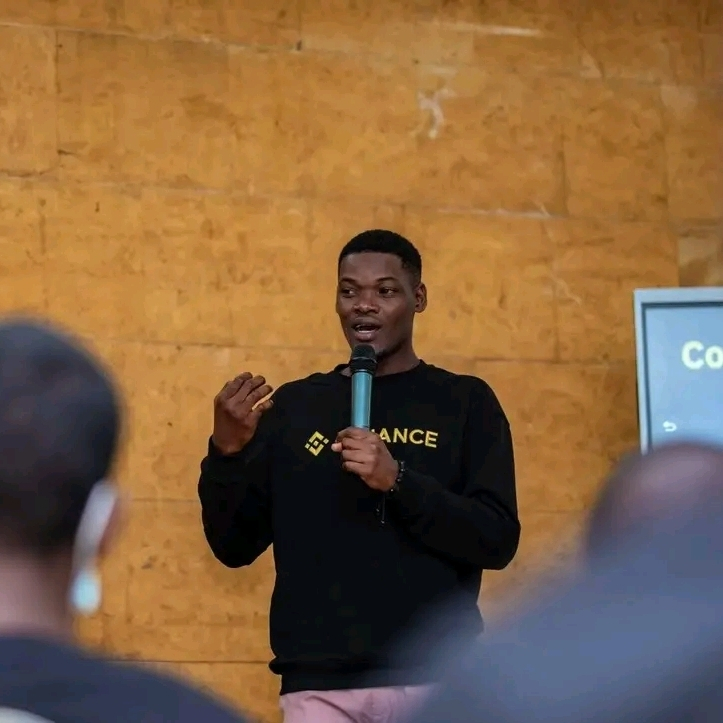

At the lab today, one idea changed everything 🔬
Between experiments, something became clear to me: the best results come from patience, not rushing.
The same principle applies to my portfolio
🟡 $BTC : digital gold
🟡 $BNB : the engine of the Binance ecosystem
My strategy? DCA every month, no matter what. No perfect timing, just discipline.
Consistency makes great researchers. And great investors.
What about you—do you DCA or try to time the market?
#BTC #BNB #DCA #Binance
⚠️ Not financial advice. Only invest what you can afford to lose.
{spot}(BNBUSDT)
At the lab today, one idea changed everything 🔬
Between experiments, something became clear to me: the best results come from patience, not rushing.
The same principle applies to my portfolio
🟡 $BTC : digital gold
🟡 $BNB : the engine of the Binance ecosystem
My strategy? DCA every month, no matter what. No perfect timing, just discipline.
Consistency makes great researchers. And great investors.
What about you—do you DCA or try to time the market?
#BTC #BNB #DCA #Binance
⚠️ Not financial advice. Only invest what you can afford to lose.
Between experiments, something became clear to me: the best results come from patience, not rushing.
The same principle applies to my portfolio
🟡 $BTC : digital gold
🟡 $BNB : the engine of the Binance ecosystem
My strategy? DCA every month, no matter what. No perfect timing, just discipline.
Consistency makes great researchers. And great investors.
What about you—do you DCA or try to time the market?
#BTC #BNB #DCA #Binance
⚠️ Not financial advice. Only invest what you can afford to lose.
Angel_web3:
DCA 🫡
1
5
373
🚀🔥🔥 DCA CHALLENGE - DAY 11/365 : Why I'm Still Buying While Others Are Bored
Portfolio Update:
BTC holding $83,164 (+0.39%)
Fear & Greed: 61 - Market is Greedy but Volume is DOWN -31%
Top Mover: STRK +54% on L1 transition news
Most traders are making a HUGE mistake today:
They see BTC sideways at $83k and think "nothing is happening".
Smart money sees low volume + high greed = accumulation phase.
My DCA Strategy - Day 11:
✅ $11 DCA into BTC today - no matter the price
✅ No FOMO on STRK (+105% in 7 days is too late)
✅ Stacking stablecoins for Oct 15th - 127M STRK unlock = volatility incoming
✅ Discipline > Emotion. Always.
90% will miss the next leg up because they stopped DCAing when it got boring.
I started this 365-Day DCA Journey to prove that consistency beats timing.
Day 11 - Still here. Still buying. Still not selling.
Are you DCAing today or waiting? 👇
Follow for daily DCA proof.
#bitcoin #DCA #BinanceSquare
🚀🔥🔥 DCA CHALLENGE - DAY 11/365 : Why I'm Still Buying While Others Are Bored
Portfolio Update:
BTC holding $83,164 (+0.39%)
Fear & Greed: 61 - Market is Greedy but Volume is DOWN -31%
Top Mover: STRK +54% on L1 transition news
Most traders are making a HUGE mistake today:
They see BTC sideways at $83k and think "nothing is happening".
Smart money sees low volume + high greed = accumulation phase.
My DCA Strategy - Day 11:
✅ $11 DCA into BTC today - no matter the price
✅ No FOMO on STRK (+105% in 7 days is too late)
✅ Stacking stablecoins for Oct 15th - 127M STRK unlock = volatility incoming
✅ Discipline > Emotion. Always.
90% will miss the next leg up because they stopped DCAing when it got boring.
I started this 365-Day DCA Journey to prove that consistency beats timing.
Day 11 - Still here. Still buying. Still not selling.
Are you DCAing today or waiting? 👇
Follow for daily DCA proof.
#bitcoin #DCA #BinanceSquare
Portfolio Update:
BTC holding $83,164 (+0.39%)
Fear & Greed: 61 - Market is Greedy but Volume is DOWN -31%
Top Mover: STRK +54% on L1 transition news
Most traders are making a HUGE mistake today:
They see BTC sideways at $83k and think "nothing is happening".
Smart money sees low volume + high greed = accumulation phase.
My DCA Strategy - Day 11:
✅ $11 DCA into BTC today - no matter the price
✅ No FOMO on STRK (+105% in 7 days is too late)
✅ Stacking stablecoins for Oct 15th - 127M STRK unlock = volatility incoming
✅ Discipline > Emotion. Always.
90% will miss the next leg up because they stopped DCAing when it got boring.
I started this 365-Day DCA Journey to prove that consistency beats timing.
Day 11 - Still here. Still buying. Still not selling.
Are you DCAing today or waiting? 👇
Follow for daily DCA proof.
#bitcoin #DCA #BinanceSquare
297
Log in to explore more content
Join global crypto users on Binance Square
⚡️ Get latest and useful information about crypto.
💬 Trusted by the world’s largest crypto exchange.
👍 Discover real insights from verified creators.
Email / Phone number
Trending Topics
1
#DeepSeekReleasesUpdatedAIModel
5,752 views
77 Discussing
2
#CelestiaRises16%To2026High
222,730 views
1,341 Discussing
3
#NasdaqDowWeeklyGapWidestSinceJuly2002
110,918 views
992 Discussing
4
#Nasdaq100Falls5.5%InWorstWeekIn18Months
57,058 views
739 Discussing
5
#StrategySharesFall9%OnFriday
73,820 views
689 Discussing
6
#USPPIRises6.3%YearOverYear
113,424 views
873 Discussing
7
#CelestiaLaunchesEdenToTestAIAgentTrading
66,234 views
808 Discussing
8
#ETHDropsBelow2400USDT
129,884 views
1,158 Discussing
9
#CircleReports$1.4BInH1Revenue
5,680 views
35 Discussing
10
#BrentHits$110ForFirstTimeSinceMay
8,410 views
49 Discussing