
#googlestudyoncryptosecuritychallenges
googlestudyoncryptosecuritychallenges
2.7M views
20,233 Discussing
Hot
Latest


Why War Is a Nightmare for the Middle East
War in the Middle East doesn't stay in one place.
It spreads. Fast.
One missile hits a ship in the Strait of Hormuz. Twenty percent of the world's oil stops moving. Global prices double overnight.
Egypt cuts power at 9pm. Pakistan slashes government salaries. Turkey burns through $30 billion defending its currency. All because of a conflict hundreds of miles away.
Here's what people don't understand.
The Middle East is a web. Iran touches Iraq. Iraq touches Syria. Syria touches Lebanon. Lebanon touches Israel. Every border is a fuse.
When one country burns, the smoke chokes its neighbors.
Supply chains snap. Food prices explode. Currencies collapse. Jobs disappear. Not in months. In days.
The 1973 oil embargo lasted weeks. The economic pain lasted a decade.
The 2026 Iran war is already reshaping everything. Gold spiked to $5,300 then crashed. Oil went to $110 and is still volatile. Stock markets shed trillions.
But the real nightmare isn't the markets.
It's the families in Gaza with no electricity. The truck drivers stranded at closed borders. The small business owners who watched their life savings evaporate because their currency lost half its value in a month.
War doesn't announce itself with a single explosion.
It announces itself with empty shelves. Closed schools. Bank withdrawal limits. And governments quietly telling their citizens to stay inside.
$RIVER $GOOGL #CLARITYActHitAnotherRoadblock #BitmineIncreasesETHStake #GoogleStudyOnCryptoSecurityChallenges
Why War Is a Nightmare for the Middle East
War in the Middle East doesn't stay in one place.
It spreads. Fast.
One missile hits a ship in the Strait of Hormuz. Twenty percent of the world's oil stops moving. Global prices double overnight.
Egypt cuts power at 9pm. Pakistan slashes government salaries. Turkey burns through $30 billion defending its currency. All because of a conflict hundreds of miles away.
Here's what people don't understand.
The Middle East is a web. Iran touches Iraq. Iraq touches Syria. Syria touches Lebanon. Lebanon touches Israel. Every border is a fuse.
When one country burns, the smoke chokes its neighbors.
Supply chains snap. Food prices explode. Currencies collapse. Jobs disappear. Not in months. In days.
The 1973 oil embargo lasted weeks. The economic pain lasted a decade.
The 2026 Iran war is already reshaping everything. Gold spiked to $5,300 then crashed. Oil went to $110 and is still volatile. Stock markets shed trillions.
But the real nightmare isn't the markets.
It's the families in Gaza with no electricity. The truck drivers stranded at closed borders. The small business owners who watched their life savings evaporate because their currency lost half its value in a month.
War doesn't announce itself with a single explosion.
It announces itself with empty shelves. Closed schools. Bank withdrawal limits. And governments quietly telling their citizens to stay inside.
$RIVER $GOOGL #CLARITYActHitAnotherRoadblock #BitmineIncreasesETHStake #GoogleStudyOnCryptoSecurityChallenges
War in the Middle East doesn't stay in one place.
It spreads. Fast.
One missile hits a ship in the Strait of Hormuz. Twenty percent of the world's oil stops moving. Global prices double overnight.
Egypt cuts power at 9pm. Pakistan slashes government salaries. Turkey burns through $30 billion defending its currency. All because of a conflict hundreds of miles away.
Here's what people don't understand.
The Middle East is a web. Iran touches Iraq. Iraq touches Syria. Syria touches Lebanon. Lebanon touches Israel. Every border is a fuse.
When one country burns, the smoke chokes its neighbors.
Supply chains snap. Food prices explode. Currencies collapse. Jobs disappear. Not in months. In days.
The 1973 oil embargo lasted weeks. The economic pain lasted a decade.
The 2026 Iran war is already reshaping everything. Gold spiked to $5,300 then crashed. Oil went to $110 and is still volatile. Stock markets shed trillions.
But the real nightmare isn't the markets.
It's the families in Gaza with no electricity. The truck drivers stranded at closed borders. The small business owners who watched their life savings evaporate because their currency lost half its value in a month.
War doesn't announce itself with a single explosion.
It announces itself with empty shelves. Closed schools. Bank withdrawal limits. And governments quietly telling their citizens to stay inside.
$RIVER $GOOGL #CLARITYActHitAnotherRoadblock #BitmineIncreasesETHStake #GoogleStudyOnCryptoSecurityChallenges
WILL WAR OVER SOON
50%
IT WILL BRING ANOTHER DROP
50%
4 votes • Voting closed
5
2k

The Importance of the Sign Project in Enhancing Digital Sovereignty and Economic GrowthThe @SignOfficial project is considered one of the most important current projects that provide real solutions in the field of digital sovereignty infrastructure and data security. I've been following the developments of the $SIGN currency for a while and I see that this project offers a clear vision for the future of Web 3 in the Middle East and the entire world. Digital sovereignty is not just a luxury; it is a necessity for every user to protect their identity and data from centralization. The campaign hashtag ##GoogleStudyOnCryptoSecurityChallenges highlights how much the team is interested in building a strong and sustainable foundation. I advise everyone to read more about this project and see how these technologies can change the shape of the internet we use every day and make it safer and more free for everyone. Good luck to the team in these great steps.
The Importance of the Sign Project in Enhancing Digital Sovereignty and Economic Growth
The @SignOfficial project is considered one of the most important current projects that provide real solutions in the field of digital sovereignty infrastructure and data security. I've been following the developments of the $SIGN currency for a while and I see that this project offers a clear vision for the future of Web 3 in the Middle East and the entire world. Digital sovereignty is not just a luxury; it is a necessity for every user to protect their identity and data from centralization. The campaign hashtag ##GoogleStudyOnCryptoSecurityChallenges highlights how much the team is interested in building a strong and sustainable foundation. I advise everyone to read more about this project and see how these technologies can change the shape of the internet we use every day and make it safer and more free for everyone. Good luck to the team in these great steps.
4
31


·
--
Google Study On Crypto Security ChallengesA March 2026 whitepaper and subsequent studies from Google Quantum AI, along with threat intelligence from Mandiant, have highlighted critical and emerging security challenges facing the cryptocurrency industry. The findings warn that the cryptographic foundations of Bitcoin and Ethereum are more vulnerable to quantum attacks than previously thought, with the timeline for potential "breaks" moving closer to 2029.
Here is an analysis of Google’s findings on security issues:
1. Quantum Threats: The "20x Lower" Threshold
Google’s research shows that the computational power required to break the 256-bit elliptic curve cryptography (ECDLP-256) securing major blockchains is significantly lower than previously assumed.
Reduced Qubit Requirements: Previously, it was believed millions of qubits were needed to break this encryption. Google researchers found it may be achievable with fewer than 500,000 physical qubits, a 20x reduction.The "9-Minute Hack": The study suggests a future quantum computer could extract a private key from an active transaction ("on-spend" attack) in as little as nine minutes.Immediate Risks: Dormant wallets, which contain massive amounts of old Bitcoin (roughly 6.9 million BTC), are at highest risk of being drained once this technology matures.Timeline: While not an immediate threat, these findings put the risk timeline closer to 2029-2030 rather than the mid-2030s.
2. Operational & Infrastructure Security (Mandiant Findings)
According to Google Cloud’s Mandiant unit, operational compromises are driving massive losses, surpassing smart contract bugs as the primary threat vector.
Targeting "On-Chain" Infrastructure: Hackers are increasingly moving their own infrastructure onto public blockchains to make command centers nearly impossible for authorities to take down.Compromised Keys and Wallets: Attackers are moving up the stack to target operational infrastructure, keys, wallets, and control planes, rather than just exploiting smart contract code.Social Engineering/AI Vishing: Hackers are employing "agentic" AI, using Autonomous AI Agents to conduct real-time vishing (voice phishing) to impersonate exchange staff and steal credentials.Supply Chain Attacks: Attackers, particularly North Korean groups (e.g., Lazarus Group), are infiltrating developer systems to compromise signing infrastructure.
3. Phishing and Fraud Trends
Credential Harvesting: The primary entry vector remains the theft of credentials via phishing, with phishing targeting Web3 platforms increasing significantly.Address Poisoning: Carnegie Mellon Researchers (working with Google data) identified hundreds of millions of address poisoning attempts, where attackers dust wallets with similar-looking addresses to trick users into sending funds to the wrong address.AI-Enabled Scams: AI-powered social engineering has demonstrated drastically higher profitability, with scam losses increasing substantially in 2025.
4. Recommendations for Mitigation
Google urges the crypto community to prepare immediately for a post-quantum future.
Migrate to PQC: Transition to Post-Quantum Cryptography (PQC) standards immediately.Improve Key Hygiene: Stop reusing addresses/keys and minimize the exposure of public keys to reduce the window of vulnerability.Implement Hardware Security: Use physical security keys (e.g., YubiKeys) for all critical accounts, as traditional MFA is no longer sufficient against sophisticated AI-simulated logins.Hybrid Defenses: Use hybrid signing methods that combine traditional and PQC signatures.
Disclaimer: This analysis is based on research published as of April 2026.
#GoogleStudyOnCryptoSecurityChallenges
Google Study On Crypto Security Challenges
A March 2026 whitepaper and subsequent studies from Google Quantum AI, along with threat intelligence from Mandiant, have highlighted critical and emerging security challenges facing the cryptocurrency industry. The findings warn that the cryptographic foundations of Bitcoin and Ethereum are more vulnerable to quantum attacks than previously thought, with the timeline for potential "breaks" moving closer to 2029.
Here is an analysis of Google’s findings on security issues:
1. Quantum Threats: The "20x Lower" Threshold
Google’s research shows that the computational power required to break the 256-bit elliptic curve cryptography (ECDLP-256) securing major blockchains is significantly lower than previously assumed.
Reduced Qubit Requirements: Previously, it was believed millions of qubits were needed to break this encryption. Google researchers found it may be achievable with fewer than 500,000 physical qubits, a 20x reduction.The "9-Minute Hack": The study suggests a future quantum computer could extract a private key from an active transaction ("on-spend" attack) in as little as nine minutes.Immediate Risks: Dormant wallets, which contain massive amounts of old Bitcoin (roughly 6.9 million BTC), are at highest risk of being drained once this technology matures.Timeline: While not an immediate threat, these findings put the risk timeline closer to 2029-2030 rather than the mid-2030s.
2. Operational & Infrastructure Security (Mandiant Findings)
According to Google Cloud’s Mandiant unit, operational compromises are driving massive losses, surpassing smart contract bugs as the primary threat vector.
Targeting "On-Chain" Infrastructure: Hackers are increasingly moving their own infrastructure onto public blockchains to make command centers nearly impossible for authorities to take down.Compromised Keys and Wallets: Attackers are moving up the stack to target operational infrastructure, keys, wallets, and control planes, rather than just exploiting smart contract code.Social Engineering/AI Vishing: Hackers are employing "agentic" AI, using Autonomous AI Agents to conduct real-time vishing (voice phishing) to impersonate exchange staff and steal credentials.Supply Chain Attacks: Attackers, particularly North Korean groups (e.g., Lazarus Group), are infiltrating developer systems to compromise signing infrastructure.
3. Phishing and Fraud Trends
Credential Harvesting: The primary entry vector remains the theft of credentials via phishing, with phishing targeting Web3 platforms increasing significantly.Address Poisoning: Carnegie Mellon Researchers (working with Google data) identified hundreds of millions of address poisoning attempts, where attackers dust wallets with similar-looking addresses to trick users into sending funds to the wrong address.AI-Enabled Scams: AI-powered social engineering has demonstrated drastically higher profitability, with scam losses increasing substantially in 2025.
4. Recommendations for Mitigation
Google urges the crypto community to prepare immediately for a post-quantum future.
Migrate to PQC: Transition to Post-Quantum Cryptography (PQC) standards immediately.Improve Key Hygiene: Stop reusing addresses/keys and minimize the exposure of public keys to reduce the window of vulnerability.Implement Hardware Security: Use physical security keys (e.g., YubiKeys) for all critical accounts, as traditional MFA is no longer sufficient against sophisticated AI-simulated logins.Hybrid Defenses: Use hybrid signing methods that combine traditional and PQC signatures.
Disclaimer: This analysis is based on research published as of April 2026.
#GoogleStudyOnCryptoSecurityChallenges
Here is an analysis of Google’s findings on security issues:
1. Quantum Threats: The "20x Lower" Threshold
Google’s research shows that the computational power required to break the 256-bit elliptic curve cryptography (ECDLP-256) securing major blockchains is significantly lower than previously assumed.
Reduced Qubit Requirements: Previously, it was believed millions of qubits were needed to break this encryption. Google researchers found it may be achievable with fewer than 500,000 physical qubits, a 20x reduction.The "9-Minute Hack": The study suggests a future quantum computer could extract a private key from an active transaction ("on-spend" attack) in as little as nine minutes.Immediate Risks: Dormant wallets, which contain massive amounts of old Bitcoin (roughly 6.9 million BTC), are at highest risk of being drained once this technology matures.Timeline: While not an immediate threat, these findings put the risk timeline closer to 2029-2030 rather than the mid-2030s.
2. Operational & Infrastructure Security (Mandiant Findings)
According to Google Cloud’s Mandiant unit, operational compromises are driving massive losses, surpassing smart contract bugs as the primary threat vector.
Targeting "On-Chain" Infrastructure: Hackers are increasingly moving their own infrastructure onto public blockchains to make command centers nearly impossible for authorities to take down.Compromised Keys and Wallets: Attackers are moving up the stack to target operational infrastructure, keys, wallets, and control planes, rather than just exploiting smart contract code.Social Engineering/AI Vishing: Hackers are employing "agentic" AI, using Autonomous AI Agents to conduct real-time vishing (voice phishing) to impersonate exchange staff and steal credentials.Supply Chain Attacks: Attackers, particularly North Korean groups (e.g., Lazarus Group), are infiltrating developer systems to compromise signing infrastructure.
3. Phishing and Fraud Trends
Credential Harvesting: The primary entry vector remains the theft of credentials via phishing, with phishing targeting Web3 platforms increasing significantly.Address Poisoning: Carnegie Mellon Researchers (working with Google data) identified hundreds of millions of address poisoning attempts, where attackers dust wallets with similar-looking addresses to trick users into sending funds to the wrong address.AI-Enabled Scams: AI-powered social engineering has demonstrated drastically higher profitability, with scam losses increasing substantially in 2025.
4. Recommendations for Mitigation
Google urges the crypto community to prepare immediately for a post-quantum future.
Migrate to PQC: Transition to Post-Quantum Cryptography (PQC) standards immediately.Improve Key Hygiene: Stop reusing addresses/keys and minimize the exposure of public keys to reduce the window of vulnerability.Implement Hardware Security: Use physical security keys (e.g., YubiKeys) for all critical accounts, as traditional MFA is no longer sufficient against sophisticated AI-simulated logins.Hybrid Defenses: Use hybrid signing methods that combine traditional and PQC signatures.
Disclaimer: This analysis is based on research published as of April 2026.
#GoogleStudyOnCryptoSecurityChallenges
2
181

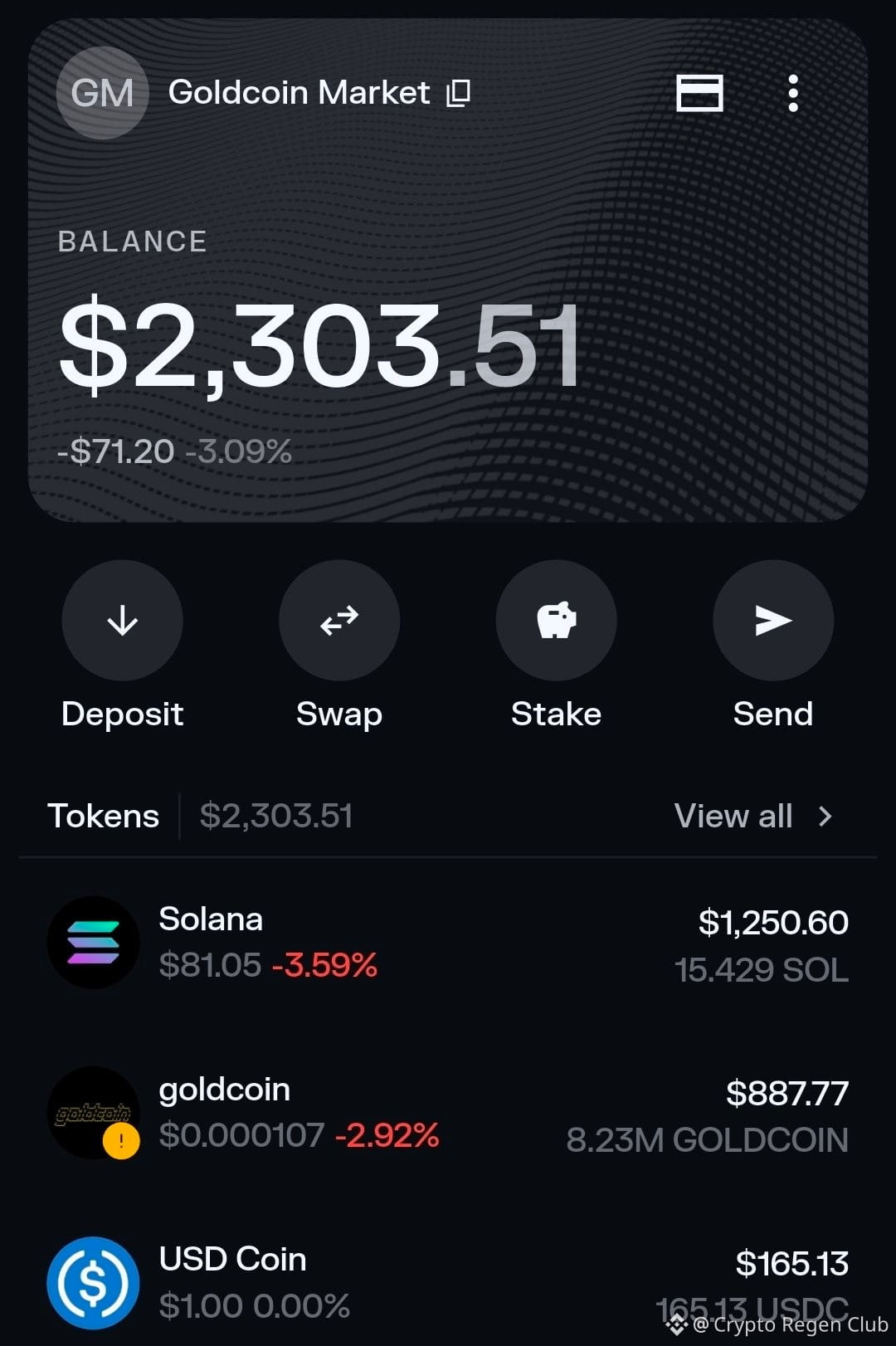
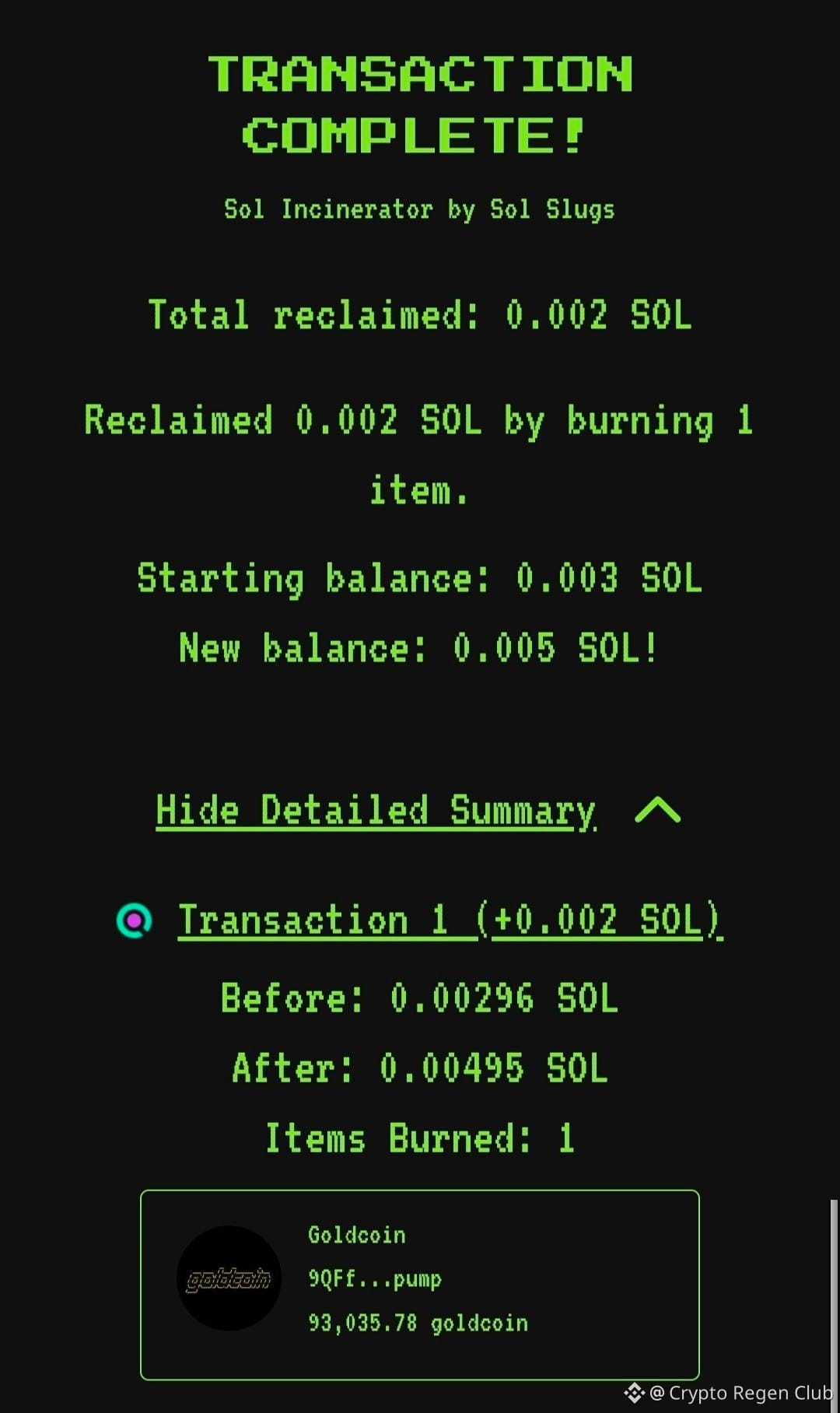
$goldcoin • Daily Token Improvement Report • 3.31.2026
93k $goldcoin daily buyback + burn today 🔥
29.57% supply burned total 🔥
Allocation to marketing wallet, balance ~ $2300
New 1m $goldcoin giveaway + big burn coming very soon!
Learn more: goldcoinhq.com
ca: 9QFfgxdSqH5zT7j6rZb1y6SZhw2aFtcQu2r6BuYpump
#GoogleStudyOnCryptoSecurityChallenges $NEIRO
$goldcoin • Daily Token Improvement Report • 3.31.2026
93k $goldcoin daily buyback + burn today 🔥
29.57% supply burned total 🔥
Allocation to marketing wallet, balance ~ $2300
New 1m $goldcoin giveaway + big burn coming very soon!
Learn more: goldcoinhq.com
ca: 9QFfgxdSqH5zT7j6rZb1y6SZhw2aFtcQu2r6BuYpump
#GoogleStudyOnCryptoSecurityChallenges $NEIRO
93k $goldcoin daily buyback + burn today 🔥
29.57% supply burned total 🔥
Allocation to marketing wallet, balance ~ $2300
New 1m $goldcoin giveaway + big burn coming very soon!
Learn more: goldcoinhq.com
ca: 9QFfgxdSqH5zT7j6rZb1y6SZhw2aFtcQu2r6BuYpump
#GoogleStudyOnCryptoSecurityChallenges $NEIRO
241

·
--
Bullish
$GPS
{spot}(GPSUSDT)
Ignition Mode Activated 🚀
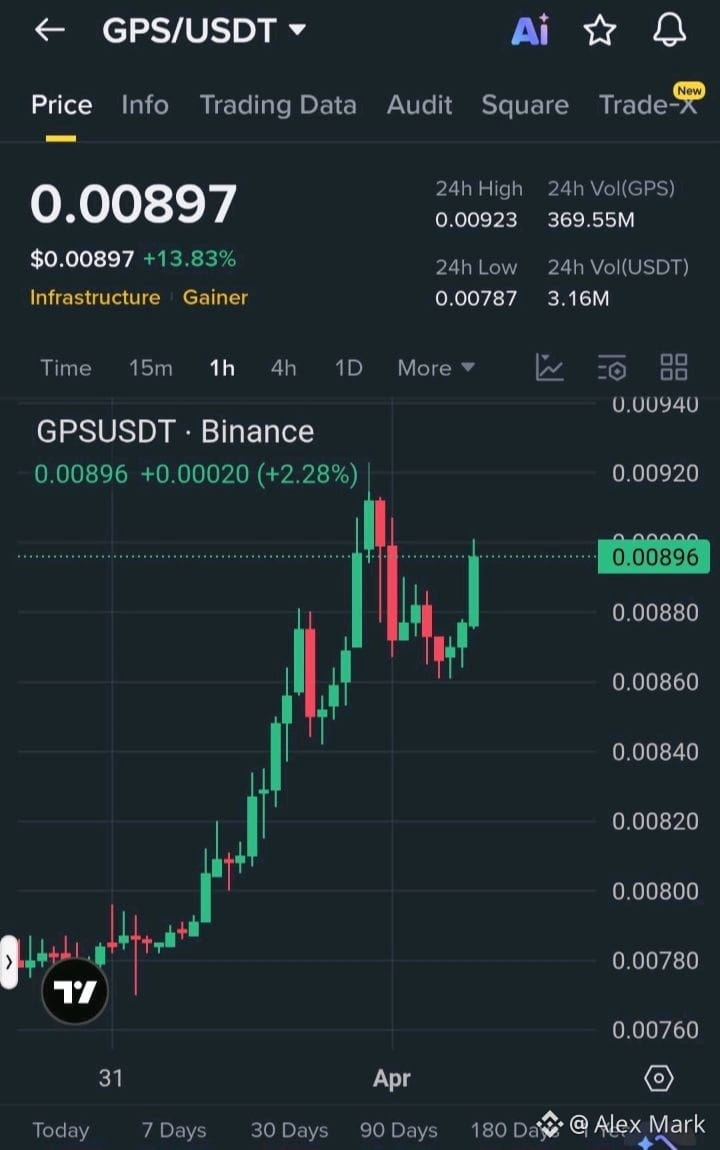
After a clean accumulation phase, $GPS is now showing a powerful momentum shift. Structure is bullish, price is printing higher highs & higher lows, and the recent breakout followed by a controlled pullback signals continuation strength.
Buyers are defending the $0.0086 zone aggressively — as long as this level holds, upside pressure remains strong and expansion looks likely.
$GPS LONG Setup Entry: $0.0086 – $0.0090
Stop Loss: $0.0081
Targets 🎯 $0.0096
🎯 $0.0105
🎯 $0.0115
#GoogleStudyOnCryptoSecurityChallenges
#BitmineIncreasesETHStake
#AsiaStocksPlunge
#USNoKingsProtests
#BTCETFFeeRace
$GPS
Ignition Mode Activated 🚀
After a clean accumulation phase, $GPS is now showing a powerful momentum shift. Structure is bullish, price is printing higher highs & higher lows, and the recent breakout followed by a controlled pullback signals continuation strength.
Buyers are defending the $0.0086 zone aggressively — as long as this level holds, upside pressure remains strong and expansion looks likely.
$GPS LONG Setup Entry: $0.0086 – $0.0090
Stop Loss: $0.0081
Targets 🎯 $0.0096
🎯 $0.0105
🎯 $0.0115
#GoogleStudyOnCryptoSecurityChallenges
#BitmineIncreasesETHStake
#AsiaStocksPlunge
#USNoKingsProtests
#BTCETFFeeRace
Ignition Mode Activated 🚀
After a clean accumulation phase, $GPS is now showing a powerful momentum shift. Structure is bullish, price is printing higher highs & higher lows, and the recent breakout followed by a controlled pullback signals continuation strength.
Buyers are defending the $0.0086 zone aggressively — as long as this level holds, upside pressure remains strong and expansion looks likely.
$GPS LONG Setup Entry: $0.0086 – $0.0090
Stop Loss: $0.0081
Targets 🎯 $0.0096
🎯 $0.0105
🎯 $0.0115
#GoogleStudyOnCryptoSecurityChallenges
#BitmineIncreasesETHStake
#AsiaStocksPlunge
#USNoKingsProtests
#BTCETFFeeRace
1
87

Article
Powell's speech and the surge in oil prices capture the attention of Wall Street investors.$SIGN #signdigitalsovereigninfra
$ETH
$SLP
prayer-time
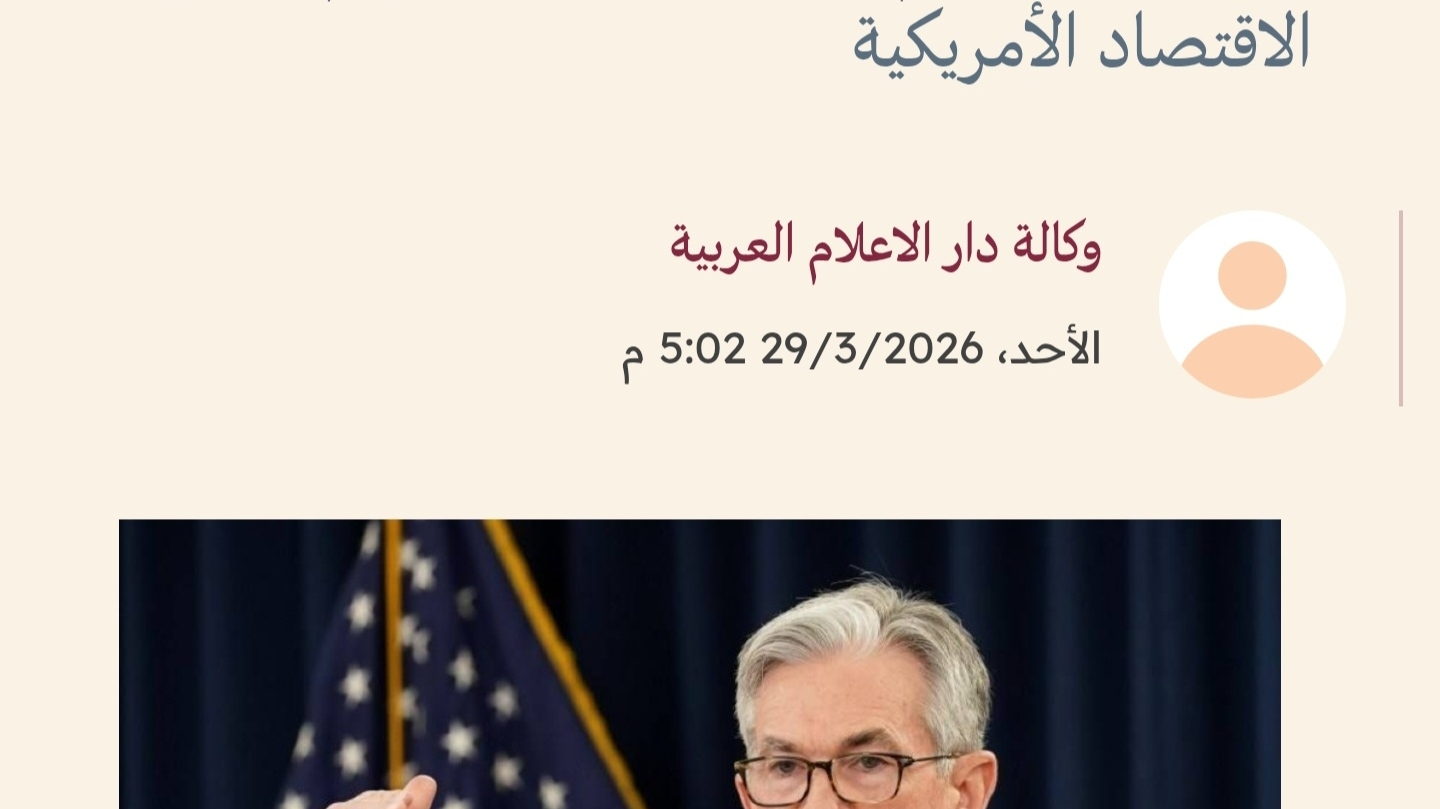
The highly anticipated US jobs report this week tops the list of new economic data awaited by stock market investors, who are also closely monitoring developments in the war with Iran, which is now entering its second month, according to Reuters' weekly US stock report.
Federal Reserve Chairman Jerome Powell is expected to speak this week, his first public appearance since the Fed's last meeting. He will address a discussion at Harvard University about the current economic situation.
Powell's speech and the surge in oil prices capture the attention of Wall Street investors.
$SIGN #signdigitalsovereigninfra
$ETH
$SLP
prayer-time
The highly anticipated US jobs report this week tops the list of new economic data awaited by stock market investors, who are also closely monitoring developments in the war with Iran, which is now entering its second month, according to Reuters' weekly US stock report.
Federal Reserve Chairman Jerome Powell is expected to speak this week, his first public appearance since the Fed's last meeting. He will address a discussion at Harvard University about the current economic situation.
$ETH
$SLP
prayer-time
The highly anticipated US jobs report this week tops the list of new economic data awaited by stock market investors, who are also closely monitoring developments in the war with Iran, which is now entering its second month, according to Reuters' weekly US stock report.
Federal Reserve Chairman Jerome Powell is expected to speak this week, his first public appearance since the Fed's last meeting. He will address a discussion at Harvard University about the current economic situation.
4
226

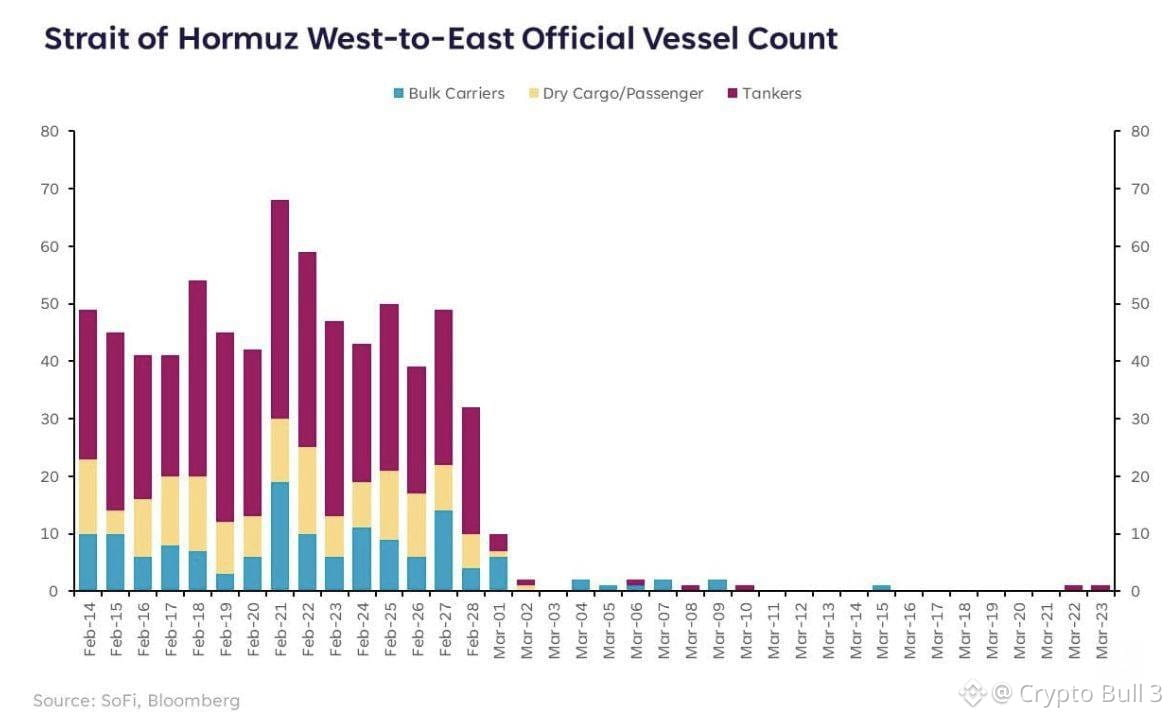
📊 Strait of Hormuz Vessel Traffic has plummeted.
$BTC #BitmineIncreasesETHStake #GoogleStudyOnCryptoSecurityChallenges OilRisesAbove$116 #USNoKingsProtests
$ETH
📊 Strait of Hormuz Vessel Traffic has plummeted.
$BTC #BitmineIncreasesETHStake #GoogleStudyOnCryptoSecurityChallenges OilRisesAbove$116 #USNoKingsProtests
$ETH
$BTC #BitmineIncreasesETHStake #GoogleStudyOnCryptoSecurityChallenges OilRisesAbove$116 #USNoKingsProtests
$ETH
1
188
·
--
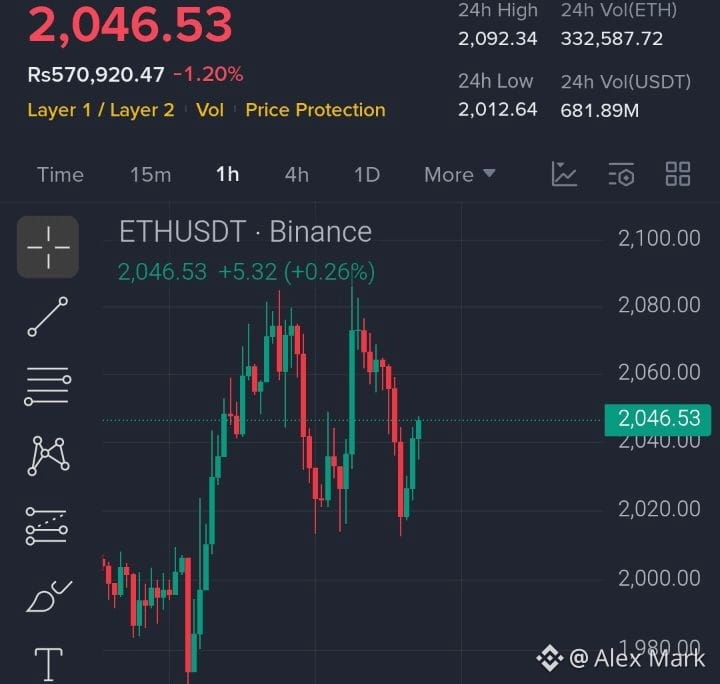
$ETH bouncing clean off support… momentum loading for the next leg 🚀
$ETH LONG SETUP
Entry: 2020 – 2050
Stop Loss: 1980
Targets:
🎯 2090
🎯 2150
🎯 2220
#GoogleStudyOnCryptoSecurityChallenges
#BTCETFFeeRace
#USNoKingsProtests
#AsiaStocksPlunge
#BitcoinPrices
$ETH bouncing clean off support… momentum loading for the next leg 🚀
$ETH LONG SETUP
Entry: 2020 – 2050
Stop Loss: 1980
Targets:
🎯 2090
🎯 2150
🎯 2220
#GoogleStudyOnCryptoSecurityChallenges
#BTCETFFeeRace
#USNoKingsProtests
#AsiaStocksPlunge
#BitcoinPrices
$ETH LONG SETUP
Entry: 2020 – 2050
Stop Loss: 1980
Targets:
🎯 2090
🎯 2150
🎯 2220
#GoogleStudyOnCryptoSecurityChallenges
#BTCETFFeeRace
#USNoKingsProtests
#AsiaStocksPlunge
#BitcoinPrices
1
70
·
--
Bullish
Latest International News (April 1, 2026)
Middle East Conflict Developments: Tensions in the Middle East remain a focal point. An Iranian drone attack targeted fuel tanks at Kuwait's international airport, causing a large fire but no casualties. Meanwhile, Iranian Foreign Minister Abbas Araghchi stated there are no grounds for negotiations with the United States regarding a reported 15-point proposal to end the conflict.
U.S. Troop Withdrawal Signal: U.S. President Donald Trump announced that American forces will leave Iran within "two to three weeks," signaling a potential end to ongoing U.S. military operations in the region.
Space Exploration Milestone: The Canadian Space Agency and NASA are preparing for the historic launch of the Artemis II mission, the first crewed mission to the Moon in over 50 years, with a launch window opening today.
How These Events Are Affecting Bitcoin (BTC)
The geopolitical developments, particularly the signals of easing tensions in the Middle East, are having a direct impact on cryptocurrency markets today.
Price Rebound: Following a period of ETF outflows and weakening demand that put downward pressure on the market in late March, Bitcoin is currently experiencing a recovery, climbing back near the $69,000 mark.
Risk-On Sentiment: President Trump's comments suggesting an end to U.S. attacks in Iran have helped ease some of the broader market anxiety. As geopolitical war tensions appear to cool slightly, risk appetite among investors is improving. This "risk-on" sentiment generally benefits volatile assets like Bitcoin, leading to renewed institutional demand and consecutive days of positive inflows into U.S.-listed spot Bitcoin ETFs$BTC
{spot}(BTCUSDT)
#GoogleStudyOnCryptoSecurityChallenges #BitmineIncreasesETHStake #AsiaStocksPlunge OilRisesAbove$116#USNoKingsProtests #BTCETFFeeRace
Latest International News (April 1, 2026)
Middle East Conflict Developments: Tensions in the Middle East remain a focal point. An Iranian drone attack targeted fuel tanks at Kuwait's international airport, causing a large fire but no casualties. Meanwhile, Iranian Foreign Minister Abbas Araghchi stated there are no grounds for negotiations with the United States regarding a reported 15-point proposal to end the conflict.
U.S. Troop Withdrawal Signal: U.S. President Donald Trump announced that American forces will leave Iran within "two to three weeks," signaling a potential end to ongoing U.S. military operations in the region.
Space Exploration Milestone: The Canadian Space Agency and NASA are preparing for the historic launch of the Artemis II mission, the first crewed mission to the Moon in over 50 years, with a launch window opening today.
How These Events Are Affecting Bitcoin (BTC)
The geopolitical developments, particularly the signals of easing tensions in the Middle East, are having a direct impact on cryptocurrency markets today.
Price Rebound: Following a period of ETF outflows and weakening demand that put downward pressure on the market in late March, Bitcoin is currently experiencing a recovery, climbing back near the $69,000 mark.
Risk-On Sentiment: President Trump's comments suggesting an end to U.S. attacks in Iran have helped ease some of the broader market anxiety. As geopolitical war tensions appear to cool slightly, risk appetite among investors is improving. This "risk-on" sentiment generally benefits volatile assets like Bitcoin, leading to renewed institutional demand and consecutive days of positive inflows into U.S.-listed spot Bitcoin ETFs$BTC
#GoogleStudyOnCryptoSecurityChallenges #BitmineIncreasesETHStake #AsiaStocksPlunge OilRisesAbove$116#USNoKingsProtests #BTCETFFeeRace
Middle East Conflict Developments: Tensions in the Middle East remain a focal point. An Iranian drone attack targeted fuel tanks at Kuwait's international airport, causing a large fire but no casualties. Meanwhile, Iranian Foreign Minister Abbas Araghchi stated there are no grounds for negotiations with the United States regarding a reported 15-point proposal to end the conflict.
U.S. Troop Withdrawal Signal: U.S. President Donald Trump announced that American forces will leave Iran within "two to three weeks," signaling a potential end to ongoing U.S. military operations in the region.
Space Exploration Milestone: The Canadian Space Agency and NASA are preparing for the historic launch of the Artemis II mission, the first crewed mission to the Moon in over 50 years, with a launch window opening today.
How These Events Are Affecting Bitcoin (BTC)
The geopolitical developments, particularly the signals of easing tensions in the Middle East, are having a direct impact on cryptocurrency markets today.
Price Rebound: Following a period of ETF outflows and weakening demand that put downward pressure on the market in late March, Bitcoin is currently experiencing a recovery, climbing back near the $69,000 mark.
Risk-On Sentiment: President Trump's comments suggesting an end to U.S. attacks in Iran have helped ease some of the broader market anxiety. As geopolitical war tensions appear to cool slightly, risk appetite among investors is improving. This "risk-on" sentiment generally benefits volatile assets like Bitcoin, leading to renewed institutional demand and consecutive days of positive inflows into U.S.-listed spot Bitcoin ETFs$BTC
#GoogleStudyOnCryptoSecurityChallenges #BitmineIncreasesETHStake #AsiaStocksPlunge OilRisesAbove$116#USNoKingsProtests #BTCETFFeeRace
1
56

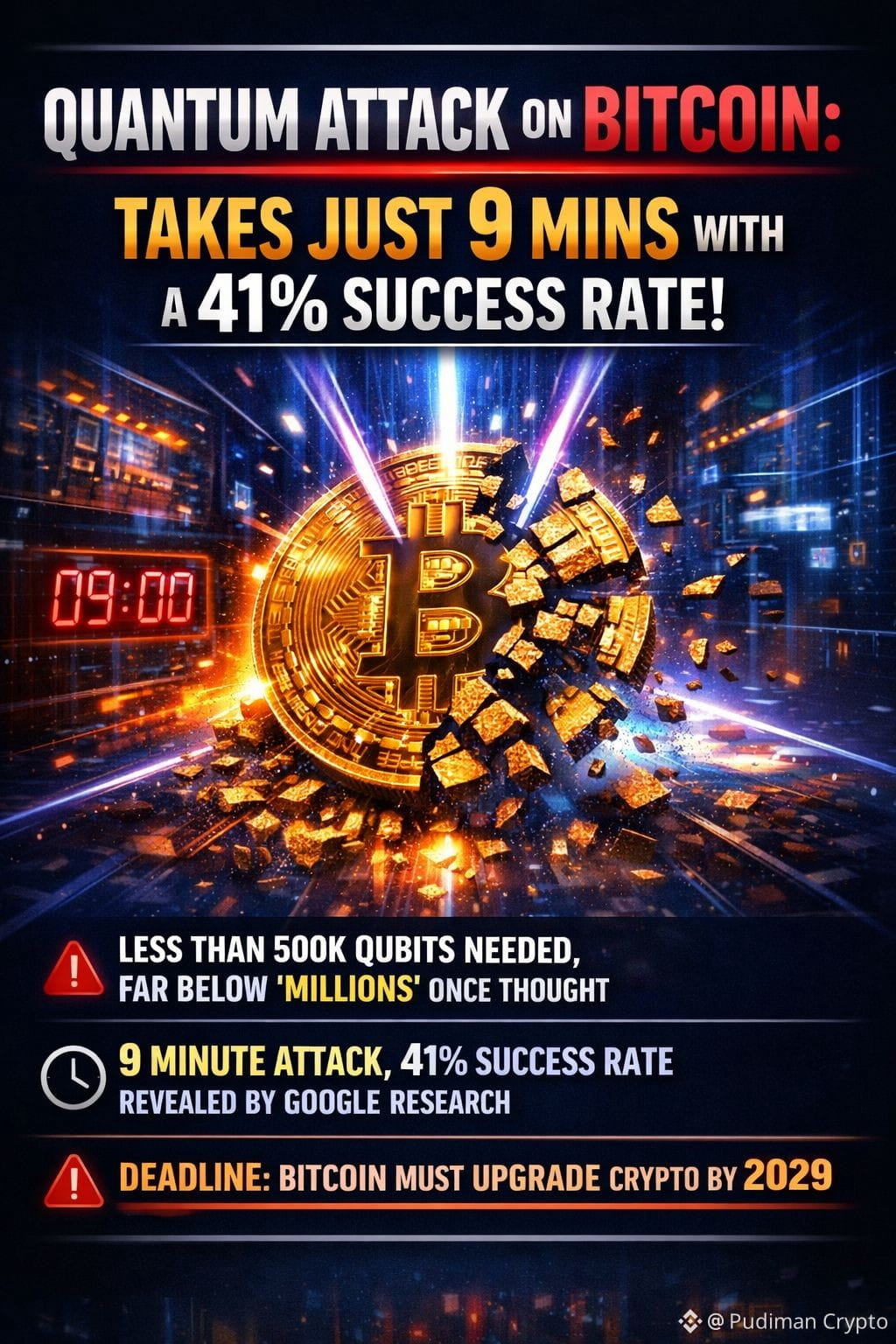
⚠️ GOOGLE WARNS: A QUANTUM ATTACK ON BITCOIN COULD TAKE JUST 9 MINUTES
Google’s quantum research team suggests that breaking Bitcoin’s cryptography may require fewer than 500,000 qubits, far less than the millions previously believed necessary.
New research indicates that a quantum attack could be completed in around 9 minutes, which is faster than Bitcoin’s average 10-minute block confirmation time. This would give attackers an estimated 41% chance of success.
Because of this growing risk, Google has identified 2029 as a critical deadline for Bitcoin to upgrade its cryptographic systems before quantum computers become a real and practical threat.
#GoogleStudyOnCryptoSecurityChallenges
⚠️ GOOGLE WARNS: A QUANTUM ATTACK ON BITCOIN COULD TAKE JUST 9 MINUTES
Google’s quantum research team suggests that breaking Bitcoin’s cryptography may require fewer than 500,000 qubits, far less than the millions previously believed necessary.
New research indicates that a quantum attack could be completed in around 9 minutes, which is faster than Bitcoin’s average 10-minute block confirmation time. This would give attackers an estimated 41% chance of success.
Because of this growing risk, Google has identified 2029 as a critical deadline for Bitcoin to upgrade its cryptographic systems before quantum computers become a real and practical threat.
#GoogleStudyOnCryptoSecurityChallenges
Google’s quantum research team suggests that breaking Bitcoin’s cryptography may require fewer than 500,000 qubits, far less than the millions previously believed necessary.
New research indicates that a quantum attack could be completed in around 9 minutes, which is faster than Bitcoin’s average 10-minute block confirmation time. This would give attackers an estimated 41% chance of success.
Because of this growing risk, Google has identified 2029 as a critical deadline for Bitcoin to upgrade its cryptographic systems before quantum computers become a real and practical threat.
#GoogleStudyOnCryptoSecurityChallenges
3
1.4k

·
--
Bearish
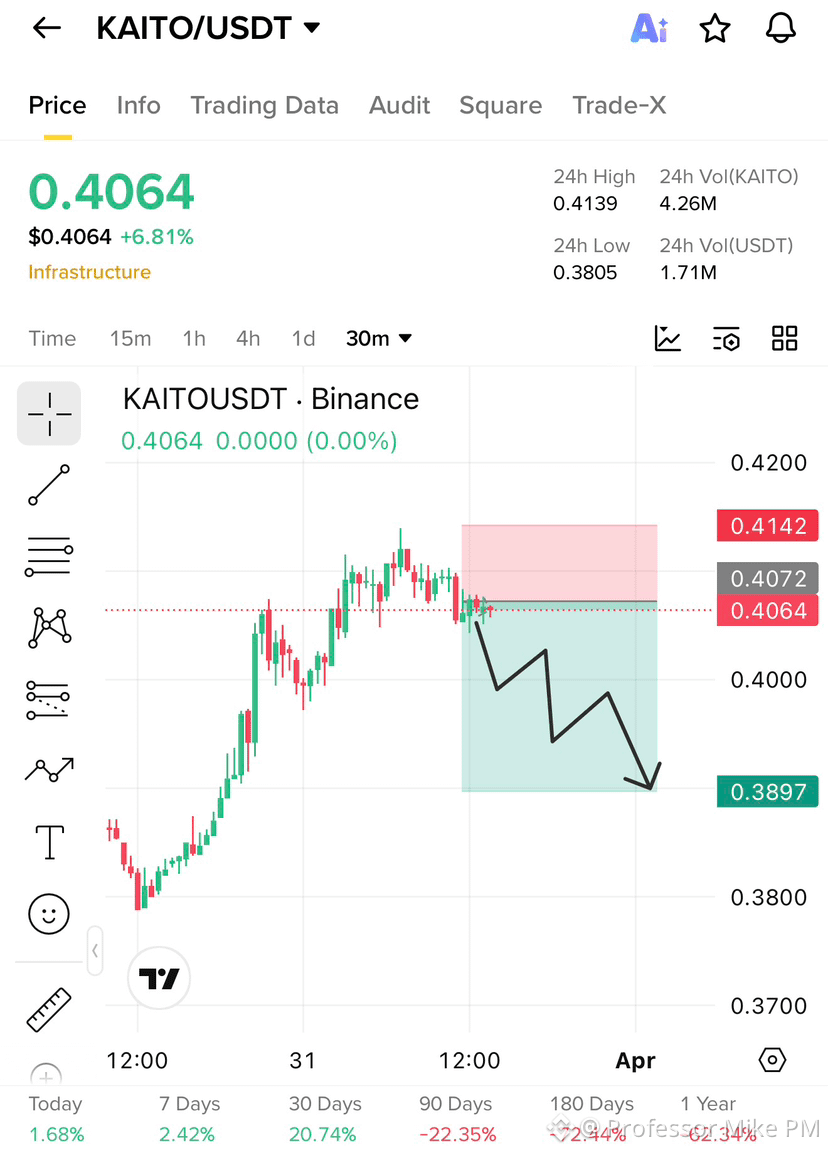
Rejection at Supply Zone on $KAITO /USDT !!!
Short KAITO/USDT
Entry: 0.4060 & 0.4080
SL: 0.4145
TP1: 0.4000
TP2: 0.3950
TP3: 0.3895
#KAİTO is facing strong rejection from a local supply zone after a steady bullish move, with price failing to sustain above resistance and starting to print lower highs. The structure suggests weakening bullish momentum, and a breakdown below the current range can trigger further downside continuation toward lower liquidity zones.
#GoogleStudyOnCryptoSecurityChallenges
Rejection at Supply Zone on $KAITO /USDT !!!
Short KAITO/USDT
Entry: 0.4060 & 0.4080
SL: 0.4145
TP1: 0.4000
TP2: 0.3950
TP3: 0.3895
#KAİTO is facing strong rejection from a local supply zone after a steady bullish move, with price failing to sustain above resistance and starting to print lower highs. The structure suggests weakening bullish momentum, and a breakdown below the current range can trigger further downside continuation toward lower liquidity zones.
#GoogleStudyOnCryptoSecurityChallenges
Short KAITO/USDT
Entry: 0.4060 & 0.4080
SL: 0.4145
TP1: 0.4000
TP2: 0.3950
TP3: 0.3895
#KAİTO is facing strong rejection from a local supply zone after a steady bullish move, with price failing to sustain above resistance and starting to print lower highs. The structure suggests weakening bullish momentum, and a breakdown below the current range can trigger further downside continuation toward lower liquidity zones.
#GoogleStudyOnCryptoSecurityChallenges
3
703

·
--
Bearish
🚨
Crypto is evolving fast… but so are the risks.
A recent study highlights major security challenges in the crypto space:
⚠️ Phishing attacks
⚠️ Smart contract vulnerabilities
⚠️ Exchange breaches
⚠️ Social engineering scams
The truth?
Most losses don’t happen because of the market… they happen because of poor security habits.
As traders, we focus on charts, entries & profits…
But real pros focus equally on security & protection of capital.
🔐 Use 2FA on your Binance account
🔐 Never share private keys or OTPs
🔐 Double-check wallet addresses before transactions
🔐 Avoid clicking unknown links
💡 Smart trading = Profits + Protection
Stay sharp. Stay secure.
Follow me for real trading insights, risk management & smarter crypto moves.
#GoogleStudyOnCryptoSecurityChallenges
🚨
Crypto is evolving fast… but so are the risks.
A recent study highlights major security challenges in the crypto space:
⚠️ Phishing attacks
⚠️ Smart contract vulnerabilities
⚠️ Exchange breaches
⚠️ Social engineering scams
The truth?
Most losses don’t happen because of the market… they happen because of poor security habits.
As traders, we focus on charts, entries & profits…
But real pros focus equally on security & protection of capital.
🔐 Use 2FA on your Binance account
🔐 Never share private keys or OTPs
🔐 Double-check wallet addresses before transactions
🔐 Avoid clicking unknown links
💡 Smart trading = Profits + Protection
Stay sharp. Stay secure.
Follow me for real trading insights, risk management & smarter crypto moves.
#GoogleStudyOnCryptoSecurityChallenges
Crypto is evolving fast… but so are the risks.
A recent study highlights major security challenges in the crypto space:
⚠️ Phishing attacks
⚠️ Smart contract vulnerabilities
⚠️ Exchange breaches
⚠️ Social engineering scams
The truth?
Most losses don’t happen because of the market… they happen because of poor security habits.
As traders, we focus on charts, entries & profits…
But real pros focus equally on security & protection of capital.
🔐 Use 2FA on your Binance account
🔐 Never share private keys or OTPs
🔐 Double-check wallet addresses before transactions
🔐 Avoid clicking unknown links
💡 Smart trading = Profits + Protection
Stay sharp. Stay secure.
Follow me for real trading insights, risk management & smarter crypto moves.
#GoogleStudyOnCryptoSecurityChallenges
1
14
·
--
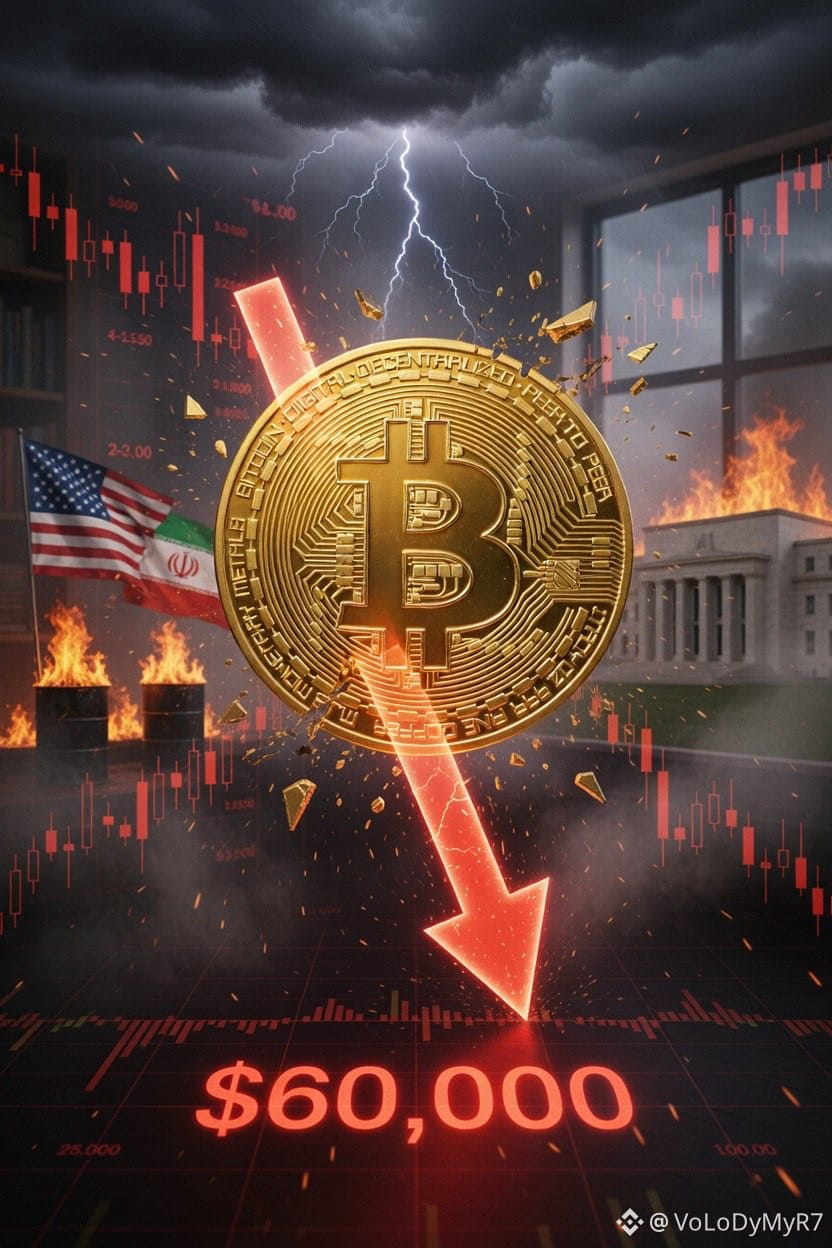
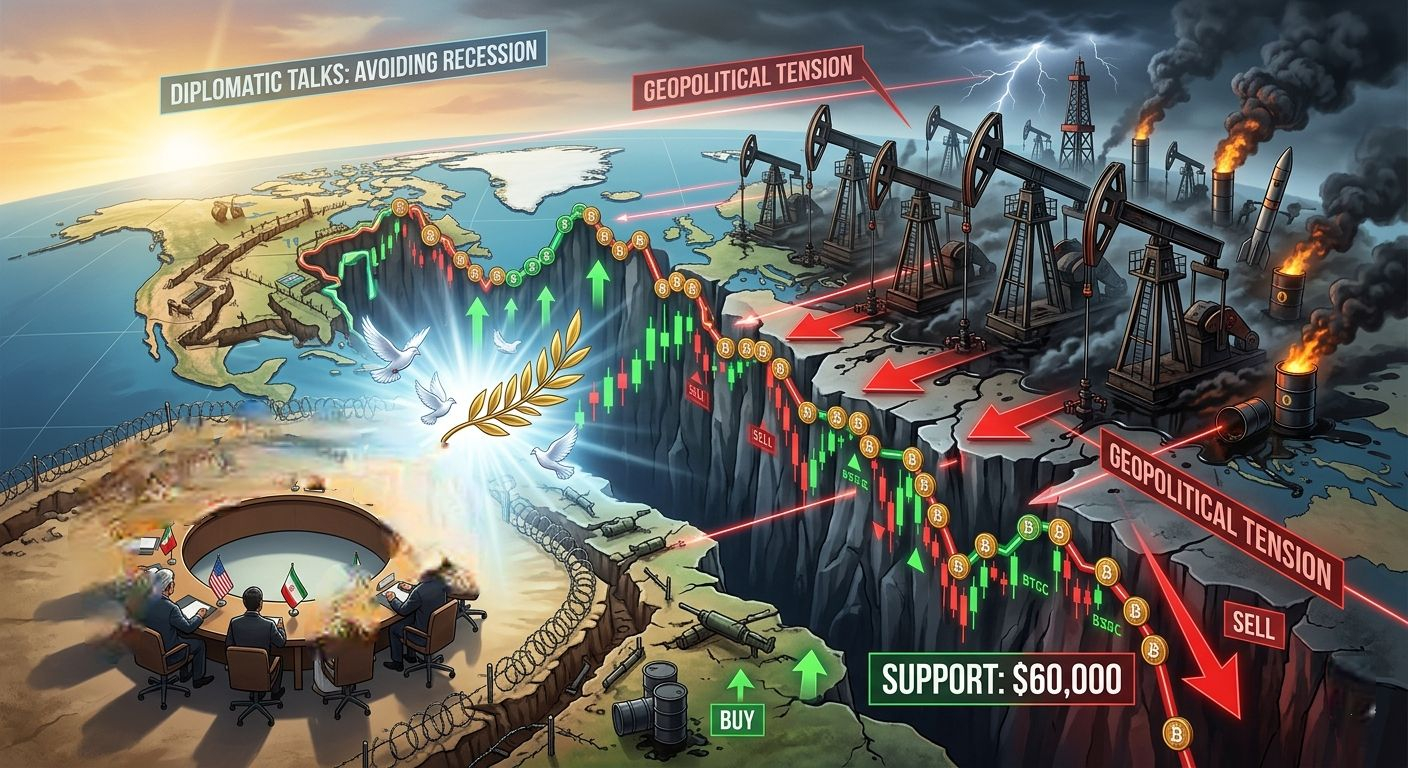
🚨 WAR, OIL AND $60,000: WILL BITCOIN WITHSTAND THE GEOPOLITICAL BLOW? 📉🌋
Jeff May (COO BTSE) issued a serious warning: if tensions between the USA and Iran escalate, Bitcoin may retreat to the critical mark of $60,000. 🏛️⚖️
Why the market is in danger:
Inflation fuel: Rising oil and gas prices are inflating inflation. This ties the hands of the Fed — forget about rate cuts in such conditions. ⛽🔥
Macro-uncertainty: Fear of escalation kills investor confidence, provoking short-term volatility and a move to cash. 🛑💸
Support levels: Despite the long-term bullish trend, May emphasizes: a protracted conflict will inevitably push the price to key support levels.
Geopolitics is now the main market maker. While infrastructure projects ($LINK , $ZRO ) continue to be built, speculative capital is very sensitive to news about oil and rockets. $60,000 is a real testing zone for our endurance. 🧘♂️🧱🛡️
👇 Do you consider $60k a "bottom" for buying, or do you believe Trump will resolve the situation sooner?
#GoogleStudyOnCryptoSecurityChallenges
#BitmineIncreasesETHStake
#BitcoinPrices $BTC
🚨 WAR, OIL AND $60,000: WILL BITCOIN WITHSTAND THE GEOPOLITICAL BLOW? 📉🌋
Jeff May (COO BTSE) issued a serious warning: if tensions between the USA and Iran escalate, Bitcoin may retreat to the critical mark of $60,000. 🏛️⚖️
Why the market is in danger:
Inflation fuel: Rising oil and gas prices are inflating inflation. This ties the hands of the Fed — forget about rate cuts in such conditions. ⛽🔥
Macro-uncertainty: Fear of escalation kills investor confidence, provoking short-term volatility and a move to cash. 🛑💸
Support levels: Despite the long-term bullish trend, May emphasizes: a protracted conflict will inevitably push the price to key support levels.
Geopolitics is now the main market maker. While infrastructure projects ($LINK , $ZRO ) continue to be built, speculative capital is very sensitive to news about oil and rockets. $60,000 is a real testing zone for our endurance. 🧘♂️🧱🛡️
👇 Do you consider $60k a "bottom" for buying, or do you believe Trump will resolve the situation sooner?
#GoogleStudyOnCryptoSecurityChallenges
#BitmineIncreasesETHStake
#BitcoinPrices $BTC
Jeff May (COO BTSE) issued a serious warning: if tensions between the USA and Iran escalate, Bitcoin may retreat to the critical mark of $60,000. 🏛️⚖️
Why the market is in danger:
Inflation fuel: Rising oil and gas prices are inflating inflation. This ties the hands of the Fed — forget about rate cuts in such conditions. ⛽🔥
Macro-uncertainty: Fear of escalation kills investor confidence, provoking short-term volatility and a move to cash. 🛑💸
Support levels: Despite the long-term bullish trend, May emphasizes: a protracted conflict will inevitably push the price to key support levels.
Geopolitics is now the main market maker. While infrastructure projects ($LINK , $ZRO ) continue to be built, speculative capital is very sensitive to news about oil and rockets. $60,000 is a real testing zone for our endurance. 🧘♂️🧱🛡️
👇 Do you consider $60k a "bottom" for buying, or do you believe Trump will resolve the situation sooner?
#GoogleStudyOnCryptoSecurityChallenges
#BitmineIncreasesETHStake
#BitcoinPrices $BTC
12
40
332

·
--
Bullish
Happy as a worm 1200 followers in 2 days and the count is increasing, claim more gifts thank you $BTC $ETH $BCH #AnthropicBansOpenClawFromClaude #BCH/USD #GoogleStudyOnCryptoSecurityChallenges #VenezolanosenBinance #VenezolanoEnCripto
Happy as a worm 1200 followers in 2 days and the count is increasing, claim more gifts thank you $BTC $ETH $BCH #AnthropicBansOpenClawFromClaude #BCH/USD #GoogleStudyOnCryptoSecurityChallenges #VenezolanosenBinance #VenezolanoEnCripto
1.3k
22
94
1.3k

·
--
Bullish
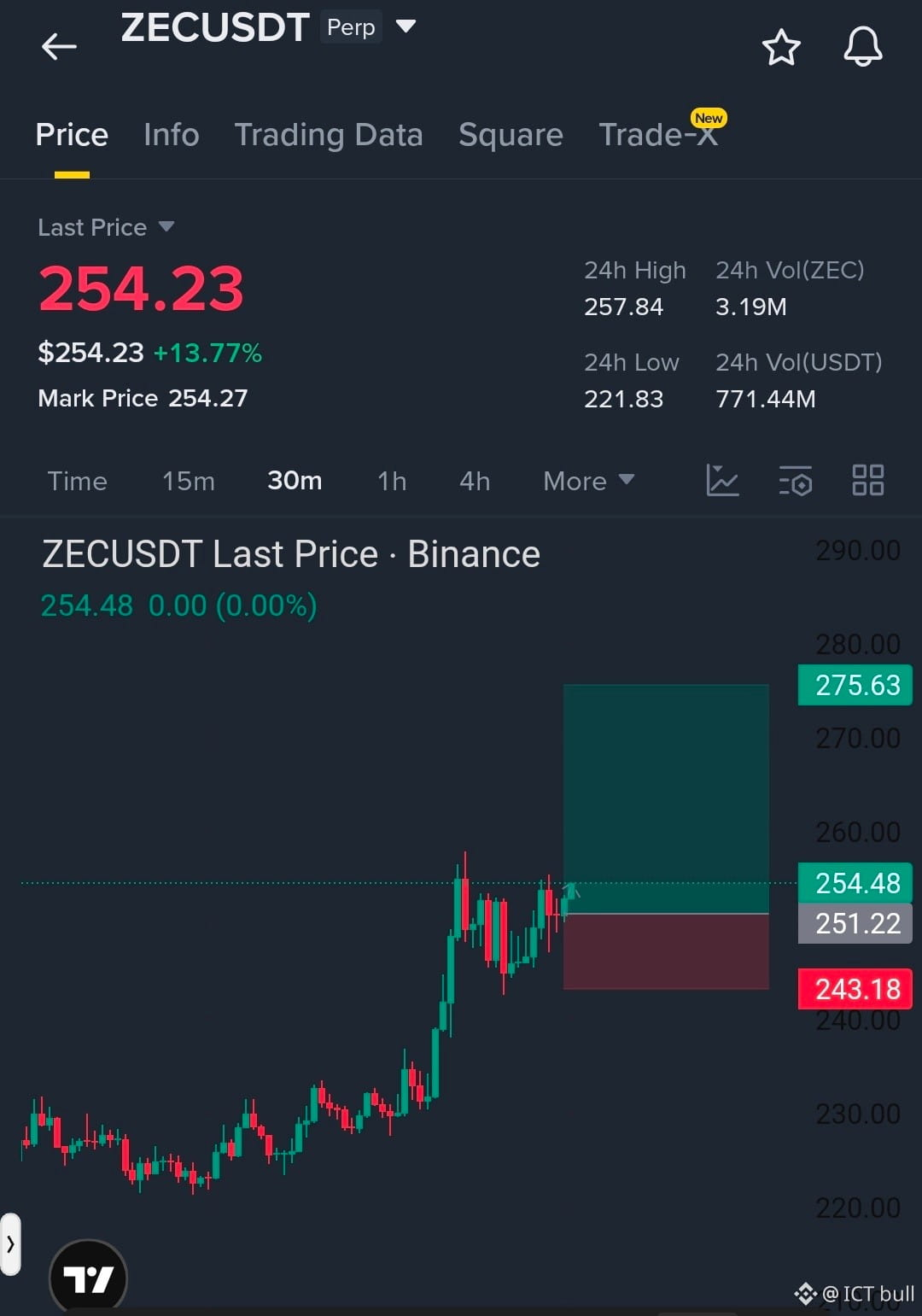
$ZEC USDT LONG SETUP
Strong impulsive move followed by tight consolidation under resistance — clear bullish continuation structure.
Entry: 252 – 255
Stop Loss: 243
TP1: 265
TP2: 275
TP3: 285
Price is holding above the breakout zone after a liquidity sweep and forming higher lows. As long as 250 holds, continuation toward 270+ remains likely.
#GoogleStudyOnCryptoSecurityChallenges #BitmineIncreasesETHStake OilRisesAbove$116OilRisesAbove$116
$ZEC USDT LONG SETUP
Strong impulsive move followed by tight consolidation under resistance — clear bullish continuation structure.
Entry: 252 – 255
Stop Loss: 243
TP1: 265
TP2: 275
TP3: 285
Price is holding above the breakout zone after a liquidity sweep and forming higher lows. As long as 250 holds, continuation toward 270+ remains likely.
#GoogleStudyOnCryptoSecurityChallenges #BitmineIncreasesETHStake OilRisesAbove$116OilRisesAbove$116
Strong impulsive move followed by tight consolidation under resistance — clear bullish continuation structure.
Entry: 252 – 255
Stop Loss: 243
TP1: 265
TP2: 275
TP3: 285
Price is holding above the breakout zone after a liquidity sweep and forming higher lows. As long as 250 holds, continuation toward 270+ remains likely.
#GoogleStudyOnCryptoSecurityChallenges #BitmineIncreasesETHStake OilRisesAbove$116OilRisesAbove$116
2
455

·
--
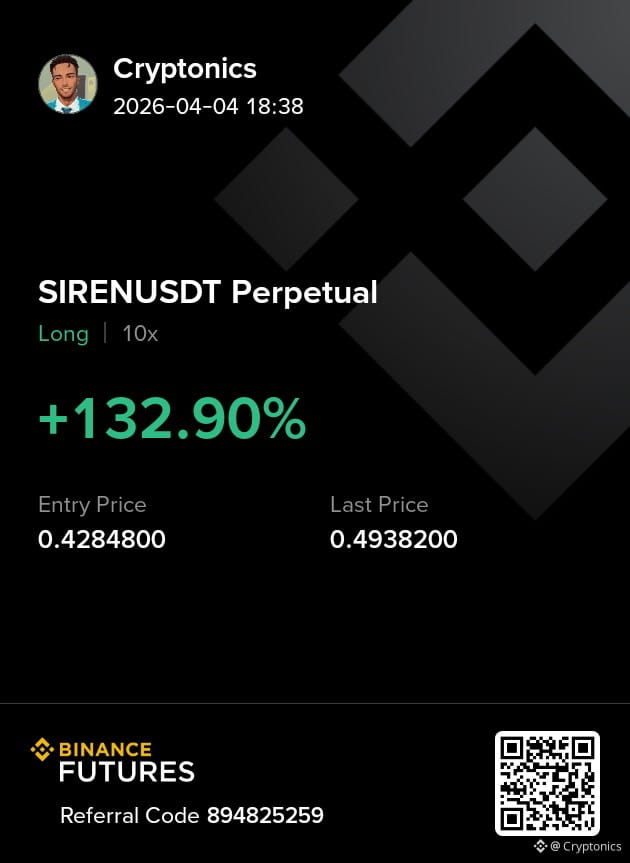
$SIREN long setup
scalping momentum technique
$XRP
$STO
#USJoblessClaimsNearTwo-YearLow
#GoogleStudyOnCryptoSecurityChallenges
$SIREN long setup
scalping momentum technique
$XRP
$STO
#USJoblessClaimsNearTwo-YearLow
#GoogleStudyOnCryptoSecurityChallenges
scalping momentum technique
$XRP
$STO
#USJoblessClaimsNearTwo-YearLow
#GoogleStudyOnCryptoSecurityChallenges
276

·
--
Risk-weighted asset markets have grown 5x since March 2025. Tokenized commodities are up 6x in a year.
RWA markets have grown 5x since March 2025. Tokenized commodities are up 6x in a year.
Traders want speed, access, and no boundaries, Binance's TradFi perpetuals are built exactly for that.$ETH #GoogleStudyOnCryptoSecurityChallenges
Traders want speed, ease of access, and borderless trading, and Binance's TradFi perpetual contracts are specifically designed to meet these needs.
Risk-weighted asset markets have grown 5x since March 2025. Tokenized commodities are up 6x in a year.
RWA markets have grown 5x since March 2025. Tokenized commodities are up 6x in a year.
Traders want speed, access, and no boundaries, Binance's TradFi perpetuals are built exactly for that.$ETH #GoogleStudyOnCryptoSecurityChallenges
Traders want speed, ease of access, and borderless trading, and Binance's TradFi perpetual contracts are specifically designed to meet these needs.
RWA markets have grown 5x since March 2025. Tokenized commodities are up 6x in a year.
Traders want speed, access, and no boundaries, Binance's TradFi perpetuals are built exactly for that.$ETH #GoogleStudyOnCryptoSecurityChallenges
Traders want speed, ease of access, and borderless trading, and Binance's TradFi perpetual contracts are specifically designed to meet these needs.
1
1
69

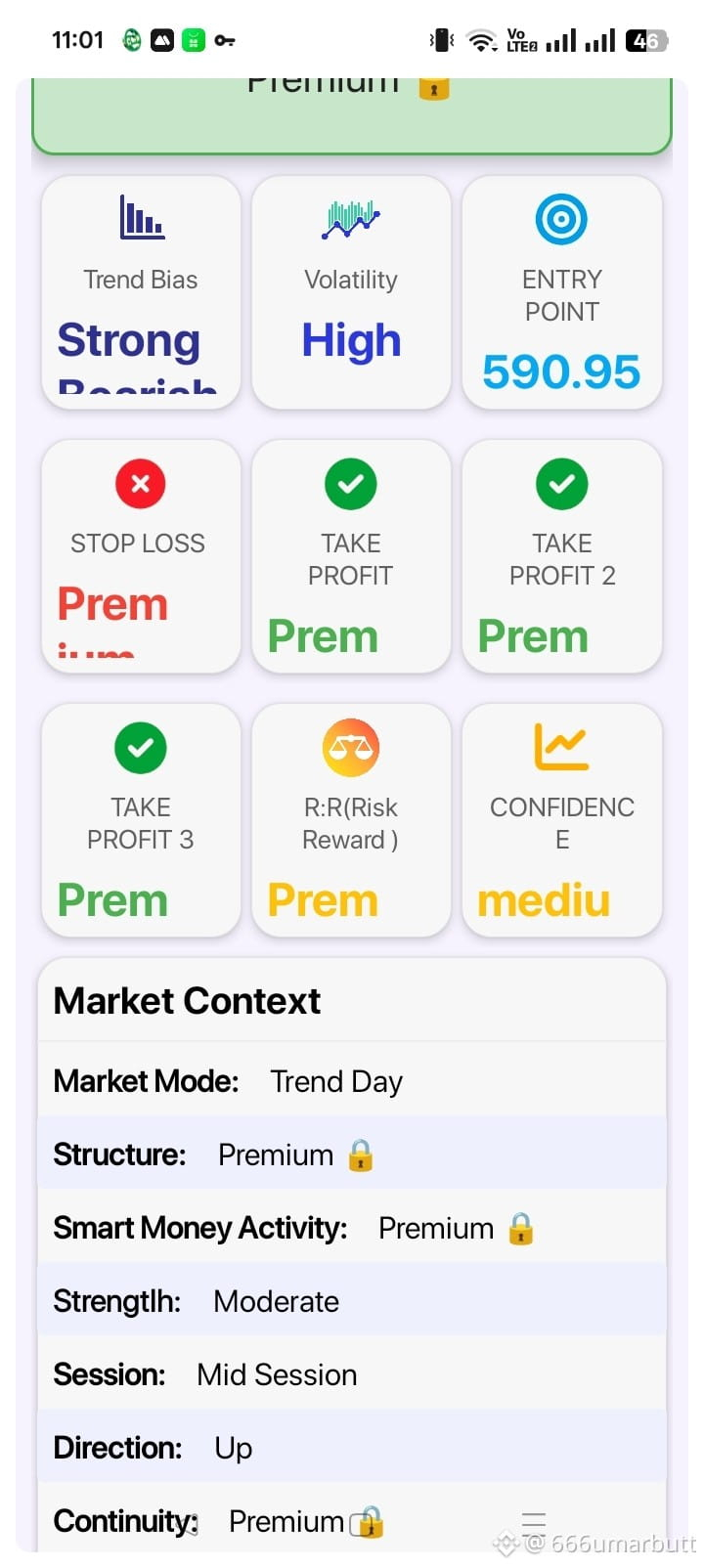
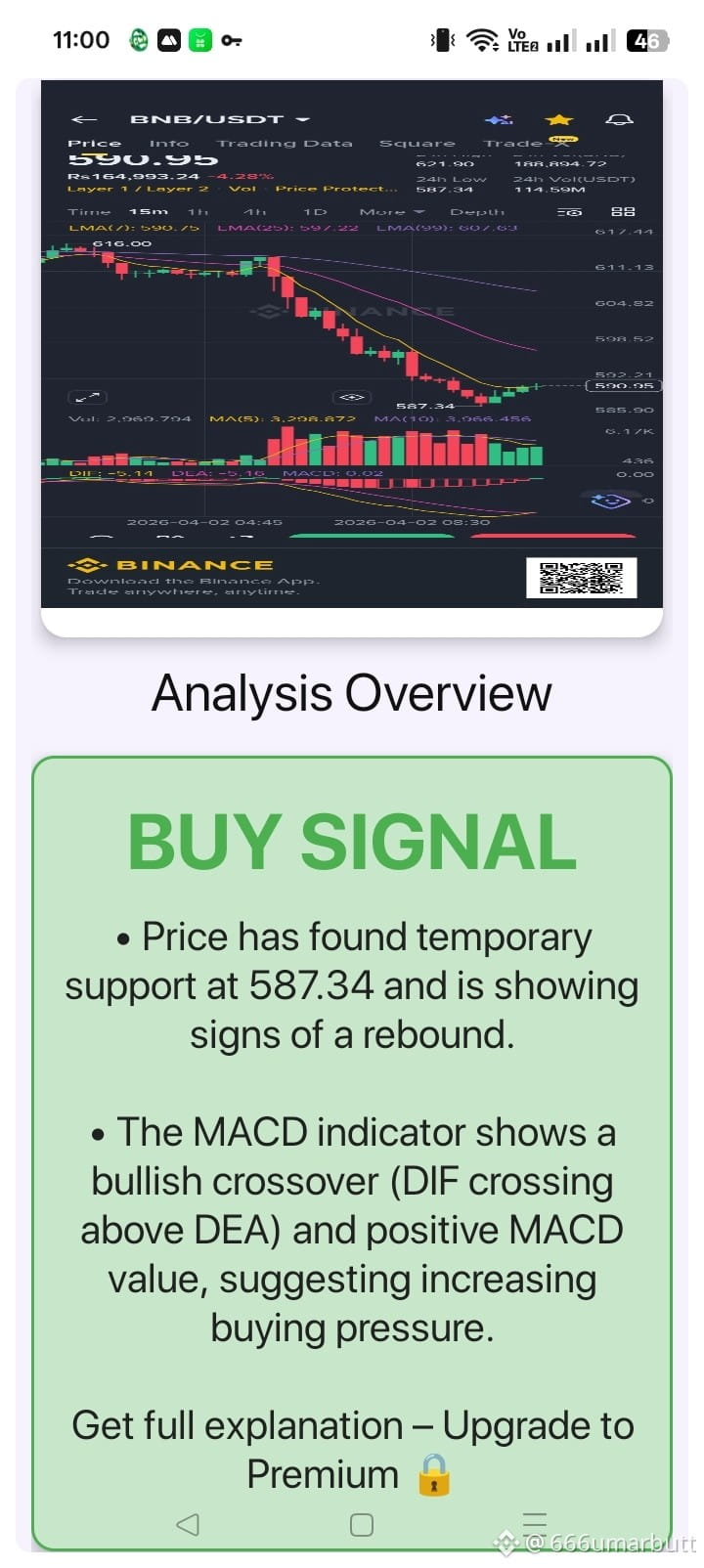
BNBUSDT
Current Situation:
💰 Price: 591
🔻 24h Change: -4.24%
📉 EMA(7) < EMA(25) < EMA(99) → Strong downtrend
📉 MACD is negative → Selling pressure is active
⚠️ Recent sharp dump (strong red candles)
🔴 Short (Sell) Strategy:
👉 If price pulls back to 595 – 600
→ This is a good short entry zone
🎯 Targets:
587
580
575
🛑 Stop Loss:
Above 605
🟢 When to Buy (Long)?
❌ Avoid buying right now (risky)
✅ Consider buying only if:
Price breaks above 600 strongly
Volume increases (strong buying confirmation)
🎯 Target:
608 – 615
⚡ Simple Decision:
👉 Best move: Wait for pullback → then short
👉 Avoid FOMO buying (market is weak)
#DriftProtocolExploited #GoogleStudyOnCryptoSecurityChallenges OilRisesAbove$116#BitcoinPrices
BNBUSDT
Current Situation:
💰 Price: 591
🔻 24h Change: -4.24%
📉 EMA(7) < EMA(25) < EMA(99) → Strong downtrend
📉 MACD is negative → Selling pressure is active
⚠️ Recent sharp dump (strong red candles)
🔴 Short (Sell) Strategy:
👉 If price pulls back to 595 – 600
→ This is a good short entry zone
🎯 Targets:
587
580
575
🛑 Stop Loss:
Above 605
🟢 When to Buy (Long)?
❌ Avoid buying right now (risky)
✅ Consider buying only if:
Price breaks above 600 strongly
Volume increases (strong buying confirmation)
🎯 Target:
608 – 615
⚡ Simple Decision:
👉 Best move: Wait for pullback → then short
👉 Avoid FOMO buying (market is weak)
#DriftProtocolExploited #GoogleStudyOnCryptoSecurityChallenges OilRisesAbove$116#BitcoinPrices
Current Situation:
💰 Price: 591
🔻 24h Change: -4.24%
📉 EMA(7) < EMA(25) < EMA(99) → Strong downtrend
📉 MACD is negative → Selling pressure is active
⚠️ Recent sharp dump (strong red candles)
🔴 Short (Sell) Strategy:
👉 If price pulls back to 595 – 600
→ This is a good short entry zone
🎯 Targets:
587
580
575
🛑 Stop Loss:
Above 605
🟢 When to Buy (Long)?
❌ Avoid buying right now (risky)
✅ Consider buying only if:
Price breaks above 600 strongly
Volume increases (strong buying confirmation)
🎯 Target:
608 – 615
⚡ Simple Decision:
👉 Best move: Wait for pullback → then short
👉 Avoid FOMO buying (market is weak)
#DriftProtocolExploited #GoogleStudyOnCryptoSecurityChallenges OilRisesAbove$116#BitcoinPrices
30

·
--
What makes Sign more interesting to me is that it’s not really just a registry.
That sounds too passive.
The bigger thing is that it lets trust travel. A proof gets signed once, then other apps or chains can use it without making everyone go through the same verification ritual again. That makes the whole system feel less repetitive and a lot less dumb.
That’s the good part.
The uncomfortable part is where the risk moves next.
Because once trust becomes portable, issuers matter a lot more. A weak issuer doesn’t just make one bad attestation. It can poison a whole chain of downstream decisions. And then there’s the time problem. Something can be valid once and still look trustworthy long after it should’ve expired.
That’s the tension I keep coming back to.
Sign can make cross-chain trust cleaner and more reusable.
But reusable trust only works if the issuer stays credible and the proof doesn’t outlive the truth it was supposed to prove.
@SignOfficial #SignDigitalSovereignInfra $SIGN
#DriftProtocolExploited #ADPJobsSurge #GoogleStudyOnCryptoSecurityChallenges
$SIREN
What makes Sign more interesting to me is that it’s not really just a registry.
That sounds too passive.
The bigger thing is that it lets trust travel. A proof gets signed once, then other apps or chains can use it without making everyone go through the same verification ritual again. That makes the whole system feel less repetitive and a lot less dumb.
That’s the good part.
The uncomfortable part is where the risk moves next.
Because once trust becomes portable, issuers matter a lot more. A weak issuer doesn’t just make one bad attestation. It can poison a whole chain of downstream decisions. And then there’s the time problem. Something can be valid once and still look trustworthy long after it should’ve expired.
That’s the tension I keep coming back to.
Sign can make cross-chain trust cleaner and more reusable.
But reusable trust only works if the issuer stays credible and the proof doesn’t outlive the truth it was supposed to prove.
@SignOfficial #SignDigitalSovereignInfra $SIGN
#DriftProtocolExploited #ADPJobsSurge #GoogleStudyOnCryptoSecurityChallenges
$SIREN
That sounds too passive.
The bigger thing is that it lets trust travel. A proof gets signed once, then other apps or chains can use it without making everyone go through the same verification ritual again. That makes the whole system feel less repetitive and a lot less dumb.
That’s the good part.
The uncomfortable part is where the risk moves next.
Because once trust becomes portable, issuers matter a lot more. A weak issuer doesn’t just make one bad attestation. It can poison a whole chain of downstream decisions. And then there’s the time problem. Something can be valid once and still look trustworthy long after it should’ve expired.
That’s the tension I keep coming back to.
Sign can make cross-chain trust cleaner and more reusable.
But reusable trust only works if the issuer stays credible and the proof doesn’t outlive the truth it was supposed to prove.
@SignOfficial #SignDigitalSovereignInfra $SIGN
#DriftProtocolExploited #ADPJobsSurge #GoogleStudyOnCryptoSecurityChallenges
$SIREN
71
Log in to explore more content
Join global crypto users on Binance Square
⚡️ Get latest and useful information about crypto.
💬 Trusted by the world’s largest crypto exchange.
👍 Discover real insights from verified creators.
Email / Phone number
Trending Topics
1
#FedRateWatch
156,007 views
1,019 Discussing
2
#BitcoinSlidesTo$76000
24 views
24 Discussing
3
#BitcoinReboundsTo$79K
42,844 views
327 Discussing
4
#StrategyMarketCapPassesFord
757 views
76 Discussing
5
#ClarityActOddsHalveOnPolymarket
696 views
63 Discussing
6
#US30YTreasuryYieldTops5.40%
2,476 views
76 Discussing
7
#BessentEndorsesFinalClarityActDraft
15,684 views
355 Discussing
8
#ZamaOpens16ConfidentialMorphoVaults
6,841 views
190 Discussing
9
#USDCOnChainVolumeTops$100Trillion
1,081 views
31 Discussing
10
#BitcoinSpotETFsNetInflow$160M
1,974 views
84 Discussing