

#bitcoinhashratehitssevenmonthhigh
bitcoinhashratehitssevenmonthhigh
Hot
Latest

Verified
#bitcoinhashratehitssevenmonthhigh
🚨 THE MINING EQUATION: BITCOIN HITS 1 ZETTAHASH 🚨
Miners are rapidly shifting to AI, yet the network just hit a massive milestone! Let’s break down the computational battle using pure math 🧮👇
(Displaced AI Hardware) + (Fierce Competitors) = 1 ZH/s Record ⛏️
The Hardware Variable:
(Secondhand ASICs) = Smaller miners buying displaced rigs.
The Difficulty Output:
(5.92% Jump) = Difficulty hit a record 140.58T on Oct 16.
The Breakdown:
Despite large publicly traded miners pivoting to artificial intelligence, Bitcoin’s 7-day average hashrate just reclaimed 1 Zettahash per second—the highest level recorded since March 3, 2026.
How is this possible? Smaller operators with access to cheap power are aggressively scooping up secondhand equipment and plugging it back into the network. Competition is intensely rising, and network difficulty is projected to jump by another 5% at the next adjustment.
Is the AI pivot secretly making Bitcoin more decentralized? Let's debate! 👇💬
$MAGMA
{future}(MAGMAUSDT)
$AKE
{future}(AKEUSDT)
$BTC
{future}(BTCUSDT)
#BTC #CryptoMining #Bitcoin #CryptoNews
#bitcoinhashratehitssevenmonthhigh
🚨 THE MINING EQUATION: BITCOIN HITS 1 ZETTAHASH 🚨
Miners are rapidly shifting to AI, yet the network just hit a massive milestone! Let’s break down the computational battle using pure math 🧮👇
(Displaced AI Hardware) + (Fierce Competitors) = 1 ZH/s Record ⛏️
The Hardware Variable:
(Secondhand ASICs) = Smaller miners buying displaced rigs.
The Difficulty Output:
(5.92% Jump) = Difficulty hit a record 140.58T on Oct 16.
The Breakdown:
Despite large publicly traded miners pivoting to artificial intelligence, Bitcoin’s 7-day average hashrate just reclaimed 1 Zettahash per second—the highest level recorded since March 3, 2026.
How is this possible? Smaller operators with access to cheap power are aggressively scooping up secondhand equipment and plugging it back into the network. Competition is intensely rising, and network difficulty is projected to jump by another 5% at the next adjustment.
Is the AI pivot secretly making Bitcoin more decentralized? Let's debate! 👇💬
$MAGMA
$AKE
$BTC
#BTC #CryptoMining #Bitcoin #CryptoNews
2
3k


·
--
Bullish
🚨 BITCOIN HASHRATE HITS 7-MONTH HIGH!
Bitcoin’s network computing power has climbed above 1 ZH/s, signaling increased mining activity and strengthening the network’s computational security.
📊 Rising hashrate is a sign of growing mining participation, but it doesn't guarantee a BTC price rally.
Is this a bullish signal for Bitcoin?
#BitcoinHashrateHitsSevenMonthHigh
{spot}(BTCUSDT)
🚨 BITCOIN HASHRATE HITS 7-MONTH HIGH!
Bitcoin’s network computing power has climbed above 1 ZH/s, signaling increased mining activity and strengthening the network’s computational security.
📊 Rising hashrate is a sign of growing mining participation, but it doesn't guarantee a BTC price rally.
Is this a bullish signal for Bitcoin?
#BitcoinHashrateHitsSevenMonthHigh
1
173

#BitcoinHashrateHitsSevenMonthHigh
🚨 Bitcoin Hashrate Hits a Seven-Month High!
Bitcoin’s network hashrate has climbed to its highest level in seven months, signaling stronger computing power and increased mining activity across the network. ⛏️⚡
A higher hashrate generally means stronger network security, but it also brings tougher competition for Bitcoin miners.
Interestingly, this comes even as some major mining companies are shifting part of their computing capacity toward AI and high-performance computing (HPC).
Higher Hashrate = Stronger Bitcoin Network + More Mining Competition
But remember — a rising hashrate doesn’t necessarily mean BTC’s price will rise immediately. It’s primarily a sign of strength in Bitcoin’s underlying network fundamentals.
#Bitcoin #BTC #BitcoinMining #BitcoinHashrateHitsSevenMonthHigh $XAU
2

·
--
BREAKING: Bitcoin Hashrate Hits 7-Month High - 1 ZH/s! 🚀
$BTC network just got stronger than ever! Bitcoin's 7-day average hashrate has climbed above 1 zettahash per second (1 ZH/s = 1,000 EH/s), its highest level since March 3, according to BlocksBridge Consulting Miner Weekly.
Most bullish part? This happened while major public miners are shifting capacity to AI & HPC. The power leaving for AI is being replaced by other miners - competition is NOT easing.
Other key
✅ Mining difficulty rose 5.92% on Oct 16
✅ Hashrate = total computing power securing Bitcoin
✅ More hashrate = more secure + more decentralized
A 1 ZH/s milestone proves Bitcoin's security is at all-time-high level despite market fears. Miners are confident!
Is this the signal for next $BTC rally? Hashrate often leads price.
What do you think - will $BTC break $ATH after this strength?
#BTC #Bitcoin #Hashrate #Mining #CryptoNews #BinanceSquare#bitcoinhashratehitssevenmonthhigh
1

#BitcoinHashrateHitsSevenMonthHigh
🚀 BITCOIN HASHRATE HITS A 7-MONTH HIGH! 📈
Bitcoin’s mining power has reached its highest level in seven months.
💪 What does this mean?
🔹 Stronger Network: More computing power helps protect the Bitcoin network.
🔹 Active Miners: Miners continue to support and secure the network.
🔹 Positive Sign: A rising hashrate can show strength in Bitcoin’s network.
⚠️ Important: A higher hashrate does not guarantee that Bitcoin’s price will rise. BTC’s price also depends on market demand, investor sentiment, liquidity, and economic conditions.
📊 Strong network, but always do your own research before trading.
#Bitcoin #BTC #CryptoNews #BitcoinMining #Binance
23

·
--
🚨 BITCOIN HASHRATE HITS A 7-MONTH HIGH!
#BitcoinHashrateHitsSevenMonthHigh
Bitcoin’s network computing power has climbed above 1 ZH/s (1,000 EH/s), reaching its highest level since March 2026.
🔥 Why does this matter?
✅ Stronger computing power helps improve Bitcoin’s network security.
⚙️ Mining competition is increasing, even as some major mining companies shift toward AI.
📈 Mining difficulty rose by 5.92% on October 16, putting additional pressure on miners’ profit margins.
The key takeaway: Bitcoin’s network fundamentals are showing strength, but a rising hashrate does not guarantee an immediate BTC price rally.
👀 Will this strengthen Bitcoin’s long-term outlook, or will mining costs become a bigger challenge?
💬 Share your thoughts below!
#Bitcoin
{spot}(BTCUSDT)
🚨 BITCOIN HASHRATE HITS A 7-MONTH HIGH!
#BitcoinHashrateHitsSevenMonthHigh
Bitcoin’s network computing power has climbed above 1 ZH/s (1,000 EH/s), reaching its highest level since March 2026.
🔥 Why does this matter?
✅ Stronger computing power helps improve Bitcoin’s network security.
⚙️ Mining competition is increasing, even as some major mining companies shift toward AI.
📈 Mining difficulty rose by 5.92% on October 16, putting additional pressure on miners’ profit margins.
The key takeaway: Bitcoin’s network fundamentals are showing strength, but a rising hashrate does not guarantee an immediate BTC price rally.
👀 Will this strengthen Bitcoin’s long-term outlook, or will mining costs become a bigger challenge?
💬 Share your thoughts below!
#Bitcoin
58

$BTC miners just voted with their machines. ⚡ Hashrate is up 45% — 726 to 1,050 EH/s — as public miners expand again. CryptoQuant's Ki Young Ju calls it an indirect bullish signal for Bitcoin's security. Are you reading it the same way?
#BitcoinHashrateHitsSevenMonthHigh #BTC #CryptoNews
DYOR
$BTC miners just voted with their machines. ⚡ Hashrate is up 45% — 726 to 1,050 EH/s — as public miners expand again. CryptoQuant's Ki Young Ju calls it an indirect bullish signal for Bitcoin's security. Are you reading it the same way?
#BitcoinHashrateHitsSevenMonthHigh #BTC #CryptoNews
DYOR
#BitcoinHashrateHitsSevenMonthHigh #BTC #CryptoNews
DYOR
33

·
--
#BitcoinHashrateHitsSevenMonthHigh
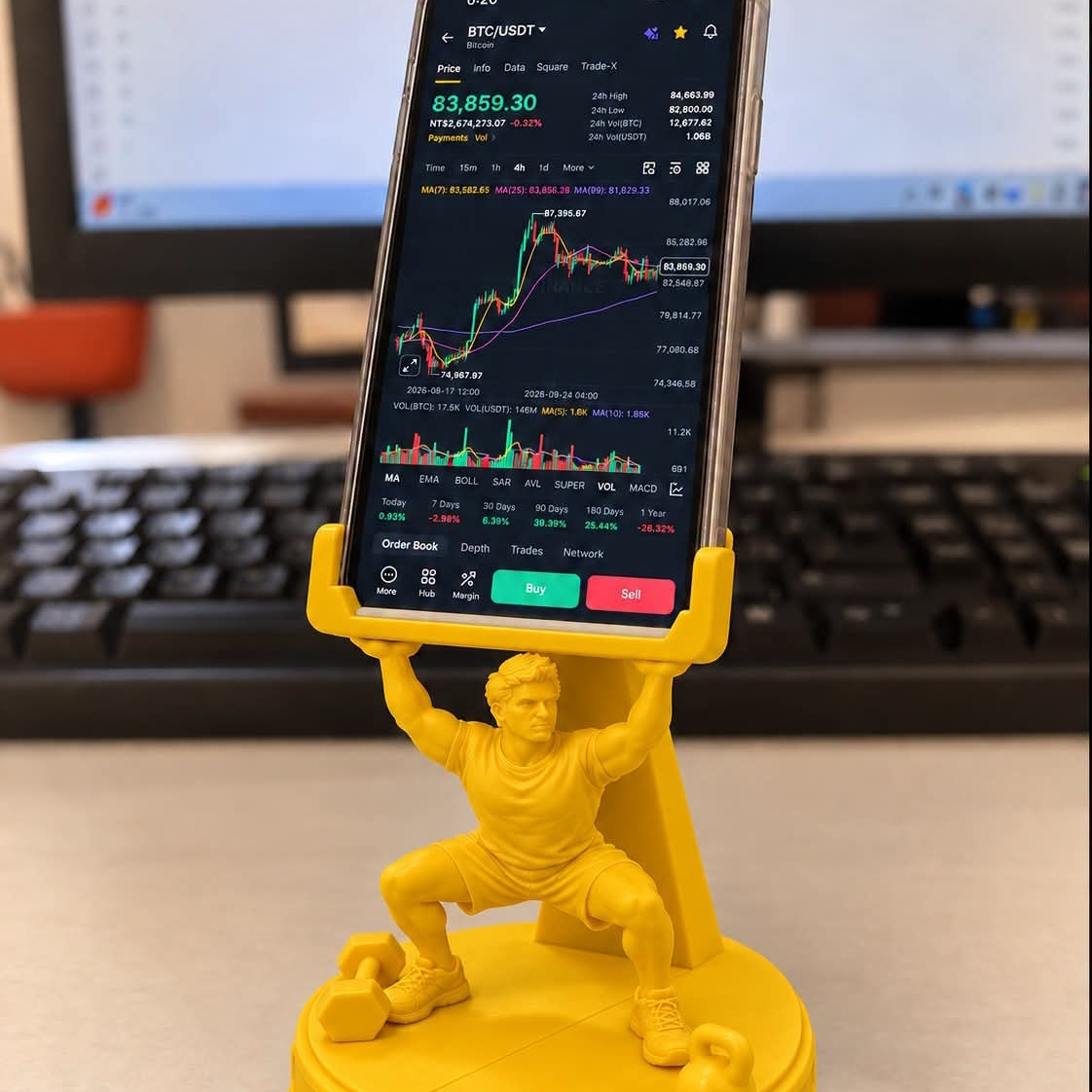
⛏️ Bitcoin Hashrate Back Above 1 ZH/s, Highest Since March
📊 The 7-day average hashrate topped 1,000 EH/s on Oct 22 (BlocksBridge Miner Weekly)
📅 Highest level since March 3
📈 Difficulty rose 5.92% on Oct 16, and another ~5.16% rise is projected
⚠️ That would be about 11.4% across two adjustments in a row
📉 Yet public miners' realized hashrate fell 23% as they moved power to AI
💻 Their AI and HPC revenue jumped 52% in a quarter
🔁 Smaller miners buying used rigs may be filling the gap
What it means for crypto: more hashrate makes the $BTC network costlier to attack. But with BTC near $81.7K, tighter competition squeezes miner margins.
Are miners leaving for AI, or is Bitcoin just getting new miners? 👇
$BTC
#CryptoNews #BitcoinMining #Hashrate #BitcoinHashrateHitsSevenMonthHigh
41
·
--
Bullish
#BitcoinHashrateHitsSevenMonthHigh
🚨 BULLISH SIGNAL? BITCOIN HASHRATE HITS A 7-MONTH HIGH! ⚡️
₿ Bitcoin mining power is climbing again! 🔥
📈 Rising hashrate signals stronger competition among miners and growing computing power securing the BTC network.
🐳 THE BIG PICTURE:
🔹 Network security remains a key strength.
🔹 Mining difficulty and operating costs matter.
🔹 A rising hashrate does NOT guarantee an immediate price pump.
👀 Will BTC turn this network strength into its next major rally?
🐂 Bullish long-term or just another crypto metric?
👇 Drop your view!
$BTC $ETH $BNB
#Bitcoin #CryptoNews #BitcoinMining #CryptoMarket
{spot}(BTCUSDT)
{spot}(ETHUSDT)
{spot}(BNBUSDT)
#BitcoinHashrateHitsSevenMonthHigh
🚨 BULLISH SIGNAL? BITCOIN HASHRATE HITS A 7-MONTH HIGH! ⚡️
₿ Bitcoin mining power is climbing again! 🔥
📈 Rising hashrate signals stronger competition among miners and growing computing power securing the BTC network.
🐳 THE BIG PICTURE:
🔹 Network security remains a key strength.
🔹 Mining difficulty and operating costs matter.
🔹 A rising hashrate does NOT guarantee an immediate price pump.
👀 Will BTC turn this network strength into its next major rally?
🐂 Bullish long-term or just another crypto metric?
👇 Drop your view!
$BTC $ETH $BNB
#Bitcoin #CryptoNews #BitcoinMining #CryptoMarket
16

·
--
Bullish
#BitcoinHashrateHitsSevenMonthHigh
🚀 $BTC Hashrate Hits 7-Month High Above 1 ZH/s!
Network strength is back! $BTC ’s 7-day average hashrate just crossed 1,000 EH/s — the highest level since early March. Even as some big public miners pivot toward AI and HPC, the overall network power keeps climbing. Difficulty is rising too, showing real competition is heating up.
This is pure bullish signal. Hashrate recovering while big players chase AI proves $BTC ’s mining base is deeper and more resilient than people think. Stronger security, tighter supply pressure ahead, and quiet accumulation by smaller operators. Network doesn’t care about narratives — it just gets stronger. Long-term holders win again. 🔥
#BTC #Bitcoin #Hashrate #Crypto #Bullish
{spot}(BTCUSDT)
#BitcoinHashrateHitsSevenMonthHigh
🚀 $BTC Hashrate Hits 7-Month High Above 1 ZH/s!
Network strength is back! $BTC ’s 7-day average hashrate just crossed 1,000 EH/s — the highest level since early March. Even as some big public miners pivot toward AI and HPC, the overall network power keeps climbing. Difficulty is rising too, showing real competition is heating up.
This is pure bullish signal. Hashrate recovering while big players chase AI proves $BTC ’s mining base is deeper and more resilient than people think. Stronger security, tighter supply pressure ahead, and quiet accumulation by smaller operators. Network doesn’t care about narratives — it just gets stronger. Long-term holders win again. 🔥
#BTC #Bitcoin #Hashrate #Crypto #Bullish
79
·
--
Hashrate Milestone: Bitcoin's 7-day average network hashrate crossed 1 Zettahash per second (1 ZH/s)—equivalent to 1,000 Exahashes per second (EH/s). This is the highest computing power level recorded on the network since March 2026.
Mining Difficulty Spikes: Along with the computing power surge, Bitcoin’s mining difficulty jumped by 5.92% on October 16, with another estimated ~5.16% increase projected for the next adjustment. Combined, this represents an ~11.4% difficulty increase across two consecutive cycles.
2. Main Drivers Behind the Trend
The AI Pivot & Machine Resale: Publicly traded mining firms recently pivoted significant hardware capacity toward Artificial Intelligence (AI) andHigh-Performance Computing (HPC) tasks. However, instead of taking that hashpower completely offline, displaced ASIC machines were sold or transferred to private, mid-sized, and lower-cost international hosting facilities (e.g., in Texas and South America). A higher hashrate means the Bitcoin network is structurally more secure and resilient against malicious computational attacks.
#BitcoinHashrateHitsSevenMonthHigh
84

#BitcoinHashrateHitsSevenMonthHigh 🚀 Bitcoin Hashrate Hits a 7-Month High! ₿
🔥 Bitcoin mining power is reaching new heights!
📈 Network hashrate hits its highest level in seven months. ⛏️ Mining activity remains a key metric to watch. 🔒 A strong hashrate reflects substantial computational power securing the Bitcoin network.
Will BTC's network strength bring more confidence to the market? 👀
55

·
--
Verified
#bitcoinhashratehitssevenmonthhigh
Bitcoin's hashrate is recovering. Mining is getting harder. Both can be true.
On October 22, BlocksBridge Consulting reported that Bitcoin's seven-day average hashrate had climbed back above 1,000 EH/s, or 1 zettahash per second, its highest level since March 3, 2026.
What makes this interesting is the timing.
Some publicly traded miners are redirecting capacity toward AI and high-performance computing. Yet Bitcoin's overall computing power has recovered.
The network isn't simply following the largest mining companies out the door.
But there's another side to this story.
On October 16, mining difficulty increased 5.92% to approximately 140.58 trillion. BlocksBridge estimated another 5.16% increase at the next adjustment, although that figure can change.
For miners, higher difficulty means more computational work is needed to compete for block rewards, all else being equal.
My biggest takeaway?
A stronger Bitcoin network doesn't automatically mean a more profitable mining business.
Secondhand equipment and smaller operators may be contributing to the recovery, but the available evidence doesn't establish exactly how much.
And I wouldn't treat rising hashrate as an immediate BTC price signal. Network security, mining profitability and market demand are three different things.
The metric I'm watching tells us something about Bitcoin's resilience. It doesn't tell us where the price goes next.
What's your view: will the AI boom push more miners away from Bitcoin, or create opportunities for smaller operators to take their place?
$BTC #bitcoin #Bitcoinmining #hashrate #BinanceSquare
Source: BlocksBridge Consulting's Miner Weekly, October 22, 2026. Difficulty data cross-checked against Bitcoin network records.
Not financial advice. The next difficulty adjustment is an estimate, not a confirmed outcome.
405

·
--
BTC Hashrate Returns to Elevated Levels | Difficulty Increase Squeezes Miner Profits | I Won’t Chase Near 81,600
My stance is cautious: I don’t interpret a stronger hashrate as meaning the coin price will rise immediately. A hot topic on Binance Square is “Bitcoin hashrate hits a seven-month high.” Tracing this back to the original source, BlocksBridge’s Miner Weekly says the weekly average hashrate around October 22 returned to above 1 ZH per second, its highest level since March 3. Independently checking the public on-chain statistics API from mempool.space, the current estimated hashrate is about 1.055 ZH/s, with difficulty at about 140.58 trillion. The two figures use different methodologies and observation windows, but both point to strong competition among miners. It’s worth noting that some publicly listed mining companies are repurposing their facilities for AI; that doesn’t mean machines across the entire network are being taken offline. Older equipment changing hands and new operators with access to low-cost electricity taking it over could both help total hashrate recover. The report proposes this as a possible mechanism; it has not verified the provenance of each individual mining machine.
The impact on BTC supply needs to be explained clearly. Rewards are distributed according to the protocol in each difficulty period. More hashrate coming online does not create extra BTC out of thin air; it makes the expected reward per unit of hashrate thinner. The roughly 5.92% difficulty increase that took place on-chain on October 16 is a fact. At the time of writing, mempool.space estimated that the next adjustment could be another increase of about 4.5%, but that figure changes with block production speed and is not an adjustment that has already taken effect. If the price moves sideways, transaction fees do not increase significantly, and difficulty keeps rising, miners with higher marginal costs may sell more coins or shift to other businesses. They may also weather it by improving efficiency, so it would be unjustified to claim without data that “miners are selling off in a coordinated way.” A higher hashrate mainly reflects the network’s security budget and competition in the mining industry. To assess spot-market direction, we also need to consider ETF flows, liquidity, and spot demand.
The price has not automatically strengthened on this narrative. At the time of writing, Kraken BTC/USD was around $81,683, with a rolling 24-hour low of $80,813.7 and a high of $82,791.8, still within the range. Treating “a seven-month high” as the sole explanation for every candlestick makes it easy to overlook capital flows. The levels I’m watching are whether the price can hold around $82,800 above and whether $80,800 holds below. If it falls below $80,800 while ETF flows continue to deteriorate, my cautious view would be invalidated. Conversely, even if hashrate data dips slightly, that could simply reflect the estimation window and block-production fluctuations; it is not a reason to immediately claim that network security is collapsing.
If I were trading this myself, I would sit out for now and only consider a small spot long after confirmation. The trigger would be BTC decisively moving above $82,800 and holding it on a retest, while spot volume and ETF flow data do not continue to weaken significantly. I would allocate no more than 3% of my total capital, entering in two tranches, and would not use high leverage. I would take half off at the first target of $84,000, with the remaining position targeting $85,200; the stop-loss would be below $80,700. If the breakout fails, the price falls back into the range, or reliable evidence emerges of miners continuing to transfer net amounts to exchanges, I would exit early. If none of the conditions are met, I’ll stay out of the market—I won’t treat a plan as an executed trade.
Sources: BlocksBridge Miner Weekly, mempool.space public mining statistics, Kraken BTC/USD market data. #BitcoinHashrateHitsSevenMonthHigh #BTC
The above is only my personal market observation and does not constitute investment advice.
5

·
--
Miners are collectively switching to AI, yet Bitcoin’s hashrate has surged past 1 ZH/s, hitting a seven-month high—nobody saw this plot twist coming.
According to the latest issue of BlocksBridge Consulting’s *Miner Weekly*, Bitcoin’s 7-day average hashrate has climbed back above 1 ZH/s (1,000 EH/s), its highest level since March 3.
The strange thing is that this is happening as publicly listed mining companies are collectively “changing careers”: major players are freeing up data center capacity for AI and high-performance computing. Their hashrate has already fallen by 23%, AI-related revenue has surged 52% quarter over quarter, and around $1.5 billion worth of mining machines have been displaced.
But the hashrate hasn’t vanished into thin air—it’s just changed hands. Used mining machines are flowing through channels like Sazmining to smaller miners in Paraguay and Texas. The Antminer S21 XP units retired by major companies are being picked up by others and put straight back to work.
The cost is fiercer competition: mining difficulty rose by 5.92% on October 16, and the next adjustment is expected to add another 5.16%, bringing the two consecutive increases to around 11.4%. BlocksBridge’s assessment is painfully clear: “This is not the breathing room that miners who stay in the game were hoping for amid the shift to AI.”
I think the new hashrate high is a clear positive for the Bitcoin network, significantly strengthening its security buffer. But it’s bad news for miners—the pie hasn’t grown, and there aren’t fewer people sharing it, so profits will only get spread thinner. For Bitcoin’s price, it’s a signal of stronger fundamentals, but don’t expect hashrate to directly pump the price; it has never been a short-term price switch.
Do you think miners’ shift to AI will ultimately pay off, or leave them worse off?
$BTC
#BitcoinHashrateHitsSevenMonthHigh
#BTC #Mining
This is not investment advice. DYOR; trading involves risk.
4

#BitcoinHashrateHitsSevenMonthHigh
🚨 BITCOIN MINING ALERT! ⛏️🔥
#BitcoinHashrateHitsSevenMonthHigh 👀
Bitcoin's hashrate is attracting attention! 📊
The hashrate measures the computing power used to secure the Bitcoin network. A rising hashrate can indicate stronger mining competition and greater computing resources supporting the network.
⚠️ But remember: a higher hashrate does NOT automatically mean BTC's price will rise.
💬 What do you think? Is this a positive sign for Bitcoin's long-term future?
🟢 YES — Stronger network
🔴 NOT SURE — Price action matters more
👇 Share your thoughts!
#BTC #CryptoNewss #BİNANCESQUARE
{spot}(BTCUSDT)
#BitcoinHashrateHitsSevenMonthHigh
🚨 BITCOIN MINING ALERT! ⛏️🔥
#BitcoinHashrateHitsSevenMonthHigh 👀
Bitcoin's hashrate is attracting attention! 📊
The hashrate measures the computing power used to secure the Bitcoin network. A rising hashrate can indicate stronger mining competition and greater computing resources supporting the network.
⚠️ But remember: a higher hashrate does NOT automatically mean BTC's price will rise.
💬 What do you think? Is this a positive sign for Bitcoin's long-term future?
🟢 YES — Stronger network
🔴 NOT SURE — Price action matters more
👇 Share your thoughts!
#BTC #CryptoNewss #BİNANCESQUARE
1

·
--
Verified
🚨 $ETH UPGRADE DELAYED — ARE THE BULLS IN TROUBLE AGAIN? 📉🔥
Ethereum developers have postponed the Glamsterdam upgrade on the Hoodi testnet, originally scheduled for October 26.
And there's no new date yet. 👀
The delay comes as developers investigate potential compatibility issues involving EIP-8037.
But here's the twist…
The upgrade isn't canceled. Developers are taking more time to test it.
💥 SO WHAT'S THE TRADE?
🐻 BEARISH: More delays → Confidence weakens → $ETH faces renewed selling pressure.
🐂 BULLISH: Issues get resolved → New upgrade date announced → Buyers regain confidence.
⚠️ THE REAL QUESTION:
Is this just a temporary setback, or another reason for traders to dump ETH?
👇 WHAT'S YOUR NEXT MOVE?
🔥 BUY THE $ETH DIP?
📉 SHORT THE BOUNCE?
BULLISH DELAY OR SELL-THE-NEWS TRAP? 👀
{future}(ETHUSDT)
#ethereumhooditestnetglamsterdamhardforkdelayed #EarningsSeason #BinancePick #BitcoinHashrateHitsSevenMonthHigh #EthereumHoodiTestnetGlamsterdamHardForkDelayed
🚨 $ETH UPGRADE DELAYED — ARE THE BULLS IN TROUBLE AGAIN? 📉🔥
Ethereum developers have postponed the Glamsterdam upgrade on the Hoodi testnet, originally scheduled for October 26.
And there's no new date yet. 👀
The delay comes as developers investigate potential compatibility issues involving EIP-8037.
But here's the twist…
The upgrade isn't canceled. Developers are taking more time to test it.
💥 SO WHAT'S THE TRADE?
🐻 BEARISH: More delays → Confidence weakens → $ETH faces renewed selling pressure.
🐂 BULLISH: Issues get resolved → New upgrade date announced → Buyers regain confidence.
⚠️ THE REAL QUESTION:
Is this just a temporary setback, or another reason for traders to dump ETH?
👇 WHAT'S YOUR NEXT MOVE?
🔥 BUY THE $ETH DIP?
📉 SHORT THE BOUNCE?
BULLISH DELAY OR SELL-THE-NEWS TRAP? 👀
#ethereumhooditestnetglamsterdamhardforkdelayed #EarningsSeason #BinancePick #BitcoinHashrateHitsSevenMonthHigh #EthereumHoodiTestnetGlamsterdamHardForkDelayed
1k
·
--
🚨 SOUTH KOREA IS TIGHTENING CRYPTO RULES — IS THIS BULLISH OR BAD NEWS FOR STABLECOINS? 🇰🇷🔥
South Korea is pushing ahead with changes to its foreign exchange regulations, bringing cross-border crypto transfers under closer scrutiny.
And stablecoins could be right in the spotlight. 👀
💰 $USDT & $USDC — Cross-border payment activity faces tighter oversight.
🏦 Exchanges & payment providers — New registration and monitoring requirements could reshape the market.
📅 December 3, 2026 — The amended FX law is scheduled to take effect.
But here's the catch…
Stronger regulation doesn't automatically mean a crypto crackdown.
🐂 BULLISH: Clearer rules → More institutional confidence → Greater potential for regulated stablecoin adoption.
🐻 BEARISH: Higher compliance costs → More friction for crypto transfers → Short-term market uncertainty.
💥 THE REAL QUESTION:
Is South Korea laying the groundwork for mainstream stablecoin adoption, or making crypto harder to use?
👇 WHAT'S YOUR TRADE?
🚀 BULLISH on stablecoin adoption?
📉 Or expecting regulation-driven selling pressure?
REGULATORY BREAKTHROUGH OR ANOTHER CRYPTO HEADACHE? 👀
#southkoreapushesfxlawrevisiontoregulatestablecoins #EarningsSeason #BinancePick #BitcoinHashrateHitsSevenMonthHigh #EthereumHoodiTestnetGlamsterdamHardForkDelayed
395

·
--
$DASH
{future}(DASHUSDT)
Sources show differing prices; the exact live Binance price is not verified.
Short-term outlook: Mixed, with a possible recovery.
Resistance: $52.58, then $54.29.
Support: $49.93, then $47.85.
Bullish scenario: A confirmed break above $52.58 with strong volume could open the way toward $54.29.
Bearish scenario: A break below $49.93 could lead to a retest of $47.85. DASH candlestick chart
The chart is illustrative, not a verified live Binance 15-minute chart. Support and resistance levels are based on daily technical references and may differ on the 15-minute timeframe.
Trading tip: Wait for the candle to close before acting, confirm volume, use a stop-loss, and avoid high leverage.#StarknetCommunityBacksQuantumResistantL1Study #BinancePick #BitcoinHashrateHitsSevenMonthHigh
$DASH
Sources show differing prices; the exact live Binance price is not verified.
Short-term outlook: Mixed, with a possible recovery.
Resistance: $52.58, then $54.29.
Support: $49.93, then $47.85.
Bullish scenario: A confirmed break above $52.58 with strong volume could open the way toward $54.29.
Bearish scenario: A break below $49.93 could lead to a retest of $47.85. DASH candlestick chart
The chart is illustrative, not a verified live Binance 15-minute chart. Support and resistance levels are based on daily technical references and may differ on the 15-minute timeframe.
Trading tip: Wait for the candle to close before acting, confirm volume, use a stop-loss, and avoid high leverage.#StarknetCommunityBacksQuantumResistantL1Study #BinancePick #BitcoinHashrateHitsSevenMonthHigh
83

·
--
$XRP follow for most trending coins today
{future}(XRPUSDT)
XRP at $1.33 — that bounce to $1.33 looks like a relief inside a bigger downtrend.
Down -11.3% in October, below all key EMAs except the 200-day at $1.28 which is holding as last major support. RSI 36.49 bearish.
Support $1.28-$1.30 key, break $1.25 neckline confirms double top toward $1.21-$1.23. Resistance $1.335 (100 EMA) then $1.38-$1.40 supply zone — need close above that for $1.50 recovery.
Fundamentals weak: whale outflows at 5-year low, ETF flow turned negative first time in 14 weeks.
what's ur take - will xrp hold $1.28 support or break own to $ 1.21, long or short from here?
#BinancePick #BinancePick #BitcoinHashrateHitsSevenMonthHigh #EthereumHoodiTestnetGlamsterdamHardForkDelayed #InterpolAfricaOperationArrests1462
$XRP follow for most trending coins today
XRP at $1.33 — that bounce to $1.33 looks like a relief inside a bigger downtrend.
Down -11.3% in October, below all key EMAs except the 200-day at $1.28 which is holding as last major support. RSI 36.49 bearish.
Support $1.28-$1.30 key, break $1.25 neckline confirms double top toward $1.21-$1.23. Resistance $1.335 (100 EMA) then $1.38-$1.40 supply zone — need close above that for $1.50 recovery.
Fundamentals weak: whale outflows at 5-year low, ETF flow turned negative first time in 14 weeks.
what's ur take - will xrp hold $1.28 support or break own to $ 1.21, long or short from here?
#BinancePick #BinancePick #BitcoinHashrateHitsSevenMonthHigh #EthereumHoodiTestnetGlamsterdamHardForkDelayed #InterpolAfricaOperationArrests1462
38
Log in to explore more content
Join global crypto users on Binance Square
⚡️ Get latest and useful information about crypto.
💬 Trusted by the world’s largest crypto exchange.
👍 Discover real insights from verified creators.
Email / Phone number
Trending Topics
1
#EarningsSeason
2.9M views
13,859 Discussing
2
#BinancePick
555,368 views
59,681 Discussing
3
#BitcoinHashrateHitsSevenMonthHigh
3,308 views
129 Discussing
4
#EthereumHoodiTestnetGlamsterdamHardForkDelayed
1,087 views
63 Discussing
5
#BitcoinSurpasses$82K
74,411 views
261 Discussing
6
#InterpolAfricaOperationArrests1462
266 views
37 Discussing
7
#TrumpInvokesDefenseProductionActToExpandOilCapacity
374 views
7 Discussing
8
#SouthKoreaPushesFXLawRevisionToRegulateStablecoins
767 views
52 Discussing
9
#DeveloperUsesClaudeToRecreateSatoshiBitcoinExecutable
172 views
17 Discussing
10
#StarknetCommunityBacksQuantumResistantL1Study
6,138 views
128 Discussing