
#binancewithdrawalscamwarning
binancewithdrawalscamwarning
Hot
Latest


·
--
Binance Warns Users of Withdrawal Scams as Services Resume: It Will Never Charge Fees, Sell Queue Spots or Ask You to Move Funds to a “Vault”Binance has warned users to watch for scams as it resumes withdrawals in phases, saying opportunistic scammers may try to take advantage of the period. In a security reminder, the exchange said fraudsters may impersonate Binance through direct messages, emails, group chats, and even small transfers with a message attached.Common Scam PitchesAccording to Binance, scammers may offer to “speed up withdrawals,” give “priority processing,” help users “claim compensation,” or move their assets into a “Binance vault.” Anyone promising to speed up a pending withdrawal for a fee is a scammer, the exchange said.What Binance Will Never DoBinance said it will never:Contact users first about their account or fundsOffer or sell a place in the withdrawal queueCharge a fee to unlock a network or assetAsk users to connect a wallet, sign, authorize anything or transfer funds to “unlock” a withdrawalAsk users to move assets into a “vault,” “safe account,” “secured wallet” or any address provided by someone elseSend an “eligibility,” “status” or “compensation claim” linkAsk for passwords, two-factor authentication codes or seed phrasesPoint users to an unofficial Proof of Reserves siteOffer paid “asset recovery” servicesOnce a user connects a wallet, signs or authorizes a request, third parties can move their assets, and on-chain transactions are usually irreversible, Binance warned.How to Stay SafeUsers with a pending withdrawal should check its status in the Binance app. Binance advised using only its official app and channels for updates, and checking whether a channel, account or website is genuine through its official verification page at binance.com/en/official-verification. Anyone who sees something suspicious or thinks their account may be at risk should change their password immediately, review their security settings and contact in-app Customer Support.
Binance Warns Users of Withdrawal Scams as Services Resume: It Will Never Charge Fees, Sell Queue Spots or Ask You to Move Funds to a “Vault”
Binance has warned users to watch for scams as it resumes withdrawals in phases, saying opportunistic scammers may try to take advantage of the period. In a security reminder, the exchange said fraudsters may impersonate Binance through direct messages, emails, group chats, and even small transfers with a message attached.Common Scam PitchesAccording to Binance, scammers may offer to “speed up withdrawals,” give “priority processing,” help users “claim compensation,” or move their assets into a “Binance vault.” Anyone promising to speed up a pending withdrawal for a fee is a scammer, the exchange said.What Binance Will Never DoBinance said it will never:Contact users first about their account or fundsOffer or sell a place in the withdrawal queueCharge a fee to unlock a network or assetAsk users to connect a wallet, sign, authorize anything or transfer funds to “unlock” a withdrawalAsk users to move assets into a “vault,” “safe account,” “secured wallet” or any address provided by someone elseSend an “eligibility,” “status” or “compensation claim” linkAsk for passwords, two-factor authentication codes or seed phrasesPoint users to an unofficial Proof of Reserves siteOffer paid “asset recovery” servicesOnce a user connects a wallet, signs or authorizes a request, third parties can move their assets, and on-chain transactions are usually irreversible, Binance warned.How to Stay SafeUsers with a pending withdrawal should check its status in the Binance app. Binance advised using only its official app and channels for updates, and checking whether a channel, account or website is genuine through its official verification page at binance.com/en/official-verification. Anyone who sees something suspicious or thinks their account may be at risk should change their password immediately, review their security settings and contact in-app Customer Support.
1
1k

#BinanceWithdrawalScamWarning 🔥🚨 BINANCE SCAM ALERT — PROTECT YOUR CRYPTO!
⚠️ Scammers are exploiting Binance withdrawal concerns with fake $150 compensation offers, phishing links, and fraudulent “Binance Safe Vault” schemes.
🛡️ STAY SAFE:
❌ Never trust fake compensation links.
❌ Never transfer funds to a so-called safe wallet.
❌ Never share passwords, 2FA codes, or seed phrases.
✅ Verify everything through official Binance channels.
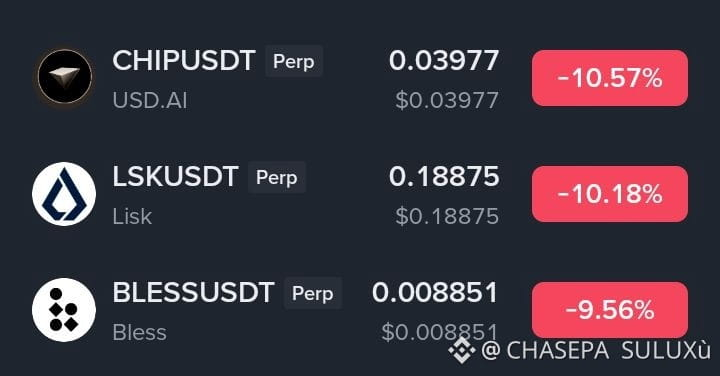
📉 MARKET WARNING CHIP/USDT: -10.55% LSK/USDT: -10.18% BLESS/USDT: -9.56%
🔥 DON'T PANIC. DON'T CLICK. DON'T TRANSFER.
Your crypto security is your responsibility. Verify before you act!
#Binance #CryptoSecurity #ScamAlert #CryptoNews
⚠️ Educational purposes only. Not financial advice.
88

·
--
Bullish
#BinanceWithdrawalScamWarning
Crypto scammers are getting smarter. Binance has highlighted how fraudsters impersonate support agents, make fake security calls and pressure users into transferring funds to so-called “safe wallets.”
⚠️ 3 RED FLAGS YOU SHOULD NEVER IGNORE:
🔴 Someone claiming to be Binance Support calls unexpectedly.
🔴 A stranger asks you to move funds to a “secure wallet.”
🔴 You’re pressured to share OTPs, passwords or pay a fee to unlock withdrawals.
🛡️ Protect your assets:
Verify suspicious contacts through Binance Verify.
Never share your seed phrase or authentication codes.
Check withdrawal addresses carefully.
Use the official Binance app for support.
📊 Trader’s reminder: Security risk is market risk too. One careless withdrawal can wipe out gains from multiple successful trades.
$1000CAT $SOPH $BABAB
{spot}(BABABUSDT)
{future}(SOPHUSDT)
{future}(1000CATUSDT)
#BinanceWithdrawalScamWarning
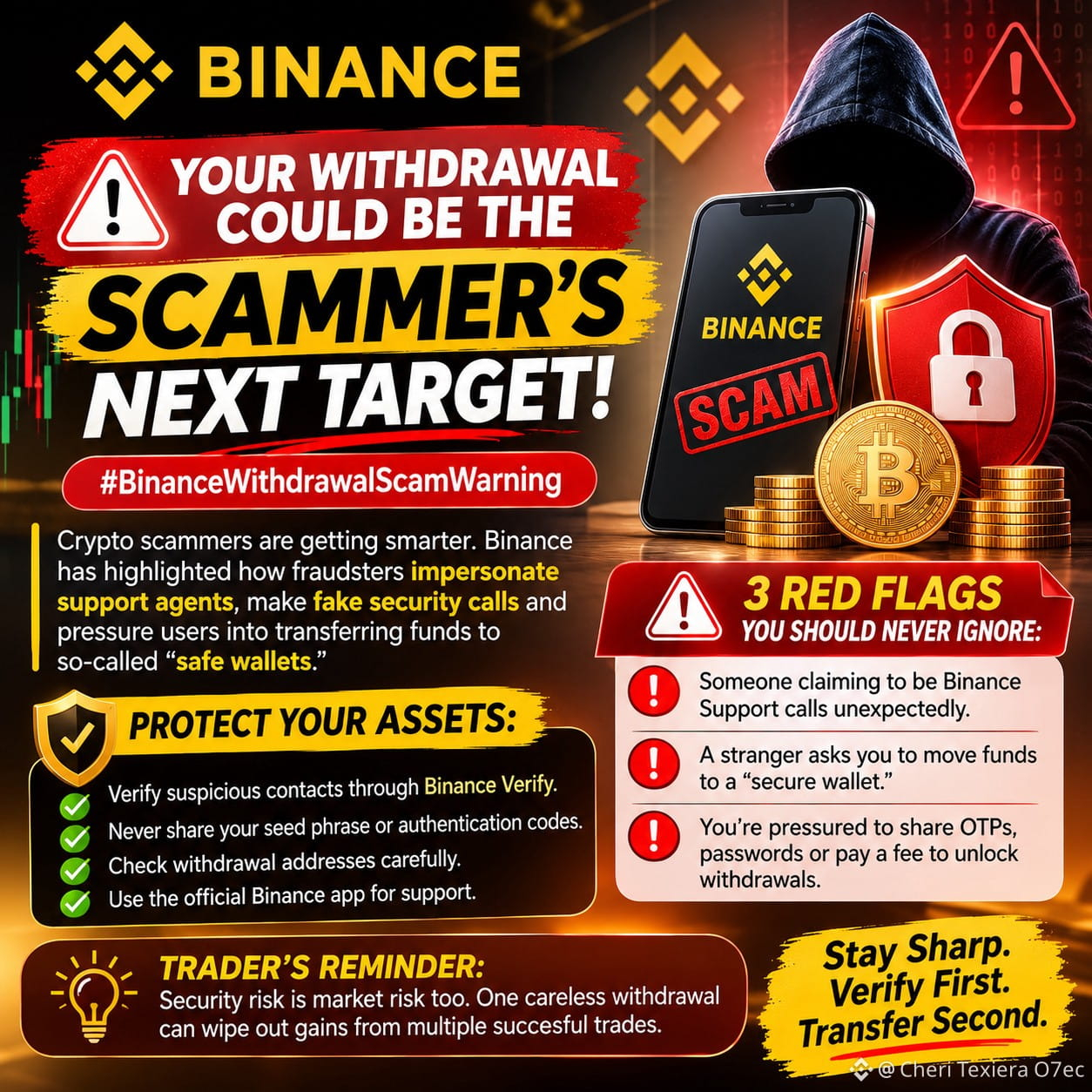
Crypto scammers are getting smarter. Binance has highlighted how fraudsters impersonate support agents, make fake security calls and pressure users into transferring funds to so-called “safe wallets.”
⚠️ 3 RED FLAGS YOU SHOULD NEVER IGNORE:
🔴 Someone claiming to be Binance Support calls unexpectedly.
🔴 A stranger asks you to move funds to a “secure wallet.”
🔴 You’re pressured to share OTPs, passwords or pay a fee to unlock withdrawals.
🛡️ Protect your assets:
Verify suspicious contacts through Binance Verify.
Never share your seed phrase or authentication codes.
Check withdrawal addresses carefully.
Use the official Binance app for support.
📊 Trader’s reminder: Security risk is market risk too. One careless withdrawal can wipe out gains from multiple successful trades.
$1000CAT $SOPH $BABAB
84

#binancewithdrawalscamwarning
🚨 BINANCE WITHDRAWAL SCAM WARNING — HACKERS ARE TARGETING CRYPTO USERS AFTER THE RECENT SCAM ALERT! ⚠️
Crypto users are being reminded to stay alert as withdrawal-related scams continue to threaten digital asset holders. Following the recent scam alert, security awareness is becoming more important than ever.
🔥 What Users Should Watch Out For:
⚠️ Fake Binance support accounts asking users to verify their wallets.
🔗 Phishing links disguised as official withdrawal notifications.
🎭 Scammers impersonating Binance employees through social media.
💸 Fake security alerts designed to trick users into revealing sensitive information.
🛡️ How to Stay Safe
Never share your password, 2FA codes, or seed phrase.
Always verify withdrawal requests through the official Binance app or website.
Avoid clicking suspicious links.
Enable withdrawal address whitelisting and anti-phishing codes.
Remember: A convincing message doesn't mean it's legitimate. Always verify before moving your funds.
Have you received a suspicious Binance withdrawal or security message recently?
#Binance #CryptoSecurity #ScamAlert
18


·
--
#BinanceWithdrawalScamWarning
Binance Withdrawal Scam Warning: Fake $150 Compensation Offers Are Targeting Users!
As Binance gradually restores withdrawal services following its recent security incident, scammers are taking advantage of user uncertainty to launch fake compensation campaigns and phishing attacks.
CZ has warned that scammers are becoming increasingly active, urging users to remain cautious.
Here is what users need to know:
🚨 Fake $150 Rewards: Fraudulent screenshots claim Binance is offering $150 compensation for the withdrawal suspension.
🚨 Fake Reward Hub Links: Scammers are circulating links that ask users to check or claim supposed compensation.
🚨 Impersonation Attacks: Fraudsters pretend to be Binance Support and may ask users to verify accounts or move funds to supposedly secure wallets.
Binance co-founder Yi He clarified that no cash voucher campaign is currently active. A proposed community rewards campaign still requires regulatory approval.
How to protect your funds:
- Never click suspicious reward or compensation links.
- Never share your password, OTP or wallet seed phrase.
- Never transfer funds to a so-called safe wallet.
- Verify announcements through Binance's official channels.
- Contact support through the official Binance app or website.
During a security incident, protecting users is not just about securing exchange wallets. It also means protecting the community from scams that exploit fear and confusion.
One careless click can cost more than the original incident.
Have you recently received any suspicious Binance compensation or withdrawal-related messages?
#Binance #CryptoSecurity #CZ #CryptoSafety
1
48

#BinanceWithdrawalScamWarning
🚨⚠️ Important warning for all Binance users!
🔴 Beware of scams involving withdrawals from the Binance platform!
Recently, every user should be cautious of people and entities claiming they can facilitate withdrawals or resolve account issues in exchange for fees or commissions.
⚠️ Remember these tips to protect your money:
🔹 Don’t trust anyone who messages you claiming to be a Binance support representative.
🔹 Don’t share your password or OTP verification code with anyone.
🔹 Don’t click on unknown or suspicious withdrawal links.
🔹 Don’t pay extra fees to people who promise to unfreeze your funds.
🔹 Use only the platform’s official support channels.
💡 Your money is your responsibility, and awareness is your first line of defense against scammers.
Don’t let greed or fear make you a victim of fraud. Share this warning so everyone can benefit.
🔥 Share this post to protect the crypto community!
#BinanceWithdrawalScamWarning #Binance #CryptoScam #StaySafe #CryptoSecurity
1

$BNB
{spot}(BNBUSDT)
(4H) – Local Rebound Structure
Bias: LONG
Entry Zone: 703.80 – 704.50
Stop Loss: 702.50
TP1: 706.50
TP2: 709.00
TP3: 713.50
Why this setup:
Price is finding stable footing near session lows with declining sell momentum, favoring a bounce toward overhead resistance.
NFA – Educational purposes only.
#BinanceWithdrawalScamWarning #USMidtermElections #USOctoberNFP-AreRateCutsStillPossible #AppleEarningsAhead-CanStockHitNewHigh #Verify1to1BinanceReserves
$BNB
(4H) – Local Rebound Structure
Bias: LONG
Entry Zone: 703.80 – 704.50
Stop Loss: 702.50
TP1: 706.50
TP2: 709.00
TP3: 713.50
Why this setup:
Price is finding stable footing near session lows with declining sell momentum, favoring a bounce toward overhead resistance.
NFA – Educational purposes only.
#BinanceWithdrawalScamWarning #USMidtermElections #USOctoberNFP-AreRateCutsStillPossible #AppleEarningsAhead-CanStockHitNewHigh #Verify1to1BinanceReserves
13
$BFUSD
{spot}(BFUSDUSDT)
(4H) – Tight Consolidation Rebound
Bias: LONG
Entry Zone: 0.9993 – 0.9996
Stop Loss: 0.9988
TP1: 0.9999
TP2: 1.0002
TP3: 1.0006
Why this setup:
Stable price action within a high-liquidity range showing consistent defensive buying at the bottom wick.
NFA – Educational purposes only.
#BinanceWithdrawalScamWarning #USMidtermElections #USOctoberNFP-AreRateCutsStillPossible #AppleEarningsAhead-CanStockHitNewHigh #Verify1to1BinanceReserves
$BFUSD
(4H) – Tight Consolidation Rebound
Bias: LONG
Entry Zone: 0.9993 – 0.9996
Stop Loss: 0.9988
TP1: 0.9999
TP2: 1.0002
TP3: 1.0006
Why this setup:
Stable price action within a high-liquidity range showing consistent defensive buying at the bottom wick.
NFA – Educational purposes only.
#BinanceWithdrawalScamWarning #USMidtermElections #USOctoberNFP-AreRateCutsStillPossible #AppleEarningsAhead-CanStockHitNewHigh #Verify1to1BinanceReserves
3

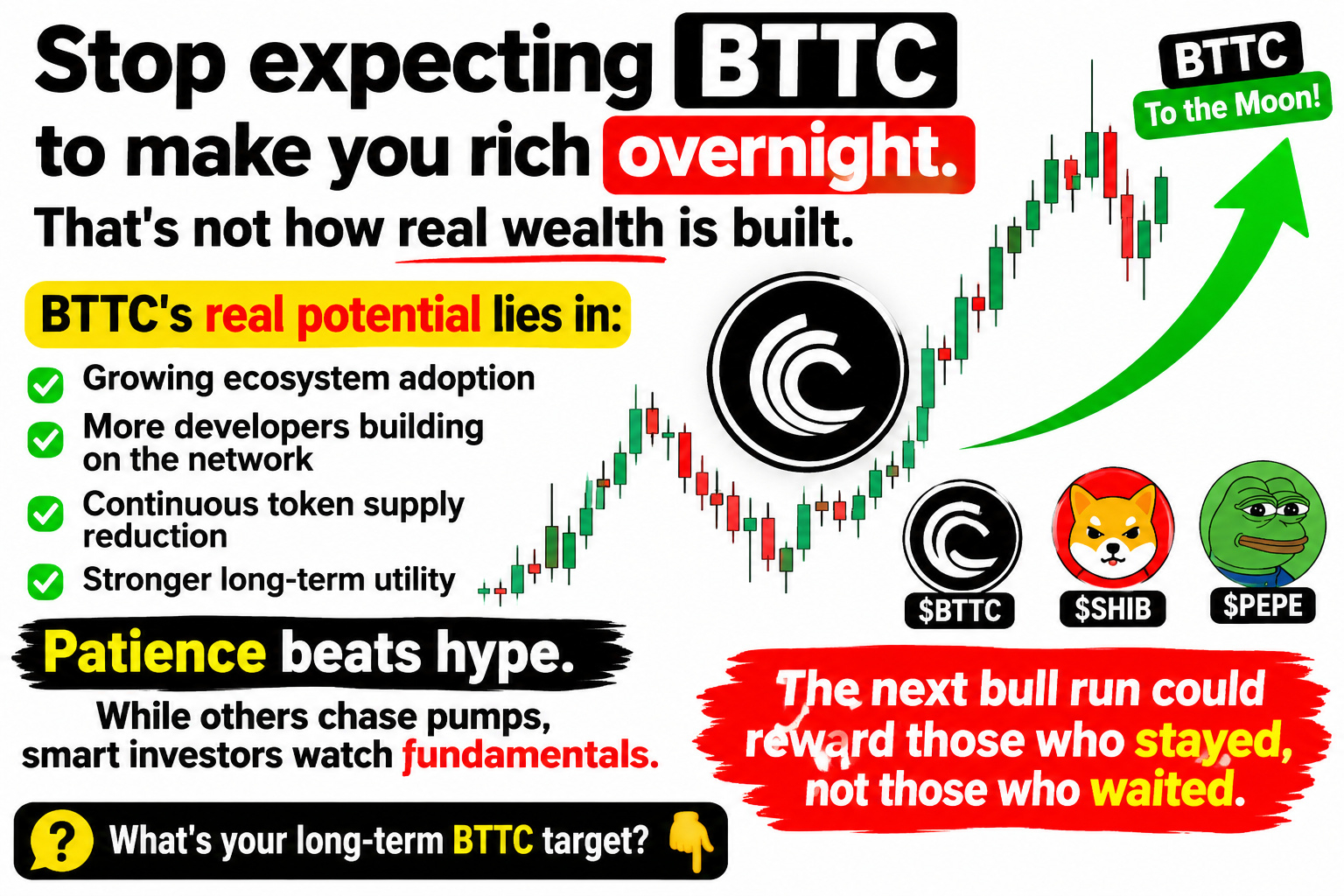
🚨 Stop expecting BTTC to make you rich overnight. That's not how real wealth is built.
The biggest winners are those who understand the long game.
💥 BTTC's real potential lies in: ✅ Growing ecosystem adoption
✅ More developers building on the network
✅ Continuous token supply reduction
✅ Stronger long-term utility
Patience beats hype. While others chase pumps, smart investors watch fundamentals.
The next bull run could reward those who stayed, not those who waited. 🚀
What's your long-term BTTC target? 👇
$BTTC $SHIB $PEPE #BTTC #Crypto #Bullish #Altcoins #Web3 #HODL #BinanceWithdrawalScamWarning #USMidtermElections #USOctoberNFP-AreRateCutsStillPossible
4

·
--
🚨 SOLANA LONGS UNDER PRESSURE — $50.2K WIPED OUT! 🔴
The latest liquidation data shows that $50,200 in SOL long positions were forced out at $94.25. This suggests that bullish traders were caught on the wrong side of the move as selling pressure pushed leveraged positions into liquidation.
📉 What Does This Signal?
Liquidation: $50.2K in long positions
SOL Price: $94.25
Market Impact: Leveraged bulls face increasing pressure.
Key Concern: Further downside could trigger additional long liquidations if buyers fail to defend support.
🎯 My Market Outlook: SOL needs to reclaim nearby resistance and attract stronger buying volume to restore bullish momentum. If selling pressure continues, another move lower could expose overleveraged traders.
On the other hand, a strong recovery above resistance could trigger a relief bounce and squeeze late sellers.
⚡ Trader's Strategy: Watch price action around $94.25. Avoid chasing entries; wait for confirmation through volume and market structure.
The next SOL move could catch impatient traders off guard!
⚠️ Liquidation data is not a guaranteed directional signal. Manage risk carefully and always DYOR.
#SOL #Solana #CryptoTrading #LiquidationAlert #MarketAnalysis #Binance
#BinanceWithdrawalScamWarning #USMidtermElections #USOctoberNFP-AreRateCutsStillPossible #AppleEarningsAhead-CanStockHitNewHigh
{spot}(SOLUSDT)
🚨 SOLANA LONGS UNDER PRESSURE — $50.2K WIPED OUT! 🔴
The latest liquidation data shows that $50,200 in SOL long positions were forced out at $94.25. This suggests that bullish traders were caught on the wrong side of the move as selling pressure pushed leveraged positions into liquidation.
📉 What Does This Signal?
Liquidation: $50.2K in long positions
SOL Price: $94.25
Market Impact: Leveraged bulls face increasing pressure.
Key Concern: Further downside could trigger additional long liquidations if buyers fail to defend support.
🎯 My Market Outlook: SOL needs to reclaim nearby resistance and attract stronger buying volume to restore bullish momentum. If selling pressure continues, another move lower could expose overleveraged traders.
On the other hand, a strong recovery above resistance could trigger a relief bounce and squeeze late sellers.
⚡ Trader's Strategy: Watch price action around $94.25. Avoid chasing entries; wait for confirmation through volume and market structure.
The next SOL move could catch impatient traders off guard!
⚠️ Liquidation data is not a guaranteed directional signal. Manage risk carefully and always DYOR.
#SOL #Solana #CryptoTrading #LiquidationAlert #MarketAnalysis #Binance
#BinanceWithdrawalScamWarning #USMidtermElections #USOctoberNFP-AreRateCutsStillPossible #AppleEarningsAhead-CanStockHitNewHigh

·
--

Article
Binance’s $6.3 Billion Security Crisis: A Wake-Up Call for the Entire Crypto IndustryThe biggest threat to a crypto exchange may not always come from the market. Sometimes, it comes from inside the infrastructure designed to protect billions of dollars.
On October 29, Binance suffered a massive security breach involving approximately $6.3 billion in cryptocurrency assets. The incident has become one of the largest crypto thefts ever reported, raising serious questions about exchange security, transaction authorization, and institutional risk management.
What Really Happened?
According to Binance's investigation, attackers exploited multiple security weaknesses involving its infrastructure and unauthorized transaction approvals. The exchange later described the incident as a complex attack involving more than one point of compromise.
On November 1, the FBI attributed the theft to North Korea's TraderTraitor hacking group. Investigators also observed the stolen assets being converted primarily into Ethereum as part of an attempted laundering operation.
Binance's Response: Protecting Customer Funds
Binance announced that it would absorb the financial impact rather than pass the losses to customers.
The exchange committed approximately $6.34 billion in company funds to cover the affected assets. It also worked with blockchain intelligence firms, law enforcement agencies, and token issuers to trace and freeze stolen funds.
By November 2, Binance had reported covering approximately 95% of the affected amount, while its recovery and replacement efforts continued.
The Latest Development: Proof of Reserves
One of the most important developments is Binance's updated Proof of Reserves information.
The exchange published independently verifiable reserve data covering ten major cryptocurrencies, with reported customer balances backed at a minimum 1:1 ratio.
Withdrawals have also started reopening in phases following additional security checks. However, the incident initially triggered approximately $3.6 billion in net customer withdrawals.
What Does This Mean for the Crypto Market?
This incident highlights an important reality: having strong blockchain technology does not automatically guarantee that every exchange infrastructure is secure.
The industry must pay greater attention to transaction authorization, employee-device security, internal access controls, real-time monitoring, and independent verification of reserves.
For investors, the lesson is equally important. Exchange reputation should never replace personal risk management.
The Bigger Question
If one of the world's largest cryptocurrency exchanges can experience a security breach of this magnitude, how prepared are smaller platforms to defend against similarly sophisticated attacks?
The future of crypto adoption will depend not only on innovation and market growth, but also on whether exchanges can prove that security and transparency are more than promises.
The next major competition in crypto may not be about who lists the most tokens. It may be about who can protect users' assets most effectively.
#BinanceWithdrawalScamWarning $BNB
{spot}(BNBUSDT)
Binance’s $6.3 Billion Security Crisis: A Wake-Up Call for the Entire Crypto Industry
The biggest threat to a crypto exchange may not always come from the market. Sometimes, it comes from inside the infrastructure designed to protect billions of dollars.
On October 29, Binance suffered a massive security breach involving approximately $6.3 billion in cryptocurrency assets. The incident has become one of the largest crypto thefts ever reported, raising serious questions about exchange security, transaction authorization, and institutional risk management.
What Really Happened?
According to Binance's investigation, attackers exploited multiple security weaknesses involving its infrastructure and unauthorized transaction approvals. The exchange later described the incident as a complex attack involving more than one point of compromise.
On November 1, the FBI attributed the theft to North Korea's TraderTraitor hacking group. Investigators also observed the stolen assets being converted primarily into Ethereum as part of an attempted laundering operation.
Binance's Response: Protecting Customer Funds
Binance announced that it would absorb the financial impact rather than pass the losses to customers.
The exchange committed approximately $6.34 billion in company funds to cover the affected assets. It also worked with blockchain intelligence firms, law enforcement agencies, and token issuers to trace and freeze stolen funds.
By November 2, Binance had reported covering approximately 95% of the affected amount, while its recovery and replacement efforts continued.
The Latest Development: Proof of Reserves
One of the most important developments is Binance's updated Proof of Reserves information.
The exchange published independently verifiable reserve data covering ten major cryptocurrencies, with reported customer balances backed at a minimum 1:1 ratio.
Withdrawals have also started reopening in phases following additional security checks. However, the incident initially triggered approximately $3.6 billion in net customer withdrawals.
What Does This Mean for the Crypto Market?
This incident highlights an important reality: having strong blockchain technology does not automatically guarantee that every exchange infrastructure is secure.
The industry must pay greater attention to transaction authorization, employee-device security, internal access controls, real-time monitoring, and independent verification of reserves.
For investors, the lesson is equally important. Exchange reputation should never replace personal risk management.
The Bigger Question
If one of the world's largest cryptocurrency exchanges can experience a security breach of this magnitude, how prepared are smaller platforms to defend against similarly sophisticated attacks?
The future of crypto adoption will depend not only on innovation and market growth, but also on whether exchanges can prove that security and transparency are more than promises.
The next major competition in crypto may not be about who lists the most tokens. It may be about who can protect users' assets most effectively.
#BinanceWithdrawalScamWarning $BNB
7

·
--
🚨 CRUDE OIL BEARS JUST GOT A WARNING SHOT! ⚡
A significant liquidation event has hit $CL, with $114K in long positions wiped out at $96.98. This suggests that bullish traders were caught on the wrong side of the move as selling pressure pushed against leveraged positions.
📉 What Does This Signal?
Long liquidations can indicate weakening bullish momentum, but they may also create conditions for a sharp rebound if sellers become exhausted.
🎯 My Market Outlook:
Bearish scenario: If CL remains below $96.98, further downside pressure could develop.
Bullish recovery: A strong reclaim of $96.98 could signal that buyers are stepping back in.
Key confirmation: Watch trading volume, price reaction, and fresh liquidation activity before taking a position.
🔥 Trader's Verdict: The next move could be decisive. Bulls need to regain control, while bears will look for another opportunity to extend the pressure.
⚠️ Stay disciplined. Wait for confirmation, manage leverage carefully, and never treat a liquidation alert as a guaranteed trading signal.
#CL #CrudeOil #LiquidationAlert #FuturesTrading #MarketAnalysis #TradingSignals
#BinanceWithdrawalScamWarning #USMidtermElections #AppleEarningsAhead-CanStockHitNewHigh #USOctoberNFP-AreRateCutsStillPossible
{stock_us}(CL.US)
🚨 CRUDE OIL BEARS JUST GOT A WARNING SHOT! ⚡
A significant liquidation event has hit $CL, with $114K in long positions wiped out at $96.98. This suggests that bullish traders were caught on the wrong side of the move as selling pressure pushed against leveraged positions.
📉 What Does This Signal?
Long liquidations can indicate weakening bullish momentum, but they may also create conditions for a sharp rebound if sellers become exhausted.
🎯 My Market Outlook:
Bearish scenario: If CL remains below $96.98, further downside pressure could develop.
Bullish recovery: A strong reclaim of $96.98 could signal that buyers are stepping back in.
Key confirmation: Watch trading volume, price reaction, and fresh liquidation activity before taking a position.
🔥 Trader's Verdict: The next move could be decisive. Bulls need to regain control, while bears will look for another opportunity to extend the pressure.
⚠️ Stay disciplined. Wait for confirmation, manage leverage carefully, and never treat a liquidation alert as a guaranteed trading signal.
#CL #CrudeOil #LiquidationAlert #FuturesTrading #MarketAnalysis #TradingSignals
#BinanceWithdrawalScamWarning #USMidtermElections #AppleEarningsAhead-CanStockHitNewHigh #USOctoberNFP-AreRateCutsStillPossible
4
$ARB
{spot}(ARBUSDT)
(4H) – Structural Recovery Setup
Bias: LONG
Entry Zone: 0.1595 – 0.1600
Stop Loss: 0.1582
TP1: 0.1618
TP2: 0.1635
TP3: 0.1660
Why this setup:
Forming higher lows above the moving average support line as buyers look to push toward upper resistance.
NFA – Educational purposes only.
#BinanceWithdrawalScamWarning #USMidtermElections #USOctoberNFP-AreRateCutsStillPossible #AppleEarningsAhead-CanStockHitNewHigh #Verify1to1BinanceReserves
$ARB
(4H) – Structural Recovery Setup
Bias: LONG
Entry Zone: 0.1595 – 0.1600
Stop Loss: 0.1582
TP1: 0.1618
TP2: 0.1635
TP3: 0.1660
Why this setup:
Forming higher lows above the moving average support line as buyers look to push toward upper resistance.
NFA – Educational purposes only.
#BinanceWithdrawalScamWarning #USMidtermElections #USOctoberNFP-AreRateCutsStillPossible #AppleEarningsAhead-CanStockHitNewHigh #Verify1to1BinanceReserves
6
$CELO
{spot}(CELOUSDT)
(4H) – Momentum Reversal Bounce
Bias: LONG
Entry Zone: 0.0724 – 0.0726
Stop Loss: 0.0718
TP1: 0.0734
TP2: 0.0742
TP3: 0.0753
Why this setup:
Sharp recovery candles off local support accompanied by a spike in buying volume indicate active accumulation.
NFA – Educational purposes only.
#BinanceWithdrawalScamWarning #USMidtermElections #USOctoberNFP-AreRateCutsStillPossible #AppleEarningsAhead-CanStockHitNewHigh #Verify1to1BinanceReserves
$CELO
(4H) – Momentum Reversal Bounce
Bias: LONG
Entry Zone: 0.0724 – 0.0726
Stop Loss: 0.0718
TP1: 0.0734
TP2: 0.0742
TP3: 0.0753
Why this setup:
Sharp recovery candles off local support accompanied by a spike in buying volume indicate active accumulation.
NFA – Educational purposes only.
#BinanceWithdrawalScamWarning #USMidtermElections #USOctoberNFP-AreRateCutsStillPossible #AppleEarningsAhead-CanStockHitNewHigh #Verify1to1BinanceReserves
5

🚨 BREAKING NEWS 🚨
🇧🇷 Brazil's Largest Crypto Exchange HACKED!
Mercado Bitcoin (MB), with 4.8 Million users, has CONFIRMED a cyberattack today - Nov 2, 2026.
💰 Estimated Loss: Over $40M+ (Flagged by Hypernative security)
⛓️ Chains affected: BTC, ETH, SOL, TRON + 6 more
🔒 Exchange Status: Deposits & Withdrawals PAUSED
Official statement from MB:
✅ "Incident identified & contained quickly"
✅ "No customer data leaked"
✅ "No losses to customers - promised"
⚠️ $40M figure is from security firm Hypernative, not yet officially confirmed by MB.
This is the 2nd major hack in 3 days. Market on edge.#BinanceWithdrawalScamWarning #USMidtermElections #USOctoberNFP-AreRateCutsStillPossible #AppleEarningsAhead-CanStockHitNewHigh
6

🚀 $SIREN Is Showing Strength! 🔥
$SIREN is up around 5% in the last 24 hours, showing signs of a short-term recovery. 👀 Bulls need to hold support and push above resistance to keep the momentum alive!
Can $SIREN continue its rally? 🚀📈
⚠️ Crypto is volatile. Always DYOR.
#BinanceWithdrawalScamWarning #USMidtermElections #USOctoberNFP-AreRateCutsStillPossible #Verify1to1BinanceReserves
69

·
--
Bullish
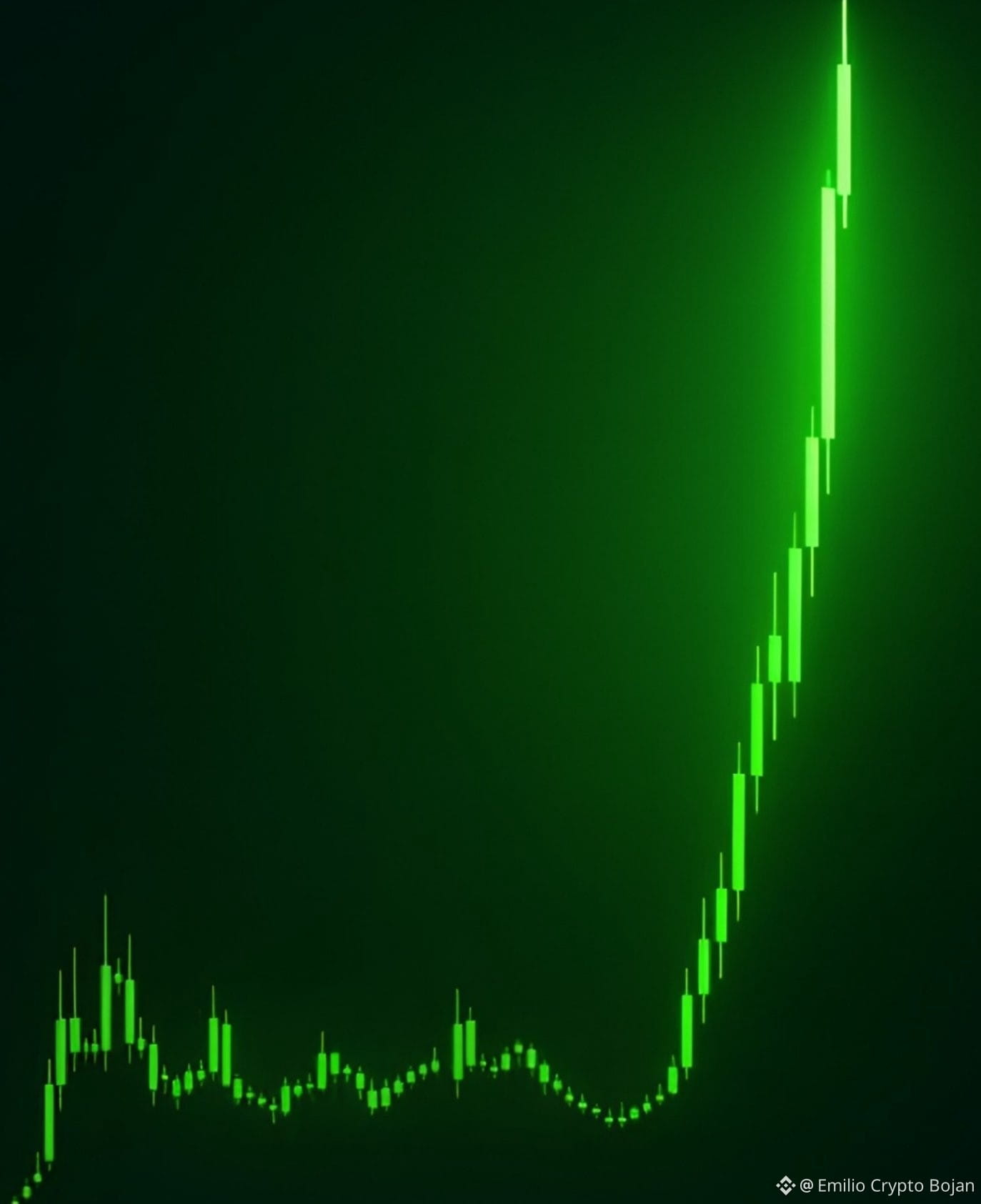
🚨 HOTTEST NEWS 🇺🇸
US ISM Manufacturing PMI came in at 55.5, beating expectations of 54.5.
The manufacturing sector is expanding, signalling stronger-than-expected economic activity.
BULLISH! 📈
#BinanceWithdrawalScamWarning #USMidtermElections #USOctoberNFP-AreRateCutsStillPossible #AppleEarningsAhead-CanStockHitNewHigh
16

·
--

Edmundo Cantore Lx8E
·
--
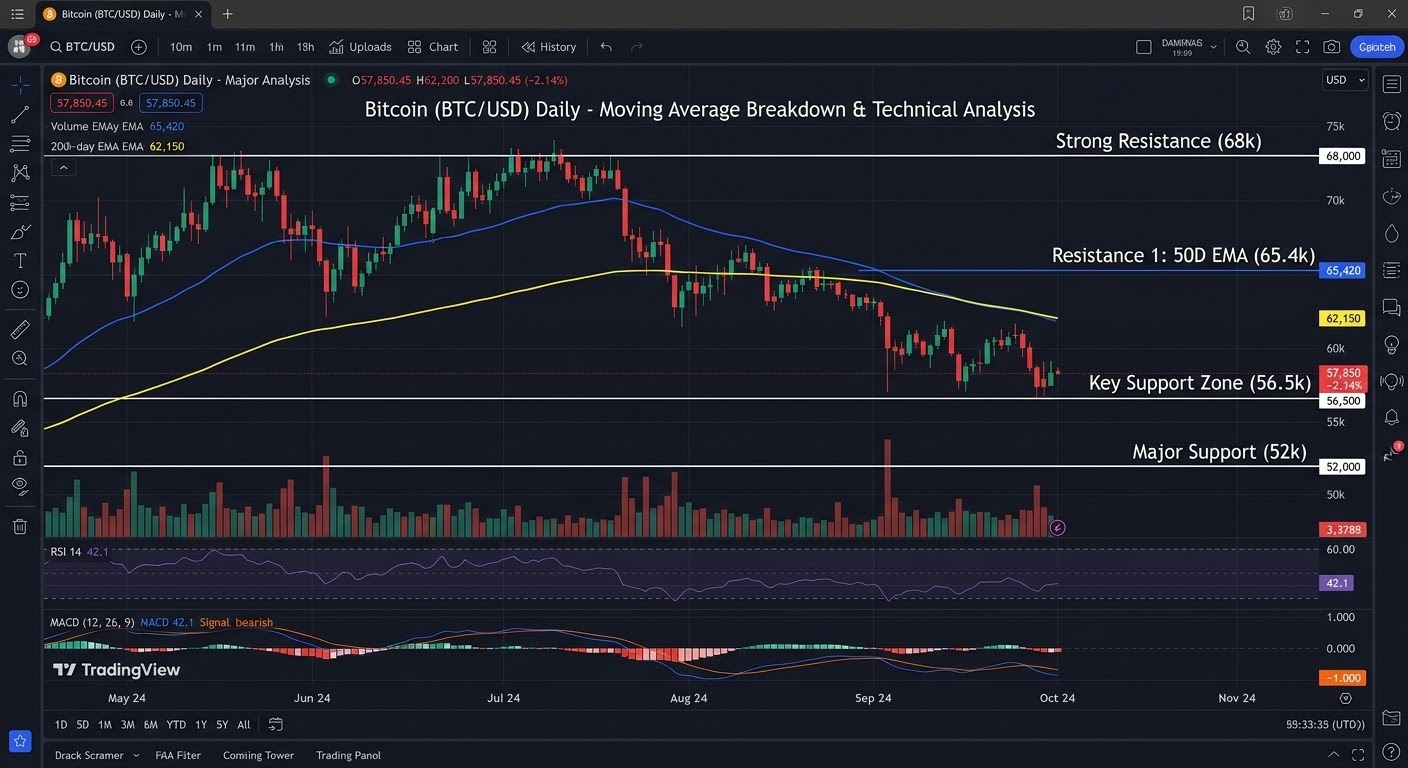
$BTC Bitcoin is currently navigating a cautious short-term correction, trading around $78,000–$78,500 after pulling back from its October highs of $86,489.
Key Technical & Market Insights
Current Sentiment: Bearish-to-neutral consolidation in the short term, driven by market turbulence following exchange-related security concerns.
Resistance Levels:
$79,100 – $80,400: Near-term overhead resistance where the 20-day and 50-day Exponential Moving Averages (EMAs) converge.
$82,000: Primary resistance barrier needed to flip momentum back toward a strong macro uptrend.
Support Levels:
$76,140 – $75,400: Critical support zone representing recent local lows and mid-September consolidation floor.
$73,100: Strong secondary support aligning near the 200-day moving average.
Indicators: MACD signals short-term negative momentum, while the RSI sits near 41–44, indicating neutral-to-oversold conditions that could signal a temporary stabilization or relief bounce.
Outlook
As long as BTC holds above the key $75,400–$76,000 floor, a temporary retest of the $79,100–$80,000 resistance area remains plausible. However, a decisive daily close below $76,140 could open the door to a deeper retracement toward the $73,000 level.#BinanceWithdrawalScamWarning #USMidtermElections #USOctoberNFP-AreRateCutsStillPossible #AppleEarningsAhead-CanStockHitNewHigh #Verify1to1BinanceReserves
14
$OGN
{spot}(OGNUSDT)
(4H) – Rebound Continuation
Bias: LONG
Entry Zone: 0.0266 – 0.0268
Stop Loss: 0.0261
TP1: 0.0275
TP2: 0.0282
TP3: 0.0291
Why this setup:
Sharp upward momentum following a successful retest of local support, supported by increasing volume.
NFA – Educational purposes only.
#BinanceWithdrawalScamWarning #USMidtermElections #USOctoberNFP-AreRateCutsStillPossible #AppleEarningsAhead-CanStockHitNewHigh #BinanceRestores28FiatWithdrawals
$OGN
(4H) – Rebound Continuation
Bias: LONG
Entry Zone: 0.0266 – 0.0268
Stop Loss: 0.0261
TP1: 0.0275
TP2: 0.0282
TP3: 0.0291
Why this setup:
Sharp upward momentum following a successful retest of local support, supported by increasing volume.
NFA – Educational purposes only.
#BinanceWithdrawalScamWarning #USMidtermElections #USOctoberNFP-AreRateCutsStillPossible #AppleEarningsAhead-CanStockHitNewHigh #BinanceRestores28FiatWithdrawals
1
$DOT
{spot}(DOTUSDT)
(4H) – Range Support Bounce
Bias: LONG
Entry Zone: 0.936 – 0.939
Stop Loss: 0.932
TP1: 0.945
TP2: 0.952
TP3: 0.961
Why this setup:
Bulls stepping in to defend range lows, printing higher low wicks on healthy accumulation volume.
NFA – Educational purposes only.
#USMidtermElections #BinanceWithdrawalScamWarning #USOctoberNFP-AreRateCutsStillPossible #AppleEarningsAhead-CanStockHitNewHigh #Verify1to1BinanceReserves
$DOT
(4H) – Range Support Bounce
Bias: LONG
Entry Zone: 0.936 – 0.939
Stop Loss: 0.932
TP1: 0.945
TP2: 0.952
TP3: 0.961
Why this setup:
Bulls stepping in to defend range lows, printing higher low wicks on healthy accumulation volume.
NFA – Educational purposes only.
#USMidtermElections #BinanceWithdrawalScamWarning #USOctoberNFP-AreRateCutsStillPossible #AppleEarningsAhead-CanStockHitNewHigh #Verify1to1BinanceReserves
2
Log in to explore more content
Join global crypto users on Binance Square
⚡️ Get latest and useful information about crypto.
💬 Trusted by the world’s largest crypto exchange.
👍 Discover real insights from verified creators.
Email / Phone number
Trending Topics
1
#BinanceWithdrawalScamWarning
150 views
53 Discussing
2
#USMidtermElections
542,540 views
2,605 Discussing
3
#USOctoberNFP-AreRateCutsStillPossible
5,704 views
182 Discussing
4
#AppleEarningsAhead-CanStockHitNewHigh
1,725 views
112 Discussing
5
#Verify1to1BinanceReserves
8,096 views
176 Discussing
6
#BinanceRestores28FiatWithdrawals
61,688 views
808 Discussing
7
#StrategyRepurchases$208MSTRCAdds811Bitcoin
17 views
5 Discussing
8
#FATFLaunchesReviewOfCryptoHubsMoneyLaunderingControls
50 views
2 Discussing
9
#BinanceProcesses$4.65BWithdrawals
83,486 views
339 Discussing
10
#HKMALaunchesSAGEAgenticFinanceProject
1,744 views
115 Discussing