

Mr USNAN
2k Posts

Mr USNAN
Report
Block User
Mehboob 20
775 Following
21.0K+ Followers
8.1K+ Liked
Posts
All
Quotes
Live
PINNED
·
--
Bullish
$LUNC really reach $1? The dream is alive, and the community isn’t giving up! 🌙 Every move brings new excitement, but the journey depends on demand, token supply, and real market strength. Stay patient, manage risk, and never chase hype blindly. Can $LUNC surprise everyone
#CanMicrosoftDeliverOnAI #CanGoogleDefindItsCore #FOMCWatch #ThailandLaunchesWORPTStablecoinToQRPaymentApp #BitmineAdds10452ETH
#CanMicrosoftDeliverOnAI #CanGoogleDefindItsCore #FOMCWatch #ThailandLaunchesWORPTStablecoinToQRPaymentApp #BitmineAdds10452ETH


2
1
13
1.8k
·
--
Bullish
$HAEDAL is stealing the spotlight with asurge in 24 hoursBuilt on Sui, Haedal Protocol focuses on DeFi yield infrastructure. Its reported user reimbursements without minting new tokens show commitment to holders. With Binance Wallet integration, $HAEDAL deserves attention. Always DYOR before investing
#CanMicrosoftDeliverOnAI #CanGoogleDefindItsCore #EarningsSeason #FOMCWatch #SolanaETFsPostWorstDaySinceDecember
#CanMicrosoftDeliverOnAI #CanGoogleDefindItsCore #EarningsSeason #FOMCWatch #SolanaETFsPostWorstDaySinceDecember

1
187
·
--
Bullish
$SKYAI , $SKYAI are on the watchlist, and the next big move could bring fresh excitement! 🚀 Keep your eyes on $APR USDT, watch key resistance levels, and stay ready for a breakout. Will one of these coins surprise everyone? What’s your pick tonight
#CanMicrosoftDeliverOnAI #CanGoogleDefindItsCore #ThailandLaunchesWORPTStablecoinToQRPaymentApp #OCCUrgesCommunityBanksToEnterStablecoinPayments
#CanMicrosoftDeliverOnAI #CanGoogleDefindItsCore #ThailandLaunchesWORPTStablecoinToQRPaymentApp #OCCUrgesCommunityBanksToEnterStablecoinPayments

704
·
--
Bullish
$SIREN is being underestimated, but could $1 be the next big milestone? One powerful rally could turn heads and surprise the entire market! The potential is exciting, but patience and strong momentum matter. Can $SIREN make a comeback? Drop your prediction below! $SIREN
#CanMicrosoftDeliverOnAI #CanGoogleDefindItsCore #FOMCWatch #ThailandLaunchesWORPTStablecoinToQRPaymentApp
#CanMicrosoftDeliverOnAI #CanGoogleDefindItsCore #FOMCWatch #ThailandLaunchesWORPTStablecoinToQRPaymentApp

4
700
·
--
Bullish
☀️ GOOD MORNING, CRYPTO HUNTERS! 🚀
$DOOD $ARIA $ERA
Three coins, three opportunities, and one market full of surprises! 👀🔥 Momentum is building, and traders are watching closely. Which coin has the potential to steal the spotlight next? 💚 Drop your pick below and let’s see who spots the next big move first! 🎯
#BinancePick #EarningsSeason #ArgentineCourtDismissesLIBRACaseAgainstMilei #USQ3GDPAndSeptemberPCEDueNextWeek

2
833
·
--
Bullish
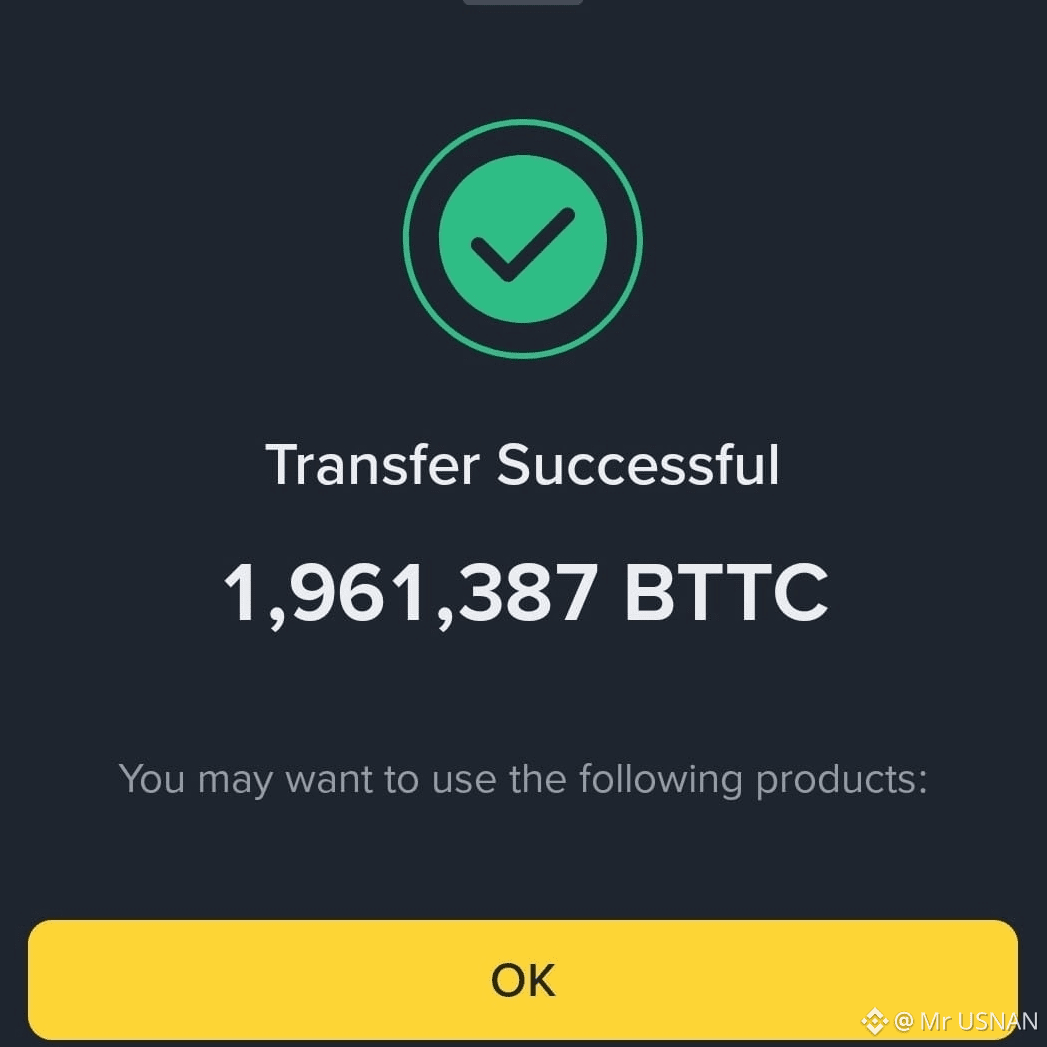
$BTTC I wish life had an edit button! 😂 Just remove one little “T” from , and suddenly, I’m holding $BTC Same letters, completely different dreams! Imagine waking up to that portfolio upgrade. Until then, we keep grinding, stacking, and believing. One letter, one dream, a whole different future!
#IRSPlansLowerTaxDisclosurePenaltiesForCryptoCases
#EarningsSeason
#PepeJumps14%ToLeadAltcoinRebound #SwedishCentralBankUrgesEKronaReview
#IRSPlansLowerTaxDisclosurePenaltiesForCryptoCases
#EarningsSeason
#PepeJumps14%ToLeadAltcoinRebound #SwedishCentralBankUrgesEKronaReview
377
·
--
Bullish
$ZEC leads the charge with an impressive 8.77% gain, followed by DASH at 4.16% and BTC at 2.27%. C gains 3.20%, while TRX stays nearly flat. Bulls are showing strength, but volatility remains. Watch key levels carefully before making your next move.
#EarningsSeason #ZcashDevelopersConfirmNovemberDateForNU7Upgrade #OCCIssuesFirstFinalRuleUnderGENIUSAct #KoreanRetailLost6.3TrillionWonOnLeveragedETPs
#EarningsSeason #ZcashDevelopersConfirmNovemberDateForNU7Upgrade #OCCIssuesFirstFinalRuleUnderGENIUSAct #KoreanRetailLost6.3TrillionWonOnLeveragedETPs
984

·
--
@nillionnetwork
Follow on Binance Square
Follow on social media. Can only be completed once and will then be marked as completed.
@Nillion
Follow on Binance Square
Follow on social media. Can only be completed once and will then be marked as completed.
Follow on Binance Square
Follow on social media. Can only be completed once and will then be marked as completed.
56
·
--
$IOST is showing explosive momentum, trading near $0.000970 with a powerful +33.79% daily surge. Bulls are firmly in control while volume expands. EP: $0.000960–$0.000980$. TP1: $0.00105$, TP2: $0.00112$, TP3: $0.00120$. SL: $0.000900$. Momentum favors continuation if support holds and buyers defend the breakout zone. $IOST
#USIranTradeTankerStrikesEscalate #CanadaToImpose15%To50%TariffsOnUSGoods #ZcashRises45%WeeklyToHighestSince2016 #IMFSaysElSalvadorBTCNoPublicFunds #IranSaysItHit3USShips3Tankers
#USIranTradeTankerStrikesEscalate #CanadaToImpose15%To50%TariffsOnUSGoods #ZcashRises45%WeeklyToHighestSince2016 #IMFSaysElSalvadorBTCNoPublicFunds #IranSaysItHit3USShips3Tankers

159
·
--
Bullish
@Dusk_Foundation #dusk $DUSK
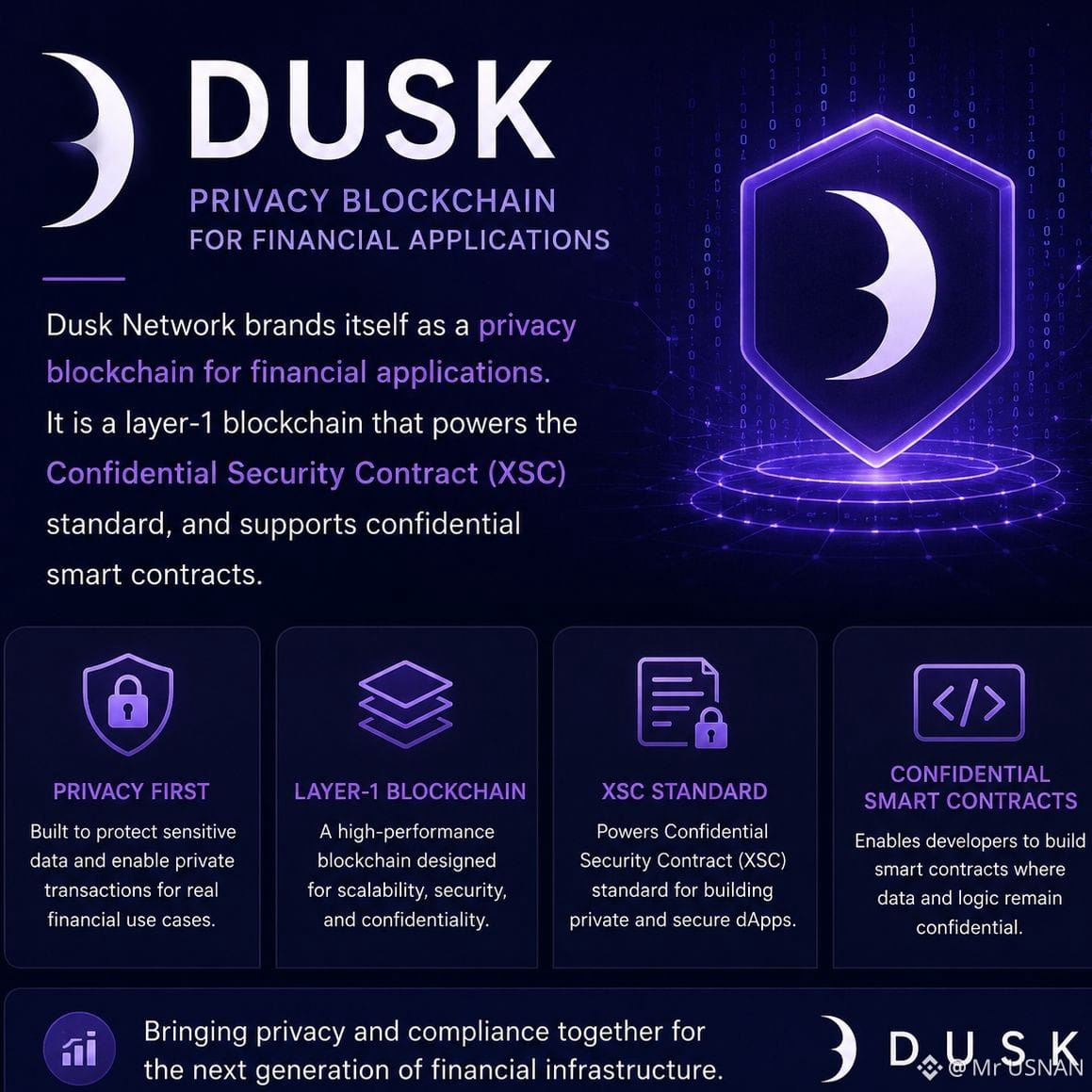
I’ve been paying a little more attention to Dusk lately, and what stands out to me is how focused the project is on privacy without moving away from the needs of real financial applications.
Dusk Network is built as a Layer-1 blockchain, but its bigger idea goes beyond simply being another network for smart contracts. It is designed around confidential transactions and financial use cases where sensitive information cannot always be exposed publicly.
One part I find especially interesting is its Confidential Security Contract, or XSC, standard. The goal is to give developers a framework for creating applications where important details can remain protected while the underlying blockchain still provides security and transparency where needed.
I think this direction makes Dusk worth watching. Financial systems often require a different balance between privacy, compliance, and on-chain verification. Public blockchains are powerful, but not every financial activity can comfortably operate with every detail visible to everyone.
That’s where Dusk is trying to carve out its own space.
I’m still watching how the ecosystem develops, but the focus on confidential smart contracts and privacy-first financial infrastructure makes Dusk an interesting project to keep on the radar.
@Dusk #dusk $DUSK
I’ve been paying a little more attention to Dusk lately, and what stands out to me is how focused the project is on privacy without moving away from the needs of real financial applications.
Dusk Network is built as a Layer-1 blockchain, but its bigger idea goes beyond simply being another network for smart contracts. It is designed around confidential transactions and financial use cases where sensitive information cannot always be exposed publicly.
One part I find especially interesting is its Confidential Security Contract, or XSC, standard. The goal is to give developers a framework for creating applications where important details can remain protected while the underlying blockchain still provides security and transparency where needed.
I think this direction makes Dusk worth watching. Financial systems often require a different balance between privacy, compliance, and on-chain verification. Public blockchains are powerful, but not every financial activity can comfortably operate with every detail visible to everyone.
That’s where Dusk is trying to carve out its own space.
I’m still watching how the ecosystem develops, but the focus on confidential smart contracts and privacy-first financial infrastructure makes Dusk an interesting project to keep on the radar.
1
1
96
·
--
Bullish
$DUSK
I’ve been paying more attention to Dusk Network lately, and what stands out to me is how directly it approaches privacy in financial applications. Instead of treating privacy as an optional feature, Dusk is building it into the foundation of its Layer-1 blockchain.
The interesting part is the way the network combines privacy with programmable blockchain infrastructure. Through its Confidential Security Contract (XSC) standard, Dusk is designed to support applications that can work with sensitive financial information without exposing everything publicly.
I think this is becoming increasingly important as blockchain technology moves beyond simple transfers and speculation. Real financial use cases often involve information that people and institutions simply cannot make completely public. That creates a challenge: how do you keep the transparency and flexibility of blockchain while still protecting confidential data?
This is where Dusk’s approach gets interesting to me. Its support for confidential smart contracts suggests a future where financial applications can remain programmable while handling private information more carefully.
I’m still watching how the ecosystem develops, but the idea itself makes sense. If blockchain is going to play a serious role in finance, privacy may not be a luxury. It could become one of the basic requirements.
@Dusk_Foundation #dusk
$DUSK
I’ve been paying more attention to Dusk Network lately, and what stands out to me is how directly it approaches privacy in financial applications. Instead of treating privacy as an optional feature, Dusk is building it into the foundation of its Layer-1 blockchain.
The interesting part is the way the network combines privacy with programmable blockchain infrastructure. Through its Confidential Security Contract (XSC) standard, Dusk is designed to support applications that can work with sensitive financial information without exposing everything publicly.
I think this is becoming increasingly important as blockchain technology moves beyond simple transfers and speculation. Real financial use cases often involve information that people and institutions simply cannot make completely public. That creates a challenge: how do you keep the transparency and flexibility of blockchain while still protecting confidential data?
This is where Dusk’s approach gets interesting to me. Its support for confidential smart contracts suggests a future where financial applications can remain programmable while handling private information more carefully.
I’m still watching how the ecosystem develops, but the idea itself makes sense. If blockchain is going to play a serious role in finance, privacy may not be a luxury. It could become one of the basic requirements.
@Dusk #dusk
97
·
--
Bullish
I’ve been spending a little time watching what Babylon is trying to build, and I’ve noticed that my attention keeps drifting away from the technology itself and toward the people around it. That has been more interesting than I expected.
At first, most conversations seem to come from genuine curiosity. People ask questions, explore ideas, and try to understand why self-custodial BTC staking might matter. There’s a sense that everyone is learning together.
But after a while, I keep seeing a different pattern emerge. The focus slowly shifts. Curiosity becomes strategy. Participation starts feeling less like exploration and more like figuring out the best way to stay ahead. It’s subtle, but it happens often enough that I can’t ignore it.
It makes me wonder how much of any ecosystem is shaped by the technology, and how much is shaped by the incentives surrounding it. Are people discovering value naturally, or are they responding to rewards, recognition, and the quiet pressure to optimize every decision?
I don’t think that makes anyone wrong. It just feels like something worth noticing.
Maybe every growing network eventually reflects human nature more than technical design. I’m still too new to be certain, but that thought keeps returning whenever I watch Babylon. For now, I’m more interested in those patterns than in finding quick conclusions.
@babylonlabs_io #baby $BABY
I’ve been spending a little time watching what Babylon is trying to build, and I’ve noticed that my attention keeps drifting away from the technology itself and toward the people around it. That has been more interesting than I expected.
At first, most conversations seem to come from genuine curiosity. People ask questions, explore ideas, and try to understand why self-custodial BTC staking might matter. There’s a sense that everyone is learning together.
But after a while, I keep seeing a different pattern emerge. The focus slowly shifts. Curiosity becomes strategy. Participation starts feeling less like exploration and more like figuring out the best way to stay ahead. It’s subtle, but it happens often enough that I can’t ignore it.
It makes me wonder how much of any ecosystem is shaped by the technology, and how much is shaped by the incentives surrounding it. Are people discovering value naturally, or are they responding to rewards, recognition, and the quiet pressure to optimize every decision?
I don’t think that makes anyone wrong. It just feels like something worth noticing.
Maybe every growing network eventually reflects human nature more than technical design. I’m still too new to be certain, but that thought keeps returning whenever I watch Babylon. For now, I’m more interested in those patterns than in finding quick conclusions.
@BabylonLabs_io #baby $BABY
97
·
--
Bullish
I’ve been spending some time watching how people talk about Babylon, and one thing keeps standing out to me. At first, most conversations seem to come from simple curiosity. People want to understand how Bitcoin can remain in self-custody while still helping secure other networks. That question alone feels interesting enough.
But after a while, I notice the discussion slowly changes. The focus moves away from learning and toward finding the best strategy, the highest reward, or the fastest way to gain recognition. It’s a pattern I’ve seen more than once. What begins as exploration often becomes optimization, almost without anyone noticing it.
I’m starting to wonder how much of that shift comes naturally and how much is shaped by the incentives built into the system. When rewards exist, people naturally adapt their behavior. That doesn’t make anyone wrong, but it does make me question whether participation is always as organic as it first appears.
Babylon itself still feels like an interesting idea to me because it asks Bitcoin to play a different role without giving up self-custody. Yet I keep thinking that every system eventually reflects the motivations of the people inside it more than the technology itself.
Maybe I’m still too new to understand the full picture. For now, I’m choosing to keep watching, because sometimes the slow changes reveal more than the loud moments ever do.If you'd like, I can also make it sound even more personal or more philosophical while keeping the same calm tone.
@babylonlabs_io #baby $BABY
I’ve been spending some time watching how people talk about Babylon, and one thing keeps standing out to me. At first, most conversations seem to come from simple curiosity. People want to understand how Bitcoin can remain in self-custody while still helping secure other networks. That question alone feels interesting enough.
But after a while, I notice the discussion slowly changes. The focus moves away from learning and toward finding the best strategy, the highest reward, or the fastest way to gain recognition. It’s a pattern I’ve seen more than once. What begins as exploration often becomes optimization, almost without anyone noticing it.
I’m starting to wonder how much of that shift comes naturally and how much is shaped by the incentives built into the system. When rewards exist, people naturally adapt their behavior. That doesn’t make anyone wrong, but it does make me question whether participation is always as organic as it first appears.
Babylon itself still feels like an interesting idea to me because it asks Bitcoin to play a different role without giving up self-custody. Yet I keep thinking that every system eventually reflects the motivations of the people inside it more than the technology itself.
Maybe I’m still too new to understand the full picture. For now, I’m choosing to keep watching, because sometimes the slow changes reveal more than the loud moments ever do.If you'd like, I can also make it sound even more personal or more philosophical while keeping the same calm tone.
@BabylonLabs_io #baby $BABY
88
·
--
Bullish
🚨 BREAKING: The U.S. Senate's current schedule does not include a vote on the Crypto CLARITY Act, and the market is paying close attention.
This matters more than many people realize.
If the bill eventually passes, many investors believe it could bring much-needed regulatory clarity and become a strong bullish catalyst for Bitcoin and the broader crypto market.
But if the vote keeps getting delayed or the bill fails to gain enough support, confidence could weaken. That could create more uncertainty and put pressure on market sentiment.
Right now, Kalshi is giving the bill only a 33% chance of being approved this year. On top of that, it needs 60 votes in the Senate to pass, which is a difficult target.
For now, the road ahead doesn't look easy. Crypto traders are watching every update because this isn't just about one bill. It's about the future direction of crypto regulation in the U.S., and the outcome could have a real impact on Bitcoin and the entire market.
The next few weeks could be more important than many people expect.
$BICO $VIC
#BREAKING #news #TRUMP
101
·
--
Bullish
@babylonlabs_io
I’ve been spending a little time watching how people talk about Babylon, and I’ve noticed that my thoughts about it keep changing. At first, it just looked like another idea trying to solve a familiar problem. But the more I watched, the more I realized that what interested me wasn’t only the technology. It was the way people responded to it.
In the beginning, many seemed genuinely curious about the idea of self-custodial Bitcoin staking and using Bitcoin to help secure PoS blockchains. The conversations felt open, with people asking questions and trying to understand what made it different. Over time, though, I started seeing those conversations become more focused on rewards, rankings, and finding the best strategy.
That shift made me wonder how much of our participation is driven by interest, and how much is quietly shaped by incentives. Maybe that happens in every system. Once there’s something to gain, people naturally begin optimizing their actions instead of simply exploring.
I also keep thinking about fairness. Are the outcomes really formed by the community, or are they influenced by structures that most of us rarely notice? I honestly don’t know the answer, and I’m not sure anyone completely does.
For now, I’m choosing to keep watching instead of rushing to conclusions. Sometimes the patterns people create tell a deeper story than the technology itself.
#baby $BABY
@BabylonLabs_io
I’ve been spending a little time watching how people talk about Babylon, and I’ve noticed that my thoughts about it keep changing. At first, it just looked like another idea trying to solve a familiar problem. But the more I watched, the more I realized that what interested me wasn’t only the technology. It was the way people responded to it.
In the beginning, many seemed genuinely curious about the idea of self-custodial Bitcoin staking and using Bitcoin to help secure PoS blockchains. The conversations felt open, with people asking questions and trying to understand what made it different. Over time, though, I started seeing those conversations become more focused on rewards, rankings, and finding the best strategy.
That shift made me wonder how much of our participation is driven by interest, and how much is quietly shaped by incentives. Maybe that happens in every system. Once there’s something to gain, people naturally begin optimizing their actions instead of simply exploring.
I also keep thinking about fairness. Are the outcomes really formed by the community, or are they influenced by structures that most of us rarely notice? I honestly don’t know the answer, and I’m not sure anyone completely does.
For now, I’m choosing to keep watching instead of rushing to conclusions. Sometimes the patterns people create tell a deeper story than the technology itself.
#baby $BABY
96
·
--
Bullish
🚨 BREAKING
The currency market could be heading into a major moment.
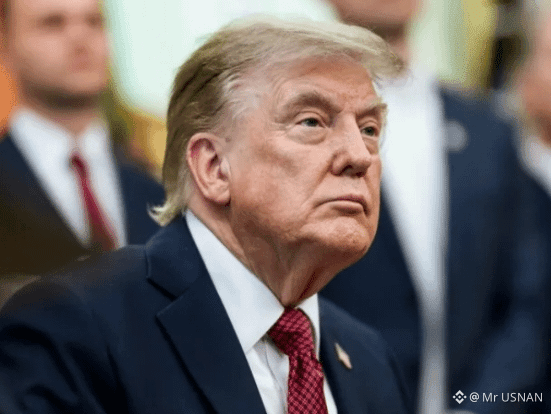
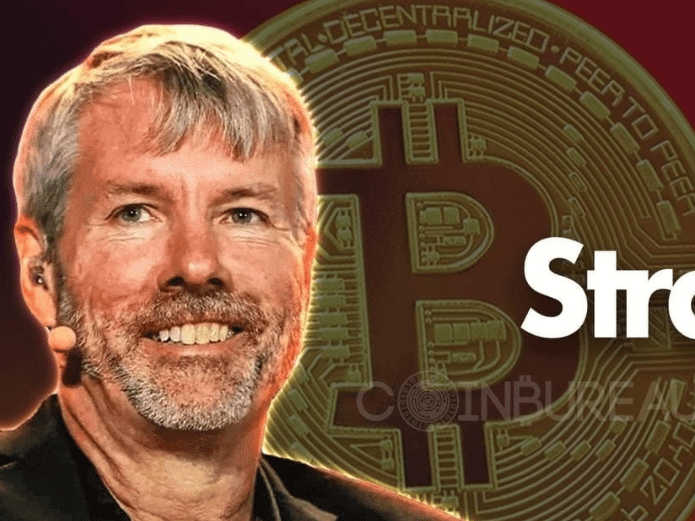
Reports suggest that Japan and the United States are working together to slow the yen's sharp decline, and a joint currency market intervention is reportedly still in progress.
Finance Minister Satsuki Katayama is expected to officially announce the coordinated action on Monday.
If confirmed, this would be a strong signal that both countries are willing to step in to support the yen and reduce extreme market volatility.
Traders around the world are watching closely because moves like this can affect currencies, stocks, bonds, and even crypto. A stronger or more stable yen can change global money flows and quickly shift market sentiment.
This is one of those developments that could have a much bigger impact than many people expect. Keep a close eye on the official announcement because the market's next move may depend on it.
Stay alert. The week could start with serious volatility.
$HOME $HYPER $1000RATS
AAPLUS-0.40%
NVDAUS-0.27%
GOOGUS+1.33%
127
·
--
@babylonlabs_io
I've been spending a little time watching how people talk about Babylon, and one thing keeps standing out to me. At first, most conversations seem to come from simple curiosity. People are interested in the idea of staking Bitcoin without giving up control of it. That feels like a meaningful place to begin.
But after a while, I keep seeing the conversation change. The focus slowly moves away from the idea itself and toward rewards, timing, rankings, and finding the best possible advantage. It doesn't happen overnight. It just seems to be the direction many systems naturally drift toward.
I'm starting to wonder if that's less about Babylon and more about us. We often enter something because it feels new or important, but once incentives appear, our attention quietly follows them. The original purpose stays in the background while optimization takes over.
I also find myself thinking about fairness. When some people understand the hidden patterns earlier than others, are the outcomes really growing on their own, or are they being shaped by invisible advantages that most participants never notice?
I don't think I have enough time in this space to reach a firm conclusion. I'm still learning, still watching, and probably missing pieces of the bigger picture. But the more I observe Babylon, the more I feel that understanding people may matter just as much as understanding the technology itself.
#baby $BABY
@BabylonLabs_io
I've been spending a little time watching how people talk about Babylon, and one thing keeps standing out to me. At first, most conversations seem to come from simple curiosity. People are interested in the idea of staking Bitcoin without giving up control of it. That feels like a meaningful place to begin.
But after a while, I keep seeing the conversation change. The focus slowly moves away from the idea itself and toward rewards, timing, rankings, and finding the best possible advantage. It doesn't happen overnight. It just seems to be the direction many systems naturally drift toward.
I'm starting to wonder if that's less about Babylon and more about us. We often enter something because it feels new or important, but once incentives appear, our attention quietly follows them. The original purpose stays in the background while optimization takes over.
I also find myself thinking about fairness. When some people understand the hidden patterns earlier than others, are the outcomes really growing on their own, or are they being shaped by invisible advantages that most participants never notice?
I don't think I have enough time in this space to reach a firm conclusion. I'm still learning, still watching, and probably missing pieces of the bigger picture. But the more I observe Babylon, the more I feel that understanding people may matter just as much as understanding the technology itself.
#baby $BABY
1
2
108
·
--
Bullish
Tomorrow could be one of the biggest days for global markets, and surprisingly, the spotlight may not be on the Federal Reserve.
Many experienced investors are watching the Bank of Japan very closely.
Japan's interest rate is still around 1%, far below US rates. That gap has helped create a massive yen carry trade worth nearly $500 billion, where investors borrow cheap yen and invest in higher-yielding assets around the world.
Before the BOJ announces its decision, Japan will release fresh unemployment data. If the labor market comes in stronger than expected, it could give the central bank more confidence to raise rates more aggressively.
That is where things get interesting.
A larger-than-expected rate hike could force investors to quickly unwind huge leveraged positions. When that happens, money can leave stocks, crypto, and other risk assets very fast.
We have seen this before. A major carry trade unwind once sent Japanese stocks into a sharp collapse, wiping out hundreds of billions of dollars in market value in just one trading session.
If the BOJ surprises the market again, expect volatility to rise across global markets.
Tomorrow is not just another central bank meeting. It could become the event that shapes the next major move for stocks, Bitcoin, and the entire financial market.
$BTC

95
·
--
Bullish
@babylonlabs_io
I’ve been watching Babylon for a little while now, and one thing keeps standing out to me. The conversations rarely stay the same for long. They often begin with people asking simple questions about self-custodial BTC staking and how Bitcoin can help secure PoS blockchains. There’s a real sense of curiosity at first, and that part feels genuine.
But after some time, I keep seeing the focus slowly change. The discussion becomes less about understanding the idea and more about finding the best strategy, the biggest reward, or the fastest way to stay ahead. It feels like people aren't changing because they want to. They're simply responding to the incentives placed in front of them.
I’m starting to wonder how much of that is natural. Maybe every system quietly shapes the people who use it. When rewards become visible, behavior seems to adjust almost without anyone noticing. What begins as exploration slowly becomes routine, and routine eventually becomes competition.
I don't know if that's unfair or simply unavoidable. Maybe every growing network follows a similar path. Maybe Babylon is no different. I still think the core idea is interesting, but I’ve learned that the technology is only one part of the story. The people, their choices, and the incentives around them seem just as important. For now, I’m more interested in watching those patterns than rushing to reach a conclusion.
#baby $BABY
@BabylonLabs_io
I’ve been watching Babylon for a little while now, and one thing keeps standing out to me. The conversations rarely stay the same for long. They often begin with people asking simple questions about self-custodial BTC staking and how Bitcoin can help secure PoS blockchains. There’s a real sense of curiosity at first, and that part feels genuine.
But after some time, I keep seeing the focus slowly change. The discussion becomes less about understanding the idea and more about finding the best strategy, the biggest reward, or the fastest way to stay ahead. It feels like people aren't changing because they want to. They're simply responding to the incentives placed in front of them.
I’m starting to wonder how much of that is natural. Maybe every system quietly shapes the people who use it. When rewards become visible, behavior seems to adjust almost without anyone noticing. What begins as exploration slowly becomes routine, and routine eventually becomes competition.
I don't know if that's unfair or simply unavoidable. Maybe every growing network follows a similar path. Maybe Babylon is no different. I still think the core idea is interesting, but I’ve learned that the technology is only one part of the story. The people, their choices, and the incentives around them seem just as important. For now, I’m more interested in watching those patterns than rushing to reach a conclusion.
#baby $BABY
96
Log in to explore more content
Join global crypto users on Binance Square
⚡️ Get latest and useful information about crypto.
💬 Trusted by the world’s largest crypto exchange.
👍 Discover real insights from verified creators.
Email / Phone number