

QuikNotes
 Square Verified
Connecting the crypto world with breaking news, Bitcoin updates, market analysis & insights. Knowledge is power in crypto! 🚀
2 Following
51.0K+ Followers
81 Liked
Posts
All
Quotes
Videos



Binance News
·
--
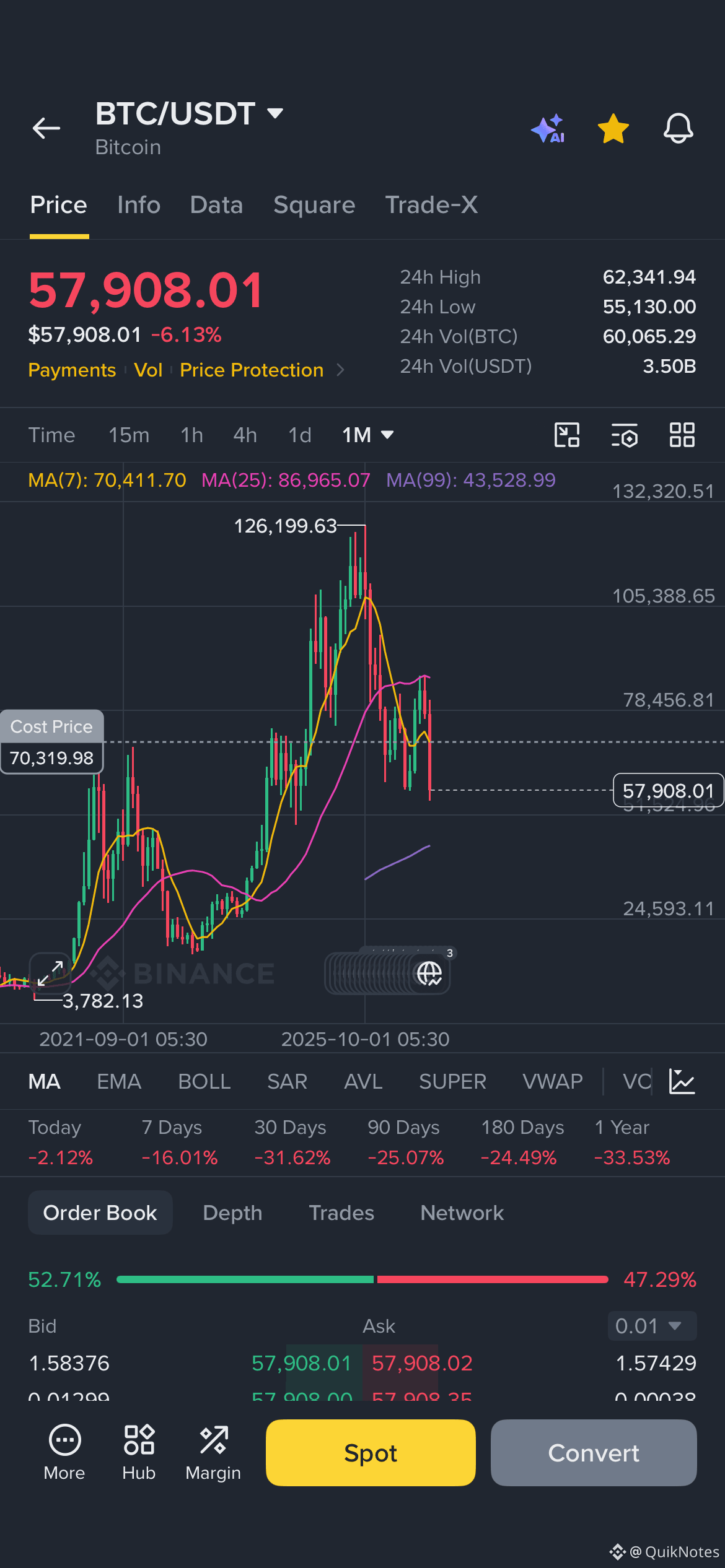
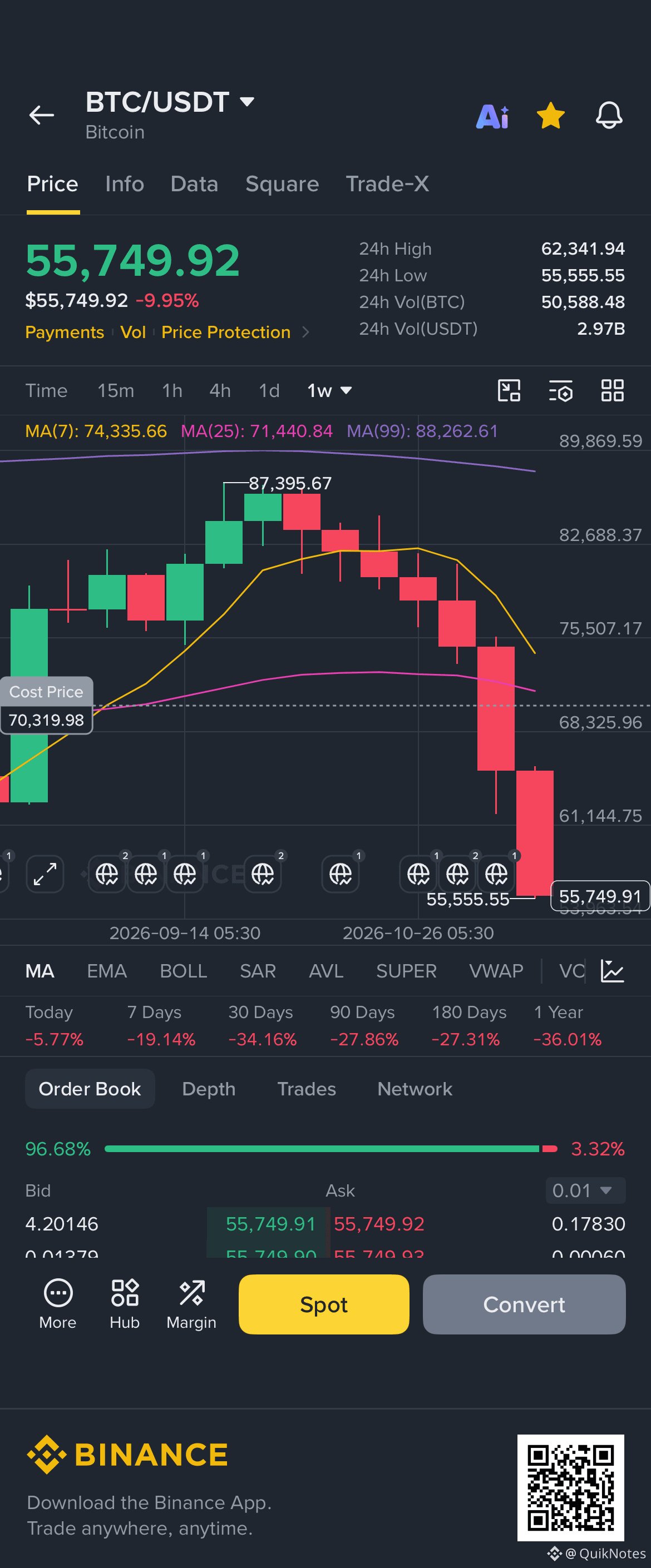
Bitcoin News | Bitcoin Falls Below $57,000 to a Two-Year Low as $2.4 Billion in Liquidations Hit Bullish Traders
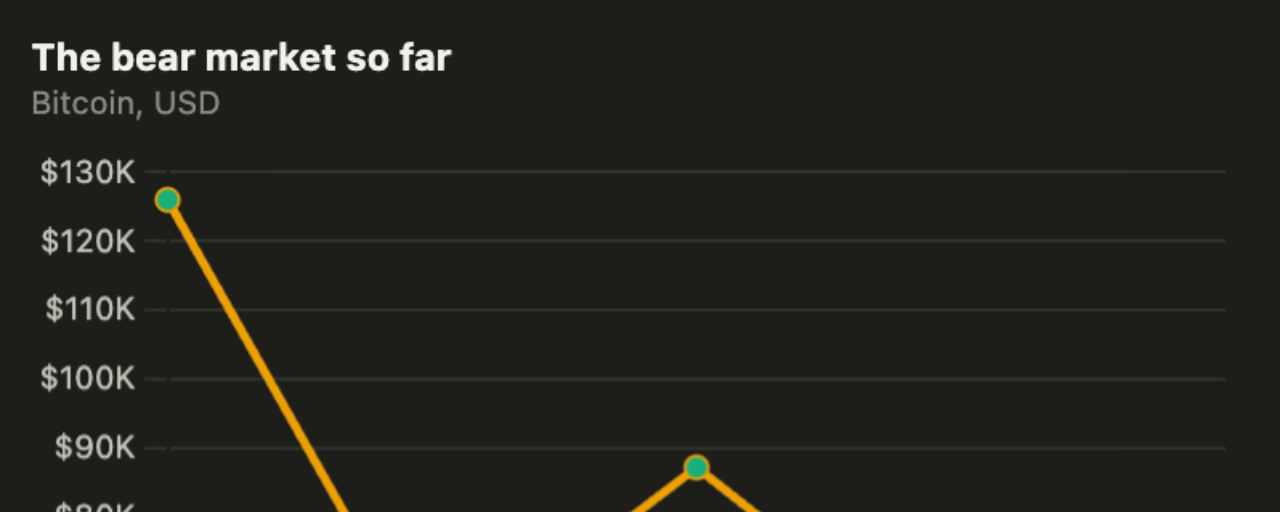
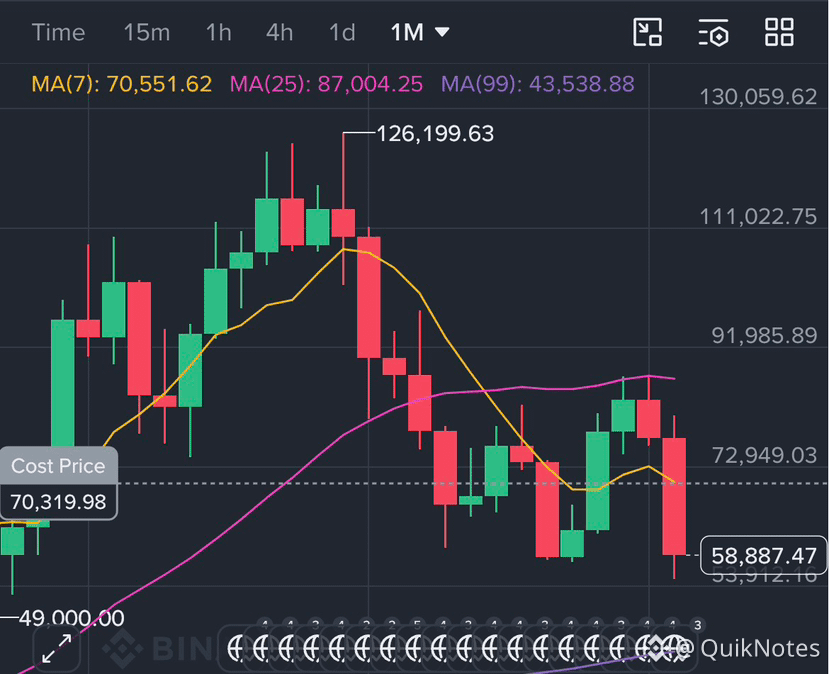
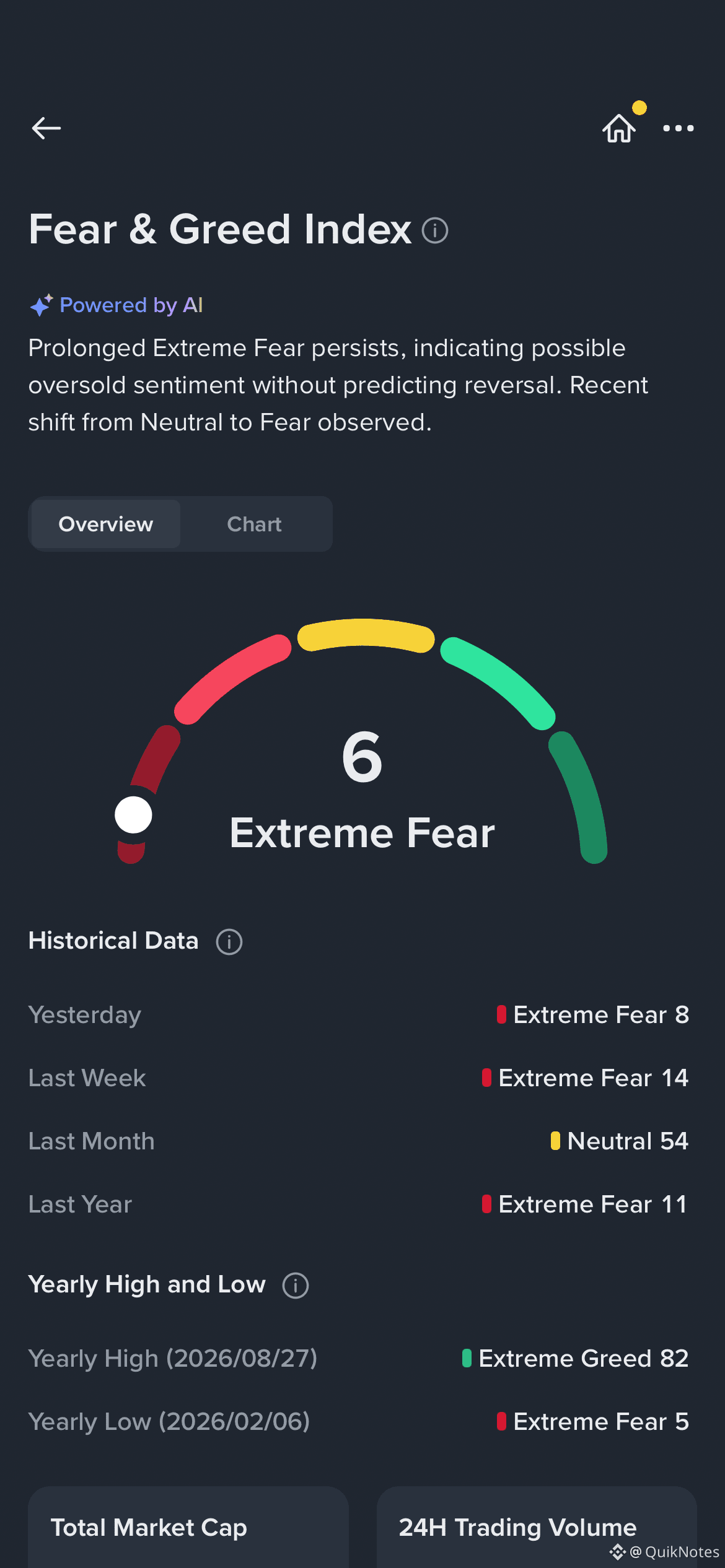
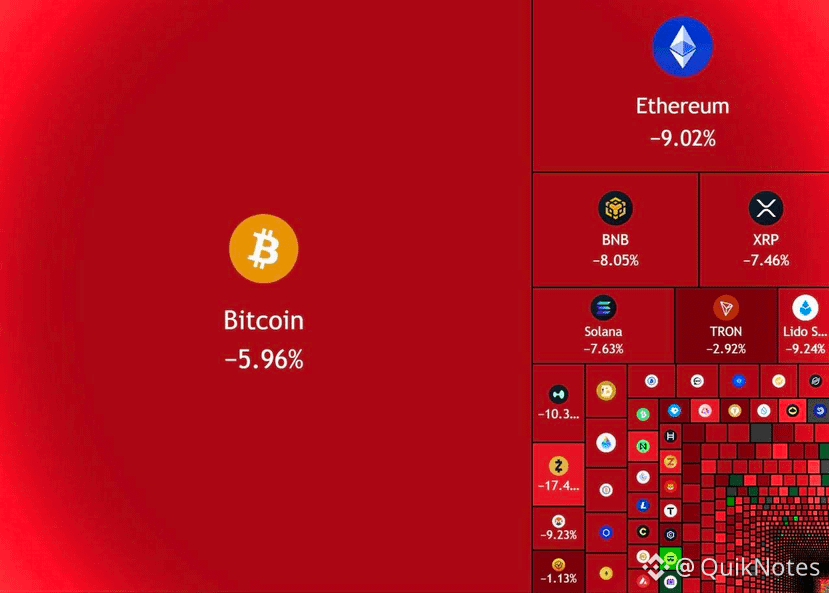
Bitcoin fell below $57,000 as the selloff that began Friday deepened, reaching its lowest level since September 2024. More than $2.40 billion in crypto futures positions were liquidated over 24 hours. Bitcoin has since rebounded to about $59,300 but is still down about 29% for the quarter. The drop sets a new low in a bear market that began after bitcoin peaked above $126,000 in October 2025, about 55% above Friday's low (calculated).
Bear Market Erases September's Recovery
Bitcoin fell under $58,000 in June before recovering, and briefly climbed above its 50-week simple moving average in September. At the time, some analysts, including Galaxy, saw that move as the start of a new uptrend. The optimism faded as bitcoin slid through October and November. The latest drop has taken it below its June low.
Stocks, Gold and Copper Fall Alongside Crypto
The selloff hit almost every risk asset. The Nasdaq fell more than 4% on Friday to its lowest level since April. Asian stocks, copper and gold also fell sharply this week, and gold dropped to its lowest level since September 2025.
Analysts point to rising real, or inflation-adjusted, US Treasury yields as a key driver. Higher real yields make government bonds more attractive compared with assets that pay no yield, such as bitcoin and gold. As the Federal Reserve signals more rate hikes, investors are reassessing how much they will pay for growth stocks, crypto and other bets that pay off only in the long run.
Liquidations Reach $2.40 Billion
The drop hit traders with leveraged bets on rising prices. Crypto exchanges liquidated $2.40 billion in futures positions over 24 hours, according to CoinGlass data. Bitcoin futures accounted for more than $1 billion and ether futures for $545 million. The largest single liquidation was a $51.71 million long bet on bitcoin.
CoinDesk said the scale of the losses shows how heavily positioning was tilted toward a bull market, with many traders not expecting bitcoin to fall back below $60,000.
A liquidation happens when an exchange forcibly closes a leveraged position because the trader no longer has enough collateral to cover it. In a falling market, this can set off a cascade: forced sales push prices lower, which triggers more liquidations.


Log in to explore more content