

NotFoundBiel
1.9k Posts

NotFoundBiel
Report
Block User
High-Frequency Trader
5.7 Years
13 Following
1.3K+ Followers
1.5K+ Liked
Posts
All
Live
PINNED
·
--
Article
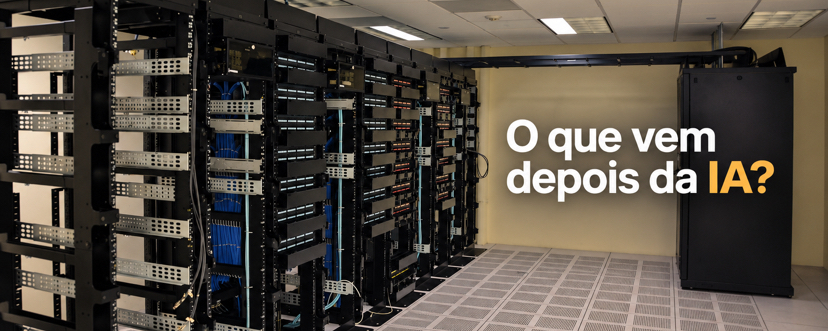
Além da IA: onde estão as próximas grandes oportunidades?Como desenvolvedor de tecnologia e dono de uma software house, tenho formação acadêmica orientada para Engenharia Blockchain. Uma das tecnologias que escolhi aprender para dominar melhor essa área foi justamente a Inteligência Artificial.
Como alguém formado e atuante na área, acredito que estamos passando por uma verdadeira metamorfose tecnológica. Minha visão para o avanço da Inteligência Artificial no longo prazo é otimista, mas acredito que algumas das maiores oportunidades podem estar justamente fora das empresas que hoje chamamos diretamente de empresas de IA.
Atualmente, muita gente está olhando principalmente para NVIDIA e para grandes nomes como OpenAI e Anthropic. Porém, existem inúmeros outros setores e empresas que podem crescer conforme a Inteligência Artificial evolui.
No Web3, por exemplo, estamos apostando alto na união dessas duas tecnologias. Nosso produto mais ambicioso atualmente reúne justamente Blockchain e Inteligência Artificial: um projeto futuro chamado FIN.
Outra área que desperta muito nosso interesse é a biotecnologia. Empresas como Moderna ($MRNA ) e Colossal Biosciences são exemplos interessantes. A Moderna vem desenvolvendo e testando vacinas terapêuticas personalizadas contra determinados tipos de câncer, enquanto a Colossal trabalha com genética e edição genética em projetos que buscam recriar características de espécies extintas.
Talvez, conforme essas tecnologias avancem, consigamos compreender melhor doenças, genética, evolução e até questões fundamentais sobre a própria vida.
Inteligência Artificial é muito mais do que um chatbot que legenda uma postagem de Instagram ou gera imagens criativas. Quando aplicada a determinados segmentos, ela pode despertar um potencial que até então permanecia praticamente oculto.
Por isso, acredito que algumas das áreas que merecem maior atenção, além das próprias empresas de IA, são Web3 + IA, saúde, medicina, biotecnologia e toda a infraestrutura necessária para sustentar essa evolução.
E existe uma camada que muitas vezes recebe menos atenção: quem fornece as condições para que a IA exista.
A $NVDA.US fornece poder computacional através de seus chips. A $ASML fornece sistemas de litografia fundamentais para fabricar semicondutores avançados. Além delas, existem empresas responsáveis por memória, energia, data centers, refrigeração, conectividade e inúmeros outros componentes dessa cadeia.
Por isso, acredito que o mercado de IA ainda deve avançar significativamente, mas parte do maior impacto poderá estar justamente nos fornecedores de infraestrutura e nas empresas capazes de transformar Inteligência Artificial em soluções.
Toda empresa gigante se torna relevante por um motivo relativamente simples: sua capacidade de resolver problemas. Quanto maior e mais importante o problema que ela consegue resolver, maior tende a ser sua relevância.
De forma resumida, essa é a minha análise: a IA será um dos grandes pivôs para encontrarmos novas soluções; a infraestrutura fornece as condições para que essa inteligência exista; e setores como saúde e finanças lidam justamente com alguns dos maiores problemas da humanidade.
Talvez as próximas grandes oportunidades da IA não estejam somente em quem constrói os modelos, mas também em quem fornece as ferramentas e em quem descobrir como utilizar essa inteligência para resolver problemas que ainda não conseguimos resolver.
#AIStocksWhatNext
{stock_us}(NVDA.US)
{stock_us}(ASML.US)
{stock_us}(MRNA.US)
Além da IA: onde estão as próximas grandes oportunidades?
Como desenvolvedor de tecnologia e dono de uma software house, tenho formação acadêmica orientada para Engenharia Blockchain. Uma das tecnologias que escolhi aprender para dominar melhor essa área foi justamente a Inteligência Artificial.
Como alguém formado e atuante na área, acredito que estamos passando por uma verdadeira metamorfose tecnológica. Minha visão para o avanço da Inteligência Artificial no longo prazo é otimista, mas acredito que algumas das maiores oportunidades podem estar justamente fora das empresas que hoje chamamos diretamente de empresas de IA.
Atualmente, muita gente está olhando principalmente para NVIDIA e para grandes nomes como OpenAI e Anthropic. Porém, existem inúmeros outros setores e empresas que podem crescer conforme a Inteligência Artificial evolui.
No Web3, por exemplo, estamos apostando alto na união dessas duas tecnologias. Nosso produto mais ambicioso atualmente reúne justamente Blockchain e Inteligência Artificial: um projeto futuro chamado FIN.
Outra área que desperta muito nosso interesse é a biotecnologia. Empresas como Moderna ($MRNA ) e Colossal Biosciences são exemplos interessantes. A Moderna vem desenvolvendo e testando vacinas terapêuticas personalizadas contra determinados tipos de câncer, enquanto a Colossal trabalha com genética e edição genética em projetos que buscam recriar características de espécies extintas.
Talvez, conforme essas tecnologias avancem, consigamos compreender melhor doenças, genética, evolução e até questões fundamentais sobre a própria vida.
Inteligência Artificial é muito mais do que um chatbot que legenda uma postagem de Instagram ou gera imagens criativas. Quando aplicada a determinados segmentos, ela pode despertar um potencial que até então permanecia praticamente oculto.
Por isso, acredito que algumas das áreas que merecem maior atenção, além das próprias empresas de IA, são Web3 + IA, saúde, medicina, biotecnologia e toda a infraestrutura necessária para sustentar essa evolução.
E existe uma camada que muitas vezes recebe menos atenção: quem fornece as condições para que a IA exista.
A $NVDA.US fornece poder computacional através de seus chips. A $ASML fornece sistemas de litografia fundamentais para fabricar semicondutores avançados. Além delas, existem empresas responsáveis por memória, energia, data centers, refrigeração, conectividade e inúmeros outros componentes dessa cadeia.
Por isso, acredito que o mercado de IA ainda deve avançar significativamente, mas parte do maior impacto poderá estar justamente nos fornecedores de infraestrutura e nas empresas capazes de transformar Inteligência Artificial em soluções.
Toda empresa gigante se torna relevante por um motivo relativamente simples: sua capacidade de resolver problemas. Quanto maior e mais importante o problema que ela consegue resolver, maior tende a ser sua relevância.
De forma resumida, essa é a minha análise: a IA será um dos grandes pivôs para encontrarmos novas soluções; a infraestrutura fornece as condições para que essa inteligência exista; e setores como saúde e finanças lidam justamente com alguns dos maiores problemas da humanidade.
Talvez as próximas grandes oportunidades da IA não estejam somente em quem constrói os modelos, mas também em quem fornece as ferramentas e em quem descobrir como utilizar essa inteligência para resolver problemas que ainda não conseguimos resolver.
#AIStocksWhatNext
Como alguém formado e atuante na área, acredito que estamos passando por uma verdadeira metamorfose tecnológica. Minha visão para o avanço da Inteligência Artificial no longo prazo é otimista, mas acredito que algumas das maiores oportunidades podem estar justamente fora das empresas que hoje chamamos diretamente de empresas de IA.
Atualmente, muita gente está olhando principalmente para NVIDIA e para grandes nomes como OpenAI e Anthropic. Porém, existem inúmeros outros setores e empresas que podem crescer conforme a Inteligência Artificial evolui.
No Web3, por exemplo, estamos apostando alto na união dessas duas tecnologias. Nosso produto mais ambicioso atualmente reúne justamente Blockchain e Inteligência Artificial: um projeto futuro chamado FIN.
Outra área que desperta muito nosso interesse é a biotecnologia. Empresas como Moderna ($MRNA ) e Colossal Biosciences são exemplos interessantes. A Moderna vem desenvolvendo e testando vacinas terapêuticas personalizadas contra determinados tipos de câncer, enquanto a Colossal trabalha com genética e edição genética em projetos que buscam recriar características de espécies extintas.
Talvez, conforme essas tecnologias avancem, consigamos compreender melhor doenças, genética, evolução e até questões fundamentais sobre a própria vida.
Inteligência Artificial é muito mais do que um chatbot que legenda uma postagem de Instagram ou gera imagens criativas. Quando aplicada a determinados segmentos, ela pode despertar um potencial que até então permanecia praticamente oculto.
Por isso, acredito que algumas das áreas que merecem maior atenção, além das próprias empresas de IA, são Web3 + IA, saúde, medicina, biotecnologia e toda a infraestrutura necessária para sustentar essa evolução.
E existe uma camada que muitas vezes recebe menos atenção: quem fornece as condições para que a IA exista.
A $NVDA.US fornece poder computacional através de seus chips. A $ASML fornece sistemas de litografia fundamentais para fabricar semicondutores avançados. Além delas, existem empresas responsáveis por memória, energia, data centers, refrigeração, conectividade e inúmeros outros componentes dessa cadeia.
Por isso, acredito que o mercado de IA ainda deve avançar significativamente, mas parte do maior impacto poderá estar justamente nos fornecedores de infraestrutura e nas empresas capazes de transformar Inteligência Artificial em soluções.
Toda empresa gigante se torna relevante por um motivo relativamente simples: sua capacidade de resolver problemas. Quanto maior e mais importante o problema que ela consegue resolver, maior tende a ser sua relevância.
De forma resumida, essa é a minha análise: a IA será um dos grandes pivôs para encontrarmos novas soluções; a infraestrutura fornece as condições para que essa inteligência exista; e setores como saúde e finanças lidam justamente com alguns dos maiores problemas da humanidade.
Talvez as próximas grandes oportunidades da IA não estejam somente em quem constrói os modelos, mas também em quem fornece as ferramentas e em quem descobrir como utilizar essa inteligência para resolver problemas que ainda não conseguimos resolver.
#AIStocksWhatNext
2
1
2
1.4k
·
--
The era of blind trust in cross-chain infrastructure is officially over. Five months after a rival protocol suffered a catastrophic $292 million exploit, Chainlink has dropped a major update that shifts the security paradigm for institutional investors. With the launch of CCIP 2.0, banks and financial institutions can now execute their own custom security checks on cross-chain transfers, effectively putting the final say on transaction safety directly in the hands of the enterprise. This is a massive signal that the industry is moving from 'trust us' to 'verify it,' a critical evolution for the adoption of DeFi by traditional finance.
🔹 **Institutional Control:** Banks can now run proprietary security protocols on cross-chain transfers via CCIP 2.0.
🔹 **Post-Hack Resilience:** The update directly addresses the vulnerabilities exposed by the recent $292M hack on a competing bridge.
🔹 **Enterprise Adoption:** This feature removes a major friction point for TradFi entities looking to integrate with on-chain assets.
For the broader market, this development strengthens the narrative around LINK as the essential infrastructure layer for secure interoperability. As institutional capital continues to flow into digital assets, the demand for robust, verifiable security layers will only grow. This update positions Chainlink not just as an oracle provider, but as the security backbone for the next wave of institutional DeFi adoption. With security becoming the primary gatekeeper for institutional entry, projects that can prove their integrity will likely see sustained volume and price support.
Do you think this level of institutional control is necessary for mass adoption, or does it slow down the speed of DeFi? Drop your thoughts below! 👇
LINK BTC
#BinanceSquare #CryptoNews #Bitcoin
The era of blind trust in cross-chain infrastructure is officially over. Five months after a rival protocol suffered a catastrophic $292 million exploit, Chainlink has dropped a major update that shifts the security paradigm for institutional investors. With the launch of CCIP 2.0, banks and financial institutions can now execute their own custom security checks on cross-chain transfers, effectively putting the final say on transaction safety directly in the hands of the enterprise. This is a massive signal that the industry is moving from 'trust us' to 'verify it,' a critical evolution for the adoption of DeFi by traditional finance.
🔹 **Institutional Control:** Banks can now run proprietary security protocols on cross-chain transfers via CCIP 2.0.
🔹 **Post-Hack Resilience:** The update directly addresses the vulnerabilities exposed by the recent $292M hack on a competing bridge.
🔹 **Enterprise Adoption:** This feature removes a major friction point for TradFi entities looking to integrate with on-chain assets.
For the broader market, this development strengthens the narrative around LINK as the essential infrastructure layer for secure interoperability. As institutional capital continues to flow into digital assets, the demand for robust, verifiable security layers will only grow. This update positions Chainlink not just as an oracle provider, but as the security backbone for the next wave of institutional DeFi adoption. With security becoming the primary gatekeeper for institutional entry, projects that can prove their integrity will likely see sustained volume and price support.
Do you think this level of institutional control is necessary for mass adoption, or does it slow down the speed of DeFi? Drop your thoughts below! 👇
LINK BTC
#BinanceSquare #CryptoNews #Bitcoin
🔹 **Institutional Control:** Banks can now run proprietary security protocols on cross-chain transfers via CCIP 2.0.
🔹 **Post-Hack Resilience:** The update directly addresses the vulnerabilities exposed by the recent $292M hack on a competing bridge.
🔹 **Enterprise Adoption:** This feature removes a major friction point for TradFi entities looking to integrate with on-chain assets.
For the broader market, this development strengthens the narrative around LINK as the essential infrastructure layer for secure interoperability. As institutional capital continues to flow into digital assets, the demand for robust, verifiable security layers will only grow. This update positions Chainlink not just as an oracle provider, but as the security backbone for the next wave of institutional DeFi adoption. With security becoming the primary gatekeeper for institutional entry, projects that can prove their integrity will likely see sustained volume and price support.
Do you think this level of institutional control is necessary for mass adoption, or does it slow down the speed of DeFi? Drop your thoughts below! 👇
LINK BTC
#BinanceSquare #CryptoNews #Bitcoin

22
·
--
📊 $LTC Technical Setup | Bearish (Short) 📊
🔴 Pair: $LTC
⚡ Market Bias: Bearish (Short)
━━━━━━━━━━━━━━━━━━━━━
📍 Entry Zone: $69.41
🎯 Target 1: $67.7912 (+2.33%)
🎯 Target 2: $66.1724 (+4.66%)
🎯 Target 3: $64.2298 (+7.46%)
⛔ Invalidation / Stop: $71.1367 (-2.49%)
━━━━━━━━━━━━━━━━━━━━━
📈 Technical Context:
4H bearish breakdown below major moving averages with strong selling pressure and negative momentum.
👉 Follow on Square & Socials: @notfoundbiel for daily crypto market analyses!
$LTC #Crypto
📊 $LTC Technical Setup | Bearish (Short) 📊
🔴 Pair: $LTC
⚡ Market Bias: Bearish (Short)
━━━━━━━━━━━━━━━━━━━━━
📍 Entry Zone: $69.41
🎯 Target 1: $67.7912 (+2.33%)
🎯 Target 2: $66.1724 (+4.66%)
🎯 Target 3: $64.2298 (+7.46%)
⛔ Invalidation / Stop: $71.1367 (-2.49%)
━━━━━━━━━━━━━━━━━━━━━
📈 Technical Context:
4H bearish breakdown below major moving averages with strong selling pressure and negative momentum.
👉 Follow on Square & Socials: @notfoundbiel for daily crypto market analyses!
$LTC #Crypto
🔴 Pair: $LTC
⚡ Market Bias: Bearish (Short)
━━━━━━━━━━━━━━━━━━━━━
📍 Entry Zone: $69.41
🎯 Target 1: $67.7912 (+2.33%)
🎯 Target 2: $66.1724 (+4.66%)
🎯 Target 3: $64.2298 (+7.46%)
⛔ Invalidation / Stop: $71.1367 (-2.49%)
━━━━━━━━━━━━━━━━━━━━━
📈 Technical Context:
4H bearish breakdown below major moving averages with strong selling pressure and negative momentum.
👉 Follow on Square & Socials: @notfoundbiel for daily crypto market analyses!
$LTC #Crypto
6
·
--
📊 $ETH Technical Setup | Bullish (Long) 📊
🟢 Pair: $ETH
⚡ Market Bias: Bullish (Long)
━━━━━━━━━━━━━━━━━━━━━
📍 Entry Zone: $2701.72
🎯 Target 1: $2732.68 (+1.15%)
🎯 Target 2: $2763.64 (+2.29%)
🎯 Target 3: $2800.78 (+3.67%)
⛔ Invalidation / Stop: $2668.7 (-1.22%)
━━━━━━━━━━━━━━━━━━━━━
📈 Technical Context:
4H bullish structure breakout above key moving averages with rising RSI momentum and positive order-flow volume.
👉 Follow on Square & Socials: @notfoundbiel for daily crypto market analyses!
$ETH #Crypto
📊 $ETH Technical Setup | Bullish (Long) 📊
🟢 Pair: $ETH
⚡ Market Bias: Bullish (Long)
━━━━━━━━━━━━━━━━━━━━━
📍 Entry Zone: $2701.72
🎯 Target 1: $2732.68 (+1.15%)
🎯 Target 2: $2763.64 (+2.29%)
🎯 Target 3: $2800.78 (+3.67%)
⛔ Invalidation / Stop: $2668.7 (-1.22%)
━━━━━━━━━━━━━━━━━━━━━
📈 Technical Context:
4H bullish structure breakout above key moving averages with rising RSI momentum and positive order-flow volume.
👉 Follow on Square & Socials: @notfoundbiel for daily crypto market analyses!
$ETH #Crypto
🟢 Pair: $ETH
⚡ Market Bias: Bullish (Long)
━━━━━━━━━━━━━━━━━━━━━
📍 Entry Zone: $2701.72
🎯 Target 1: $2732.68 (+1.15%)
🎯 Target 2: $2763.64 (+2.29%)
🎯 Target 3: $2800.78 (+3.67%)
⛔ Invalidation / Stop: $2668.7 (-1.22%)
━━━━━━━━━━━━━━━━━━━━━
📈 Technical Context:
4H bullish structure breakout above key moving averages with rising RSI momentum and positive order-flow volume.
👉 Follow on Square & Socials: @notfoundbiel for daily crypto market analyses!
$ETH #Crypto
2
·
--
The intersection of crypto and politics is heating up again. Fairshake, a major crypto PAC, has pledged an initial $30 million in media spending to oppose Democratic candidate Sherrod Brown in Ohio’s Senate race. This aggressive move signals that the industry is treating the 2026 midterms with the same intensity as the 2024 cycle, aiming to secure a regulatory environment that favors digital assets. For traders, this isn't just political noise; it’s a direct signal of institutional confidence in the long-term viability of the sector.
• 🏛️ **Strategic Spending:** Fairshake commits $30M (with 11M already deployed) to influence the Ohio Senate race.
• ⚖️ **Regulatory Stakes:** The campaign aims to block candidates perceived as hostile to crypto innovation.
• 📈 **Industry Momentum:** This mirrors the massive political spending seen in 2024, showing sustained industry growth.
With BTC currently trading at 83,704.09, a slight dip of 0.85% in the last 24 hours, the market is digesting these macro-political developments. While short-term price action remains volatile, the consistent influx of capital into crypto-friendly political campaigns suggests that the narrative of institutional adoption is strengthening. Traders should watch for potential volatility spikes as election cycles often correlate with increased speculative interest in regulatory clarity. The battle for Washington is now a key driver for the broader crypto market sentiment.
Do you think political spending is the key to unlocking the next bull run, or is it just a distraction? Drop your thoughts below! 👇
BTC #BinanceSquare #CryptoNews #Bitcoin
The intersection of crypto and politics is heating up again. Fairshake, a major crypto PAC, has pledged an initial $30 million in media spending to oppose Democratic candidate Sherrod Brown in Ohio’s Senate race. This aggressive move signals that the industry is treating the 2026 midterms with the same intensity as the 2024 cycle, aiming to secure a regulatory environment that favors digital assets. For traders, this isn't just political noise; it’s a direct signal of institutional confidence in the long-term viability of the sector.
• 🏛️ **Strategic Spending:** Fairshake commits $30M (with 11M already deployed) to influence the Ohio Senate race.
• ⚖️ **Regulatory Stakes:** The campaign aims to block candidates perceived as hostile to crypto innovation.
• 📈 **Industry Momentum:** This mirrors the massive political spending seen in 2024, showing sustained industry growth.
With BTC currently trading at 83,704.09, a slight dip of 0.85% in the last 24 hours, the market is digesting these macro-political developments. While short-term price action remains volatile, the consistent influx of capital into crypto-friendly political campaigns suggests that the narrative of institutional adoption is strengthening. Traders should watch for potential volatility spikes as election cycles often correlate with increased speculative interest in regulatory clarity. The battle for Washington is now a key driver for the broader crypto market sentiment.
Do you think political spending is the key to unlocking the next bull run, or is it just a distraction? Drop your thoughts below! 👇
BTC #BinanceSquare #CryptoNews #Bitcoin
• 🏛️ **Strategic Spending:** Fairshake commits $30M (with 11M already deployed) to influence the Ohio Senate race.
• ⚖️ **Regulatory Stakes:** The campaign aims to block candidates perceived as hostile to crypto innovation.
• 📈 **Industry Momentum:** This mirrors the massive political spending seen in 2024, showing sustained industry growth.
With BTC currently trading at 83,704.09, a slight dip of 0.85% in the last 24 hours, the market is digesting these macro-political developments. While short-term price action remains volatile, the consistent influx of capital into crypto-friendly political campaigns suggests that the narrative of institutional adoption is strengthening. Traders should watch for potential volatility spikes as election cycles often correlate with increased speculative interest in regulatory clarity. The battle for Washington is now a key driver for the broader crypto market sentiment.
Do you think political spending is the key to unlocking the next bull run, or is it just a distraction? Drop your thoughts below! 👇
BTC #BinanceSquare #CryptoNews #Bitcoin

23
·
--
📊 $NEAR Technical Setup | Bearish (Short) 📊
🔴 Pair: $NEAR
⚡ Market Bias: Bearish (Short)
━━━━━━━━━━━━━━━━━━━━━
📍 Entry Zone: $4.992
🎯 Target 1: $4.7778 (+4.29%)
🎯 Target 2: $4.5636 (+8.58%)
🎯 Target 3: $4.3066 (+13.73%)
⛔ Invalidation / Stop: $5.2205 (-4.58%)
━━━━━━━━━━━━━━━━━━━━━
📈 Technical Context:
4H bearish breakdown below major moving averages with strong selling pressure and negative momentum.
👉 Follow on Square & Socials: @notfoundbiel for daily crypto market analyses!
$NEAR #Crypto
📊 $NEAR Technical Setup | Bearish (Short) 📊
🔴 Pair: $NEAR
⚡ Market Bias: Bearish (Short)
━━━━━━━━━━━━━━━━━━━━━
📍 Entry Zone: $4.992
🎯 Target 1: $4.7778 (+4.29%)
🎯 Target 2: $4.5636 (+8.58%)
🎯 Target 3: $4.3066 (+13.73%)
⛔ Invalidation / Stop: $5.2205 (-4.58%)
━━━━━━━━━━━━━━━━━━━━━
📈 Technical Context:
4H bearish breakdown below major moving averages with strong selling pressure and negative momentum.
👉 Follow on Square & Socials: @notfoundbiel for daily crypto market analyses!
$NEAR #Crypto
🔴 Pair: $NEAR
⚡ Market Bias: Bearish (Short)
━━━━━━━━━━━━━━━━━━━━━
📍 Entry Zone: $4.992
🎯 Target 1: $4.7778 (+4.29%)
🎯 Target 2: $4.5636 (+8.58%)
🎯 Target 3: $4.3066 (+13.73%)
⛔ Invalidation / Stop: $5.2205 (-4.58%)
━━━━━━━━━━━━━━━━━━━━━
📈 Technical Context:
4H bearish breakdown below major moving averages with strong selling pressure and negative momentum.
👉 Follow on Square & Socials: @notfoundbiel for daily crypto market analyses!
$NEAR #Crypto
10
·
--
📊 $LINK Technical Setup | Bullish (Long) 📊
🟢 Pair: $LINK
⚡ Market Bias: Bullish (Long)
━━━━━━━━━━━━━━━━━━━━━
📍 Entry Zone: $14.999
🎯 Target 1: $15.493 (+3.29%)
🎯 Target 2: $15.9869 (+6.59%)
🎯 Target 3: $16.5796 (+10.54%)
⛔ Invalidation / Stop: $14.4721 (-3.51%)
━━━━━━━━━━━━━━━━━━━━━
📈 Technical Context:
4H bullish structure breakout above key moving averages with rising RSI momentum and positive order-flow volume.
👉 Follow on Square & Socials: @notfoundbiel for daily crypto market analyses!
$LINK #Crypto
📊 $LINK Technical Setup | Bullish (Long) 📊
🟢 Pair: $LINK
⚡ Market Bias: Bullish (Long)
━━━━━━━━━━━━━━━━━━━━━
📍 Entry Zone: $14.999
🎯 Target 1: $15.493 (+3.29%)
🎯 Target 2: $15.9869 (+6.59%)
🎯 Target 3: $16.5796 (+10.54%)
⛔ Invalidation / Stop: $14.4721 (-3.51%)
━━━━━━━━━━━━━━━━━━━━━
📈 Technical Context:
4H bullish structure breakout above key moving averages with rising RSI momentum and positive order-flow volume.
👉 Follow on Square & Socials: @notfoundbiel for daily crypto market analyses!
$LINK #Crypto
🟢 Pair: $LINK
⚡ Market Bias: Bullish (Long)
━━━━━━━━━━━━━━━━━━━━━
📍 Entry Zone: $14.999
🎯 Target 1: $15.493 (+3.29%)
🎯 Target 2: $15.9869 (+6.59%)
🎯 Target 3: $16.5796 (+10.54%)
⛔ Invalidation / Stop: $14.4721 (-3.51%)
━━━━━━━━━━━━━━━━━━━━━
📈 Technical Context:
4H bullish structure breakout above key moving averages with rising RSI momentum and positive order-flow volume.
👉 Follow on Square & Socials: @notfoundbiel for daily crypto market analyses!
$LINK #Crypto
10
·
--
The regulatory landscape for digital assets is shifting from rule creation to strict enforcement. ESMA has officially announced that the focus of the Markets in Crypto-Assets (MiCA) framework is moving from initial rulemaking to active supervision. This marks a critical inflection point for the industry, signaling that the 'wild west' days of compliance ambiguity are over, and standardized oversight is now the new normal for all Crypto-Asset Service Providers (CASPs).
Why this matters for your portfolio:
• 🛡️ **Resilience & Security:** ESMA will prioritize the operational resilience of CASPs, focusing heavily on outsourcing risks and reverse solicitation practices.
• 📊 **Harmonized Reporting:** A unified reporting standard is being pursued across national regulators, reducing fragmentation and increasing transparency for global investors.
• ⚖️ **Enforcement Over Creation:** The era of writing the rules is ending; the era of policing them is beginning, potentially tightening liquidity for non-compliant entities.
With $BTC trading at $83,392.01 (-1.26% in 24h), this regulatory clarity could act as a stabilizing factor for institutional capital. While short-term price action remains volatile, the long-term implication of harmonized supervision is a cleaner, more secure environment for major players. As the market digests this shift, watch for increased volatility in smaller, less compliant altcoins as the regulatory net tightens around the majors.
Do you think stricter supervision will boost institutional confidence in $BTC, or will it stifle innovation? Drop your thoughts below! 👇
#BinanceSquare #CryptoNews #Bitcoin
The regulatory landscape for digital assets is shifting from rule creation to strict enforcement. ESMA has officially announced that the focus of the Markets in Crypto-Assets (MiCA) framework is moving from initial rulemaking to active supervision. This marks a critical inflection point for the industry, signaling that the 'wild west' days of compliance ambiguity are over, and standardized oversight is now the new normal for all Crypto-Asset Service Providers (CASPs).
Why this matters for your portfolio:
• 🛡️ **Resilience & Security:** ESMA will prioritize the operational resilience of CASPs, focusing heavily on outsourcing risks and reverse solicitation practices.
• 📊 **Harmonized Reporting:** A unified reporting standard is being pursued across national regulators, reducing fragmentation and increasing transparency for global investors.
• ⚖️ **Enforcement Over Creation:** The era of writing the rules is ending; the era of policing them is beginning, potentially tightening liquidity for non-compliant entities.
With $BTC trading at $83,392.01 (-1.26% in 24h), this regulatory clarity could act as a stabilizing factor for institutional capital. While short-term price action remains volatile, the long-term implication of harmonized supervision is a cleaner, more secure environment for major players. As the market digests this shift, watch for increased volatility in smaller, less compliant altcoins as the regulatory net tightens around the majors.
Do you think stricter supervision will boost institutional confidence in $BTC , or will it stifle innovation? Drop your thoughts below! 👇
#BinanceSquare #CryptoNews #Bitcoin
Why this matters for your portfolio:
• 🛡️ **Resilience & Security:** ESMA will prioritize the operational resilience of CASPs, focusing heavily on outsourcing risks and reverse solicitation practices.
• 📊 **Harmonized Reporting:** A unified reporting standard is being pursued across national regulators, reducing fragmentation and increasing transparency for global investors.
• ⚖️ **Enforcement Over Creation:** The era of writing the rules is ending; the era of policing them is beginning, potentially tightening liquidity for non-compliant entities.
With $BTC trading at $83,392.01 (-1.26% in 24h), this regulatory clarity could act as a stabilizing factor for institutional capital. While short-term price action remains volatile, the long-term implication of harmonized supervision is a cleaner, more secure environment for major players. As the market digests this shift, watch for increased volatility in smaller, less compliant altcoins as the regulatory net tightens around the majors.
Do you think stricter supervision will boost institutional confidence in $BTC , or will it stifle innovation? Drop your thoughts below! 👇
#BinanceSquare #CryptoNews #Bitcoin

20
·
--
📊 $ADA Technical Setup | Bearish (Short) 📊
🔴 Pair: $ADA
⚡ Market Bias: Bearish (Short)
━━━━━━━━━━━━━━━━━━━━━
📍 Entry Zone: $0.2408
🎯 Target 1: $0.23435 (+2.68%)
🎯 Target 2: $0.2279 (+5.36%)
🎯 Target 3: $0.22016 (+8.57%)
⛔ Invalidation / Stop: $0.24768 (-2.86%)
━━━━━━━━━━━━━━━━━━━━━
📈 Technical Context:
4H bearish breakdown below major moving averages with strong selling pressure and negative momentum.
👉 Follow on Square & Socials: @notfoundbiel for daily crypto market analyses!
$ADA #Crypto
📊 $ADA Technical Setup | Bearish (Short) 📊
🔴 Pair: $ADA
⚡ Market Bias: Bearish (Short)
━━━━━━━━━━━━━━━━━━━━━
📍 Entry Zone: $0.2408
🎯 Target 1: $0.23435 (+2.68%)
🎯 Target 2: $0.2279 (+5.36%)
🎯 Target 3: $0.22016 (+8.57%)
⛔ Invalidation / Stop: $0.24768 (-2.86%)
━━━━━━━━━━━━━━━━━━━━━
📈 Technical Context:
4H bearish breakdown below major moving averages with strong selling pressure and negative momentum.
👉 Follow on Square & Socials: @notfoundbiel for daily crypto market analyses!
$ADA #Crypto
🔴 Pair: $ADA
⚡ Market Bias: Bearish (Short)
━━━━━━━━━━━━━━━━━━━━━
📍 Entry Zone: $0.2408
🎯 Target 1: $0.23435 (+2.68%)
🎯 Target 2: $0.2279 (+5.36%)
🎯 Target 3: $0.22016 (+8.57%)
⛔ Invalidation / Stop: $0.24768 (-2.86%)
━━━━━━━━━━━━━━━━━━━━━
📈 Technical Context:
4H bearish breakdown below major moving averages with strong selling pressure and negative momentum.
👉 Follow on Square & Socials: @notfoundbiel for daily crypto market analyses!
$ADA #Crypto
34
·
--
📊 $SOL Technical Setup | Bearish (Short) 📊
🔴 Pair: $SOL
⚡ Market Bias: Bearish (Short)
━━━━━━━━━━━━━━━━━━━━━
📍 Entry Zone: $117.77
🎯 Target 1: $115.9398 (+1.55%)
🎯 Target 2: $114.1097 (+3.11%)
🎯 Target 3: $111.9135 (+4.97%)
⛔ Invalidation / Stop: $119.7222 (-1.66%)
━━━━━━━━━━━━━━━━━━━━━
📈 Technical Context:
4H bearish breakdown below major moving averages with strong selling pressure and negative momentum.
👉 Follow on Square & Socials: @notfoundbiel for daily crypto market analyses!
$SOL #Crypto
📊 $SOL Technical Setup | Bearish (Short) 📊
🔴 Pair: $SOL
⚡ Market Bias: Bearish (Short)
━━━━━━━━━━━━━━━━━━━━━
📍 Entry Zone: $117.77
🎯 Target 1: $115.9398 (+1.55%)
🎯 Target 2: $114.1097 (+3.11%)
🎯 Target 3: $111.9135 (+4.97%)
⛔ Invalidation / Stop: $119.7222 (-1.66%)
━━━━━━━━━━━━━━━━━━━━━
📈 Technical Context:
4H bearish breakdown below major moving averages with strong selling pressure and negative momentum.
👉 Follow on Square & Socials: @notfoundbiel for daily crypto market analyses!
$SOL #Crypto
🔴 Pair: $SOL
⚡ Market Bias: Bearish (Short)
━━━━━━━━━━━━━━━━━━━━━
📍 Entry Zone: $117.77
🎯 Target 1: $115.9398 (+1.55%)
🎯 Target 2: $114.1097 (+3.11%)
🎯 Target 3: $111.9135 (+4.97%)
⛔ Invalidation / Stop: $119.7222 (-1.66%)
━━━━━━━━━━━━━━━━━━━━━
📈 Technical Context:
4H bearish breakdown below major moving averages with strong selling pressure and negative momentum.
👉 Follow on Square & Socials: @notfoundbiel for daily crypto market analyses!
$SOL #Crypto
10
·
--
🚨 LATEST MARKET UPDATE | $LINK
Bitget CEO says $388M hack exploited third-party security vulnerability
━━━━━━━━━━━━━━━━━━━━━
📌 KEY HIGHLIGHTS (TL;DR):
• Some stolen assets have been frozen, but Bitget has yet to disclose how much has been recovered as investigators continue to assess a possible North Korea link.
• Institutional flow and liquidity patterns are actively reacting to this news.
• Traders should closely watch key support and resistance zones for $LINK.
📊 MARKET IMPLICATIONS:
As volatility expands across the broader digital asset space, $LINK continues to be a central focal point for market momentum. Monitor order-book depth and funding rates for confirmation before entering high-leverage positions.
💬 COMMUNITY PULSE:
How do you see this impacting the market this week? Are you Bullish 🟢 or Bearish 🔴 on $LINK? Let us know in the comments below! 👇
━━━━━━━━━━━━━━━━━━━━━
$LINK #BinanceSquare #CryptoNews #Bitcoin
🚨 LATEST MARKET UPDATE | $LINK
Bitget CEO says $388M hack exploited third-party security vulnerability
━━━━━━━━━━━━━━━━━━━━━
📌 KEY HIGHLIGHTS (TL;DR):
• Some stolen assets have been frozen, but Bitget has yet to disclose how much has been recovered as investigators continue to assess a possible North Korea link.
• Institutional flow and liquidity patterns are actively reacting to this news.
• Traders should closely watch key support and resistance zones for $LINK .
📊 MARKET IMPLICATIONS:
As volatility expands across the broader digital asset space, $LINK continues to be a central focal point for market momentum. Monitor order-book depth and funding rates for confirmation before entering high-leverage positions.
💬 COMMUNITY PULSE:
How do you see this impacting the market this week? Are you Bullish 🟢 or Bearish 🔴 on $LINK ? Let us know in the comments below! 👇
━━━━━━━━━━━━━━━━━━━━━
$LINK #BinanceSquare #CryptoNews #Bitcoin
Bitget CEO says $388M hack exploited third-party security vulnerability
━━━━━━━━━━━━━━━━━━━━━
📌 KEY HIGHLIGHTS (TL;DR):
• Some stolen assets have been frozen, but Bitget has yet to disclose how much has been recovered as investigators continue to assess a possible North Korea link.
• Institutional flow and liquidity patterns are actively reacting to this news.
• Traders should closely watch key support and resistance zones for $LINK .
📊 MARKET IMPLICATIONS:
As volatility expands across the broader digital asset space, $LINK continues to be a central focal point for market momentum. Monitor order-book depth and funding rates for confirmation before entering high-leverage positions.
💬 COMMUNITY PULSE:
How do you see this impacting the market this week? Are you Bullish 🟢 or Bearish 🔴 on $LINK ? Let us know in the comments below! 👇
━━━━━━━━━━━━━━━━━━━━━
$LINK #BinanceSquare #CryptoNews #Bitcoin

17
·
--
📊 $XRP Technical Setup | Bullish (Long) 📊
🟢 Pair: $XRP
⚡ Market Bias: Bullish (Long)
━━━━━━━━━━━━━━━━━━━━━
📍 Entry Zone: $1.5186
🎯 Target 1: $1.5432 (+1.62%)
🎯 Target 2: $1.5678 (+3.24%)
🎯 Target 3: $1.5973 (+5.18%)
⛔ Invalidation / Stop: $1.4924 (-1.73%)
━━━━━━━━━━━━━━━━━━━━━
📈 Technical Context:
4H bullish structure breakout above key moving averages with rising RSI momentum and positive order-flow volume.
👉 Follow on Square & Socials: @notfoundbiel for daily crypto market analyses!
$XRP #Crypto
📊 $XRP Technical Setup | Bullish (Long) 📊
🟢 Pair: $XRP
⚡ Market Bias: Bullish (Long)
━━━━━━━━━━━━━━━━━━━━━
📍 Entry Zone: $1.5186
🎯 Target 1: $1.5432 (+1.62%)
🎯 Target 2: $1.5678 (+3.24%)
🎯 Target 3: $1.5973 (+5.18%)
⛔ Invalidation / Stop: $1.4924 (-1.73%)
━━━━━━━━━━━━━━━━━━━━━
📈 Technical Context:
4H bullish structure breakout above key moving averages with rising RSI momentum and positive order-flow volume.
👉 Follow on Square & Socials: @notfoundbiel for daily crypto market analyses!
$XRP #Crypto
🟢 Pair: $XRP
⚡ Market Bias: Bullish (Long)
━━━━━━━━━━━━━━━━━━━━━
📍 Entry Zone: $1.5186
🎯 Target 1: $1.5432 (+1.62%)
🎯 Target 2: $1.5678 (+3.24%)
🎯 Target 3: $1.5973 (+5.18%)
⛔ Invalidation / Stop: $1.4924 (-1.73%)
━━━━━━━━━━━━━━━━━━━━━
📈 Technical Context:
4H bullish structure breakout above key moving averages with rising RSI momentum and positive order-flow volume.
👉 Follow on Square & Socials: @notfoundbiel for daily crypto market analyses!
$XRP #Crypto
172
·
--
📊 $LINK Technical Setup | Bullish (Long) 📊
🟢 Pair: $LINK
⚡ Market Bias: Bullish (Long)
━━━━━━━━━━━━━━━━━━━━━
📍 Entry Zone: $14.682
🎯 Target 1: $15.0668 (+2.62%)
🎯 Target 2: $15.4515 (+5.24%)
🎯 Target 3: $15.9132 (+8.39%)
⛔ Invalidation / Stop: $14.2716 (-2.80%)
━━━━━━━━━━━━━━━━━━━━━
📈 Technical Context:
4H bullish structure breakout above key moving averages with rising RSI momentum and positive order-flow volume.
👉 Follow on Square & Socials: @notfoundbiel for daily crypto market analyses!
$LINK #Crypto
📊 $LINK Technical Setup | Bullish (Long) 📊
🟢 Pair: $LINK
⚡ Market Bias: Bullish (Long)
━━━━━━━━━━━━━━━━━━━━━
📍 Entry Zone: $14.682
🎯 Target 1: $15.0668 (+2.62%)
🎯 Target 2: $15.4515 (+5.24%)
🎯 Target 3: $15.9132 (+8.39%)
⛔ Invalidation / Stop: $14.2716 (-2.80%)
━━━━━━━━━━━━━━━━━━━━━
📈 Technical Context:
4H bullish structure breakout above key moving averages with rising RSI momentum and positive order-flow volume.
👉 Follow on Square & Socials: @notfoundbiel for daily crypto market analyses!
$LINK #Crypto
🟢 Pair: $LINK
⚡ Market Bias: Bullish (Long)
━━━━━━━━━━━━━━━━━━━━━
📍 Entry Zone: $14.682
🎯 Target 1: $15.0668 (+2.62%)
🎯 Target 2: $15.4515 (+5.24%)
🎯 Target 3: $15.9132 (+8.39%)
⛔ Invalidation / Stop: $14.2716 (-2.80%)
━━━━━━━━━━━━━━━━━━━━━
📈 Technical Context:
4H bullish structure breakout above key moving averages with rising RSI momentum and positive order-flow volume.
👉 Follow on Square & Socials: @notfoundbiel for daily crypto market analyses!
$LINK #Crypto
16
·
--
The regulatory landscape has shifted dramatically. With the Gary Gensler era officially behind us, the SEC is no longer just a source of uncertainty but a provider of clarity. Today, the agency issued guidance confirming that crypto protocols can execute token buybacks, a move that fundamentally changes the utility and value proposition of major network tokens.
• 📉 **Regulatory Clarity:** The SEC has removed ambiguity, allowing protocols to repurchase tokens from the open market.
• 🔄 **Deflationary Mechanism:** This paves the way for native buyback programs, potentially reducing circulating supply and supporting price floors.
• 🏛️ **Post-Gensler Era:** This marks a definitive turn toward pro-innovation policy, signaling a new chapter for US crypto regulation.
For $BTC and other major assets, this regulatory tailwind is a significant macro catalyst. While $BTC is currently trading at $83,641.99 (-1.63% in 24h), the removal of regulatory overhangs often precedes sustained bullish trends as institutional confidence returns. The ability for networks to actively manage their token supply could lead to tighter liquidity and stronger price discovery in the coming months.
Do you think token buybacks will be the next major driver for market growth? Drop your thoughts below! 👇
#BinanceSquare #CryptoNews #Bitcoin
The regulatory landscape has shifted dramatically. With the Gary Gensler era officially behind us, the SEC is no longer just a source of uncertainty but a provider of clarity. Today, the agency issued guidance confirming that crypto protocols can execute token buybacks, a move that fundamentally changes the utility and value proposition of major network tokens.
• 📉 **Regulatory Clarity:** The SEC has removed ambiguity, allowing protocols to repurchase tokens from the open market.
• 🔄 **Deflationary Mechanism:** This paves the way for native buyback programs, potentially reducing circulating supply and supporting price floors.
• 🏛️ **Post-Gensler Era:** This marks a definitive turn toward pro-innovation policy, signaling a new chapter for US crypto regulation.
For $BTC and other major assets, this regulatory tailwind is a significant macro catalyst. While $BTC is currently trading at $83,641.99 (-1.63% in 24h), the removal of regulatory overhangs often precedes sustained bullish trends as institutional confidence returns. The ability for networks to actively manage their token supply could lead to tighter liquidity and stronger price discovery in the coming months.
Do you think token buybacks will be the next major driver for market growth? Drop your thoughts below! 👇
#BinanceSquare #CryptoNews #Bitcoin
• 📉 **Regulatory Clarity:** The SEC has removed ambiguity, allowing protocols to repurchase tokens from the open market.
• 🔄 **Deflationary Mechanism:** This paves the way for native buyback programs, potentially reducing circulating supply and supporting price floors.
• 🏛️ **Post-Gensler Era:** This marks a definitive turn toward pro-innovation policy, signaling a new chapter for US crypto regulation.
For $BTC and other major assets, this regulatory tailwind is a significant macro catalyst. While $BTC is currently trading at $83,641.99 (-1.63% in 24h), the removal of regulatory overhangs often precedes sustained bullish trends as institutional confidence returns. The ability for networks to actively manage their token supply could lead to tighter liquidity and stronger price discovery in the coming months.
Do you think token buybacks will be the next major driver for market growth? Drop your thoughts below! 👇
#BinanceSquare #CryptoNews #Bitcoin

20
·
--
Michael Saylor’s Strategy has once again demonstrated its unwavering conviction in Bitcoin, executing a massive $143 million purchase that pushes its total treasury holdings to a new all-time high of 847,666 $BTC. This aggressive accumulation move signals that institutional confidence remains robust, even as the broader market experiences slight volatility with $BTC currently trading at 83,556.41. For investors, this is a clear signal that corporate treasuries are still viewing Bitcoin as the ultimate store of value, absorbing supply from the market regardless of short-term price fluctuations.
• 📈 **New ATH in Holdings:** Strategy’s stack has officially crossed the 847,000 BTC threshold.
• 💰 **Massive Capital Deployment:** A single purchase of 1,665 BTC valued at approximately $143 million.
• 🏦 **Institutional Signal:** Continued aggressive buying by major corporate entities despite minor 24h price dips.
The market impact of such large-scale corporate accumulation is profound. By removing significant liquidity from the open market, Strategy effectively raises the floor for $BTC price action. With the price currently holding steady around the 83.5k level, this news serves as a bullish catalyst, suggesting that institutional demand is outpacing retail sell-offs. As we navigate the late 2026 market landscape, these corporate moves are becoming the primary drivers of long-term structural support for the asset.
Do you believe corporate treasuries will continue to drive $BTC higher in Q4 2026, or is this the peak of institutional accumulation? Drop your thoughts below! 👇
#BinanceSquare #CryptoNews #Bitcoin
Michael Saylor’s Strategy has once again demonstrated its unwavering conviction in Bitcoin, executing a massive $143 million purchase that pushes its total treasury holdings to a new all-time high of 847,666 $BTC . This aggressive accumulation move signals that institutional confidence remains robust, even as the broader market experiences slight volatility with $BTC currently trading at 83,556.41. For investors, this is a clear signal that corporate treasuries are still viewing Bitcoin as the ultimate store of value, absorbing supply from the market regardless of short-term price fluctuations.
• 📈 **New ATH in Holdings:** Strategy’s stack has officially crossed the 847,000 BTC threshold.
• 💰 **Massive Capital Deployment:** A single purchase of 1,665 BTC valued at approximately $143 million.
• 🏦 **Institutional Signal:** Continued aggressive buying by major corporate entities despite minor 24h price dips.
The market impact of such large-scale corporate accumulation is profound. By removing significant liquidity from the open market, Strategy effectively raises the floor for $BTC price action. With the price currently holding steady around the 83.5k level, this news serves as a bullish catalyst, suggesting that institutional demand is outpacing retail sell-offs. As we navigate the late 2026 market landscape, these corporate moves are becoming the primary drivers of long-term structural support for the asset.
Do you believe corporate treasuries will continue to drive $BTC higher in Q4 2026, or is this the peak of institutional accumulation? Drop your thoughts below! 👇
#BinanceSquare #CryptoNews #Bitcoin
• 📈 **New ATH in Holdings:** Strategy’s stack has officially crossed the 847,000 BTC threshold.
• 💰 **Massive Capital Deployment:** A single purchase of 1,665 BTC valued at approximately $143 million.
• 🏦 **Institutional Signal:** Continued aggressive buying by major corporate entities despite minor 24h price dips.
The market impact of such large-scale corporate accumulation is profound. By removing significant liquidity from the open market, Strategy effectively raises the floor for $BTC price action. With the price currently holding steady around the 83.5k level, this news serves as a bullish catalyst, suggesting that institutional demand is outpacing retail sell-offs. As we navigate the late 2026 market landscape, these corporate moves are becoming the primary drivers of long-term structural support for the asset.
Do you believe corporate treasuries will continue to drive $BTC higher in Q4 2026, or is this the peak of institutional accumulation? Drop your thoughts below! 👇
#BinanceSquare #CryptoNews #Bitcoin

252
·
--
📊 $PEPE Technical Setup | Bearish (Short) 📊
🔴 Pair: $PEPE
⚡ Market Bias: Bearish (Short)
━━━━━━━━━━━━━━━━━━━━━
📍 Entry Zone: $0.00000429
🎯 Target 1: $0.00000419 (+2.33%)
🎯 Target 2: $0.0000041 (+4.43%)
🎯 Target 3: $0.00000398 (+7.23%)
⛔ Invalidation / Stop: $0.00000439 (-2.33%)
━━━━━━━━━━━━━━━━━━━━━
📈 Technical Context:
4H bearish breakdown below major moving averages with strong selling pressure and negative momentum.
👉 Follow on Square & Socials: @notfoundbiel for daily crypto market analyses!
$PEPE #Crypto
📊 $PEPE Technical Setup | Bearish (Short) 📊
🔴 Pair: $PEPE
⚡ Market Bias: Bearish (Short)
━━━━━━━━━━━━━━━━━━━━━
📍 Entry Zone: $0.00000429
🎯 Target 1: $0.00000419 (+2.33%)
🎯 Target 2: $0.0000041 (+4.43%)
🎯 Target 3: $0.00000398 (+7.23%)
⛔ Invalidation / Stop: $0.00000439 (-2.33%)
━━━━━━━━━━━━━━━━━━━━━
📈 Technical Context:
4H bearish breakdown below major moving averages with strong selling pressure and negative momentum.
👉 Follow on Square & Socials: @notfoundbiel for daily crypto market analyses!
$PEPE #Crypto
🔴 Pair: $PEPE
⚡ Market Bias: Bearish (Short)
━━━━━━━━━━━━━━━━━━━━━
📍 Entry Zone: $0.00000429
🎯 Target 1: $0.00000419 (+2.33%)
🎯 Target 2: $0.0000041 (+4.43%)
🎯 Target 3: $0.00000398 (+7.23%)
⛔ Invalidation / Stop: $0.00000439 (-2.33%)
━━━━━━━━━━━━━━━━━━━━━
📈 Technical Context:
4H bearish breakdown below major moving averages with strong selling pressure and negative momentum.
👉 Follow on Square & Socials: @notfoundbiel for daily crypto market analyses!
$PEPE #Crypto
229
·
--
📊 $POL Technical Setup | Bullish (Long) 📊
🟢 Pair: $POL
⚡ Market Bias: Bullish (Long)
━━━━━━━━━━━━━━━━━━━━━
📍 Entry Zone: $0.11879
🎯 Target 1: $0.12254 (+3.16%)
🎯 Target 2: $0.12629 (+6.31%)
🎯 Target 3: $0.13079 (+10.10%)
⛔ Invalidation / Stop: $0.11479 (-3.37%)
━━━━━━━━━━━━━━━━━━━━━
📈 Technical Context:
4H bullish structure breakout above key moving averages with rising RSI momentum and positive order-flow volume.
👉 Follow on Square & Socials: @notfoundbiel for daily crypto market analyses!
$POL #Crypto
📊 $POL Technical Setup | Bullish (Long) 📊
🟢 Pair: $POL
⚡ Market Bias: Bullish (Long)
━━━━━━━━━━━━━━━━━━━━━
📍 Entry Zone: $0.11879
🎯 Target 1: $0.12254 (+3.16%)
🎯 Target 2: $0.12629 (+6.31%)
🎯 Target 3: $0.13079 (+10.10%)
⛔ Invalidation / Stop: $0.11479 (-3.37%)
━━━━━━━━━━━━━━━━━━━━━
📈 Technical Context:
4H bullish structure breakout above key moving averages with rising RSI momentum and positive order-flow volume.
👉 Follow on Square & Socials: @notfoundbiel for daily crypto market analyses!
$POL #Crypto
🟢 Pair: $POL
⚡ Market Bias: Bullish (Long)
━━━━━━━━━━━━━━━━━━━━━
📍 Entry Zone: $0.11879
🎯 Target 1: $0.12254 (+3.16%)
🎯 Target 2: $0.12629 (+6.31%)
🎯 Target 3: $0.13079 (+10.10%)
⛔ Invalidation / Stop: $0.11479 (-3.37%)
━━━━━━━━━━━━━━━━━━━━━
📈 Technical Context:
4H bullish structure breakout above key moving averages with rising RSI momentum and positive order-flow volume.
👉 Follow on Square & Socials: @notfoundbiel for daily crypto market analyses!
$POL #Crypto
29
·
--
📊 $LINK Technical Setup | Bearish (Short) 📊
🔴 Pair: $LINK
⚡ Market Bias: Bearish (Short)
━━━━━━━━━━━━━━━━━━━━━
📍 Entry Zone: $13.798
🎯 Target 1: $13.5376 (+1.89%)
🎯 Target 2: $13.2772 (+3.77%)
🎯 Target 3: $12.9647 (+6.04%)
⛔ Invalidation / Stop: $14.0758 (-2.01%)
━━━━━━━━━━━━━━━━━━━━━
📈 Technical Context:
4H bearish breakdown below major moving averages with strong selling pressure and negative momentum.
👉 Follow on Square & Socials: @notfoundbiel for daily crypto market analyses!
$LINK #Crypto
📊 $LINK Technical Setup | Bearish (Short) 📊
🔴 Pair: $LINK
⚡ Market Bias: Bearish (Short)
━━━━━━━━━━━━━━━━━━━━━
📍 Entry Zone: $13.798
🎯 Target 1: $13.5376 (+1.89%)
🎯 Target 2: $13.2772 (+3.77%)
🎯 Target 3: $12.9647 (+6.04%)
⛔ Invalidation / Stop: $14.0758 (-2.01%)
━━━━━━━━━━━━━━━━━━━━━
📈 Technical Context:
4H bearish breakdown below major moving averages with strong selling pressure and negative momentum.
👉 Follow on Square & Socials: @notfoundbiel for daily crypto market analyses!
$LINK #Crypto
🔴 Pair: $LINK
⚡ Market Bias: Bearish (Short)
━━━━━━━━━━━━━━━━━━━━━
📍 Entry Zone: $13.798
🎯 Target 1: $13.5376 (+1.89%)
🎯 Target 2: $13.2772 (+3.77%)
🎯 Target 3: $12.9647 (+6.04%)
⛔ Invalidation / Stop: $14.0758 (-2.01%)
━━━━━━━━━━━━━━━━━━━━━
📈 Technical Context:
4H bearish breakdown below major moving averages with strong selling pressure and negative momentum.
👉 Follow on Square & Socials: @notfoundbiel for daily crypto market analyses!
$LINK #Crypto
94
·
--
📊 $ADA Technical Setup | Bearish (Short) 📊
🔴 Pair: $ADA
⚡ Market Bias: Bearish (Short)
━━━━━━━━━━━━━━━━━━━━━
📍 Entry Zone: $0.246
🎯 Target 1: $0.2406 (+2.20%)
🎯 Target 2: $0.2352 (+4.39%)
🎯 Target 3: $0.22872 (+7.02%)
⛔ Invalidation / Stop: $0.25176 (-2.34%)
━━━━━━━━━━━━━━━━━━━━━
📈 Technical Context:
4H bearish breakdown below major moving averages with strong selling pressure and negative momentum.
👉 Follow on Square & Socials: @notfoundbiel for daily crypto market analyses!
$ADA #Crypto
📊 $ADA Technical Setup | Bearish (Short) 📊
🔴 Pair: $ADA
⚡ Market Bias: Bearish (Short)
━━━━━━━━━━━━━━━━━━━━━
📍 Entry Zone: $0.246
🎯 Target 1: $0.2406 (+2.20%)
🎯 Target 2: $0.2352 (+4.39%)
🎯 Target 3: $0.22872 (+7.02%)
⛔ Invalidation / Stop: $0.25176 (-2.34%)
━━━━━━━━━━━━━━━━━━━━━
📈 Technical Context:
4H bearish breakdown below major moving averages with strong selling pressure and negative momentum.
👉 Follow on Square & Socials: @notfoundbiel for daily crypto market analyses!
$ADA #Crypto
🔴 Pair: $ADA
⚡ Market Bias: Bearish (Short)
━━━━━━━━━━━━━━━━━━━━━
📍 Entry Zone: $0.246
🎯 Target 1: $0.2406 (+2.20%)
🎯 Target 2: $0.2352 (+4.39%)
🎯 Target 3: $0.22872 (+7.02%)
⛔ Invalidation / Stop: $0.25176 (-2.34%)
━━━━━━━━━━━━━━━━━━━━━
📈 Technical Context:
4H bearish breakdown below major moving averages with strong selling pressure and negative momentum.
👉 Follow on Square & Socials: @notfoundbiel for daily crypto market analyses!
$ADA #Crypto
20
·
--
🚨 LATEST MARKET UPDATE | $ETH
Vitalik Buterin says Hegotá could be Ethereum’s last ‘normal’ fork
━━━━━━━━━━━━━━━━━━━━━
📌 KEY HIGHLIGHTS (TL;DR):
• Ethereum’s Vitalik Buterin said PeerDAS marked the start of Ethereum’s transition “from being just a blockchain to being something much more powerful.”
• Institutional flow and liquidity patterns are actively reacting to this news.
• Traders should closely watch key support and resistance zones for $ETH.
📊 MARKET IMPLICATIONS:
As volatility expands across the broader digital asset space, $ETH continues to be a central focal point for market momentum. Monitor order-book depth and funding rates for confirmation before entering high-leverage positions.
💬 COMMUNITY PULSE:
How do you see this impacting the market this week? Are you Bullish 🟢 or Bearish 🔴 on $ETH? Let us know in the comments below! 👇
━━━━━━━━━━━━━━━━━━━━━
$ETH #BinanceSquare #CryptoNews #Bitcoin
🚨 LATEST MARKET UPDATE | $ETH
Vitalik Buterin says Hegotá could be Ethereum’s last ‘normal’ fork
━━━━━━━━━━━━━━━━━━━━━
📌 KEY HIGHLIGHTS (TL;DR):
• Ethereum’s Vitalik Buterin said PeerDAS marked the start of Ethereum’s transition “from being just a blockchain to being something much more powerful.”
• Institutional flow and liquidity patterns are actively reacting to this news.
• Traders should closely watch key support and resistance zones for $ETH .
📊 MARKET IMPLICATIONS:
As volatility expands across the broader digital asset space, $ETH continues to be a central focal point for market momentum. Monitor order-book depth and funding rates for confirmation before entering high-leverage positions.
💬 COMMUNITY PULSE:
How do you see this impacting the market this week? Are you Bullish 🟢 or Bearish 🔴 on $ETH ? Let us know in the comments below! 👇
━━━━━━━━━━━━━━━━━━━━━
$ETH #BinanceSquare #CryptoNews #Bitcoin
Vitalik Buterin says Hegotá could be Ethereum’s last ‘normal’ fork
━━━━━━━━━━━━━━━━━━━━━
📌 KEY HIGHLIGHTS (TL;DR):
• Ethereum’s Vitalik Buterin said PeerDAS marked the start of Ethereum’s transition “from being just a blockchain to being something much more powerful.”
• Institutional flow and liquidity patterns are actively reacting to this news.
• Traders should closely watch key support and resistance zones for $ETH .
📊 MARKET IMPLICATIONS:
As volatility expands across the broader digital asset space, $ETH continues to be a central focal point for market momentum. Monitor order-book depth and funding rates for confirmation before entering high-leverage positions.
💬 COMMUNITY PULSE:
How do you see this impacting the market this week? Are you Bullish 🟢 or Bearish 🔴 on $ETH ? Let us know in the comments below! 👇
━━━━━━━━━━━━━━━━━━━━━
$ETH #BinanceSquare #CryptoNews #Bitcoin

1
Log in to explore more content
Join global crypto users on Binance Square
⚡️ Get latest and useful information about crypto.
💬 Trusted by the world’s largest crypto exchange.
👍 Discover real insights from verified creators.
Email / Phone number
Trending Topics
UKFCAWinsCourtOrderToRecover851400Pounds
6,264 views
426 Discussing
🚨 CRYPTO REGULATION JUST ENTERED A NEW PHASE: THEY’RE NOT ONLY WRITING RULES — THEY’RE TAKING MONEY BACK.
The UK’s FCA has secured another court-backed asset recovery, reinforcing a broader enforcement push against unauthorized financial and crypto-related activity.
And look at what’s happening simultaneously:
🇬🇧 FCA → enforcement + asset recovery
🇺🇸 SEC → clearer rules for functional crypto assets
🇺🇸 Fed → formal stablecoin supervision under the GENIUS Act
That combination matters.
Regulators are no longer debating whether crypto belongs inside the financial system.
They’re increasingly deciding who gets access, what rules they follow, and what happens when those rules are broken.
The next crypto cycle may not be “regulation vs innovation.”
It may be regulated crypto vs everyone who can’t meet the standard. 👀
$COIN $CRCL $BTC
#ukfcawinscourtordertorecover851400pounds #ChainlinkLaunchesCCIP2WithEnterpriseVerification #GoldFallsTo$4144 #QNTFallsOver40%FromMorningHigh #USDTAdds845900HoldersInPast7Days
KimHotbae
·2 Likes
·3.6k views
ChainlinkLaunchesCCIP2WithEnterpriseVerification
19,134 views
683 Discussing
GoldFallsTo$4144
8,073 views
116 Discussing