
CryptoPrincess
1.3k Posts

CryptoPrincess
Report
Block User
🐦Twitter/ X : CriptoprincessX | Crypto Futures Trader | Master crypto Trading with me
High-Frequency Trader
5.3 Years
229 Following
12.6K+ Followers
9.8K+ Liked
Posts
All
Quotes
Videos
Live
PINNED
·
--
Bullish
So many people are asking me how to join the ELITE Group! 🥹💛
Let me make it simple. There are TWO ways to get in. 👇
🔥 METHOD 1: Through My Binance Profile
1. Visit my Binance Square profile.
2. Click on Chatroom.
3. Open the Chatroom details.
4. Find and join the ELITE Paid Group dedicated exclusively to trading signals.
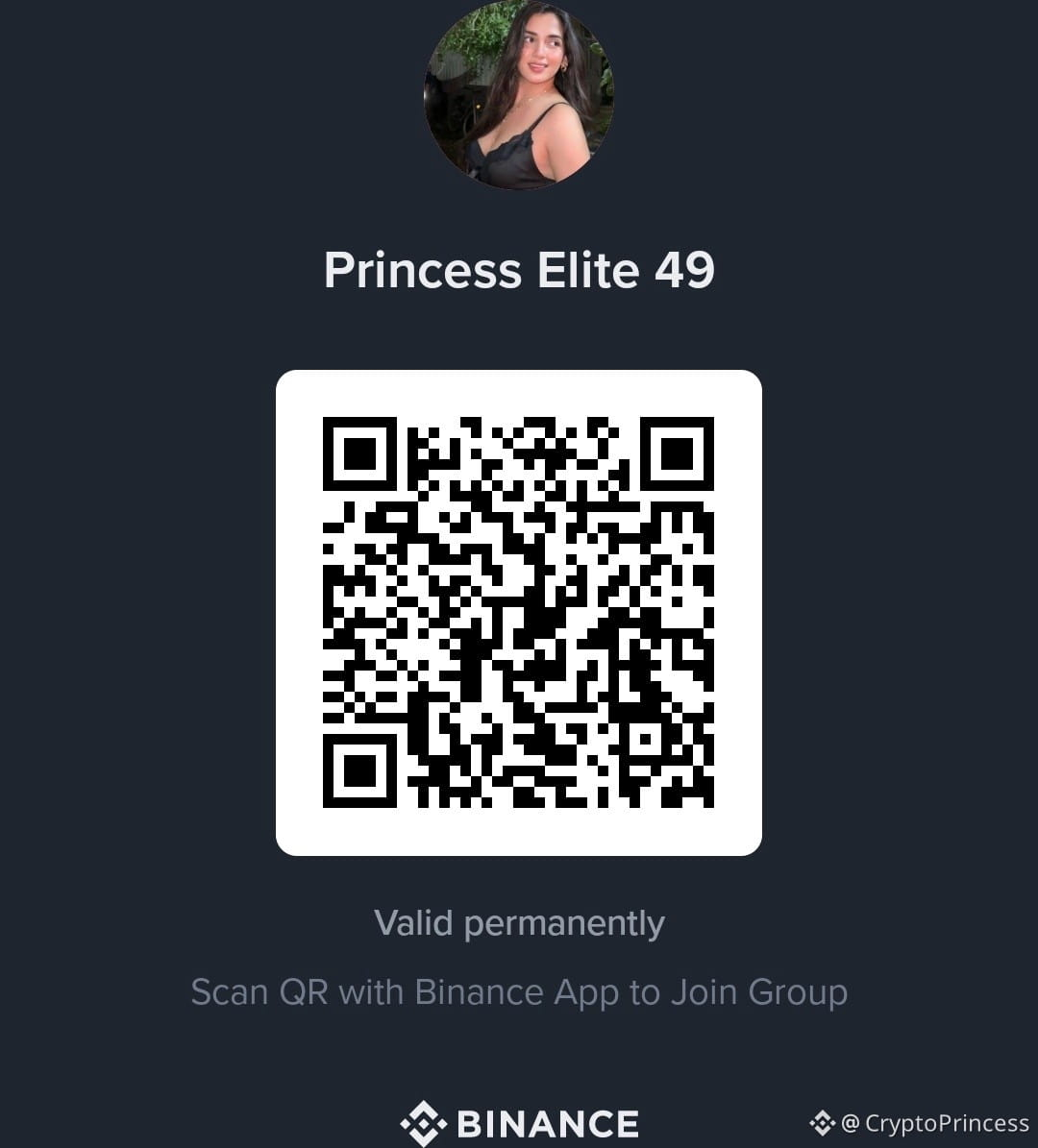
💎 METHOD 2: Scan the QR Code
Simply open your Binance App, scan the QR code I've shared and join the group directly!
That's it. You're in! 🚀
We've only started this group a couple of days ago, and the response has been amazing. I'm continuously sharing futures setups, entries, stop losses and take-profit targets with the ELITE members.
If you've been watching the signals from outside, maybe it's time to join us. 😁🤑
Don't just watch the trades happen. Be part of the community! 🔥
Crypto Princess 💛
$AGT $IDOL $ICNT
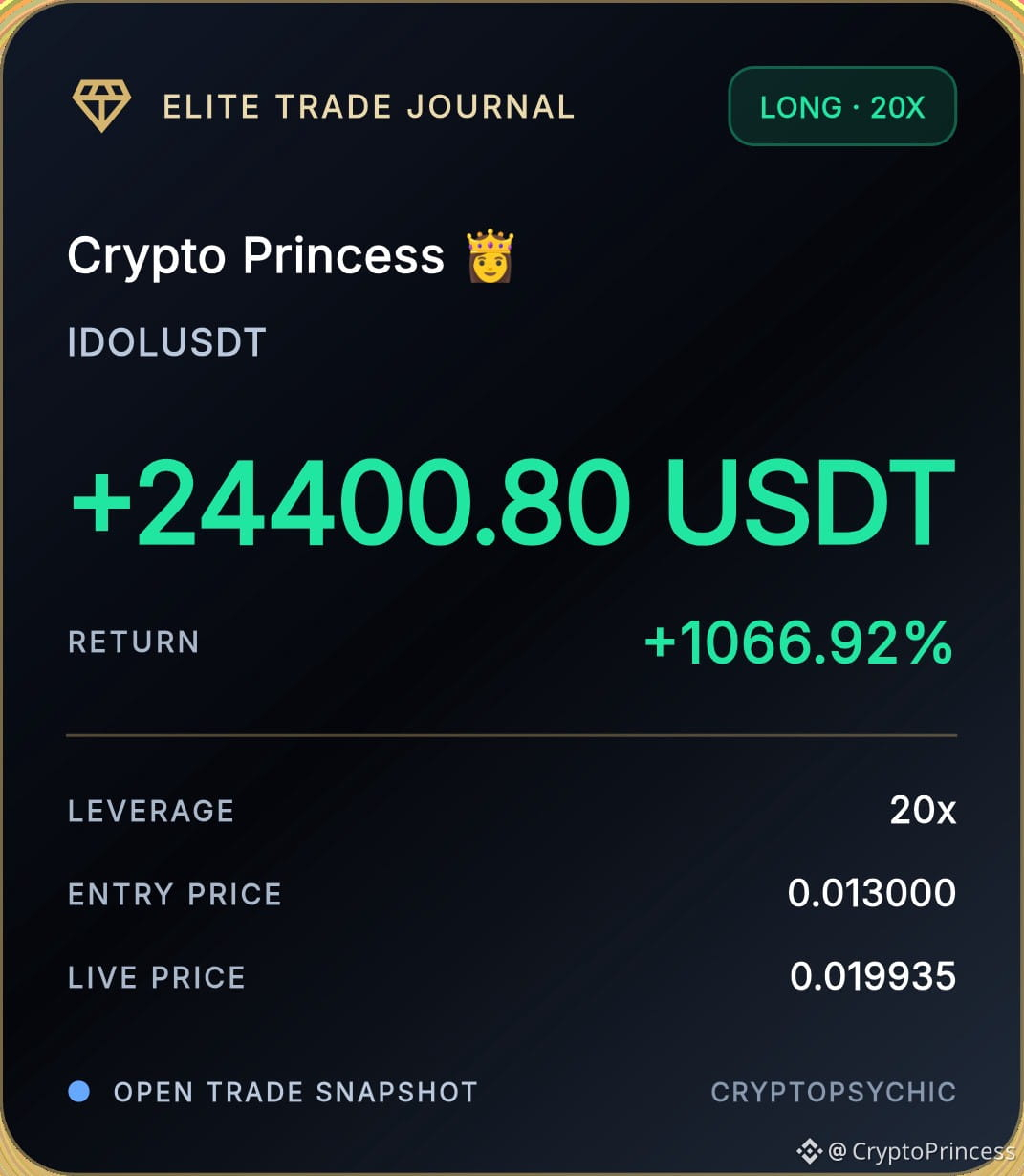
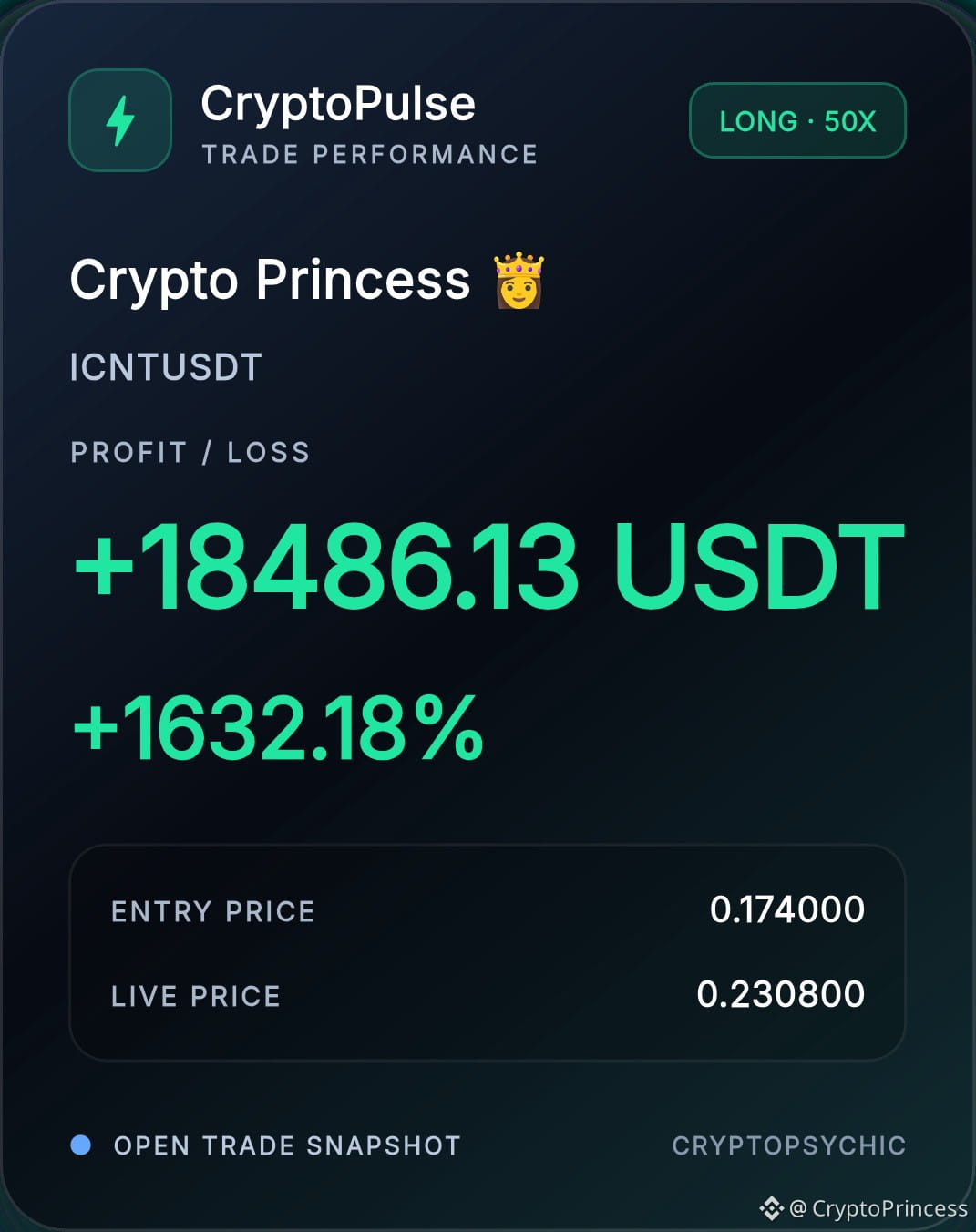
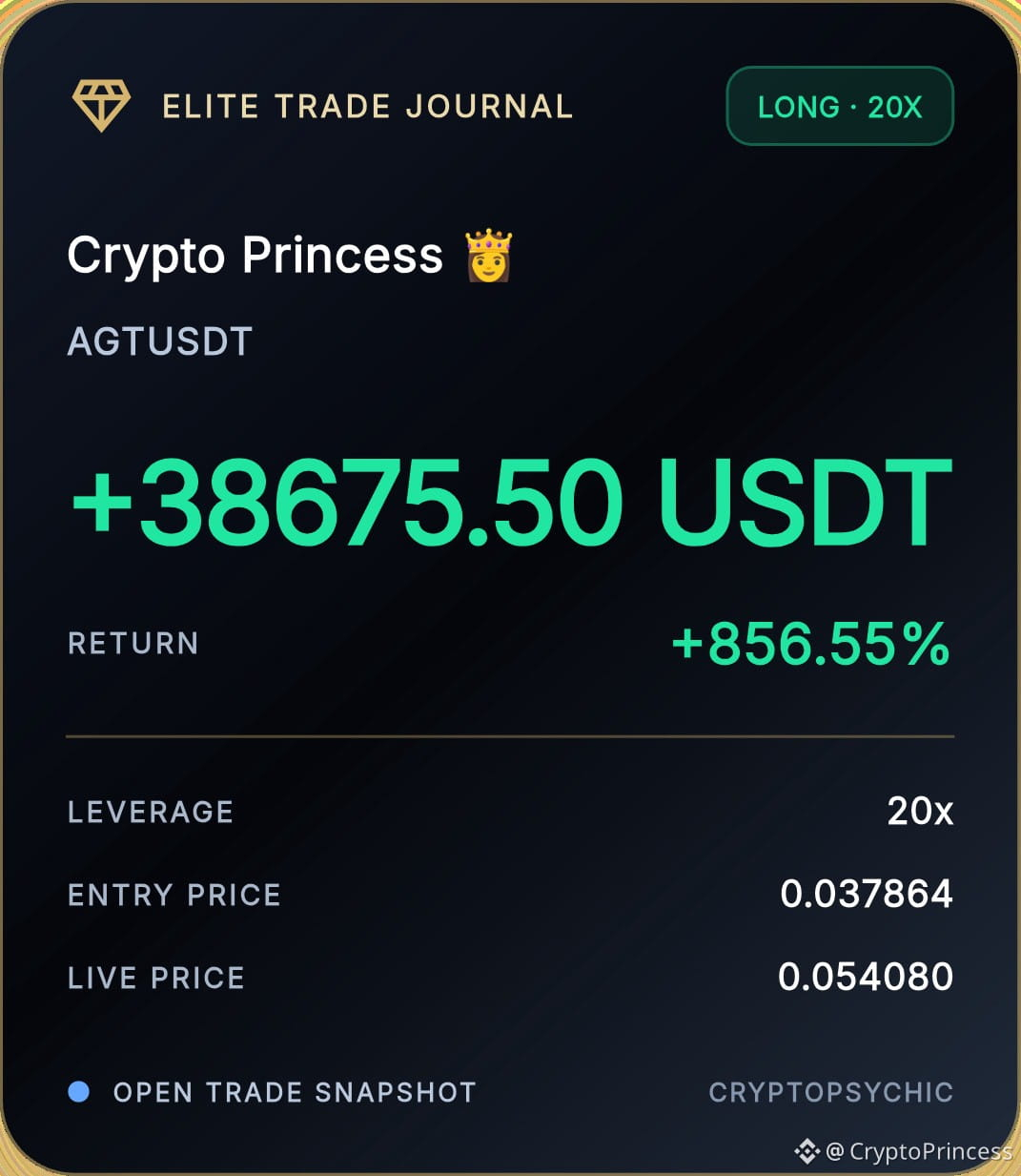
13
9
375
PINNED
·
--
Bullish
🚨 FINALLY! MY BINANCE VIP SIGNALS GROUP IS LIVE! 🚀🔥
I've made enough trading on my own, but honestly, I want to see you guys grow and earn alongside me too. ❤️ That's exactly why I've launched this exclusive elite signals group!
💎 High-quality daily crypto signals
🎯 Clear entries, targets & stop-loss
📊 Real trading setups and market insights
🎁 GET YOUR FIRST 7 DAYS FREE!
Join now, explore the group, check the signals, and experience it yourself. After your 7-day trial, you can choose to pay and continue enjoying our premium signals. 🤑🙌
I'm not here to promise overnight riches. I'm here to share opportunities, experience, and strategies that can help you trade smarter.
⚠️ ONLY SERIOUS TRADERS SHOULD JOIN!
If you're ready to take trading seriously, come join my exclusive elite family. Let's hunt opportunities together! 👑🔥
👇 JOIN HERE, CHECK THE SIGNALS & START YOUR 7-DAY FREE TRIAL!
$JCT $DOOD $BMT
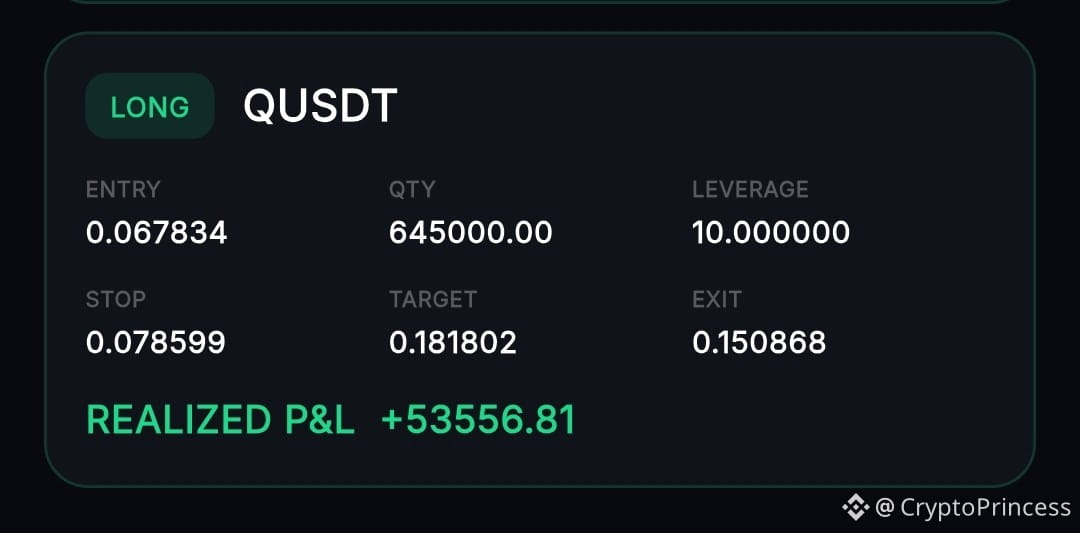
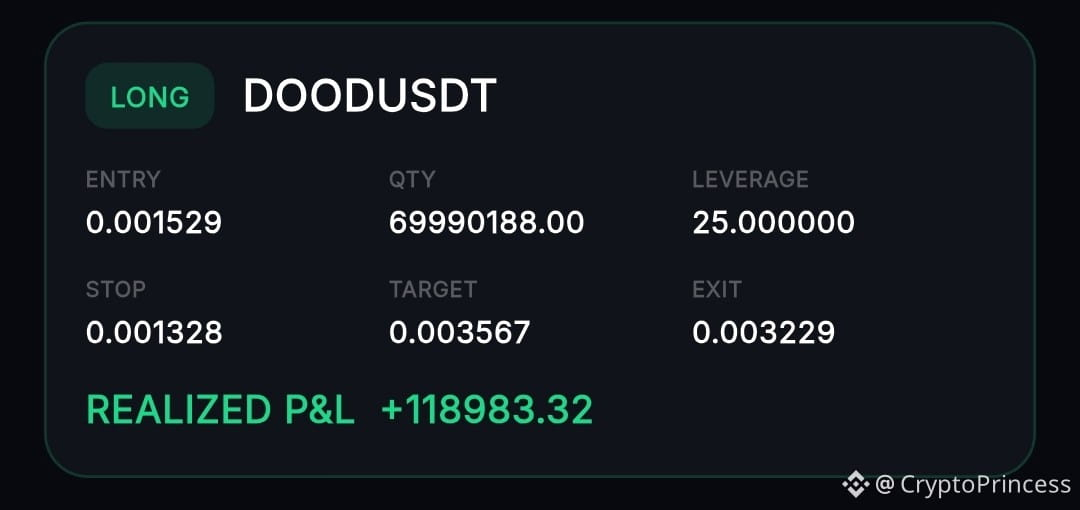
15
20
965
·
--
Bullish
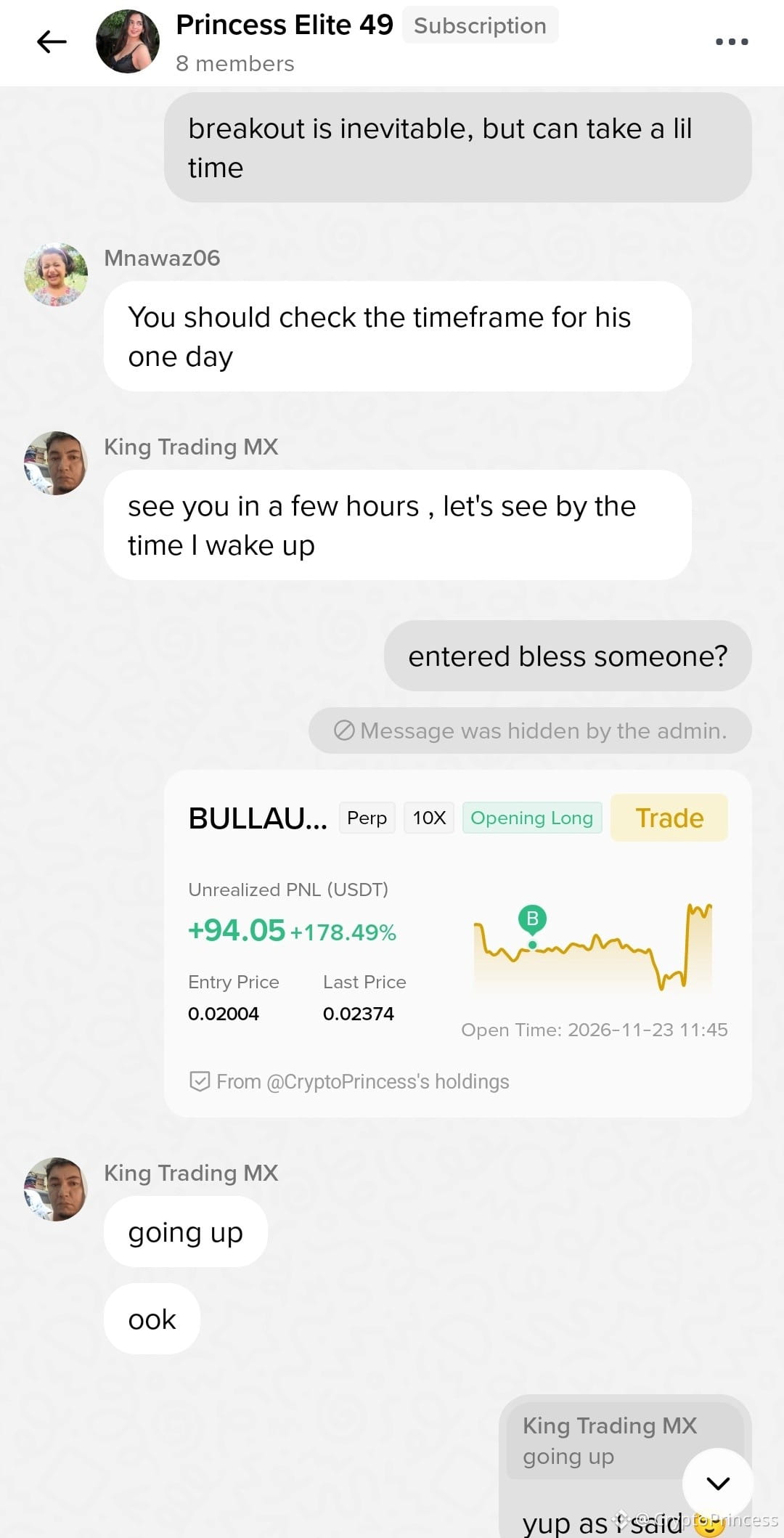
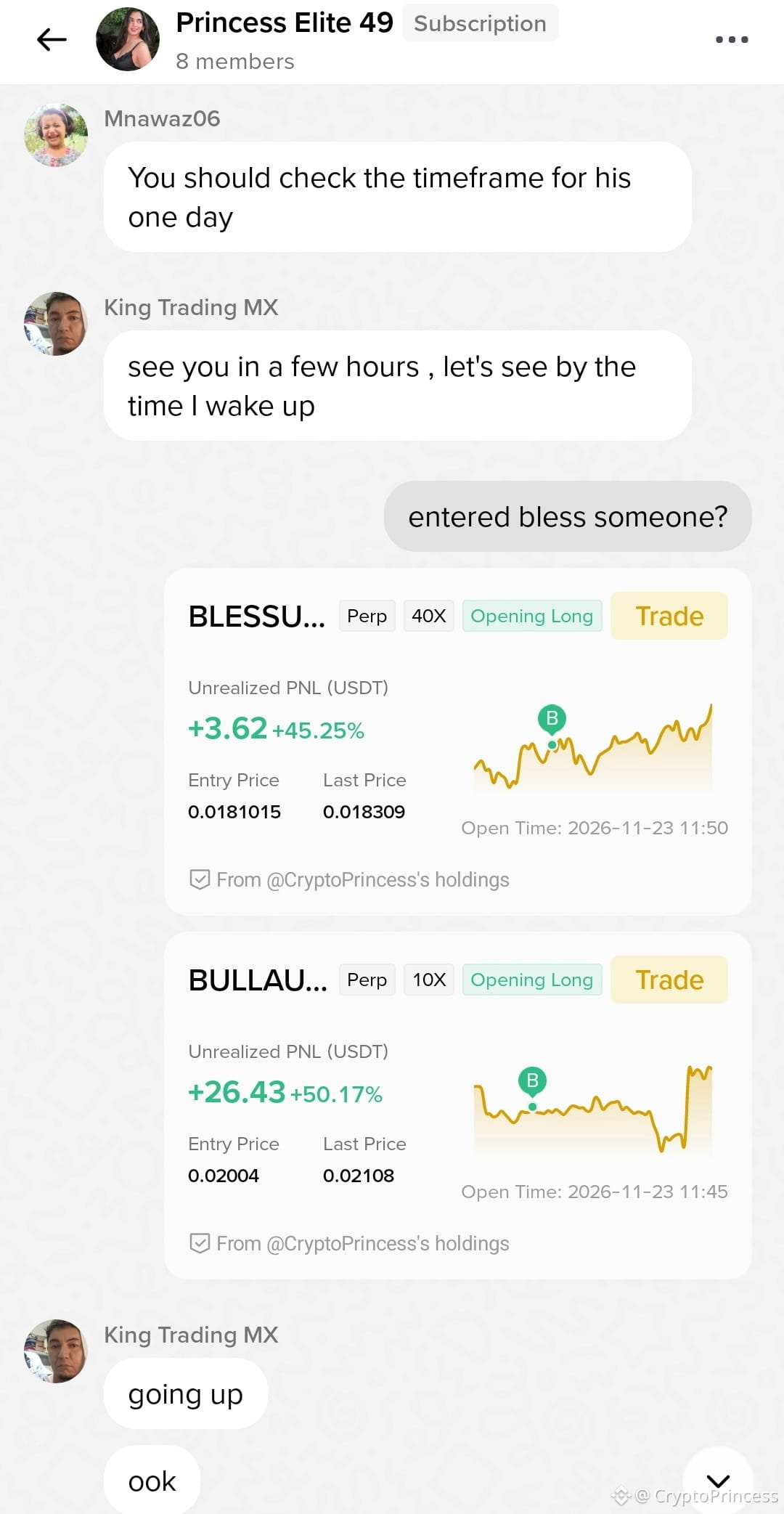
Still missing these moves? 🥲
$BULLA moving nicely after our entries 🔥
These are the kind of setups we've been sharing inside Princess Elite.
While some are still thinking about joining, we're already discussing the next opportunities 👀
Not every signal wins, but good entries and proper risk management make a difference.
If you've been waiting to join our VIP community, my DMs are open ❤️
Who's ready for the next setup? 🙌🤑
$BULLA
230
·
--
Bullish
I have been following crypto long enough to notice something.
Every year we talk about the next big thing. Faster chains, new narratives, bigger ecosystems. But I think the conversation is slowly changing.
And that is why Binance Blockchain Week 2026 in Bangkok caught my attention.
The theme this year is Evolve with binance 😌
For me that word means more than another upgrade or new technology.
I want to see what happens when blockchain stops being something people only discuss and becomes something they actually depend on.
Payments that work across borders. Applications that ordinary people can understand. Builders creating products that still matter when the market is quiet.
November 28–29 should bring some interesting conversations.
I am especially curious to hear what builders and industry leaders think is still missing from crypto adoption.
Because we have spent years proving what blockchain can do.
Maybe it is time to prove why people need it.
That is what I am looking forward to at Binance Blockchain Week.
#EvolveAtBinanceBlockchainWeek

1
5
368
·
--
Bearish
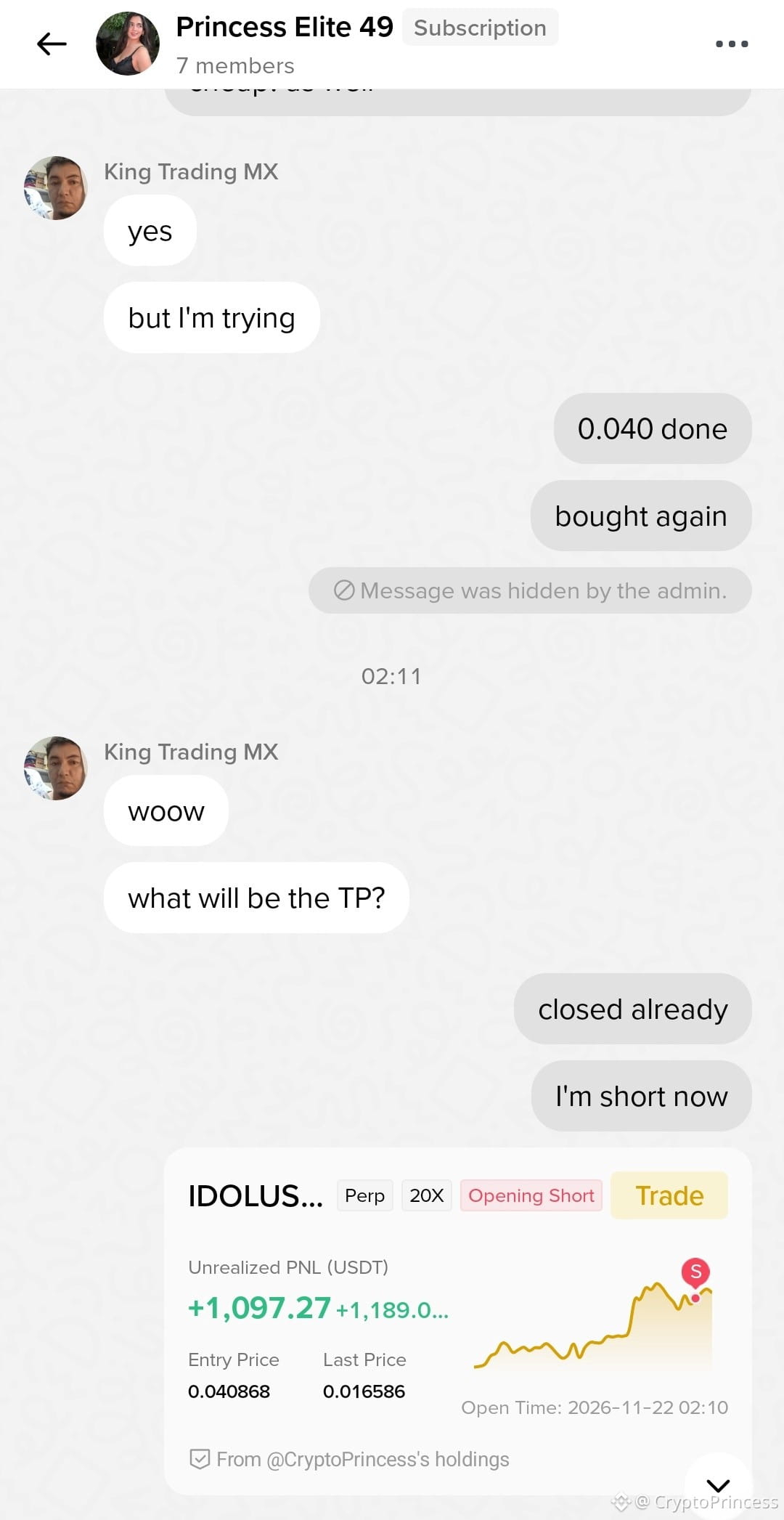
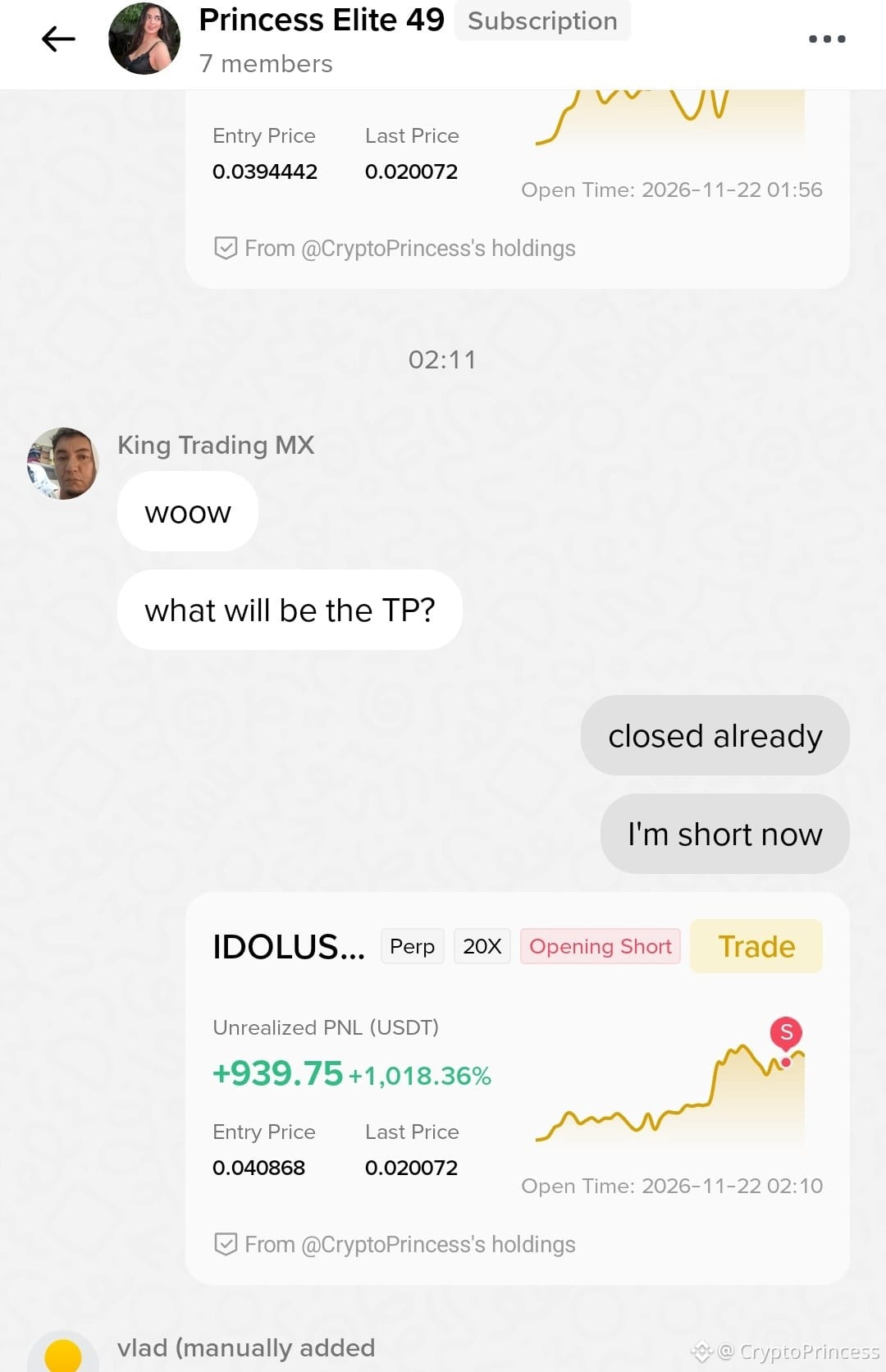
WTF 😭🔥 $IDOL IS INSANE!!
First caught the LONG, then flipped SHORT and look what happened 🤑
+$939 PNL and +1,018% ROI showing on my short!
All shared inside Princess Elite 👀
And some of you are still asking if the VIP fee is worth it? 😭
I'm literally sharing the trades I'm taking, along with entries, targets and updates.
Not every trade will win, and high leverage is risky, but this is the kind of opportunity we're watching in Elite.
Don't just look at the screenshots after the moves happen 😂
DM me on Binance to join Elite! ❤️
Who's been following my $IDOL trades? 👇🔥
2
319
·
--
Bullish
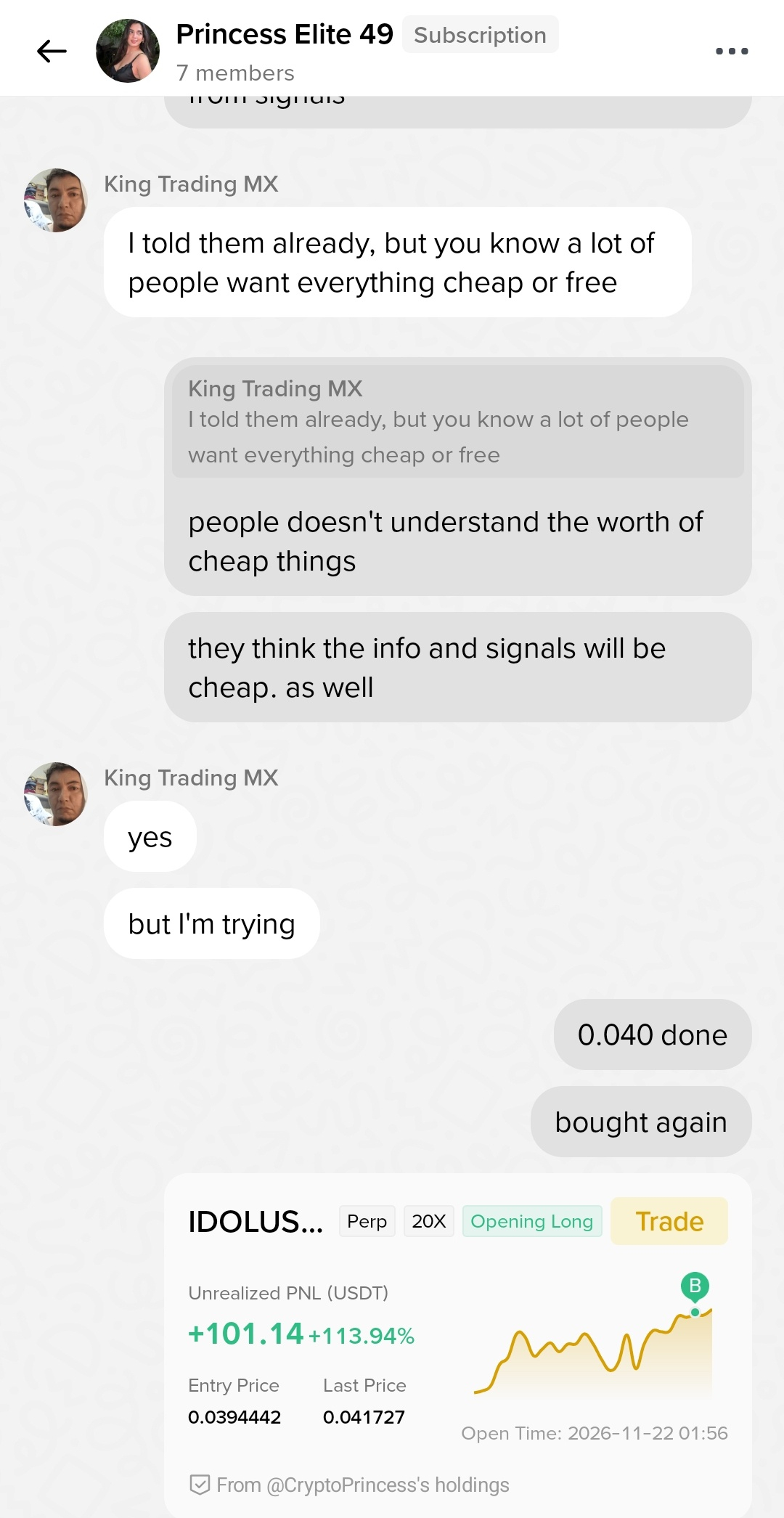
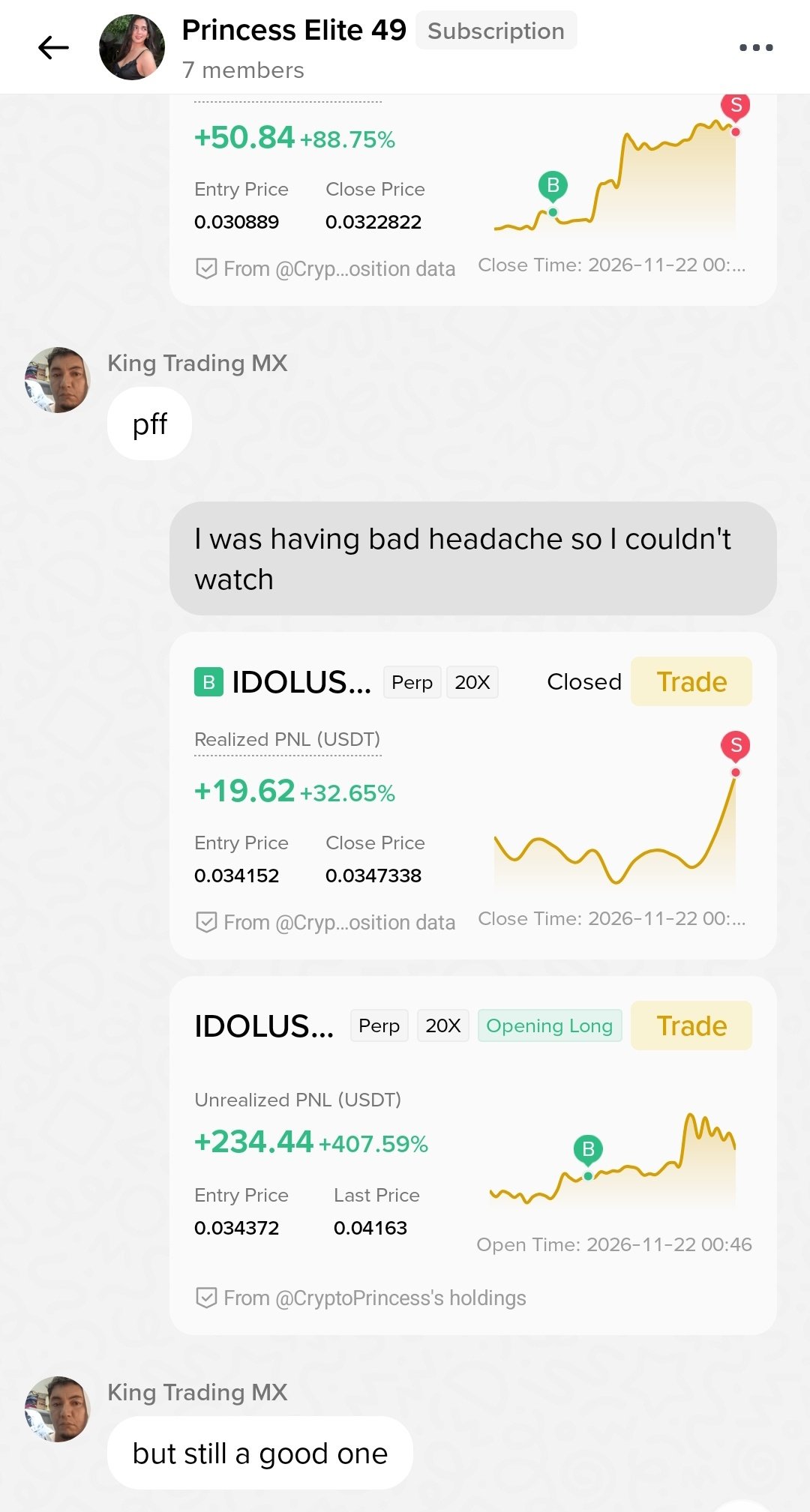
At this point, if you're still not in VIP, you're missing some serious setups 😭🔥
Some of you keep saying the VIP fee is too high, this and that…
Meanwhile, look at $IDOL inside Elite 👀🤑
One good trade can potentially cover your membership fee in minutes or hours. Of course, profits aren't guaranteed and losses happen too.
I'm continuously sharing setups, entries and targets while some of you are still deciding 😅
I'm not here to convince everyone. I want serious traders who actually value good analysis.
DM me if you're ready to join ❤️🙌
Who caught the $IDOL move? 👇
#idolusdt
2
2
787
·
--
Bearish
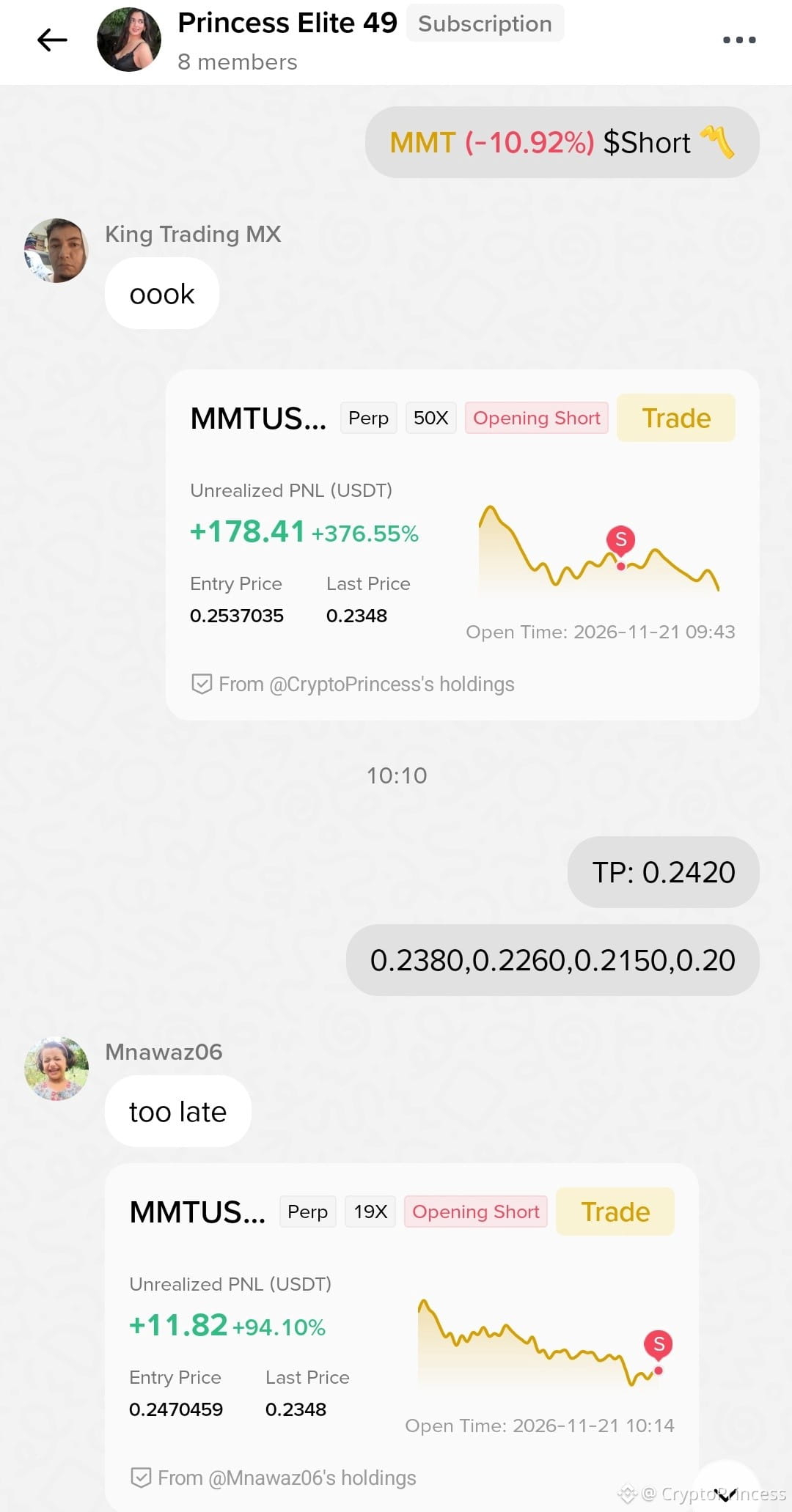
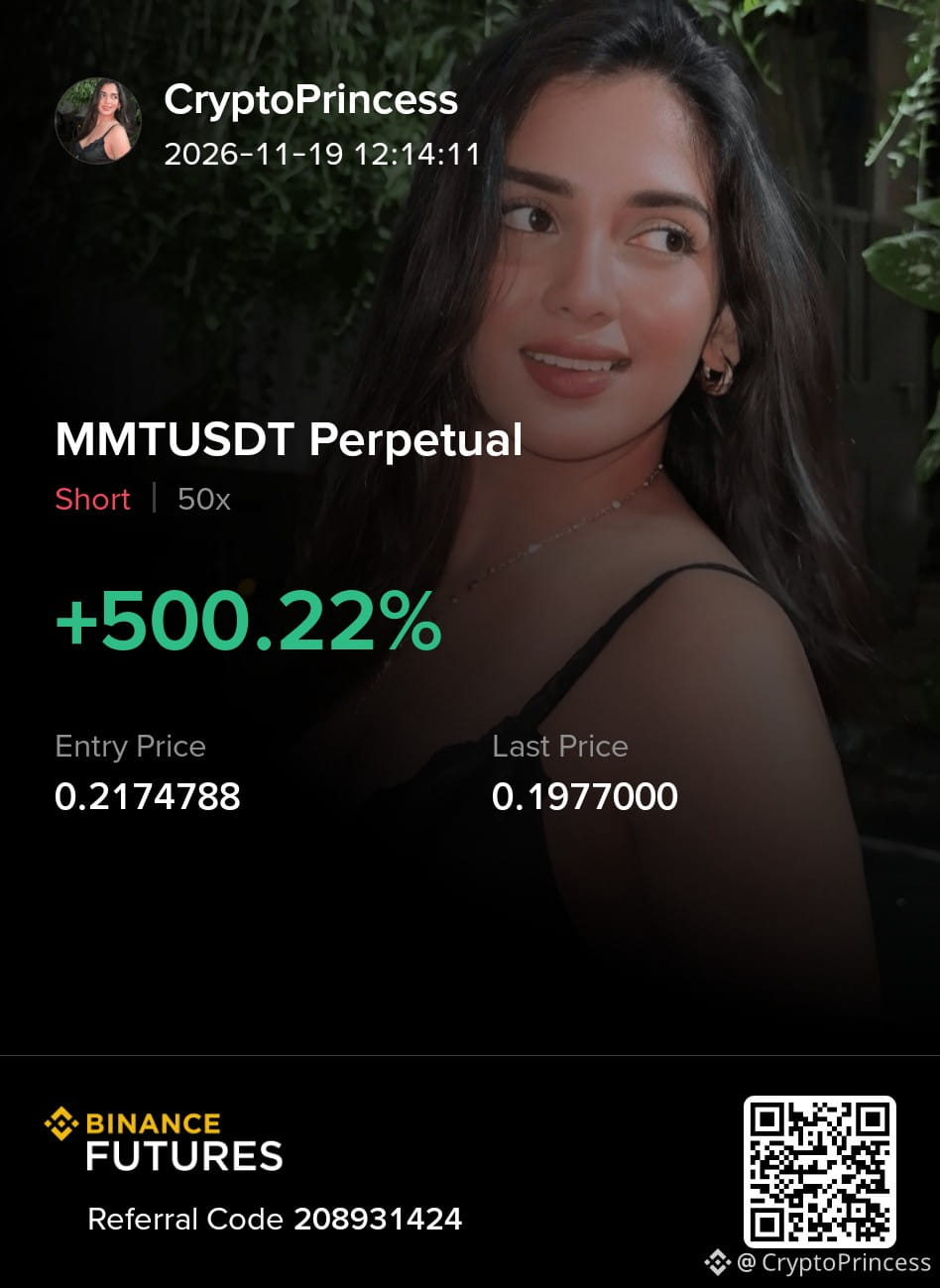
Short $MMT 2.5K USDT
Are you still watching from the sidelines? 👀
Meanwhile, signals inside Elite are already running 🤑🔥
Look at $MMT today!
My short is showing +376% ROI and one of our members is already sharing +94% ROI too 😍
This is what we've been doing inside Princess Elite. Sharing setups, entries and targets while the market moves.
Of course, leverage is risky and not every trade will be a winner.
But if you've been thinking of joining us, you're welcome! ❤️
DM me to join Elite 🙌
Who's ready for the next setup? 👀👇
1
263
Article
Why Crypto Market Makers Love Fake Breakouts More Than Real TrendsMost traders think the hardest part of crypto is predicting where price will go next.
I think the bigger problem is understanding why price moves somewhere first, before going in the completely opposite direction.
You've probably seen this happen dozens of times. Bitcoin spends days trading below an important resistance level. Everyone is watching the same breakout. Price finally pushes above it, volume increases, green candles start appearing and suddenly the entire market turns bullish.
Traders enter longs expecting continuation.
And then within minutes, price reverses, falls back below resistance and wipes out almost everyone who bought the breakout.
The frustrating part? Sometimes Bitcoin starts moving higher again just a few hours later.
This is where understanding liquidity becomes more important than simply drawing support and resistance lines.
Crypto is heavily influenced by leveraged positioning, and wherever large numbers of traders place similar orders, liquidity starts building. Above obvious resistance levels, you often have buy stops from short sellers, breakout entries from momentum traders and liquidation orders from leveraged positions.
That creates an interesting situation.
A price level that looks like the beginning of a bullish trend can also become an attractive area for larger sellers to execute their orders.
When price breaks resistance, those triggered buy orders provide liquidity for someone wanting to sell size. This doesn't necessarily mean one whale deliberately manipulated the entire move. Sometimes it's simply how aggressive orders interact with available liquidity.
And this is exactly why a breakout candle alone tells you very little about whether the move will survive.
The real difference between a healthy breakout and a liquidity sweep is what happens after price crosses the level.
If Bitcoin breaks above resistance and continues holding that area, buyers are showing they can absorb selling pressure at higher prices. That's meaningful. But if price immediately falls back into the previous range, the breakout has failed to establish acceptance.
And failed breakouts can become powerful moves in the opposite direction.
Think about what happens to everyone who entered late. They're suddenly underwater. Some close manually, others have stop losses sitting just below the breakout level. As price starts falling, those sell orders add more pressure.
The same mechanism works in reverse during false breakdowns.
Bitcoin drops below an obvious support, traders rush to short, existing longs get stopped out, and then price suddenly reclaims the level. Now the new shorts are trapped. If price starts moving higher, their exits can help accelerate the recovery.
This is one reason why some of the strongest crypto moves begin with a move that initially looks completely wrong.
There's another thing I watch closely, and thats open interest.
If price breaks resistance while open interest increases aggressively, it can suggest new leveraged positions are entering the market. That's not automatically bearish. Strong trends can attract fresh leverage and continue higher. But if the breakout fails while positioning is crowded, the unwind can become violent.
Funding rates add another layer. When long positioning becomes expensive and nearly everyone expects continuation, the market becomes more vulnerable to a sharp reversal. Not because positive funding guarantees a dump, but because crowded positioning can make an otherwise ordinary pullback much more damaging.
And this is where many traders misunderstand market makers.
A market maker's normal job is to provide liquidity by quoting buy and sell prices. They aren't automatically responsible for every stop hunt or sudden reversal. Large directional traders, liquidations, hedging flows and thin order books can all contribute to these movements.
The result can look like a perfectly planned trap even when no single participant controlled it.
That's why I don't think every long wick is manipulation. Sometimes it's simply the market discovering how much liquidity actually exists beyond a widely watched price level.
The biggest mistake is assuming that crossing resistance means buyers have won.
Price can trade above resistance without establishing a new support area. It can briefly break below support without beginning a downtrend. The reaction after the breakout often provides more useful information than the breakout itself.
A trader who buys every resistance break will eventually get caught in repeated false moves. But someone who waits to see whether the market can actually hold the new area has a better way of defining risk.
Of course, waiting isn't perfect either. Some of the strongest breakouts never retest, and confirmation can mean entering at a worse price. Trading always involves that compromise between getting in early and demanding more evidence.
The important thing is knowing which risk you're accepting.
Crypto markets move fast enough that being right about direction and wrong about timing can still cost you a trade. Especially when leverage is involved.
And perhaps the most overlooked part of all this is that obvious levels attract obvious behavior.
The more traders watch the same resistance, the more orders can collect around it. That doesn't make the level useless. It makes the behavior around the level more important.
A breakout that fails can tell you something about the strength of buyers. A breakdown that gets reclaimed can reveal that sellers couldn't maintain control. Neither guarantees what happens next, but both offer information that a simple trendline cannot.
The market doesn't owe anyone a clean entry just because a chart pattern looks perfect.
Sometimes price needs to move through the obvious level, trigger the crowded orders and then reveal where genuine demand or supply is sitting.
That's why experienced traders spend so much time studying failed moves.
A successful breakout shows where price managed to go.
A failed breakout can show where the market refused to stay.
And in crypto, understanding that difference can save you from a lot of expensive trades.
Why Crypto Market Makers Love Fake Breakouts More Than Real Trends
Most traders think the hardest part of crypto is predicting where price will go next.
I think the bigger problem is understanding why price moves somewhere first, before going in the completely opposite direction.
You've probably seen this happen dozens of times. Bitcoin spends days trading below an important resistance level. Everyone is watching the same breakout. Price finally pushes above it, volume increases, green candles start appearing and suddenly the entire market turns bullish.
Traders enter longs expecting continuation.
And then within minutes, price reverses, falls back below resistance and wipes out almost everyone who bought the breakout.
The frustrating part? Sometimes Bitcoin starts moving higher again just a few hours later.
This is where understanding liquidity becomes more important than simply drawing support and resistance lines.
Crypto is heavily influenced by leveraged positioning, and wherever large numbers of traders place similar orders, liquidity starts building. Above obvious resistance levels, you often have buy stops from short sellers, breakout entries from momentum traders and liquidation orders from leveraged positions.
That creates an interesting situation.
A price level that looks like the beginning of a bullish trend can also become an attractive area for larger sellers to execute their orders.
When price breaks resistance, those triggered buy orders provide liquidity for someone wanting to sell size. This doesn't necessarily mean one whale deliberately manipulated the entire move. Sometimes it's simply how aggressive orders interact with available liquidity.
And this is exactly why a breakout candle alone tells you very little about whether the move will survive.
The real difference between a healthy breakout and a liquidity sweep is what happens after price crosses the level.
If Bitcoin breaks above resistance and continues holding that area, buyers are showing they can absorb selling pressure at higher prices. That's meaningful. But if price immediately falls back into the previous range, the breakout has failed to establish acceptance.
And failed breakouts can become powerful moves in the opposite direction.
Think about what happens to everyone who entered late. They're suddenly underwater. Some close manually, others have stop losses sitting just below the breakout level. As price starts falling, those sell orders add more pressure.
The same mechanism works in reverse during false breakdowns.
Bitcoin drops below an obvious support, traders rush to short, existing longs get stopped out, and then price suddenly reclaims the level. Now the new shorts are trapped. If price starts moving higher, their exits can help accelerate the recovery.
This is one reason why some of the strongest crypto moves begin with a move that initially looks completely wrong.
There's another thing I watch closely, and thats open interest.
If price breaks resistance while open interest increases aggressively, it can suggest new leveraged positions are entering the market. That's not automatically bearish. Strong trends can attract fresh leverage and continue higher. But if the breakout fails while positioning is crowded, the unwind can become violent.
Funding rates add another layer. When long positioning becomes expensive and nearly everyone expects continuation, the market becomes more vulnerable to a sharp reversal. Not because positive funding guarantees a dump, but because crowded positioning can make an otherwise ordinary pullback much more damaging.
And this is where many traders misunderstand market makers.
A market maker's normal job is to provide liquidity by quoting buy and sell prices. They aren't automatically responsible for every stop hunt or sudden reversal. Large directional traders, liquidations, hedging flows and thin order books can all contribute to these movements.
The result can look like a perfectly planned trap even when no single participant controlled it.
That's why I don't think every long wick is manipulation. Sometimes it's simply the market discovering how much liquidity actually exists beyond a widely watched price level.
The biggest mistake is assuming that crossing resistance means buyers have won.
Price can trade above resistance without establishing a new support area. It can briefly break below support without beginning a downtrend. The reaction after the breakout often provides more useful information than the breakout itself.
A trader who buys every resistance break will eventually get caught in repeated false moves. But someone who waits to see whether the market can actually hold the new area has a better way of defining risk.
Of course, waiting isn't perfect either. Some of the strongest breakouts never retest, and confirmation can mean entering at a worse price. Trading always involves that compromise between getting in early and demanding more evidence.
The important thing is knowing which risk you're accepting.
Crypto markets move fast enough that being right about direction and wrong about timing can still cost you a trade. Especially when leverage is involved.
And perhaps the most overlooked part of all this is that obvious levels attract obvious behavior.
The more traders watch the same resistance, the more orders can collect around it. That doesn't make the level useless. It makes the behavior around the level more important.
A breakout that fails can tell you something about the strength of buyers. A breakdown that gets reclaimed can reveal that sellers couldn't maintain control. Neither guarantees what happens next, but both offer information that a simple trendline cannot.
The market doesn't owe anyone a clean entry just because a chart pattern looks perfect.
Sometimes price needs to move through the obvious level, trigger the crowded orders and then reveal where genuine demand or supply is sitting.
That's why experienced traders spend so much time studying failed moves.
A successful breakout shows where price managed to go.
A failed breakout can show where the market refused to stay.
And in crypto, understanding that difference can save you from a lot of expensive trades.
2
1
3
558
·
--
Bearish
I'm getting so many messages from people wanting to join Elite right now 😭❤️
Don't worry, I'll get you all added!
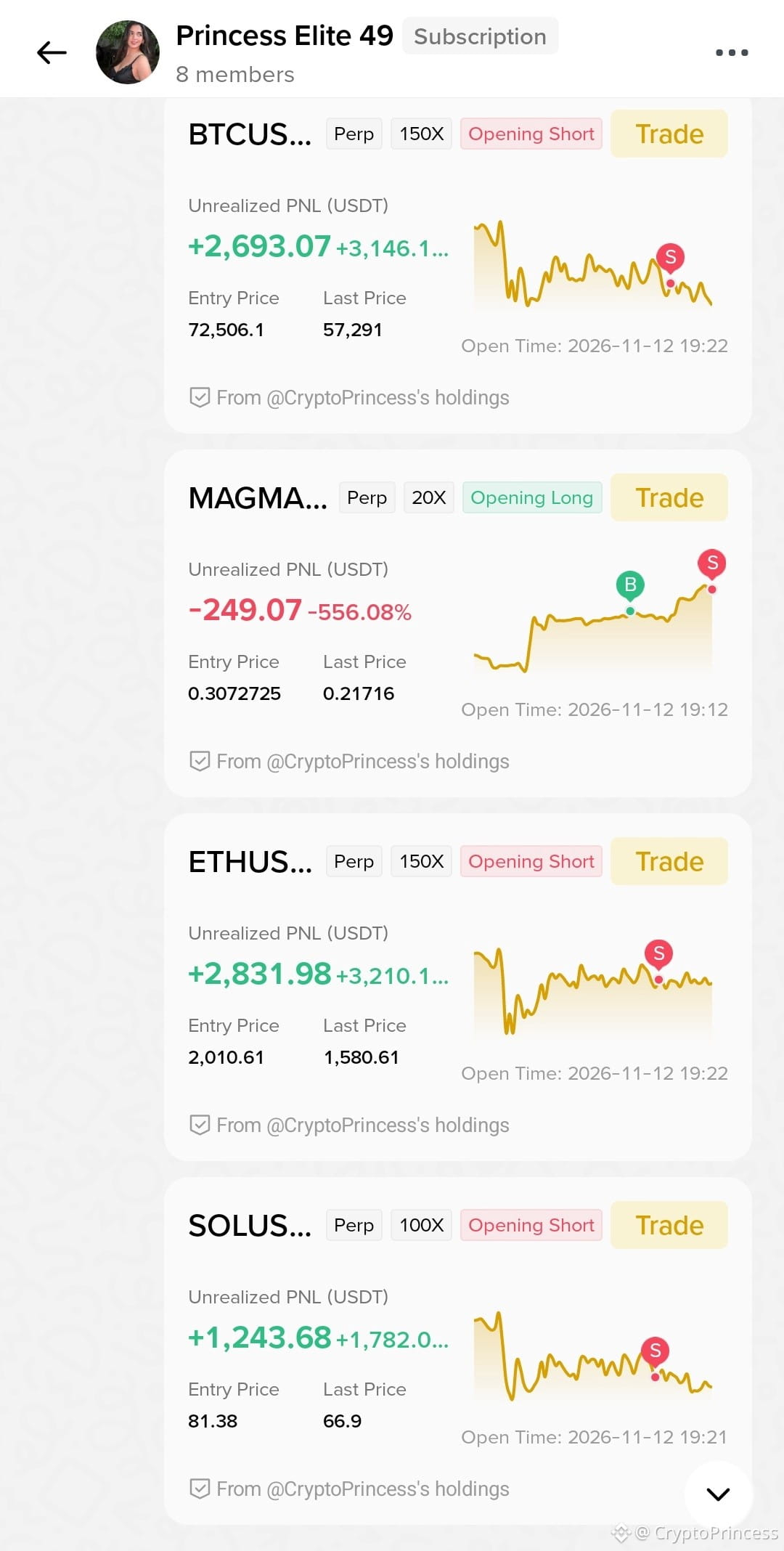
My next goal is to build a community of 100 serious members and then start our $100 to $10,000 trading challenge 💪🔥
We'll take it step by step, share quality setups and work towards that target together. It's an ambitious goal, not a guaranteed return.
Thank you all for believing in me and trusting my setups. It really means a lot! 🥹❤️
And for those facing regional restrictions while joining Elite, just DM me. I'll help you check the available joining options too.
Don't miss the opportunities in the meantime! 👀
Signals are already being shared inside Elite, and we're not stopping!
Who's ready for the challenge? 🙌
❤️ Like & repost
💬 Comment "READY" if you want to join
Let's rock together! 🤘🔥
$BTC #CanBTCReboundAfterFallingBelow60K? #GlobalStocksFaceLongestLosingStreakSince2023
6
2
248
·
--
Bearish
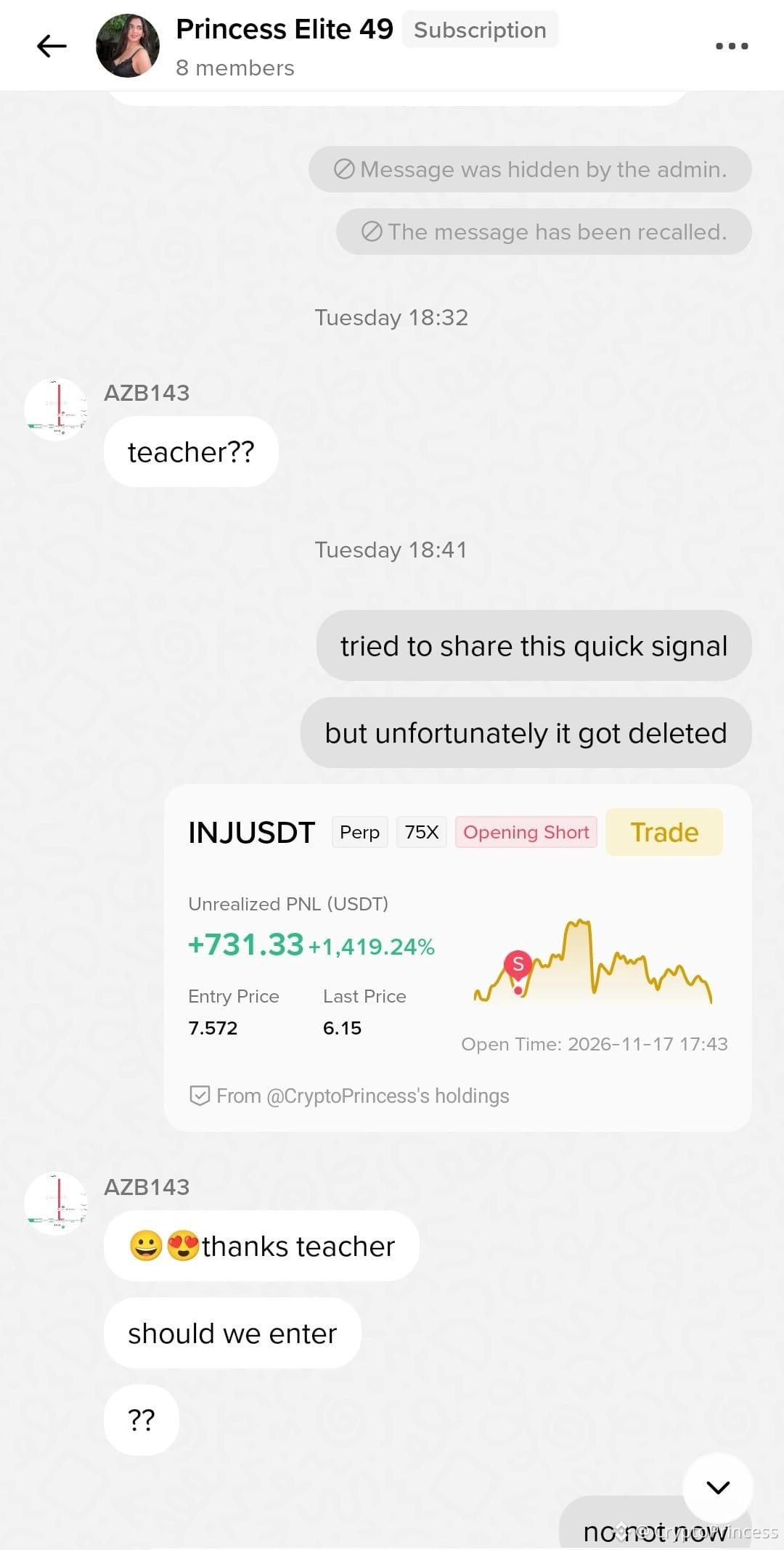
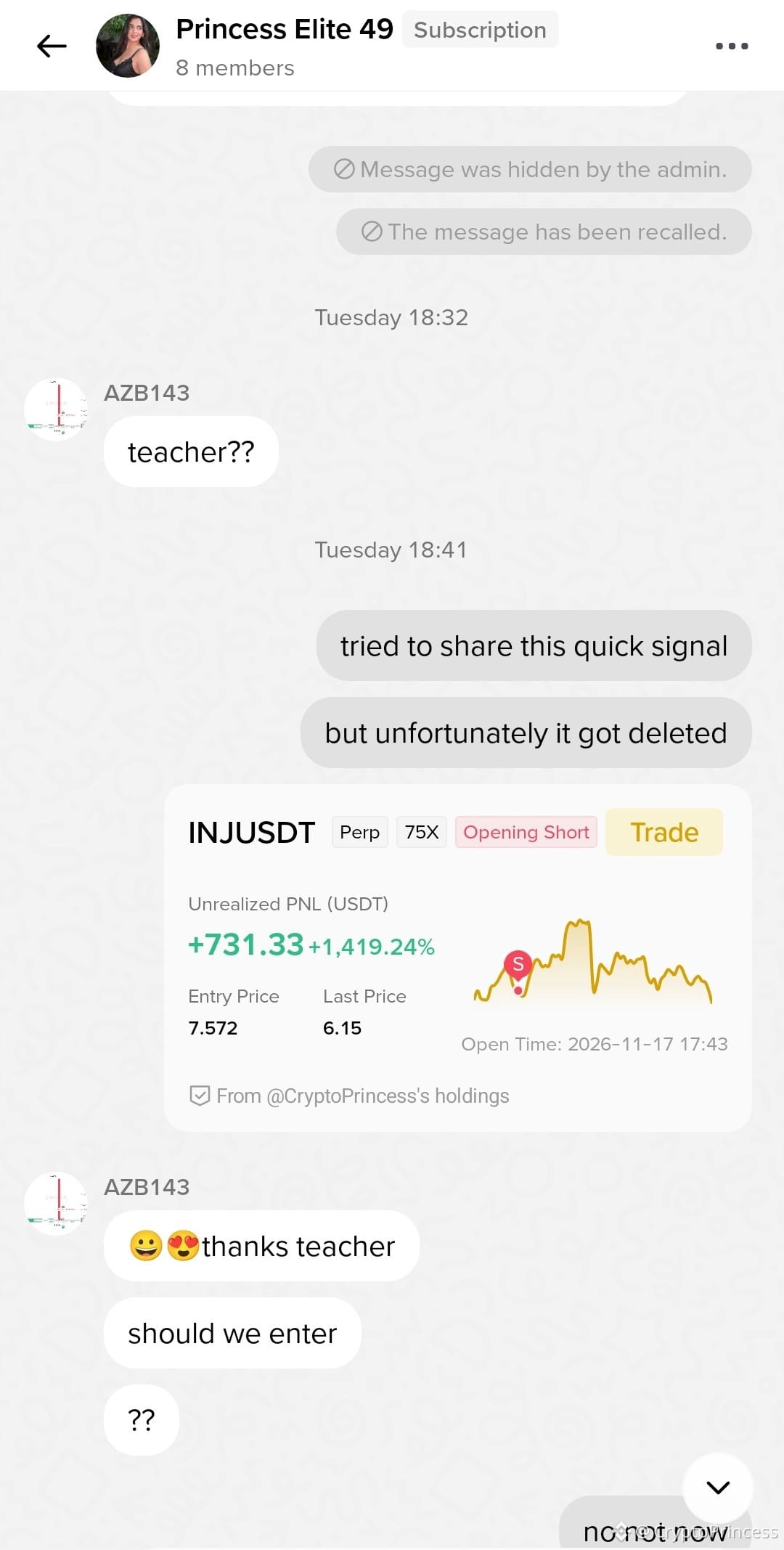
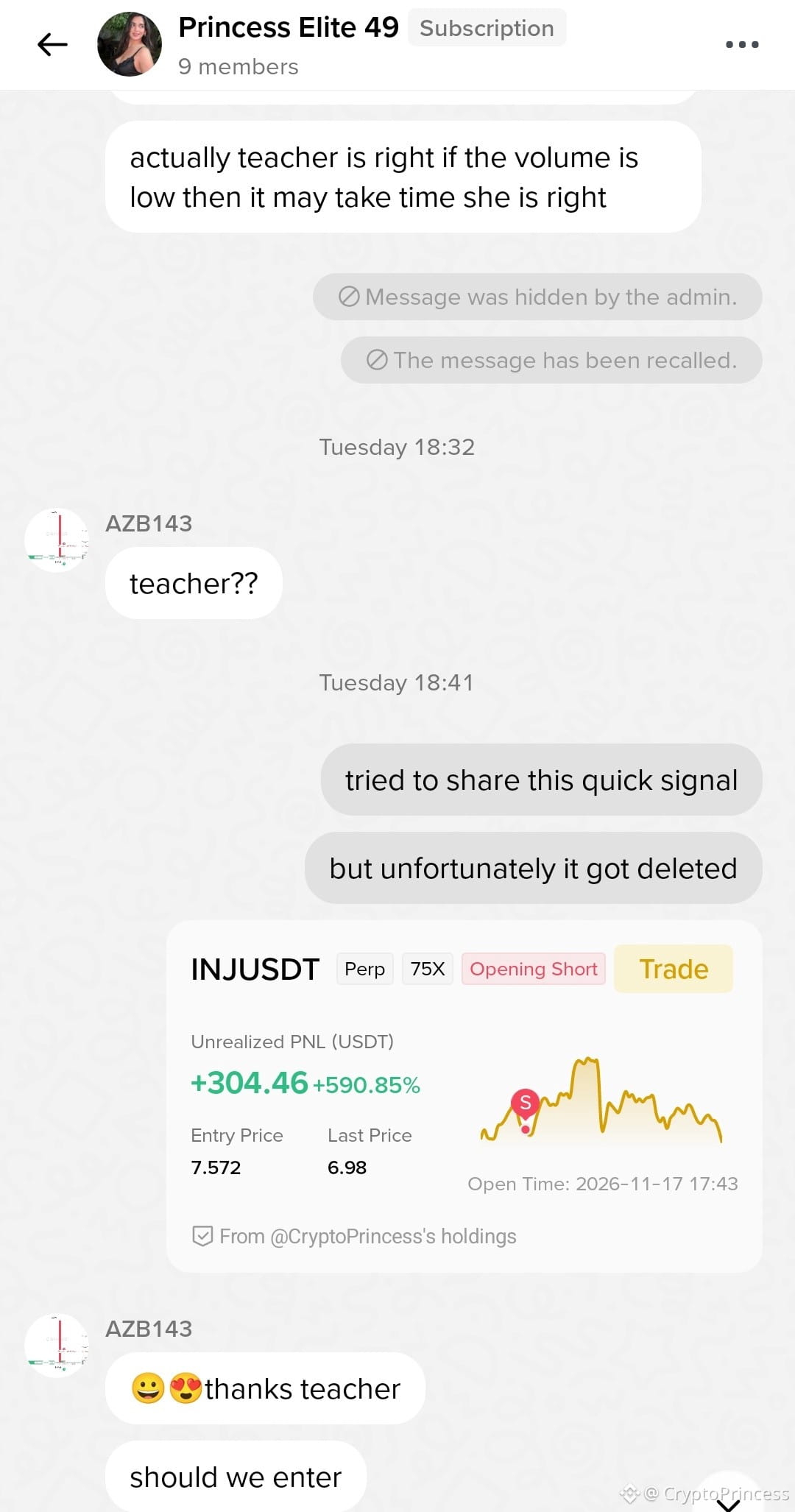
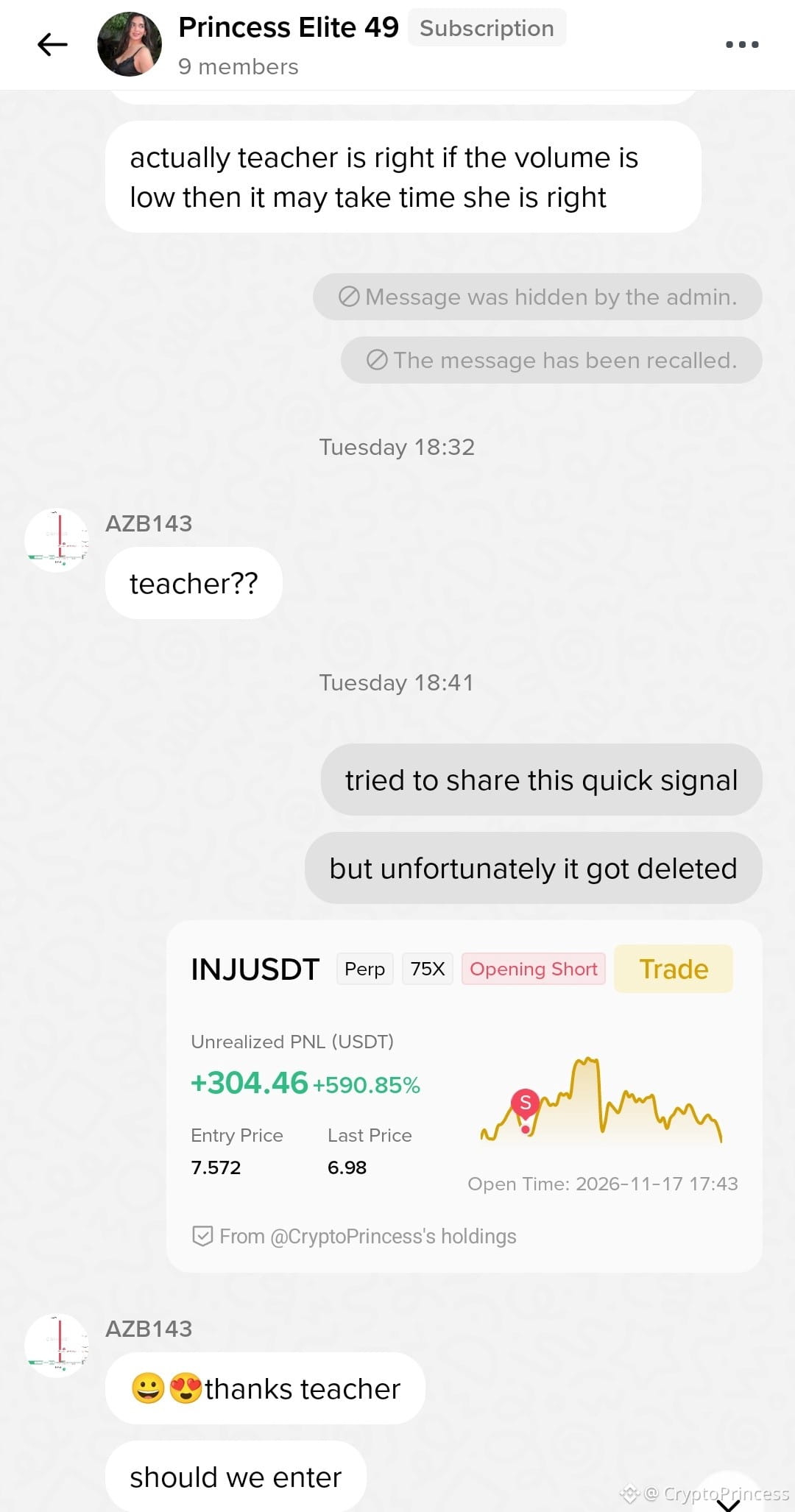
Who remembers my $INJ short? 👀🔥
only the elite members 😂 I guess 😌
Entry was $7.572 and look at it now… $6.15 🤑
+$731 PNL showing on my trade with 75x leverage!
This is the kind of setup we're catching inside Princess Elite. Even our members are getting excited 😁❤️
I'm thinking of sharing more of these setups publicly too.
But first, I wanna see who's actually interested 👇
❤️ LIKE if you love these trades
💬 COMMENT "INJ" if you want more setups
🔔 FOLLOW me so you don't miss the next one
And if you want access to my premium setups, DM me to join Elite 🙌
Remember, high leverage comes with high risk. Trade carefully!
$INJ #INJUSDT
2
487
·
--
Bearish
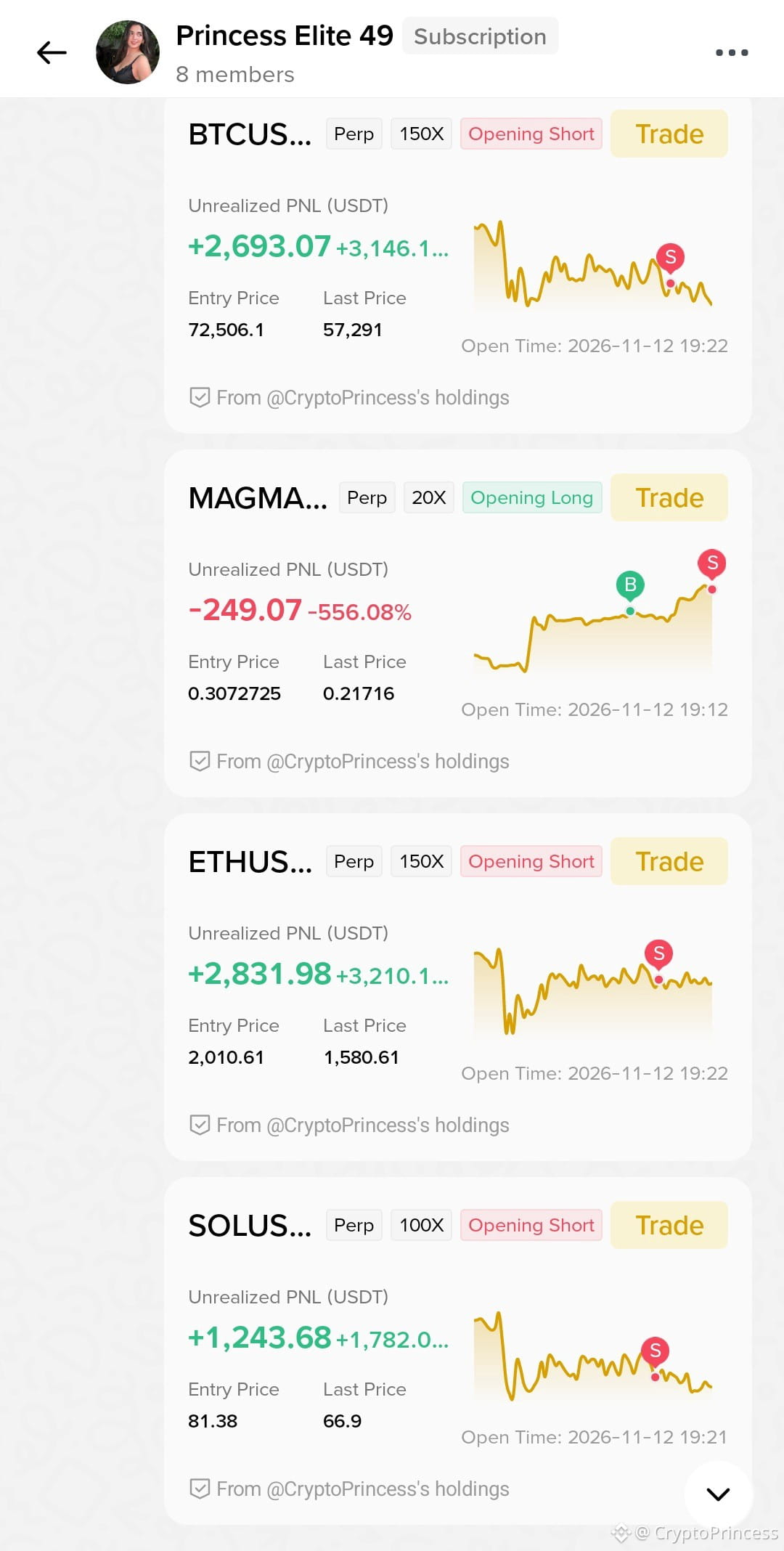
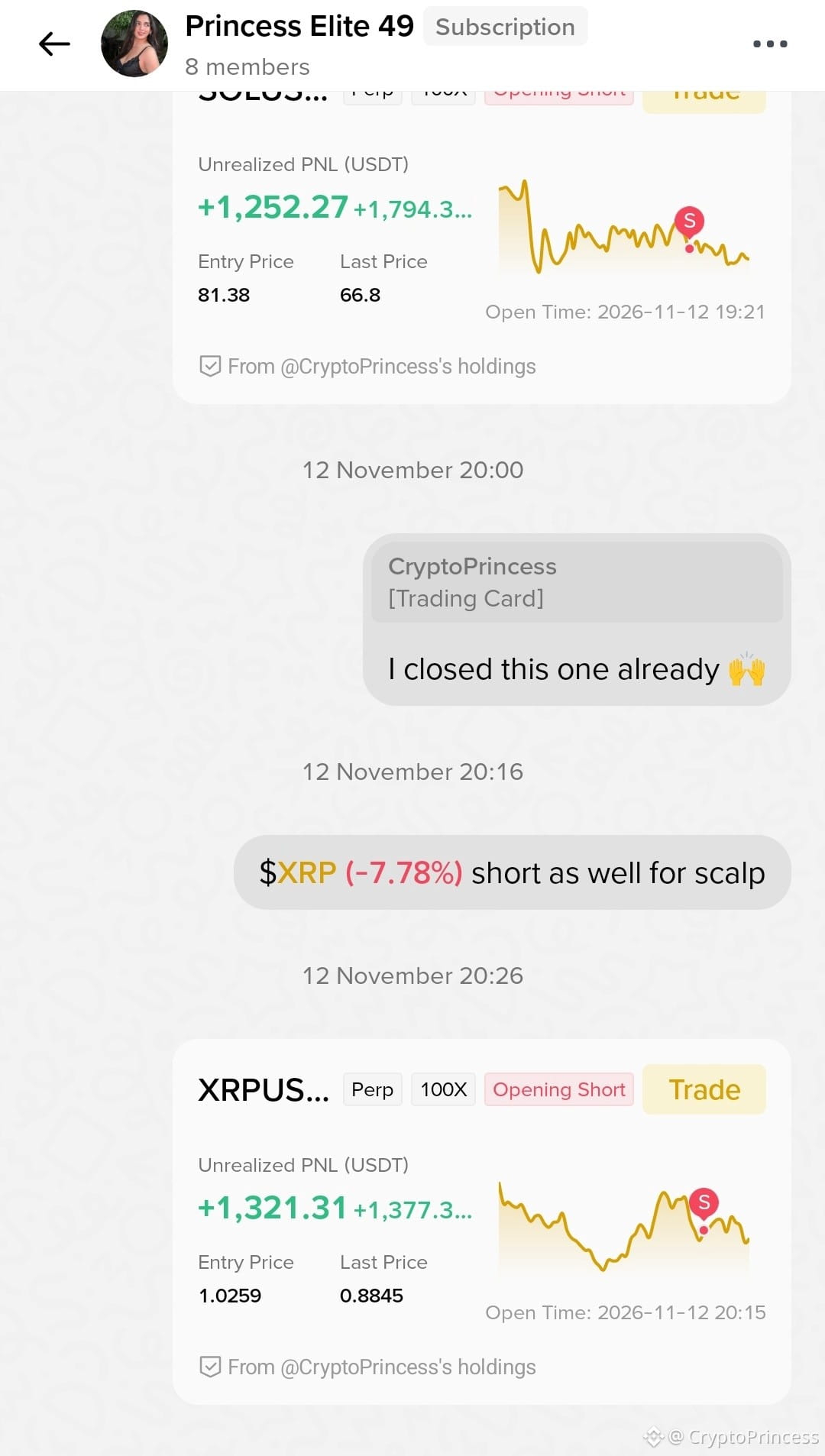
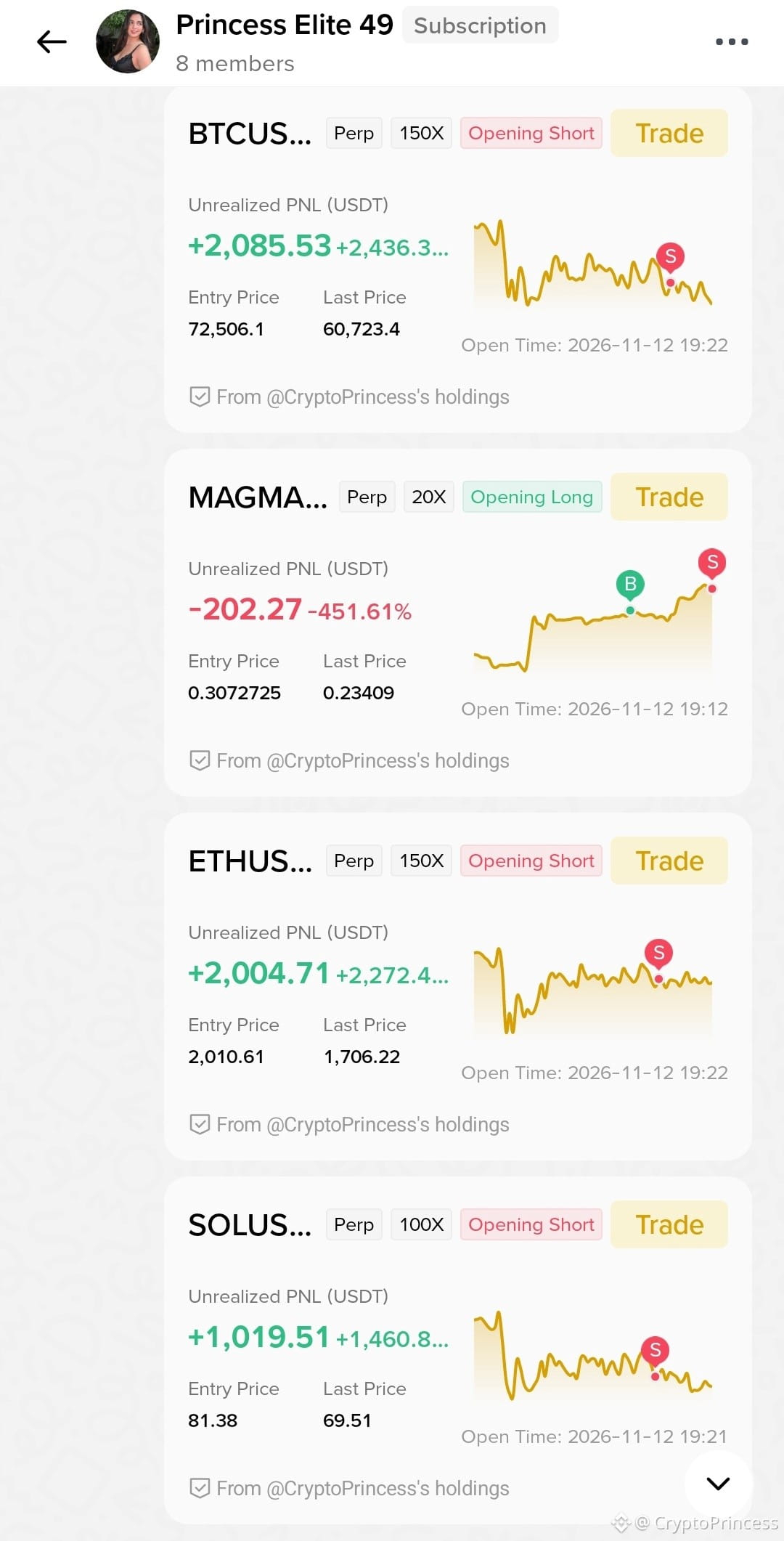
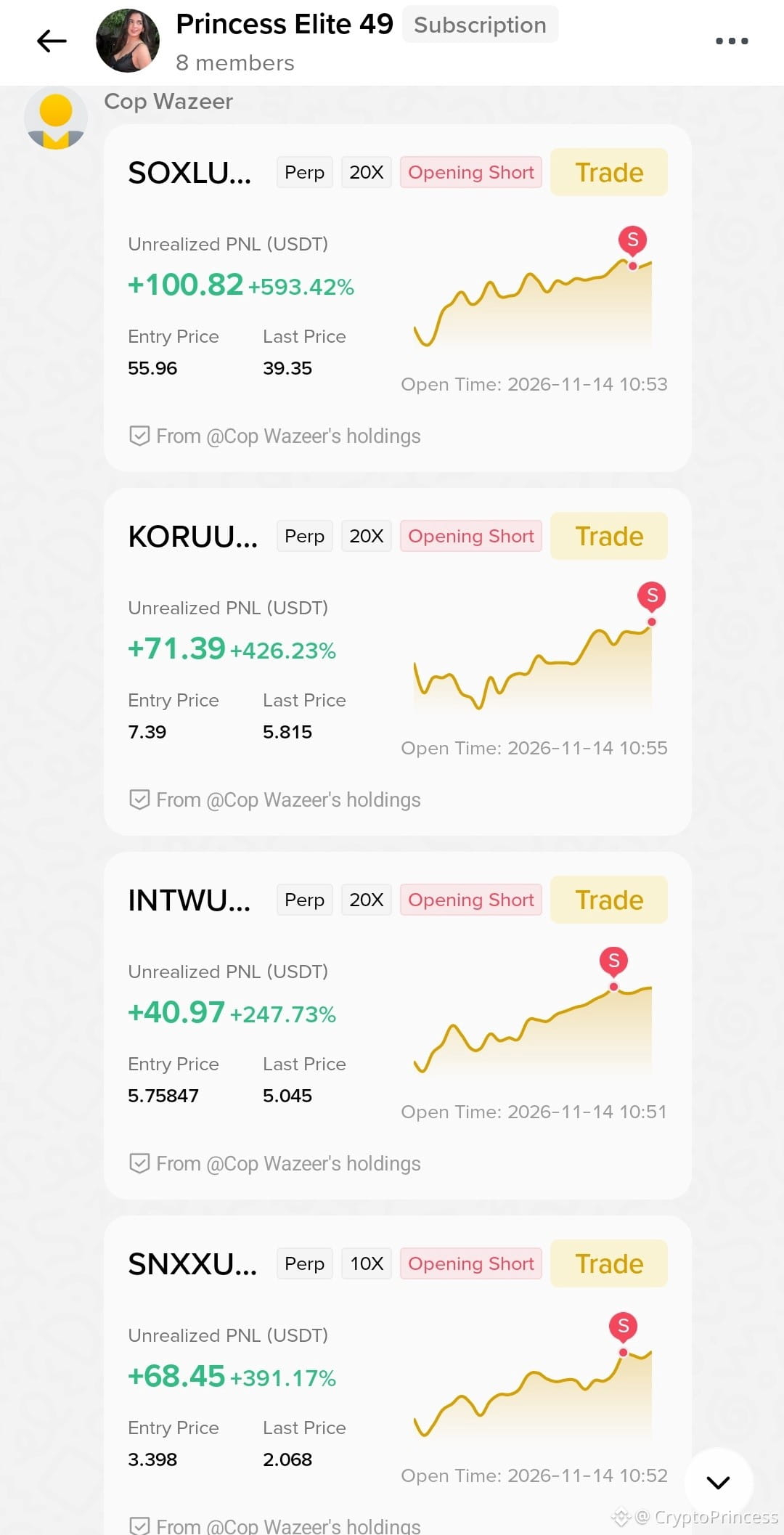
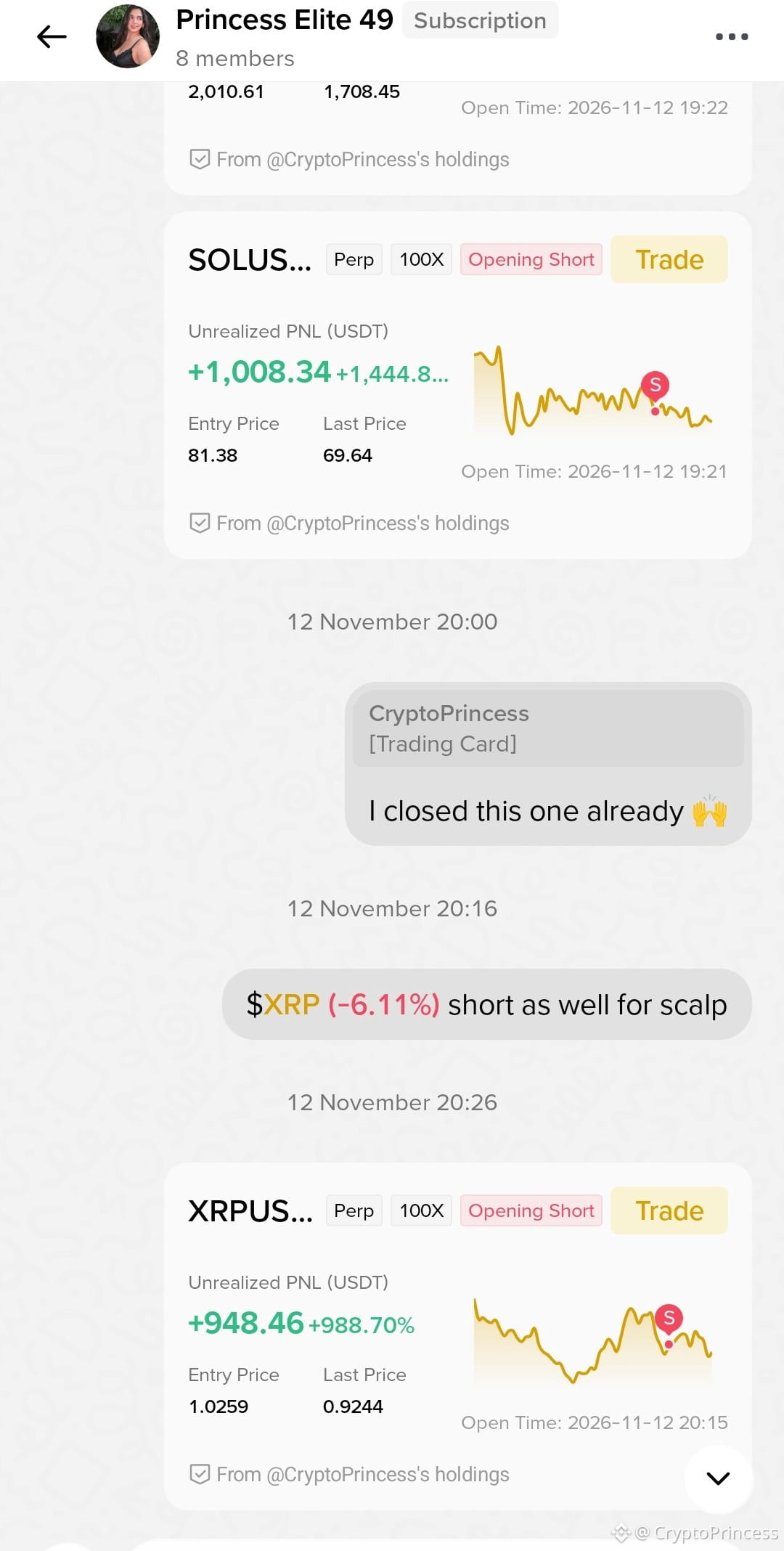
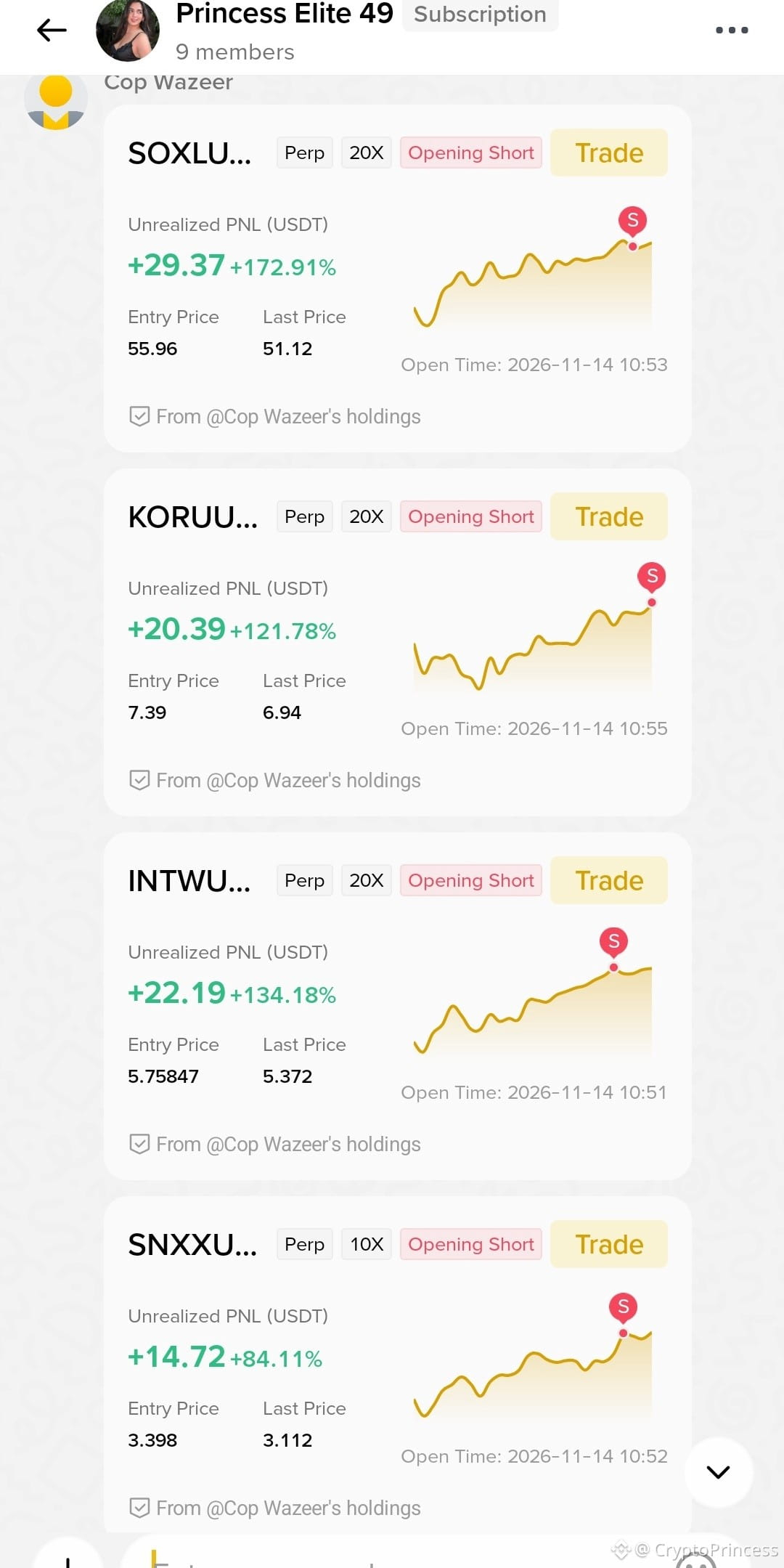
This is the kind of signals we're sharing inside Elite 🤑🔥
$BTC , $ETH , SOL, $XRP and now SOXL, KORU, INTW & SNXX 👀
Just look at those trading results!
We're continuously finding new setups and sharing them with our Elite members.
And the best part? We're not just focusing on one coin. We're looking for opportunities wherever the market gives us a good setup. 🙌
If you're still not part of Elite, you're missing out on the setups we're discussing daily.
DM me on Binance to join Princess Elite ❤️
Let's catch more good moves together! 🚀
2
1.2k
·
--
Bullish
3
421
·
--
Bearish
In elite I'm gonna start a challenge to make like from $100 - $10,000
Those who wanna join dm me Or join through my profile chatroom
$MMT $INJ
In elite I'm gonna start a challenge to make like from $100 - $10,000
Those who wanna join dm me Or join through my profile chatroom
$MMT $INJ
Those who wanna join dm me Or join through my profile chatroom
$MMT $INJ
4
2
801
·
--
Bullish
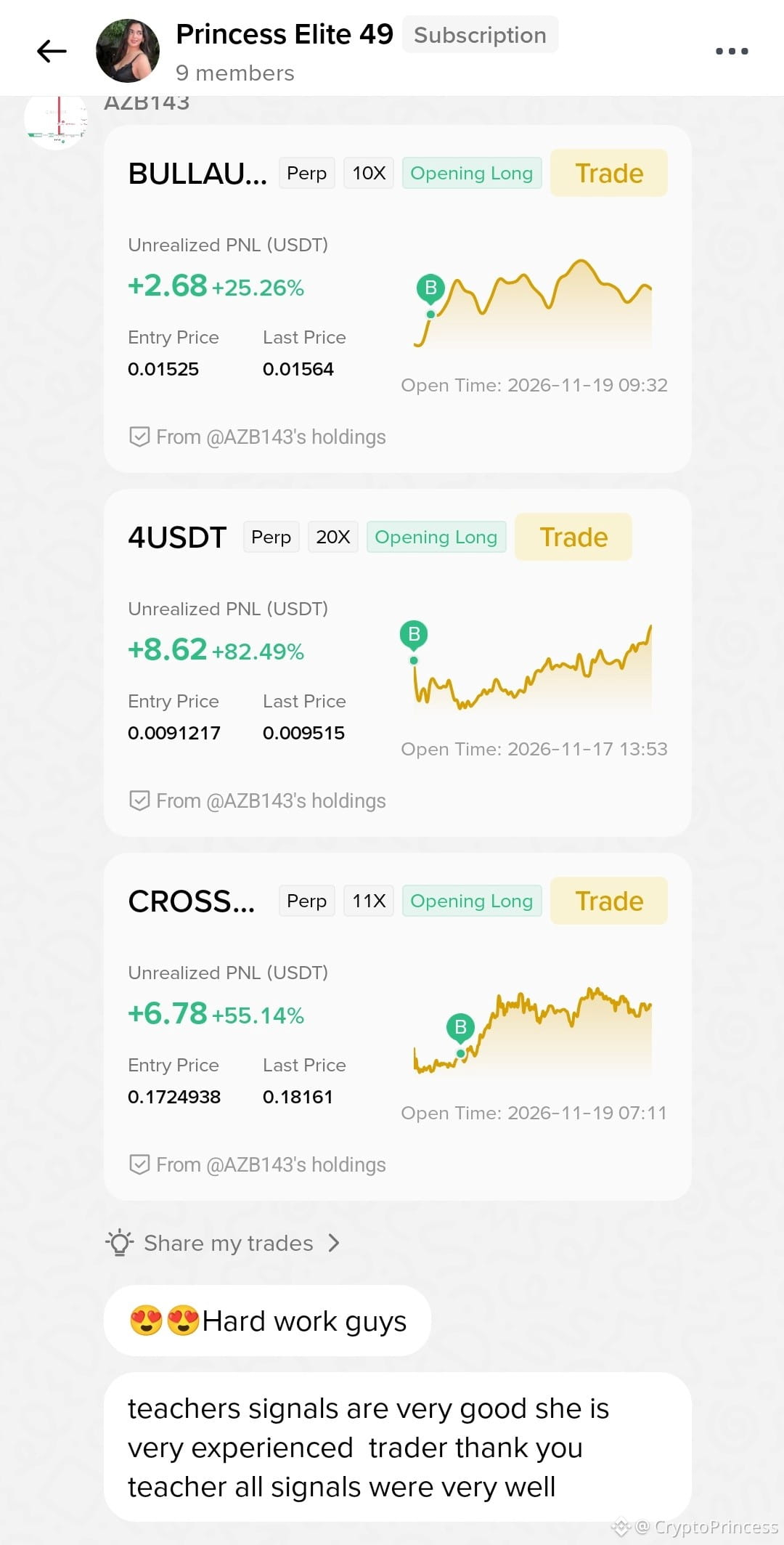
Everyone seems to be enjoying the Elite group lately! 😍🔥
Great setups, quality signals and amazing opportunities are being shared regularly.
If you're still watching from outside, what are you waiting for? 😁
Join Elite now and become part of the community. Let's catch the next big moves together! 🚀❤️
$INJ $MMT $PIEVERSE
Great setups, quality signals and amazing opportunities are being shared regularly.
If you're still watching from outside, what are you waiting for? 😁
Join Elite now and become part of the community. Let's catch the next big moves together! 🚀❤️
$INJ $MMT $PIEVERSE
4
3
602
·
--
Bullish
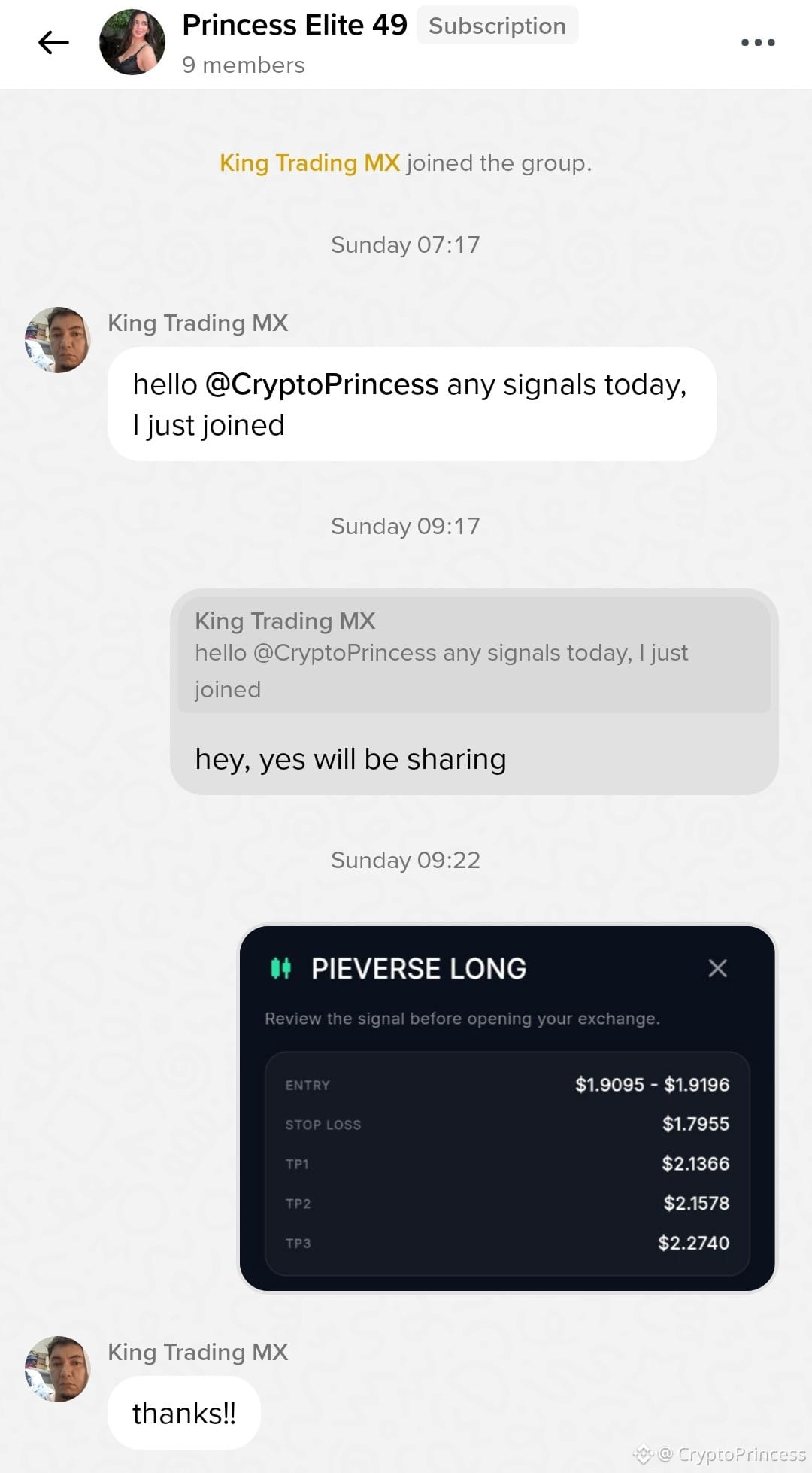
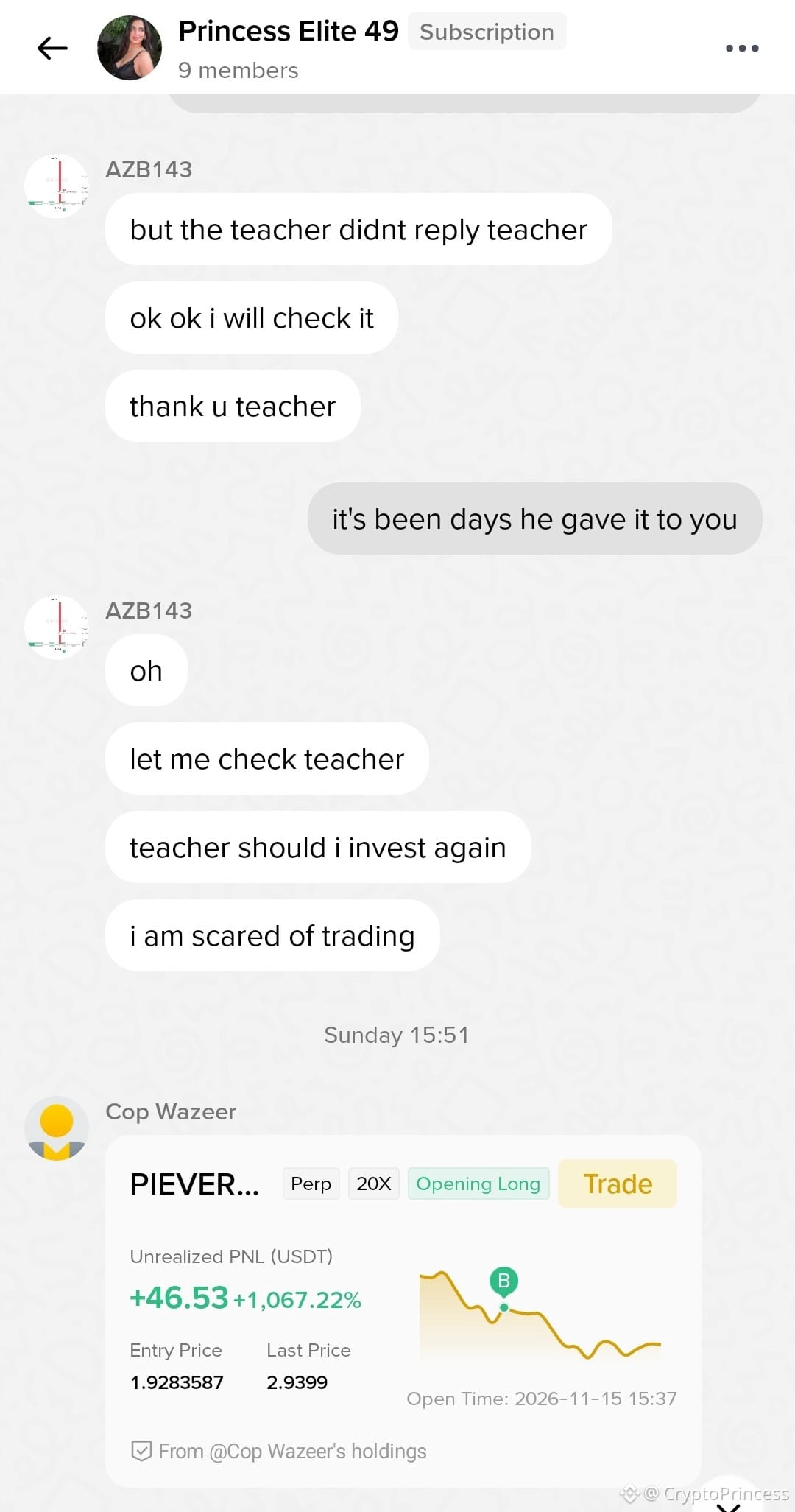
🔥 I shared $PIEVERSE in my Elite group days ago… JUST LOOK AT IT NOW! 😍🚀
And that's not all!
I also shared $MMT , $PIPPIN and several other setups. 🤑
The opportunities were there for those who trusted the process and followed the signals.
This is what I keep saying: Don't chase pumps. Find the opportunities early, plan your entries and let the market do its job. 🎯
💎 This is the kind of alpha I'm sharing inside Elite.
Want to be part of the family? Come join us and catch the next opportunities with us! ❤️
4
600
·
--
Bullish
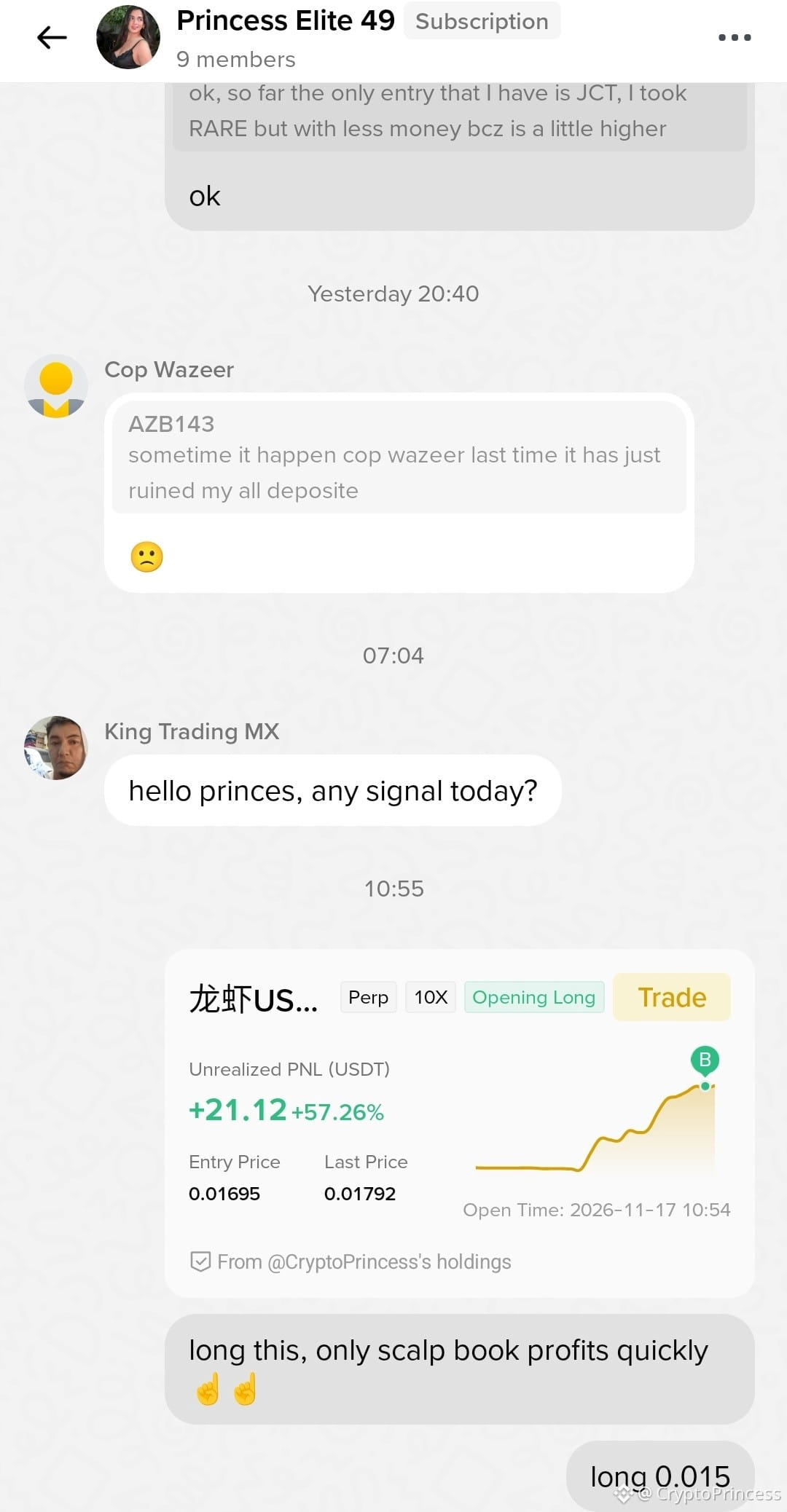
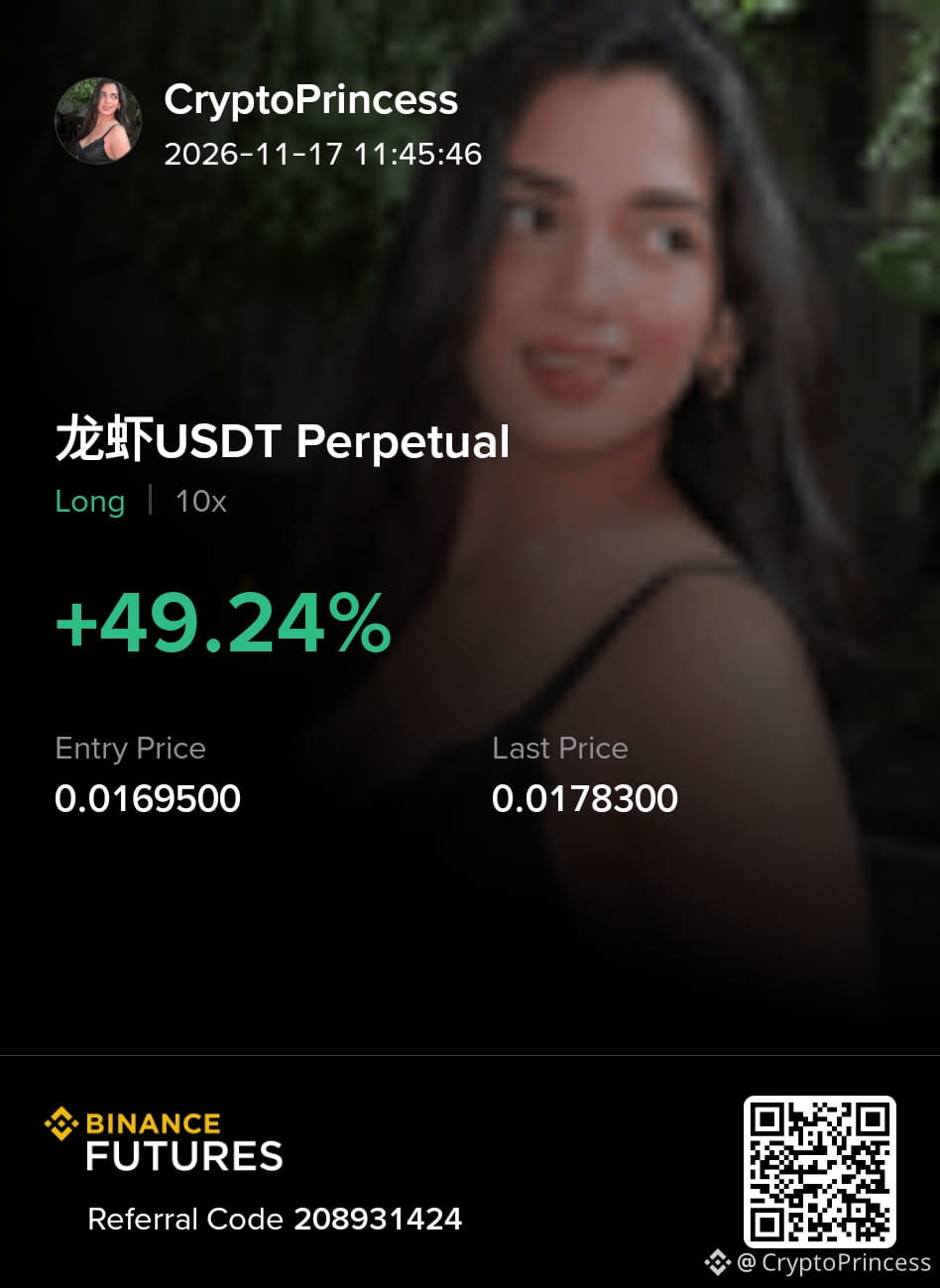
signals in elite are running what are you waiting for join elite chat room
$BLESS
signals in elite are running what are you waiting for join elite chat room
$BLESS
$BLESS
5
4
723
·
--
Bullish
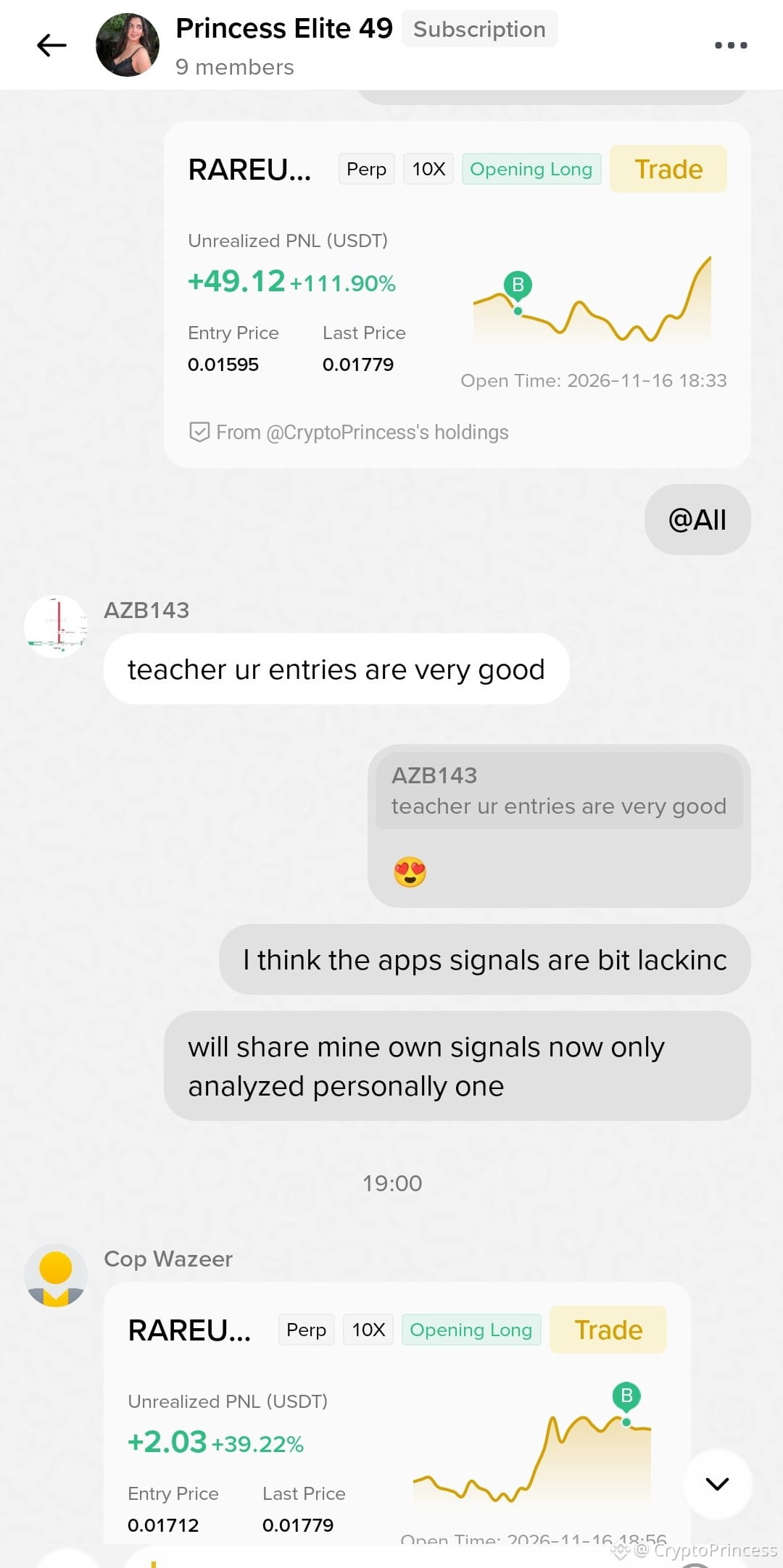
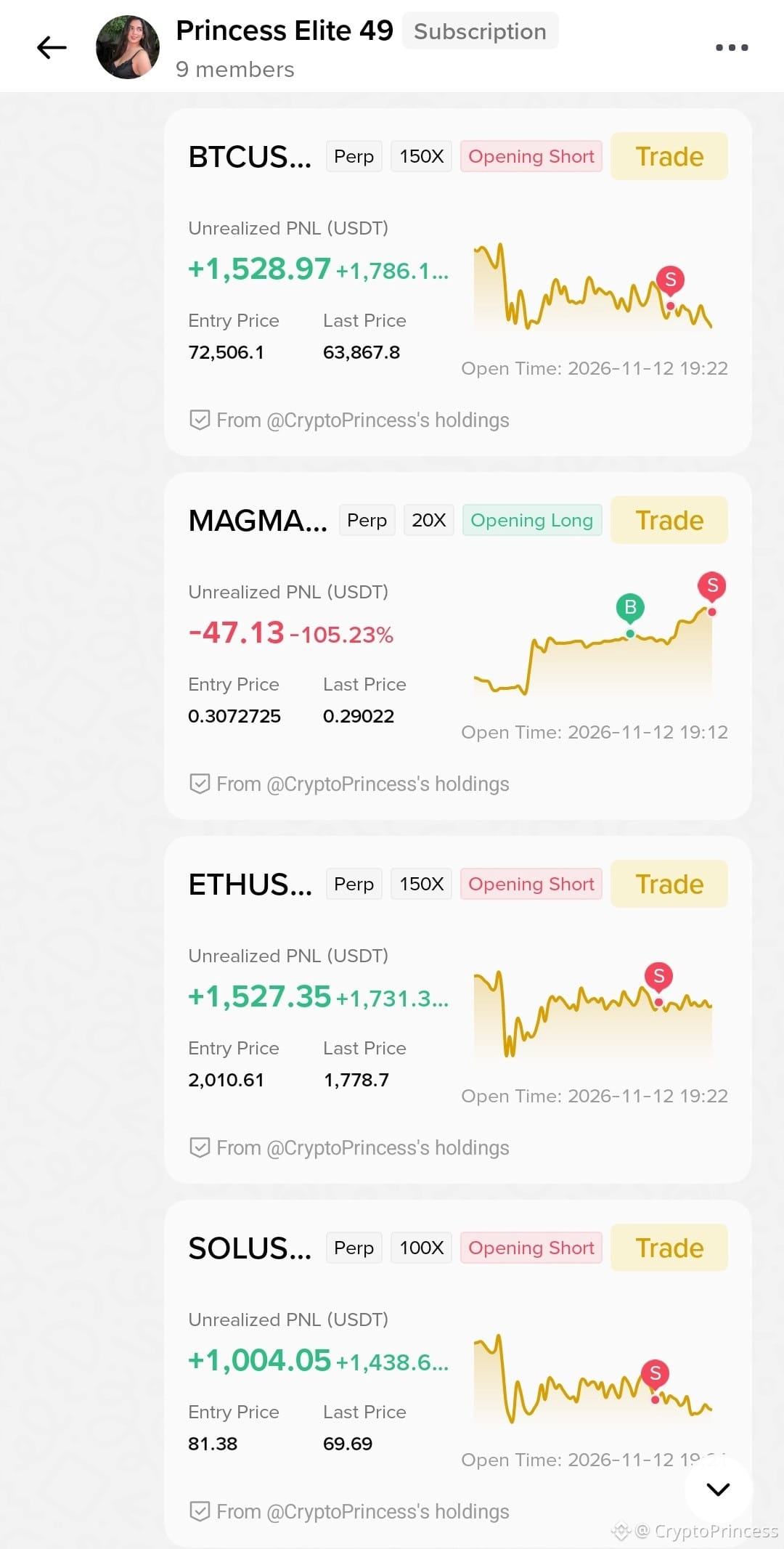
The market might be bad, but the signals inside ELITE aren't! 😁🔥
Red candles everywhere, uncertainty all around, and traders struggling to find good opportunities…
But we're still finding setups and catching moves inside our Elite group. 📊💰
That's the difference between blindly following the market and having a proper trading plan.
Bearish or bullish, we adapt to market conditions and hunt for opportunities in both directions. 🐂🐻
Bad market doesn't mean no opportunities! 👑
CryptoPrincess Elite — we keep trading, we keep learning, and we keep moving forward. 🚀
$RARE $EVAA $BLESS
3
584
Log in to explore more content
Join global crypto users on Binance Square
⚡️ Get latest and useful information about crypto.
💬 Trusted by the world’s largest crypto exchange.
👍 Discover real insights from verified creators.
Email / Phone number
Trending Topics
WillMarketsStageAThanksgivingReliefRally?
33,294 views
621 Discussing
Was $55K the bottom for $BTC ? Honestly... i don't think so 😅
Bitcoin has recovered above $61K after crashing to $55,130... and now everyone is talking about a possible Thanksgiving relief rally.
But buddies... look at the bigger picture.
Bitcoin is still down nearly 30% from $87K, $ETH is struggling around $1,727 after touching $1,538 and $ZEC is barely recovering near $784 after that brutal selloff.
A few green candles won't suddenly fix all this damage 🥲
Now... could we see a Thanksgiving rally? Definitely possible 😁
Especially if buyers keep defending $60K and BTC manages to push back toward $64K-$65K.
But a relief rally and a real market reversal are TWO different things.
I still think another dip below $55K is possible if this recovery loses strength.
That's why i am not chasing this bounce... just accumulating slowly, keeping USDT ready for lower entries.
If we get a proper recovery, good. If we get another dump, i wanna have cash ready 💪🏻
What do you think... Thanksgiving rally or another trap before the next dump? 👀
#WillMarketsStageAThanksgivingReliefRally?
ParvezMayar
·12 Likes
·4.8k views
WillOctCorePCEShiftFedHikeExpectations?
912 views
55 Discussing
BessentSoftensStanceOnHuang’sNvidiaReturn
22,087 views
428 Discussing