
Jackson Liam
20.4k Posts

Jackson Liam
 Square Verified+
Report
Block User
Blockchain Storyteller • Exposing hidden gems • https://x.com/JACKSON_LIAM99
Open Trade
Frequent Trader
2.1 Years
91 Following
43.7K+ Followers
55.0K+ Liked
Posts
Portfolio
All
Quotes
Videos
Live
·
--
Bullish
BULLA
Strong bullish momentum after a massive breakout! Buyers are in control, and another leg up could be coming.
BUY ZONE: $0.0500 – $0.0530
EP: $0.0520
TP1: $0.0600
TP2: $0.0650
TP3: $0.0720
SL: $0.0450
TIMEFRAME: 4H
Wait for a healthy pullback and confirmation. Don't chase the pump. Manage risk wisely.
Let's go! $BULLA
{future}(BULLAUSDT)
$INIT
{spot}(INITUSDT)
$SSV
{spot}(SSVUSDT)
BULLA
Strong bullish momentum after a massive breakout! Buyers are in control, and another leg up could be coming.
BUY ZONE: $0.0500 – $0.0530
EP: $0.0520
TP1: $0.0600
TP2: $0.0650
TP3: $0.0720
SL: $0.0450
TIMEFRAME: 4H
Wait for a healthy pullback and confirmation. Don't chase the pump. Manage risk wisely.
Let's go! $BULLA
$INIT
$SSV
BULLISH — More upside coming!
BEARISH —Time for a correction
23 hr(s) left
4.1k
·
--
Bullish
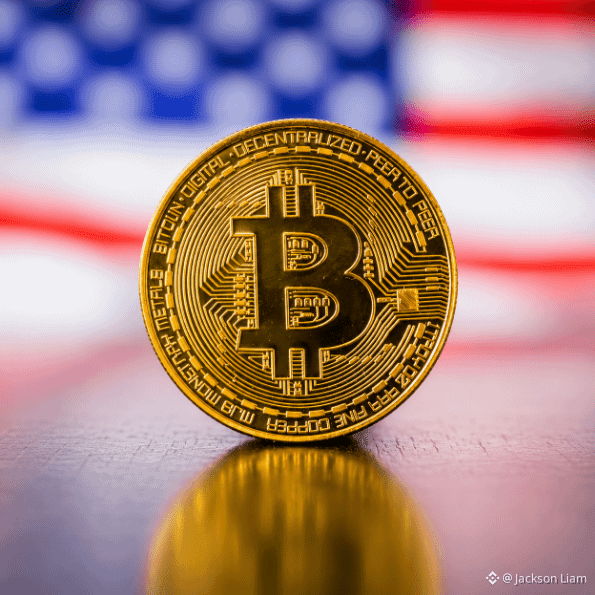
🚨 BIG NEWS FOR BITCOIN! 🇺🇸
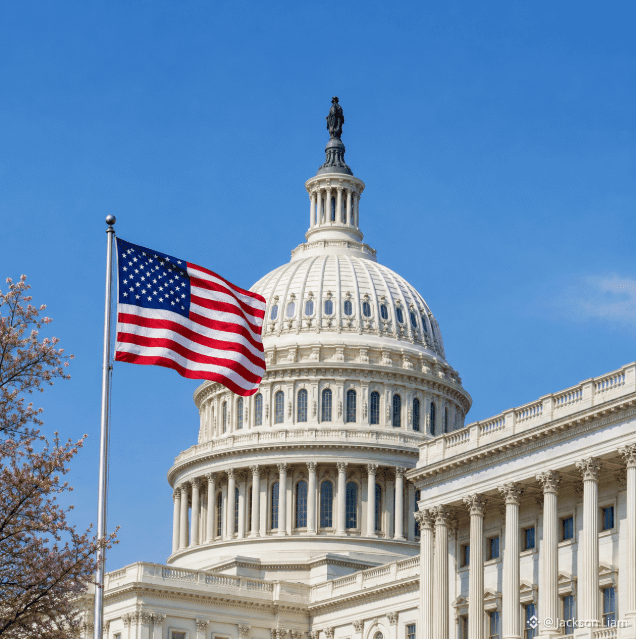
The US Strategic Bitcoin Reserve bill has cleared another major hurdle and is now eligible for a full vote in the House of Representatives.
And there's one detail that could make history: The bill would prevent the US government from selling its reserve Bitcoin for at least 20 YEARS!
Under the proposed rules, reserve BTC cannot be sold, swapped, auctioned, used as collateral, or otherwise disposed of during that period.
But that's not all.
Here are the key details:
🔹 20-Year Protection: Government-held reserve Bitcoin would be protected from being sold or transferred for at least two decades.
🔹 No New Borrowing: The government cannot borrow money to purchase additional Bitcoin under the bill.
🔹 No New Taxes: Tax increases cannot be used to fund Bitcoin purchases.
🔹 No Deficit Spending: The plan does not allow new deficit spending to buy more BTC.
🔹 180-Day Study: The Treasury and Commerce Departments must study within 180 days whether the government can acquire more Bitcoin without costing taxpayers anything.
However, there's still a long road ahead. The bill must pass a full House vote and then receive approval from the Senate before becoming law.
If passed, this could mark a major shift in how the United States manages Bitcoin as a national strategic asset.
Imagine the world's largest economy committing to hold its reserve Bitcoin for 20 years.
A historic moment for Bitcoin could be getting closer. The big question now is: Will Congress give it the green light? 🚀
70
·
--
Bullish
🚨 GOLD & SILVER ARE MAKING A MASSIVE COMEBACK!
The precious metals market has just witnessed an incredible reversal, with gold and silver adding a combined $1.4 TRILLION in market value in just 19 hours.
After facing heavy pressure, both metals have roared back with serious momentum, catching the market's attention.
This sudden recovery shows just how quickly things can change in financial markets. Investors are once again watching gold and silver closely as demand and market confidence shift.
One thing is clear: the precious metals market is far from quiet.
$1.4 trillion in just 19 hours. That's a comeback worth watching!
Could this be the start of another major rally for gold and silver? 👀
$XAU $XAG $BULLA

1
532
·
--
Bullish
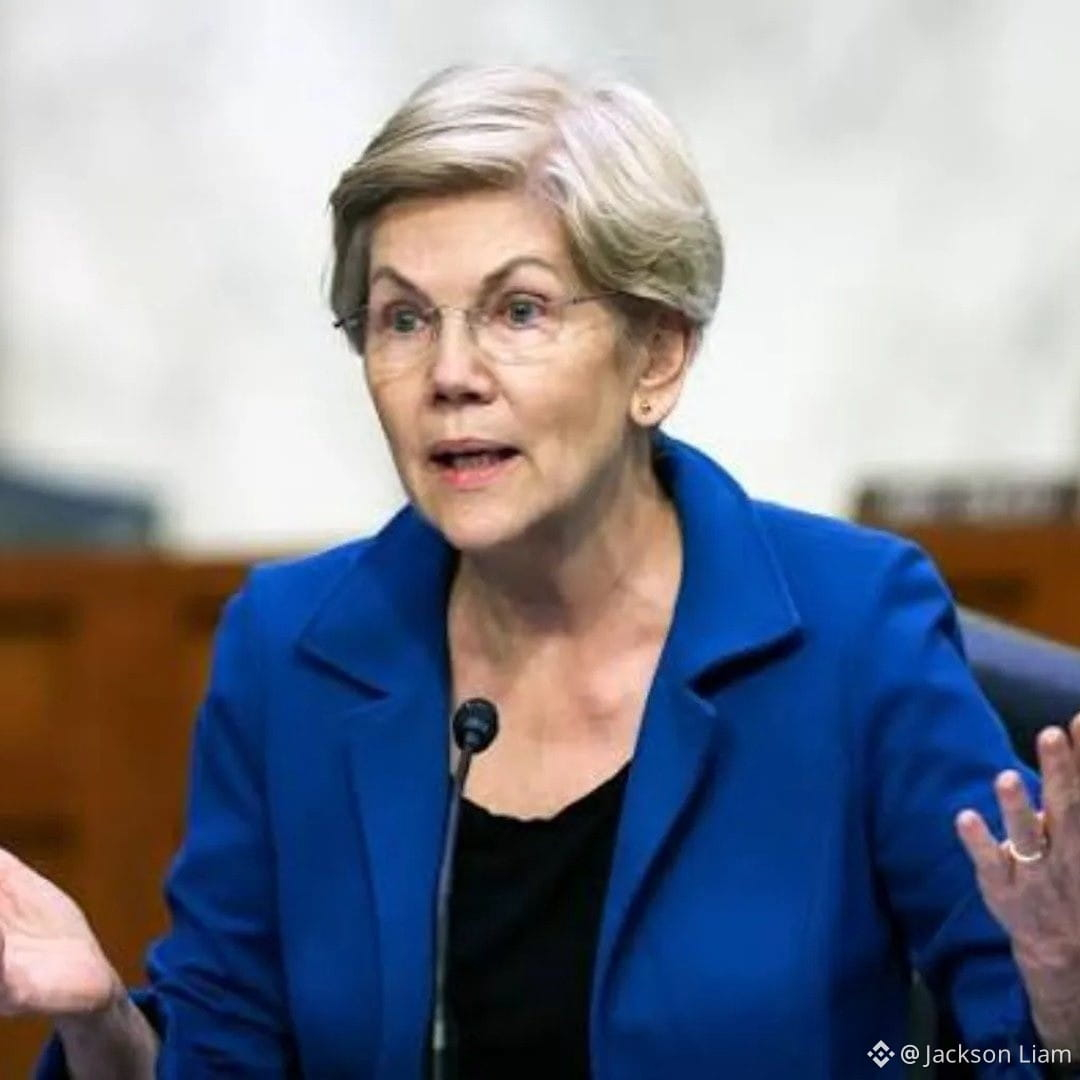
BREAKING: 🇺🇸 Senator Elizabeth Warren is pushing back against the SEC’s efforts to make crypto regulations and tokenized stock trading easier in the United States.
This could become another major battle over the future of crypto in America.
Warren wants the SEC to take a tougher approach rather than make it easier for crypto companies and platforms to operate under more flexible rules.
At the heart of this debate is a big question: Should digital assets and tokenized stocks have more room to grow, or should regulators maintain stricter oversight to protect investors?
The outcome could have a major impact on crypto companies, investors, and the future of tokenized financial markets in the US.
One thing is clear: The fight over crypto regulation in Washington is far from over. 👀
348
·
--
Bullish
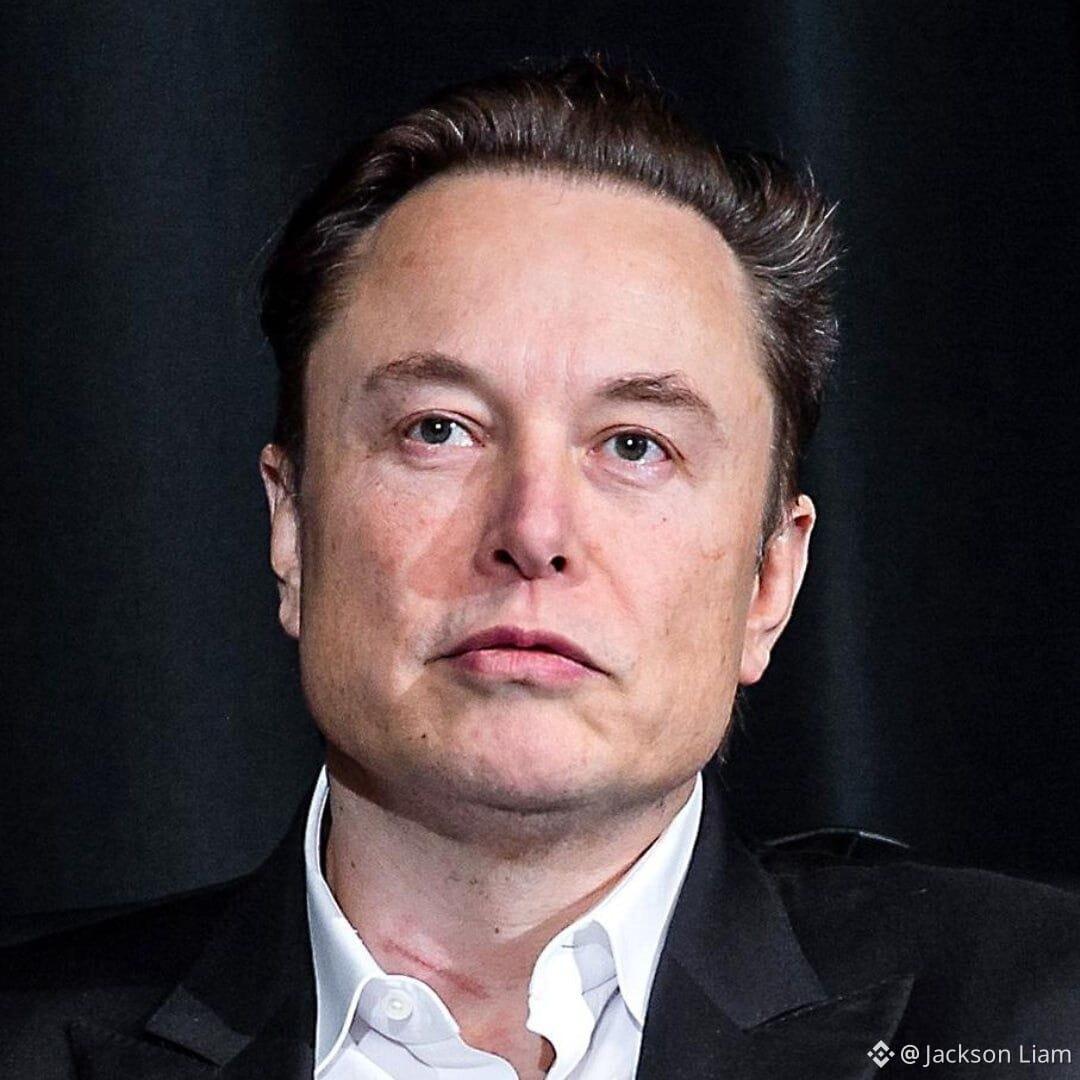
🚀 Two Free SpaceX Shares for American Children? Elon Musk Just Made a Big Announcement!
Imagine being a child and receiving not one, but TWO shares of SpaceX before you even start your career!
Elon Musk says American children with active Trump Accounts will receive two free SpaceX shares. One share will come directly from the company, while the second will come from Musk's personal holdings.
According to the announcement, the first share is expected to be distributed in December 2026, with the second following in June 2027.
But that's not all. Musk has an even bigger vision for the future of SpaceX.
He believes the company could one day become worth a million times more than today's global economy if humanity becomes multiplanetary and learns to harness even a tiny fraction of the Sun's energy — just one-millionth, to be exact.
That's an incredible vision, although such a valuation is highly speculative and far from guaranteed.
Musk's advice to those receiving the shares? Think long term and don't rush to sell.
Whether this bold prediction becomes reality or not, one thing is clear: Musk is thinking far beyond today's limits.
From giving children a potential stake in SpaceX to dreaming of a future among the stars, this is certainly an announcement worth watching. 🌍🚀

1
1
189
·
--
Bullish
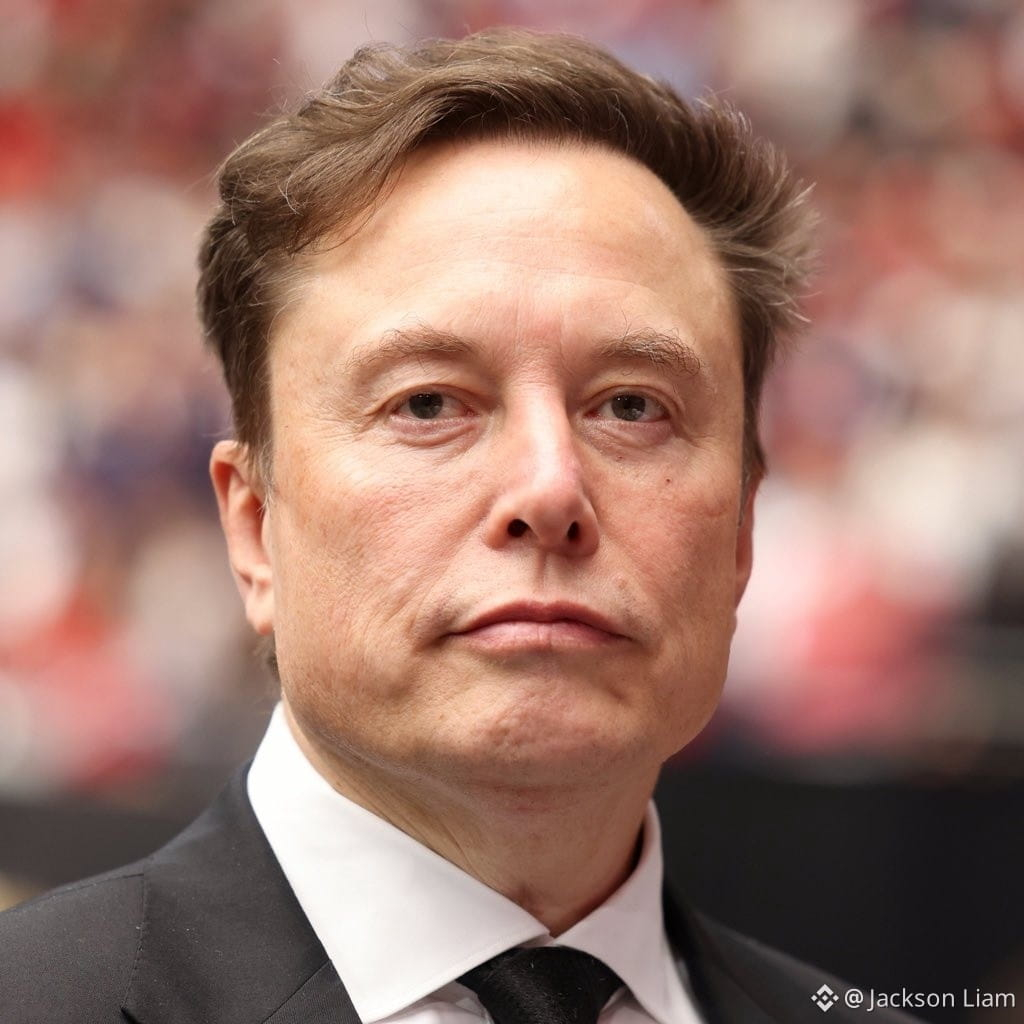
🚨 HUGE NEWS FOR AMERICA'S NEXT GENERATION!
Elon Musk and SpaceX are making a move that could give millions of American children a head start in the future.
SpaceX has announced plans to give one SpaceX share to every active Trump Account, and Elon Musk will personally match the company's contribution with another share.
That means eligible children could receive TWO SpaceX shares each! One from the company and one directly from Elon Musk.
Think about that for a moment. Instead of simply giving children cash, this plan aims to give them a small ownership stake in one of the world's most ambitious technology and space companies.
And there's more! SpaceX President Gwynne Shotwell has also announced a separate personal contribution of more than 2 million shares.
The idea is simple but powerful: let the next generation share in the future being built today.
If everything moves forward as planned, this could become one of the most talked-about gifts to American children.
Imagine growing up and discovering that you already own a piece of SpaceX. That's quite a way to start your financial journey! 🚀
The future might belong to the next generation, but this time, they could actually own a piece of it.

1
3
5.3k
·
--
Bullish
SSV — BULLISH MOMENTUM IS BUILDING!
Strong 4H breakout with buyers taking control. A healthy pullback could offer the next opportunity.
BUY ZONE: $2.30 – $2.36
EP: $2.35
TP1: $2.55 TP2: $2.70 TP3: $2.85
SL: $2.18
Momentum is heating up. Let the bulls run, but respect the stop loss.
Let's go $SSV
{spot}(SSVUSDT)
$ELSA
{future}(ELSAUSDT)
$MMT
{spot}(MMTUSDT)
SSV — BULLISH MOMENTUM IS BUILDING!
Strong 4H breakout with buyers taking control. A healthy pullback could offer the next opportunity.
BUY ZONE: $2.30 – $2.36
EP: $2.35
TP1: $2.55 TP2: $2.70 TP3: $2.85
SL: $2.18
Momentum is heating up. Let the bulls run, but respect the stop loss.
Let's go $SSV
$ELSA
$MMT
Strong 4H breakout with buyers taking control. A healthy pullback could offer the next opportunity.
BUY ZONE: $2.30 – $2.36
EP: $2.35
TP1: $2.55 TP2: $2.70 TP3: $2.85
SL: $2.18
Momentum is heating up. Let the bulls run, but respect the stop loss.
Let's go $SSV
$ELSA
$MMT
🚀 $2.55
🔥 $2.70
💎 $2.85
📉 Pullback first
10 hr(s) left
3.5k
·
--
Bearish
Partly True
🚨 TECH STOCKS ARE GETTING CRUSHED! WALL STREET IN DEEP RED!
The tech market is facing a brutal sell-off, and even the biggest names on Wall Street are struggling to stay green.
Investors are watching billions of dollars disappear as major technology and semiconductor stocks take a serious hit.
Here's how the market is looking today:
SanDisk ($SNDK ): -10.8%
Micron ($MUU ): -9.8%
Oracle ($ORCL ): -8.5%
Seagate ($STX): -8.3%
Anthropic ($ANT): -8.1%
AMD ($AMD): -8.1%
Marvell ($MRVL): -7.6%
Nvidia ($NVDA): -7.2%
Dell ($DELL): -6.0%
Amazon ($AMZN): -5.5%
Alphabet ($GOOGL): -5.3%
Microsoft ($MSFT): -3.3%
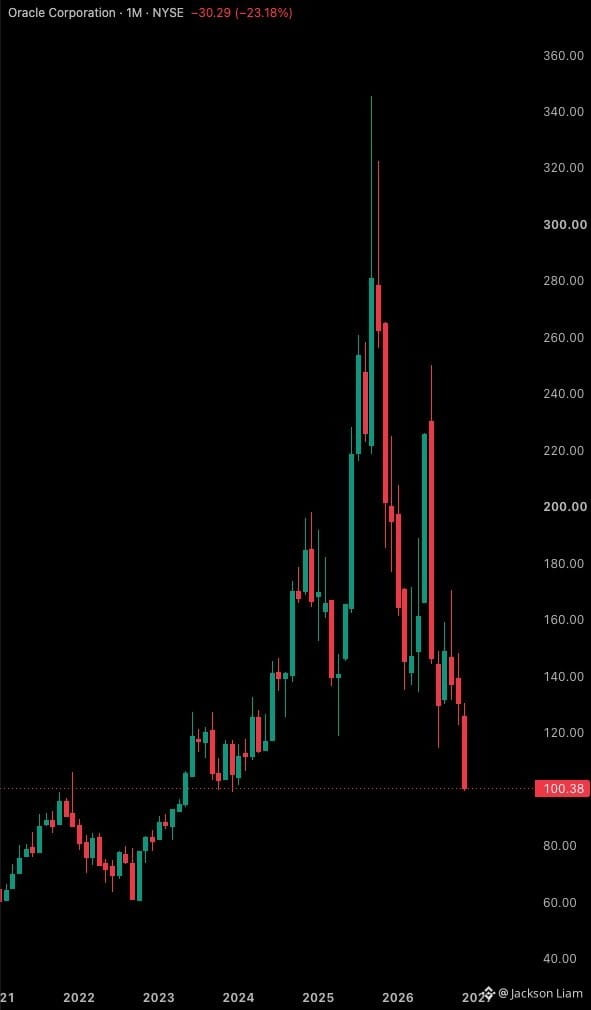
But the biggest shock is coming from Oracle.
ORCL has dropped to around $100, hitting a three-year low. The stock is now roughly 60% below its June peak of $250.
Even more shocking, this decline has wiped out approximately $470 BILLION from Oracle's market value.
And the pain doesn't stop there.
The tech-heavy Nasdaq 100 has fallen more than 4%, showing that selling pressure is spreading across the entire technology sector.
From chipmakers to cloud companies and major tech giants, almost everyone is feeling the heat.
The big question is: How much further can tech stocks fall before buyers finally step in?
Wall Street is having a brutal day!
1
1.7k
·
--
Bearish
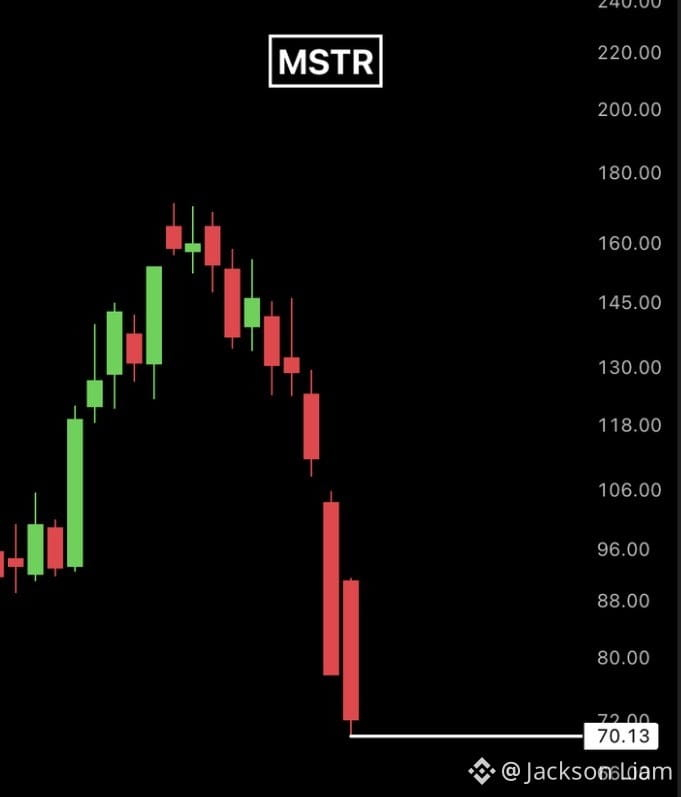
🚨 MASSIVE CRASH: MSTR LOSES $97.3 BILLION IN MARKET VALUE!
Michael Saylor’s Strategy ($MSTR ) is facing a brutal sell-off.
The stock has crashed to around $70, its lowest level in two years, marking an unbelievable 86% drop from its peak.
Think about that for a moment. Nearly $100 billion in market value has disappeared, with investors watching one of the biggest Bitcoin-related stocks take a massive hit.
This is a serious blow to $MSTR shareholders and a reminder of how risky Bitcoin-linked stocks can become during major market downturns.
The big question now is: Is this the beginning of an even deeper fall, or could $MSTR find a bottom and recover?
All eyes are on Saylor and the next move in Bitcoin.

232
·
--
Bullish
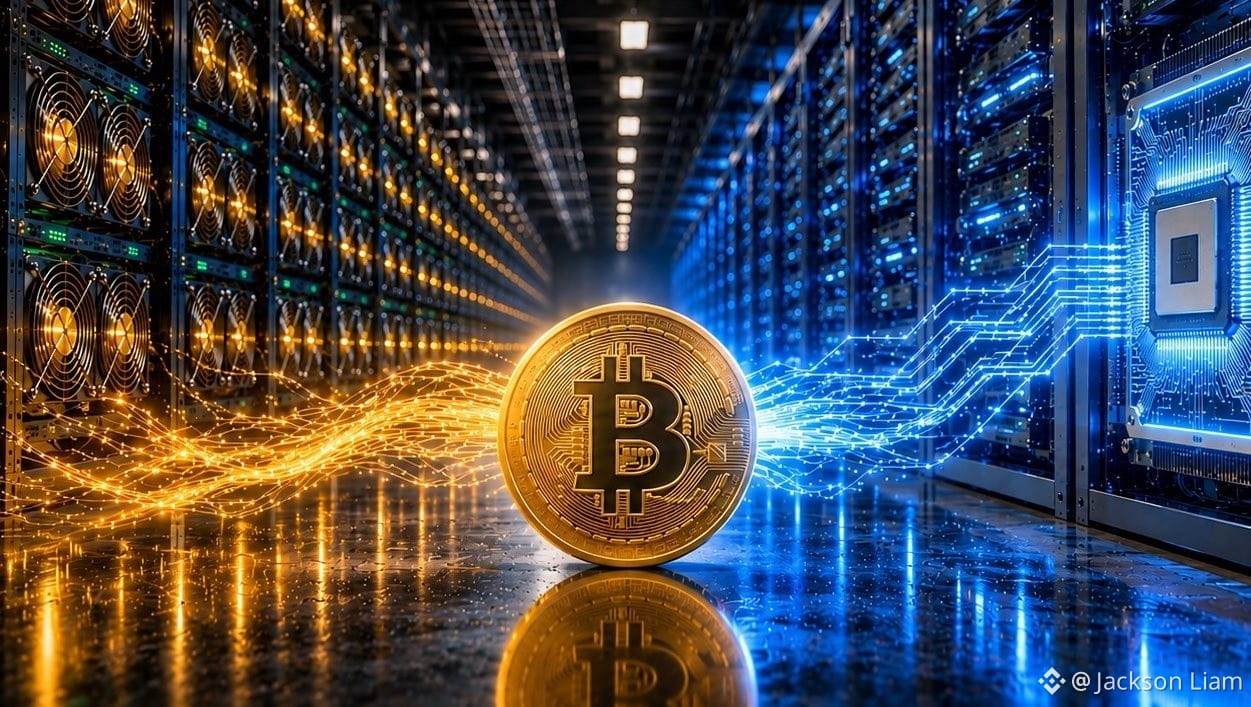
🚨 BREAKING: A MASSIVE Bitcoin mining security incident has been reported!
More than 1,000 Bitcoin mining sites were hit by an internet traffic hijacking attack, according to Braiins.
The attack reportedly redirected mining hashrate away from its intended destination, raising serious concerns across the Bitcoin mining industry.
Think about it: miners invest millions in powerful machines and electricity to secure the Bitcoin network. But an internet routing attack can potentially redirect their computing power without physically touching their equipment.
This incident puts the spotlight on a major issue: mining security is not just about protecting hardware. Network connections and traffic routing matter just as much.
The most concerning part? This was not a hardware breach. The attackers exploited unsecured Stratum V1 connections and hijacked internet routes to impersonate legitimate mining pools. Braiins +1
Braiins says the solution is stronger connection security, including Stratum V2 or properly verified TLS encryption.
Bitcoin mining just received a serious cybersecurity wake-up call. The industry may need to rethink how it protects billions of dollars in mining power.
197
·
--
Bullish
Verified
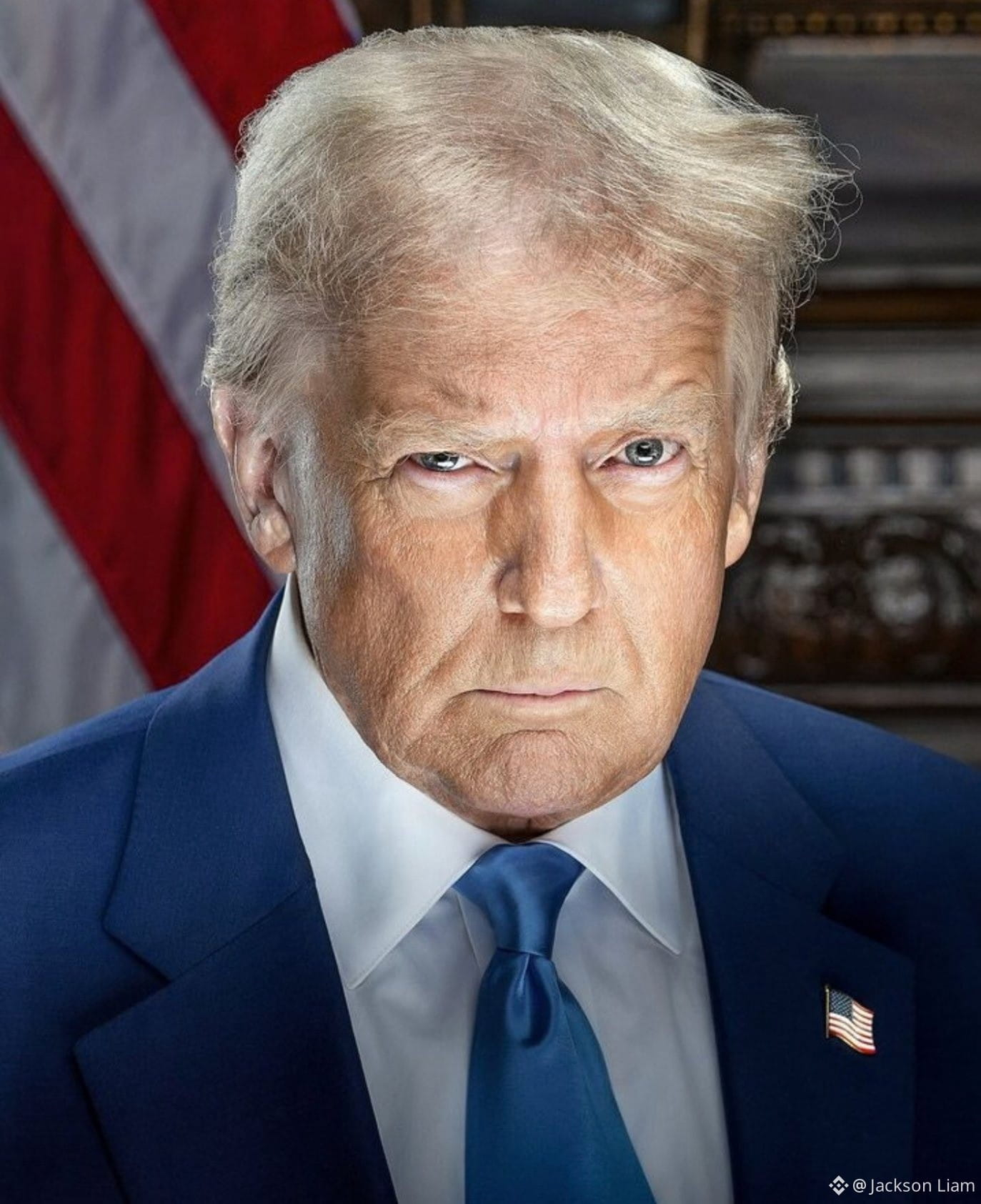
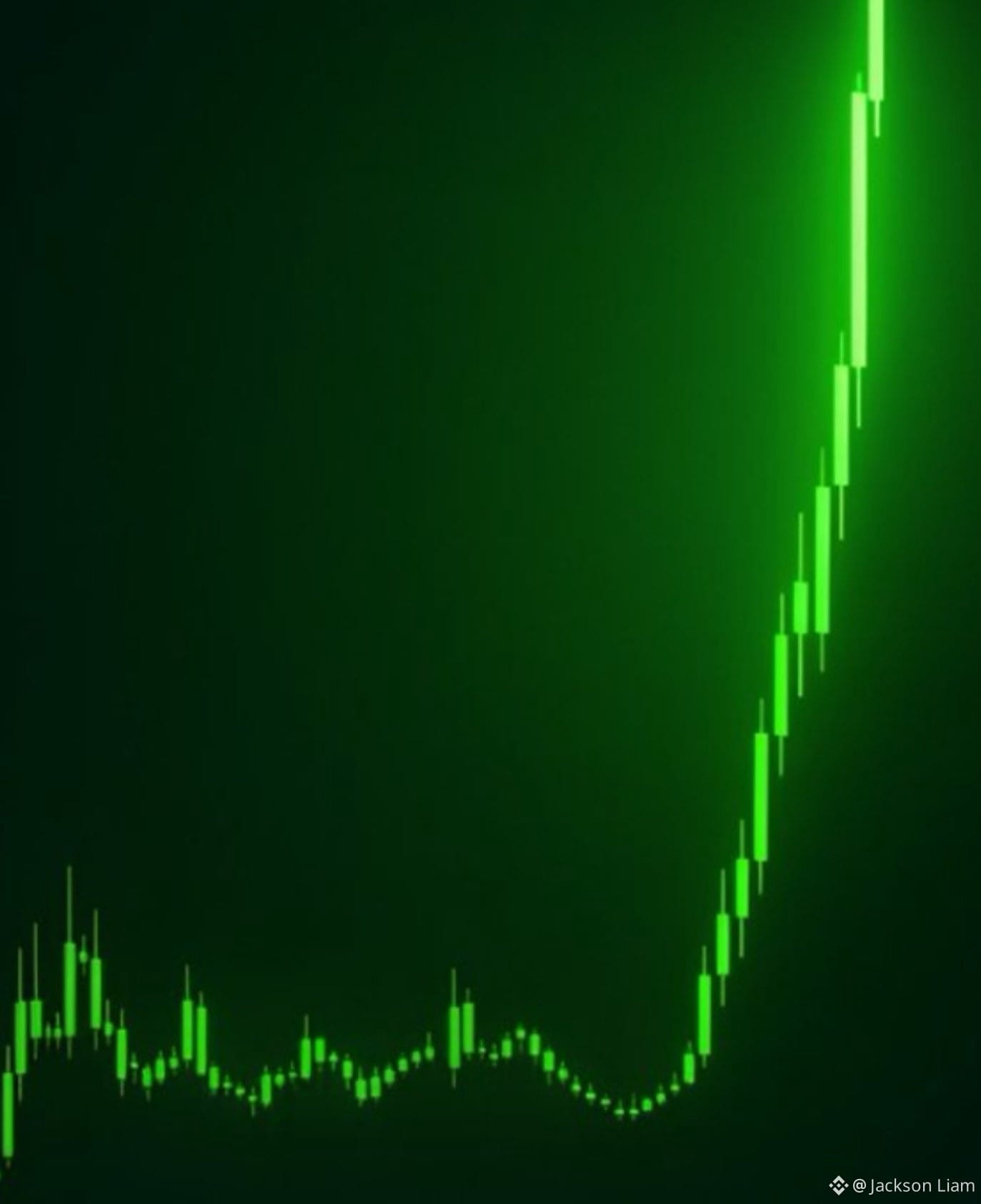
🚨 BREAKING: US ECONOMY DELIVERS A BIG SURPRISE!
The US Q3 GDP second estimate has come in at 4.3%, beating market expectations of 3.4% by a wide margin.
That's a stronger-than-expected reading and a clear sign that economic growth remains solid.
Here's why this matters:
• Stronger growth: The US economy is expanding faster than expected. • Market impact: Strong GDP data could boost confidence in the US economy. • Fed outlook: A stronger economy may give the Federal Reserve less reason to rush into interest rate cuts. • Crypto and stocks: Traders will be watching closely as this data could influence market sentiment and expectations for future rate decisions.
One thing is clear: this is a major economic surprise.
Now the big question is whether this strong growth will support markets or create fresh pressure by keeping interest rates higher for longer.
All eyes are on the Fed and the next market reaction!
1
4
4.7k
·
--
Bullish
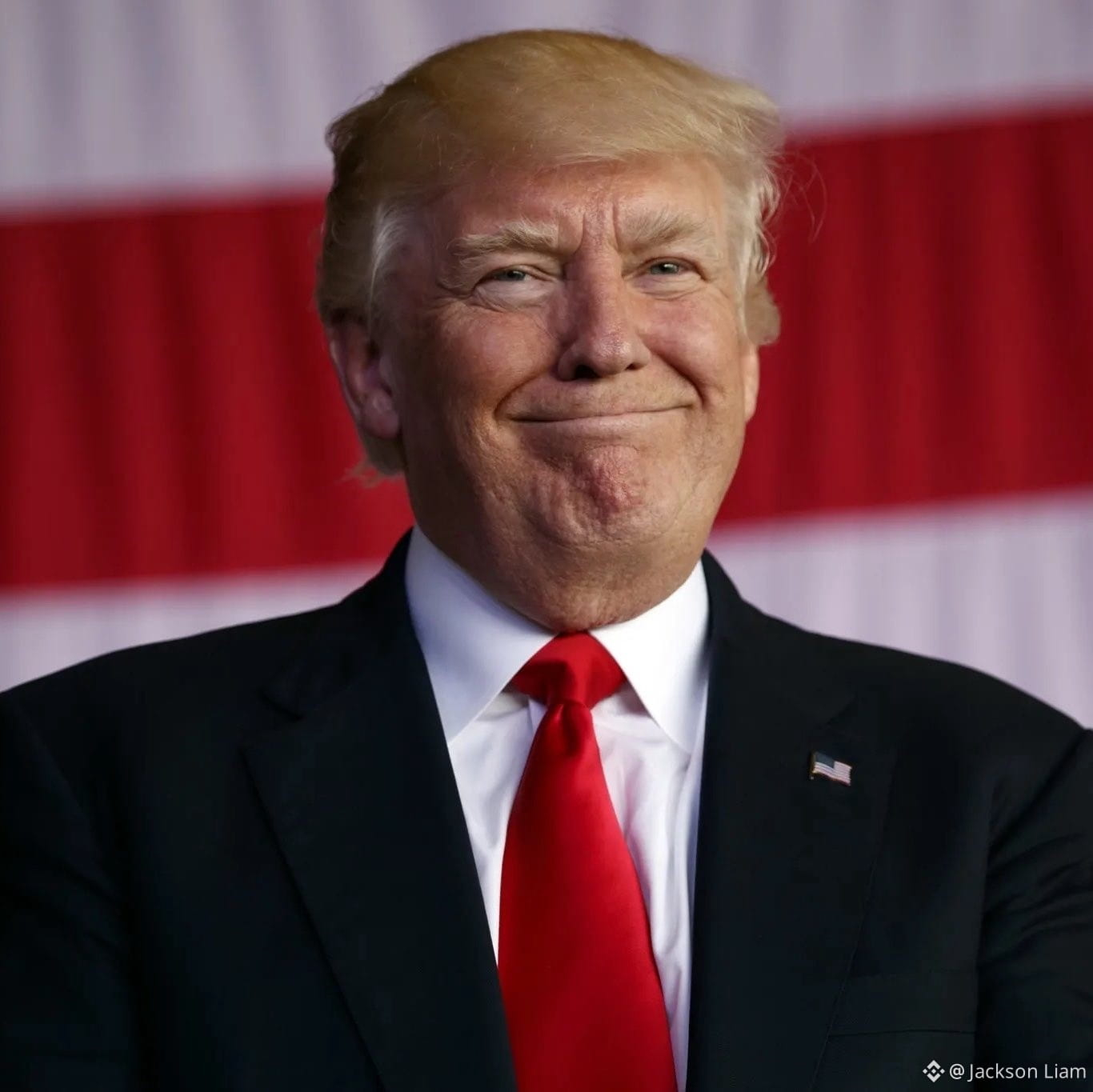
🚨 JUST IN: Trump blames Democrats for the stock market crash following their midterm election victories.
President Donald Trump says the market would be performing much better if he had been on the ballot.
He claims that if he had participated in the election, the results would have been completely different, just as he believes they were in his previous three elections.
Trump also says stocks would be BOOMING and Americans' 401(k) retirement accounts would be in a much stronger position.
His comments come after a major market sell-off following the Democrats' midterm victories.
Now, investors are watching closely as political uncertainty adds another layer of pressure to an already nervous market.
One big question remains: Is this just a temporary reaction to election results, or could more volatility be ahead?
Wall Street is listening, and investors are feeling the pressure.

234
·
--
Bullish
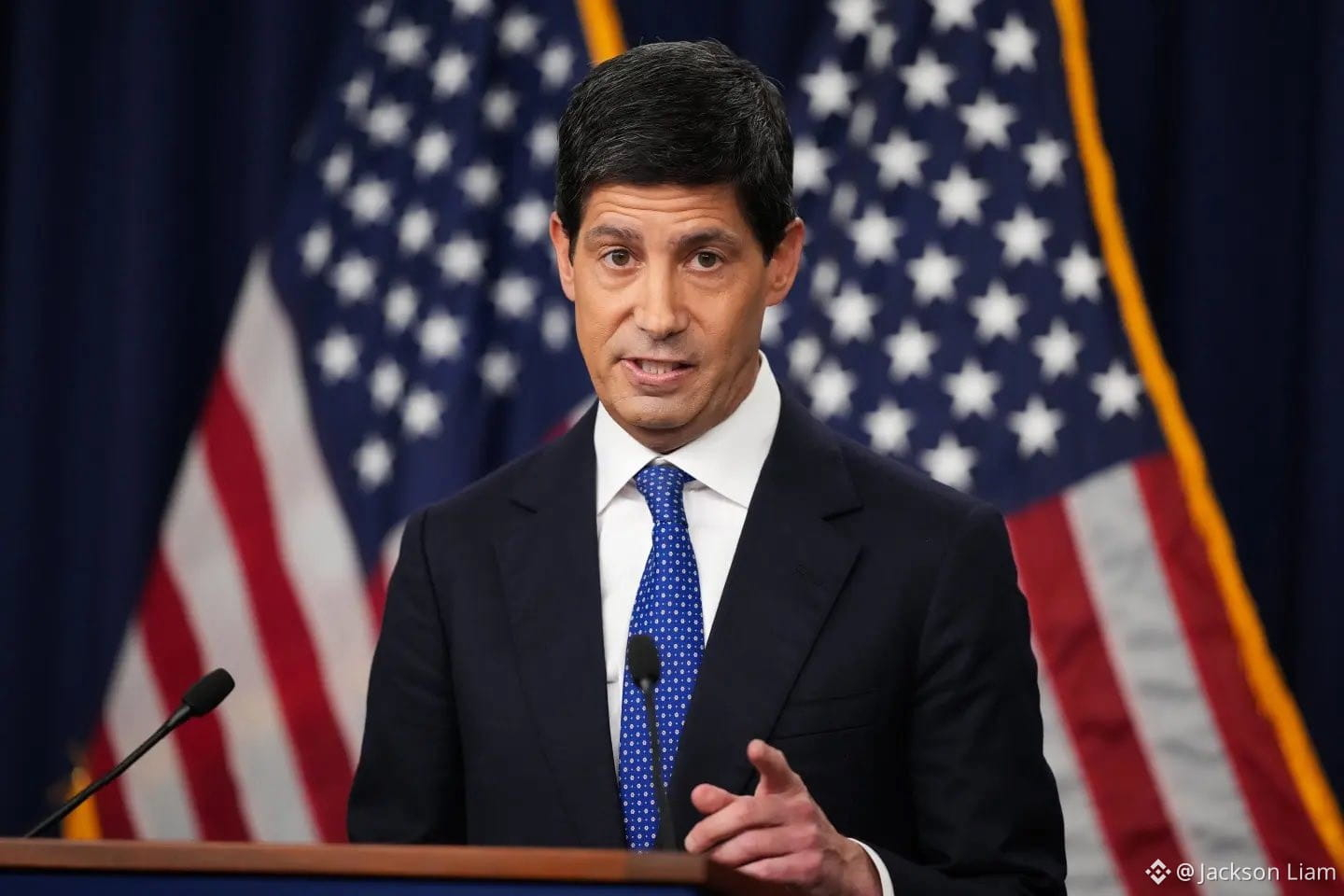
🚨 ALL EYES ON US PCE INFLATION TODAY!
The US PCE data drops today at 8:30 AM ET, and markets are getting ready for a potentially big move.
Expected PCE: 3.8%
Here are the 3 possible scenarios traders are watching closely:
🔴 PCE ABOVE 3.8% Hotter-than-expected inflation could put more pressure on the Fed to keep rates higher for longer. Markets may react sharply, and risk assets like Bitcoin and stocks could face heavy selling.
🟠 PCE AT 3.8% Even an in-line reading may not be enough to calm the market. If inflation rises from last month's 3.6%, traders could still see it as a worrying sign, potentially triggering more downside.
🟢 PCE BELOW 3.8% A softer inflation reading could bring some relief. Markets may start pricing in a less aggressive Fed outlook, opening the door for a relief rally across crypto and stocks.
Today's PCE could decide the next short-term market direction.
Volatility is expected, so stay alert, manage risk, and don't rush into trades before the numbers hit.
The market is waiting. The next move could be huge.
152
·
--
Bearish
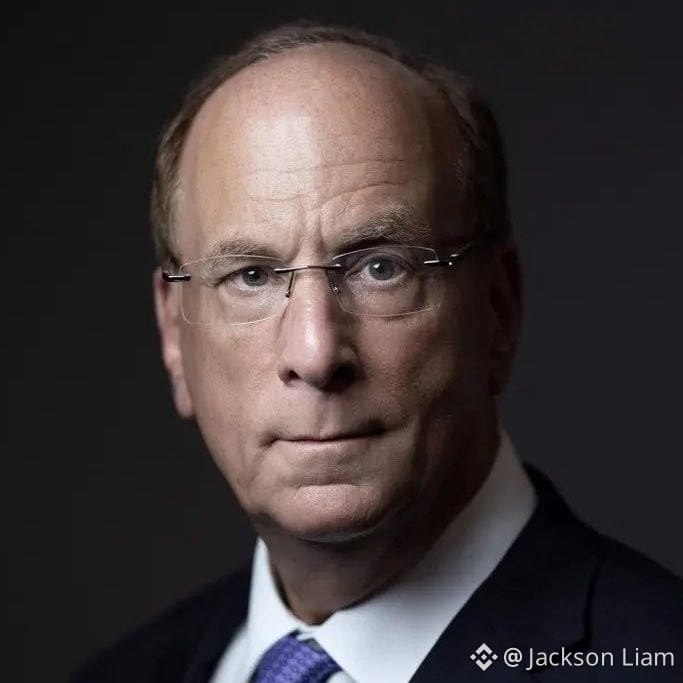
🚨 JUST IN: BIG MONEY IS MOVING OUT OF CRYPTO!
BlackRock and other ETF issuers have reportedly sold $231.56 million worth of Bitcoin ($BTC ) and $64.02 million worth of Ethereum ($ETH ).
That's nearly $295.58 million in combined selling pressure from crypto ETFs.
This is a major development for the market. ETF flows are closely watched because they show how institutional money is moving.
Bitcoin and Ethereum traders will be watching closely to see whether this selling continues or buyers step in to absorb the pressure.
Is this a warning sign for more downside, or just a temporary pause before the next big move?
1
1
3k
·
--
Bullish
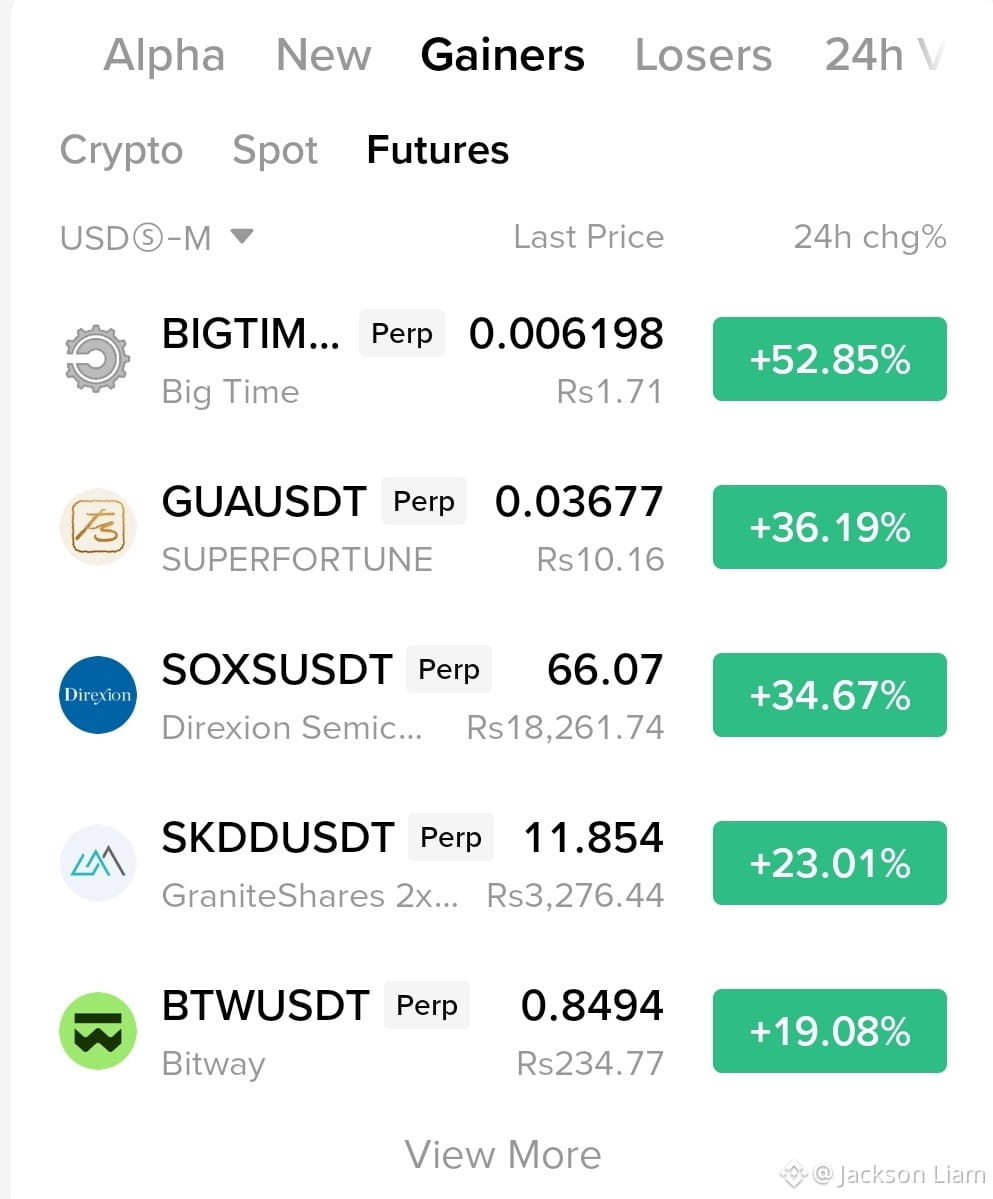
GUA is holding near $0.036 after a massive breakout. Bulls are trying to stabilize the price, and another push could bring higher targets into play.
BUY ZONE: $0.0345 – $0.0360
EP: $0.0355
TP1: $0.0382 TP2: $0.0435 TP3: $0.0479
SL: $0.0324
Momentum is still interesting. Watch the support closely and look for a strong 4H confirmation before entering.
Let's go $GUA
{future}(GUAUSDT)
$BIGTIME
{spot}(BIGTIMEUSDT)
$SOXS
{future}(SOXSUSDT)
GUA is holding near $0.036 after a massive breakout. Bulls are trying to stabilize the price, and another push could bring higher targets into play.
BUY ZONE: $0.0345 – $0.0360
EP: $0.0355
TP1: $0.0382 TP2: $0.0435 TP3: $0.0479
SL: $0.0324
Momentum is still interesting. Watch the support closely and look for a strong 4H confirmation before entering.
Let's go $GUA
$BIGTIME
$SOXS
BUY ZONE: $0.0345 – $0.0360
EP: $0.0355
TP1: $0.0382 TP2: $0.0435 TP3: $0.0479
SL: $0.0324
Momentum is still interesting. Watch the support closely and look for a strong 4H confirmation before entering.
Let's go $GUA
$BIGTIME
$SOXS
🚀 $0.0382
28%
🔥 $0.0435
12%
🎯 $0.0479
19%
💎 Above $0.0500
41%
32 votes • Voting closed
1
3.1k
·
--
Bullish
Partly True
🚨 BREAKING: FOUR OIL TANKERS REPORTEDLY EXPLODE IN THE STRAIT OF HORMUZ!
Tensions in the Middle East are rising again, and global oil markets are reacting fast.
Iran says four oil tankers exploded and caught fire after hitting naval mines in or near the Strait of Hormuz.
According to Iranian reports, the vessels entered restricted waters and struck naval mines. The Iranian military has not yet provided full details about the ships, their owners, or possible casualties.
The situation is becoming increasingly serious.
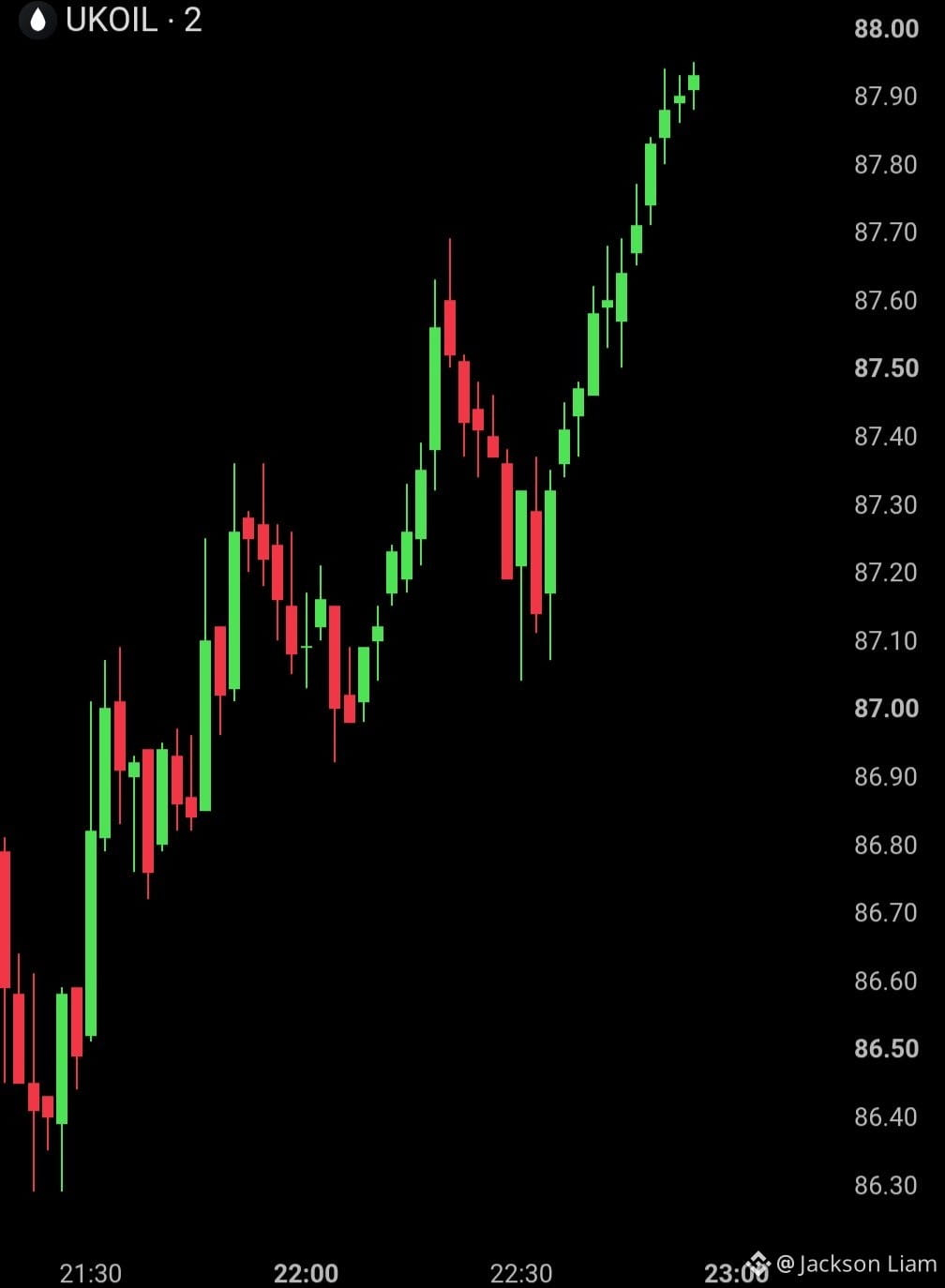
🔥 Oil prices are already reacting.
Brent crude has jumped almost 2% in just one hour as news of the tanker incidents spreads.
And there is a very important reason why markets are watching this so closely.
The Strait of Hormuz is one of the world's most important oil shipping routes. Around one-fifth of global oil consumption normally passes through this narrow waterway.
Any major disruption here could affect:
• Global oil supply and shipping costs. • Fuel prices across different countries. • Inflation and transportation costs. • Energy markets and the global economy. • Investor confidence across financial markets.
If tensions continue to rise and oil shipments face further disruption, the impact could go far beyond the energy market.
For now, the reports have not been independently confirmed, and the full damage remains unclear.
But one thing is certain: the Strait of Hormuz remains a major pressure point for the global economy.
The big question now is whether this is another temporary market shock or the beginning of a much bigger energy crisis.
1
7
8.4k
·
--
Partly True
GOLD & SILVER JUST FACED A MASSIVE MARKET SHOCK🚨 GOLD & SILVER JUST FACED A MASSIVE MARKET SHOCK!
Imagine watching hundreds of billions of dollars in market value disappear in just a few minutes. That's the kind of volatility precious metals investors have been dealing with.
Gold and silver have suffered a brutal sell-off, with reports estimating that nearly $400 BILLION in combined market value vanished in around 30 minutes, while the broader 24-hour losses reached approximately $1.4 TRILLION.
But what is really happening?
Here are the key reasons behind this sudden crash:
🔴 1. Rising Interest Rate Expectations
Investors are becoming increasingly concerned about higher US interest rates. When interest rates rise, gold and silver become less attractive because they don't pay interest like bonds or savings products.
🔴 2. Stronger US Dollar
A stronger dollar puts additional pressure on precious metals. Since gold and silver are priced in dollars, they become more expensive for international buyers.
🔴 3. Investors Are Selling to Raise Cash
This is one of the most interesting parts of the situation. Global markets have been under pressure, especially technology stocks. Some investors are selling even their traditional safe-haven assets to cover losses and generate cash.
🔴 4. Panic Selling and Market Liquidations
When prices start falling quickly, leveraged traders can face margin calls. This can force them to sell their positions, creating even more downward pressure.
WHAT HAPPENS NEXT?
The big question is whether this is a temporary correction or the beginning of a deeper bearish trend.
Interestingly, gold has already shown signs of recovery. On November 24, spot gold rebounded around 2.4% to $3,617 per ounce as the US dollar weakened.
However, volatility remains high, and silver is also facing serious selling pressure.
One important thing to understand: billions in lost market value do not mean the same amount of actual cash has left the market. These figures represent the estimated change in the value of existing metal holdings.
The bigger lesson?
Even assets traditionally considered safe are not immune to sudden market shocks.
Gold and silver investors are now watching interest rates, the US dollar, global liquidity and upcoming economic data very closely.
The next move could be extremely important for the entire precious metals market.
Is this a buying opportunity or a warning sign of more downside?
GOLD & SILVER JUST FACED A MASSIVE MARKET SHOCK
🚨 GOLD & SILVER JUST FACED A MASSIVE MARKET SHOCK!
Imagine watching hundreds of billions of dollars in market value disappear in just a few minutes. That's the kind of volatility precious metals investors have been dealing with.
Gold and silver have suffered a brutal sell-off, with reports estimating that nearly $400 BILLION in combined market value vanished in around 30 minutes, while the broader 24-hour losses reached approximately $1.4 TRILLION.
But what is really happening?
Here are the key reasons behind this sudden crash:
🔴 1. Rising Interest Rate Expectations
Investors are becoming increasingly concerned about higher US interest rates. When interest rates rise, gold and silver become less attractive because they don't pay interest like bonds or savings products.
🔴 2. Stronger US Dollar
A stronger dollar puts additional pressure on precious metals. Since gold and silver are priced in dollars, they become more expensive for international buyers.
🔴 3. Investors Are Selling to Raise Cash
This is one of the most interesting parts of the situation. Global markets have been under pressure, especially technology stocks. Some investors are selling even their traditional safe-haven assets to cover losses and generate cash.
🔴 4. Panic Selling and Market Liquidations
When prices start falling quickly, leveraged traders can face margin calls. This can force them to sell their positions, creating even more downward pressure.
WHAT HAPPENS NEXT?
The big question is whether this is a temporary correction or the beginning of a deeper bearish trend.
Interestingly, gold has already shown signs of recovery. On November 24, spot gold rebounded around 2.4% to $3,617 per ounce as the US dollar weakened.
However, volatility remains high, and silver is also facing serious selling pressure.
One important thing to understand: billions in lost market value do not mean the same amount of actual cash has left the market. These figures represent the estimated change in the value of existing metal holdings.
The bigger lesson?
Even assets traditionally considered safe are not immune to sudden market shocks.
Gold and silver investors are now watching interest rates, the US dollar, global liquidity and upcoming economic data very closely.
The next move could be extremely important for the entire precious metals market.
Is this a buying opportunity or a warning sign of more downside?
1
3
3.1k
·
--
Bearish
Verified
🚨 Trump’s New Tariff Plans Could Shake Global Markets Again
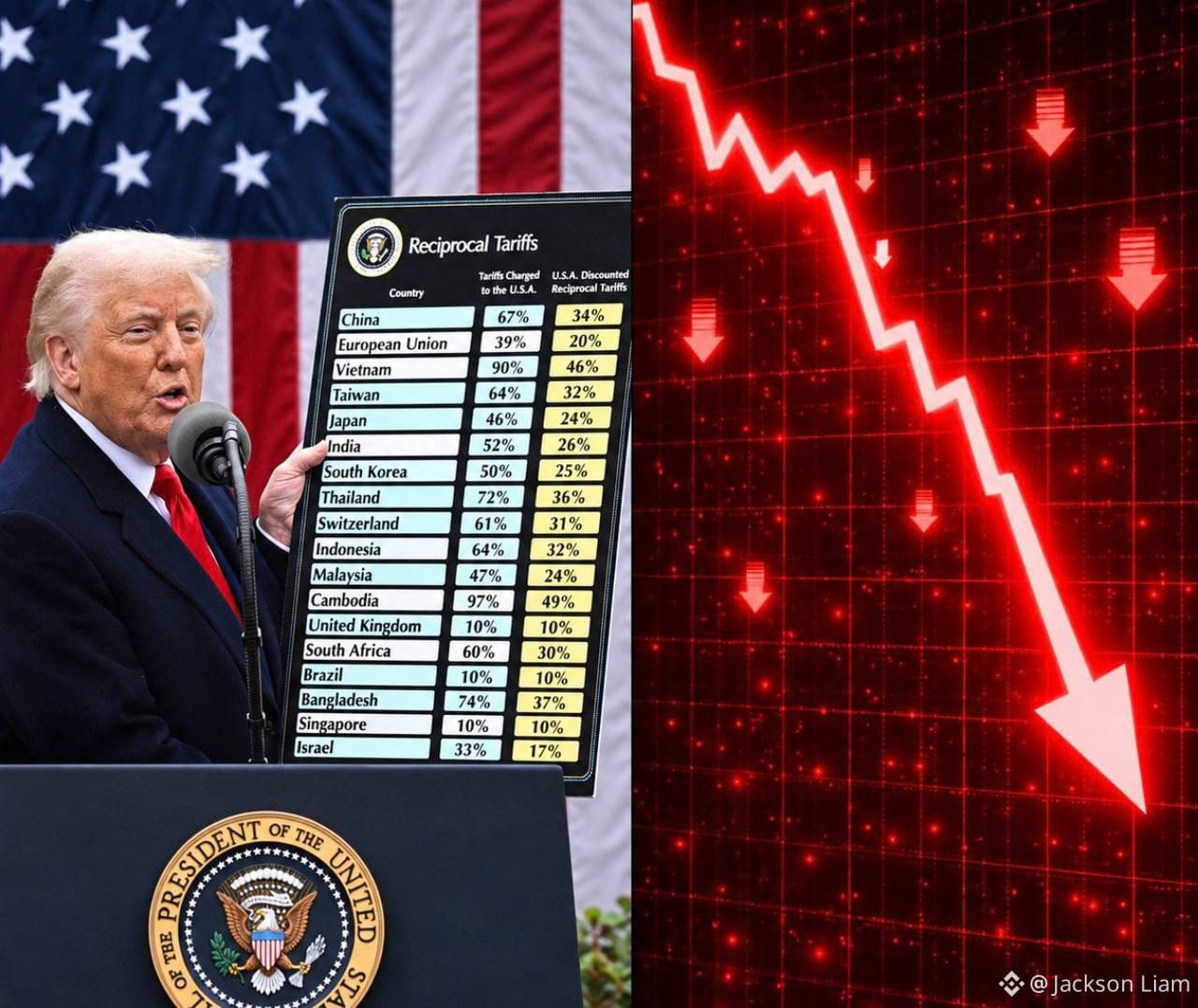
The Trump administration is bringing fresh uncertainty to financial markets after reports emerged that the US government is planning to increase tariffs on China and 15 other major economies.
These new tariffs would come on top of the trade restrictions introduced in April 2025, raising fresh concerns about global trade, business costs, and inflation.
But why does this matter?
When the US increases tariffs, importing goods from other countries becomes more expensive. Businesses often pass these additional costs on to consumers, meaning people end up paying more for everyday products.
We have already seen how this can affect the economy. After the US introduced global tariffs, inflation concerns grew as CPI increased from 2.3% to 3%.
And now, the possibility of another round of tariffs is putting markets on alert.
However, there are a few reasons why this situation could play out differently.
First, the US Supreme Court has already struck down Trump's previous tariff measures, raising questions about whether similar policies could face another legal challenge.
Second, political opposition could also become a major obstacle. If Democrats gain control of both the House and Senate in January 2027, they could make it much harder for the administration to move forward with its trade plans.
So, what should markets expect?
Probably more uncertainty in the coming weeks. Investors will be watching every announcement, legal development, and political decision closely.
But one thing is worth remembering: uncertainty does not automatically mean another market crash.
The situation is still developing, and the final outcome will depend on how these tariff plans move forward.
For now, stay alert, watch the economic data, and don't let every headline push you into making emotional decisions.
The next few weeks could be important for global markets.
2
2.6k
·
--

Article
CELO: From Mobile Payments to Global Finance – Building a Blockchain People Can Actually UseCELO is a project I've been curious about because it focuses on something I think the crypto industry sometimes forgets: making financial technology genuinely useful for ordinary people. I've spent some time looking at what Celo is trying to build, and what stands out to me is its intention to make sending, receiving, and using digital money easier, especially for people who don't always have access to traditional banking services. For me, that's a much more interesting goal than simply creating another blockchain and hoping people will use it.
When I think about financial freedom, I don't immediately think about complicated technology. I think about someone trying to send money home without losing a big part of it to fees. I think about a small business owner who wants to receive payments without dealing with unnecessary difficulties. These are everyday situations, but they can be frustrating for millions of people. This is the kind of problem Celo wants to address, and I can understand why that mission matters.
One thing I particularly like about Celo's direction is its focus on mobile accessibility. In many parts of the world, people have smartphones even when access to traditional banking remains limited. It makes sense to build financial tools around something people already understand and use every day. I don't think users should need to become crypto experts just to make a simple payment. Ideally, the technology should work quietly in the background while people focus on what they actually need to do.
I'm also interested in Celo's focus on stablecoin payments. Nobody wants to worry about sudden price changes when they are trying to pay for everyday necessities or send money to family. Stable-value digital currencies could make blockchain payments more practical, particularly in places where traditional financial services are expensive or inconvenient. Of course, this also depends on whether people can easily access these services and trust the systems supporting them.
Another thing worth watching is Celo's development within the Ethereum ecosystem. Its transition toward an Ethereum Layer 2 network gives it an opportunity to connect with a much larger environment of developers and applications. I see potential in that direction, although I don't believe technical improvements alone are enough. What really matters is whether those improvements translate into something users can notice in their daily lives.
At the same time, I don't want to overlook the challenges. There are already several blockchain networks trying to make payments cheaper and faster. Celo will have to show why its approach is useful enough for people to choose it over other options. Security, ease of use, reliable applications, and access to local currencies will all play an important role. Even a good idea can struggle if the actual experience is confusing.
Personally, I would rather see Celo growing through genuine usage than simply attracting attention through announcements. I want to see people returning to its applications because they find them helpful. I want to see small businesses exploring its payment solutions and developers creating products that solve real problems. That kind of progress would tell me much more about the project's future than temporary excitement.
I also think financial inclusion requires patience. People don't change the way they handle money overnight, especially when their savings and everyday expenses are involved. Trust takes time, and a project must earn it through consistency. Celo has an interesting direction, but its ability to turn that direction into lasting adoption is something I would continue watching.
What keeps me interested is the bigger idea behind Celo. Blockchain doesn't necessarily need to be something everyone talks about. Sometimes its greatest success could be helping people complete simple financial tasks without even thinking about the technology involved.
That's the kind of future I would like to see Celo working toward. Not just another name in the crypto ecosystem, but a network that gradually becomes useful in people's everyday routines. Whether it can achieve that remains an open question, but I think the problem it is trying to solve is worth taking seriously.
$CELO @celo #CELO
CELO: From Mobile Payments to Global Finance – Building a Blockchain People Can Actually Use
CELO is a project I've been curious about because it focuses on something I think the crypto industry sometimes forgets: making financial technology genuinely useful for ordinary people. I've spent some time looking at what Celo is trying to build, and what stands out to me is its intention to make sending, receiving, and using digital money easier, especially for people who don't always have access to traditional banking services. For me, that's a much more interesting goal than simply creating another blockchain and hoping people will use it.
When I think about financial freedom, I don't immediately think about complicated technology. I think about someone trying to send money home without losing a big part of it to fees. I think about a small business owner who wants to receive payments without dealing with unnecessary difficulties. These are everyday situations, but they can be frustrating for millions of people. This is the kind of problem Celo wants to address, and I can understand why that mission matters.
One thing I particularly like about Celo's direction is its focus on mobile accessibility. In many parts of the world, people have smartphones even when access to traditional banking remains limited. It makes sense to build financial tools around something people already understand and use every day. I don't think users should need to become crypto experts just to make a simple payment. Ideally, the technology should work quietly in the background while people focus on what they actually need to do.
I'm also interested in Celo's focus on stablecoin payments. Nobody wants to worry about sudden price changes when they are trying to pay for everyday necessities or send money to family. Stable-value digital currencies could make blockchain payments more practical, particularly in places where traditional financial services are expensive or inconvenient. Of course, this also depends on whether people can easily access these services and trust the systems supporting them.
Another thing worth watching is Celo's development within the Ethereum ecosystem. Its transition toward an Ethereum Layer 2 network gives it an opportunity to connect with a much larger environment of developers and applications. I see potential in that direction, although I don't believe technical improvements alone are enough. What really matters is whether those improvements translate into something users can notice in their daily lives.
At the same time, I don't want to overlook the challenges. There are already several blockchain networks trying to make payments cheaper and faster. Celo will have to show why its approach is useful enough for people to choose it over other options. Security, ease of use, reliable applications, and access to local currencies will all play an important role. Even a good idea can struggle if the actual experience is confusing.
Personally, I would rather see Celo growing through genuine usage than simply attracting attention through announcements. I want to see people returning to its applications because they find them helpful. I want to see small businesses exploring its payment solutions and developers creating products that solve real problems. That kind of progress would tell me much more about the project's future than temporary excitement.
I also think financial inclusion requires patience. People don't change the way they handle money overnight, especially when their savings and everyday expenses are involved. Trust takes time, and a project must earn it through consistency. Celo has an interesting direction, but its ability to turn that direction into lasting adoption is something I would continue watching.
What keeps me interested is the bigger idea behind Celo. Blockchain doesn't necessarily need to be something everyone talks about. Sometimes its greatest success could be helping people complete simple financial tasks without even thinking about the technology involved.
That's the kind of future I would like to see Celo working toward. Not just another name in the crypto ecosystem, but a network that gradually becomes useful in people's everyday routines. Whether it can achieve that remains an open question, but I think the problem it is trying to solve is worth taking seriously.
$CELO @celo #CELO
2
286
Log in to explore more content
Join global crypto users on Binance Square
⚡️ Get latest and useful information about crypto.
💬 Trusted by the world’s largest crypto exchange.
👍 Discover real insights from verified creators.
Email / Phone number
Trending Topics
CanMarketsReboundAfterThanksgiving?
120,929 views
1,509 Discussing
Rate-Hike Bets Linger as US Markets Head Into Thanksgiving Closure
Binance News
·3 Likes
·3.8k views
CouldSpaceX’sOrbitalDataCentersBoostAIChipDemand?
58,037 views
935 Discussing
SouthKoreaProposesMandatoryDigitalAssetTransactionDisclosure
838 views
25 Discussing