
DmitriRich
1.1k Posts

DmitriRich
Report
Block User
Crypto setups, catalysts & market data.
BNB Chain, altcoins, derivatives.
No hype. Just what matters.
6 Following
190 Followers
893 Liked
Posts
All
Quotes
Videos
PINNED
·
--
Bullish
Partly True
THENA just announced that #FlyingTulip is coming to #THENA .
I think this could mean more than another token listing.
$THE real opportunity? Bringing new traders, liquidity and trading activity to THENA.
{future}(THEUSDT)
THENA just announced that #FlyingTulip is coming to #THENA .
I think this could mean more than another token listing.
$THE real opportunity? Bringing new traders, liquidity and trading activity to THENA.
I think this could mean more than another token listing.
$THE real opportunity? Bringing new traders, liquidity and trading activity to THENA.

2
1
1.7k
·
--
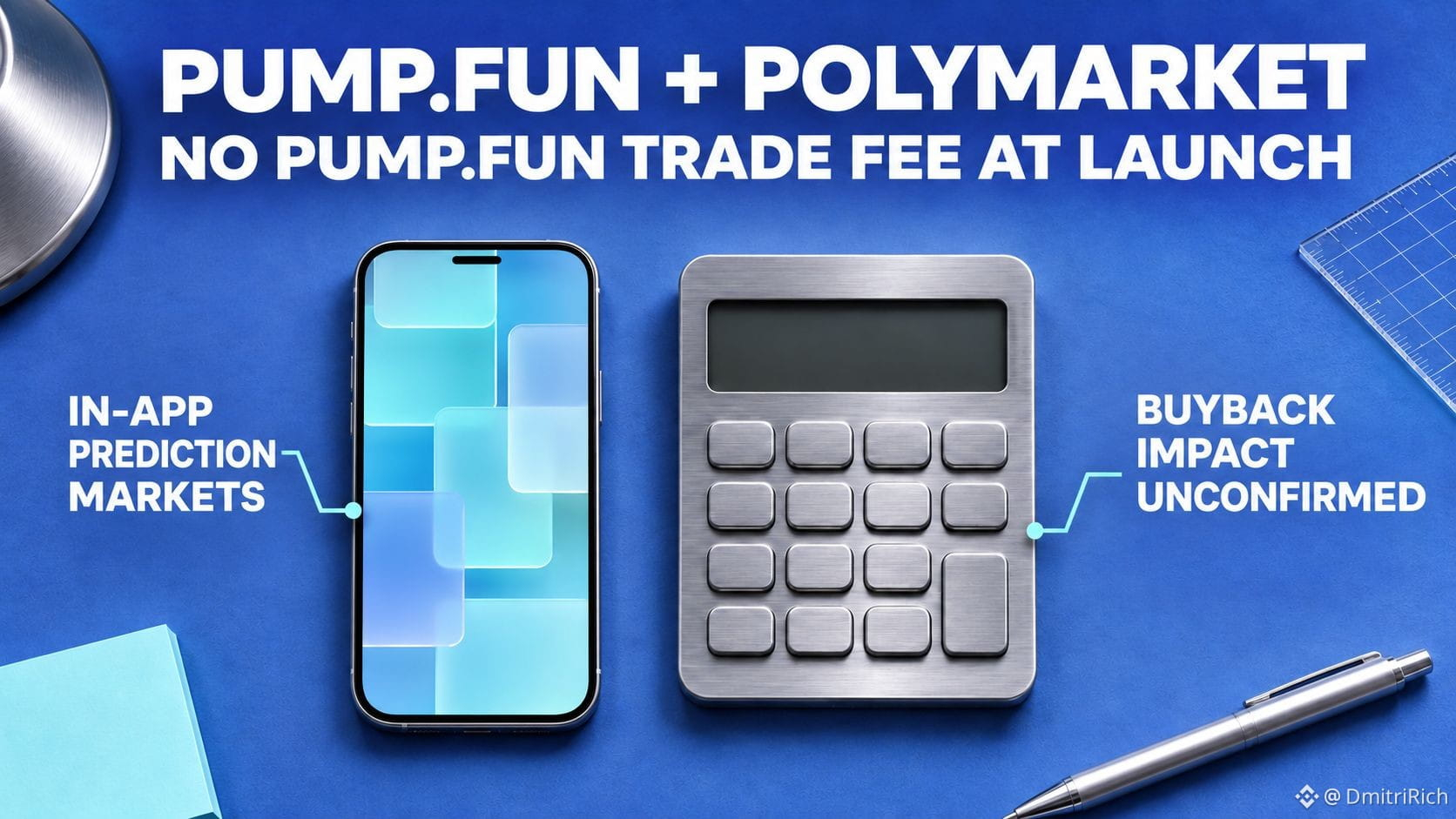
A screenshot full of Polymarket trades tells me people found the new tab. I still can't turn it into a $PUMP buyback number.
Pump.fun added #Polymarket to its mobile app on Nov. 16. Buried in the fee page: Pump.fun doesn't charge its own fee to buy or sell those contracts right now. Polymarket's own fees can still apply.
Pump.fun targets half of its revenue for buybacks and burns. The published calculation names the launchpad, PumpSwap and Terminal.
I'd give the new tab credit for getting people in the door. For the buyback math, show me what Pump actually earns from it.
{future}(PUMPUSDT)
A screenshot full of Polymarket trades tells me people found the new tab. I still can't turn it into a $PUMP buyback number.
Pump.fun added #Polymarket to its mobile app on Nov. 16. Buried in the fee page: Pump.fun doesn't charge its own fee to buy or sell those contracts right now. Polymarket's own fees can still apply.
Pump.fun targets half of its revenue for buybacks and burns. The published calculation names the launchpad, PumpSwap and Terminal.
I'd give the new tab credit for getting people in the door. For the buyback math, show me what Pump actually earns from it.
235
·
--
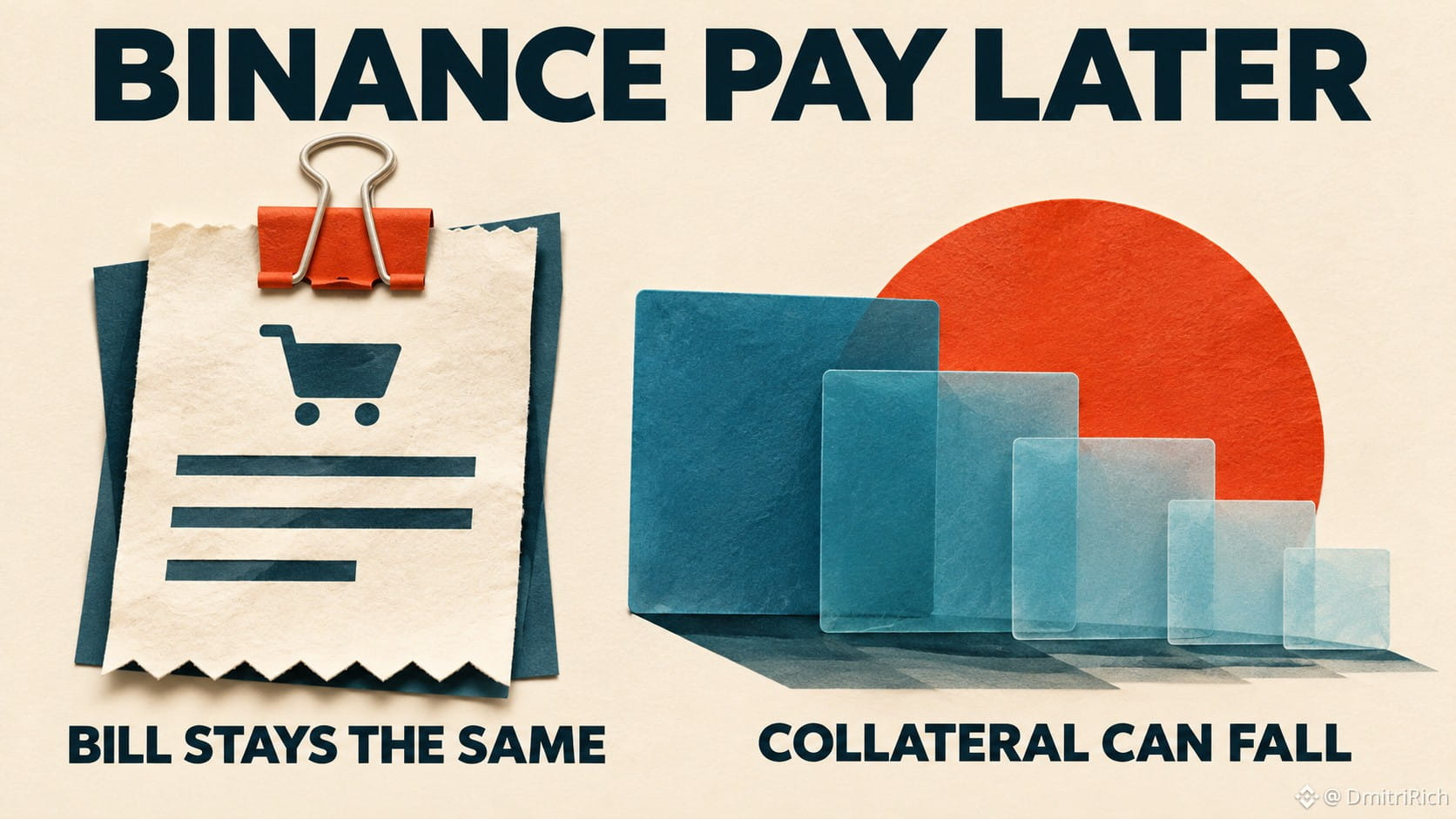
I'd read the liquidation rules before I even looked at the 0% on #Binance Pay Later. Your bill sits still. The $BTC backing it doesn't.
Say you spend 100 $USDC and lock 200 USDC worth of BTC. If that BTC drops 40% and the bill is still 100, you owe about 83% of what the collateral is worth. That's past Binance's 75% warning line, with liquidation at 90%. You didn't buy anything else. The market moved.
Binance introduced this in #Argentina and #Mexico on Nov 16. The first of next month is the interest deadline. Binance can sell your collateral before then.
{future}(BTCUSDT)
I'd read the liquidation rules before I even looked at the 0% on #Binance Pay Later. Your bill sits still. The $BTC backing it doesn't.
Say you spend 100 $USDC and lock 200 USDC worth of BTC. If that BTC drops 40% and the bill is still 100, you owe about 83% of what the collateral is worth. That's past Binance's 75% warning line, with liquidation at 90%. You didn't buy anything else. The market moved.
Binance introduced this in #Argentina and #Mexico on Nov 16. The first of next month is the interest deadline. Binance can sell your collateral before then.
58
·
--
I'd check whether the dollars are already on the network before counting on a Saturday transfer.
On Nov 16, #DBS and JPMorgan's Kinexys launched 24/7 transfers of tokenized dollar deposits for institutions between the #U.S. and #Singapore .
The transfer can go through on a Saturday. Moving money between a regular #JPMorgan deposit account and #Kinexys still pauses for three hours that day.
Banks can now do some weekend dollar transfers without using stablecoins. That's real competition for those payments. It doesn't tell me much about stablecoin demand on exchanges, where this launch doesn't add a new way to fund an account.

45
·
--
I don't buy the idea that a busy spot tape makes a rally spot-led. On $HUMA , spot trading jumped more than twelvefold to about $22M in 24 hours. Futures went along for the ride and did $229M.
That leaves futures at roughly 91% of the combined volume #coinglass tracks, about the same share as in the prior 24 hours.
Funding was still negative, so shorts were paying longs. A squeeze could be part of it, but volume alone can't tell you who started the move. I'd give the rally more credit if price holds while funding cools and spot takes a bigger slice.
{future}(HUMAUSDT)
I don't buy the idea that a busy spot tape makes a rally spot-led. On $HUMA , spot trading jumped more than twelvefold to about $22M in 24 hours. Futures went along for the ride and did $229M.
That leaves futures at roughly 91% of the combined volume #coinglass tracks, about the same share as in the prior 24 hours.
Funding was still negative, so shorts were paying longs. A squeeze could be part of it, but volume alone can't tell you who started the move. I'd give the rally more credit if price holds while funding cools and spot takes a bigger slice.
110
·
--
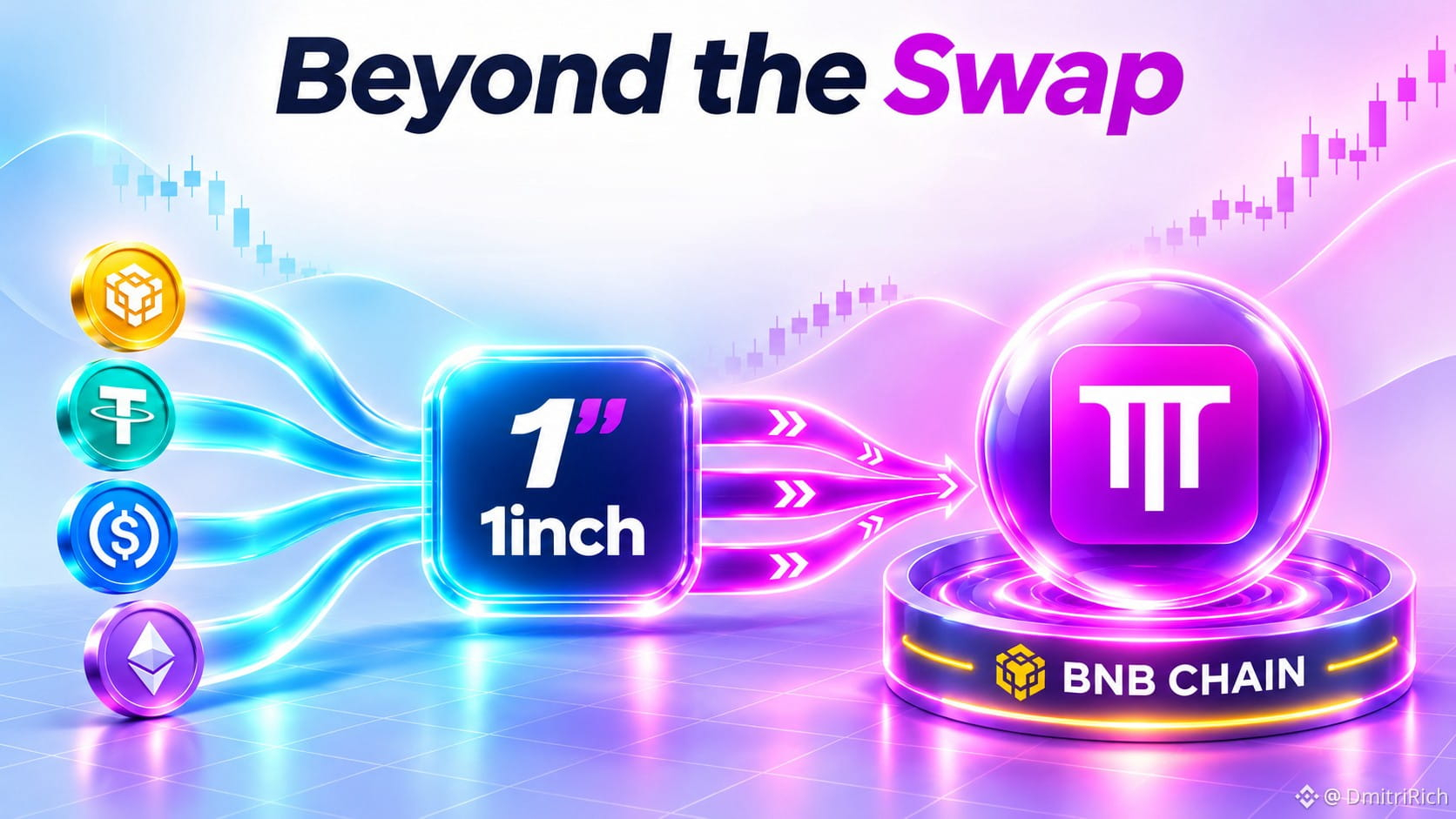
You don't need to open #THENA for your swap to use THENA liquidity.
That's $THE interesting part of its connection with #1inch .
A trader can start on 1inch, while the swap (or part of it) happens in a THENA pool on #BNBChain .
Say you're swapping $BNB for $USDT .
1inch's #Pathfinder compares supported routes, looking at prices, liquidity, price impact and gas costs.
Sometimes splitting one swap across multiple pools works better than sending it all to one.
If a supported THENA V3,3 pool offers a competitive route, 1inch
can send part of that swap through it.
That means trading activity and fees for the pool, even if the trader never visits THENA.
I think that's the real value of the integration.
The catch: integration doesn't mean every THENA pool gets every trade. A pool must be compatible and the route still has to compete.
431
·
--
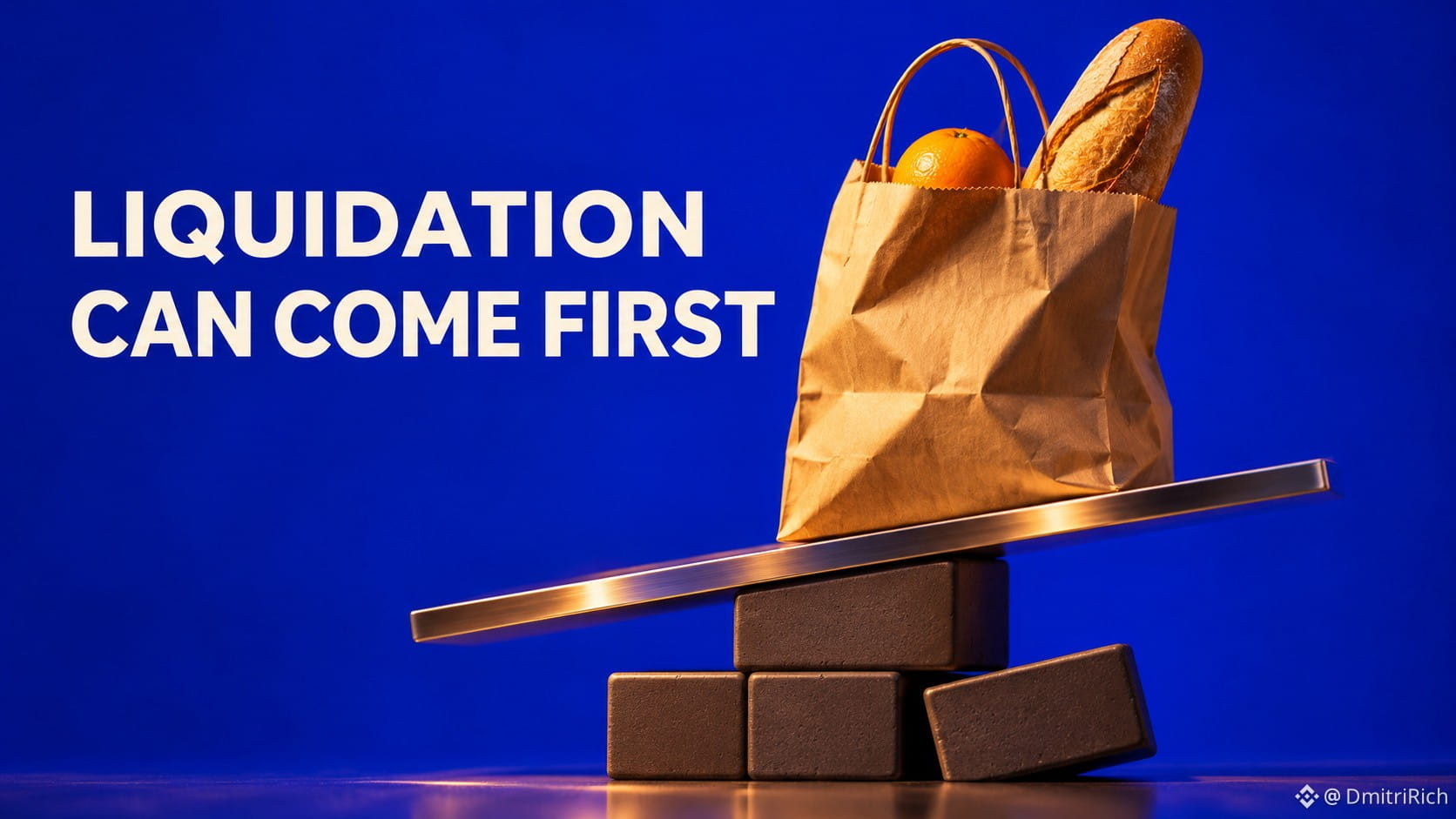
I'd worry less about the interest on the groceries and more about what #Binance can sell to pay for them.
Pay Later starts with eligible users in Argentina and Mexico. At checkout, you borrow $USDC and Binance locks your BTC, $ETH or $BNB as collateral. The bill is interest-free until the first of next month.
If the coin drops, your bill doesn't shrink with it. Binance says it liquidates when the debt reaches 90% of what the collateral is worth, even if the bill isn't due yet. I'd check how much room there is before a bad day in crypto becomes a forced sale.
{future}(BTCUSDT)
I'd worry less about the interest on the groceries and more about what #Binance can sell to pay for them.
Pay Later starts with eligible users in Argentina and Mexico. At checkout, you borrow $USDC and Binance locks your BTC, $ETH or $BNB as collateral. The bill is interest-free until the first of next month.
If the coin drops, your bill doesn't shrink with it. Binance says it liquidates when the debt reaches 90% of what the collateral is worth, even if the bill isn't due yet. I'd check how much room there is before a bad day in crypto becomes a forced sale.
47
·
--
Where’s the liquidity on #THENA ?
I put together a quick look at four Hot Pools so you can see how they stack up by TVL.
Watch the clip, then explore $THE pools.
Where’s the liquidity on #THENA ?
I put together a quick look at four Hot Pools so you can see how they stack up by TVL.
Watch the clip, then explore $THE pools.
I put together a quick look at four Hot Pools so you can see how they stack up by TVL.
Watch the clip, then explore $THE pools.
168
·
--
So $ZIL has two deadlines, and a price quote is a lousy substitute for a withdrawal plan.
#Upbit and #Bithumb ended $ZIL trading on Nov 16 at 15:00 KST. #Binance still showed ZIL/USDT trading, down about 25% over 24 hours in its Nov 16 snapshot. Bithumb lists a separate withdrawal cutoff: Dec 16 at 15:00 KST.
That extra month isn't a month of trading. If you're moving ZIL to Binance, its migration notice specifies Zilliqa EVM (ZILEVM), not the legacy mainnet.
Confirm the sending and receiving networks match before you move anything. If you plan to sell, check the bids for your size, not just the last price.
{future}(ZILUSDT)
So $ZIL has two deadlines, and a price quote is a lousy substitute for a withdrawal plan.
#Upbit and #Bithumb ended $ZIL trading on Nov 16 at 15:00 KST. #Binance still showed ZIL/USDT trading, down about 25% over 24 hours in its Nov 16 snapshot. Bithumb lists a separate withdrawal cutoff: Dec 16 at 15:00 KST.
That extra month isn't a month of trading. If you're moving ZIL to Binance, its migration notice specifies Zilliqa EVM (ZILEVM), not the legacy mainnet.
Confirm the sending and receiving networks match before you move anything. If you plan to sell, check the bids for your size, not just the last price.

403
·
--
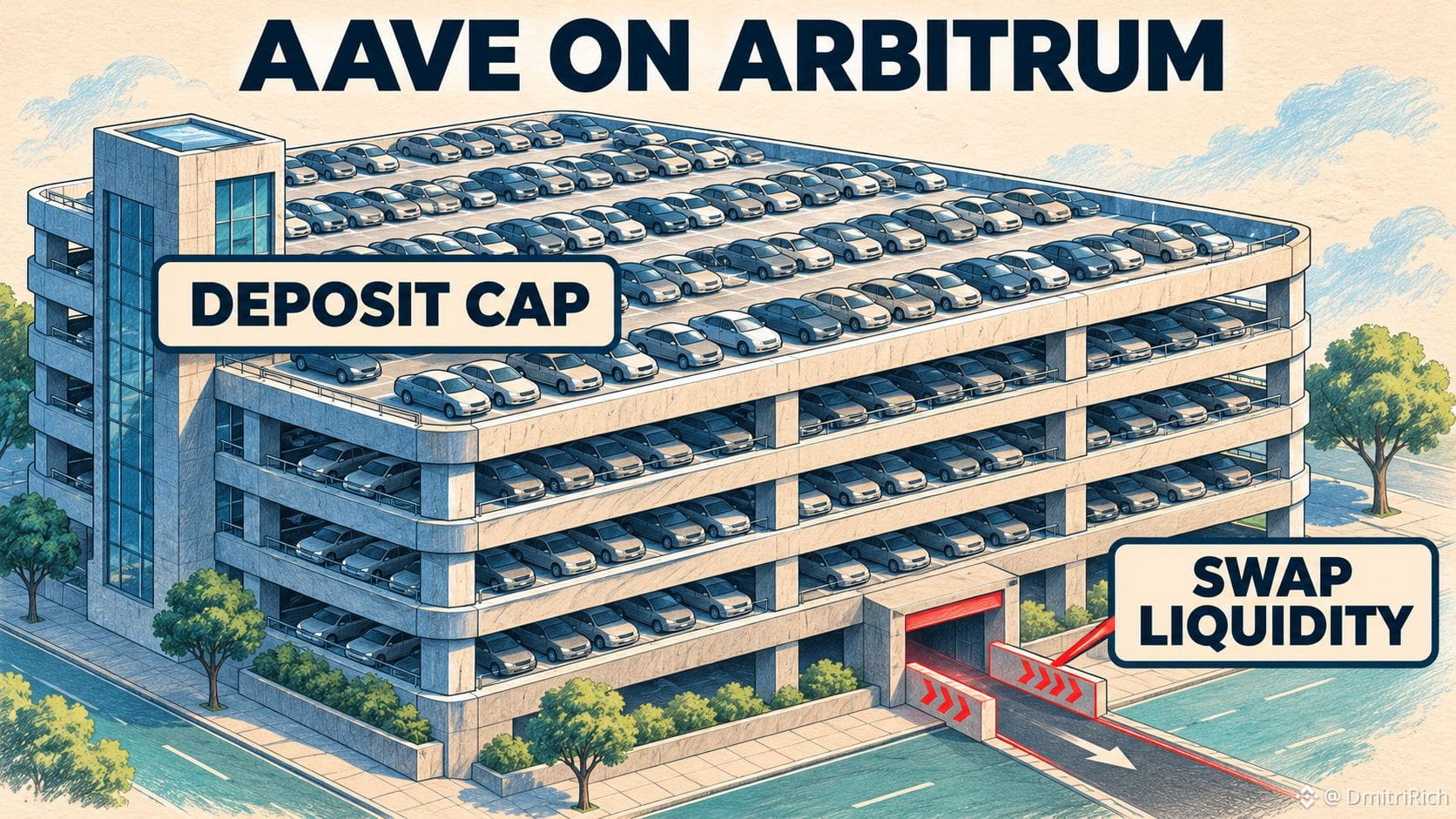
A bigger parking lot doesn't widen the exit. On Nov 15, #LlamaRisk said the $AAVE supply cap on Aave V3 Arbitrum was full and proposed raising it from 10,400 to 20,000 AAVE.
The same review estimated that selling about 1,800 $AAVE for $USDC on #Arbitrum would already mean roughly 10% price impact. A higher cap makes room for more deposits; it doesn't put more bids under the token.
If the cap goes up, watch how much of the new room fills and what the same size swap actually costs. Those are two different numbers.
{future}(AAVEUSDT)
A bigger parking lot doesn't widen the exit. On Nov 15, #LlamaRisk said the $AAVE supply cap on Aave V3 Arbitrum was full and proposed raising it from 10,400 to 20,000 AAVE.
The same review estimated that selling about 1,800 $AAVE for $USDC on #Arbitrum would already mean roughly 10% price impact. A higher cap makes room for more deposits; it doesn't put more bids under the token.
If the cap goes up, watch how much of the new room fills and what the same size swap actually costs. Those are two different numbers.
318
·
--
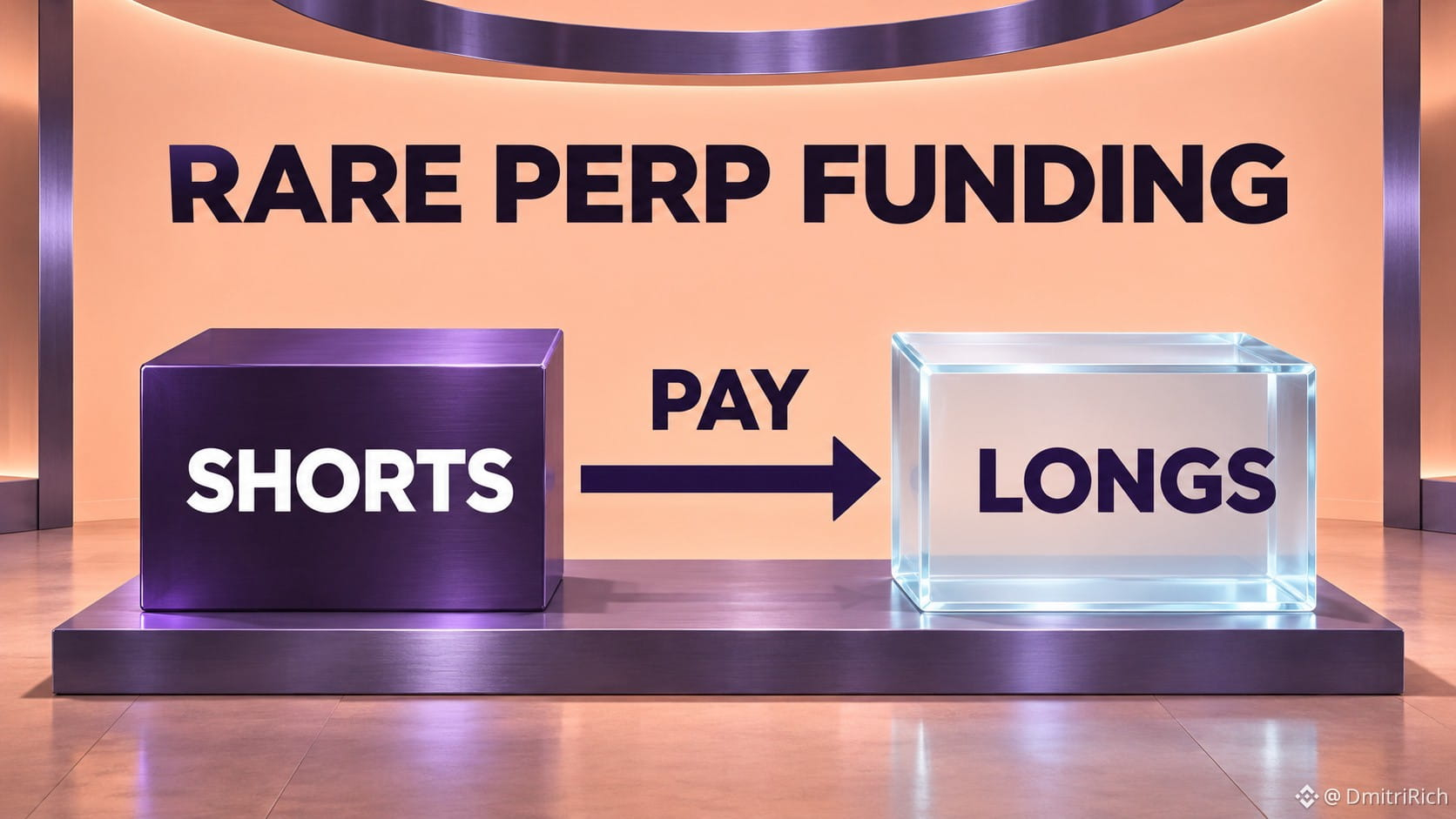
Shorting $RARE looked expensive even before you checked the price. At 00:30 UTC on Nov 16, #Binance 's RAREUSDT perp was up about 48% over 24 hours, dollar open interest had more than doubled, and funding was negative. If it settles negative, shorts pay longs.
Getting paid to hold the other side sounds great until a price drop eats the payment. If funding moves back toward zero, watch spot. If open interest drops and spot gives back the rally, the move probably leaned on the squeeze.
If spot holds, you've got a better case for actual demand.
{future}(RAREUSDT)
Shorting $RARE looked expensive even before you checked the price. At 00:30 UTC on Nov 16, #Binance 's RAREUSDT perp was up about 48% over 24 hours, dollar open interest had more than doubled, and funding was negative. If it settles negative, shorts pay longs.
Getting paid to hold the other side sounds great until a price drop eats the payment. If funding moves back toward zero, watch spot. If open interest drops and spot gives back the rally, the move probably leaned on the squeeze.
If spot holds, you've got a better case for actual demand.
Getting paid to hold the other side sounds great until a price drop eats the payment. If funding moves back toward zero, watch spot. If open interest drops and spot gives back the rally, the move probably leaned on the squeeze.
If spot holds, you've got a better case for actual demand.
187
·
--
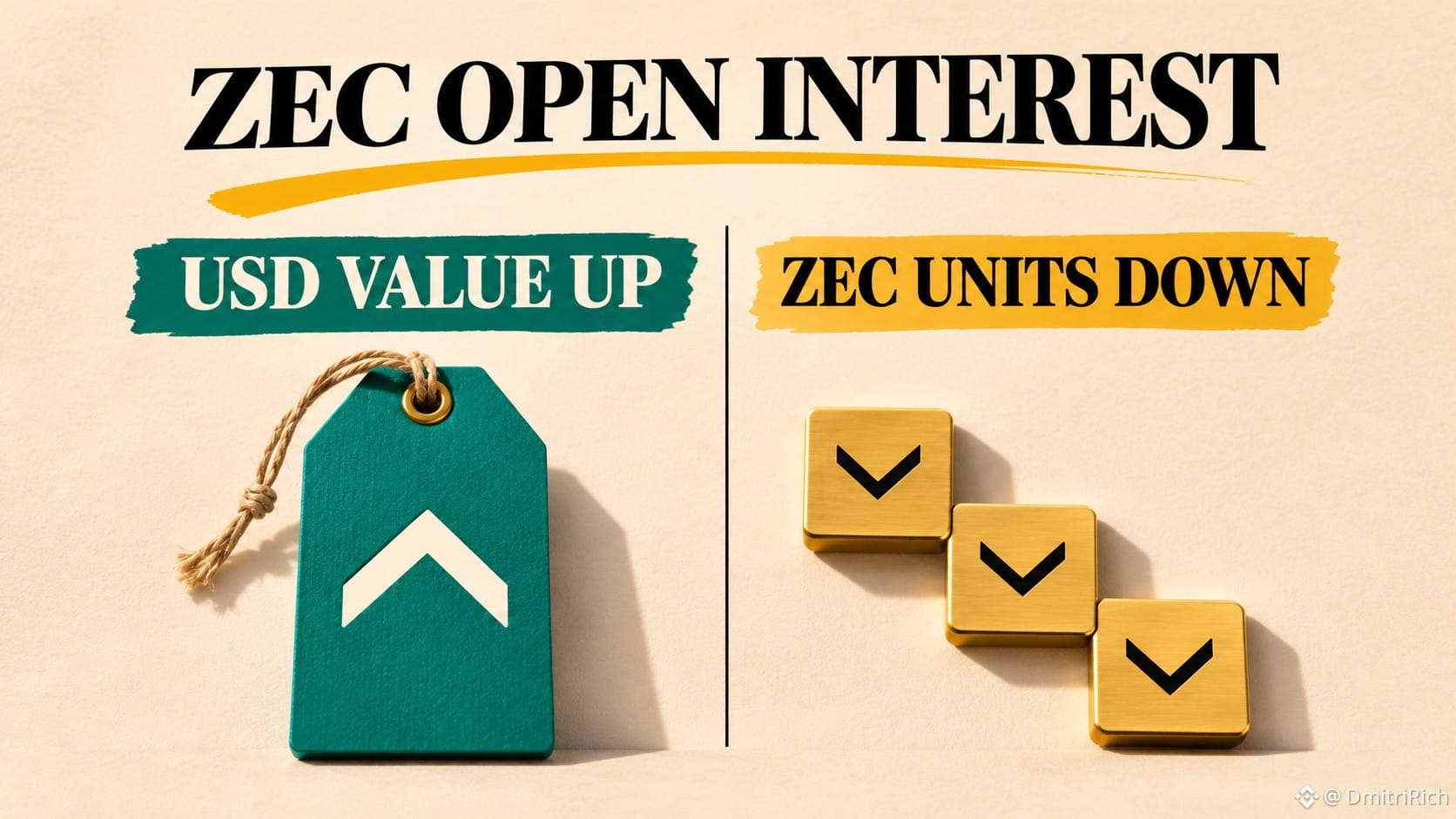
And $ZEC rallied 8.61%, and dollar open interest rose 1.45%. Sounds like traders piled in, right? Measure that same open interest in $ZEC and it fell 6.59%. A higher price tag did some heavy lifting there.
That fits a short-covering bounce, especially with shorts making up about two-thirds of liquidations. It doesn't tell us who's buying spot.
The #zcash grants funding poll is scheduled to open Nov 16.
If spot volume expands and price holds while ZEC-denominated open interest stays muted, the bounce has a better case for sticking. A green dollar OI print on its own won't cut it.
{future}(ZECUSDT)
And $ZEC rallied 8.61%, and dollar open interest rose 1.45%. Sounds like traders piled in, right? Measure that same open interest in $ZEC and it fell 6.59%. A higher price tag did some heavy lifting there.
That fits a short-covering bounce, especially with shorts making up about two-thirds of liquidations. It doesn't tell us who's buying spot.
The #zcash grants funding poll is scheduled to open Nov 16.
If spot volume expands and price holds while ZEC-denominated open interest stays muted, the bounce has a better case for sticking. A green dollar OI print on its own won't cut it.
279
·
--
Your #Anthropic perp position can come back without its stop. On Nov 17 at 08:30 UTC, #Binance plans to halt ANTHROPICUSDT, resize the contract and rename it ANTUSDT.
Binance says it will close and reinstate regular positions during the adjustment, but cancel open orders, including take-profits and stop-losses. Strategy bot positions are the exception: they’ll be closed and won’t come back.
When normal order entry resumes, check the new symbol, position size and margin. Then verify which protective orders actually exist before assuming your old risk setup is still in place.

161
·
--
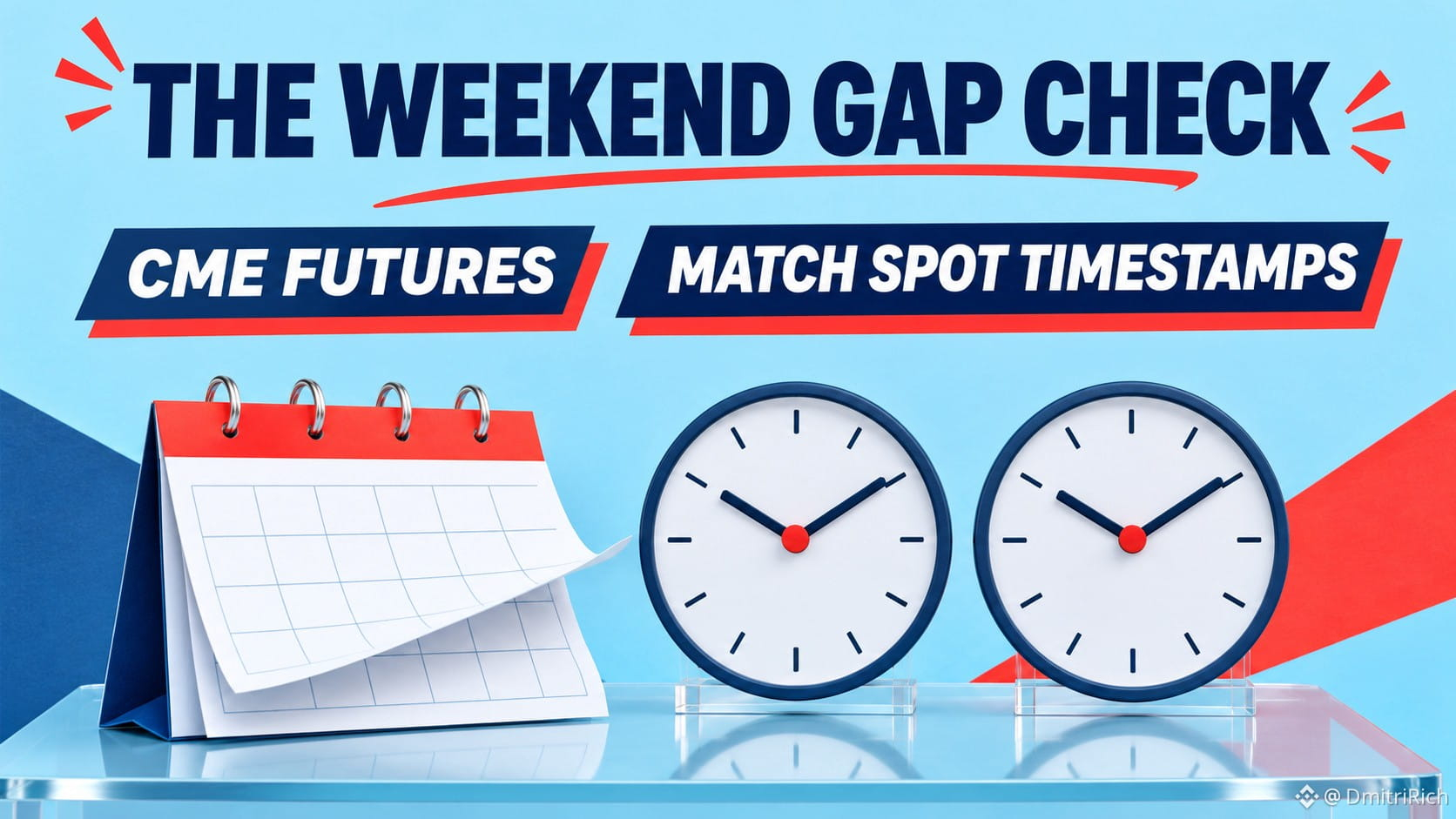
So $BTC dipped below $62K on Sunday, but Friday’s CME settlement isn’t a price that spot has to revisit. Standard CME #bitcoin futures trade on weekends, apart from maintenance windows.
If your #cme chart goes blank after Friday, check the contract and whether your feed shows weekend trades. Then compare the front-month futures price with #Binance spot at the same time.
That spread is the basis. It tells you how futures are priced relative to spot now, without turning an old settlement into a price target.
{future}(BTCUSDT)
So $BTC dipped below $62K on Sunday, but Friday’s CME settlement isn’t a price that spot has to revisit. Standard CME #bitcoin futures trade on weekends, apart from maintenance windows.
If your #cme chart goes blank after Friday, check the contract and whether your feed shows weekend trades. Then compare the front-month futures price with #Binance spot at the same time.
That spread is the basis. It tells you how futures are priced relative to spot now, without turning an old settlement into a price target.
61
·
--
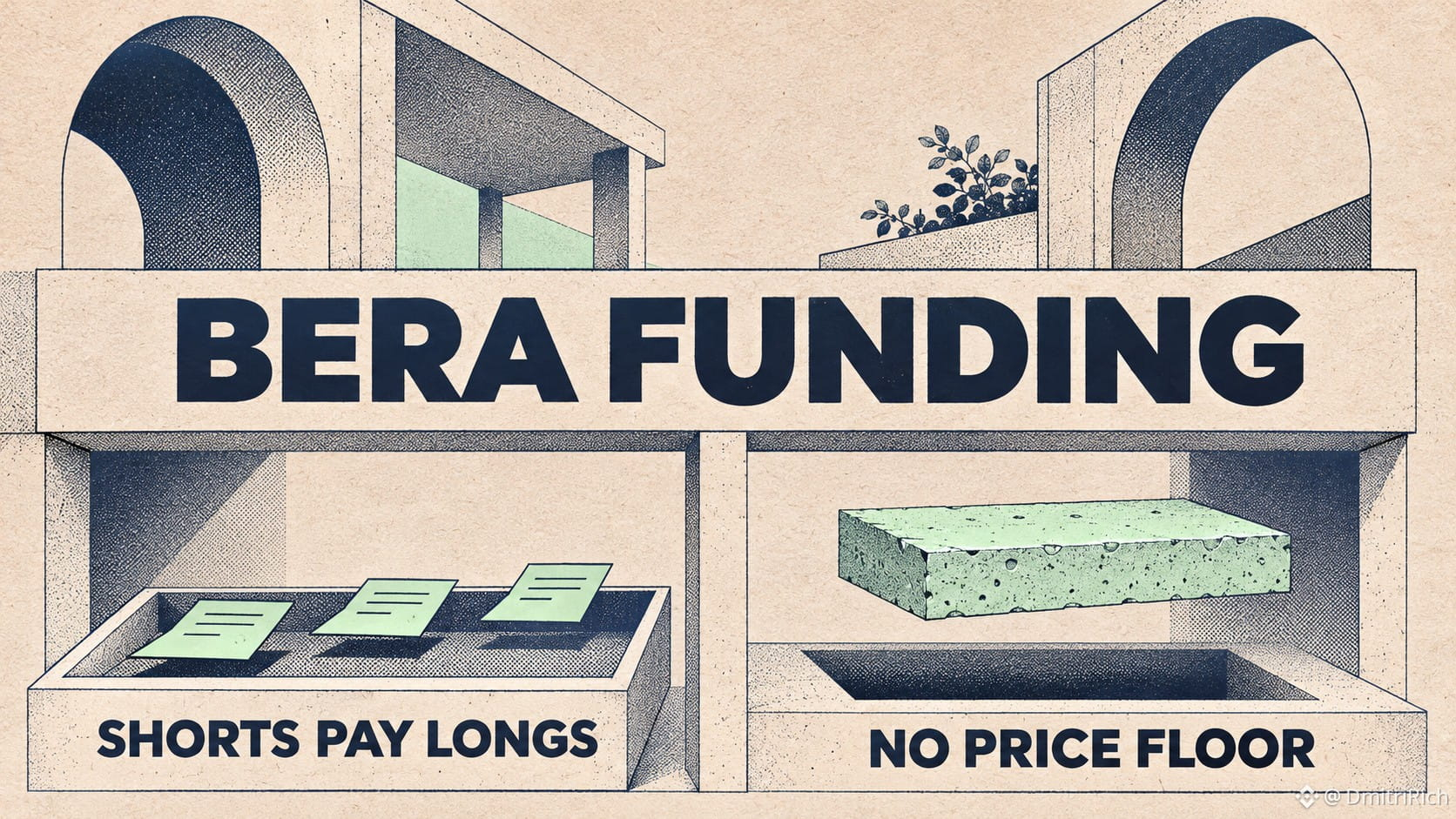
Shorts were paying to stay in $BERA , and the price was still around $0.093. At 04:00 UTC on Nov 15, Binance’s BERAUSDT perp settled funding at -0.1767%. The token had already slipped from roughly $0.114 the previous day.
Negative funding tells you who pays to hold the perp. It doesn’t tell you when shorts will have to cover. A break above the first rebound high on spot, with funding still negative, would make a squeeze more plausible.
Until then, collecting funding won’t help much if spot keeps sliding.
{future}(BERAUSDT)
Shorts were paying to stay in $BERA , and the price was still around $0.093. At 04:00 UTC on Nov 15, Binance’s BERAUSDT perp settled funding at -0.1767%. The token had already slipped from roughly $0.114 the previous day.
Negative funding tells you who pays to hold the perp. It doesn’t tell you when shorts will have to cover. A break above the first rebound high on spot, with funding still negative, would make a squeeze more plausible.
Until then, collecting funding won’t help much if spot keeps sliding.
Negative funding tells you who pays to hold the perp. It doesn’t tell you when shorts will have to cover. A break above the first rebound high on spot, with funding still negative, would make a squeeze more plausible.
Until then, collecting funding won’t help much if spot keeps sliding.
533
·
--
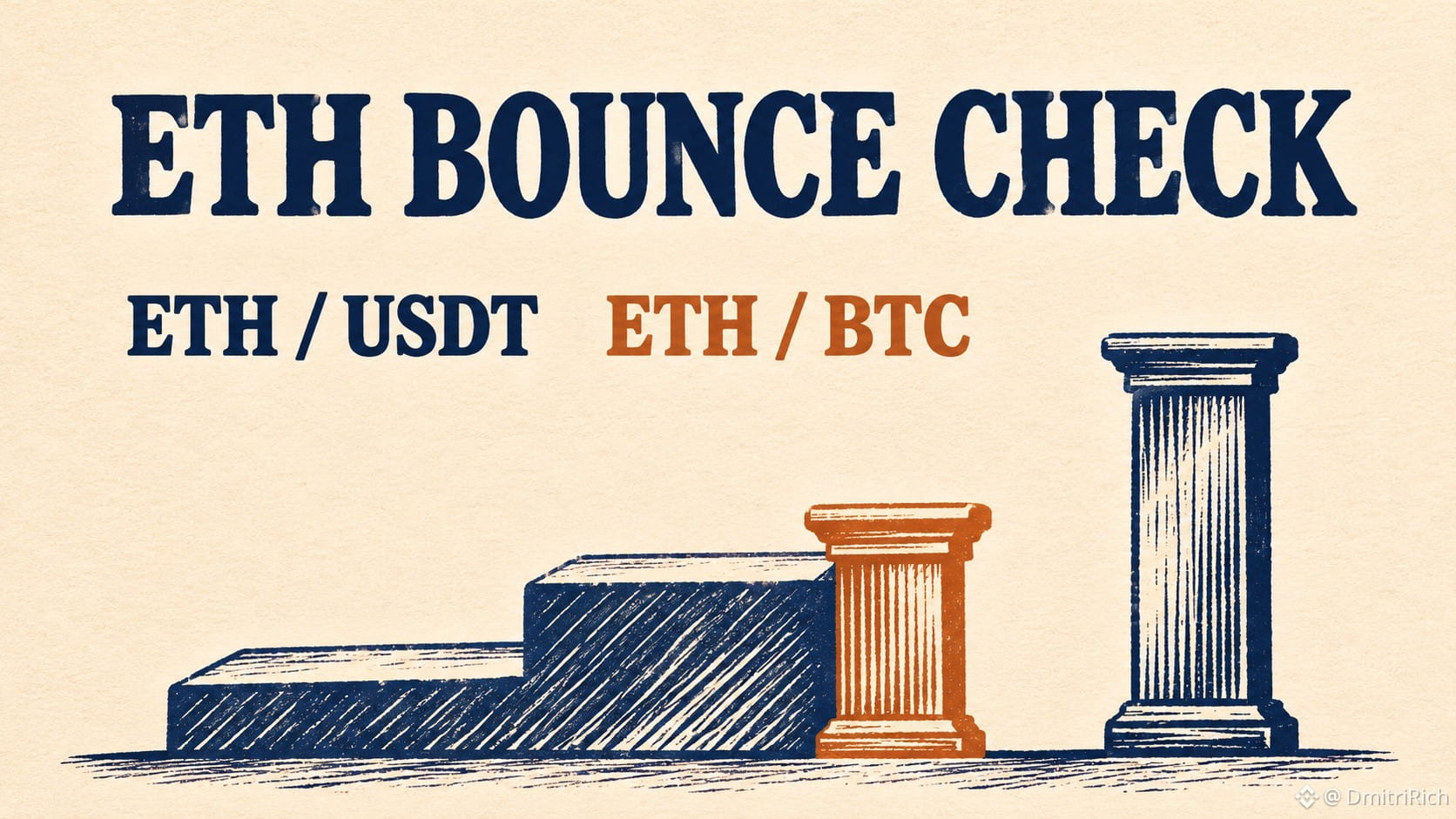
An $ETH bounce in dollars can still leave it losing ground to $BTC .
In the latest 24-hour snapshot, $ETH was down about 9% against BTC’s 6.6% drop. ETH spot turnover rose 21%, while BTC’s barely moved. That doesn’t tell you who was buying, but it’s a reason to watch spot as closely as the liquidation feed.
On the next bounce, pull up ETH/BTC next to ETH/USDT. If ETH rises in dollars but keeps making lower lows against BTC, the bounce hasn’t changed the relative weakness. A higher low on ETH/BTC would be the first sign that’s changing.
{future}(ETHUSDT)
An $ETH bounce in dollars can still leave it losing ground to $BTC .
In the latest 24-hour snapshot, $ETH was down about 9% against BTC’s 6.6% drop. ETH spot turnover rose 21%, while BTC’s barely moved. That doesn’t tell you who was buying, but it’s a reason to watch spot as closely as the liquidation feed.
On the next bounce, pull up ETH/BTC next to ETH/USDT. If ETH rises in dollars but keeps making lower lows against BTC, the bounce hasn’t changed the relative weakness. A higher low on ETH/BTC would be the first sign that’s changing.
101
·
--
ARB open interest fell about 18% in dollar terms, but only about 6% once you adjust for the token’s 13% drop. The difference matters heading into a scheduled 92.65M $ARB unlock: the dollar figure makes the futures market look more cleared out than it is.
After the unlock, watch whether exchange deposits pick up and spot starts making fresh lows. That combination would be stronger evidence of new supply hitting the market.
If price slips while only futures positions shrink, the move looks more like traders cutting leverage than unlocked tokens being sold.
{future}(ARBUSDT)
ARB open interest fell about 18% in dollar terms, but only about 6% once you adjust for the token’s 13% drop. The difference matters heading into a scheduled 92.65M $ARB unlock: the dollar figure makes the futures market look more cleared out than it is.
After the unlock, watch whether exchange deposits pick up and spot starts making fresh lows. That combination would be stronger evidence of new supply hitting the market.
If price slips while only futures positions shrink, the move looks more like traders cutting leverage than unlocked tokens being sold.

557
·
--
The first $KAVA bounce won’t tell you much if traders can’t move the token between venues.
$KAVA fell more than 40% on #Binance ’s 24-hour leaderboard on Nov 14. Kava says the unusual activity was isolated to Kava Lend and that partner exchanges paused related transfers as a precaution.
When transfers are restricted, traders can’t as easily buy on one venue and sell on another to close a price gap. A bounce on one exchange can leave the others behind.
The better test comes when the affected routes reopen: do spot prices converge without the bids disappearing?
{future}(KAVAUSDT)
The first $KAVA bounce won’t tell you much if traders can’t move the token between venues.
$KAVA fell more than 40% on #Binance ’s 24-hour leaderboard on Nov 14. Kava says the unusual activity was isolated to Kava Lend and that partner exchanges paused related transfers as a precaution.
When transfers are restricted, traders can’t as easily buy on one venue and sell on another to close a price gap. A bounce on one exchange can leave the others behind.
The better test comes when the affected routes reopen: do spot prices converge without the bids disappearing?
363
·
--
Verified
The $PIEVERSE unlock calendar tells you when supply can start moving. It doesn’t tell you how much hits the market today.
Nov 14 marks the end of the 12-month lockup for the team, advisors and investors. #Pieverse says those allocations vest gradually after that. Public trackers disagree on the size of the first release, so I wouldn’t treat any headline number as a confirmed one-day sell order.
Watch transfers from vesting recipients to exchanges. Deposits don’t prove sales, but repeated deposits alongside weak bids would tell you more about sell pressure than the date on the calendar.
{alpha}(560x0e63b9c287e32a05e6b9ab8ee8df88a2760225a9)
The $PIEVERSE unlock calendar tells you when supply can start moving. It doesn’t tell you how much hits the market today.
Nov 14 marks the end of the 12-month lockup for the team, advisors and investors. #Pieverse says those allocations vest gradually after that. Public trackers disagree on the size of the first release, so I wouldn’t treat any headline number as a confirmed one-day sell order.
Watch transfers from vesting recipients to exchanges. Deposits don’t prove sales, but repeated deposits alongside weak bids would tell you more about sell pressure than the date on the calendar.

271
Log in to explore more content
Join global crypto users on Binance Square
⚡️ Get latest and useful information about crypto.
💬 Trusted by the world’s largest crypto exchange.
👍 Discover real insights from verified creators.
Email / Phone number
Trending Topics
NvidiaBeatsEstimatesWith$130BQ4Outlook
10,741 views
154 Discussing
Nvidia Beats With $115.8 Billion in Revenue, Guides to $130 Billion and Adds $150 Billion Buyback
Binance News
·46 Likes
·40.3k views
AnthropicIPOPriceCouldExceed$80
16,772 views
140 Discussing
CanNvidia’sDataCenterGrowthContinue?
50,523 views
686 Discussing