
BlockchainBaller
68.8k Posts

BlockchainBaller
 Square Verified+
Report
Block User
Trader || X (Twitter): @bl_ockchain || Binance KOL || Trade Setups are my Personal Opinions || DYOR

2025 Blockchain 100 — Trader

Creator Awards 2024

Top Voices
Frequent Trader
5 Years
62 Following
246.9K+ Followers
715.2K+ Liked
3 Badges
Posts
All
Quotes
Videos
Live
PINNED
·
--
Bullish
Hey Fam, I need your only 2 mins about a serious issue you all are facing.
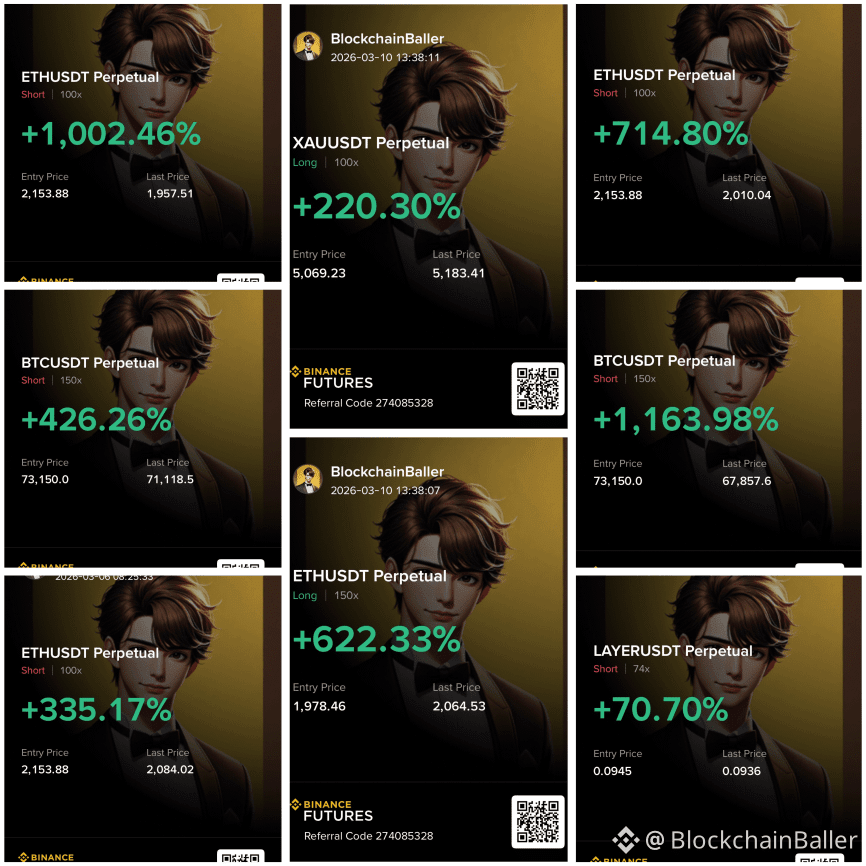
Most of you been following my calls …. and you’ve seen the setups hit in real time. But before that when the post reached out to you. You already had missed it or you got liquidated.. But Now I have Solution..
I just launched BlockchainBaller Premium group on Binance Square. [Click here to join or Scan QR](https://app.binance.com/uni-qr/group-chat-landing?channelToken=0prEXOlryZcOq9s9Qimohg&type=1&entrySource=sharing_link)
That’s the stuff that actually makes you money without missing anybtrade.
I tried free groups twice. both turned into red packet spam and random links. zero serious traders. so I built something only for the ambitious ones.
what you get inside:
🚀 Real time trade setups with exact Entry / TP / SL before they go public
🚀 Early alpha on narratives before they trend
🚀 My personal moves and position sizing
🚀 Direct access to ask me anything
🚀 7 Days Free Trial
6 years trading. Top 5 Binance Blockchain 100. 235K+ fam watched the calls I post.now you can trade alongside me.
Hey Fam, I need your only 2 mins about a serious issue you all are facing.
Most of you been following my calls …. and you’ve seen the setups hit in real time. But before that when the post reached out to you. You already had missed it or you got liquidated.. But Now I have Solution..
I just launched BlockchainBaller Premium group on Binance Square. Click here to join or Scan QR
That’s the stuff that actually makes you money without missing anybtrade.
I tried free groups twice. both turned into red packet spam and random links. zero serious traders. so I built something only for the ambitious ones.
what you get inside:
🚀 Real time trade setups with exact Entry / TP / SL before they go public
🚀 Early alpha on narratives before they trend
🚀 My personal moves and position sizing
🚀 Direct access to ask me anything
🚀 7 Days Free Trial
6 years trading. Top 5 Binance Blockchain 100. 235K+ fam watched the calls I post.now you can trade alongside me.
Most of you been following my calls …. and you’ve seen the setups hit in real time. But before that when the post reached out to you. You already had missed it or you got liquidated.. But Now I have Solution..
I just launched BlockchainBaller Premium group on Binance Square. Click here to join or Scan QR
That’s the stuff that actually makes you money without missing anybtrade.
I tried free groups twice. both turned into red packet spam and random links. zero serious traders. so I built something only for the ambitious ones.
what you get inside:
🚀 Real time trade setups with exact Entry / TP / SL before they go public
🚀 Early alpha on narratives before they trend
🚀 My personal moves and position sizing
🚀 Direct access to ask me anything
🚀 7 Days Free Trial
6 years trading. Top 5 Binance Blockchain 100. 235K+ fam watched the calls I post.now you can trade alongside me.
261
47
608
48.7k
PINNED
·
--
Bullish
𝐇𝐨𝐧𝐨𝐫𝐞𝐝 𝐭𝐨 𝐁𝐞 𝐀𝐦𝐨𝐧𝐠 𝐭𝐡𝐞 𝐁𝐥𝐨𝐜𝐤𝐜𝐡𝐚𝐢𝐧 𝟏𝟎𝟎 — 𝐍𝐨𝐰 𝐢𝐧 𝐭𝐡𝐞 𝐓𝐨𝐩 𝟓 𝐓𝐫𝐚𝐝𝐞𝐫 𝐂𝐚𝐭𝐞𝐠𝐨𝐫𝐲!
I’m truly grateful to everyone who supported, voted, and believed in me throughout this journey. Being ranked in the Top 5 Traders among the Blockchain 100 by Binance is a huge milestone — and it wouldn’t have been possible without this amazing community.
Your trust and engagement drive me every day to share better insights, stronger analysis, and real value. The journey continues — this is just the beginning. Thank you, fam.
𝐇𝐨𝐧𝐨𝐫𝐞𝐝 𝐭𝐨 𝐁𝐞 𝐀𝐦𝐨𝐧𝐠 𝐭𝐡𝐞 𝐁𝐥𝐨𝐜𝐤𝐜𝐡𝐚𝐢𝐧 𝟏𝟎𝟎 — 𝐍𝐨𝐰 𝐢𝐧 𝐭𝐡𝐞 𝐓𝐨𝐩 𝟓 𝐓𝐫𝐚𝐝𝐞𝐫 𝐂𝐚𝐭𝐞𝐠𝐨𝐫𝐲!
I’m truly grateful to everyone who supported, voted, and believed in me throughout this journey. Being ranked in the Top 5 Traders among the Blockchain 100 by Binance is a huge milestone — and it wouldn’t have been possible without this amazing community.
Your trust and engagement drive me every day to share better insights, stronger analysis, and real value. The journey continues — this is just the beginning. Thank you, fam.
I’m truly grateful to everyone who supported, voted, and believed in me throughout this journey. Being ranked in the Top 5 Traders among the Blockchain 100 by Binance is a huge milestone — and it wouldn’t have been possible without this amazing community.
Your trust and engagement drive me every day to share better insights, stronger analysis, and real value. The journey continues — this is just the beginning. Thank you, fam.

324
230
1.4k
16.2k
$XRP Short Trade‼️
Entry: $1.515–$1.525
TP1: $1.495 | TP2: $1.475 | TP3: $1.450
SL: $1.550
$XRP Short Trade‼️
Entry: $1.515–$1.525
TP1: $1.495 | TP2: $1.475 | TP3: $1.450
SL: $1.550
Entry: $1.515–$1.525
TP1: $1.495 | TP2: $1.475 | TP3: $1.450
SL: $1.550
1
1
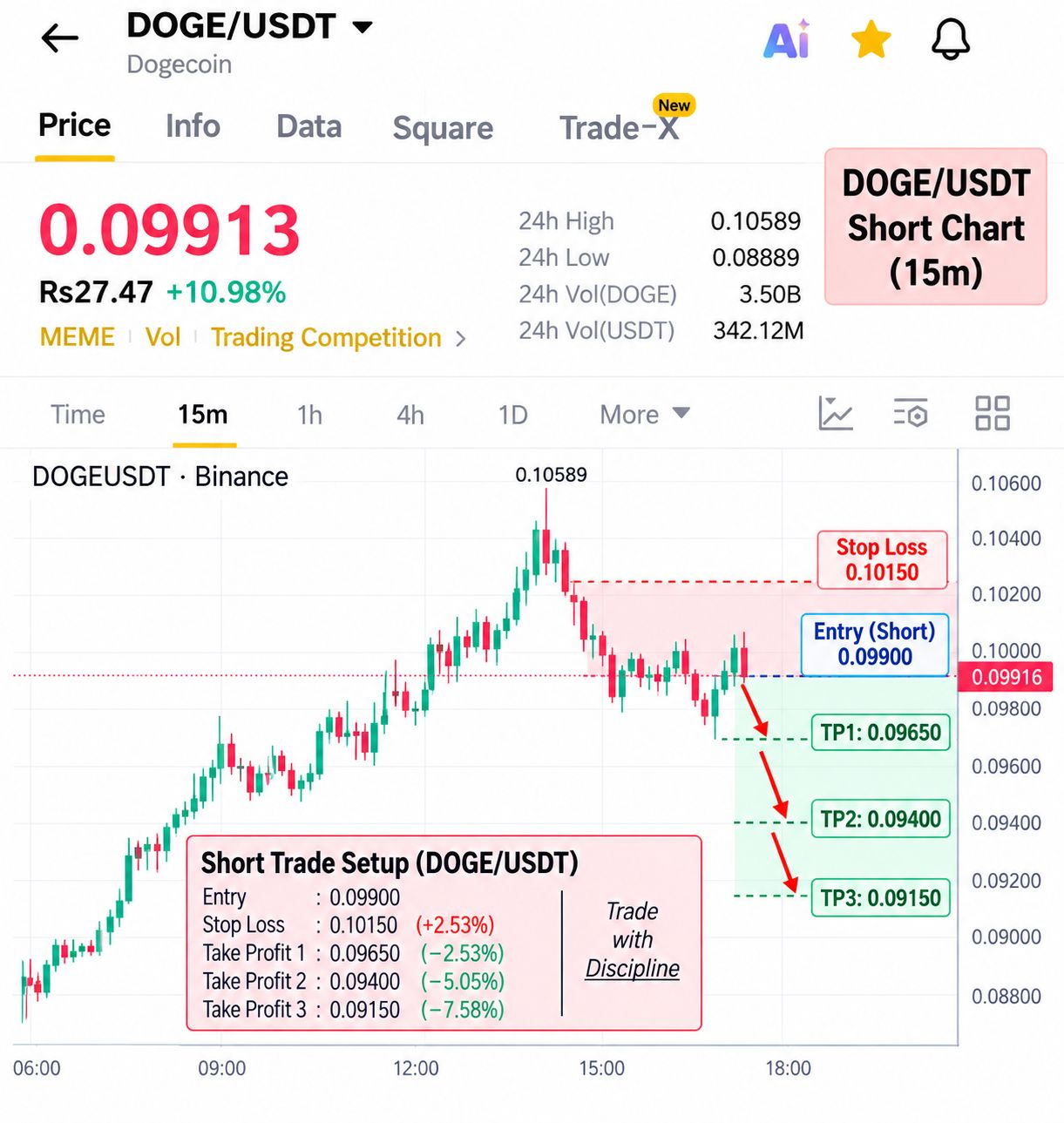
$DOGE Short Trade‼️🤝
Entry: $0.0990–$0.1000
TP1: $0.0970 | TP2: $0.0950 | TP3: $0.0925
SL: $0.1020
$DOGE Short Trade‼️🤝
Entry: $0.0990–$0.1000
TP1: $0.0970 | TP2: $0.0950 | TP3: $0.0925
SL: $0.1020
Entry: $0.0990–$0.1000
TP1: $0.0970 | TP2: $0.0950 | TP3: $0.0925
SL: $0.1020
1
726
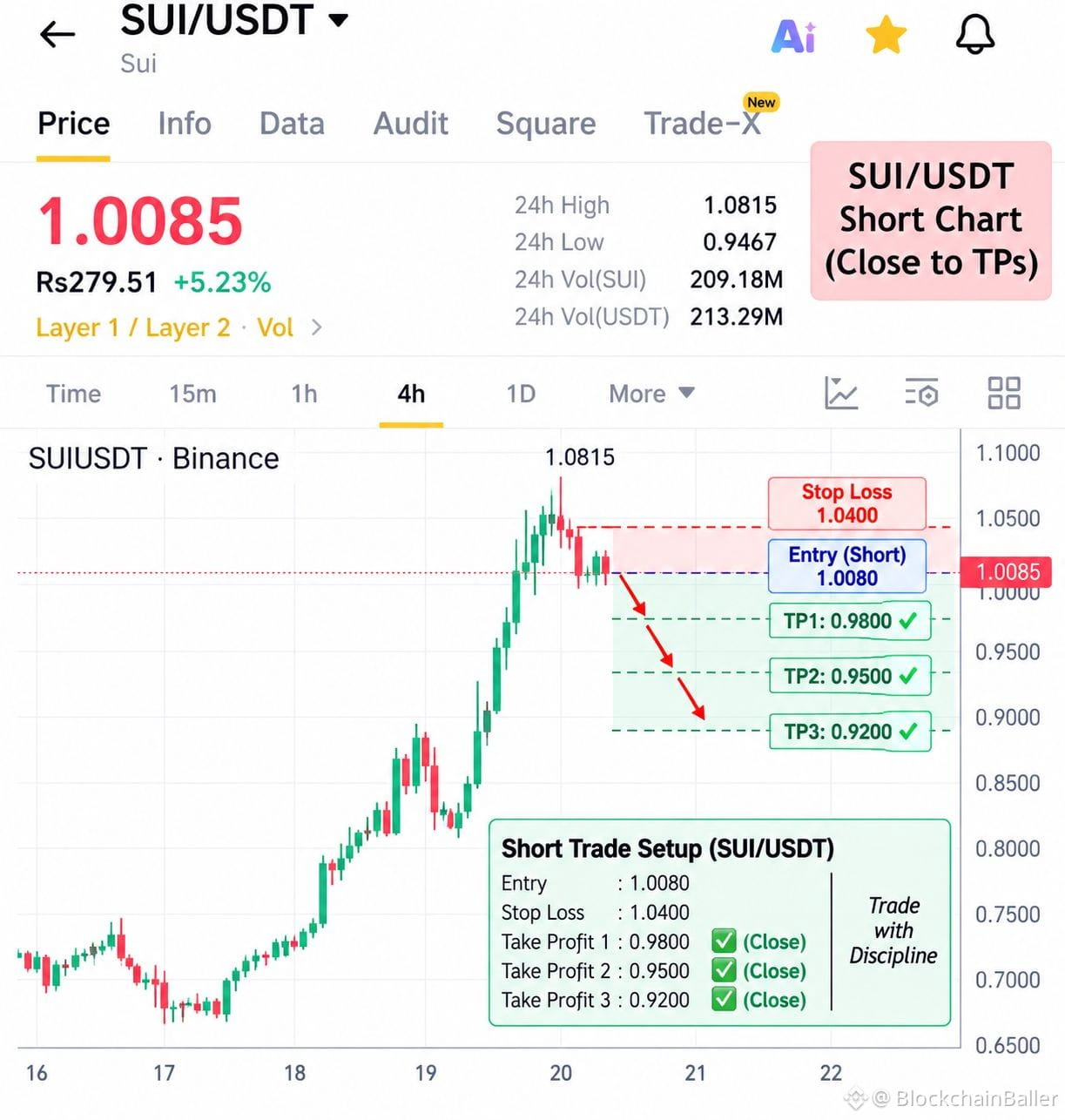
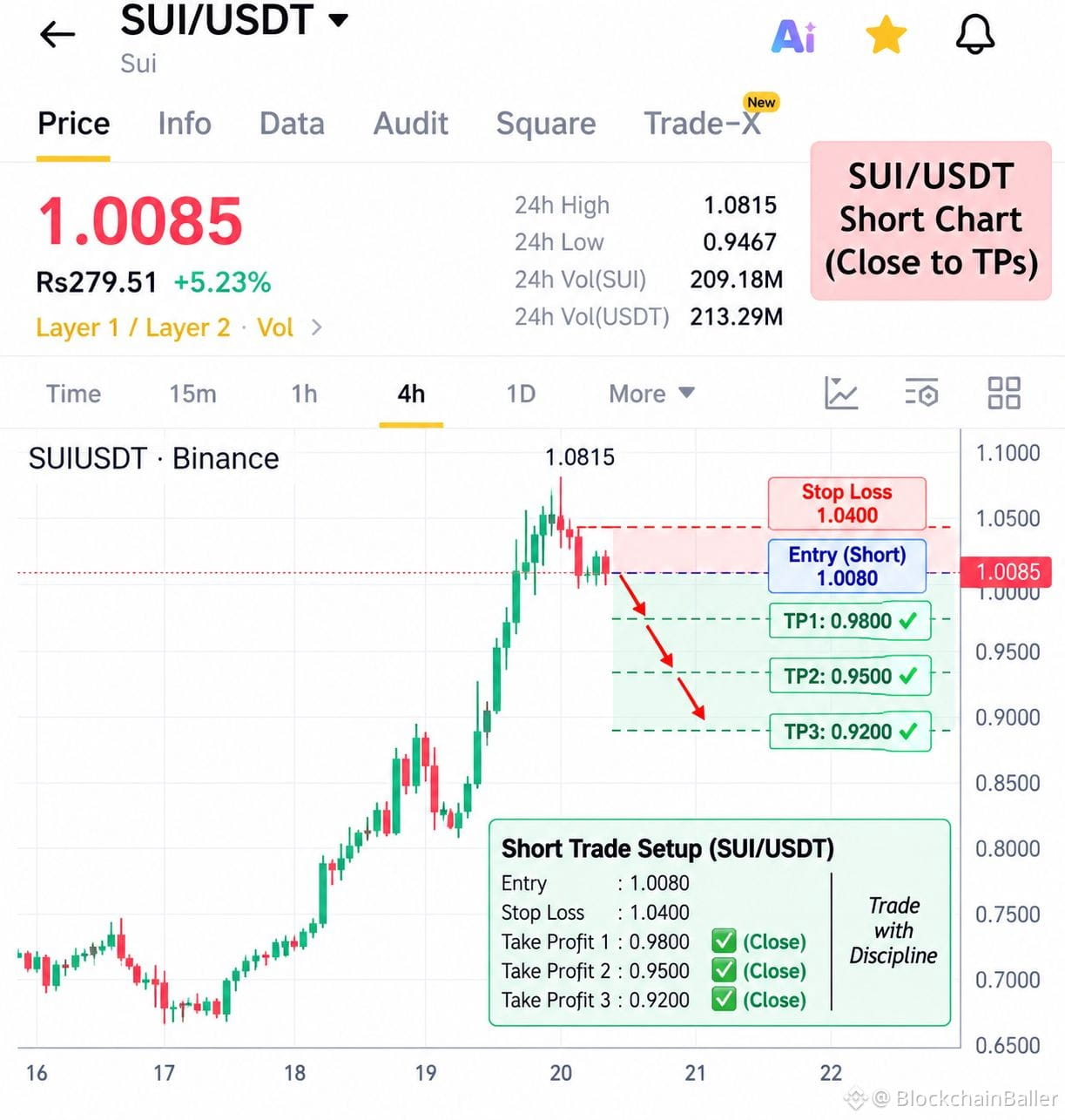
$SUI quick short Trade ‼️ with 20x leverage max
Entry: $1.008–$1.020
TP1: $0.990 | TP2: $0.970 | TP3: $0.950
SL: $1.045
$SUI quick short Trade ‼️ with 20x leverage max
Entry: $1.008–$1.020
TP1: $0.990 | TP2: $0.970 | TP3: $0.950
SL: $1.045
Entry: $1.008–$1.020
TP1: $0.990 | TP2: $0.970 | TP3: $0.950
SL: $1.045
1
2
854
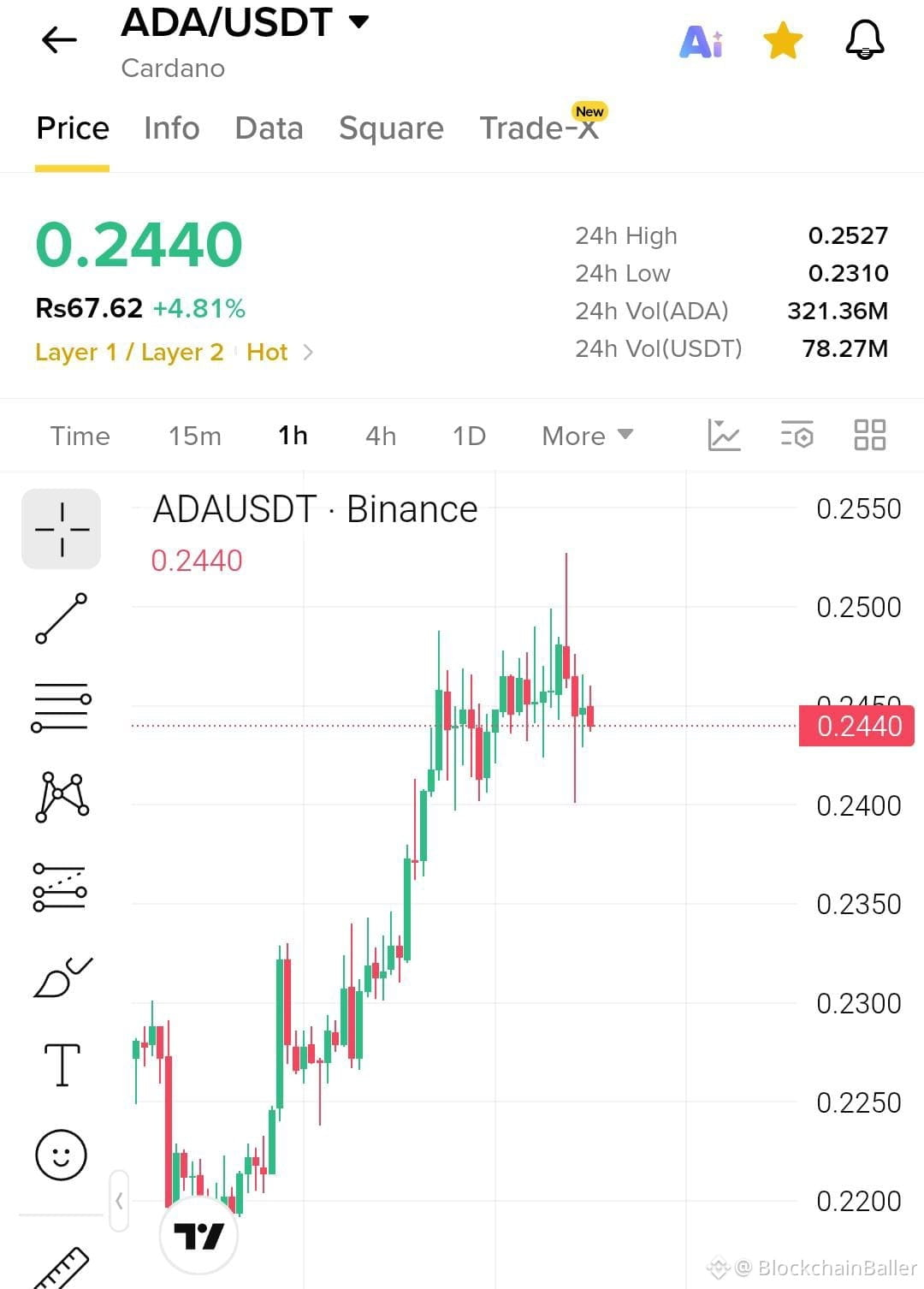
$ADA Short Trade‼️🤝♥️
Entry: $0.243–$0.246
TP1: $0.238 |
TP2: $0.232
SL: $0.253
$ADA Short Trade‼️🤝♥️
Entry: $0.243–$0.246
TP1: $0.238 |
TP2: $0.232
SL: $0.253
Entry: $0.243–$0.246
TP1: $0.238 |
TP2: $0.232
SL: $0.253
1
964
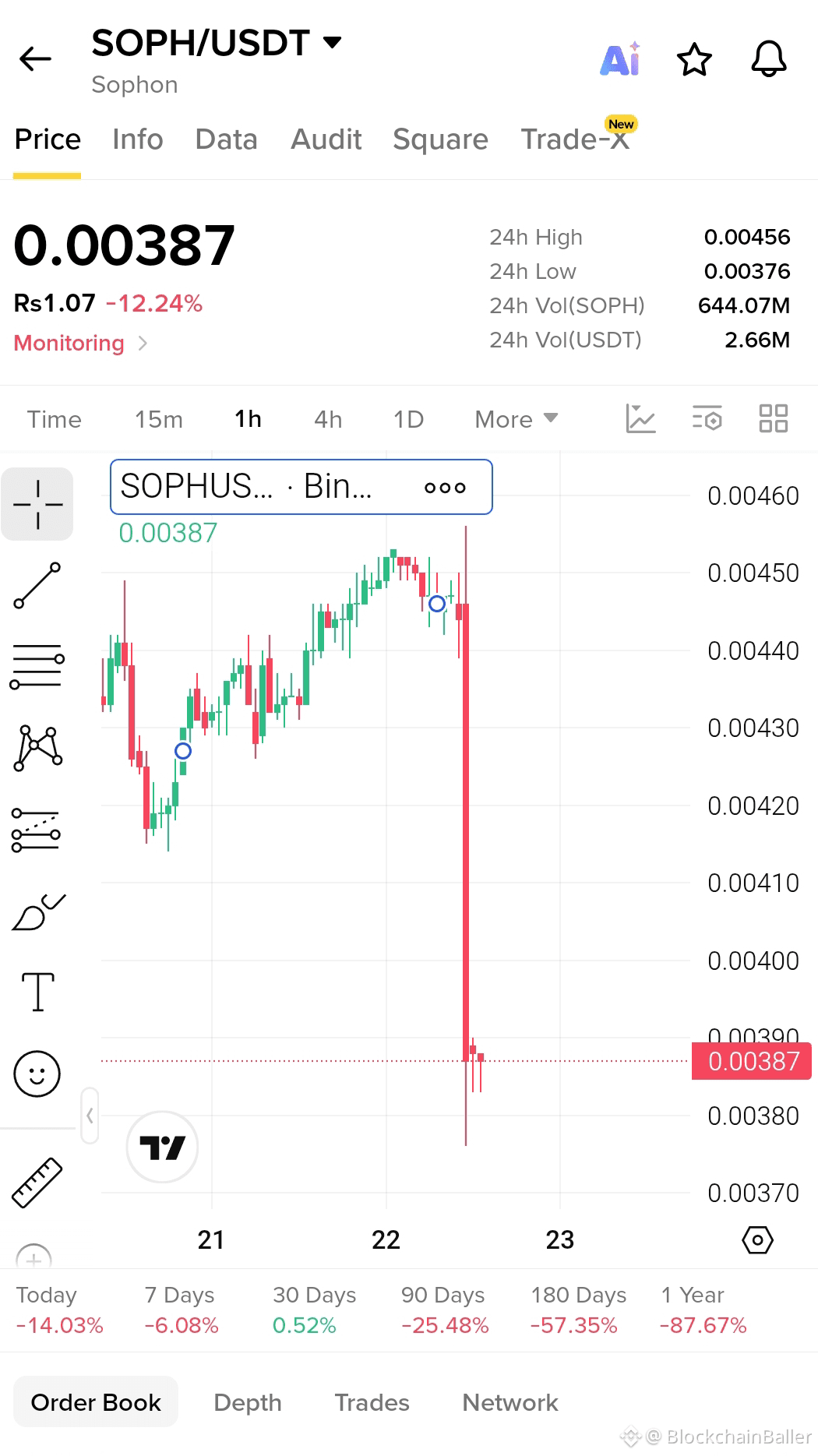
$SOPH SUDDENLY CRASHED 🚨
This is how fast the market can flip. $SOPH dropped from around $0.00445 to $0.00387 in one sharp move.
Anyone chasing the pump near the top just got trapped. After a sudden dump like this, I’m not rushing into a trade I’m watching whether $0.0038 support holds first.
$SOPH SUDDENLY CRASHED 🚨
This is how fast the market can flip. $SOPH dropped from around $0.00445 to $0.00387 in one sharp move.
Anyone chasing the pump near the top just got trapped. After a sudden dump like this, I’m not rushing into a trade I’m watching whether $0.0038 support holds first.
This is how fast the market can flip. $SOPH dropped from around $0.00445 to $0.00387 in one sharp move.
Anyone chasing the pump near the top just got trapped. After a sudden dump like this, I’m not rushing into a trade I’m watching whether $0.0038 support holds first.
2
1.1k
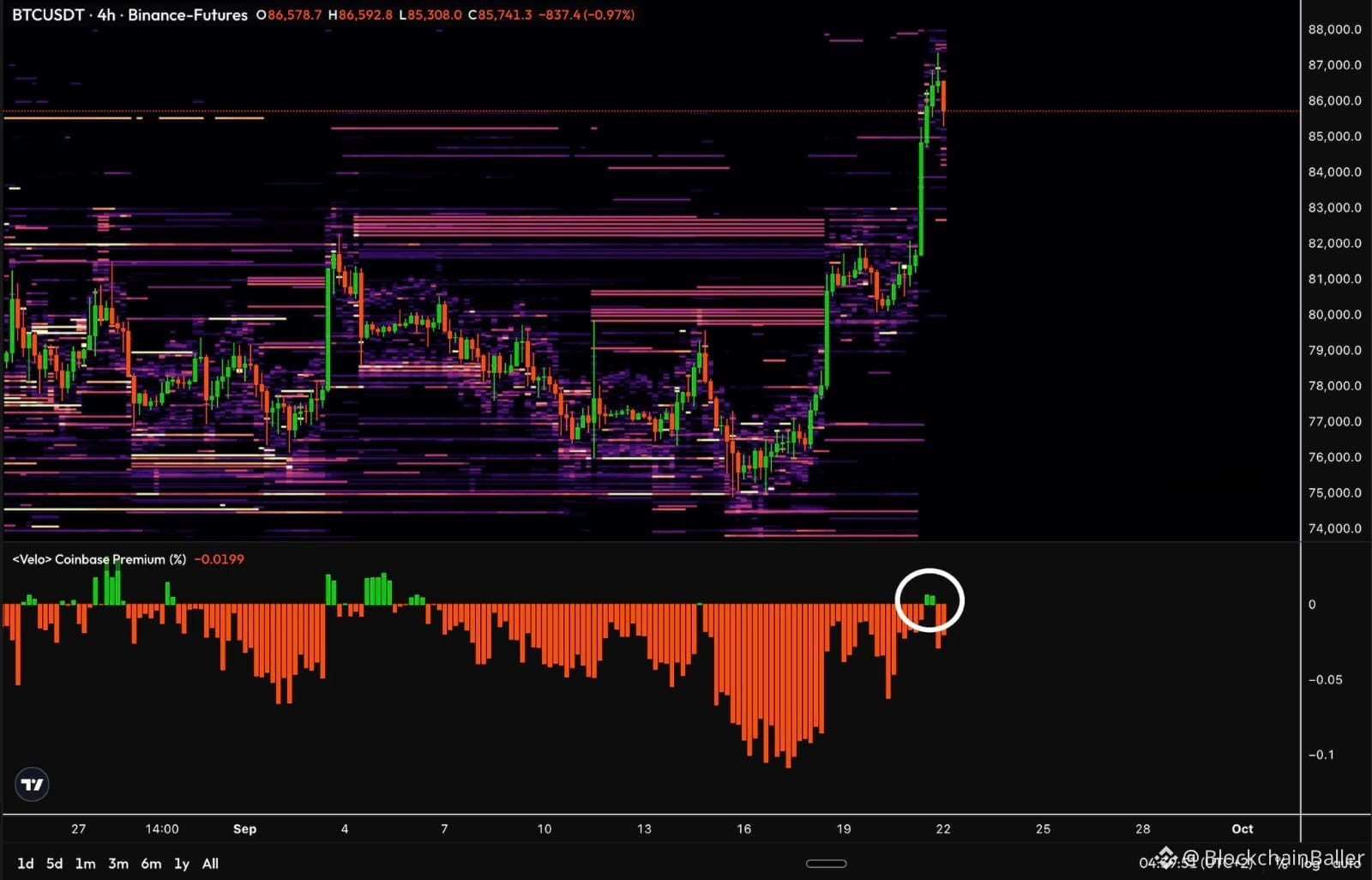
bitcoin coinbase premium turns green...
US buyers are showing more interest in bitcoin. If this buying continues, $BTC could see another move up.
bitcoin coinbase premium turns green...
US buyers are showing more interest in bitcoin. If this buying continues, $BTC could see another move up.
US buyers are showing more interest in bitcoin. If this buying continues, $BTC could see another move up.
3
862
·
--
Bearish
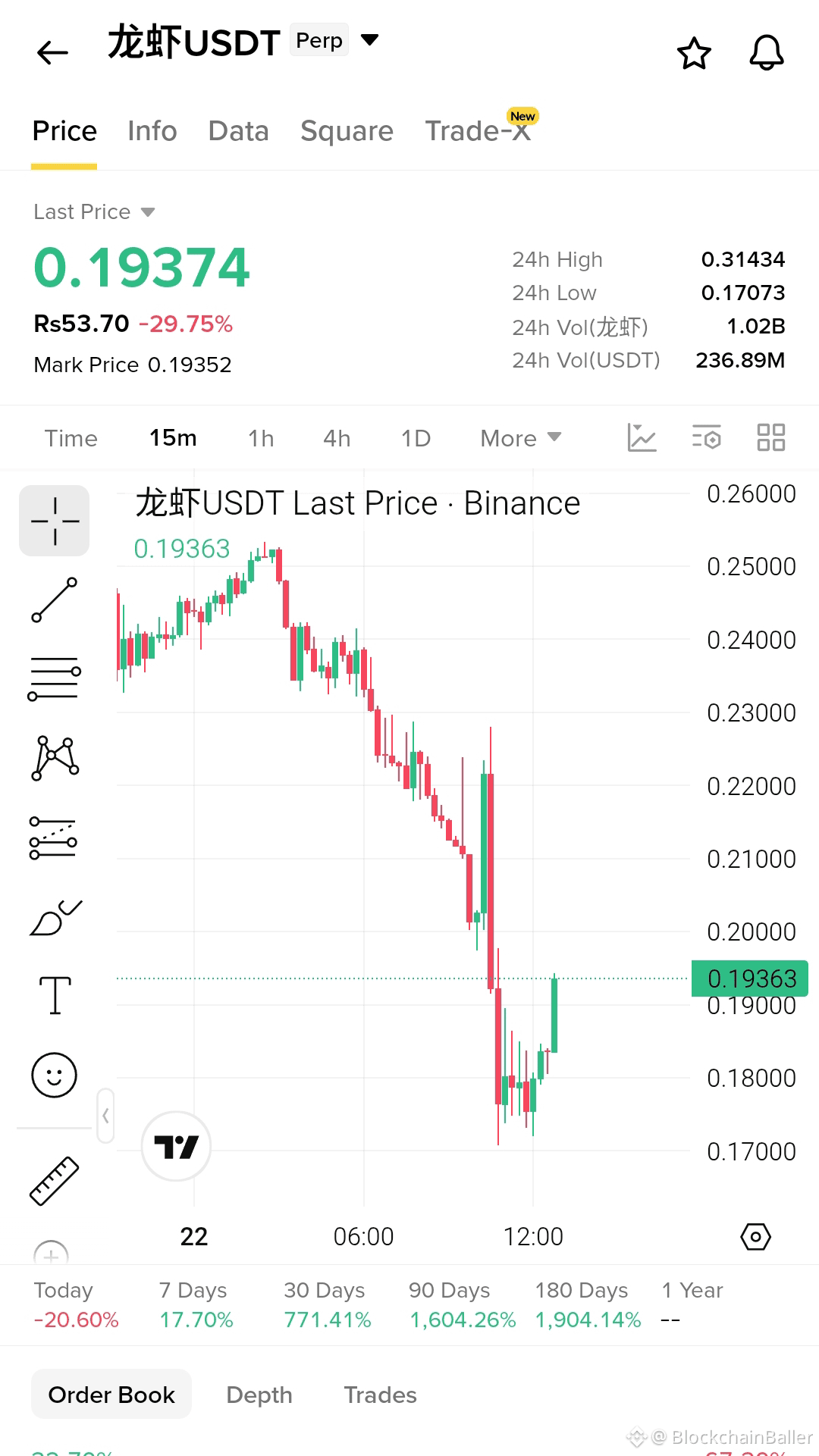
big short $龙虾 noe
Entry: $0.193–$0.196
TP1: $0.187 | TP2: $0.180 | TP3: $0.173
SL: $0.202
big short $龙虾 noe
Entry: $0.193–$0.196
TP1: $0.187 | TP2: $0.180 | TP3: $0.173
SL: $0.202
Entry: $0.193–$0.196
TP1: $0.187 | TP2: $0.180 | TP3: $0.173
SL: $0.202
1
1.4k
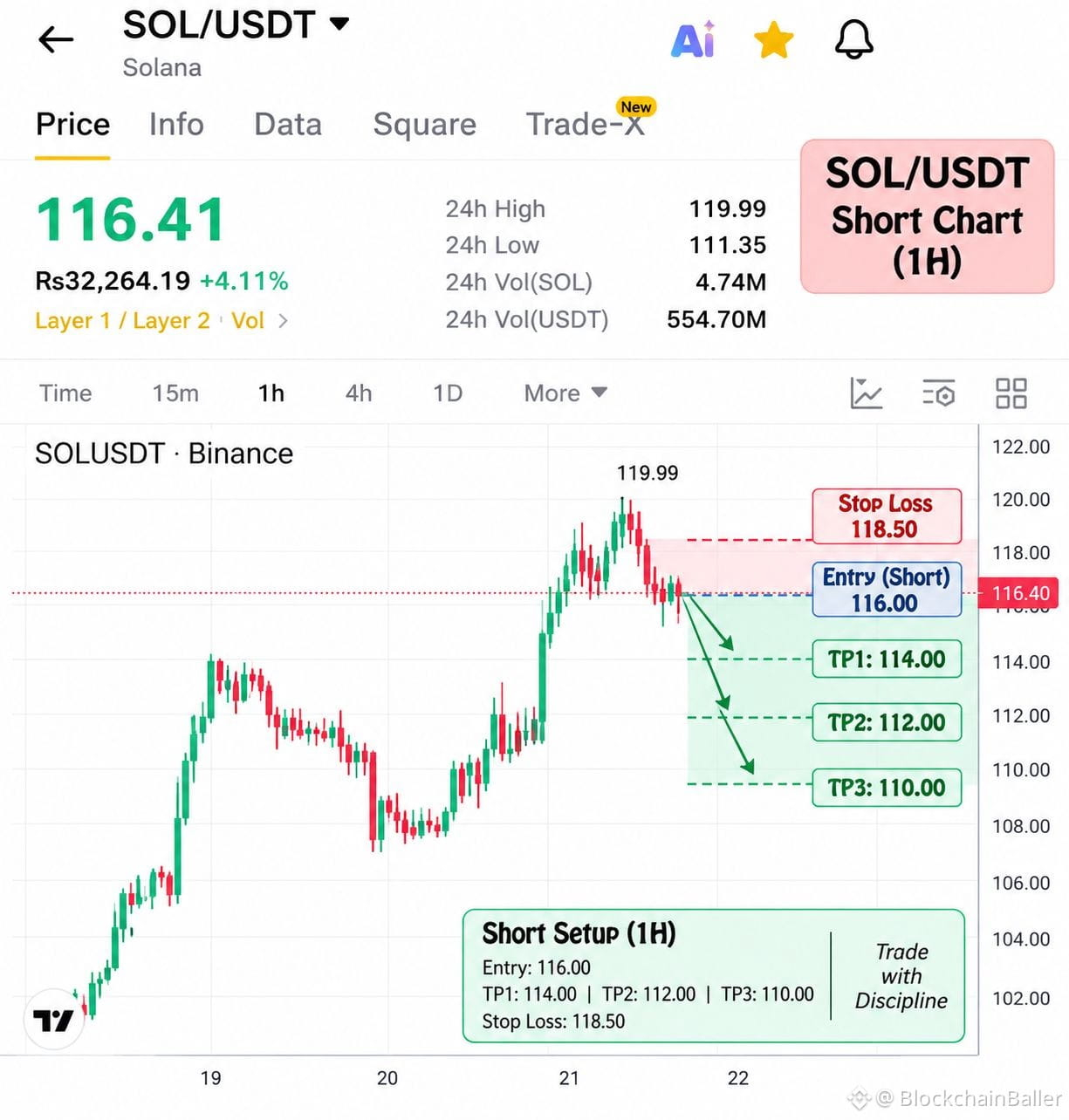
$SOL Short Trade‼️🤝♥️ 40x leverage
Entry: $116.40–$117.20
TP1: $114.80 | TP2: $112.50 |
SL: $119.20
$SOL Short Trade‼️🤝♥️ 40x leverage
Entry: $116.40–$117.20
TP1: $114.80 | TP2: $112.50 |
SL: $119.20
Entry: $116.40–$117.20
TP1: $114.80 | TP2: $112.50 |
SL: $119.20
2
9
1.9k
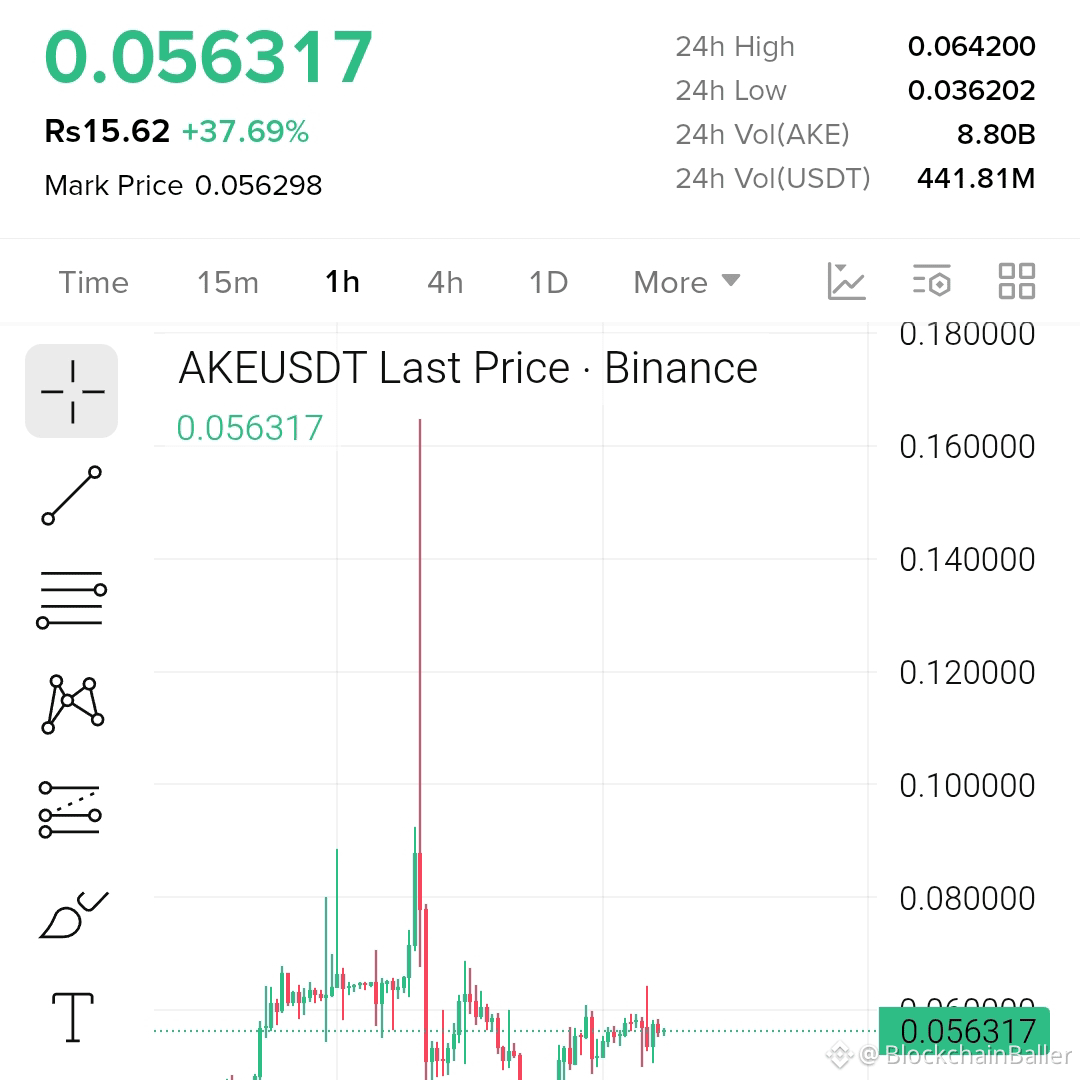
$AKE ehort Trade
Entry: $0.0560 – $0.0575
TP1: $0.0530 | TP2: $0.0500 | TP3: $0.0460
SL: $0.0605
$AKE ehort Trade
Entry: $0.0560 – $0.0575
TP1: $0.0530 | TP2: $0.0500 | TP3: $0.0460
SL: $0.0605
Entry: $0.0560 – $0.0575
TP1: $0.0530 | TP2: $0.0500 | TP3: $0.0460
SL: $0.0605
5
1.8k
·
--
Bearish
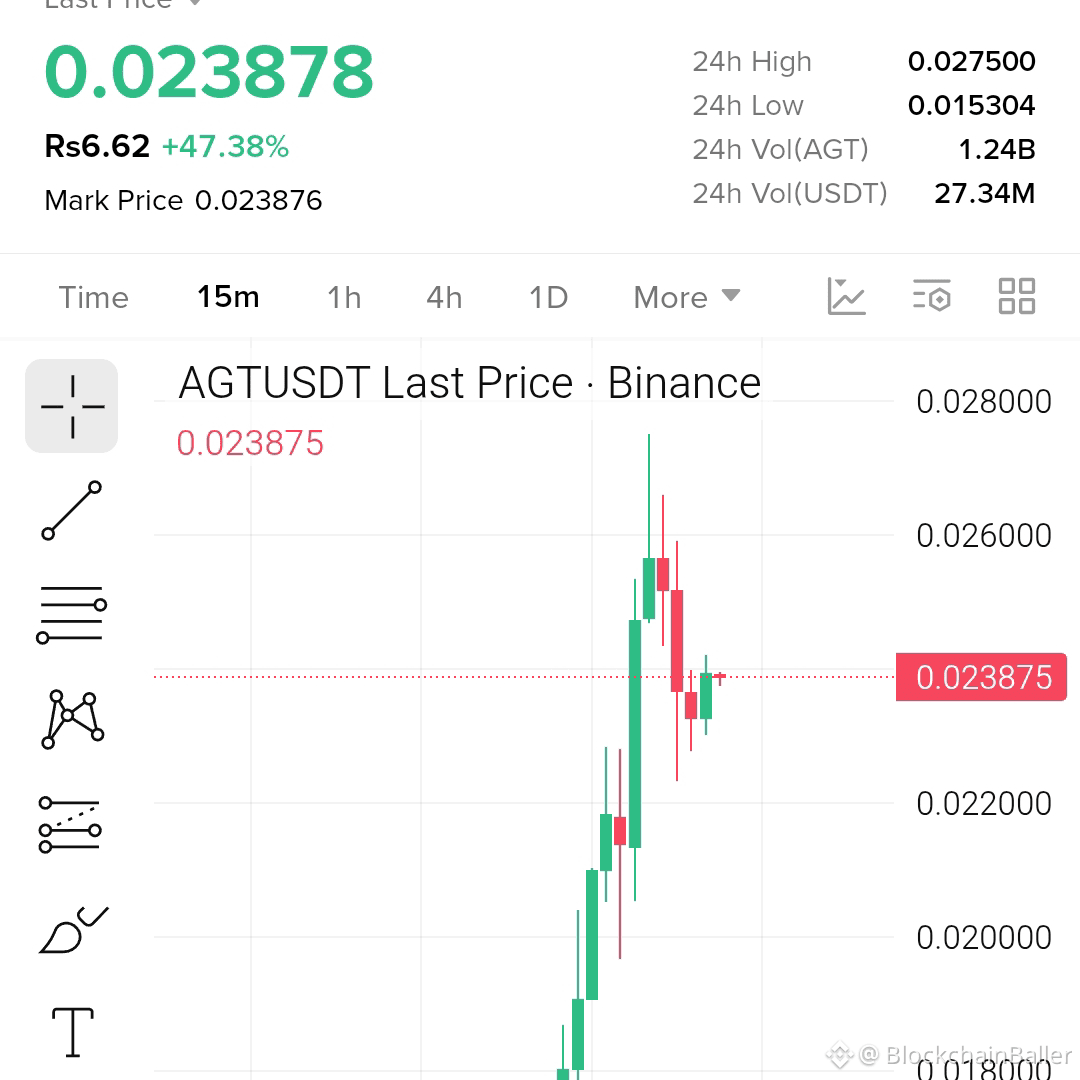
$AGT Short now
Entry: $0.0238 – $0.0242
TP: $0.0210
SL: $0.0252
$AGT Short now
Entry: $0.0238 – $0.0242
TP: $0.0210
SL: $0.0252
Entry: $0.0238 – $0.0242
TP: $0.0210
SL: $0.0252
3
3
1.1k
·
--
Bearish
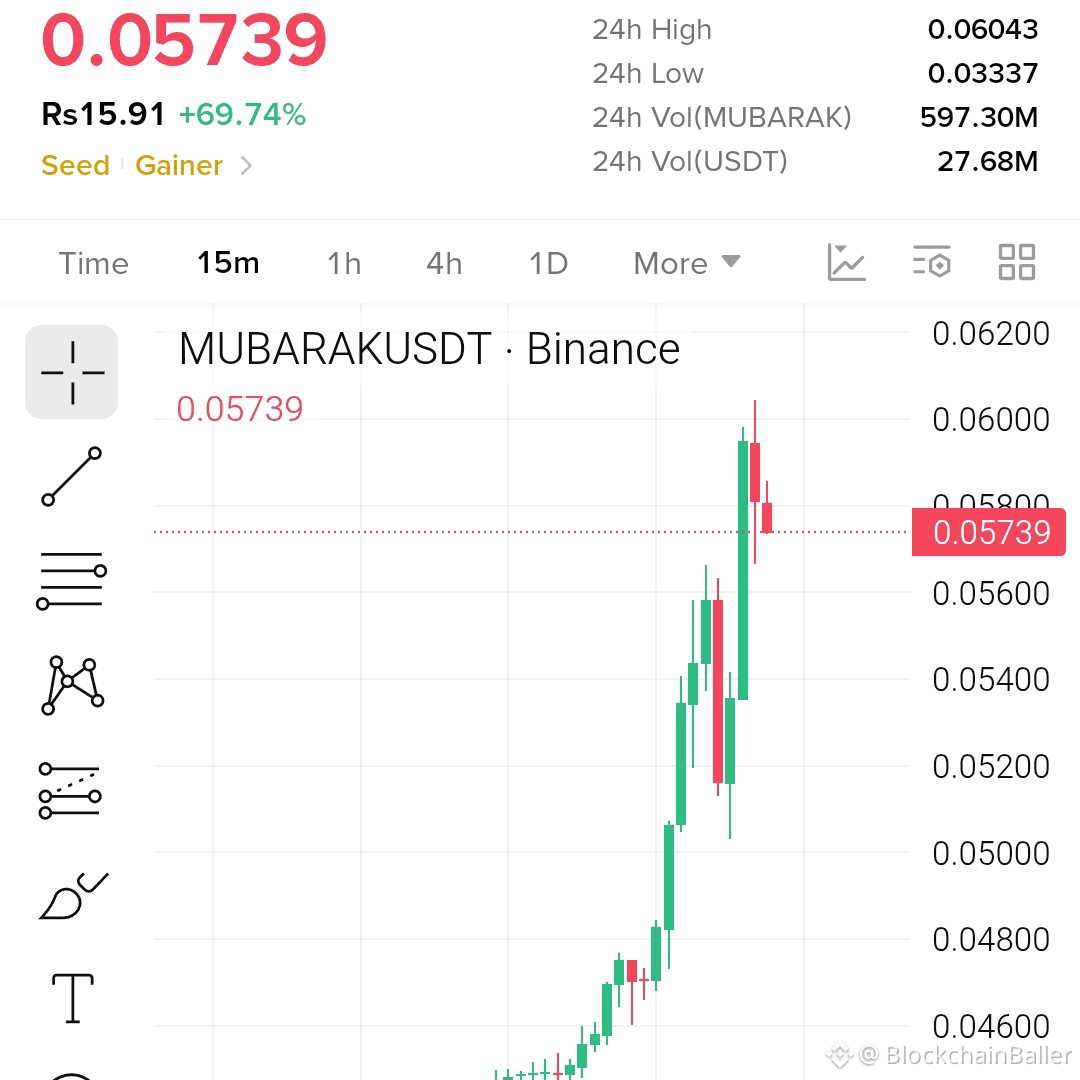
guy's Close long position and open short $MUBARAK now with 10x leverage 🤝♥️
Entry: $0.0574 – $0.0582
TP1: $0.0560 | TP2: $0.0545 | TP3: $0.0520
SL: $0.0605
guy's Close long position and open short $MUBARAK now with 10x leverage 🤝♥️
Entry: $0.0574 – $0.0582
TP1: $0.0560 | TP2: $0.0545 | TP3: $0.0520
SL: $0.0605
Entry: $0.0574 – $0.0582
TP1: $0.0560 | TP2: $0.0545 | TP3: $0.0520
SL: $0.0605
3
5
1.6k
Verified
Article
XRP Is Back in Focus What Could Drive Its Next Big Move?XRP is back on traders’ radar.....
But this time, the story isn’t only about price speculation. ETF demand, institutional activity, growth on the XRP Ledger and Ripple’s expanding financial infrastructure are all giving the market new reasons to watch XRP.
One of the biggest changes has been the arrival of spot XRP ETFs in the United States.
At the beginning of September, U.S. spot XRP ETFs recorded 11 consecutive trading sessions of inflows, bringing in around $170 million during that streak. Total inflows since their November 2025 launches had reached roughly $1.68 billion.
That matters because ETFs make XRP exposure much easier for traditional investors.
Instead of setting up crypto wallets or directly holding XRP, investors can gain exposure through familiar regulated investment products. Institutional filings have also shown firms including Goldman Sachs, Jane Street and Millennium among professional holders of XRP funds, although those filings don't reveal whether positions are hedged.
But ETFs alone probably won't determine XRP's longer-term direction.
The bigger question is whether real activity on the XRP Ledger can continue growing.
Recent data gives an interesting picture.
During the second quarter of 2026, XRP Ledger order-book trading volume increased about 79% year over year, even though the number of accounts initiating those trades declined by roughly 41%.
That means fewer accounts were trading, but the accounts that remained active were moving significantly more value.
The growth of tokenized assets is even more interesting.
Average tokenized assets on XRPL reached approximately $3.72 billion during Q2. When average RLUSD balances are included, the value held on the network was around $4.26 billion, compared with only about $99 million six quarters earlier.
This connects XRP to another major crypto narrative: real-world asset tokenization.
Ripple has been building further in this direction. In August, the company announced investments in ZILO and Licuido as part of an effort to expand regulated issuance, tokenization and collateral infrastructure connected with XRPL.
Then there is RLUSD, Ripple's dollar-backed stablecoin.
RLUSD has become an increasingly important part of the ecosystem. Ripple has also introduced Ripple Mint, which gives institutional customers infrastructure for minting, redeeming and managing RLUSD.
Why should XRP holders care about a stablecoin?
Because XRP and RLUSD can serve different purposes within the same ecosystem. Ripple says XRP can complement RLUSD across liquidity, settlement, swaps, collateral and payment activity as the stablecoin expands across different networks.
Another emerging narrative is AI payments.
Earlier this year, Ripple introduced an XRPL AI Starter Kit designed to let developers build applications where AI agents can make payments using XRP and RLUSD.
It is still an early area, but it creates another potential use case.
Imagine software paying automatically for APIs, computing power or digital services without someone manually approving every small transaction.
Networks offering fast and inexpensive settlement could become useful infrastructure for that type of machine-to-machine economy.
There is also a regulatory side to the XRP story.
The U.S. CLARITY Act failed to advance in the Senate on September 15. Ripple said the result does not change XRP's existing legal position, although the broader U.S. crypto industry still lacks the comprehensive federal market-structure framework the legislation sought to establish.
So XRP's next move could depend on several forces working together.
ETF flows can show whether investment demand is strengthening or weakening.
XRPL activity can show whether the underlying network is gaining meaningful usage.
RLUSD and tokenized assets can show whether Ripple's institutional strategy is translating into more activity on the ledger.
And the wider crypto market still matters. Even strong individual narratives can struggle when Bitcoin and the overall market are under heavy selling pressure.
There is also one important distinction traders should remember.
Ripple growing does not automatically mean XRP must rise.
The stronger long-term case would come from evidence that Ripple's expansion, tokenization, payments and institutional adoption create greater demand or utility for XRP itself.
That may be the most important thing to watch.
XRP already has institutional investment products. XRPL is handling more value. Tokenized assets and RLUSD are expanding. Ripple continues building financial infrastructure.
Now the market needs to see how much of that growth ultimately flows back to XRP itself.
That is why XRP is back in focus.
The next big move may not depend on hype alone — it could depend on whether growing XRP Ledger adoption creates real, measurable demand for XRP.
XRP Is Back in Focus What Could Drive Its Next Big Move?
XRP is back on traders’ radar.....
But this time, the story isn’t only about price speculation. ETF demand, institutional activity, growth on the XRP Ledger and Ripple’s expanding financial infrastructure are all giving the market new reasons to watch XRP.
One of the biggest changes has been the arrival of spot XRP ETFs in the United States.
At the beginning of September, U.S. spot XRP ETFs recorded 11 consecutive trading sessions of inflows, bringing in around $170 million during that streak. Total inflows since their November 2025 launches had reached roughly $1.68 billion.
That matters because ETFs make XRP exposure much easier for traditional investors.
Instead of setting up crypto wallets or directly holding XRP, investors can gain exposure through familiar regulated investment products. Institutional filings have also shown firms including Goldman Sachs, Jane Street and Millennium among professional holders of XRP funds, although those filings don't reveal whether positions are hedged.
But ETFs alone probably won't determine XRP's longer-term direction.
The bigger question is whether real activity on the XRP Ledger can continue growing.
Recent data gives an interesting picture.
During the second quarter of 2026, XRP Ledger order-book trading volume increased about 79% year over year, even though the number of accounts initiating those trades declined by roughly 41%.
That means fewer accounts were trading, but the accounts that remained active were moving significantly more value.
The growth of tokenized assets is even more interesting.
Average tokenized assets on XRPL reached approximately $3.72 billion during Q2. When average RLUSD balances are included, the value held on the network was around $4.26 billion, compared with only about $99 million six quarters earlier.
This connects XRP to another major crypto narrative: real-world asset tokenization.
Ripple has been building further in this direction. In August, the company announced investments in ZILO and Licuido as part of an effort to expand regulated issuance, tokenization and collateral infrastructure connected with XRPL.
Then there is RLUSD, Ripple's dollar-backed stablecoin.
RLUSD has become an increasingly important part of the ecosystem. Ripple has also introduced Ripple Mint, which gives institutional customers infrastructure for minting, redeeming and managing RLUSD.
Why should XRP holders care about a stablecoin?
Because XRP and RLUSD can serve different purposes within the same ecosystem. Ripple says XRP can complement RLUSD across liquidity, settlement, swaps, collateral and payment activity as the stablecoin expands across different networks.
Another emerging narrative is AI payments.
Earlier this year, Ripple introduced an XRPL AI Starter Kit designed to let developers build applications where AI agents can make payments using XRP and RLUSD.
It is still an early area, but it creates another potential use case.
Imagine software paying automatically for APIs, computing power or digital services without someone manually approving every small transaction.
Networks offering fast and inexpensive settlement could become useful infrastructure for that type of machine-to-machine economy.
There is also a regulatory side to the XRP story.
The U.S. CLARITY Act failed to advance in the Senate on September 15. Ripple said the result does not change XRP's existing legal position, although the broader U.S. crypto industry still lacks the comprehensive federal market-structure framework the legislation sought to establish.
So XRP's next move could depend on several forces working together.
ETF flows can show whether investment demand is strengthening or weakening.
XRPL activity can show whether the underlying network is gaining meaningful usage.
RLUSD and tokenized assets can show whether Ripple's institutional strategy is translating into more activity on the ledger.
And the wider crypto market still matters. Even strong individual narratives can struggle when Bitcoin and the overall market are under heavy selling pressure.
There is also one important distinction traders should remember.
Ripple growing does not automatically mean XRP must rise.
The stronger long-term case would come from evidence that Ripple's expansion, tokenization, payments and institutional adoption create greater demand or utility for XRP itself.
That may be the most important thing to watch.
XRP already has institutional investment products. XRPL is handling more value. Tokenized assets and RLUSD are expanding. Ripple continues building financial infrastructure.
Now the market needs to see how much of that growth ultimately flows back to XRP itself.
That is why XRP is back in focus.
The next big move may not depend on hype alone — it could depend on whether growing XRP Ledger adoption creates real, measurable demand for XRP.
But this time, the story isn’t only about price speculation. ETF demand, institutional activity, growth on the XRP Ledger and Ripple’s expanding financial infrastructure are all giving the market new reasons to watch XRP.
One of the biggest changes has been the arrival of spot XRP ETFs in the United States.
At the beginning of September, U.S. spot XRP ETFs recorded 11 consecutive trading sessions of inflows, bringing in around $170 million during that streak. Total inflows since their November 2025 launches had reached roughly $1.68 billion.
That matters because ETFs make XRP exposure much easier for traditional investors.
Instead of setting up crypto wallets or directly holding XRP, investors can gain exposure through familiar regulated investment products. Institutional filings have also shown firms including Goldman Sachs, Jane Street and Millennium among professional holders of XRP funds, although those filings don't reveal whether positions are hedged.
But ETFs alone probably won't determine XRP's longer-term direction.
The bigger question is whether real activity on the XRP Ledger can continue growing.
Recent data gives an interesting picture.
During the second quarter of 2026, XRP Ledger order-book trading volume increased about 79% year over year, even though the number of accounts initiating those trades declined by roughly 41%.
That means fewer accounts were trading, but the accounts that remained active were moving significantly more value.
The growth of tokenized assets is even more interesting.
Average tokenized assets on XRPL reached approximately $3.72 billion during Q2. When average RLUSD balances are included, the value held on the network was around $4.26 billion, compared with only about $99 million six quarters earlier.
This connects XRP to another major crypto narrative: real-world asset tokenization.
Ripple has been building further in this direction. In August, the company announced investments in ZILO and Licuido as part of an effort to expand regulated issuance, tokenization and collateral infrastructure connected with XRPL.
Then there is RLUSD, Ripple's dollar-backed stablecoin.
RLUSD has become an increasingly important part of the ecosystem. Ripple has also introduced Ripple Mint, which gives institutional customers infrastructure for minting, redeeming and managing RLUSD.
Why should XRP holders care about a stablecoin?
Because XRP and RLUSD can serve different purposes within the same ecosystem. Ripple says XRP can complement RLUSD across liquidity, settlement, swaps, collateral and payment activity as the stablecoin expands across different networks.
Another emerging narrative is AI payments.
Earlier this year, Ripple introduced an XRPL AI Starter Kit designed to let developers build applications where AI agents can make payments using XRP and RLUSD.
It is still an early area, but it creates another potential use case.
Imagine software paying automatically for APIs, computing power or digital services without someone manually approving every small transaction.
Networks offering fast and inexpensive settlement could become useful infrastructure for that type of machine-to-machine economy.
There is also a regulatory side to the XRP story.
The U.S. CLARITY Act failed to advance in the Senate on September 15. Ripple said the result does not change XRP's existing legal position, although the broader U.S. crypto industry still lacks the comprehensive federal market-structure framework the legislation sought to establish.
So XRP's next move could depend on several forces working together.
ETF flows can show whether investment demand is strengthening or weakening.
XRPL activity can show whether the underlying network is gaining meaningful usage.
RLUSD and tokenized assets can show whether Ripple's institutional strategy is translating into more activity on the ledger.
And the wider crypto market still matters. Even strong individual narratives can struggle when Bitcoin and the overall market are under heavy selling pressure.
There is also one important distinction traders should remember.
Ripple growing does not automatically mean XRP must rise.
The stronger long-term case would come from evidence that Ripple's expansion, tokenization, payments and institutional adoption create greater demand or utility for XRP itself.
That may be the most important thing to watch.
XRP already has institutional investment products. XRPL is handling more value. Tokenized assets and RLUSD are expanding. Ripple continues building financial infrastructure.
Now the market needs to see how much of that growth ultimately flows back to XRP itself.
That is why XRP is back in focus.
The next big move may not depend on hype alone — it could depend on whether growing XRP Ledger adoption creates real, measurable demand for XRP.
2
1.1k
$SUI quick short
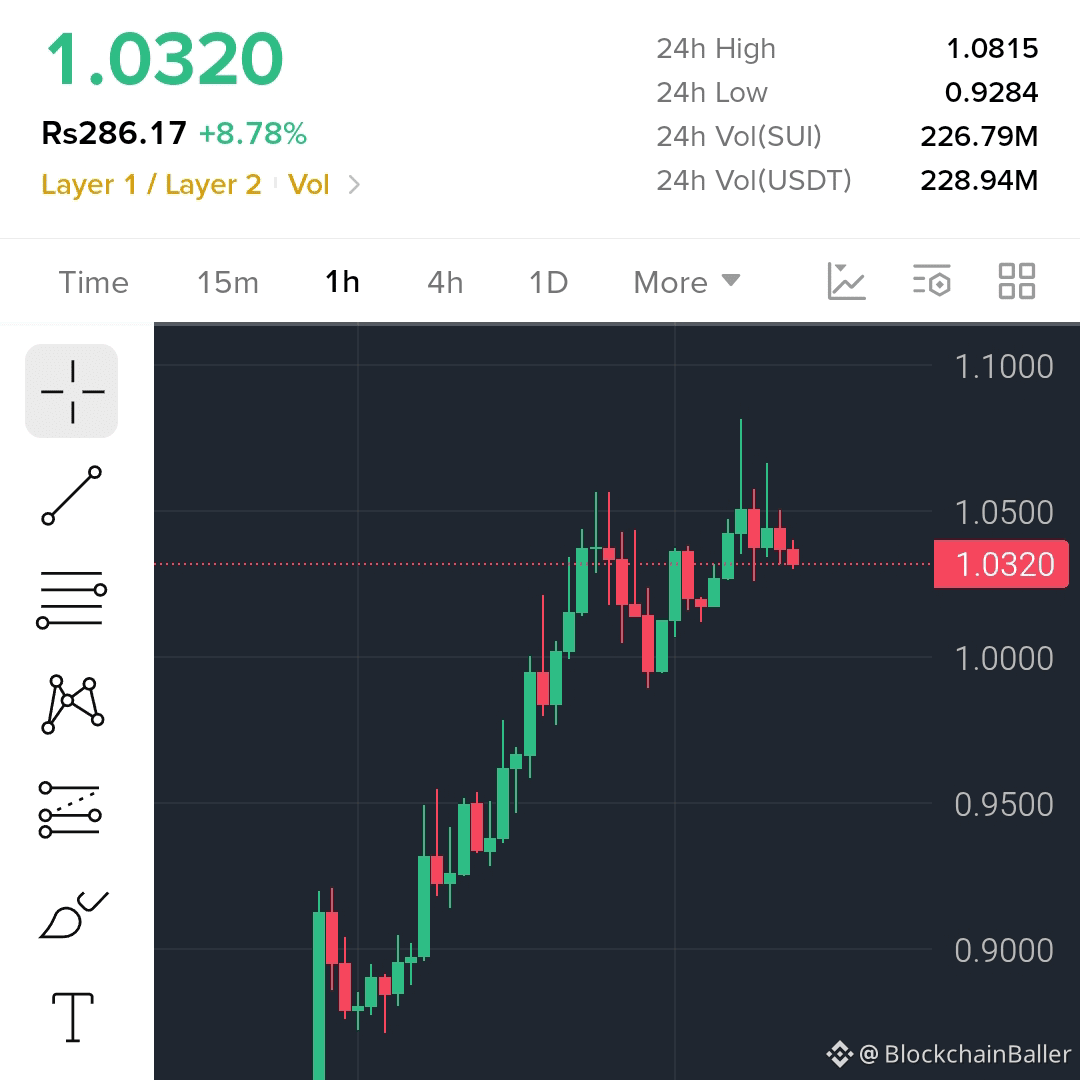
I’m looking for a short around $1.03–$1.045.
Entry: $1.030–$1.045
TP1: $1.010 | TP2: $0.990 | TP3: $0.960
SL: $1.065
SUI is struggling around the recent highs after a strong run. I’m keeping this as a small scalp with a proper SL.
$SUI quick short
I’m looking for a short around $1.03–$1.045.
Entry: $1.030–$1.045
TP1: $1.010 | TP2: $0.990 | TP3: $0.960
SL: $1.065
SUI is struggling around the recent highs after a strong run. I’m keeping this as a small scalp with a proper SL.
I’m looking for a short around $1.03–$1.045.
Entry: $1.030–$1.045
TP1: $1.010 | TP2: $0.990 | TP3: $0.960
SL: $1.065
SUI is struggling around the recent highs after a strong run. I’m keeping this as a small scalp with a proper SL.
4
1.7k
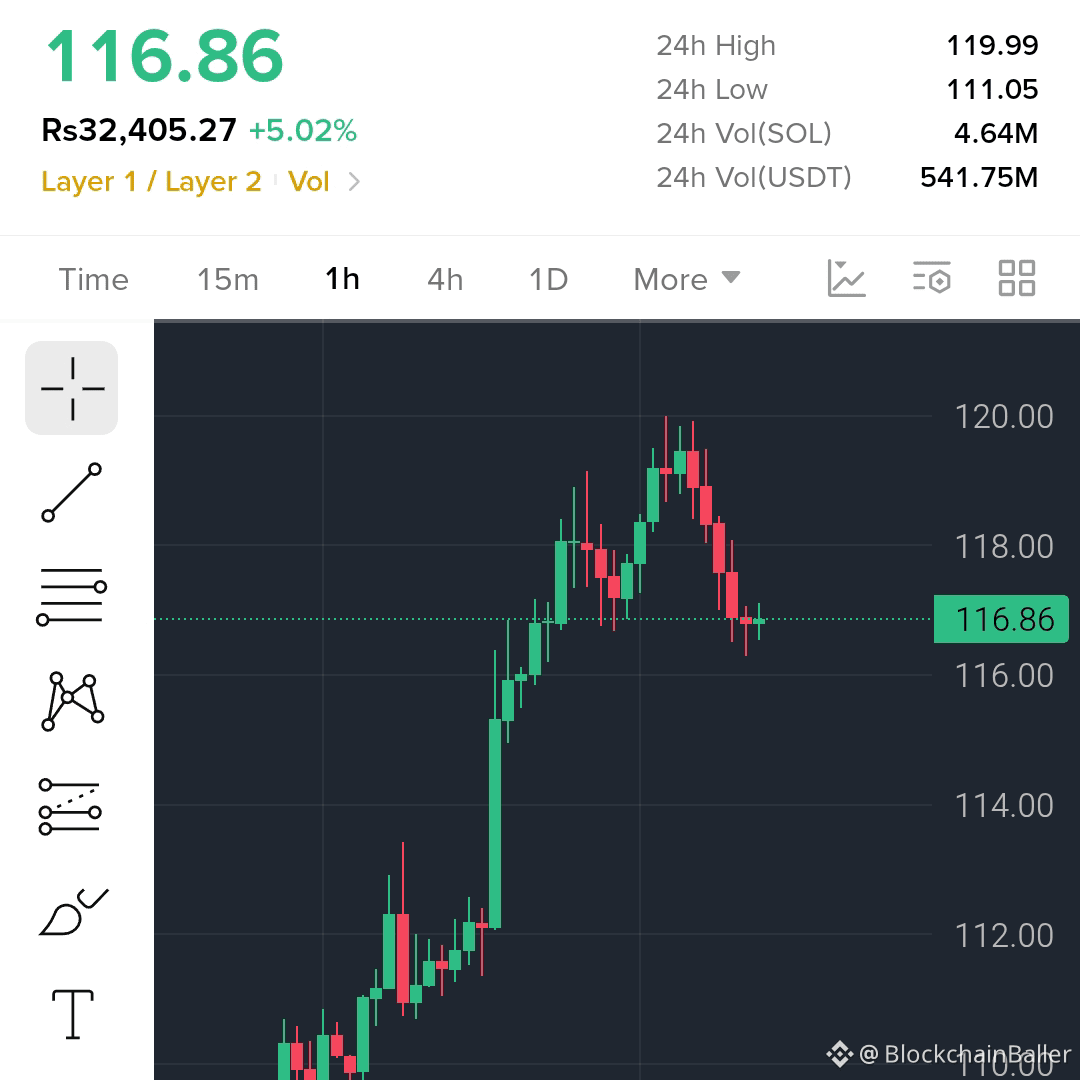
$SOL Short Trade because I’m Expecting a Pullback 📉
I’m looking for a short around $116.8–$117.3.
Entry: $116.8–$117.3
TP1: $115.5 | TP2: $114.2 | TP3: $112.5
SL: $118.6
SOL rejected near $120 and momentum is cooling. I’d keep this as a small scalp with proper risk management.
$SOL Short Trade because I’m Expecting a Pullback 📉
I’m looking for a short around $116.8–$117.3.
Entry: $116.8–$117.3
TP1: $115.5 | TP2: $114.2 | TP3: $112.5
SL: $118.6
SOL rejected near $120 and momentum is cooling. I’d keep this as a small scalp with proper risk management.
I’m looking for a short around $116.8–$117.3.
Entry: $116.8–$117.3
TP1: $115.5 | TP2: $114.2 | TP3: $112.5
SL: $118.6
SOL rejected near $120 and momentum is cooling. I’d keep this as a small scalp with proper risk management.
5
7
1.9k
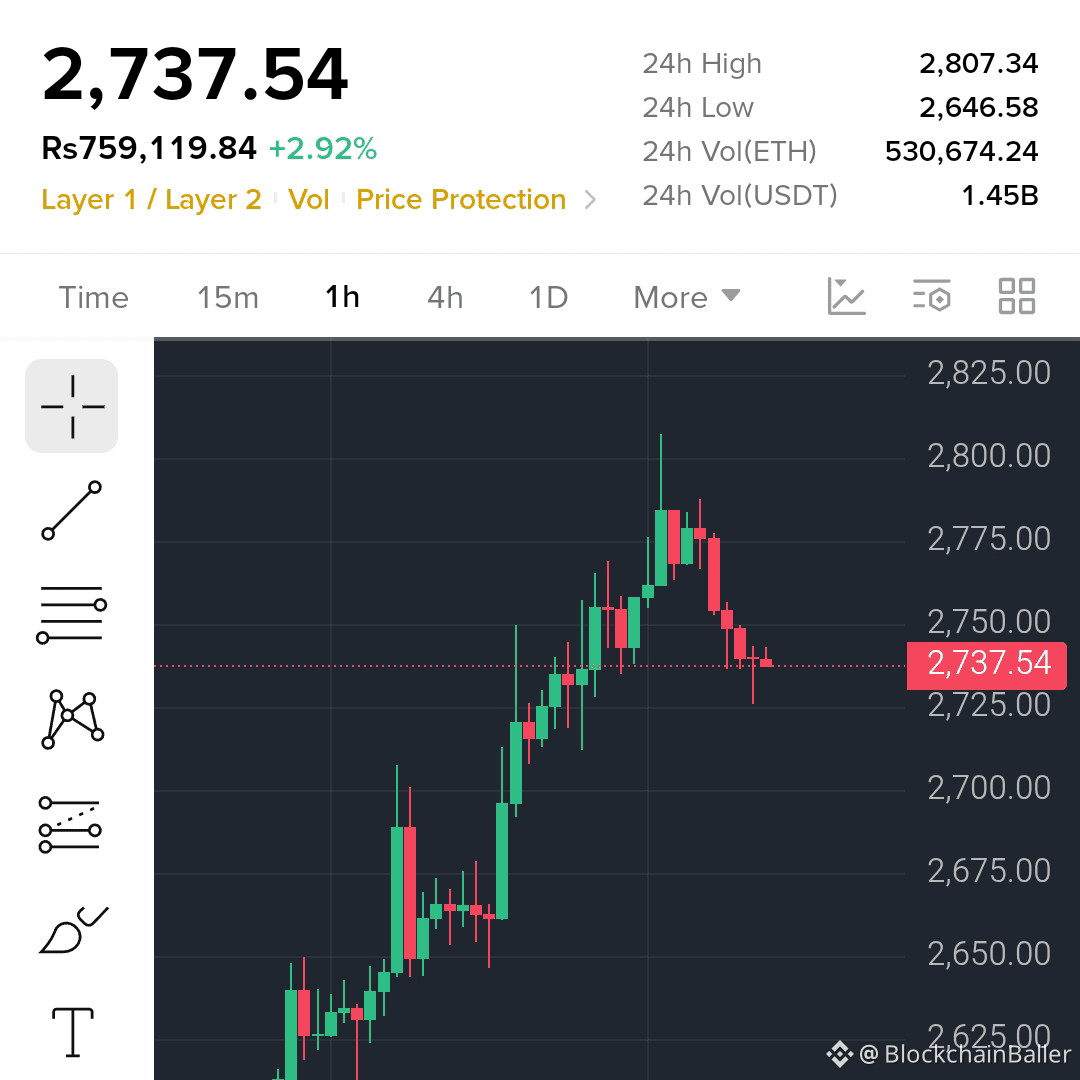
$ETH Short Trade
I’m looking for a short around $2,735–$2,750.
Entry: $2,735–$2,750
TP1: $2,710 |
TP2: $2,680
SL: $2,785
ETH is pulling back after rejection near $2,800. I’d keep this as a small scalp with controlled risk.
$ETH Short Trade
I’m looking for a short around $2,735–$2,750.
Entry: $2,735–$2,750
TP1: $2,710 |
TP2: $2,680
SL: $2,785
ETH is pulling back after rejection near $2,800. I’d keep this as a small scalp with controlled risk.
I’m looking for a short around $2,735–$2,750.
Entry: $2,735–$2,750
TP1: $2,710 |
TP2: $2,680
SL: $2,785
ETH is pulling back after rejection near $2,800. I’d keep this as a small scalp with controlled risk.
5
1.7k
Verified
Article
ZEC Is Stealing Attention is Privacy Crypto Making a Comeback‼️❓❓For years, privacy coins felt like one of crypto’s forgotten narratives.
Now Zcash (ZEC) is forcing traders to look again.
ZEC has delivered an extraordinary rally in 2026, recently reaching its highest price since 2016. In early September alone, ZEC gained roughly 45% in a week as its market capitalization moved above $20 billion.
But the interesting part isn’t simply that ZEC went up.
The bigger question is why privacy is suddenly becoming important again.
Zcash is built around the idea that people should be able to transact on a blockchain without exposing every financial detail publicly. Its shielded transactions use zero-knowledge cryptography to verify transactions while keeping sensitive information private.
That idea feels increasingly relevant in a world where blockchain analytics are becoming much more powerful.
Research published this year highlighted how machine-learning techniques are getting better at analyzing public blockchain activity. At the same time, the share of Zcash activity using shielded transactions has increased substantially compared with early 2025.
In other words, privacy isn't only becoming a market narrative.
People are actually using Zcash's privacy technology.
Institutional accessibility has also changed the story.
Grayscale's Zcash exchange-traded product began trading on August 25. By early September, it had already attracted at least $34.4 million in net inflows, while ZEC moved above $1,000 during the same period.
That gives ZEC something many privacy-focused cryptocurrencies have struggled to obtain: easier access through traditional financial infrastructure.
There’s also major development happening underneath the price action.
Zcash holders recently participated in a privacy-preserving vote on the upcoming NU7 network upgrade. Nearly 2.4 million eligible ZEC participated, and 99.9% of the participating ZEC backed reducing block times from 75 seconds to 25 seconds.
That could make Zcash transactions feel considerably faster.
Developers are also working on improving the speed of private transactions themselves. New cryptographic tools released in August reduced private-transaction proof generation from more than three seconds to under 200 milliseconds in some tests.
So Zcash is trying to solve one of privacy crypto’s biggest problems.
Privacy is useful, but it also needs to be fast and easy enough for normal people to use.
If private payments become almost as smooth as ordinary digital payments, the potential use cases become much broader.
And ZEC isn’t moving completely alone.
Recent market data suggests the wider privacy-coin category has also strengthened, although Zcash has been responsible for a large part of that growth. That means calling this a full privacy-coin comeback may still be premature.
There are risks too.
Privacy-focused cryptocurrencies have historically faced regulatory pressure because authorities worry that stronger transaction privacy can make financial monitoring more difficult. That tension between personal financial privacy and regulatory oversight hasn't disappeared.
Zcash has also had technical challenges. Earlier this year, developers patched a critical vulnerability affecting the Orchard zero-knowledge circuit. The project said user privacy and Zcash's total supply cap were not affected, though the flaw could have allowed unauthorized creation of funds within the Orchard pool if exploited.
That history is important because privacy technology is complicated. Strong cryptography only matters if its implementation remains secure.
Still, something has clearly changed around ZEC.
For years, the crypto industry focused heavily on faster Layer 1s, meme coins, AI tokens and real-world assets.
Now another question is returning:
What happens when people start caring about financial privacy again?
Zcash is currently providing one possible answer.
The price rally has brought attention back to ZEC, but faster private transactions, growing shielded usage, institutional accessibility and upcoming network improvements could determine whether that attention lasts.
The real story may therefore be bigger than ZEC hitting new highs.
ZEC is reminding the market that privacy was one of crypto’s original ideas — and it may be becoming relevant again.
ZEC Is Stealing Attention is Privacy Crypto Making a Comeback‼️❓❓
For years, privacy coins felt like one of crypto’s forgotten narratives.
Now Zcash (ZEC) is forcing traders to look again.
ZEC has delivered an extraordinary rally in 2026, recently reaching its highest price since 2016. In early September alone, ZEC gained roughly 45% in a week as its market capitalization moved above $20 billion.
But the interesting part isn’t simply that ZEC went up.
The bigger question is why privacy is suddenly becoming important again.
Zcash is built around the idea that people should be able to transact on a blockchain without exposing every financial detail publicly. Its shielded transactions use zero-knowledge cryptography to verify transactions while keeping sensitive information private.
That idea feels increasingly relevant in a world where blockchain analytics are becoming much more powerful.
Research published this year highlighted how machine-learning techniques are getting better at analyzing public blockchain activity. At the same time, the share of Zcash activity using shielded transactions has increased substantially compared with early 2025.
In other words, privacy isn't only becoming a market narrative.
People are actually using Zcash's privacy technology.
Institutional accessibility has also changed the story.
Grayscale's Zcash exchange-traded product began trading on August 25. By early September, it had already attracted at least $34.4 million in net inflows, while ZEC moved above $1,000 during the same period.
That gives ZEC something many privacy-focused cryptocurrencies have struggled to obtain: easier access through traditional financial infrastructure.
There’s also major development happening underneath the price action.
Zcash holders recently participated in a privacy-preserving vote on the upcoming NU7 network upgrade. Nearly 2.4 million eligible ZEC participated, and 99.9% of the participating ZEC backed reducing block times from 75 seconds to 25 seconds.
That could make Zcash transactions feel considerably faster.
Developers are also working on improving the speed of private transactions themselves. New cryptographic tools released in August reduced private-transaction proof generation from more than three seconds to under 200 milliseconds in some tests.
So Zcash is trying to solve one of privacy crypto’s biggest problems.
Privacy is useful, but it also needs to be fast and easy enough for normal people to use.
If private payments become almost as smooth as ordinary digital payments, the potential use cases become much broader.
And ZEC isn’t moving completely alone.
Recent market data suggests the wider privacy-coin category has also strengthened, although Zcash has been responsible for a large part of that growth. That means calling this a full privacy-coin comeback may still be premature.
There are risks too.
Privacy-focused cryptocurrencies have historically faced regulatory pressure because authorities worry that stronger transaction privacy can make financial monitoring more difficult. That tension between personal financial privacy and regulatory oversight hasn't disappeared.
Zcash has also had technical challenges. Earlier this year, developers patched a critical vulnerability affecting the Orchard zero-knowledge circuit. The project said user privacy and Zcash's total supply cap were not affected, though the flaw could have allowed unauthorized creation of funds within the Orchard pool if exploited.
That history is important because privacy technology is complicated. Strong cryptography only matters if its implementation remains secure.
Still, something has clearly changed around ZEC.
For years, the crypto industry focused heavily on faster Layer 1s, meme coins, AI tokens and real-world assets.
Now another question is returning:
What happens when people start caring about financial privacy again?
Zcash is currently providing one possible answer.
The price rally has brought attention back to ZEC, but faster private transactions, growing shielded usage, institutional accessibility and upcoming network improvements could determine whether that attention lasts.
The real story may therefore be bigger than ZEC hitting new highs.
ZEC is reminding the market that privacy was one of crypto’s original ideas — and it may be becoming relevant again.
Now Zcash (ZEC) is forcing traders to look again.
ZEC has delivered an extraordinary rally in 2026, recently reaching its highest price since 2016. In early September alone, ZEC gained roughly 45% in a week as its market capitalization moved above $20 billion.
But the interesting part isn’t simply that ZEC went up.
The bigger question is why privacy is suddenly becoming important again.
Zcash is built around the idea that people should be able to transact on a blockchain without exposing every financial detail publicly. Its shielded transactions use zero-knowledge cryptography to verify transactions while keeping sensitive information private.
That idea feels increasingly relevant in a world where blockchain analytics are becoming much more powerful.
Research published this year highlighted how machine-learning techniques are getting better at analyzing public blockchain activity. At the same time, the share of Zcash activity using shielded transactions has increased substantially compared with early 2025.
In other words, privacy isn't only becoming a market narrative.
People are actually using Zcash's privacy technology.
Institutional accessibility has also changed the story.
Grayscale's Zcash exchange-traded product began trading on August 25. By early September, it had already attracted at least $34.4 million in net inflows, while ZEC moved above $1,000 during the same period.
That gives ZEC something many privacy-focused cryptocurrencies have struggled to obtain: easier access through traditional financial infrastructure.
There’s also major development happening underneath the price action.
Zcash holders recently participated in a privacy-preserving vote on the upcoming NU7 network upgrade. Nearly 2.4 million eligible ZEC participated, and 99.9% of the participating ZEC backed reducing block times from 75 seconds to 25 seconds.
That could make Zcash transactions feel considerably faster.
Developers are also working on improving the speed of private transactions themselves. New cryptographic tools released in August reduced private-transaction proof generation from more than three seconds to under 200 milliseconds in some tests.
So Zcash is trying to solve one of privacy crypto’s biggest problems.
Privacy is useful, but it also needs to be fast and easy enough for normal people to use.
If private payments become almost as smooth as ordinary digital payments, the potential use cases become much broader.
And ZEC isn’t moving completely alone.
Recent market data suggests the wider privacy-coin category has also strengthened, although Zcash has been responsible for a large part of that growth. That means calling this a full privacy-coin comeback may still be premature.
There are risks too.
Privacy-focused cryptocurrencies have historically faced regulatory pressure because authorities worry that stronger transaction privacy can make financial monitoring more difficult. That tension between personal financial privacy and regulatory oversight hasn't disappeared.
Zcash has also had technical challenges. Earlier this year, developers patched a critical vulnerability affecting the Orchard zero-knowledge circuit. The project said user privacy and Zcash's total supply cap were not affected, though the flaw could have allowed unauthorized creation of funds within the Orchard pool if exploited.
That history is important because privacy technology is complicated. Strong cryptography only matters if its implementation remains secure.
Still, something has clearly changed around ZEC.
For years, the crypto industry focused heavily on faster Layer 1s, meme coins, AI tokens and real-world assets.
Now another question is returning:
What happens when people start caring about financial privacy again?
Zcash is currently providing one possible answer.
The price rally has brought attention back to ZEC, but faster private transactions, growing shielded usage, institutional accessibility and upcoming network improvements could determine whether that attention lasts.
The real story may therefore be bigger than ZEC hitting new highs.
ZEC is reminding the market that privacy was one of crypto’s original ideas — and it may be becoming relevant again.
1
3
780
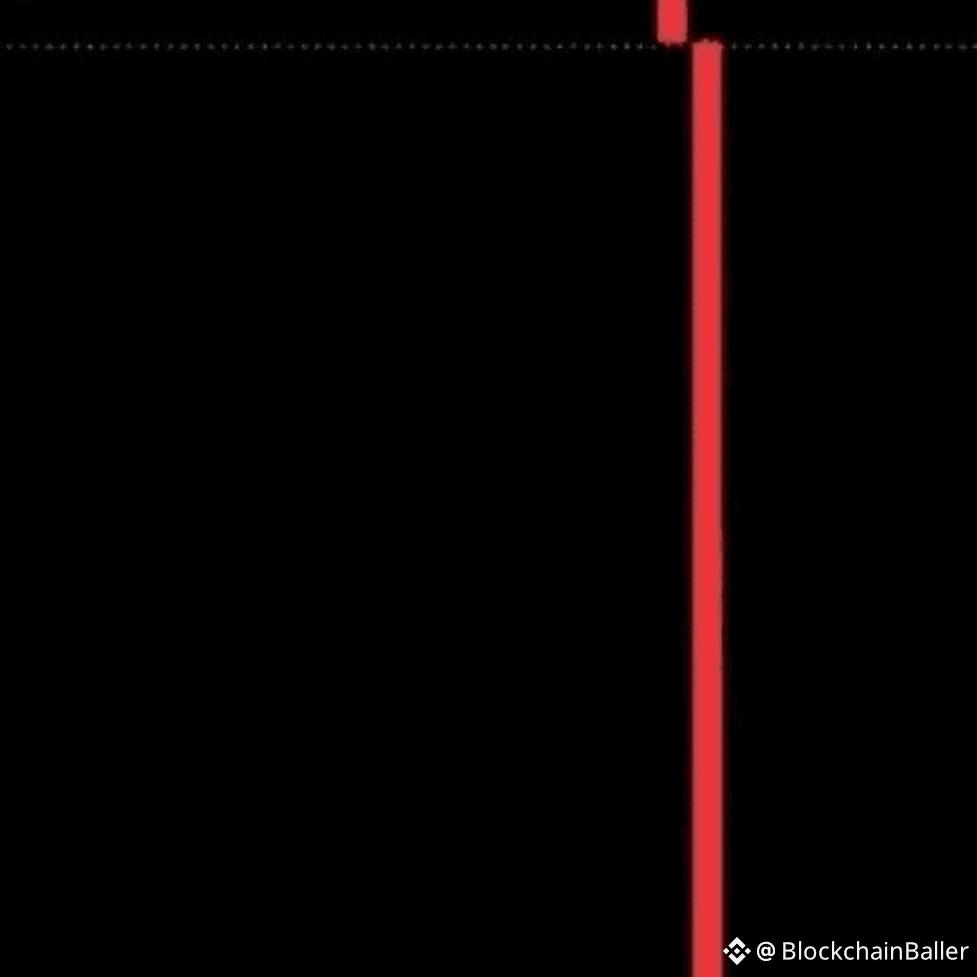
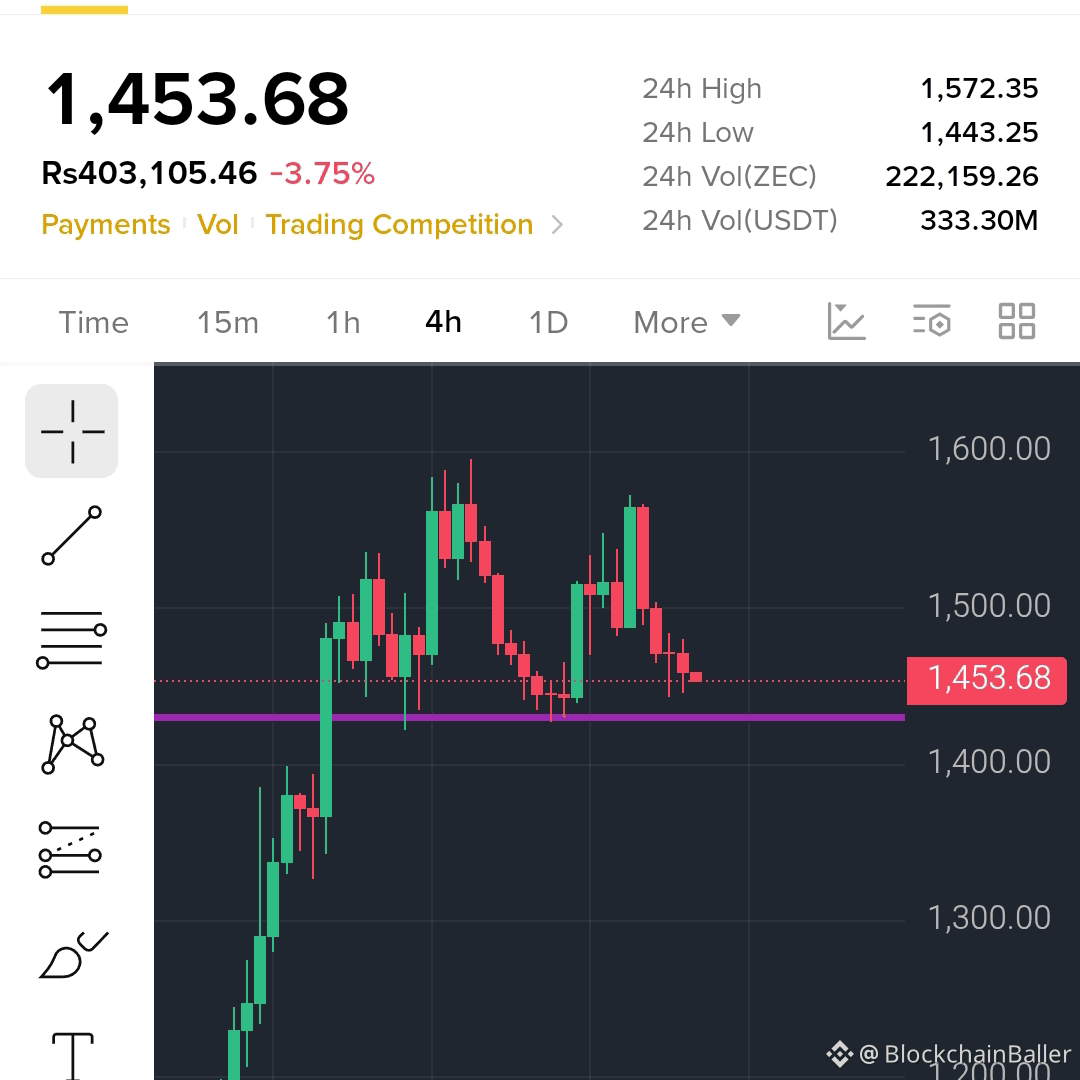
I’m looking $ZEC for a short around $1,450–$1,470
Entry: $1,450–$1,470
TP1: $1,420 | TP2: $1,390 |
SL: $1,505
I’m watching the $1,420 support closely. If it breaks cleanly, I expect stronger downside pressure.
I’m looking $ZEC for a short around $1,450–$1,470
Entry: $1,450–$1,470
TP1: $1,420 | TP2: $1,390 |
SL: $1,505
I’m watching the $1,420 support closely. If it breaks cleanly, I expect stronger downside pressure.
Entry: $1,450–$1,470
TP1: $1,420 | TP2: $1,390 |
SL: $1,505
I’m watching the $1,420 support closely. If it breaks cleanly, I expect stronger downside pressure.
1
4
1.6k
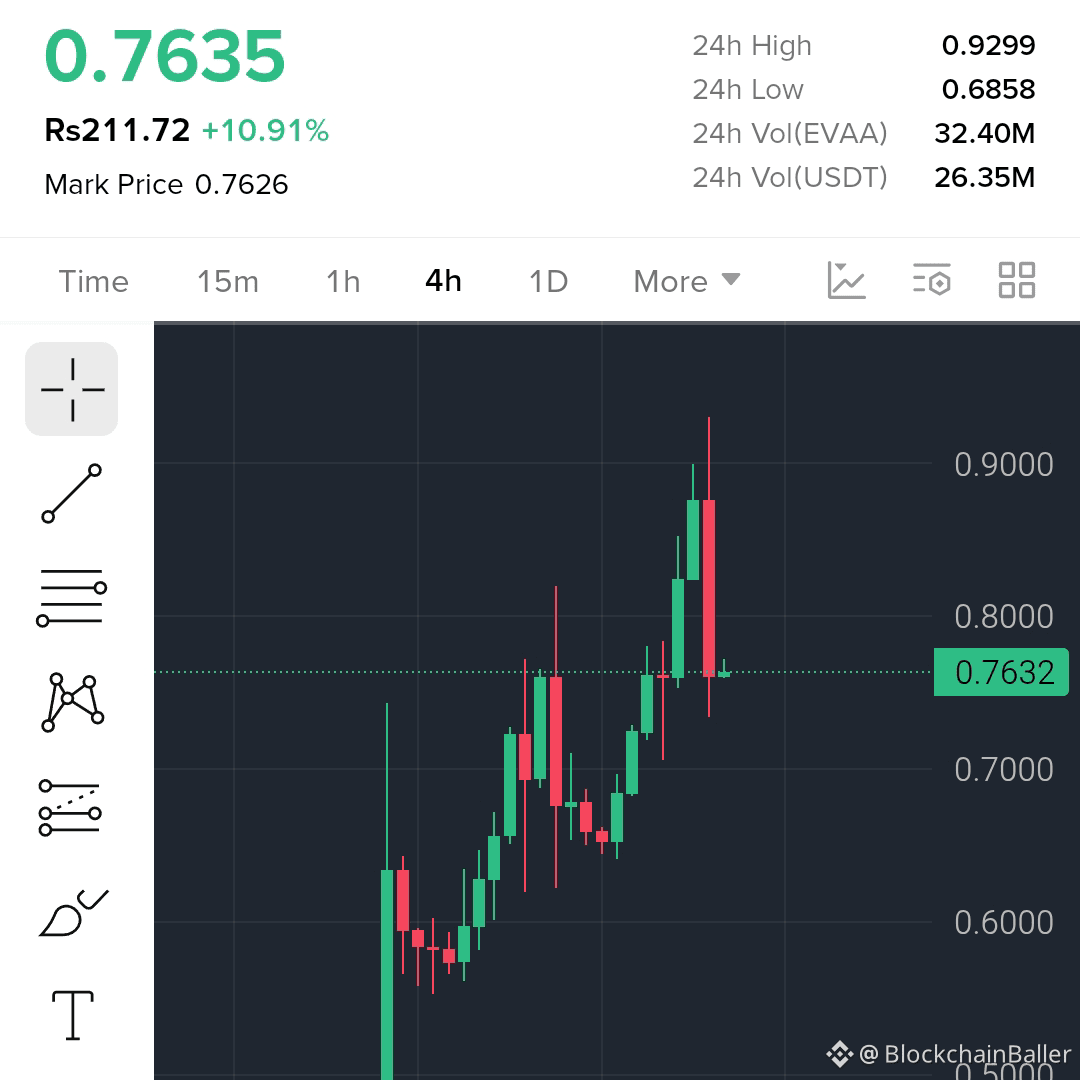
I just opened short position on $EVAA with 10x leverage
Entry: $0.760–$0.780
TP1: $0.720 | TP2: $0.680 | TP3: $0.640
SL: $0.815
EVAA faced a strong rejection near the highs. If $0.75 support breaks, the pullback could extend toward the lower targets. Keep risk small.
I just opened short position on $EVAA with 10x leverage
Entry: $0.760–$0.780
TP1: $0.720 | TP2: $0.680 | TP3: $0.640
SL: $0.815
EVAA faced a strong rejection near the highs. If $0.75 support breaks, the pullback could extend toward the lower targets. Keep risk small.
Entry: $0.760–$0.780
TP1: $0.720 | TP2: $0.680 | TP3: $0.640
SL: $0.815
EVAA faced a strong rejection near the highs. If $0.75 support breaks, the pullback could extend toward the lower targets. Keep risk small.
3
1.7k
Log in to explore more content
Join global crypto users on Binance Square
⚡️ Get latest and useful information about crypto.
💬 Trusted by the world’s largest crypto exchange.
👍 Discover real insights from verified creators.
Email / Phone number
Trending Topics
AIStocksWhatNext
31,968 views
57 Discussing
Share & Win Traffic Reward in our Trending Hashtag Campaign
✨Topic: What Other Investment Opportunities Remain as AI Stocks Keep Rising?
👉How to Join:
Publish a short post or article with hashtag #AIStocksWhatNext
Share whether you’re bullish or bearish, and post your AI stock holdings or trade — using the trade widget may improve your eligibility.
You can also strengthen your post by sharing data or charts, and avoiding AI-generated images.
✍️Create content based on the below angles:
- Nvidia says chip sales will double next year, and top AI companies keep hitting record revenue, the compute spend behind it is just as staggering. Is AI demand really taking off? And how long can it last? AI stocks are up across the board. Is this a real breakout, or just a short-term bounce?
- Industry leaders are calling to slow down AI development, while Trump plans to build an “AI Force”, claiming AI could account for 25% of U.S. GDP in the future. Whose side are you on? Will state-level backing be a long-term win for AI stocks?
- Are you buying AI stocks? Share your AI-related trade/holdings with our trade sharing widget.
⏰Campaign Period:
- 2026-09-22 7:00 - 2026-09-24 4:00 UTC
🎁Reward:
- Qualified posts that comply with the above guidelines and contain more than 100 words will be reviewed and may receive a random traffic boost of 500 to 3,000 views. You will receive a notification from your feed secretary if your post is selected.
- Get a chance to have your article featured on Binance Square Official
Need ideas for your post? Visit the topic page #AIStocksWhatNext or the Square Guide on How to Post for Better Reach.
Binance Square Official
·126 Likes
·138.9k views
TokenizedStockPlatformsCouldLaunchNextQuarter
0 views
0 Discussing
StrategyAdds950Bitcoin
1,085 views
0 Discussing