

Ayan -X
 Square Verified
Daily Crypto Mix: Market Analysis 📊 | Altcoin Gems 💎 | News & Tips, X Liaqat123
Open Trade
Frequent Trader
1.6 Years
1.6K+ Following
39.2K+ Followers
16.2K+ Liked
Posts
Portfolio
All
Quotes
Live
PINNED
PINNED

先生-Rehan
·
--
SOXSUSDT NEXT MOVE?


Ahli Hidaya
·
--
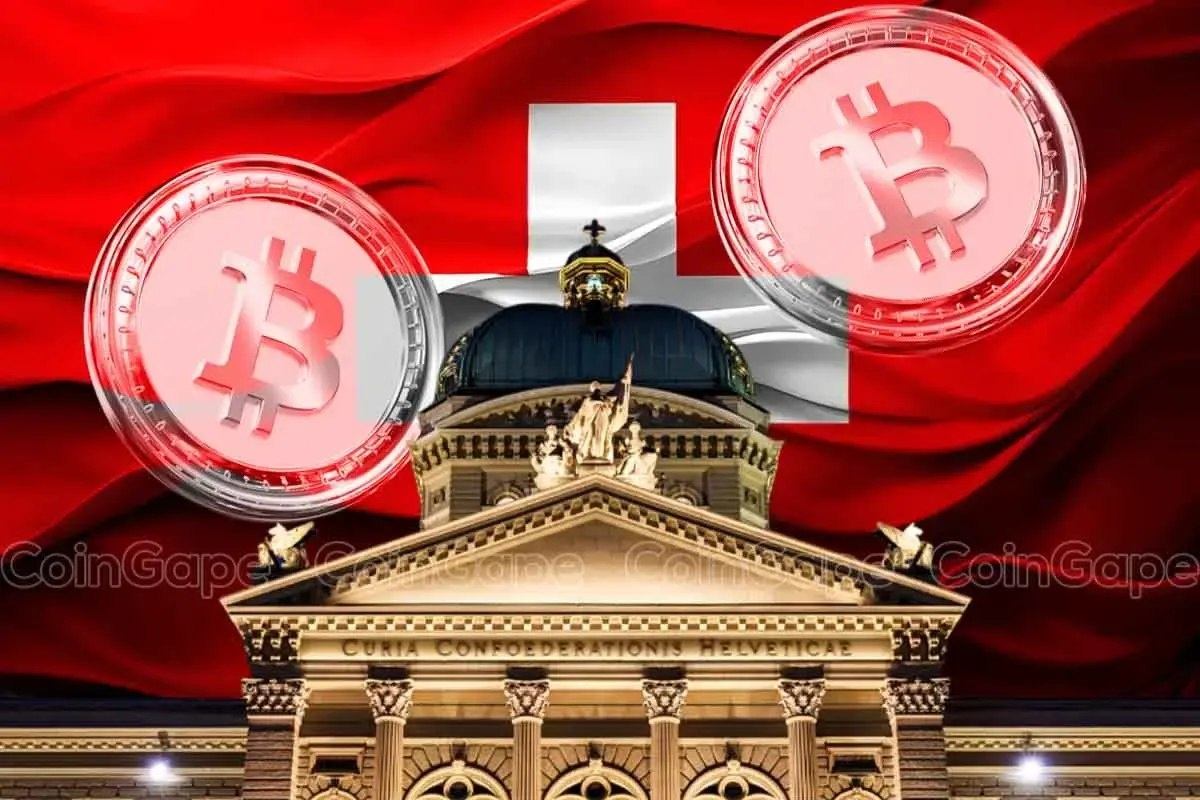
BullishSwitzerland’s First Spot Bitcoin ETF Begins Trading on SIX Swiss Exchange 🇨🇭📈
Switzerland officially entered the spot Bitcoin ETF market today (Nov 26, 2026) as The Bitcoin Fund ETF (BBIT) went live on the SIX Swiss Exchange.
Key Highlights:
Ticker & Trading Pairs: Trades under BBIT in both CHF (Swiss Francs) and USD.
Initial Backing: Launched with 350 BTC (over $20M in initial assets).
Low Fee: Features a competitive 0.19% annual management fee.
Structure & Custody: Managed by BIT Asset Management and issued by Pernet von Ballmoos AG following FINMA approval, with spot BTC held in cold storage at AMINA Bank and daily holdings transparency.
Market Reaction: Opened at 8 CHF and ticked up roughly 0.6% to 8.05 CHF in its first hour of trading.
Why It Matters:
Unlike earlier bond-structured crypto ETPs in Switzerland, BBIT gives investors direct spot exposure through a ring-fenced Swiss fund structure—marking another milestone for institutional and traditional brokerage access to Bitcoin in Europe.
What do you think—will European spot ETF inflows pick up momentum from here? 👇
#Bitcoin #BTC #CryptoNews #ETF #SIXSwissExchange #BinanceSquare ,$BTC
#dyor

苏菲亚 Sophia
·
--
#BTC☀ 当前比特币承压震荡,多空博弈激烈,短期受利率预期、资金流出扰动;中长期依托周期规律与机构布局,若宏观环境缓和,有望迎来趋势修复。市场从不是一条直上的坡道,懂得穿越震荡,方能接住属于加密时代的红利。#bicoin
✨💫 $TSLA.US $AAPL.US $GOOG.US
#特朗普拟重启关税攻势,比特币和美股再度走弱 #比特币ETF11月净流出49.4亿美元创纪录 #黄仁勋称英伟达不需要接班人计划
✨💫 $TSLA.US $AAPL.US $GOOG.US
#特朗普拟重启关税攻势,比特币和美股再度走弱 #比特币ETF11月净流出49.4亿美元创纪录 #黄仁勋称英伟达不需要接班人计划
Quoted content has been removed

CipherX 零号
·
--
🟣 CIPHERX BRIEF
美国 CFTC 发布预测市场新规;数据报送最终规则,替代 2017 年以来无异议函临时救济,12 家公司申请入场。$BTC
$ETH
$BNB
美国 CFTC 发布预测市场新规;数据报送最终规则,替代 2017 年以来无异议函临时救济,12 家公司申请入场。$BTC
$ETH
$BNB

奕泽YIZZE-1688
·
--
为什么越来越多的人开始关注币安
在币圈,获取信息很重要,但找到一个能够交流观点、分享经验、了解市场动态的平台,同样重要。
币安广场(Binance Square) 不只是一个发布帖子的地方,它也是币安生态中的内容与社区平台。
首先,它能够帮助用户获取加密货币市场信息。无论是 $BTC 、$ETH 、$BNB 的行情讨论,还是项目动态、行业资讯,都可以通过创作者的分享和社区讨论了解不同观点。
其次,它提供了内容创作和互动的机会。用户可以发布原创文章、市场分析、交易观点,也可以通过点赞、评论、转发与其他用户交流。即使不是专业分析师,也可以从自己的学习经历和市场观察开始分享。
更值得关注的是,币安广场还提供了创作者激励机制。根据币安官方2026年10月19日公布的升级规则,符合条件的创作者除了可能获得读者交易手续费佣金外,优质内容带来的真实互动也有机会获得额外奖励。CreatorPad 也提供了通过完成指定任务获取项目代币奖励的机会。
当然,收益并不是发帖就有,也不代表每个人都能获得奖励,具体取决于活动规则和参与资格。
我认为,币安广场最大的价值,不只是奖励,而是让普通用户也有机会建立自己的影响力,在分享中学习,在交流中成长。
认真输出内容,保持真实互动,时间久了,你积累的不仅是粉丝,还有知识、经验和属于自己的社区影响力。
#BinanceSquare #Crypto

MR_SPONDY_13
·
--
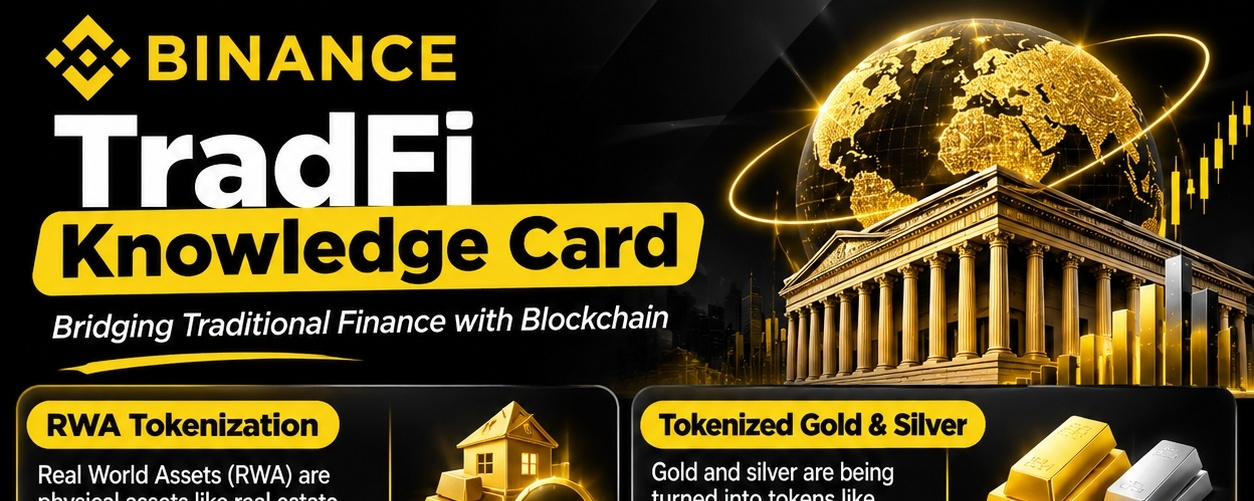
TradFi Knowledge Card: Understanding the Evolution of Traditional Finance Through Blockchain
Traditional Finance (TradFi) is the foundation of the global financial system. It includes banks, stock exchanges, bonds, commodities, precious metals and other established financial markets.
For decades, these markets have operated through centralized institutions, financial intermediaries and traditional settlement infrastructure.
But financial technology is evolving.
Blockchain is introducing new possibilities for how traditional financial assets can be represented, accessed, transferred and managed. This transformation is creating an important connection between TradFi and Web3.
Let's understand five major developments shaping this evolution.
1. RWA Tokenization: Bringing Real-World Assets On-Chain
Real World Asset (RWA) tokenization involves representing traditional assets through blockchain-based digital tokens.
These assets can include real estate, government bonds, commodities and private credit.
For example, tokenization can create digital representations of interests in traditional financial assets. Depending on the legal structure, it may enable easier transfers, improved transparency and more efficient settlement.
The bigger opportunity is connecting traditional financial markets with blockchain infrastructure.
2. Tokenized Gold & Silver: Traditional Value Meets Digital Ownership
Gold and silver have been important financial assets for centuries. Blockchain is creating new ways to represent exposure to these precious metals.
Examples include:
$XAUT – Tether Gold
$PAXG – PAX Gold
These tokens are designed to represent interests in physical gold held in custody.
This combines the historical importance of precious metals with digital asset infrastructure.
However, custody, redemption rights, issuer credibility and liquidity remain important considerations.
3. Stocks & Traditional Finance: Moving Financial Markets On-Chain
Stock markets allow investors to participate in the growth of companies.
Blockchain-based tokenization introduces the possibility of representing shares and other securities digitally.
Potential advantages include programmable compliance, more efficient settlement and broader accessibility.
However, tokenized stock exposure does not automatically provide the same ownership, voting or dividend rights as conventional shares. The legal structure matters.
4. TradFi vs DeFi: Understanding the Difference
TradFi operates through established institutions such as banks, brokers and regulated exchanges.
DeFi uses blockchain networks and smart contracts to provide financial services such as lending, borrowing and trading.
TradFi brings established infrastructure, institutional participation and regulatory frameworks.
DeFi introduces programmable services, open participation and transparent on-chain transactions.
Rather than viewing them only as competitors, their integration could create new financial opportunities.
5. The Future of Traditional Finance
The next evolution of finance could be driven by three important technologies:
Blockchain: Enables programmable transactions and digital asset infrastructure.
AI: Supports financial data analysis, automation and risk assessment.
Tokenization: Connects traditional financial assets with digital markets.
Together, these technologies could improve financial infrastructure, although regulation, security, interoperability and institutional adoption will determine how quickly these possibilities become reality.
Where Does BNB Fit Into This Evolution?
BNB is the native asset of the BNB Chain ecosystem. It supports network transaction fees and interactions with decentralized applications.
BNB Chain provides blockchain infrastructure on which developers can build financial applications and explore tokenization-related use cases.
This makes blockchain ecosystems an important part of the broader conversation about connecting traditional finance with Web3.
My Perspective
The future of finance may not be about replacing traditional financial institutions with decentralized systems.
It could be about combining the reliability and experience of traditional markets with the transparency, programmability and accessibility of blockchain technology.
TradFi provides the financial foundation. Blockchain introduces new possibilities. Their convergence could shape the next generation of global financial infrastructure.
What do you think will lead this transformation: RWA tokenization, tokenized precious metals, on-chain stocks or TradFi-DeFi integration?
#BinanceSquareTG #BitcoinAndStocksSlipAgainAmidTrump’sTariffPlans #JensenHuangSaysNvidiaDoesn’tNeedASuccessionPlan #WillOctCorePCEShiftFedHikeExpectations? #Mr_SPONDY_13
$BNB
$PAXG
$VET
先生-Rehan
·
--
What is NVDLUSDT next move?


磊哥1688
·
--
没有任何人喜欢挫折和失败但是不可避免的是我们每个人都会遇到 ,我们只能做的就是允许一切发生和原谅自己
No one likes setbacks or failures, yet inevitably, we all encounter them. All we can do is let everything unfold and forgive ourselves.
No one likes setbacks or failures, yet inevitably, we all encounter them. All we can do is let everything unfold and forgive ourselves.

Quoted content has been removed

S U L E M A N 特币
·
--
Bullish🎁 LINEA TOKEN GIVEAWAY IS HERE! 🚀
A special giveaway for the community!
🔥 6,000 LINEA Tokens
👥 5,000 Lucky Participants
Don't miss this opportunity! Head over and claim your share of the LINEA token giveaway.
The sooner you participate, the better. Let's go, LINEA community! 💙
#LINEA #Giveaway #Crypto #AirdropAlert #Suleman特币
$BIGTIME $LINEA $ZEC


正乾--四条2
·
--
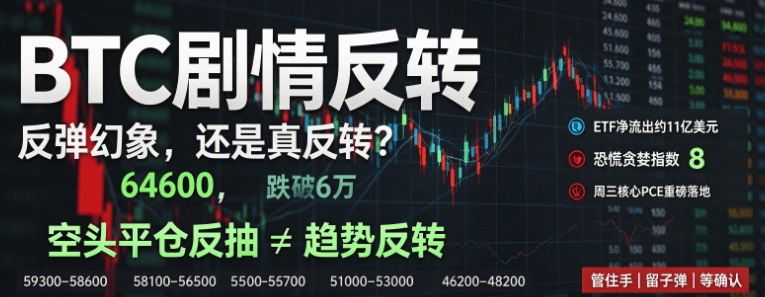
宝子们,剧情反转来得太快了⚠️
23 号 $BTC 暴力拉到 64600 的时候,不少人以为反弹来了,信心刚点燃,这两天直接连续下杀,稳稳跌破 6 万,连续日线前低都被击穿!
一定要拎清楚:这波从 55100 冲到 64600,根本不是新资金进场抄底走出来的反转行情,只是空头集中平仓 + 市场流动性枯竭催生的技术性反抽、轧空行情。
数据不会骗人:过去一周 BTC 现货 ETF 净流出约 11 亿美金,恐慌贪婪指数跌到 8,已经进入极度恐惧区间,现货真实买盘根本撑不住盘面。
本周是感恩节 shortened 交易周,重头戏还在周三!美国 10 月核心 PCE 通胀数据重磅落地,叠加前期美股大跌、通胀韧性犹在,加息预期这道紧箍咒一点都没松。
给大家标好关键支撑区间,盯紧盘面:
✅第一支撑:59300–58600
✅第二支撑:58100–56500
✅第三支撑:55200–55700
✅关键分水岭:跌破55100下一档强支撑 51000–53000
✅远端防守区间:46200–48200
这种缩量轧空之后的回吐,踩踏风险极高,千万别着急伸手接飞刀! 继续遵守咱们之前的现货策略:管住手、留足子弹,等 PCE 这颗宏观核弹落地,信号确认之后,再分批布局,不猜底、不重仓赌反弹。
温馨提示:以上仅为个人对行业的解读,不构成任何投资建议。
如果你也对交易感兴趣,欢迎评论区留言或加入聊天室一起交流,一起学习,一起成长。
欢迎加入正乾研习社
Quoted content has been removed

Nova Ledger
·
--
🎁Our community give you special something
💰Follow and like to claim
❤️Like
😍Comments
🌹Follow
💰Follow and like to claim
❤️Like
😍Comments
🌹Follow

Log in to explore more content