
AnasOnChain
3.6k Posts

AnasOnChain
Report
Block User
Crypto Trader 📊 | Technical & Fundamental Analysis | Market Trends, Alpha & Insights
Open Trade
Frequent Trader
2.2 Years
2.1K+ Following
11.3K+ Followers
7.5K+ Liked
Posts
Portfolio
All
Quotes
Videos
Live
·
--
Bullish
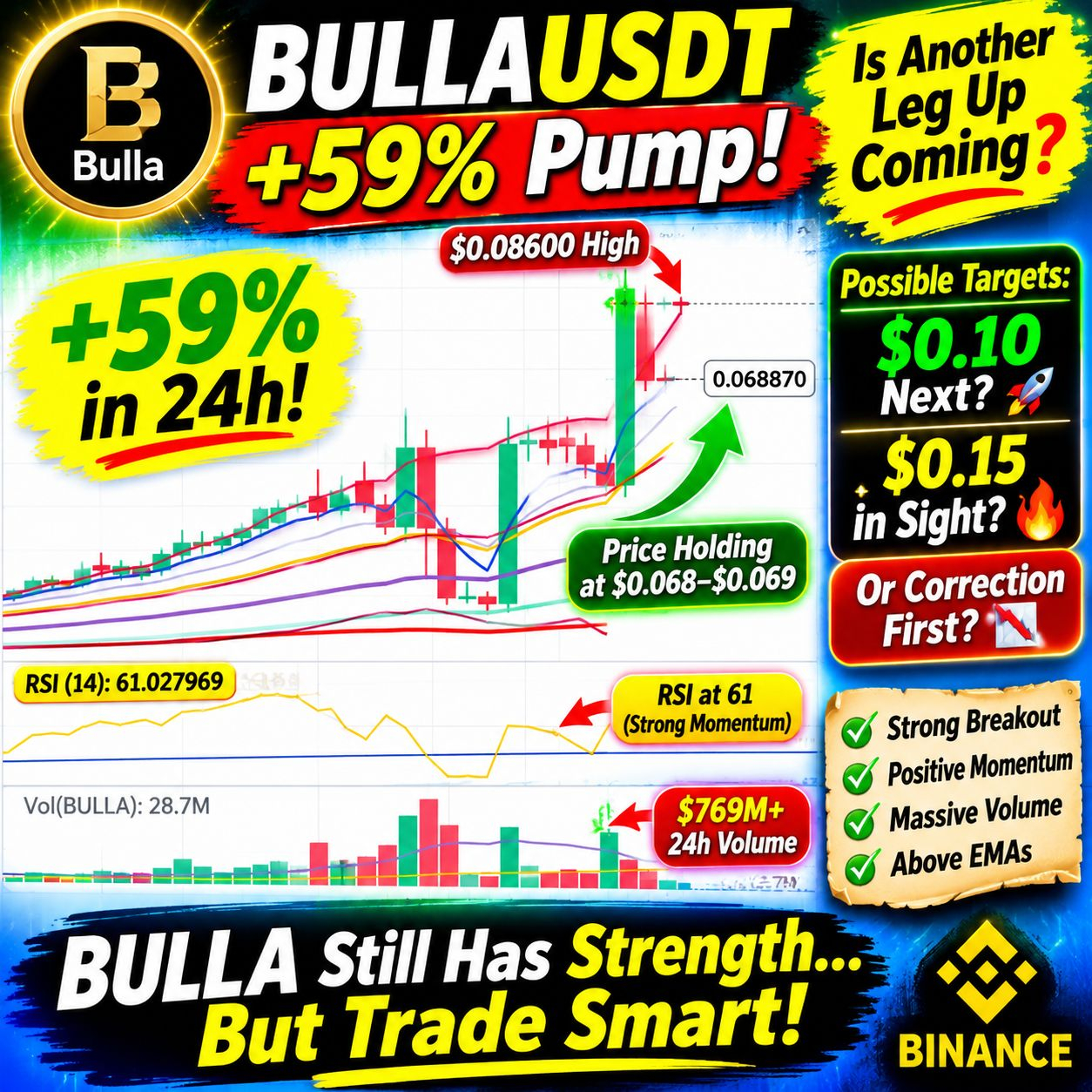
BULLAUSDT: Almost 59% Up! What's Happening Here? 🔥
BULLA is getting serious attention in the market!
Price has surged nearly 59% in 24 hours, touching a high of $0.08600 before pulling back to around $0.06887.
But something interesting is happening on the 1H chart.
Here's what I'm watching:
1. Strong Breakout: BULLA made a massive bullish move from the $0.030 area.
2. Consolidation: Price is now holding around $0.068–$0.069 after the pump.
3. RSI at 61: Momentum remains positive without being extremely overbought.
4. Volume: 24-hour USDT volume has reached approximately $769M.
My observation: If buyers maintain control, another attempt toward $0.086 could be possible. But losing the current consolidation zone may trigger a deeper correction.
Chasing a coin after a massive pump is always risky.
What's your prediction?
🚀 A) $0.10 next?
🔥 B) $0.15 in sight?
📉 C) Correction before another rally?
Let's discuss!
$BULLA
{future}(BULLAUSDT)
#BULLAUSDT #Crypto #Binance
BULLAUSDT: Almost 59% Up! What's Happening Here? 🔥
BULLA is getting serious attention in the market!
Price has surged nearly 59% in 24 hours, touching a high of $0.08600 before pulling back to around $0.06887.
But something interesting is happening on the 1H chart.
Here's what I'm watching:
1. Strong Breakout: BULLA made a massive bullish move from the $0.030 area.
2. Consolidation: Price is now holding around $0.068–$0.069 after the pump.
3. RSI at 61: Momentum remains positive without being extremely overbought.
4. Volume: 24-hour USDT volume has reached approximately $769M.
My observation: If buyers maintain control, another attempt toward $0.086 could be possible. But losing the current consolidation zone may trigger a deeper correction.
Chasing a coin after a massive pump is always risky.
What's your prediction?
🚀 A) $0.10 next?
🔥 B) $0.15 in sight?
📉 C) Correction before another rally?
Let's discuss!
$BULLA
#BULLAUSDT #Crypto #Binance
229
·
--
Bullish
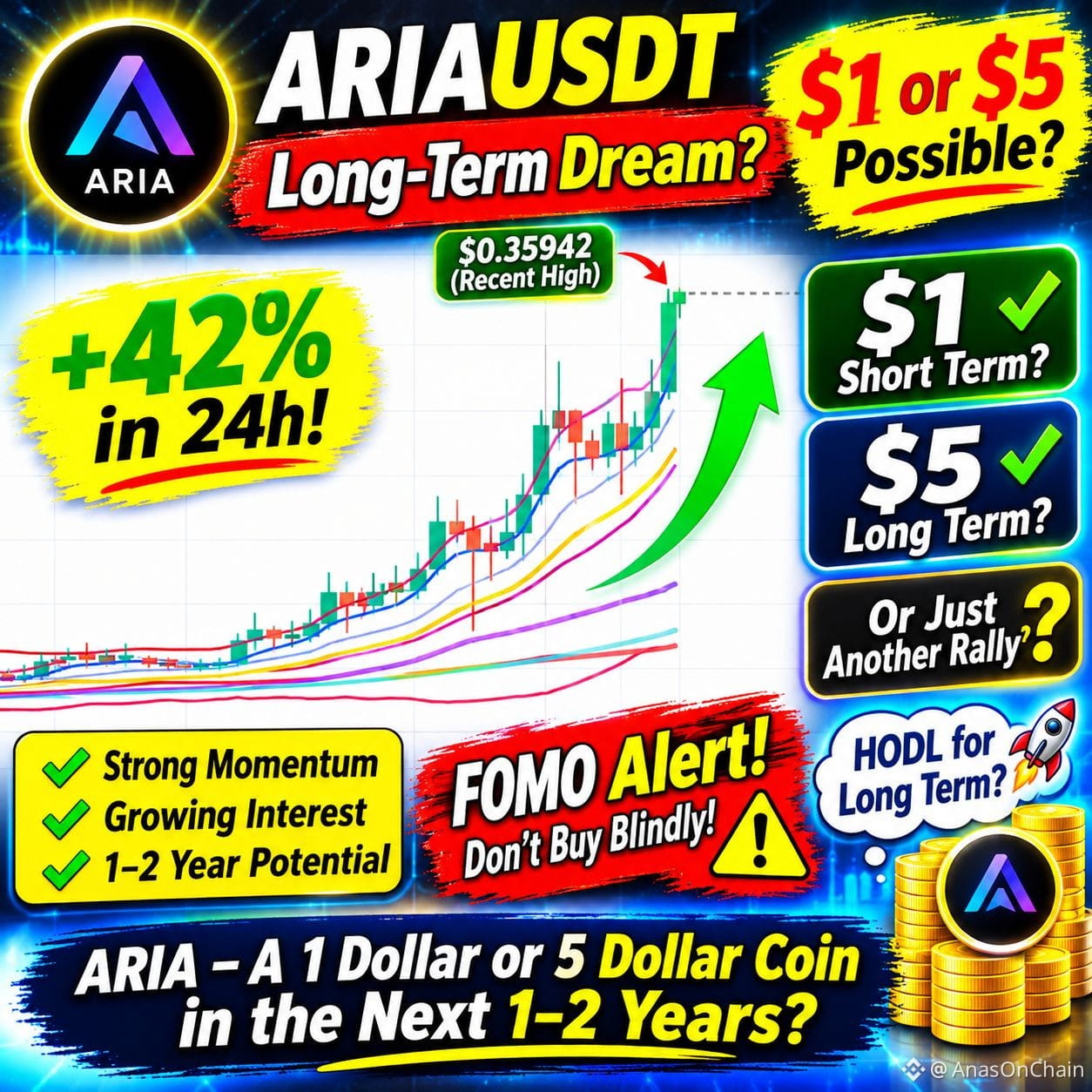
ARIA: Is This Just a Rally, or a Long-Term Opportunity?
ARIAUSDT has been showing impressive strength, with price reaching $0.35942 and nearly 42% gains in 24 hours.
But I don't think the most interesting question is where ARIA will go tomorrow.
The bigger question is: Where could this project stand in 1 or 2 years?
Short-term pumps attract traders, but long-term growth depends on real adoption, development, utility, and whether the project can maintain interest after the hype fades.
ARIA is showing strong momentum right now, but the current RSI is also elevated, meaning chasing the price at this level carries risk.
Personally, I would rather watch how a project performs after the hype settles than judge its future based on one green candle.
Can ARIA become a project worth holding for the next 1–2 years, or is this just another temporary rally?
$ARIA
{future}(ARIAUSDT)
#ARIAUSDT #Crypto #LongTerm #Binance
ARIA: Is This Just a Rally, or a Long-Term Opportunity?
ARIAUSDT has been showing impressive strength, with price reaching $0.35942 and nearly 42% gains in 24 hours.
But I don't think the most interesting question is where ARIA will go tomorrow.
The bigger question is: Where could this project stand in 1 or 2 years?
Short-term pumps attract traders, but long-term growth depends on real adoption, development, utility, and whether the project can maintain interest after the hype fades.
ARIA is showing strong momentum right now, but the current RSI is also elevated, meaning chasing the price at this level carries risk.
Personally, I would rather watch how a project performs after the hype settles than judge its future based on one green candle.
Can ARIA become a project worth holding for the next 1–2 years, or is this just another temporary rally?
$ARIA
#ARIAUSDT #Crypto #LongTerm #Binance
1
357
·
--
Partly True
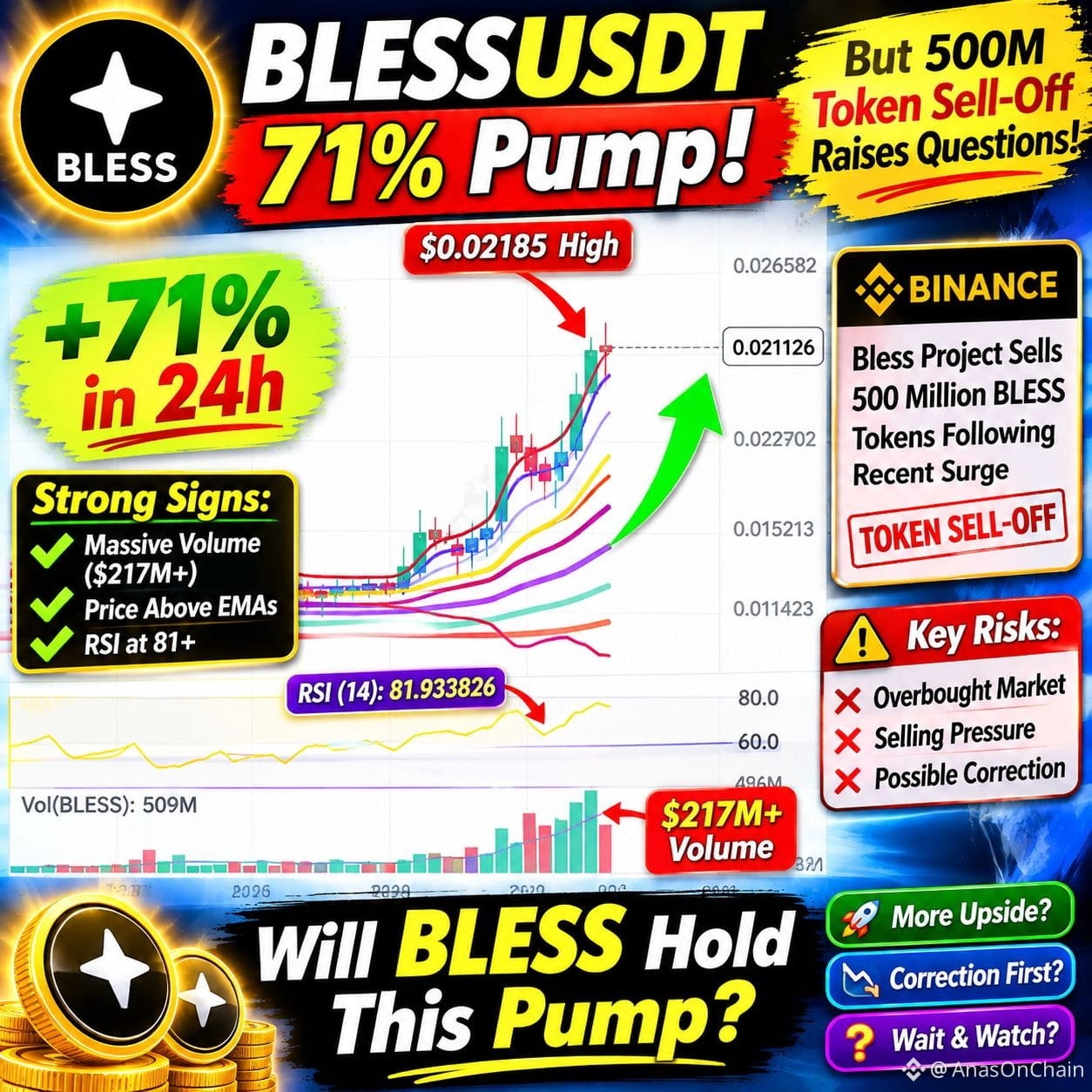
BLESSUSDT Is Up 71%… But Something Caught My Attention 👀
BLESS has surged over 71% in 24 hours, reaching $0.02185, with more than $217M in trading volume.
But the most interesting part isn't just the pump.
A Binance notice mentions the Bless project selling 500 million BLESS tokens following the recent surge.
Meanwhile, RSI is above 81, which indicates the market is getting overheated.
This creates an interesting situation:
• Strong momentum and massive volume
• Price trading above major EMAs
• RSI showing overbought conditions
• A reported token sale after the rally
The question is whether buyers can absorb the selling pressure or early momentum starts fading.
Would you chase BLESS here, or wait for a correction?
$BLESS #BLESSUSDT #Crypto #Binance #CanBTCReboundAfterFallingBelow60K?
1
271
·
--
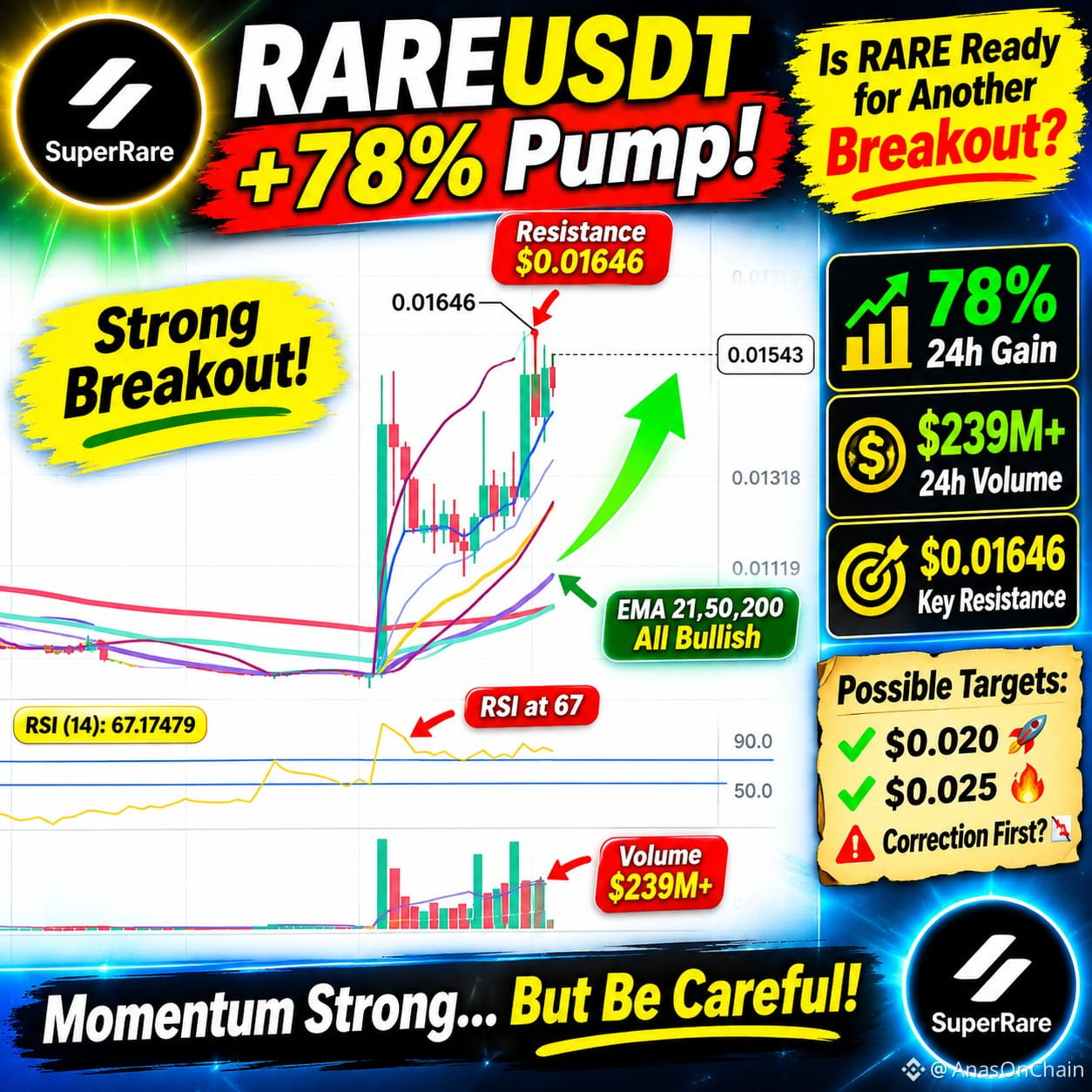
RAREUSDT: +78% in 24 Hours! What Happens Next? 🚀
SuperRare is suddenly getting serious market attention.
RARE has jumped over 78% in 24 hours, touching $0.01646 before pulling back slightly.
But the chart is showing some interesting signals:
1. Strong Breakout: Price is trading above EMA 21, 50 and 200.
2. Trading Activity: 24-hour volume has reached approximately $239M.
3. RSI at 67: Buyers still have momentum, but the market is getting heated.
4. Resistance Zone: The $0.01646 area is the level to watch.
My observation: RARE is showing strong bullish momentum, but buying after a massive pump can be risky.
A clean breakout above the recent high could attract more buyers. Failure to hold momentum may lead to profit-taking.
What's your target for RARE?
A) $0.020 🚀
B) $0.025 🔥
C) Correction first 📉
Let's discuss!
$RARE
{future}(RAREUSDT)
#RAREUSDT #Crypto #Binance #AnthropicIPOTestsInvestorAppetiteForAI
RAREUSDT: +78% in 24 Hours! What Happens Next? 🚀
SuperRare is suddenly getting serious market attention.
RARE has jumped over 78% in 24 hours, touching $0.01646 before pulling back slightly.
But the chart is showing some interesting signals:
1. Strong Breakout: Price is trading above EMA 21, 50 and 200.
2. Trading Activity: 24-hour volume has reached approximately $239M.
3. RSI at 67: Buyers still have momentum, but the market is getting heated.
4. Resistance Zone: The $0.01646 area is the level to watch.
My observation: RARE is showing strong bullish momentum, but buying after a massive pump can be risky.
A clean breakout above the recent high could attract more buyers. Failure to hold momentum may lead to profit-taking.
What's your target for RARE?
A) $0.020 🚀
B) $0.025 🔥
C) Correction first 📉
Let's discuss!
$RARE
#RAREUSDT #Crypto #Binance #AnthropicIPOTestsInvestorAppetiteForAI
3
189
·
--
EVAA Explodes +116% – Is This Rally Sustainable? 🚀
EVAAUSDT is making a massive move!
Price has surged over 116% in 24 hours, reaching a high of $2.4824.
But something interesting caught my attention.
1. Massive Volume: Over $611M in 24-hour trading volume.
2. Strong Momentum: Price is trading well above its major EMAs.
3. Overbought RSI: RSI is near 79, showing an overheated market.
4. Token Distribution Alert: Binance is showing a significant EVAA token distribution notice.
My biggest question is whether buyers can sustain this rally or early holders will start taking profits.
A strong pump can attract buyers, but it can also create serious FOMO.
What's your prediction for $EVAA ?
A) $3 coming next 🚀
B) Healthy correction first 📉
C) Major distribution and reversal ⚠️
Let's hear your analysis!
$EVAA
{future}(EVAAUSDT)
#EVAAUSDT #Crypto #CryptoSelloffTriggersMultipleWhaleLiquidations
EVAA Explodes +116% – Is This Rally Sustainable? 🚀
EVAAUSDT is making a massive move!
Price has surged over 116% in 24 hours, reaching a high of $2.4824.
But something interesting caught my attention.
1. Massive Volume: Over $611M in 24-hour trading volume.
2. Strong Momentum: Price is trading well above its major EMAs.
3. Overbought RSI: RSI is near 79, showing an overheated market.
4. Token Distribution Alert: Binance is showing a significant EVAA token distribution notice.
My biggest question is whether buyers can sustain this rally or early holders will start taking profits.
A strong pump can attract buyers, but it can also create serious FOMO.
What's your prediction for $EVAA ?
A) $3 coming next 🚀
B) Healthy correction first 📉
C) Major distribution and reversal ⚠️
Let's hear your analysis!
$EVAA
#EVAAUSDT #Crypto #CryptoSelloffTriggersMultipleWhaleLiquidations

1
623
·
--
Bearish
SHELLUSDT: Why Is It Crashing After Such a Massive Pump? 🐚
SHELL just made a huge move!
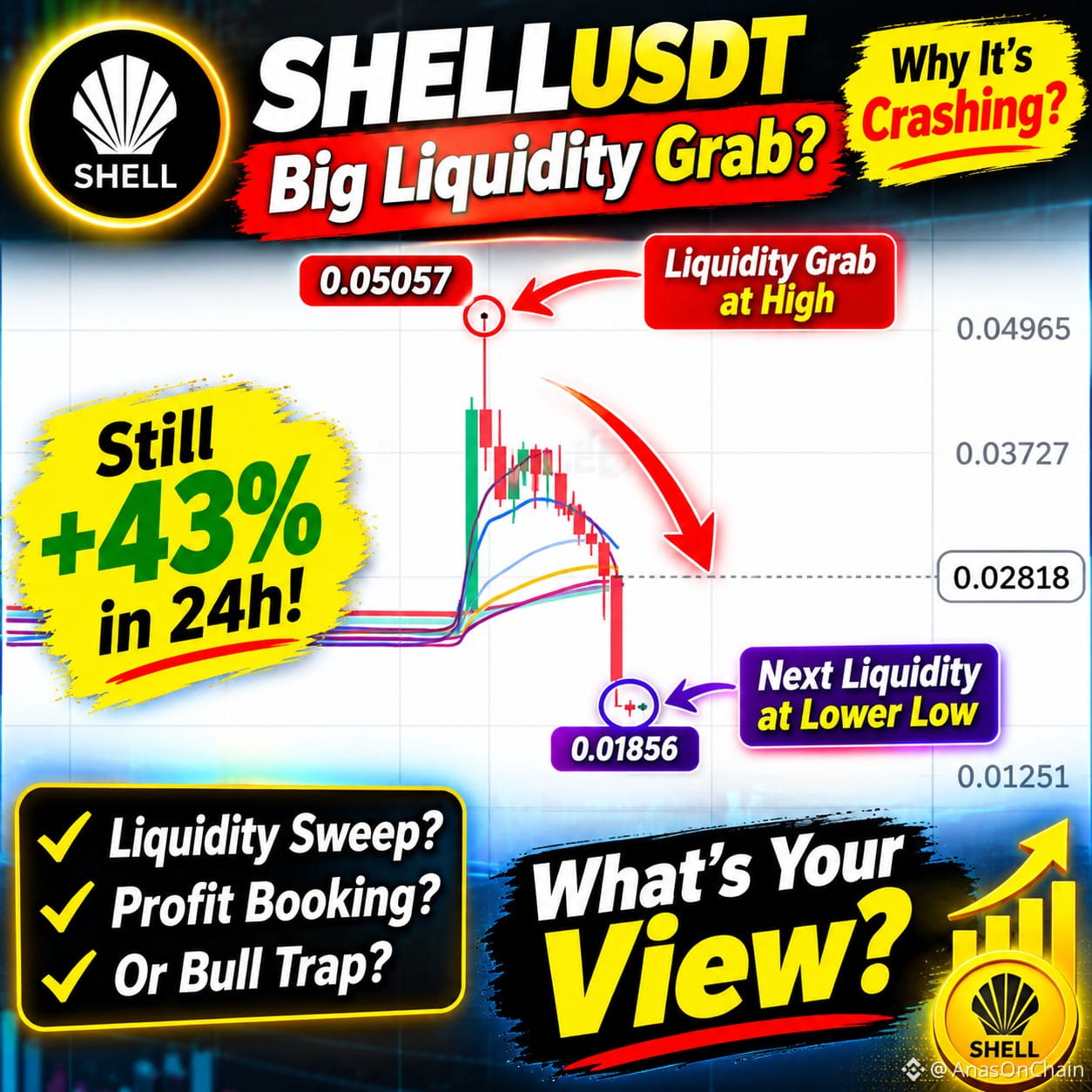
Price touched $0.05057, but after taking liquidity above, it quickly reversed and dropped near $0.02818.
Interestingly, SHELL is still up around 43% in 24 hours.
So why is it falling?
Here are 3 possible reasons:
1. Liquidity Sweep: Price may have triggered breakout buyers and liquidated short positions near the highs.
2. Profit Booking: Early buyers may be taking profits after the massive pump.
3. Selling Pressure: High volume during the rally can also bring aggressive sellers into the market.
My observation: A strong pump doesn't guarantee a continuation. The next few 4H candles will be important.
What do you think?
A) Bull Trap – More downside 📉
B) Healthy Correction – Another pump coming 🚀
C) Liquidity Grab – Smart Money is accumulating?
Drop your opinion below! 👇
$SHELL #SHELLUSDT #Crypto #Binance
1
146
·
--
Why Is AKEUSDT the Top 1 Gainer Today? 🚀
AKEUSDT is stealing the spotlight today!
With a massive 24-hour price increase of over 138%, AKE has become one of the hottest trending pairs in the market.
But what is driving this move?
Three things deserve attention:
1. Trading Volume: Around $170M in 24-hour volume shows massive market activity.
2. Market Positioning: Rising open interest suggests increased participation in futures trading.
3. FOMO Effect: A sharp rally attracts more traders, but it can also create sudden selling pressure.
My observation: AKE's rally is impressive, but the real question is whether buyers can sustain this momentum.
A top gainer today doesn't automatically become tomorrow's winner.
Are you watching AKE for another leg up, or expecting a correction?
$AKE
{future}(AKEUSDT)
#AKEUSDT #Crypto #Binance
Why Is AKEUSDT the Top 1 Gainer Today? 🚀
AKEUSDT is stealing the spotlight today!
With a massive 24-hour price increase of over 138%, AKE has become one of the hottest trending pairs in the market.
But what is driving this move?
Three things deserve attention:
1. Trading Volume: Around $170M in 24-hour volume shows massive market activity.
2. Market Positioning: Rising open interest suggests increased participation in futures trading.
3. FOMO Effect: A sharp rally attracts more traders, but it can also create sudden selling pressure.
My observation: AKE's rally is impressive, but the real question is whether buyers can sustain this momentum.
A top gainer today doesn't automatically become tomorrow's winner.
Are you watching AKE for another leg up, or expecting a correction?
$AKE
#AKEUSDT #Crypto #Binance

1
294
·
--
Bullish
Bitcoin Is Holding, But Is the Market Really Recovering?
Bitcoin is trading around $74K, but the bigger picture deserves attention.
Recent spot BTC ETF outflows and declining stablecoin supply suggest that fresh money is still cautious about entering the crypto market.
A small price recovery doesn't always mean a trend reversal.
I believe liquidity and institutional demand will be more important signals to watch than short-term green candles.
Sometimes, protecting capital is more important than chasing a quick opportunity.
What's your view? Are we building a bottom or preparing for another move down?
#Bitcoin #BTC #CryptoMarket

1
210
·
--
Kabhi kabhi mujhe lagta hai DeFi mein sabse important cheez woh hoti hai jo headline ke neeche chhupi hoti hai.
@termmax ko dekhte hue meri nazar physical delivery par ruk gayi.
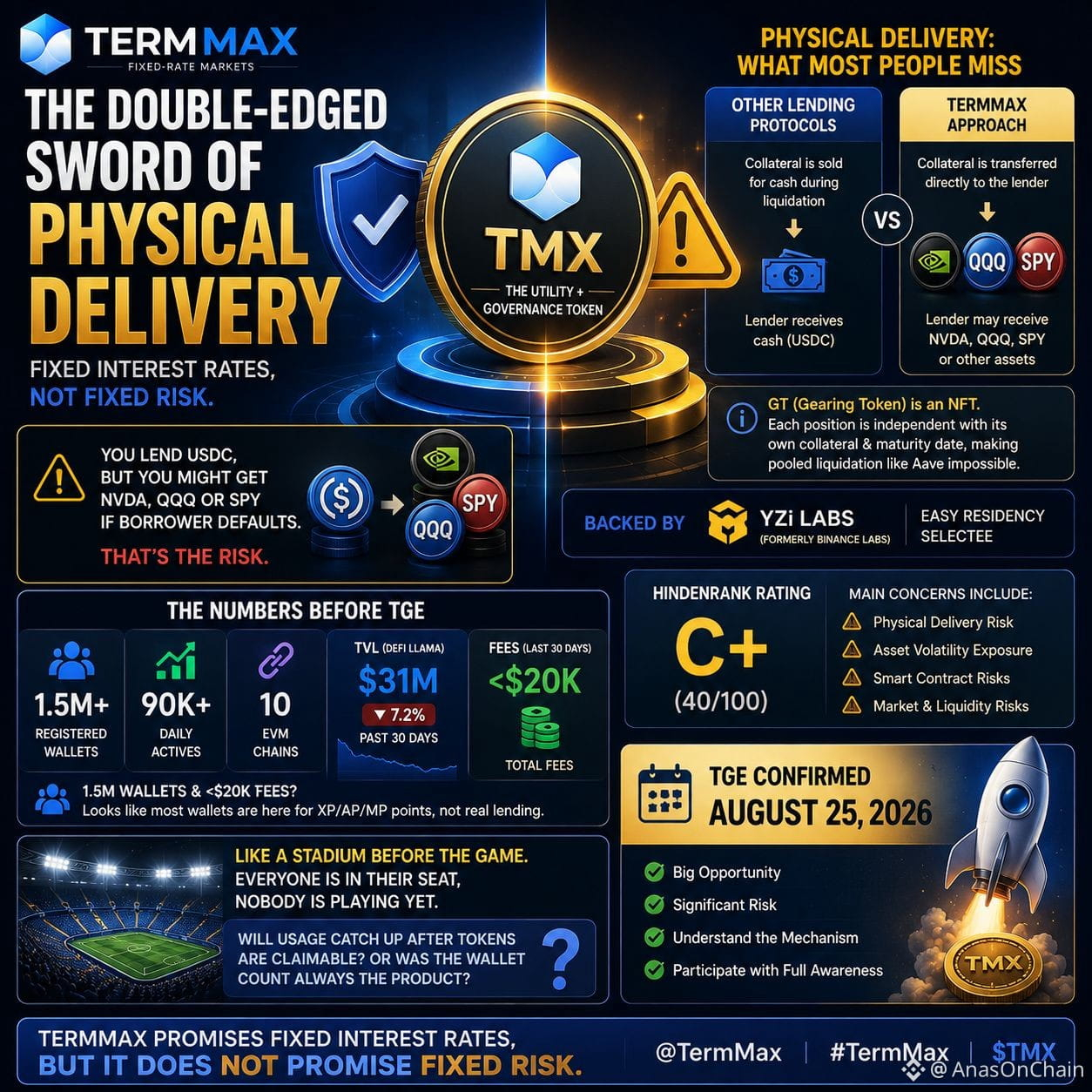
TermMax mein GT positions NFT-based hain. Agar borrower default kare, collateral simply market mein sell hone ke bajaye lender ko directly deliver ho sakta hai.
Yahan mujhe risk ka doosra side samajh aaya.
Aapne USDC lend kiya, fixed interest expect kiya… lekin default ke case mein collateral NVDA, QQQ ya SPY exposure ho sakta hai.
Yani fixed rate ka matlab fixed risk nahi.
Aur ye point aur interesting ho jata hai jab official numbers ko on-chain activity ke saath dekhta hoon.
1.5M+ registered wallets
90K+ daily actives
10 EVM chains
Lekin DefiLlama par TVL around $31M, last 30 days mein 7.2% down, aur fees $20K se bhi kam.
Mujhe yahan wallet count se zyada important question nazar aata hai:
Kitne users actually GT positions aur vaults use kar rahe hain, aur kitne sirf XP/AP/MP farming kar rahe hain?
TGE 25 August ke kareeb hai, isliye mere liye real test token launch nahi.
Real test ye hai ke incentives hatne ke baad actual borrowing, lending aur GT activity kitni survive karti hai.
TermMax ka mechanism interesting hai.
Lekin mechanism samajhna aur uska risk samajhna — dono alag cheezen hain.
#termmax @termmax #TermMax
Kabhi kabhi mujhe lagta hai DeFi mein sabse important cheez woh hoti hai jo headline ke neeche chhupi hoti hai.
@TermMax ko dekhte hue meri nazar physical delivery par ruk gayi.
TermMax mein GT positions NFT-based hain. Agar borrower default kare, collateral simply market mein sell hone ke bajaye lender ko directly deliver ho sakta hai.
Yahan mujhe risk ka doosra side samajh aaya.
Aapne USDC lend kiya, fixed interest expect kiya… lekin default ke case mein collateral NVDA, QQQ ya SPY exposure ho sakta hai.
Yani fixed rate ka matlab fixed risk nahi.
Aur ye point aur interesting ho jata hai jab official numbers ko on-chain activity ke saath dekhta hoon.
1.5M+ registered wallets
90K+ daily actives
10 EVM chains
Lekin DefiLlama par TVL around $31M, last 30 days mein 7.2% down, aur fees $20K se bhi kam.
Mujhe yahan wallet count se zyada important question nazar aata hai:
Kitne users actually GT positions aur vaults use kar rahe hain, aur kitne sirf XP/AP/MP farming kar rahe hain?
TGE 25 August ke kareeb hai, isliye mere liye real test token launch nahi.
Real test ye hai ke incentives hatne ke baad actual borrowing, lending aur GT activity kitni survive karti hai.
TermMax ka mechanism interesting hai.
Lekin mechanism samajhna aur uska risk samajhna — dono alag cheezen hain.
#termmax @TermMax #TermMax
1
114
·
--
Kabhi kabhi mujhe lagta hai DeFi mein TVL ka number dekhna easy hai, lekin us capital ke andar kya ho raha hai woh zyada interesting hota hai.
@termmax ke numbers check karte hue meri nazar ek ratio par ruk gayi.
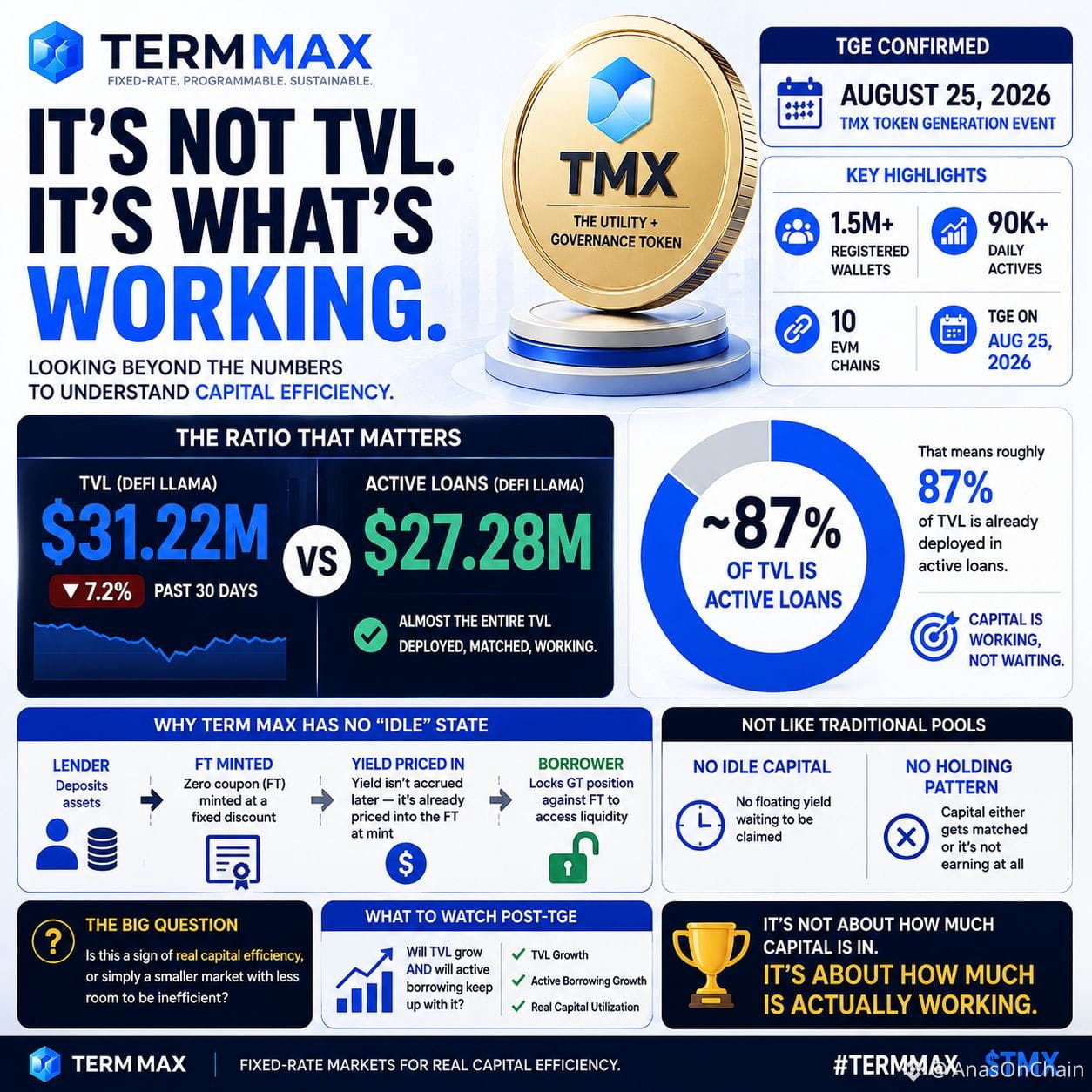
TVL $31.22M hai, last 30 days mein 7.2% down.
Lekin active loans $27.28M hain.
Yani roughly 87% TVL already deployed hai.
Yahan mujhe TermMax ka model traditional lending pools se different laga.
Lender deposit karta hai, FT mint hota hai aur fixed yield discount ke andar hi price ho jati hai.
Borrower GT position lock karta hai aur us structure ke against liquidity access karta hai.
Isliye yahan capital ka idea simple “deposit karo aur idle rehne do” wala nahi hai.
Mere liye ab real question $31.22M TVL nahi hai:
Kitna capital actually working hai?
$27.28M active loans definitely interesting hain, lekin main isay automatically bullish signal nahi maan raha.
High utilization genuine efficiency bhi ho sakti hai, ya smaller market mein limited liquidity ka result bhi.
Isi liye TGE ke baad main TVL se zyada TVL vs active borrowing ko watch karunga.
Agar dono saath grow hue, tab TermMax ka capital-efficiency model mere liye aur convincing hoga.
#TermMax #termmax @termmax
Kabhi kabhi mujhe lagta hai DeFi mein TVL ka number dekhna easy hai, lekin us capital ke andar kya ho raha hai woh zyada interesting hota hai.
@TermMax ke numbers check karte hue meri nazar ek ratio par ruk gayi.
TVL $31.22M hai, last 30 days mein 7.2% down.
Lekin active loans $27.28M hain.
Yani roughly 87% TVL already deployed hai.
Yahan mujhe TermMax ka model traditional lending pools se different laga.
Lender deposit karta hai, FT mint hota hai aur fixed yield discount ke andar hi price ho jati hai.
Borrower GT position lock karta hai aur us structure ke against liquidity access karta hai.
Isliye yahan capital ka idea simple “deposit karo aur idle rehne do” wala nahi hai.
Mere liye ab real question $31.22M TVL nahi hai:
Kitna capital actually working hai?
$27.28M active loans definitely interesting hain, lekin main isay automatically bullish signal nahi maan raha.
High utilization genuine efficiency bhi ho sakti hai, ya smaller market mein limited liquidity ka result bhi.
Isi liye TGE ke baad main TVL se zyada TVL vs active borrowing ko watch karunga.
Agar dono saath grow hue, tab TermMax ka capital-efficiency model mere liye aur convincing hoga.
#TermMax #termmax @TermMax
1
2
111
·
--
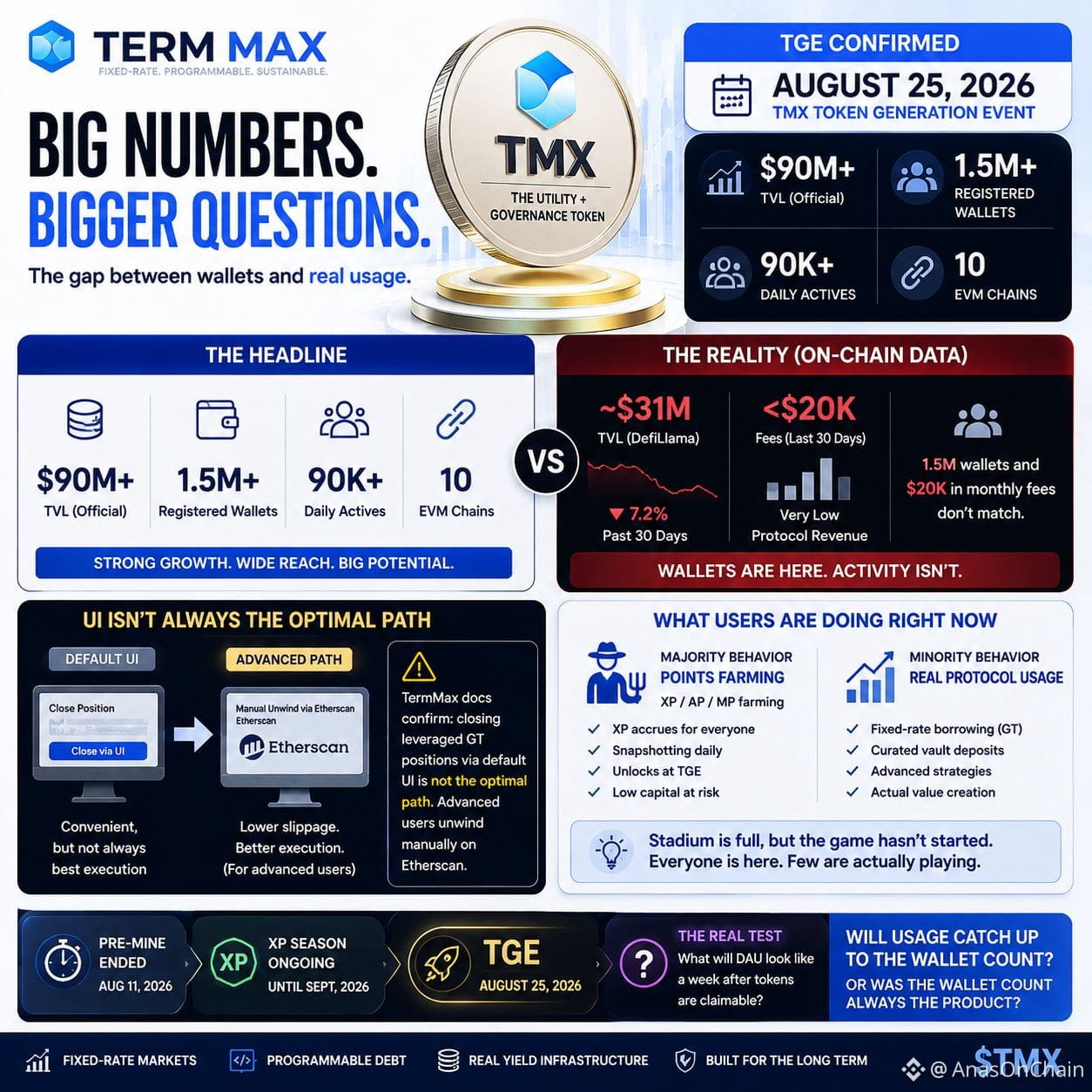
Mujhe TermMax mein ab ek interesting gap nazar aa raha hai: wallet growth aur actual usage ek hi cheez nahi hain.
@termmax ka TGE 25 August ko hai, aur official numbers impressive hain — $90M+ TVL, 1.5M+ registered wallets, 90K+ daily actives aur 10 EVM chains.
Lekin maine DefiLlama numbers dekhe to picture thodi different lagi.
TVL around $31M, past month mein 7.2% down, aur last 30 days ki fees $20K se bhi kam.
Yahan mere liye real question start hota hai.
1.5M wallets ka matlab ye zaroori nahi ke 1.5M users lending, borrowing ya actual fixed-rate positions use kar rahe hain.
XP/AP/MP farming bhi activity create kar sakti hai.
Aur ek aur interesting detail: advanced GT positions ko close karne ke liye TermMax docs mein Etherscan se manual unwind ka separate process hai, kyunke default UI har situation mein best execution nahi deta.
Matlab same protocol mein normal user experience aur advanced user execution abhi completely equal nahi hain.
Pre-mine 11 August ko end ho chuka hai, XP season September tak chal raha hai, aur TGE 25 August ko hai.
Ab mere liye sabse important metric wallet count nahi hoga.
TGE ke baad kitne wallets actual protocol activity mein convert hote hain?
Agar fees, TVL aur real borrowing usage wallet growth ke saath catch up karte hain, to TermMax ka story stronger hota hai.
Agar nahi…
to 1.5M wallets shayad users se zyada potential users honge.
@termmax #TermMax #termmax
Mujhe TermMax mein ab ek interesting gap nazar aa raha hai: wallet growth aur actual usage ek hi cheez nahi hain.
@TermMax ka TGE 25 August ko hai, aur official numbers impressive hain — $90M+ TVL, 1.5M+ registered wallets, 90K+ daily actives aur 10 EVM chains.
Lekin maine DefiLlama numbers dekhe to picture thodi different lagi.
TVL around $31M, past month mein 7.2% down, aur last 30 days ki fees $20K se bhi kam.
Yahan mere liye real question start hota hai.
1.5M wallets ka matlab ye zaroori nahi ke 1.5M users lending, borrowing ya actual fixed-rate positions use kar rahe hain.
XP/AP/MP farming bhi activity create kar sakti hai.
Aur ek aur interesting detail: advanced GT positions ko close karne ke liye TermMax docs mein Etherscan se manual unwind ka separate process hai, kyunke default UI har situation mein best execution nahi deta.
Matlab same protocol mein normal user experience aur advanced user execution abhi completely equal nahi hain.
Pre-mine 11 August ko end ho chuka hai, XP season September tak chal raha hai, aur TGE 25 August ko hai.
Ab mere liye sabse important metric wallet count nahi hoga.
TGE ke baad kitne wallets actual protocol activity mein convert hote hain?
Agar fees, TVL aur real borrowing usage wallet growth ke saath catch up karte hain, to TermMax ka story stronger hota hai.
Agar nahi…
to 1.5M wallets shayad users se zyada potential users honge.
@TermMax #TermMax #termmax
1
66
·
--
Verified
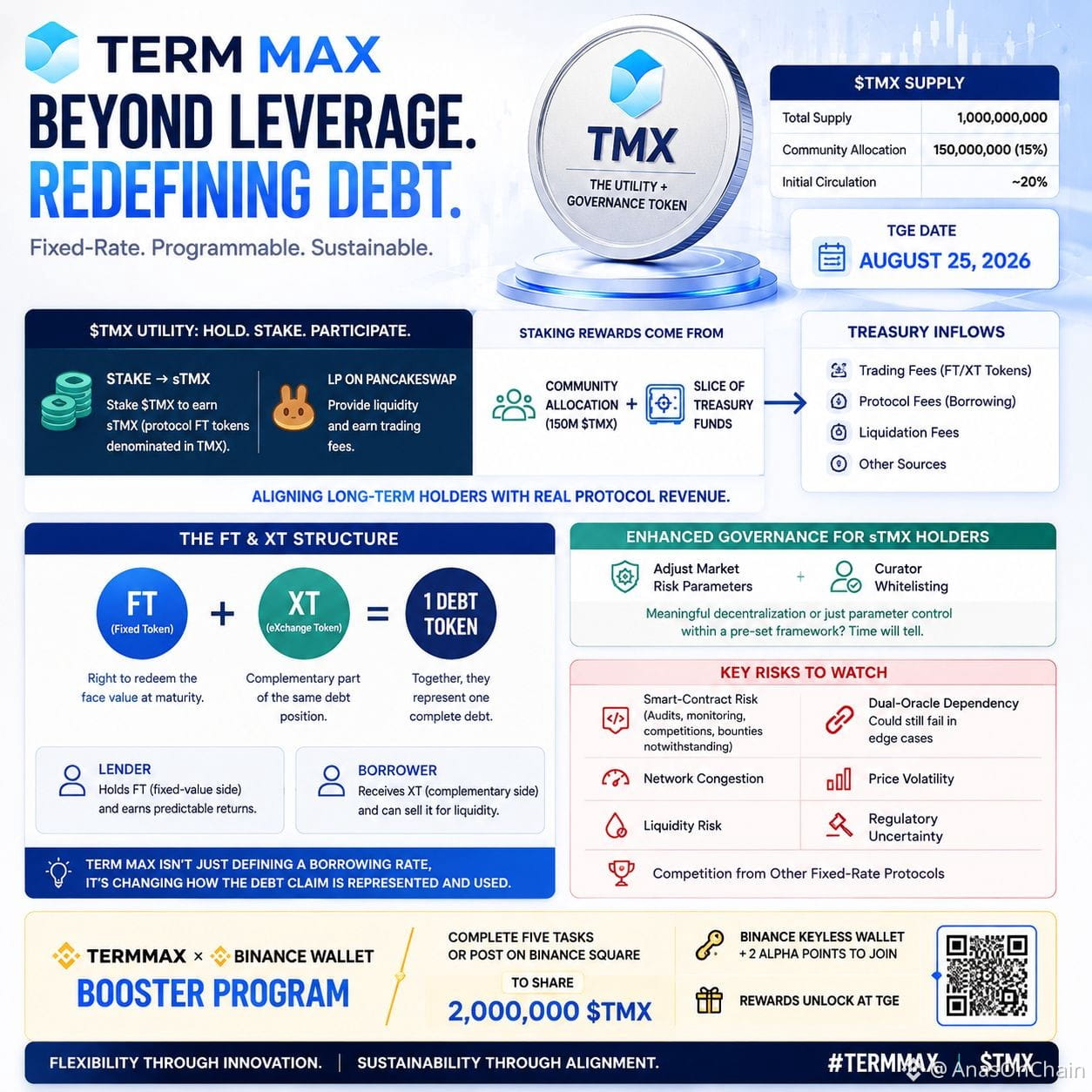
Mujhe TermMax mein ek cheez samajhne ke baad TMX ka role thoda different nazar aaya.
Ye sirf governance token nahi lagta. Fixed 1B supply mein Community ke liye 150M $TMX (15%) hai, aur holders staking ke through sTMX le sakte hain.
Interesting part Treasury hai.
FT/XT trading fees, borrowing fees, liquidation fees aur other protocol revenue Treasury mein aa sakta hai, jahan se staking rewards ka ek hissa potentially fund hota hai.
Lekin yahan mera question bhi hai: Treasury revenue ka kitna portion actually stakers tak jayega?
Phir FT/XT model dekha:
1 FT + 1 XT = 1 debt token.
Lender fixed-value side hold kar sakta hai, jabke borrower complementary XT ko liquidity ke liye use kar sakta hai.
Mere liye ye TermMax ka interesting part hai — protocol sirf loan create nahi kar raha, balki debt ko different financial exposures mein divide kar raha hai.
Flexibility badhti hai, lekin complexity bhi.
Aur sTMX holders ko risk parameters aur curator whitelisting par enhanced governance rights milte hain. Isliye actual test sirf token price nahi, governance aur Treasury distribution ka bhi hoga.
Binance WalletBooster mein 2M $TMX rewards hain, aur rewards TGE par unlock honge.
Ab dekhna ye hai ke campaign users sirf rewards claim karte hain...
Ya actual TermMax economy mein stake, govern aur participate bhi karte hain.
@termmax #TermMax
Mujhe TermMax mein ek cheez samajhne ke baad TMX ka role thoda different nazar aaya.
Ye sirf governance token nahi lagta. Fixed 1B supply mein Community ke liye 150M $TMX (15%) hai, aur holders staking ke through sTMX le sakte hain.
Interesting part Treasury hai.
FT/XT trading fees, borrowing fees, liquidation fees aur other protocol revenue Treasury mein aa sakta hai, jahan se staking rewards ka ek hissa potentially fund hota hai.
Lekin yahan mera question bhi hai: Treasury revenue ka kitna portion actually stakers tak jayega?
Phir FT/XT model dekha:
1 FT + 1 XT = 1 debt token.
Lender fixed-value side hold kar sakta hai, jabke borrower complementary XT ko liquidity ke liye use kar sakta hai.
Mere liye ye TermMax ka interesting part hai — protocol sirf loan create nahi kar raha, balki debt ko different financial exposures mein divide kar raha hai.
Flexibility badhti hai, lekin complexity bhi.
Aur sTMX holders ko risk parameters aur curator whitelisting par enhanced governance rights milte hain. Isliye actual test sirf token price nahi, governance aur Treasury distribution ka bhi hoga.
Binance WalletBooster mein 2M $TMX rewards hain, aur rewards TGE par unlock honge.
Ab dekhna ye hai ke campaign users sirf rewards claim karte hain...
Ya actual TermMax economy mein stake, govern aur participate bhi karte hain.
@TermMax #TermMax
1
1
160
·
--
Verified
Mujhe TMX ko dekhte hue ek cheez expected se zyada interesting lagi.
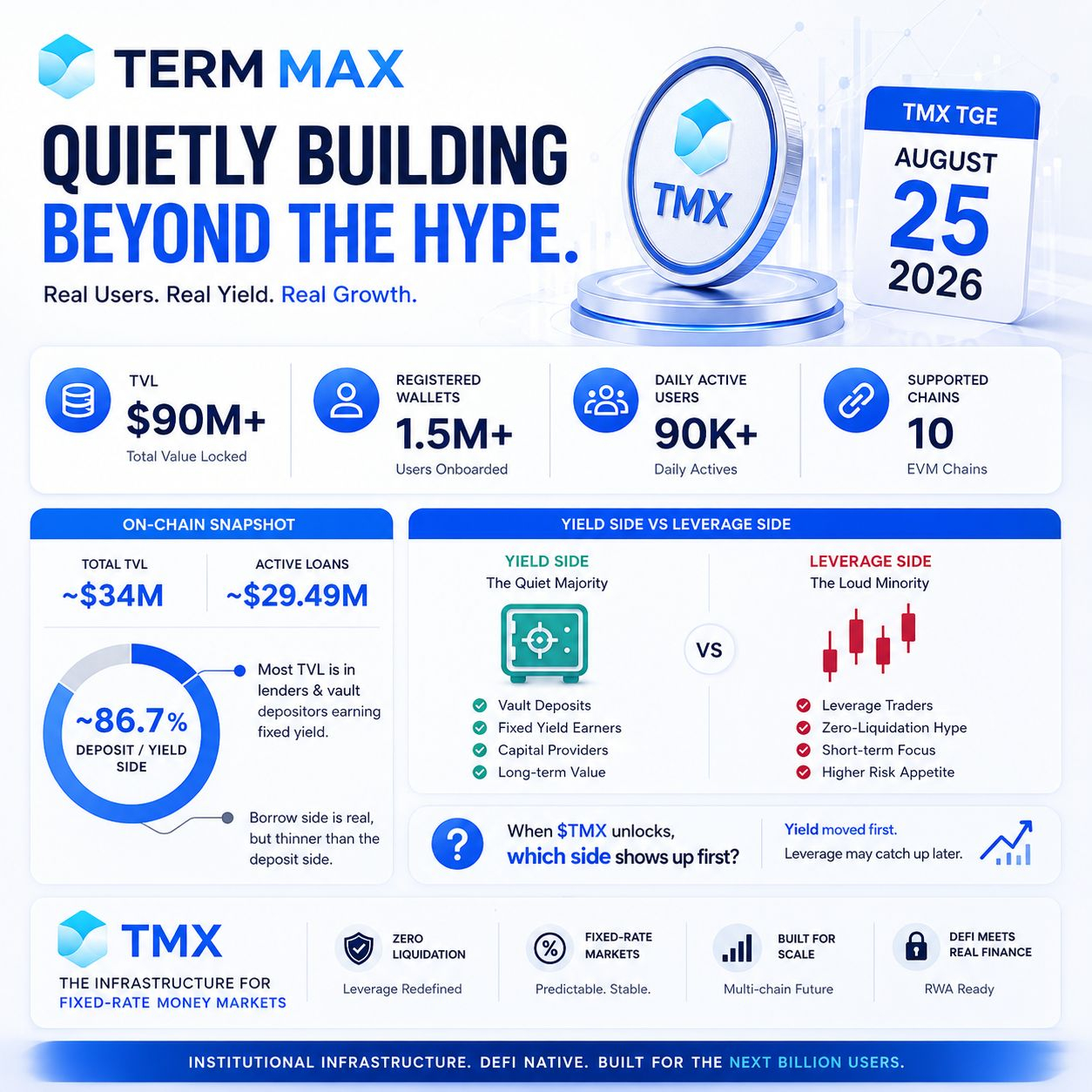
Main zero-liquidation leverage story dekhne gaya tha, lekin numbers ne mujhe yield side par rok diya.
TermMax ne $TMX ka TGE 25 August 2026 confirm kiya hai. Saath mein 1.5M+ registered wallets, 90K+ daily active users aur 10 EVM chains ka footprint diya gaya hai.
Lekin yahan ek important difference hai.
Jo narrative sabse loud hai woh leverage ka hai.
Jo activity mujhe zyada interesting lagi, woh lenders aur vault depositors ki hai.
Mere tracked data mein TVL roughly $34M tha, jabke active loans around $29.49M thay. Broader ecosystem figure $90M+ TVL tak report ho raha hai.
Yani borrow side real hai, lekin deposit/yield side ko ignore karna mushkil hai.
Aur TermMax ka core design bhi isi direction ko support karta hai: fixed-rate lending aur borrowing, jahan user ko variable-rate uncertainty ke bajaye predefined terms milte hain.
Mere liye yahan actual question leverage nahi raha.
Question ye hai ke TGE ke baad TMX ko kaun drive karega?
Woh trader jo leverage use karta hai?
Ya woh much larger user base jo capital deposit karke fixed yield generate kar raha hai?
Agar yield side pehle grow kar gayi thi, to possible hai market TMX ko sirf “leverage token” ke lens se dekh hi na raha ho.
Yield moved first. Leverage may catch up later.
@termmax #TermMax
Mujhe TMX ko dekhte hue ek cheez expected se zyada interesting lagi.
Main zero-liquidation leverage story dekhne gaya tha, lekin numbers ne mujhe yield side par rok diya.
TermMax ne $TMX ka TGE 25 August 2026 confirm kiya hai. Saath mein 1.5M+ registered wallets, 90K+ daily active users aur 10 EVM chains ka footprint diya gaya hai.
Lekin yahan ek important difference hai.
Jo narrative sabse loud hai woh leverage ka hai.
Jo activity mujhe zyada interesting lagi, woh lenders aur vault depositors ki hai.
Mere tracked data mein TVL roughly $34M tha, jabke active loans around $29.49M thay. Broader ecosystem figure $90M+ TVL tak report ho raha hai.
Yani borrow side real hai, lekin deposit/yield side ko ignore karna mushkil hai.
Aur TermMax ka core design bhi isi direction ko support karta hai: fixed-rate lending aur borrowing, jahan user ko variable-rate uncertainty ke bajaye predefined terms milte hain.
Mere liye yahan actual question leverage nahi raha.
Question ye hai ke TGE ke baad TMX ko kaun drive karega?
Woh trader jo leverage use karta hai?
Ya woh much larger user base jo capital deposit karke fixed yield generate kar raha hai?
Agar yield side pehle grow kar gayi thi, to possible hai market TMX ko sirf “leverage token” ke lens se dekh hi na raha ho.
Yield moved first. Leverage may catch up later.
@TermMax #TermMax
1
2
105
·
--
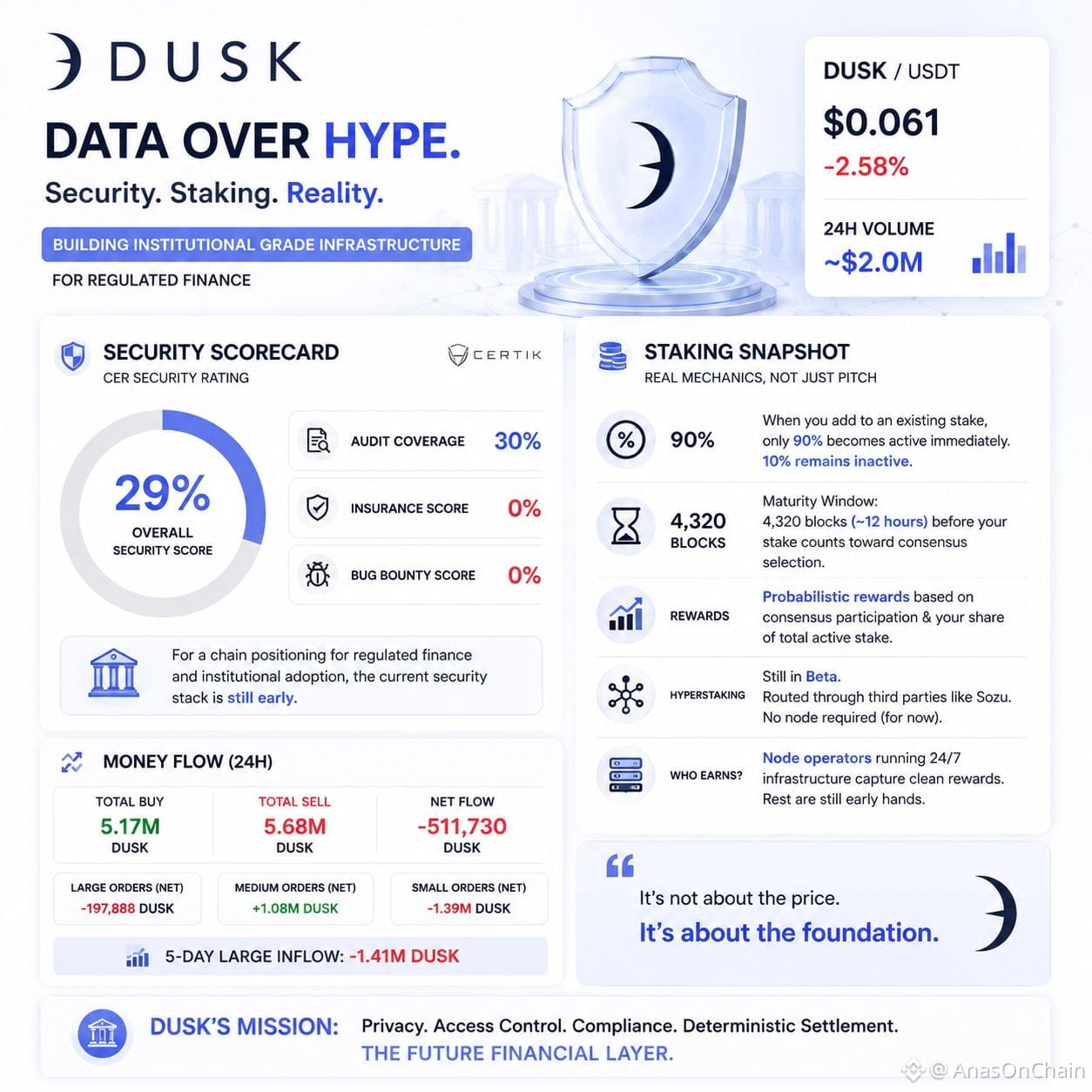
Aaj DUSK ko price chart se nahi, security scorecard aur staking mechanics se dekha — aur yahan mujhe ek interesting gap nazar aya.
DUSK institutional-grade, MiCA-compliant financial infrastructure ki story build kar raha hai. Lekin jab security metrics dekhe to picture itni polished nahi thi.
CER scorecard par: Overall security: 29%
Audit coverage: 30%
Insurance: 0%
Bug bounty: 0%
Mere liye sabse interesting number 0% tha.
RWA aur regulated finance mein institutions sirf ye nahi dekhte ke protocol kya promise kar raha hai. Woh ye bhi dekhte hain ke worst-case mein protection kitni mature hai.
Phir maine staking khud test ki.
Stake ka sirf 90% immediately active hota hai. Baqi 10% inactive rehta hai.
Aur consensus selection mein count hone se pehle 4,320 blocks (~12 hours) ka maturity window hai.
Rewards bhi fixed APR nahi hain. Consensus participation aur total active stake ke comparison mein tumhare stake par depend karte hain.
Hyperstaking bhi abhi beta aur third-party infrastructure ke through hai.
Yani DUSK ki story mujhe ab sirf “privacy + RWA” nahi lagti.
Asal test ye hai:
Kya institutional narrative ke peeche security aur staking infrastructure bhi utni hi speed se mature ho raha hai?
Price around $0.061 aur 24H volume ~$2M tha, lekin honestly mujhe price se zyada woh 0% insurance aur 0% bug bounty yaad reh gaya.
Agar DUSK future financial assets ko on-chain lana chahta hai, to next chapter sirf adoption nahi hoga.
Trust ko prove karna hoga.
@Dusk_Foundation #dusk $DUSK
Aaj DUSK ko price chart se nahi, security scorecard aur staking mechanics se dekha — aur yahan mujhe ek interesting gap nazar aya.
DUSK institutional-grade, MiCA-compliant financial infrastructure ki story build kar raha hai. Lekin jab security metrics dekhe to picture itni polished nahi thi.
CER scorecard par: Overall security: 29%
Audit coverage: 30%
Insurance: 0%
Bug bounty: 0%
Mere liye sabse interesting number 0% tha.
RWA aur regulated finance mein institutions sirf ye nahi dekhte ke protocol kya promise kar raha hai. Woh ye bhi dekhte hain ke worst-case mein protection kitni mature hai.
Phir maine staking khud test ki.
Stake ka sirf 90% immediately active hota hai. Baqi 10% inactive rehta hai.
Aur consensus selection mein count hone se pehle 4,320 blocks (~12 hours) ka maturity window hai.
Rewards bhi fixed APR nahi hain. Consensus participation aur total active stake ke comparison mein tumhare stake par depend karte hain.
Hyperstaking bhi abhi beta aur third-party infrastructure ke through hai.
Yani DUSK ki story mujhe ab sirf “privacy + RWA” nahi lagti.
Asal test ye hai:
Kya institutional narrative ke peeche security aur staking infrastructure bhi utni hi speed se mature ho raha hai?
Price around $0.061 aur 24H volume ~$2M tha, lekin honestly mujhe price se zyada woh 0% insurance aur 0% bug bounty yaad reh gaya.
Agar DUSK future financial assets ko on-chain lana chahta hai, to next chapter sirf adoption nahi hoga.
Trust ko prove karna hoga.
@Dusk #dusk $DUSK
5
4
114
·
--
Partly True
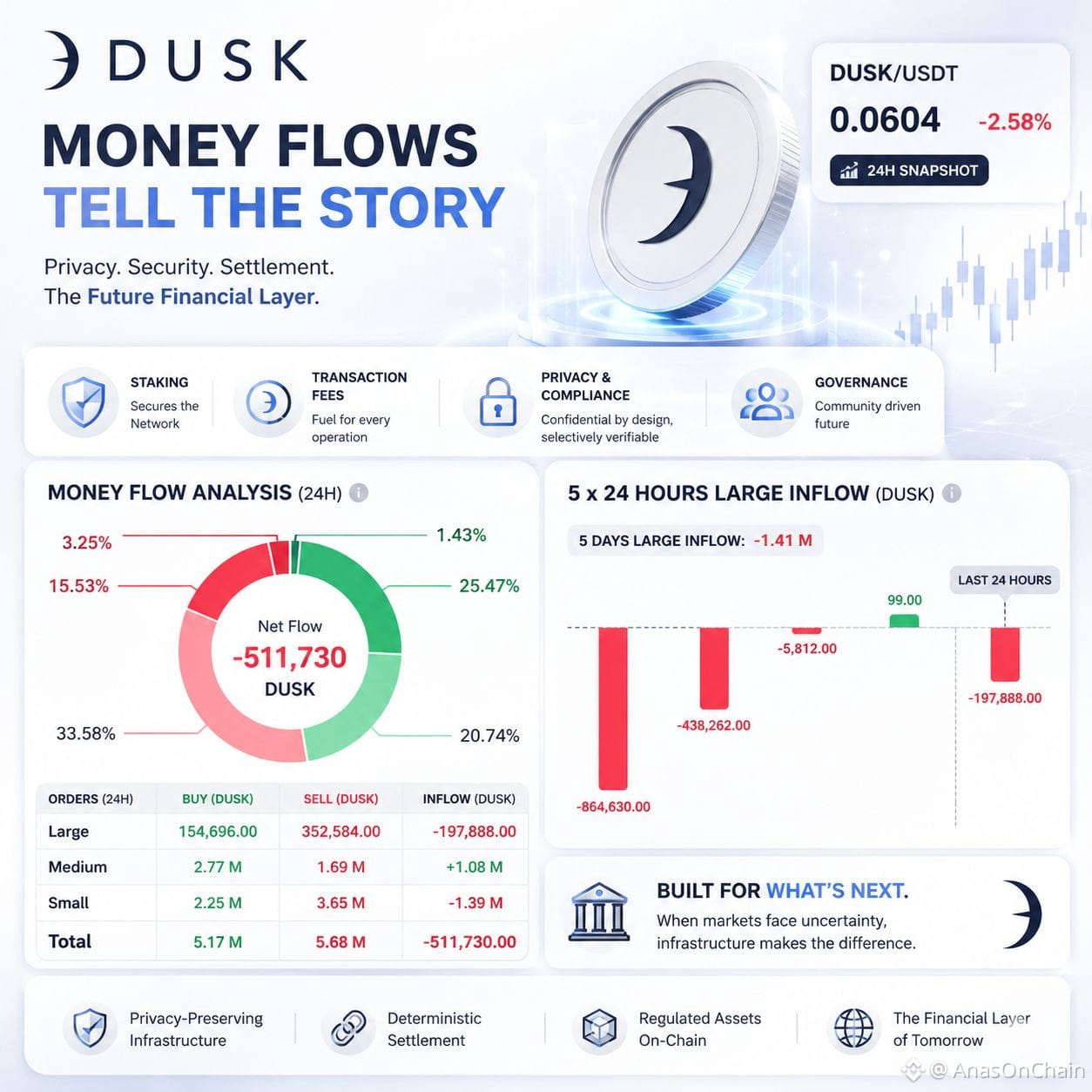
Aaj DUSK ka money-flow data dekha to price se zyada ek question interesting laga.
Agar kal BTC holders collectively sell kar dein, ya kisi major exchange ka hack market ka trust shake kar de… to problem sirf price ki nahi hogi.
Problem hogi: financial infrastructure kitni resilient hai?
Yahin mujhe DUSK interesting lagta hai.
DUSK BTC ko replace karne ka bet nahi hai. Iska focus regulated assets ko aise on-chain infrastructure par lana hai jahan privacy, access control aur settlement ek saath work karein.
Aaj ke 24H data mein:
• Buy: 5.17M DUSK
• Sell: 5.68M DUSK
• Net: -511,730 DUSK
• Large orders: -197,888
• Medium: +1.08M
• Small: -1.39M
• 5-day large inflow: -1.41M
• Price: $0.0604 (-2.58%)
Market pressure apni jagah hai, lekin utility ki story different hai.
DUSK staking, transaction fees aur DuskEVM ko fuel karta hai. Privacy-focused financial applications mein selective disclosure bhi important role play karta hai.
BTC hack ho jaye to DUSK BTC recover nahi karega.
Binance hack ho jaye to DUSK Foundation exchange ko rescue nahi karegi.
Lekin agar aise events financial infrastructure ki weaknesses expose karein, to privacy + compliance + access control + deterministic settlement ki importance aur clear ho sakti hai.
BTC ka future BTC holders decide karenge.
Lekin next-generation financial rails kis type ke honge?
Shayad isi question mein $DUSK ka real opportunity hai.
@Dusk_Foundation #dusk $DUSK
Aaj DUSK ka money-flow data dekha to price se zyada ek question interesting laga.
Agar kal BTC holders collectively sell kar dein, ya kisi major exchange ka hack market ka trust shake kar de… to problem sirf price ki nahi hogi.
Problem hogi: financial infrastructure kitni resilient hai?
Yahin mujhe DUSK interesting lagta hai.
DUSK BTC ko replace karne ka bet nahi hai. Iska focus regulated assets ko aise on-chain infrastructure par lana hai jahan privacy, access control aur settlement ek saath work karein.
Aaj ke 24H data mein:
• Buy: 5.17M DUSK
• Sell: 5.68M DUSK
• Net: -511,730 DUSK
• Large orders: -197,888
• Medium: +1.08M
• Small: -1.39M
• 5-day large inflow: -1.41M
• Price: $0.0604 (-2.58%)
Market pressure apni jagah hai, lekin utility ki story different hai.
DUSK staking, transaction fees aur DuskEVM ko fuel karta hai. Privacy-focused financial applications mein selective disclosure bhi important role play karta hai.
BTC hack ho jaye to DUSK BTC recover nahi karega.
Binance hack ho jaye to DUSK Foundation exchange ko rescue nahi karegi.
Lekin agar aise events financial infrastructure ki weaknesses expose karein, to privacy + compliance + access control + deterministic settlement ki importance aur clear ho sakti hai.
BTC ka future BTC holders decide karenge.
Lekin next-generation financial rails kis type ke honge?
Shayad isi question mein $DUSK ka real opportunity hai.
@Dusk #dusk $DUSK
3
3
249
·
--
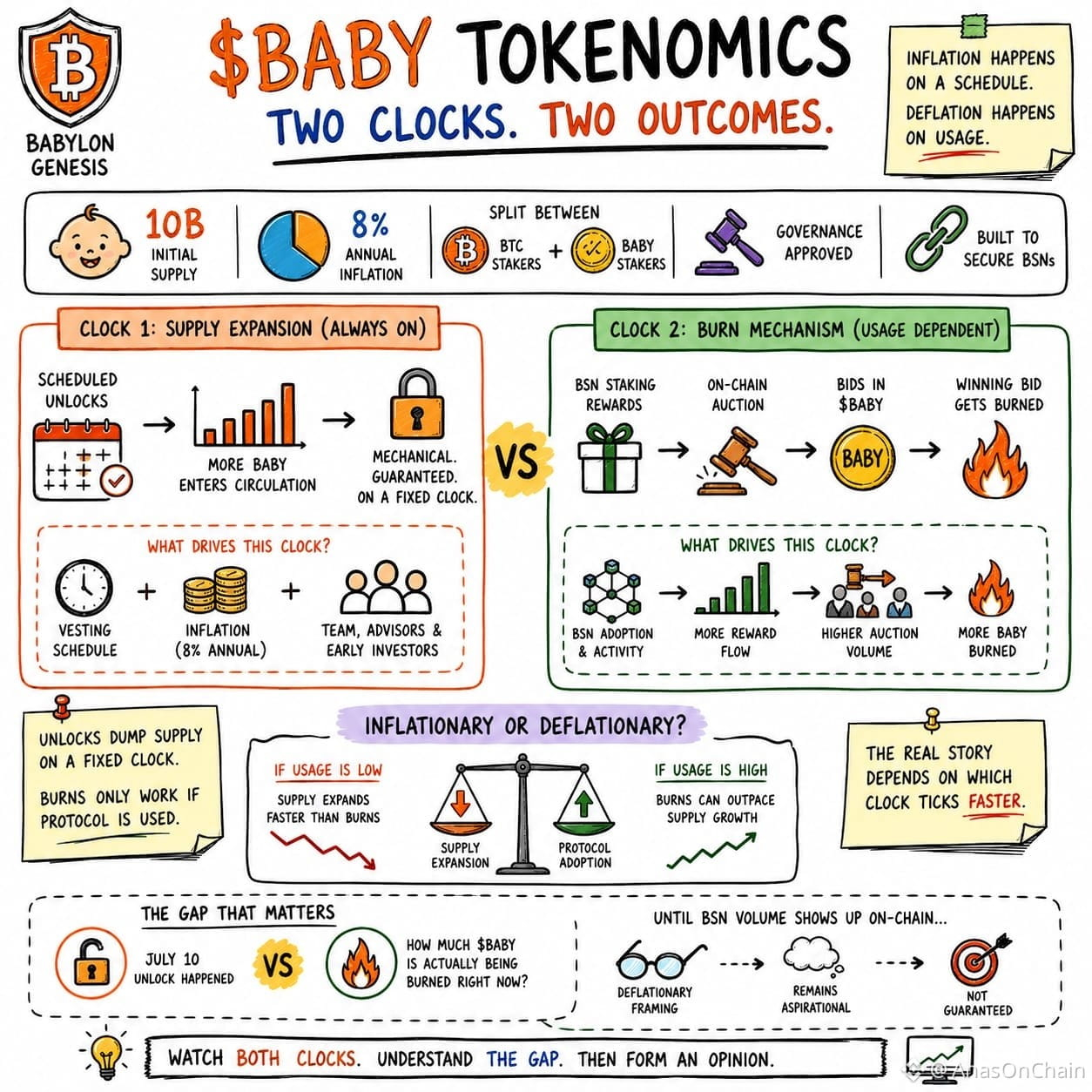
Har koi abhi sirf $BABY inflation ki baat kar raha hai, lekin mujhe Genesis tokenomics mein ek aur cheez zyada interesting lagi.
BABY ki initial supply 10B thi aur protocol 8% annual inflation ke sath BTC aur BABY stakers ko rewards deta hai. Yeh part sab jante hain.
Phir BSN reward mechanism dekha. BSN se aane wale rewards on-chain auction mein jate hain, bids BABY mein hoti hain aur winning bid burn ho jati hai. Yahan mujhe laga ke asal story inflation ya burn nahi, dono ke timing model mein hai.
Ek side scheduled unlocks aur inflation apni timeline par chal rahe hain. Dusri side burn tabhi meaningful hota hai jab BSNs real activity generate karein aur auctions mein enough BABY flow aaye.
Mere liye sawal yeh nahi ke BABY inflationary hai ya deflationary.
Sawal yeh hai ke kaunsi clock tez chalegi? Supply expansion wali... ya protocol adoption wali?
Agar future mein BSN adoption accelerate hoti hai to burn mechanism ka impact bhi naturally barhega. Agar adoption slow rahi to market pehle supply side ko feel karegi.
Isi liye mere nazdeek BABY ki long-term economics sirf token issuance se nahi, Babylon Genesis par build hone wali BSN activity se decide hogi.
@babylonlabs_io $BABY #baby
Har koi abhi sirf $BABY inflation ki baat kar raha hai, lekin mujhe Genesis tokenomics mein ek aur cheez zyada interesting lagi.
BABY ki initial supply 10B thi aur protocol 8% annual inflation ke sath BTC aur BABY stakers ko rewards deta hai. Yeh part sab jante hain.
Phir BSN reward mechanism dekha. BSN se aane wale rewards on-chain auction mein jate hain, bids BABY mein hoti hain aur winning bid burn ho jati hai. Yahan mujhe laga ke asal story inflation ya burn nahi, dono ke timing model mein hai.
Ek side scheduled unlocks aur inflation apni timeline par chal rahe hain. Dusri side burn tabhi meaningful hota hai jab BSNs real activity generate karein aur auctions mein enough BABY flow aaye.
Mere liye sawal yeh nahi ke BABY inflationary hai ya deflationary.
Sawal yeh hai ke kaunsi clock tez chalegi? Supply expansion wali... ya protocol adoption wali?
Agar future mein BSN adoption accelerate hoti hai to burn mechanism ka impact bhi naturally barhega. Agar adoption slow rahi to market pehle supply side ko feel karegi.
Isi liye mere nazdeek BABY ki long-term economics sirf token issuance se nahi, Babylon Genesis par build hone wali BSN activity se decide hogi.
@BabylonLabs_io $BABY #baby
3
2
92
·
--
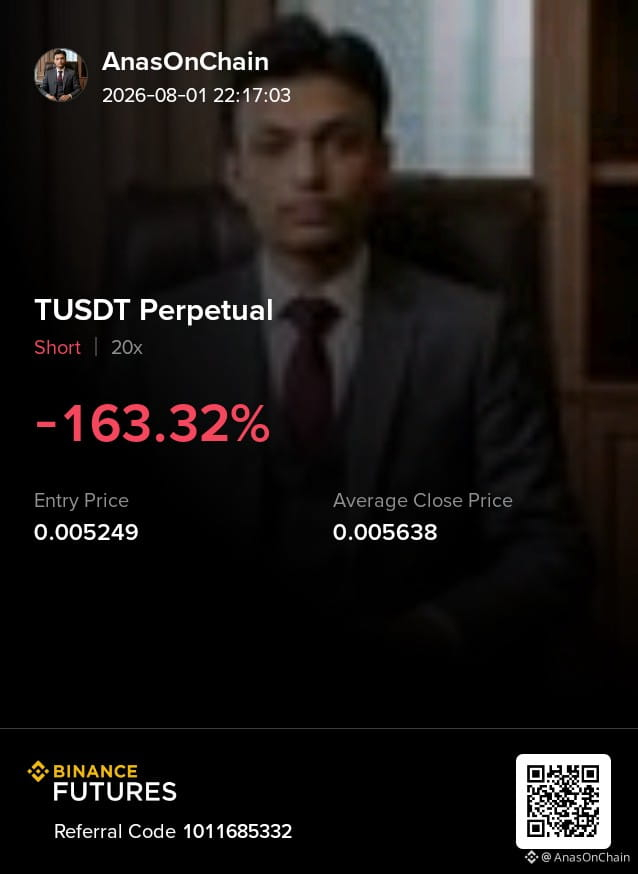
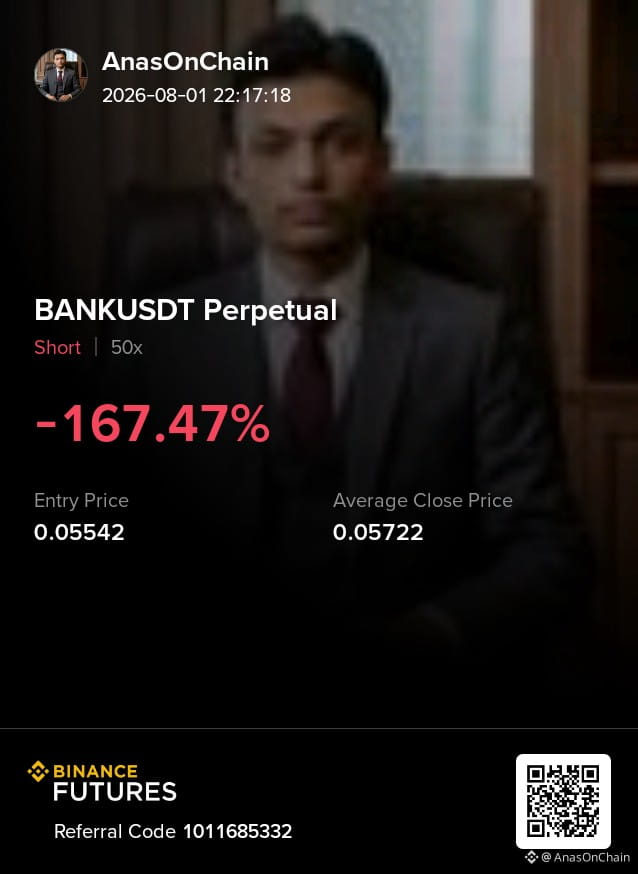
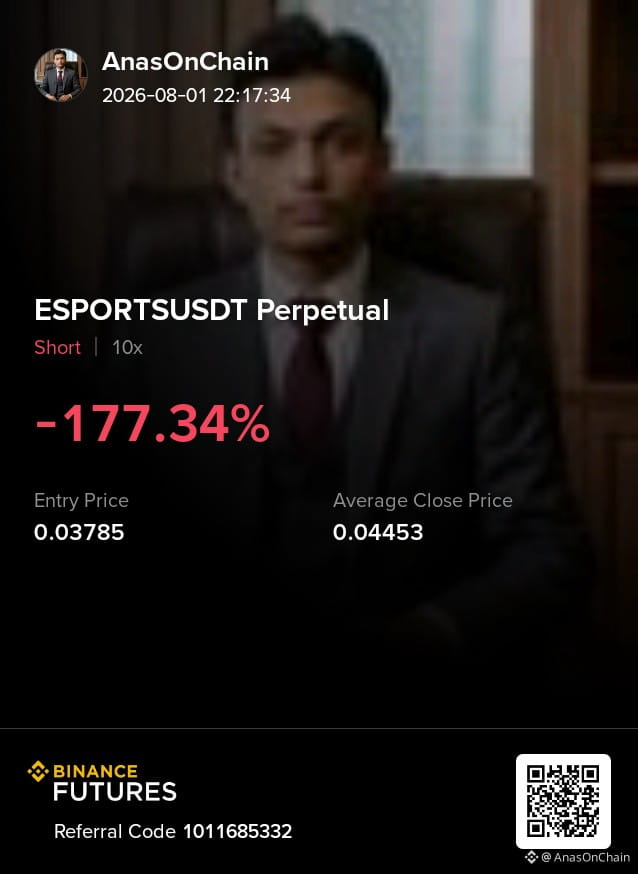
Started with losses. 📉
Three shorts. Three mistakes. Three lessons.
Every red trade paid for experience that no course can teach.
I don't post only wins. I post the journey.
Discipline > Emotion. Consistency > Perfection.
The goal isn't to avoid losses. The goal is to become the trader who survives them.
Three shorts. Three mistakes. Three lessons.
Every red trade paid for experience that no course can teach.
I don't post only wins. I post the journey.
Discipline > Emotion. Consistency > Perfection.
The goal isn't to avoid losses. The goal is to become the trader who survives them.
1
384
·
--
Partly True
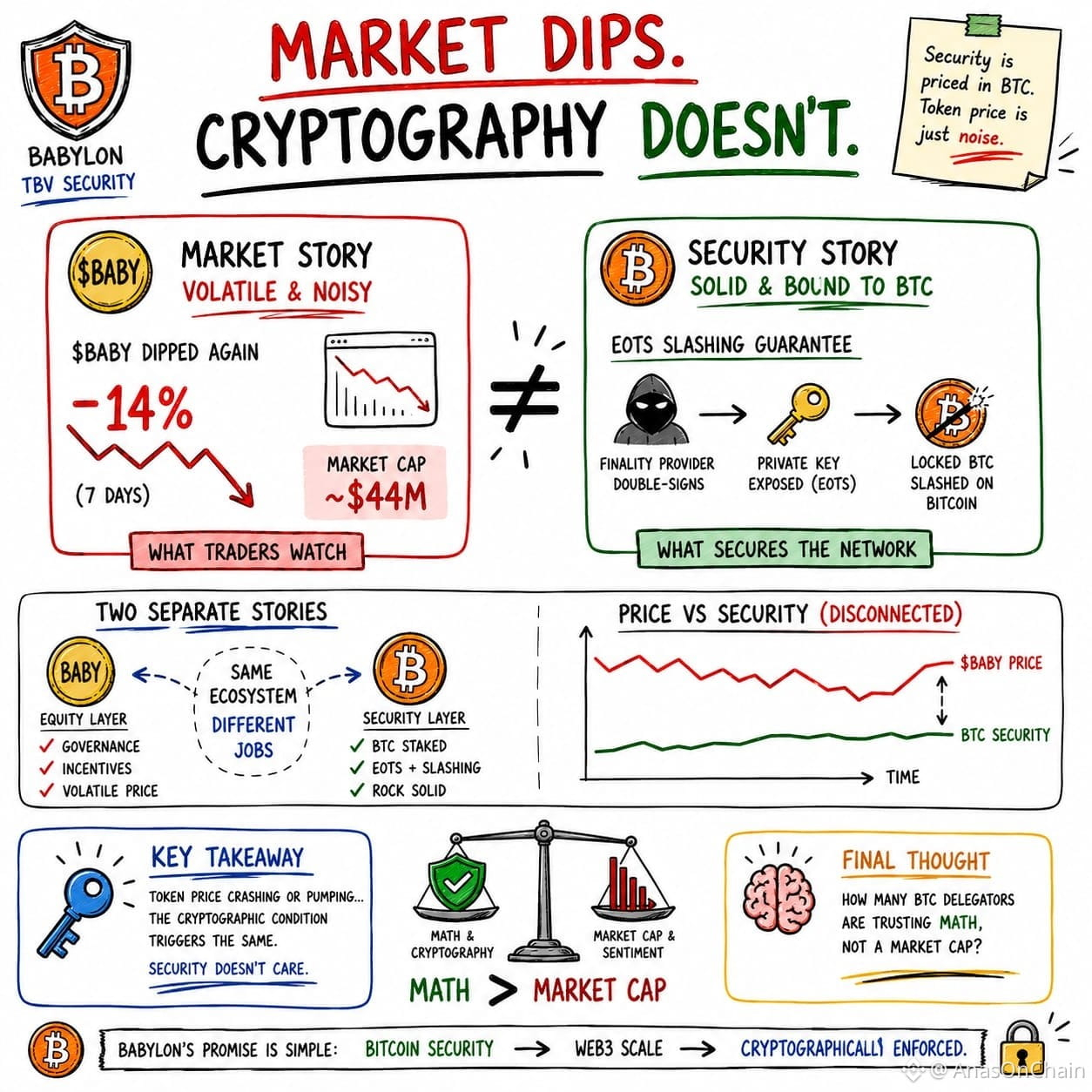
Aaj @babylonlabs_io ko dobara study karte waqt ek cheez ne meri attention hold kar li.
$BABY is week lagbhag 14% dip hua, market cap kareeb $44M tak aa gaya. Dusri taraf protocol ke peeche billions of dollars worth of BTC economic security ke liye stake hai.
Yahan EOTS ka design interesting lagta hai.
Agar koi Finality Provider double-sign kare, to uska private key expose hota hai aur us se backed locked BTC Bitcoin layer par slash ho jata hai. Is cryptographic rule ko farq nahi padta ke $BABY pump kar raha hai ya dump.
Yani Babylon mein do alag layers chal rahi hain.
BTC protocol ki economic security enforce karta hai.
Baby governance, coordination aur incentives ko power karta hai.
Market sentiment dono ko ek hi story samajhta hai, lekin protocol architecture aisa nahi karta.
Maine bhi pehle assume kiya tha ke token dip shayad network security ka signal ho. Whitepaper dobara padhne ke baad realize hua ke security guarantees aur token price do mukhtalif systems hain jo sirf ecosystem share karte hain.
Isi liye BTC delegators asal mein market cap par nahi, cryptographic accountability par trust kar rahe hote hain.
Ye separation mujhe Babylon ke design ka sab se underrated part laga.
@babylonlabs_io #baby $BABY
Aaj @BabylonLabs_io ko dobara study karte waqt ek cheez ne meri attention hold kar li.
$BABY is week lagbhag 14% dip hua, market cap kareeb $44M tak aa gaya. Dusri taraf protocol ke peeche billions of dollars worth of BTC economic security ke liye stake hai.
Yahan EOTS ka design interesting lagta hai.
Agar koi Finality Provider double-sign kare, to uska private key expose hota hai aur us se backed locked BTC Bitcoin layer par slash ho jata hai. Is cryptographic rule ko farq nahi padta ke $BABY pump kar raha hai ya dump.
Yani Babylon mein do alag layers chal rahi hain.
BTC protocol ki economic security enforce karta hai.
Baby governance, coordination aur incentives ko power karta hai.
Market sentiment dono ko ek hi story samajhta hai, lekin protocol architecture aisa nahi karta.
Maine bhi pehle assume kiya tha ke token dip shayad network security ka signal ho. Whitepaper dobara padhne ke baad realize hua ke security guarantees aur token price do mukhtalif systems hain jo sirf ecosystem share karte hain.
Isi liye BTC delegators asal mein market cap par nahi, cryptographic accountability par trust kar rahe hote hain.
Ye separation mujhe Babylon ke design ka sab se underrated part laga.
@BabylonLabs_io #baby $BABY
6
1
159
Log in to explore more content
Join global crypto users on Binance Square
⚡️ Get latest and useful information about crypto.
💬 Trusted by the world’s largest crypto exchange.
👍 Discover real insights from verified creators.
Email / Phone number
Trending Topics
EvolveAtBinanceBlockchainWeek
1.1M views
13,592 Discussing
Binance Blockchain Week 2026 is coming to Bangkok! 🌍
On November 28–29, industry leaders, builders and community members from around the world will come together.
This year’s theme is Evolve. From technological innovation to real-world applications, we’ll explore the future of blockchain and crypto. Whether you’re joining us in person or following online, your voice is part of the conversation!
Starting today, follow this account and post on Binance Square using #EvolveAtBinanceBlockchainWeek . Include an image and share what you’re looking forward to, your perspectives on the industry, or the ideas and moments that stand out during the event. 🎉🙌
🎁 We’ll select 20 users who post with the hashtag to receive 50 USDT each! The cutoff for draw entries is November 29 at 23:59 (UTC).
Let’s be part of this evolution and explore what’s possible together!
Binance Blockchain Week
·599 Likes
·489k views
MoneroFalls13%OnDelistings
5,200 views
108 Discussing
CanMarketsReboundAfterThanksgiving?
412,020 views
3,249 Discussing