
Bluechip
9.3k Posts

Bluechip
 Square Verified+
Report
Block User
Frequent Trader
5.8 Years
33 Following
70.2K+ Followers
99.2K+ Liked
Posts
All
Quotes
Videos
Live
PINNED
·
--
INTRODUCING: BLUECHIP | CRYPTO MARKET INSIGHTS. [JOIN HERE](https://app.binance.com/uni-qr/4AaQVVGu)
I’ve created a FREE public group on Binance Square, but the goal goes beyond crypto and market analysis.
Of course, we’ll discuss Bitcoin, altcoins, liquidity, macro trends, and market structure.
But above all, I want this to be a place where people connect.
A community where we can share knowledge, help each other grow, exchange ideas respectfully, learn from our mistakes, and build genuine friendships along the way.
You don’t have to be an expert to belong here. Whether you’ve been in crypto for years or you’re just starting out, your perspective matters.
The market can be tough, and this space can sometimes feel lonely or competitive. Let’s build something different: a community where we support one another, celebrate progress, and get stronger together.
No hype. No ego. No blind calls.
Just knowledge, mutual support, meaningful conversations, and real human connections.
Join Bluechip | Crypto Market Insights for free.
Let’s build more than a community. Let’s build relationships.
#BTC #crypto #BinanceSquare #Community
INTRODUCING: BLUECHIP | CRYPTO MARKET INSIGHTS. JOIN HERE
I’ve created a FREE public group on Binance Square, but the goal goes beyond crypto and market analysis.
Of course, we’ll discuss Bitcoin, altcoins, liquidity, macro trends, and market structure.
But above all, I want this to be a place where people connect.
A community where we can share knowledge, help each other grow, exchange ideas respectfully, learn from our mistakes, and build genuine friendships along the way.
You don’t have to be an expert to belong here. Whether you’ve been in crypto for years or you’re just starting out, your perspective matters.
The market can be tough, and this space can sometimes feel lonely or competitive. Let’s build something different: a community where we support one another, celebrate progress, and get stronger together.
No hype. No ego. No blind calls.
Just knowledge, mutual support, meaningful conversations, and real human connections.
Join Bluechip | Crypto Market Insights for free.
Let’s build more than a community. Let’s build relationships.
#BTC #crypto #BinanceSquare #Community

1
26
1.5k
PINNED
·
--
Bullish
🚨 THE ALPHA BOARD – FOUNDERS ACCESS 🚨
After multiple requests from some followers, I’ve decided to open something private.
What I share publicly is only a fraction of the full picture.
The market is a game of liquidity, timing, and understanding.
Most people always arrive… too late.
Today, I’m officially opening The Alpha Board, a private group built for those who want to see the move before it happens, not after.
Inside, you’ll get:
• Advanced market analysis ($BTC , Stocks, macro)
• Key liquidity zones & forward scenarios
• Smart money flow breakdowns
• Clear market structure insights
• Direct access + a serious community
This is NOT a signals group.
This is where you build a real edge.
If you’re tired of:
- following the crowd
- entering too late
- not understanding why the market moves
Then this is exactly for you.
Founder one-time access: $39
Limited spots available
Scan the QR code or click on the link to join instantly
This post will be auto-deleted in 15 days
The market doesn’t reward the fastest.
It rewards the most prepared.
[The Alpha Board link](https://app.binance.com/uni-qr/group-chat-landing?channelToken=uxZ207Vrh6cPhZPhAovsaQ&type=1&entrySource=sharing_link)
#BTC #crypto #trading #smartmoney #BinanceSquare
🚨 THE ALPHA BOARD – FOUNDERS ACCESS 🚨
After multiple requests from some followers, I’ve decided to open something private.
What I share publicly is only a fraction of the full picture.
The market is a game of liquidity, timing, and understanding.
Most people always arrive… too late.
Today, I’m officially opening The Alpha Board, a private group built for those who want to see the move before it happens, not after.
Inside, you’ll get:
• Advanced market analysis ($BTC , Stocks, macro)
• Key liquidity zones & forward scenarios
• Smart money flow breakdowns
• Clear market structure insights
• Direct access + a serious community
This is NOT a signals group.
This is where you build a real edge.
If you’re tired of:
- following the crowd
- entering too late
- not understanding why the market moves
Then this is exactly for you.
Founder one-time access: $39
Limited spots available
Scan the QR code or click on the link to join instantly
This post will be auto-deleted in 15 days
The market doesn’t reward the fastest.
It rewards the most prepared.
The Alpha Board link
#BTC #crypto #trading #smartmoney #BinanceSquare

64
40
2.9k
·
--
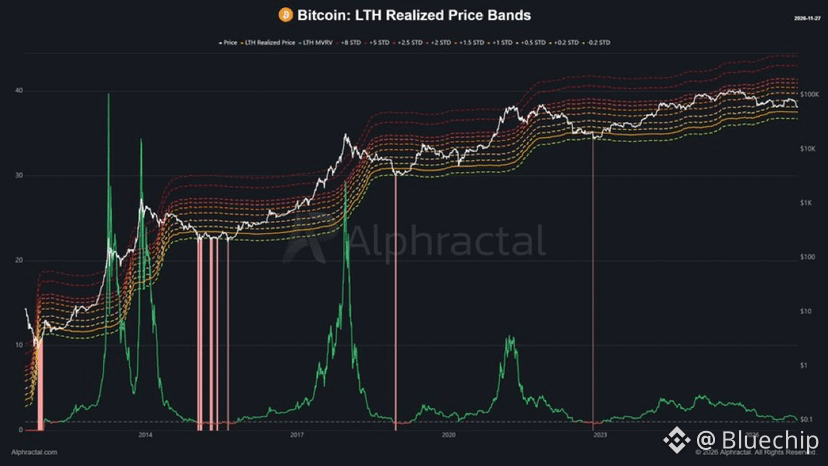
$BTC Has Yet to Fall Below the Long-Term Holder Realized Price.
In every previous major bear market cycle, Bitcoin traded below the Long-Term Holder Realized Price, a level historically associated with deep capitulation and market bottom formation.
Currently, the key levels are:
• Bitcoin Price: $60,036
• LTH Realized Price: $48,152
• +0.2 STD: $59,939
• +0.5 STD: $77,620
• -0.2 STD: $36,365
Although Bitcoin has not yet fallen below the average cost basis of long-term holders, some are likely already holding Bitcoin at an unrealized loss.
A decline of approximately 19.8% from the current price would bring Bitcoin to the LTH Realized Price.
The big question is whether history will repeat itself or whether this cycle will establish a bottom before reaching this critical level.
This is one of the most important on-chain levels to monitor in the coming days.
{spot}(BTCUSDT)
$BTC Has Yet to Fall Below the Long-Term Holder Realized Price.
In every previous major bear market cycle, Bitcoin traded below the Long-Term Holder Realized Price, a level historically associated with deep capitulation and market bottom formation.
Currently, the key levels are:
• Bitcoin Price: $60,036
• LTH Realized Price: $48,152
• +0.2 STD: $59,939
• +0.5 STD: $77,620
• -0.2 STD: $36,365
Although Bitcoin has not yet fallen below the average cost basis of long-term holders, some are likely already holding Bitcoin at an unrealized loss.
A decline of approximately 19.8% from the current price would bring Bitcoin to the LTH Realized Price.
The big question is whether history will repeat itself or whether this cycle will establish a bottom before reaching this critical level.
This is one of the most important on-chain levels to monitor in the coming days.
5
740
·
--
This whale is going to give everyone a chance to buy Bitcoin at a discount, right on Black Friday. 😂
This whale is going to give everyone a chance to buy Bitcoin at a discount, right on Black Friday. 😂
3
309
·
--
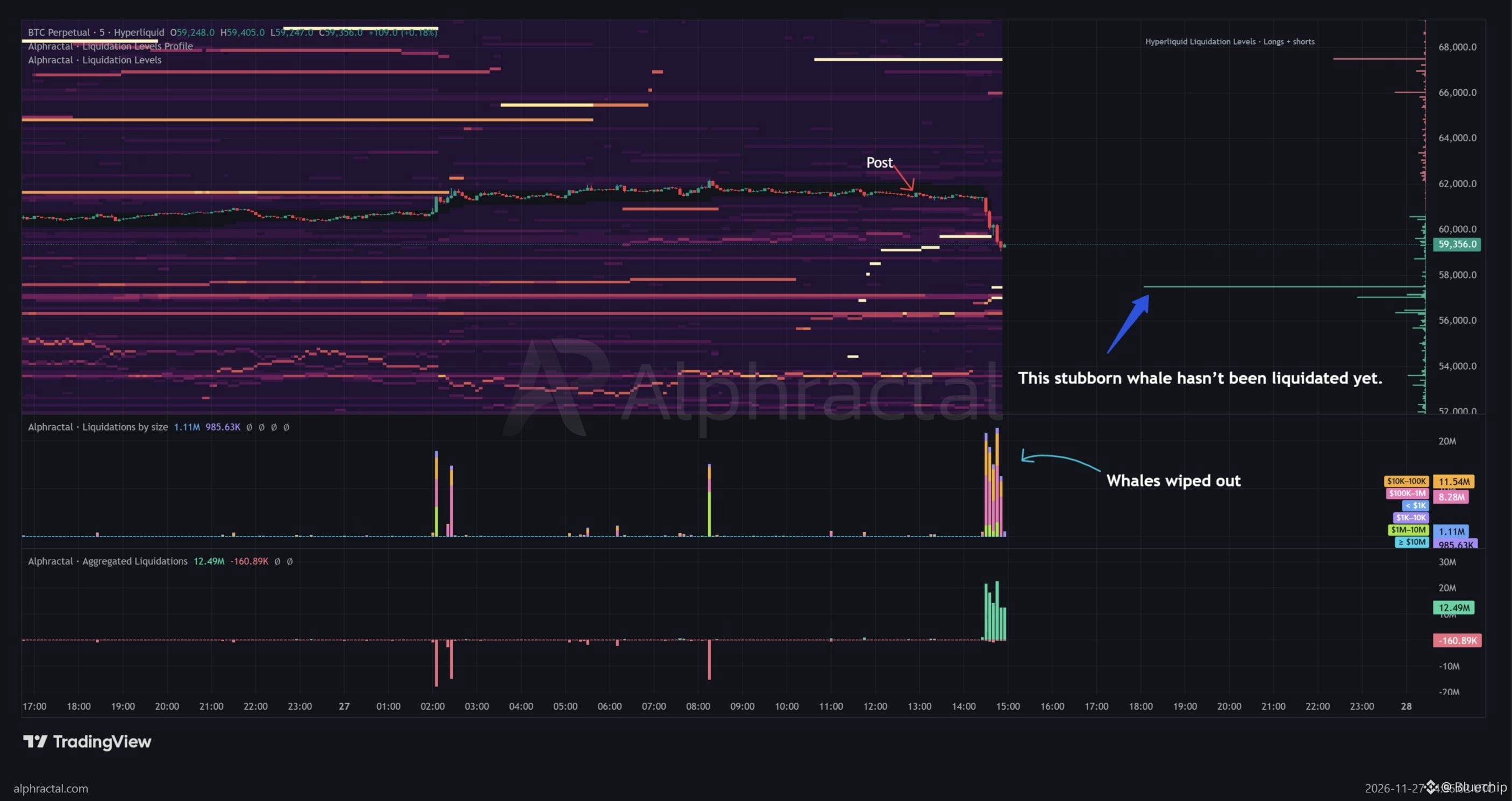
Whales wiped out.
I don’t mind you calling me your favorite bear, haha.
Can you believe this whale still hasn’t been liquidated?
The whale is being so irrational that it has increased its position even further. Its liquidation price is now around $57,500.
Wow, this game is incredible!
Let’s see if the bears have enough strength to liquidate this whale.
$BTC
{spot}(BTCUSDT)
Whales wiped out.
I don’t mind you calling me your favorite bear, haha.
Can you believe this whale still hasn’t been liquidated?
The whale is being so irrational that it has increased its position even further. Its liquidation price is now around $57,500.
Wow, this game is incredible!
Let’s see if the bears have enough strength to liquidate this whale.
$BTC
Bluechip
·
--
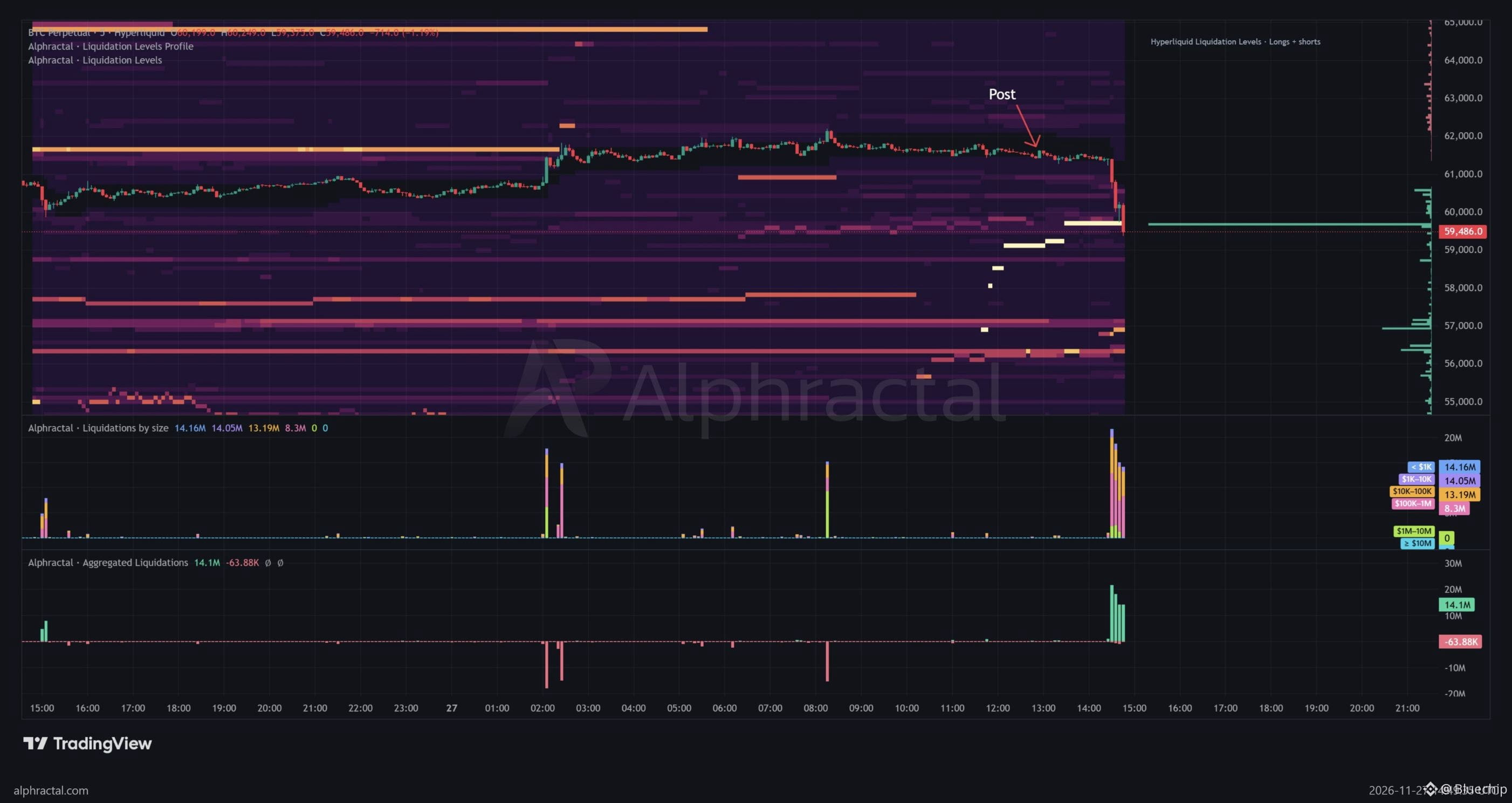
$BTC
I’m always here warning you about market risks.
Just minutes after my post about a massive, highly leveraged whale on Hyperliquid, look what happened.
The market is now hunting this whale, looking to eliminate the problem once and for all.
I’m always here warning you about market risks.
Just minutes after my post about a massive, highly leveraged whale on Hyperliquid, look what happened.
The market is now hunting this whale, looking to eliminate the problem once and for all.
1
7
811
·
--
$BTC
I’m always here warning you about market risks.
Just minutes after my post about a massive, highly leveraged whale on Hyperliquid, look what happened.
The market is now hunting this whale, looking to eliminate the problem once and for all.
{spot}(BTCUSDT)
$BTC
I’m always here warning you about market risks.
Just minutes after my post about a massive, highly leveraged whale on Hyperliquid, look what happened.
The market is now hunting this whale, looking to eliminate the problem once and for all.
I’m always here warning you about market risks.
Just minutes after my post about a massive, highly leveraged whale on Hyperliquid, look what happened.
The market is now hunting this whale, looking to eliminate the problem once and for all.
Bluechip
·
--
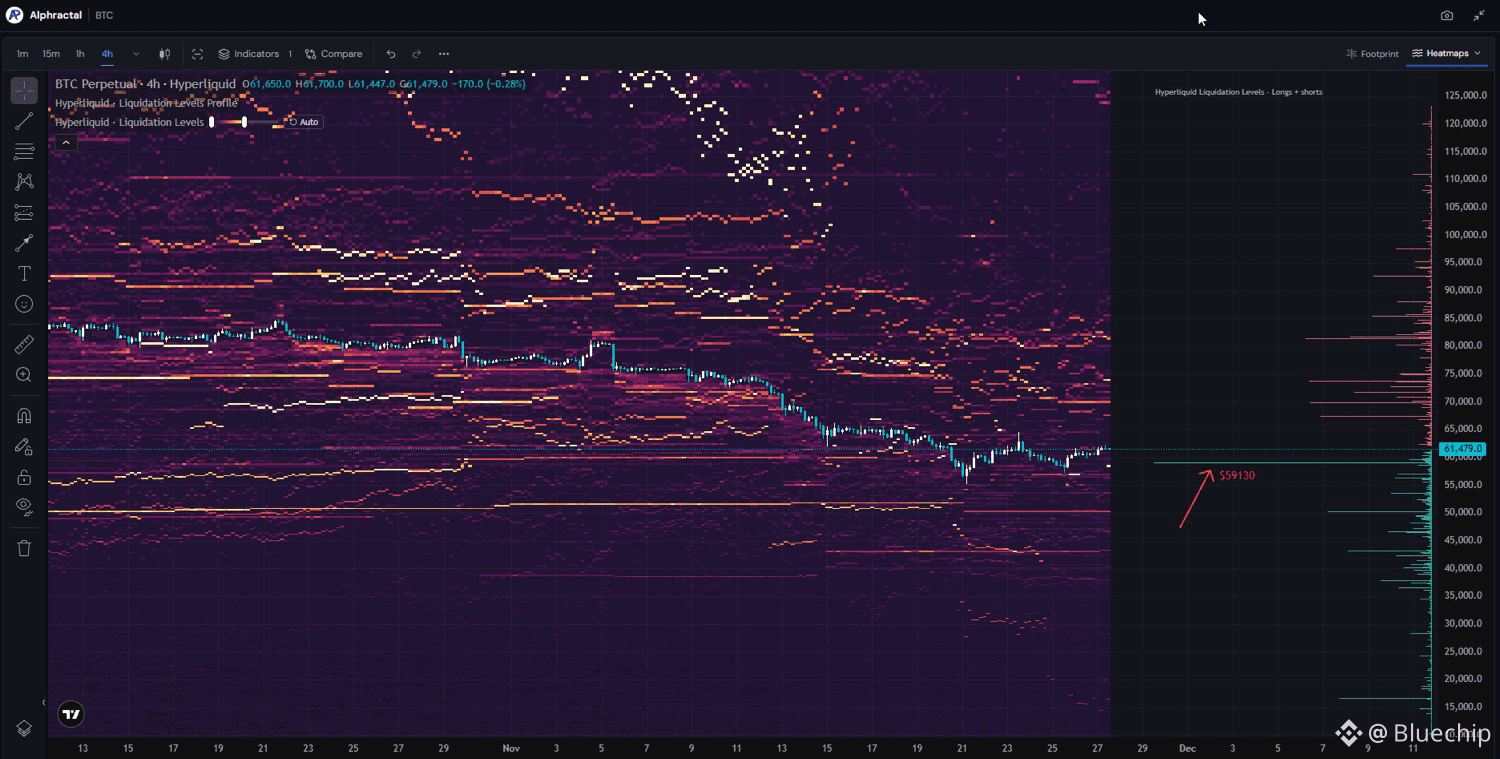
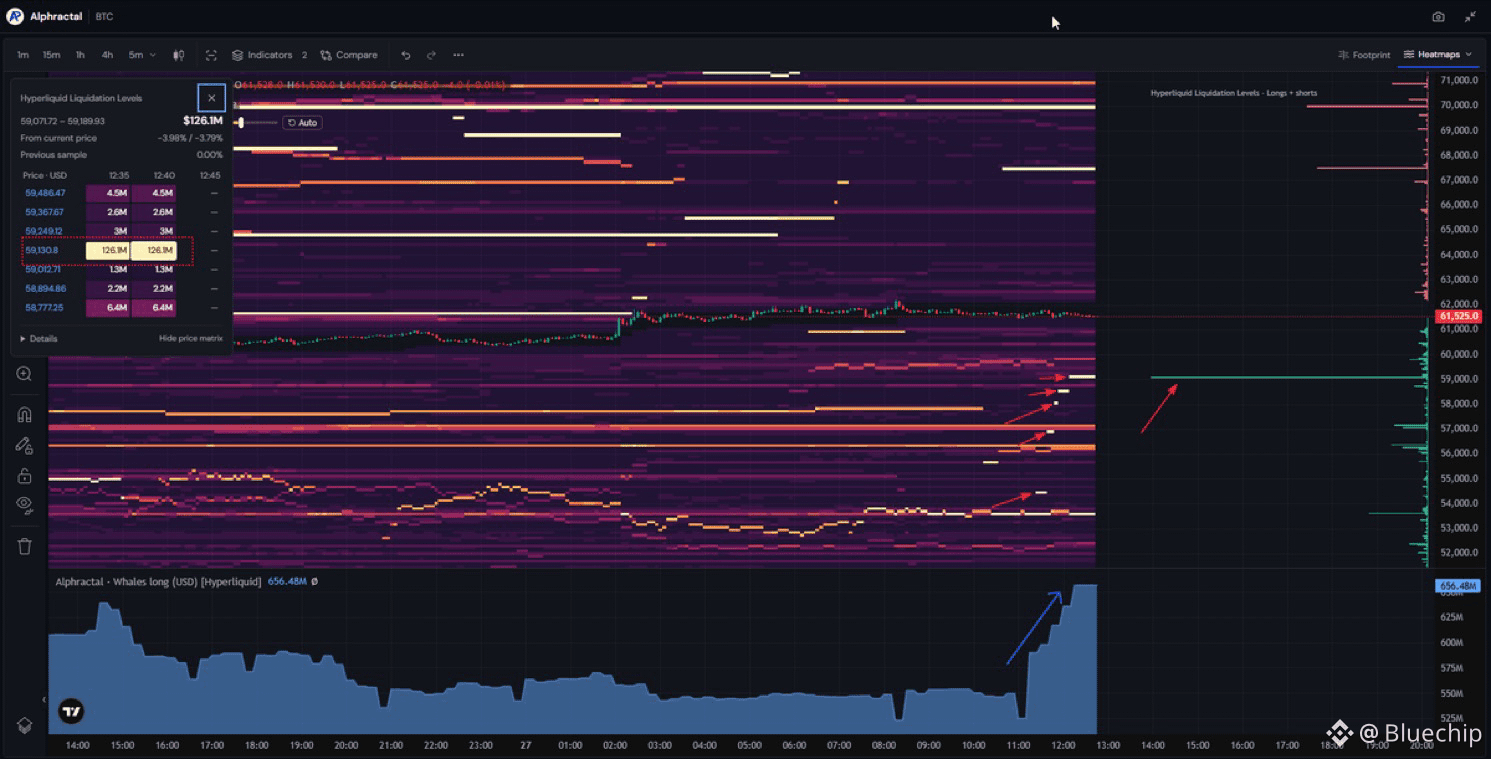
A whale is making a massive $126 million bet on $BTC .
A whale on Hyperliquid has been aggressively increasing its BTC long position over the past two hours, now exceeding $126 million.
What's particularly interesting is that its liquidation price has been moving higher as the position grows, now sitting dangerously close to the market price at $59,100.
Two things stand out:
This whale appears extremely confident that Bitcoin will move higher without falling below $59K.
If the market moves against this position, we could witness a massive liquidation very soon, potentially accelerating selling pressure.
Even whales are not immune to the risks of leverage.
2
7
785
·
--
A whale is making a massive $126 million bet on $BTC .
A whale on Hyperliquid has been aggressively increasing its BTC long position over the past two hours, now exceeding $126 million.
What's particularly interesting is that its liquidation price has been moving higher as the position grows, now sitting dangerously close to the market price at $59,100.
Two things stand out:
This whale appears extremely confident that Bitcoin will move higher without falling below $59K.
If the market moves against this position, we could witness a massive liquidation very soon, potentially accelerating selling pressure.
Even whales are not immune to the risks of leverage.
{spot}(BTCUSDT)
A whale is making a massive $126 million bet on $BTC .
A whale on Hyperliquid has been aggressively increasing its BTC long position over the past two hours, now exceeding $126 million.
What's particularly interesting is that its liquidation price has been moving higher as the position grows, now sitting dangerously close to the market price at $59,100.
Two things stand out:
This whale appears extremely confident that Bitcoin will move higher without falling below $59K.
If the market moves against this position, we could witness a massive liquidation very soon, potentially accelerating selling pressure.
Even whales are not immune to the risks of leverage.
1
1
9
1.8k
·
--
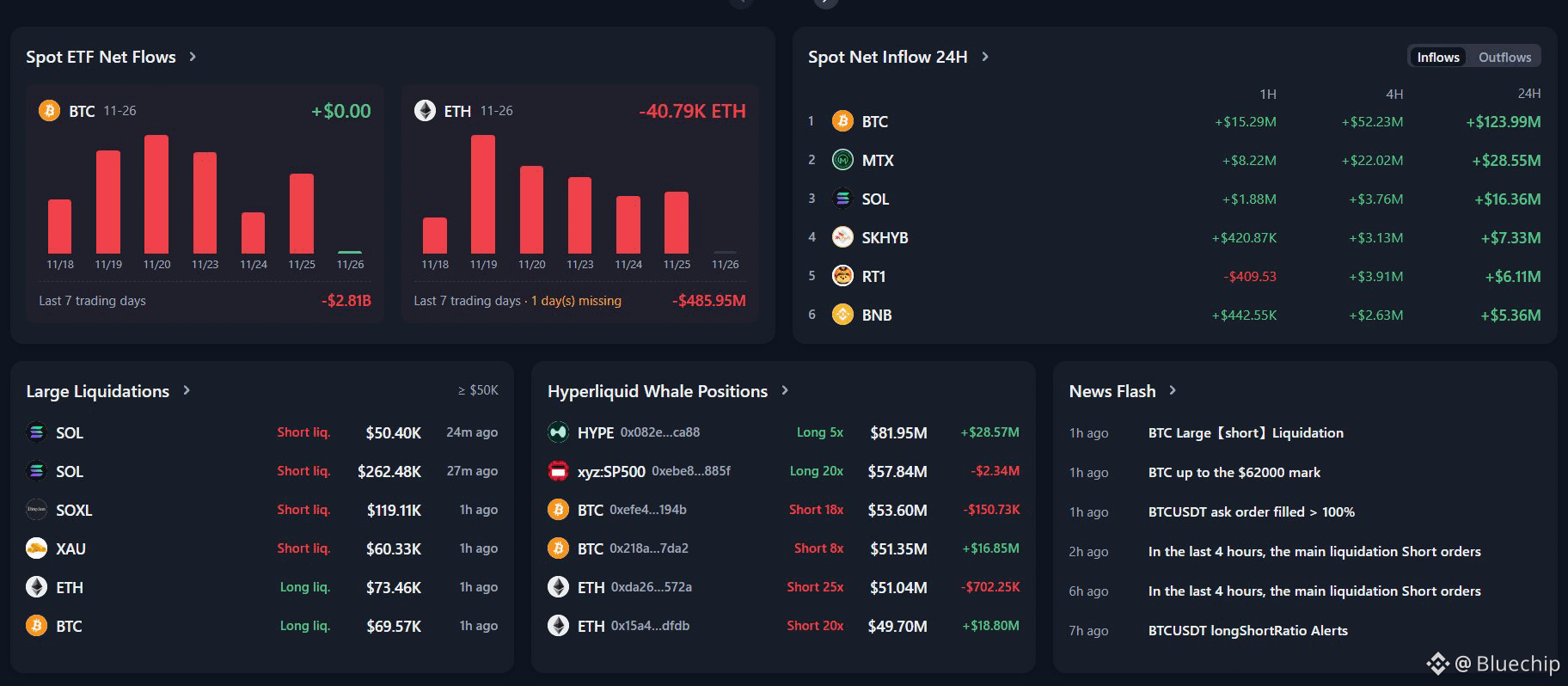
BTC ETF FLAT. SPOT STILL FLOWING IN HARD.
Spot ETF Net Flows on 11-26: BTC +$0.00. ETH –40.79K ETH. Last 7 trading days: BTC –$2.81B, ETH –$485.95M.
24H spot inflows: $BTC +$123.99M, $MTX +$28.55M, $SOL +$16.36M, $SKHYB +$7.33M, $RT1 +$6.11M, $BNB +$5.36M.
Large liquidations mixed. Biggest recent prints: $SOL short $262.48K, $SOXL short $119.11K.
Hyperliquid whales: HYPE long still up +$28.57M. Several large BTC and ETH shorts remain active.
News flash: BTC pushed up to the $62,000 mark. Short liquidations dominated the last 4 hours.
6
2.1k
·
--
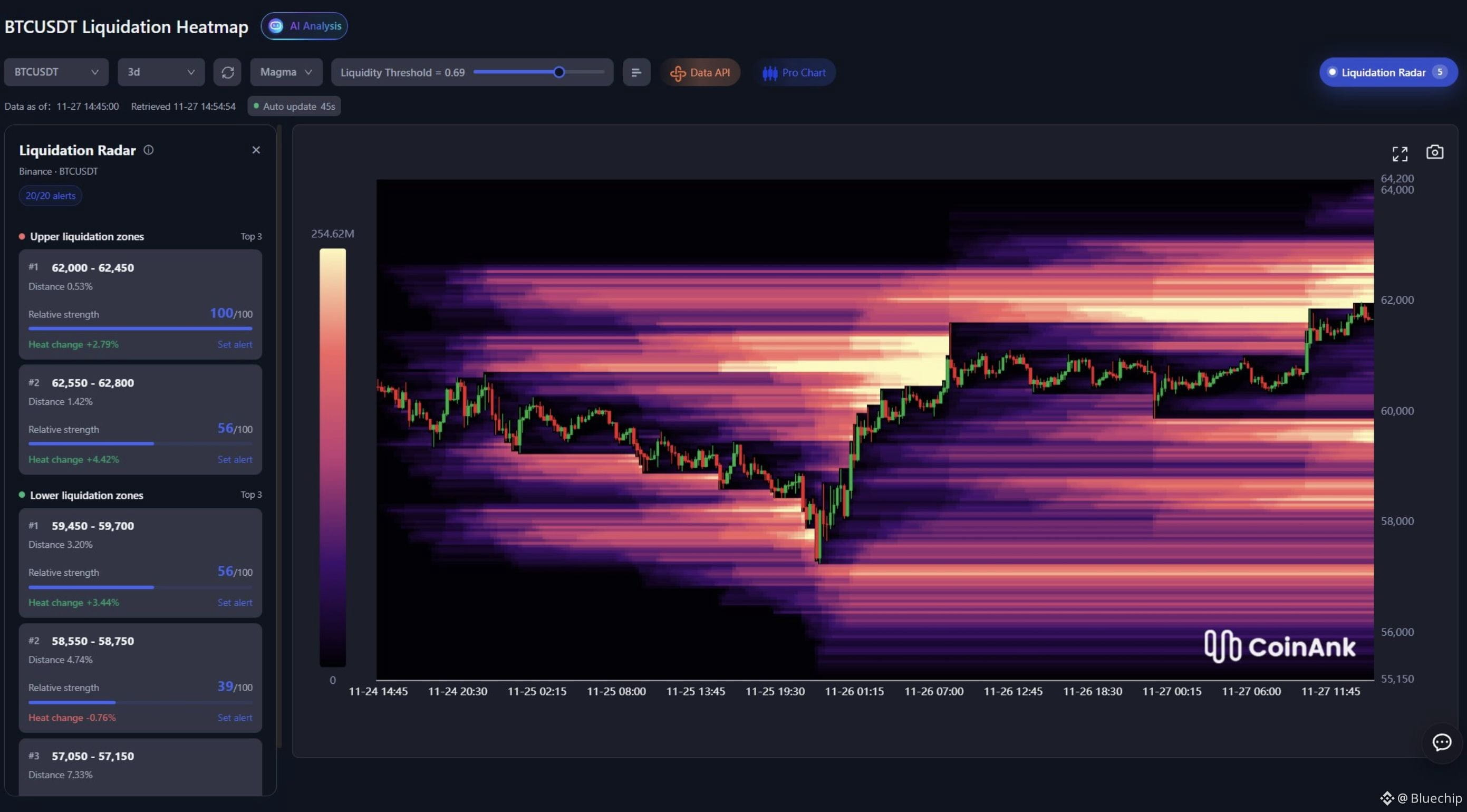
$BTC AT THE DOOR. MAX-STRENGTH ZONE ONLY 0.53% ABOVE.
3-day BTCUSDT liquidation heatmap.
Price is pressing higher. Liquidation Radar shows 5 signals, 20/20 alerts active.
Strongest upper zone: $62,000 – $62,450, distance 0.53%, relative strength 100/100. Heat change +2.79%. Next is $62,550 – $62,800, distance 1.42%, relative strength 56/100.
Closest lower zone: $59,450 – $59,700, distance 3.20%, relative strength 56/100. Heat change +3.44%. Secondary layer at $58,550 – $58,750, distance 4.74%.
Peak intensity on the scale is 254.62M.
{spot}(BTCUSDT)
$BTC AT THE DOOR. MAX-STRENGTH ZONE ONLY 0.53% ABOVE.
3-day BTCUSDT liquidation heatmap.
Price is pressing higher. Liquidation Radar shows 5 signals, 20/20 alerts active.
Strongest upper zone: $62,000 – $62,450, distance 0.53%, relative strength 100/100. Heat change +2.79%. Next is $62,550 – $62,800, distance 1.42%, relative strength 56/100.
Closest lower zone: $59,450 – $59,700, distance 3.20%, relative strength 56/100. Heat change +3.44%. Secondary layer at $58,550 – $58,750, distance 4.74%.
Peak intensity on the scale is 254.62M.
1
10
2.9k
·
--
A new wave of FUD surrounding $BTC ’s security has been gaining momentum since yesterday, involving artificial intelligence, cryptography, and the famous P versus NP problem.
Between rumors of major cryptographic breakthroughs by AI labs and Justin Perry’s claim of proving P = NP with a 45,000-page document, fear is spreading rapidly.
Let’s focus on the facts.
The Clay Mathematics Institute still classifies P versus NP as an unsolved problem. This is the very institution offering a $1 million prize for its resolution.
But let’s hypothetically assume that P = NP is proven.
The key question we should be asking is whether computationally practical algorithms exist that can compromise ECDSA and Schnorr signatures, both used by Bitcoin.
What if RSA encryption is broken? Would Bitcoin be directly threatened?
No. This is one of the biggest technical misconceptions currently circulating.
Here is which cryptographic technology would be directly compromised by breaking RSA:
• RSA: Yes, but Bitcoin does not use it.
• ECDSA: No.
• Schnorr: No.
• SHA-256: No.
• RIPEMD-160: No.
Furthermore, proving P = NP does not necessarily mean discovering a practical and efficient way to break these technologies.
In my view, this narrative has the characteristics of a potentially coordinated FUD campaign designed to spread widespread fear, although there is still insufficient evidence of such coordination.
As of now, there is no public, verifiable evidence that Bitcoin’s cryptographic security has been compromised.
Do not confuse scientific breakthroughs with concrete threats, or speculation with evidence.
{spot}(BTCUSDT)
A new wave of FUD surrounding $BTC ’s security has been gaining momentum since yesterday, involving artificial intelligence, cryptography, and the famous P versus NP problem.
Between rumors of major cryptographic breakthroughs by AI labs and Justin Perry’s claim of proving P = NP with a 45,000-page document, fear is spreading rapidly.
Let’s focus on the facts.
The Clay Mathematics Institute still classifies P versus NP as an unsolved problem. This is the very institution offering a $1 million prize for its resolution.
But let’s hypothetically assume that P = NP is proven.
The key question we should be asking is whether computationally practical algorithms exist that can compromise ECDSA and Schnorr signatures, both used by Bitcoin.
What if RSA encryption is broken? Would Bitcoin be directly threatened?
No. This is one of the biggest technical misconceptions currently circulating.
Here is which cryptographic technology would be directly compromised by breaking RSA:
• RSA: Yes, but Bitcoin does not use it.
• ECDSA: No.
• Schnorr: No.
• SHA-256: No.
• RIPEMD-160: No.
Furthermore, proving P = NP does not necessarily mean discovering a practical and efficient way to break these technologies.
In my view, this narrative has the characteristics of a potentially coordinated FUD campaign designed to spread widespread fear, although there is still insufficient evidence of such coordination.
As of now, there is no public, verifiable evidence that Bitcoin’s cryptographic security has been compromised.
Do not confuse scientific breakthroughs with concrete threats, or speculation with evidence.
1
11
816
·
--
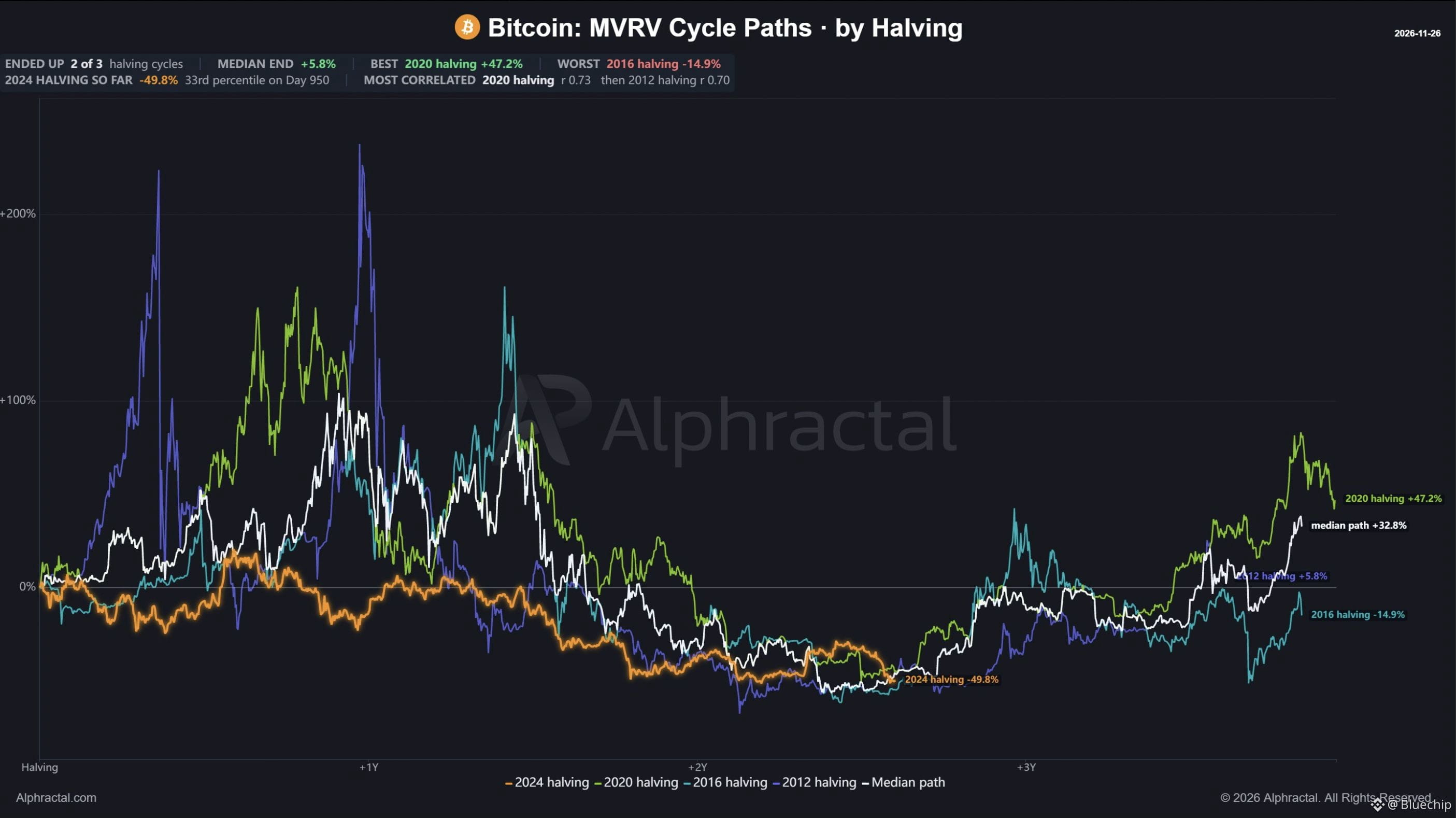
$BTC may be entering the final stages of one of its best accumulation opportunities in this cycle.
When we compare the MVRV Ratio across different halving cycles, the historical similarities are remarkable.
Although the magnitude of fluctuations varies from cycle to cycle, their overall trajectories remain surprisingly aligned.
The current cycle is no exception.
This is one of the reasons why many of us still believe in Bitcoin's four-year cycle.
On-chain data makes these recurring patterns much clearer and easier to compare.
History may not repeat itself perfectly, but the cyclical behavior of Bitcoin remains difficult to ignore.
{spot}(BTCUSDT)
$BTC may be entering the final stages of one of its best accumulation opportunities in this cycle.
When we compare the MVRV Ratio across different halving cycles, the historical similarities are remarkable.
Although the magnitude of fluctuations varies from cycle to cycle, their overall trajectories remain surprisingly aligned.
The current cycle is no exception.
This is one of the reasons why many of us still believe in Bitcoin's four-year cycle.
On-chain data makes these recurring patterns much clearer and easier to compare.
History may not repeat itself perfectly, but the cyclical behavior of Bitcoin remains difficult to ignore.
10
1k
·
--
Short-term holders are not very happy with $BTC right now.
Their unrealized losses are approximately 100 times greater than their unrealized profits.
Historically, such extreme levels of pain have often accompanied market bottom formations.
{spot}(BTCUSDT)
Short-term holders are not very happy with $BTC right now.
Their unrealized losses are approximately 100 times greater than their unrealized profits.
Historically, such extreme levels of pain have often accompanied market bottom formations.
Their unrealized losses are approximately 100 times greater than their unrealized profits.
Historically, such extreme levels of pain have often accompanied market bottom formations.
Bluechip
·
--
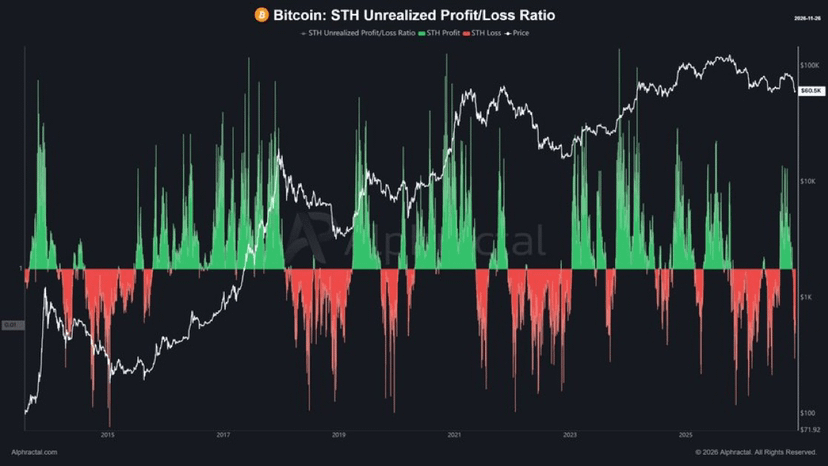
$BTC Short-Term Holders Are Facing Extreme Losses.
The STH Unrealized Profit/Loss Ratio has reached 0.01, indicating that short-term holders' unrealized losses are approximately 100 times greater than their unrealized profits.
Historically, such low levels have been observed during periods of capitulation, seller exhaustion, and market bottom formation.
This does not mean Bitcoin cannot fall further, but it highlights the significant financial pressure short-term holders are already experiencing.
5
320
·
--
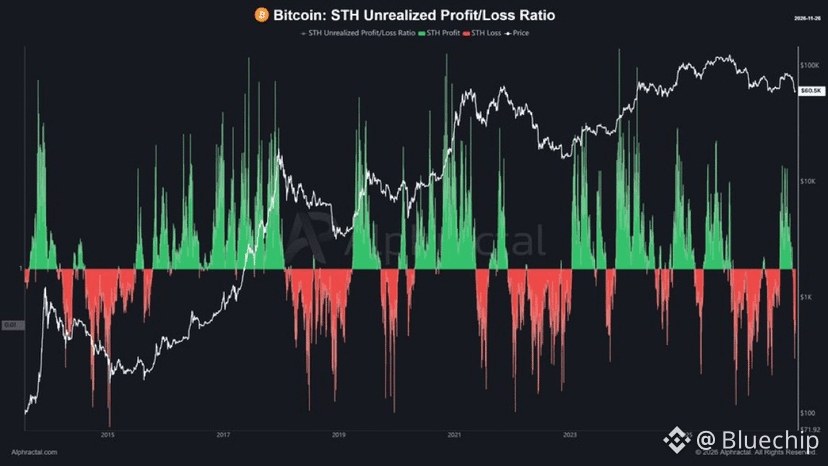
$BTC Short-Term Holders Are Facing Extreme Losses.
The STH Unrealized Profit/Loss Ratio has reached 0.01, indicating that short-term holders' unrealized losses are approximately 100 times greater than their unrealized profits.
Historically, such low levels have been observed during periods of capitulation, seller exhaustion, and market bottom formation.
This does not mean Bitcoin cannot fall further, but it highlights the significant financial pressure short-term holders are already experiencing.
{spot}(BTCUSDT)
$BTC Short-Term Holders Are Facing Extreme Losses.
The STH Unrealized Profit/Loss Ratio has reached 0.01, indicating that short-term holders' unrealized losses are approximately 100 times greater than their unrealized profits.
Historically, such low levels have been observed during periods of capitulation, seller exhaustion, and market bottom formation.
This does not mean Bitcoin cannot fall further, but it highlights the significant financial pressure short-term holders are already experiencing.
1
8
617
·
--
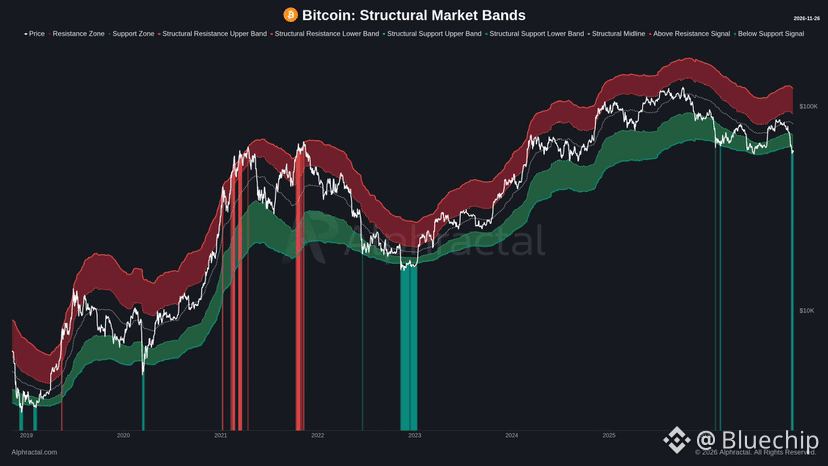
Stay calm. Bitcoin is already showing signs of bottom formation.
Regardless of further downside, this Metrics give us reasons to remain confident. Even if Bitcoin drops another 20%, I believe the worst is likely already behind us.
After more than a year of being bearish and tirelessly sharing my market outlook, I remain calm and am gradually turning bullish. This transition takes time.
Do not interpret this as financial advice, but recognize that these metrics have historically demonstrated a high degree of reliability.
{spot}(BTCUSDT)
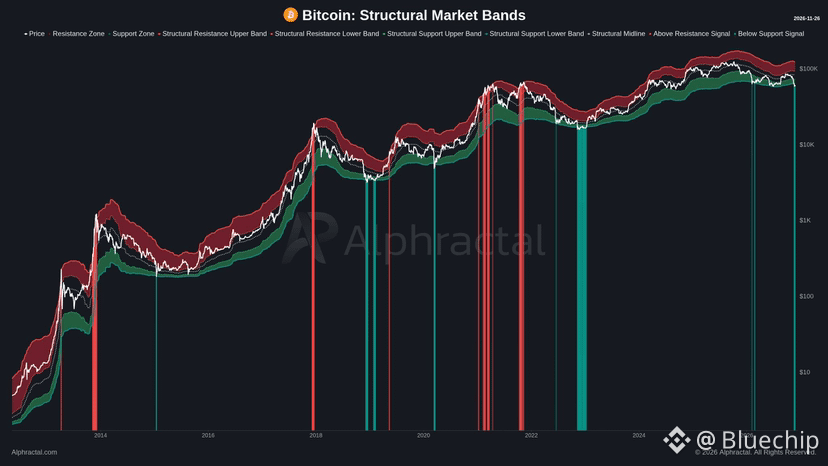
Stay calm. Bitcoin is already showing signs of bottom formation.
Regardless of further downside, this Metrics give us reasons to remain confident. Even if Bitcoin drops another 20%, I believe the worst is likely already behind us.
After more than a year of being bearish and tirelessly sharing my market outlook, I remain calm and am gradually turning bullish. This transition takes time.
Do not interpret this as financial advice, but recognize that these metrics have historically demonstrated a high degree of reliability.
3
12
755
·
--
Article
The Fed Is Heading Toward a December Rate Hike… What Suddenly Changed, and What It Means for BTCOver the past few weeks, investors were holding on to one simple hope: inflation would cool, the U.S. economy would slow, and the Federal Reserve would be forced to pause rate hikes in December.
But yesterday's data turned that expectation upside down, bringing the threat of monetary tightening back into focus.
Here's the full story, with the numbers and what they could mean for global markets and BTC.
1. Inflation refuses to surrender
The Personal Consumption Expenditures (PCE) index, the Fed's preferred inflation gauge, rose to 3.8% year over year, its highest level in five months.
Even more concerning, Core PCE jumped to 3.3%, above expectations and marking its fastest pace in nearly three years.
In other words, inflation isn't just moving away from the Fed's 2% target. It's starting to accelerate again.
2. The U.S. economy is still running hot
At the same time, the second estimate of third-quarter GDP growth came in at 4.3%, compared with expectations of just 3.5% and an initial estimate of 3.4%.
No central bank can easily justify pausing monetary tightening while the economy is growing this quickly and inflation is moving higher again.
3. Markets have already made up their minds about December
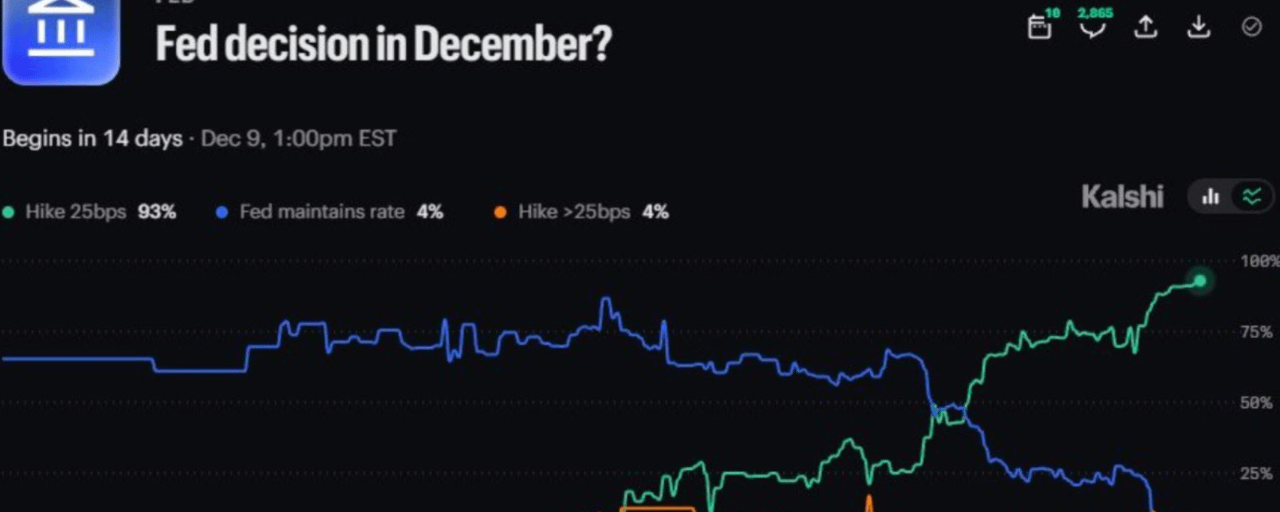
Prediction markets are no longer asking whether the Fed will raise rates.
Current pricing suggests the outcome is almost settled:
• 25-basis-point hike: 93%
• No change in rates: 4%
• Larger 50-basis-point hike: 4%
But pay attention…
The real risk isn't the December rate hike itself.
A 25-basis-point increase at the December 9 meeting is already fully priced in.
The real shock that many investors are overlooking lies in three areas:
First: The 2027 rate path
The debate is no longer about a single meeting.
The question now is whether rate hikes will extend into early 2027, and what the Fed's updated projections, the Dot Plot, will reveal at its next meeting.
Second: The hidden contradiction in the data
Despite 4.3% economic growth in the third quarter, October data showed a clear slowdown in real consumer spending.
This suggests businesses are still able to pass higher costs on to consumers, while households are beginning to feel the pressure of rising prices.
That's one of the most difficult situations any monetary policymaker can face.
What about Bitcoin?
Higher rates could mean stronger yields, a stronger dollar and tighter liquidity all potential headwinds for $BTC .
However, if restrictive policy eventually weakens the economy, expectations of future rate cuts could support Bitcoin.
I'm watching Treasury yields, dollar strength and global liquidity.
The real question isn't one rate hike. It's how long tight monetary policy will last.
{spot}(BTCUSDT)
This article is for information and education only and is not investment advice. Crypto assets are volatile and high risk. Do your own research.
📌 Follow @Bluechip for unfiltered crypto intelligence, feel free to bookmark & share.
The Fed Is Heading Toward a December Rate Hike… What Suddenly Changed, and What It Means for BTC
Over the past few weeks, investors were holding on to one simple hope: inflation would cool, the U.S. economy would slow, and the Federal Reserve would be forced to pause rate hikes in December.
But yesterday's data turned that expectation upside down, bringing the threat of monetary tightening back into focus.
Here's the full story, with the numbers and what they could mean for global markets and BTC.
1. Inflation refuses to surrender
The Personal Consumption Expenditures (PCE) index, the Fed's preferred inflation gauge, rose to 3.8% year over year, its highest level in five months.
Even more concerning, Core PCE jumped to 3.3%, above expectations and marking its fastest pace in nearly three years.
In other words, inflation isn't just moving away from the Fed's 2% target. It's starting to accelerate again.
2. The U.S. economy is still running hot
At the same time, the second estimate of third-quarter GDP growth came in at 4.3%, compared with expectations of just 3.5% and an initial estimate of 3.4%.
No central bank can easily justify pausing monetary tightening while the economy is growing this quickly and inflation is moving higher again.
3. Markets have already made up their minds about December
Prediction markets are no longer asking whether the Fed will raise rates.
Current pricing suggests the outcome is almost settled:
• 25-basis-point hike: 93%
• No change in rates: 4%
• Larger 50-basis-point hike: 4%
But pay attention…
The real risk isn't the December rate hike itself.
A 25-basis-point increase at the December 9 meeting is already fully priced in.
The real shock that many investors are overlooking lies in three areas:
First: The 2027 rate path
The debate is no longer about a single meeting.
The question now is whether rate hikes will extend into early 2027, and what the Fed's updated projections, the Dot Plot, will reveal at its next meeting.
Second: The hidden contradiction in the data
Despite 4.3% economic growth in the third quarter, October data showed a clear slowdown in real consumer spending.
This suggests businesses are still able to pass higher costs on to consumers, while households are beginning to feel the pressure of rising prices.
That's one of the most difficult situations any monetary policymaker can face.
What about Bitcoin?
Higher rates could mean stronger yields, a stronger dollar and tighter liquidity all potential headwinds for $BTC .
However, if restrictive policy eventually weakens the economy, expectations of future rate cuts could support Bitcoin.
I'm watching Treasury yields, dollar strength and global liquidity.
The real question isn't one rate hike. It's how long tight monetary policy will last.
This article is for information and education only and is not investment advice. Crypto assets are volatile and high risk. Do your own research.
📌 Follow @Bluechip for unfiltered crypto intelligence, feel free to bookmark & share.
BTC-1.01%
SHYETF+0.09%
9
1.2k
·
--
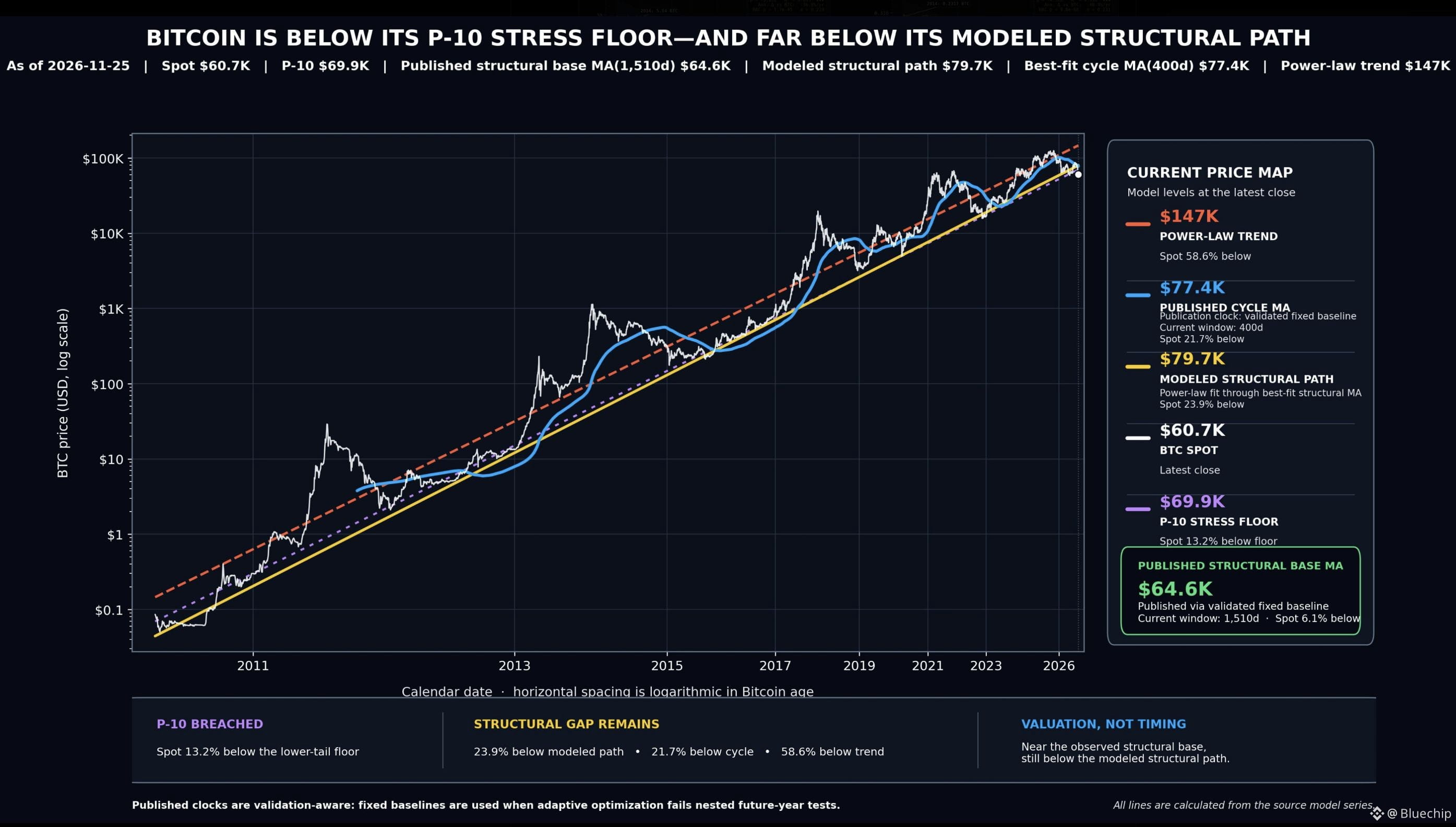
At $60.7K, $BTC is 13% below the ~$70K P10 band and 24% below its fitted 4-year trend of ~$80K.
BTC regained the band all 35 prior times. Half the breaches lasted 3 days or less. The longest lasted 234.
The median 1-year forward return was +156%.
{spot}(BTCUSDT)
At $60.7K, $BTC is 13% below the ~$70K P10 band and 24% below its fitted 4-year trend of ~$80K.
BTC regained the band all 35 prior times. Half the breaches lasted 3 days or less. The longest lasted 234.
The median 1-year forward return was +156%.
BTC regained the band all 35 prior times. Half the breaches lasted 3 days or less. The longest lasted 234.
The median 1-year forward return was +156%.
8
1.5k
·
--
Bearish
Update, 4 days later.
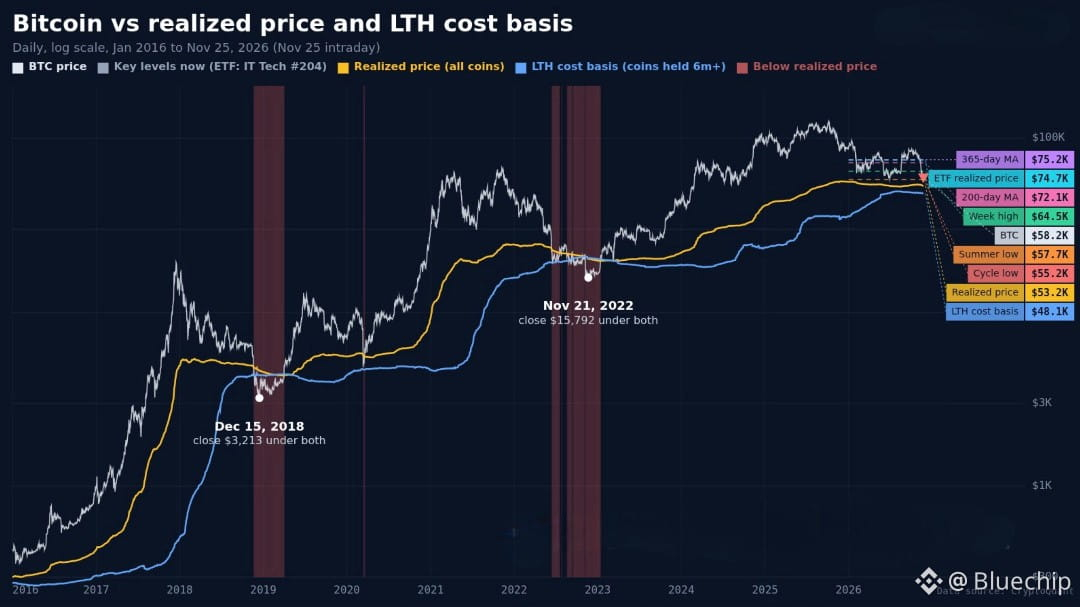
$BTC : $58.2K
Today it dipped to $57.2K, under the July low ($57.7K)
Floors:
🔹 Realized price $53.2K, 9% below (was 13%)
🔹 LTH cost basis $48.1K, 21% below
Ceiling: $72K to $75K (200D MA, ETF cost basis, 365D MA)
The gap to the floor keeps shrinking.
{spot}(BTCUSDT)
Update, 4 days later.
$BTC : $58.2K
Today it dipped to $57.2K, under the July low ($57.7K)
Floors:
🔹 Realized price $53.2K, 9% below (was 13%)
🔹 LTH cost basis $48.1K, 21% below
Ceiling: $72K to $75K (200D MA, ETF cost basis, 365D MA)
The gap to the floor keeps shrinking.
$BTC : $58.2K
Today it dipped to $57.2K, under the July low ($57.7K)
Floors:
🔹 Realized price $53.2K, 9% below (was 13%)
🔹 LTH cost basis $48.1K, 21% below
Ceiling: $72K to $75K (200D MA, ETF cost basis, 365D MA)
The gap to the floor keeps shrinking.
Bluechip
·
--
This $BTC cycle looked like the first to skip the long-term holder cost basis.
2018 bottom: closed below it.
2022 bottom: closed below it.
July 2026: the low held 19% above it.
Then the market turned. New low today: $55,203
Next on-chain floors:
🔹 Realized price: $53.3K (avg cost of all coins)
🔹 LTH cost basis: $48.1K (coins held 6m+)
Price is 13% above the first, 25% above the second.
A test of $48.1K is back on the table.
New cycle, or the same old script?
7
735
·
--
Verified
Article
Who sells gold when its price falls?The answer reveals something important about the global economy today.
When gold declines, most traders focus on charts and daily price movements. But the more important story isn't visible on trading screens. It's unfolding inside central bank vaults.
{future}(XAUUSDT)
Look at central bank gold activity in 2026:
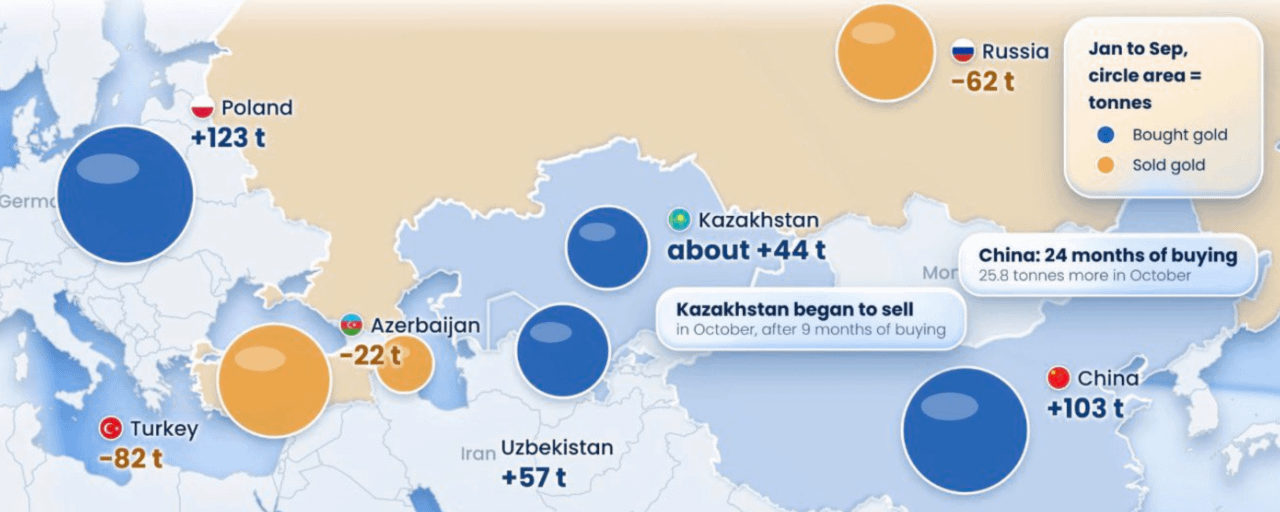
On the buying side:
• Poland purchased 123 tons during the first nine months of the year.
• China bought 103 tons and didn't stop there. It added another 25.8 tons in October alone.
On the selling side:
• Turkey sold 82 tons.
• Russia sold 62 tons.
• Kazakhstan purchased around 44 tons through September, then suddenly switched to selling in October.
At first glance, this may look contradictory.
How can some countries view gold as a strategic reserve asset while others are selling it at the same time?
The answer isn't necessarily different expectations about gold prices. It's the fundamental difference between the seller's motivation and the buyer's motivation.
First: Central banks don't necessarily sell gold because they believe it has lost value. They sell because they need liquidity now.
When fiscal conditions tighten, currency pressures intensify, or the cost of financing deficits and external obligations rises, gold becomes one of the first highly liquid reserve assets that can be sold to secure cash.
Even Kazakhstan, a consistent buyer for nine months, reportedly switched to selling when its liquidity priorities changed.
Second: Countries buying gold aren't speculating or chasing quarterly returns.
Poland and China are restructuring their reserves with a time horizon measured in decades.
Their objective is to hedge against:
• Rising sovereign debt
• The erosion of fiat currencies' purchasing power
• Deep geopolitical shifts
Here's the market principle many investors overlook:
The seller sells because of an immediate need for cash.
The buyer purchases to hold gold for decades.
When gold moves from the hands of those forced to raise liquidity today into vaults where there may be no intention to sell for 20 or 30 years, the amount of gold available in the market can gradually shrink even while prices are declining in the short term.
In financial markets, temporary corrections don't necessarily change the structural direction.
Sometimes, they simply redistribute assets from those forced to sell to those willing to wait.
$XAUT
{spot}(XAUTUSDT)
Who sells gold when its price falls?
The answer reveals something important about the global economy today.
When gold declines, most traders focus on charts and daily price movements. But the more important story isn't visible on trading screens. It's unfolding inside central bank vaults.
Look at central bank gold activity in 2026:
On the buying side:
• Poland purchased 123 tons during the first nine months of the year.
• China bought 103 tons and didn't stop there. It added another 25.8 tons in October alone.
On the selling side:
• Turkey sold 82 tons.
• Russia sold 62 tons.
• Kazakhstan purchased around 44 tons through September, then suddenly switched to selling in October.
At first glance, this may look contradictory.
How can some countries view gold as a strategic reserve asset while others are selling it at the same time?
The answer isn't necessarily different expectations about gold prices. It's the fundamental difference between the seller's motivation and the buyer's motivation.
First: Central banks don't necessarily sell gold because they believe it has lost value. They sell because they need liquidity now.
When fiscal conditions tighten, currency pressures intensify, or the cost of financing deficits and external obligations rises, gold becomes one of the first highly liquid reserve assets that can be sold to secure cash.
Even Kazakhstan, a consistent buyer for nine months, reportedly switched to selling when its liquidity priorities changed.
Second: Countries buying gold aren't speculating or chasing quarterly returns.
Poland and China are restructuring their reserves with a time horizon measured in decades.
Their objective is to hedge against:
• Rising sovereign debt
• The erosion of fiat currencies' purchasing power
• Deep geopolitical shifts
Here's the market principle many investors overlook:
The seller sells because of an immediate need for cash.
The buyer purchases to hold gold for decades.
When gold moves from the hands of those forced to raise liquidity today into vaults where there may be no intention to sell for 20 or 30 years, the amount of gold available in the market can gradually shrink even while prices are declining in the short term.
In financial markets, temporary corrections don't necessarily change the structural direction.
Sometimes, they simply redistribute assets from those forced to sell to those willing to wait.
$XAUT
4
18
9.4k
·
--
Perhaps the AI bubble has already burst, but we won't realize it until months later.
That's what happened with the dot-com bubble in 2000 and the subprime housing bubble that led to the 2008 financial crisis.
History shows that most people only realize a bubble has burst when they're already halfway through the collapse or nearing its end.
{spot}(BTCUSDT)
Perhaps the AI bubble has already burst, but we won't realize it until months later.
That's what happened with the dot-com bubble in 2000 and the subprime housing bubble that led to the 2008 financial crisis.
History shows that most people only realize a bubble has burst when they're already halfway through the collapse or nearing its end.
That's what happened with the dot-com bubble in 2000 and the subprime housing bubble that led to the 2008 financial crisis.
History shows that most people only realize a bubble has burst when they're already halfway through the collapse or nearing its end.
6
617
·
--
Partly True
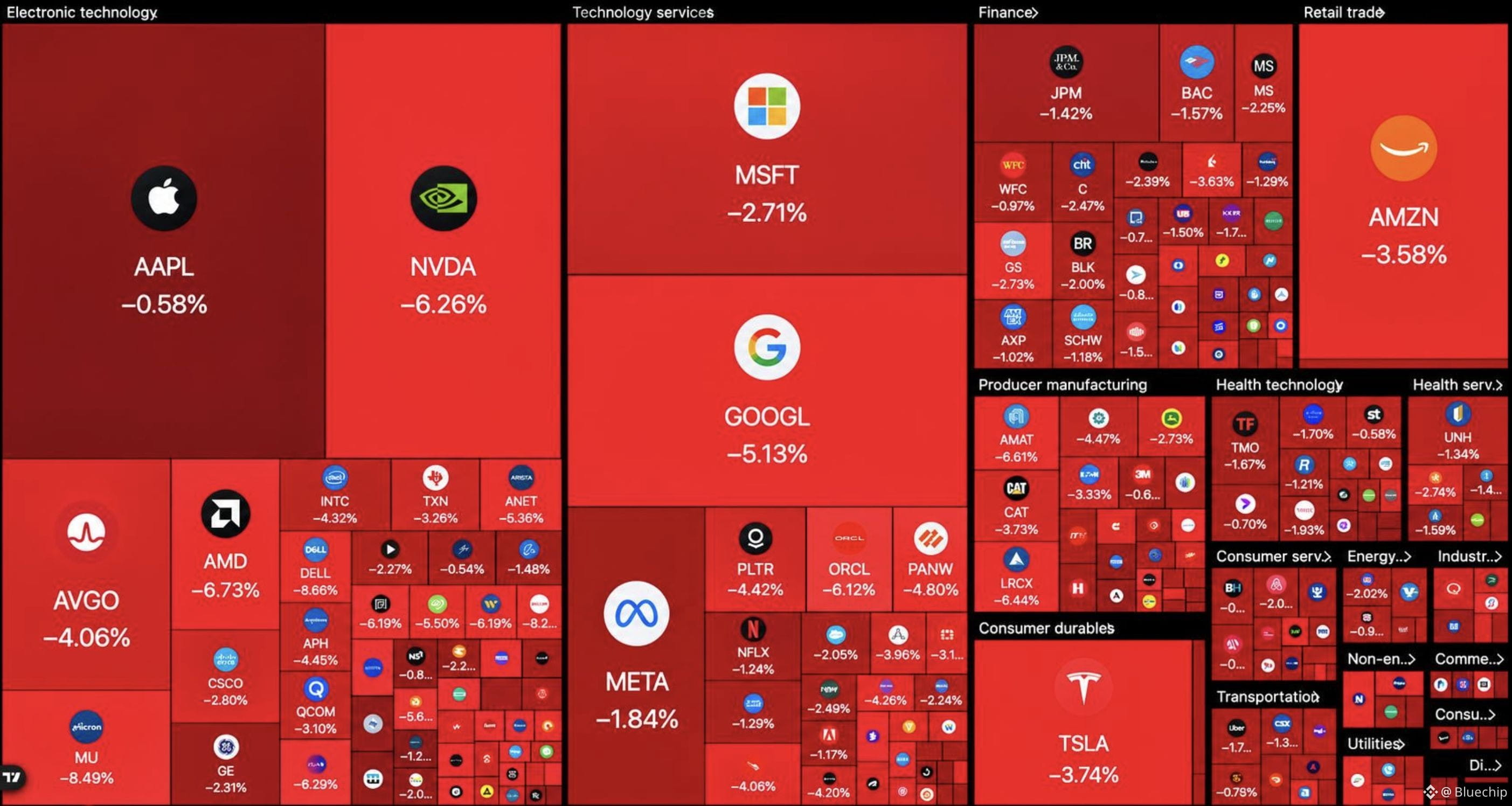
🚨INSANE CRASH
$1.7 TRILLION has been wiped out from the US stock market at open as PCE comes in at a 5-month high.
AI Bubble..
🚨INSANE CRASH
$1.7 TRILLION has been wiped out from the US stock market at open as PCE comes in at a 5-month high.
AI Bubble..
$1.7 TRILLION has been wiped out from the US stock market at open as PCE comes in at a 5-month high.
AI Bubble..
8
5.9k
Log in to explore more content
Join global crypto users on Binance Square
⚡️ Get latest and useful information about crypto.
💬 Trusted by the world’s largest crypto exchange.
👍 Discover real insights from verified creators.
Email / Phone number
Trending Topics
EvolveAtBinanceBlockchainWeek
1.3M views
14,975 Discussing
Binance Blockchain Week starts tomorrow! 🌍
On November 28–29, whether you’re in Bangkok or joining from afar, tune in to the livestreams and join the conversation on Binance Square!
Here’s what’s in store 👇
📺 Watch the main stage live
Tune in throughout both days as industry speakers share their perspectives on this year’s theme, “Evolve” From technological innovation to real-world applications, explore what’s next for crypto.
⚔️ Watch two trading competitions
The Aster Open Qualifier and the Binance Trading Master Tournament will both be streamed live. Tune in to follow the traders in action.
🏆 Watch The Blockchain 100 Awards Ceremony
The Blockchain 100 list was selected by the community. Join us in celebrating the creators and the ideas they share!
💬 Join the community conversation
Use #EvolveAtBinanceBlockchainWeek in a post with a photo to share what you’re looking forward to, your views on the industry, or your favorite moments from the event.
The event page is now live! Subscribe to all livestreams with one click so you don’t miss a moment 👏
Binance Blockchain Week
·266 Likes
·230.1k views
MoneroFalls13%OnDelistings
66,537 views
569 Discussing
EthereumGlamsterdamKeepsStorageFeeChange
27,867 views
295 Discussing