
小鲨鱼shark
897 Posts

小鲨鱼shark
 Square Verified+
我用的量化指标需要的和我订阅|X:@Chelseaaskkla|悉尼大学金融专业| web3交易员|币安返佣20% sharkkla|前中信建投证券|CFA一级|九三学社社员
348 Following
30.5K+ Followers
14.1K+ Liked
Posts
All
Videos
PINNED
They say female traders are rare—I’ll post a selfie.


PINNED
In the same frame, Binance dual CEOs: @Yi He He Yi Jie & Richard
Super lucky 😆
The sky has no limits, money never sleeps
People should thank themselves for always being unwilling to settle for mediocrity
Super lucky 😆
The sky has no limits, money never sleeps
People should thank themselves for always being unwilling to settle for mediocrity



Verified
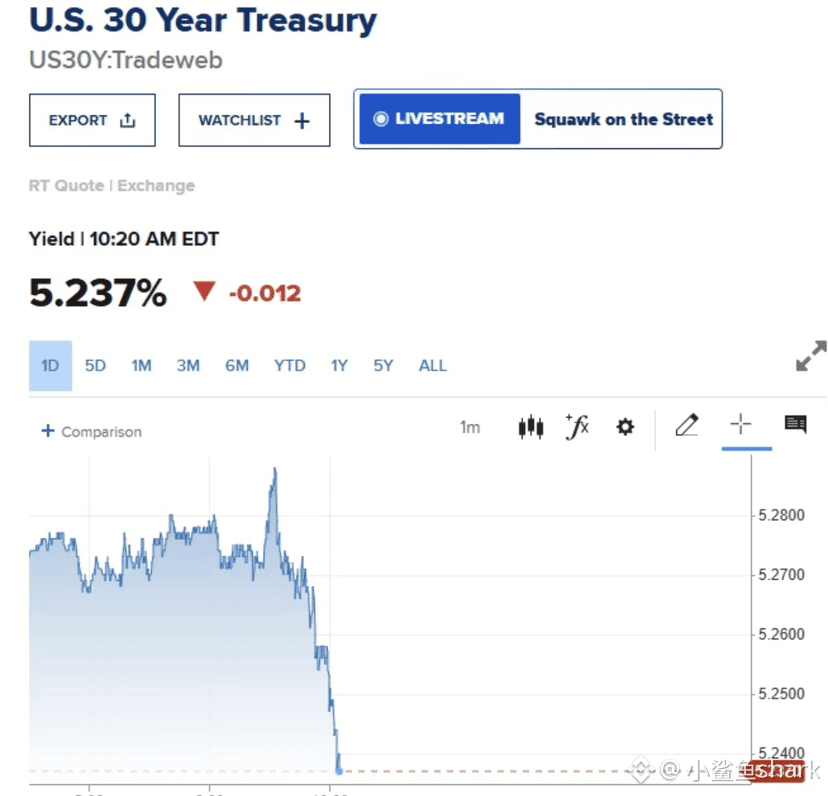
PMI below expectations; U.S. Treasury yields remain elevated
The next financial markets are likely to see high-range volatility, and it’s hard for anyone to break out of a single-direction trend
The next financial markets are likely to see high-range volatility, and it’s hard for anyone to break out of a single-direction trend
If the Bank of Japan raises interest rates, then previously global investors who borrowed yen from Japan would exchange it into dollars to invest in US stocks. For example, suppose the exchange rate was 150 yen to 1 US dollar. Then I borrowed 150 yen at a zero interest rate. Based on the then-current exchange rate, I exchanged it in the market for 1 US dollar and bought US stocks or US Treasury bonds with a yield of 3.25 percentage points, or other high-yield instruments. That way, I could conduct an interest-rate arbitrage. Now when my assets mature, I hold 1.0325 US dollars. Using the current exchange rate of 1 US dollar to 160 yen, I can exchange it for 162.5 yen. Then my actual return rate is (162.5 − 150) / 150 = 8.33%. In other words, I not only get the benefit of the US high-yield returns, but I also capture the benefit of exchange-rate fluctuations. At this point, I use the 162.5 yen to buy Japanese stocks again. Then when the Bank of Japan raises rates, the amount of yen in the foreign exchange market decreases, and yen-denominated assets begin to appreciate. Japanese people or other capital then step in to buy up those yen assets, and I can again capture another round of benefits from the Japanese stock market. Finally, I repay the initial 150 yen; everything left is all my profit.
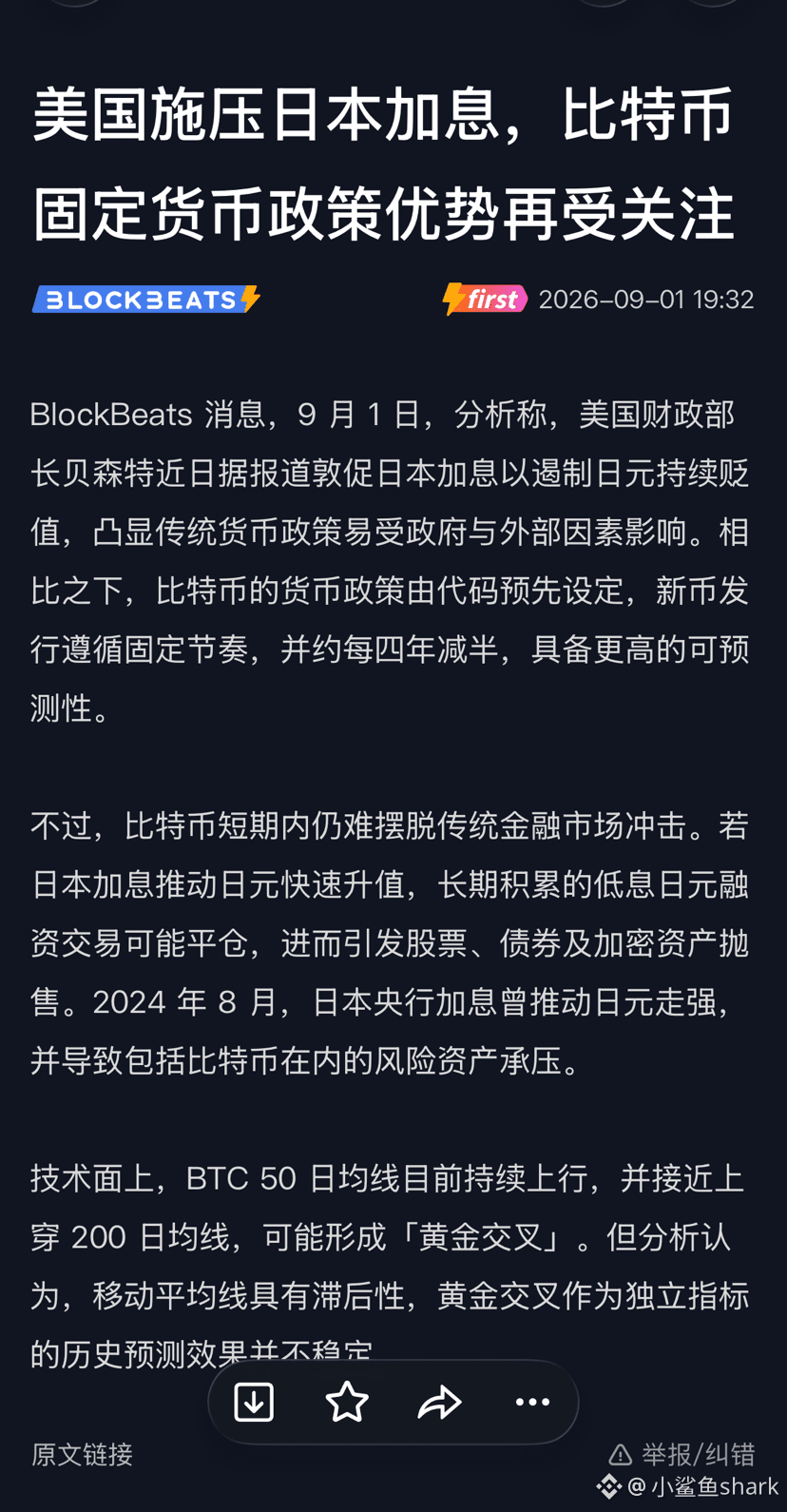
Wuzhen is a typical “talk-strong” king—on his tongue he projects a hardline hawkish stance to the max, but with his hands he keeps waiting and refuses to act. He only talks, saying that staying still and maintaining the status quo is what will happen.


Why isn't CZ here yet? I've been watching ads for half a day.

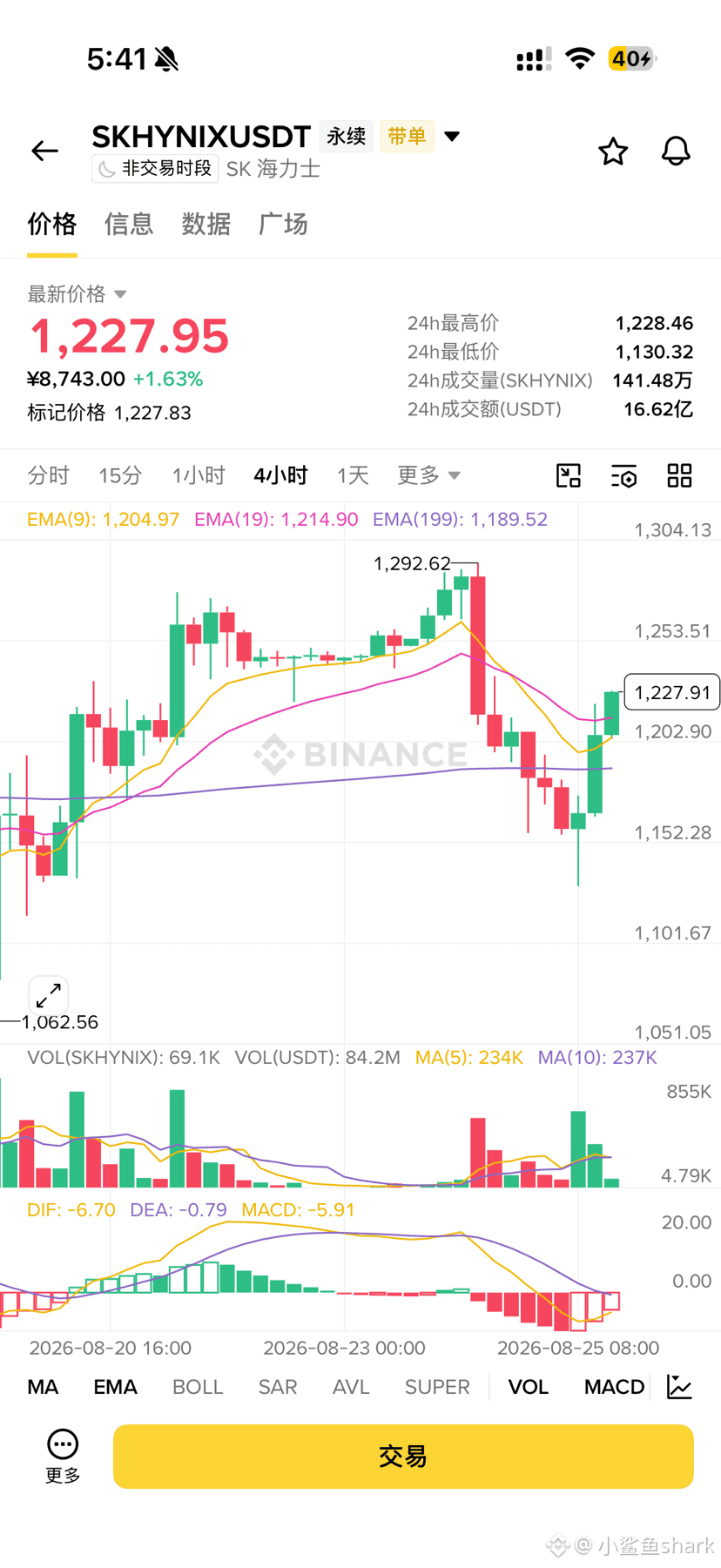
Hynix, you mean one needle and you stop my loss, then you just pull hard, huh?
My stop loss is 10 points away 😫
My stop loss is 10 points away 😫
Summary is this: HBM brings the meat, while ordinary storage gets the soup
SK hynix is the absolute leader in HBM, with the deepest technological barriers
HBM’s market shipment share is as high as 62%. It was the first to mass-produce HBM4—leading technology and lower costs. Recently, there has also been a positive stock buyback signal
SK hynix is the absolute leader in HBM, with the deepest technological barriers
HBM’s market shipment share is as high as 62%. It was the first to mass-produce HBM4—leading technology and lower costs. Recently, there has also been a positive stock buyback signal


Key observations:
1、Whether the 30-year U.S. Treasury yield continues to break through levels persistently;
2、Whether the Federal Reserve is moving the neutral interest rate upward;
3、Whether large-scale payment defaults have emerged in corporate financing in the AI sector;
(We’re aligned with the same view—everyone has noticed this danger signal)
1、Whether the 30-year U.S. Treasury yield continues to break through levels persistently;
2、Whether the Federal Reserve is moving the neutral interest rate upward;
3、Whether large-scale payment defaults have emerged in corporate financing in the AI sector;
(We’re aligned with the same view—everyone has noticed this danger signal)
Partly True
The U.S. Treasury’s failed plan to repurchase Treasuries to stabilize the market, and instead it unleashed a super move that only held for more than 10 hours. The market response was flat, and the credibility of the U.S. dollar was damaged. Specifically, the next day saw a surge in gold, oil also rose, and assets sought safety.
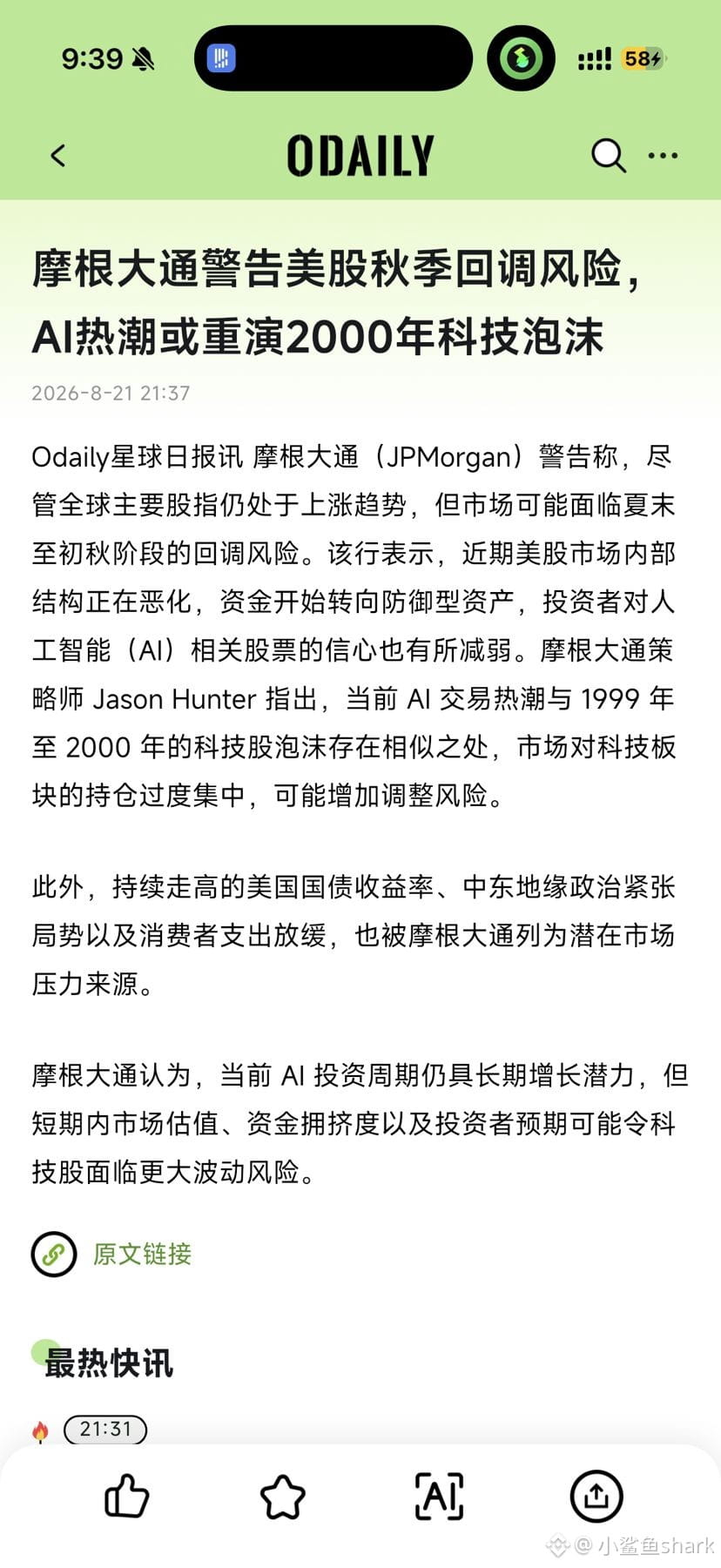
Looking back at history, the current situation in the AI sector is very similar to the 2008 subprime mortgage crisis. OpenAI and Anthropic themselves are not yet profitable; they rely on financing to tell a story, and push cloud service providers to build compute centers ahead of time. Nvidia, Oracle, and Google, through debt guarantees, took equity positions and formed a binding arrangement with $70 billion in liabilities. If a financial crisis breaks out, the AI giants’ IPO plans may fail, and the debt holders will have to step in to take the positions—then the chain reaction of triangular debt defaults would be another version of the subprime crisis.
Oil prices remain high, CPI and PPI are weakening, and Treasury yields have even hit a 20-year high. U.S. Treasuries are about to break $40 trillion, and combined with the massive financing needs of the AI giants, the Federal Reserve’s dilemma is that inflation is rising while the economy is slowing. Raising rates would pop the AI bubble and trigger a chain of debt crises; not raising rates would allow inflation to keep running hot, damaging the dollar’s credibility.
Taken together, this is a typical warning signal before an economic crisis breaks out. A warning, a warning—if it does erupt, I believe the impact could be no less than the 2008 subprime mortgage crisis.
Looking back at history, the current situation in the AI sector is very similar to the 2008 subprime mortgage crisis. OpenAI and Anthropic themselves are not yet profitable; they rely on financing to tell a story, and push cloud service providers to build compute centers ahead of time. Nvidia, Oracle, and Google, through debt guarantees, took equity positions and formed a binding arrangement with $70 billion in liabilities. If a financial crisis breaks out, the AI giants’ IPO plans may fail, and the debt holders will have to step in to take the positions—then the chain reaction of triangular debt defaults would be another version of the subprime crisis.
Oil prices remain high, CPI and PPI are weakening, and Treasury yields have even hit a 20-year high. U.S. Treasuries are about to break $40 trillion, and combined with the massive financing needs of the AI giants, the Federal Reserve’s dilemma is that inflation is rising while the economy is slowing. Raising rates would pop the AI bubble and trigger a chain of debt crises; not raising rates would allow inflation to keep running hot, damaging the dollar’s credibility.
Taken together, this is a typical warning signal before an economic crisis breaks out. A warning, a warning—if it does erupt, I believe the impact could be no less than the 2008 subprime mortgage crisis.
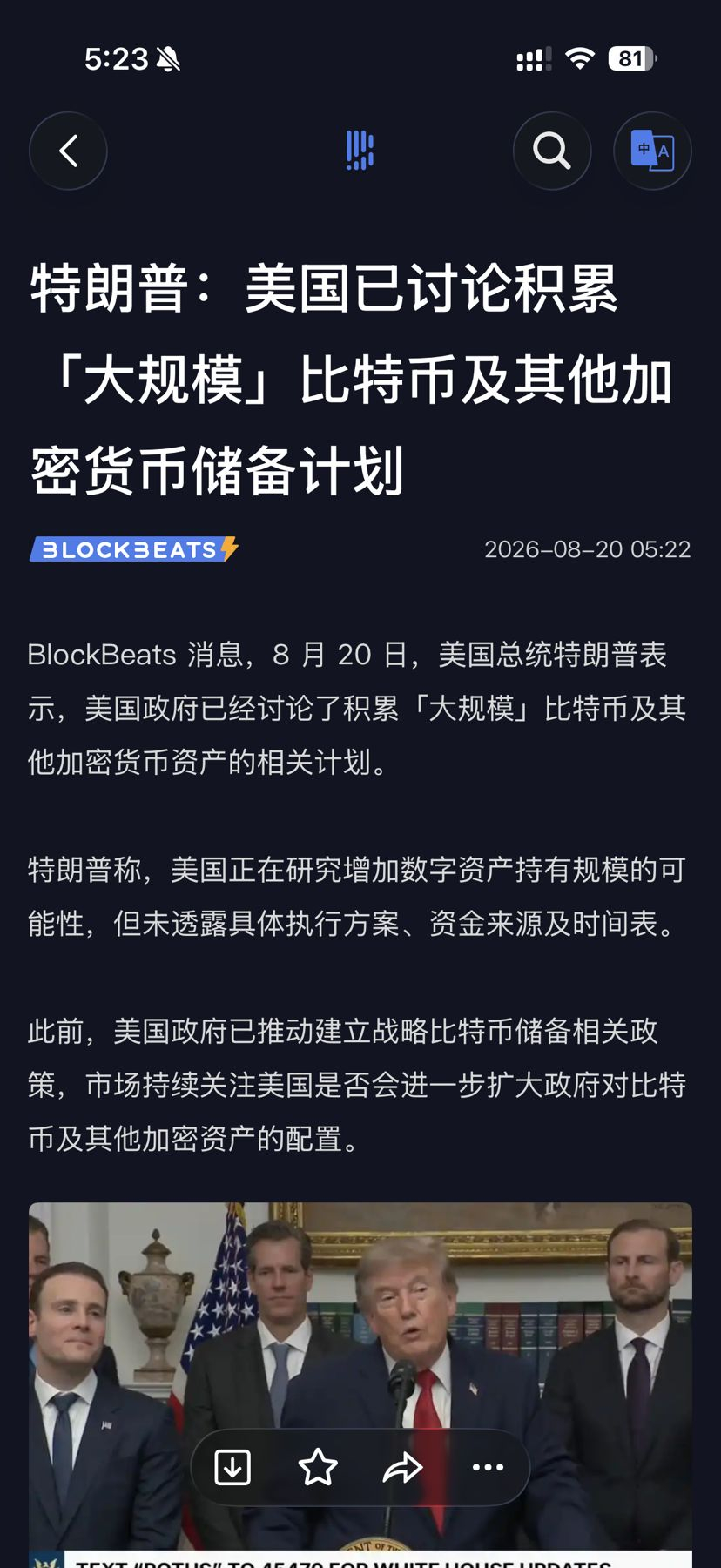
Partly True
The most dangerous signal in U.S. stocks: long-term interest rates keep rising, and stock prices are rising too—but once interest rates reach a high level, it could be the start of a bubble bursting. In 1999, the NASDAQ Treasury yield rose from 4% to 7%. This is only a warning—it doesn’t mean it will happen immediately. Stay rational. If you’d like details, come to the live stream and we can chat.
SK hynix said it will use at least 50% of the free cash flow generated between 2025 and 2027 for shareholder returns. It will repurchase 400 trillion won (about $28.6 billion) worth of treasury shares.
The purpose of this buyback is to cancel the shares and enhance shareholder returns.
The purpose of this buyback is to cancel the shares and enhance shareholder returns.
I’m not firm enough myself to reach the take-profit level, so who should I blame? 😭😭😭
Perfectly matched the points I specified, not off by even a bit—65300 buy, 62800 take profit
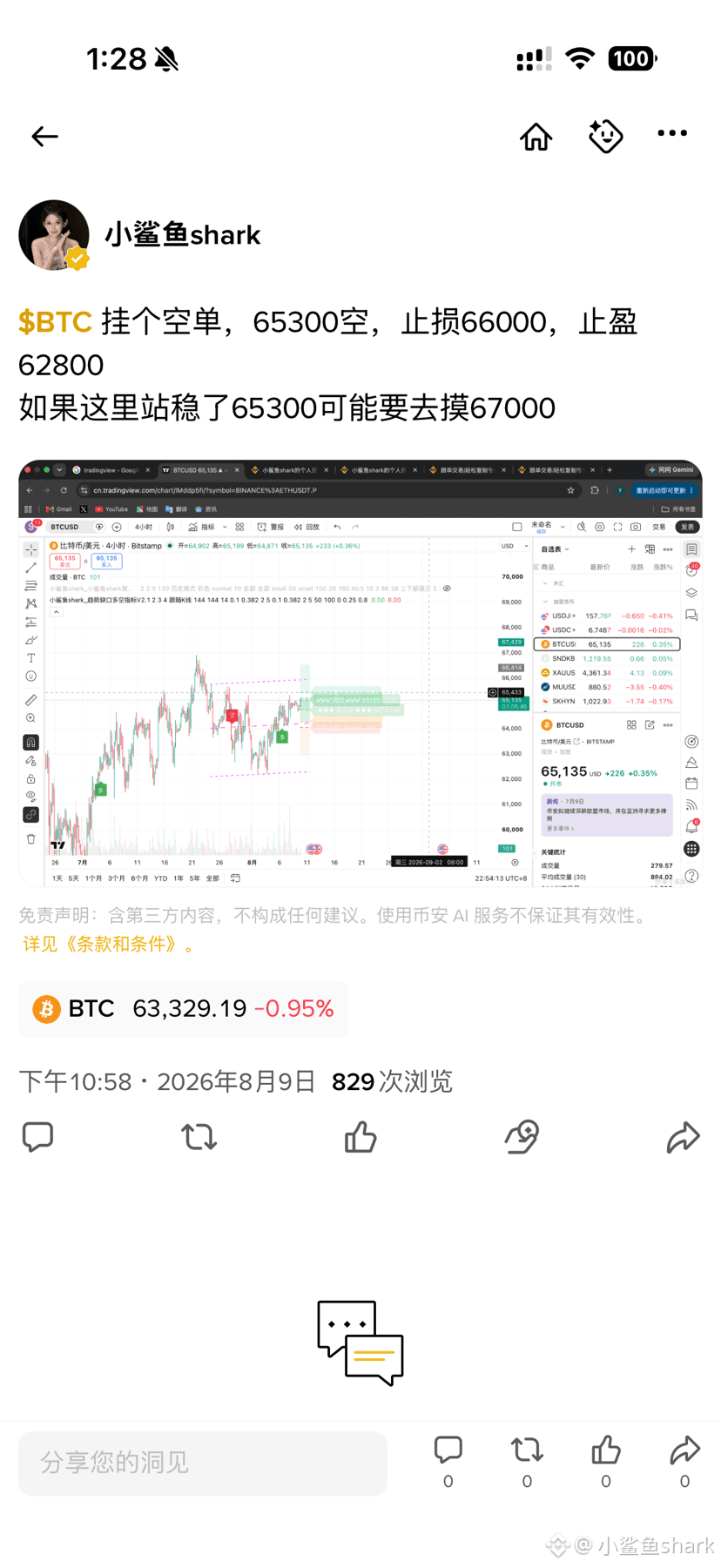
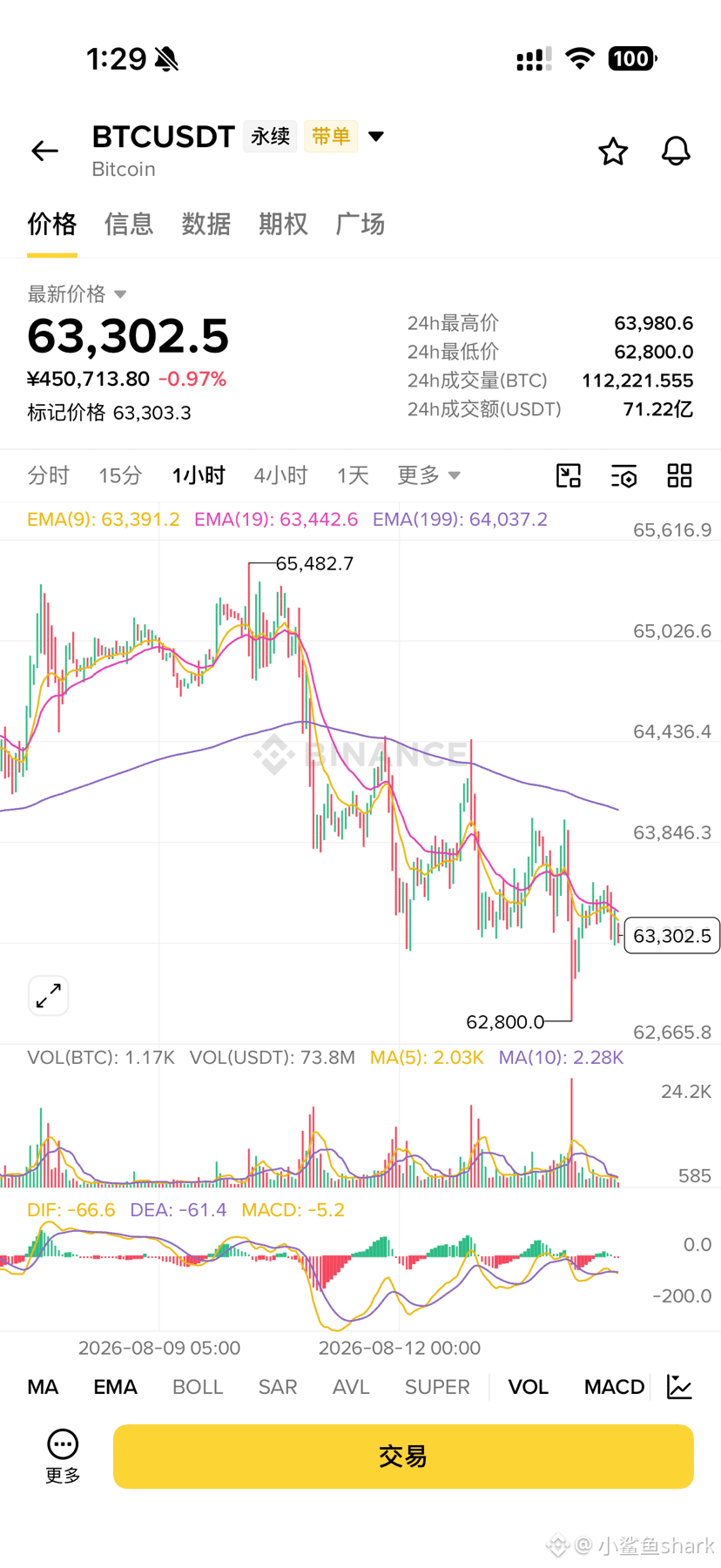
Check before placing an order
If the quota is placed/order-followed, I’ll kick you out
If the quota is placed/order-followed, I’ll kick you out
Order-following must definitely choose a fixed-ratio order!!!
I opened a 50u position, and the follower directly opened a 5000u position
What does that mean? I saw it was a fixed-amount follow order—I was actually stunned.
I opened a 50u position, and the follower directly opened a 5000u position
What does that mean? I saw it was a fixed-amount follow order—I was actually stunned.
Log in to explore more content